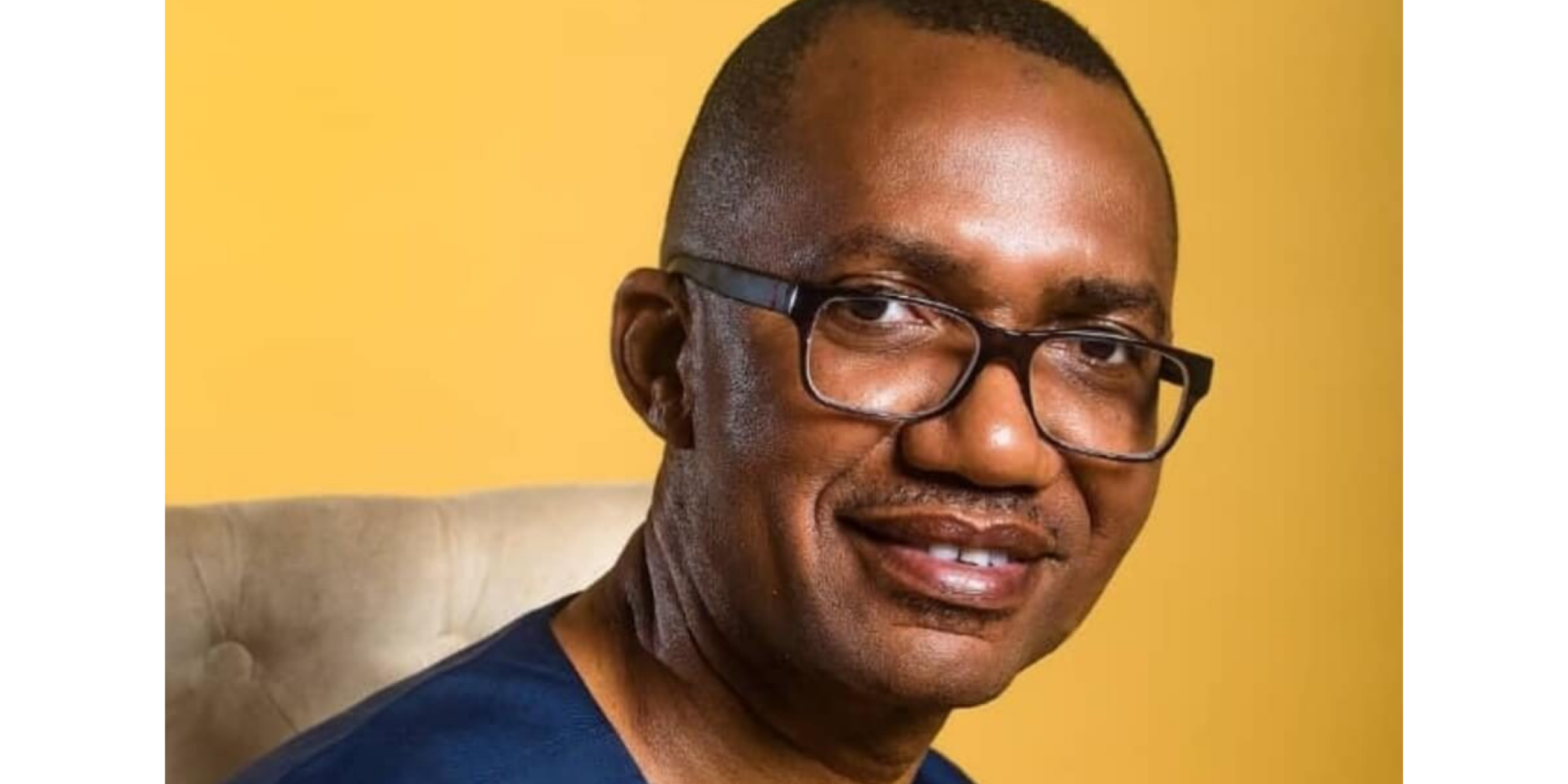
• What Will 2026 Really Bring for Nigeria and the World? Azu Ishiekwene Predicts Power Shifts, Economic Strain, AI Disruption, 2027 Politics and Who Wins the World Cup

    Is 2026 a year of quiet recovery—or the beginning of deeper political, economic and global turbulence? And is Nigeria already slipping into the politics of 2027?

    In what he describes as possibly his final annual forecast, journalist and columnist Azu Ishiekwene delivers a sweeping, high-stakes outlook on Nigeria and the world, blending political prediction, economic analysis, technology trends and global power shifts. Known for earlier forecasts that accurately anticipated election outcomes and cabinet shake-ups, Ishiekwene argues that 2026 will be a year where politics collides head-on with harsh economic realities, leaving citizens caught between daily hardship and recycled political promises.

    He warns that Nigeria’s economy will remain under pressure, with tensions growing between tight monetary policy and rising demands for fiscal expansion in a pre-election year. Could divisions inside the Ministry of Finance undermine investor confidence? And will petrol prices remain stable around ₦850 per litre, as he suggests, only if oil output rises and NNPC escapes its heavy crude obligations?

    While cheaper fuel from the Dangote Refinery may offer temporary consumer relief, Ishiekwene predicts continued instability in electricity supply, pointing to a fragile transmission system that still requires massive investment. He also foresees President Bola Tinubu possibly unveiling private-sector-led reforms in power transmission involving major business players.

    But is Nigeria already entering the politics of 2027 in 2026?

    Ishiekwene argues that although early elections are unlikely, political realignments are accelerating. With multiple opposition governors defecting to the ruling APC, claims of a creeping one-party state are growing. Yet, he suggests the reality is more complex: a weakened opposition plagued by internal fractures, financial constraints and a lack of coherent alternatives.

    Turning to the emerging African Democratic Congress (ADC) coalition—uniting figures such as Atiku Abubakar, Peter Obi, Nasir El-Rufai, Rotimi Amaechi and Rabiu Kwankwaso—he raises a critical question: is ADC truly built to win in 2027, or merely to survive until 2031? He predicts Atiku will clinch the party’s ticket over Obi, with Obi likely offered the vice-presidential slot—potentially triggering backlash among “Obidients.” With limited grassroots reach and the enormous financial demands of a presidential campaign, Ishiekwene concludes that ADC may struggle to pose a serious challenge to the ruling party in the next election cycle.

    Beyond Nigeria, he paints 2026 as a year shaped by geopolitical rivalry, especially between Donald Trump’s America and Xi Jinping’s China, and by growing global unease over U.S. trade policies, immigration enforcement and economic nationalism. Could gold and non-dollar assets accelerate as the world quietly prepares for a less dollar-centric future?

    He also highlights the rapid evolution of artificial intelligence, warning that 2026 will mark a shift from basic generative AI to agentic, autonomous systems capable of independent action. As AI blurs the line between reality and fabrication, he predicts rising confusion, misinformation, and ethical challenges—ushering in what he calls the “Year of the Humanoid.”

    Even football is not spared his forecasting. With the 2026 FIFA World Cup approaching, Ishiekwene tips Spain to win, citing tactical depth and cohesion, while acknowledging Morocco as Africa’s strongest hope.

    Ultimately, the essay asks uncomfortable but urgent questions:
    Is Nigeria drifting toward political dominance by one party?
    Will economic reforms truly ease citizens’ burdens—or merely reshuffle the pressure?
    Can a fractured opposition reorganise in time?
    And in a world increasingly shaped by AI and geopolitical rivalry, where does Nigeria truly stand?

    For Ishiekwene, 2026 is not just another year—it is a crossroads where technology, politics, power and survival intersect, setting the tone for Nigeria’s future well beyond the next election.

    What Will 2026 Really Bring for Nigeria and the World? Azu Ishiekwene Predicts Power Shifts, Economic Strain, AI Disruption, 2027 Politics and Who Wins the World Cup Is 2026 a year of quiet recovery—or the beginning of deeper political, economic and global turbulence? And is Nigeria already slipping into the politics of 2027? In what he describes as possibly his final annual forecast, journalist and columnist Azu Ishiekwene delivers a sweeping, high-stakes outlook on Nigeria and the world, blending political prediction, economic analysis, technology trends and global power shifts. Known for earlier forecasts that accurately anticipated election outcomes and cabinet shake-ups, Ishiekwene argues that 2026 will be a year where politics collides head-on with harsh economic realities, leaving citizens caught between daily hardship and recycled political promises. He warns that Nigeria’s economy will remain under pressure, with tensions growing between tight monetary policy and rising demands for fiscal expansion in a pre-election year. Could divisions inside the Ministry of Finance undermine investor confidence? And will petrol prices remain stable around ₦850 per litre, as he suggests, only if oil output rises and NNPC escapes its heavy crude obligations? While cheaper fuel from the Dangote Refinery may offer temporary consumer relief, Ishiekwene predicts continued instability in electricity supply, pointing to a fragile transmission system that still requires massive investment. He also foresees President Bola Tinubu possibly unveiling private-sector-led reforms in power transmission involving major business players. But is Nigeria already entering the politics of 2027 in 2026? Ishiekwene argues that although early elections are unlikely, political realignments are accelerating. With multiple opposition governors defecting to the ruling APC, claims of a creeping one-party state are growing. Yet, he suggests the reality is more complex: a weakened opposition plagued by internal fractures, financial constraints and a lack of coherent alternatives. Turning to the emerging African Democratic Congress (ADC) coalition—uniting figures such as Atiku Abubakar, Peter Obi, Nasir El-Rufai, Rotimi Amaechi and Rabiu Kwankwaso—he raises a critical question: is ADC truly built to win in 2027, or merely to survive until 2031? He predicts Atiku will clinch the party’s ticket over Obi, with Obi likely offered the vice-presidential slot—potentially triggering backlash among “Obidients.” With limited grassroots reach and the enormous financial demands of a presidential campaign, Ishiekwene concludes that ADC may struggle to pose a serious challenge to the ruling party in the next election cycle. Beyond Nigeria, he paints 2026 as a year shaped by geopolitical rivalry, especially between Donald Trump’s America and Xi Jinping’s China, and by growing global unease over U.S. trade policies, immigration enforcement and economic nationalism. Could gold and non-dollar assets accelerate as the world quietly prepares for a less dollar-centric future? He also highlights the rapid evolution of artificial intelligence, warning that 2026 will mark a shift from basic generative AI to agentic, autonomous systems capable of independent action. As AI blurs the line between reality and fabrication, he predicts rising confusion, misinformation, and ethical challenges—ushering in what he calls the “Year of the Humanoid.” Even football is not spared his forecasting. With the 2026 FIFA World Cup approaching, Ishiekwene tips Spain to win, citing tactical depth and cohesion, while acknowledging Morocco as Africa’s strongest hope. Ultimately, the essay asks uncomfortable but urgent questions: Is Nigeria drifting toward political dominance by one party? Will economic reforms truly ease citizens’ burdens—or merely reshuffle the pressure? Can a fractured opposition reorganise in time? And in a world increasingly shaped by AI and geopolitical rivalry, where does Nigeria truly stand? For Ishiekwene, 2026 is not just another year—it is a crossroads where technology, politics, power and survival intersect, setting the tone for Nigeria’s future well beyond the next election.
    love
    1
    · 0 التعليقات ·0 المشاركات ·2كيلو بايت مشاهدة
  • U.S. Senator Bernie Sanders Slams Trump’s Military Action in Venezuela as Illegal, Unconstitutional and Dangerous Violation of International Law

    U.S. Senator Bernie Sanders has strongly condemned President Donald Trump’s military action in Venezuela, describing it as illegal, unconstitutional, and a blatant violation of international law. In a statement issued on January 4, 2026, the Vermont senator accused Trump of overstepping his authority as commander-in-chief and showing “contempt for the Constitution and the rule of law” by launching military operations without congressional approval.

    Sanders stressed that the U.S. president does not have the constitutional right to unilaterally take the country to war, even against what he described as a corrupt and brutal dictator like Venezuelan President Nicolás Maduro. He also rejected Trump’s claim that the United States has the right to “run” Venezuela, insisting that such rhetoric reflects dangerous imperial thinking.

    Calling on Congress to act urgently, Sanders urged lawmakers to pass a War Powers Resolution to immediately end what he termed an illegal military operation and to reassert Congress’s constitutional responsibilities. He warned that the attack would have far-reaching global consequences, making both the United States and the world less safe, and setting a dangerous precedent in international relations.

    Sanders compared Trump’s justification for the Venezuela action to Russia’s invasion of Ukraine, arguing that it mirrors the same “logic of force” used by President Vladimir Putin. He further accused the Trump administration of reviving imperial ambitions in Latin America, citing references to the Monroe Doctrine and alleged interest in controlling Venezuela’s vast oil reserves, which he described as “rank imperialism.”

    Turning to domestic concerns, Sanders criticised Trump for focusing on foreign military adventures while major problems persist at home, including economic hardship, a struggling healthcare system, housing unaffordability, and job threats posed by artificial intelligence. He concluded that Trump was failing in his responsibility to govern the United States, stating that the president should focus on domestic crises rather than attempting to “run” Venezuela.
    U.S. Senator Bernie Sanders Slams Trump’s Military Action in Venezuela as Illegal, Unconstitutional and Dangerous Violation of International Law U.S. Senator Bernie Sanders has strongly condemned President Donald Trump’s military action in Venezuela, describing it as illegal, unconstitutional, and a blatant violation of international law. In a statement issued on January 4, 2026, the Vermont senator accused Trump of overstepping his authority as commander-in-chief and showing “contempt for the Constitution and the rule of law” by launching military operations without congressional approval. Sanders stressed that the U.S. president does not have the constitutional right to unilaterally take the country to war, even against what he described as a corrupt and brutal dictator like Venezuelan President Nicolás Maduro. He also rejected Trump’s claim that the United States has the right to “run” Venezuela, insisting that such rhetoric reflects dangerous imperial thinking. Calling on Congress to act urgently, Sanders urged lawmakers to pass a War Powers Resolution to immediately end what he termed an illegal military operation and to reassert Congress’s constitutional responsibilities. He warned that the attack would have far-reaching global consequences, making both the United States and the world less safe, and setting a dangerous precedent in international relations. Sanders compared Trump’s justification for the Venezuela action to Russia’s invasion of Ukraine, arguing that it mirrors the same “logic of force” used by President Vladimir Putin. He further accused the Trump administration of reviving imperial ambitions in Latin America, citing references to the Monroe Doctrine and alleged interest in controlling Venezuela’s vast oil reserves, which he described as “rank imperialism.” Turning to domestic concerns, Sanders criticised Trump for focusing on foreign military adventures while major problems persist at home, including economic hardship, a struggling healthcare system, housing unaffordability, and job threats posed by artificial intelligence. He concluded that Trump was failing in his responsibility to govern the United States, stating that the president should focus on domestic crises rather than attempting to “run” Venezuela.
    0 التعليقات ·0 المشاركات ·766 مشاهدة
  • Nigeria Must Combine AI, Drones and Local Intelligence to Defeat Terrorism – Prof. Celestine Iwendi

    Professor Celestine Iwendi of the University of Greater Manchester says Nigeria must adopt a hybrid security strategy that merges artificial intelligence, drones, and community-based intelligence to effectively combat rising terrorism, kidnappings, and banditry. He emphasises that conventional military tactics alone are insufficient and calls for retraining the military in guerrilla warfare, recruiting local defenders, and building secure data-driven systems to predict and prevent attacks. Iwendi also highlights the importance of collaboration with research institutions to strengthen national security capacity.
    Nigeria Must Combine AI, Drones and Local Intelligence to Defeat Terrorism – Prof. Celestine Iwendi Professor Celestine Iwendi of the University of Greater Manchester says Nigeria must adopt a hybrid security strategy that merges artificial intelligence, drones, and community-based intelligence to effectively combat rising terrorism, kidnappings, and banditry. He emphasises that conventional military tactics alone are insufficient and calls for retraining the military in guerrilla warfare, recruiting local defenders, and building secure data-driven systems to predict and prevent attacks. Iwendi also highlights the importance of collaboration with research institutions to strengthen national security capacity.
    0 التعليقات ·0 المشاركات ·353 مشاهدة
  • NiMet Pushes for Data-Driven Early Action as Nigeria Battles Rising Climate Risks

    The Nigerian Meteorological Agency (NiMet) has reiterated its determination to place accurate weather and climate data at the heart of the country’s disaster preparedness strategy.

    Speaking at the Anticipatory Action National Conference, NiMet’s Director-General, Professor Charles Anosike, told participants that last year’s floods which claimed hundreds of lives and displaced millions demonstrated both the power and the limitations of current early warning systems.

    “Early warnings helped save thousands of lives during the devastating floods of recent years,” Prof. Anosike said.

    “Imagine what we could achieve if data-driven anticipatory action was scaled up nationwide.”

    The conference, convened by the Office of the Vice President in partnership with the International Rescue Committee (IRC) Nigeria, brought together government officials, humanitarian agencies, and climate experts to explore ways to act before disasters strike.

    Prof. Anosike highlighted NiMet’s ongoing modernisation programme, including an expanded network of weather stations and the adoption of cutting-edge forecasting technologies. He singled out the agency’s Seasonal Climate Prediction (SCP) as a critical tool now relied upon by farmers, urban planners, emergency responders, and policymakers.

    “By delivering reliable forecasts on rainfall patterns, drought risks, and extreme weather events well in advance, we are turning information into lifesaving action,” he said.

    The NiMet CEO stressed that anticipatory action cannot succeed in silos. “It requires a whole-of-society approach – engaging communities, ensuring systems talk to each other, and sharing knowledge without barriers,” he told the audience.

    While acknowledging persistent challenges – including data gaps in rural areas and limited access to technology – Prof. Anosike expressed optimism about emerging solutions such as artificial intelligence, big data analytics, and mobile-phone platforms.
    NiMet Pushes for Data-Driven Early Action as Nigeria Battles Rising Climate Risks The Nigerian Meteorological Agency (NiMet) has reiterated its determination to place accurate weather and climate data at the heart of the country’s disaster preparedness strategy. Speaking at the Anticipatory Action National Conference, NiMet’s Director-General, Professor Charles Anosike, told participants that last year’s floods which claimed hundreds of lives and displaced millions demonstrated both the power and the limitations of current early warning systems. “Early warnings helped save thousands of lives during the devastating floods of recent years,” Prof. Anosike said. “Imagine what we could achieve if data-driven anticipatory action was scaled up nationwide.” The conference, convened by the Office of the Vice President in partnership with the International Rescue Committee (IRC) Nigeria, brought together government officials, humanitarian agencies, and climate experts to explore ways to act before disasters strike. Prof. Anosike highlighted NiMet’s ongoing modernisation programme, including an expanded network of weather stations and the adoption of cutting-edge forecasting technologies. He singled out the agency’s Seasonal Climate Prediction (SCP) as a critical tool now relied upon by farmers, urban planners, emergency responders, and policymakers. “By delivering reliable forecasts on rainfall patterns, drought risks, and extreme weather events well in advance, we are turning information into lifesaving action,” he said. The NiMet CEO stressed that anticipatory action cannot succeed in silos. “It requires a whole-of-society approach – engaging communities, ensuring systems talk to each other, and sharing knowledge without barriers,” he told the audience. While acknowledging persistent challenges – including data gaps in rural areas and limited access to technology – Prof. Anosike expressed optimism about emerging solutions such as artificial intelligence, big data analytics, and mobile-phone platforms.
    0 التعليقات ·0 المشاركات ·463 مشاهدة
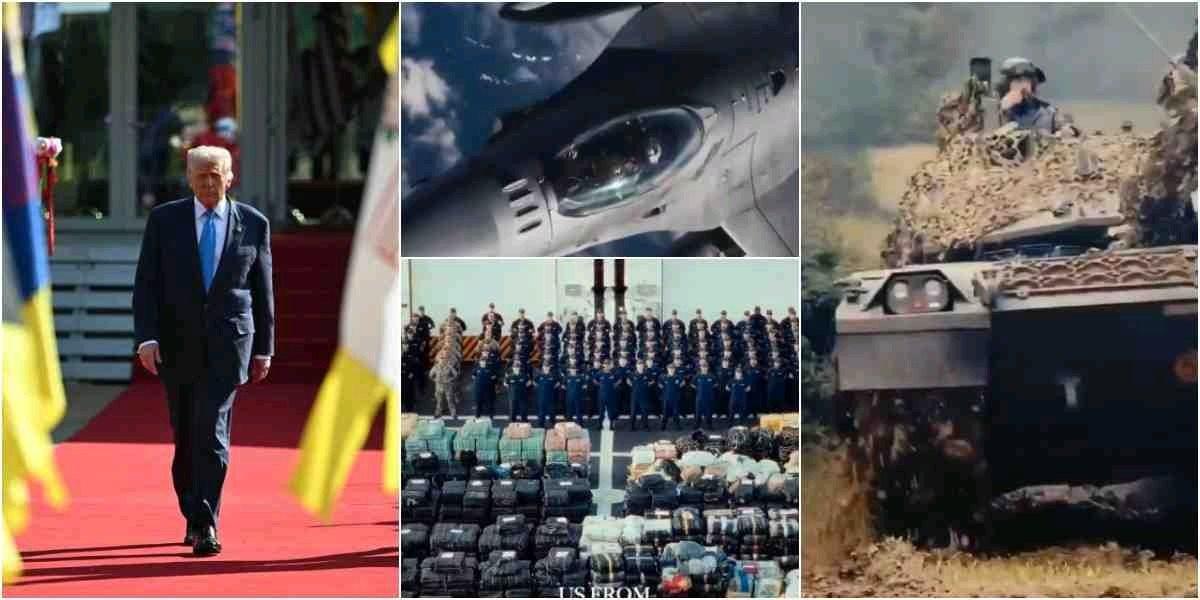
  • US releases AI video showing how it could storm Nigeria to wipe out ‘Islamic terrorists.

    The United States Department of War has sparked global attention after releasing an artificial intelligence (AI) video simulating military action in Nigeria aimed at eliminating “Islamic terrorists.”

    The announcement comes amid claims of targeted attacks against Christians in Africa’s most populous nation.

    Trump Warns of Possible Military Action
    President Donald Trump stated that he had instructed the US Department of War to prepare for potential “fast” military intervention in Nigeria.

    The warning emphasized that action may be taken if the Nigerian government fails to address what Trump described as the ongoing killing of Christians in the country.

    AI Video Sparks Controversy

    The video, generated using AI, depicts a simulated military operation in Nigeria.

    It was shared on social media by Dominik Tarczyński, a member of the European Parliament, who wrote: “Nigerian Christians will be rescued very soon!”

    The clip quickly went viral, drawing both concern and criticism from observers worldwide.

    Background: Religious Tensions in Nigeria
    Nigeria, home to over 200 million people and roughly 200 ethnic groups, remains deeply divided along religious lines.
    US releases AI video showing how it could storm Nigeria to wipe out ‘Islamic terrorists. The United States Department of War has sparked global attention after releasing an artificial intelligence (AI) video simulating military action in Nigeria aimed at eliminating “Islamic terrorists.” The announcement comes amid claims of targeted attacks against Christians in Africa’s most populous nation. Trump Warns of Possible Military Action President Donald Trump stated that he had instructed the US Department of War to prepare for potential “fast” military intervention in Nigeria. The warning emphasized that action may be taken if the Nigerian government fails to address what Trump described as the ongoing killing of Christians in the country. AI Video Sparks Controversy The video, generated using AI, depicts a simulated military operation in Nigeria. It was shared on social media by Dominik Tarczyński, a member of the European Parliament, who wrote: “Nigerian Christians will be rescued very soon!” The clip quickly went viral, drawing both concern and criticism from observers worldwide. Background: Religious Tensions in Nigeria Nigeria, home to over 200 million people and roughly 200 ethnic groups, remains deeply divided along religious lines.
    0 التعليقات ·0 المشاركات ·520 مشاهدة
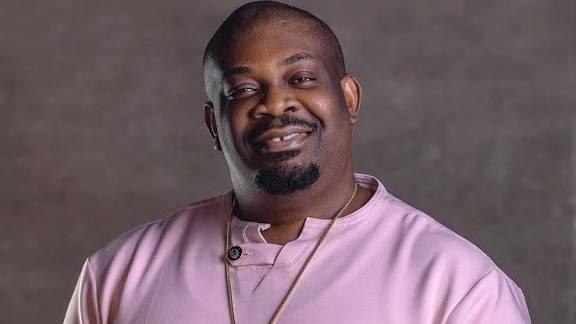
  • “I can buy a private jet if I want to, but I have other important priorities,” Don Jazzy says as he urges youths to invest wisely.

    Veteran music producer and Mavin Records boss, Don Jazzy, has advised young Nigerians to prioritize self-development and the acquisition of practical skills in today’s fast-changing world driven by technology and artificial intelligence.

    Speaking in a recent video shared online, the music mogul revealed that despite being financially capable of acquiring luxury assets such as exotic cars or private jets, he chooses instead to focus on more meaningful investments particularly in himself.

    “I’ve been blessed enough for a long time to be able to afford any type of car that I want to buy, or even a private jet,” Don Jazzy said. “But I have more important things to take care of. Nothing beats investment, including investing in yourself and acquiring knowledge that you can charge people for.”
    “I can buy a private jet if I want to, but I have other important priorities,” Don Jazzy says as he urges youths to invest wisely. Veteran music producer and Mavin Records boss, Don Jazzy, has advised young Nigerians to prioritize self-development and the acquisition of practical skills in today’s fast-changing world driven by technology and artificial intelligence. Speaking in a recent video shared online, the music mogul revealed that despite being financially capable of acquiring luxury assets such as exotic cars or private jets, he chooses instead to focus on more meaningful investments particularly in himself. “I’ve been blessed enough for a long time to be able to afford any type of car that I want to buy, or even a private jet,” Don Jazzy said. “But I have more important things to take care of. Nothing beats investment, including investing in yourself and acquiring knowledge that you can charge people for.”
    0 التعليقات ·0 المشاركات ·512 مشاهدة

  • Adamawa Varsity Advocates AI Integration For Education Revolution In Nigeria.

    Adamawa State University (ADSU), Mubi, is calling for the integration of Artificial Intelligence (AI) in Nigeria’s education system as a key driver for innovation, improved learning outcomes, and national development.

    The university made the call during a World Press Conference held ahead of its 15th, 16th, and 17th Combined Convocation Ceremony, scheduled for October 31 to November 1, 2025, with the theme: “Artificial Intelligence: A Tool for Revolutionising Nigerian Education.”

    Addressing journalists, the Vice-Chancellor of Adamawa State University, Professor Augustine Clement, said the adoption of AI technologies in teaching, research, and administration would enhance efficiency, reduce human errors, and prepare Nigerian graduates for global competitiveness.

    Professor Clement emphasized that the university’s convocation theme aligns with global trends in education technology and reflects ADSU’s vision to position itself as a center for digital innovation in northern Nigeria.

    He commended Governor Ahmadu Umaru Fintiri and Deputy Governor Professor Kaletapwa George Farauta for their continued support toward improving the institution’s infrastructure and academic programs.
    Adamawa Varsity Advocates AI Integration For Education Revolution In Nigeria. Adamawa State University (ADSU), Mubi, is calling for the integration of Artificial Intelligence (AI) in Nigeria’s education system as a key driver for innovation, improved learning outcomes, and national development. The university made the call during a World Press Conference held ahead of its 15th, 16th, and 17th Combined Convocation Ceremony, scheduled for October 31 to November 1, 2025, with the theme: “Artificial Intelligence: A Tool for Revolutionising Nigerian Education.” Addressing journalists, the Vice-Chancellor of Adamawa State University, Professor Augustine Clement, said the adoption of AI technologies in teaching, research, and administration would enhance efficiency, reduce human errors, and prepare Nigerian graduates for global competitiveness. Professor Clement emphasized that the university’s convocation theme aligns with global trends in education technology and reflects ADSU’s vision to position itself as a center for digital innovation in northern Nigeria. He commended Governor Ahmadu Umaru Fintiri and Deputy Governor Professor Kaletapwa George Farauta for their continued support toward improving the institution’s infrastructure and academic programs.
    0 التعليقات ·0 المشاركات ·594 مشاهدة
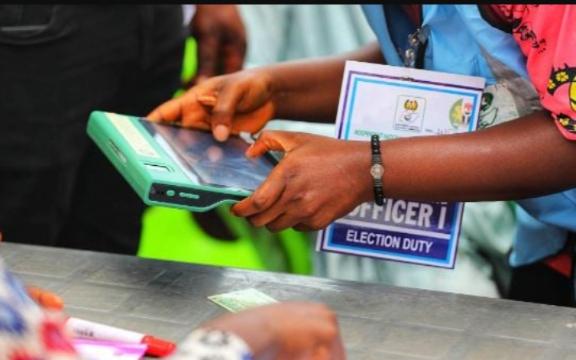
  • INEC unveils AI-powered virtual assistant ahead of Anambra gov election
    25th October 2025.

    The Independent National Electoral Commission has introduced an artificial intelligence-powered virtual assistant to enhance staff training and operational readiness ahead of the Anambra governorship election scheduled for November 8.

    The new digital tool, known as the INEC Training Virtual Assistant or “INECTrainingBot,” was unveiled on Friday.

    INECTrainingBot provides 24-hour access to election materials, interactive lessons, and on-demand learning modules.

    It allows electoral officers to learn flexibly, from any location and at their own pace.

    A statement by the commission via X read, “In preparation for the #AnambraDecides2025 election, the Independent National Electoral Commission is leveraging technology to enhance the capacity of its personnel and stakeholders.

    “We are proud to introduce the INEC Training Virtual Assistant, ‘INECTrainingBot,’ now available on Telegram. This tool provides flexible, on-demand access to essential election training, ensuring our team can learn smarter and be fully equipped for their critical roles.

    “Key Features: 24/7 Accessibility; User-friendly interface on Telegram; On-the-go learning.”

    INEC had also announced that the distribution of Permanent Voter Cards for voters who participated in the recent Continuous Voter Registration in Anambra State will take place from October 22 to October 26.The commission also revealed that INEC will conduct a mock accreditation exercise on Saturday, October 25, in selected polling units across the three senatorial districts of the state.

    The exercise, according to the commission, is intended to test the functionality of the upgraded Bimodal Voter Accreditation System and assess the real-time uploading of results to the INEC Result Viewing Portal.
    INEC unveils AI-powered virtual assistant ahead of Anambra gov election 25th October 2025. The Independent National Electoral Commission has introduced an artificial intelligence-powered virtual assistant to enhance staff training and operational readiness ahead of the Anambra governorship election scheduled for November 8. The new digital tool, known as the INEC Training Virtual Assistant or “INECTrainingBot,” was unveiled on Friday. INECTrainingBot provides 24-hour access to election materials, interactive lessons, and on-demand learning modules. It allows electoral officers to learn flexibly, from any location and at their own pace. A statement by the commission via X read, “In preparation for the #AnambraDecides2025 election, the Independent National Electoral Commission is leveraging technology to enhance the capacity of its personnel and stakeholders. “We are proud to introduce the INEC Training Virtual Assistant, ‘INECTrainingBot,’ now available on Telegram. This tool provides flexible, on-demand access to essential election training, ensuring our team can learn smarter and be fully equipped for their critical roles. “Key Features: 24/7 Accessibility; User-friendly interface on Telegram; On-the-go learning.” INEC had also announced that the distribution of Permanent Voter Cards for voters who participated in the recent Continuous Voter Registration in Anambra State will take place from October 22 to October 26.The commission also revealed that INEC will conduct a mock accreditation exercise on Saturday, October 25, in selected polling units across the three senatorial districts of the state. The exercise, according to the commission, is intended to test the functionality of the upgraded Bimodal Voter Accreditation System and assess the real-time uploading of results to the INEC Result Viewing Portal.
    0 التعليقات ·0 المشاركات ·1كيلو بايت مشاهدة
  • AI Is Getting Smarter… Are You Protected?

    AI Threats Are Evolving , Your Protection Should Too.
    Hackers are now using Artificial Intelligence to create smarter, faster attacks: malware that learns, Trojans that hide, and scams that even look real.
    Don’t wait until your data, photos, or passwords are gone.
    Norton Antivirus uses real-time AI defense to block new and unknown threats before they touch your system.

    Plus, with Parental Control, you can protect your children online — control what they see, limit screen time, and keep their digital world safe.

    Stay ahead of AI-powered cyber threats.
    Get Norton Antivirus today.
    More https://service.fintter.com/
    Message us to install yours now!
    09114199908
    AI Is Getting Smarter… Are You Protected? AI Threats Are Evolving , Your Protection Should Too. Hackers are now using Artificial Intelligence to create smarter, faster attacks: malware that learns, Trojans that hide, and scams that even look real. Don’t wait until your data, photos, or passwords are gone. Norton Antivirus uses real-time AI defense to block new and unknown threats before they touch your system. 👨‍👩‍👧 Plus, with Parental Control, you can protect your children online — control what they see, limit screen time, and keep their digital world safe. ✅ Stay ahead of AI-powered cyber threats. 🔰 Get Norton Antivirus today. More https://service.fintter.com/ 👉 Message us to install yours now! 09114199908
    0 التعليقات ·0 المشاركات ·401 مشاهدة
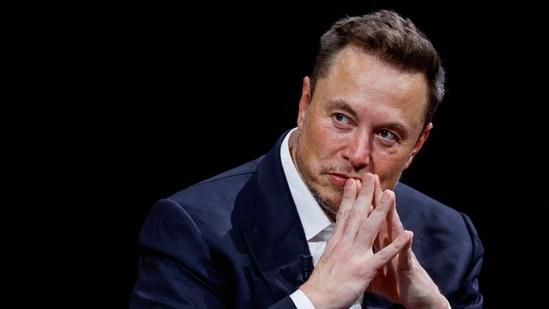
  • Elon Musk Leaves Cubana Chiefpriest, 30BG Members & Others in the Shadows as He Becomes First Person to Hit $500 Billion Net Worth.

    Tesla CEO Elon Musk has made history by becoming the first individual to achieve a net worth of half a trillion dollars, according to Forbes’ real-time billionaires index.

    As of 4:15 p.m. ET on Wednesday, Musk’s fortune stood at $500.1 billion, fueled by a rebound in Tesla shares and soaring valuations of his other ventures, including SpaceX and artificial intelligence startup xAI.

    Musk, who holds more than a 12% stake in Tesla, saw his wealth jump by over $6 billion on Wednesday alone after the electric carmaker’s stock closed 3.3% higher. The company’s shares have gained more than 14% so far this year, despite ongoing concerns over weak sales and profit margins.

    Investor sentiment has improved in recent weeks as Musk renewed his focus on Tesla following months of political activity in Washington. He also boosted confidence by purchasing about $1 billion worth of Tesla shares in September, signaling his long-term commitment as the company pivots from being just an automaker to a leader in AI and robotics.

    Tesla’s board has even proposed a $1 trillion compensation plan for Musk, tying ambitious financial and operational targets to his demand for a larger ownership stake.

    Beyond Tesla, Musk’s other companies have significantly boosted his net worth. SpaceX was valued at about $400 billion in recent insider share sales, while xAI has been pegged at around $75 billion, with reports suggesting it could climb to $200 billion.

    Trailing Musk on the Forbes rich list is Oracle co-founder Larry Ellison, whose net worth stands at $350.7 billion.
    Elon Musk Leaves Cubana Chiefpriest, 30BG Members & Others in the Shadows as He Becomes First Person to Hit $500 Billion Net Worth. Tesla CEO Elon Musk has made history by becoming the first individual to achieve a net worth of half a trillion dollars, according to Forbes’ real-time billionaires index. As of 4:15 p.m. ET on Wednesday, Musk’s fortune stood at $500.1 billion, fueled by a rebound in Tesla shares and soaring valuations of his other ventures, including SpaceX and artificial intelligence startup xAI. Musk, who holds more than a 12% stake in Tesla, saw his wealth jump by over $6 billion on Wednesday alone after the electric carmaker’s stock closed 3.3% higher. The company’s shares have gained more than 14% so far this year, despite ongoing concerns over weak sales and profit margins. Investor sentiment has improved in recent weeks as Musk renewed his focus on Tesla following months of political activity in Washington. He also boosted confidence by purchasing about $1 billion worth of Tesla shares in September, signaling his long-term commitment as the company pivots from being just an automaker to a leader in AI and robotics. Tesla’s board has even proposed a $1 trillion compensation plan for Musk, tying ambitious financial and operational targets to his demand for a larger ownership stake. Beyond Tesla, Musk’s other companies have significantly boosted his net worth. SpaceX was valued at about $400 billion in recent insider share sales, while xAI has been pegged at around $75 billion, with reports suggesting it could climb to $200 billion. Trailing Musk on the Forbes rich list is Oracle co-founder Larry Ellison, whose net worth stands at $350.7 billion.
    0 التعليقات ·0 المشاركات ·926 مشاهدة

  • French Woman Scammed of £700,000 by AI Impersonating Brad Pitt, Turns Ordeal Into Book

    According to Vanguard, Anne Deneuchatel, a 53-year-old French interior designer, was defrauded of more than £700,000 by Nigerian scammers who used artificial intelligence to impersonate Hollywood actor Brad Pitt. She has since chronicled her traumatic experience in a new book titled Je ne serai plus une proie (I Will No Longer Be a Prey).

    In her memoir, Deneuchatel recounts how the scam began with a message on Instagram from someone claiming to be Brad Pitt’s mother. Shortly afterward, she was introduced to an AI-generated version of the actor via Telegram. Lonely and trapped in what she described as a loveless marriage to a “selfish and manipulative millionaire businessman,” she quickly developed a strong emotional bond with the fake “Brad.”

    The impostors exploited her vulnerability, gradually persuading her to send money under various pretexts. Reflecting on her state of mind at the time, Deneuchatel told Le Monde:

    “My husband had put me in a bind. He said I should be content to be a trophy. I no longer had any independence. At one point, it seemed easier to help ‘Brad’ than to help myself.”


    Over time, her savings were wiped out. The breaking point came when the fraudster demanded £13,000 for a supposed private jet trip. Feeling emotionally drained and alone, she finally reported the scam to the police.

    Despite the devastating financial loss, Deneuchatel said the experience had one unexpected outcome: the collapse of her toxic marriage. “It’s the only positive thing to come out of the scam,” she admitted.

    Today, she shares her story as a warning against online fraud, emphasizing the psychological manipulation behind such scams and the ease with which technology can be weaponized to exploit human emotions.
    French Woman Scammed of £700,000 by AI Impersonating Brad Pitt, Turns Ordeal Into Book According to Vanguard, Anne Deneuchatel, a 53-year-old French interior designer, was defrauded of more than £700,000 by Nigerian scammers who used artificial intelligence to impersonate Hollywood actor Brad Pitt. She has since chronicled her traumatic experience in a new book titled Je ne serai plus une proie (I Will No Longer Be a Prey). In her memoir, Deneuchatel recounts how the scam began with a message on Instagram from someone claiming to be Brad Pitt’s mother. Shortly afterward, she was introduced to an AI-generated version of the actor via Telegram. Lonely and trapped in what she described as a loveless marriage to a “selfish and manipulative millionaire businessman,” she quickly developed a strong emotional bond with the fake “Brad.” The impostors exploited her vulnerability, gradually persuading her to send money under various pretexts. Reflecting on her state of mind at the time, Deneuchatel told Le Monde: “My husband had put me in a bind. He said I should be content to be a trophy. I no longer had any independence. At one point, it seemed easier to help ‘Brad’ than to help myself.” Over time, her savings were wiped out. The breaking point came when the fraudster demanded £13,000 for a supposed private jet trip. Feeling emotionally drained and alone, she finally reported the scam to the police. Despite the devastating financial loss, Deneuchatel said the experience had one unexpected outcome: the collapse of her toxic marriage. “It’s the only positive thing to come out of the scam,” she admitted. Today, she shares her story as a warning against online fraud, emphasizing the psychological manipulation behind such scams and the ease with which technology can be weaponized to exploit human emotions.
    0 التعليقات ·0 المشاركات ·599 مشاهدة
  • Lagos deputy governor donates ICT centre to alma mater for birthday.

    Lagos Deputy Governor, Dr. Obafemi Hamzat, on Friday donated an Information and Communication Technology (ICT) centre to his alma mater, Odo Abore Primary School, Iyalla Street, Mushin, to mark his 61st birthday.

    Hamzat had previously promised the donation during the school’s 80th anniversary celebration, citing the pivotal role ICT played in his education and career development.

    At the handover ceremony, he praised the school for producing high-achieving students and urged parents to encourage children to acquire digital skills.

    He emphasized the importance of technology and artificial intelligence, noting that students must adapt to compete globally.

    He also assured plans to build another ICT centre in Odi-Olowo LCDA.

    A member of the House of Representatives, Toyin Fayinka, commended Hamzat for giving back to his community, urging pupils and teachers to make full use of the facility.

    A political leader in Mushin, Ganiyu Solomon, said it is a privilege that Mushin has an ICT centre at Odo Abore Primary School.

    “Hamzat said whatever he does must be from home. He has done this, and we appreciate it.”

    Solomon urged the pupils and the teachers to make good use of the ICT centre.

    He assured the Deputy Governor of ensuring the centre would be used for the purpose of training pupils to acquire technological skills.
    Lagos deputy governor donates ICT centre to alma mater for birthday. Lagos Deputy Governor, Dr. Obafemi Hamzat, on Friday donated an Information and Communication Technology (ICT) centre to his alma mater, Odo Abore Primary School, Iyalla Street, Mushin, to mark his 61st birthday. Hamzat had previously promised the donation during the school’s 80th anniversary celebration, citing the pivotal role ICT played in his education and career development. At the handover ceremony, he praised the school for producing high-achieving students and urged parents to encourage children to acquire digital skills. He emphasized the importance of technology and artificial intelligence, noting that students must adapt to compete globally. He also assured plans to build another ICT centre in Odi-Olowo LCDA. A member of the House of Representatives, Toyin Fayinka, commended Hamzat for giving back to his community, urging pupils and teachers to make full use of the facility. A political leader in Mushin, Ganiyu Solomon, said it is a privilege that Mushin has an ICT centre at Odo Abore Primary School. “Hamzat said whatever he does must be from home. He has done this, and we appreciate it.” Solomon urged the pupils and the teachers to make good use of the ICT centre. He assured the Deputy Governor of ensuring the centre would be used for the purpose of training pupils to acquire technological skills.
    0 التعليقات ·0 المشاركات ·819 مشاهدة
  • Social Media Is “Bad for Our Brains,” — Author Chimamanda Adichie Warns.

    Renowned Nigerian author, Chimamanda Ngozi Adichie, has voiced concerns about the growing dominance of social media, stressing that it can never replace the value of literature.

    Speaking on the impact of digital culture, Adichie argued that while literature expands focus and deepens thought, social media does the opposite by rewiring the brain and weakening people’s ability to concentrate.

    “The thing social media can never do for us that literature does for us… it’s actually quite bad for our brains. It’s rewiring our brains and compressing our ability to focus. Literature does the opposite,” she said.

    The award-winning novelist acknowledged that some people will always read, but expressed worry that fewer individuals today seem to care deeply about literature. She urged for renewed efforts to preserve the culture of reading despite the distractions of the digital age.

    Adichie further criticized society’s uncritical embrace of new technologies such as social media and artificial intelligence, stressing that these developments must be questioned rather than blindly accepted.

    “There is a kind of unquestioning acceptance of social technologies that surprises me. We should question more social media, AI. The few people deciding how our future as human beings should be is troubling. This is the time to question AI, because we haven’t even reached a global consensus on what it is supposed to do,” she warned.

    Highlighting the potential risks, Adichie noted that while AI holds vast possibilities, it also poses dangers that could lead to disaster if not carefully managed.
    Social Media Is “Bad for Our Brains,” — Author Chimamanda Adichie Warns. Renowned Nigerian author, Chimamanda Ngozi Adichie, has voiced concerns about the growing dominance of social media, stressing that it can never replace the value of literature. Speaking on the impact of digital culture, Adichie argued that while literature expands focus and deepens thought, social media does the opposite by rewiring the brain and weakening people’s ability to concentrate. “The thing social media can never do for us that literature does for us… it’s actually quite bad for our brains. It’s rewiring our brains and compressing our ability to focus. Literature does the opposite,” she said. The award-winning novelist acknowledged that some people will always read, but expressed worry that fewer individuals today seem to care deeply about literature. She urged for renewed efforts to preserve the culture of reading despite the distractions of the digital age. Adichie further criticized society’s uncritical embrace of new technologies such as social media and artificial intelligence, stressing that these developments must be questioned rather than blindly accepted. “There is a kind of unquestioning acceptance of social technologies that surprises me. We should question more social media, AI. The few people deciding how our future as human beings should be is troubling. This is the time to question AI, because we haven’t even reached a global consensus on what it is supposed to do,” she warned. Highlighting the potential risks, Adichie noted that while AI holds vast possibilities, it also poses dangers that could lead to disaster if not carefully managed.
    0 التعليقات ·0 المشاركات ·570 مشاهدة
  • Meta Unveils Next-Gen AI Glasses With Built-In Displays

    Meta has expanded its smart eyewear lineup, unveiling new Ray-Ban and Oakley glasses that integrate artificial intelligence and augmented reality features, as the company continues its push toward the metaverse.

    At the annual Meta Connect conference in Menlo Park, CEO Mark Zuckerberg introduced the Ray-Ban Display, billed as the company’s most advanced AI glasses yet. The device features built-in screens that project messages, photos, and apps directly into the wearer’s field of vision. It is paired with “neural bands” — sensor-equipped wristbands that allow users to control the glasses with subtle hand and finger gestures. The glasses will retail at $799.

    “Our goal is to build great-looking glasses that deliver personal superintelligence and a feeling of presence using realistic holograms,” Zuckerberg said, describing AI glasses as the “next major computing platform” set to replace smartphones.

    Meta also launched Oakley Meta Vanguard, performance-focused smart glasses designed for sports and fitness. Priced at $499, they include an action-ready camera, fitness app integration, and immersive audio.

    Meanwhile, updated Ray-Ban Meta smart glasses — starting at $379 — expand on Meta’s partnership with EssilorLuxottica, the parent company of Ray-Ban and Oakley. The glasses, already the world’s best-selling AI eyewear, now feature real-time translation, hands-free cameras, and AI-powered digital assistant functions.

    Despite these innovations, Meta’s Reality Labs division continues to operate at a loss. It posted a $4.5 billion loss in Q2 2025 on revenues of just $370 million. Analysts say the push into AI eyewear is less about short-term profits and more about positioning Meta to break free from reliance on Apple and Google’s smartphone ecosystems.

    The global smart glasses market, valued at nearly $2 billion in 2024, is projected to grow more than fourfold by the end of the decade, according to Grand View Research.

    “AI glasses connect us to real-world superpowers as we move throughout the day, tapping into a wealth of information while staying present in the moment,” Meta said in a statement.

    Source: AFP / Channels Television
    Meta Unveils Next-Gen AI Glasses With Built-In Displays Meta has expanded its smart eyewear lineup, unveiling new Ray-Ban and Oakley glasses that integrate artificial intelligence and augmented reality features, as the company continues its push toward the metaverse. At the annual Meta Connect conference in Menlo Park, CEO Mark Zuckerberg introduced the Ray-Ban Display, billed as the company’s most advanced AI glasses yet. The device features built-in screens that project messages, photos, and apps directly into the wearer’s field of vision. It is paired with “neural bands” — sensor-equipped wristbands that allow users to control the glasses with subtle hand and finger gestures. The glasses will retail at $799. “Our goal is to build great-looking glasses that deliver personal superintelligence and a feeling of presence using realistic holograms,” Zuckerberg said, describing AI glasses as the “next major computing platform” set to replace smartphones. Meta also launched Oakley Meta Vanguard, performance-focused smart glasses designed for sports and fitness. Priced at $499, they include an action-ready camera, fitness app integration, and immersive audio. Meanwhile, updated Ray-Ban Meta smart glasses — starting at $379 — expand on Meta’s partnership with EssilorLuxottica, the parent company of Ray-Ban and Oakley. The glasses, already the world’s best-selling AI eyewear, now feature real-time translation, hands-free cameras, and AI-powered digital assistant functions. Despite these innovations, Meta’s Reality Labs division continues to operate at a loss. It posted a $4.5 billion loss in Q2 2025 on revenues of just $370 million. Analysts say the push into AI eyewear is less about short-term profits and more about positioning Meta to break free from reliance on Apple and Google’s smartphone ecosystems. The global smart glasses market, valued at nearly $2 billion in 2024, is projected to grow more than fourfold by the end of the decade, according to Grand View Research. “AI glasses connect us to real-world superpowers as we move throughout the day, tapping into a wealth of information while staying present in the moment,” Meta said in a statement. Source: AFP / Channels Television
    0 التعليقات ·0 المشاركات ·1كيلو بايت مشاهدة
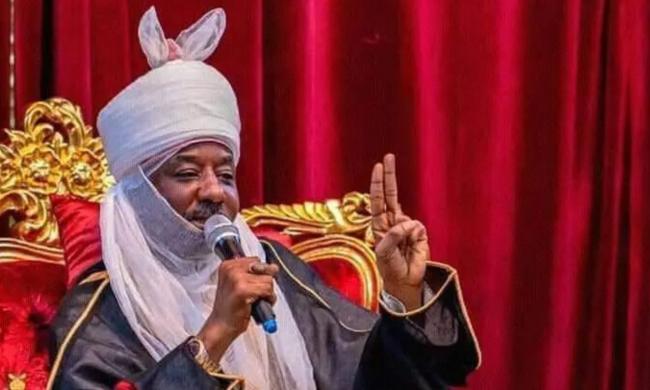
  • Emir Sanusi: Nigeria Still Debating Tribe, Religion While Others Discuss AI, Climate Change

    The Emir of Kano, Muhammadu Sanusi II, has criticized Nigeria’s political leadership and societal focus, saying the country remains stuck in divisive debates on tribe and religion while the rest of the world addresses pressing global issues such as artificial intelligence and climate change.

    Speaking on Saturday at the second Kano International Poetry Festival (KAPFEST), organized by the Poetic Wednesdays Initiative, Sanusi said Nigeria has suffered from “lousy leadership” for decades.

    “You rise and fall with the quality of your leadership and Nigeria has had lousy leadership for a long time,” the emir said. “While other countries are discussing climate change and artificial intelligence, we are still talking about Yoruba, Igbo, Hausa, North, South, Muslim, Christian — the same conversations we had in the 1960s.”

    He urged Nigerian youths to take charge of the nation’s future, insisting they have the power to retire the current political class. Sanusi also warned that reckless borrowing and wasteful spending by government would have dire consequences for the country’s economy.

    The festival, themed “Poetry in a Time of Crisis,” was aimed at encouraging poets and artists to use creativity as a tool for peace and advocacy in Northern Nigeria.

    #Sanusi #Nigeria #Leadership
    Emir Sanusi: Nigeria Still Debating Tribe, Religion While Others Discuss AI, Climate Change The Emir of Kano, Muhammadu Sanusi II, has criticized Nigeria’s political leadership and societal focus, saying the country remains stuck in divisive debates on tribe and religion while the rest of the world addresses pressing global issues such as artificial intelligence and climate change. Speaking on Saturday at the second Kano International Poetry Festival (KAPFEST), organized by the Poetic Wednesdays Initiative, Sanusi said Nigeria has suffered from “lousy leadership” for decades. “You rise and fall with the quality of your leadership and Nigeria has had lousy leadership for a long time,” the emir said. “While other countries are discussing climate change and artificial intelligence, we are still talking about Yoruba, Igbo, Hausa, North, South, Muslim, Christian — the same conversations we had in the 1960s.” He urged Nigerian youths to take charge of the nation’s future, insisting they have the power to retire the current political class. Sanusi also warned that reckless borrowing and wasteful spending by government would have dire consequences for the country’s economy. The festival, themed “Poetry in a Time of Crisis,” was aimed at encouraging poets and artists to use creativity as a tool for peace and advocacy in Northern Nigeria. #Sanusi #Nigeria #Leadership
    0 التعليقات ·0 المشاركات ·945 مشاهدة
  • Albania Appoints AI-Powered ‘Minister’ to Fight Corruption.

    Albanian Prime Minister Edi Rama announced Thursday the appointment of what he described as the world’s first artificial intelligence–generated government minister, tasked with managing public tenders in a bid to eliminate corruption.

    Unveiling his new cabinet after a decisive victory in May’s elections, Rama introduced the AI “member,” named Diella—meaning “sun” in Albanian.

    “Diella is the first government member who is not physically present, but virtually created by artificial intelligence,” Rama said. He added that Diella would oversee all public tender decisions, ensuring they are “100 percent corruption-free” and fully transparent.

    Originally launched in January as an AI-powered assistant, Diella was designed to help citizens navigate Albania’s e-Albania platform, which provides access to official documents and digital services. 

    Since its rollout, it has processed more than 36,000 digital documents and facilitated nearly 1,000 services, according to government data. The AI is represented visually as a woman in traditional Albanian attire.

    Rama, who is beginning his fourth term as prime minister, is expected to present his new cabinet to parliament in the coming days. 

    He emphasized that combating corruption in public administration remains central to Albania’s push to join the European Union, with hopes of achieving membership by 2030.
    Albania Appoints AI-Powered ‘Minister’ to Fight Corruption. Albanian Prime Minister Edi Rama announced Thursday the appointment of what he described as the world’s first artificial intelligence–generated government minister, tasked with managing public tenders in a bid to eliminate corruption. Unveiling his new cabinet after a decisive victory in May’s elections, Rama introduced the AI “member,” named Diella—meaning “sun” in Albanian. “Diella is the first government member who is not physically present, but virtually created by artificial intelligence,” Rama said. He added that Diella would oversee all public tender decisions, ensuring they are “100 percent corruption-free” and fully transparent. Originally launched in January as an AI-powered assistant, Diella was designed to help citizens navigate Albania’s e-Albania platform, which provides access to official documents and digital services.  Since its rollout, it has processed more than 36,000 digital documents and facilitated nearly 1,000 services, according to government data. The AI is represented visually as a woman in traditional Albanian attire. Rama, who is beginning his fourth term as prime minister, is expected to present his new cabinet to parliament in the coming days.  He emphasized that combating corruption in public administration remains central to Albania’s push to join the European Union, with hopes of achieving membership by 2030.
    0 التعليقات ·0 المشاركات ·651 مشاهدة
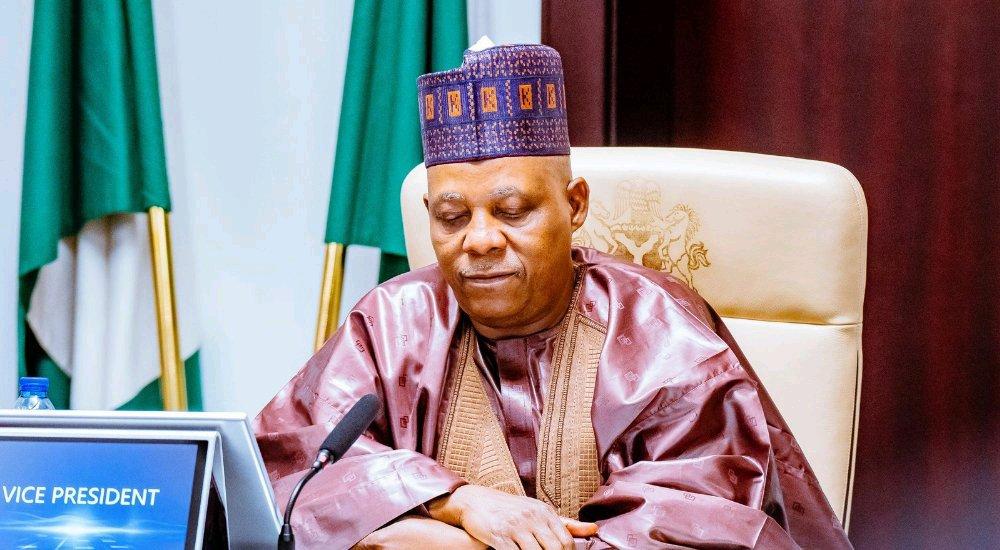
  • Shettima Hails Tinubu’s Bold Economic Reforms, Urges Africa to Embrace Structural Transformation

    Vice President Kashim Shettima has praised President Bola Tinubu’s administration for demonstrating “uncommon political will” in implementing bold reforms to tackle Nigeria’s economic challenges.

    Speaking at the 66th Annual Conference of the Nigerian Economic Society (NES) in Abuja, Shettima described Tinubu as a leader with a listening ear whose approach continues to inspire hope amid economic hardship.

    “Nigeria is not exempt from Africa’s economic tragedies. But our silver lining is the listening ear of President Tinubu. Under his leadership, this administration has embarked on bold and inevitable reforms to address structural weaknesses that others only paid lip service to.
    These reforms are painful but necessary—like surgery that cures a malignant disease. The wounds are temporary, but the recovery is permanent,” Shettima said.

    The Vice President acknowledged the hardship accompanying the reforms, alongside global economic pressures, but stressed that the government has introduced investment-friendly policies and social protection programmes in key sectors like transportation, healthcare, and education to cushion vulnerable citizens.

    He further emphasized the need for Africa to embrace the knowledge economy and structural transformation to combat poverty and unemployment:

    “We live in a world where a citizen in Daura can offer services to a corporation in Dallas without leaving his bedroom. To catch up, Africa must reinvent its human capital and reverse unemployment. Poverty must be confronted head-on if this continent’s promise is to be realized.”


    Shettima also noted that global challenges such as supply chain disruptions, energy transition, and artificial intelligence, though often seen as threats, present opportunities for Africa’s economic renewal.

    Other Highlights from the Conference

    Abubakar Bagudu, Minister of Budget and Economic Planning, pledged to integrate NES into government programmes like the Renewed Hope Ward Development Programme.

    Alhaji Idi Mukhtar Maiha, Minister of Livestock Development, described the livestock sector as “Nigeria’s next crude oil” and promised collaboration with NES on diversification.

    Prof. Adeola Adenikinju, NES President, reaffirmed the society’s commitment to bridging research and policy.

    Dr. Eric Kehinde Ogunleye of the African Development Bank urged greater investment in people alongside reforms.


    The event was attended by senior government officials, academics, lawmakers, and representatives from the Central Bank of Nigeria.

    Shettima Hails Tinubu’s Bold Economic Reforms, Urges Africa to Embrace Structural Transformation Vice President Kashim Shettima has praised President Bola Tinubu’s administration for demonstrating “uncommon political will” in implementing bold reforms to tackle Nigeria’s economic challenges. Speaking at the 66th Annual Conference of the Nigerian Economic Society (NES) in Abuja, Shettima described Tinubu as a leader with a listening ear whose approach continues to inspire hope amid economic hardship. “Nigeria is not exempt from Africa’s economic tragedies. But our silver lining is the listening ear of President Tinubu. Under his leadership, this administration has embarked on bold and inevitable reforms to address structural weaknesses that others only paid lip service to. These reforms are painful but necessary—like surgery that cures a malignant disease. The wounds are temporary, but the recovery is permanent,” Shettima said. The Vice President acknowledged the hardship accompanying the reforms, alongside global economic pressures, but stressed that the government has introduced investment-friendly policies and social protection programmes in key sectors like transportation, healthcare, and education to cushion vulnerable citizens. He further emphasized the need for Africa to embrace the knowledge economy and structural transformation to combat poverty and unemployment: “We live in a world where a citizen in Daura can offer services to a corporation in Dallas without leaving his bedroom. To catch up, Africa must reinvent its human capital and reverse unemployment. Poverty must be confronted head-on if this continent’s promise is to be realized.” Shettima also noted that global challenges such as supply chain disruptions, energy transition, and artificial intelligence, though often seen as threats, present opportunities for Africa’s economic renewal. Other Highlights from the Conference Abubakar Bagudu, Minister of Budget and Economic Planning, pledged to integrate NES into government programmes like the Renewed Hope Ward Development Programme. Alhaji Idi Mukhtar Maiha, Minister of Livestock Development, described the livestock sector as “Nigeria’s next crude oil” and promised collaboration with NES on diversification. Prof. Adeola Adenikinju, NES President, reaffirmed the society’s commitment to bridging research and policy. Dr. Eric Kehinde Ogunleye of the African Development Bank urged greater investment in people alongside reforms. The event was attended by senior government officials, academics, lawmakers, and representatives from the Central Bank of Nigeria.
    0 التعليقات ·0 المشاركات ·923 مشاهدة

  • Former presidential aide, Reno Omokri, has defended President Bola Tinubu over his recent comment on the value of the Naira, insisting that the President was not lying.

    Tribune Online reports that President Tinubu had claimed that the Naira had stabilised under his administration, moving from about ₦1,900/$ when he assumed office to the current ₦1,450/$.

    “The economy has stabilised, nobody is trading a piece of paper for an exchange rate anymore. When I took over, it was ₦1,900 to a dollar. It’s ₦1,450 now. It’s been stabilising there. You don’t have to know Cardoso before you get your foreign exchange,” Tinubu said.

    Reacting in a post on his verified X handle, Omokri cautioned a user identified as “Emir” against hastily branding the President a “liar,” arguing that Tinubu’s remark was rooted in facts.

    He explained that before Tinubu’s inauguration on May 29, 2023, Nigeria was spending about $1.5 billion monthly to subsidise the Naira even more than the petrol subsidy at the time.

    Omokri noted that while the official exchange rate under ex-President Muhammadu Buhari stood at about ₦400/$, the “real unsubsidised value” of the currency was closer to ₦2,000/$.

    He wrote: “Please fact-check me: Before President Tinubu was sworn in on May 29, 2023, Nigeria spent $1.5 billion monthly to subsidise the Naira. The naira subsidy was actually higher than the subsidy on petrol.

    “Whereas under General Buhari, you were buying the Dollar at the rate of about ₦400 to $1, the real exchange rate without the subsidy was about ₦2000 to $1.

    “You may recall that when President Tinubu first floated the Naira, it suddenly fell to ₦1900 to $1.

    “The reason it fell to that price was because that was the actual value of our currency.

    “President Bola Tinubu was referring to that unsubsidised amount, which was the real value of the Naira.

    The former presidential aide added that critics should verify facts before accusing Tinubu of dishonesty, suggesting that tools such as artificial intelligence could confirm the accuracy of the President’s claim.

    Omokri also stressed that while political differences may exist, it was unfair to label the President a liar without proper fact-checking.

    “He was not lying, and you can verify this with an AI like Grok.

    “I understand that some of us may have political disagreements with the President, but perhaps you and I can conduct cursory research before labelling him a ‘congenital liar’”, he concluded.
    Former presidential aide, Reno Omokri, has defended President Bola Tinubu over his recent comment on the value of the Naira, insisting that the President was not lying. Tribune Online reports that President Tinubu had claimed that the Naira had stabilised under his administration, moving from about ₦1,900/$ when he assumed office to the current ₦1,450/$. “The economy has stabilised, nobody is trading a piece of paper for an exchange rate anymore. When I took over, it was ₦1,900 to a dollar. It’s ₦1,450 now. It’s been stabilising there. You don’t have to know Cardoso before you get your foreign exchange,” Tinubu said. Reacting in a post on his verified X handle, Omokri cautioned a user identified as “Emir” against hastily branding the President a “liar,” arguing that Tinubu’s remark was rooted in facts. He explained that before Tinubu’s inauguration on May 29, 2023, Nigeria was spending about $1.5 billion monthly to subsidise the Naira even more than the petrol subsidy at the time. Omokri noted that while the official exchange rate under ex-President Muhammadu Buhari stood at about ₦400/$, the “real unsubsidised value” of the currency was closer to ₦2,000/$. He wrote: “Please fact-check me: Before President Tinubu was sworn in on May 29, 2023, Nigeria spent $1.5 billion monthly to subsidise the Naira. The naira subsidy was actually higher than the subsidy on petrol. “Whereas under General Buhari, you were buying the Dollar at the rate of about ₦400 to $1, the real exchange rate without the subsidy was about ₦2000 to $1. “You may recall that when President Tinubu first floated the Naira, it suddenly fell to ₦1900 to $1. “The reason it fell to that price was because that was the actual value of our currency. “President Bola Tinubu was referring to that unsubsidised amount, which was the real value of the Naira. The former presidential aide added that critics should verify facts before accusing Tinubu of dishonesty, suggesting that tools such as artificial intelligence could confirm the accuracy of the President’s claim. Omokri also stressed that while political differences may exist, it was unfair to label the President a liar without proper fact-checking. “He was not lying, and you can verify this with an AI like Grok. “I understand that some of us may have political disagreements with the President, but perhaps you and I can conduct cursory research before labelling him a ‘congenital liar’”, he concluded.
    0 التعليقات ·0 المشاركات ·705 مشاهدة
  • FG Unveils New Secondary School Curriculum with Journalism, Programming, AI Modules— Starting from September 2025.

    Nigeria has introduced a new secondary school curriculum that will, for the first time, feature modules in journalism, computer programming, artificial intelligence (AI), robotics, and fact-checking.

    Dada Olusegun, Senior Special Adviser to President Bola Ahmed Tinubu on Social Media, revealed excerpts from the yet-to-be-released curriculum document on Tuesday.

    According to the framework, journalism will now be taught under the English Language module at the senior secondary level, while programming will span both junior and senior classes. AI and robotics will be integrated into a new subject, Digital Literacy, for senior students.

    The reforms aim to equip learners with skills for a technology-driven world, while fostering critical thinking, creativity, and innovation.

    Subject Breakdown:
    • Junior Secondary (JSS 1–3): Mathematics, English, Integrated Science, Digital Literacy & Coding (including Python basics, Scratch, and robotics kits), Social Studies, Languages (mother tongue and French/Arabic), Creative Arts, and Physical & Health Education.
    • Senior Secondary (SS 1–3): Advanced Mathematics, English & Communication (including journalism and fact-checking), Sciences, Technology & Innovation (programming, AI, robotics, cybersecurity, data science), Social Sciences, Languages (with options for French/Arabic/Chinese), Creative Arts & Media, Physical & Health Education, and a final-year research project.

    Education experts have welcomed the overhaul, describing it as a step toward preparing Nigerian students for global competitiveness in the knowledge economy.
    FG Unveils New Secondary School Curriculum with Journalism, Programming, AI Modules— Starting from September 2025. Nigeria has introduced a new secondary school curriculum that will, for the first time, feature modules in journalism, computer programming, artificial intelligence (AI), robotics, and fact-checking. Dada Olusegun, Senior Special Adviser to President Bola Ahmed Tinubu on Social Media, revealed excerpts from the yet-to-be-released curriculum document on Tuesday. According to the framework, journalism will now be taught under the English Language module at the senior secondary level, while programming will span both junior and senior classes. AI and robotics will be integrated into a new subject, Digital Literacy, for senior students. The reforms aim to equip learners with skills for a technology-driven world, while fostering critical thinking, creativity, and innovation. Subject Breakdown: • Junior Secondary (JSS 1–3): Mathematics, English, Integrated Science, Digital Literacy & Coding (including Python basics, Scratch, and robotics kits), Social Studies, Languages (mother tongue and French/Arabic), Creative Arts, and Physical & Health Education. • Senior Secondary (SS 1–3): Advanced Mathematics, English & Communication (including journalism and fact-checking), Sciences, Technology & Innovation (programming, AI, robotics, cybersecurity, data science), Social Sciences, Languages (with options for French/Arabic/Chinese), Creative Arts & Media, Physical & Health Education, and a final-year research project. Education experts have welcomed the overhaul, describing it as a step toward preparing Nigerian students for global competitiveness in the knowledge economy.
    0 التعليقات ·0 المشاركات ·995 مشاهدة
  • FG Unveils New Secondary School Curriculum with Journalism, Programming, AI Modules— Starting from September 2025.

    Nigeria has introduced a new secondary school curriculum that will, for the first time, feature modules in journalism, computer programming, artificial intelligence (AI), robotics, and fact-checking.

    Dada Olusegun, Senior Special Adviser to President Bola Ahmed Tinubu on Social Media, revealed excerpts from the yet-to-be-released curriculum document on Tuesday.

    According to the framework, journalism will now be taught under the English Language module at the senior secondary level, while programming will span both junior and senior classes. AI and robotics will be integrated into a new subject, Digital Literacy, for senior students.

    The reforms aim to equip learners with skills for a technology-driven world, while fostering critical thinking, creativity, and innovation.

    Subject Breakdown:
    • Junior Secondary (JSS 1–3): Mathematics, English, Integrated Science, Digital Literacy & Coding (including Python basics, Scratch, and robotics kits), Social Studies, Languages (mother tongue and French/Arabic), Creative Arts, and Physical & Health Education.
    • Senior Secondary (SS 1–3): Advanced Mathematics, English & Communication (including journalism and fact-checking), Sciences, Technology & Innovation (programming, AI, robotics, cybersecurity, data science), Social Sciences, Languages (with options for French/Arabic/Chinese), Creative Arts & Media, Physical & Health Education, and a final-year research project.

    Education experts have welcomed the overhaul, describing it as a step toward preparing Nigerian students for global competitiveness in the knowledge economy.
    FG Unveils New Secondary School Curriculum with Journalism, Programming, AI Modules— Starting from September 2025. Nigeria has introduced a new secondary school curriculum that will, for the first time, feature modules in journalism, computer programming, artificial intelligence (AI), robotics, and fact-checking. Dada Olusegun, Senior Special Adviser to President Bola Ahmed Tinubu on Social Media, revealed excerpts from the yet-to-be-released curriculum document on Tuesday. According to the framework, journalism will now be taught under the English Language module at the senior secondary level, while programming will span both junior and senior classes. AI and robotics will be integrated into a new subject, Digital Literacy, for senior students. The reforms aim to equip learners with skills for a technology-driven world, while fostering critical thinking, creativity, and innovation. Subject Breakdown: • Junior Secondary (JSS 1–3): Mathematics, English, Integrated Science, Digital Literacy & Coding (including Python basics, Scratch, and robotics kits), Social Studies, Languages (mother tongue and French/Arabic), Creative Arts, and Physical & Health Education. • Senior Secondary (SS 1–3): Advanced Mathematics, English & Communication (including journalism and fact-checking), Sciences, Technology & Innovation (programming, AI, robotics, cybersecurity, data science), Social Sciences, Languages (with options for French/Arabic/Chinese), Creative Arts & Media, Physical & Health Education, and a final-year research project. Education experts have welcomed the overhaul, describing it as a step toward preparing Nigerian students for global competitiveness in the knowledge economy.
    0 التعليقات ·0 المشاركات ·1كيلو بايت مشاهدة
الصفحات المعززة
Fintter https://fintter.com