• The Great Mosque of Djenné in Mali is one of the most iconic buildings in Africa. Made entirely from mudbrick, it’s the largest mud-built structure in the world and a powerful symbol of West African culture and Islamic history. Every year, the community helps re-plaster it to keep it standing strong.

    #Djenné #Mali #AfricanHistory #Architecture #places
    The Great Mosque of Djenné in Mali is one of the most iconic buildings in Africa. Made entirely from mudbrick, it’s the largest mud-built structure in the world and a powerful symbol of West African culture and Islamic history. Every year, the community helps re-plaster it to keep it standing strong. 🇲🇱✨ #Djenné #Mali #AfricanHistory #Architecture #places
    like
    love
    3
    · 0 Commentarios ·0 Acciones ·4K Views
  • Almajiri System Must Be Dismantled to End Insecurity — Peace Group Warns


    The Foundation for Peace Professionals has warned that Nigeria’s insecurity will persist unless the Almajiri system is decisively dismantled within the next five years. The group said millions of unschooled and neglected children remain vulnerable to crime, radicalisation and exploitation. It cautioned that continued government inaction could worsen violence and social instability, posing serious threats not only to Nigeria’s national security but also to peace and stability across the wider West African subregion.
    Almajiri System Must Be Dismantled to End Insecurity — Peace Group Warns The Foundation for Peace Professionals has warned that Nigeria’s insecurity will persist unless the Almajiri system is decisively dismantled within the next five years. The group said millions of unschooled and neglected children remain vulnerable to crime, radicalisation and exploitation. It cautioned that continued government inaction could worsen violence and social instability, posing serious threats not only to Nigeria’s national security but also to peace and stability across the wider West African subregion.
    love
    2
    · 0 Commentarios ·0 Acciones ·3K Views
  • E don dey set for 9ja oo! Polish Ambassador Hail Nigerian Military, Say Armed Forces Na Backbone of West Africa Security

    The Polish Ambassador to Nigeria, Michał Cygan, don praise Nigerian Armed Forces, describe Nigeria as a major stabilising force for West Africa. During courtesy visit to the Chief of the Air Staff, Air Marshal Sunday Aneke, for NAF Headquarters, Abuja, the ambassador talk say the Nigerian Air Force and other services don show high level professionalism and resilience in counter-insurgency and regional security operations. According to statement from Air Commodore Ehimen Ejodame, Cygan also express Poland interest to strengthen defence cooperation with Nigeria to support security priorities and regional peace. He add say Nigeria’s strategic position and sustained security engagements dey contribute well well to stability across the sub-region. On him own part, Air Marshal Aneke highlight the importance of international partnerships in tackling modern and asymmetric threats, noting say NAF remain committed to cooperation with friendly nations for better operations, training and information sharing. He reaffirm say the service dey open to mutually beneficial partnerships to boost counter-insurgency capacity and strengthen both regional and global security. Wahala oo, Nigeria security matter don turn global concern.

    E don dey set for 9ja oo! Polish Ambassador Hail Nigerian Military, Say Armed Forces Na Backbone of West Africa Security The Polish Ambassador to Nigeria, Michał Cygan, don praise Nigerian Armed Forces, describe Nigeria as a major stabilising force for West Africa. During courtesy visit to the Chief of the Air Staff, Air Marshal Sunday Aneke, for NAF Headquarters, Abuja, the ambassador talk say the Nigerian Air Force and other services don show high level professionalism and resilience in counter-insurgency and regional security operations. According to statement from Air Commodore Ehimen Ejodame, Cygan also express Poland interest to strengthen defence cooperation with Nigeria to support security priorities and regional peace. He add say Nigeria’s strategic position and sustained security engagements dey contribute well well to stability across the sub-region. On him own part, Air Marshal Aneke highlight the importance of international partnerships in tackling modern and asymmetric threats, noting say NAF remain committed to cooperation with friendly nations for better operations, training and information sharing. He reaffirm say the service dey open to mutually beneficial partnerships to boost counter-insurgency capacity and strengthen both regional and global security. Wahala oo, Nigeria security matter don turn global concern.
    love
    1
    · 0 Commentarios ·0 Acciones ·3K Views
  • Is the ‘Christian Genocide’ in Nigeria a Political Narrative? Why Trump Admits Muslims Are Also Killed as Sowore Accuses the U.S. of Using Religion to Justify Power, Oil, and Military Influence

    Is the narrative of a “Christian genocide” in Nigeria an honest reflection of the country’s security crisis—or a political tool shaped by foreign interests? United States President Donald Trump has made a partial shift in his long-standing rhetoric on religious violence in Nigeria, acknowledging that Muslims are also being killed, even while maintaining that Christians remain the primary victims.

    Trump made the remarks during an interview with The New York Times following questions about Washington’s Christmas Day military strike in northwest Nigeria. The U.S. military said the operation, carried out at the request of the Nigerian government, targeted Islamic State West Africa Province (ISWAP), a Boko Haram splinter group responsible for years of deadly attacks across northern Nigeria.

    When asked about earlier comments from his own Africa adviser—who had stated that extremist groups in Nigeria kill more Muslims than Christians—Trump responded: “I think that Muslims are being killed also in Nigeria. But it’s mostly Christians.” The statement marked a rare acknowledgment that Nigeria’s victims of terrorism cut across religious lines, even as Trump continued to frame the conflict primarily through a Christian persecution lens.

    The comments immediately drew a sharp response from Omoyele Sowore, former Nigerian presidential candidate and prominent human rights activist. In a series of posts on X (formerly Twitter), Sowore dismissed the “Christian genocide” narrative as a calculated political construct, arguing that it is designed to stir emotion, mobilize conservative audiences abroad, and provide moral cover for foreign military, economic, and geopolitical agendas.

    Sowore accused Trump of using religion as a rhetorical device while pursuing what he described as imperial interests tied to oil, rare earth minerals, and strategic dominance. “The narrative used to justify it is secondary,” Sowore wrote, adding that such framing only needs to “match the gullibility of the intended audience.” According to him, claims of systematic religious genocide in Nigeria are not grounded in objective reality but are deliberately shaped to occupy a powerful emotional space in Western political discourse.

    He further challenged Trump’s moral authority to speak on Christian values, asserting that the former U.S. president does not embody the compassion, humility, or solidarity central to the faith he frequently invokes. Sowore argued that Trump’s selective concern for religious identity masks a broader indifference to human suffering—both abroad and at home—unless it aligns with his political interests.

    The controversy highlights a deeper question: Is Nigeria’s complex security crisis being oversimplified into a religious conflict for international consumption? While jihadist groups like ISWAP and Boko Haram have undeniably targeted Christian communities, they have also killed thousands of Muslims, including traditional leaders, clerics, villagers, and security personnel. Analysts have long warned that framing the violence as exclusively anti-Christian risks distorting reality, inflaming sectarian tensions, and obscuring the political, economic, and territorial dimensions of the conflict.

    Trump’s admission that Muslims are also victims, even if partial, challenges his earlier absolutist framing. Yet his insistence that Christians remain the main targets continues to fuel debate about whether U.S. policy toward Nigeria is being shaped by faith-based narratives rather than nuanced security analysis.

    As Nigeria battles insurgency, banditry, and transnational terrorism, the exchange between Trump and Sowore underscores how global power politics, religious identity, and media narratives intersect in shaping international responses to African conflicts. The key question remains: is the world seeing Nigeria’s crisis as it truly is—or as it is most politically useful to portray?


    Is the ‘Christian Genocide’ in Nigeria a Political Narrative? Why Trump Admits Muslims Are Also Killed as Sowore Accuses the U.S. of Using Religion to Justify Power, Oil, and Military Influence Is the narrative of a “Christian genocide” in Nigeria an honest reflection of the country’s security crisis—or a political tool shaped by foreign interests? United States President Donald Trump has made a partial shift in his long-standing rhetoric on religious violence in Nigeria, acknowledging that Muslims are also being killed, even while maintaining that Christians remain the primary victims. Trump made the remarks during an interview with The New York Times following questions about Washington’s Christmas Day military strike in northwest Nigeria. The U.S. military said the operation, carried out at the request of the Nigerian government, targeted Islamic State West Africa Province (ISWAP), a Boko Haram splinter group responsible for years of deadly attacks across northern Nigeria. When asked about earlier comments from his own Africa adviser—who had stated that extremist groups in Nigeria kill more Muslims than Christians—Trump responded: “I think that Muslims are being killed also in Nigeria. But it’s mostly Christians.” The statement marked a rare acknowledgment that Nigeria’s victims of terrorism cut across religious lines, even as Trump continued to frame the conflict primarily through a Christian persecution lens. The comments immediately drew a sharp response from Omoyele Sowore, former Nigerian presidential candidate and prominent human rights activist. In a series of posts on X (formerly Twitter), Sowore dismissed the “Christian genocide” narrative as a calculated political construct, arguing that it is designed to stir emotion, mobilize conservative audiences abroad, and provide moral cover for foreign military, economic, and geopolitical agendas. Sowore accused Trump of using religion as a rhetorical device while pursuing what he described as imperial interests tied to oil, rare earth minerals, and strategic dominance. “The narrative used to justify it is secondary,” Sowore wrote, adding that such framing only needs to “match the gullibility of the intended audience.” According to him, claims of systematic religious genocide in Nigeria are not grounded in objective reality but are deliberately shaped to occupy a powerful emotional space in Western political discourse. He further challenged Trump’s moral authority to speak on Christian values, asserting that the former U.S. president does not embody the compassion, humility, or solidarity central to the faith he frequently invokes. Sowore argued that Trump’s selective concern for religious identity masks a broader indifference to human suffering—both abroad and at home—unless it aligns with his political interests. The controversy highlights a deeper question: Is Nigeria’s complex security crisis being oversimplified into a religious conflict for international consumption? While jihadist groups like ISWAP and Boko Haram have undeniably targeted Christian communities, they have also killed thousands of Muslims, including traditional leaders, clerics, villagers, and security personnel. Analysts have long warned that framing the violence as exclusively anti-Christian risks distorting reality, inflaming sectarian tensions, and obscuring the political, economic, and territorial dimensions of the conflict. Trump’s admission that Muslims are also victims, even if partial, challenges his earlier absolutist framing. Yet his insistence that Christians remain the main targets continues to fuel debate about whether U.S. policy toward Nigeria is being shaped by faith-based narratives rather than nuanced security analysis. As Nigeria battles insurgency, banditry, and transnational terrorism, the exchange between Trump and Sowore underscores how global power politics, religious identity, and media narratives intersect in shaping international responses to African conflicts. The key question remains: is the world seeing Nigeria’s crisis as it truly is—or as it is most politically useful to portray?
    0 Commentarios ·0 Acciones ·6K Views
  • Is Nigeria Now Leading the War in the Air? Why the U.S. Is Shifting to Intelligence Support After Christmas Day Strikes—and What This Means for Terrorism, Banditry, and Security in the North

    Is Nigeria taking full control of the aerial war against terrorism and banditry? Why has the United States stepped back from direct airstrikes to an intelligence and reconnaissance role? And what does this new security arrangement mean for the fight against jihadist groups and armed gangs across the country’s troubled regions?

    Following U.S. airstrikes carried out on Christmas Day in Sokoto State, the Nigerian Air Force is set to lead subsequent military air operations, as Washington shifts its role to intelligence, surveillance, and reconnaissance support. A Nigerian official familiar with the new Nigeria–U.S. security framework confirmed that while the United States will now rely mainly on reconnaissance flights, Nigeria remains open to further American strikes if necessary.

    What triggered the change? The Christmas night strikes targeted what U.S. officials described as Islamic State–linked sites in northwestern Nigeria. According to Nigerian authorities, the operation was aimed at militants cooperating with the Lakurawa jihadist group and criminal “bandit” networks that have destabilised large parts of the northwest and north-central regions. Both countries reported that an unspecified number of fighters were killed.

    But why is the U.S. stepping back now? In the weeks before the strikes, analysts had already noted increased American surveillance flights over Nigeria—activity that has continued since. However, U.S. officials later described the bombing as a “one-off event,” signalling a strategic shift away from direct military action toward intelligence-sharing and operational support for Nigerian forces.

    What role did diplomacy play? The strikes came after a tense period in bilateral relations, sparked by U.S. President Donald Trump’s claims in October that violence in Nigeria amounted to the “persecution” and “genocide” of Christians—assertions rejected by Abuja and independent analysts. Although Nigeria later said the dispute had been resolved and that the partnership had been “strengthened,” the unilateral announcement of the strikes by Trump reportedly caused unease in Abuja. Nigeria’s Foreign Minister, Yusuf Tuggar, subsequently described the operation as a joint effort.

    What does this new arrangement mean for Nigeria’s security strategy? Nigeria has battled jihadist insurgency since 2009, mainly in the northeast, while heavily armed criminal gangs have entrenched themselves in rural communities across the northwest and north-central regions. By assuming full responsibility for air operations—with U.S. intelligence support—Nigeria appears to be asserting greater operational sovereignty while maintaining strategic cooperation with Washington.

    However, critical questions remain: will intelligence-backed Nigerian air power be enough to contain Islamic State–linked fighters and bandit networks? Could the U.S. return to direct strikes if the threat escalates? And does this shift mark a long-term change in America’s military posture in West Africa—or merely a tactical pause?

    As reconnaissance flights continue and Nigeria leads future air operations, the evolving partnership signals both a test of Nigeria’s military capacity and a recalibration of U.S. involvement in the region’s counterterrorism fight.


    Is Nigeria Now Leading the War in the Air? Why the U.S. Is Shifting to Intelligence Support After Christmas Day Strikes—and What This Means for Terrorism, Banditry, and Security in the North Is Nigeria taking full control of the aerial war against terrorism and banditry? Why has the United States stepped back from direct airstrikes to an intelligence and reconnaissance role? And what does this new security arrangement mean for the fight against jihadist groups and armed gangs across the country’s troubled regions? Following U.S. airstrikes carried out on Christmas Day in Sokoto State, the Nigerian Air Force is set to lead subsequent military air operations, as Washington shifts its role to intelligence, surveillance, and reconnaissance support. A Nigerian official familiar with the new Nigeria–U.S. security framework confirmed that while the United States will now rely mainly on reconnaissance flights, Nigeria remains open to further American strikes if necessary. What triggered the change? The Christmas night strikes targeted what U.S. officials described as Islamic State–linked sites in northwestern Nigeria. According to Nigerian authorities, the operation was aimed at militants cooperating with the Lakurawa jihadist group and criminal “bandit” networks that have destabilised large parts of the northwest and north-central regions. Both countries reported that an unspecified number of fighters were killed. But why is the U.S. stepping back now? In the weeks before the strikes, analysts had already noted increased American surveillance flights over Nigeria—activity that has continued since. However, U.S. officials later described the bombing as a “one-off event,” signalling a strategic shift away from direct military action toward intelligence-sharing and operational support for Nigerian forces. What role did diplomacy play? The strikes came after a tense period in bilateral relations, sparked by U.S. President Donald Trump’s claims in October that violence in Nigeria amounted to the “persecution” and “genocide” of Christians—assertions rejected by Abuja and independent analysts. Although Nigeria later said the dispute had been resolved and that the partnership had been “strengthened,” the unilateral announcement of the strikes by Trump reportedly caused unease in Abuja. Nigeria’s Foreign Minister, Yusuf Tuggar, subsequently described the operation as a joint effort. What does this new arrangement mean for Nigeria’s security strategy? Nigeria has battled jihadist insurgency since 2009, mainly in the northeast, while heavily armed criminal gangs have entrenched themselves in rural communities across the northwest and north-central regions. By assuming full responsibility for air operations—with U.S. intelligence support—Nigeria appears to be asserting greater operational sovereignty while maintaining strategic cooperation with Washington. However, critical questions remain: will intelligence-backed Nigerian air power be enough to contain Islamic State–linked fighters and bandit networks? Could the U.S. return to direct strikes if the threat escalates? And does this shift mark a long-term change in America’s military posture in West Africa—or merely a tactical pause? As reconnaissance flights continue and Nigeria leads future air operations, the evolving partnership signals both a test of Nigeria’s military capacity and a recalibration of U.S. involvement in the region’s counterterrorism fight.
    0 Commentarios ·0 Acciones ·3K Views
  • ADC Criticizes Tinubu’s Silence on Venezuela Crisis, Warns Nigeria Has Lost Global Diplomatic Voice in International Affairs

    The African Democratic Congress (ADC) has condemned the Nigerian government under President Bola Tinubu for failing to publicly respond to recent political developments in Venezuela, describing the silence as a national embarrassment and a decline in Nigeria’s international influence.
    ADC National Publicity Secretary Bolaji Abdullahi said Nigeria’s absence from global conversations undermines its historic role as a leading diplomatic voice in Africa and West Africa. He contrasted the current administration’s inaction with past Nigerian leaders like Jaja Nwachukwu and Joseph Garba, who took firm stances on major international issues.
    Abdullahi further suggested that Nigeria’s reluctance to speak reflects internal vulnerabilities and a lack of moral courage, warning that the country’s diminished presence on the global stage is abnormal for its stature. The remarks follow outrage over the U.S. military’s capture of Venezuelan President Nicolás Maduro and his wife.
    ADC Criticizes Tinubu’s Silence on Venezuela Crisis, Warns Nigeria Has Lost Global Diplomatic Voice in International Affairs The African Democratic Congress (ADC) has condemned the Nigerian government under President Bola Tinubu for failing to publicly respond to recent political developments in Venezuela, describing the silence as a national embarrassment and a decline in Nigeria’s international influence. ADC National Publicity Secretary Bolaji Abdullahi said Nigeria’s absence from global conversations undermines its historic role as a leading diplomatic voice in Africa and West Africa. He contrasted the current administration’s inaction with past Nigerian leaders like Jaja Nwachukwu and Joseph Garba, who took firm stances on major international issues. Abdullahi further suggested that Nigeria’s reluctance to speak reflects internal vulnerabilities and a lack of moral courage, warning that the country’s diminished presence on the global stage is abnormal for its stature. The remarks follow outrage over the U.S. military’s capture of Venezuelan President Nicolás Maduro and his wife.
    like
    1
    · 0 Commentarios ·0 Acciones ·2K Views
  • Boko Haram/ISWAP Ambush in Gwoza, Borno State Kills One CJTF Operative as Security Forces Respond

    A member of the Civilian Joint Task Force (CJTF), Hamman Ibrahim, 40, was killed in a suspected ambush by Boko Haram and Islamic State West Africa Province (ISWAP) fighters along Warave–Bayan Dutse Road in Gwoza Local Government Area, Borno State, on January 5, 2026. The attack occurred during a routine patrol of CJTF members and local hunters in an area that remains volatile despite ongoing counterinsurgency operations.
    Following the ambush, troops from Operation HADIN KAI, alongside police officers and CJTF members, responded to the scene. Ibrahim was evacuated to the General Hospital in Gwoza, where he was pronounced dead on arrival. His body was released to his family for burial according to Islamic rites.
    The incident highlights persistent security challenges in southern Borno, where local vigilantes and CJTF members continue to play a crucial role in supporting military operations against insurgent groups. Authorities continue investigations into the ambush to prevent future attacks.

    #BornoState #CJTF #BokoHaram #ISWAP #NigeriaNews #GwozaAttack #SecurityUpdate #TerrorismInNigeria #NorthernNigeria
    Boko Haram/ISWAP Ambush in Gwoza, Borno State Kills One CJTF Operative as Security Forces Respond A member of the Civilian Joint Task Force (CJTF), Hamman Ibrahim, 40, was killed in a suspected ambush by Boko Haram and Islamic State West Africa Province (ISWAP) fighters along Warave–Bayan Dutse Road in Gwoza Local Government Area, Borno State, on January 5, 2026. The attack occurred during a routine patrol of CJTF members and local hunters in an area that remains volatile despite ongoing counterinsurgency operations. Following the ambush, troops from Operation HADIN KAI, alongside police officers and CJTF members, responded to the scene. Ibrahim was evacuated to the General Hospital in Gwoza, where he was pronounced dead on arrival. His body was released to his family for burial according to Islamic rites. The incident highlights persistent security challenges in southern Borno, where local vigilantes and CJTF members continue to play a crucial role in supporting military operations against insurgent groups. Authorities continue investigations into the ambush to prevent future attacks. #BornoState #CJTF #BokoHaram #ISWAP #NigeriaNews #GwozaAttack #SecurityUpdate #TerrorismInNigeria #NorthernNigeria
    like
    1
    · 0 Commentarios ·0 Acciones ·4K Views
  • Nigerian Woman Doris Gomba Completes 27-Day Cross-Border Trek from Ghana to Lagos to Advocate for Orphans, Faces Challenges Across Togo and Benin

    Nigerian activist, actor, and singer Doris Gomba Obarine completed a physically and emotionally demanding 27-day trek across West Africa from Ghana through Togo and the Republic of Benin to Lagos, Nigeria, to raise awareness about the plight of orphans. Motivated by her personal experience as an orphan, Obarine said the journey was aimed at amplifying the voices of children who lose their parents and challenging societal neglect.
    During the trek, she faced language barriers, logistical challenges, and financial pressures, particularly in Togo and Benin, while navigating accommodation, border crossings, and local perceptions. Despite difficulties, she visited orphanages, donated to children, and shared words of encouragement.
    Obarine described the journey as a foundation for her advocacy mission, emphasizing that the real work involves long-term support, skill acquisition, and empowerment for orphans. She also hopes the project will elevate her acting career, which has spanned nearly a decade.

    #DorisGomba #OrphanAdvocacy #WestAfricaTrek #NigeriaNews #CrossBorderTrek #LagosNews #InspiringStories #OrphanSupport
    Nigerian Woman Doris Gomba Completes 27-Day Cross-Border Trek from Ghana to Lagos to Advocate for Orphans, Faces Challenges Across Togo and Benin Nigerian activist, actor, and singer Doris Gomba Obarine completed a physically and emotionally demanding 27-day trek across West Africa from Ghana through Togo and the Republic of Benin to Lagos, Nigeria, to raise awareness about the plight of orphans. Motivated by her personal experience as an orphan, Obarine said the journey was aimed at amplifying the voices of children who lose their parents and challenging societal neglect. During the trek, she faced language barriers, logistical challenges, and financial pressures, particularly in Togo and Benin, while navigating accommodation, border crossings, and local perceptions. Despite difficulties, she visited orphanages, donated to children, and shared words of encouragement. Obarine described the journey as a foundation for her advocacy mission, emphasizing that the real work involves long-term support, skill acquisition, and empowerment for orphans. She also hopes the project will elevate her acting career, which has spanned nearly a decade. #DorisGomba #OrphanAdvocacy #WestAfricaTrek #NigeriaNews #CrossBorderTrek #LagosNews #InspiringStories #OrphanSupport
    like
    1
    · 0 Commentarios ·0 Acciones ·3K Views
  • US Congressman Riley Moore Warns of Escalating Violence Against Christians in Nigeria, Cites ISIS ‘Convert or Die’ Threats and U.S.–Nigeria Security Cooperation

    U.S. Congressman Riley Moore has raised fresh alarm over what he describes as a worsening campaign of violence against Christian communities in Nigeria, citing threats from ISIS-linked groups demanding that Christians “convert or die.” Speaking on Newsmax TV, Moore said he visited Nigeria in December as part of a congressional delegation sent at the direction of President Donald Trump to assess security conditions and humanitarian needs.

    Moore recounted harrowing testimonies from internally displaced persons (IDPs), including women who witnessed the قتل of their children, families torn apart, and unborn babies killed. He said these accounts point to targeted religious persecution, not random criminal violence. According to him, extremist groups—such as ISIS-affiliated factions and Islamist militants active in Nigeria’s Middle Belt—are deliberately attacking churches, Christian villages, and IDP camps.

    The West Virginia lawmaker stated that U.S.–Nigeria security cooperation has intensified, claiming recent joint military actions, including a reported strike around Christmas, helped deter attacks during the holiday period. While some details of these operations have not been independently verified, Moore said discussions are ongoing to establish a broader strategic security framework to strengthen Nigeria’s military capacity, improve intelligence sharing, and close operational gaps.

    Rejecting explanations that attribute the violence mainly to climate change or land disputes, Moore argued that the rhetoric and actions of extremist groups clearly show a specific focus on Christian communities. He acknowledged that Nigerians of all backgrounds have suffered but insisted that Christians face targeted persecution.

    Human rights groups continue to document widespread insecurity in Nigeria involving Boko Haram, ISIS–West Africa Province (ISWAP), and armed militias, with debate persisting over the root causes of the violence. Moore said his conclusions are based on firsthand observations: “What is happening in Nigeria is Christian persecution,” he maintained, urging sustained international attention and support.
    US Congressman Riley Moore Warns of Escalating Violence Against Christians in Nigeria, Cites ISIS ‘Convert or Die’ Threats and U.S.–Nigeria Security Cooperation U.S. Congressman Riley Moore has raised fresh alarm over what he describes as a worsening campaign of violence against Christian communities in Nigeria, citing threats from ISIS-linked groups demanding that Christians “convert or die.” Speaking on Newsmax TV, Moore said he visited Nigeria in December as part of a congressional delegation sent at the direction of President Donald Trump to assess security conditions and humanitarian needs. Moore recounted harrowing testimonies from internally displaced persons (IDPs), including women who witnessed the قتل of their children, families torn apart, and unborn babies killed. He said these accounts point to targeted religious persecution, not random criminal violence. According to him, extremist groups—such as ISIS-affiliated factions and Islamist militants active in Nigeria’s Middle Belt—are deliberately attacking churches, Christian villages, and IDP camps. The West Virginia lawmaker stated that U.S.–Nigeria security cooperation has intensified, claiming recent joint military actions, including a reported strike around Christmas, helped deter attacks during the holiday period. While some details of these operations have not been independently verified, Moore said discussions are ongoing to establish a broader strategic security framework to strengthen Nigeria’s military capacity, improve intelligence sharing, and close operational gaps. Rejecting explanations that attribute the violence mainly to climate change or land disputes, Moore argued that the rhetoric and actions of extremist groups clearly show a specific focus on Christian communities. He acknowledged that Nigerians of all backgrounds have suffered but insisted that Christians face targeted persecution. Human rights groups continue to document widespread insecurity in Nigeria involving Boko Haram, ISIS–West Africa Province (ISWAP), and armed militias, with debate persisting over the root causes of the violence. Moore said his conclusions are based on firsthand observations: “What is happening in Nigeria is Christian persecution,” he maintained, urging sustained international attention and support.
    like
    1
    · 1 Commentarios ·0 Acciones ·3K Views
  • Nine soldiers k!lled as their convoy ran into a landmine in Borno community

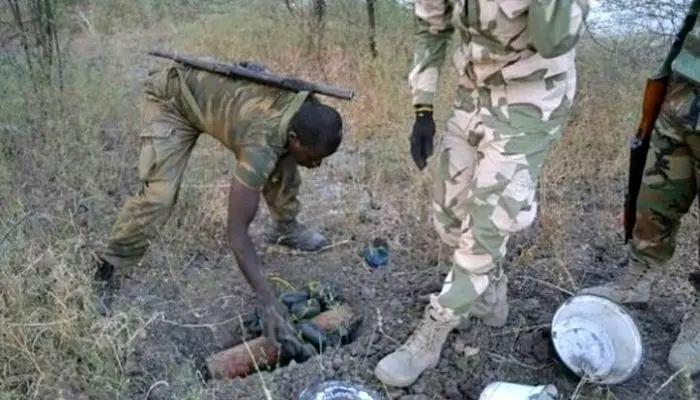
    No fewer than nine soldiers lost their lives on Monday, January 5, after their convoy hit a landmine and came under fire from terrorists near Bindundul village, some 12 miles from Kareto, an area where Daesh-affiliated Islamic State West Africa Province (ISWAP) fighters were said to operate freely and often set up checkpoints.

    According to two security sources from the Damasak brigade, the terrorists planted a mine that the soldiers stepped on. Unfortunately, about nine soldiers died instantly, while five others were seriously injured.

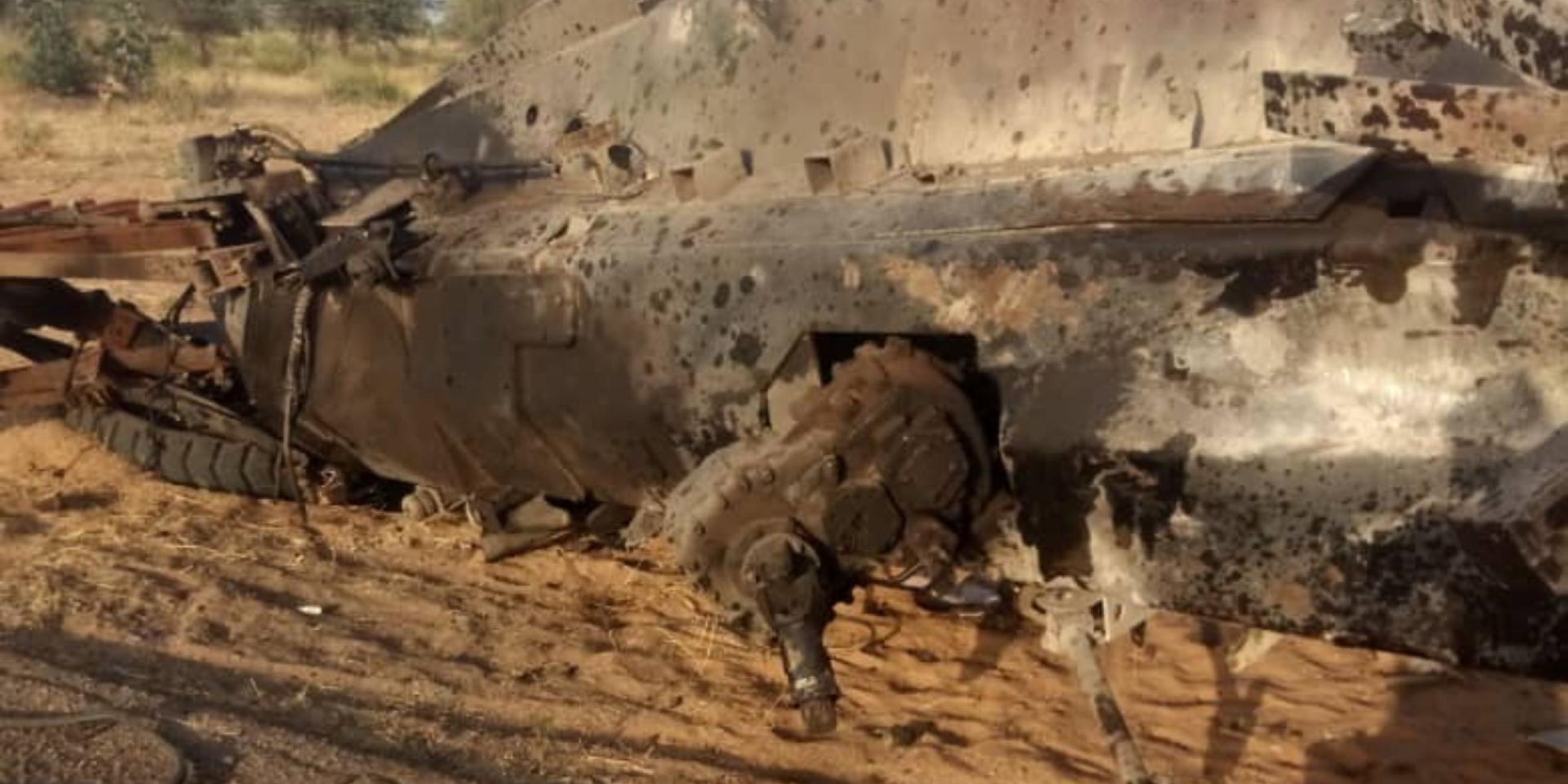
    A member of the Civilian Joint Task Force involved in the rescue operation, Abba Kaka Tuja, added that an armoured vehicle was destroyed when the mine detonated, followed by sporadic gunfire from militants.

    The soldiers were traveling from Maiduguri to Damasak, the headquarters of Mobbar Local Government Area, when the attack occurred.
    Nine soldiers k!lled as their convoy ran into a landmine in Borno community No fewer than nine soldiers lost their lives on Monday, January 5, after their convoy hit a landmine and came under fire from terrorists near Bindundul village, some 12 miles from Kareto, an area where Daesh-affiliated Islamic State West Africa Province (ISWAP) fighters were said to operate freely and often set up checkpoints. According to two security sources from the Damasak brigade, the terrorists planted a mine that the soldiers stepped on. Unfortunately, about nine soldiers died instantly, while five others were seriously injured. A member of the Civilian Joint Task Force involved in the rescue operation, Abba Kaka Tuja, added that an armoured vehicle was destroyed when the mine detonated, followed by sporadic gunfire from militants. The soldiers were traveling from Maiduguri to Damasak, the headquarters of Mobbar Local Government Area, when the attack occurred.
    like
    1
    · 0 Commentarios ·0 Acciones ·1K Views
  • Boko Haram IED Attack Kills Nine Nigerian Soldiers, Injures Several in Borno State

    At least nine Nigerian soldiers have been killed and several others injured in Borno State following an explosion caused by improvised explosive devices (IEDs) planted by Boko Haram, SaharaReporters has confirmed. The incident occurred near Gubio as soldiers were returning from Maiduguri and stopping at a camp along the route.

    A military source clarified that the explosion, not an ambush, caused the fatalities and serious injuries, with some soldiers suffering severed limbs due to the blast’s force. The affected soldiers belonged to the 145 Damasak unit under the 5th Brigade, Maiduguri.

    This attack is part of an ongoing pattern of assaults by Boko Haram and the Islamic State West Africa Province (ISWAP) targeting military formations and patrol routes in northeastern Nigeria using explosives and coordinated attacks. The Nigerian Army has not yet issued an official statement regarding the incident.

    This marks the latest in a series of violent insurgent activities that continue to challenge security efforts in the North-East.
    Boko Haram IED Attack Kills Nine Nigerian Soldiers, Injures Several in Borno State At least nine Nigerian soldiers have been killed and several others injured in Borno State following an explosion caused by improvised explosive devices (IEDs) planted by Boko Haram, SaharaReporters has confirmed. The incident occurred near Gubio as soldiers were returning from Maiduguri and stopping at a camp along the route. A military source clarified that the explosion, not an ambush, caused the fatalities and serious injuries, with some soldiers suffering severed limbs due to the blast’s force. The affected soldiers belonged to the 145 Damasak unit under the 5th Brigade, Maiduguri. This attack is part of an ongoing pattern of assaults by Boko Haram and the Islamic State West Africa Province (ISWAP) targeting military formations and patrol routes in northeastern Nigeria using explosives and coordinated attacks. The Nigerian Army has not yet issued an official statement regarding the incident. This marks the latest in a series of violent insurgent activities that continue to challenge security efforts in the North-East.
    like
    1
    · 0 Commentarios ·0 Acciones ·1K Views
  • Gambian Authorities Confirm Seven Dead, Scores Rescued After Migrant Boat Carrying Over 200 People Capsizes on Deadly Atlantic Route

    Gambian authorities have confirmed that at least seven people died and 96 others were rescued after a boat carrying migrants capsized overnight, according to a statement from the country’s defence ministry. The vessel was reportedly transporting more than 200 migrants when the tragic incident occurred.

    Officials said 10 of the rescued migrants were in critical condition and are currently receiving urgent medical treatment. Search and rescue operations led to the recovery of seven bodies, while fears remain that many others may still be missing.

    The incident once again highlights the extreme dangers of the Atlantic migration route from West Africa to Spain’s Canary Islands, widely regarded as one of the deadliest migration corridors in the world. Thousands of African migrants attempt the journey each year in overcrowded and unseaworthy boats in search of better economic opportunities.

    According to European Union data cited by Reuters, more than 46,000 irregular migrants arrived in the Canary Islands in 2024, the highest number ever recorded. Meanwhile, rights group Caminando Fronteras reported that over 10,000 people died attempting the crossing in the same year, representing a 58 percent increase compared with 2023.

    The latest tragedy follows a similar deadly incident in August 2025, when at least 70 migrants were killed after a boat believed to have departed from Gambia capsized, one of the worst migrant boat disasters in recent years.
    Gambian Authorities Confirm Seven Dead, Scores Rescued After Migrant Boat Carrying Over 200 People Capsizes on Deadly Atlantic Route Gambian authorities have confirmed that at least seven people died and 96 others were rescued after a boat carrying migrants capsized overnight, according to a statement from the country’s defence ministry. The vessel was reportedly transporting more than 200 migrants when the tragic incident occurred. Officials said 10 of the rescued migrants were in critical condition and are currently receiving urgent medical treatment. Search and rescue operations led to the recovery of seven bodies, while fears remain that many others may still be missing. The incident once again highlights the extreme dangers of the Atlantic migration route from West Africa to Spain’s Canary Islands, widely regarded as one of the deadliest migration corridors in the world. Thousands of African migrants attempt the journey each year in overcrowded and unseaworthy boats in search of better economic opportunities. According to European Union data cited by Reuters, more than 46,000 irregular migrants arrived in the Canary Islands in 2024, the highest number ever recorded. Meanwhile, rights group Caminando Fronteras reported that over 10,000 people died attempting the crossing in the same year, representing a 58 percent increase compared with 2023. The latest tragedy follows a similar deadly incident in August 2025, when at least 70 migrants were killed after a boat believed to have departed from Gambia capsized, one of the worst migrant boat disasters in recent years.
    like
    1
    · 0 Commentarios ·0 Acciones ·1K Views
  • US Lawmaker Riley Moore Condemns ISWAP’s Fresh Threat Against Nigerian Christians After Adamawa Attack, Calls It Clear Religious Persecution

    A United States lawmaker, Rep. Riley M. Moore of West Virginia, has strongly condemned a reported threat by the Islamic State West Africa Province (ISWAP) against Christians in Nigeria, describing it as blatant religious persecution. Moore reacted to reports that ISWAP released an image of a Christian village in Adamawa State set ablaze, accompanied by a warning declaring Christians across Nigeria as “legitimate targets.”

    In a statement shared on his official X account, Moore said the threat leaves no doubt that Christians in Nigeria are being targeted solely because of their faith. He rejected explanations that frame the violence as being driven by land disputes or climate-related factors, insisting it is persecution based on religion.

    According to reports, ISWAP allegedly warned Christians to convert to Islam or face death, stating they could “spare their blood” by converting or paying the jizyah tax. Moore noted that such language mirrors tactics historically used by ISIS in other conflict zones around the world.

    The congressman also praised ongoing cooperation between the United States and Nigeria in combating extremist violence, expressing support for efforts by the U.S. government to counter jihadist groups and protect vulnerable Christian communities.

    Nigeria has endured years of attacks by Boko Haram and its ISWAP faction, particularly in the northeast, with rights groups repeatedly warning that Christian communities are disproportionately affected. Moore’s remarks add to growing international calls for stronger action and increased global attention to religious persecution and insecurity in Nigeria.
    US Lawmaker Riley Moore Condemns ISWAP’s Fresh Threat Against Nigerian Christians After Adamawa Attack, Calls It Clear Religious Persecution A United States lawmaker, Rep. Riley M. Moore of West Virginia, has strongly condemned a reported threat by the Islamic State West Africa Province (ISWAP) against Christians in Nigeria, describing it as blatant religious persecution. Moore reacted to reports that ISWAP released an image of a Christian village in Adamawa State set ablaze, accompanied by a warning declaring Christians across Nigeria as “legitimate targets.” In a statement shared on his official X account, Moore said the threat leaves no doubt that Christians in Nigeria are being targeted solely because of their faith. He rejected explanations that frame the violence as being driven by land disputes or climate-related factors, insisting it is persecution based on religion. According to reports, ISWAP allegedly warned Christians to convert to Islam or face death, stating they could “spare their blood” by converting or paying the jizyah tax. Moore noted that such language mirrors tactics historically used by ISIS in other conflict zones around the world. The congressman also praised ongoing cooperation between the United States and Nigeria in combating extremist violence, expressing support for efforts by the U.S. government to counter jihadist groups and protect vulnerable Christian communities. Nigeria has endured years of attacks by Boko Haram and its ISWAP faction, particularly in the northeast, with rights groups repeatedly warning that Christian communities are disproportionately affected. Moore’s remarks add to growing international calls for stronger action and increased global attention to religious persecution and insecurity in Nigeria.
    like
    1
    · 0 Commentarios ·0 Acciones ·2K Views
  • Mali and Burkina Faso Impose Travel Ban on US Citizens in Retaliation Against Trump’s Expanded Travel Restrictions, Citing Reciprocity and Sovereignty

    Mali and Burkina Faso have announced a travel ban on United States citizens in direct response to President Donald Trump’s expanded travel restrictions that placed both West African countries on a full no-entry list. The two military-led nations said the decision was based on the principle of reciprocity, with Burkina Faso’s foreign minister stressing fairness, while Mali emphasized mutual respect and sovereign equality. Mali also expressed regret that the US decision was taken without prior consultation. The move follows a similar ban imposed by neighbouring Niger, as the three junta-led states deepen regional cooperation and increasingly align with Russia amid strained relations with Western powers. The development comes against the backdrop of broader US immigration suspensions affecting multiple countries, which Washington says are driven by national security concerns.
    Mali and Burkina Faso Impose Travel Ban on US Citizens in Retaliation Against Trump’s Expanded Travel Restrictions, Citing Reciprocity and Sovereignty Mali and Burkina Faso have announced a travel ban on United States citizens in direct response to President Donald Trump’s expanded travel restrictions that placed both West African countries on a full no-entry list. The two military-led nations said the decision was based on the principle of reciprocity, with Burkina Faso’s foreign minister stressing fairness, while Mali emphasized mutual respect and sovereign equality. Mali also expressed regret that the US decision was taken without prior consultation. The move follows a similar ban imposed by neighbouring Niger, as the three junta-led states deepen regional cooperation and increasingly align with Russia amid strained relations with Western powers. The development comes against the backdrop of broader US immigration suspensions affecting multiple countries, which Washington says are driven by national security concerns.
    like
    1
    · 0 Commentarios ·0 Acciones ·1K Views
  • Toyin Abraham Talks Big About ‘Oversabi Aunty’ as Movie Grosses ₦382m in 11 Days, While Funke Akindele’s ‘Behind The Scenes’ Smashes ₦1bn Box Office Record

    Nollywood actress and producer Toyin Abraham has sparked conversations online after confidently celebrating the success of her new movie, Oversabi Aunty, at a time when Funke Akindele’s latest film, Behind The Scenes, is dominating headlines for crossing the ₦1 billion box office mark in just weeks. Taking to Instagram, Toyin revealed that Oversabi Aunty has grossed ₦382,897,436 in only 11 days, describing the achievement as a major personal milestone compared to her previous films, which took about three weeks to reach similar figures. She expressed heartfelt gratitude to God and her fans, urging Nigerians to continue supporting the movie in cinemas nationwide.
    Meanwhile, Funke Akindele’s Behind The Scenes, distributed by FilmOne Entertainment, has officially become the highest-grossing Nollywood film of 2025 and the fastest in West Africa to hit ₦1 billion. The movie reportedly broke multiple opening-weekend records, including the highest single-day gross ever on Boxing Day with ₦129.5 million. Reacting to the milestone, Akindele thanked her fans, colleagues, distributors, cast, and crew, noting that the film’s success is a collective achievement. The movie now joins her elite list of billion-naira films, alongside A Tribe Called Judah and Everybody Loves Jenifa, further cementing her status as Nollywood’s box office queen.
    Toyin Abraham Talks Big About ‘Oversabi Aunty’ as Movie Grosses ₦382m in 11 Days, While Funke Akindele’s ‘Behind The Scenes’ Smashes ₦1bn Box Office Record Nollywood actress and producer Toyin Abraham has sparked conversations online after confidently celebrating the success of her new movie, Oversabi Aunty, at a time when Funke Akindele’s latest film, Behind The Scenes, is dominating headlines for crossing the ₦1 billion box office mark in just weeks. Taking to Instagram, Toyin revealed that Oversabi Aunty has grossed ₦382,897,436 in only 11 days, describing the achievement as a major personal milestone compared to her previous films, which took about three weeks to reach similar figures. She expressed heartfelt gratitude to God and her fans, urging Nigerians to continue supporting the movie in cinemas nationwide. Meanwhile, Funke Akindele’s Behind The Scenes, distributed by FilmOne Entertainment, has officially become the highest-grossing Nollywood film of 2025 and the fastest in West Africa to hit ₦1 billion. The movie reportedly broke multiple opening-weekend records, including the highest single-day gross ever on Boxing Day with ₦129.5 million. Reacting to the milestone, Akindele thanked her fans, colleagues, distributors, cast, and crew, noting that the film’s success is a collective achievement. The movie now joins her elite list of billion-naira films, alongside A Tribe Called Judah and Everybody Loves Jenifa, further cementing her status as Nollywood’s box office queen.
    0 Commentarios ·0 Acciones ·2K Views
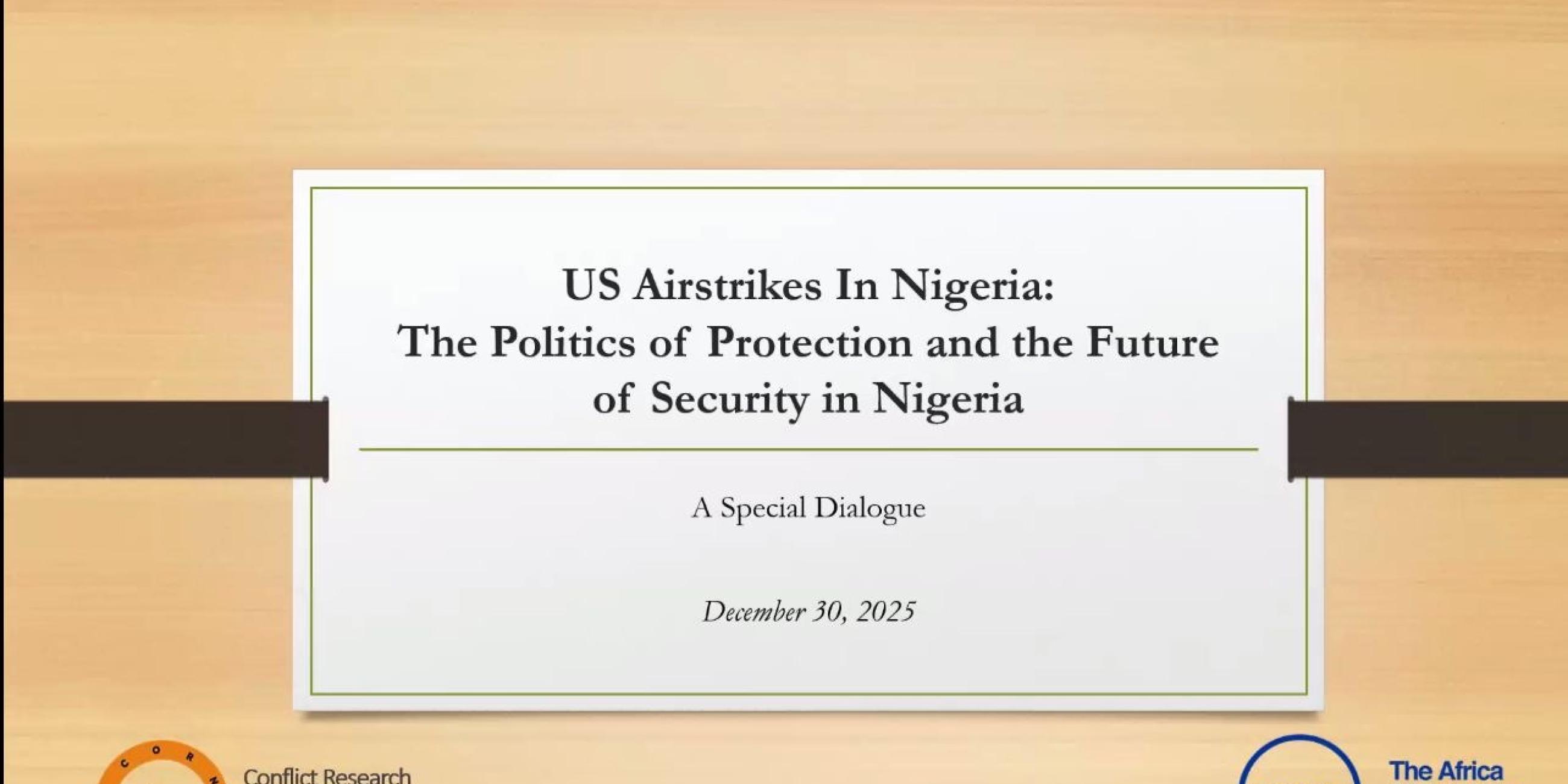
  • Scholars and Activists Hold Special Dialogue on US Christmas Airstrikes in Nigeria, Debate Foreign Military Intervention, Sovereignty, and Security Implications

    Civil society groups and scholars convened a special dialogue to examine the implications of recent US airstrikes in Nigeria, raising concerns about foreign military involvement, national sovereignty, and long-term security. The event, titled “US Airstrikes in Nigeria: The Politics of Protection and the Future of Security in Nigeria,” was organized by the Conflict Research Network (CORN) West Africa and The Africa TADLab Disruptions.
    Professor Mojubaolu O. Okome, chairing the session, argued that US intervention aligns with broader American strategic interests, including control of resources, rather than Nigeria’s security needs. She warned of potential collateral damage and the long-term entrenchment of foreign military presence. Other participants debated the moral and strategic implications, with some cautioning that military action could instill fear among civilians, while others highlighted the challenges of opposing foreign intervention in protecting Nigerian citizens.
    The dialogue aimed to foster critical reflection on foreign military engagement in Nigeria and its potential consequences as the country grapples with widespread insecurity.
    Scholars and Activists Hold Special Dialogue on US Christmas Airstrikes in Nigeria, Debate Foreign Military Intervention, Sovereignty, and Security Implications Civil society groups and scholars convened a special dialogue to examine the implications of recent US airstrikes in Nigeria, raising concerns about foreign military involvement, national sovereignty, and long-term security. The event, titled “US Airstrikes in Nigeria: The Politics of Protection and the Future of Security in Nigeria,” was organized by the Conflict Research Network (CORN) West Africa and The Africa TADLab Disruptions. Professor Mojubaolu O. Okome, chairing the session, argued that US intervention aligns with broader American strategic interests, including control of resources, rather than Nigeria’s security needs. She warned of potential collateral damage and the long-term entrenchment of foreign military presence. Other participants debated the moral and strategic implications, with some cautioning that military action could instill fear among civilians, while others highlighted the challenges of opposing foreign intervention in protecting Nigerian citizens. The dialogue aimed to foster critical reflection on foreign military engagement in Nigeria and its potential consequences as the country grapples with widespread insecurity.
    0 Commentarios ·0 Acciones ·656 Views
  • US Resumes Surveillance Flights Over North-East Nigeria After Sokoto Airstrikes

    The United States has resumed intelligence, surveillance, and reconnaissance (ISR) operations over Nigeria’s north-east, focusing on militant activity in the Sambisa Forest, days after airstrikes on ISIS fighters in Sokoto State.

    The development was disclosed on Saturday by Sahel-focused t+rrorism tracker Brant Philip, who shared flight-tracking data showing a US aircraft operating over Borno State. According to the data, the aircraft was a Gulfstream V — a long-range jet often modified for ISR missions.

    “The United States resumed ISR operations today on ISWAP in the Sambisa forest, Borno State in northeast Nigeria, after a pause of one day following the strikes in Sokoto State,” Philip wrote on X. He explained that Saturday’s operation targeted the Islamic State West Africa Province (ISWAP), the ISIS affiliate active mainly in Nigeria’s north-east and the Lake Chad basin.

    Flight-tracking records reviewed by open-source analysts show that the US began its current ISR missions over Nigeria on November 24, with aircraft taking off from Ghana, a key logistics hub for the American military in West Africa.

    The same aircraft, linked to Tenax Aerospace, a US special mission aircraft provider, has reportedly flown over Nigeria almost daily since then. Sources familiar with the operation said the flights are aimed at monitoring militant groups and tracking an American pilot k+dnapped in neighbouring Niger Republic.

    The renewed US activity comes weeks after Nigeria’s National Security Adviser, Mallam Nuhu Ribadu, met with US Defence Secretary Pete Hegseth in Washington amid tensions over President Donald Trump’s threats of military intervention.

    Following the meeting, Hegseth said the US would work “aggressively” with Nigeria to end what he described as the “persecution of Christians by jihadist t+rrorists.”

    Thursday night’s airstrikes in North-West Nigeria, reportedly targeting ISIS-linked militants, were described by Trump as the “first fulfillment” of that pledge. “More str+kes would follow,” the US President warned.
    US Resumes Surveillance Flights Over North-East Nigeria After Sokoto Airstrikes The United States has resumed intelligence, surveillance, and reconnaissance (ISR) operations over Nigeria’s north-east, focusing on militant activity in the Sambisa Forest, days after airstrikes on ISIS fighters in Sokoto State. The development was disclosed on Saturday by Sahel-focused t+rrorism tracker Brant Philip, who shared flight-tracking data showing a US aircraft operating over Borno State. According to the data, the aircraft was a Gulfstream V — a long-range jet often modified for ISR missions. “The United States resumed ISR operations today on ISWAP in the Sambisa forest, Borno State in northeast Nigeria, after a pause of one day following the strikes in Sokoto State,” Philip wrote on X. He explained that Saturday’s operation targeted the Islamic State West Africa Province (ISWAP), the ISIS affiliate active mainly in Nigeria’s north-east and the Lake Chad basin. Flight-tracking records reviewed by open-source analysts show that the US began its current ISR missions over Nigeria on November 24, with aircraft taking off from Ghana, a key logistics hub for the American military in West Africa. The same aircraft, linked to Tenax Aerospace, a US special mission aircraft provider, has reportedly flown over Nigeria almost daily since then. Sources familiar with the operation said the flights are aimed at monitoring militant groups and tracking an American pilot k+dnapped in neighbouring Niger Republic. The renewed US activity comes weeks after Nigeria’s National Security Adviser, Mallam Nuhu Ribadu, met with US Defence Secretary Pete Hegseth in Washington amid tensions over President Donald Trump’s threats of military intervention. Following the meeting, Hegseth said the US would work “aggressively” with Nigeria to end what he described as the “persecution of Christians by jihadist t+rrorists.” Thursday night’s airstrikes in North-West Nigeria, reportedly targeting ISIS-linked militants, were described by Trump as the “first fulfillment” of that pledge. “More str+kes would follow,” the US President warned.
    0 Commentarios ·0 Acciones ·1K Views
  • Nigeria Can Now Purchase US Military Hardware as Washington Relaxes Leahy Law Restrictions – Foreign Minister Tuggar

    Nigeria’s Minister of Foreign Affairs, Yusuf Maitama Tuggar, has confirmed that the country can now purchase military hardware from the United States following a relaxation of restrictions linked to the US Leahy Law. Speaking on Channels Television, Tuggar described the move as a major shift in Nigeria–US security cooperation after years of limitations imposed over human rights concerns. While welcoming the development, he cautioned that affordability remains a key challenge for Nigeria’s defence upgrades. The minister also blamed past foreign interventions, particularly NATO’s role in Libya and the killing of Muammar Gaddafi, for worsening insecurity across West Africa through the spread of fighters and weapons. Tuggar stressed that Nigeria’s security crisis should be addressed as a regional conflict rather than a purely domestic or religious issue.
    Nigeria Can Now Purchase US Military Hardware as Washington Relaxes Leahy Law Restrictions – Foreign Minister Tuggar Nigeria’s Minister of Foreign Affairs, Yusuf Maitama Tuggar, has confirmed that the country can now purchase military hardware from the United States following a relaxation of restrictions linked to the US Leahy Law. Speaking on Channels Television, Tuggar described the move as a major shift in Nigeria–US security cooperation after years of limitations imposed over human rights concerns. While welcoming the development, he cautioned that affordability remains a key challenge for Nigeria’s defence upgrades. The minister also blamed past foreign interventions, particularly NATO’s role in Libya and the killing of Muammar Gaddafi, for worsening insecurity across West Africa through the spread of fighters and weapons. Tuggar stressed that Nigeria’s security crisis should be addressed as a regional conflict rather than a purely domestic or religious issue.
    like
    1
    · 0 Commentarios ·0 Acciones ·1K Views
  • US Conducts Surveillance Flights Over Nigeria After Trump’s Military Threat, Targets Boko Haram, ISWAP Amid Rising Insecurity

    The United States has reportedly been carrying out intelligence and surveillance flights over large parts of Nigeria since late November 2025, following former President Donald Trump’s threat of possible military intervention over escalating violence and alleged attacks on Christian communities. Flight tracking data shows that contractor-operated aircraft linked to Mississippi-based Tenax Aerospace have been flying almost daily from Ghana into Nigerian airspace to gather intelligence. U.S. officials say the missions are focused on tracking militant groups such as Boko Haram and the Islamic State West Africa Province (ISWAP), as well as monitoring a kidnapped American pilot. The operations signal renewed U.S.–Nigeria security cooperation amid worsening insecurity, although both governments have declined to publicly disclose details due to diplomatic sensitivities.
    US Conducts Surveillance Flights Over Nigeria After Trump’s Military Threat, Targets Boko Haram, ISWAP Amid Rising Insecurity The United States has reportedly been carrying out intelligence and surveillance flights over large parts of Nigeria since late November 2025, following former President Donald Trump’s threat of possible military intervention over escalating violence and alleged attacks on Christian communities. Flight tracking data shows that contractor-operated aircraft linked to Mississippi-based Tenax Aerospace have been flying almost daily from Ghana into Nigerian airspace to gather intelligence. U.S. officials say the missions are focused on tracking militant groups such as Boko Haram and the Islamic State West Africa Province (ISWAP), as well as monitoring a kidnapped American pilot. The operations signal renewed U.S.–Nigeria security cooperation amid worsening insecurity, although both governments have declined to publicly disclose details due to diplomatic sensitivities.
    0 Commentarios ·0 Acciones ·1K Views
  • WHEN A TERRORIST TESTIFIES BEFORE THE WORLD:

    BELLO TURJI SPEAKS, AND NIGERIA STANDS ACCUSED

    By
    Sa'adiyyah Adebisi Hassan

    What does it mean when a country’s Minister of Defence becomes the subject of a public rebuttal by a self-confessed terrorist?

    What do we call a nation where a mass murderer feels confident enough to issue a sermon, clarify figures, confirm negotiations, and invoke God while the state watches in silence?

    Nigeria no longer needs analysts.
    Nigeria now has testimony.

    FULL STATEMENT BY BELLO TURJI (UNEDITED, QUOTED IN FULL)

    Bello Turji, a globally wanted terrorist leader responsible for mass killings, kidnappings, and terror across Nigeria’s North-West, released a video message. Below is his statement quoted word for word, from A to Z, as spoken:

    “In the name of Allah, the Most Beneficent, the Most Merciful.

    People of the world, I greet you with the Islamic greeting: Assalamu alaykum wa rahmatullahi wa barakatuhu.

    My Muslim brothers and sisters in Nigeria and across West Africa, I wish you well. I do not need to mention my name, everyone knows who I am. I am Muhammad Bello Turji.

    We make demands on the government, and if the government listens and changes its ways, by Allah, there will be peace. But if the government refuses, then by Allah, you know who I am. I am Bello Turji.

    I am here to send a message to those who have turned our lives in Nigeria into dust. They keep killing us, and they keep arguing among themselves, blaming one another for what is happening.

    I listened to the confession of Musa Kamarawa, who does not know what he is doing. This same Musa is claiming he has evidence, especially after Matawalle sued the cleric Murtala Asada.

    Musa Kamarawa, by your own words you have now admitted that you are a terrorist like us. Yes, I agree that the Zamfara State Government under Matawalle asked you to act as an intermediary between us and the government in order to negotiate peace. But about three percent of what you are saying is a lie.

    You claimed that we came to the Government House and that Matawalle gave me ₦30 million. I swear by Allah, since the day I was born, Matawalle has never given me even ₦5 million. I am not here to defend Matawalle.

    In this world, the person I hate most is Matawalle. During his tenure as governor, there was a day when we buried 70 people - men, women, and children - killed by a bomb blast. It was also during his tenure that my father was unjustly arrested and sent to prison. You know this very well. So tell me, how can I love Matawalle?

    However, I will not allow you to use my name to defame someone or lie against anyone. Yes, during Matawalle’s era, negotiations took place. Anything you say, I can defend myself alongside the late Kachalla Halilu, who is no longer alive.

    Musa, you are a hypocrite. You claimed Matawalle gave us ₦30 million - were you the one who held the money? I am a witness. Morsidi and I went to see Matawalle, but he did not give me even ₦3 million. I swear to Allah.

    You also spoke about dusa. The dusa was given after negotiations, when we agreed to stop killing and the government also agreed to stop killing us. Your committee was given the responsibility to buy the dusa, at ₦650,000 per bag.

    Musa, you do not fear Allah. You are a bad person. Even if Matawalle is killed today and only you are left, you will not live forever. Fear Allah, Musa Kamarawa. Fear Allah.

    If terrorists are truly what the authorities are looking for, then they should arrest your godfathers - the former governor of Sokoto State and Yarima. We have heard that what is happening in Zamfara and Sokoto began with them. Were they not the ones who destroyed Fulani houses? Were they not the ones who created local vigilante groups to kill Fulani people?

    Musa Kamarawa, you know me and I know you. The house you live in, in Isa Local Government - about one kilometre away - was it not your godfather who bought Fulani settlements and cleared them? Yet you still ask who brought trouble to Zamfara? Your godfathers are the source.

    Subhanallahi, wa iyyazu billahi.

    Before Matawalle became governor - during Shehi’s era - who then was sponsoring us ? We come from Rabbil ‘Alamin, from Almighty Allah. No one is bankrolling us.

    If you are attempting blackmail, know this: no one can use us for politics. We have nothing to do with politicians. No one can use me to blackmail anyone.

    Matawalle cheated me, and I leave him to Rabbil ‘Alamin.”

    That is the full statement.
    Nothing added. Nothing removed.

    WHAT THIS CONFESSION ACTUALLY MEANS

    Strip away the religious language and personal grudges, and what remains is devastating:

    1. A terrorist publicly admits to negotiations with a state government.

    2. He confirms intermediaries were officially used.

    3. He confirms material items (“dusa”) were provided after negotiations.

    4. He disputes amounts - not the act itself.

    This is not denial.
    This is damage control between criminals and power.

    INTERNATIONAL LAW: THIS IS TERRORISM FINANCING - FULL STOP

    Under international law, none of this is ambiguous.

    United Nations Security Council Resolution 1373

    Criminalizes:

    Direct or indirect support to terrorist groups

    Provision of funds, goods, food, or logistics

    Negotiations that involve material benefit

    There is no “peace talks” exception when:

    terrorists remain armed,

    no formal disarmament occurs,

    and killings continue.

    Financial Action Task Force (FATF)

    Defines terrorism financing as:

    “The provision or collection of funds or assets, directly or indirectly, with the intention or knowledge that they be used by a terrorist organisation.”

    Food, vehicles, cash, livestock feed - all qualify as assets.

    Comparative Reality

    In Colombia, officials went to prison for negotiating with FARC.

    In Italy, governments collapsed over mafia talks.

    In Pakistan, ministers were removed for “contacts.”

    In France or the UK, a defence official would be suspended within hours.

    In Nigeria, a terrorist clarifies the deal on video.

    THE MOST DAMNING PART: THE CONFIDENCE

    Bello Turji did not hide. He did not run. He did not whisper.

    He spoke calmly. He invoked God. He corrected records. He warned others.

    That confidence is not accidental.

    It comes from a system that has lost its fear of law.

    THIS IS STATE FAILURE IN REAL TIME

    This is no longer about politics. Not about parties. Not about religion.

    This is about whether Nigeria still qualifies as a sovereign state under international norms.

    When terrorists speak like insiders,
    when defence officials remain untouched,
    when confessions meet silence,

    the world draws its own conclusions.

    Nigeria is crying and the evidence is speaking for itself.
    WHEN A TERRORIST TESTIFIES BEFORE THE WORLD: BELLO TURJI SPEAKS, AND NIGERIA STANDS ACCUSED By Sa'adiyyah Adebisi Hassan What does it mean when a country’s Minister of Defence becomes the subject of a public rebuttal by a self-confessed terrorist? What do we call a nation where a mass murderer feels confident enough to issue a sermon, clarify figures, confirm negotiations, and invoke God while the state watches in silence? Nigeria no longer needs analysts. Nigeria now has testimony. FULL STATEMENT BY BELLO TURJI (UNEDITED, QUOTED IN FULL) Bello Turji, a globally wanted terrorist leader responsible for mass killings, kidnappings, and terror across Nigeria’s North-West, released a video message. Below is his statement quoted word for word, from A to Z, as spoken: “In the name of Allah, the Most Beneficent, the Most Merciful. People of the world, I greet you with the Islamic greeting: Assalamu alaykum wa rahmatullahi wa barakatuhu. My Muslim brothers and sisters in Nigeria and across West Africa, I wish you well. I do not need to mention my name, everyone knows who I am. I am Muhammad Bello Turji. We make demands on the government, and if the government listens and changes its ways, by Allah, there will be peace. But if the government refuses, then by Allah, you know who I am. I am Bello Turji. I am here to send a message to those who have turned our lives in Nigeria into dust. They keep killing us, and they keep arguing among themselves, blaming one another for what is happening. I listened to the confession of Musa Kamarawa, who does not know what he is doing. This same Musa is claiming he has evidence, especially after Matawalle sued the cleric Murtala Asada. Musa Kamarawa, by your own words you have now admitted that you are a terrorist like us. Yes, I agree that the Zamfara State Government under Matawalle asked you to act as an intermediary between us and the government in order to negotiate peace. But about three percent of what you are saying is a lie. You claimed that we came to the Government House and that Matawalle gave me ₦30 million. I swear by Allah, since the day I was born, Matawalle has never given me even ₦5 million. I am not here to defend Matawalle. In this world, the person I hate most is Matawalle. During his tenure as governor, there was a day when we buried 70 people - men, women, and children - killed by a bomb blast. It was also during his tenure that my father was unjustly arrested and sent to prison. You know this very well. So tell me, how can I love Matawalle? However, I will not allow you to use my name to defame someone or lie against anyone. Yes, during Matawalle’s era, negotiations took place. Anything you say, I can defend myself alongside the late Kachalla Halilu, who is no longer alive. Musa, you are a hypocrite. You claimed Matawalle gave us ₦30 million - were you the one who held the money? I am a witness. Morsidi and I went to see Matawalle, but he did not give me even ₦3 million. I swear to Allah. You also spoke about dusa. The dusa was given after negotiations, when we agreed to stop killing and the government also agreed to stop killing us. Your committee was given the responsibility to buy the dusa, at ₦650,000 per bag. Musa, you do not fear Allah. You are a bad person. Even if Matawalle is killed today and only you are left, you will not live forever. Fear Allah, Musa Kamarawa. Fear Allah. If terrorists are truly what the authorities are looking for, then they should arrest your godfathers - the former governor of Sokoto State and Yarima. We have heard that what is happening in Zamfara and Sokoto began with them. Were they not the ones who destroyed Fulani houses? Were they not the ones who created local vigilante groups to kill Fulani people? Musa Kamarawa, you know me and I know you. The house you live in, in Isa Local Government - about one kilometre away - was it not your godfather who bought Fulani settlements and cleared them? Yet you still ask who brought trouble to Zamfara? Your godfathers are the source. Subhanallahi, wa iyyazu billahi. Before Matawalle became governor - during Shehi’s era - who then was sponsoring us ? We come from Rabbil ‘Alamin, from Almighty Allah. No one is bankrolling us. If you are attempting blackmail, know this: no one can use us for politics. We have nothing to do with politicians. No one can use me to blackmail anyone. Matawalle cheated me, and I leave him to Rabbil ‘Alamin.” That is the full statement. Nothing added. Nothing removed. WHAT THIS CONFESSION ACTUALLY MEANS Strip away the religious language and personal grudges, and what remains is devastating: 1. A terrorist publicly admits to negotiations with a state government. 2. He confirms intermediaries were officially used. 3. He confirms material items (“dusa”) were provided after negotiations. 4. He disputes amounts - not the act itself. This is not denial. This is damage control between criminals and power. INTERNATIONAL LAW: THIS IS TERRORISM FINANCING - FULL STOP Under international law, none of this is ambiguous. United Nations Security Council Resolution 1373 Criminalizes: Direct or indirect support to terrorist groups Provision of funds, goods, food, or logistics Negotiations that involve material benefit There is no “peace talks” exception when: terrorists remain armed, no formal disarmament occurs, and killings continue. Financial Action Task Force (FATF) Defines terrorism financing as: “The provision or collection of funds or assets, directly or indirectly, with the intention or knowledge that they be used by a terrorist organisation.” Food, vehicles, cash, livestock feed - all qualify as assets. Comparative Reality In Colombia, officials went to prison for negotiating with FARC. In Italy, governments collapsed over mafia talks. In Pakistan, ministers were removed for “contacts.” In France or the UK, a defence official would be suspended within hours. In Nigeria, a terrorist clarifies the deal on video. THE MOST DAMNING PART: THE CONFIDENCE Bello Turji did not hide. He did not run. He did not whisper. He spoke calmly. He invoked God. He corrected records. He warned others. That confidence is not accidental. It comes from a system that has lost its fear of law. THIS IS STATE FAILURE IN REAL TIME This is no longer about politics. Not about parties. Not about religion. This is about whether Nigeria still qualifies as a sovereign state under international norms. When terrorists speak like insiders, when defence officials remain untouched, when confessions meet silence, the world draws its own conclusions. Nigeria is crying and the evidence is speaking for itself.
    love
    1
    · 1 Commentarios ·0 Acciones ·3K Views
Resultados de la búsqueda
Fintter https://fintter.com