• Is the ‘Christian Genocide’ in Nigeria a Political Narrative? Why Trump Admits Muslims Are Also Killed as Sowore Accuses the U.S. of Using Religion to Justify Power, Oil, and Military Influence

    Is the narrative of a “Christian genocide” in Nigeria an honest reflection of the country’s security crisis—or a political tool shaped by foreign interests? United States President Donald Trump has made a partial shift in his long-standing rhetoric on religious violence in Nigeria, acknowledging that Muslims are also being killed, even while maintaining that Christians remain the primary victims.

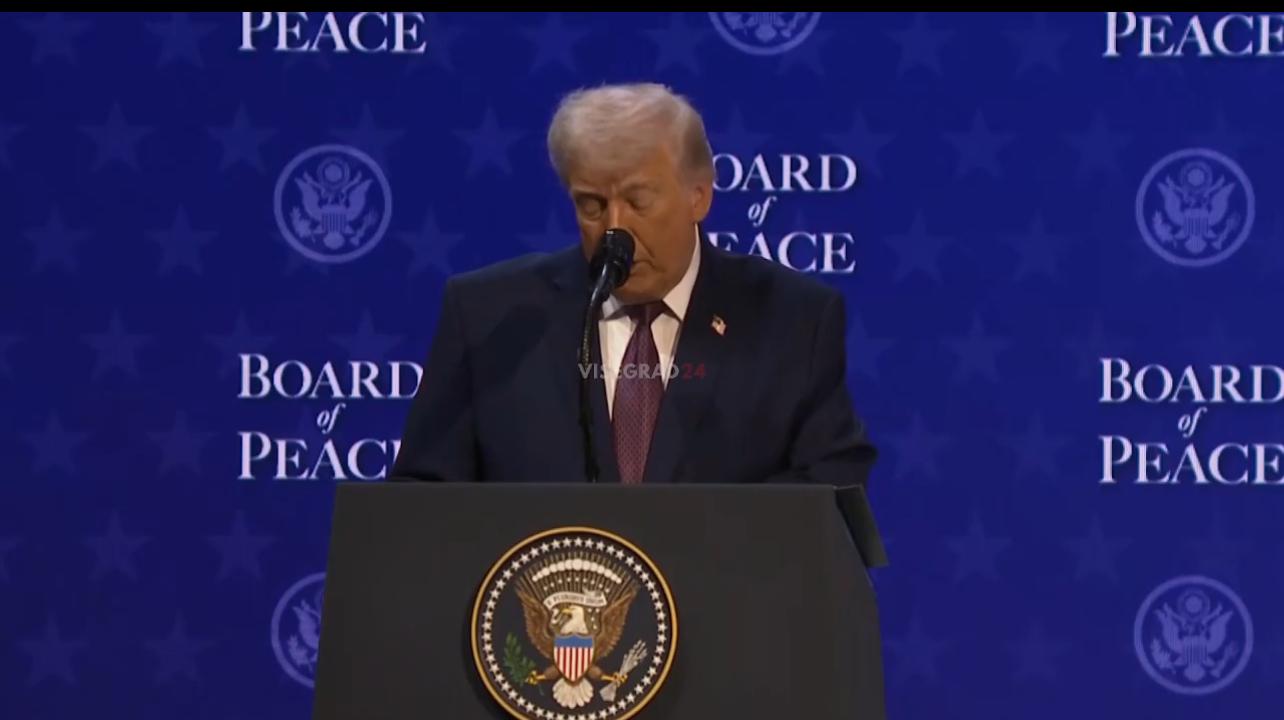
    Trump made the remarks during an interview with The New York Times following questions about Washington’s Christmas Day military strike in northwest Nigeria. The U.S. military said the operation, carried out at the request of the Nigerian government, targeted Islamic State West Africa Province (ISWAP), a Boko Haram splinter group responsible for years of deadly attacks across northern Nigeria.

    When asked about earlier comments from his own Africa adviser—who had stated that extremist groups in Nigeria kill more Muslims than Christians—Trump responded: “I think that Muslims are being killed also in Nigeria. But it’s mostly Christians.” The statement marked a rare acknowledgment that Nigeria’s victims of terrorism cut across religious lines, even as Trump continued to frame the conflict primarily through a Christian persecution lens.

    The comments immediately drew a sharp response from Omoyele Sowore, former Nigerian presidential candidate and prominent human rights activist. In a series of posts on X (formerly Twitter), Sowore dismissed the “Christian genocide” narrative as a calculated political construct, arguing that it is designed to stir emotion, mobilize conservative audiences abroad, and provide moral cover for foreign military, economic, and geopolitical agendas.

    Sowore accused Trump of using religion as a rhetorical device while pursuing what he described as imperial interests tied to oil, rare earth minerals, and strategic dominance. “The narrative used to justify it is secondary,” Sowore wrote, adding that such framing only needs to “match the gullibility of the intended audience.” According to him, claims of systematic religious genocide in Nigeria are not grounded in objective reality but are deliberately shaped to occupy a powerful emotional space in Western political discourse.

    He further challenged Trump’s moral authority to speak on Christian values, asserting that the former U.S. president does not embody the compassion, humility, or solidarity central to the faith he frequently invokes. Sowore argued that Trump’s selective concern for religious identity masks a broader indifference to human suffering—both abroad and at home—unless it aligns with his political interests.

    The controversy highlights a deeper question: Is Nigeria’s complex security crisis being oversimplified into a religious conflict for international consumption? While jihadist groups like ISWAP and Boko Haram have undeniably targeted Christian communities, they have also killed thousands of Muslims, including traditional leaders, clerics, villagers, and security personnel. Analysts have long warned that framing the violence as exclusively anti-Christian risks distorting reality, inflaming sectarian tensions, and obscuring the political, economic, and territorial dimensions of the conflict.

    Trump’s admission that Muslims are also victims, even if partial, challenges his earlier absolutist framing. Yet his insistence that Christians remain the main targets continues to fuel debate about whether U.S. policy toward Nigeria is being shaped by faith-based narratives rather than nuanced security analysis.

    As Nigeria battles insurgency, banditry, and transnational terrorism, the exchange between Trump and Sowore underscores how global power politics, religious identity, and media narratives intersect in shaping international responses to African conflicts. The key question remains: is the world seeing Nigeria’s crisis as it truly is—or as it is most politically useful to portray?


    Is the ‘Christian Genocide’ in Nigeria a Political Narrative? Why Trump Admits Muslims Are Also Killed as Sowore Accuses the U.S. of Using Religion to Justify Power, Oil, and Military Influence Is the narrative of a “Christian genocide” in Nigeria an honest reflection of the country’s security crisis—or a political tool shaped by foreign interests? United States President Donald Trump has made a partial shift in his long-standing rhetoric on religious violence in Nigeria, acknowledging that Muslims are also being killed, even while maintaining that Christians remain the primary victims. Trump made the remarks during an interview with The New York Times following questions about Washington’s Christmas Day military strike in northwest Nigeria. The U.S. military said the operation, carried out at the request of the Nigerian government, targeted Islamic State West Africa Province (ISWAP), a Boko Haram splinter group responsible for years of deadly attacks across northern Nigeria. When asked about earlier comments from his own Africa adviser—who had stated that extremist groups in Nigeria kill more Muslims than Christians—Trump responded: “I think that Muslims are being killed also in Nigeria. But it’s mostly Christians.” The statement marked a rare acknowledgment that Nigeria’s victims of terrorism cut across religious lines, even as Trump continued to frame the conflict primarily through a Christian persecution lens. The comments immediately drew a sharp response from Omoyele Sowore, former Nigerian presidential candidate and prominent human rights activist. In a series of posts on X (formerly Twitter), Sowore dismissed the “Christian genocide” narrative as a calculated political construct, arguing that it is designed to stir emotion, mobilize conservative audiences abroad, and provide moral cover for foreign military, economic, and geopolitical agendas. Sowore accused Trump of using religion as a rhetorical device while pursuing what he described as imperial interests tied to oil, rare earth minerals, and strategic dominance. “The narrative used to justify it is secondary,” Sowore wrote, adding that such framing only needs to “match the gullibility of the intended audience.” According to him, claims of systematic religious genocide in Nigeria are not grounded in objective reality but are deliberately shaped to occupy a powerful emotional space in Western political discourse. He further challenged Trump’s moral authority to speak on Christian values, asserting that the former U.S. president does not embody the compassion, humility, or solidarity central to the faith he frequently invokes. Sowore argued that Trump’s selective concern for religious identity masks a broader indifference to human suffering—both abroad and at home—unless it aligns with his political interests. The controversy highlights a deeper question: Is Nigeria’s complex security crisis being oversimplified into a religious conflict for international consumption? While jihadist groups like ISWAP and Boko Haram have undeniably targeted Christian communities, they have also killed thousands of Muslims, including traditional leaders, clerics, villagers, and security personnel. Analysts have long warned that framing the violence as exclusively anti-Christian risks distorting reality, inflaming sectarian tensions, and obscuring the political, economic, and territorial dimensions of the conflict. Trump’s admission that Muslims are also victims, even if partial, challenges his earlier absolutist framing. Yet his insistence that Christians remain the main targets continues to fuel debate about whether U.S. policy toward Nigeria is being shaped by faith-based narratives rather than nuanced security analysis. As Nigeria battles insurgency, banditry, and transnational terrorism, the exchange between Trump and Sowore underscores how global power politics, religious identity, and media narratives intersect in shaping international responses to African conflicts. The key question remains: is the world seeing Nigeria’s crisis as it truly is—or as it is most politically useful to portray?
    0 Kommentare ·0 Geteilt ·109 Ansichten
  • Nigerian Soldiers Accuse Commander of Withholding Operation Allowances Amid Boko Haram Fight

    Nigerian soldiers deployed in the North-East to fight Boko Haram under Operation Hadin Kai have accused their commander of withholding their operation allowances, SaharaReporters has learned. The affected troops claim that thousands of soldiers, along with personnel from the Mobile Police and NSCDC, have been stranded in the field, facing declining morale as they continue counter-insurgency operations without proper support.

    The soldiers allege that their allowances, meant to sustain them while deployed, are irregularly paid. Each soldier is entitled to N1,500 per day, amounting to N46,500 per month, but payments have reportedly been skipped since Major General Abubakar took over as Theatre Commander.

    Operation Hadin Kai spans multiple sectors in Borno, Yobe, and Adamawa states, where troops face constant threats from insurgents. Soldiers argue that even though the allowance is modest, it is essential for their welfare in the field. Previous complaints to army authorities have reportedly been met with threats rather than solutions.

    The soldiers have appealed for urgent intervention, warning that continued non-payment could further demoralize troops risking their lives daily. Efforts to get a comment from the Nigerian Army were unsuccessful at the time of reporting.

    #NigeriaNews #BokoHaram #MilitaryCrisis”
    Nigerian Soldiers Accuse Commander of Withholding Operation Allowances Amid Boko Haram Fight Nigerian soldiers deployed in the North-East to fight Boko Haram under Operation Hadin Kai have accused their commander of withholding their operation allowances, SaharaReporters has learned. The affected troops claim that thousands of soldiers, along with personnel from the Mobile Police and NSCDC, have been stranded in the field, facing declining morale as they continue counter-insurgency operations without proper support. The soldiers allege that their allowances, meant to sustain them while deployed, are irregularly paid. Each soldier is entitled to N1,500 per day, amounting to N46,500 per month, but payments have reportedly been skipped since Major General Abubakar took over as Theatre Commander. Operation Hadin Kai spans multiple sectors in Borno, Yobe, and Adamawa states, where troops face constant threats from insurgents. Soldiers argue that even though the allowance is modest, it is essential for their welfare in the field. Previous complaints to army authorities have reportedly been met with threats rather than solutions. The soldiers have appealed for urgent intervention, warning that continued non-payment could further demoralize troops risking their lives daily. Efforts to get a comment from the Nigerian Army were unsuccessful at the time of reporting. #NigeriaNews #BokoHaram #MilitaryCrisis”
    0 Kommentare ·0 Geteilt ·133 Ansichten
  • Jigawa Court Orders Arrest of DSS Officer Over Alleged Abduction, Sexual Exploitation, and Forced Conversion of 16-Year-Old Girl

    A Magistrate Court sitting in Hadejia, Jigawa State, has ordered the arrest of a serving officer of Nigeria’s Department of State Services (DSS), Ifeanyi Festus, over allegations of child abduction, sexual exploitation, unlawful detention, and forcible religious conversion involving a 16-year-old girl, Walida Abdulhadi.

    The directive was issued by His Worship, Sadisu Musa Esq., in Suit No: DCC/01/2026, following a petition filed by Abuja-based law firm Gamji Lawchain on behalf of Walida’s father, Alhaji Abdulhadi Ibrahim. The court ordered the Jigawa State Commissioner of Police or senior DSS officials to arrest the officer and discreetly investigate the allegations under Sections 125 and 102(5) of the Jigawa State Administration of Criminal Justice Law (ACJL). It also directed the DSS to immediately release and reunite the girl with her parents.

    According to the petition dated January 4, 2026, Walida was allegedly abducted from Hadejia over two years ago when she was still a minor and legally incapable of consenting to any sexual relationship. The family reportedly searched for her for years, and the prolonged trauma is said to have contributed to the death of her mother.

    The case reportedly resurfaced on January 1, 2026, when the accused officer allegedly contacted the girl’s father, claiming Walida had been living with him, had given birth to his child, and that he was now prepared to marry her. When a family representative was sent to Abuja, he was allegedly taken to a DSS facility at Karmajiji, where officials reportedly confirmed that Walida had been living within the DSS estate. Requests for her release were allegedly refused.

    The petition further claims that while under this custody, the teenager was allegedly converted from Islam to Christianity without parental consent and subjected to sexual exploitation that resulted in pregnancy and childbirth while she was still underage. The lawyers alleged that the acts could not have occurred without the knowledge or tacit approval of other officers, describing the matter as potential institutional complicity rather than isolated misconduct.

    In its ruling, the court emphasized the need for immediate investigation and ordered that Walida be released and reunited with her family. The case has since generated widespread public attention, raising serious questions about child protection, abuse of power, religious freedom, and accountability within Nigeria’s security agencies.


    Jigawa Court Orders Arrest of DSS Officer Over Alleged Abduction, Sexual Exploitation, and Forced Conversion of 16-Year-Old Girl A Magistrate Court sitting in Hadejia, Jigawa State, has ordered the arrest of a serving officer of Nigeria’s Department of State Services (DSS), Ifeanyi Festus, over allegations of child abduction, sexual exploitation, unlawful detention, and forcible religious conversion involving a 16-year-old girl, Walida Abdulhadi. The directive was issued by His Worship, Sadisu Musa Esq., in Suit No: DCC/01/2026, following a petition filed by Abuja-based law firm Gamji Lawchain on behalf of Walida’s father, Alhaji Abdulhadi Ibrahim. The court ordered the Jigawa State Commissioner of Police or senior DSS officials to arrest the officer and discreetly investigate the allegations under Sections 125 and 102(5) of the Jigawa State Administration of Criminal Justice Law (ACJL). It also directed the DSS to immediately release and reunite the girl with her parents. According to the petition dated January 4, 2026, Walida was allegedly abducted from Hadejia over two years ago when she was still a minor and legally incapable of consenting to any sexual relationship. The family reportedly searched for her for years, and the prolonged trauma is said to have contributed to the death of her mother. The case reportedly resurfaced on January 1, 2026, when the accused officer allegedly contacted the girl’s father, claiming Walida had been living with him, had given birth to his child, and that he was now prepared to marry her. When a family representative was sent to Abuja, he was allegedly taken to a DSS facility at Karmajiji, where officials reportedly confirmed that Walida had been living within the DSS estate. Requests for her release were allegedly refused. The petition further claims that while under this custody, the teenager was allegedly converted from Islam to Christianity without parental consent and subjected to sexual exploitation that resulted in pregnancy and childbirth while she was still underage. The lawyers alleged that the acts could not have occurred without the knowledge or tacit approval of other officers, describing the matter as potential institutional complicity rather than isolated misconduct. In its ruling, the court emphasized the need for immediate investigation and ordered that Walida be released and reunited with her family. The case has since generated widespread public attention, raising serious questions about child protection, abuse of power, religious freedom, and accountability within Nigeria’s security agencies.
    0 Kommentare ·0 Geteilt ·57 Ansichten
  • Iranian women light cigarettes with burning photo of their country’s supreme leader

    Iranian women have launched a striking new form of protest, lighting cigarettes with burning images of Supreme Leader Ayatollah Ali Khamenei in a bold act of defiance that has spread rapidly online.

    Videos and photographs of the protests have been shared thousands of times across social media platforms, showing women without headscarves smoking cigarettes ignited by portraits of the country’s most powerful figure. Burning images of the supreme leader is a serious criminal offence under Iranian law, while women smoking in public has long been restricted or discouraged.

    By combining both acts, and openly defying mandatory hijab laws,protesters are challenging not only Iran’s political authority but also its rigid social controls.

    Observers say the symbolism of the act makes it particularly difficult for authorities to suppress.

    “This kind of protest doesn’t rely on mass gatherings that can be dispersed,” one analyst noted. “It spreads digitally and privately, making enforcement far more complex.”

    The trend has emerged amid deepening economic hardship and renewed nationwide unrest. Iran has been gripped by protests over inflation, unemployment and the collapse of the rial, with demonstrations breaking out in cities across the country.

    While the current unrest has not yet reached the scale of the mass protests seen three years ago, human rights groups say dozens of people have been killed during clashes with security forces in recent weeks.

    Authorities imposed a nationwide internet and phone blackout on Thursday night as protests intensified, largely cutting Iran off from the outside world. The blackout followed days of growing demonstrations and reports of escalating violence.

    Ayatollah Khamenei has accused protesters of acting on behalf of foreign powers, particularly the United States and President Donald Trump. He said demonstrators were attacking public property and warned that Iran would not tolerate what he described as “mercenaries for foreigners.”
    Iranian women light cigarettes with burning photo of their country’s supreme leader Iranian women have launched a striking new form of protest, lighting cigarettes with burning images of Supreme Leader Ayatollah Ali Khamenei in a bold act of defiance that has spread rapidly online. Videos and photographs of the protests have been shared thousands of times across social media platforms, showing women without headscarves smoking cigarettes ignited by portraits of the country’s most powerful figure. Burning images of the supreme leader is a serious criminal offence under Iranian law, while women smoking in public has long been restricted or discouraged. By combining both acts, and openly defying mandatory hijab laws,protesters are challenging not only Iran’s political authority but also its rigid social controls. Observers say the symbolism of the act makes it particularly difficult for authorities to suppress. “This kind of protest doesn’t rely on mass gatherings that can be dispersed,” one analyst noted. “It spreads digitally and privately, making enforcement far more complex.” The trend has emerged amid deepening economic hardship and renewed nationwide unrest. Iran has been gripped by protests over inflation, unemployment and the collapse of the rial, with demonstrations breaking out in cities across the country. While the current unrest has not yet reached the scale of the mass protests seen three years ago, human rights groups say dozens of people have been killed during clashes with security forces in recent weeks. Authorities imposed a nationwide internet and phone blackout on Thursday night as protests intensified, largely cutting Iran off from the outside world. The blackout followed days of growing demonstrations and reports of escalating violence. Ayatollah Khamenei has accused protesters of acting on behalf of foreign powers, particularly the United States and President Donald Trump. He said demonstrators were attacking public property and warned that Iran would not tolerate what he described as “mercenaries for foreigners.”
    0 Kommentare ·0 Geteilt ·75 Ansichten
  • Jigawa Court Orders Arrest of DSS Officer Over Alleged Crimes Against Minor, Directs Police Investigation

    A Magistrate Court in Hadejia, Jigawa State, has ordered the arrest of a Department of State Services (DSS) officer, Ifeanyi Festus, and directed the Nigeria Police Force to investigate alleged offences against a minor, following a petition filed by Abdulhadi Ibrahim. The court’s order, issued in Suit No: DCC/01/2026 and signed by His Worship Sadisu Musa Esq., signals the seriousness of the allegations and underscores the judiciary’s commitment to protecting vulnerable citizens.

    The application for the arrest and investigation was moved by Mr. Kabiru Adamu Esq., alongside Babangida Garba Esq., acting as counsel to the applicant. They urged the court to invoke its powers under Section 125 and Section 102(5) of the Administration of Criminal Justice Law (ACJL) to compel immediate action against the DSS officer.

    In granting the application, the court directed the Commissioner of Police, Jigawa State Police Command, or the Deputy Director-General of the DSS to arrest the respondent. It also specifically mandated the Nigeria Police Force, Jigawa State Command, to conduct a discreet investigation into the alleged offences.

    The court further issued an urgent directive to the DSS to immediately release the victim, identified as Walida Abdulhadi, and reunite her with her parents, emphasizing the protection of the minor as a matter of priority. The ruling highlights the legal mechanisms available to hold security personnel accountable when allegations of misconduct arise, even against agencies with high-level authority like the DSS.

    Observers say the case raises critical questions about accountability, child protection, and oversight of security agencies in Nigeria. It also demonstrates the judiciary’s willingness to intervene in sensitive matters involving minors and ensure adherence to the law, regardless of the accused’s position or rank.

    As of the time of reporting, there has been no official statement from the DSS or the Jigawa State Police Command regarding the implementation of the arrest or investigation orders. Legal analysts suggest that swift compliance with the court’s directives will be a litmus test for both the DSS and police in upholding justice in cases involving vulnerable citizens.

    The case continues to attract public attention, underlining the growing demand for transparency, rule of law, and protection of minors in Nigeria’s criminal justice system.

    Jigawa Court Orders Arrest of DSS Officer Over Alleged Crimes Against Minor, Directs Police Investigation A Magistrate Court in Hadejia, Jigawa State, has ordered the arrest of a Department of State Services (DSS) officer, Ifeanyi Festus, and directed the Nigeria Police Force to investigate alleged offences against a minor, following a petition filed by Abdulhadi Ibrahim. The court’s order, issued in Suit No: DCC/01/2026 and signed by His Worship Sadisu Musa Esq., signals the seriousness of the allegations and underscores the judiciary’s commitment to protecting vulnerable citizens. The application for the arrest and investigation was moved by Mr. Kabiru Adamu Esq., alongside Babangida Garba Esq., acting as counsel to the applicant. They urged the court to invoke its powers under Section 125 and Section 102(5) of the Administration of Criminal Justice Law (ACJL) to compel immediate action against the DSS officer. In granting the application, the court directed the Commissioner of Police, Jigawa State Police Command, or the Deputy Director-General of the DSS to arrest the respondent. It also specifically mandated the Nigeria Police Force, Jigawa State Command, to conduct a discreet investigation into the alleged offences. The court further issued an urgent directive to the DSS to immediately release the victim, identified as Walida Abdulhadi, and reunite her with her parents, emphasizing the protection of the minor as a matter of priority. The ruling highlights the legal mechanisms available to hold security personnel accountable when allegations of misconduct arise, even against agencies with high-level authority like the DSS. Observers say the case raises critical questions about accountability, child protection, and oversight of security agencies in Nigeria. It also demonstrates the judiciary’s willingness to intervene in sensitive matters involving minors and ensure adherence to the law, regardless of the accused’s position or rank. As of the time of reporting, there has been no official statement from the DSS or the Jigawa State Police Command regarding the implementation of the arrest or investigation orders. Legal analysts suggest that swift compliance with the court’s directives will be a litmus test for both the DSS and police in upholding justice in cases involving vulnerable citizens. The case continues to attract public attention, underlining the growing demand for transparency, rule of law, and protection of minors in Nigeria’s criminal justice system.
    0 Kommentare ·0 Geteilt ·153 Ansichten
  • Is Superstition Holding Nigerian Communities Hostage? How Fear of ‘Poison,’ Rituals, and Dog Poop Is Fueling Paranoia, Poverty, and Exploitation – By Leo Igwe

    Is superstition silently destroying communities in Nigeria—and why are fear, paranoia, and ritual beliefs still shaping how people interpret illness, death, and misfortune?

    In this powerful and unsettling account, Leo Igwe recounts his return to his hometown in southeastern Nigeria after decades away, where he encountered what he describes as the toxic grip of superstition and irrational fear on everyday life. From the moment he arrived, Igwe says he witnessed how ordinary health issues were being interpreted as the work of unseen enemies using “poison,” spiritual attacks, or occult forces.

    A family housekeeper with a swollen hand claimed he had “picked up poison” while farming—an explanation widely accepted by community members, despite no one being able to describe what the poison was, how it worked, or where it came from. Rather than seeking medical help, the man was subjected to prayers, spiritual pressing, and ritual interventions, which only worsened the condition. For Igwe, this was a troubling reminder of how medical problems are often rebranded as spiritual attacks, delaying proper treatment and deepening fear.

    But why does this mindset persist? Igwe explains that in his community, no one is believed to die naturally. Death, illness, stroke, or paralysis are frequently attributed to enemies—often relatives or neighbors—who are accused of using occult means. Phrases like “they have killed him” or “they have finally gotten him” dominate conversations, reinforcing suspicion and tearing families apart. People live in constant fear that someone has planted spiritual “poisons” that they might step on or touch.

    Despite identifying as Christians, many residents, Igwe notes, move between churches, prophets, pastors, traditional priests, and ritual specialists. They pray to Jesus, invoke ancestors, hire “prayer warriors,” and perform sacrifices in an endless cycle of spiritual protection. But does this offer safety—or does it deepen exploitation? Igwe argues that this climate has created fertile ground for con artists, fake prophets, and self-styled spiritual practitioners who extract money in exchange for deliverance, exorcism, and supposed protection.

    One striking episode involved a roaming prayer man who went from house to house, collecting food or money after loud, theatrical prayers. In another home, Igwe witnessed a dramatic ritual in which sand was placed in people’s hands while God was commanded to “open doors,” even instructing someone to physically open the living room door to symbolize prosperity. To Igwe, this performance illustrated how faith is manipulated into spectacle while poverty remains unchanged.

    Perhaps the most disturbing moment came when a neighbor reported that dog feces found in their compound was not ordinary waste but a weapon of spiritual harm. The family believed it had been ritually placed to bring sickness or death—just as, they claimed, their parents had previously been killed. The response? Olive oil poured on it, urine used as a neutralizer, and the case escalated to village authorities. To Igwe, this episode captured how fear transforms harmless events into imagined threats, driving communities deeper into paranoia.

    Addressing a village meeting, Igwe warned of the dangerous consequences of baseless accusations, superstition, and occult blame, citing how such beliefs have destroyed families and communities across the region. He urged residents to free themselves from irrational fear and confront the social damage caused by suspicion, exploitation, and magical thinking.

    So what is the real cost of these beliefs? According to Igwe, communities trapped in superstition remain locked in poverty, fear, and manipulation, unable to address real health, economic, and social challenges. The essay ultimately asks a haunting question: Can communities break free from the cycle of fear before superstition consumes trust, development, and human dignity?

    Is Superstition Holding Nigerian Communities Hostage? How Fear of ‘Poison,’ Rituals, and Dog Poop Is Fueling Paranoia, Poverty, and Exploitation – By Leo Igwe Is superstition silently destroying communities in Nigeria—and why are fear, paranoia, and ritual beliefs still shaping how people interpret illness, death, and misfortune? In this powerful and unsettling account, Leo Igwe recounts his return to his hometown in southeastern Nigeria after decades away, where he encountered what he describes as the toxic grip of superstition and irrational fear on everyday life. From the moment he arrived, Igwe says he witnessed how ordinary health issues were being interpreted as the work of unseen enemies using “poison,” spiritual attacks, or occult forces. A family housekeeper with a swollen hand claimed he had “picked up poison” while farming—an explanation widely accepted by community members, despite no one being able to describe what the poison was, how it worked, or where it came from. Rather than seeking medical help, the man was subjected to prayers, spiritual pressing, and ritual interventions, which only worsened the condition. For Igwe, this was a troubling reminder of how medical problems are often rebranded as spiritual attacks, delaying proper treatment and deepening fear. But why does this mindset persist? Igwe explains that in his community, no one is believed to die naturally. Death, illness, stroke, or paralysis are frequently attributed to enemies—often relatives or neighbors—who are accused of using occult means. Phrases like “they have killed him” or “they have finally gotten him” dominate conversations, reinforcing suspicion and tearing families apart. People live in constant fear that someone has planted spiritual “poisons” that they might step on or touch. Despite identifying as Christians, many residents, Igwe notes, move between churches, prophets, pastors, traditional priests, and ritual specialists. They pray to Jesus, invoke ancestors, hire “prayer warriors,” and perform sacrifices in an endless cycle of spiritual protection. But does this offer safety—or does it deepen exploitation? Igwe argues that this climate has created fertile ground for con artists, fake prophets, and self-styled spiritual practitioners who extract money in exchange for deliverance, exorcism, and supposed protection. One striking episode involved a roaming prayer man who went from house to house, collecting food or money after loud, theatrical prayers. In another home, Igwe witnessed a dramatic ritual in which sand was placed in people’s hands while God was commanded to “open doors,” even instructing someone to physically open the living room door to symbolize prosperity. To Igwe, this performance illustrated how faith is manipulated into spectacle while poverty remains unchanged. Perhaps the most disturbing moment came when a neighbor reported that dog feces found in their compound was not ordinary waste but a weapon of spiritual harm. The family believed it had been ritually placed to bring sickness or death—just as, they claimed, their parents had previously been killed. The response? Olive oil poured on it, urine used as a neutralizer, and the case escalated to village authorities. To Igwe, this episode captured how fear transforms harmless events into imagined threats, driving communities deeper into paranoia. Addressing a village meeting, Igwe warned of the dangerous consequences of baseless accusations, superstition, and occult blame, citing how such beliefs have destroyed families and communities across the region. He urged residents to free themselves from irrational fear and confront the social damage caused by suspicion, exploitation, and magical thinking. So what is the real cost of these beliefs? According to Igwe, communities trapped in superstition remain locked in poverty, fear, and manipulation, unable to address real health, economic, and social challenges. The essay ultimately asks a haunting question: Can communities break free from the cycle of fear before superstition consumes trust, development, and human dignity?
    0 Kommentare ·0 Geteilt ·227 Ansichten
  • Is the Okada Ban Being Enforced Again in Abuja? Police Impound 21 Motorcycles, Arrest Riders as Security Agencies Crack Down on Restricted Roads

    Is the long-standing ban on commercial motorcycles finally being enforced with renewed force in Abuja—and what does it mean for commuters, riders, and public safety in the nation’s capital?

    The Federal Capital Territory (FCT) Police Command, working with other security agencies, has impounded 21 commercial motorcycles and arrested their riders for violating restrictions on motorcycle operations along major roads and highways in Abuja. The enforcement, carried out on Thursday under the Operation Sweep initiative alongside officials of the Vehicle Inspection Office (VIO), targeted key corridors where commercial motorcyclists—popularly known as okada riders—were found flouting existing traffic and security laws.

    According to a statement issued by the Police Public Relations Officer, Josephine Adeh, the arrested riders and seized motorcycles were apprehended strictly in line with “extant laws guiding traffic and security operations” in the FCT. The police described the action as part of a sustained inter-agency strategy aimed at curbing traffic-related crimes, preventing the use of commercial motorcycles for criminal activities, and strengthening public safety across Abuja.

    But is this operation merely routine traffic enforcement—or a signal of a broader security clampdown? Authorities say the ban on commercial motorcycles along major highways remains in force, citing persistent concerns over accidents, robbery, and the ease with which criminals can use motorcycles to evade arrest. By focusing on major roads and restricted routes, the agencies involved insist they are prioritizing both road safety and crime prevention.

    Reacting to the operation, the Commissioner of Police, FCT Command, Miller Dantawaye, reaffirmed the command’s commitment to strict enforcement of all traffic and security regulations designed to protect lives and property. He warned that continued defiance of the motorcycle ban would attract “decisive enforcement actions”, adding that similar operations would be intensified across the six Area Councils of the FCT.

    The police also urged residents to cooperate with security agencies, comply with traffic directives, and promptly report suspicious activities through official emergency lines. Yet, questions remain: Will sustained enforcement reduce crime and accidents, or will it deepen the economic hardship of riders who rely on commercial motorcycles for survival? How will commuters in underserved areas cope with limited transport options if restrictions tighten further?

    As Abuja grapples with balancing security, mobility, and livelihoods, the latest crackdown has reignited debate over the future of commercial motorcycles in the capital—testing whether enforcement alone can deliver safer roads without leaving thousands of riders stranded.

    Is the Okada Ban Being Enforced Again in Abuja? Police Impound 21 Motorcycles, Arrest Riders as Security Agencies Crack Down on Restricted Roads Is the long-standing ban on commercial motorcycles finally being enforced with renewed force in Abuja—and what does it mean for commuters, riders, and public safety in the nation’s capital? The Federal Capital Territory (FCT) Police Command, working with other security agencies, has impounded 21 commercial motorcycles and arrested their riders for violating restrictions on motorcycle operations along major roads and highways in Abuja. The enforcement, carried out on Thursday under the Operation Sweep initiative alongside officials of the Vehicle Inspection Office (VIO), targeted key corridors where commercial motorcyclists—popularly known as okada riders—were found flouting existing traffic and security laws. According to a statement issued by the Police Public Relations Officer, Josephine Adeh, the arrested riders and seized motorcycles were apprehended strictly in line with “extant laws guiding traffic and security operations” in the FCT. The police described the action as part of a sustained inter-agency strategy aimed at curbing traffic-related crimes, preventing the use of commercial motorcycles for criminal activities, and strengthening public safety across Abuja. But is this operation merely routine traffic enforcement—or a signal of a broader security clampdown? Authorities say the ban on commercial motorcycles along major highways remains in force, citing persistent concerns over accidents, robbery, and the ease with which criminals can use motorcycles to evade arrest. By focusing on major roads and restricted routes, the agencies involved insist they are prioritizing both road safety and crime prevention. Reacting to the operation, the Commissioner of Police, FCT Command, Miller Dantawaye, reaffirmed the command’s commitment to strict enforcement of all traffic and security regulations designed to protect lives and property. He warned that continued defiance of the motorcycle ban would attract “decisive enforcement actions”, adding that similar operations would be intensified across the six Area Councils of the FCT. The police also urged residents to cooperate with security agencies, comply with traffic directives, and promptly report suspicious activities through official emergency lines. Yet, questions remain: Will sustained enforcement reduce crime and accidents, or will it deepen the economic hardship of riders who rely on commercial motorcycles for survival? How will commuters in underserved areas cope with limited transport options if restrictions tighten further? As Abuja grapples with balancing security, mobility, and livelihoods, the latest crackdown has reignited debate over the future of commercial motorcycles in the capital—testing whether enforcement alone can deliver safer roads without leaving thousands of riders stranded.
    0 Kommentare ·0 Geteilt ·196 Ansichten
  • NAF ACCELERATES ACQUISITION OF 12 AH-1Z ATTACK HELICOPTERS TO ENHANCE SECURITY

    In a strategic move to enhance the operational capacity of the Nigerian Air Force the Chief of the Air Staff Air Marshal Sunday Aneke, led a Programme Management Review meeting with senior United States Government officials and representatives of Messrs Bell Textron in San Diego, California, USA.

    The engagement focused on fast-tracking the acquisition of 12 AH-1Z attack helicopters, a critical capability enhance professional, and mission-ready force capable of delivering decisive airpower in attainment of national security objectives.

    A Statement by the Director of Public Relations and Information, Air Commodore Ehimen Ejodame indicates that Air Marshal Aneke expressed appreciation to the United States Government and Messrs Bell Textron for their continued cooperation, professionalism, and transparency in the execution of the helicopter acquisition programme.

    The Air Chief noted that the acquisition of the AH-1Z helicopters represents more than a platform upgrade, describing it as a reflection of the enduring defence cooperation between Nigeria and the United States.

    Reaffirming the NAF’s sense of urgency and commitment, Air Marshal Aneke assured the US team that his administration would take all necessary measures to ensure the helicopters are delivered in the shortest possible time while expressing gratitude to president Bola Tinubu for his unwavering support to the Nigerian Airforce as regards platform acquisition

    Air Marshal Sunday Aneke reassured Nigerians of the NAF’s unwavering commitment to eliminating terrorist and criminal threats with professionalism, restraint, and accountability, while sustaining public trust and confidence in the Service’s operations.
    NAF ACCELERATES ACQUISITION OF 12 AH-1Z ATTACK HELICOPTERS TO ENHANCE SECURITY In a strategic move to enhance the operational capacity of the Nigerian Air Force the Chief of the Air Staff Air Marshal Sunday Aneke, led a Programme Management Review meeting with senior United States Government officials and representatives of Messrs Bell Textron in San Diego, California, USA. The engagement focused on fast-tracking the acquisition of 12 AH-1Z attack helicopters, a critical capability enhance professional, and mission-ready force capable of delivering decisive airpower in attainment of national security objectives. A Statement by the Director of Public Relations and Information, Air Commodore Ehimen Ejodame indicates that Air Marshal Aneke expressed appreciation to the United States Government and Messrs Bell Textron for their continued cooperation, professionalism, and transparency in the execution of the helicopter acquisition programme. The Air Chief noted that the acquisition of the AH-1Z helicopters represents more than a platform upgrade, describing it as a reflection of the enduring defence cooperation between Nigeria and the United States. Reaffirming the NAF’s sense of urgency and commitment, Air Marshal Aneke assured the US team that his administration would take all necessary measures to ensure the helicopters are delivered in the shortest possible time while expressing gratitude to president Bola Tinubu for his unwavering support to the Nigerian Airforce as regards platform acquisition Air Marshal Sunday Aneke reassured Nigerians of the NAF’s unwavering commitment to eliminating terrorist and criminal threats with professionalism, restraint, and accountability, while sustaining public trust and confidence in the Service’s operations.
    0 Kommentare ·0 Geteilt ·124 Ansichten
  • Amnesty International Condemns Arbitrary Arrest of Activist Abubakar Musa by Nigerian Police in Abuja

    Amnesty International has strongly condemned the arrest of Nigerian activist Abubakar Salim Musa by the police in Abuja, describing it as a clear abuse of power and a violation of the right to freedom of expression. Musa, a young social media user, was reportedly tracked and monitored by officers attached to the Gusau Central Police Command, with no formal invitation, complaint, or allegation communicated to him prior to his detention.

    According to reports, Musa was abducted by heavily armed security personnel at Sounders Suites in Apo Legislative Quarters, Zone E, and detained at the notorious ‘Abattoir’ police detention center, where past detainees have allegedly faced torture. His family and lawyers were initially denied information about his whereabouts, raising concerns about arbitrary detention practices.

    Amnesty International emphasized that Musa’s arrest is unlawful, noting that criticism of government officials is a protected right under international law. The human rights body called for his immediate and unconditional release, stating:

    > “No one should be punished for criticizing a government official. Abubakar Salim did not commit any crime and his arrest shows clear abuse of power.”


    The organization also highlighted a troubling trend in Nigeria, where young people face harassment, threats, and detention for expressing opinions online. Amnesty warned that such actions undermine the rule of law and violate international human rights standards, stressing that social media criticism alone cannot justify police detention.

    This case raises broader concerns about freedom of expression in Nigeria and the increasing risks faced by activists and young citizens who hold government officials accountable online. Amnesty International called on Nigerian authorities to respect the rights of individuals to dissent, urging legal reforms and protective measures for those exercising their fundamental freedoms.

    Amnesty International Condemns Arbitrary Arrest of Activist Abubakar Musa by Nigerian Police in Abuja Amnesty International has strongly condemned the arrest of Nigerian activist Abubakar Salim Musa by the police in Abuja, describing it as a clear abuse of power and a violation of the right to freedom of expression. Musa, a young social media user, was reportedly tracked and monitored by officers attached to the Gusau Central Police Command, with no formal invitation, complaint, or allegation communicated to him prior to his detention. According to reports, Musa was abducted by heavily armed security personnel at Sounders Suites in Apo Legislative Quarters, Zone E, and detained at the notorious ‘Abattoir’ police detention center, where past detainees have allegedly faced torture. His family and lawyers were initially denied information about his whereabouts, raising concerns about arbitrary detention practices. Amnesty International emphasized that Musa’s arrest is unlawful, noting that criticism of government officials is a protected right under international law. The human rights body called for his immediate and unconditional release, stating: > “No one should be punished for criticizing a government official. Abubakar Salim did not commit any crime and his arrest shows clear abuse of power.” The organization also highlighted a troubling trend in Nigeria, where young people face harassment, threats, and detention for expressing opinions online. Amnesty warned that such actions undermine the rule of law and violate international human rights standards, stressing that social media criticism alone cannot justify police detention. This case raises broader concerns about freedom of expression in Nigeria and the increasing risks faced by activists and young citizens who hold government officials accountable online. Amnesty International called on Nigerian authorities to respect the rights of individuals to dissent, urging legal reforms and protective measures for those exercising their fundamental freedoms.
    0 Kommentare ·0 Geteilt ·102 Ansichten
  • ICPC Rejects Dangote’s Petition Withdrawal, Continues Probe of Ex-NMDPRA Chief Farouk Ahmed

    The Independent Corrupt Practices and Other Related Offences Commission (ICPC) has confirmed that it will continue investigating allegations of corruption against Engineer Farouk Ahmed, the former Chief Executive Officer of the Nigerian Midstream and Downstream Petroleum Regulatory Authority (NMDPRA), despite the withdrawal of a petition by Africa’s richest man, Aliko Dangote.

    Dangote initially filed the petition in December 2025, accusing Ahmed of corruption, including the alleged misappropriation of public funds and spending approximately $5 million on his children’s education in Switzerland, despite lacking a verifiable lawful income to support such expenditure. The allegations sparked nationwide outrage and intensified scrutiny of Nigeria’s downstream petroleum sector.

    On January 5, 2026, Dangote’s legal team, led by Dr. O.J. Onoja, SAN, formally withdrew the petition, citing that another law enforcement agency had assumed responsibility for investigating the matter. However, the ICPC rejected the withdrawal, emphasizing that once a petition alleging corruption is received and an investigation commences, the process cannot be terminated at the discretion of the petitioner—particularly in cases of public interest and alleged abuse of office.

    In a press statement, ICPC spokesperson Okor Odey stressed that the commission’s investigation would proceed in line with its statutory mandate to ensure transparency, accountability, and the fight against corruption in Nigeria. The ICPC also highlighted that the inquiry serves the interest of the Nigerian people and cannot be halted simply because the petitioner withdraws.

    Following the accusations, Farouk Ahmed resigned from his position as NMDPRA Chief Executive, and President Bola Ahmed Tinubu appointed a successor. ICPC had earlier summoned Dangote to appear before a special panel of investigators in Abuja regarding his petition. Dangote had publicly criticized Ahmed’s alleged spending during a media briefing on December 14, 2025, highlighting the contrast between such expenditure and the economic struggles of ordinary Nigerians amid inflation and rising fuel prices.

    The ICPC’s decision to continue its probe underscores the agency’s commitment to holding public officials accountable, regardless of a petitioner’s withdrawal, and signals a robust approach to anti-corruption enforcement in Nigeria.

    ICPC Rejects Dangote’s Petition Withdrawal, Continues Probe of Ex-NMDPRA Chief Farouk Ahmed The Independent Corrupt Practices and Other Related Offences Commission (ICPC) has confirmed that it will continue investigating allegations of corruption against Engineer Farouk Ahmed, the former Chief Executive Officer of the Nigerian Midstream and Downstream Petroleum Regulatory Authority (NMDPRA), despite the withdrawal of a petition by Africa’s richest man, Aliko Dangote. Dangote initially filed the petition in December 2025, accusing Ahmed of corruption, including the alleged misappropriation of public funds and spending approximately $5 million on his children’s education in Switzerland, despite lacking a verifiable lawful income to support such expenditure. The allegations sparked nationwide outrage and intensified scrutiny of Nigeria’s downstream petroleum sector. On January 5, 2026, Dangote’s legal team, led by Dr. O.J. Onoja, SAN, formally withdrew the petition, citing that another law enforcement agency had assumed responsibility for investigating the matter. However, the ICPC rejected the withdrawal, emphasizing that once a petition alleging corruption is received and an investigation commences, the process cannot be terminated at the discretion of the petitioner—particularly in cases of public interest and alleged abuse of office. In a press statement, ICPC spokesperson Okor Odey stressed that the commission’s investigation would proceed in line with its statutory mandate to ensure transparency, accountability, and the fight against corruption in Nigeria. The ICPC also highlighted that the inquiry serves the interest of the Nigerian people and cannot be halted simply because the petitioner withdraws. Following the accusations, Farouk Ahmed resigned from his position as NMDPRA Chief Executive, and President Bola Ahmed Tinubu appointed a successor. ICPC had earlier summoned Dangote to appear before a special panel of investigators in Abuja regarding his petition. Dangote had publicly criticized Ahmed’s alleged spending during a media briefing on December 14, 2025, highlighting the contrast between such expenditure and the economic struggles of ordinary Nigerians amid inflation and rising fuel prices. The ICPC’s decision to continue its probe underscores the agency’s commitment to holding public officials accountable, regardless of a petitioner’s withdrawal, and signals a robust approach to anti-corruption enforcement in Nigeria.
    0 Kommentare ·0 Geteilt ·120 Ansichten
  • Venezuela Confirms 100 Dead After U.S. Operation Captures President Maduro

    Venezuelan authorities have confirmed that at least 100 people died during the U.S. military operation that led to the capture of President Nicolás Maduro on Saturday, January 4, 2026. The announcement came from Venezuela’s Interior Minister Diosdado Cabello, marking the first official death toll since the controversial raid.

    Cabello revealed that a significant portion of Maduro’s security team was killed “in cold blood,” while Cuban military and intelligence personnel operating in Venezuela were also reportedly killed. Maduro’s wife, Cilia Flores, sustained a head injury, and Maduro himself suffered a leg injury during the attack.

    The operation occurred amid escalating tensions between the U.S. and Venezuela, following years of sanctions, political disputes, and accusations of governance and security failures by Maduro’s administration. The U.S. justified the raid by citing Maduro’s alleged involvement in drug trafficking and narco-terrorism, claiming his government shipped tons of cocaine into the United States.

    Following the operation, former U.S. President Donald Trump stated that the U.S. intended to take control of Venezuela’s oil industry, asserting that American investment originally built the infrastructure now under Maduro’s administration. Maduro, speaking publicly for the first time after being taken to the U.S., described himself as “kidnapped” and denied all allegations.

    Venezuelan authorities have declared a week of mourning for the military personnel killed, describing them as “courageous” for their role in defending the country. The operation has further strained international relations and intensified scrutiny on U.S. foreign interventions in Latin America.

    Venezuela Confirms 100 Dead After U.S. Operation Captures President Maduro Venezuelan authorities have confirmed that at least 100 people died during the U.S. military operation that led to the capture of President Nicolás Maduro on Saturday, January 4, 2026. The announcement came from Venezuela’s Interior Minister Diosdado Cabello, marking the first official death toll since the controversial raid. Cabello revealed that a significant portion of Maduro’s security team was killed “in cold blood,” while Cuban military and intelligence personnel operating in Venezuela were also reportedly killed. Maduro’s wife, Cilia Flores, sustained a head injury, and Maduro himself suffered a leg injury during the attack. The operation occurred amid escalating tensions between the U.S. and Venezuela, following years of sanctions, political disputes, and accusations of governance and security failures by Maduro’s administration. The U.S. justified the raid by citing Maduro’s alleged involvement in drug trafficking and narco-terrorism, claiming his government shipped tons of cocaine into the United States. Following the operation, former U.S. President Donald Trump stated that the U.S. intended to take control of Venezuela’s oil industry, asserting that American investment originally built the infrastructure now under Maduro’s administration. Maduro, speaking publicly for the first time after being taken to the U.S., described himself as “kidnapped” and denied all allegations. Venezuelan authorities have declared a week of mourning for the military personnel killed, describing them as “courageous” for their role in defending the country. The operation has further strained international relations and intensified scrutiny on U.S. foreign interventions in Latin America.
    0 Kommentare ·0 Geteilt ·125 Ansichten
  • How Did Two Young Men Try to Smuggle Marijuana Into a Kano Court? Who Were They Working For—and What Does Their Arrest Reveal About Nigeria’s Prison Drug Crisis?

    How were two young men able to attempt a drug drop inside a court facility in Kano—and what does their arrest expose about the growing challenge of narcotics trafficking into Nigeria’s custodial system?

    The Nigerian Correctional Service (NCoS), Kano State Command, has arrested two men for allegedly attempting to smuggle marijuana and other illicit substances to inmates during court proceedings at the Nomansland Court Complex. The suspects—identified as 25-year-old Usman Khalid and 24-year-old Bello Musa Ahmed, both from the Tsamiya (Brigade) area of Kano—were apprehended by officers attached to the Medium Security Custodial Centre (MSCC), Goron Dutse.

    According to the NCoS, the men were caught while allegedly trying to throw wraps of Indian hemp and other prohibited drugs to inmates as they were being moved in and out of the court. The arrest was confirmed by the Command’s Public Relations Officer, CSC Musbahu Lawan-Kofarnasarawa, who said the suspects were intercepted before the items could reach any prisoner.

    But why would suspects risk such a public and tightly controlled environment to deliver drugs? And who exactly were they trying to supply? While authorities have not yet disclosed whether the suspects were linked to a wider trafficking network, the incident has raised fresh concerns about how criminal elements attempt to exploit court appearances and inmate movements to bypass prison security.

    Reacting to the incident, the Controller of Corrections in Kano State, Ado Inuwa, described the act as a serious security breach and a criminal offence under Nigerian law. He warned members of the public to desist from any interaction with inmates during court transfers, stressing that such conduct threatens both public safety and the integrity of the justice system.

    Inuwa reaffirmed the NCoS’s commitment to rehabilitation and reformation, noting that drug trafficking into custodial facilities undermines discipline, fuels criminal behaviour behind bars, and sabotages correctional objectives. He directed that the suspects and the seized drugs be handed over to the National Drug Law Enforcement Agency (NDLEA) for further investigation and possible prosecution.

    What does this case reveal about the broader problem of drugs in Nigeria’s prisons? The Kano Command reiterated its zero-tolerance policy toward drug-related offences, vowing to maintain maximum security across all custodial centres and judicial premises in the state. The Service also called on residents to report suspicious activities, emphasising that community vigilance remains vital in the fight against narcotics and organised crime.

    As investigations continue, key questions remain unanswered: Were the suspects acting alone or as part of a larger network? Which inmates were the intended recipients? And how many similar attempts go undetected across the country? The outcome of this case may determine not only the fate of the two accused men but also how aggressively authorities tighten security around Nigeria’s courts and correctional facilities in the ongoing war against drugs.


    How Did Two Young Men Try to Smuggle Marijuana Into a Kano Court? Who Were They Working For—and What Does Their Arrest Reveal About Nigeria’s Prison Drug Crisis? How were two young men able to attempt a drug drop inside a court facility in Kano—and what does their arrest expose about the growing challenge of narcotics trafficking into Nigeria’s custodial system? The Nigerian Correctional Service (NCoS), Kano State Command, has arrested two men for allegedly attempting to smuggle marijuana and other illicit substances to inmates during court proceedings at the Nomansland Court Complex. The suspects—identified as 25-year-old Usman Khalid and 24-year-old Bello Musa Ahmed, both from the Tsamiya (Brigade) area of Kano—were apprehended by officers attached to the Medium Security Custodial Centre (MSCC), Goron Dutse. According to the NCoS, the men were caught while allegedly trying to throw wraps of Indian hemp and other prohibited drugs to inmates as they were being moved in and out of the court. The arrest was confirmed by the Command’s Public Relations Officer, CSC Musbahu Lawan-Kofarnasarawa, who said the suspects were intercepted before the items could reach any prisoner. But why would suspects risk such a public and tightly controlled environment to deliver drugs? And who exactly were they trying to supply? While authorities have not yet disclosed whether the suspects were linked to a wider trafficking network, the incident has raised fresh concerns about how criminal elements attempt to exploit court appearances and inmate movements to bypass prison security. Reacting to the incident, the Controller of Corrections in Kano State, Ado Inuwa, described the act as a serious security breach and a criminal offence under Nigerian law. He warned members of the public to desist from any interaction with inmates during court transfers, stressing that such conduct threatens both public safety and the integrity of the justice system. Inuwa reaffirmed the NCoS’s commitment to rehabilitation and reformation, noting that drug trafficking into custodial facilities undermines discipline, fuels criminal behaviour behind bars, and sabotages correctional objectives. He directed that the suspects and the seized drugs be handed over to the National Drug Law Enforcement Agency (NDLEA) for further investigation and possible prosecution. What does this case reveal about the broader problem of drugs in Nigeria’s prisons? The Kano Command reiterated its zero-tolerance policy toward drug-related offences, vowing to maintain maximum security across all custodial centres and judicial premises in the state. The Service also called on residents to report suspicious activities, emphasising that community vigilance remains vital in the fight against narcotics and organised crime. As investigations continue, key questions remain unanswered: Were the suspects acting alone or as part of a larger network? Which inmates were the intended recipients? And how many similar attempts go undetected across the country? The outcome of this case may determine not only the fate of the two accused men but also how aggressively authorities tighten security around Nigeria’s courts and correctional facilities in the ongoing war against drugs.
    0 Kommentare ·0 Geteilt ·93 Ansichten
  • Can Datti Baba-Ahmed Really Replace Peter Obi? LP’s 2023 Running Mate Declares 2027 Presidential Ambition Amid Party Crisis

    Is a new political battle for Nigeria’s presidency already taking shape within the opposition—and could Senator Datti Baba-Ahmed be positioning himself as the next major contender? These are the questions dominating political discussions after the former Labour Party (LP) vice-presidential candidate in the 2023 election formally declared his intention to contest the 2027 presidency.

    Baba-Ahmed made the announcement at a rally at the Labour Party’s national secretariat in Abuja, at a time when the party is grappling with internal realignments following the high-profile exit of its 2023 presidential candidate, Peter Obi, to the African Democratic Congress (ADC). His declaration comes barely days after Obi’s departure, instantly igniting debate about the future direction of the Labour Party and the broader opposition ahead of the next general election.

    Addressing party members and supporters, Baba-Ahmed was quick to dismiss any suggestion that his ambition was a reaction to Obi’s political move. Instead, he insisted that his presidential aspiration predates his alliance with Obi, stressing that he was not “following anybody’s trajectory” or attempting to step into anyone’s political space. According to him, records clearly show that he had sought the presidency even before Obi entered the 2023 race.

    He recalled his participation in the 2018 presidential primaries of the Peoples Democratic Party (PDP) in Port Harcourt, noting that his eventual decision to serve as Obi’s running mate was driven by what he described as a rare opportunity for national unity rather than personal ambition. For Baba-Ahmed, aligning with Obi was not a surrender of his own political vision but a strategic choice aimed at offering Nigerians an alternative leadership model.

    Beyond ambition, his speech touched on sensitive but unavoidable themes in Nigerian politics—religion and ethnicity. Baba-Ahmed openly acknowledged his identity as a practising Muslim and a Hausa man, but maintained that the Nigerian Constitution guarantees every qualified citizen the right to seek elective office. According to him, his decision to run is rooted in what he described as a genuine desire to help rescue Nigeria from its many challenges, rather than sectional or personal interests.

    However, he also struck a cautious tone, emphasizing that he would respect due process within the Labour Party and the electoral framework. While affirming his intention, he stated that he would not formally pursue the ticket until the Independent National Electoral Commission (INEC) releases its timetable and the party leadership officially calls for aspirants. To him, this approach reflects both loyalty to party structures and adherence to democratic norms.

    His declaration has added a new layer of complexity to an already evolving opposition landscape. With Peter Obi now outside the Labour Party, questions are being raised about who will command the loyalty of the party’s grassroots supporters, many of whom were mobilized by the “Obidient” movement in 2023. Can Datti Baba-Ahmed inherit that momentum, or will the party struggle to redefine itself without its most visible figure?

    Reacting to the announcement, Labour Party National Chairman Julius Abure praised Baba-Ahmed for remaining within the party despite speculation that he might defect following Obi’s exit. For party loyalists, his decision to stay is being interpreted as a signal of continuity and internal stability. For critics, however, it raises deeper questions: does the Labour Party still have a unified ideological direction, or is it entering a phase of leadership contest and fragmentation?

    As 2027 approaches, Baba-Ahmed’s declaration invites broader national reflection. Is Nigeria’s opposition finally preparing early for the next election, or is this the beginning of another cycle of internal rivalry that could weaken alternative voices? Can Baba-Ahmed’s experience, ideology, and personal narrative convince Nigerians that he offers something fundamentally different from the political establishment? And perhaps most importantly, can he fill the vacuum left by Peter Obi’s departure—or will the Labour Party need a complete reinvention to remain politically relevant?

    On Fintter, this development is more than a headline. It is a conversation about leadership, loyalty, and the future of opposition politics in Nigeria. Is Datti Baba-Ahmed the natural successor within the Labour Party, or is his ambition likely to deepen internal divisions? Can he rally young voters and reform-minded citizens the way Obi once did?

    What do you think? Is Datti Baba-Ahmed the right figure to lead the Labour Party into 2027—or is the party losing its political identity? Share your views and join the debate on Fintter.

    Can Datti Baba-Ahmed Really Replace Peter Obi? LP’s 2023 Running Mate Declares 2027 Presidential Ambition Amid Party Crisis Is a new political battle for Nigeria’s presidency already taking shape within the opposition—and could Senator Datti Baba-Ahmed be positioning himself as the next major contender? These are the questions dominating political discussions after the former Labour Party (LP) vice-presidential candidate in the 2023 election formally declared his intention to contest the 2027 presidency. Baba-Ahmed made the announcement at a rally at the Labour Party’s national secretariat in Abuja, at a time when the party is grappling with internal realignments following the high-profile exit of its 2023 presidential candidate, Peter Obi, to the African Democratic Congress (ADC). His declaration comes barely days after Obi’s departure, instantly igniting debate about the future direction of the Labour Party and the broader opposition ahead of the next general election. Addressing party members and supporters, Baba-Ahmed was quick to dismiss any suggestion that his ambition was a reaction to Obi’s political move. Instead, he insisted that his presidential aspiration predates his alliance with Obi, stressing that he was not “following anybody’s trajectory” or attempting to step into anyone’s political space. According to him, records clearly show that he had sought the presidency even before Obi entered the 2023 race. He recalled his participation in the 2018 presidential primaries of the Peoples Democratic Party (PDP) in Port Harcourt, noting that his eventual decision to serve as Obi’s running mate was driven by what he described as a rare opportunity for national unity rather than personal ambition. For Baba-Ahmed, aligning with Obi was not a surrender of his own political vision but a strategic choice aimed at offering Nigerians an alternative leadership model. Beyond ambition, his speech touched on sensitive but unavoidable themes in Nigerian politics—religion and ethnicity. Baba-Ahmed openly acknowledged his identity as a practising Muslim and a Hausa man, but maintained that the Nigerian Constitution guarantees every qualified citizen the right to seek elective office. According to him, his decision to run is rooted in what he described as a genuine desire to help rescue Nigeria from its many challenges, rather than sectional or personal interests. However, he also struck a cautious tone, emphasizing that he would respect due process within the Labour Party and the electoral framework. While affirming his intention, he stated that he would not formally pursue the ticket until the Independent National Electoral Commission (INEC) releases its timetable and the party leadership officially calls for aspirants. To him, this approach reflects both loyalty to party structures and adherence to democratic norms. His declaration has added a new layer of complexity to an already evolving opposition landscape. With Peter Obi now outside the Labour Party, questions are being raised about who will command the loyalty of the party’s grassroots supporters, many of whom were mobilized by the “Obidient” movement in 2023. Can Datti Baba-Ahmed inherit that momentum, or will the party struggle to redefine itself without its most visible figure? Reacting to the announcement, Labour Party National Chairman Julius Abure praised Baba-Ahmed for remaining within the party despite speculation that he might defect following Obi’s exit. For party loyalists, his decision to stay is being interpreted as a signal of continuity and internal stability. For critics, however, it raises deeper questions: does the Labour Party still have a unified ideological direction, or is it entering a phase of leadership contest and fragmentation? As 2027 approaches, Baba-Ahmed’s declaration invites broader national reflection. Is Nigeria’s opposition finally preparing early for the next election, or is this the beginning of another cycle of internal rivalry that could weaken alternative voices? Can Baba-Ahmed’s experience, ideology, and personal narrative convince Nigerians that he offers something fundamentally different from the political establishment? And perhaps most importantly, can he fill the vacuum left by Peter Obi’s departure—or will the Labour Party need a complete reinvention to remain politically relevant? On Fintter, this development is more than a headline. It is a conversation about leadership, loyalty, and the future of opposition politics in Nigeria. Is Datti Baba-Ahmed the natural successor within the Labour Party, or is his ambition likely to deepen internal divisions? Can he rally young voters and reform-minded citizens the way Obi once did? 💬 What do you think? Is Datti Baba-Ahmed the right figure to lead the Labour Party into 2027—or is the party losing its political identity? Share your views and join the debate on Fintter.
    0 Kommentare ·0 Geteilt ·208 Ansichten
  • Did a Pastor Use Police and Courts to Silence a Worker? Ex-Husband’s Shocking Claims Against Apostle Chikere Nwafor | Fintter

    Can a religious leader allegedly use the police and the courts to keep a poor church worker behind bars—and get away with it?

    A disturbing set of allegations has emerged against Apostle Chikere Nwafor, founder of Heaven’s Gateway Ministries in Lagos, after her ex-husband, Mr. Martin Ogbulu, accused her of orchestrating the arrest, prosecution, and continued imprisonment of a longtime church caretaker, Mr. Alfred Morris Oyawari.

    According to Ogbulu, Alfred—who had overseen the church’s building projects, houses, and properties since 2018—has been languishing in Ikoyi Prison since April 2025 over allegations of missing building materials. The ex-husband insists the accusations were fabricated and driven by fear that Alfred might later sue the cleric for wrongful treatment.

    A Caretaker, Not a Criminal?

    Ogbulu describes Alfred as a loyal, humble worker who managed church construction and supervised contractors for years, often while both he and Apostle Chikere were outside Nigeria during the COVID-19 period. Despite the heavy responsibility placed on him, Alfred reportedly earned only ₦40,000 per month.

    He even volunteered to live alone on the church’s three-acre property in Ibeju-Lekki, near Amen Estate—an isolated area where no one else was willing to stay. From there, he acted as caretaker, site supervisor, and the main link between the church leadership and contractors.

    So how did such a worker end up in prison?

    “She Said She Had Locked Him Up”

    Ogbulu claims that in April 2025, Apostle Chikere informed him that Alfred had been arrested because some items allegedly went missing from the construction site. Even if there had been an issue, he questioned the moral basis of criminal prosecution by a religious leader.

    > “Even if it was him, what are you preaching? Are you not preaching forgiveness?” he asked.
    “You bundled a man who looked after your building from 2018 to 2025, locked him up, and took him to court.”


    Since then, Alfred’s case has reportedly been repeatedly adjourned, leaving him stuck in detention.

    Alleged Police Pressure and a Chilling Condition

    In one of the most troubling claims, Ogbulu alleged that the police demanded that Alfred’s relatives sign an undertaking promising that Alfred would never sue Apostle Chikere for wrongful detention as a condition for his release.

    According to him, the Investigating Police Officer handling the case allegedly said that “madam” was giving instructions, and that Alfred’s family must agree not to take legal action if he were freed.

    Ogbulu says he agreed in desperation—because Alfred is poor and has no means to fight the system.

    “He Calls Her From Prison, Begging for Mercy”

    Ogbulu revealed that Alfred occasionally gets access to a phone in prison and uses it to beg Apostle Chikere for forgiveness, calling her “Mummy” and pleading to be released.

    > “Seeing Alfred in prison breaks my heart,” he said.
    “This young man has begged her countless times, even from inside prison.”


    He further described Alfred’s family as extremely poor, saying his father—a retired security officer from a riverine community—lacks the resources to pursue legal action.

    Pattern of Abuse or Isolated Case?

    Beyond Alfred’s ordeal, Ogbulu alleged a broader pattern of intimidation within the church, recounting incidents in which members were allegedly humiliated or physically confronted, only to later be appeased with money.

    He warned that Alfred’s case might be one of many involving vulnerable Nigerians who allegedly fall victim to abuse of power within religious and law-enforcement structures.

    > “Can you imagine how many other people are languishing in jail that nobody knows about?”


    Silence From Those Accused

    When contacted for a response, Apostle Chikere Nwafor reportedly said she would “get back,” but did not. Attempts to reach the police officer allegedly in charge of the case were also unsuccessful.

    This leaves the public with unsettling questions about justice, power, and accountability in Nigeria’s criminal justice system.


    ---

    Questions for Fintter Readers

    Can a religious leader legally influence police and courts this way?

    Should clerics be held to a higher moral and legal standard?

    If these claims are true, what does it say about justice for the poor in Nigeria?

    How many similar cases go unnoticed because victims lack money or influence?


    Join the conversation on Fintter:
    Is this a case of religious authority abusing state power—or is there another side to the story we are not being told?
    Did a Pastor Use Police and Courts to Silence a Worker? Ex-Husband’s Shocking Claims Against Apostle Chikere Nwafor | Fintter Can a religious leader allegedly use the police and the courts to keep a poor church worker behind bars—and get away with it? A disturbing set of allegations has emerged against Apostle Chikere Nwafor, founder of Heaven’s Gateway Ministries in Lagos, after her ex-husband, Mr. Martin Ogbulu, accused her of orchestrating the arrest, prosecution, and continued imprisonment of a longtime church caretaker, Mr. Alfred Morris Oyawari. According to Ogbulu, Alfred—who had overseen the church’s building projects, houses, and properties since 2018—has been languishing in Ikoyi Prison since April 2025 over allegations of missing building materials. The ex-husband insists the accusations were fabricated and driven by fear that Alfred might later sue the cleric for wrongful treatment. A Caretaker, Not a Criminal? Ogbulu describes Alfred as a loyal, humble worker who managed church construction and supervised contractors for years, often while both he and Apostle Chikere were outside Nigeria during the COVID-19 period. Despite the heavy responsibility placed on him, Alfred reportedly earned only ₦40,000 per month. He even volunteered to live alone on the church’s three-acre property in Ibeju-Lekki, near Amen Estate—an isolated area where no one else was willing to stay. From there, he acted as caretaker, site supervisor, and the main link between the church leadership and contractors. So how did such a worker end up in prison? “She Said She Had Locked Him Up” Ogbulu claims that in April 2025, Apostle Chikere informed him that Alfred had been arrested because some items allegedly went missing from the construction site. Even if there had been an issue, he questioned the moral basis of criminal prosecution by a religious leader. > “Even if it was him, what are you preaching? Are you not preaching forgiveness?” he asked. “You bundled a man who looked after your building from 2018 to 2025, locked him up, and took him to court.” Since then, Alfred’s case has reportedly been repeatedly adjourned, leaving him stuck in detention. Alleged Police Pressure and a Chilling Condition In one of the most troubling claims, Ogbulu alleged that the police demanded that Alfred’s relatives sign an undertaking promising that Alfred would never sue Apostle Chikere for wrongful detention as a condition for his release. According to him, the Investigating Police Officer handling the case allegedly said that “madam” was giving instructions, and that Alfred’s family must agree not to take legal action if he were freed. Ogbulu says he agreed in desperation—because Alfred is poor and has no means to fight the system. “He Calls Her From Prison, Begging for Mercy” Ogbulu revealed that Alfred occasionally gets access to a phone in prison and uses it to beg Apostle Chikere for forgiveness, calling her “Mummy” and pleading to be released. > “Seeing Alfred in prison breaks my heart,” he said. “This young man has begged her countless times, even from inside prison.” He further described Alfred’s family as extremely poor, saying his father—a retired security officer from a riverine community—lacks the resources to pursue legal action. Pattern of Abuse or Isolated Case? Beyond Alfred’s ordeal, Ogbulu alleged a broader pattern of intimidation within the church, recounting incidents in which members were allegedly humiliated or physically confronted, only to later be appeased with money. He warned that Alfred’s case might be one of many involving vulnerable Nigerians who allegedly fall victim to abuse of power within religious and law-enforcement structures. > “Can you imagine how many other people are languishing in jail that nobody knows about?” Silence From Those Accused When contacted for a response, Apostle Chikere Nwafor reportedly said she would “get back,” but did not. Attempts to reach the police officer allegedly in charge of the case were also unsuccessful. This leaves the public with unsettling questions about justice, power, and accountability in Nigeria’s criminal justice system. --- 💬 Questions for Fintter Readers Can a religious leader legally influence police and courts this way? Should clerics be held to a higher moral and legal standard? If these claims are true, what does it say about justice for the poor in Nigeria? How many similar cases go unnoticed because victims lack money or influence? 👉 Join the conversation on Fintter: Is this a case of religious authority abusing state power—or is there another side to the story we are not being told?
    0 Kommentare ·0 Geteilt ·107 Ansichten
  • “Tinubu Government Cites Fiscal Challenges for Delayed Support to Nigerian Scholars in Morocco”

    The Bola Tinubu-led Nigerian government has addressed allegations that Nigerian students studying in Morocco under federal scholarships have been abandoned, attributing delays to “temporary fiscal challenges.” This response comes amid claims by several students that they were left without financial support, shelter, or medical care over several years, with some facing life-threatening situations.
    One final-year medical student reported that scholarship beneficiaries, recruited to train as future doctors for Nigeria, were struggling to meet basic needs. Another case involved a student named Umar, who suffered from appendicitis requiring urgent surgery, highlighting the serious risks faced by the scholars.
    In a statement released by the Federal Ministry of Education, Director of Press Boriowo Folasade quoted Education Minister Dr. Maruf Alausa, who confirmed that no Nigerian student on a valid Federal Government scholarship has been abandoned. The ministry explained that students enrolled under the Bilateral Education Scholarship Programme prior to 2024 received funding up to the 2024 budget year. Any delays in payments were attributed to fiscal constraints, with ongoing coordination between the Ministries of Education and Finance to resolve outstanding issues.
    The ministry further clarified that no new bilateral scholarships were awarded in 2025, dismissing circulating documents as “fake and unauthenticated.” According to the government, overseas scholarships have been scaled down following a policy review, citing sufficient capacity in Nigerian universities, polytechnics, and colleges of education to accommodate affected programs locally. Under the new framework, only scholarships fully funded by host foreign governments are supported.
    Despite these changes, the government reiterated its commitment to students already enrolled abroad, promising continued support until they complete their studies. Students wishing to discontinue overseas programs may return to Nigerian institutions, with the Federal Government covering return travel costs. The ministry justified the reforms as a measure to reduce avoidable financial burdens on public resources while strengthening domestic educational capacity.
    The government concluded by rejecting what it described as misinformation or attempts to undermine policies, emphasizing that it remains dedicated to the welfare and academic progress of Nigerian students abroad.
    “Tinubu Government Cites Fiscal Challenges for Delayed Support to Nigerian Scholars in Morocco” The Bola Tinubu-led Nigerian government has addressed allegations that Nigerian students studying in Morocco under federal scholarships have been abandoned, attributing delays to “temporary fiscal challenges.” This response comes amid claims by several students that they were left without financial support, shelter, or medical care over several years, with some facing life-threatening situations. One final-year medical student reported that scholarship beneficiaries, recruited to train as future doctors for Nigeria, were struggling to meet basic needs. Another case involved a student named Umar, who suffered from appendicitis requiring urgent surgery, highlighting the serious risks faced by the scholars. In a statement released by the Federal Ministry of Education, Director of Press Boriowo Folasade quoted Education Minister Dr. Maruf Alausa, who confirmed that no Nigerian student on a valid Federal Government scholarship has been abandoned. The ministry explained that students enrolled under the Bilateral Education Scholarship Programme prior to 2024 received funding up to the 2024 budget year. Any delays in payments were attributed to fiscal constraints, with ongoing coordination between the Ministries of Education and Finance to resolve outstanding issues. The ministry further clarified that no new bilateral scholarships were awarded in 2025, dismissing circulating documents as “fake and unauthenticated.” According to the government, overseas scholarships have been scaled down following a policy review, citing sufficient capacity in Nigerian universities, polytechnics, and colleges of education to accommodate affected programs locally. Under the new framework, only scholarships fully funded by host foreign governments are supported. Despite these changes, the government reiterated its commitment to students already enrolled abroad, promising continued support until they complete their studies. Students wishing to discontinue overseas programs may return to Nigerian institutions, with the Federal Government covering return travel costs. The ministry justified the reforms as a measure to reduce avoidable financial burdens on public resources while strengthening domestic educational capacity. The government concluded by rejecting what it described as misinformation or attempts to undermine policies, emphasizing that it remains dedicated to the welfare and academic progress of Nigerian students abroad.
    0 Kommentare ·0 Geteilt ·124 Ansichten
  • Ondo State Judiciary Paralyzed as Governor Aiyedatiwa Faces Criticism Over Poor Welfare, Financial Autonomy Issues; JUSUN Joins Strike Shutting Courts in Akure

    The Ondo State judiciary has been brought to a standstill following a strike by magistrates, presidents of Grade ‘A’ customary courts, and legal research officers, citing poor welfare conditions, unfulfilled promises, and the refusal of financial autonomy under Governor Lucky Aiyedatiwa.
    The strike escalated when judiciary workers locked judges out of court facilities in Akure, shutting down the Ondo State Judiciary Headquarters. The Judiciary Staff Union of Nigeria (JUSUN) subsequently joined the industrial action, further crippling court operations across the state.
    Sources revealed that many magistrates face severe hardships, including inadequate clothing, lack of official vehicles, and difficulty meeting basic daily needs. The strike highlights the pressing demand for improved welfare, autonomy, and government accountability to uphold the independence and dignity of Ondo State’s judiciary.
    Ondo State Judiciary Paralyzed as Governor Aiyedatiwa Faces Criticism Over Poor Welfare, Financial Autonomy Issues; JUSUN Joins Strike Shutting Courts in Akure The Ondo State judiciary has been brought to a standstill following a strike by magistrates, presidents of Grade ‘A’ customary courts, and legal research officers, citing poor welfare conditions, unfulfilled promises, and the refusal of financial autonomy under Governor Lucky Aiyedatiwa. The strike escalated when judiciary workers locked judges out of court facilities in Akure, shutting down the Ondo State Judiciary Headquarters. The Judiciary Staff Union of Nigeria (JUSUN) subsequently joined the industrial action, further crippling court operations across the state. Sources revealed that many magistrates face severe hardships, including inadequate clothing, lack of official vehicles, and difficulty meeting basic daily needs. The strike highlights the pressing demand for improved welfare, autonomy, and government accountability to uphold the independence and dignity of Ondo State’s judiciary.
    0 Kommentare ·0 Geteilt ·98 Ansichten
  • Minister Sympathises with Borgu Victims After Deadly New Year Terror Attack

    In a heartfelt statement, Minister of State for Agriculture and Food Security Dr Aliyu Sabi Abdullahi expressed deep sorrow over a brutal terrorist attack on Kasuwan Daji rural communities in Borgu Local Government Area of Niger State, which claimed 42 lives just three days into the New Year.

    The assault, which occurred on January 3, left scores injured, homes destroyed, and an unknown number of residents abducted, including women, children, and the elderly.

    Dr Abdullahi described the violence as "senseless, deliberate, and murderous," highlighting the "depravity of the terrorists and bandits" who disrupted the peaceful livelihoods of the affected communities.

    "My heart goes out to the families who have lost their loved ones, just as I wish a quick recovery to the many who were injured during the rage of atrocities," the minister said in his statement released on Tuesday.

    He extended support to Niger State Governor Mohammed Umar Bago, acknowledging the "challenging times" and praising the governor's efforts to enhance security for residents, particularly in vulnerable areas.

    Urging resilience among Borgu residents, the minister called for unity against the perpetrators.

    "Let us grieve, because we have lost our loved ones and our possessions. But I call on the Borgu communities to invoke their age-old spirit of resilience, wipe away their tears, and firmly resolve to never allow the lawless terrorists and bandits dictate their rhythm of life," he stated.

    Dr Abdullahi emphasised the indiscriminate nature of the violence, noting that the attackers target individuals regardless of religion or ethnicity whether Bussawa, Hausa, Kambari, or Fulani.

    He encouraged communities to collaborate with security forces to eliminate the threats, asserting that Borgu must not become a "haven nor a theatre for their atrocities."

    The minister reassured residents of President Tinubu's commitment to pursuing and prosecuting those responsible for the "heinous crimes." Security agencies have yet to provide further details on the ongoing investigation or rescue efforts for the abducted.
    Minister Sympathises with Borgu Victims After Deadly New Year Terror Attack In a heartfelt statement, Minister of State for Agriculture and Food Security Dr Aliyu Sabi Abdullahi expressed deep sorrow over a brutal terrorist attack on Kasuwan Daji rural communities in Borgu Local Government Area of Niger State, which claimed 42 lives just three days into the New Year. The assault, which occurred on January 3, left scores injured, homes destroyed, and an unknown number of residents abducted, including women, children, and the elderly. Dr Abdullahi described the violence as "senseless, deliberate, and murderous," highlighting the "depravity of the terrorists and bandits" who disrupted the peaceful livelihoods of the affected communities. "My heart goes out to the families who have lost their loved ones, just as I wish a quick recovery to the many who were injured during the rage of atrocities," the minister said in his statement released on Tuesday. He extended support to Niger State Governor Mohammed Umar Bago, acknowledging the "challenging times" and praising the governor's efforts to enhance security for residents, particularly in vulnerable areas. Urging resilience among Borgu residents, the minister called for unity against the perpetrators. "Let us grieve, because we have lost our loved ones and our possessions. But I call on the Borgu communities to invoke their age-old spirit of resilience, wipe away their tears, and firmly resolve to never allow the lawless terrorists and bandits dictate their rhythm of life," he stated. Dr Abdullahi emphasised the indiscriminate nature of the violence, noting that the attackers target individuals regardless of religion or ethnicity whether Bussawa, Hausa, Kambari, or Fulani. He encouraged communities to collaborate with security forces to eliminate the threats, asserting that Borgu must not become a "haven nor a theatre for their atrocities." The minister reassured residents of President Tinubu's commitment to pursuing and prosecuting those responsible for the "heinous crimes." Security agencies have yet to provide further details on the ongoing investigation or rescue efforts for the abducted.
    0 Kommentare ·0 Geteilt ·234 Ansichten
  • IGP Olukayode Egbetokun Deploys DIG Gumel, Reassigns 17 Commissioners to Strengthen Police Operations Across Nigeria

    The Inspector-General of Police, Olukayode Adeolu Egbetokun, has deployed newly promoted Deputy Inspector-General DIG Mohammed Usaini Gumel to lead the Force Intelligence Department and reassigned 17 Commissioners of Police to strategic commands, departments, and formations nationwide. The redeployments, announced by Force PRO CSP Benjamin Hundeyin, aim to enhance operational capacity, leadership, public safety, and service delivery within the Nigeria Police Force. Key appointments include CP Aina Adesola to Delta State, CP Umar Mohammed Hajedia to Kebbi State, CP Iyamah Daniel Edobor to Bayelsa State, and several senior officers to specialized units like anti-human trafficking, maritime, and community policing. Officers were charged to demonstrate professionalism and ethical conduct in their new assignments.

    #NigeriaPolice #IGPDeployments #DIGGumel #PoliceReassignments #PublicSafety #LawEnforcement
    IGP Olukayode Egbetokun Deploys DIG Gumel, Reassigns 17 Commissioners to Strengthen Police Operations Across Nigeria The Inspector-General of Police, Olukayode Adeolu Egbetokun, has deployed newly promoted Deputy Inspector-General DIG Mohammed Usaini Gumel to lead the Force Intelligence Department and reassigned 17 Commissioners of Police to strategic commands, departments, and formations nationwide. The redeployments, announced by Force PRO CSP Benjamin Hundeyin, aim to enhance operational capacity, leadership, public safety, and service delivery within the Nigeria Police Force. Key appointments include CP Aina Adesola to Delta State, CP Umar Mohammed Hajedia to Kebbi State, CP Iyamah Daniel Edobor to Bayelsa State, and several senior officers to specialized units like anti-human trafficking, maritime, and community policing. Officers were charged to demonstrate professionalism and ethical conduct in their new assignments. #NigeriaPolice #IGPDeployments #DIGGumel #PoliceReassignments #PublicSafety #LawEnforcement
    0 Kommentare ·0 Geteilt ·228 Ansichten
  • Ex-Kano Governor Shekarau Defends Governor Abba Kabir Yusuf, Says Leaving NNPP Won’t Constitute Betrayal Amid Party Divisions

    Former Kano State Governor Ibrahim Shekarau has defended Governor Abba Kabir Yusuf amid speculation that he may defect from the New Nigeria Peoples Party (NNPP) to the ruling All Progressives Congress (APC). Speaking to DCL Hausa, Shekarau stated that political alignments are personal choices shaped by circumstances and consultations, not acts of disloyalty.
    Shekarau referenced historical precedent, noting that Senator Rabi’u Musa Kwankwaso previously left the PDP for APC while holding office without relinquishing his mandate, suggesting Yusuf’s potential move would follow a similar path.
    He also highlighted past disagreements within the NNPP over power-sharing arrangements, which led him and his supporters to exit the party. Shekarau emphasized that defection, when done in consultation with supporters, should not be framed as betrayal, and insisted that Governor Yusuf should be allowed to make his decision freely without being demonized.

    #ShekarauStatement #AbbaKabirYusuf #NNPPPolitics #KanoPolitics #KwankwasiyyaMovement #APCDefection #PoliticalRealignment #NigeriaPolitics #GovernorYusuf #NNPPControversy
    Ex-Kano Governor Shekarau Defends Governor Abba Kabir Yusuf, Says Leaving NNPP Won’t Constitute Betrayal Amid Party Divisions Former Kano State Governor Ibrahim Shekarau has defended Governor Abba Kabir Yusuf amid speculation that he may defect from the New Nigeria Peoples Party (NNPP) to the ruling All Progressives Congress (APC). Speaking to DCL Hausa, Shekarau stated that political alignments are personal choices shaped by circumstances and consultations, not acts of disloyalty. Shekarau referenced historical precedent, noting that Senator Rabi’u Musa Kwankwaso previously left the PDP for APC while holding office without relinquishing his mandate, suggesting Yusuf’s potential move would follow a similar path. He also highlighted past disagreements within the NNPP over power-sharing arrangements, which led him and his supporters to exit the party. Shekarau emphasized that defection, when done in consultation with supporters, should not be framed as betrayal, and insisted that Governor Yusuf should be allowed to make his decision freely without being demonized. #ShekarauStatement #AbbaKabirYusuf #NNPPPolitics #KanoPolitics #KwankwasiyyaMovement #APCDefection #PoliticalRealignment #NigeriaPolitics #GovernorYusuf #NNPPControversy
    0 Kommentare ·0 Geteilt ·255 Ansichten
  • Federal Ministry of Steel Development Suspends 58 NMDC Staff in Jos Over Alleged Protest Participation, Establishes Investigative Committee Amid Accusations of Corruption and Mismanagement

    The Federal Ministry of Steel Development has suspended 58 staff members of the National Metallurgical Development Centre (NMDC), Jos, following protests and alleged disruptions of official duties. The suspensions, which include senior officials and technical personnel such as Michael Philip Mahelia, Jamil Baba, Henry Muanleng, Ucheji Nwancho, and Emma Fada, have sparked anger and disquiet within the agency. Minister Shuaibu Audu has set up a disciplinary and investigative committee to review staff conduct and recommend measures to restore normal operations. Suspended staff may be called for interrogation and are required to provide contact information to facilitate communication. Management instructed all suspended personnel to leave the agency premises immediately, warning of further action if compliance is not met, as the investigation continues.

    #NMDCJos #StaffSuspension #SteelMinistry #PublicService #JosNews #LaborRights
    Federal Ministry of Steel Development Suspends 58 NMDC Staff in Jos Over Alleged Protest Participation, Establishes Investigative Committee Amid Accusations of Corruption and Mismanagement The Federal Ministry of Steel Development has suspended 58 staff members of the National Metallurgical Development Centre (NMDC), Jos, following protests and alleged disruptions of official duties. The suspensions, which include senior officials and technical personnel such as Michael Philip Mahelia, Jamil Baba, Henry Muanleng, Ucheji Nwancho, and Emma Fada, have sparked anger and disquiet within the agency. Minister Shuaibu Audu has set up a disciplinary and investigative committee to review staff conduct and recommend measures to restore normal operations. Suspended staff may be called for interrogation and are required to provide contact information to facilitate communication. Management instructed all suspended personnel to leave the agency premises immediately, warning of further action if compliance is not met, as the investigation continues. #NMDCJos #StaffSuspension #SteelMinistry #PublicService #JosNews #LaborRights
    0 Kommentare ·0 Geteilt ·107 Ansichten
Weitere Ergebnisse
Fintter https://fintter.com