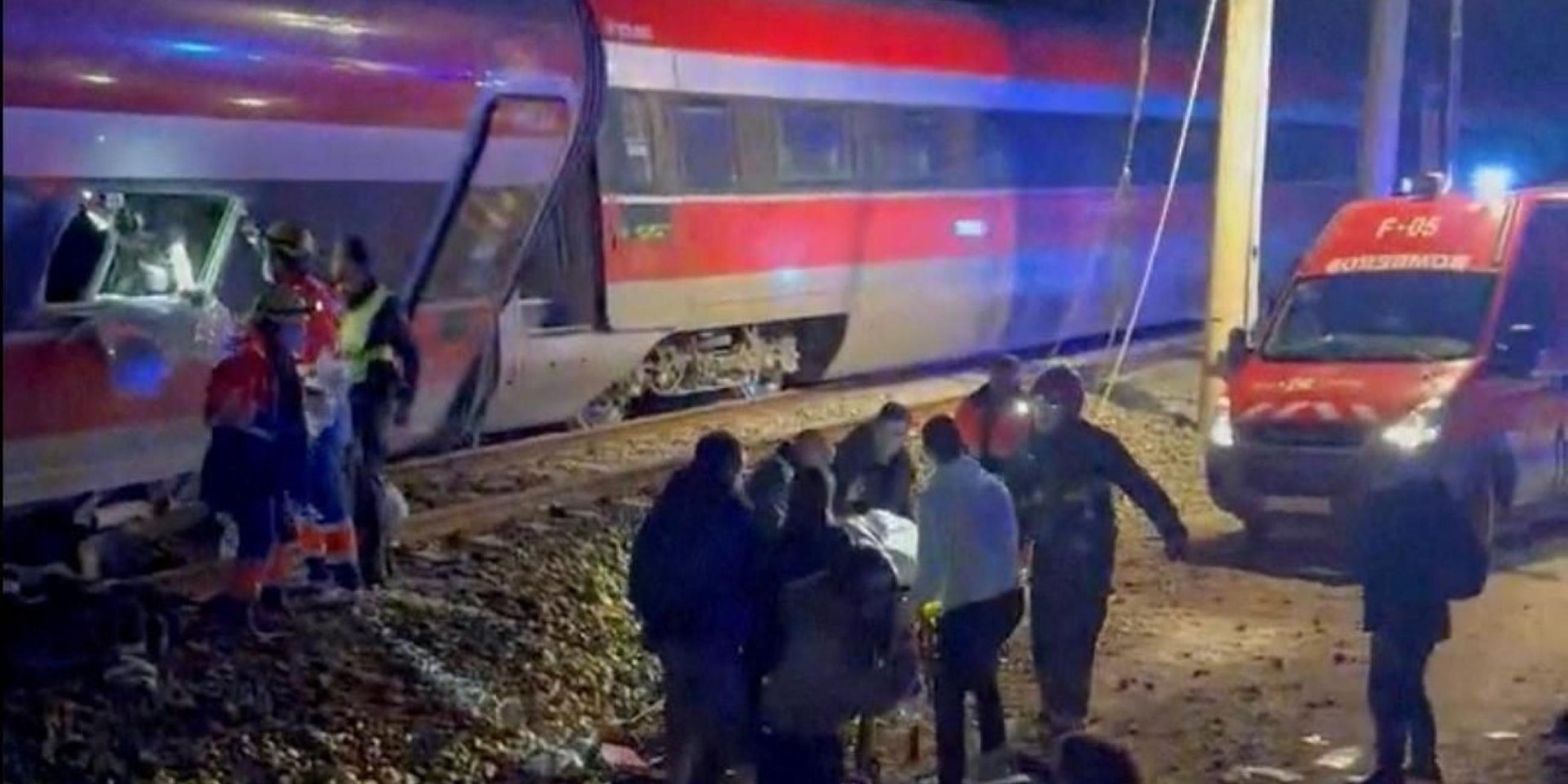
• At Least 39 Dead, Dozens Injured After Two High-Speed Trains Collide in Spain

    Tragedy struck in southern Spain as two high-speed trains collided near Adamuz, killing at least 39 and injuring 73, including four minors. The crash involved an Iryo train from Málaga to Madrid and a Renfe Alvia service from Madrid to Huelva. Rear carriages of one train slammed into the front of the other, causing derailments and overturned carriages. Rescue teams worked through the night to free trapped passengers. Spain’s PM and King Felipe VI expressed deep condolences. Investigations continue, with the cause of the collision still unknown.

    #SpainTrainCrash #HighSpeedTrainDisaster #BreakingNews
    At Least 39 Dead, Dozens Injured After Two High-Speed Trains Collide in Spain Tragedy struck in southern Spain as two high-speed trains collided near Adamuz, killing at least 39 and injuring 73, including four minors. The crash involved an Iryo train from Málaga to Madrid and a Renfe Alvia service from Madrid to Huelva. Rear carriages of one train slammed into the front of the other, causing derailments and overturned carriages. Rescue teams worked through the night to free trapped passengers. Spain’s PM and King Felipe VI expressed deep condolences. Investigations continue, with the cause of the collision still unknown. #SpainTrainCrash #HighSpeedTrainDisaster #BreakingNews
    love
    2
    · 0 Reacties ·0 aandelen ·790 Views
  • BREAKING: Angry Nigerian Soldiers Threaten Mutiny Over Poor Salaries, Unpaid Allowances, Accuse Service Chiefs of Corruption

    Fresh tension is brewing in the Nigerian Army as aggrieved soldiers warn that a mutiny may erupt if the Federal Government fails to address worsening welfare conditions. In an open letter to President Bola Tinubu, the soldiers decried what they described as insulting salary increments following promotions, with some ranks receiving as little as ₦2,000–₦15,000 after five years of service. They accused military leadership of corruption, extortion, and selective implementation of allowances, noting that their counterparts in the Navy and Air Force earn significantly higher increments. The soldiers lamented unpaid and partially implemented allowances dating back to 2017, saying poor pay has trapped many in debt. They warned that continued silence from authorities could push desperate troops toward lawlessness, a situation they say poses grave danger to national security.
    #nigerian_army
    BREAKING: Angry Nigerian Soldiers Threaten Mutiny Over Poor Salaries, Unpaid Allowances, Accuse Service Chiefs of Corruption Fresh tension is brewing in the Nigerian Army as aggrieved soldiers warn that a mutiny may erupt if the Federal Government fails to address worsening welfare conditions. In an open letter to President Bola Tinubu, the soldiers decried what they described as insulting salary increments following promotions, with some ranks receiving as little as ₦2,000–₦15,000 after five years of service. They accused military leadership of corruption, extortion, and selective implementation of allowances, noting that their counterparts in the Navy and Air Force earn significantly higher increments. The soldiers lamented unpaid and partially implemented allowances dating back to 2017, saying poor pay has trapped many in debt. They warned that continued silence from authorities could push desperate troops toward lawlessness, a situation they say poses grave danger to national security. #nigerian_army
    love
    2
    · 0 Reacties ·0 aandelen ·987 Views
  • Wahala Don Set for Adamawa: Bachama Group Accuses Nigerian Army, Big Men of Backing Tchobo Militia to Grab Mineral Land

    Wahala don set for Adamawa State oo! Serious allegations don burst as Bachama militia group accuse the Nigerian military and powerful political big men of backing armed Tchobo militia to chase dem from their ancestral land – because of mineral wealth wey dey the area.

    According to Bachama leaders, this no be ordinary communal clash again. Dem talk say the fight don pass ethnic matter and don turn calculated land grab, where money, minerals and political interest don enter the matter.

    Dem say the crisis scatter well-well on July 7, 2025, when armed Tchobo fighters allegedly attack Bachama villages, kill innocent people without provocation. Bachama leaders insist say their people no retaliate, saying dem always try to remain on the defensive.

    When security forces later enter the area, Bachama people initially happy. But e no take long before dem begin cry say the deployment turn to “occupation in favour of our attackers.” As in, soldiers wey suppose protect everybody allegedly begin protect only one side.

    Wahala come rise again on December 8, 2025, when another attack allegedly happen. In a viral video, the Bachama group claim say while their youths try defend the community, soldiers allegedly intervene in a way wey lead to the killing of unarmed Bachama women wey gather dey pray for their men.

    Till today, dem say no serious investigation don come out, one full month after the incident.

    The group still talk about selective justice. Dem allege say two Bachama youths were arrested inside their bedrooms while sleeping, labeled as terrorists, and accused of keeping guns. As we speak, dem dey prison, waiting for trial.

    Meanwhile, according to the group, a Tchobo youth leader wey publicly issue threats and even call for the removal of the Hama Bachama (their paramount ruler) still dey walk free, untouched.

    “This is not accidental,” one Bachama leader talk. “The troops deployed here are compromised. They have taken sides and are protecting a tribal militia because powerful political actors want access to the mineral resources on our land.”

    Dem even question why soldiers – instead of mobile police wey dem usually use for communal crisis – were sent to the area. According to dem, this military presence don embolden armed militia, who now dey move freely with weapons while residents dey trapped inside their homes.

    Farmers no fit go farm. Families no fit work. Life don freeze. Meanwhile, armed men allegedly dey roam under the watch of security forces.

    According to Bachama leaders, the real plan be to intimidate and weaken their people until dem abandon the land, which dem believe say get valuable, untapped mineral deposits.

    “We are urging the Federal Government to withdraw these troops and stop this injustice,” the group said. “There can be no peace where security forces are seen as partners in exploitation.”

    Dem also call on the Adamawa State Government to release their arrested kinsmen within 48 hours, warning say if the detention continue while anger dey build, e fit ignite another round of violence.

    Police spokesman in the state, SP Suleiman Nguroje, confirm say two men don be charged to court over the conflict. But Bachama people insist say justice no dey balanced.

    SaharaReporters don previously report several times on the Bachama–Tchobo conflict, including allegations of village attacks, displacement, and claims of security bias. Observers don warn before say if elite interest and competition over land and minerals continue, the crisis fit turn full-blown humanitarian disaster.

    As e stand now, one thing clear:
    This no be ordinary communal clash again. Money, minerals, power don enter the matter. Wahala don set for Adamawa oo!


    Wahala Don Set for Adamawa: Bachama Group Accuses Nigerian Army, Big Men of Backing Tchobo Militia to Grab Mineral Land Wahala don set for Adamawa State oo! Serious allegations don burst as Bachama militia group accuse the Nigerian military and powerful political big men of backing armed Tchobo militia to chase dem from their ancestral land – because of mineral wealth wey dey the area. According to Bachama leaders, this no be ordinary communal clash again. Dem talk say the fight don pass ethnic matter and don turn calculated land grab, where money, minerals and political interest don enter the matter. Dem say the crisis scatter well-well on July 7, 2025, when armed Tchobo fighters allegedly attack Bachama villages, kill innocent people without provocation. Bachama leaders insist say their people no retaliate, saying dem always try to remain on the defensive. When security forces later enter the area, Bachama people initially happy. But e no take long before dem begin cry say the deployment turn to “occupation in favour of our attackers.” As in, soldiers wey suppose protect everybody allegedly begin protect only one side. Wahala come rise again on December 8, 2025, when another attack allegedly happen. In a viral video, the Bachama group claim say while their youths try defend the community, soldiers allegedly intervene in a way wey lead to the killing of unarmed Bachama women wey gather dey pray for their men. Till today, dem say no serious investigation don come out, one full month after the incident. The group still talk about selective justice. Dem allege say two Bachama youths were arrested inside their bedrooms while sleeping, labeled as terrorists, and accused of keeping guns. As we speak, dem dey prison, waiting for trial. Meanwhile, according to the group, a Tchobo youth leader wey publicly issue threats and even call for the removal of the Hama Bachama (their paramount ruler) still dey walk free, untouched. “This is not accidental,” one Bachama leader talk. “The troops deployed here are compromised. They have taken sides and are protecting a tribal militia because powerful political actors want access to the mineral resources on our land.” Dem even question why soldiers – instead of mobile police wey dem usually use for communal crisis – were sent to the area. According to dem, this military presence don embolden armed militia, who now dey move freely with weapons while residents dey trapped inside their homes. Farmers no fit go farm. Families no fit work. Life don freeze. Meanwhile, armed men allegedly dey roam under the watch of security forces. According to Bachama leaders, the real plan be to intimidate and weaken their people until dem abandon the land, which dem believe say get valuable, untapped mineral deposits. “We are urging the Federal Government to withdraw these troops and stop this injustice,” the group said. “There can be no peace where security forces are seen as partners in exploitation.” Dem also call on the Adamawa State Government to release their arrested kinsmen within 48 hours, warning say if the detention continue while anger dey build, e fit ignite another round of violence. Police spokesman in the state, SP Suleiman Nguroje, confirm say two men don be charged to court over the conflict. But Bachama people insist say justice no dey balanced. SaharaReporters don previously report several times on the Bachama–Tchobo conflict, including allegations of village attacks, displacement, and claims of security bias. Observers don warn before say if elite interest and competition over land and minerals continue, the crisis fit turn full-blown humanitarian disaster. As e stand now, one thing clear: This no be ordinary communal clash again. Money, minerals, power don enter the matter. Wahala don set for Adamawa oo!
    0 Reacties ·0 aandelen ·1K Views
  • Are Terrorists Fleeing U.S. Airstrikes in Sokoto Now Spreading Violence Into Benue? Why Agatu Council Chairman Says Armed Groups Have Infiltrated Communities, Forced Policy Reversals, and Triggered a New Security Crisis

    Are counterterrorism operations in one part of Nigeria unintentionally pushing violence into other states? That is the concern raised by the Chairman of Agatu Local Government Area in Benue State, James Melvin Ejeh, who says armed groups displaced by recent U.S.–Nigerian military airstrikes in Sokoto State are now infiltrating communities in his region.

    According to Ejeh, terrorists targeted in coordinated air operations in December have not been eliminated but instead relocated across state borders, spreading insecurity into rural Benue communities. He described a surge in attacks on Agatu villages, warning that innocent residents are now facing “unprecedented terror” as fleeing fighters establish new footholds.

    The council chairman said intelligence reports and local accounts indicate that the militants, after being dislodged from Sokoto, are moving into neighbouring states, with Agatu among the hardest hit. He stressed that what was intended as a strategic blow against terrorism may now be creating a dangerous spillover effect, exposing vulnerable farming communities to renewed violence.

    In response to the escalating attacks, Ejeh announced a decisive policy shift: the immediate cancellation of a 2017 grazing agreement that allowed herdsmen access to Adepati Island. He argued that the agreement, originally framed as a peacebuilding measure, had instead compromised community safety and enabled armed elements to operate within Agatu territory.

    Describing the pact as an arrangement made “under the guise of promoting peaceful coexistence,” Ejeh accused previous local administrations of placing diplomacy above the security of residents. He declared the agreement null and void, ordered all armed herders to vacate Agatu land, and emphasized that no portion of Agatu belongs to herders under any guise.

    Ejeh further revealed that security agencies have begun arrests and investigations, warning that anyone found collaborating with armed groups will face the full weight of the law. He maintained that the people of Agatu have reached a firm position: no future engagement with herders will occur unless it is conducted lawfully, transparently, and only after broad consultation with traditional rulers and community stakeholders.

    The development raises urgent national questions: Are military airstrikes merely displacing terrorists rather than dismantling their networks? Is Nigeria witnessing a dangerous redistribution of insecurity from one region to another? And can local governments withstand the security fallout without stronger federal coordination?

    As communities in Benue confront the consequences of a conflict they did not initiate, the Agatu chairman’s warning highlights a growing fear that counterterrorism victories in one state may be creating new frontlines elsewhere, leaving civilians trapped in the crossfire of shifting militant movements.

    Are Terrorists Fleeing U.S. Airstrikes in Sokoto Now Spreading Violence Into Benue? Why Agatu Council Chairman Says Armed Groups Have Infiltrated Communities, Forced Policy Reversals, and Triggered a New Security Crisis Are counterterrorism operations in one part of Nigeria unintentionally pushing violence into other states? That is the concern raised by the Chairman of Agatu Local Government Area in Benue State, James Melvin Ejeh, who says armed groups displaced by recent U.S.–Nigerian military airstrikes in Sokoto State are now infiltrating communities in his region. According to Ejeh, terrorists targeted in coordinated air operations in December have not been eliminated but instead relocated across state borders, spreading insecurity into rural Benue communities. He described a surge in attacks on Agatu villages, warning that innocent residents are now facing “unprecedented terror” as fleeing fighters establish new footholds. The council chairman said intelligence reports and local accounts indicate that the militants, after being dislodged from Sokoto, are moving into neighbouring states, with Agatu among the hardest hit. He stressed that what was intended as a strategic blow against terrorism may now be creating a dangerous spillover effect, exposing vulnerable farming communities to renewed violence. In response to the escalating attacks, Ejeh announced a decisive policy shift: the immediate cancellation of a 2017 grazing agreement that allowed herdsmen access to Adepati Island. He argued that the agreement, originally framed as a peacebuilding measure, had instead compromised community safety and enabled armed elements to operate within Agatu territory. Describing the pact as an arrangement made “under the guise of promoting peaceful coexistence,” Ejeh accused previous local administrations of placing diplomacy above the security of residents. He declared the agreement null and void, ordered all armed herders to vacate Agatu land, and emphasized that no portion of Agatu belongs to herders under any guise. Ejeh further revealed that security agencies have begun arrests and investigations, warning that anyone found collaborating with armed groups will face the full weight of the law. He maintained that the people of Agatu have reached a firm position: no future engagement with herders will occur unless it is conducted lawfully, transparently, and only after broad consultation with traditional rulers and community stakeholders. The development raises urgent national questions: Are military airstrikes merely displacing terrorists rather than dismantling their networks? Is Nigeria witnessing a dangerous redistribution of insecurity from one region to another? And can local governments withstand the security fallout without stronger federal coordination? As communities in Benue confront the consequences of a conflict they did not initiate, the Agatu chairman’s warning highlights a growing fear that counterterrorism victories in one state may be creating new frontlines elsewhere, leaving civilians trapped in the crossfire of shifting militant movements.
    0 Reacties ·0 aandelen ·1K Views
  • Is Superstition Holding Nigerian Communities Hostage? How Fear of ‘Poison,’ Rituals, and Dog Poop Is Fueling Paranoia, Poverty, and Exploitation – By Leo Igwe

    Is superstition silently destroying communities in Nigeria—and why are fear, paranoia, and ritual beliefs still shaping how people interpret illness, death, and misfortune?

    In this powerful and unsettling account, Leo Igwe recounts his return to his hometown in southeastern Nigeria after decades away, where he encountered what he describes as the toxic grip of superstition and irrational fear on everyday life. From the moment he arrived, Igwe says he witnessed how ordinary health issues were being interpreted as the work of unseen enemies using “poison,” spiritual attacks, or occult forces.

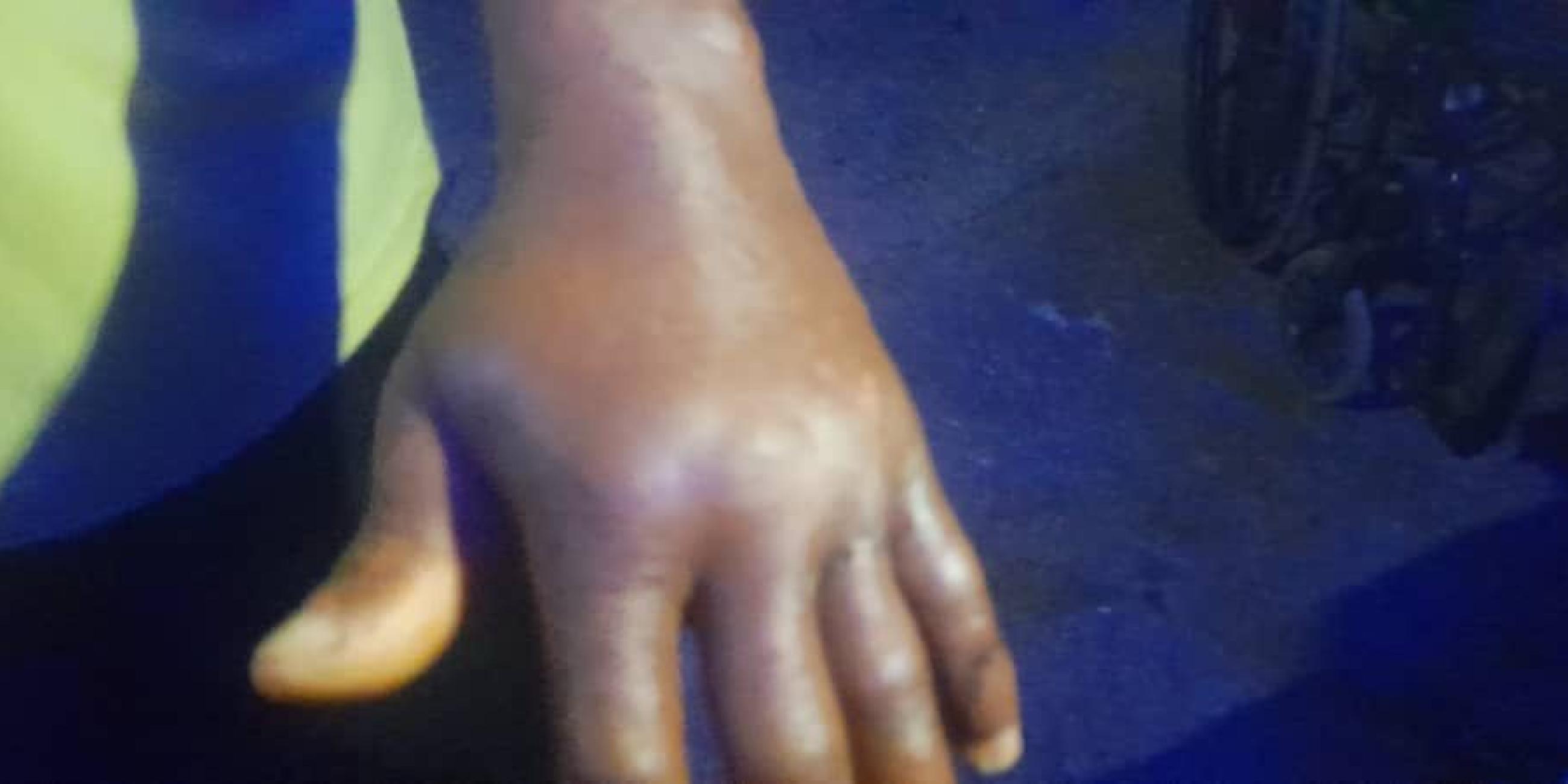
    A family housekeeper with a swollen hand claimed he had “picked up poison” while farming—an explanation widely accepted by community members, despite no one being able to describe what the poison was, how it worked, or where it came from. Rather than seeking medical help, the man was subjected to prayers, spiritual pressing, and ritual interventions, which only worsened the condition. For Igwe, this was a troubling reminder of how medical problems are often rebranded as spiritual attacks, delaying proper treatment and deepening fear.

    But why does this mindset persist? Igwe explains that in his community, no one is believed to die naturally. Death, illness, stroke, or paralysis are frequently attributed to enemies—often relatives or neighbors—who are accused of using occult means. Phrases like “they have killed him” or “they have finally gotten him” dominate conversations, reinforcing suspicion and tearing families apart. People live in constant fear that someone has planted spiritual “poisons” that they might step on or touch.

    Despite identifying as Christians, many residents, Igwe notes, move between churches, prophets, pastors, traditional priests, and ritual specialists. They pray to Jesus, invoke ancestors, hire “prayer warriors,” and perform sacrifices in an endless cycle of spiritual protection. But does this offer safety—or does it deepen exploitation? Igwe argues that this climate has created fertile ground for con artists, fake prophets, and self-styled spiritual practitioners who extract money in exchange for deliverance, exorcism, and supposed protection.

    One striking episode involved a roaming prayer man who went from house to house, collecting food or money after loud, theatrical prayers. In another home, Igwe witnessed a dramatic ritual in which sand was placed in people’s hands while God was commanded to “open doors,” even instructing someone to physically open the living room door to symbolize prosperity. To Igwe, this performance illustrated how faith is manipulated into spectacle while poverty remains unchanged.

    Perhaps the most disturbing moment came when a neighbor reported that dog feces found in their compound was not ordinary waste but a weapon of spiritual harm. The family believed it had been ritually placed to bring sickness or death—just as, they claimed, their parents had previously been killed. The response? Olive oil poured on it, urine used as a neutralizer, and the case escalated to village authorities. To Igwe, this episode captured how fear transforms harmless events into imagined threats, driving communities deeper into paranoia.

    Addressing a village meeting, Igwe warned of the dangerous consequences of baseless accusations, superstition, and occult blame, citing how such beliefs have destroyed families and communities across the region. He urged residents to free themselves from irrational fear and confront the social damage caused by suspicion, exploitation, and magical thinking.

    So what is the real cost of these beliefs? According to Igwe, communities trapped in superstition remain locked in poverty, fear, and manipulation, unable to address real health, economic, and social challenges. The essay ultimately asks a haunting question: Can communities break free from the cycle of fear before superstition consumes trust, development, and human dignity?

    Is Superstition Holding Nigerian Communities Hostage? How Fear of ‘Poison,’ Rituals, and Dog Poop Is Fueling Paranoia, Poverty, and Exploitation – By Leo Igwe Is superstition silently destroying communities in Nigeria—and why are fear, paranoia, and ritual beliefs still shaping how people interpret illness, death, and misfortune? In this powerful and unsettling account, Leo Igwe recounts his return to his hometown in southeastern Nigeria after decades away, where he encountered what he describes as the toxic grip of superstition and irrational fear on everyday life. From the moment he arrived, Igwe says he witnessed how ordinary health issues were being interpreted as the work of unseen enemies using “poison,” spiritual attacks, or occult forces. A family housekeeper with a swollen hand claimed he had “picked up poison” while farming—an explanation widely accepted by community members, despite no one being able to describe what the poison was, how it worked, or where it came from. Rather than seeking medical help, the man was subjected to prayers, spiritual pressing, and ritual interventions, which only worsened the condition. For Igwe, this was a troubling reminder of how medical problems are often rebranded as spiritual attacks, delaying proper treatment and deepening fear. But why does this mindset persist? Igwe explains that in his community, no one is believed to die naturally. Death, illness, stroke, or paralysis are frequently attributed to enemies—often relatives or neighbors—who are accused of using occult means. Phrases like “they have killed him” or “they have finally gotten him” dominate conversations, reinforcing suspicion and tearing families apart. People live in constant fear that someone has planted spiritual “poisons” that they might step on or touch. Despite identifying as Christians, many residents, Igwe notes, move between churches, prophets, pastors, traditional priests, and ritual specialists. They pray to Jesus, invoke ancestors, hire “prayer warriors,” and perform sacrifices in an endless cycle of spiritual protection. But does this offer safety—or does it deepen exploitation? Igwe argues that this climate has created fertile ground for con artists, fake prophets, and self-styled spiritual practitioners who extract money in exchange for deliverance, exorcism, and supposed protection. One striking episode involved a roaming prayer man who went from house to house, collecting food or money after loud, theatrical prayers. In another home, Igwe witnessed a dramatic ritual in which sand was placed in people’s hands while God was commanded to “open doors,” even instructing someone to physically open the living room door to symbolize prosperity. To Igwe, this performance illustrated how faith is manipulated into spectacle while poverty remains unchanged. Perhaps the most disturbing moment came when a neighbor reported that dog feces found in their compound was not ordinary waste but a weapon of spiritual harm. The family believed it had been ritually placed to bring sickness or death—just as, they claimed, their parents had previously been killed. The response? Olive oil poured on it, urine used as a neutralizer, and the case escalated to village authorities. To Igwe, this episode captured how fear transforms harmless events into imagined threats, driving communities deeper into paranoia. Addressing a village meeting, Igwe warned of the dangerous consequences of baseless accusations, superstition, and occult blame, citing how such beliefs have destroyed families and communities across the region. He urged residents to free themselves from irrational fear and confront the social damage caused by suspicion, exploitation, and magical thinking. So what is the real cost of these beliefs? According to Igwe, communities trapped in superstition remain locked in poverty, fear, and manipulation, unable to address real health, economic, and social challenges. The essay ultimately asks a haunting question: Can communities break free from the cycle of fear before superstition consumes trust, development, and human dignity?
    0 Reacties ·0 aandelen ·1K Views
  • Who Is Responsible for Oworonshoki’s Death Traps? How Exposed Electric Cables From Illegal Demolitions Killed a Lagos Teen After Oba-Ordered Evictions

    How did a demolition exercise in Lagos turn into a deadly public hazard? And why were dangerous electric cables left exposed for months in a residential community?

    Another teenager has been electrocuted in Oworonshoki, Lagos State, after coming into contact with live electricity wires abandoned following what residents describe as illegal demolitions ordered by the Oloworo of Oworonshoki Kingdom, Oba Saliu Babatunde. The incident, which occurred on Thursday, has intensified outrage over the failure to remove or secure exposed cables after buildings were pulled down late last year.

    According to community members who spoke to SaharaReporters, the demolitions carried out in November 2025 left behind dangling electric wires and open power lines, effectively turning streets and former residential areas into death traps. Despite repeated complaints, the hazardous infrastructure was never cleared, ultimately leading to the fatal electrocution of a young resident. A photograph obtained at the scene reportedly shows the teenager lying lifeless on the ground.

    This latest death adds to a series of traumatic events linked to the demolition exercise. On November 25, 2025, SaharaReporters documented how two young girls returned from school to find their home allegedly burned down during the operation. In a widely circulated video, the children—one still in school uniform—described how their house was destroyed while their parents were at work, with no opportunity to retrieve personal belongings.

    Residents allege that police officers and local vigilantes known as “Madanwo” participated in the operation, acting on the monarch’s directives. Bystanders in the footage accused authorities of burning houses without notice, arresting residents during clashes, and ignoring claims that government had ordered a halt to forced demolitions in the area.

    Now, the fatal electrocution has raised urgent questions:
    Why were live electric cables left exposed for months?
    Who bears responsibility for clearing dangerous infrastructure after demolitions?
    And how many more lives must be lost before accountability is enforced?

    Community members insist the tragedy was preventable, arguing that basic safety measures—such as disconnecting power lines or fencing off hazardous areas—could have saved lives. The incident highlights a broader pattern of urban displacement, alleged abuse of authority, and neglect of public safety, especially in low-income communities affected by forced evictions.

    As families mourn the teenager’s death, residents continue to demand answers from traditional authorities, security agencies, and government officials. The Oworonshoki case has become a stark symbol of how demolition policies, when carried out without planning, oversight, or accountability, can turn vulnerable neighborhoods into deadly zones—raising a chilling question: is urban “development” in Lagos now coming at the cost of human life?
    Who Is Responsible for Oworonshoki’s Death Traps? How Exposed Electric Cables From Illegal Demolitions Killed a Lagos Teen After Oba-Ordered Evictions How did a demolition exercise in Lagos turn into a deadly public hazard? And why were dangerous electric cables left exposed for months in a residential community? Another teenager has been electrocuted in Oworonshoki, Lagos State, after coming into contact with live electricity wires abandoned following what residents describe as illegal demolitions ordered by the Oloworo of Oworonshoki Kingdom, Oba Saliu Babatunde. The incident, which occurred on Thursday, has intensified outrage over the failure to remove or secure exposed cables after buildings were pulled down late last year. According to community members who spoke to SaharaReporters, the demolitions carried out in November 2025 left behind dangling electric wires and open power lines, effectively turning streets and former residential areas into death traps. Despite repeated complaints, the hazardous infrastructure was never cleared, ultimately leading to the fatal electrocution of a young resident. A photograph obtained at the scene reportedly shows the teenager lying lifeless on the ground. This latest death adds to a series of traumatic events linked to the demolition exercise. On November 25, 2025, SaharaReporters documented how two young girls returned from school to find their home allegedly burned down during the operation. In a widely circulated video, the children—one still in school uniform—described how their house was destroyed while their parents were at work, with no opportunity to retrieve personal belongings. Residents allege that police officers and local vigilantes known as “Madanwo” participated in the operation, acting on the monarch’s directives. Bystanders in the footage accused authorities of burning houses without notice, arresting residents during clashes, and ignoring claims that government had ordered a halt to forced demolitions in the area. Now, the fatal electrocution has raised urgent questions: Why were live electric cables left exposed for months? Who bears responsibility for clearing dangerous infrastructure after demolitions? And how many more lives must be lost before accountability is enforced? Community members insist the tragedy was preventable, arguing that basic safety measures—such as disconnecting power lines or fencing off hazardous areas—could have saved lives. The incident highlights a broader pattern of urban displacement, alleged abuse of authority, and neglect of public safety, especially in low-income communities affected by forced evictions. As families mourn the teenager’s death, residents continue to demand answers from traditional authorities, security agencies, and government officials. The Oworonshoki case has become a stark symbol of how demolition policies, when carried out without planning, oversight, or accountability, can turn vulnerable neighborhoods into deadly zones—raising a chilling question: is urban “development” in Lagos now coming at the cost of human life?
    0 Reacties ·0 aandelen ·708 Views
  • Who Is Illegally Selling Hostel Spaces at IBB University? Why IBBUL Is Warning Students, Investigating Racketeers, and Threatening Sanctions Over Exploitation of Freshers

    Who is behind the illegal sale of hostel spaces at Ibrahim Badamasi Babangida University (IBBUL), Lapai—and how are unsuspecting students being exploited? Why has the university stepped in with stern warnings, investigations, and threats of punishment? And what does this mean for students struggling to secure accommodation amid rising demand?

    IBB University, Niger State, has raised the alarm over what it describes as a growing and disturbing practice in which individuals and organised groups allegedly hijack hostel spaces and resell them to students at inflated prices. According to the institution, these activities typically target vulnerable students—especially freshers—who are desperate for accommodation at the beginning of academic sessions when hostel demand is highest.

    In a statement issued by the Deputy Registrar (Information), Alhaji Baba Akote, the university condemned the practice as exploitative and fraudulent. He explained that some individuals deliberately secure official hostel allocations only to turn around and sell them illegally at exorbitant rates, effectively profiting from students’ desperation and undermining the university’s accommodation system.

    How exactly does the scheme work? The university says these groups identify periods of high demand, corner available hostel spaces, and then offer them to students at prices far above approved rates—often misleading students into believing the transactions are legitimate. For many new students unfamiliar with campus processes, the trap is easy to fall into.

    What action is the university taking? IBBUL has directed its Student Affairs Division to launch a full investigation aimed at identifying and exposing those involved. University authorities insist that the matter will not be treated lightly and that all culprits will be held accountable.

    What are the consequences? In a strong warning, the management made it clear that both sellers and buyers of illegally traded hostel spaces will face disciplinary action. The university says “stringent measures” are being prepared to deter the practice and restore transparency and fairness in the hostel allocation process.

    But will this crackdown be enough to end racketeering on campus? As students continue to grapple with accommodation shortages, many are asking whether the investigation will uncover the networks behind the scheme—and whether enforcement will finally stop the exploitation that has quietly flourished for years.

    At the heart of the issue lies a pressing question for students and parents alike: can universities protect their communities from internal profiteering, or will desperate housing needs continue to be used as a tool for exploitation?
    Who Is Illegally Selling Hostel Spaces at IBB University? Why IBBUL Is Warning Students, Investigating Racketeers, and Threatening Sanctions Over Exploitation of Freshers Who is behind the illegal sale of hostel spaces at Ibrahim Badamasi Babangida University (IBBUL), Lapai—and how are unsuspecting students being exploited? Why has the university stepped in with stern warnings, investigations, and threats of punishment? And what does this mean for students struggling to secure accommodation amid rising demand? IBB University, Niger State, has raised the alarm over what it describes as a growing and disturbing practice in which individuals and organised groups allegedly hijack hostel spaces and resell them to students at inflated prices. According to the institution, these activities typically target vulnerable students—especially freshers—who are desperate for accommodation at the beginning of academic sessions when hostel demand is highest. In a statement issued by the Deputy Registrar (Information), Alhaji Baba Akote, the university condemned the practice as exploitative and fraudulent. He explained that some individuals deliberately secure official hostel allocations only to turn around and sell them illegally at exorbitant rates, effectively profiting from students’ desperation and undermining the university’s accommodation system. How exactly does the scheme work? The university says these groups identify periods of high demand, corner available hostel spaces, and then offer them to students at prices far above approved rates—often misleading students into believing the transactions are legitimate. For many new students unfamiliar with campus processes, the trap is easy to fall into. What action is the university taking? IBBUL has directed its Student Affairs Division to launch a full investigation aimed at identifying and exposing those involved. University authorities insist that the matter will not be treated lightly and that all culprits will be held accountable. What are the consequences? In a strong warning, the management made it clear that both sellers and buyers of illegally traded hostel spaces will face disciplinary action. The university says “stringent measures” are being prepared to deter the practice and restore transparency and fairness in the hostel allocation process. But will this crackdown be enough to end racketeering on campus? As students continue to grapple with accommodation shortages, many are asking whether the investigation will uncover the networks behind the scheme—and whether enforcement will finally stop the exploitation that has quietly flourished for years. At the heart of the issue lies a pressing question for students and parents alike: can universities protect their communities from internal profiteering, or will desperate housing needs continue to be used as a tool for exploitation?
    0 Reacties ·0 aandelen ·571 Views
  • Lagos Bus-Truck Collision Along Oshodi–Oke Corridor Leaves Two Critically Injured

    A serious road accident occurred early Saturday along the Heritage Garden inward Oshodi–Oke corridor in Lagos, involving a red Tata commercial bus (MUS 507 XX) and a moving truck that fled the scene. Two passengers were trapped in the mangled bus and rescued by LASTMA officers, who immediately activated emergency response protocols.

    The injured victims were attended to on-site by LASAMBUS before being transported to a medical facility. The bus driver has been apprehended for investigation, and the damaged vehicle was cleared to restore traffic flow. LASTMA emphasized that speeding was the likely cause and urged motorists to drive responsibly to prevent avoidable accidents.
    Lagos Bus-Truck Collision Along Oshodi–Oke Corridor Leaves Two Critically Injured A serious road accident occurred early Saturday along the Heritage Garden inward Oshodi–Oke corridor in Lagos, involving a red Tata commercial bus (MUS 507 XX) and a moving truck that fled the scene. Two passengers were trapped in the mangled bus and rescued by LASTMA officers, who immediately activated emergency response protocols. The injured victims were attended to on-site by LASAMBUS before being transported to a medical facility. The bus driver has been apprehended for investigation, and the damaged vehicle was cleared to restore traffic flow. LASTMA emphasized that speeding was the likely cause and urged motorists to drive responsibly to prevent avoidable accidents.
    0 Reacties ·0 aandelen ·365 Views
  • Lagos Governor Sanwo-Olu Orders Demolition of GNI Building and Nearby Houses After Deadly Lagos Island Fire Kills Eight, Triggers Safety Concerns

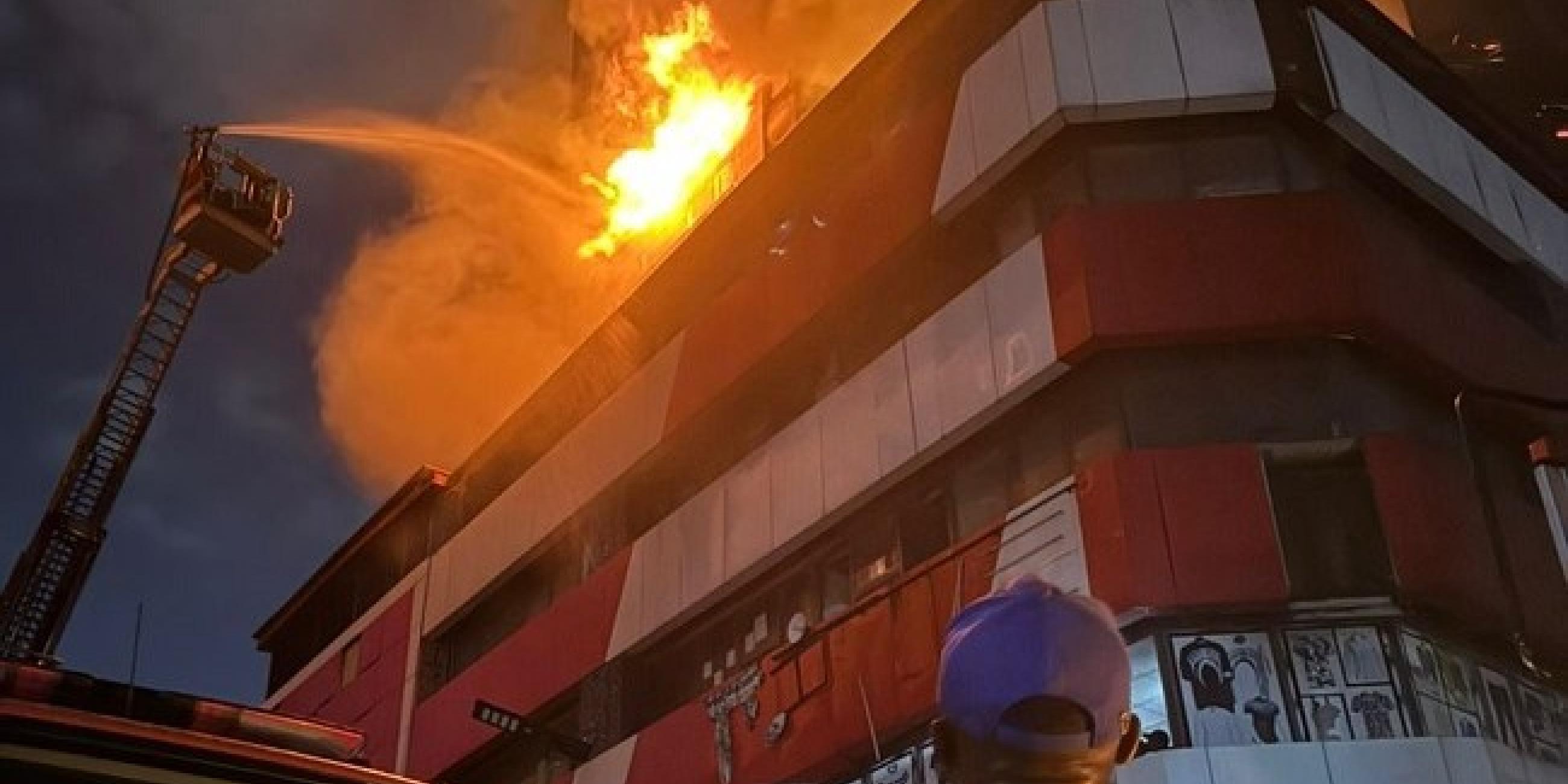
    Lagos State Governor Babajide Sanwo-Olu has ordered the demolition of the Great Nigeria Insurance (GNI) building and some surrounding structures following the devastating fire outbreak that occurred on December 24 in the Balogun area of Lagos Island. The inferno claimed the lives of eight people—five of whom have been identified—while three victims remain unidentified, and at least thirteen people have been rescued so far.

    Speaking during an on-site assessment, the governor declared the area unsafe, directing that all commercial and unauthorized activities around the GNI building must cease immediately. He explained that emergency responders are still carefully combing through the rubble to ensure no one remains trapped, particularly at the rear section of the collapsed structure.

    Sanwo-Olu said a comprehensive structural assessment showed that the building was no longer stable, making demolition unavoidable, with some neighbouring buildings also marked for removal in the interest of public safety. He stressed that while the decision is difficult, protecting lives remains the government’s top priority.

    The governor assured affected residents and business owners that the Lagos State Government would manage the recovery process responsibly and provide necessary support to families impacted by the tragedy. Meanwhile, investigations into the cause of the fire—which engulfed several floors of the 22-storey commercial building used largely for warehousing—are ongoing, as public concern continues over safety standards in densely populated commercial districts of Lagos Island.
    Lagos Governor Sanwo-Olu Orders Demolition of GNI Building and Nearby Houses After Deadly Lagos Island Fire Kills Eight, Triggers Safety Concerns Lagos State Governor Babajide Sanwo-Olu has ordered the demolition of the Great Nigeria Insurance (GNI) building and some surrounding structures following the devastating fire outbreak that occurred on December 24 in the Balogun area of Lagos Island. The inferno claimed the lives of eight people—five of whom have been identified—while three victims remain unidentified, and at least thirteen people have been rescued so far. Speaking during an on-site assessment, the governor declared the area unsafe, directing that all commercial and unauthorized activities around the GNI building must cease immediately. He explained that emergency responders are still carefully combing through the rubble to ensure no one remains trapped, particularly at the rear section of the collapsed structure. Sanwo-Olu said a comprehensive structural assessment showed that the building was no longer stable, making demolition unavoidable, with some neighbouring buildings also marked for removal in the interest of public safety. He stressed that while the decision is difficult, protecting lives remains the government’s top priority. The governor assured affected residents and business owners that the Lagos State Government would manage the recovery process responsibly and provide necessary support to families impacted by the tragedy. Meanwhile, investigations into the cause of the fire—which engulfed several floors of the 22-storey commercial building used largely for warehousing—are ongoing, as public concern continues over safety standards in densely populated commercial districts of Lagos Island.
    0 Reacties ·0 aandelen ·687 Views
  • Bus Crashes into Truck on Lagos-Ibadan Expressway, Many Feared Dead Days After Anthony Joshua’s Fatal Accident

    An 18-seater bus rammed into a truck along the Lagos-Ibadan Expressway on January 1, 2026, leaving several passengers feared dead and others trapped. Rescue efforts are ongoing, with the FRSC confirming the incident. The truck was reportedly attempting a U-turn when the collision occurred.

    The accident comes just days after British boxer Anthony Joshua survived a car crash on the same highway that killed two of his team members. Nigerians have expressed growing concern over the road’s safety, citing repeated fatal accidents. Investigations into the cause of the crash and accountability for drivers involved are ongoing.
    Bus Crashes into Truck on Lagos-Ibadan Expressway, Many Feared Dead Days After Anthony Joshua’s Fatal Accident An 18-seater bus rammed into a truck along the Lagos-Ibadan Expressway on January 1, 2026, leaving several passengers feared dead and others trapped. Rescue efforts are ongoing, with the FRSC confirming the incident. The truck was reportedly attempting a U-turn when the collision occurred. The accident comes just days after British boxer Anthony Joshua survived a car crash on the same highway that killed two of his team members. Nigerians have expressed growing concern over the road’s safety, citing repeated fatal accidents. Investigations into the cause of the crash and accountability for drivers involved are ongoing.
    like
    1
    · 0 Reacties ·0 aandelen ·511 Views
  • Lagos Government Confirms Casualties as Rescue Operations Continue After Christmas Eve Inferno at 25-Storey Great Nigeria Insurance House on Lagos Island

    The Lagos State Government has confirmed casualties following the Christmas Eve fire outbreak at the 25-storey Great Nigeria Insurance House (GNI) on Martins Street, Lagos Island, while rescue and recovery operations remain ongoing. In an official statement titled “RE: GNI House Fire” and signed by the Commissioner for Information and Strategy, Gbenga Omotoso, the government said emergency response teams were deployed immediately after the fire alarm was received.

    According to the statement, first responders—including the Lagos State Fire and Rescue Service, Lagos State Emergency Management Agency (LASEMA), Lagos State Ambulance Services (LASAMBUS), security agencies, and other safety units—have remained on site, conducting systematic search, rescue, and forensic operations in line with international emergency response standards. The government said operations will continue until full recovery is completed.

    Providing an update on casualties as of Thursday morning, the state government disclosed that eight males, including a firefighter, were rescued with varying degrees of injuries and taken to hospital. Three males and two females with minor injuries were treated at the scene and discharged. The government also confirmed that one adult female was recovered dead from the rubble, two adult males were extricated alive, while three other persons were burnt in the inferno.

    The Lagos State Government expressed sympathy to families who lost loved ones and appealed to the public to remain calm, patient, and sensitive, urging residents to refrain from spreading unverified information that could heighten public anxiety or disrupt ongoing rescue efforts.

    The clarification followed reports by SaharaReporters that several bodies were recovered from the collapsed section of the building as the fire continued to smoulder days after the incident, sparking fears that more victims could still be trapped beneath the debris. Eyewitness accounts described panic in the busy commercial area, with residents expressing concern over the prolonged fire and structural collapse that shook nearby buildings.
    Lagos Government Confirms Casualties as Rescue Operations Continue After Christmas Eve Inferno at 25-Storey Great Nigeria Insurance House on Lagos Island The Lagos State Government has confirmed casualties following the Christmas Eve fire outbreak at the 25-storey Great Nigeria Insurance House (GNI) on Martins Street, Lagos Island, while rescue and recovery operations remain ongoing. In an official statement titled “RE: GNI House Fire” and signed by the Commissioner for Information and Strategy, Gbenga Omotoso, the government said emergency response teams were deployed immediately after the fire alarm was received. According to the statement, first responders—including the Lagos State Fire and Rescue Service, Lagos State Emergency Management Agency (LASEMA), Lagos State Ambulance Services (LASAMBUS), security agencies, and other safety units—have remained on site, conducting systematic search, rescue, and forensic operations in line with international emergency response standards. The government said operations will continue until full recovery is completed. Providing an update on casualties as of Thursday morning, the state government disclosed that eight males, including a firefighter, were rescued with varying degrees of injuries and taken to hospital. Three males and two females with minor injuries were treated at the scene and discharged. The government also confirmed that one adult female was recovered dead from the rubble, two adult males were extricated alive, while three other persons were burnt in the inferno. The Lagos State Government expressed sympathy to families who lost loved ones and appealed to the public to remain calm, patient, and sensitive, urging residents to refrain from spreading unverified information that could heighten public anxiety or disrupt ongoing rescue efforts. The clarification followed reports by SaharaReporters that several bodies were recovered from the collapsed section of the building as the fire continued to smoulder days after the incident, sparking fears that more victims could still be trapped beneath the debris. Eyewitness accounts described panic in the busy commercial area, with residents expressing concern over the prolonged fire and structural collapse that shook nearby buildings.
    0 Reacties ·0 aandelen ·593 Views
  • Many Passengers Feared Dead as Commercial Bus Crashes Into Truck on Lagos–Ibadan Expressway on New Year Day, Rescue Operations Ongoing

    A fatal road accident occurred on New Year’s Day along the Lagos–Ibadan Expressway, opposite the NASFAT junction, leaving many passengers trapped and feared dead. The crash involved an 18-seater commercial bus travelling from Lagos, which rammed into a truck that was reportedly making a U-turn at the busy section of the highway.

    According to eyewitness accounts and video footage from the scene, the impact forced the bus to slide underneath the truck, trapping several passengers inside the wreckage while many others were left unconscious. Residents and emergency responders were seen making frantic efforts to rescue victims as operations continued at the scene.

    The Ogun State spokesperson of the Federal Road Safety Corps (FRSC), Afolabi Odunsi-Oyewole, confirmed that the command had been alerted to the incident but said a full report was still being awaited as rescue efforts were ongoing.

    The crash has once again raised concerns about road safety on the Lagos–Ibadan Expressway, particularly during festive periods when traffic volume and reckless driving often increase. The tragedy comes amid growing public anxiety over recurring fatal accidents on Nigerian highways, including a recent night-time crash that killed eight University of Jos students.

    As authorities continue rescue and investigation efforts, Nigerians have renewed calls for stricter enforcement of traffic regulations, safer road infrastructure, and improved emergency response systems to prevent further loss of lives on major highways.
    Many Passengers Feared Dead as Commercial Bus Crashes Into Truck on Lagos–Ibadan Expressway on New Year Day, Rescue Operations Ongoing A fatal road accident occurred on New Year’s Day along the Lagos–Ibadan Expressway, opposite the NASFAT junction, leaving many passengers trapped and feared dead. The crash involved an 18-seater commercial bus travelling from Lagos, which rammed into a truck that was reportedly making a U-turn at the busy section of the highway. According to eyewitness accounts and video footage from the scene, the impact forced the bus to slide underneath the truck, trapping several passengers inside the wreckage while many others were left unconscious. Residents and emergency responders were seen making frantic efforts to rescue victims as operations continued at the scene. The Ogun State spokesperson of the Federal Road Safety Corps (FRSC), Afolabi Odunsi-Oyewole, confirmed that the command had been alerted to the incident but said a full report was still being awaited as rescue efforts were ongoing. The crash has once again raised concerns about road safety on the Lagos–Ibadan Expressway, particularly during festive periods when traffic volume and reckless driving often increase. The tragedy comes amid growing public anxiety over recurring fatal accidents on Nigerian highways, including a recent night-time crash that killed eight University of Jos students. As authorities continue rescue and investigation efforts, Nigerians have renewed calls for stricter enforcement of traffic regulations, safer road infrastructure, and improved emergency response systems to prevent further loss of lives on major highways.
    0 Reacties ·0 aandelen ·469 Views
  • One More Body Recovered From GNI Building Fire in Lagos, Many Injured as Recovery Operations Continue

    The Lagos State Government confirmed that another body has been recovered from the Great Nigeria Insurance (GNI) House fire on Martins Street, Lagos Island. The tragic incident, which began on December 24, 2025, caused part of the 25-storey building to collapse, leaving several people trapped and some burnt beyond recognition.

    Authorities reported eight injured individuals, including a fireman, who have been hospitalized, while minor injuries were treated on-site. Emergency teams continue recovery operations amid fears that more victims remain under the rubble. Families of the missing have reported multiple deaths, with some remains unidentifiable. Factors such as poor storage practices, combustible materials, and structural design issues contributed to the severity of the disaster.
    One More Body Recovered From GNI Building Fire in Lagos, Many Injured as Recovery Operations Continue The Lagos State Government confirmed that another body has been recovered from the Great Nigeria Insurance (GNI) House fire on Martins Street, Lagos Island. The tragic incident, which began on December 24, 2025, caused part of the 25-storey building to collapse, leaving several people trapped and some burnt beyond recognition. Authorities reported eight injured individuals, including a fireman, who have been hospitalized, while minor injuries were treated on-site. Emergency teams continue recovery operations amid fears that more victims remain under the rubble. Families of the missing have reported multiple deaths, with some remains unidentifiable. Factors such as poor storage practices, combustible materials, and structural design issues contributed to the severity of the disaster.
    like
    1
    · 0 Reacties ·0 aandelen ·443 Views
  • Stop Treating Nigerians Like ATMs” — AAC FCT Chairman Warns of Mass Hardship, Slams Tinubu’s Tax Policies as ‘Declaration of War’ on the Poor in 2026

    The Chairman of the African Action Congress (AAC) in the Federal Capital Territory, Agena Robert Ande, has issued a strong warning that Nigeria is heading into a “year of reckoning” in 2026, accusing President Bola Tinubu’s administration of imposing a harsh and suffocating tax regime that disproportionately affects poor and vulnerable citizens. In a New Year statement, Ande described the government’s tax policies as exploitative, insisting that nearly everything Nigerians rely on for survival is now taxed.

    He rejected official claims that recent tax reforms are designed to target the wealthy, arguing instead that the rich evade taxes through offshore arrangements while ordinary Nigerians pay through Value Added Tax on food, fuel, data, transport and other essentials. According to the AAC chairman, subsidy removal has worsened living conditions nationwide, with transport costs soaring and food prices tripling, further pushing citizens into poverty.

    Ande also criticized the student loan scheme, saying it traps young graduates in debt due to high interest rates and bureaucratic barriers that exclude the most marginalized. He accused the political elite of manipulating public sentiment by weaponising poverty to silence criticism, warning that desperation created by poverty fuels gullibility and social instability.

    Questioning accountability, the AAC leader demanded transparency in the use of tax revenues, pointing to poor infrastructure, failing healthcare systems and dilapidated schools as evidence that increased taxation has not translated into development. He called for the removal of VAT on essential goods and services, insisting that luxury items—not basic livelihoods—should be taxed.

    Describing the tax policies as a “declaration of war against ordinary Nigerians,” Ande urged citizens to resist deception, organize politically and hold leaders accountable through civic engagement and the ballot. He concluded by warning that silence equals complicity, stressing that 2026 presents Nigerians with a choice to reject policies that deepen hardship and inequality.
    Stop Treating Nigerians Like ATMs” — AAC FCT Chairman Warns of Mass Hardship, Slams Tinubu’s Tax Policies as ‘Declaration of War’ on the Poor in 2026 The Chairman of the African Action Congress (AAC) in the Federal Capital Territory, Agena Robert Ande, has issued a strong warning that Nigeria is heading into a “year of reckoning” in 2026, accusing President Bola Tinubu’s administration of imposing a harsh and suffocating tax regime that disproportionately affects poor and vulnerable citizens. In a New Year statement, Ande described the government’s tax policies as exploitative, insisting that nearly everything Nigerians rely on for survival is now taxed. He rejected official claims that recent tax reforms are designed to target the wealthy, arguing instead that the rich evade taxes through offshore arrangements while ordinary Nigerians pay through Value Added Tax on food, fuel, data, transport and other essentials. According to the AAC chairman, subsidy removal has worsened living conditions nationwide, with transport costs soaring and food prices tripling, further pushing citizens into poverty. Ande also criticized the student loan scheme, saying it traps young graduates in debt due to high interest rates and bureaucratic barriers that exclude the most marginalized. He accused the political elite of manipulating public sentiment by weaponising poverty to silence criticism, warning that desperation created by poverty fuels gullibility and social instability. Questioning accountability, the AAC leader demanded transparency in the use of tax revenues, pointing to poor infrastructure, failing healthcare systems and dilapidated schools as evidence that increased taxation has not translated into development. He called for the removal of VAT on essential goods and services, insisting that luxury items—not basic livelihoods—should be taxed. Describing the tax policies as a “declaration of war against ordinary Nigerians,” Ande urged citizens to resist deception, organize politically and hold leaders accountable through civic engagement and the ballot. He concluded by warning that silence equals complicity, stressing that 2026 presents Nigerians with a choice to reject policies that deepen hardship and inequality.
    like
    1
    · 0 Reacties ·0 aandelen ·782 Views
  • Heartbreaking Last Words of Businessman Trapped in Lagos Great Nigeria Building Fire Emerge as Victim Dies Under Rubble

    Tragedy struck Lagos Island’s Balogun Market after a devastating fire engulfed the 25-storey Great Nigeria Insurance House plaza, leading to a partial collapse that trapped several traders inside. One of the victims, Nze Obum, a China-based cloth merchant, was later confirmed dead after being buried under the rubble.

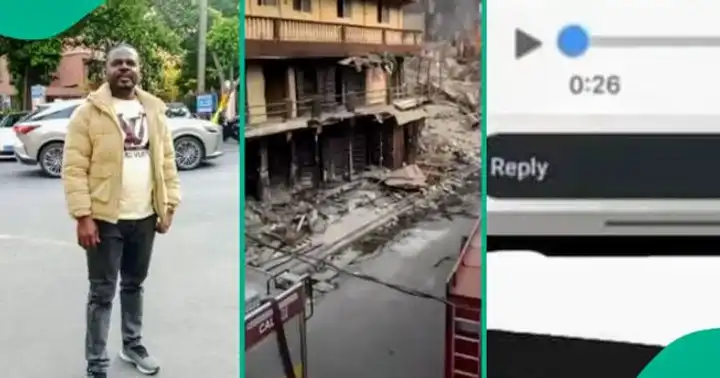
    Audio recordings of Obum’s final phone calls have since surfaced online, revealing his desperate pleas for rescue as he lay trapped beneath the debris. According to reports, Obum had returned to Nigeria for the Christmas holidays to support his wife, who had just given birth, and to sell goods at the market. He was reportedly retrieving remaining stock from his shop when the building collapsed.

    A fellow trader, Zacheaus Afolayan, confirmed Obum’s death, stating that his body was recovered by emergency responders and released to his family for burial in Anambra State. In one of the calls made around 2 a.m., Obum begged not to be abandoned, referencing his young children. A second, weaker call reportedly followed later the same day.

    The incident has sparked widespread outrage and grief on social media, with many Nigerians questioning emergency response times and lamenting the state of safety infrastructure in the country. Netizens described the audio as deeply traumatic, urging authorities to place greater value on human life and improve disaster response systems to prevent similar tragedies in the future.
    Heartbreaking Last Words of Businessman Trapped in Lagos Great Nigeria Building Fire Emerge as Victim Dies Under Rubble Tragedy struck Lagos Island’s Balogun Market after a devastating fire engulfed the 25-storey Great Nigeria Insurance House plaza, leading to a partial collapse that trapped several traders inside. One of the victims, Nze Obum, a China-based cloth merchant, was later confirmed dead after being buried under the rubble. Audio recordings of Obum’s final phone calls have since surfaced online, revealing his desperate pleas for rescue as he lay trapped beneath the debris. According to reports, Obum had returned to Nigeria for the Christmas holidays to support his wife, who had just given birth, and to sell goods at the market. He was reportedly retrieving remaining stock from his shop when the building collapsed. A fellow trader, Zacheaus Afolayan, confirmed Obum’s death, stating that his body was recovered by emergency responders and released to his family for burial in Anambra State. In one of the calls made around 2 a.m., Obum begged not to be abandoned, referencing his young children. A second, weaker call reportedly followed later the same day. The incident has sparked widespread outrage and grief on social media, with many Nigerians questioning emergency response times and lamenting the state of safety infrastructure in the country. Netizens described the audio as deeply traumatic, urging authorities to place greater value on human life and improve disaster response systems to prevent similar tragedies in the future.
    0 Reacties ·0 aandelen ·583 Views
  • “We Buried Ashes”: Family Alleges Lagos Govt Cover-Up After Three Relatives Died In Collapsed 25-Storey GNI Building Fire At Balogun Market

    A Nigerian family has accused the Lagos State Government and emergency agencies of downplaying casualties following the devastating fire and partial collapse of the 25-storey Great Nigeria Insurance (GNI) building at Balogun Market, Lagos Island. The blaze, which started on December 24, spread rapidly through several floors and caused part of the structure to collapse, trapping traders inside.

    According to a relative, Mr. Emmanuel Anumba, three siblings from the Omatu family were killed, but their bodies were burnt beyond recognition, forcing the family to bury ashes recovered from the debris. He alleged that rescue efforts lacked urgency, adequate equipment, and proper evacuation, despite repeated pleas to authorities. Traders and eyewitnesses also claimed that firefighting efforts were delayed and that many victims remain unaccounted for, with unofficial estimates suggesting dozens may have died.

    While the Lagos State Government maintains that no casualty was officially recorded, it has ordered the immediate evacuation of buildings within a 100-metre radius of the site after experts warned of structural dangers. The incident has intensified public concern over safety standards, emergency response failures, and alleged attempts to suppress the true human toll of the tragedy.
    “We Buried Ashes”: Family Alleges Lagos Govt Cover-Up After Three Relatives Died In Collapsed 25-Storey GNI Building Fire At Balogun Market A Nigerian family has accused the Lagos State Government and emergency agencies of downplaying casualties following the devastating fire and partial collapse of the 25-storey Great Nigeria Insurance (GNI) building at Balogun Market, Lagos Island. The blaze, which started on December 24, spread rapidly through several floors and caused part of the structure to collapse, trapping traders inside. According to a relative, Mr. Emmanuel Anumba, three siblings from the Omatu family were killed, but their bodies were burnt beyond recognition, forcing the family to bury ashes recovered from the debris. He alleged that rescue efforts lacked urgency, adequate equipment, and proper evacuation, despite repeated pleas to authorities. Traders and eyewitnesses also claimed that firefighting efforts were delayed and that many victims remain unaccounted for, with unofficial estimates suggesting dozens may have died. While the Lagos State Government maintains that no casualty was officially recorded, it has ordered the immediate evacuation of buildings within a 100-metre radius of the site after experts warned of structural dangers. The incident has intensified public concern over safety standards, emergency response failures, and alleged attempts to suppress the true human toll of the tragedy.
    0 Reacties ·0 aandelen ·555 Views
  • Several Bodies Recovered as Fire Rages for Seventh Day After Partial Collapse of Great Nigeria Insurance (GNI) Building on Lagos Island

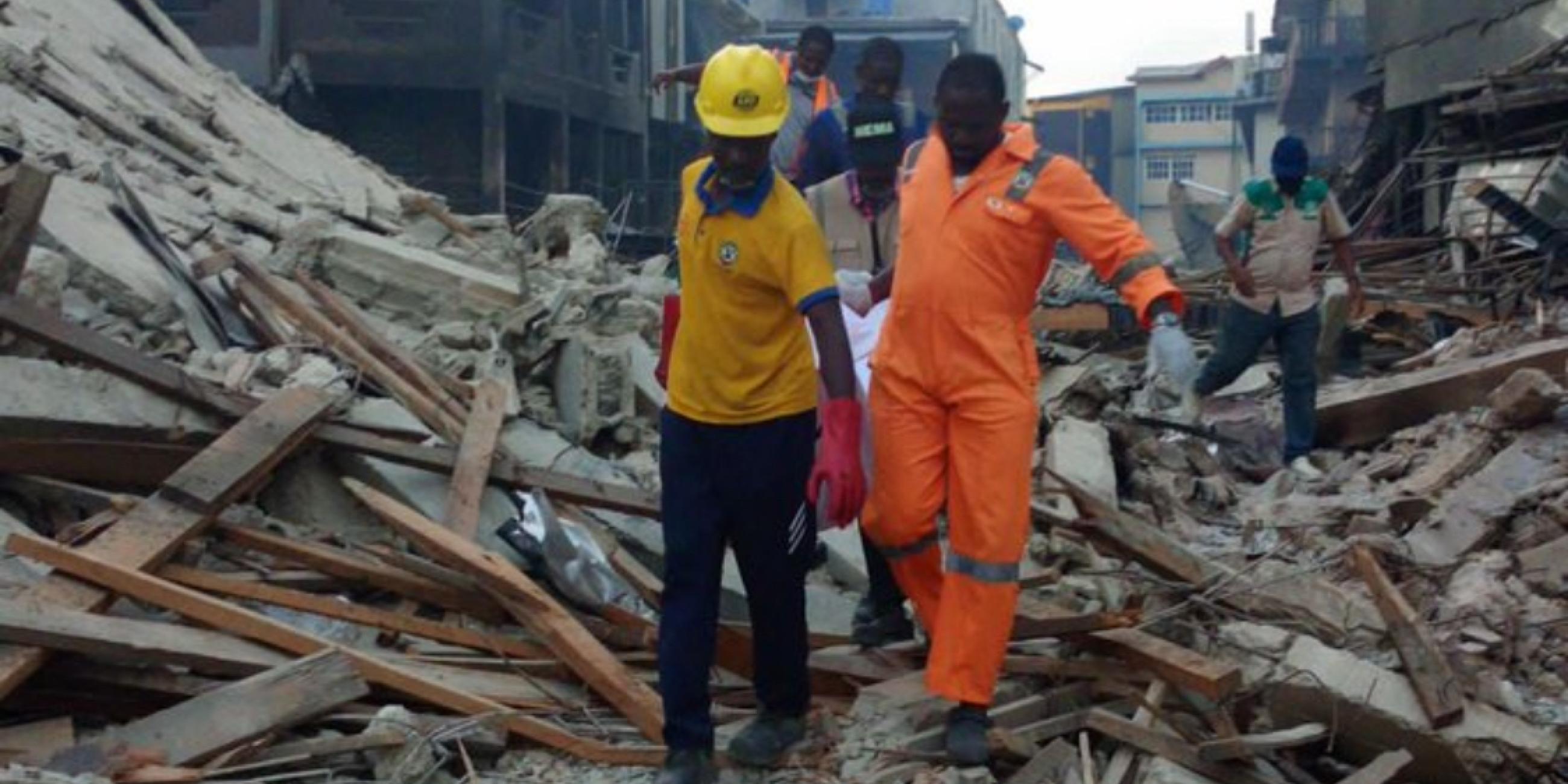
    Several bodies have been recovered from the rubble of the Great Nigeria Insurance (GNI) House on Martins Street, Lagos Island, as a fire continues to burn seven days after part of the high-rise building collapsed. Emergency responders were seen in a video obtained by SaharaReporters retrieving bodies trapped inside the wreckage amid thick smoke and debris, heightening fears that more victims may still be buried beneath the ruins.

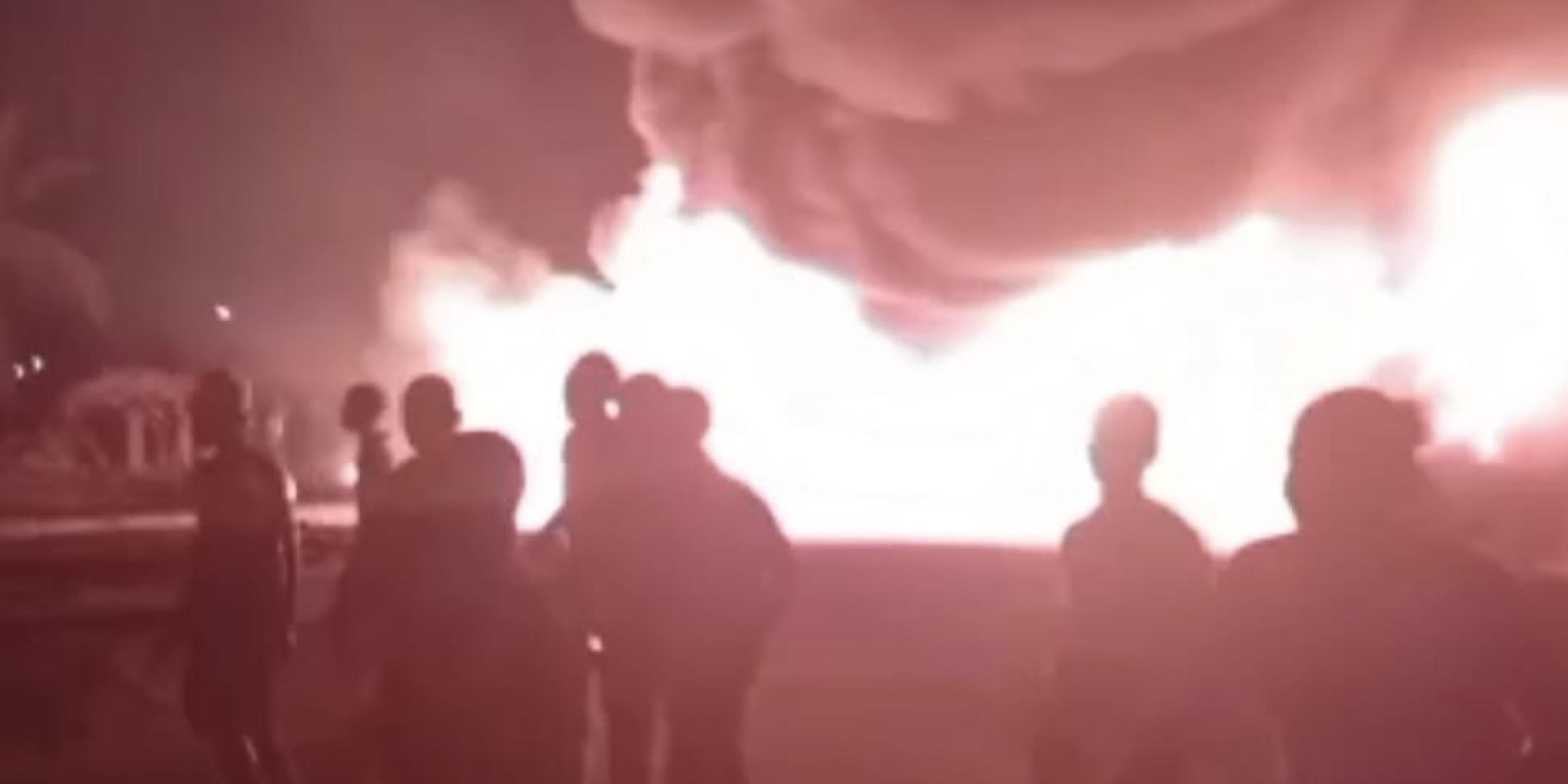
    Eyewitnesses at the scene described prolonged panic in the busy commercial district, noting that the fire has been smouldering for days and that the collapse shook nearby buildings. The structure, widely used for warehousing clothing materials, had caught fire on December 24, 2025, disrupting commercial activities in the area. Although the Lagos State Fire and Rescue Service initially reported no casualties when the fire broke out, the ongoing recovery of bodies contradicts earlier assurances and underscores the severity of the incident. Rescue and firefighting operations remain ongoing as authorities battle the persistent blaze and assess the full scale of the tragedy.
    Several Bodies Recovered as Fire Rages for Seventh Day After Partial Collapse of Great Nigeria Insurance (GNI) Building on Lagos Island Several bodies have been recovered from the rubble of the Great Nigeria Insurance (GNI) House on Martins Street, Lagos Island, as a fire continues to burn seven days after part of the high-rise building collapsed. Emergency responders were seen in a video obtained by SaharaReporters retrieving bodies trapped inside the wreckage amid thick smoke and debris, heightening fears that more victims may still be buried beneath the ruins. Eyewitnesses at the scene described prolonged panic in the busy commercial district, noting that the fire has been smouldering for days and that the collapse shook nearby buildings. The structure, widely used for warehousing clothing materials, had caught fire on December 24, 2025, disrupting commercial activities in the area. Although the Lagos State Fire and Rescue Service initially reported no casualties when the fire broke out, the ongoing recovery of bodies contradicts earlier assurances and underscores the severity of the incident. Rescue and firefighting operations remain ongoing as authorities battle the persistent blaze and assess the full scale of the tragedy.
    like
    1
    · 0 Reacties ·0 aandelen ·448 Views
  • One Killed, Five Trapped After Kebbi Rice Mill Collapse; Rescue Ongoing as Deputy Governor Oversees Operations

    A section of a private rice mill in Birnin Kebbi, Kebbi State, partially collapsed on Tuesday, killing one staff member and trapping five others under the rubble. Rescue efforts are ongoing, led by the State Fire Service and Government Emergency Response units. Kebbi State Deputy Governor, Umar Abubakar Tafida, visited the site to assess the damage and monitor the rescue operation. The cause of the collapse is yet to be determined, with a full investigation planned after the rescue phase. The state government has pledged continued support until all affected individuals are accounted for. This incident follows a recent fire outbreak at Bagudo General Hospital, which caused panic but no casualties.
    One Killed, Five Trapped After Kebbi Rice Mill Collapse; Rescue Ongoing as Deputy Governor Oversees Operations A section of a private rice mill in Birnin Kebbi, Kebbi State, partially collapsed on Tuesday, killing one staff member and trapping five others under the rubble. Rescue efforts are ongoing, led by the State Fire Service and Government Emergency Response units. Kebbi State Deputy Governor, Umar Abubakar Tafida, visited the site to assess the damage and monitor the rescue operation. The cause of the collapse is yet to be determined, with a full investigation planned after the rescue phase. The state government has pledged continued support until all affected individuals are accounted for. This incident follows a recent fire outbreak at Bagudo General Hospital, which caused panic but no casualties.
    0 Reacties ·0 aandelen ·321 Views
  • Three Casualties After Lagos High-Rise Fire

    Three bodies have been recovered three days after the fire at the Great Nigeria Insurance building on Martin Street, Lagos Island.

    According to a casualty report released by the Lagos State Emergency Management Agency, the deceased include one adult female and two males, who were recovered from the collapsed structure.

    Eight males, including a firefighter, sustained varying degrees of injuries. They were released after treatment at the hospital.

    Additionally, three males and two females with minor injuries who received first aid at the scene of the fire incident were subsequently released.

    Search and Rescue efforts involving LASEMA Response Teams, NEMA, Red Cross and LASG Fire and Rescue Service are still ongoing, to locate other reportedly trapped victims in the affected building.
    Three Casualties After Lagos High-Rise Fire Three bodies have been recovered three days after the fire at the Great Nigeria Insurance building on Martin Street, Lagos Island. According to a casualty report released by the Lagos State Emergency Management Agency, the deceased include one adult female and two males, who were recovered from the collapsed structure. Eight males, including a firefighter, sustained varying degrees of injuries. They were released after treatment at the hospital. Additionally, three males and two females with minor injuries who received first aid at the scene of the fire incident were subsequently released. Search and Rescue efforts involving LASEMA Response Teams, NEMA, Red Cross and LASG Fire and Rescue Service are still ongoing, to locate other reportedly trapped victims in the affected building.
    like
    1
    · 0 Reacties ·0 aandelen ·526 Views
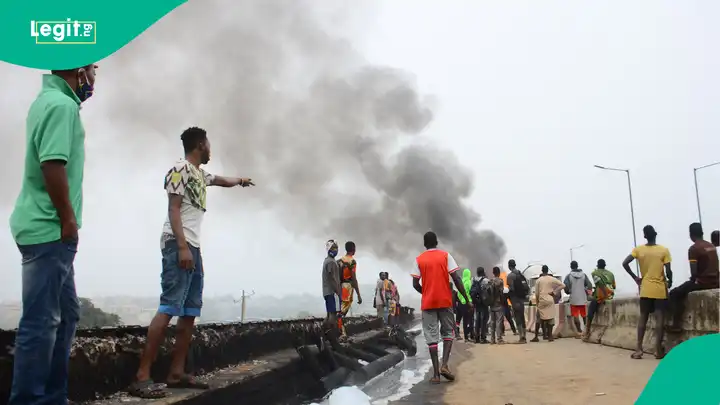
  • Lagos Tanker Explosion Near University Kills Two As LASTMA Blames Overspeeding On Badagry Expressway

    A tragic tanker explosion near the Lagos State University of Education (LASUED) along the Oto-Ijanikin axis of the Badagry Expressway has claimed the lives of two people, sparking renewed concerns over road safety in Lagos. The incident occurred in the early hours of Thursday when a diesel-laden Mack truck heading toward Agbara reportedly lost control while attempting to overtake another vehicle at high speed.

    According to the Lagos State Traffic Management Authority (LASTMA), the tanker crashed and immediately burst into flames due to reckless overspeeding. The driver and an adult female passenger trapped inside the vehicle were unable to escape and died at the scene. LASTMA officials said their operatives swiftly arrived at the location, cordoned off the area, and contacted emergency responders, including the Lagos State Fire and Rescue Service, the Federal Road Safety Corps (FRSC), and the Ijanikin Police Division.

    Authorities also intervened to stop residents who had rushed to the scene with containers to scoop spilled diesel, warning that such actions are extremely dangerous and often lead to secondary explosions and preventable deaths. LASTMA stressed that the quick response of its officers helped avert a potentially larger disaster.

    Emergency responders eventually extinguished the fire and removed the burnt tanker from the road, while the FRSC handled the recovery of the victims. The explosion caused significant traffic disruption along the busy Badagry Expressway, with motorists advised to expect delays as clearing operations continued.

    LASTMA General Manager, Olalekan Bakare-Oki, expressed deep sorrow over the incident, describing the deaths as painful and avoidable, particularly during the festive season. He cautioned tanker and articulated vehicle drivers to adhere strictly to speed limits and traffic regulations, noting that overspeeding remains a leading cause of fatal accidents in Lagos. He also issued a strong warning against fuel scooping at accident scenes, calling the practice irresponsible and a serious threat to public safety.

    Lagos Tanker Explosion Near University Kills Two As LASTMA Blames Overspeeding On Badagry Expressway A tragic tanker explosion near the Lagos State University of Education (LASUED) along the Oto-Ijanikin axis of the Badagry Expressway has claimed the lives of two people, sparking renewed concerns over road safety in Lagos. The incident occurred in the early hours of Thursday when a diesel-laden Mack truck heading toward Agbara reportedly lost control while attempting to overtake another vehicle at high speed. According to the Lagos State Traffic Management Authority (LASTMA), the tanker crashed and immediately burst into flames due to reckless overspeeding. The driver and an adult female passenger trapped inside the vehicle were unable to escape and died at the scene. LASTMA officials said their operatives swiftly arrived at the location, cordoned off the area, and contacted emergency responders, including the Lagos State Fire and Rescue Service, the Federal Road Safety Corps (FRSC), and the Ijanikin Police Division. Authorities also intervened to stop residents who had rushed to the scene with containers to scoop spilled diesel, warning that such actions are extremely dangerous and often lead to secondary explosions and preventable deaths. LASTMA stressed that the quick response of its officers helped avert a potentially larger disaster. Emergency responders eventually extinguished the fire and removed the burnt tanker from the road, while the FRSC handled the recovery of the victims. The explosion caused significant traffic disruption along the busy Badagry Expressway, with motorists advised to expect delays as clearing operations continued. LASTMA General Manager, Olalekan Bakare-Oki, expressed deep sorrow over the incident, describing the deaths as painful and avoidable, particularly during the festive season. He cautioned tanker and articulated vehicle drivers to adhere strictly to speed limits and traffic regulations, noting that overspeeding remains a leading cause of fatal accidents in Lagos. He also issued a strong warning against fuel scooping at accident scenes, calling the practice irresponsible and a serious threat to public safety.
    0 Reacties ·0 aandelen ·516 Views
Zoekresultaten
Fintter https://fintter.com