• BREAKING

    CBN Governor, Olayemi Cardoso, has directed that all recruitment processes at the Central Bank of Nigeria be conducted online to promote merit, transparency, and accountability.

    The move aims to ensure fairness and restore public confidence in the CBN’s hiring process.

    #BreakingNews #CBN #Nigeria #Accountability
    🚨 BREAKING 🚨 CBN Governor, Olayemi Cardoso, has directed that all recruitment processes at the Central Bank of Nigeria be conducted online to promote merit, transparency, and accountability. The move aims to ensure fairness and restore public confidence in the CBN’s hiring process. #BreakingNews #CBN #Nigeria #Accountability
    like
    1
    · 0 Commentarios ·0 Acciones ·718 Views
  • CAF President Admits Officiating Concerns at AFCON 2025

    CAF President Patrice Motsepe has acknowledged growing complaints over poor officiating at the ongoing AFCON 2025 in Morocco. He said CAF takes the concerns seriously and remains committed to transparency, fairness, and accountability. Motsepe confirmed that reported incidents are being reviewed to improve refereeing standards. However, fans and some football federations remain dissatisfied, calling for stronger oversight, independent assessments, and reforms to restore credibility and eliminate perceived bias in officiating…#fintter
    CAF President Admits Officiating Concerns at AFCON 2025 CAF President Patrice Motsepe has acknowledged growing complaints over poor officiating at the ongoing AFCON 2025 in Morocco. He said CAF takes the concerns seriously and remains committed to transparency, fairness, and accountability. Motsepe confirmed that reported incidents are being reviewed to improve refereeing standards. However, fans and some football federations remain dissatisfied, calling for stronger oversight, independent assessments, and reforms to restore credibility and eliminate perceived bias in officiating…#fintter
    love
    1
    · 0 Commentarios ·0 Acciones ·569 Views

  • A fresh discovery in the 2026 Appropriation Bill presented by President Bola Tinubu has sparked concerns over transparency among some Ministries, Departments, and Agencies (MDAs)….

    Findings from a preliminary review of the budget show questionable allocations, duplicated line items, and vague expenditure headings running into billions of naira. Civil society groups and lawmakers have raised alarms, calling for deeper scrutiny to prevent waste and misuse of public funds. They insist that the budget review process must ensure accountability and value for money, especially as Nigerians continue to face economic hardship and rising living costs. #fintternew
    A fresh discovery in the 2026 Appropriation Bill presented by President Bola Tinubu has sparked concerns over transparency among some Ministries, Departments, and Agencies (MDAs)…. Findings from a preliminary review of the budget show questionable allocations, duplicated line items, and vague expenditure headings running into billions of naira. Civil society groups and lawmakers have raised alarms, calling for deeper scrutiny to prevent waste and misuse of public funds. They insist that the budget review process must ensure accountability and value for money, especially as Nigerians continue to face economic hardship and rising living costs. #fintternew
    love
    1
    · 0 Commentarios ·0 Acciones ·761 Views
  • Documents have revealed that lawmakers in Sokoto State spent about ₦4.6 billion on the purchase of vehicles despite the state grappling with widespread insecurity……….

    The expenditure reportedly covered official cars and utility vehicles for members of the House of Assembly, sparking public outrage. Critics argue that the funds could have been redirected toward improving security, supporting displaced communities, and strengthening law enforcement. The revelation has renewed debates over government priorities, transparency, and accountability, especially as residents continue to face attacks by bandits and rising safety concerns across several parts of the state.#Fintter
    Documents have revealed that lawmakers in Sokoto State spent about ₦4.6 billion on the purchase of vehicles despite the state grappling with widespread insecurity………. The expenditure reportedly covered official cars and utility vehicles for members of the House of Assembly, sparking public outrage. Critics argue that the funds could have been redirected toward improving security, supporting displaced communities, and strengthening law enforcement. The revelation has renewed debates over government priorities, transparency, and accountability, especially as residents continue to face attacks by bandits and rising safety concerns across several parts of the state.#Fintter
    love
    2
    · 0 Commentarios ·0 Acciones ·698 Views
  • Presidential Tax Committee Denies Suspension of New Tax Law Guidelines

    The Nigerian Presidential Committee on Fiscal Policy and Tax Reforms, led by Taiwo Oyedele, has denied claims that the Tinubu administration paused implementation guidelines for new tax laws. Oyedele called the report “Fake News,” explaining that delays in issuing guidelines stem from difficulties accessing the final printed copies of the laws from the Government Printer. Social media reactions were mixed, with users demanding clarity on VAT, tax timelines, and warning against retrospective liabilities. The committee emphasized ongoing legislative review and transparency.

    #NigeriaTax #FiscalPolicy #TaiwoOyedele #TaxLaws

    Presidential Tax Committee Denies Suspension of New Tax Law Guidelines The Nigerian Presidential Committee on Fiscal Policy and Tax Reforms, led by Taiwo Oyedele, has denied claims that the Tinubu administration paused implementation guidelines for new tax laws. Oyedele called the report “Fake News,” explaining that delays in issuing guidelines stem from difficulties accessing the final printed copies of the laws from the Government Printer. Social media reactions were mixed, with users demanding clarity on VAT, tax timelines, and warning against retrospective liabilities. The committee emphasized ongoing legislative review and transparency. #NigeriaTax #FiscalPolicy #TaiwoOyedele #TaxLaws
    0 Commentarios ·0 Acciones ·749 Views
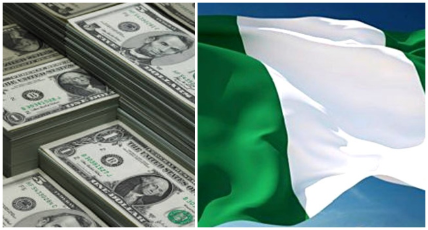
  • BREAKING: House of Representatives Criticizes Delay in Probe of $25M FIFA-CAF Grants to NFF

    The Nigerian House of Representatives has slammed the slow progress in investigating the $25 million FIFA-CAF grants allocated to the Nigeria Football Federation (NFF).

    #NFF #FIFA #CAF #NigeriaPolitics #BreakingNews #HouseOfReps #FootballNews #Transparency #NigeriaNews
    🚨 BREAKING: House of Representatives Criticizes Delay in Probe of $25M FIFA-CAF Grants to NFF The Nigerian House of Representatives has slammed the slow progress in investigating the $25 million FIFA-CAF grants allocated to the Nigeria Football Federation (NFF). #NFF #FIFA #CAF #NigeriaPolitics #BreakingNews #HouseOfReps #FootballNews #Transparency #NigeriaNews
    0 Commentarios ·0 Acciones ·595 Views
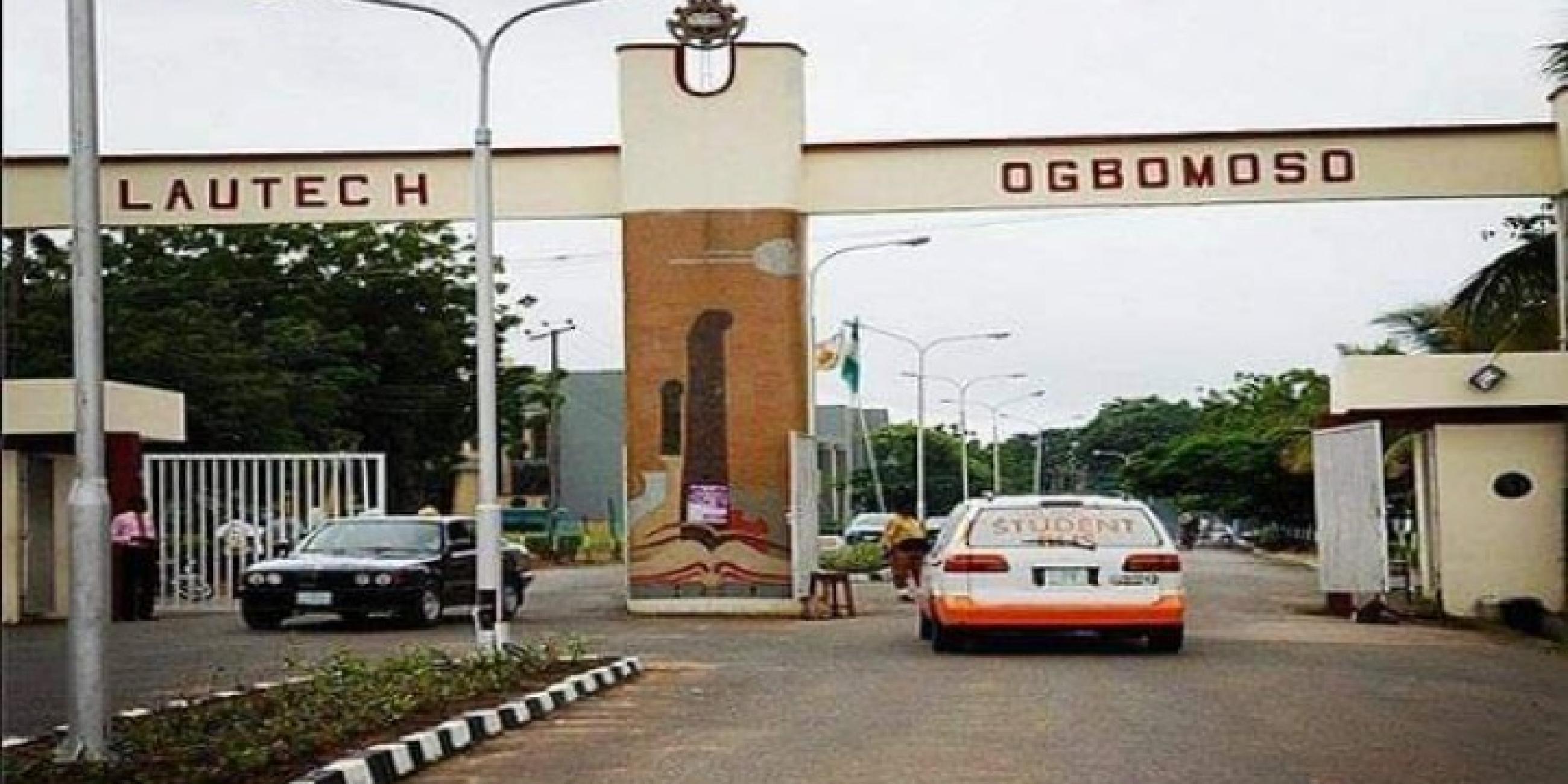
  • LAUTECH Nurses Drag EFCC, ICPC Over ₦18m Extortion, Withheld Results – SOS Petition

    Omo, wahala dey oo! Some concerned nurses from LAUTECH Open Learning don shout SOS to EFCC and ICPC over serious gbege. Dem claim say from 200 Level reach 500 Level, class executives dey collect huge levies for vague purposes, sometimes pay into personal accounts, without receipts or transparency.

    Dem talk say ₦18 million don vanish, some students been dey pay for projects, sports, entertainment, and final exams, but still results dey withheld. Some even get exemption letters, others dey suffer in academic limbo.

    Nurses demand full investigation, audit of all funds collected, protection for affected students, and immediate release of their results. Dem call am SOS – no more fear, no more intimidation.

    LAUTECH Nurses Drag EFCC, ICPC Over ₦18m Extortion, Withheld Results – SOS Petition Omo, wahala dey oo! Some concerned nurses from LAUTECH Open Learning don shout SOS to EFCC and ICPC over serious gbege. Dem claim say from 200 Level reach 500 Level, class executives dey collect huge levies for vague purposes, sometimes pay into personal accounts, without receipts or transparency. Dem talk say ₦18 million don vanish, some students been dey pay for projects, sports, entertainment, and final exams, but still results dey withheld. Some even get exemption letters, others dey suffer in academic limbo. Nurses demand full investigation, audit of all funds collected, protection for affected students, and immediate release of their results. Dem call am SOS – no more fear, no more intimidation.
    0 Commentarios ·0 Acciones ·711 Views
  • FG Launches Recruitment of National Health Fellows to Strengthen Rural Healthcare in Nasarawa

    The Federal Government has commenced the recruitment of young medical professionals to serve as National Health Fellows, a presidential initiative aimed at fostering a new generation of leaders in the health sector.

    The program targets the selection of thirteen youths from the thirteen local government areas of Nasarawa State, with the goal of strengthening local capacity for health system reform and improving service delivery, particularly for rural communities.

    Implemented by the Federal Ministry of Health and Social Welfare, in collaboration with state health ministries and development partners, the National Health Fellows program seeks to equip young professionals with leadership and management skills in primary healthcare facilities across Nigeria’s 774 local government areas. Each local government area will host one health fellow.

    The current session focuses on selecting fellows for Nasarawa State, with the selection panel evaluating applicants on areas of competence that will enhance healthcare delivery in rural communities. The panel emphasizes that the recruitment process will be merit-based, ensuring fairness, transparency, and credibility.

    Selected fellows will serve for a one-year tenure, during which they will contribute to healthcare reforms and youth leadership development at both national and state levels.

    This initiative reflects the government’s commitment to developing youth leadership in the health sector while addressing critical gaps in rural healthcare delivery.

    FG Launches Recruitment of National Health Fellows to Strengthen Rural Healthcare in Nasarawa The Federal Government has commenced the recruitment of young medical professionals to serve as National Health Fellows, a presidential initiative aimed at fostering a new generation of leaders in the health sector. The program targets the selection of thirteen youths from the thirteen local government areas of Nasarawa State, with the goal of strengthening local capacity for health system reform and improving service delivery, particularly for rural communities. Implemented by the Federal Ministry of Health and Social Welfare, in collaboration with state health ministries and development partners, the National Health Fellows program seeks to equip young professionals with leadership and management skills in primary healthcare facilities across Nigeria’s 774 local government areas. Each local government area will host one health fellow. The current session focuses on selecting fellows for Nasarawa State, with the selection panel evaluating applicants on areas of competence that will enhance healthcare delivery in rural communities. The panel emphasizes that the recruitment process will be merit-based, ensuring fairness, transparency, and credibility. Selected fellows will serve for a one-year tenure, during which they will contribute to healthcare reforms and youth leadership development at both national and state levels. This initiative reflects the government’s commitment to developing youth leadership in the health sector while addressing critical gaps in rural healthcare delivery.
    0 Commentarios ·0 Acciones ·746 Views
  • KEY THINGS PEOPLE IGNORE BEFORE MARRIAGE
    1. Communication Style
    How you talk during peace is different from how you talk during conflict.
    2. Conflict Resolution
    Do you resolve issues or sweep them under the carpet?
    3. Money Mindset
    Spending habits, debt, saving culture, and financial transparency.
    4. Emotional Maturity
    Can your partner apologize, accept correction, and take responsibility?
    5. Expectations in Marriage
    Roles, responsibilities, lifestyle, and standards.
    6. Family Boundaries & In-Laws
    Who comes first — spouse or parents?
    7. Values & Beliefs
    Faith, morals, principles, and life priorities.
    8. Life Goals & Direction
    Career plans, relocation, children, and long-term vision.
    9. Anger & Temperament
    How your partner reacts when upset or stressed.
    10. Respect (Not Just Love)
    Love can fade temporarily, but respect must remain constant.
    11. Handling Stress & Pressure
    How they act during hardship, not comfort.
    12. Sexual Expectations & Intimacy
    Needs, boundaries, and openness (without details).
    13. Health & Genetics
    Physical, mental health history, and genotype discussions.
    14. Past Trauma & Baggage
    Unhealed wounds can show up in marriage.
    15. Parenting Style
    Discipline, education, and values for children.
    16. Friendships & Influences
    Who has access and influence over your partner?
    17. Honesty & Transparency
    Secrets before marriage often become scandals after.
    18. Growth Mindset
    Are you both willing to learn and change?
    19. Decision-Making Style
    Who decides what, and how?
    20. Definition of Love & Commitment
    What does cheating, loyalty, and commitment mean to each of you?
    🔑 KEY THINGS PEOPLE IGNORE BEFORE MARRIAGE 1. Communication Style How you talk during peace is different from how you talk during conflict. 2. Conflict Resolution Do you resolve issues or sweep them under the carpet? 3. Money Mindset Spending habits, debt, saving culture, and financial transparency. 4. Emotional Maturity Can your partner apologize, accept correction, and take responsibility? 5. Expectations in Marriage Roles, responsibilities, lifestyle, and standards. 6. Family Boundaries & In-Laws Who comes first — spouse or parents? 7. Values & Beliefs Faith, morals, principles, and life priorities. 8. Life Goals & Direction Career plans, relocation, children, and long-term vision. 9. Anger & Temperament How your partner reacts when upset or stressed. 10. Respect (Not Just Love) Love can fade temporarily, but respect must remain constant. 11. Handling Stress & Pressure How they act during hardship, not comfort. 12. Sexual Expectations & Intimacy Needs, boundaries, and openness (without details). 13. Health & Genetics Physical, mental health history, and genotype discussions. 14. Past Trauma & Baggage Unhealed wounds can show up in marriage. 15. Parenting Style Discipline, education, and values for children. 16. Friendships & Influences Who has access and influence over your partner? 17. Honesty & Transparency Secrets before marriage often become scandals after. 18. Growth Mindset Are you both willing to learn and change? 19. Decision-Making Style Who decides what, and how? 20. Definition of Love & Commitment What does cheating, loyalty, and commitment mean to each of you?
    0 Commentarios ·0 Acciones ·1K Views
  • Wahala Don Set Oo! Kano Rights Group Alleges Plot to Arrest Activist Over Community Transformer Dispute

    Wahala don burst for Kano oo! A human rights group has raised alarm over an alleged plot to arrest a community activist in Minjibir Local Government Area after he opposed the removal of a community-owned electricity transformer.

    The Centre for Human Rights and Social Advancement (CEFSAN) says the activist, Comrade Habu Hassan Abdullahi from Kunya community, is now being targeted simply because he questioned the decision of the Minjibir LG Chairman to allegedly remove the transformer without consulting residents.

    According to a statement issued by CEFSAN’s Executive Director, Yusha’u Sani Yankuzo, Esq, the incident happened on January 8, 2026, when local government officials allegedly ordered the removal of the transformer without notice, explanation, or community engagement.

    Residents reportedly became worried, recalling past incidents where public facilities like transformers and engines allegedly “disappeared” after being taken away.

    CEFSAN said Abdullahi only exercised his constitutional right to speak up and represent his people, but that his action allegedly angered the authorities.

    > “Comrade Habu Hassan Abdullahi, in the exercise of his constitutional right to freedom of expression and peaceful participation in community affairs, openly objected to the removal of the transformer,” the group stated.


    But instead of dialogue, CEFSAN alleged that the Minjibir Local Government Chairman connived with the Dambatta Police Area Command to arrange his arrest and detention without due process.

    Wahala con turn serious. The rights group said it later received information that Abdullahi was about to be arrested, forcing him to flee his community for safety.

    > “Upon receiving confidential information suggesting an imminent arrest, Comrade Habu was forced to flee his community for fear of his life and personal safety,” CEFSAN said.


    Police officers were reportedly sent to pick him up but could not locate him, raising further concerns about intimidation and possible persecution.

    CEFSAN strongly condemned what it described as the use of security agencies to silence community voices.

    > “We strongly condemn any attempt to use state security apparatus to intimidate activists or criminalize peaceful civic engagement,” the group said, warning that such actions violate both Nigeria’s Constitution and international human rights standards.


    The organisation demanded:

    Immediate end to all forms of harassment against Abdullahi,

    Public clarification on why the Kunya community transformer was allegedly removed, and

    An independent investigation into the role of the LG Chairman and the Dambatta Police Command in the alleged arrest plot.


    CEFSAN also called on authorities to guarantee the safety of Abdullahi and protect the rights of Kunya residents, stressing that decisions affecting public utilities must involve consultation, transparency, and accountability.

    > “Any harm to Comrade Habu Hassan Abdullahi will be strongly resisted and pursued through all lawful national and international human rights mechanisms,” the group warned.


    As at the time of filing the report, the Kano State Police Command and Minjibir Local Government authorities had not responded to the allegations.

    Wahala don set oo — because to talk for your community now dey turn crime? Nigerians dey watch.

    Wahala Don Set Oo! Kano Rights Group Alleges Plot to Arrest Activist Over Community Transformer Dispute Wahala don burst for Kano oo! A human rights group has raised alarm over an alleged plot to arrest a community activist in Minjibir Local Government Area after he opposed the removal of a community-owned electricity transformer. The Centre for Human Rights and Social Advancement (CEFSAN) says the activist, Comrade Habu Hassan Abdullahi from Kunya community, is now being targeted simply because he questioned the decision of the Minjibir LG Chairman to allegedly remove the transformer without consulting residents. According to a statement issued by CEFSAN’s Executive Director, Yusha’u Sani Yankuzo, Esq, the incident happened on January 8, 2026, when local government officials allegedly ordered the removal of the transformer without notice, explanation, or community engagement. Residents reportedly became worried, recalling past incidents where public facilities like transformers and engines allegedly “disappeared” after being taken away. CEFSAN said Abdullahi only exercised his constitutional right to speak up and represent his people, but that his action allegedly angered the authorities. > “Comrade Habu Hassan Abdullahi, in the exercise of his constitutional right to freedom of expression and peaceful participation in community affairs, openly objected to the removal of the transformer,” the group stated. But instead of dialogue, CEFSAN alleged that the Minjibir Local Government Chairman connived with the Dambatta Police Area Command to arrange his arrest and detention without due process. Wahala con turn serious. The rights group said it later received information that Abdullahi was about to be arrested, forcing him to flee his community for safety. > “Upon receiving confidential information suggesting an imminent arrest, Comrade Habu was forced to flee his community for fear of his life and personal safety,” CEFSAN said. Police officers were reportedly sent to pick him up but could not locate him, raising further concerns about intimidation and possible persecution. CEFSAN strongly condemned what it described as the use of security agencies to silence community voices. > “We strongly condemn any attempt to use state security apparatus to intimidate activists or criminalize peaceful civic engagement,” the group said, warning that such actions violate both Nigeria’s Constitution and international human rights standards. The organisation demanded: Immediate end to all forms of harassment against Abdullahi, Public clarification on why the Kunya community transformer was allegedly removed, and An independent investigation into the role of the LG Chairman and the Dambatta Police Command in the alleged arrest plot. CEFSAN also called on authorities to guarantee the safety of Abdullahi and protect the rights of Kunya residents, stressing that decisions affecting public utilities must involve consultation, transparency, and accountability. > “Any harm to Comrade Habu Hassan Abdullahi will be strongly resisted and pursued through all lawful national and international human rights mechanisms,” the group warned. As at the time of filing the report, the Kano State Police Command and Minjibir Local Government authorities had not responded to the allegations. Wahala don set oo — because to talk for your community now dey turn crime? Nigerians dey watch.
    love
    1
    · 0 Commentarios ·0 Acciones ·719 Views
  • Did a Detainee Die Unlawfully in NSCDC Custody? Kano Command Removes Fagge Divisional Officer as Police Launch Investigation Into Custodial Death

    Did the death of a suspect inside a security facility point to deeper issues of accountability within Nigeria’s law enforcement system? The Nigeria Security and Civil Defence Corps (NSCDC) in Kano State has removed the Divisional Officer in charge of the Fagge office after a suspect reportedly died while in custody, triggering a formal investigation and public scrutiny.

    According to the NSCDC’s spokesperson, Ibrahim Abdullahi, the officer in charge, SC Amina Musa Kolawale, was relieved of her position following the incident. All officers and personnel who were on duty at the time of the suspect’s death have also been handed over to the Nigerian Police, Kano State Command, for further investigation and possible disciplinary or legal action.

    The NSCDC Commandant in Kano, Mohammed Hassan Agalama, approved the removal after setting up a panel of inquiry to conduct what the agency described as a discreet, fair, and impartial investigation into the circumstances surrounding the death. A new divisional head, CSC Bashir Isa Abubakar, has since been appointed to take over leadership at the Fagge office.

    In a public appeal, the NSCDC urged residents to remain calm, reaffirming its commitment to the sanctity of life, human rights, professionalism, standard operating procedures, integrity, and the rule of law. The Corps stressed that it would not shield any officer found culpable and that accountability would guide the outcome of the probe.

    The case has reignited concerns about custodial deaths in Nigeria, the treatment of suspects, and whether security agencies are doing enough to ensure due process and protection of fundamental rights. As investigations proceed under police oversight, many Nigerians are asking critical questions: What caused the suspect’s death? Were proper procedures followed? And will this action mark a turning point for transparency and reform within the security services?


    Did a Detainee Die Unlawfully in NSCDC Custody? Kano Command Removes Fagge Divisional Officer as Police Launch Investigation Into Custodial Death Did the death of a suspect inside a security facility point to deeper issues of accountability within Nigeria’s law enforcement system? The Nigeria Security and Civil Defence Corps (NSCDC) in Kano State has removed the Divisional Officer in charge of the Fagge office after a suspect reportedly died while in custody, triggering a formal investigation and public scrutiny. According to the NSCDC’s spokesperson, Ibrahim Abdullahi, the officer in charge, SC Amina Musa Kolawale, was relieved of her position following the incident. All officers and personnel who were on duty at the time of the suspect’s death have also been handed over to the Nigerian Police, Kano State Command, for further investigation and possible disciplinary or legal action. The NSCDC Commandant in Kano, Mohammed Hassan Agalama, approved the removal after setting up a panel of inquiry to conduct what the agency described as a discreet, fair, and impartial investigation into the circumstances surrounding the death. A new divisional head, CSC Bashir Isa Abubakar, has since been appointed to take over leadership at the Fagge office. In a public appeal, the NSCDC urged residents to remain calm, reaffirming its commitment to the sanctity of life, human rights, professionalism, standard operating procedures, integrity, and the rule of law. The Corps stressed that it would not shield any officer found culpable and that accountability would guide the outcome of the probe. The case has reignited concerns about custodial deaths in Nigeria, the treatment of suspects, and whether security agencies are doing enough to ensure due process and protection of fundamental rights. As investigations proceed under police oversight, many Nigerians are asking critical questions: What caused the suspect’s death? Were proper procedures followed? And will this action mark a turning point for transparency and reform within the security services?
    0 Commentarios ·0 Acciones ·949 Views
  • Nigeria Questions President Tinubu’s Whereabouts Amid Activist Sowore’s Demand for Clarity on Leadership, Public Absence Sparks Concern

    Concerns over President Bola Tinubu’s public absence have intensified as prominent activist and former presidential candidate Omoyele Sowore called on the government to clarify the president’s whereabouts. Sowore described Nigeria as effectively “operating without a president”, citing Tinubu’s extended absence from public engagements during a period of economic challenges, rising insecurity, and widespread public discontent.

    According to the Presidency, Tinubu departed Lagos for Europe to continue his end-of-year break ahead of an official trip to Abu Dhabi for the Abu Dhabi Sustainability Week Summit (ADSW 2026), where he is set to engage global leaders on sustainable development initiatives. Presidential aides confirmed he will return after the summit.

    The situation has drawn scrutiny over government transparency, leadership accountability, and budget allocations. Review of the 2026 Nigerian budget shows N6.1 billion earmarked for Tinubu’s international travels and N873 million for local travels, while Vice President Kashim Shettima plans to spend N1.3 billion on foreign trips, bringing the total for top leadership travel to N7.4 billion.

    Civil society groups and opposition figures echo Sowore’s call for clarity, insisting that Nigerians deserve reassurance about the president’s health, governance engagement, and leadership presence. The ongoing debate underscores concerns about executive transparency, fiscal responsibility, and citizen confidence in the highest office of Nigeria.
    Nigeria Questions President Tinubu’s Whereabouts Amid Activist Sowore’s Demand for Clarity on Leadership, Public Absence Sparks Concern Concerns over President Bola Tinubu’s public absence have intensified as prominent activist and former presidential candidate Omoyele Sowore called on the government to clarify the president’s whereabouts. Sowore described Nigeria as effectively “operating without a president”, citing Tinubu’s extended absence from public engagements during a period of economic challenges, rising insecurity, and widespread public discontent. According to the Presidency, Tinubu departed Lagos for Europe to continue his end-of-year break ahead of an official trip to Abu Dhabi for the Abu Dhabi Sustainability Week Summit (ADSW 2026), where he is set to engage global leaders on sustainable development initiatives. Presidential aides confirmed he will return after the summit. The situation has drawn scrutiny over government transparency, leadership accountability, and budget allocations. Review of the 2026 Nigerian budget shows N6.1 billion earmarked for Tinubu’s international travels and N873 million for local travels, while Vice President Kashim Shettima plans to spend N1.3 billion on foreign trips, bringing the total for top leadership travel to N7.4 billion. Civil society groups and opposition figures echo Sowore’s call for clarity, insisting that Nigerians deserve reassurance about the president’s health, governance engagement, and leadership presence. The ongoing debate underscores concerns about executive transparency, fiscal responsibility, and citizen confidence in the highest office of Nigeria.
    0 Commentarios ·0 Acciones ·1K Views
  • Why Did the Trump Administration Freeze $129 Million in USDA Funds to Minnesota and Minneapolis Over Fraud Allegations, and Who Is Accountable for the Feeding Our Future Scandal?

    The Trump administration has taken decisive action against Minnesota and Minneapolis, suspending over $129 million in USDA federal funding amid allegations of “widespread and systemic fraud.” U.S. Secretary of Agriculture Brooke L. Rollins cited repeated failures in federal program oversight, including mismanagement of programs like Child and Adult Care Food Program (CACFP), Summer Food Service Program (SFSP), and the Supplemental Nutrition Assistance Program (SNAP).

    The decision follows revelations from the Feeding Our Future scandal, in which a Minneapolis nonprofit allegedly defrauded taxpayers of nearly $250 million intended to feed children during the COVID-19 pandemic. Rollins described the fraud as “industrial-scale”, involving 78 defendants charged in what the Department of Justice calls the largest COVID-19 fraud scheme in the U.S.

    In her letter to Minnesota Governor Tim Walz and Minneapolis Mayor Jacob Frey, Rollins highlighted additional alleged abuses in the Paycheck Protection Program, housing assistance schemes, and SNAP misreporting. Officials who resisted federal oversight and challenged USDA directives were also called out for enabling continued fraud.

    As a result, all active and future USDA awards to Minnesota and Minneapolis—totaling $129.18 million—are suspended immediately. Authorities have 30 days to provide detailed payment justifications; failure to comply could extend the suspension. Rollins emphasized that this action represents the administration’s zero-tolerance policy on fraud, waste, and abuse, protecting American taxpayers and ensuring funds reach those who need them.

    This unprecedented suspension raises urgent questions: How did fraud reach such scale in Minnesota’s federal programs? Who is responsible for oversight failures? Will federal authorities enforce accountability, and how will affected programs recover? The frozen funds underscore a growing national focus on transparency, stewardship, and integrity in public funding.


    Why Did the Trump Administration Freeze $129 Million in USDA Funds to Minnesota and Minneapolis Over Fraud Allegations, and Who Is Accountable for the Feeding Our Future Scandal? The Trump administration has taken decisive action against Minnesota and Minneapolis, suspending over $129 million in USDA federal funding amid allegations of “widespread and systemic fraud.” U.S. Secretary of Agriculture Brooke L. Rollins cited repeated failures in federal program oversight, including mismanagement of programs like Child and Adult Care Food Program (CACFP), Summer Food Service Program (SFSP), and the Supplemental Nutrition Assistance Program (SNAP). The decision follows revelations from the Feeding Our Future scandal, in which a Minneapolis nonprofit allegedly defrauded taxpayers of nearly $250 million intended to feed children during the COVID-19 pandemic. Rollins described the fraud as “industrial-scale”, involving 78 defendants charged in what the Department of Justice calls the largest COVID-19 fraud scheme in the U.S. In her letter to Minnesota Governor Tim Walz and Minneapolis Mayor Jacob Frey, Rollins highlighted additional alleged abuses in the Paycheck Protection Program, housing assistance schemes, and SNAP misreporting. Officials who resisted federal oversight and challenged USDA directives were also called out for enabling continued fraud. As a result, all active and future USDA awards to Minnesota and Minneapolis—totaling $129.18 million—are suspended immediately. Authorities have 30 days to provide detailed payment justifications; failure to comply could extend the suspension. Rollins emphasized that this action represents the administration’s zero-tolerance policy on fraud, waste, and abuse, protecting American taxpayers and ensuring funds reach those who need them. This unprecedented suspension raises urgent questions: How did fraud reach such scale in Minnesota’s federal programs? Who is responsible for oversight failures? Will federal authorities enforce accountability, and how will affected programs recover? The frozen funds underscore a growing national focus on transparency, stewardship, and integrity in public funding.
    0 Commentarios ·0 Acciones ·954 Views
  • Bauchi Audit Exposes Universities, Polytechnics, Colleges, and Parastatals: How Did ₦Billions in Public Funds Go Unaccounted For, Why Were Revenues Unremitted, and Who Will Be Held Legally Responsible?

    How did institutions meant to uphold discipline, transparency, and public trust become hubs of financial disorder? An audit investigation by WikkiTimes reveals widespread financial mismanagement across Bauchi State’s universities, polytechnics, colleges, hospitals, agencies, and parastatals, raising urgent questions about accountability, oversight, and the future of public finance in the state.

    The Auditor-General’s report shows a consistent pattern: payments without documentation, unretired advances, missing revenue, inflated costs, forged or incomplete records, and expenditures without approval. These violations were not isolated to ministries or Government House—they extended deep into educational institutions and public agencies that are supposed to set standards in record-keeping, training, and ethical governance.

    At Sa’adu Zungur University, the state’s flagship institution, auditors recorded ₦63.5 million in payments without supporting documents, ₦12 million in unretired advances, ₦48 million in vouchers not presented for audit, ₦9.1 million in receipt discrepancies, ₦14.5 million in inflated diesel costs, and ₦84.2 million in unremitted tax deductions. Another ₦101 million was not posted to the cash book, making the trail of funds impossible to trace. An institution named after a symbol of moral discipline now stands accused of systemic financial indiscipline.

    At Abubakar Tatari Ali Polytechnic, auditors uncovered what they described as one of the most detailed cases of financial breakdown: ₦21.4 million in government revenue with no evidence of remittance, ₦13.4 million in undocumented payments, ₦15.1 million in vouchers withheld from audit, ₦28.6 million in store purchases not entered into ledgers, and multiple unretired advances and imprests. Additional red flags included ₦32.8 million in unauthorised payments, ₦5.7 million paid without documentation, and ₦5.2 million in soft loans without proof of recovery.

    Other institutions followed the same pattern. A.D. Rufa’i College of Legal Studies recorded millions in undocumented, unauthorised, and unacknowledged payments, alongside major store ledger discrepancies—echoing earlier reports of student exploitation. At the Bill and Melinda Gates College of Health Sciences, auditors flagged bank reconciliation gaps, voucher irregularities, and cash-book discrepancies. Health agencies, including the Specialist Hospital Board and Bauchi State Health Contributory Management Agency, were cited for diesel payments without retirement records and funds disbursed without approval.

    The audit further exposed revenue losses in parastatals. At Yankari Express Corporation, auditors recorded a staggering ₦165.5 million gap between revenue collected and bank lodgements, alongside missing vehicles, undocumented spare parts purchases, and multiple unsubmitted vouchers. At Yankari Game Reserve, findings included unauthorised payments, ghost beneficiaries, unaccounted revenue, undocumented diesel purchases, and unexplained bank withdrawals—suggesting deep-seated weaknesses in financial controls.

    Perhaps most alarming is what did not happen. According to the audit, missing vouchers remained missing, unremitted revenue was not accounted for, advances were not recovered, and disputed sums were not refunded. Explanations submitted by institutions failed to resolve the issues, leaving large portions of public funds in limbo.

    The report also outlines the legal consequences. Under the 1999 Constitution, all public spending must be authorised by law, with the Auditor-General empowered under Section 125 to refer violations to the House of Assembly. The ICPC Act criminalises abuse of office, while the EFCC Act classifies tax non-remittance and fund diversion as economic crimes—offences that remain prosecutable even after restitution.

    This investigation forces urgent questions: How did so many institutions operate for years without basic financial controls? Why were revenues collected but never remitted? Who authorised payments without records? And will the ICPC, EFCC, and lawmakers move from exposure to prosecution? As billions of naira remain unaccounted for, Bauchi’s audit report is no longer just a financial document—it is a test of whether public office will finally be matched with public accountability.

    Bauchi Audit Exposes Universities, Polytechnics, Colleges, and Parastatals: How Did ₦Billions in Public Funds Go Unaccounted For, Why Were Revenues Unremitted, and Who Will Be Held Legally Responsible? How did institutions meant to uphold discipline, transparency, and public trust become hubs of financial disorder? An audit investigation by WikkiTimes reveals widespread financial mismanagement across Bauchi State’s universities, polytechnics, colleges, hospitals, agencies, and parastatals, raising urgent questions about accountability, oversight, and the future of public finance in the state. The Auditor-General’s report shows a consistent pattern: payments without documentation, unretired advances, missing revenue, inflated costs, forged or incomplete records, and expenditures without approval. These violations were not isolated to ministries or Government House—they extended deep into educational institutions and public agencies that are supposed to set standards in record-keeping, training, and ethical governance. At Sa’adu Zungur University, the state’s flagship institution, auditors recorded ₦63.5 million in payments without supporting documents, ₦12 million in unretired advances, ₦48 million in vouchers not presented for audit, ₦9.1 million in receipt discrepancies, ₦14.5 million in inflated diesel costs, and ₦84.2 million in unremitted tax deductions. Another ₦101 million was not posted to the cash book, making the trail of funds impossible to trace. An institution named after a symbol of moral discipline now stands accused of systemic financial indiscipline. At Abubakar Tatari Ali Polytechnic, auditors uncovered what they described as one of the most detailed cases of financial breakdown: ₦21.4 million in government revenue with no evidence of remittance, ₦13.4 million in undocumented payments, ₦15.1 million in vouchers withheld from audit, ₦28.6 million in store purchases not entered into ledgers, and multiple unretired advances and imprests. Additional red flags included ₦32.8 million in unauthorised payments, ₦5.7 million paid without documentation, and ₦5.2 million in soft loans without proof of recovery. Other institutions followed the same pattern. A.D. Rufa’i College of Legal Studies recorded millions in undocumented, unauthorised, and unacknowledged payments, alongside major store ledger discrepancies—echoing earlier reports of student exploitation. At the Bill and Melinda Gates College of Health Sciences, auditors flagged bank reconciliation gaps, voucher irregularities, and cash-book discrepancies. Health agencies, including the Specialist Hospital Board and Bauchi State Health Contributory Management Agency, were cited for diesel payments without retirement records and funds disbursed without approval. The audit further exposed revenue losses in parastatals. At Yankari Express Corporation, auditors recorded a staggering ₦165.5 million gap between revenue collected and bank lodgements, alongside missing vehicles, undocumented spare parts purchases, and multiple unsubmitted vouchers. At Yankari Game Reserve, findings included unauthorised payments, ghost beneficiaries, unaccounted revenue, undocumented diesel purchases, and unexplained bank withdrawals—suggesting deep-seated weaknesses in financial controls. Perhaps most alarming is what did not happen. According to the audit, missing vouchers remained missing, unremitted revenue was not accounted for, advances were not recovered, and disputed sums were not refunded. Explanations submitted by institutions failed to resolve the issues, leaving large portions of public funds in limbo. The report also outlines the legal consequences. Under the 1999 Constitution, all public spending must be authorised by law, with the Auditor-General empowered under Section 125 to refer violations to the House of Assembly. The ICPC Act criminalises abuse of office, while the EFCC Act classifies tax non-remittance and fund diversion as economic crimes—offences that remain prosecutable even after restitution. This investigation forces urgent questions: How did so many institutions operate for years without basic financial controls? Why were revenues collected but never remitted? Who authorised payments without records? And will the ICPC, EFCC, and lawmakers move from exposure to prosecution? As billions of naira remain unaccounted for, Bauchi’s audit report is no longer just a financial document—it is a test of whether public office will finally be matched with public accountability.
    love
    1
    · 0 Commentarios ·0 Acciones ·1K Views
  • Jersey To Return $9.5 Million In Alleged Corruption Proceeds To Nigeria — But Key Questions Remain

    Jersey, a British Crown Dependency in the Channel Islands, has announced plans to return over $9.5 million (£7 million) linked to corruption to Nigeria, with claims that the money will be used for infrastructure projects.

    However, this raises critical questions:
    Who exactly was responsible for the corruption?
    Which specific projects will receive the funds?
    How will Nigerians track and verify that this money is not lost again to mismanagement?

    As recovered funds continue to return to Nigeria, many citizens are asking whether transparency and accountability will finally follow or if this is just another recycled headline.

    Will this money truly benefit the public, or disappear once more into the system?
    What do you think?

    #Nigeria #Corruption #Accountability #PublicFunds
    Jersey To Return $9.5 Million In Alleged Corruption Proceeds To Nigeria — But Key Questions Remain Jersey, a British Crown Dependency in the Channel Islands, has announced plans to return over $9.5 million (£7 million) linked to corruption to Nigeria, with claims that the money will be used for infrastructure projects. However, this raises critical questions: Who exactly was responsible for the corruption? Which specific projects will receive the funds? How will Nigerians track and verify that this money is not lost again to mismanagement? As recovered funds continue to return to Nigeria, many citizens are asking whether transparency and accountability will finally follow or if this is just another recycled headline. Will this money truly benefit the public, or disappear once more into the system? What do you think? #Nigeria #Corruption #Accountability #PublicFunds
    0 Commentarios ·0 Acciones ·530 Views
  • CAPTI Declines Nigeria Police Meeting Over Human Rights Violations by Imo ‘Tiger Base’ Unit

    The Coalition Against Police Tigerbase Impunity (CAPTI) has declined a scheduled meeting with the Nigeria Police Force’s Police Monitoring Unit at Force Headquarters, Abuja. The coalition cited practical, logistical, and substantive constraints, emphasizing that the short notice and travel requirements made attendance impossible.

    In a letter signed by Sanyaolu Juwon, CAPTI Coordinator, the group acknowledged the police’s willingness to engage but stressed that any meeting must include victims and their families, many of whom reside in Imo State or are held at Owerri Correctional Centre. CAPTI noted that meaningful engagement requires proper planning, sufficient notice, and clear mechanisms for victim testimonies and accountability.

    The coalition remains open to dialogue but requested a mutually convenient date with arrangements allowing for inclusive participation of victims and civil society observers. CAPTI has been vocal about alleged abuses by the Tiger Base anti-kidnapping unit, advocating for transparency, accountability, and respect for human rights in Nigerian policing.

    #CAPTI #TigerBase #HumanRights”
    CAPTI Declines Nigeria Police Meeting Over Human Rights Violations by Imo ‘Tiger Base’ Unit The Coalition Against Police Tigerbase Impunity (CAPTI) has declined a scheduled meeting with the Nigeria Police Force’s Police Monitoring Unit at Force Headquarters, Abuja. The coalition cited practical, logistical, and substantive constraints, emphasizing that the short notice and travel requirements made attendance impossible. In a letter signed by Sanyaolu Juwon, CAPTI Coordinator, the group acknowledged the police’s willingness to engage but stressed that any meeting must include victims and their families, many of whom reside in Imo State or are held at Owerri Correctional Centre. CAPTI noted that meaningful engagement requires proper planning, sufficient notice, and clear mechanisms for victim testimonies and accountability. The coalition remains open to dialogue but requested a mutually convenient date with arrangements allowing for inclusive participation of victims and civil society observers. CAPTI has been vocal about alleged abuses by the Tiger Base anti-kidnapping unit, advocating for transparency, accountability, and respect for human rights in Nigerian policing. #CAPTI #TigerBase #HumanRights”
    0 Commentarios ·0 Acciones ·1K Views
  • Why Is the Tinubu Presidency Planning to Spend N3.3 Billion on Vehicles and N115 Million on Tyres in 2026 Amid Calls for Government Prudence?

    A review of Nigeria’s 2026 budget reveals that the Tinubu Presidency intends to spend N3.3 billion on vehicle procurement and replacements, with N115 million specifically allocated for tyres. According to the budget proposal, N2.5 billion is earmarked for the acquisition of State House operational vehicles, while N758 million is designated for replacing SUVs. Tyres for bullet-proof vehicles, ambulances, SUVs, and other operational vehicles are budgeted at N115 million, though comparisons with 2025 spending are difficult due to incomplete public data.

    In 2025, N3.6 billion was set aside for operational vehicle purchases, and another N1 billion for SUV replacements. Reports from the Govspend public payments portal reveal that in 2024, the Presidency spent N366 million on tyres over three days, highlighting continued high expenditures on State House vehicles. Notably, N5.1 billion was spent on vehicle procurement between August 18 and September 9, 2024, including N3.4 billion for sixteen Toyota Prado vehicles and N1.7 billion for ten Toyota Camry V4 models, implying costs of N212 million per Prado.

    This ongoing spending on SUVs and operational vehicles comes amid growing calls for fiscal prudence and transparency in government resource management. Analysts and civil society groups have raised concerns over the prioritization of luxurious vehicle procurement in a period of economic challenges, especially when compared to other critical areas of national expenditure.

    The 2026 budget allocations for State House vehicles and tyres underscore a continued trend of heavy expenditure on presidential mobility and security infrastructure, reflecting both operational needs and ongoing debate over cost-effectiveness and accountability in Nigeria’s federal spending.


    #TinubuBudget #NigeriaSpending #StateHouseVehicles

    Why Is the Tinubu Presidency Planning to Spend N3.3 Billion on Vehicles and N115 Million on Tyres in 2026 Amid Calls for Government Prudence? A review of Nigeria’s 2026 budget reveals that the Tinubu Presidency intends to spend N3.3 billion on vehicle procurement and replacements, with N115 million specifically allocated for tyres. According to the budget proposal, N2.5 billion is earmarked for the acquisition of State House operational vehicles, while N758 million is designated for replacing SUVs. Tyres for bullet-proof vehicles, ambulances, SUVs, and other operational vehicles are budgeted at N115 million, though comparisons with 2025 spending are difficult due to incomplete public data. In 2025, N3.6 billion was set aside for operational vehicle purchases, and another N1 billion for SUV replacements. Reports from the Govspend public payments portal reveal that in 2024, the Presidency spent N366 million on tyres over three days, highlighting continued high expenditures on State House vehicles. Notably, N5.1 billion was spent on vehicle procurement between August 18 and September 9, 2024, including N3.4 billion for sixteen Toyota Prado vehicles and N1.7 billion for ten Toyota Camry V4 models, implying costs of N212 million per Prado. This ongoing spending on SUVs and operational vehicles comes amid growing calls for fiscal prudence and transparency in government resource management. Analysts and civil society groups have raised concerns over the prioritization of luxurious vehicle procurement in a period of economic challenges, especially when compared to other critical areas of national expenditure. The 2026 budget allocations for State House vehicles and tyres underscore a continued trend of heavy expenditure on presidential mobility and security infrastructure, reflecting both operational needs and ongoing debate over cost-effectiveness and accountability in Nigeria’s federal spending. #TinubuBudget #NigeriaSpending #StateHouseVehicles
    0 Commentarios ·0 Acciones ·680 Views
  • Why Is Tinubu Budgeting ₦6.1 Billion for Foreign Trips in 2026? What Nigeria’s Travel Spending Reveals About Presidential Priorities

    A review of Nigeria’s 2026 budget has revealed that President Bola Tinubu plans to spend ₦6.1 billion on foreign travels in the coming fiscal year, raising fresh questions about government priorities amid economic strain. The figure, listed under “State House operations – President,” also shows an additional ₦873 million earmarked for local travel. When combined with the Vice President’s projected foreign travel costs of ₦1.3 billion, total international trip spending by the Presidency in 2026 is expected to reach ₦7.4 billion.

    The budget breakdown comes as Nigerians continue to grapple with rising living costs and fiscal pressures. According to the documents, travel expenses remain a major component of State House spending, with another ₦375 million allocated for foodstuffs and catering materials alone. While the Presidency has not released a detailed justification for the travel budget, officials insist the trips are essential for diplomacy, investment, and international engagement.

    Recent movements by the President have already drawn public attention. President Tinubu recently departed Lagos for Europe before heading to Abu Dhabi at the invitation of UAE President Sheikh Mohamed bin Zayed Al Nahyan to attend the Abu Dhabi Sustainability Week Summit (ADSW 2026). The Presidency described the summit as a high-level global forum bringing together leaders from government, business, and civil society to discuss sustainable development. Officials also confirmed that the President would return to Nigeria after the event.

    However, critics argue that the scale of spending on foreign trips is difficult to justify, especially in light of past expenditure. Although comprehensive 2025 data is unavailable, records from the Open Treasury Portal show that in 2024 alone, the State House spent over ₦36.3 billion on international travel. This included ₦12.2 billion for “international travel and transport (training)” and ₦24.19 billion for “international travel and transport (others).” Local travel was even more costly, with ₦47 billion spent on training and other domestic trips. In total, travel expenses—both local and foreign—amounted to approximately ₦83 billion in 2024.

    Further reports revealed that between February and July 2024, the Presidency spent about ₦2.3 billion on foreign trips, while an additional ₦2.9 billion went toward foreign exchange for trips involving the President, Vice President, and First Lady across several countries. Payments running into hundreds of millions of naira were also recorded in individual months, fueling debate over transparency and fiscal discipline.

    Opposition figures, including former presidential candidate Peter Obi, have questioned the frequency and cost of the President’s travels. At the same time, government officials have defended the expenditure. Nigeria’s Minister of Foreign Affairs, Ambassador Yusuf Maitama Tuggar, has argued that the President should even travel more to advance Nigeria’s diplomatic and economic interests globally.

    With the 2026 budget now in focus, the key questions remain: Does the ₦6.1 billion allocation reflect necessary diplomacy or excessive spending? How does such expenditure align with Nigeria’s current economic challenges? And will the government provide clearer accountability for the rising cost of presidential travel? As public scrutiny intensifies, the debate over leadership priorities and fiscal responsibility is likely to continue.


    Why Is Tinubu Budgeting ₦6.1 Billion for Foreign Trips in 2026? What Nigeria’s Travel Spending Reveals About Presidential Priorities A review of Nigeria’s 2026 budget has revealed that President Bola Tinubu plans to spend ₦6.1 billion on foreign travels in the coming fiscal year, raising fresh questions about government priorities amid economic strain. The figure, listed under “State House operations – President,” also shows an additional ₦873 million earmarked for local travel. When combined with the Vice President’s projected foreign travel costs of ₦1.3 billion, total international trip spending by the Presidency in 2026 is expected to reach ₦7.4 billion. The budget breakdown comes as Nigerians continue to grapple with rising living costs and fiscal pressures. According to the documents, travel expenses remain a major component of State House spending, with another ₦375 million allocated for foodstuffs and catering materials alone. While the Presidency has not released a detailed justification for the travel budget, officials insist the trips are essential for diplomacy, investment, and international engagement. Recent movements by the President have already drawn public attention. President Tinubu recently departed Lagos for Europe before heading to Abu Dhabi at the invitation of UAE President Sheikh Mohamed bin Zayed Al Nahyan to attend the Abu Dhabi Sustainability Week Summit (ADSW 2026). The Presidency described the summit as a high-level global forum bringing together leaders from government, business, and civil society to discuss sustainable development. Officials also confirmed that the President would return to Nigeria after the event. However, critics argue that the scale of spending on foreign trips is difficult to justify, especially in light of past expenditure. Although comprehensive 2025 data is unavailable, records from the Open Treasury Portal show that in 2024 alone, the State House spent over ₦36.3 billion on international travel. This included ₦12.2 billion for “international travel and transport (training)” and ₦24.19 billion for “international travel and transport (others).” Local travel was even more costly, with ₦47 billion spent on training and other domestic trips. In total, travel expenses—both local and foreign—amounted to approximately ₦83 billion in 2024. Further reports revealed that between February and July 2024, the Presidency spent about ₦2.3 billion on foreign trips, while an additional ₦2.9 billion went toward foreign exchange for trips involving the President, Vice President, and First Lady across several countries. Payments running into hundreds of millions of naira were also recorded in individual months, fueling debate over transparency and fiscal discipline. Opposition figures, including former presidential candidate Peter Obi, have questioned the frequency and cost of the President’s travels. At the same time, government officials have defended the expenditure. Nigeria’s Minister of Foreign Affairs, Ambassador Yusuf Maitama Tuggar, has argued that the President should even travel more to advance Nigeria’s diplomatic and economic interests globally. With the 2026 budget now in focus, the key questions remain: Does the ₦6.1 billion allocation reflect necessary diplomacy or excessive spending? How does such expenditure align with Nigeria’s current economic challenges? And will the government provide clearer accountability for the rising cost of presidential travel? As public scrutiny intensifies, the debate over leadership priorities and fiscal responsibility is likely to continue.
    0 Commentarios ·0 Acciones ·1K Views
  • Jigawa Court Orders Arrest of DSS Officer Over Alleged Crimes Against Minor, Directs Police Investigation

    A Magistrate Court in Hadejia, Jigawa State, has ordered the arrest of a Department of State Services (DSS) officer, Ifeanyi Festus, and directed the Nigeria Police Force to investigate alleged offences against a minor, following a petition filed by Abdulhadi Ibrahim. The court’s order, issued in Suit No: DCC/01/2026 and signed by His Worship Sadisu Musa Esq., signals the seriousness of the allegations and underscores the judiciary’s commitment to protecting vulnerable citizens.

    The application for the arrest and investigation was moved by Mr. Kabiru Adamu Esq., alongside Babangida Garba Esq., acting as counsel to the applicant. They urged the court to invoke its powers under Section 125 and Section 102(5) of the Administration of Criminal Justice Law (ACJL) to compel immediate action against the DSS officer.

    In granting the application, the court directed the Commissioner of Police, Jigawa State Police Command, or the Deputy Director-General of the DSS to arrest the respondent. It also specifically mandated the Nigeria Police Force, Jigawa State Command, to conduct a discreet investigation into the alleged offences.

    The court further issued an urgent directive to the DSS to immediately release the victim, identified as Walida Abdulhadi, and reunite her with her parents, emphasizing the protection of the minor as a matter of priority. The ruling highlights the legal mechanisms available to hold security personnel accountable when allegations of misconduct arise, even against agencies with high-level authority like the DSS.

    Observers say the case raises critical questions about accountability, child protection, and oversight of security agencies in Nigeria. It also demonstrates the judiciary’s willingness to intervene in sensitive matters involving minors and ensure adherence to the law, regardless of the accused’s position or rank.

    As of the time of reporting, there has been no official statement from the DSS or the Jigawa State Police Command regarding the implementation of the arrest or investigation orders. Legal analysts suggest that swift compliance with the court’s directives will be a litmus test for both the DSS and police in upholding justice in cases involving vulnerable citizens.

    The case continues to attract public attention, underlining the growing demand for transparency, rule of law, and protection of minors in Nigeria’s criminal justice system.

    Jigawa Court Orders Arrest of DSS Officer Over Alleged Crimes Against Minor, Directs Police Investigation A Magistrate Court in Hadejia, Jigawa State, has ordered the arrest of a Department of State Services (DSS) officer, Ifeanyi Festus, and directed the Nigeria Police Force to investigate alleged offences against a minor, following a petition filed by Abdulhadi Ibrahim. The court’s order, issued in Suit No: DCC/01/2026 and signed by His Worship Sadisu Musa Esq., signals the seriousness of the allegations and underscores the judiciary’s commitment to protecting vulnerable citizens. The application for the arrest and investigation was moved by Mr. Kabiru Adamu Esq., alongside Babangida Garba Esq., acting as counsel to the applicant. They urged the court to invoke its powers under Section 125 and Section 102(5) of the Administration of Criminal Justice Law (ACJL) to compel immediate action against the DSS officer. In granting the application, the court directed the Commissioner of Police, Jigawa State Police Command, or the Deputy Director-General of the DSS to arrest the respondent. It also specifically mandated the Nigeria Police Force, Jigawa State Command, to conduct a discreet investigation into the alleged offences. The court further issued an urgent directive to the DSS to immediately release the victim, identified as Walida Abdulhadi, and reunite her with her parents, emphasizing the protection of the minor as a matter of priority. The ruling highlights the legal mechanisms available to hold security personnel accountable when allegations of misconduct arise, even against agencies with high-level authority like the DSS. Observers say the case raises critical questions about accountability, child protection, and oversight of security agencies in Nigeria. It also demonstrates the judiciary’s willingness to intervene in sensitive matters involving minors and ensure adherence to the law, regardless of the accused’s position or rank. As of the time of reporting, there has been no official statement from the DSS or the Jigawa State Police Command regarding the implementation of the arrest or investigation orders. Legal analysts suggest that swift compliance with the court’s directives will be a litmus test for both the DSS and police in upholding justice in cases involving vulnerable citizens. The case continues to attract public attention, underlining the growing demand for transparency, rule of law, and protection of minors in Nigeria’s criminal justice system.
    0 Commentarios ·0 Acciones ·705 Views
  • Why Is the ADC Inaugurating Zonal Congress Committees, Why Is It Rejecting Any Alliance With Atiku, Obi, Kwankwaso, and Jonathan, and What Does This Signal for Nigeria’s 2027 Politics?

    A faction of the African Democratic Congress (ADC) has moved to strengthen its internal structure by inaugurating Zonal Congress Committees across three geopolitical zones, while firmly rejecting widespread speculation that the party is aligning with major political figures such as Atiku Abubakar, Peter Obi, Rabiu Kwankwaso, and Goodluck Jonathan.

    In a communique signed by the party’s National Chairman, Hon. Nafiu Bala Gombe, the ADC said the exercise was part of efforts to entrench internal democracy, transparency, and strict adherence to the party’s constitution ahead of future elections.

    According to the statement, the South-West Zonal Congress Committee was inaugurated in Ekiti State on January 7, 2026, with Hon. Bala Sani named Chairman and Hon. Kyauta Yakubu heading the Appeal Committee. The ceremony was conducted by the National Chairman himself.

    In the South-East, a similar inauguration took place in Enugu State on the same date. Barrister Adamu Ado Dauda was appointed Chairman of the Congress Committee, while Mrs. Iyabo Salami Alibi was named head of the Appeal Committee. The event was presided over by the Secretary of the party’s Board of Trustees (BoT), Chief Rufus Ekenmi.

    Earlier, on January 5, 2026, the party inaugurated its North-Central Zonal Congress Committee, appointing Hon. Lolo Ehirudu as Chairman of the Congress Committee and Hon. Sa’ad Aboki as head of the Appeal Committee.

    Beyond organisational matters, the ADC used the occasion to directly address growing rumours of a possible political alliance with prominent national figures. The party categorically dismissed claims linking it to Atiku Abubakar, Labour Party’s 2023 presidential candidate Peter Obi, former Kano State Governor Rabiu Kwankwaso, and former President Goodluck Jonathan.

    “The National Leadership reiterates its unwavering commitment to the principles of internal democracy, transparency, and strict adherence to the party’s constitution,” the communique stated, urging members and the public to “disregard and ignore” all reports of external political alignments. The party stressed that its focus remains on building “a strong, independent, and ideologically driven platform.”

    The ADC also emphasised that only duly registered and financially up-to-date members would be eligible to vote or contest in its congresses and internal elections, reinforcing its claim of commitment to internal order and party discipline.

    By distancing itself from Nigeria’s most recognisable political heavyweights, the party appears determined to project itself as an independent alternative within the country’s democratic space—one that is not defined by elite coalitions or personality-driven politics.

    As speculation continues over emerging alliances ahead of future elections, observers are asking: Why is the ADC rejecting any association with established political figures? Is the party positioning itself as a third-force movement, or is this a strategic move to consolidate its base before engaging in broader negotiations? And could this internal reorganisation reshape opposition politics in Nigeria ahead of 2027?

    The ADC insists its direction is clear: no external alliances, strict internal democracy, and a people-centred political platform—a stance that may test both its independence and its appeal in Nigeria’s highly competitive political landscape.
    Why Is the ADC Inaugurating Zonal Congress Committees, Why Is It Rejecting Any Alliance With Atiku, Obi, Kwankwaso, and Jonathan, and What Does This Signal for Nigeria’s 2027 Politics? A faction of the African Democratic Congress (ADC) has moved to strengthen its internal structure by inaugurating Zonal Congress Committees across three geopolitical zones, while firmly rejecting widespread speculation that the party is aligning with major political figures such as Atiku Abubakar, Peter Obi, Rabiu Kwankwaso, and Goodluck Jonathan. In a communique signed by the party’s National Chairman, Hon. Nafiu Bala Gombe, the ADC said the exercise was part of efforts to entrench internal democracy, transparency, and strict adherence to the party’s constitution ahead of future elections. According to the statement, the South-West Zonal Congress Committee was inaugurated in Ekiti State on January 7, 2026, with Hon. Bala Sani named Chairman and Hon. Kyauta Yakubu heading the Appeal Committee. The ceremony was conducted by the National Chairman himself. In the South-East, a similar inauguration took place in Enugu State on the same date. Barrister Adamu Ado Dauda was appointed Chairman of the Congress Committee, while Mrs. Iyabo Salami Alibi was named head of the Appeal Committee. The event was presided over by the Secretary of the party’s Board of Trustees (BoT), Chief Rufus Ekenmi. Earlier, on January 5, 2026, the party inaugurated its North-Central Zonal Congress Committee, appointing Hon. Lolo Ehirudu as Chairman of the Congress Committee and Hon. Sa’ad Aboki as head of the Appeal Committee. Beyond organisational matters, the ADC used the occasion to directly address growing rumours of a possible political alliance with prominent national figures. The party categorically dismissed claims linking it to Atiku Abubakar, Labour Party’s 2023 presidential candidate Peter Obi, former Kano State Governor Rabiu Kwankwaso, and former President Goodluck Jonathan. “The National Leadership reiterates its unwavering commitment to the principles of internal democracy, transparency, and strict adherence to the party’s constitution,” the communique stated, urging members and the public to “disregard and ignore” all reports of external political alignments. The party stressed that its focus remains on building “a strong, independent, and ideologically driven platform.” The ADC also emphasised that only duly registered and financially up-to-date members would be eligible to vote or contest in its congresses and internal elections, reinforcing its claim of commitment to internal order and party discipline. By distancing itself from Nigeria’s most recognisable political heavyweights, the party appears determined to project itself as an independent alternative within the country’s democratic space—one that is not defined by elite coalitions or personality-driven politics. As speculation continues over emerging alliances ahead of future elections, observers are asking: Why is the ADC rejecting any association with established political figures? Is the party positioning itself as a third-force movement, or is this a strategic move to consolidate its base before engaging in broader negotiations? And could this internal reorganisation reshape opposition politics in Nigeria ahead of 2027? The ADC insists its direction is clear: no external alliances, strict internal democracy, and a people-centred political platform—a stance that may test both its independence and its appeal in Nigeria’s highly competitive political landscape.
    0 Commentarios ·0 Acciones ·1K Views
Resultados de la búsqueda
Fintter https://fintter.com