• BREAKING NEWS: The Lagos State Internal Revenue Service (LIRS) has extended the deadline for filing employers’ annual tax returns by one week — moving it from February 1 to February 7, 2026. The extension is meant to give businesses additional time to prepare and submit accurate filings ahead of the 2027 tax year compliance cycle. Employers are reminded that electronic submission via the LIRS eTax platform remains the approved method, following the complete phase-out of manual filings. 

    #LIRS #TaxDeadline #Lagos #Nigeria #BusinessNews
    BREAKING NEWS: The Lagos State Internal Revenue Service (LIRS) has extended the deadline for filing employers’ annual tax returns by one week — moving it from February 1 to February 7, 2026. The extension is meant to give businesses additional time to prepare and submit accurate filings ahead of the 2027 tax year compliance cycle. Employers are reminded that electronic submission via the LIRS eTax platform remains the approved method, following the complete phase-out of manual filings.  #LIRS #TaxDeadline #Lagos #Nigeria #BusinessNews
    like
    love
    2
    · 0 Commenti ·0 condivisioni ·1K Views
  • A man sent his child’s school fees, with the narration “burial support”, so he could evade tax.…..

    man reportedly sent his child’s school fees with the narration “burial support” in a bid to avoid paying taxes. Authorities discovered the unusual transaction, highlighting concerns over fraudulent attempts to misuse tax exemptions.
    A man sent his child’s school fees, with the narration “burial support”, so he could evade tax.….. man reportedly sent his child’s school fees with the narration “burial support” in a bid to avoid paying taxes. Authorities discovered the unusual transaction, highlighting concerns over fraudulent attempts to misuse tax exemptions.
    like
    1
    · 0 Commenti ·0 condivisioni ·662 Views ·1 Plays
  • Nigeria Revenue Service Chairman Spotted Wearing ₦25.5 Million Patek Philippe While Citizens Face New VAT

    As Nigerians struggle with inflation and a new 7.5% VAT on banking services, NRS Executive Chairman Zacch Adedeji was spotted wearing a ₦25.5 million Patek Philippe Golden Ellipse wristwatch. The luxury timepiece, featuring platinum casing and blue gold dial, highlights extreme wealth while citizens face economic hardship. The sighting has sparked outrage over the moral implications of public officials flaunting luxury amid rising taxes and financial strain.

    #NigeriaVAT #NRS #LuxuryWatch #PatekPhilippe #EconomicHardship #NigeriaNews #TaxBurden
    Nigeria Revenue Service Chairman Spotted Wearing ₦25.5 Million Patek Philippe While Citizens Face New VAT As Nigerians struggle with inflation and a new 7.5% VAT on banking services, NRS Executive Chairman Zacch Adedeji was spotted wearing a ₦25.5 million Patek Philippe Golden Ellipse wristwatch. The luxury timepiece, featuring platinum casing and blue gold dial, highlights extreme wealth while citizens face economic hardship. The sighting has sparked outrage over the moral implications of public officials flaunting luxury amid rising taxes and financial strain. #NigeriaVAT #NRS #LuxuryWatch #PatekPhilippe #EconomicHardship #NigeriaNews #TaxBurden
    like
    love
    2
    · 0 Commenti ·0 condivisioni ·1K Views
  • Nigeria’s New Tax Regime Sparks Confusion as Tenants, Businesses Feel the Heat

    Nigeria’s much-talked-about tax “generational reset” is no longer an abstract policy debate—it is now hitting tenants and businesses directly, and painfully. In this opinion piece, Cheta Nwanze recounts receiving a rent renewal notice demanding a 10% withholding tax under the Nigeria Tax Act 2025, with little explanation on whether the rule applies to residential or commercial properties. The lack of clear government communication has fuelled widespread confusion, forcing landlords, tenants, and businesses into a chain of guesswork. As inflation bites harder, the uncertainty risks driving resentment, higher living costs, and tax evasion, undermining the very trust and compliance the reform aims to build.

    #newtax
    Nigeria’s New Tax Regime Sparks Confusion as Tenants, Businesses Feel the Heat Nigeria’s much-talked-about tax “generational reset” is no longer an abstract policy debate—it is now hitting tenants and businesses directly, and painfully. In this opinion piece, Cheta Nwanze recounts receiving a rent renewal notice demanding a 10% withholding tax under the Nigeria Tax Act 2025, with little explanation on whether the rule applies to residential or commercial properties. The lack of clear government communication has fuelled widespread confusion, forcing landlords, tenants, and businesses into a chain of guesswork. As inflation bites harder, the uncertainty risks driving resentment, higher living costs, and tax evasion, undermining the very trust and compliance the reform aims to build. #newtax
    love
    1
    · 0 Commenti ·0 condivisioni ·690 Views
  • Whistleblower Oluwasanmi Arraigned in Lagos Over Alleged Corruption at Tinubu-Linked Alpha-Beta Firm

    Activist and whistleblower Segun Oluwasanmi has been arraigned at Ogba Magistrate Court, Lagos, following his arrest by the Nigeria Police over allegations linked to his exposure of corruption at Alpha-Beta Consulting Limited, a firm connected to President Tinubu. Oluwasanmi had accused the company of underpaying taxes, salary manipulations, inflated contracts, and internal fraud. The Committee for Defence of Human Rights (CDHR) called on supporters to rally in solidarity, describing his case as critical to justice. Oluwasanmi’s arraignment highlights growing tensions between whistleblowers and powerful corporate-political interests in Nigeria.
    Whistleblower Oluwasanmi Arraigned in Lagos Over Alleged Corruption at Tinubu-Linked Alpha-Beta Firm Activist and whistleblower Segun Oluwasanmi has been arraigned at Ogba Magistrate Court, Lagos, following his arrest by the Nigeria Police over allegations linked to his exposure of corruption at Alpha-Beta Consulting Limited, a firm connected to President Tinubu. Oluwasanmi had accused the company of underpaying taxes, salary manipulations, inflated contracts, and internal fraud. The Committee for Defence of Human Rights (CDHR) called on supporters to rally in solidarity, describing his case as critical to justice. Oluwasanmi’s arraignment highlights growing tensions between whistleblowers and powerful corporate-political interests in Nigeria.
    love
    1
    · 0 Commenti ·0 condivisioni ·771 Views
  • Nigerian Police Deny Bail to Whistleblower Who Exposed Alpha-Beta Tax Fraud, Threaten Torture

    The Nigeria Police Force has refused bail to Comrade Segun Oluwasanmi, a whistleblower who exposed alleged corruption and tax evasion at Alpha-Beta Consulting Limited, linked to President Bola Tinubu. Detained beyond the constitutionally allowed 24 hours, police cited the need for a fresh investigation. Family members allege he was threatened with torture to unlock his phone. Oluwasanmi previously petitioned ICPC and EFCC, accusing the firm of under-declaring salaries, underpaying taxes, and inflating contracts. Police claims of cyberbullying appear to mask his whistleblowing activities.
    Nigerian Police Deny Bail to Whistleblower Who Exposed Alpha-Beta Tax Fraud, Threaten Torture The Nigeria Police Force has refused bail to Comrade Segun Oluwasanmi, a whistleblower who exposed alleged corruption and tax evasion at Alpha-Beta Consulting Limited, linked to President Bola Tinubu. Detained beyond the constitutionally allowed 24 hours, police cited the need for a fresh investigation. Family members allege he was threatened with torture to unlock his phone. Oluwasanmi previously petitioned ICPC and EFCC, accusing the firm of under-declaring salaries, underpaying taxes, and inflating contracts. Police claims of cyberbullying appear to mask his whistleblowing activities.
    0 Commenti ·0 condivisioni ·664 Views
  • Presidential Tax Committee Denies Suspension of New Tax Law Guidelines

    The Nigerian Presidential Committee on Fiscal Policy and Tax Reforms, led by Taiwo Oyedele, has denied claims that the Tinubu administration paused implementation guidelines for new tax laws. Oyedele called the report “Fake News,” explaining that delays in issuing guidelines stem from difficulties accessing the final printed copies of the laws from the Government Printer. Social media reactions were mixed, with users demanding clarity on VAT, tax timelines, and warning against retrospective liabilities. The committee emphasized ongoing legislative review and transparency.

    #NigeriaTax #FiscalPolicy #TaiwoOyedele #TaxLaws

    Presidential Tax Committee Denies Suspension of New Tax Law Guidelines The Nigerian Presidential Committee on Fiscal Policy and Tax Reforms, led by Taiwo Oyedele, has denied claims that the Tinubu administration paused implementation guidelines for new tax laws. Oyedele called the report “Fake News,” explaining that delays in issuing guidelines stem from difficulties accessing the final printed copies of the laws from the Government Printer. Social media reactions were mixed, with users demanding clarity on VAT, tax timelines, and warning against retrospective liabilities. The committee emphasized ongoing legislative review and transparency. #NigeriaTax #FiscalPolicy #TaiwoOyedele #TaxLaws
    0 Commenti ·0 condivisioni ·824 Views
  • Tinubu Dey Wash Image for Oyibo While Insecurity Dey Kill Us: Yoruba Group Slam $9m US Lobby Deal

    Wahala don burst as pan-Yoruba group Ìgbìnmó Májékóbájé Ilé-Yorùbá accuse President Bola Tinubu of wrong priority after report say Federal Government commit $9 million to hire US lobbyists while insecurity dey scatter Nigeria.

    For statement wey Olusola Badero sign, the group say the money wey government allegedly pay foreign lobbyists fit use fight banditry, kidnapping and killings wey don claim thousands of lives across the country. Dem accuse Tinubu of caring more about foreign image laundering and 2027 politics than the suffering of ordinary Nigerians.

    According to dem, APC government dey waste taxpayers’ money to paint Nigeria fine for abroad, while people dey die every day for villages, highways and even Abuja. Dem say terrorists full almost all states, yet government dey pretend say everywhere safe and even dey give amnesty to criminals.

    The group react to report say NSA Nuhu Ribadu arrange deal with US firm DCI Group, with initial $4.5m paid and another $4.5m to follow, making am $750k per month. Dem question why Tinubu go dey “appease Trump” instead of fixing security, economy and governance.

    Dem demand accountability, urge Nigerians to hold government responsible, and insist say $9m fit rebuild communities, support victims and strengthen security—not to polish Nigeria image for abroad while citizens dey suffer.
    Tinubu Dey Wash Image for Oyibo While Insecurity Dey Kill Us: Yoruba Group Slam $9m US Lobby Deal Wahala don burst as pan-Yoruba group Ìgbìnmó Májékóbájé Ilé-Yorùbá accuse President Bola Tinubu of wrong priority after report say Federal Government commit $9 million to hire US lobbyists while insecurity dey scatter Nigeria. For statement wey Olusola Badero sign, the group say the money wey government allegedly pay foreign lobbyists fit use fight banditry, kidnapping and killings wey don claim thousands of lives across the country. Dem accuse Tinubu of caring more about foreign image laundering and 2027 politics than the suffering of ordinary Nigerians. According to dem, APC government dey waste taxpayers’ money to paint Nigeria fine for abroad, while people dey die every day for villages, highways and even Abuja. Dem say terrorists full almost all states, yet government dey pretend say everywhere safe and even dey give amnesty to criminals. The group react to report say NSA Nuhu Ribadu arrange deal with US firm DCI Group, with initial $4.5m paid and another $4.5m to follow, making am $750k per month. Dem question why Tinubu go dey “appease Trump” instead of fixing security, economy and governance. Dem demand accountability, urge Nigerians to hold government responsible, and insist say $9m fit rebuild communities, support victims and strengthen security—not to polish Nigeria image for abroad while citizens dey suffer.
    0 Commenti ·0 condivisioni ·1K Views
  • Workers Wahala Don Set! Federal Workers Threaten Nationwide Protest Over Doctors’ Strike, Unpaid Salaries, Tinubu Wage Crisis

    Serious tension don grip the country as the Federal Workers Forum (FWF) has threatened nationwide protests and solidarity strikes if the Federal Government fails to meet the demands of striking health workers and clear unpaid arrears within seven days. In a statement signed by its leaders, the group said federal workers are “paralysed” by poor wages, unpaid entitlements and harsh policies under President Bola Tinubu’s administration. The forum revealed that some workers have not been paid since December 2025, while others are still owed wage award arrears promised since 2023. It slammed the “no work, no pay” stance as anti-worker and accused government of ignoring the health sector strike while Nigerians suffer without access to care. FWF also rejected the new tax regime, saying it only worsens hardship. The group warned that if government fails to act by January 19, workers will occupy federal secretariats nationwide. According to them, “Tinubu don fail federal workers,” and unless urgent action is taken, nationwide protest wahala go burst.

    Workers Wahala Don Set! Federal Workers Threaten Nationwide Protest Over Doctors’ Strike, Unpaid Salaries, Tinubu Wage Crisis Serious tension don grip the country as the Federal Workers Forum (FWF) has threatened nationwide protests and solidarity strikes if the Federal Government fails to meet the demands of striking health workers and clear unpaid arrears within seven days. In a statement signed by its leaders, the group said federal workers are “paralysed” by poor wages, unpaid entitlements and harsh policies under President Bola Tinubu’s administration. The forum revealed that some workers have not been paid since December 2025, while others are still owed wage award arrears promised since 2023. It slammed the “no work, no pay” stance as anti-worker and accused government of ignoring the health sector strike while Nigerians suffer without access to care. FWF also rejected the new tax regime, saying it only worsens hardship. The group warned that if government fails to act by January 19, workers will occupy federal secretariats nationwide. According to them, “Tinubu don fail federal workers,” and unless urgent action is taken, nationwide protest wahala go burst.
    like
    1
    · 0 Commenti ·0 condivisioni ·716 Views
  • Wahala Don Happen: Abuja Lawyer Abducted, Brutally Killed by ‘One-Chance’ Criminals – Ejiofor Raises Alarm!

    Abuja wahala don reach another level! Human rights lawyer Ifeanyi Ejiofor has cried out over the shocking abduction and brutal murder of Abuja-based lawyer, Princess Nwamaka Mediatrix Chigbo, allegedly carried out by notorious “one-chance” criminals hiding under the guise of commercial taxis.

    In a statement shared with journalists, Ejiofor described the killing as a tragic reflection of the worsening insecurity in the nation’s capital and a failure of leadership and proper intelligence-led policing.

    According to the rights lawyer, urgent, discreet, and intelligence-driven action is needed to dismantle these “one-chance” syndicates. He suggested measures like vehicle profiling, mandatory registration, digital tagging, and biometric capture of all commercial transport operators in the FCT, while eliminating unregistered taxis through continuous enforcement and undercover operations.

    Ejiofor lamented that Abuja, once meant to be the secure heart of Nigeria, is increasingly becoming a city of fear where criminals attack unsuspecting citizens in broad daylight.

    He described the late Princess Chigbo, an active Nigerian Bar Association (NBA) member, as a brilliant lawyer whose death marks the alarming rise of insecurity in the capital. The lawyer was reportedly abducted on January 5, 2026, after boarding what seemed like a normal commercial taxi—what Ejiofor called a “moving death chamber.” She was allegedly tortured and killed by her abductors.

    Ejiofor also called out leadership failure in the FCT, accusing the Minister of neglecting his constitutional duty as Chief Security Officer of Abuja, allegedly being more focused on political activities outside the capital.

    With insecurity on the rise, Nigerians are now left wondering: is Abuja still safe for everyday citizens trying to go about their business?


    Wahala Don Happen: Abuja Lawyer Abducted, Brutally Killed by ‘One-Chance’ Criminals – Ejiofor Raises Alarm! Abuja wahala don reach another level! Human rights lawyer Ifeanyi Ejiofor has cried out over the shocking abduction and brutal murder of Abuja-based lawyer, Princess Nwamaka Mediatrix Chigbo, allegedly carried out by notorious “one-chance” criminals hiding under the guise of commercial taxis. In a statement shared with journalists, Ejiofor described the killing as a tragic reflection of the worsening insecurity in the nation’s capital and a failure of leadership and proper intelligence-led policing. According to the rights lawyer, urgent, discreet, and intelligence-driven action is needed to dismantle these “one-chance” syndicates. He suggested measures like vehicle profiling, mandatory registration, digital tagging, and biometric capture of all commercial transport operators in the FCT, while eliminating unregistered taxis through continuous enforcement and undercover operations. Ejiofor lamented that Abuja, once meant to be the secure heart of Nigeria, is increasingly becoming a city of fear where criminals attack unsuspecting citizens in broad daylight. He described the late Princess Chigbo, an active Nigerian Bar Association (NBA) member, as a brilliant lawyer whose death marks the alarming rise of insecurity in the capital. The lawyer was reportedly abducted on January 5, 2026, after boarding what seemed like a normal commercial taxi—what Ejiofor called a “moving death chamber.” She was allegedly tortured and killed by her abductors. Ejiofor also called out leadership failure in the FCT, accusing the Minister of neglecting his constitutional duty as Chief Security Officer of Abuja, allegedly being more focused on political activities outside the capital. With insecurity on the rise, Nigerians are now left wondering: is Abuja still safe for everyday citizens trying to go about their business?
    0 Commenti ·0 condivisioni ·1K Views
  • Why Did the Trump Administration Freeze $129 Million in USDA Funds to Minnesota and Minneapolis Over Fraud Allegations, and Who Is Accountable for the Feeding Our Future Scandal?

    The Trump administration has taken decisive action against Minnesota and Minneapolis, suspending over $129 million in USDA federal funding amid allegations of “widespread and systemic fraud.” U.S. Secretary of Agriculture Brooke L. Rollins cited repeated failures in federal program oversight, including mismanagement of programs like Child and Adult Care Food Program (CACFP), Summer Food Service Program (SFSP), and the Supplemental Nutrition Assistance Program (SNAP).

    The decision follows revelations from the Feeding Our Future scandal, in which a Minneapolis nonprofit allegedly defrauded taxpayers of nearly $250 million intended to feed children during the COVID-19 pandemic. Rollins described the fraud as “industrial-scale”, involving 78 defendants charged in what the Department of Justice calls the largest COVID-19 fraud scheme in the U.S.

    In her letter to Minnesota Governor Tim Walz and Minneapolis Mayor Jacob Frey, Rollins highlighted additional alleged abuses in the Paycheck Protection Program, housing assistance schemes, and SNAP misreporting. Officials who resisted federal oversight and challenged USDA directives were also called out for enabling continued fraud.

    As a result, all active and future USDA awards to Minnesota and Minneapolis—totaling $129.18 million—are suspended immediately. Authorities have 30 days to provide detailed payment justifications; failure to comply could extend the suspension. Rollins emphasized that this action represents the administration’s zero-tolerance policy on fraud, waste, and abuse, protecting American taxpayers and ensuring funds reach those who need them.

    This unprecedented suspension raises urgent questions: How did fraud reach such scale in Minnesota’s federal programs? Who is responsible for oversight failures? Will federal authorities enforce accountability, and how will affected programs recover? The frozen funds underscore a growing national focus on transparency, stewardship, and integrity in public funding.


    Why Did the Trump Administration Freeze $129 Million in USDA Funds to Minnesota and Minneapolis Over Fraud Allegations, and Who Is Accountable for the Feeding Our Future Scandal? The Trump administration has taken decisive action against Minnesota and Minneapolis, suspending over $129 million in USDA federal funding amid allegations of “widespread and systemic fraud.” U.S. Secretary of Agriculture Brooke L. Rollins cited repeated failures in federal program oversight, including mismanagement of programs like Child and Adult Care Food Program (CACFP), Summer Food Service Program (SFSP), and the Supplemental Nutrition Assistance Program (SNAP). The decision follows revelations from the Feeding Our Future scandal, in which a Minneapolis nonprofit allegedly defrauded taxpayers of nearly $250 million intended to feed children during the COVID-19 pandemic. Rollins described the fraud as “industrial-scale”, involving 78 defendants charged in what the Department of Justice calls the largest COVID-19 fraud scheme in the U.S. In her letter to Minnesota Governor Tim Walz and Minneapolis Mayor Jacob Frey, Rollins highlighted additional alleged abuses in the Paycheck Protection Program, housing assistance schemes, and SNAP misreporting. Officials who resisted federal oversight and challenged USDA directives were also called out for enabling continued fraud. As a result, all active and future USDA awards to Minnesota and Minneapolis—totaling $129.18 million—are suspended immediately. Authorities have 30 days to provide detailed payment justifications; failure to comply could extend the suspension. Rollins emphasized that this action represents the administration’s zero-tolerance policy on fraud, waste, and abuse, protecting American taxpayers and ensuring funds reach those who need them. This unprecedented suspension raises urgent questions: How did fraud reach such scale in Minnesota’s federal programs? Who is responsible for oversight failures? Will federal authorities enforce accountability, and how will affected programs recover? The frozen funds underscore a growing national focus on transparency, stewardship, and integrity in public funding.
    0 Commenti ·0 condivisioni ·1K Views
  • Bauchi Audit Exposes Universities, Polytechnics, Colleges, and Parastatals: How Did ₦Billions in Public Funds Go Unaccounted For, Why Were Revenues Unremitted, and Who Will Be Held Legally Responsible?

    How did institutions meant to uphold discipline, transparency, and public trust become hubs of financial disorder? An audit investigation by WikkiTimes reveals widespread financial mismanagement across Bauchi State’s universities, polytechnics, colleges, hospitals, agencies, and parastatals, raising urgent questions about accountability, oversight, and the future of public finance in the state.

    The Auditor-General’s report shows a consistent pattern: payments without documentation, unretired advances, missing revenue, inflated costs, forged or incomplete records, and expenditures without approval. These violations were not isolated to ministries or Government House—they extended deep into educational institutions and public agencies that are supposed to set standards in record-keeping, training, and ethical governance.

    At Sa’adu Zungur University, the state’s flagship institution, auditors recorded ₦63.5 million in payments without supporting documents, ₦12 million in unretired advances, ₦48 million in vouchers not presented for audit, ₦9.1 million in receipt discrepancies, ₦14.5 million in inflated diesel costs, and ₦84.2 million in unremitted tax deductions. Another ₦101 million was not posted to the cash book, making the trail of funds impossible to trace. An institution named after a symbol of moral discipline now stands accused of systemic financial indiscipline.

    At Abubakar Tatari Ali Polytechnic, auditors uncovered what they described as one of the most detailed cases of financial breakdown: ₦21.4 million in government revenue with no evidence of remittance, ₦13.4 million in undocumented payments, ₦15.1 million in vouchers withheld from audit, ₦28.6 million in store purchases not entered into ledgers, and multiple unretired advances and imprests. Additional red flags included ₦32.8 million in unauthorised payments, ₦5.7 million paid without documentation, and ₦5.2 million in soft loans without proof of recovery.

    Other institutions followed the same pattern. A.D. Rufa’i College of Legal Studies recorded millions in undocumented, unauthorised, and unacknowledged payments, alongside major store ledger discrepancies—echoing earlier reports of student exploitation. At the Bill and Melinda Gates College of Health Sciences, auditors flagged bank reconciliation gaps, voucher irregularities, and cash-book discrepancies. Health agencies, including the Specialist Hospital Board and Bauchi State Health Contributory Management Agency, were cited for diesel payments without retirement records and funds disbursed without approval.

    The audit further exposed revenue losses in parastatals. At Yankari Express Corporation, auditors recorded a staggering ₦165.5 million gap between revenue collected and bank lodgements, alongside missing vehicles, undocumented spare parts purchases, and multiple unsubmitted vouchers. At Yankari Game Reserve, findings included unauthorised payments, ghost beneficiaries, unaccounted revenue, undocumented diesel purchases, and unexplained bank withdrawals—suggesting deep-seated weaknesses in financial controls.

    Perhaps most alarming is what did not happen. According to the audit, missing vouchers remained missing, unremitted revenue was not accounted for, advances were not recovered, and disputed sums were not refunded. Explanations submitted by institutions failed to resolve the issues, leaving large portions of public funds in limbo.

    The report also outlines the legal consequences. Under the 1999 Constitution, all public spending must be authorised by law, with the Auditor-General empowered under Section 125 to refer violations to the House of Assembly. The ICPC Act criminalises abuse of office, while the EFCC Act classifies tax non-remittance and fund diversion as economic crimes—offences that remain prosecutable even after restitution.

    This investigation forces urgent questions: How did so many institutions operate for years without basic financial controls? Why were revenues collected but never remitted? Who authorised payments without records? And will the ICPC, EFCC, and lawmakers move from exposure to prosecution? As billions of naira remain unaccounted for, Bauchi’s audit report is no longer just a financial document—it is a test of whether public office will finally be matched with public accountability.

    Bauchi Audit Exposes Universities, Polytechnics, Colleges, and Parastatals: How Did ₦Billions in Public Funds Go Unaccounted For, Why Were Revenues Unremitted, and Who Will Be Held Legally Responsible? How did institutions meant to uphold discipline, transparency, and public trust become hubs of financial disorder? An audit investigation by WikkiTimes reveals widespread financial mismanagement across Bauchi State’s universities, polytechnics, colleges, hospitals, agencies, and parastatals, raising urgent questions about accountability, oversight, and the future of public finance in the state. The Auditor-General’s report shows a consistent pattern: payments without documentation, unretired advances, missing revenue, inflated costs, forged or incomplete records, and expenditures without approval. These violations were not isolated to ministries or Government House—they extended deep into educational institutions and public agencies that are supposed to set standards in record-keeping, training, and ethical governance. At Sa’adu Zungur University, the state’s flagship institution, auditors recorded ₦63.5 million in payments without supporting documents, ₦12 million in unretired advances, ₦48 million in vouchers not presented for audit, ₦9.1 million in receipt discrepancies, ₦14.5 million in inflated diesel costs, and ₦84.2 million in unremitted tax deductions. Another ₦101 million was not posted to the cash book, making the trail of funds impossible to trace. An institution named after a symbol of moral discipline now stands accused of systemic financial indiscipline. At Abubakar Tatari Ali Polytechnic, auditors uncovered what they described as one of the most detailed cases of financial breakdown: ₦21.4 million in government revenue with no evidence of remittance, ₦13.4 million in undocumented payments, ₦15.1 million in vouchers withheld from audit, ₦28.6 million in store purchases not entered into ledgers, and multiple unretired advances and imprests. Additional red flags included ₦32.8 million in unauthorised payments, ₦5.7 million paid without documentation, and ₦5.2 million in soft loans without proof of recovery. Other institutions followed the same pattern. A.D. Rufa’i College of Legal Studies recorded millions in undocumented, unauthorised, and unacknowledged payments, alongside major store ledger discrepancies—echoing earlier reports of student exploitation. At the Bill and Melinda Gates College of Health Sciences, auditors flagged bank reconciliation gaps, voucher irregularities, and cash-book discrepancies. Health agencies, including the Specialist Hospital Board and Bauchi State Health Contributory Management Agency, were cited for diesel payments without retirement records and funds disbursed without approval. The audit further exposed revenue losses in parastatals. At Yankari Express Corporation, auditors recorded a staggering ₦165.5 million gap between revenue collected and bank lodgements, alongside missing vehicles, undocumented spare parts purchases, and multiple unsubmitted vouchers. At Yankari Game Reserve, findings included unauthorised payments, ghost beneficiaries, unaccounted revenue, undocumented diesel purchases, and unexplained bank withdrawals—suggesting deep-seated weaknesses in financial controls. Perhaps most alarming is what did not happen. According to the audit, missing vouchers remained missing, unremitted revenue was not accounted for, advances were not recovered, and disputed sums were not refunded. Explanations submitted by institutions failed to resolve the issues, leaving large portions of public funds in limbo. The report also outlines the legal consequences. Under the 1999 Constitution, all public spending must be authorised by law, with the Auditor-General empowered under Section 125 to refer violations to the House of Assembly. The ICPC Act criminalises abuse of office, while the EFCC Act classifies tax non-remittance and fund diversion as economic crimes—offences that remain prosecutable even after restitution. This investigation forces urgent questions: How did so many institutions operate for years without basic financial controls? Why were revenues collected but never remitted? Who authorised payments without records? And will the ICPC, EFCC, and lawmakers move from exposure to prosecution? As billions of naira remain unaccounted for, Bauchi’s audit report is no longer just a financial document—it is a test of whether public office will finally be matched with public accountability.
    love
    1
    · 0 Commenti ·0 condivisioni ·1K Views
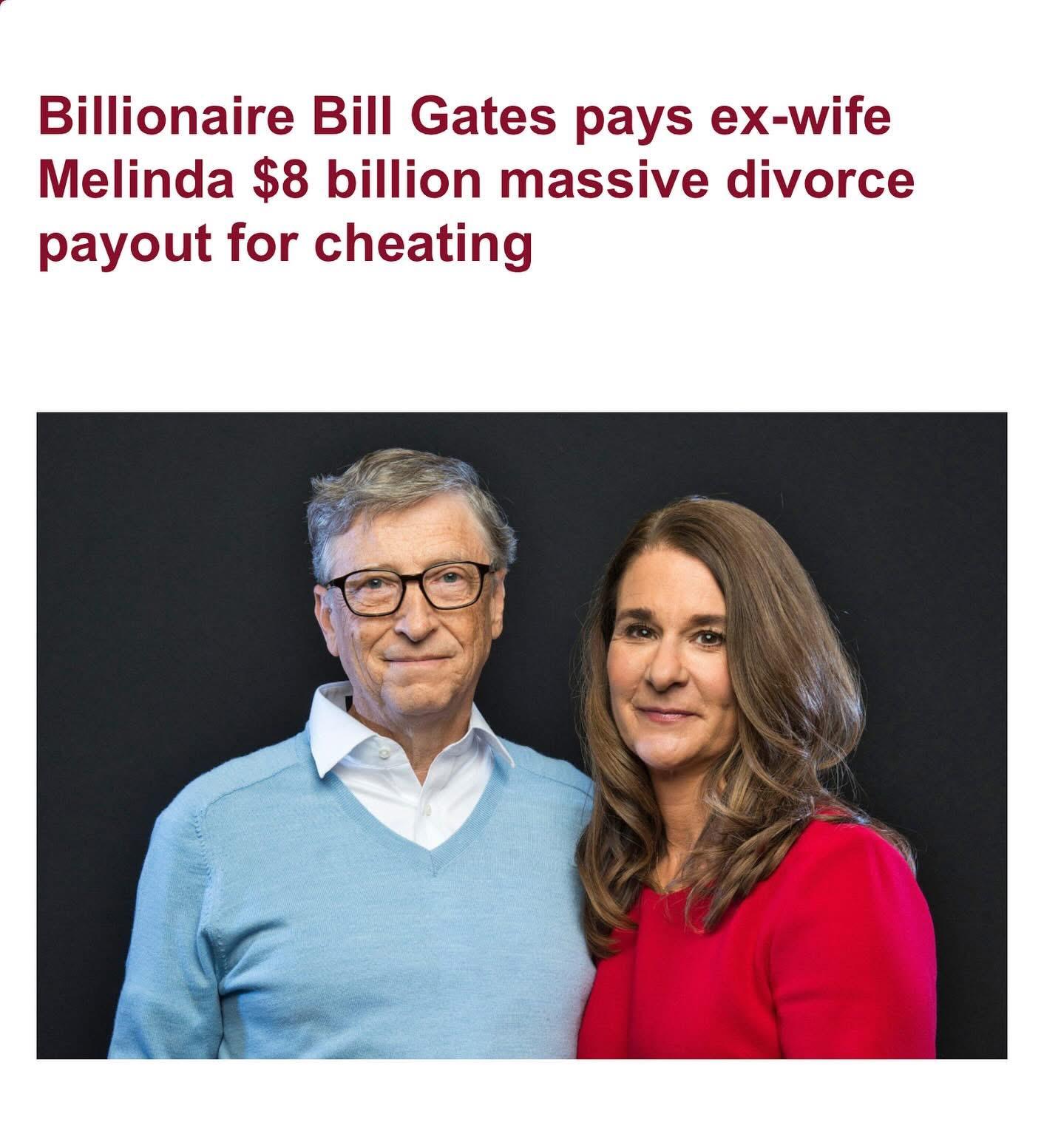
  • Bill Gates’ $8 Billion Donation: Philanthropy or Divorce Deal?
    Five years after their high-profile divorce, Bill Gates has transferred nearly $8 billion to Melinda French Gates’ Pivotal Philanthropies Foundation—one of the largest public donations ever disclosed. The payment, revealed in new tax filings, is part of a $12.5 billion agreement tied to their 2021 split, which followed revelations of Gates’ alleged affairs and workplace misconduct claims.

    While supporters hail the move as a massive boost for philanthropy, others are asking uncomfortable questions: is this generosity, accountability, or simply the cost of a controversial divorce? And should personal scandals reshape how the public views billionaires’ charitable giving?

    #BillGates #PhilanthropyDebate #BillionaireDivorce #PowerAndAccountability
    Bill Gates’ $8 Billion Donation: Philanthropy or Divorce Deal? Five years after their high-profile divorce, Bill Gates has transferred nearly $8 billion to Melinda French Gates’ Pivotal Philanthropies Foundation—one of the largest public donations ever disclosed. The payment, revealed in new tax filings, is part of a $12.5 billion agreement tied to their 2021 split, which followed revelations of Gates’ alleged affairs and workplace misconduct claims. While supporters hail the move as a massive boost for philanthropy, others are asking uncomfortable questions: is this generosity, accountability, or simply the cost of a controversial divorce? And should personal scandals reshape how the public views billionaires’ charitable giving? #BillGates #PhilanthropyDebate #BillionaireDivorce #PowerAndAccountability
    0 Commenti ·0 condivisioni ·614 Views
  • US Detains Ghana’s Former Finance Minister Ken Ofori-Atta on Corruption and Immigration Charges

    The United States Immigration and Customs Enforcement (ICE) has detained Ken Ofori-Atta, Ghana’s former finance minister, at a Virginia facility amid ongoing corruption allegations in his home country. Ofori-Atta, who served under former President Nana Akufo-Addo and oversaw controversial tax reforms and IMF negotiations, was declared a fugitive in February 2025 and formally charged in November 2025.

    His detention follows a medical stay in the United States for prostate cancer treatment, raising questions about his immigration status while seeking to extend his stay. ICE took him into custody primarily over immigration issues, although Ghanaian authorities seek his extradition in connection with corruption charges.

    The news has triggered mixed reactions from the public, with some calling for swift extradition to Ghana, while others highlight the role of ICE in managing overstayed visas and fugitive cases in the US. This high-profile detention underscores the intersection of international law, medical exemptions, and accountability for former public officials.

    #KenOforiAtta #USICE #GhanaPolitics #Corruption #ExtraditionNews #InternationalLaw

    US Detains Ghana’s Former Finance Minister Ken Ofori-Atta on Corruption and Immigration Charges The United States Immigration and Customs Enforcement (ICE) has detained Ken Ofori-Atta, Ghana’s former finance minister, at a Virginia facility amid ongoing corruption allegations in his home country. Ofori-Atta, who served under former President Nana Akufo-Addo and oversaw controversial tax reforms and IMF negotiations, was declared a fugitive in February 2025 and formally charged in November 2025. His detention follows a medical stay in the United States for prostate cancer treatment, raising questions about his immigration status while seeking to extend his stay. ICE took him into custody primarily over immigration issues, although Ghanaian authorities seek his extradition in connection with corruption charges. The news has triggered mixed reactions from the public, with some calling for swift extradition to Ghana, while others highlight the role of ICE in managing overstayed visas and fugitive cases in the US. This high-profile detention underscores the intersection of international law, medical exemptions, and accountability for former public officials. #KenOforiAtta #USICE #GhanaPolitics #Corruption #ExtraditionNews #InternationalLaw
    like
    1
    · 0 Commenti ·0 condivisioni ·932 Views
  • Are Nigeria’s New Tax Laws Unconstitutional? Why a Lawyer Is Suing the Federal Government Over Multiple Budgets, Fiscal Transparency, and the 2026 Tax Reforms

    Is Nigeria running its finances in violation of its own laws—and could the country’s new tax regime be declared unconstitutional? These are the questions now before the Federal High Court in Lagos following a landmark lawsuit filed by human rights lawyer, Mr. Tilewa Oyefeso.

    Oyefeso has dragged the Federal Government, the Senate President, the Speaker of the House of Representatives, the National Assembly, and the Attorney-General of the Federation to court, challenging what he describes as Nigeria’s “opaque and undisciplined fiscal regime.” At the heart of the case is the government’s practice of operating multiple federal budgets simultaneously and introducing new tax laws that he claims contradict both the Constitution and the Fiscal Responsibility Act (FRA) 2007.

    According to the suit, the Federal Government has extended capital components of the 2024 Appropriation Act into 2025 and 2026 while the 2025 budget is already in force—effectively running overlapping budgets. Oyefeso is asking the court to determine whether this practice complies with Nigeria’s Medium-Term Expenditure Framework (MTEF) and the unified annual budgeting system mandated by fiscal law.

    Why does this matter? The lawyer argues that overlapping budgets, supplementary appropriations, and extended capital projects undermine fiscal transparency, distort expenditure projections, and weaken the macroeconomic discipline the Fiscal Responsibility Act was designed to protect. He also accuses the government of failing to publish quarterly budget implementation reports within the legally required 30-day period—an omission he says makes it impossible for citizens to track public spending or hold authorities accountable.

    But the lawsuit goes beyond budgets. Oyefeso is also challenging four major tax laws scheduled to take effect from January 1, 2026: the Nigeria Tax Act 2025, the Nigeria Revenue Service (Establishment) Act 2025, the Joint Revenue Board of Nigeria (Establishment) Act 2025, and the Nigeria Tax Administration Act 2025.

    He contends that the new tax framework prioritises aggressive revenue generation without first ensuring compliance with constitutional limits on borrowing, deficit thresholds, fiscal accountability, and transparency. Citing Section 16 of the 1999 Constitution, which outlines Nigeria’s economic objectives, Oyefeso argues that fiscal and tax policies must promote social justice, equitable wealth distribution, macroeconomic stability, and the welfare of citizens—not merely expand government revenue.

    One of his key claims is that the reforms ignore the Fiscal Responsibility Act’s requirement that fiscal deficits should not exceed three per cent of GDP unless expressly approved by the National Assembly. By allegedly sidestepping these safeguards, he says, the new tax laws form part of a broader unconstitutional fiscal structure.

    Among the reliefs sought, Oyefeso is asking the court to declare the four tax laws unconstitutional, null, and void. He also wants an order of mandamus compelling the National Assembly to amend the Fiscal Responsibility Act to strengthen transparency, fiscal discipline, and prudent resource management. In addition, he seeks a perpetual injunction to halt the implementation of the new tax laws pending such amendments.

    What could this mean for Nigeria’s economy and governance? If the court upholds his arguments, the ruling could upend Nigeria’s 2026 tax framework, force reforms to budgetary practices, and redefine how fiscal responsibility is enforced under the Constitution.

    For now, the defendants have 30 days to respond, and the case is yet to be assigned to a judge. But the questions raised are already resonating nationwide: Is Nigeria violating its own fiscal laws? Are the new tax reforms legally sound? And will the courts finally impose transparency on how public funds are budgeted, spent, and taxed?
    Are Nigeria’s New Tax Laws Unconstitutional? Why a Lawyer Is Suing the Federal Government Over Multiple Budgets, Fiscal Transparency, and the 2026 Tax Reforms Is Nigeria running its finances in violation of its own laws—and could the country’s new tax regime be declared unconstitutional? These are the questions now before the Federal High Court in Lagos following a landmark lawsuit filed by human rights lawyer, Mr. Tilewa Oyefeso. Oyefeso has dragged the Federal Government, the Senate President, the Speaker of the House of Representatives, the National Assembly, and the Attorney-General of the Federation to court, challenging what he describes as Nigeria’s “opaque and undisciplined fiscal regime.” At the heart of the case is the government’s practice of operating multiple federal budgets simultaneously and introducing new tax laws that he claims contradict both the Constitution and the Fiscal Responsibility Act (FRA) 2007. According to the suit, the Federal Government has extended capital components of the 2024 Appropriation Act into 2025 and 2026 while the 2025 budget is already in force—effectively running overlapping budgets. Oyefeso is asking the court to determine whether this practice complies with Nigeria’s Medium-Term Expenditure Framework (MTEF) and the unified annual budgeting system mandated by fiscal law. Why does this matter? The lawyer argues that overlapping budgets, supplementary appropriations, and extended capital projects undermine fiscal transparency, distort expenditure projections, and weaken the macroeconomic discipline the Fiscal Responsibility Act was designed to protect. He also accuses the government of failing to publish quarterly budget implementation reports within the legally required 30-day period—an omission he says makes it impossible for citizens to track public spending or hold authorities accountable. But the lawsuit goes beyond budgets. Oyefeso is also challenging four major tax laws scheduled to take effect from January 1, 2026: the Nigeria Tax Act 2025, the Nigeria Revenue Service (Establishment) Act 2025, the Joint Revenue Board of Nigeria (Establishment) Act 2025, and the Nigeria Tax Administration Act 2025. He contends that the new tax framework prioritises aggressive revenue generation without first ensuring compliance with constitutional limits on borrowing, deficit thresholds, fiscal accountability, and transparency. Citing Section 16 of the 1999 Constitution, which outlines Nigeria’s economic objectives, Oyefeso argues that fiscal and tax policies must promote social justice, equitable wealth distribution, macroeconomic stability, and the welfare of citizens—not merely expand government revenue. One of his key claims is that the reforms ignore the Fiscal Responsibility Act’s requirement that fiscal deficits should not exceed three per cent of GDP unless expressly approved by the National Assembly. By allegedly sidestepping these safeguards, he says, the new tax laws form part of a broader unconstitutional fiscal structure. Among the reliefs sought, Oyefeso is asking the court to declare the four tax laws unconstitutional, null, and void. He also wants an order of mandamus compelling the National Assembly to amend the Fiscal Responsibility Act to strengthen transparency, fiscal discipline, and prudent resource management. In addition, he seeks a perpetual injunction to halt the implementation of the new tax laws pending such amendments. What could this mean for Nigeria’s economy and governance? If the court upholds his arguments, the ruling could upend Nigeria’s 2026 tax framework, force reforms to budgetary practices, and redefine how fiscal responsibility is enforced under the Constitution. For now, the defendants have 30 days to respond, and the case is yet to be assigned to a judge. But the questions raised are already resonating nationwide: Is Nigeria violating its own fiscal laws? Are the new tax reforms legally sound? And will the courts finally impose transparency on how public funds are budgeted, spent, and taxed?
    0 Commenti ·0 condivisioni ·709 Views
  • Is This Crazy or Inspirational? Why Did T-Pain Buy a Private Jet for His Family—and What Does It Say About His Comeback? | Fintter

    Is buying a private jet for your family a bold celebration of success—or a risky flex in an industry known for financial crashes?

    Grammy-winning American rapper and singer T-Pain has set social media ablaze after surprising his mother and family with a private jet, in an emotional moment captured on video. The clip, shared on his official pages on January 6, 2026, shows the artist—real name Faheem Rashad Najm—leading his loved ones toward a sleek blue-and-white aircraft on an airport tarmac before casually revealing: he bought it for them.

    His mother’s stunned reaction said it all.
    “You just bought the plane?! This is crazy!” she exclaimed, as the family broke into celebration, boarding the jet and enjoying snacks and drinks inside the cabin. For T-Pain, the moment symbolised more than luxury—it was victory after years of struggle.

    But the big question remains: Is this a powerful story of redemption, or a financial gamble dressed as success?

    From Financial Struggles to a Private Jet

    T-Pain’s lavish gift comes nearly a year after a major financial turning point. In February 2025, the rapper sold his music publishing catalogue and select master rights to HarbourView Equity Partners. He described the deal as one that would “secure wealth for generations,” marking a dramatic shift in his financial trajectory.

    This move followed a difficult chapter in his career. In the late 2000s, T-Pain revealed that mismanagement of a $40 million advance had led to serious financial setbacks, despite his global fame. For years, fans watched as one of music’s most influential hitmakers appeared to fade from the spotlight.

    Now, the private jet is being seen as a symbol of resurgence, redemption, and smart long-term strategy.

    A Celebration—or a Warning Sign?

    Online reactions have been mixed but emotional. Many fans praised T-Pain for making his mother proud and reclaiming his place at the top. Others offered words of caution, urging him to protect his wealth, avoid unnecessary spending, and ensure the jet is used strategically—through chartering, tax planning, or business operations.

    Some observers even called the purchase a “tax-savvy power move”, suggesting that with proper management, private aircraft ownership can reduce operating costs and generate income when leased.

    But critics ask: In an industry filled with stories of stars who went broke after extravagant spending, is buying a private jet truly wise? Or is it a dangerous symbol of excess?

    What Does This Say About Success in Music Today?

    Beyond the headlines, T-Pain’s story raises deeper questions about modern celebrity wealth:

    Is selling a music catalogue the smartest way for artists to secure long-term financial freedom?

    Does luxury spending reflect success—or does real wealth lie in investments and sustainability?

    Should public figures be celebrated for lavish displays, or for financial discipline?


    Interestingly, the debate echoes comments made by Nigerian music mogul Don Jazzy, who recently said he would never buy a private jet despite being able to afford one. He emphasised investments, personal growth, and long-term impact over flashy purchases.

    So where does T-Pain’s decision fall—visionary or risky?

    A Moment of Pride, a Test of Legacy

    For T-Pain and his family, the jet is more than a machine—it is a symbol of perseverance, recovery, and gratitude. His declaration in the video, “We fing did it,”* reflects the emotional weight of overcoming past mistakes and reclaiming success.

    Yet, for fans and critics alike, the story invites a broader conversation:
    Is this the ultimate example of “making it,” or a reminder that wealth must be handled with extreme care?


    ---

    Discussion Starters for Fintter Readers

    Is buying a private jet a smart business move or unnecessary luxury?

    Did T-Pain make the right choice selling his music catalogue?

    Should artists prioritise investments over high-profile purchases?

    Would you rather own a jet—or build long-term passive income?


    Join the conversation on Fintter:
    Is T-Pain’s private jet purchase inspirational—or is it a risky flex in an industry that has seen too many stars fall?

    Is This Crazy or Inspirational? Why Did T-Pain Buy a Private Jet for His Family—and What Does It Say About His Comeback? | Fintter Is buying a private jet for your family a bold celebration of success—or a risky flex in an industry known for financial crashes? Grammy-winning American rapper and singer T-Pain has set social media ablaze after surprising his mother and family with a private jet, in an emotional moment captured on video. The clip, shared on his official pages on January 6, 2026, shows the artist—real name Faheem Rashad Najm—leading his loved ones toward a sleek blue-and-white aircraft on an airport tarmac before casually revealing: he bought it for them. His mother’s stunned reaction said it all. “You just bought the plane?! This is crazy!” she exclaimed, as the family broke into celebration, boarding the jet and enjoying snacks and drinks inside the cabin. For T-Pain, the moment symbolised more than luxury—it was victory after years of struggle. But the big question remains: Is this a powerful story of redemption, or a financial gamble dressed as success? From Financial Struggles to a Private Jet T-Pain’s lavish gift comes nearly a year after a major financial turning point. In February 2025, the rapper sold his music publishing catalogue and select master rights to HarbourView Equity Partners. He described the deal as one that would “secure wealth for generations,” marking a dramatic shift in his financial trajectory. This move followed a difficult chapter in his career. In the late 2000s, T-Pain revealed that mismanagement of a $40 million advance had led to serious financial setbacks, despite his global fame. For years, fans watched as one of music’s most influential hitmakers appeared to fade from the spotlight. Now, the private jet is being seen as a symbol of resurgence, redemption, and smart long-term strategy. A Celebration—or a Warning Sign? Online reactions have been mixed but emotional. Many fans praised T-Pain for making his mother proud and reclaiming his place at the top. Others offered words of caution, urging him to protect his wealth, avoid unnecessary spending, and ensure the jet is used strategically—through chartering, tax planning, or business operations. Some observers even called the purchase a “tax-savvy power move”, suggesting that with proper management, private aircraft ownership can reduce operating costs and generate income when leased. But critics ask: In an industry filled with stories of stars who went broke after extravagant spending, is buying a private jet truly wise? Or is it a dangerous symbol of excess? What Does This Say About Success in Music Today? Beyond the headlines, T-Pain’s story raises deeper questions about modern celebrity wealth: Is selling a music catalogue the smartest way for artists to secure long-term financial freedom? Does luxury spending reflect success—or does real wealth lie in investments and sustainability? Should public figures be celebrated for lavish displays, or for financial discipline? Interestingly, the debate echoes comments made by Nigerian music mogul Don Jazzy, who recently said he would never buy a private jet despite being able to afford one. He emphasised investments, personal growth, and long-term impact over flashy purchases. So where does T-Pain’s decision fall—visionary or risky? A Moment of Pride, a Test of Legacy For T-Pain and his family, the jet is more than a machine—it is a symbol of perseverance, recovery, and gratitude. His declaration in the video, “We fing did it,”* reflects the emotional weight of overcoming past mistakes and reclaiming success. Yet, for fans and critics alike, the story invites a broader conversation: Is this the ultimate example of “making it,” or a reminder that wealth must be handled with extreme care? --- 💬 Discussion Starters for Fintter Readers Is buying a private jet a smart business move or unnecessary luxury? Did T-Pain make the right choice selling his music catalogue? Should artists prioritise investments over high-profile purchases? Would you rather own a jet—or build long-term passive income? 👉 Join the conversation on Fintter: Is T-Pain’s private jet purchase inspirational—or is it a risky flex in an industry that has seen too many stars fall?
    0 Commenti ·0 condivisioni ·848 Views
  • “Is Night Duty a Death Sentence for Female Workers in Nigeria? How Safe Are Women Like Nurse Chinemerem?”

    The tragic killing of Nurse Chinemerem Pascalina Chuwumeziem on January 3, 2026, after returning home from night duty at the Federal Medical Centre in Abuja has exposed a stark reality for female workers in Nigeria: the night shift can be deadly. In a country where insecurity is rampant, especially in major cities, women working late hours are disproportionately targeted by criminals, including notorious “one-chance” taxis.
    Despite widespread awareness of these risks, many employers continue to schedule female staff for night shifts without providing safe transportation or alternatives, a failure that amounts to negligence. Under Nigerian labour laws, organizations have a duty of care to protect employees, but for female workers on night duty, these protections often stop at the workplace gate. The predictable dangers faced by women like Nurse Chinemerem demand accountability, not mere condolences.
    The article highlights that employers have practical solutions: dedicated night buses, transport allowances for safe services, or support for personal vehicle acquisition. Unions, too, must do more than issue statements—they must demand safety as a non-negotiable condition for night work. Failure to do so signals that women’s lives are valued less than their labour.
    This tragedy raises critical questions for Nigerians: Should female workers be forced into dangerous night shifts without protection? Are unions and employers doing enough to prevent such deaths? How can Nigeria reform workplace safety to ensure women are not exposed to predictable dangers?
    Fintter readers, we want your voice: How should the government, employers, and unions act to protect women like Nurse Chinemerem? Share your thoughts and experiences in the comments to join this urgent conversation.
    “Is Night Duty a Death Sentence for Female Workers in Nigeria? How Safe Are Women Like Nurse Chinemerem?” The tragic killing of Nurse Chinemerem Pascalina Chuwumeziem on January 3, 2026, after returning home from night duty at the Federal Medical Centre in Abuja has exposed a stark reality for female workers in Nigeria: the night shift can be deadly. In a country where insecurity is rampant, especially in major cities, women working late hours are disproportionately targeted by criminals, including notorious “one-chance” taxis. Despite widespread awareness of these risks, many employers continue to schedule female staff for night shifts without providing safe transportation or alternatives, a failure that amounts to negligence. Under Nigerian labour laws, organizations have a duty of care to protect employees, but for female workers on night duty, these protections often stop at the workplace gate. The predictable dangers faced by women like Nurse Chinemerem demand accountability, not mere condolences. The article highlights that employers have practical solutions: dedicated night buses, transport allowances for safe services, or support for personal vehicle acquisition. Unions, too, must do more than issue statements—they must demand safety as a non-negotiable condition for night work. Failure to do so signals that women’s lives are valued less than their labour. This tragedy raises critical questions for Nigerians: Should female workers be forced into dangerous night shifts without protection? Are unions and employers doing enough to prevent such deaths? How can Nigeria reform workplace safety to ensure women are not exposed to predictable dangers? Fintter readers, we want your voice: How should the government, employers, and unions act to protect women like Nurse Chinemerem? Share your thoughts and experiences in the comments to join this urgent conversation.
    like
    1
    · 0 Commenti ·0 condivisioni ·494 Views
  • Gani Fawehinmi Memorial Group Rejects Tinubu’s Tax Reform, Describes It as IMF–World Bank Agenda to Deepen Poverty in Nigeria

    The Gani Fawehinmi Memorial Organization (GAFAMORG) has strongly rejected the proposed tax reform law being advanced by President Bola Ahmed Tinubu’s administration, describing it as an International Monetary Fund (IMF) and World Bank–inspired agenda aimed at deepening poverty and further exploiting Nigerians. The group warned that the country’s worsening economic crisis is the result of deliberate policy choices by a corrupt ruling elite aligned with failed foreign economic orthodoxies.

    In a statement signed by its Chairman, Babatunde Agunbiade, and Public Relations Officer, Adeoye Ade-Adewumi, GAFAMORG argued that Nigeria’s challenges are not caused by insufficient taxation but by criminal mismanagement, massive corruption, nepotism, and elite capture of state resources. The organisation said the proposed tax law would impose additional burdens on already over-taxed workers, small traders, and struggling households, while leaving the wealthy and powerful untouched.

    The group accused the Tinubu administration of ignoring large-scale tax evasion by elites, excessive tax waivers for multinational corporations, and widespread looting through inflated contracts and opaque concessions. It also criticised the operation of Free Trade Zones, describing them as tax havens for the rich where corporations enjoy sweeping exemptions and weak oversight, while ordinary Nigerians face aggressive and sometimes extortionate tax enforcement.

    GAFAMORG further described Nigeria’s tax administration system as broken, citing overlapping taxes, harassment by revenue agents, lack of transparency, and weak accountability. It warned that introducing new taxes without fixing these structural problems amounts to “economic violence against the poor.”

    Reflecting on Nigeria’s past experiences with IMF- and World Bank-backed reforms such as Structural Adjustment, privatisation, and subsidy removal, the organisation said these policies have consistently shrunk the middle class, expanded poverty, enriched a tiny elite, and weakened the country’s productive capacity.

    Invoking the legacy of late human rights lawyer Chief Gani Fawehinmi, GAFAMORG called on Nigerians to completely reject the proposed tax law, mobilise civic, legal, media, and popular resistance, and demand its immediate withdrawal. The group insisted that Nigeria does not need IMF-approved hardship but justice, accountability, equity, and people-centred governance.
    Gani Fawehinmi Memorial Group Rejects Tinubu’s Tax Reform, Describes It as IMF–World Bank Agenda to Deepen Poverty in Nigeria The Gani Fawehinmi Memorial Organization (GAFAMORG) has strongly rejected the proposed tax reform law being advanced by President Bola Ahmed Tinubu’s administration, describing it as an International Monetary Fund (IMF) and World Bank–inspired agenda aimed at deepening poverty and further exploiting Nigerians. The group warned that the country’s worsening economic crisis is the result of deliberate policy choices by a corrupt ruling elite aligned with failed foreign economic orthodoxies. In a statement signed by its Chairman, Babatunde Agunbiade, and Public Relations Officer, Adeoye Ade-Adewumi, GAFAMORG argued that Nigeria’s challenges are not caused by insufficient taxation but by criminal mismanagement, massive corruption, nepotism, and elite capture of state resources. The organisation said the proposed tax law would impose additional burdens on already over-taxed workers, small traders, and struggling households, while leaving the wealthy and powerful untouched. The group accused the Tinubu administration of ignoring large-scale tax evasion by elites, excessive tax waivers for multinational corporations, and widespread looting through inflated contracts and opaque concessions. It also criticised the operation of Free Trade Zones, describing them as tax havens for the rich where corporations enjoy sweeping exemptions and weak oversight, while ordinary Nigerians face aggressive and sometimes extortionate tax enforcement. GAFAMORG further described Nigeria’s tax administration system as broken, citing overlapping taxes, harassment by revenue agents, lack of transparency, and weak accountability. It warned that introducing new taxes without fixing these structural problems amounts to “economic violence against the poor.” Reflecting on Nigeria’s past experiences with IMF- and World Bank-backed reforms such as Structural Adjustment, privatisation, and subsidy removal, the organisation said these policies have consistently shrunk the middle class, expanded poverty, enriched a tiny elite, and weakened the country’s productive capacity. Invoking the legacy of late human rights lawyer Chief Gani Fawehinmi, GAFAMORG called on Nigerians to completely reject the proposed tax law, mobilise civic, legal, media, and popular resistance, and demand its immediate withdrawal. The group insisted that Nigeria does not need IMF-approved hardship but justice, accountability, equity, and people-centred governance.
    love
    1
    · 0 Commenti ·0 condivisioni ·915 Views
  • Emir Muhammadu Sanusi II speaks on Taxation...

    “President Bola Ahmed is doing the right thing the past government refused to do”
    Emir Muhammadu Sanusi II speaks on Taxation... “President Bola Ahmed is doing the right thing the past government refused to do”
    0 Commenti ·0 condivisioni ·483 Views ·15 Plays
  • Ex-U.S. VP Kamala Harris Condemns Trump’s Military Action in Venezuela as ‘Unlawful and Unwise’

    Former U.S. Vice President Kamala Harris has strongly criticized President Donald Trump’s military operation in Venezuela, describing it as “unlawful and unwise.” Harris stated that while Venezuela faces a political crisis under Nicolás Maduro, the use of force does not advance U.S. security or economic interests and risks destabilizing the region further.

    Harris condemned the capture of Maduro and warned that Trump’s actions reflect a familiar pattern of foreign interventions driven by oil and personal ambitions rather than democratic principles. She highlighted inconsistencies in Trump’s approach, including pardoning convicted traffickers while sidelining Venezuela’s legitimate opposition.

    Harris urged a shift in U.S. leadership priorities, emphasizing the need to focus on the rule of law, alliances, lowering costs for families, and protecting American troops and taxpayers.


    #VenezuelaCrisis #KamalaHarris #Trump #UnlawfulIntervention #USForeignPolicy #Maduro
    Ex-U.S. VP Kamala Harris Condemns Trump’s Military Action in Venezuela as ‘Unlawful and Unwise’ Former U.S. Vice President Kamala Harris has strongly criticized President Donald Trump’s military operation in Venezuela, describing it as “unlawful and unwise.” Harris stated that while Venezuela faces a political crisis under Nicolás Maduro, the use of force does not advance U.S. security or economic interests and risks destabilizing the region further. Harris condemned the capture of Maduro and warned that Trump’s actions reflect a familiar pattern of foreign interventions driven by oil and personal ambitions rather than democratic principles. She highlighted inconsistencies in Trump’s approach, including pardoning convicted traffickers while sidelining Venezuela’s legitimate opposition. Harris urged a shift in U.S. leadership priorities, emphasizing the need to focus on the rule of law, alliances, lowering costs for families, and protecting American troops and taxpayers. #VenezuelaCrisis #KamalaHarris #Trump #UnlawfulIntervention #USForeignPolicy #Maduro
    0 Commenti ·0 condivisioni ·616 Views
Pagine in Evidenza
Fintter https://fintter.com