• Illbliss

    Illbliss did not chase trends. He did not bend easily to industry pressure. He built his brand slowly, deliberately, and strategically. In a Nigerian music industry often dominated by fast rising pop stars and viral sensations, Illbliss carved a different path. He became a voice of Eastern Nigerian hip hop, a respected lyricist, a label executive, and a cultural architect.

    But long before the title Oga Boss became synonymous with his name, there was Tobechukwu Melvin Ejiofor, a young boy growing up in Enugu with hunger in his heart and rhythm in his spirit.

    The Boy From Enugu With A Sharp Mind

    Illbliss was born on December 30, 1979, in Enugu State, Nigeria. Growing up in the eastern part of the country, he experienced a culture deeply rooted in pride, resilience, and enterprise. Igbo culture emphasizes self determination and hard work, and those values shaped him early.

    As a child, he was observant and intelligent. He loved words. He enjoyed storytelling. He paid attention to conversations and the way elders expressed themselves. That early fascination with language later became his weapon in rap.

    Music entered his life gradually. American hip hop from artists like Jay-Z and Nas influenced his lyrical style. Back home, Nigerian hip hop was evolving, and artists like Mode 9 were pushing lyrical boundaries.

    Illbliss studied them all.

    Education And Early Rap Dreams

    He attended the University of Nigeria, Nsukka, where he studied Political Science. University life exposed him to broader intellectual discussions about society, governance, and power.

    Those themes later appeared in his lyrics.

    He began participating in rap battles and underground performances. The early days were not glamorous. There were no major sponsors. No viral moments. Just passion and a microphone.

    He sharpened his craft in small circles.

    The Birth Of A Persona

    The name Illbliss emerged as his artistic identity. It represented lyrical sharpness mixed with calm confidence.

    He was not flashy.

    He was calculated.

    Unlike artists who focused purely on club anthems, Illbliss leaned toward conscious hip hop. He rapped about politics, social issues, ambition, and survival.

    He wanted respect more than hype.

    The Eastern Movement

    One of Illbliss’s greatest contributions to Nigerian music was helping build a structured hip hop scene in the East.

    At a time when Lagos dominated the industry, Eastern Nigerian artists struggled for recognition.

    Illbliss believed Enugu and the Southeast deserved a stronger voice.

    He co founded Capital Hill Music, a record label and creative hub designed to nurture talent from the region.

    This move was revolutionary.

    He was not just chasing his own career.

    He was building infrastructure.

    Dat Ibo Boy And National Recognition

    In 2009, Illbliss released his debut album Dat Ibo Boy. The project was both cultural and lyrical.
    Illbliss Illbliss did not chase trends. He did not bend easily to industry pressure. He built his brand slowly, deliberately, and strategically. In a Nigerian music industry often dominated by fast rising pop stars and viral sensations, Illbliss carved a different path. He became a voice of Eastern Nigerian hip hop, a respected lyricist, a label executive, and a cultural architect. But long before the title Oga Boss became synonymous with his name, there was Tobechukwu Melvin Ejiofor, a young boy growing up in Enugu with hunger in his heart and rhythm in his spirit. The Boy From Enugu With A Sharp Mind Illbliss was born on December 30, 1979, in Enugu State, Nigeria. Growing up in the eastern part of the country, he experienced a culture deeply rooted in pride, resilience, and enterprise. Igbo culture emphasizes self determination and hard work, and those values shaped him early. As a child, he was observant and intelligent. He loved words. He enjoyed storytelling. He paid attention to conversations and the way elders expressed themselves. That early fascination with language later became his weapon in rap. Music entered his life gradually. American hip hop from artists like Jay-Z and Nas influenced his lyrical style. Back home, Nigerian hip hop was evolving, and artists like Mode 9 were pushing lyrical boundaries. Illbliss studied them all. Education And Early Rap Dreams He attended the University of Nigeria, Nsukka, where he studied Political Science. University life exposed him to broader intellectual discussions about society, governance, and power. Those themes later appeared in his lyrics. He began participating in rap battles and underground performances. The early days were not glamorous. There were no major sponsors. No viral moments. Just passion and a microphone. He sharpened his craft in small circles. The Birth Of A Persona The name Illbliss emerged as his artistic identity. It represented lyrical sharpness mixed with calm confidence. He was not flashy. He was calculated. Unlike artists who focused purely on club anthems, Illbliss leaned toward conscious hip hop. He rapped about politics, social issues, ambition, and survival. He wanted respect more than hype. The Eastern Movement One of Illbliss’s greatest contributions to Nigerian music was helping build a structured hip hop scene in the East. At a time when Lagos dominated the industry, Eastern Nigerian artists struggled for recognition. Illbliss believed Enugu and the Southeast deserved a stronger voice. He co founded Capital Hill Music, a record label and creative hub designed to nurture talent from the region. This move was revolutionary. He was not just chasing his own career. He was building infrastructure. Dat Ibo Boy And National Recognition In 2009, Illbliss released his debut album Dat Ibo Boy. The project was both cultural and lyrical.
    0 Commentarios ·0 Acciones ·11K Views
  • Is VDM Free Brand Ambassador wey Blord No Apply for?

    As Blord import new electric bikes, before the bikes go touch ground, next thing we hear na big lies from Blord say VDM don carry petition go National Cybercrime Centre for Abuja.

    VDM immediately drop disclaimer.

    Every time Blord launch new product, he wan make VDM talk about him make him trend for free.

    At this point, make VDM find a way to deal with this guy, if not the cycle no dey end

    When Blord first talk say VDM be him lifetime ambassador, some ratels no understand wetin he mean. Now the meaning clear.

    VDM na the only brand ambassador for this country wey no sign contract, no collect payment, but still dey promote product with full energy

    Na marketing strategy wey nobody teach for business school be this, way Blord dey use.
    ~udochuku Orji
    Is VDM Free Brand Ambassador wey Blord No Apply for? As Blord import new electric bikes, before the bikes go touch ground, next thing we hear na big lies from Blord say VDM don carry petition go National Cybercrime Centre for Abuja. VDM immediately drop disclaimer. Every time Blord launch new product, he wan make VDM talk about him make him trend for free. At this point, make VDM find a way to deal with this guy, if not the cycle no dey end 🤣 When Blord first talk say VDM be him lifetime ambassador, some ratels no understand wetin he mean. Now the meaning clear. VDM na the only brand ambassador for this country wey no sign contract, no collect payment, but still dey promote product with full energy 😭😂 Na marketing strategy wey nobody teach for business school be this, way Blord dey use. ~udochuku Orji
    love
    1
    · 0 Commentarios ·0 Acciones ·3K Views
  • As of January 21, 2026, reports indicate that VDM has asserted his ownership of the trademark and is challenging Blord's usage of the name for his app.


    As of January 21, 2026, social media activist VeryDarkMan (VDM) has asserted ownership of the Ratel trademark and is challenging tech entrepreneur Blord over his use of the name for an app. VDM claims he legally registered the brand and accused Blord of trademark infringement. The dispute has sparked reactions online, with supporters debating who truly owns the name as both parties trade words publicly.
    #fintternews
    As of January 21, 2026, reports indicate that VDM has asserted his ownership of the trademark and is challenging Blord's usage of the name for his app. As of January 21, 2026, social media activist VeryDarkMan (VDM) has asserted ownership of the Ratel trademark and is challenging tech entrepreneur Blord over his use of the name for an app. VDM claims he legally registered the brand and accused Blord of trademark infringement. The dispute has sparked reactions online, with supporters debating who truly owns the name as both parties trade words publicly. #fintternews
    like
    love
    2
    · 0 Commentarios ·0 Acciones ·4K Views
  • JUST IN: VeryDarkMan Claims Legal Ownership of RATEL App Trademark in Nigeria

    Social media personality VeryDarkMan (VDM) has announced that he now officially and legally owns the trademark to RATEL in Nigeria, a move that directly affects the RATEL App reportedly operated by B-Lord.

    According to VDM, the trademark ownership gives him full legal rights over the use of the name “RATEL” across the country. He stated that this authority allows him to demand royalties for its use and, if he chooses, take action that could lead to the app being taken down.

    VDM further claimed that all legal documents supporting his ownership are currently in his possession. He also alleged that proceeds generated from the app now belong to him under trademark law.

    In a public statement, VDM revealed that he earned ₦300 million in a single day, attributing the income to his recent business dealings connected to the RATEL name.

    As of now, there has been no official response from B-Lord regarding these claims.

    #VeryDarkMan #RATELApp #NigerianTech #TrendingNews
    JUST IN: VeryDarkMan Claims Legal Ownership of RATEL App Trademark in Nigeria Social media personality VeryDarkMan (VDM) has announced that he now officially and legally owns the trademark to RATEL in Nigeria, a move that directly affects the RATEL App reportedly operated by B-Lord. According to VDM, the trademark ownership gives him full legal rights over the use of the name “RATEL” across the country. He stated that this authority allows him to demand royalties for its use and, if he chooses, take action that could lead to the app being taken down. VDM further claimed that all legal documents supporting his ownership are currently in his possession. He also alleged that proceeds generated from the app now belong to him under trademark law. In a public statement, VDM revealed that he earned ₦300 million in a single day, attributing the income to his recent business dealings connected to the RATEL name. As of now, there has been no official response from B-Lord regarding these claims. #VeryDarkMan #RATELApp #NigerianTech #TrendingNews
    like
    1
    · 0 Commentarios ·0 Acciones ·3K Views
  • Ex-Minister Saleh Mamman’s Trial Hits Snag as Court Rebukes Lawyer for “Time-Wasting Antics”

    The Federal High Court in Abuja slammed former Minister of Power Saleh Mamman’s lawyer, Temitayo Sonuyi, SAN, for attempting to delay proceedings in a N31 billion fraud trial. Mamman and seven others face nine-count charges including conspiracy, false pretence, and intent to defraud. Justice Maryann Anenih criticized the defense for procedural delays, insisting the trial must proceed while jurisdiction issues are addressed separately. The case has been adjourned to February and March 2026 for continuation.
    #SalehMamman #N31BillionFraud #CourtTrial
    Ex-Minister Saleh Mamman’s Trial Hits Snag as Court Rebukes Lawyer for “Time-Wasting Antics” The Federal High Court in Abuja slammed former Minister of Power Saleh Mamman’s lawyer, Temitayo Sonuyi, SAN, for attempting to delay proceedings in a N31 billion fraud trial. Mamman and seven others face nine-count charges including conspiracy, false pretence, and intent to defraud. Justice Maryann Anenih criticized the defense for procedural delays, insisting the trial must proceed while jurisdiction issues are addressed separately. The case has been adjourned to February and March 2026 for continuation. #SalehMamman #N31BillionFraud #CourtTrial
    love
    2
    · 0 Commentarios ·0 Acciones ·3K Views
  • VeryDarkMan Fires Back at Blord Over “Ratels” App Name……….

    Social media activist VeryDarkMan has reacted strongly after Blord named his newly launched app “Ratels.” He claimed Blord “cannot stand” or challenge him, insisting he is more educated and intellectually superior. VeryDarkMan also alleged that since their fallout, Blord has pushed a narrative that he is against Igbo businesses, leading others to attack him. He added that he has many investors ready to back him financially, dismissing Blord’s influence.
    #fintternews
    VeryDarkMan Fires Back at Blord Over “Ratels” App Name………. Social media activist VeryDarkMan has reacted strongly after Blord named his newly launched app “Ratels.” He claimed Blord “cannot stand” or challenge him, insisting he is more educated and intellectually superior. VeryDarkMan also alleged that since their fallout, Blord has pushed a narrative that he is against Igbo businesses, leading others to attack him. He added that he has many investors ready to back him financially, dismissing Blord’s influence. #fintternews
    love
    1
    · 0 Commentarios ·0 Acciones ·1K Views
  • 19-Year-Old Driver Arrested After Injuring Three Police Officers in Edo State
    A 19-year-old driver, Nsikak Okon, has been arrested in Edo State after injuring three police officers during a series of reckless driving incidents.

    According to CSP Benjamin Hundeyin, who disclosed the development on X, the arrest followed the circulation of a viral video showing the suspect being apprehended. Reports by Punch stated that Okon was driving a heavily tinted vehicle without number plates when he first encountered police officers and sped past them dangerously.

    On his return, the suspect allegedly nearly knocked down one officer before deliberately ramming into three others shortly afterward. Two of the injured officers have since been treated and discharged, while the third remains under medical care.

    Okon is currently in custody as investigations continue.
    #EdoState #BreakingNews #NigeriaPolice #RecklessDriving #TrafficOffence
    19-Year-Old Driver Arrested After Injuring Three Police Officers in Edo State A 19-year-old driver, Nsikak Okon, has been arrested in Edo State after injuring three police officers during a series of reckless driving incidents. According to CSP Benjamin Hundeyin, who disclosed the development on X, the arrest followed the circulation of a viral video showing the suspect being apprehended. Reports by Punch stated that Okon was driving a heavily tinted vehicle without number plates when he first encountered police officers and sped past them dangerously. On his return, the suspect allegedly nearly knocked down one officer before deliberately ramming into three others shortly afterward. Two of the injured officers have since been treated and discharged, while the third remains under medical care. Okon is currently in custody as investigations continue. #EdoState #BreakingNews #NigeriaPolice #RecklessDriving #TrafficOffence
    love
    1
    · 0 Commentarios ·0 Acciones ·2K Views ·21 Plays
  • I’m honestly disappointed in VeryDarkBlackMan over this move. With the massive support, loyalty, and admiration he receives from his Ratel community and Queens, this feels like a clear strategic misstep. When a community helps build you, your personal choices inevitably carry symbolic weight—intended or not.

    He has countless beautiful, confident, and committed Ratel queens who genuinely ride for him, yet he chose to look elsewhere. That decision creates a disconnect. This isn’t about control over his personal life—it’s about optics, alignment, and respect for the ecosystem that amplified his voice and brand.

    Influence comes with responsibility. When your actions contradict the values and emotions of your core supporters, disappointment is inevitable. He could have made a choice that strengthened loyalty and unity instead of raising questions and dampening morale. For someone so vocal about representation and community, this outcome is simply underwhelming.
    I’m honestly disappointed in VeryDarkBlackMan over this move. With the massive support, loyalty, and admiration he receives from his Ratel community and Queens, this feels like a clear strategic misstep. When a community helps build you, your personal choices inevitably carry symbolic weight—intended or not. He has countless beautiful, confident, and committed Ratel queens who genuinely ride for him, yet he chose to look elsewhere. That decision creates a disconnect. This isn’t about control over his personal life—it’s about optics, alignment, and respect for the ecosystem that amplified his voice and brand. Influence comes with responsibility. When your actions contradict the values and emotions of your core supporters, disappointment is inevitable. He could have made a choice that strengthened loyalty and unity instead of raising questions and dampening morale. For someone so vocal about representation and community, this outcome is simply underwhelming.
    like
    1
    · 0 Commentarios ·0 Acciones ·1K Views
  • Ondo State Judiciary Paralyzed: Governor Aiyedatiwa Accused of Budget Cuts, Half-Autonomy, and Welfare Neglect Amid Ongoing Court Strike

    The Ondo State judiciary has come to a near-total halt as Governor Lucky Aiyedatiwa faces accusations of deliberately strangling the courts through severe budget cuts, partial financial autonomy, and neglect of judicial welfare. The state’s judiciary budget was slashed from ₦17 billion in 2025 to ₦9.5 billion in 2026, nearly a 45% reduction, prompting concerns over staff salaries, court operations, and infrastructure decay.

    Judicial workers allege that the governor granted only 80% autonomy limited to recurrent expenditure, leaving capital projects unfunded. Courtrooms reportedly leak during rainfall, forcing the suspension of hearings, while magistrates and officers rely on commercial motorcycles (okada) or shared rides with litigants due to lack of official vehicles.

    Despite repeated appeals, ₦400 million previously approved for judicial needs remains unpaid, worsening the crisis. The situation has triggered an indefinite strike by magistrates, legal officers, and members of the Judiciary Staff Union of Nigeria (JUSUN), physically locking judges out of court premises in Akure.

    Observers warn that the prolonged paralysis undermines judicial independence, public confidence in the justice system, and rule of law in Ondo State. Legal analysts describe the governor’s approach as a systematic humiliation and underfunding of the judiciary, drawing parallels with similar crises in other Nigerian states.

    With courts shut, staff unions united, and the public left without access to justice, pressure is mounting on Governor Aiyedatiwa to restore full financial autonomy, fund infrastructure projects, and address welfare challenges to prevent further erosion of democratic governance in the state.


    Ondo State Judiciary Paralyzed: Governor Aiyedatiwa Accused of Budget Cuts, Half-Autonomy, and Welfare Neglect Amid Ongoing Court Strike The Ondo State judiciary has come to a near-total halt as Governor Lucky Aiyedatiwa faces accusations of deliberately strangling the courts through severe budget cuts, partial financial autonomy, and neglect of judicial welfare. The state’s judiciary budget was slashed from ₦17 billion in 2025 to ₦9.5 billion in 2026, nearly a 45% reduction, prompting concerns over staff salaries, court operations, and infrastructure decay. Judicial workers allege that the governor granted only 80% autonomy limited to recurrent expenditure, leaving capital projects unfunded. Courtrooms reportedly leak during rainfall, forcing the suspension of hearings, while magistrates and officers rely on commercial motorcycles (okada) or shared rides with litigants due to lack of official vehicles. Despite repeated appeals, ₦400 million previously approved for judicial needs remains unpaid, worsening the crisis. The situation has triggered an indefinite strike by magistrates, legal officers, and members of the Judiciary Staff Union of Nigeria (JUSUN), physically locking judges out of court premises in Akure. Observers warn that the prolonged paralysis undermines judicial independence, public confidence in the justice system, and rule of law in Ondo State. Legal analysts describe the governor’s approach as a systematic humiliation and underfunding of the judiciary, drawing parallels with similar crises in other Nigerian states. With courts shut, staff unions united, and the public left without access to justice, pressure is mounting on Governor Aiyedatiwa to restore full financial autonomy, fund infrastructure projects, and address welfare challenges to prevent further erosion of democratic governance in the state.
    like
    1
    · 0 Commentarios ·0 Acciones ·2K Views
  • Is Governor Fubara Really Facing Impeachment? Why Rivers Assembly Insists the Process Is Ongoing, Denies Suspension Reports, and Cites the Constitution

    Is the impeachment of Rivers State Governor Siminalayi Fubara actually underway—or has the process been quietly halted? The Rivers State House of Assembly has moved to clear the air, insisting that the impeachment proceedings against the governor and his deputy, Prof. Ngozi Nma Odu, are active, constitutional, and ongoing, despite widespread reports suggesting the exercise has been suspended.

    In a statement released on Friday and signed by Dr. Enemi Alabo George, Chairman of the House Committee on Information, Petitions and Complaints, the Assembly said the process formally began on Thursday, January 8, 2026, and is being conducted strictly in line with Section 188 of the 1999 Constitution of the Federal Republic of Nigeria (as amended).

    According to the lawmakers, two separate notices of allegations of gross misconduct have already been prepared and transmitted to Governor Fubara and Deputy Governor Odu by the Speaker of the House. The Assembly disclosed that it is now awaiting their formal responses, which is a mandatory step before proceeding to the next phase of the constitutional impeachment process.

    The House stressed that it is acting within its constitutional authority to check executive infractions and safeguard democratic governance in the state. It emphasized that the legislature is empowered by law to intervene where there are alleged violations by the governor, deputy governor, or any other state official.

    Dismissing reports that the process has been suspended, the Assembly accused unnamed individuals and media platforms of deliberately spreading false and misleading narratives aimed at confusing the public and creating tension between the House and citizens. Dr. George said such claims were designed to cause disaffection and undermine the credibility of the legislature.

    Calling on the public to disregard the reports, the House reaffirmed that the impeachment process remains “on track” and would not be derailed by what it described as blackmail, threats, or external pressure. The lawmakers vowed to remain focused on their constitutional responsibilities, insisting that they would not be intimidated by forces they believe do not have the best interests of Rivers State or Nigeria’s democracy at heart.

    At the same time, the Assembly expressed gratitude to residents of Rivers State for their prayers and support since the process began and thanked political leaders and stakeholders for their engagement. The statement concluded with a message of appreciation to “all democrats who believe in the Nigerian project.”

    As political tension continues to mount in the state, the key questions remain: Will the governor and his deputy respond to the allegations? Will the process advance to the investigative stage outlined in the Constitution—or could political negotiations alter the outcome? For now, the Rivers State House of Assembly says the impeachment of Governor Fubara is neither paused nor abandoned—and Nigerians are watching closely as the constitutional process unfolds.

    Is Governor Fubara Really Facing Impeachment? Why Rivers Assembly Insists the Process Is Ongoing, Denies Suspension Reports, and Cites the Constitution Is the impeachment of Rivers State Governor Siminalayi Fubara actually underway—or has the process been quietly halted? The Rivers State House of Assembly has moved to clear the air, insisting that the impeachment proceedings against the governor and his deputy, Prof. Ngozi Nma Odu, are active, constitutional, and ongoing, despite widespread reports suggesting the exercise has been suspended. In a statement released on Friday and signed by Dr. Enemi Alabo George, Chairman of the House Committee on Information, Petitions and Complaints, the Assembly said the process formally began on Thursday, January 8, 2026, and is being conducted strictly in line with Section 188 of the 1999 Constitution of the Federal Republic of Nigeria (as amended). According to the lawmakers, two separate notices of allegations of gross misconduct have already been prepared and transmitted to Governor Fubara and Deputy Governor Odu by the Speaker of the House. The Assembly disclosed that it is now awaiting their formal responses, which is a mandatory step before proceeding to the next phase of the constitutional impeachment process. The House stressed that it is acting within its constitutional authority to check executive infractions and safeguard democratic governance in the state. It emphasized that the legislature is empowered by law to intervene where there are alleged violations by the governor, deputy governor, or any other state official. Dismissing reports that the process has been suspended, the Assembly accused unnamed individuals and media platforms of deliberately spreading false and misleading narratives aimed at confusing the public and creating tension between the House and citizens. Dr. George said such claims were designed to cause disaffection and undermine the credibility of the legislature. Calling on the public to disregard the reports, the House reaffirmed that the impeachment process remains “on track” and would not be derailed by what it described as blackmail, threats, or external pressure. The lawmakers vowed to remain focused on their constitutional responsibilities, insisting that they would not be intimidated by forces they believe do not have the best interests of Rivers State or Nigeria’s democracy at heart. At the same time, the Assembly expressed gratitude to residents of Rivers State for their prayers and support since the process began and thanked political leaders and stakeholders for their engagement. The statement concluded with a message of appreciation to “all democrats who believe in the Nigerian project.” As political tension continues to mount in the state, the key questions remain: Will the governor and his deputy respond to the allegations? Will the process advance to the investigative stage outlined in the Constitution—or could political negotiations alter the outcome? For now, the Rivers State House of Assembly says the impeachment of Governor Fubara is neither paused nor abandoned—and Nigerians are watching closely as the constitutional process unfolds.
    0 Commentarios ·0 Acciones ·3K Views
  • Is the ‘Christian Genocide’ in Nigeria a Political Narrative? Why Trump Admits Muslims Are Also Killed as Sowore Accuses the U.S. of Using Religion to Justify Power, Oil, and Military Influence

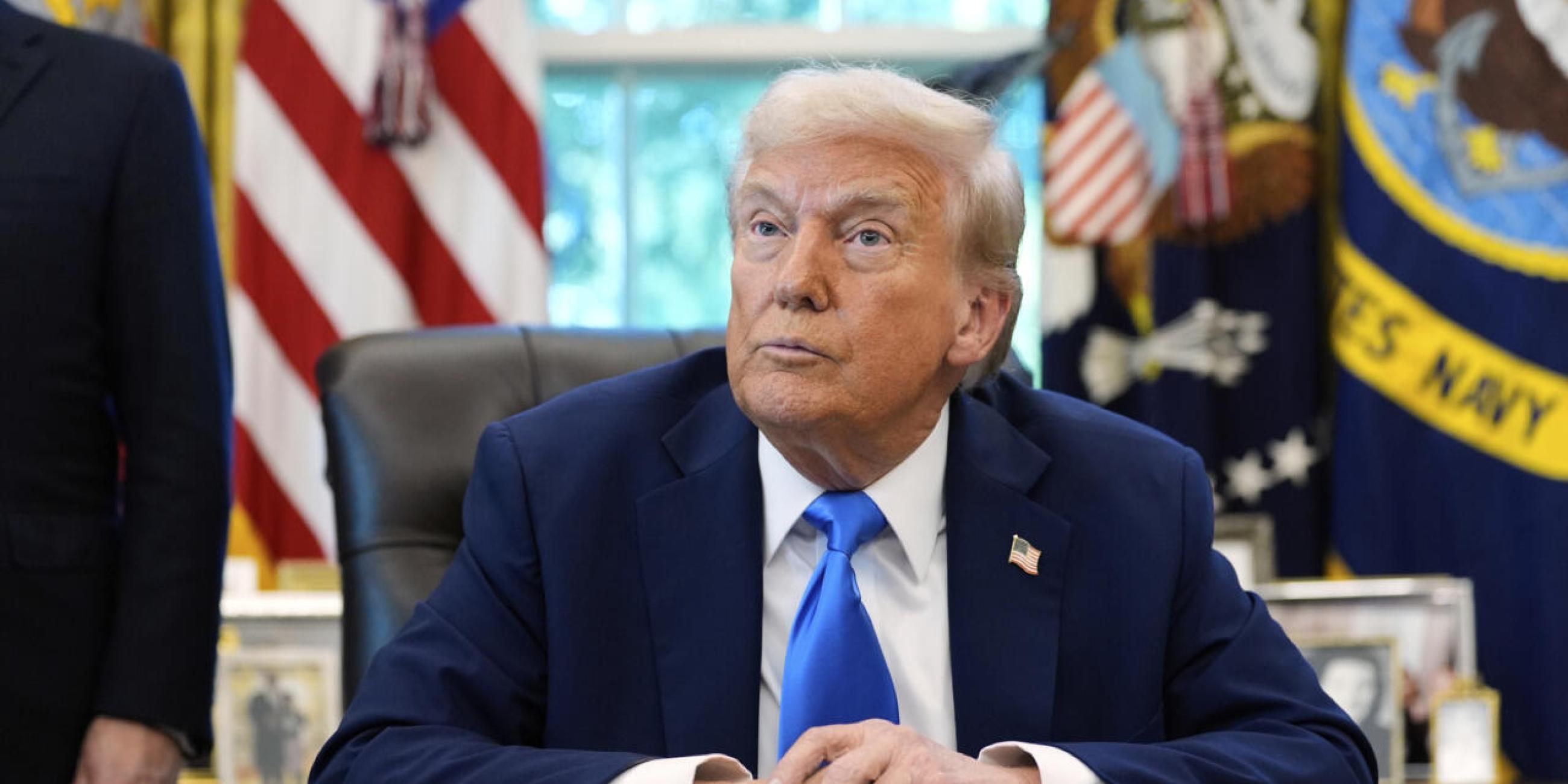
    Is the narrative of a “Christian genocide” in Nigeria an honest reflection of the country’s security crisis—or a political tool shaped by foreign interests? United States President Donald Trump has made a partial shift in his long-standing rhetoric on religious violence in Nigeria, acknowledging that Muslims are also being killed, even while maintaining that Christians remain the primary victims.

    Trump made the remarks during an interview with The New York Times following questions about Washington’s Christmas Day military strike in northwest Nigeria. The U.S. military said the operation, carried out at the request of the Nigerian government, targeted Islamic State West Africa Province (ISWAP), a Boko Haram splinter group responsible for years of deadly attacks across northern Nigeria.

    When asked about earlier comments from his own Africa adviser—who had stated that extremist groups in Nigeria kill more Muslims than Christians—Trump responded: “I think that Muslims are being killed also in Nigeria. But it’s mostly Christians.” The statement marked a rare acknowledgment that Nigeria’s victims of terrorism cut across religious lines, even as Trump continued to frame the conflict primarily through a Christian persecution lens.

    The comments immediately drew a sharp response from Omoyele Sowore, former Nigerian presidential candidate and prominent human rights activist. In a series of posts on X (formerly Twitter), Sowore dismissed the “Christian genocide” narrative as a calculated political construct, arguing that it is designed to stir emotion, mobilize conservative audiences abroad, and provide moral cover for foreign military, economic, and geopolitical agendas.

    Sowore accused Trump of using religion as a rhetorical device while pursuing what he described as imperial interests tied to oil, rare earth minerals, and strategic dominance. “The narrative used to justify it is secondary,” Sowore wrote, adding that such framing only needs to “match the gullibility of the intended audience.” According to him, claims of systematic religious genocide in Nigeria are not grounded in objective reality but are deliberately shaped to occupy a powerful emotional space in Western political discourse.

    He further challenged Trump’s moral authority to speak on Christian values, asserting that the former U.S. president does not embody the compassion, humility, or solidarity central to the faith he frequently invokes. Sowore argued that Trump’s selective concern for religious identity masks a broader indifference to human suffering—both abroad and at home—unless it aligns with his political interests.

    The controversy highlights a deeper question: Is Nigeria’s complex security crisis being oversimplified into a religious conflict for international consumption? While jihadist groups like ISWAP and Boko Haram have undeniably targeted Christian communities, they have also killed thousands of Muslims, including traditional leaders, clerics, villagers, and security personnel. Analysts have long warned that framing the violence as exclusively anti-Christian risks distorting reality, inflaming sectarian tensions, and obscuring the political, economic, and territorial dimensions of the conflict.

    Trump’s admission that Muslims are also victims, even if partial, challenges his earlier absolutist framing. Yet his insistence that Christians remain the main targets continues to fuel debate about whether U.S. policy toward Nigeria is being shaped by faith-based narratives rather than nuanced security analysis.

    As Nigeria battles insurgency, banditry, and transnational terrorism, the exchange between Trump and Sowore underscores how global power politics, religious identity, and media narratives intersect in shaping international responses to African conflicts. The key question remains: is the world seeing Nigeria’s crisis as it truly is—or as it is most politically useful to portray?


    Is the ‘Christian Genocide’ in Nigeria a Political Narrative? Why Trump Admits Muslims Are Also Killed as Sowore Accuses the U.S. of Using Religion to Justify Power, Oil, and Military Influence Is the narrative of a “Christian genocide” in Nigeria an honest reflection of the country’s security crisis—or a political tool shaped by foreign interests? United States President Donald Trump has made a partial shift in his long-standing rhetoric on religious violence in Nigeria, acknowledging that Muslims are also being killed, even while maintaining that Christians remain the primary victims. Trump made the remarks during an interview with The New York Times following questions about Washington’s Christmas Day military strike in northwest Nigeria. The U.S. military said the operation, carried out at the request of the Nigerian government, targeted Islamic State West Africa Province (ISWAP), a Boko Haram splinter group responsible for years of deadly attacks across northern Nigeria. When asked about earlier comments from his own Africa adviser—who had stated that extremist groups in Nigeria kill more Muslims than Christians—Trump responded: “I think that Muslims are being killed also in Nigeria. But it’s mostly Christians.” The statement marked a rare acknowledgment that Nigeria’s victims of terrorism cut across religious lines, even as Trump continued to frame the conflict primarily through a Christian persecution lens. The comments immediately drew a sharp response from Omoyele Sowore, former Nigerian presidential candidate and prominent human rights activist. In a series of posts on X (formerly Twitter), Sowore dismissed the “Christian genocide” narrative as a calculated political construct, arguing that it is designed to stir emotion, mobilize conservative audiences abroad, and provide moral cover for foreign military, economic, and geopolitical agendas. Sowore accused Trump of using religion as a rhetorical device while pursuing what he described as imperial interests tied to oil, rare earth minerals, and strategic dominance. “The narrative used to justify it is secondary,” Sowore wrote, adding that such framing only needs to “match the gullibility of the intended audience.” According to him, claims of systematic religious genocide in Nigeria are not grounded in objective reality but are deliberately shaped to occupy a powerful emotional space in Western political discourse. He further challenged Trump’s moral authority to speak on Christian values, asserting that the former U.S. president does not embody the compassion, humility, or solidarity central to the faith he frequently invokes. Sowore argued that Trump’s selective concern for religious identity masks a broader indifference to human suffering—both abroad and at home—unless it aligns with his political interests. The controversy highlights a deeper question: Is Nigeria’s complex security crisis being oversimplified into a religious conflict for international consumption? While jihadist groups like ISWAP and Boko Haram have undeniably targeted Christian communities, they have also killed thousands of Muslims, including traditional leaders, clerics, villagers, and security personnel. Analysts have long warned that framing the violence as exclusively anti-Christian risks distorting reality, inflaming sectarian tensions, and obscuring the political, economic, and territorial dimensions of the conflict. Trump’s admission that Muslims are also victims, even if partial, challenges his earlier absolutist framing. Yet his insistence that Christians remain the main targets continues to fuel debate about whether U.S. policy toward Nigeria is being shaped by faith-based narratives rather than nuanced security analysis. As Nigeria battles insurgency, banditry, and transnational terrorism, the exchange between Trump and Sowore underscores how global power politics, religious identity, and media narratives intersect in shaping international responses to African conflicts. The key question remains: is the world seeing Nigeria’s crisis as it truly is—or as it is most politically useful to portray?
    0 Commentarios ·0 Acciones ·6K Views
  • Amnesty International Condemns U.S. Withdrawal From 66 International Treaties, Calls Move ‘Reckless

    Amnesty International has strongly criticized the United States’ decision to withdraw from 66 international organisations, conventions, and treaties, calling the move “a vindictive and reckless assault” on the legitimacy of the United Nations and the multilateral system.

    In a statement, Erika Guevara Rosas, Amnesty’s Senior Director of Research, Advocacy, Policy and Campaigns, accused the Trump administration of deliberately undermining global cooperation and international law, including agreements on climate change, human rights, and gender equality.

    She highlighted the withdrawals from critical bodies such as the UN Population Fund (UNFPA), the UN Framework Convention on Climate Change, and the UN Permanent Forum on People of African Descent, warning that these actions could worsen global instability, deepen human rights abuses, and disproportionately affect marginalized communities worldwide.

    Amnesty urged UN member states and international institutions to take immediate action to defend the multilateral system, preserve accountability, and protect human rights globally.

    #HumanRights #UN #ClimateAction”
    Amnesty International Condemns U.S. Withdrawal From 66 International Treaties, Calls Move ‘Reckless Amnesty International has strongly criticized the United States’ decision to withdraw from 66 international organisations, conventions, and treaties, calling the move “a vindictive and reckless assault” on the legitimacy of the United Nations and the multilateral system. In a statement, Erika Guevara Rosas, Amnesty’s Senior Director of Research, Advocacy, Policy and Campaigns, accused the Trump administration of deliberately undermining global cooperation and international law, including agreements on climate change, human rights, and gender equality. She highlighted the withdrawals from critical bodies such as the UN Population Fund (UNFPA), the UN Framework Convention on Climate Change, and the UN Permanent Forum on People of African Descent, warning that these actions could worsen global instability, deepen human rights abuses, and disproportionately affect marginalized communities worldwide. Amnesty urged UN member states and international institutions to take immediate action to defend the multilateral system, preserve accountability, and protect human rights globally. #HumanRights #UN #ClimateAction”
    0 Commentarios ·0 Acciones ·2K Views
  • Is Ondo’s Governor Above the Law? Outrage as Commissioner Decorates Gov Aiyedatiwa at Public Event Despite Court Order for Her Arrest

    Is the rule of law being deliberately undermined in Ondo State, and why was a commissioner facing a court-ordered arrest allowed to appear publicly with the governor?

    Governor Lucky Aiyedatiwa has come under intense public criticism after his Commissioner for Women Affairs, Mrs Seun Osamaye, was seen participating in an official state event and decorating him with the 2026 National Armed Forces Remembrance Emblem, despite a subsisting court order directing her arrest and remand.

    The controversy stems from a ruling delivered on December 31, 2025, by a Magistrate Court in Ondo State, which ordered the arrest and imprisonment of Mrs Osamaye over allegations of assault, intimidation, and threats against a serving Chief Magistrate, Mrs Temitope Alphonso. According to court records, the commissioner was accused of verbally and physically confronting the magistrate during an official visit to the Ministry of Women Affairs following a judgment that was reportedly unfavourable to her.

    Public outrage erupted after photographs of the commissioner at Wednesday’s event circulated on social media. Legal commentators noted that no court order had vacated or overturned the ruling, and that the magistrates’ indefinite strike in Ondo State made it impossible for any judicial review to have lawfully taken place. “The order remains valid and enforceable,” one observer said, describing the public appearance as “a slap on the judiciary.”

    Critics questioned how a public official facing a lawful arrest order could be allowed to take part in a high-profile state function—especially one honouring the governor, who is constitutionally bound to uphold the law. “How can a governor permit an appointee who ought to be in custody to decorate him in public?” one source asked, calling the episode “a show of shame” and evidence of “disrespect and disregard for the rule of law.”

    Court documents allege that Mrs Osamaye verbally abused and threatened Magistrate Alphonso, reportedly telling her to “shut up,” referring to her as “a mere magistrate,” and boasting that even the Chief Judge of Ondo State could not challenge her authority. The affidavit further claims she issued threats suggesting the magistrate could be made to “go missing,” actions described as intimidation and abuse of political influence.

    Mrs Osamaye failed to appear in court on the hearing date. Her counsel submitted a medical report claiming she was receiving treatment, but the presiding magistrate, Mr Damilola Sekoni, rejected the document for lacking essential details. He subsequently ordered her arrest and remand, citing what he described as a clear disregard for the authority of the court, and adjourned the matter to January 12.

    The Nigerian Bar Association (NBA), Akure Branch, has since called on Governor Aiyedatiwa to suspend the commissioner to allow her face prosecution without interference. The NBA warned that the alleged conduct, if proven, constitutes a direct attack on judicial independence and a dangerous erosion of public confidence in the justice system.

    The episode has raised urgent questions:
    Did the Ondo State Government knowingly disregard a valid court order?
    What message does this send about accountability and equality before the law?
    And can public trust in the judiciary survive when court directives appear openly defied?

    As legal bodies demand action and citizens express outrage, the controversy has become a critical test of rule of law, separation of powers, and democratic accountability in Ondo State.


    Is Ondo’s Governor Above the Law? Outrage as Commissioner Decorates Gov Aiyedatiwa at Public Event Despite Court Order for Her Arrest Is the rule of law being deliberately undermined in Ondo State, and why was a commissioner facing a court-ordered arrest allowed to appear publicly with the governor? Governor Lucky Aiyedatiwa has come under intense public criticism after his Commissioner for Women Affairs, Mrs Seun Osamaye, was seen participating in an official state event and decorating him with the 2026 National Armed Forces Remembrance Emblem, despite a subsisting court order directing her arrest and remand. The controversy stems from a ruling delivered on December 31, 2025, by a Magistrate Court in Ondo State, which ordered the arrest and imprisonment of Mrs Osamaye over allegations of assault, intimidation, and threats against a serving Chief Magistrate, Mrs Temitope Alphonso. According to court records, the commissioner was accused of verbally and physically confronting the magistrate during an official visit to the Ministry of Women Affairs following a judgment that was reportedly unfavourable to her. Public outrage erupted after photographs of the commissioner at Wednesday’s event circulated on social media. Legal commentators noted that no court order had vacated or overturned the ruling, and that the magistrates’ indefinite strike in Ondo State made it impossible for any judicial review to have lawfully taken place. “The order remains valid and enforceable,” one observer said, describing the public appearance as “a slap on the judiciary.” Critics questioned how a public official facing a lawful arrest order could be allowed to take part in a high-profile state function—especially one honouring the governor, who is constitutionally bound to uphold the law. “How can a governor permit an appointee who ought to be in custody to decorate him in public?” one source asked, calling the episode “a show of shame” and evidence of “disrespect and disregard for the rule of law.” Court documents allege that Mrs Osamaye verbally abused and threatened Magistrate Alphonso, reportedly telling her to “shut up,” referring to her as “a mere magistrate,” and boasting that even the Chief Judge of Ondo State could not challenge her authority. The affidavit further claims she issued threats suggesting the magistrate could be made to “go missing,” actions described as intimidation and abuse of political influence. Mrs Osamaye failed to appear in court on the hearing date. Her counsel submitted a medical report claiming she was receiving treatment, but the presiding magistrate, Mr Damilola Sekoni, rejected the document for lacking essential details. He subsequently ordered her arrest and remand, citing what he described as a clear disregard for the authority of the court, and adjourned the matter to January 12. The Nigerian Bar Association (NBA), Akure Branch, has since called on Governor Aiyedatiwa to suspend the commissioner to allow her face prosecution without interference. The NBA warned that the alleged conduct, if proven, constitutes a direct attack on judicial independence and a dangerous erosion of public confidence in the justice system. The episode has raised urgent questions: Did the Ondo State Government knowingly disregard a valid court order? What message does this send about accountability and equality before the law? And can public trust in the judiciary survive when court directives appear openly defied? As legal bodies demand action and citizens express outrage, the controversy has become a critical test of rule of law, separation of powers, and democratic accountability in Ondo State.
    0 Commentarios ·0 Acciones ·2K Views
  • Will the U.S. Control Venezuela for Years? Trump Says Washington Will Oversee Venezuela’s Oil, Rebuild the Country and Decide Its Future After Maduro’s Removal

    Is the United States preparing to govern Venezuela for years, and will oil revenues determine the country’s political and economic future?

    U.S. President Donald Trump has said that Washington will take control of Venezuela and oversee its oil sector for a period that will extend far beyond a short-term transition. Speaking in a wide-ranging interview published on January 8, 2026, Trump indicated that American involvement in Venezuela would be long-term, with the country’s vast oil reserves at the center of U.S. strategy.

    When asked how long the United States would remain in control—whether for months, a year, or longer—Trump responded: “Only time will tell… I would say much longer.” The statement signals that U.S. oversight of Venezuela is not envisioned as a brief handover process but one that could last several years.

    Trump said the United States plans to rebuild Venezuela while exerting control over its most valuable resource, oil. “We will rebuild it in a very profitable way,” he said, following the January 3 operation in which U.S. forces seized President Nicolás Maduro. According to Trump, oil will play a central role in the rebuilding effort. “We’re going to be using oil, and we’re going to be taking oil. We’re getting oil prices down, and we’re going to be giving money to Venezuela, which they desperately need,” he stated.

    The president also confirmed that Washington is working closely with Venezuela’s interim government after Maduro’s removal, describing relations with interim president Delcy Rodríguez—a longtime ally and former vice president of Maduro—as cooperative. Trump further appeared to soften earlier rhetoric toward neighboring Colombia, inviting its leftist leader to Washington after previously criticizing him.

    The remarks come amid a broader shift in U.S.–Venezuela relations centered on energy and trade. Trump recently announced that Venezuela would use proceeds from a new oil agreement to purchase only American-made products, including agricultural goods, medicines, medical devices, and equipment for upgrading the country’s electricity grid and energy facilities. He portrayed the move as strengthening bilateral ties and positioning the United States as Venezuela’s principal commercial partner.

    Earlier reports also confirmed a deal allowing Venezuela to export $2 billion worth of crude oil to the United States—an agreement the administration described as a major diplomatic breakthrough. The arrangement is expected to divert Venezuelan oil away from China, ease production pressures, and mark a significant realignment in the region following months of heightened U.S. pressure on Caracas.

    But Trump’s comments raise major questions:
    Will U.S. control of Venezuela become a prolonged political and economic occupation?
    Who will ultimately decide how Venezuela’s oil wealth is managed and distributed?
    And can long-term foreign oversight deliver stability—or deepen regional tensions?

    As Washington places oil revenues at the heart of its strategy, the future of Venezuela appears increasingly tied to U.S. policy, energy markets, and geopolitical interests. Whether this approach leads to reconstruction or controversy, Trump’s statements make one thing clear: American involvement in Venezuela is not temporary, and the country’s oil will shape what comes next.


    Will the U.S. Control Venezuela for Years? Trump Says Washington Will Oversee Venezuela’s Oil, Rebuild the Country and Decide Its Future After Maduro’s Removal Is the United States preparing to govern Venezuela for years, and will oil revenues determine the country’s political and economic future? U.S. President Donald Trump has said that Washington will take control of Venezuela and oversee its oil sector for a period that will extend far beyond a short-term transition. Speaking in a wide-ranging interview published on January 8, 2026, Trump indicated that American involvement in Venezuela would be long-term, with the country’s vast oil reserves at the center of U.S. strategy. When asked how long the United States would remain in control—whether for months, a year, or longer—Trump responded: “Only time will tell… I would say much longer.” The statement signals that U.S. oversight of Venezuela is not envisioned as a brief handover process but one that could last several years. Trump said the United States plans to rebuild Venezuela while exerting control over its most valuable resource, oil. “We will rebuild it in a very profitable way,” he said, following the January 3 operation in which U.S. forces seized President Nicolás Maduro. According to Trump, oil will play a central role in the rebuilding effort. “We’re going to be using oil, and we’re going to be taking oil. We’re getting oil prices down, and we’re going to be giving money to Venezuela, which they desperately need,” he stated. The president also confirmed that Washington is working closely with Venezuela’s interim government after Maduro’s removal, describing relations with interim president Delcy Rodríguez—a longtime ally and former vice president of Maduro—as cooperative. Trump further appeared to soften earlier rhetoric toward neighboring Colombia, inviting its leftist leader to Washington after previously criticizing him. The remarks come amid a broader shift in U.S.–Venezuela relations centered on energy and trade. Trump recently announced that Venezuela would use proceeds from a new oil agreement to purchase only American-made products, including agricultural goods, medicines, medical devices, and equipment for upgrading the country’s electricity grid and energy facilities. He portrayed the move as strengthening bilateral ties and positioning the United States as Venezuela’s principal commercial partner. Earlier reports also confirmed a deal allowing Venezuela to export $2 billion worth of crude oil to the United States—an agreement the administration described as a major diplomatic breakthrough. The arrangement is expected to divert Venezuelan oil away from China, ease production pressures, and mark a significant realignment in the region following months of heightened U.S. pressure on Caracas. But Trump’s comments raise major questions: Will U.S. control of Venezuela become a prolonged political and economic occupation? Who will ultimately decide how Venezuela’s oil wealth is managed and distributed? And can long-term foreign oversight deliver stability—or deepen regional tensions? As Washington places oil revenues at the heart of its strategy, the future of Venezuela appears increasingly tied to U.S. policy, energy markets, and geopolitical interests. Whether this approach leads to reconstruction or controversy, Trump’s statements make one thing clear: American involvement in Venezuela is not temporary, and the country’s oil will shape what comes next.
    0 Commentarios ·0 Acciones ·3K Views
  • What Will 2026 Really Bring for Nigeria and the World? Azu Ishiekwene Predicts Power Shifts, Economic Strain, AI Disruption, 2027 Politics and Who Wins the World Cup

    Is 2026 a year of quiet recovery—or the beginning of deeper political, economic and global turbulence? And is Nigeria already slipping into the politics of 2027?

    In what he describes as possibly his final annual forecast, journalist and columnist Azu Ishiekwene delivers a sweeping, high-stakes outlook on Nigeria and the world, blending political prediction, economic analysis, technology trends and global power shifts. Known for earlier forecasts that accurately anticipated election outcomes and cabinet shake-ups, Ishiekwene argues that 2026 will be a year where politics collides head-on with harsh economic realities, leaving citizens caught between daily hardship and recycled political promises.

    He warns that Nigeria’s economy will remain under pressure, with tensions growing between tight monetary policy and rising demands for fiscal expansion in a pre-election year. Could divisions inside the Ministry of Finance undermine investor confidence? And will petrol prices remain stable around ₦850 per litre, as he suggests, only if oil output rises and NNPC escapes its heavy crude obligations?

    While cheaper fuel from the Dangote Refinery may offer temporary consumer relief, Ishiekwene predicts continued instability in electricity supply, pointing to a fragile transmission system that still requires massive investment. He also foresees President Bola Tinubu possibly unveiling private-sector-led reforms in power transmission involving major business players.

    But is Nigeria already entering the politics of 2027 in 2026?

    Ishiekwene argues that although early elections are unlikely, political realignments are accelerating. With multiple opposition governors defecting to the ruling APC, claims of a creeping one-party state are growing. Yet, he suggests the reality is more complex: a weakened opposition plagued by internal fractures, financial constraints and a lack of coherent alternatives.

    Turning to the emerging African Democratic Congress (ADC) coalition—uniting figures such as Atiku Abubakar, Peter Obi, Nasir El-Rufai, Rotimi Amaechi and Rabiu Kwankwaso—he raises a critical question: is ADC truly built to win in 2027, or merely to survive until 2031? He predicts Atiku will clinch the party’s ticket over Obi, with Obi likely offered the vice-presidential slot—potentially triggering backlash among “Obidients.” With limited grassroots reach and the enormous financial demands of a presidential campaign, Ishiekwene concludes that ADC may struggle to pose a serious challenge to the ruling party in the next election cycle.

    Beyond Nigeria, he paints 2026 as a year shaped by geopolitical rivalry, especially between Donald Trump’s America and Xi Jinping’s China, and by growing global unease over U.S. trade policies, immigration enforcement and economic nationalism. Could gold and non-dollar assets accelerate as the world quietly prepares for a less dollar-centric future?

    He also highlights the rapid evolution of artificial intelligence, warning that 2026 will mark a shift from basic generative AI to agentic, autonomous systems capable of independent action. As AI blurs the line between reality and fabrication, he predicts rising confusion, misinformation, and ethical challenges—ushering in what he calls the “Year of the Humanoid.”

    Even football is not spared his forecasting. With the 2026 FIFA World Cup approaching, Ishiekwene tips Spain to win, citing tactical depth and cohesion, while acknowledging Morocco as Africa’s strongest hope.

    Ultimately, the essay asks uncomfortable but urgent questions:
    Is Nigeria drifting toward political dominance by one party?
    Will economic reforms truly ease citizens’ burdens—or merely reshuffle the pressure?
    Can a fractured opposition reorganise in time?
    And in a world increasingly shaped by AI and geopolitical rivalry, where does Nigeria truly stand?

    For Ishiekwene, 2026 is not just another year—it is a crossroads where technology, politics, power and survival intersect, setting the tone for Nigeria’s future well beyond the next election.


    What Will 2026 Really Bring for Nigeria and the World? Azu Ishiekwene Predicts Power Shifts, Economic Strain, AI Disruption, 2027 Politics and Who Wins the World Cup Is 2026 a year of quiet recovery—or the beginning of deeper political, economic and global turbulence? And is Nigeria already slipping into the politics of 2027? In what he describes as possibly his final annual forecast, journalist and columnist Azu Ishiekwene delivers a sweeping, high-stakes outlook on Nigeria and the world, blending political prediction, economic analysis, technology trends and global power shifts. Known for earlier forecasts that accurately anticipated election outcomes and cabinet shake-ups, Ishiekwene argues that 2026 will be a year where politics collides head-on with harsh economic realities, leaving citizens caught between daily hardship and recycled political promises. He warns that Nigeria’s economy will remain under pressure, with tensions growing between tight monetary policy and rising demands for fiscal expansion in a pre-election year. Could divisions inside the Ministry of Finance undermine investor confidence? And will petrol prices remain stable around ₦850 per litre, as he suggests, only if oil output rises and NNPC escapes its heavy crude obligations? While cheaper fuel from the Dangote Refinery may offer temporary consumer relief, Ishiekwene predicts continued instability in electricity supply, pointing to a fragile transmission system that still requires massive investment. He also foresees President Bola Tinubu possibly unveiling private-sector-led reforms in power transmission involving major business players. But is Nigeria already entering the politics of 2027 in 2026? Ishiekwene argues that although early elections are unlikely, political realignments are accelerating. With multiple opposition governors defecting to the ruling APC, claims of a creeping one-party state are growing. Yet, he suggests the reality is more complex: a weakened opposition plagued by internal fractures, financial constraints and a lack of coherent alternatives. Turning to the emerging African Democratic Congress (ADC) coalition—uniting figures such as Atiku Abubakar, Peter Obi, Nasir El-Rufai, Rotimi Amaechi and Rabiu Kwankwaso—he raises a critical question: is ADC truly built to win in 2027, or merely to survive until 2031? He predicts Atiku will clinch the party’s ticket over Obi, with Obi likely offered the vice-presidential slot—potentially triggering backlash among “Obidients.” With limited grassroots reach and the enormous financial demands of a presidential campaign, Ishiekwene concludes that ADC may struggle to pose a serious challenge to the ruling party in the next election cycle. Beyond Nigeria, he paints 2026 as a year shaped by geopolitical rivalry, especially between Donald Trump’s America and Xi Jinping’s China, and by growing global unease over U.S. trade policies, immigration enforcement and economic nationalism. Could gold and non-dollar assets accelerate as the world quietly prepares for a less dollar-centric future? He also highlights the rapid evolution of artificial intelligence, warning that 2026 will mark a shift from basic generative AI to agentic, autonomous systems capable of independent action. As AI blurs the line between reality and fabrication, he predicts rising confusion, misinformation, and ethical challenges—ushering in what he calls the “Year of the Humanoid.” Even football is not spared his forecasting. With the 2026 FIFA World Cup approaching, Ishiekwene tips Spain to win, citing tactical depth and cohesion, while acknowledging Morocco as Africa’s strongest hope. Ultimately, the essay asks uncomfortable but urgent questions: Is Nigeria drifting toward political dominance by one party? Will economic reforms truly ease citizens’ burdens—or merely reshuffle the pressure? Can a fractured opposition reorganise in time? And in a world increasingly shaped by AI and geopolitical rivalry, where does Nigeria truly stand? For Ishiekwene, 2026 is not just another year—it is a crossroads where technology, politics, power and survival intersect, setting the tone for Nigeria’s future well beyond the next election.
    love
    1
    · 0 Commentarios ·0 Acciones ·6K Views
  • Why Was a Woman’s Home Burnt for Worshipping Osun in Kwara, Why Were Suspects Freed, and Has Religious Extremism Now Replaced Justice in Ilorin?

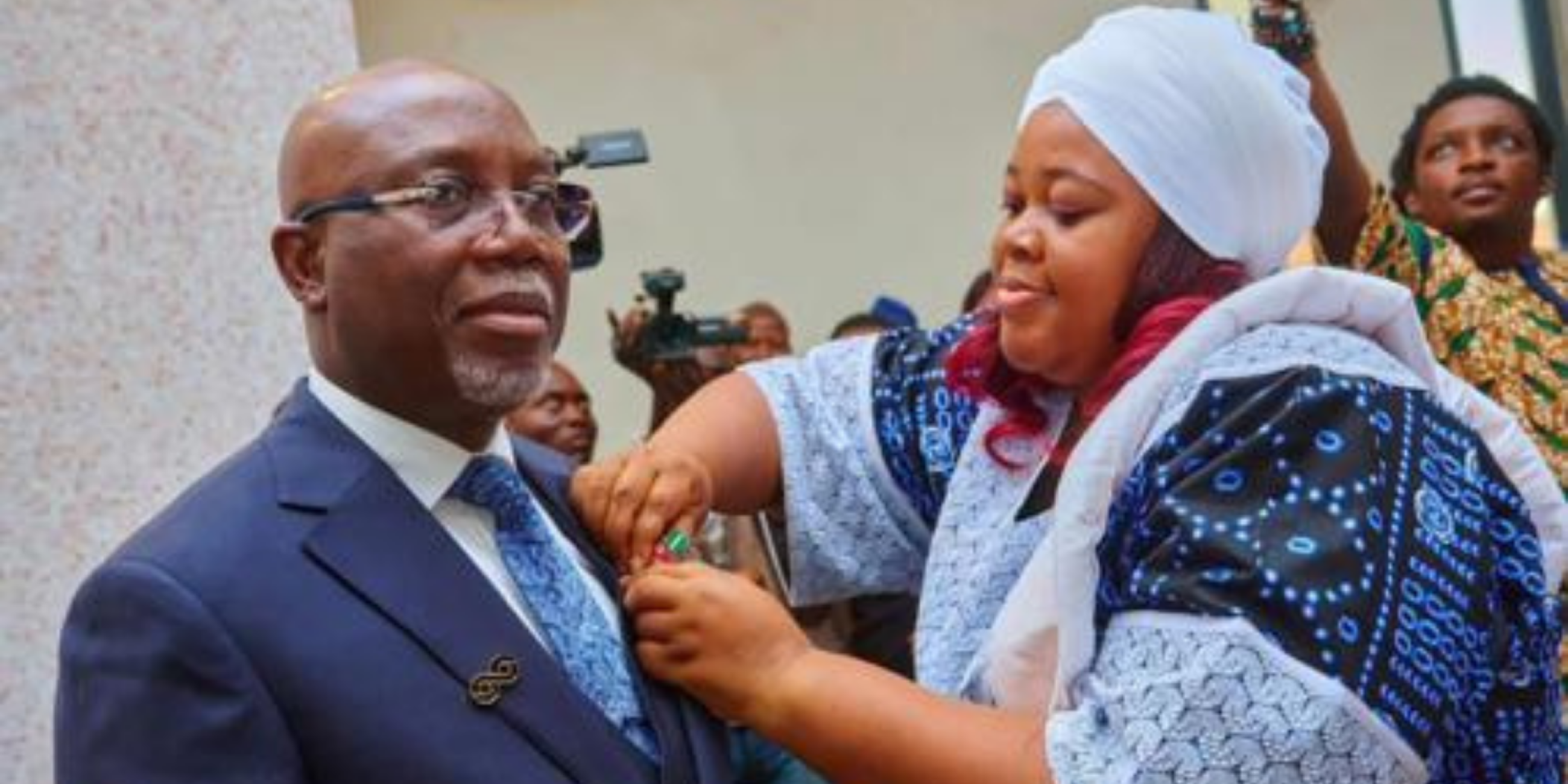
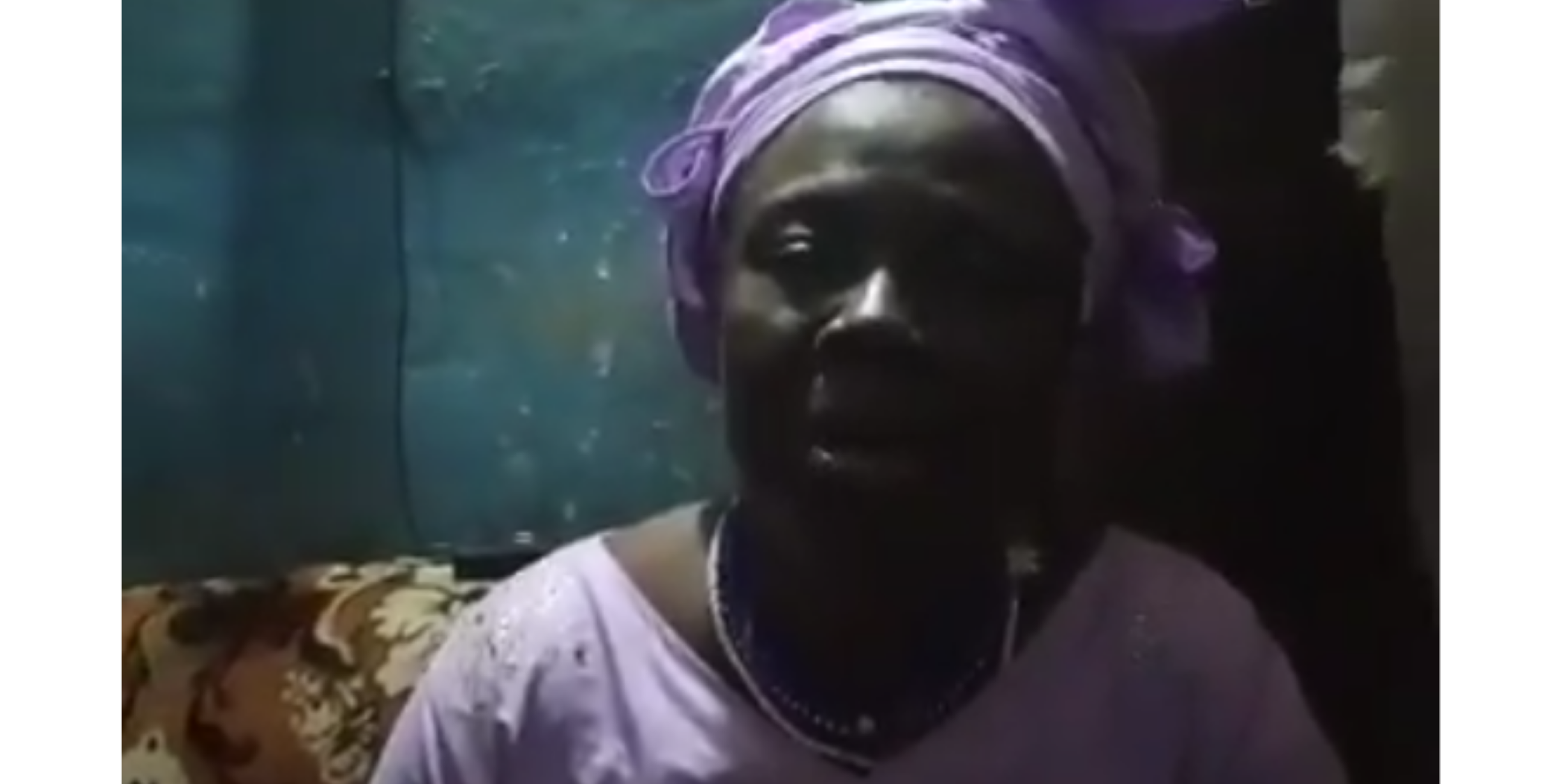
    A disturbing case of alleged religious persecution has emerged from Ilorin, Kwara State, where a traditional worshipper, Mrs. T.A. Olorisha, says her home was deliberately set ablaze because of her faith, while suspects arrested over the incident were later released by the police. The traumatised woman has now issued a desperate plea for help, warning that she may take her own life if justice is not served.

    According to Olorisha, she had lived peacefully for years in the Isalẹ Koko area of Ilorin until community members allegedly targeted her over her devotion to Osun, a deity in Yoruba traditional religion. In an emotional video, she recounted how she was summoned to a meeting weeks before the incident, where nine men reportedly told her that an Islamic cleric (“Alfa”) had declared that traditional worshippers were no longer welcome in the community.

    She said she challenged the claim and demanded to meet the cleric face-to-face, insisting she had done nothing wrong. Instead, the men allegedly threatened her, warning that she should either comply or face consequences. Olorisha recalled that one man openly asked what would happen if her house was burnt, while a police officer present advised restraint and later warned the men against causing trouble.

    However, while Olorisha travelled to her hometown to attend a traditional festival, her house was allegedly set on fire on January 1, 2026. The blaze destroyed all her belongings, including livestock, leaving her homeless and destitute. She says she has since been moving around in a single piece of clothing, struggling to survive.

    Her anguish deepened when she learned that suspects initially arrested over the arson had been released, raising fears of intimidation and impunity. In a tearful appeal, she called on Nigerians—especially traditional worshippers—to intervene on her behalf, saying she has nowhere else to turn. She warned that continued abandonment and injustice could push her to suicide.

    SaharaReporters previously reported that three men were arrested in connection with the attack, and the Kwara State Police Command acknowledged awareness of the case. Yet the alleged release of suspects has intensified public concern about whether law enforcement is willing—or able—to confront religious extremism.

    The incident has drawn strong condemnation from Omoyele Sowore, human rights activist and publisher of SaharaReporters, who described the attack as part of a broader pattern of religious intolerance in Ilorin. He warned that extremists must be stopped immediately and reminded authorities that no individual or group has the right to impose religious beliefs on others. Sowore referenced a similar 2023 case involving traditional religion activist Tani Olohun, arguing that repeated failures to enforce the law embolden mobs and radical elements.

    This case has now become a national test of Nigeria’s commitment to religious freedom, constitutional rights, and the rule of law. Why was a woman’s home allegedly destroyed for her beliefs? Why were suspects reportedly freed? And how long will religious intolerance be allowed to override justice in a democratic society?

    For many Nigerians, Olorisha’s plea is not just about one victim—it is about whether the state can still protect citizens from persecution based on faith, or whether silence and inaction will continue to empower extremism.
    Why Was a Woman’s Home Burnt for Worshipping Osun in Kwara, Why Were Suspects Freed, and Has Religious Extremism Now Replaced Justice in Ilorin? A disturbing case of alleged religious persecution has emerged from Ilorin, Kwara State, where a traditional worshipper, Mrs. T.A. Olorisha, says her home was deliberately set ablaze because of her faith, while suspects arrested over the incident were later released by the police. The traumatised woman has now issued a desperate plea for help, warning that she may take her own life if justice is not served. According to Olorisha, she had lived peacefully for years in the Isalẹ Koko area of Ilorin until community members allegedly targeted her over her devotion to Osun, a deity in Yoruba traditional religion. In an emotional video, she recounted how she was summoned to a meeting weeks before the incident, where nine men reportedly told her that an Islamic cleric (“Alfa”) had declared that traditional worshippers were no longer welcome in the community. She said she challenged the claim and demanded to meet the cleric face-to-face, insisting she had done nothing wrong. Instead, the men allegedly threatened her, warning that she should either comply or face consequences. Olorisha recalled that one man openly asked what would happen if her house was burnt, while a police officer present advised restraint and later warned the men against causing trouble. However, while Olorisha travelled to her hometown to attend a traditional festival, her house was allegedly set on fire on January 1, 2026. The blaze destroyed all her belongings, including livestock, leaving her homeless and destitute. She says she has since been moving around in a single piece of clothing, struggling to survive. Her anguish deepened when she learned that suspects initially arrested over the arson had been released, raising fears of intimidation and impunity. In a tearful appeal, she called on Nigerians—especially traditional worshippers—to intervene on her behalf, saying she has nowhere else to turn. She warned that continued abandonment and injustice could push her to suicide. SaharaReporters previously reported that three men were arrested in connection with the attack, and the Kwara State Police Command acknowledged awareness of the case. Yet the alleged release of suspects has intensified public concern about whether law enforcement is willing—or able—to confront religious extremism. The incident has drawn strong condemnation from Omoyele Sowore, human rights activist and publisher of SaharaReporters, who described the attack as part of a broader pattern of religious intolerance in Ilorin. He warned that extremists must be stopped immediately and reminded authorities that no individual or group has the right to impose religious beliefs on others. Sowore referenced a similar 2023 case involving traditional religion activist Tani Olohun, arguing that repeated failures to enforce the law embolden mobs and radical elements. This case has now become a national test of Nigeria’s commitment to religious freedom, constitutional rights, and the rule of law. Why was a woman’s home allegedly destroyed for her beliefs? Why were suspects reportedly freed? And how long will religious intolerance be allowed to override justice in a democratic society? For many Nigerians, Olorisha’s plea is not just about one victim—it is about whether the state can still protect citizens from persecution based on faith, or whether silence and inaction will continue to empower extremism.
    like
    1
    · 0 Commentarios ·0 Acciones ·4K Views
  • Will Wike Have to Bow to Fubara in APC? Why the Party Says the FCT Minister Must Follow Rivers Governor—and What This Power Shift Means for 2027 Politics

    Is Nyesom Wike’s political influence in Rivers State finally being clipped? If the Federal Capital Territory (FCT) Minister decides to join the All Progressives Congress (APC), will he really be forced to operate under his successor, Governor Siminalayi Fubara? And what does this internal power struggle reveal about the battle for 2027?

    The APC has made its position unmistakably clear: if Wike defects to the ruling party, he will not assume a dominant leadership role over the sitting Rivers State governor. According to the party’s Director of Information, Bala Ibrahim, leadership within the APC is tied strictly to current political office—not past power. While Wike would be “given a position” within the party, Ibrahim stressed that he would “certainly be under” Governor Fubara, who currently holds the highest elective office in Rivers State.

    Why such a firm stance? Ibrahim explained that political authority follows office, not personality. “When he was the governor, he was followed. Now that he’s not the governor, he must follow,” he said, underscoring that once a leader vacates a seat, they no longer retain its power. In other words, past influence cannot override present authority in the APC’s hierarchy.

    But is this just about party protocol—or something deeper? Reports suggest that Wike’s alleged efforts to undermine Fubara’s 2027 re-election bid have suffered a major blow. Several APC governors are said to have rallied behind Fubara, signaling growing support for the Rivers governor at the highest levels of the party. Party sources indicate that renewed tensions between the two men were triggered after top APC figures openly endorsed Fubara for a second term—an outcome Wike is reportedly opposed to.

    What changed inside the APC? Insiders say the party leadership has become increasingly impressed with Fubara’s governance style and development projects, earning him favor among key decision-makers. This apparent shift in loyalty is being interpreted as a strategic move to consolidate power around the sitting governor while weakening Wike’s influence in his home state.

    The conflict reportedly deepened when Wike’s allies attempted to push a preferred candidate for the Imo governorship without consulting the APC Governors’ Chairman, Governor Hope Uzodimma. Party officials claim this move backfired, prompting APC governors to close ranks around Fubara as part of a broader effort to curb Wike’s political reach. Some insiders even suggest that powerful figures within the Tinubu administration no longer see Wike as a favored ally.

    So what does this mean going forward? If Wike eventually joins the APC, he may find himself navigating a party structure where authority is no longer shaped by his past dominance but by current officeholders—chief among them Governor Fubara. The unfolding drama raises critical questions: Is Wike’s era of control in Rivers coming to an end? Will Fubara emerge as the undisputed political force ahead of 2027? And is the APC deliberately re-engineering power in Rivers to sideline one of Nigeria’s most formidable political figures?

    As endorsements mount and party leadership draws firm lines, one thing is clear: Rivers State politics is entering a decisive phase—and the outcome could reshape the state’s political landscape for years to come.
    Will Wike Have to Bow to Fubara in APC? Why the Party Says the FCT Minister Must Follow Rivers Governor—and What This Power Shift Means for 2027 Politics Is Nyesom Wike’s political influence in Rivers State finally being clipped? If the Federal Capital Territory (FCT) Minister decides to join the All Progressives Congress (APC), will he really be forced to operate under his successor, Governor Siminalayi Fubara? And what does this internal power struggle reveal about the battle for 2027? The APC has made its position unmistakably clear: if Wike defects to the ruling party, he will not assume a dominant leadership role over the sitting Rivers State governor. According to the party’s Director of Information, Bala Ibrahim, leadership within the APC is tied strictly to current political office—not past power. While Wike would be “given a position” within the party, Ibrahim stressed that he would “certainly be under” Governor Fubara, who currently holds the highest elective office in Rivers State. Why such a firm stance? Ibrahim explained that political authority follows office, not personality. “When he was the governor, he was followed. Now that he’s not the governor, he must follow,” he said, underscoring that once a leader vacates a seat, they no longer retain its power. In other words, past influence cannot override present authority in the APC’s hierarchy. But is this just about party protocol—or something deeper? Reports suggest that Wike’s alleged efforts to undermine Fubara’s 2027 re-election bid have suffered a major blow. Several APC governors are said to have rallied behind Fubara, signaling growing support for the Rivers governor at the highest levels of the party. Party sources indicate that renewed tensions between the two men were triggered after top APC figures openly endorsed Fubara for a second term—an outcome Wike is reportedly opposed to. What changed inside the APC? Insiders say the party leadership has become increasingly impressed with Fubara’s governance style and development projects, earning him favor among key decision-makers. This apparent shift in loyalty is being interpreted as a strategic move to consolidate power around the sitting governor while weakening Wike’s influence in his home state. The conflict reportedly deepened when Wike’s allies attempted to push a preferred candidate for the Imo governorship without consulting the APC Governors’ Chairman, Governor Hope Uzodimma. Party officials claim this move backfired, prompting APC governors to close ranks around Fubara as part of a broader effort to curb Wike’s political reach. Some insiders even suggest that powerful figures within the Tinubu administration no longer see Wike as a favored ally. So what does this mean going forward? If Wike eventually joins the APC, he may find himself navigating a party structure where authority is no longer shaped by his past dominance but by current officeholders—chief among them Governor Fubara. The unfolding drama raises critical questions: Is Wike’s era of control in Rivers coming to an end? Will Fubara emerge as the undisputed political force ahead of 2027? And is the APC deliberately re-engineering power in Rivers to sideline one of Nigeria’s most formidable political figures? As endorsements mount and party leadership draws firm lines, one thing is clear: Rivers State politics is entering a decisive phase—and the outcome could reshape the state’s political landscape for years to come.
    0 Commentarios ·0 Acciones ·3K Views
  • Did Anyone Try to Bribe the Judge in Malami’s ₦8.7 Billion Money Laundering Trial? Why the Former AGF Is Denying Influence Claims, Accusing EFCC of a ‘Media Trial,’ and Insisting on Judicial Integrity

    Did anyone attempt to bribe or improperly influence the judge handling Abubakar Malami’s high-profile ₦8.7 billion money laundering case? Why did the former Attorney-General of the Federation feel compelled to issue a public denial? And is the Economic and Financial Crimes Commission (EFCC) conducting a legitimate prosecution—or, as Malami claims, waging a “media trial” aimed at damaging his reputation?

    Following a Federal High Court ruling in Maitama, Abuja, which granted bail to Malami, his wife, and their son, reports circulated suggesting that the presiding judge, Justice Emeka Nwite, had raised concerns about attempts to compromise the court. In response, Malami strongly rejected any insinuation that he—or anyone acting on his behalf—sought to influence the judge in any form.

    In a statement signed by his media aide, Mohammed Bello Doka, Malami described the allegation as “mischievous, false, and deliberately misleading.” He categorically stated that no member of his legal team, family, or associates approached or contemplated approaching the court for any favour. Any suggestion otherwise, he said, was reckless and intended to tarnish his public image.

    But what exactly did the judge say? According to Malami, Justice Nwite’s remarks were a routine judicial warning delivered to all counsel and litigants appearing before the court—not a statement directed at him or his co-defendants. He noted that the judge is known for consistently cautioning lawyers against any attempt to contact him outside formal proceedings, as part of his commitment to judicial probity.

    Why then did the controversy erupt? Malami accused the EFCC of “weaponising” a standard courtroom admonition and presenting it to the public as evidence of attempted interference. He argued that this narrative was crafted to prejudice public opinion and undermine due process rather than allow the case to be determined strictly on evidence.

    “The proper place to prove allegations is in the courtroom, not in the media,” Malami said, reiterating that neither he nor his family had offered any bribe or sought any special treatment. He maintained that he respects the sanctity of the judiciary, emphasising both his status as a Senior Advocate of Nigeria and his past role as the nation’s chief law officer.

    What is at stake? The case involves serious allegations of money laundering running into billions of naira against Malami, his wife, Hajia Bashir Asabe, and their son, Abubakar Abdulaziz Malami. During proceedings, Justice Nwite openly warned all parties not to attempt any personal approaches, stressing that legal representation—not backdoor contacts—is the only acceptable means of advocacy before his court.

    As the trial continues, a critical question remains for Nigerians: is this a straightforward judicial caution being misrepresented for headlines, or does the dispute reflect a deeper battle between a former top legal official and the country’s anti-graft agency over credibility, due process, and public perception?
    Did Anyone Try to Bribe the Judge in Malami’s ₦8.7 Billion Money Laundering Trial? Why the Former AGF Is Denying Influence Claims, Accusing EFCC of a ‘Media Trial,’ and Insisting on Judicial Integrity Did anyone attempt to bribe or improperly influence the judge handling Abubakar Malami’s high-profile ₦8.7 billion money laundering case? Why did the former Attorney-General of the Federation feel compelled to issue a public denial? And is the Economic and Financial Crimes Commission (EFCC) conducting a legitimate prosecution—or, as Malami claims, waging a “media trial” aimed at damaging his reputation? Following a Federal High Court ruling in Maitama, Abuja, which granted bail to Malami, his wife, and their son, reports circulated suggesting that the presiding judge, Justice Emeka Nwite, had raised concerns about attempts to compromise the court. In response, Malami strongly rejected any insinuation that he—or anyone acting on his behalf—sought to influence the judge in any form. In a statement signed by his media aide, Mohammed Bello Doka, Malami described the allegation as “mischievous, false, and deliberately misleading.” He categorically stated that no member of his legal team, family, or associates approached or contemplated approaching the court for any favour. Any suggestion otherwise, he said, was reckless and intended to tarnish his public image. But what exactly did the judge say? According to Malami, Justice Nwite’s remarks were a routine judicial warning delivered to all counsel and litigants appearing before the court—not a statement directed at him or his co-defendants. He noted that the judge is known for consistently cautioning lawyers against any attempt to contact him outside formal proceedings, as part of his commitment to judicial probity. Why then did the controversy erupt? Malami accused the EFCC of “weaponising” a standard courtroom admonition and presenting it to the public as evidence of attempted interference. He argued that this narrative was crafted to prejudice public opinion and undermine due process rather than allow the case to be determined strictly on evidence. “The proper place to prove allegations is in the courtroom, not in the media,” Malami said, reiterating that neither he nor his family had offered any bribe or sought any special treatment. He maintained that he respects the sanctity of the judiciary, emphasising both his status as a Senior Advocate of Nigeria and his past role as the nation’s chief law officer. What is at stake? The case involves serious allegations of money laundering running into billions of naira against Malami, his wife, Hajia Bashir Asabe, and their son, Abubakar Abdulaziz Malami. During proceedings, Justice Nwite openly warned all parties not to attempt any personal approaches, stressing that legal representation—not backdoor contacts—is the only acceptable means of advocacy before his court. As the trial continues, a critical question remains for Nigerians: is this a straightforward judicial caution being misrepresented for headlines, or does the dispute reflect a deeper battle between a former top legal official and the country’s anti-graft agency over credibility, due process, and public perception?
    0 Commentarios ·0 Acciones ·2K Views
  • Who Is Illegally Selling Hostel Spaces at IBB University? Why IBBUL Is Warning Students, Investigating Racketeers, and Threatening Sanctions Over Exploitation of Freshers

    Who is behind the illegal sale of hostel spaces at Ibrahim Badamasi Babangida University (IBBUL), Lapai—and how are unsuspecting students being exploited? Why has the university stepped in with stern warnings, investigations, and threats of punishment? And what does this mean for students struggling to secure accommodation amid rising demand?

    IBB University, Niger State, has raised the alarm over what it describes as a growing and disturbing practice in which individuals and organised groups allegedly hijack hostel spaces and resell them to students at inflated prices. According to the institution, these activities typically target vulnerable students—especially freshers—who are desperate for accommodation at the beginning of academic sessions when hostel demand is highest.

    In a statement issued by the Deputy Registrar (Information), Alhaji Baba Akote, the university condemned the practice as exploitative and fraudulent. He explained that some individuals deliberately secure official hostel allocations only to turn around and sell them illegally at exorbitant rates, effectively profiting from students’ desperation and undermining the university’s accommodation system.

    How exactly does the scheme work? The university says these groups identify periods of high demand, corner available hostel spaces, and then offer them to students at prices far above approved rates—often misleading students into believing the transactions are legitimate. For many new students unfamiliar with campus processes, the trap is easy to fall into.

    What action is the university taking? IBBUL has directed its Student Affairs Division to launch a full investigation aimed at identifying and exposing those involved. University authorities insist that the matter will not be treated lightly and that all culprits will be held accountable.

    What are the consequences? In a strong warning, the management made it clear that both sellers and buyers of illegally traded hostel spaces will face disciplinary action. The university says “stringent measures” are being prepared to deter the practice and restore transparency and fairness in the hostel allocation process.

    But will this crackdown be enough to end racketeering on campus? As students continue to grapple with accommodation shortages, many are asking whether the investigation will uncover the networks behind the scheme—and whether enforcement will finally stop the exploitation that has quietly flourished for years.

    At the heart of the issue lies a pressing question for students and parents alike: can universities protect their communities from internal profiteering, or will desperate housing needs continue to be used as a tool for exploitation?
    Who Is Illegally Selling Hostel Spaces at IBB University? Why IBBUL Is Warning Students, Investigating Racketeers, and Threatening Sanctions Over Exploitation of Freshers Who is behind the illegal sale of hostel spaces at Ibrahim Badamasi Babangida University (IBBUL), Lapai—and how are unsuspecting students being exploited? Why has the university stepped in with stern warnings, investigations, and threats of punishment? And what does this mean for students struggling to secure accommodation amid rising demand? IBB University, Niger State, has raised the alarm over what it describes as a growing and disturbing practice in which individuals and organised groups allegedly hijack hostel spaces and resell them to students at inflated prices. According to the institution, these activities typically target vulnerable students—especially freshers—who are desperate for accommodation at the beginning of academic sessions when hostel demand is highest. In a statement issued by the Deputy Registrar (Information), Alhaji Baba Akote, the university condemned the practice as exploitative and fraudulent. He explained that some individuals deliberately secure official hostel allocations only to turn around and sell them illegally at exorbitant rates, effectively profiting from students’ desperation and undermining the university’s accommodation system. How exactly does the scheme work? The university says these groups identify periods of high demand, corner available hostel spaces, and then offer them to students at prices far above approved rates—often misleading students into believing the transactions are legitimate. For many new students unfamiliar with campus processes, the trap is easy to fall into. What action is the university taking? IBBUL has directed its Student Affairs Division to launch a full investigation aimed at identifying and exposing those involved. University authorities insist that the matter will not be treated lightly and that all culprits will be held accountable. What are the consequences? In a strong warning, the management made it clear that both sellers and buyers of illegally traded hostel spaces will face disciplinary action. The university says “stringent measures” are being prepared to deter the practice and restore transparency and fairness in the hostel allocation process. But will this crackdown be enough to end racketeering on campus? As students continue to grapple with accommodation shortages, many are asking whether the investigation will uncover the networks behind the scheme—and whether enforcement will finally stop the exploitation that has quietly flourished for years. At the heart of the issue lies a pressing question for students and parents alike: can universities protect their communities from internal profiteering, or will desperate housing needs continue to be used as a tool for exploitation?
    0 Commentarios ·0 Acciones ·2K Views
  • Was Justice Denied? Why Is Inspector Oboh Still Detained After Being Cleared of Murder Charges in Rivers State? | Fintter

    Was justice truly served in the case of Inspector Hycenth Oboh—or is this another troubling example of power, politics, and abuse within Nigeria’s law enforcement system?
    In a case that is raising serious constitutional and human rights concerns, Inspector Hycenth Oboh, a serving police officer attached to the Rivers State Commissioner for Energy and Natural Resources, has allegedly been illegally detained for over 18 months without trial, court order, or lawful disciplinary sanction. His prolonged detention follows a tragic shooting incident that occurred on June 18, 2024, at the Eberi-Omuma Local Government Council Secretariat, where two people were killed during a crossfire.
    What makes this case particularly controversial is that Inspector Oboh was reportedly discharged and acquitted during an internal police disciplinary process in August 2024. Despite this, he has remained in custody at the State Criminal Investigation Department (SCID) in Port Harcourt—raising urgent questions about the rule of law, police accountability, and respect for constitutional rights in Nigeria.
    According to sources, Oboh was initially arrested alongside 11 other officers and subjected to investigations by the Homicide Department. They were later tried under the Police Act and Regulations on three counts: discreditable conduct, unlawful exercise of authority, and destruction of government property through the alleged waste of ammunition. All officers pleaded not guilty. Oboh, in particular, denied firing any weapon and reportedly presented medical evidence showing exposure to teargas.
    The internal proceedings reportedly ended with eight officers, including Oboh, being cleared of all charges. However, in a twist that has left many observers baffled, the Rivers State Police Command allegedly ordered a second disciplinary trial without presenting new evidence. While six officers were later dismissed and five released, Inspector Oboh alone was kept in detention, with no official explanation, court arraignment, or detention order.
    Even more disturbing are allegations of political interference. Sources claim that a serving federal lawmaker, Hon. Kelechi Nwogu, who represents Etche/Omuma Federal Constituency, may have influenced senior police officials to ensure Oboh remains detained—allegedly to prevent him from testifying or being fully investigated. Although these claims have not been independently verified and the lawmaker has yet to respond, they deepen public concern about whether the case is being driven by justice or by political interests.
    Beyond the legal questions, the human cost is devastating. Reports indicate that Oboh’s prolonged detention has destroyed his family life, with his wife reportedly leaving with their children due to lack of support. Paradoxically, despite being held over a murder investigation, he is said to have continued receiving his salary, further highlighting contradictions in how the case is being handled.
    Human rights advocates argue that this situation represents a clear violation of constitutional rights, particularly the rights to liberty and fair hearing. As one advocate put it: “You cannot acquit a man, detain him endlessly, and still call it justice. This is a dangerous abuse of power.”
    As of now, there is no known court order, no formal charge, and no legal justification for Inspector Oboh’s continued detention. Calls are growing louder for either his immediate release or for authorities to arraign him before a competent court if credible evidence exists.
    What Do You Think? (Comment Hooks for Fintter)
    If an officer is cleared internally, can the police legally keep him locked up without a court order?
    Is this a case of justice delayed, or justice deliberately denied?
    Could political influence be overriding due process in this matter?
    Should Nigeria reform how police disciplinary actions and criminal prosecutions are handled?
    Join the conversation on Fintter:
    Is Inspector Oboh a victim of systemic abuse—or are there facts the public still doesn’t know?
    Was Justice Denied? Why Is Inspector Oboh Still Detained After Being Cleared of Murder Charges in Rivers State? | Fintter Was justice truly served in the case of Inspector Hycenth Oboh—or is this another troubling example of power, politics, and abuse within Nigeria’s law enforcement system? In a case that is raising serious constitutional and human rights concerns, Inspector Hycenth Oboh, a serving police officer attached to the Rivers State Commissioner for Energy and Natural Resources, has allegedly been illegally detained for over 18 months without trial, court order, or lawful disciplinary sanction. His prolonged detention follows a tragic shooting incident that occurred on June 18, 2024, at the Eberi-Omuma Local Government Council Secretariat, where two people were killed during a crossfire. What makes this case particularly controversial is that Inspector Oboh was reportedly discharged and acquitted during an internal police disciplinary process in August 2024. Despite this, he has remained in custody at the State Criminal Investigation Department (SCID) in Port Harcourt—raising urgent questions about the rule of law, police accountability, and respect for constitutional rights in Nigeria. According to sources, Oboh was initially arrested alongside 11 other officers and subjected to investigations by the Homicide Department. They were later tried under the Police Act and Regulations on three counts: discreditable conduct, unlawful exercise of authority, and destruction of government property through the alleged waste of ammunition. All officers pleaded not guilty. Oboh, in particular, denied firing any weapon and reportedly presented medical evidence showing exposure to teargas. The internal proceedings reportedly ended with eight officers, including Oboh, being cleared of all charges. However, in a twist that has left many observers baffled, the Rivers State Police Command allegedly ordered a second disciplinary trial without presenting new evidence. While six officers were later dismissed and five released, Inspector Oboh alone was kept in detention, with no official explanation, court arraignment, or detention order. Even more disturbing are allegations of political interference. Sources claim that a serving federal lawmaker, Hon. Kelechi Nwogu, who represents Etche/Omuma Federal Constituency, may have influenced senior police officials to ensure Oboh remains detained—allegedly to prevent him from testifying or being fully investigated. Although these claims have not been independently verified and the lawmaker has yet to respond, they deepen public concern about whether the case is being driven by justice or by political interests. Beyond the legal questions, the human cost is devastating. Reports indicate that Oboh’s prolonged detention has destroyed his family life, with his wife reportedly leaving with their children due to lack of support. Paradoxically, despite being held over a murder investigation, he is said to have continued receiving his salary, further highlighting contradictions in how the case is being handled. Human rights advocates argue that this situation represents a clear violation of constitutional rights, particularly the rights to liberty and fair hearing. As one advocate put it: “You cannot acquit a man, detain him endlessly, and still call it justice. This is a dangerous abuse of power.” As of now, there is no known court order, no formal charge, and no legal justification for Inspector Oboh’s continued detention. Calls are growing louder for either his immediate release or for authorities to arraign him before a competent court if credible evidence exists. 💬 What Do You Think? (Comment Hooks for Fintter) If an officer is cleared internally, can the police legally keep him locked up without a court order? Is this a case of justice delayed, or justice deliberately denied? Could political influence be overriding due process in this matter? Should Nigeria reform how police disciplinary actions and criminal prosecutions are handled? 👉 Join the conversation on Fintter: Is Inspector Oboh a victim of systemic abuse—or are there facts the public still doesn’t know?
    0 Commentarios ·0 Acciones ·2K Views
Resultados de la búsqueda
Fintter https://fintter.com