• Nelson Mandela’s most iconic moments

    From walking out of prison on 11 Feb 1990 after 27 years, to becoming South Africa’s first Black President on 10 May 1994, Mandela showed the world what courage and forgiveness look like. His 1993 Nobel Peace Prize and that unforgettable 1995 Rugby World Cup unity moment made “Madiba” a symbol of hope far beyond South Africa.

    #NelsonMandela #SouthAfrica #Madiba #AfricanHistory
    Nelson Mandela’s most iconic moments 🇿🇦✨ From walking out of prison on 11 Feb 1990 after 27 years, to becoming South Africa’s first Black President on 10 May 1994, Mandela showed the world what courage and forgiveness look like. His 1993 Nobel Peace Prize and that unforgettable 1995 Rugby World Cup unity moment made “Madiba” a symbol of hope far beyond South Africa. #NelsonMandela #SouthAfrica #Madiba #AfricanHistory
    like
    love
    4
    · 0 التعليقات ·0 المشاركات ·3كيلو بايت مشاهدة
  • First Bank Customer Jailed for Refusing to Refund N1.5bn Mistaken Credit….

    First Bank customer, Ojo Eghosa Kingsley, has been convicted and sentenced to one year in prison (or a fine of N5 million) for refusing to refund the N1.5 billion mistakenly credited to his account. He reportedly informed the court he preferred jail time to paying back the remaining balance.
    Give headlines
    First Bank Customer Jailed for Refusing to Refund N1.5bn Mistaken Credit…. First Bank customer, Ojo Eghosa Kingsley, has been convicted and sentenced to one year in prison (or a fine of N5 million) for refusing to refund the N1.5 billion mistakenly credited to his account. He reportedly informed the court he preferred jail time to paying back the remaining balance. Give headlines
    love
    2
    · 0 التعليقات ·0 المشاركات ·1كيلو بايت مشاهدة
  • BREAKING: Libyan authorities have rescued 221 abducted migrants after raiding a human trafficking camp in the Kufra area of southeastern Libya.

    The migrants were freed from an underground prison, where they said they had been held for over two years in sub-human conditions. More than 10 victims in critical condition were rushed to hospital for urgent treatment.

    The operation was carried out jointly by the Directorate for Combating Illegal Migration (DCIM) and the Sabil al-Salam Border Protection Battalion.

    #BreakingNews #Libya #HumanTrafficking #Migrants #Africa #WorldNews
    🚨 BREAKING: Libyan authorities have rescued 221 abducted migrants after raiding a human trafficking camp in the Kufra area of southeastern Libya. The migrants were freed from an underground prison, where they said they had been held for over two years in sub-human conditions. More than 10 victims in critical condition were rushed to hospital for urgent treatment. The operation was carried out jointly by the Directorate for Combating Illegal Migration (DCIM) and the Sabil al-Salam Border Protection Battalion. #BreakingNews #Libya #HumanTrafficking #Migrants #Africa #WorldNews
    love
    1
    · 0 التعليقات ·0 المشاركات ·2كيلو بايت مشاهدة
  • Lagos Court Sentences Man to Life for Assaulting Wife’s 6-Year-Old Niece…….

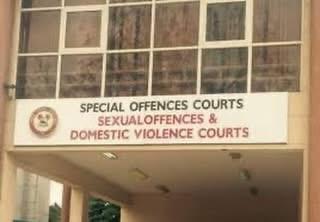
    A Lagos court has sentenced Olumuyiwa Adjoto to life imprisonment for sexually assaulting his wife’s six-year-old niece in Badagry. Justice Rahman Oshodi found him guilty of defilement and sexual assault by penetration after evidence from the child, her mother, medical experts and police. The court heard he committed the crime while his wife was away at the market. The judge described the act as grave and said the child may suffer lifelong trauma.
    #fintternews
    Lagos Court Sentences Man to Life for Assaulting Wife’s 6-Year-Old Niece……. A Lagos court has sentenced Olumuyiwa Adjoto to life imprisonment for sexually assaulting his wife’s six-year-old niece in Badagry. Justice Rahman Oshodi found him guilty of defilement and sexual assault by penetration after evidence from the child, her mother, medical experts and police. The court heard he committed the crime while his wife was away at the market. The judge described the act as grave and said the child may suffer lifelong trauma. #fintternews
    love
    1
    · 0 التعليقات ·0 المشاركات ·2كيلو بايت مشاهدة
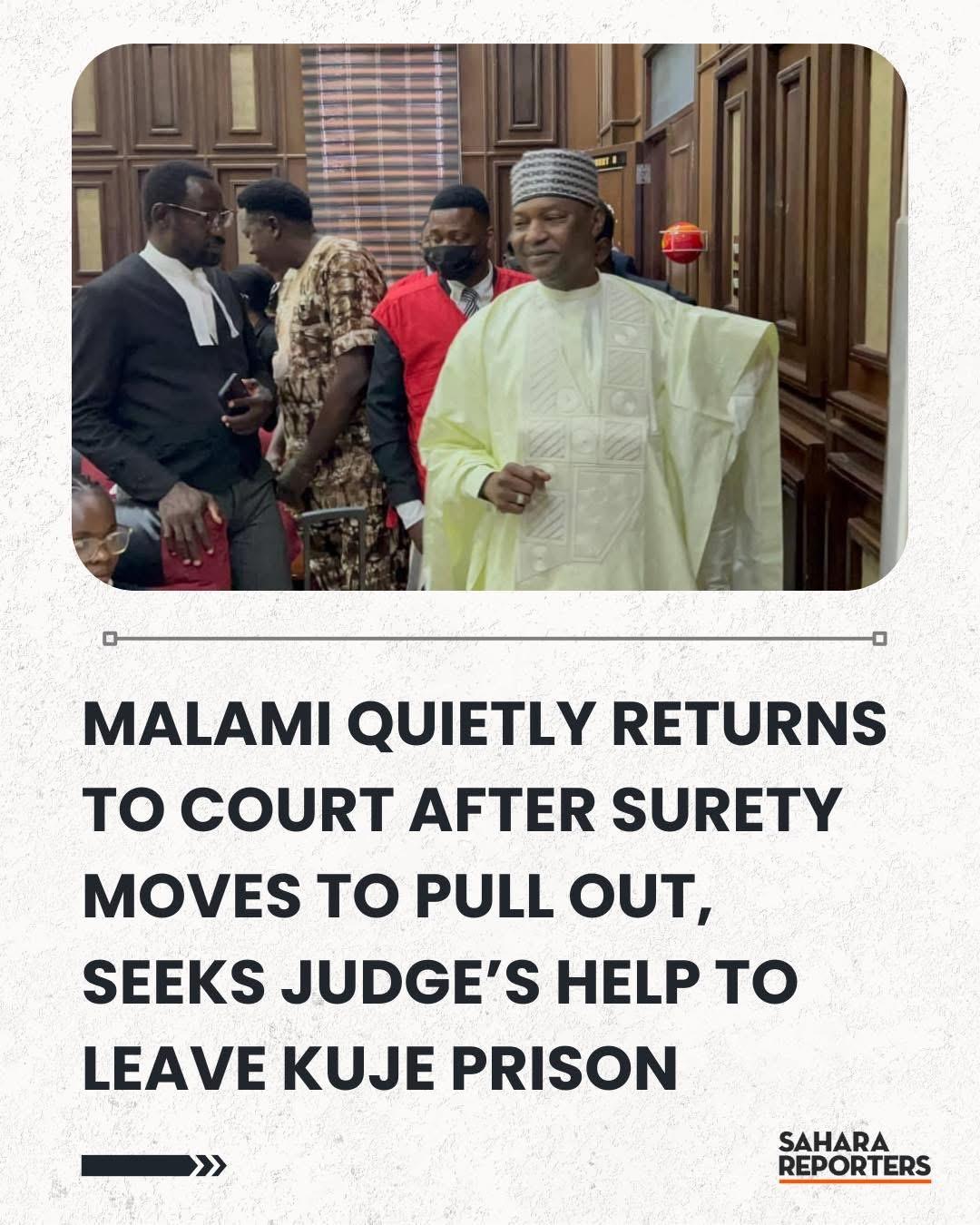
  • DSS Rearrests Malami’s Son at Kuje Prison After Alleged Attempt to Sneak Him Out

    Operatives of the Department of State Services (DSS) have rearrested Abdulaziz Malami, son of former Attorney-General Abubakar Malami, at Kuje Correctional Centre, Abuja, after an alleged attempt to quietly move him out despite completed bail papers. Security sources said heightened surveillance was ordered following intelligence reports of irregular release plans. Abdulaziz was intercepted shortly after being handed over by court bailiffs. The incident deepens controversy surrounding the Malami family, who are facing EFCC charges over alleged ₦8.7bn money laundering, with investigations and trial ongoing.

    #Malami
    #DSS
    #NigeriaCorruption
    DSS Rearrests Malami’s Son at Kuje Prison After Alleged Attempt to Sneak Him Out Operatives of the Department of State Services (DSS) have rearrested Abdulaziz Malami, son of former Attorney-General Abubakar Malami, at Kuje Correctional Centre, Abuja, after an alleged attempt to quietly move him out despite completed bail papers. Security sources said heightened surveillance was ordered following intelligence reports of irregular release plans. Abdulaziz was intercepted shortly after being handed over by court bailiffs. The incident deepens controversy surrounding the Malami family, who are facing EFCC charges over alleged ₦8.7bn money laundering, with investigations and trial ongoing. #Malami #DSS #NigeriaCorruption
    love
    1
    · 0 التعليقات ·0 المشاركات ·2كيلو بايت مشاهدة
  • Libya Horror Exposed: Authorities Raid Secret Underground Prison, Rescue Over 200 Migrants in Kufra

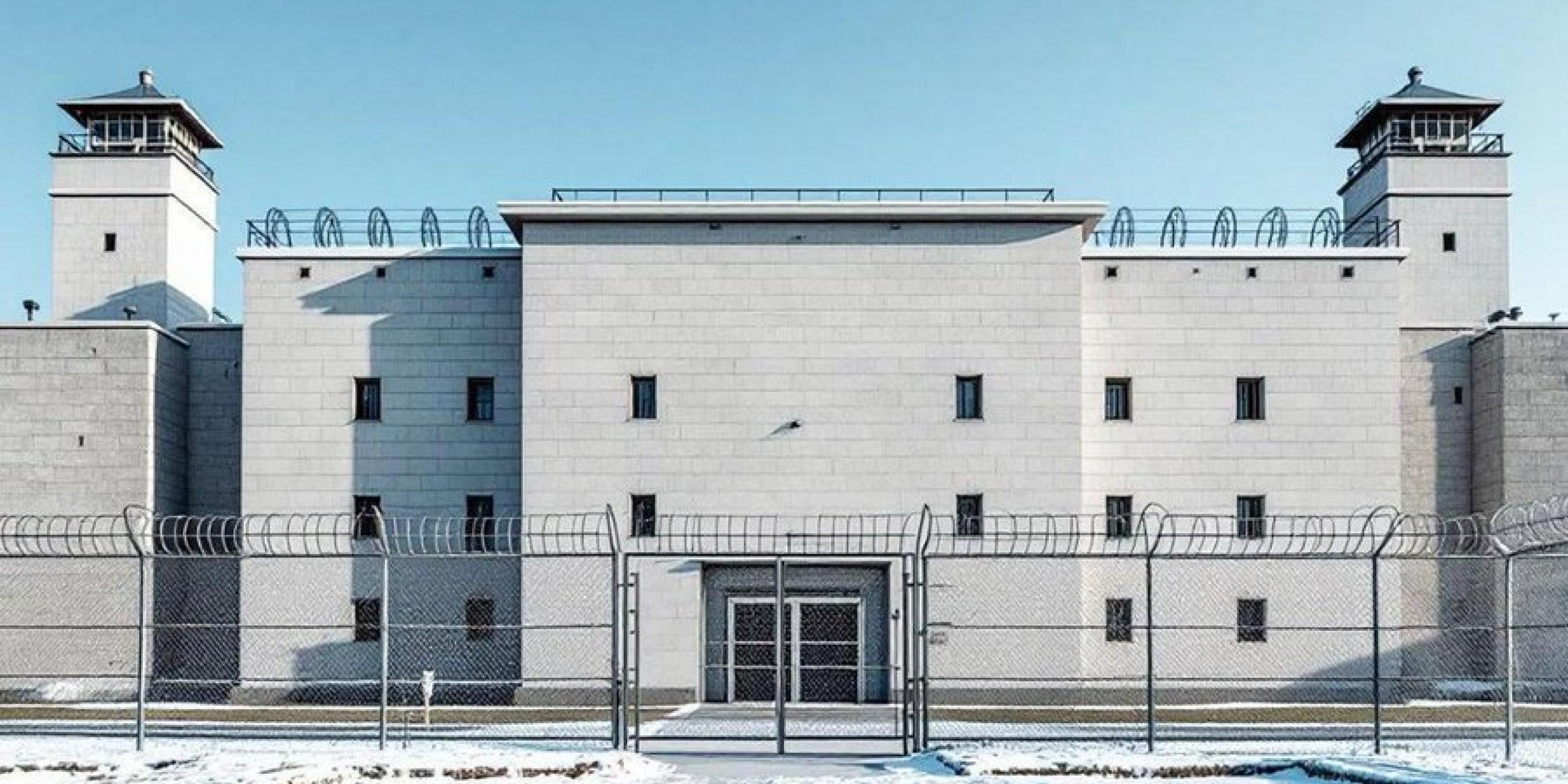
    Libyan security forces have uncovered a secret underground prison in Kufra town, freeing more than 200 migrants held in brutal conditions. The hidden facility, nearly three metres underground, was allegedly operated by a human trafficker who is still at large. Some victims, including women and children from Somalia and Eritrea, were reportedly detained for up to two years. Authorities described the discovery as one of the worst crimes against humanity in the region, highlighting Libya’s ongoing migrant abuse crisis amid weak security and trafficking networks.

    #LibyaCrisis
    #HumanTrafficking
    #MigrantAbuse
    Libya Horror Exposed: Authorities Raid Secret Underground Prison, Rescue Over 200 Migrants in Kufra Libyan security forces have uncovered a secret underground prison in Kufra town, freeing more than 200 migrants held in brutal conditions. The hidden facility, nearly three metres underground, was allegedly operated by a human trafficker who is still at large. Some victims, including women and children from Somalia and Eritrea, were reportedly detained for up to two years. Authorities described the discovery as one of the worst crimes against humanity in the region, highlighting Libya’s ongoing migrant abuse crisis amid weak security and trafficking networks. #LibyaCrisis #HumanTrafficking #MigrantAbuse
    love
    1
    · 0 التعليقات ·0 المشاركات ·2كيلو بايت مشاهدة
  • EXCLUSIVE: Ex-AGF Malami Quietly Returns To Court After Surety Moves To Pull Out, Seeks Judge’s Help To Leave Kuje Prison
    EXCLUSIVE: Ex-AGF Malami Quietly Returns To Court After Surety Moves To Pull Out, Seeks Judge’s Help To Leave Kuje Prison
    0 التعليقات ·0 المشاركات ·811 مشاهدة
  • Former South Korean President Yoon Suk Yeol has been sentenced to five years in prison after a court found him guilty over offences linked to his controversial declaration of martial law in December 2024. The court ruled that Yoon obstructed authorities from executing an arrest warrant, fabricated official documents and failed to follow legal procedures required to impose martial law. The judgement marks the first conviction arising from multiple charges against the ex-leader. Supporters protested outside the court, while analysts say the ruling could affect his ongoing trial on more serious allegations. Yoon was earlier impeached and removed from office following nationwide protests.
    Former South Korean President Yoon Suk Yeol has been sentenced to five years in prison after a court found him guilty over offences linked to his controversial declaration of martial law in December 2024. The court ruled that Yoon obstructed authorities from executing an arrest warrant, fabricated official documents and failed to follow legal procedures required to impose martial law. The judgement marks the first conviction arising from multiple charges against the ex-leader. Supporters protested outside the court, while analysts say the ruling could affect his ongoing trial on more serious allegations. Yoon was earlier impeached and removed from office following nationwide protests.
    0 التعليقات ·0 المشاركات ·576 مشاهدة
  • BREAKING: Two Arrested for Attempted Drug Smuggling into Ondo Prison

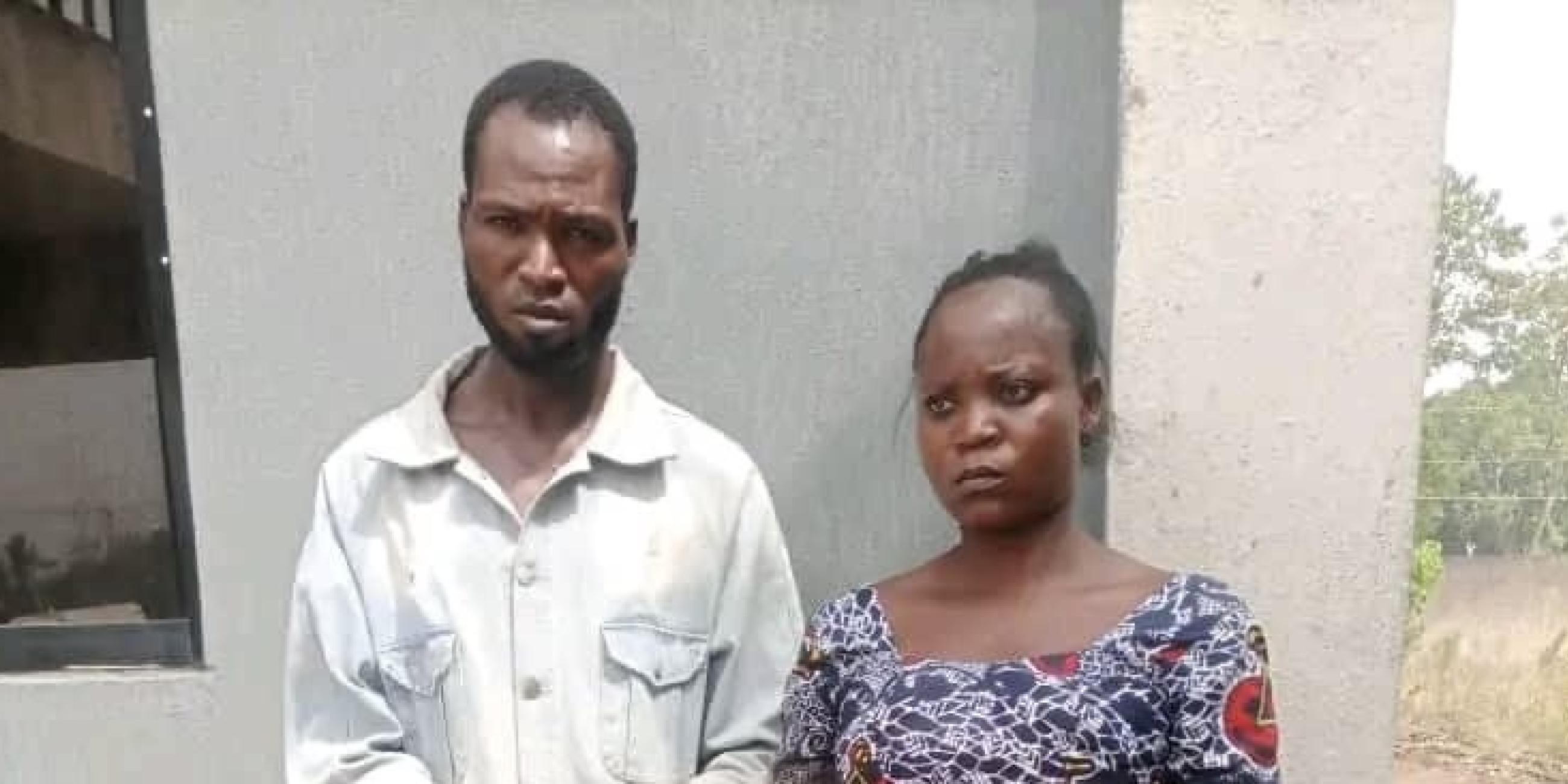
    Authorities have arrested two individuals attempting to smuggle illicit drugs into Ondo Prison.

    #OndoPrison #DrugSmuggling #BreakingNews #NigeriaNews #LawAndOrder #PublicSafety #CrimeAlert
    🚨 BREAKING: Two Arrested for Attempted Drug Smuggling into Ondo Prison Authorities have arrested two individuals attempting to smuggle illicit drugs into Ondo Prison. #OndoPrison #DrugSmuggling #BreakingNews #NigeriaNews #LawAndOrder #PublicSafety #CrimeAlert
    0 التعليقات ·0 المشاركات ·1كيلو بايت مشاهدة
  • My Statement on Today’s Court Proceedings Regarding the #FreeNnamdiKanuNow Protest

    Earlier today, alongside my legal team led by Marshal D. F. Abubakar, I addressed the progress of our civil lawsuit arising from my illegal arrest, trial, and unlawful detention at Kuje Prison following the #FreeNnamdiKanuNow protest of October 20, 2025.

    This lawsuit seeks a public apology, financial compensation, and enforcement actions against the illegally appointed Inspector General of Police, Kayode Egbetokun, the Nigeria Police Force, and the Minister of Justice/Attorney General of the Federation for their unlawful actions.

    At today’s court sitting, the Nigeria Police Force neither appeared nor was represented by counsel. The presiding judge, Justice Umar, formally noted their absence and ruled that the case is ready to proceed to the next stage.

    At the next adjourned date, we will adopt our written submissions, after which the court will fix a definite date for judgment.

    We remain firm and committed to demanding justice and accountability for the unlawful treatment of peaceful protesters during that historic protest.

    #FreeNnamdiKanuNow #JusticeForProtesters #RuleOfLaw #EndPoliceAbuse #HumanRights #Accountability #NigeriaJustice #PeacefulProtest
    My Statement on Today’s Court Proceedings Regarding the #FreeNnamdiKanuNow Protest Earlier today, alongside my legal team led by Marshal D. F. Abubakar, I addressed the progress of our civil lawsuit arising from my illegal arrest, trial, and unlawful detention at Kuje Prison following the #FreeNnamdiKanuNow protest of October 20, 2025. This lawsuit seeks a public apology, financial compensation, and enforcement actions against the illegally appointed Inspector General of Police, Kayode Egbetokun, the Nigeria Police Force, and the Minister of Justice/Attorney General of the Federation for their unlawful actions. At today’s court sitting, the Nigeria Police Force neither appeared nor was represented by counsel. The presiding judge, Justice Umar, formally noted their absence and ruled that the case is ready to proceed to the next stage. At the next adjourned date, we will adopt our written submissions, after which the court will fix a definite date for judgment. We remain firm and committed to demanding justice and accountability for the unlawful treatment of peaceful protesters during that historic protest. #FreeNnamdiKanuNow #JusticeForProtesters #RuleOfLaw #EndPoliceAbuse #HumanRights #Accountability #NigeriaJustice #PeacefulProtest
    love
    2
    · 0 التعليقات ·0 المشاركات ·3كيلو بايت مشاهدة ·11 Plays
  • Tomato Don Carry Igbo: Ondo Prison Officers Catch Drug Smugglers for Akure Custody Centre

    Serious gbege don burst for Akure prison as officers of the Nigerian Correctional Service (NCoS) foil attempt by two visitors wey try sneak illegal drugs enter the Medium Security Custodial Centre.

    According to NCoS, the incident happen during routine security check for gate lodge. When officers search the visitors’ bag, dem discover about four grams of suspected Indian hemp hide inside fresh tomatoes, wrapped well for nylon. Dem believe say the drug suppose reach one inmate inside the prison.

    Immediately, officers arrest the suspects in line with order from the Controller-General, Sylvester Ndidi Nwakuche, wey insist on tight security for all custodial centres. After that, dem hand the suspects over to NDLEA for proper investigation and possible prosecution.

    Ondo State Controller of Corrections, Oyewole Charles, praise the officers for their sharp eye, discipline and quick response. He talk say the Service go continue to keep the prison secure and clean, and make sure say drug business no get space for correctional centres.

    NCoS also warn the public, especially visitors, say anybody wey try smuggle anything illegal go face serious law, because the safety of the prison no be something to joke with.
    Tomato Don Carry Igbo: Ondo Prison Officers Catch Drug Smugglers for Akure Custody Centre Serious gbege don burst for Akure prison as officers of the Nigerian Correctional Service (NCoS) foil attempt by two visitors wey try sneak illegal drugs enter the Medium Security Custodial Centre. According to NCoS, the incident happen during routine security check for gate lodge. When officers search the visitors’ bag, dem discover about four grams of suspected Indian hemp hide inside fresh tomatoes, wrapped well for nylon. Dem believe say the drug suppose reach one inmate inside the prison. Immediately, officers arrest the suspects in line with order from the Controller-General, Sylvester Ndidi Nwakuche, wey insist on tight security for all custodial centres. After that, dem hand the suspects over to NDLEA for proper investigation and possible prosecution. Ondo State Controller of Corrections, Oyewole Charles, praise the officers for their sharp eye, discipline and quick response. He talk say the Service go continue to keep the prison secure and clean, and make sure say drug business no get space for correctional centres. NCoS also warn the public, especially visitors, say anybody wey try smuggle anything illegal go face serious law, because the safety of the prison no be something to joke with.
    0 التعليقات ·0 المشاركات ·1كيلو بايت مشاهدة
  • Three Dead, 13 Injured After Riot at Georgia State Prison

    Three inmates have died and 13 others were injured following violent clashes at a medium-security prison in Davisboro, Georgia, U.S., authorities confirmed. Washington County Sheriff Joel Cochran said the incident occurred early Sunday afternoon, with several major fights breaking out among inmates. Two died at the facility, while one succumbed to injuries in hospital.

    The prison, with a capacity of 1,548, saw multiple inmates transported for medical treatment. Cochran noted that prison disturbances are not uncommon, but the scale of this riot was unusual. One guard may also have been injured during the chaos.

    The Human and Civil Rights Coalition of Georgia identified one deceased inmate as Jimmy Stillwell Trammell, due for release next week after a 10-year sentence. Video shared by the coalition shows inmates fleeing the building amid the violence.

    State troopers, local police, and the coroner’s office responded to the scene. Fatal incidents in U.S. prisons are rare but have occurred in recent years following inmate altercations.


    Three Dead, 13 Injured After Riot at Georgia State Prison Three inmates have died and 13 others were injured following violent clashes at a medium-security prison in Davisboro, Georgia, U.S., authorities confirmed. Washington County Sheriff Joel Cochran said the incident occurred early Sunday afternoon, with several major fights breaking out among inmates. Two died at the facility, while one succumbed to injuries in hospital. The prison, with a capacity of 1,548, saw multiple inmates transported for medical treatment. Cochran noted that prison disturbances are not uncommon, but the scale of this riot was unusual. One guard may also have been injured during the chaos. The Human and Civil Rights Coalition of Georgia identified one deceased inmate as Jimmy Stillwell Trammell, due for release next week after a 10-year sentence. Video shared by the coalition shows inmates fleeing the building amid the violence. State troopers, local police, and the coroner’s office responded to the scene. Fatal incidents in U.S. prisons are rare but have occurred in recent years following inmate altercations.
    0 التعليقات ·0 المشاركات ·938 مشاهدة
  • Wahala Don Set for Adamawa: Bachama Group Accuses Nigerian Army, Big Men of Backing Tchobo Militia to Grab Mineral Land

    Wahala don set for Adamawa State oo! Serious allegations don burst as Bachama militia group accuse the Nigerian military and powerful political big men of backing armed Tchobo militia to chase dem from their ancestral land – because of mineral wealth wey dey the area.

    According to Bachama leaders, this no be ordinary communal clash again. Dem talk say the fight don pass ethnic matter and don turn calculated land grab, where money, minerals and political interest don enter the matter.

    Dem say the crisis scatter well-well on July 7, 2025, when armed Tchobo fighters allegedly attack Bachama villages, kill innocent people without provocation. Bachama leaders insist say their people no retaliate, saying dem always try to remain on the defensive.

    When security forces later enter the area, Bachama people initially happy. But e no take long before dem begin cry say the deployment turn to “occupation in favour of our attackers.” As in, soldiers wey suppose protect everybody allegedly begin protect only one side.

    Wahala come rise again on December 8, 2025, when another attack allegedly happen. In a viral video, the Bachama group claim say while their youths try defend the community, soldiers allegedly intervene in a way wey lead to the killing of unarmed Bachama women wey gather dey pray for their men.

    Till today, dem say no serious investigation don come out, one full month after the incident.

    The group still talk about selective justice. Dem allege say two Bachama youths were arrested inside their bedrooms while sleeping, labeled as terrorists, and accused of keeping guns. As we speak, dem dey prison, waiting for trial.

    Meanwhile, according to the group, a Tchobo youth leader wey publicly issue threats and even call for the removal of the Hama Bachama (their paramount ruler) still dey walk free, untouched.

    “This is not accidental,” one Bachama leader talk. “The troops deployed here are compromised. They have taken sides and are protecting a tribal militia because powerful political actors want access to the mineral resources on our land.”

    Dem even question why soldiers – instead of mobile police wey dem usually use for communal crisis – were sent to the area. According to dem, this military presence don embolden armed militia, who now dey move freely with weapons while residents dey trapped inside their homes.

    Farmers no fit go farm. Families no fit work. Life don freeze. Meanwhile, armed men allegedly dey roam under the watch of security forces.

    According to Bachama leaders, the real plan be to intimidate and weaken their people until dem abandon the land, which dem believe say get valuable, untapped mineral deposits.

    “We are urging the Federal Government to withdraw these troops and stop this injustice,” the group said. “There can be no peace where security forces are seen as partners in exploitation.”

    Dem also call on the Adamawa State Government to release their arrested kinsmen within 48 hours, warning say if the detention continue while anger dey build, e fit ignite another round of violence.

    Police spokesman in the state, SP Suleiman Nguroje, confirm say two men don be charged to court over the conflict. But Bachama people insist say justice no dey balanced.

    SaharaReporters don previously report several times on the Bachama–Tchobo conflict, including allegations of village attacks, displacement, and claims of security bias. Observers don warn before say if elite interest and competition over land and minerals continue, the crisis fit turn full-blown humanitarian disaster.

    As e stand now, one thing clear:
    This no be ordinary communal clash again. Money, minerals, power don enter the matter. Wahala don set for Adamawa oo!


    Wahala Don Set for Adamawa: Bachama Group Accuses Nigerian Army, Big Men of Backing Tchobo Militia to Grab Mineral Land Wahala don set for Adamawa State oo! Serious allegations don burst as Bachama militia group accuse the Nigerian military and powerful political big men of backing armed Tchobo militia to chase dem from their ancestral land – because of mineral wealth wey dey the area. According to Bachama leaders, this no be ordinary communal clash again. Dem talk say the fight don pass ethnic matter and don turn calculated land grab, where money, minerals and political interest don enter the matter. Dem say the crisis scatter well-well on July 7, 2025, when armed Tchobo fighters allegedly attack Bachama villages, kill innocent people without provocation. Bachama leaders insist say their people no retaliate, saying dem always try to remain on the defensive. When security forces later enter the area, Bachama people initially happy. But e no take long before dem begin cry say the deployment turn to “occupation in favour of our attackers.” As in, soldiers wey suppose protect everybody allegedly begin protect only one side. Wahala come rise again on December 8, 2025, when another attack allegedly happen. In a viral video, the Bachama group claim say while their youths try defend the community, soldiers allegedly intervene in a way wey lead to the killing of unarmed Bachama women wey gather dey pray for their men. Till today, dem say no serious investigation don come out, one full month after the incident. The group still talk about selective justice. Dem allege say two Bachama youths were arrested inside their bedrooms while sleeping, labeled as terrorists, and accused of keeping guns. As we speak, dem dey prison, waiting for trial. Meanwhile, according to the group, a Tchobo youth leader wey publicly issue threats and even call for the removal of the Hama Bachama (their paramount ruler) still dey walk free, untouched. “This is not accidental,” one Bachama leader talk. “The troops deployed here are compromised. They have taken sides and are protecting a tribal militia because powerful political actors want access to the mineral resources on our land.” Dem even question why soldiers – instead of mobile police wey dem usually use for communal crisis – were sent to the area. According to dem, this military presence don embolden armed militia, who now dey move freely with weapons while residents dey trapped inside their homes. Farmers no fit go farm. Families no fit work. Life don freeze. Meanwhile, armed men allegedly dey roam under the watch of security forces. According to Bachama leaders, the real plan be to intimidate and weaken their people until dem abandon the land, which dem believe say get valuable, untapped mineral deposits. “We are urging the Federal Government to withdraw these troops and stop this injustice,” the group said. “There can be no peace where security forces are seen as partners in exploitation.” Dem also call on the Adamawa State Government to release their arrested kinsmen within 48 hours, warning say if the detention continue while anger dey build, e fit ignite another round of violence. Police spokesman in the state, SP Suleiman Nguroje, confirm say two men don be charged to court over the conflict. But Bachama people insist say justice no dey balanced. SaharaReporters don previously report several times on the Bachama–Tchobo conflict, including allegations of village attacks, displacement, and claims of security bias. Observers don warn before say if elite interest and competition over land and minerals continue, the crisis fit turn full-blown humanitarian disaster. As e stand now, one thing clear: This no be ordinary communal clash again. Money, minerals, power don enter the matter. Wahala don set for Adamawa oo!
    0 التعليقات ·0 المشاركات ·3كيلو بايت مشاهدة
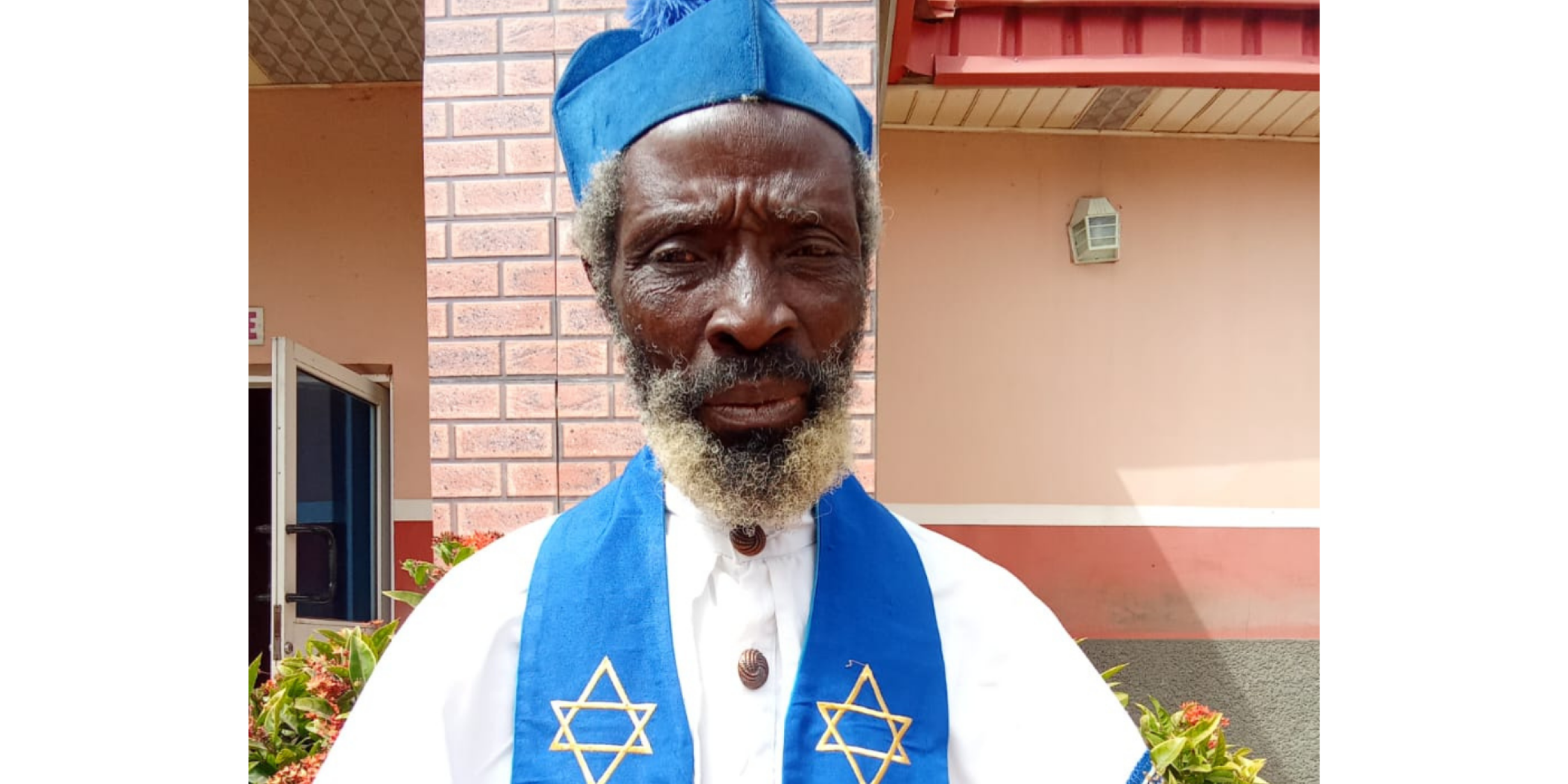
  • Is Nnamdi Kanu Being Illegally Detained? Nigerian Jewish Leader Visits IPOB Founder in Sokoto Prison, Rejects Terrorism Label and Demands His Immediate Release

    Is the continued detention of Mazi Nnamdi Kanu, leader of the Indigenous People of Biafra (IPOB), legally justified—or is it a violation of justice and human rights? This question has been reignited following a high-profile prison visit by Kohen Daniel Onuoha, a Nigerian Jewish cleric and spiritual leader of the Peace of Yahweh Synagogue and founder of Eastern Judaism, who met Kanu at the Sokoto Correctional Facility on January 10, 2026.

    Describing the visit as an act of spiritual and moral solidarity, Onuoha said he was accompanied by his wife and representatives of Jewish congregations in Nigeria’s former Eastern Region, whom he said “faithfully observe the Ten Commandments.” According to him, the visit symbolised years of prayers and sacrifices by his community for Kanu’s freedom.

    “For over five years, we have remained steadfast in daily sacrifices and prayers to Elohim without interruption,” Onuoha said, adding that the prison visit reaffirmed his commitment to justice and liberty.

    During the visit, the cleric directly challenged the legal foundation of Kanu’s continued incarceration, urging the international community, legal experts, and human rights organisations to examine what he described as questionable legal grounds for the case. He argued that Kanu’s prosecution was based on a repealed law, making the detention unlawful.

    Onuoha also rejected the designation of Kanu and IPOB as terrorists, insisting that neither the separatist leader nor the movement had committed violent acts. “Mazi Nnamdi Kanu is not a terrorist, and IPOB is not a terrorist organisation,” he declared, adding that Kanu’s ordeal stemmed from the peaceful exercise of self-determination and his public criticism of alleged abuses by political elites, foreign interests, and local power structures.

    He further contended that speech alone cannot justify criminal conviction, stressing that verbal expressions or broadcasts without evidence of violence should not result in imprisonment. Calling for Kanu’s “immediate and unconditional release,” the Jewish leader said such action was necessary to uphold justice and the rule of law.

    Beyond Kanu’s case, Onuoha appealed for broader international intervention, arguing that Biafrans continue to face marginalisation, oppression, and violence. He commended U.S. President Donald Trump for what he described as efforts to protect Christians in Nigeria and urged increased global pressure on Nigerian authorities over alleged human rights violations.

    In his closing remarks, Onuoha called on Kanu’s supporters, Biafrans, Jews, and human rights advocates to remain peaceful, resilient, and steadfast, expressing confidence that justice would ultimately prevail.

    The visit raises urgent questions: Is Nnamdi Kanu’s detention legally valid? Has the terrorism label been misapplied? And will international scrutiny finally force a reassessment of one of Nigeria’s most controversial political prosecutions?

    Is Nnamdi Kanu Being Illegally Detained? Nigerian Jewish Leader Visits IPOB Founder in Sokoto Prison, Rejects Terrorism Label and Demands His Immediate Release Is the continued detention of Mazi Nnamdi Kanu, leader of the Indigenous People of Biafra (IPOB), legally justified—or is it a violation of justice and human rights? This question has been reignited following a high-profile prison visit by Kohen Daniel Onuoha, a Nigerian Jewish cleric and spiritual leader of the Peace of Yahweh Synagogue and founder of Eastern Judaism, who met Kanu at the Sokoto Correctional Facility on January 10, 2026. Describing the visit as an act of spiritual and moral solidarity, Onuoha said he was accompanied by his wife and representatives of Jewish congregations in Nigeria’s former Eastern Region, whom he said “faithfully observe the Ten Commandments.” According to him, the visit symbolised years of prayers and sacrifices by his community for Kanu’s freedom. “For over five years, we have remained steadfast in daily sacrifices and prayers to Elohim without interruption,” Onuoha said, adding that the prison visit reaffirmed his commitment to justice and liberty. During the visit, the cleric directly challenged the legal foundation of Kanu’s continued incarceration, urging the international community, legal experts, and human rights organisations to examine what he described as questionable legal grounds for the case. He argued that Kanu’s prosecution was based on a repealed law, making the detention unlawful. Onuoha also rejected the designation of Kanu and IPOB as terrorists, insisting that neither the separatist leader nor the movement had committed violent acts. “Mazi Nnamdi Kanu is not a terrorist, and IPOB is not a terrorist organisation,” he declared, adding that Kanu’s ordeal stemmed from the peaceful exercise of self-determination and his public criticism of alleged abuses by political elites, foreign interests, and local power structures. He further contended that speech alone cannot justify criminal conviction, stressing that verbal expressions or broadcasts without evidence of violence should not result in imprisonment. Calling for Kanu’s “immediate and unconditional release,” the Jewish leader said such action was necessary to uphold justice and the rule of law. Beyond Kanu’s case, Onuoha appealed for broader international intervention, arguing that Biafrans continue to face marginalisation, oppression, and violence. He commended U.S. President Donald Trump for what he described as efforts to protect Christians in Nigeria and urged increased global pressure on Nigerian authorities over alleged human rights violations. In his closing remarks, Onuoha called on Kanu’s supporters, Biafrans, Jews, and human rights advocates to remain peaceful, resilient, and steadfast, expressing confidence that justice would ultimately prevail. The visit raises urgent questions: Is Nnamdi Kanu’s detention legally valid? Has the terrorism label been misapplied? And will international scrutiny finally force a reassessment of one of Nigeria’s most controversial political prosecutions?
    love
    1
    · 0 التعليقات ·0 المشاركات ·3كيلو بايت مشاهدة
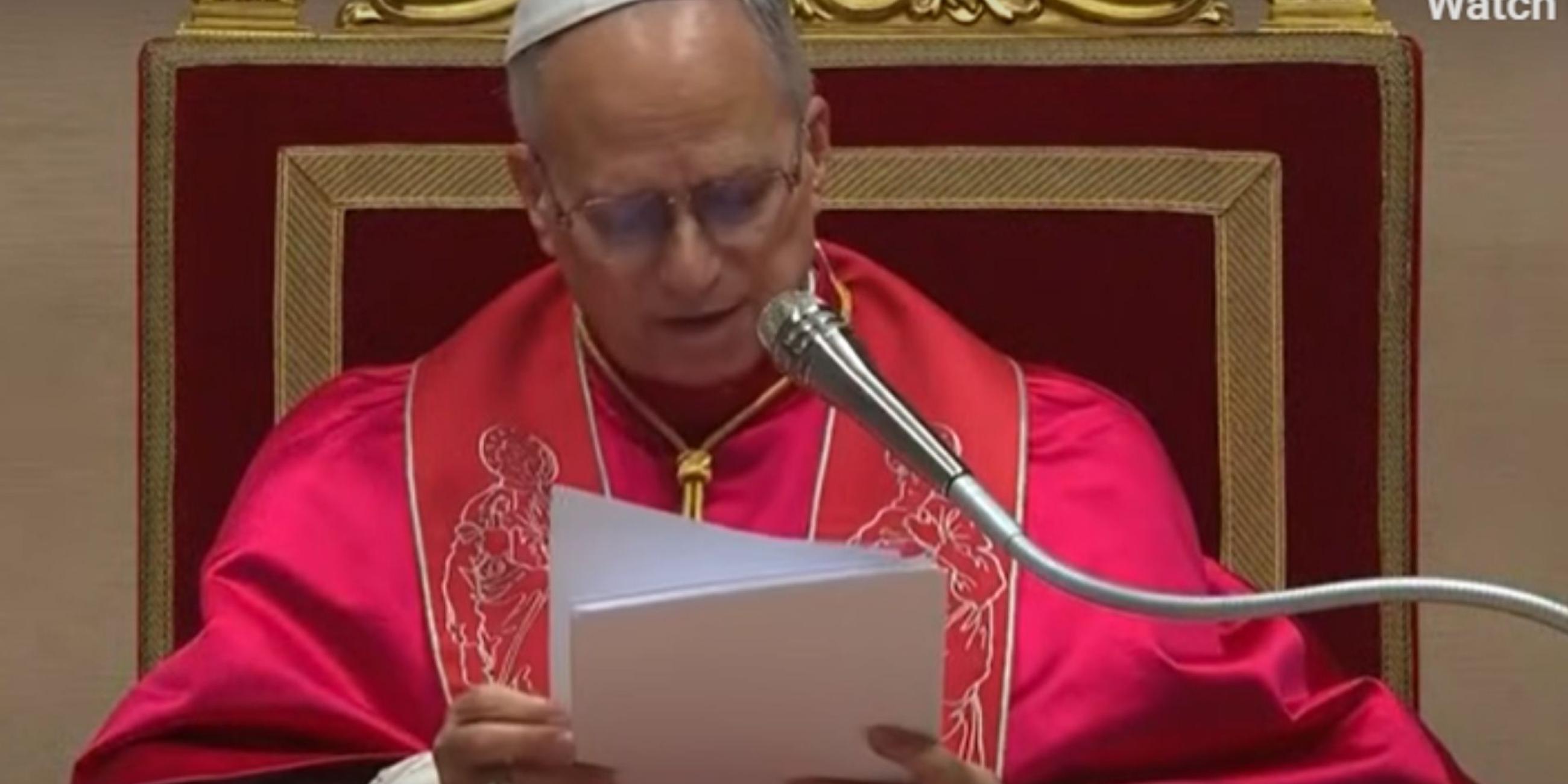
  • Is Abortion ‘Fake Compassion’? Why Pope Leo’s First Major Vatican Speech Condemning Abortion, Surrogacy and Euthanasia Is Reigniting a Global Moral Debate

    Is the world redefining compassion in a way that undermines human dignity? In his first major address at the Vatican, Pope Leo has taken a firm stance against abortion, surrogacy, and euthanasia, branding them as practices that distort the true meaning of compassion and threaten the sanctity of human life.

    Speaking on issues ranging from justice and prisoners’ rights to family life and the protection of vulnerable groups, the new pontiff described abortion as a direct rejection of life, stating that it “cuts short a growing life and refuses to welcome the gift of life.” He warned against what he called “deceptive forms of compassion” promoted by modern societies, arguing that true compassion must defend life rather than eliminate it.

    Pope Leo framed his message within a broader reflection on human dignity, emphasizing that human beings are created in the image and likeness of God and are called to love. According to him, this calling finds its clearest expression within the family—an institution he said is now under sustained pressure worldwide. He identified two major challenges facing families today: neglect by international systems and the rise of fragile, broken households afflicted by internal struggles, including domestic violence.

    Stressing the moral responsibility toward unborn children, the Pope said the union between a man and a woman carries an ethical obligation to protect life. He condemned growing international efforts to expand access to abortion across borders, expressing deep concern over projects that fund “cross-border mobility” for what he described as the “so-called right to safe abortion.” He called it “deplorable” that public resources are used to suppress life rather than support mothers and families, insisting that governments should prioritize protecting unborn children while providing concrete assistance to women facing difficult pregnancies.

    Beyond abortion, Pope Leo also denounced surrogacy, describing it as a practice that strips both women and children of dignity by turning pregnancy into a negotiable service. He argued that such arrangements reduce children to commodities and exploit women’s bodies, distorting the natural and relational foundation of the family.

    The pontiff further criticized euthanasia, again labeling it a misleading form of compassion, and urged states to invest in palliative care and authentic solidarity instead of policies that hasten death. In the same address, he spoke out on prisoners’ rights, political detainees, migrants, and the abolition of the death penalty, which he described as a punishment that “destroys all hope of forgiveness and renewal.”

    The speech marks the clearest articulation yet of Pope Leo’s moral priorities and signals what many observers see as a continuation—and possible intensification—of the Vatican’s opposition to abortion, surrogacy, and euthanasia. As governments, activists, and faith communities worldwide remain sharply divided on reproductive rights and end-of-life policies, the Pope’s remarks have reignited a global conversation: Is modern society redefining compassion in ways that contradict the protection of life, or is the Vatican standing against changing realities of human rights and personal choice?


    Is Abortion ‘Fake Compassion’? Why Pope Leo’s First Major Vatican Speech Condemning Abortion, Surrogacy and Euthanasia Is Reigniting a Global Moral Debate Is the world redefining compassion in a way that undermines human dignity? In his first major address at the Vatican, Pope Leo has taken a firm stance against abortion, surrogacy, and euthanasia, branding them as practices that distort the true meaning of compassion and threaten the sanctity of human life. Speaking on issues ranging from justice and prisoners’ rights to family life and the protection of vulnerable groups, the new pontiff described abortion as a direct rejection of life, stating that it “cuts short a growing life and refuses to welcome the gift of life.” He warned against what he called “deceptive forms of compassion” promoted by modern societies, arguing that true compassion must defend life rather than eliminate it. Pope Leo framed his message within a broader reflection on human dignity, emphasizing that human beings are created in the image and likeness of God and are called to love. According to him, this calling finds its clearest expression within the family—an institution he said is now under sustained pressure worldwide. He identified two major challenges facing families today: neglect by international systems and the rise of fragile, broken households afflicted by internal struggles, including domestic violence. Stressing the moral responsibility toward unborn children, the Pope said the union between a man and a woman carries an ethical obligation to protect life. He condemned growing international efforts to expand access to abortion across borders, expressing deep concern over projects that fund “cross-border mobility” for what he described as the “so-called right to safe abortion.” He called it “deplorable” that public resources are used to suppress life rather than support mothers and families, insisting that governments should prioritize protecting unborn children while providing concrete assistance to women facing difficult pregnancies. Beyond abortion, Pope Leo also denounced surrogacy, describing it as a practice that strips both women and children of dignity by turning pregnancy into a negotiable service. He argued that such arrangements reduce children to commodities and exploit women’s bodies, distorting the natural and relational foundation of the family. The pontiff further criticized euthanasia, again labeling it a misleading form of compassion, and urged states to invest in palliative care and authentic solidarity instead of policies that hasten death. In the same address, he spoke out on prisoners’ rights, political detainees, migrants, and the abolition of the death penalty, which he described as a punishment that “destroys all hope of forgiveness and renewal.” The speech marks the clearest articulation yet of Pope Leo’s moral priorities and signals what many observers see as a continuation—and possible intensification—of the Vatican’s opposition to abortion, surrogacy, and euthanasia. As governments, activists, and faith communities worldwide remain sharply divided on reproductive rights and end-of-life policies, the Pope’s remarks have reignited a global conversation: Is modern society redefining compassion in ways that contradict the protection of life, or is the Vatican standing against changing realities of human rights and personal choice?
    0 التعليقات ·0 المشاركات ·2كيلو بايت مشاهدة
  • Is IGP Kayode Egbetokun Headed to Prison? Can Nigeria’s Police Chief Be Jailed for Defying Court Orders Over SARS Abduction and Disappearance of Lagos Resident?

    Is Nigeria’s top police officer facing imprisonment for ignoring a federal court? The Inspector-General of Police, Kayode Egbetokun, now risks being committed to Kuje Correctional Centre after allegedly refusing to comply with binding court orders concerning the abduction and disappearance of John Chukwuemeka Anozie, a Lagos resident taken from his Lekki home in June 2017.

    Legal action was initiated by Vincent Adodo, counsel to Anozie’s wife, who has filed contempt proceedings against the IGP for what he describes as persistent disobedience of a subsisting judgment of the Federal High Court, Abuja. The ruling, delivered on September 24, 2025 by Justice Binta Nyako, arose from a Freedom of Information (FOI) suit filed by Mrs. Nnenna Anozie after years of unanswered requests for investigation records relating to her husband’s disappearance.

    In its judgment, the court ordered the IGP—who failed to file any defence—to produce for prosecution former officers of the now-defunct Special Anti-Robbery Squad (SARS) from Akwuzu, Anambra State, accused of abducting Anozie. The court further awarded ₦2 million in damages against the IGP for refusing to release investigation reports and directed him to forward both the police investigation file and the legal opinion recommending prosecution to the Attorney General of the Federation.

    The judgment explicitly noted that police authorities had failed to prosecute the officers despite an internal legal opinion recommending criminal charges. Those listed include ASP Anthony Obiozor Ikechukwu, Sgt. Uzochukwu Emeana, John Eze, Oriole (aka T-Boy), and SP Sunday Okpe.

    Yet months after being served with the court order in October 2025, the IGP has allegedly neither prosecuted the officers nor paid the ₦2 million damages. In response, Anozie’s lawyer triggered enforcement by serving the police chief with Form 48 (Notice of Consequences of Disobedience) and Form 49 (Notice of Committal to Prison)—legal steps that can result in imprisonment for contempt of court.

    Court filings now show that Mrs. Anozie is seeking an order to commit the IGP to prison until he obeys the court by releasing certified investigation reports, transmitting the case file to the Attorney General, handing over the indicted officers for prosecution, and paying the damages awarded.

    The matter is scheduled for hearing on February 9, 2025, when the IGP is expected to “show cause” why he should not be jailed for contempt.

    Beyond the personal tragedy of a family still searching for answers after eight years, the case raises a larger constitutional question: Can Nigeria’s most powerful police officer be held personally accountable for disobeying court orders? The outcome could set a critical precedent for rule of law, police accountability, and victims’ access to justice in cases of alleged state abuse.

    As the hearing approaches, legal observers, human rights advocates, and the public are watching closely: Will the judiciary enforce its authority against the nation’s police chief—or will impunity prevail once again?
    Is IGP Kayode Egbetokun Headed to Prison? Can Nigeria’s Police Chief Be Jailed for Defying Court Orders Over SARS Abduction and Disappearance of Lagos Resident? Is Nigeria’s top police officer facing imprisonment for ignoring a federal court? The Inspector-General of Police, Kayode Egbetokun, now risks being committed to Kuje Correctional Centre after allegedly refusing to comply with binding court orders concerning the abduction and disappearance of John Chukwuemeka Anozie, a Lagos resident taken from his Lekki home in June 2017. Legal action was initiated by Vincent Adodo, counsel to Anozie’s wife, who has filed contempt proceedings against the IGP for what he describes as persistent disobedience of a subsisting judgment of the Federal High Court, Abuja. The ruling, delivered on September 24, 2025 by Justice Binta Nyako, arose from a Freedom of Information (FOI) suit filed by Mrs. Nnenna Anozie after years of unanswered requests for investigation records relating to her husband’s disappearance. In its judgment, the court ordered the IGP—who failed to file any defence—to produce for prosecution former officers of the now-defunct Special Anti-Robbery Squad (SARS) from Akwuzu, Anambra State, accused of abducting Anozie. The court further awarded ₦2 million in damages against the IGP for refusing to release investigation reports and directed him to forward both the police investigation file and the legal opinion recommending prosecution to the Attorney General of the Federation. The judgment explicitly noted that police authorities had failed to prosecute the officers despite an internal legal opinion recommending criminal charges. Those listed include ASP Anthony Obiozor Ikechukwu, Sgt. Uzochukwu Emeana, John Eze, Oriole (aka T-Boy), and SP Sunday Okpe. Yet months after being served with the court order in October 2025, the IGP has allegedly neither prosecuted the officers nor paid the ₦2 million damages. In response, Anozie’s lawyer triggered enforcement by serving the police chief with Form 48 (Notice of Consequences of Disobedience) and Form 49 (Notice of Committal to Prison)—legal steps that can result in imprisonment for contempt of court. Court filings now show that Mrs. Anozie is seeking an order to commit the IGP to prison until he obeys the court by releasing certified investigation reports, transmitting the case file to the Attorney General, handing over the indicted officers for prosecution, and paying the damages awarded. The matter is scheduled for hearing on February 9, 2025, when the IGP is expected to “show cause” why he should not be jailed for contempt. Beyond the personal tragedy of a family still searching for answers after eight years, the case raises a larger constitutional question: Can Nigeria’s most powerful police officer be held personally accountable for disobeying court orders? The outcome could set a critical precedent for rule of law, police accountability, and victims’ access to justice in cases of alleged state abuse. As the hearing approaches, legal observers, human rights advocates, and the public are watching closely: Will the judiciary enforce its authority against the nation’s police chief—or will impunity prevail once again?
    0 التعليقات ·0 المشاركات ·2كيلو بايت مشاهدة
  • Nigerian Man Sentenced to Death in Malaysia for Killing 4-Year-Old Step-Grandson

    A Malaysian High Court has sentenced 48-year-old Nigerian, Ibekwe Emeka Augustine, to death for murdering his four-year-old step-grandson by throwing the child from the third floor of an apartment in Setapak. The incident occurred on November 29, 2020, between 7:45 a.m. and 8:15 a.m., during a violent episode in which Augustine also attacked other family members.

    Justice K. Muniandy, who delivered the verdict, found Augustine guilty under Section 302 of the Penal Code for murder. He was additionally convicted on four other charges, including attempted murder of his biological son, grievous hurt to his wife, attempted suicide, and sexual assault of his stepdaughter. For these charges, he received a 14-year prison term to run concurrently from the date of his arrest.

    Deputy Public Prosecutor Zaileen Nadia Zubir described the acts as “self-induced” due to prolonged drug abuse, highlighting the child was dangled by one leg before being thrown from the window. Witnesses confirmed the brutal act, including the mother of the victim. Augustine also inflicted severe injuries on his wife, including a fractured hip.

    During the trial, 22 prosecution witnesses and two defence witnesses testified. In mitigation, Augustine’s lawyer pleaded for life imprisonment, citing first-time offender status and remorse. Justice Muniandy condemned the crimes as “inhuman and despicable,” emphasizing that they occurred within a single day and persisted even after the wife attempted to intervene.

    The case has drawn international attention for its brutality and underscores Malaysia’s strict enforcement of capital punishment for severe violent crimes.


    #MalaysiaJustice #NigerianSentenced #ChildMurder #JusticeServed

    Nigerian Man Sentenced to Death in Malaysia for Killing 4-Year-Old Step-Grandson A Malaysian High Court has sentenced 48-year-old Nigerian, Ibekwe Emeka Augustine, to death for murdering his four-year-old step-grandson by throwing the child from the third floor of an apartment in Setapak. The incident occurred on November 29, 2020, between 7:45 a.m. and 8:15 a.m., during a violent episode in which Augustine also attacked other family members. Justice K. Muniandy, who delivered the verdict, found Augustine guilty under Section 302 of the Penal Code for murder. He was additionally convicted on four other charges, including attempted murder of his biological son, grievous hurt to his wife, attempted suicide, and sexual assault of his stepdaughter. For these charges, he received a 14-year prison term to run concurrently from the date of his arrest. Deputy Public Prosecutor Zaileen Nadia Zubir described the acts as “self-induced” due to prolonged drug abuse, highlighting the child was dangled by one leg before being thrown from the window. Witnesses confirmed the brutal act, including the mother of the victim. Augustine also inflicted severe injuries on his wife, including a fractured hip. During the trial, 22 prosecution witnesses and two defence witnesses testified. In mitigation, Augustine’s lawyer pleaded for life imprisonment, citing first-time offender status and remorse. Justice Muniandy condemned the crimes as “inhuman and despicable,” emphasizing that they occurred within a single day and persisted even after the wife attempted to intervene. The case has drawn international attention for its brutality and underscores Malaysia’s strict enforcement of capital punishment for severe violent crimes. #MalaysiaJustice #NigerianSentenced #ChildMurder #JusticeServed
    0 التعليقات ·0 المشاركات ·1كيلو بايت مشاهدة
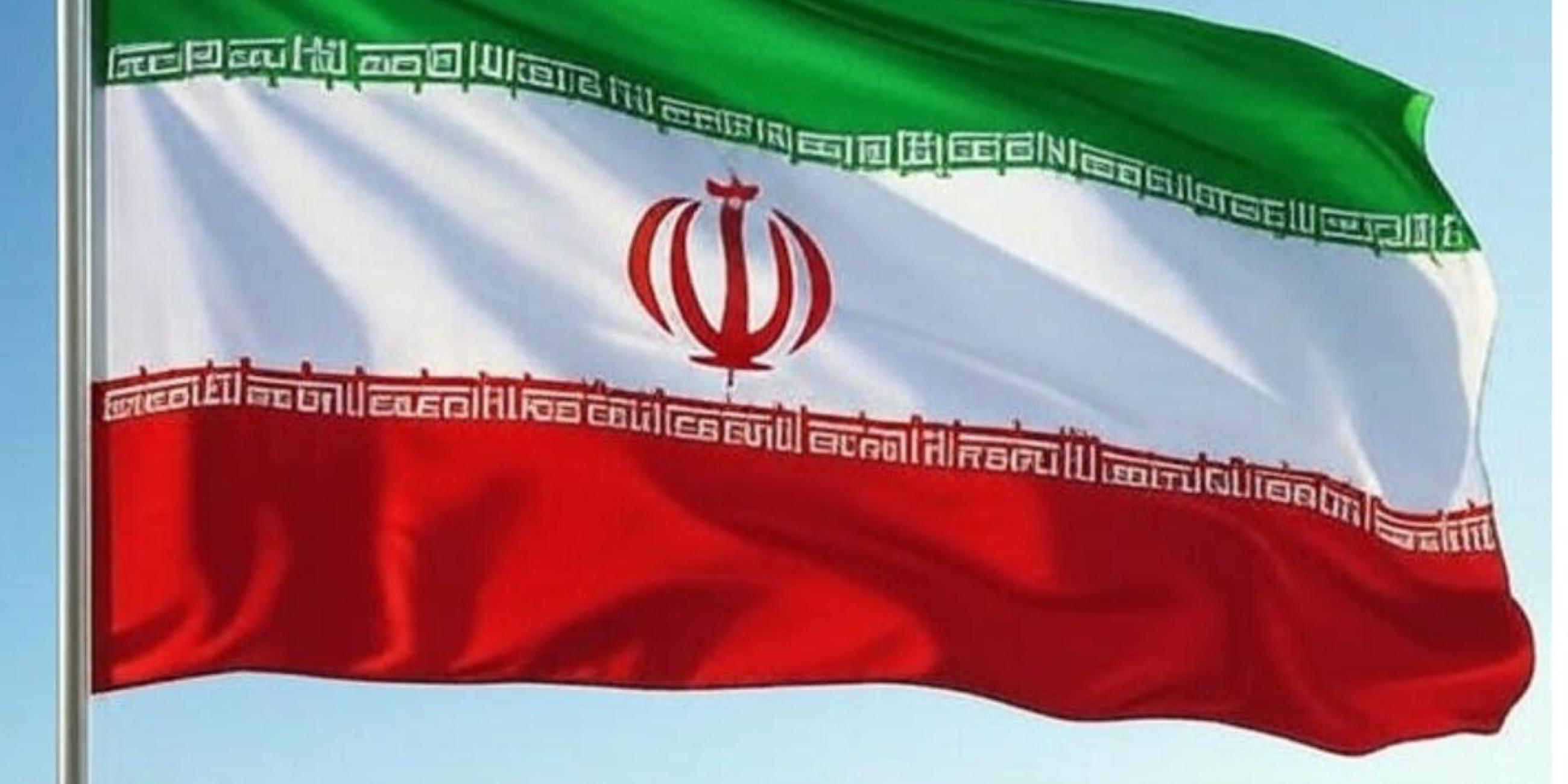
  • Is Iran Facing a New Uprising? How Nationwide Protests, Internet Blackouts and Reza Pahlavi’s Call Are Challenging Khamenei’s Rule

    Iran was gripped by renewed nationwide protests on Thursday night as demonstrators poured into the streets of Tehran and other cities following a call for mass action by exiled crown prince Reza Pahlavi. Witnesses reported chanting from rooftops and in neighbourhoods, while authorities quickly moved to cut internet access and telephone lines, a tactic historically used ahead of harsh crackdowns.

    The demonstrations marked a significant escalation in unrest driven largely by economic hardship, currency collapse, and public anger at Iran’s political system. They also represented the first major test of whether Pahlavi—whose father was overthrown in the 1979 Islamic Revolution—could mobilise meaningful opposition inside the country. Protests had already erupted the previous day in cities and rural towns, with markets and bazaars closing in solidarity.

    According to the U.S.-based Human Rights Activists News Agency, at least 41 people have been killed and more than 2,270 detained since the protests began. Monitoring groups such as Cloudflare and NetBlocks reported widespread digital shutdowns, attributing them to government interference. Calls to Iran from abroad reportedly failed, a sign often preceding intensified security operations.

    Despite the scale of the unrest, the movement has remained largely leaderless, prompting debate over whether it can sustain momentum or force political change. Analysts note that previous protest waves faltered due to the absence of a unified leadership structure, as Iran’s security apparatus has historically arrested, exiled, or silenced potential opposition figures.

    At the appointed protest hour, chants echoed across Tehran: “Death to the dictator!” “Death to the Islamic Republic!” and slogans calling for the return of the monarchy. In a statement, Pahlavi urged Iranians to continue demonstrating, declaring that “the eyes of the world are upon you,” and warning authorities that repression would not go unnoticed internationally.

    Iranian officials have not publicly acknowledged the full scope of the unrest, though state-linked media confirmed casualties among security forces. Reports from the judiciary and semi-official outlets said police officers and Revolutionary Guard members were killed in separate attacks in provinces including Kermanshah, Chaharmahal and Bakhtiari, and Khorasan Razavi. Hard-line media also circulated warnings that security agencies could use drones to identify protesters.

    The unrest comes amid deepening economic strain. Following tighter sanctions and the aftermath of a brief war, Iran’s currency collapsed in December to about 1.4 million rials to the U.S. dollar, triggering renewed demonstrations and calls for an end to clerical rule. U.S. President Donald Trump warned that Washington would respond if peaceful protesters were violently repressed, a statement Iran’s Foreign Ministry dismissed as “hypocritical interference.”

    Meanwhile, Nobel Peace Prize laureate Narges Mohammadi remains imprisoned, with her family saying the protests echo earlier uprisings in 2009 and 2019, each demanding an end to what they describe as a “dictatorial religious regime.”

    As unrest spreads and communication blackouts deepen, pressing questions remain: Can these protests break the cycle of repression? Will Reza Pahlavi emerge as a unifying figure or remain symbolic? And is Iran approaching a turning point—or another crackdown? With anger rising and the government tightening control, the unfolding crisis is shaping up as one of the most serious challenges to Iran’s leadership in years.


    Is Iran Facing a New Uprising? How Nationwide Protests, Internet Blackouts and Reza Pahlavi’s Call Are Challenging Khamenei’s Rule Iran was gripped by renewed nationwide protests on Thursday night as demonstrators poured into the streets of Tehran and other cities following a call for mass action by exiled crown prince Reza Pahlavi. Witnesses reported chanting from rooftops and in neighbourhoods, while authorities quickly moved to cut internet access and telephone lines, a tactic historically used ahead of harsh crackdowns. The demonstrations marked a significant escalation in unrest driven largely by economic hardship, currency collapse, and public anger at Iran’s political system. They also represented the first major test of whether Pahlavi—whose father was overthrown in the 1979 Islamic Revolution—could mobilise meaningful opposition inside the country. Protests had already erupted the previous day in cities and rural towns, with markets and bazaars closing in solidarity. According to the U.S.-based Human Rights Activists News Agency, at least 41 people have been killed and more than 2,270 detained since the protests began. Monitoring groups such as Cloudflare and NetBlocks reported widespread digital shutdowns, attributing them to government interference. Calls to Iran from abroad reportedly failed, a sign often preceding intensified security operations. Despite the scale of the unrest, the movement has remained largely leaderless, prompting debate over whether it can sustain momentum or force political change. Analysts note that previous protest waves faltered due to the absence of a unified leadership structure, as Iran’s security apparatus has historically arrested, exiled, or silenced potential opposition figures. At the appointed protest hour, chants echoed across Tehran: “Death to the dictator!” “Death to the Islamic Republic!” and slogans calling for the return of the monarchy. In a statement, Pahlavi urged Iranians to continue demonstrating, declaring that “the eyes of the world are upon you,” and warning authorities that repression would not go unnoticed internationally. Iranian officials have not publicly acknowledged the full scope of the unrest, though state-linked media confirmed casualties among security forces. Reports from the judiciary and semi-official outlets said police officers and Revolutionary Guard members were killed in separate attacks in provinces including Kermanshah, Chaharmahal and Bakhtiari, and Khorasan Razavi. Hard-line media also circulated warnings that security agencies could use drones to identify protesters. The unrest comes amid deepening economic strain. Following tighter sanctions and the aftermath of a brief war, Iran’s currency collapsed in December to about 1.4 million rials to the U.S. dollar, triggering renewed demonstrations and calls for an end to clerical rule. U.S. President Donald Trump warned that Washington would respond if peaceful protesters were violently repressed, a statement Iran’s Foreign Ministry dismissed as “hypocritical interference.” Meanwhile, Nobel Peace Prize laureate Narges Mohammadi remains imprisoned, with her family saying the protests echo earlier uprisings in 2009 and 2019, each demanding an end to what they describe as a “dictatorial religious regime.” As unrest spreads and communication blackouts deepen, pressing questions remain: Can these protests break the cycle of repression? Will Reza Pahlavi emerge as a unifying figure or remain symbolic? And is Iran approaching a turning point—or another crackdown? With anger rising and the government tightening control, the unfolding crisis is shaping up as one of the most serious challenges to Iran’s leadership in years.
    0 التعليقات ·0 المشاركات ·2كيلو بايت مشاهدة
  • Malami Delays Bail as DSS Besiege Kuje Prison Over Terrorism Financing Probe – Inside the High-Stakes Showdown

    Former Attorney General of the Federation, Abubakar Malami (SAN), has reportedly slowed the processing of his bail following a heavy deployment of Department of State Services (DSS) operatives at the Kuje Medium Security Custodial Centre (MSCC) in Abuja. Sources indicate that over 50 DSS officers established a perimeter around the prison, arriving in a convoy of approximately six Toyota Hilux vans, amid fears that Malami could be immediately rearrested in connection with an ongoing terrorism financing investigation.

    Malami, who was granted bail by the Federal High Court in Abuja in his N8.7 billion money laundering case, instructed his legal team to delay the release process, remaining in the VIP segregation cell of the prison, a section previously refurbished by former police intelligence chief Abba Kyari and known for housing high-profile detainees. His son, Abubakar Abdulaziz, and fourth wife, Hajia Bashir Asabe, remain at the facility, with Abdulaziz reportedly admitted to the prison clinic for observation after falling ill.

    The EFCC had arraigned Malami, Asabe, and Abdulaziz on a 16-count charge involving conspiracy, laundering, and concealment of unlawful proceeds totaling ₦8,713,923,759.49 under the Money Laundering (Prevention and Prohibition) Act, 2022. While terrorism financing is not part of the formal charges, security sources link ongoing investigations to Malami and other high-profile figures regarding the flow of Abacha loot recovered from Switzerland and the UK.

    Retired Army General Danjuma Ali-Keffi, former head of counter-terrorism Task Force Operation Service Wide (OSW), revealed that investigations into Boko Haram financiers exposed networks allegedly connected to senior military officers, top financial officials, and government figures, including Malami. Ali-Keffi claimed Malami interfered with these investigations by removing key prosecutors and influencing the release of certain suspects, actions that undermined anti-terrorism operations.

    This unfolding situation underscores heightened tensions between Nigerian law enforcement agencies and high-profile figures, highlighting the complex interplay of money laundering, terrorism financing probes, and political influence. Authorities remain on high alert as Malami’s legal maneuvering continues amid nationwide scrutiny of his activities.


    Malami Delays Bail as DSS Besiege Kuje Prison Over Terrorism Financing Probe – Inside the High-Stakes Showdown Former Attorney General of the Federation, Abubakar Malami (SAN), has reportedly slowed the processing of his bail following a heavy deployment of Department of State Services (DSS) operatives at the Kuje Medium Security Custodial Centre (MSCC) in Abuja. Sources indicate that over 50 DSS officers established a perimeter around the prison, arriving in a convoy of approximately six Toyota Hilux vans, amid fears that Malami could be immediately rearrested in connection with an ongoing terrorism financing investigation. Malami, who was granted bail by the Federal High Court in Abuja in his N8.7 billion money laundering case, instructed his legal team to delay the release process, remaining in the VIP segregation cell of the prison, a section previously refurbished by former police intelligence chief Abba Kyari and known for housing high-profile detainees. His son, Abubakar Abdulaziz, and fourth wife, Hajia Bashir Asabe, remain at the facility, with Abdulaziz reportedly admitted to the prison clinic for observation after falling ill. The EFCC had arraigned Malami, Asabe, and Abdulaziz on a 16-count charge involving conspiracy, laundering, and concealment of unlawful proceeds totaling ₦8,713,923,759.49 under the Money Laundering (Prevention and Prohibition) Act, 2022. While terrorism financing is not part of the formal charges, security sources link ongoing investigations to Malami and other high-profile figures regarding the flow of Abacha loot recovered from Switzerland and the UK. Retired Army General Danjuma Ali-Keffi, former head of counter-terrorism Task Force Operation Service Wide (OSW), revealed that investigations into Boko Haram financiers exposed networks allegedly connected to senior military officers, top financial officials, and government figures, including Malami. Ali-Keffi claimed Malami interfered with these investigations by removing key prosecutors and influencing the release of certain suspects, actions that undermined anti-terrorism operations. This unfolding situation underscores heightened tensions between Nigerian law enforcement agencies and high-profile figures, highlighting the complex interplay of money laundering, terrorism financing probes, and political influence. Authorities remain on high alert as Malami’s legal maneuvering continues amid nationwide scrutiny of his activities.
    0 التعليقات ·0 المشاركات ·2كيلو بايت مشاهدة
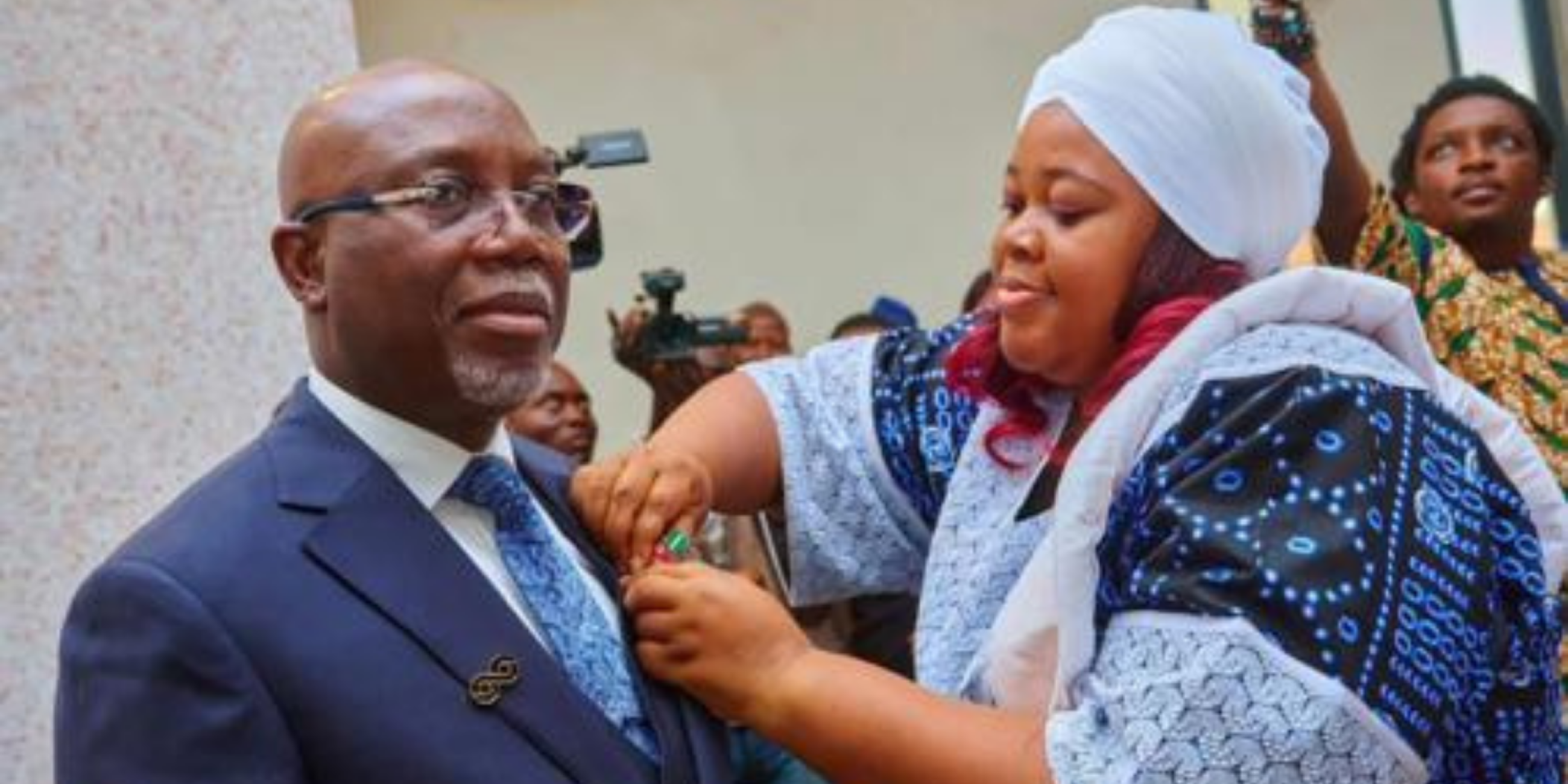
  • Is Ondo’s Governor Above the Law? Outrage as Commissioner Decorates Gov Aiyedatiwa at Public Event Despite Court Order for Her Arrest

    Is the rule of law being deliberately undermined in Ondo State, and why was a commissioner facing a court-ordered arrest allowed to appear publicly with the governor?

    Governor Lucky Aiyedatiwa has come under intense public criticism after his Commissioner for Women Affairs, Mrs Seun Osamaye, was seen participating in an official state event and decorating him with the 2026 National Armed Forces Remembrance Emblem, despite a subsisting court order directing her arrest and remand.

    The controversy stems from a ruling delivered on December 31, 2025, by a Magistrate Court in Ondo State, which ordered the arrest and imprisonment of Mrs Osamaye over allegations of assault, intimidation, and threats against a serving Chief Magistrate, Mrs Temitope Alphonso. According to court records, the commissioner was accused of verbally and physically confronting the magistrate during an official visit to the Ministry of Women Affairs following a judgment that was reportedly unfavourable to her.

    Public outrage erupted after photographs of the commissioner at Wednesday’s event circulated on social media. Legal commentators noted that no court order had vacated or overturned the ruling, and that the magistrates’ indefinite strike in Ondo State made it impossible for any judicial review to have lawfully taken place. “The order remains valid and enforceable,” one observer said, describing the public appearance as “a slap on the judiciary.”

    Critics questioned how a public official facing a lawful arrest order could be allowed to take part in a high-profile state function—especially one honouring the governor, who is constitutionally bound to uphold the law. “How can a governor permit an appointee who ought to be in custody to decorate him in public?” one source asked, calling the episode “a show of shame” and evidence of “disrespect and disregard for the rule of law.”

    Court documents allege that Mrs Osamaye verbally abused and threatened Magistrate Alphonso, reportedly telling her to “shut up,” referring to her as “a mere magistrate,” and boasting that even the Chief Judge of Ondo State could not challenge her authority. The affidavit further claims she issued threats suggesting the magistrate could be made to “go missing,” actions described as intimidation and abuse of political influence.

    Mrs Osamaye failed to appear in court on the hearing date. Her counsel submitted a medical report claiming she was receiving treatment, but the presiding magistrate, Mr Damilola Sekoni, rejected the document for lacking essential details. He subsequently ordered her arrest and remand, citing what he described as a clear disregard for the authority of the court, and adjourned the matter to January 12.

    The Nigerian Bar Association (NBA), Akure Branch, has since called on Governor Aiyedatiwa to suspend the commissioner to allow her face prosecution without interference. The NBA warned that the alleged conduct, if proven, constitutes a direct attack on judicial independence and a dangerous erosion of public confidence in the justice system.

    The episode has raised urgent questions:
    Did the Ondo State Government knowingly disregard a valid court order?
    What message does this send about accountability and equality before the law?
    And can public trust in the judiciary survive when court directives appear openly defied?

    As legal bodies demand action and citizens express outrage, the controversy has become a critical test of rule of law, separation of powers, and democratic accountability in Ondo State.


    Is Ondo’s Governor Above the Law? Outrage as Commissioner Decorates Gov Aiyedatiwa at Public Event Despite Court Order for Her Arrest Is the rule of law being deliberately undermined in Ondo State, and why was a commissioner facing a court-ordered arrest allowed to appear publicly with the governor? Governor Lucky Aiyedatiwa has come under intense public criticism after his Commissioner for Women Affairs, Mrs Seun Osamaye, was seen participating in an official state event and decorating him with the 2026 National Armed Forces Remembrance Emblem, despite a subsisting court order directing her arrest and remand. The controversy stems from a ruling delivered on December 31, 2025, by a Magistrate Court in Ondo State, which ordered the arrest and imprisonment of Mrs Osamaye over allegations of assault, intimidation, and threats against a serving Chief Magistrate, Mrs Temitope Alphonso. According to court records, the commissioner was accused of verbally and physically confronting the magistrate during an official visit to the Ministry of Women Affairs following a judgment that was reportedly unfavourable to her. Public outrage erupted after photographs of the commissioner at Wednesday’s event circulated on social media. Legal commentators noted that no court order had vacated or overturned the ruling, and that the magistrates’ indefinite strike in Ondo State made it impossible for any judicial review to have lawfully taken place. “The order remains valid and enforceable,” one observer said, describing the public appearance as “a slap on the judiciary.” Critics questioned how a public official facing a lawful arrest order could be allowed to take part in a high-profile state function—especially one honouring the governor, who is constitutionally bound to uphold the law. “How can a governor permit an appointee who ought to be in custody to decorate him in public?” one source asked, calling the episode “a show of shame” and evidence of “disrespect and disregard for the rule of law.” Court documents allege that Mrs Osamaye verbally abused and threatened Magistrate Alphonso, reportedly telling her to “shut up,” referring to her as “a mere magistrate,” and boasting that even the Chief Judge of Ondo State could not challenge her authority. The affidavit further claims she issued threats suggesting the magistrate could be made to “go missing,” actions described as intimidation and abuse of political influence. Mrs Osamaye failed to appear in court on the hearing date. Her counsel submitted a medical report claiming she was receiving treatment, but the presiding magistrate, Mr Damilola Sekoni, rejected the document for lacking essential details. He subsequently ordered her arrest and remand, citing what he described as a clear disregard for the authority of the court, and adjourned the matter to January 12. The Nigerian Bar Association (NBA), Akure Branch, has since called on Governor Aiyedatiwa to suspend the commissioner to allow her face prosecution without interference. The NBA warned that the alleged conduct, if proven, constitutes a direct attack on judicial independence and a dangerous erosion of public confidence in the justice system. The episode has raised urgent questions: Did the Ondo State Government knowingly disregard a valid court order? What message does this send about accountability and equality before the law? And can public trust in the judiciary survive when court directives appear openly defied? As legal bodies demand action and citizens express outrage, the controversy has become a critical test of rule of law, separation of powers, and democratic accountability in Ondo State.
    0 التعليقات ·0 المشاركات ·2كيلو بايت مشاهدة
الصفحات المعززة
Fintter https://fintter.com