• A musician known as Prince Midnight created a unique electric guitar called the “Skelecaster” using the real skeleton of his late uncle, Filip. The unusual instrument was made as a tribute to the man who first introduced him to heavy metal music.

    After Filip’s remains were sent from Greece to the United States, Prince Midnight decided to honor his memory in a creative and unconventional way. He carefully transformed the skeleton into a fully functional guitar, combining art, music, and remembrance.

    The Skelecaster quickly gained attention online for its shocking design and emotional backstory. For Prince Midnight, it was more than just an instrument it was a personal tribute to family, music, and the bond they shared through heavy metal.
    A musician known as Prince Midnight created a unique electric guitar called the “Skelecaster” using the real skeleton of his late uncle, Filip. The unusual instrument was made as a tribute to the man who first introduced him to heavy metal music. After Filip’s remains were sent from Greece to the United States, Prince Midnight decided to honor his memory in a creative and unconventional way. He carefully transformed the skeleton into a fully functional guitar, combining art, music, and remembrance. The Skelecaster quickly gained attention online for its shocking design and emotional backstory. For Prince Midnight, it was more than just an instrument it was a personal tribute to family, music, and the bond they shared through heavy metal.
    like
    1
    · 0 Commentarii ·0 Distribuiri ·3K Views
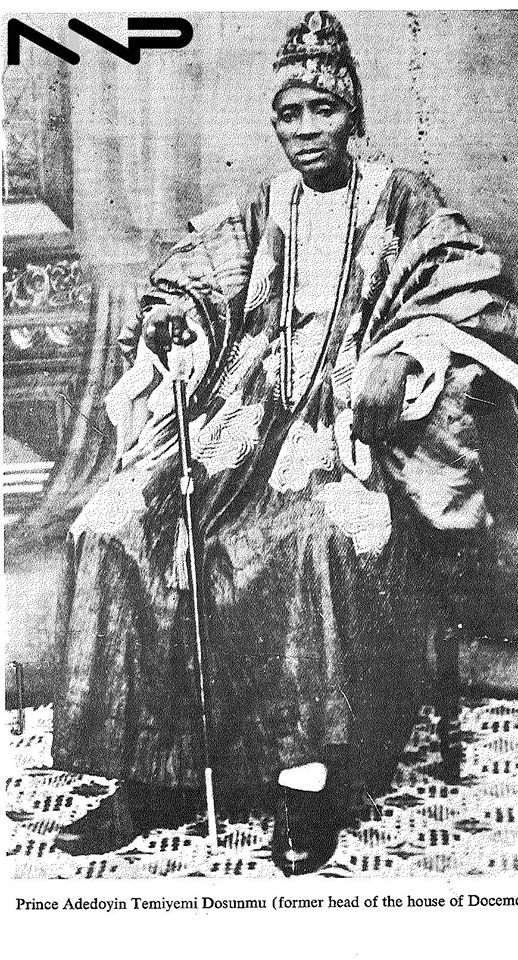
  • Prince Adedoyin Temiyemi Dosunmnu (?- 1949).

    He temporarily occupied Iga Idunganran (Oba of Lagos' palace) between the death of Oba Falolu Dosunmu in September 1949 and the installation of Oba Adeniji Adele II on October 1, 1949.
    Prince Adedoyin Temiyemi Dosunmnu (?- 1949). He temporarily occupied Iga Idunganran (Oba of Lagos' palace) between the death of Oba Falolu Dosunmu in September 1949 and the installation of Oba Adeniji Adele II on October 1, 1949.
    like
    1
    · 0 Commentarii ·0 Distribuiri ·1K Views
  • Security Agents Abduct Critic of Interior Minister Tunji-Ojo in Ondo, Lawyer Demands Immediate Release

    Security operatives suspected to be police officers have reportedly whisked away Prince Owolemi Emorioloye, a vocal critic of Interior Minister Olubunmi Tunji-Ojo, from his residence in Igbokoda, Ondo State. Emorioloye, also known as Emotel, was allegedly manhandled by armed men who arrived in unmarked Hilux vans, with his whereabouts remaining unknown. His lawyers have petitioned the Inspector-General of Police, describing the arrest as unlawful and a violation of his fundamental rights. They are demanding his immediate release or arraignment in court, warning of legal action if authorities fail to comply.

    #legalaction
    Security Agents Abduct Critic of Interior Minister Tunji-Ojo in Ondo, Lawyer Demands Immediate Release Security operatives suspected to be police officers have reportedly whisked away Prince Owolemi Emorioloye, a vocal critic of Interior Minister Olubunmi Tunji-Ojo, from his residence in Igbokoda, Ondo State. Emorioloye, also known as Emotel, was allegedly manhandled by armed men who arrived in unmarked Hilux vans, with his whereabouts remaining unknown. His lawyers have petitioned the Inspector-General of Police, describing the arrest as unlawful and a violation of his fundamental rights. They are demanding his immediate release or arraignment in court, warning of legal action if authorities fail to comply. #legalaction
    love
    1
    · 0 Commentarii ·0 Distribuiri ·2K Views
  • Royal Wahala! 94 Princes, One Princess Jostle For Awujale Throne In Ogun

    Wahala don enter Ijebu land as no fewer than 94 princes and one princess from the Fusengbuwa ruling house have declared interest in the vacant Awujale of Ijebuland stool in Ogun State. The throne became vacant following the death of Oba Sikiru Adetona on July 13, 2025, after a historic 65-year reign. The aspirants emerged during a nomination meeting held at Bisrod Hall, GRA, Ijebu Ode, presided over by family leaders and observed by local government officials. Notable contenders include Giwa Abiodun Onanuga, Dr Kunle Hassan, and Otunba Fatai Arowolo, while the only female aspirant is Princess Oluwakemi Onanuga, a lawyer. Family head Otunba Abdulateef Owoyemi said the nomination process was peaceful and that the responsibility now rests with the kingmakers to choose the next monarch within a month. He added that all contestants had agreed to accept the final decision.

    Royal Wahala! 94 Princes, One Princess Jostle For Awujale Throne In Ogun Wahala don enter Ijebu land as no fewer than 94 princes and one princess from the Fusengbuwa ruling house have declared interest in the vacant Awujale of Ijebuland stool in Ogun State. The throne became vacant following the death of Oba Sikiru Adetona on July 13, 2025, after a historic 65-year reign. The aspirants emerged during a nomination meeting held at Bisrod Hall, GRA, Ijebu Ode, presided over by family leaders and observed by local government officials. Notable contenders include Giwa Abiodun Onanuga, Dr Kunle Hassan, and Otunba Fatai Arowolo, while the only female aspirant is Princess Oluwakemi Onanuga, a lawyer. Family head Otunba Abdulateef Owoyemi said the nomination process was peaceful and that the responsibility now rests with the kingmakers to choose the next monarch within a month. He added that all contestants had agreed to accept the final decision.
    0 Commentarii ·0 Distribuiri ·2K Views
  • Wahala Don Burst for Abuja Oo! Police Arrest ‘One-Chance’ Gang Over Brutal Killing Of Lawyer Princess Chigbo

    Wahala don sup for Abuja oo! The Federal Capital Territory (FCT) Police Command has finally arrested three notorious “one-chance” armed robbery suspects linked to the gruesome killing of legal practitioner Barrister Chigbo Princess Nwamaka Mediatrix, a tragedy that shook the entire nation.

    The suspects—described by police as members of a violent criminal syndicate—were picked up in Dei-Dei, Dakwa, and Dan-Tata communities in Kubwa, Abuja, following an intensive manhunt ordered by the FCT Commissioner of Police, CP Miller Dantawaye.

    According to a statement released on Sunday, January 11, 2026, by the Police Public Relations Officer, SP Josephine Adeh, the arrests were carried out as part of a renewed crackdown on “one-chance” operations that have returned to terrorise residents of the nation’s capital.

    Who Are The Suspects?

    Police identified the suspects as:

    Saifullahi Yusuf (22) – from Kaduna State

    Ishau Yusuf (24) – also from Kaduna State and biological brother to Saifullahi

    Minka’ilu Jibril (a.k.a Dan-Hajia) – also from Kaduna State


    Investigations revealed that the trio are members of a well-known “one-chance” robbery network that has reportedly operated in the FCT for years, especially during festive periods when unsuspecting commuters are most vulnerable.

    How The Lawyer Was Killed

    SP Adeh explained that the tragic incident occurred on January 5, 2026, at about 5:50 p.m., when Barrister Chigbo boarded a black Volkswagen Golf 3 along the Kubwa Expressway, believing it to be a normal commercial vehicle.

    “Upon entry into the vehicle, the suspects wound up the tinted windows and threatened the victim with weapons in an attempt to force her to pay ransom for her own release,” the police said.

    When the lawyer allegedly resisted, she was physically assaulted and pushed out of the moving vehicle, leading to her death.

    Na so life just end like that oo.

    The suspects also reportedly stole her Android phone and later sold it in Dei-Dei for ₦120,000. According to police:

    Minka’ilu Jibril received ₦30,000,

    Saifullahi Yusuf got ₦15,000,

    While Ishau Yusuf shared the balance with another accomplice who is still on the run.


    Dangerous Weapons Recovered

    During the arrests, police recovered several weapons allegedly used by the gang, including:

    Five pairs of scissors

    Two sharp dagger knives

    Two other knives

    A long chain used to restrain victims

    A plier


    Police said investigations are ongoing and efforts are being intensified to arrest the remaining suspect and dismantle other criminal networks linked to the syndicate.

    NBA Reacts: “Abuja Is No Longer Safe”

    The killing of Princess Chigbo sparked outrage across the country, with the Nigerian Bar Association (NBA) raising alarm over what it described as the dangerous return of “one-chance” crimes in Abuja.

    In a statement signed by its President, Mazi Afam Osigwe, SAN, the NBA lamented that the capital city had once again been plunged into fear and mourning.

    According to the association, Princess Chigbo was not the only victim. Another professional, Ms. Chinemerem Pascalina Chuwumeziem, a nurse, was also killed in a similar “one-chance” attack.

    “What appears to be the disturbing return of ‘one-chance’ criminal operations in the Federal Capital Territory has once again plunged Abuja into grief,” the NBA said.

    Family’s Painful Account

    The late lawyer’s family revealed heartbreaking details of her final moments. Before her abduction, Princess Chigbo was reportedly on a phone call with her sister, Anthonia, when she suddenly cried out in distress and the call cut off.

    The family later received a ransom demand of ₦3 million, but before any arrangement could be concluded, subsequent calls captured her screaming in pain.

    On January 6, the family was informed that a badly injured woman had been taken to a specialist hospital. When her sister arrived, she found Princess Chigbo’s lifeless body in the mortuary, bearing signs of severe torture, including swollen eyes, bruises, and a cracked skull.

    Police Issue Warning To Residents

    Commending his officers, CP Miller Dantawaye reassured residents that the FCT Police Command remains committed to flushing out criminal elements from Abuja.

    SP Adeh urged members of the public to:

    Avoid boarding unregistered or suspicious vehicles

    Remain vigilant at all times

    Report suspicious activity using police emergency numbers: 08032003913, 07057337653


    Wahala don really burst for Abuja oo!
    From lawyer to nurse, innocent lives are being cut short by “one-chance” criminals. Nigerians are now asking: how many more must die before this menace finally ends?

    Wahala Don Burst for Abuja Oo! Police Arrest ‘One-Chance’ Gang Over Brutal Killing Of Lawyer Princess Chigbo Wahala don sup for Abuja oo! The Federal Capital Territory (FCT) Police Command has finally arrested three notorious “one-chance” armed robbery suspects linked to the gruesome killing of legal practitioner Barrister Chigbo Princess Nwamaka Mediatrix, a tragedy that shook the entire nation. The suspects—described by police as members of a violent criminal syndicate—were picked up in Dei-Dei, Dakwa, and Dan-Tata communities in Kubwa, Abuja, following an intensive manhunt ordered by the FCT Commissioner of Police, CP Miller Dantawaye. According to a statement released on Sunday, January 11, 2026, by the Police Public Relations Officer, SP Josephine Adeh, the arrests were carried out as part of a renewed crackdown on “one-chance” operations that have returned to terrorise residents of the nation’s capital. Who Are The Suspects? Police identified the suspects as: Saifullahi Yusuf (22) – from Kaduna State Ishau Yusuf (24) – also from Kaduna State and biological brother to Saifullahi Minka’ilu Jibril (a.k.a Dan-Hajia) – also from Kaduna State Investigations revealed that the trio are members of a well-known “one-chance” robbery network that has reportedly operated in the FCT for years, especially during festive periods when unsuspecting commuters are most vulnerable. How The Lawyer Was Killed SP Adeh explained that the tragic incident occurred on January 5, 2026, at about 5:50 p.m., when Barrister Chigbo boarded a black Volkswagen Golf 3 along the Kubwa Expressway, believing it to be a normal commercial vehicle. “Upon entry into the vehicle, the suspects wound up the tinted windows and threatened the victim with weapons in an attempt to force her to pay ransom for her own release,” the police said. When the lawyer allegedly resisted, she was physically assaulted and pushed out of the moving vehicle, leading to her death. Na so life just end like that oo. The suspects also reportedly stole her Android phone and later sold it in Dei-Dei for ₦120,000. According to police: Minka’ilu Jibril received ₦30,000, Saifullahi Yusuf got ₦15,000, While Ishau Yusuf shared the balance with another accomplice who is still on the run. Dangerous Weapons Recovered During the arrests, police recovered several weapons allegedly used by the gang, including: Five pairs of scissors Two sharp dagger knives Two other knives A long chain used to restrain victims A plier Police said investigations are ongoing and efforts are being intensified to arrest the remaining suspect and dismantle other criminal networks linked to the syndicate. NBA Reacts: “Abuja Is No Longer Safe” The killing of Princess Chigbo sparked outrage across the country, with the Nigerian Bar Association (NBA) raising alarm over what it described as the dangerous return of “one-chance” crimes in Abuja. In a statement signed by its President, Mazi Afam Osigwe, SAN, the NBA lamented that the capital city had once again been plunged into fear and mourning. According to the association, Princess Chigbo was not the only victim. Another professional, Ms. Chinemerem Pascalina Chuwumeziem, a nurse, was also killed in a similar “one-chance” attack. “What appears to be the disturbing return of ‘one-chance’ criminal operations in the Federal Capital Territory has once again plunged Abuja into grief,” the NBA said. Family’s Painful Account The late lawyer’s family revealed heartbreaking details of her final moments. Before her abduction, Princess Chigbo was reportedly on a phone call with her sister, Anthonia, when she suddenly cried out in distress and the call cut off. The family later received a ransom demand of ₦3 million, but before any arrangement could be concluded, subsequent calls captured her screaming in pain. On January 6, the family was informed that a badly injured woman had been taken to a specialist hospital. When her sister arrived, she found Princess Chigbo’s lifeless body in the mortuary, bearing signs of severe torture, including swollen eyes, bruises, and a cracked skull. Police Issue Warning To Residents Commending his officers, CP Miller Dantawaye reassured residents that the FCT Police Command remains committed to flushing out criminal elements from Abuja. SP Adeh urged members of the public to: Avoid boarding unregistered or suspicious vehicles Remain vigilant at all times Report suspicious activity using police emergency numbers: 08032003913, 07057337653 Wahala don really burst for Abuja oo! From lawyer to nurse, innocent lives are being cut short by “one-chance” criminals. Nigerians are now asking: how many more must die before this menace finally ends?
    like
    2
    · 0 Commentarii ·0 Distribuiri ·3K Views
  • Wahala Don Happen: Abuja Lawyer Abducted, Brutally Killed by ‘One-Chance’ Criminals – Ejiofor Raises Alarm!

    Abuja wahala don reach another level! Human rights lawyer Ifeanyi Ejiofor has cried out over the shocking abduction and brutal murder of Abuja-based lawyer, Princess Nwamaka Mediatrix Chigbo, allegedly carried out by notorious “one-chance” criminals hiding under the guise of commercial taxis.

    In a statement shared with journalists, Ejiofor described the killing as a tragic reflection of the worsening insecurity in the nation’s capital and a failure of leadership and proper intelligence-led policing.

    According to the rights lawyer, urgent, discreet, and intelligence-driven action is needed to dismantle these “one-chance” syndicates. He suggested measures like vehicle profiling, mandatory registration, digital tagging, and biometric capture of all commercial transport operators in the FCT, while eliminating unregistered taxis through continuous enforcement and undercover operations.

    Ejiofor lamented that Abuja, once meant to be the secure heart of Nigeria, is increasingly becoming a city of fear where criminals attack unsuspecting citizens in broad daylight.

    He described the late Princess Chigbo, an active Nigerian Bar Association (NBA) member, as a brilliant lawyer whose death marks the alarming rise of insecurity in the capital. The lawyer was reportedly abducted on January 5, 2026, after boarding what seemed like a normal commercial taxi—what Ejiofor called a “moving death chamber.” She was allegedly tortured and killed by her abductors.

    Ejiofor also called out leadership failure in the FCT, accusing the Minister of neglecting his constitutional duty as Chief Security Officer of Abuja, allegedly being more focused on political activities outside the capital.

    With insecurity on the rise, Nigerians are now left wondering: is Abuja still safe for everyday citizens trying to go about their business?


    Wahala Don Happen: Abuja Lawyer Abducted, Brutally Killed by ‘One-Chance’ Criminals – Ejiofor Raises Alarm! Abuja wahala don reach another level! Human rights lawyer Ifeanyi Ejiofor has cried out over the shocking abduction and brutal murder of Abuja-based lawyer, Princess Nwamaka Mediatrix Chigbo, allegedly carried out by notorious “one-chance” criminals hiding under the guise of commercial taxis. In a statement shared with journalists, Ejiofor described the killing as a tragic reflection of the worsening insecurity in the nation’s capital and a failure of leadership and proper intelligence-led policing. According to the rights lawyer, urgent, discreet, and intelligence-driven action is needed to dismantle these “one-chance” syndicates. He suggested measures like vehicle profiling, mandatory registration, digital tagging, and biometric capture of all commercial transport operators in the FCT, while eliminating unregistered taxis through continuous enforcement and undercover operations. Ejiofor lamented that Abuja, once meant to be the secure heart of Nigeria, is increasingly becoming a city of fear where criminals attack unsuspecting citizens in broad daylight. He described the late Princess Chigbo, an active Nigerian Bar Association (NBA) member, as a brilliant lawyer whose death marks the alarming rise of insecurity in the capital. The lawyer was reportedly abducted on January 5, 2026, after boarding what seemed like a normal commercial taxi—what Ejiofor called a “moving death chamber.” She was allegedly tortured and killed by her abductors. Ejiofor also called out leadership failure in the FCT, accusing the Minister of neglecting his constitutional duty as Chief Security Officer of Abuja, allegedly being more focused on political activities outside the capital. With insecurity on the rise, Nigerians are now left wondering: is Abuja still safe for everyday citizens trying to go about their business?
    0 Commentarii ·0 Distribuiri ·2K Views
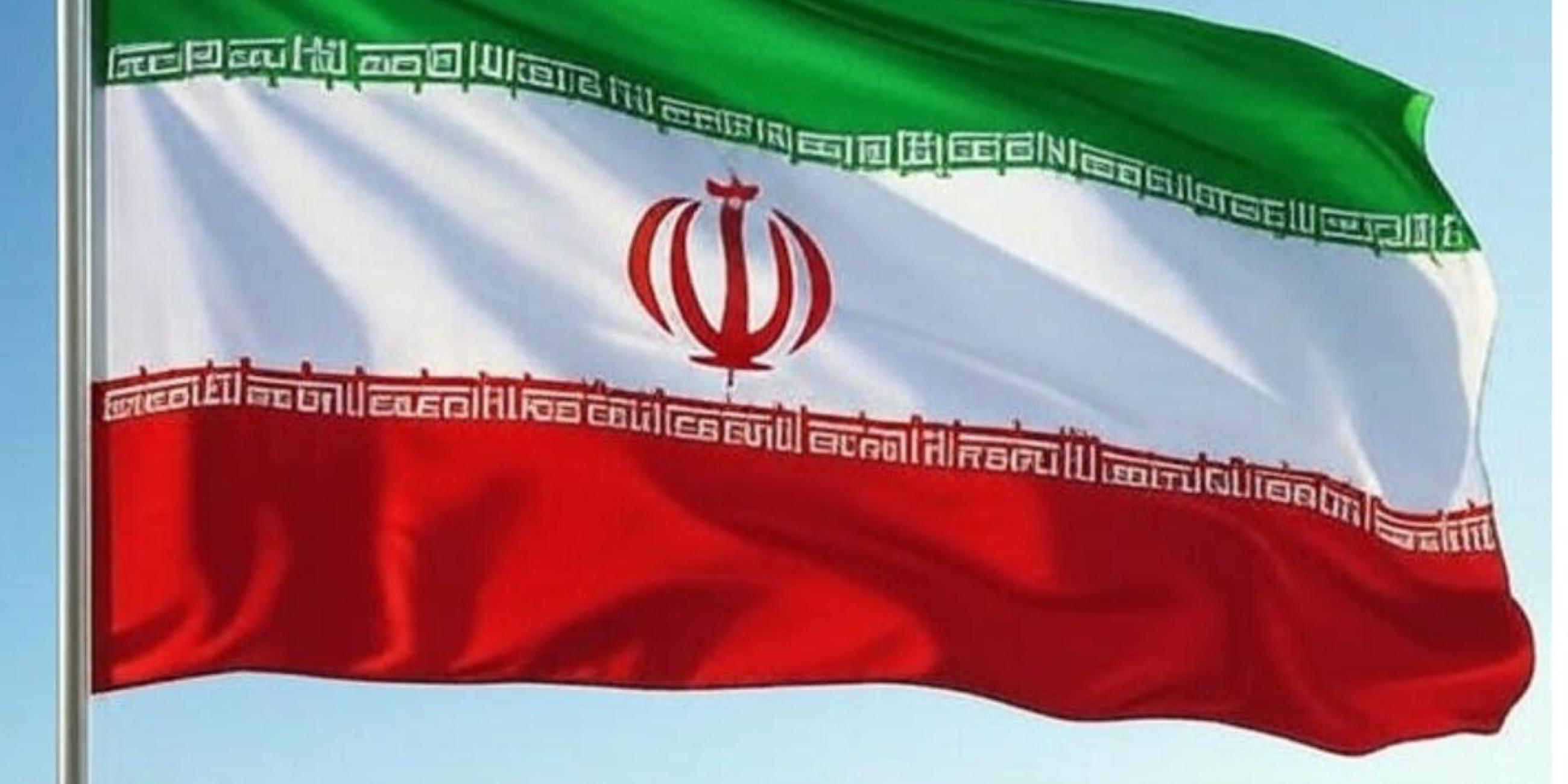
  • Is Iran’s Supreme Leader Blaming Protesters to Please Trump as Deadly Unrest, Internet Blackouts and Calls for Regime Change Shake Tehran?

    Iran’s Supreme Leader, Ayatollah Ali Khamenei, has accused anti-government protesters of “ruining their own streets to make the president of another country happy,” as nationwide unrest continues to grip Tehran and other major cities despite an unprecedented internet and telephone shutdown. His remarks come amid escalating demonstrations that began over economic hardship but have rapidly evolved into the most serious challenge to Iran’s leadership in years.

    Short videos circulating on social media before the blackout showed protesters chanting around bonfires, blocking roads, and leaving streets strewn with debris. Iranian state television later blamed the violence on “terrorist agents” backed by the United States and Israel, reporting unspecified “casualties” while offering few details. During a televised address, Khamenei warned of a hardline response, as crowds in the studio chanted “Death to America,” underscoring the regime’s narrative of foreign interference.

    According to analysts, the protests gained momentum after public appeals by exiled Crown Prince Reza Pahlavi, who urged Iranians to take to the streets at coordinated times. Holly Dagres of the Washington Institute for Near East Policy said the calls had a decisive impact, transforming scattered demonstrations into a nationwide movement aimed at toppling the Islamic Republic. Witnesses in Tehran reported chants of “Death to the dictator,” “Death to the Islamic Republic,” and slogans calling for the return of the Pahlavi monarchy.

    Pahlavi condemned the government’s decision to shut down communications, warning that cutting internet and landlines was intended to silence the protesters and prevent the world from seeing what was happening inside Iran. He urged international leaders to use “technical, financial, and diplomatic resources” to restore connectivity so that the voices of Iranians could be heard globally.

    Human rights groups report a growing toll. The U.S.-based Human Rights Activists News Agency says at least 42 people have been killed and more than 2,270 detained since the protests began. State media acknowledged that private vehicles, public transport, metro stations, and emergency vehicles had been set ablaze during demonstrations, reinforcing claims of widespread unrest.

    Former U.S. President Donald Trump has also weighed in, warning Tehran against violently suppressing peaceful protesters and threatening severe consequences if the crackdown continues. His comments have fueled speculation that Iran’s leadership is framing the protests as a foreign-backed campaign to delegitimize domestic dissent.

    As the internet blackout persists and security forces tighten their grip, questions remain: Are Iran’s leaders confronting a genuine popular uprising driven by economic despair and demands for freedom, or will the government succeed in recasting the movement as an externally orchestrated plot? With mounting deaths, mass arrests, and growing international attention, the unfolding crisis could redefine Iran’s political future.


    Is Iran’s Supreme Leader Blaming Protesters to Please Trump as Deadly Unrest, Internet Blackouts and Calls for Regime Change Shake Tehran? Iran’s Supreme Leader, Ayatollah Ali Khamenei, has accused anti-government protesters of “ruining their own streets to make the president of another country happy,” as nationwide unrest continues to grip Tehran and other major cities despite an unprecedented internet and telephone shutdown. His remarks come amid escalating demonstrations that began over economic hardship but have rapidly evolved into the most serious challenge to Iran’s leadership in years. Short videos circulating on social media before the blackout showed protesters chanting around bonfires, blocking roads, and leaving streets strewn with debris. Iranian state television later blamed the violence on “terrorist agents” backed by the United States and Israel, reporting unspecified “casualties” while offering few details. During a televised address, Khamenei warned of a hardline response, as crowds in the studio chanted “Death to America,” underscoring the regime’s narrative of foreign interference. According to analysts, the protests gained momentum after public appeals by exiled Crown Prince Reza Pahlavi, who urged Iranians to take to the streets at coordinated times. Holly Dagres of the Washington Institute for Near East Policy said the calls had a decisive impact, transforming scattered demonstrations into a nationwide movement aimed at toppling the Islamic Republic. Witnesses in Tehran reported chants of “Death to the dictator,” “Death to the Islamic Republic,” and slogans calling for the return of the Pahlavi monarchy. Pahlavi condemned the government’s decision to shut down communications, warning that cutting internet and landlines was intended to silence the protesters and prevent the world from seeing what was happening inside Iran. He urged international leaders to use “technical, financial, and diplomatic resources” to restore connectivity so that the voices of Iranians could be heard globally. Human rights groups report a growing toll. The U.S.-based Human Rights Activists News Agency says at least 42 people have been killed and more than 2,270 detained since the protests began. State media acknowledged that private vehicles, public transport, metro stations, and emergency vehicles had been set ablaze during demonstrations, reinforcing claims of widespread unrest. Former U.S. President Donald Trump has also weighed in, warning Tehran against violently suppressing peaceful protesters and threatening severe consequences if the crackdown continues. His comments have fueled speculation that Iran’s leadership is framing the protests as a foreign-backed campaign to delegitimize domestic dissent. As the internet blackout persists and security forces tighten their grip, questions remain: Are Iran’s leaders confronting a genuine popular uprising driven by economic despair and demands for freedom, or will the government succeed in recasting the movement as an externally orchestrated plot? With mounting deaths, mass arrests, and growing international attention, the unfolding crisis could redefine Iran’s political future.
    0 Commentarii ·0 Distribuiri ·3K Views
  • Is Abuja Safe Anymore? NBA Raises Alarm Over Return of ‘One-Chance’ Killings After Murder of Nurse and Lawyer

    The Nigerian Bar Association (NBA) has raised a grave alarm over what it described as the disturbing return of “one-chance” criminal operations in Abuja following the brutal killing of two professionals in separate incidents across the Federal Capital Territory (FCT). In a statement signed by its President, Mazi Afam Osigwe, SAN, the association warned that insecurity is once again tightening its grip on Nigeria’s seat of power.

    According to the NBA, the victims were Ms. Chinemerem Pascalina Chuwumeziem, a nurse, and Princess Chigbo Mediatrix, a lawyer and former Treasurer of the NBA Abuja Branch. Both women were allegedly murdered after falling prey to criminals posing as commercial transport operators—an infamous tactic known locally as “one-chance.” Their bodies were later discovered in different parts of the city, sparking widespread fear among residents.

    The association described the killings as a chilling reminder of the growing vulnerability of Abuja residents, stressing that the victims were not faceless individuals but professionals who simply intended to return home safely from their daily engagements. The NBA said the incidents had plunged the capital into grief and exposed a dangerous deterioration in public safety.

    Condemning the attacks in the strongest terms, the NBA warned that the pattern of “one-chance” crimes could no longer be ignored. It stated that criminal gangs masquerading as transport operators have turned routine commuting into a life-threatening gamble, making ordinary citizens, workers, and professionals targets on the city’s roads.

    Osigwe described the killing of Princess Chigbo Mediatrix as particularly painful for the legal community, noting that she was a committed member of the Bar whom he knew personally. He said her death was not only a professional loss but a deeply personal blow, underscoring that lawyers—like all Nigerians—remain dangerously exposed in an environment where criminals operate with impunity.

    The NBA warned that the murders represent more than individual tragedies, arguing that they signal a broader erosion of security in the FCT. It stressed that when citizens cannot commute safely, when professionals are attacked in plain sight, and when criminal networks act unchecked in the nation’s capital, the foundations of social order are severely threatened.

    Calling for urgent action, the association urged the Minister of the Federal Capital Territory, the Nigeria Police Force, and other security agencies to treat the situation as a full-scale security emergency. It demanded immediate, visible, and coordinated measures to dismantle “one-chance” syndicates, including intensified intelligence gathering, surveillance, policing of transport corridors, and targeted operations against known criminal networks.

    The NBA also insisted on thorough, transparent, and time-bound investigations into the killings, warning that failure to deliver justice would deepen public fear and embolden criminal elements. It emphasized that justice must not only be promised but must be seen to be done, with perpetrators, collaborators, and enablers identified, arrested, and prosecuted.

    Reaffirming the state’s duty to protect lives, the association said citizens should not have to choose between earning a living and staying alive. It warned that Abuja must not become a hunting ground where criminals prey on the vulnerable while law enforcement appears distant or reactive.

    The NBA extended condolences to the families of the victims, the healthcare community, the NBA Abuja Branch, and residents of the FCT. The killings have reignited public debate over safety in Nigeria’s capital, raising urgent questions about urban security, policing, public transport safety, and government accountability in protecting citizens from organized street crime.

    Is Abuja Safe Anymore? NBA Raises Alarm Over Return of ‘One-Chance’ Killings After Murder of Nurse and Lawyer The Nigerian Bar Association (NBA) has raised a grave alarm over what it described as the disturbing return of “one-chance” criminal operations in Abuja following the brutal killing of two professionals in separate incidents across the Federal Capital Territory (FCT). In a statement signed by its President, Mazi Afam Osigwe, SAN, the association warned that insecurity is once again tightening its grip on Nigeria’s seat of power. According to the NBA, the victims were Ms. Chinemerem Pascalina Chuwumeziem, a nurse, and Princess Chigbo Mediatrix, a lawyer and former Treasurer of the NBA Abuja Branch. Both women were allegedly murdered after falling prey to criminals posing as commercial transport operators—an infamous tactic known locally as “one-chance.” Their bodies were later discovered in different parts of the city, sparking widespread fear among residents. The association described the killings as a chilling reminder of the growing vulnerability of Abuja residents, stressing that the victims were not faceless individuals but professionals who simply intended to return home safely from their daily engagements. The NBA said the incidents had plunged the capital into grief and exposed a dangerous deterioration in public safety. Condemning the attacks in the strongest terms, the NBA warned that the pattern of “one-chance” crimes could no longer be ignored. It stated that criminal gangs masquerading as transport operators have turned routine commuting into a life-threatening gamble, making ordinary citizens, workers, and professionals targets on the city’s roads. Osigwe described the killing of Princess Chigbo Mediatrix as particularly painful for the legal community, noting that she was a committed member of the Bar whom he knew personally. He said her death was not only a professional loss but a deeply personal blow, underscoring that lawyers—like all Nigerians—remain dangerously exposed in an environment where criminals operate with impunity. The NBA warned that the murders represent more than individual tragedies, arguing that they signal a broader erosion of security in the FCT. It stressed that when citizens cannot commute safely, when professionals are attacked in plain sight, and when criminal networks act unchecked in the nation’s capital, the foundations of social order are severely threatened. Calling for urgent action, the association urged the Minister of the Federal Capital Territory, the Nigeria Police Force, and other security agencies to treat the situation as a full-scale security emergency. It demanded immediate, visible, and coordinated measures to dismantle “one-chance” syndicates, including intensified intelligence gathering, surveillance, policing of transport corridors, and targeted operations against known criminal networks. The NBA also insisted on thorough, transparent, and time-bound investigations into the killings, warning that failure to deliver justice would deepen public fear and embolden criminal elements. It emphasized that justice must not only be promised but must be seen to be done, with perpetrators, collaborators, and enablers identified, arrested, and prosecuted. Reaffirming the state’s duty to protect lives, the association said citizens should not have to choose between earning a living and staying alive. It warned that Abuja must not become a hunting ground where criminals prey on the vulnerable while law enforcement appears distant or reactive. The NBA extended condolences to the families of the victims, the healthcare community, the NBA Abuja Branch, and residents of the FCT. The killings have reignited public debate over safety in Nigeria’s capital, raising urgent questions about urban security, policing, public transport safety, and government accountability in protecting citizens from organized street crime.
    0 Commentarii ·0 Distribuiri ·3K Views
  • Is Iran Facing a New Uprising? How Nationwide Protests, Internet Blackouts and Reza Pahlavi’s Call Are Challenging Khamenei’s Rule

    Iran was gripped by renewed nationwide protests on Thursday night as demonstrators poured into the streets of Tehran and other cities following a call for mass action by exiled crown prince Reza Pahlavi. Witnesses reported chanting from rooftops and in neighbourhoods, while authorities quickly moved to cut internet access and telephone lines, a tactic historically used ahead of harsh crackdowns.

    The demonstrations marked a significant escalation in unrest driven largely by economic hardship, currency collapse, and public anger at Iran’s political system. They also represented the first major test of whether Pahlavi—whose father was overthrown in the 1979 Islamic Revolution—could mobilise meaningful opposition inside the country. Protests had already erupted the previous day in cities and rural towns, with markets and bazaars closing in solidarity.

    According to the U.S.-based Human Rights Activists News Agency, at least 41 people have been killed and more than 2,270 detained since the protests began. Monitoring groups such as Cloudflare and NetBlocks reported widespread digital shutdowns, attributing them to government interference. Calls to Iran from abroad reportedly failed, a sign often preceding intensified security operations.

    Despite the scale of the unrest, the movement has remained largely leaderless, prompting debate over whether it can sustain momentum or force political change. Analysts note that previous protest waves faltered due to the absence of a unified leadership structure, as Iran’s security apparatus has historically arrested, exiled, or silenced potential opposition figures.

    At the appointed protest hour, chants echoed across Tehran: “Death to the dictator!” “Death to the Islamic Republic!” and slogans calling for the return of the monarchy. In a statement, Pahlavi urged Iranians to continue demonstrating, declaring that “the eyes of the world are upon you,” and warning authorities that repression would not go unnoticed internationally.

    Iranian officials have not publicly acknowledged the full scope of the unrest, though state-linked media confirmed casualties among security forces. Reports from the judiciary and semi-official outlets said police officers and Revolutionary Guard members were killed in separate attacks in provinces including Kermanshah, Chaharmahal and Bakhtiari, and Khorasan Razavi. Hard-line media also circulated warnings that security agencies could use drones to identify protesters.

    The unrest comes amid deepening economic strain. Following tighter sanctions and the aftermath of a brief war, Iran’s currency collapsed in December to about 1.4 million rials to the U.S. dollar, triggering renewed demonstrations and calls for an end to clerical rule. U.S. President Donald Trump warned that Washington would respond if peaceful protesters were violently repressed, a statement Iran’s Foreign Ministry dismissed as “hypocritical interference.”

    Meanwhile, Nobel Peace Prize laureate Narges Mohammadi remains imprisoned, with her family saying the protests echo earlier uprisings in 2009 and 2019, each demanding an end to what they describe as a “dictatorial religious regime.”

    As unrest spreads and communication blackouts deepen, pressing questions remain: Can these protests break the cycle of repression? Will Reza Pahlavi emerge as a unifying figure or remain symbolic? And is Iran approaching a turning point—or another crackdown? With anger rising and the government tightening control, the unfolding crisis is shaping up as one of the most serious challenges to Iran’s leadership in years.


    Is Iran Facing a New Uprising? How Nationwide Protests, Internet Blackouts and Reza Pahlavi’s Call Are Challenging Khamenei’s Rule Iran was gripped by renewed nationwide protests on Thursday night as demonstrators poured into the streets of Tehran and other cities following a call for mass action by exiled crown prince Reza Pahlavi. Witnesses reported chanting from rooftops and in neighbourhoods, while authorities quickly moved to cut internet access and telephone lines, a tactic historically used ahead of harsh crackdowns. The demonstrations marked a significant escalation in unrest driven largely by economic hardship, currency collapse, and public anger at Iran’s political system. They also represented the first major test of whether Pahlavi—whose father was overthrown in the 1979 Islamic Revolution—could mobilise meaningful opposition inside the country. Protests had already erupted the previous day in cities and rural towns, with markets and bazaars closing in solidarity. According to the U.S.-based Human Rights Activists News Agency, at least 41 people have been killed and more than 2,270 detained since the protests began. Monitoring groups such as Cloudflare and NetBlocks reported widespread digital shutdowns, attributing them to government interference. Calls to Iran from abroad reportedly failed, a sign often preceding intensified security operations. Despite the scale of the unrest, the movement has remained largely leaderless, prompting debate over whether it can sustain momentum or force political change. Analysts note that previous protest waves faltered due to the absence of a unified leadership structure, as Iran’s security apparatus has historically arrested, exiled, or silenced potential opposition figures. At the appointed protest hour, chants echoed across Tehran: “Death to the dictator!” “Death to the Islamic Republic!” and slogans calling for the return of the monarchy. In a statement, Pahlavi urged Iranians to continue demonstrating, declaring that “the eyes of the world are upon you,” and warning authorities that repression would not go unnoticed internationally. Iranian officials have not publicly acknowledged the full scope of the unrest, though state-linked media confirmed casualties among security forces. Reports from the judiciary and semi-official outlets said police officers and Revolutionary Guard members were killed in separate attacks in provinces including Kermanshah, Chaharmahal and Bakhtiari, and Khorasan Razavi. Hard-line media also circulated warnings that security agencies could use drones to identify protesters. The unrest comes amid deepening economic strain. Following tighter sanctions and the aftermath of a brief war, Iran’s currency collapsed in December to about 1.4 million rials to the U.S. dollar, triggering renewed demonstrations and calls for an end to clerical rule. U.S. President Donald Trump warned that Washington would respond if peaceful protesters were violently repressed, a statement Iran’s Foreign Ministry dismissed as “hypocritical interference.” Meanwhile, Nobel Peace Prize laureate Narges Mohammadi remains imprisoned, with her family saying the protests echo earlier uprisings in 2009 and 2019, each demanding an end to what they describe as a “dictatorial religious regime.” As unrest spreads and communication blackouts deepen, pressing questions remain: Can these protests break the cycle of repression? Will Reza Pahlavi emerge as a unifying figure or remain symbolic? And is Iran approaching a turning point—or another crackdown? With anger rising and the government tightening control, the unfolding crisis is shaping up as one of the most serious challenges to Iran’s leadership in years.
    0 Commentarii ·0 Distribuiri ·3K Views
  • Is Tinubu Failing Yoruba Land? Pan-Yoruba Group Slams President Over Insecurity, Kidnapped Monarchs and ‘Silence From Power

    Is Nigeria’s security crisis finally reaching a breaking point in Yoruba land—and is President Bola Ahmed Tinubu truly doing enough to stop it? These are the urgent questions being raised after a Pan-Yoruba socio-political group, Ìgbìnmó Májékóbájé Ilé-Yorùbá, publicly condemned the President over what it described as his “deafening silence” in the face of worsening insecurity across the South-West.

    The group’s outcry followed the shocking abduction of a Kwara State monarch, Oba S. Y. Olaonipekun, and his son, Olaolu, who were reportedly kidnapped by suspected terrorists in the Ile-Ire district. For many observers, the incident marks a dangerous escalation in Nigeria’s security crisis: when even traditional rulers—symbols of authority, culture, and community stability—are no longer safe, what hope remains for ordinary citizens?

    In a strongly worded statement signed by its Convener, Olusola Badero, and released through Home Director Princess Balogun, the group accused President Tinubu of abandoning his constitutional duty as the nation’s chief security officer. According to the group, violent attacks, kidnappings, and killings have spread across Yoruba communities with little visible federal response. They argued that while statements are often issued, concrete action has been painfully absent.

    The union alleged that forests and rural communities in parts of Kwara and the wider South-West have become safe havens for armed groups posing as herdsmen, whom they directly described as terrorists. It lamented what it called the humiliation of Yoruba traditional institutions, stressing that the kidnapping of monarchs was once unimaginable in the region’s history. Quoting a Yoruba proverb—“Oríadé kì í sùn tán” (Royalty does not sleep outside)—the group said the abduction of kings represents not only a security failure but also a deep cultural wound.

    Beyond insecurity, the group launched a broader political critique of President Tinubu’s leadership. They accused him of prioritising personal interests, political allies, and future elections over the immediate safety and welfare of citizens. They further criticised what they described as his frequent foreign trips, alleging that he enjoys public funds abroad while Nigerians face poverty, fear, collapsing healthcare, and deteriorating schools at home. For the group, this contrast symbolises a widening gap between those in power and the people they govern.

    The statement also targeted Kwara State Governor AbdulRahman AbdulRazaq, accusing the state government of failing to protect residents. The group demanded the immediate release of the abducted monarch and his son, as well as other kidnapped citizens, including workers from the Kwara State Ministry of Works.

    To underline what it sees as a pattern of lawlessness, the union recalled earlier incidents, including the killing of Segun Aremu, a retired army general and monarch (the Olúkòrò of Koro), and the abduction of Kamilu Salami, the Oníbàrà of Bayagan Ile, who reportedly spent weeks in captivity before regaining freedom. These cases, the group argued, show that the crisis is not isolated but systemic.

    Perhaps most striking is the group’s warning that continued political inaction could lead to long-term devastation: deserted villages, abandoned farmlands, and forests fully occupied by armed groups. They questioned how elections can even matter if citizens are no longer safe enough to live in their communities. “Who will be alive to vote,” they asked, “if our villages are deserted and our forests controlled by terrorists?”

    The union went further, calling on Yoruba people at home and in the diaspora to take collective responsibility for protecting their region, suggesting that reliance on political leaders who have “clearly failed” could invite even greater catastrophe.

    As this controversy unfolds, Nigerians are left with uncomfortable but necessary questions: Has the federal government lost control of internal security? Is President Tinubu doing enough to protect his own region? And what happens when traditional institutions—once seen as untouchable—become targets of violence?

    On Fintter, this story is more than breaking news; it is a national conversation about leadership, accountability, and survival. Are these criticisms justified, or are they politically motivated? Can Nigeria still reverse its security decline, or has the crisis reached a point of no return? The answers may shape not just the future of Yoruba land, but the fate of the entire nation.

    What do you think? Is Tinubu truly failing on security—or is the crisis beyond any single leader? Share your thoughts and join the debate on Fintter.

    Is Tinubu Failing Yoruba Land? Pan-Yoruba Group Slams President Over Insecurity, Kidnapped Monarchs and ‘Silence From Power Is Nigeria’s security crisis finally reaching a breaking point in Yoruba land—and is President Bola Ahmed Tinubu truly doing enough to stop it? These are the urgent questions being raised after a Pan-Yoruba socio-political group, Ìgbìnmó Májékóbájé Ilé-Yorùbá, publicly condemned the President over what it described as his “deafening silence” in the face of worsening insecurity across the South-West. The group’s outcry followed the shocking abduction of a Kwara State monarch, Oba S. Y. Olaonipekun, and his son, Olaolu, who were reportedly kidnapped by suspected terrorists in the Ile-Ire district. For many observers, the incident marks a dangerous escalation in Nigeria’s security crisis: when even traditional rulers—symbols of authority, culture, and community stability—are no longer safe, what hope remains for ordinary citizens? In a strongly worded statement signed by its Convener, Olusola Badero, and released through Home Director Princess Balogun, the group accused President Tinubu of abandoning his constitutional duty as the nation’s chief security officer. According to the group, violent attacks, kidnappings, and killings have spread across Yoruba communities with little visible federal response. They argued that while statements are often issued, concrete action has been painfully absent. The union alleged that forests and rural communities in parts of Kwara and the wider South-West have become safe havens for armed groups posing as herdsmen, whom they directly described as terrorists. It lamented what it called the humiliation of Yoruba traditional institutions, stressing that the kidnapping of monarchs was once unimaginable in the region’s history. Quoting a Yoruba proverb—“Oríadé kì í sùn tán” (Royalty does not sleep outside)—the group said the abduction of kings represents not only a security failure but also a deep cultural wound. Beyond insecurity, the group launched a broader political critique of President Tinubu’s leadership. They accused him of prioritising personal interests, political allies, and future elections over the immediate safety and welfare of citizens. They further criticised what they described as his frequent foreign trips, alleging that he enjoys public funds abroad while Nigerians face poverty, fear, collapsing healthcare, and deteriorating schools at home. For the group, this contrast symbolises a widening gap between those in power and the people they govern. The statement also targeted Kwara State Governor AbdulRahman AbdulRazaq, accusing the state government of failing to protect residents. The group demanded the immediate release of the abducted monarch and his son, as well as other kidnapped citizens, including workers from the Kwara State Ministry of Works. To underline what it sees as a pattern of lawlessness, the union recalled earlier incidents, including the killing of Segun Aremu, a retired army general and monarch (the Olúkòrò of Koro), and the abduction of Kamilu Salami, the Oníbàrà of Bayagan Ile, who reportedly spent weeks in captivity before regaining freedom. These cases, the group argued, show that the crisis is not isolated but systemic. Perhaps most striking is the group’s warning that continued political inaction could lead to long-term devastation: deserted villages, abandoned farmlands, and forests fully occupied by armed groups. They questioned how elections can even matter if citizens are no longer safe enough to live in their communities. “Who will be alive to vote,” they asked, “if our villages are deserted and our forests controlled by terrorists?” The union went further, calling on Yoruba people at home and in the diaspora to take collective responsibility for protecting their region, suggesting that reliance on political leaders who have “clearly failed” could invite even greater catastrophe. As this controversy unfolds, Nigerians are left with uncomfortable but necessary questions: Has the federal government lost control of internal security? Is President Tinubu doing enough to protect his own region? And what happens when traditional institutions—once seen as untouchable—become targets of violence? On Fintter, this story is more than breaking news; it is a national conversation about leadership, accountability, and survival. Are these criticisms justified, or are they politically motivated? Can Nigeria still reverse its security decline, or has the crisis reached a point of no return? The answers may shape not just the future of Yoruba land, but the fate of the entire nation. 💬 What do you think? Is Tinubu truly failing on security—or is the crisis beyond any single leader? Share your thoughts and join the debate on Fintter.
    0 Commentarii ·0 Distribuiri ·4K Views
  • Who Killed Princess Ochigo? Why Was a High Court Staff Found Dead by the Roadside in Abuja? | Fintter

    Who is responsible for the mysterious death of Princess Ochigo—and why are so many questions still unanswered?
    Shock and anxiety are spreading across Nigeria’s capital after the lifeless body of Princess Ochigo, a female staff member of the High Court, was reportedly found dumped by the roadside in Abuja. Identified through an official identity card found on her body, her death has sent fresh waves of fear through the city, already grappling with growing concerns over unexplained killings.
    According to reports, Ochigo was discovered lying motionless under circumstances that remain unclear. There were no immediate signs of a road accident, raising disturbing questions about whether foul play may have been involved. As of the time of reporting, authorities have not confirmed the cause of death, leaving the public to speculate—and worry—about what may have truly happened.
    What makes the incident even more alarming is its timing. Just days earlier, the body of an Igbo nurse was also found abandoned by the roadside in the Federal Capital Territory (FCT). The back-to-back nature of these grim discoveries has intensified public anxiety and sparked concerns about a possible pattern of targeted or unexplained deaths in Abuja.
    The FCT Police Command has acknowledged the case. According to spokesperson Josephine Adeh, investigators are currently working to “unravel the facts and circumstances surrounding the incident,” promising that more details will be released as inquiries continue. Yet for many Nigerians, the absence of immediate clarity only deepens mistrust and frustration over security in the nation’s capital.
    Beyond the tragedy itself, this case raises urgent questions about public safety, women’s security, and the effectiveness of law enforcement in Abuja. How could a court worker—someone within the justice system—end up dead by the roadside with no immediate explanation? If a public servant can vanish and be found lifeless without answers, what does that mean for ordinary residents?
    For residents, activists, and observers, Princess Ochigo’s death has become more than a single incident—it is now a symbol of broader fears about crime, accountability, and silence. Many are demanding transparent investigations, swift identification of those responsible, and stronger measures to protect citizens, especially women who are increasingly vulnerable in urban centers.
    As investigations continue, one question remains at the center of national attention:
    Was this a tragic accident, or a crime that someone is trying to hide?
    Debate Starters for Fintter Comments
    Why are more bodies being found by the roadside in Abuja? Coincidence or pattern?
    Can residents still consider the FCT a “safe city”?
    Should there be a special probe into recent unexplained deaths?
    What must the government and police do differently to restore public confidence?
    Join the conversation on Fintter:
    Do you believe Princess Ochigo’s death will be properly investigated—or will it become another unresolved tragedy?
    Who Killed Princess Ochigo? Why Was a High Court Staff Found Dead by the Roadside in Abuja? | Fintter Who is responsible for the mysterious death of Princess Ochigo—and why are so many questions still unanswered? Shock and anxiety are spreading across Nigeria’s capital after the lifeless body of Princess Ochigo, a female staff member of the High Court, was reportedly found dumped by the roadside in Abuja. Identified through an official identity card found on her body, her death has sent fresh waves of fear through the city, already grappling with growing concerns over unexplained killings. According to reports, Ochigo was discovered lying motionless under circumstances that remain unclear. There were no immediate signs of a road accident, raising disturbing questions about whether foul play may have been involved. As of the time of reporting, authorities have not confirmed the cause of death, leaving the public to speculate—and worry—about what may have truly happened. What makes the incident even more alarming is its timing. Just days earlier, the body of an Igbo nurse was also found abandoned by the roadside in the Federal Capital Territory (FCT). The back-to-back nature of these grim discoveries has intensified public anxiety and sparked concerns about a possible pattern of targeted or unexplained deaths in Abuja. The FCT Police Command has acknowledged the case. According to spokesperson Josephine Adeh, investigators are currently working to “unravel the facts and circumstances surrounding the incident,” promising that more details will be released as inquiries continue. Yet for many Nigerians, the absence of immediate clarity only deepens mistrust and frustration over security in the nation’s capital. Beyond the tragedy itself, this case raises urgent questions about public safety, women’s security, and the effectiveness of law enforcement in Abuja. How could a court worker—someone within the justice system—end up dead by the roadside with no immediate explanation? If a public servant can vanish and be found lifeless without answers, what does that mean for ordinary residents? For residents, activists, and observers, Princess Ochigo’s death has become more than a single incident—it is now a symbol of broader fears about crime, accountability, and silence. Many are demanding transparent investigations, swift identification of those responsible, and stronger measures to protect citizens, especially women who are increasingly vulnerable in urban centers. As investigations continue, one question remains at the center of national attention: Was this a tragic accident, or a crime that someone is trying to hide? 💬 Debate Starters for Fintter Comments Why are more bodies being found by the roadside in Abuja? Coincidence or pattern? Can residents still consider the FCT a “safe city”? Should there be a special probe into recent unexplained deaths? What must the government and police do differently to restore public confidence? 👉 Join the conversation on Fintter: Do you believe Princess Ochigo’s death will be properly investigated—or will it become another unresolved tragedy?
    0 Commentarii ·0 Distribuiri ·937 Views
  • Prince George’s County Father Charged With Murder, Child Abuse After 4-Month-Old Baby Dies From Blunt Force Trauma in Suitland, Maryland

    A 24-year-old father, Khalil Brooks-Clarke, has been charged with multiple counts of murder and child abuse following the death of his 4-month-old son, Kairo Brooks, in Prince George’s County, Maryland. Police said officers responded to a distress call in the early hours of December 27, 2025, at an apartment in Suitland, where the infant was found unresponsive. Despite emergency medical efforts, the baby was pronounced dead shortly after being taken to a hospital.
    An autopsy later revealed that the infant died from blunt force trauma. Investigators stated that Brooks-Clarke was the only caregiver present at the time the fatal injuries were sustained. Following consultations with the Prince George’s County State’s Attorney’s Office, police filed charges including first-degree murder, second-degree murder, first- and second-degree child abuse, and other related offenses.
    Prince George’s County Police Chief George Nader described the case as a tragic reminder of the vulnerability of infants, stressing the importance of reporting suspected abuse before it is too late. Brooks-Clarke is currently being held in the custody of the Department of Corrections as investigations continue. Authorities have urged anyone with relevant information to contact the police homicide unit and encouraged the public to report suspected child abuse or domestic violence to appropriate support services.
    Prince George’s County Father Charged With Murder, Child Abuse After 4-Month-Old Baby Dies From Blunt Force Trauma in Suitland, Maryland A 24-year-old father, Khalil Brooks-Clarke, has been charged with multiple counts of murder and child abuse following the death of his 4-month-old son, Kairo Brooks, in Prince George’s County, Maryland. Police said officers responded to a distress call in the early hours of December 27, 2025, at an apartment in Suitland, where the infant was found unresponsive. Despite emergency medical efforts, the baby was pronounced dead shortly after being taken to a hospital. An autopsy later revealed that the infant died from blunt force trauma. Investigators stated that Brooks-Clarke was the only caregiver present at the time the fatal injuries were sustained. Following consultations with the Prince George’s County State’s Attorney’s Office, police filed charges including first-degree murder, second-degree murder, first- and second-degree child abuse, and other related offenses. Prince George’s County Police Chief George Nader described the case as a tragic reminder of the vulnerability of infants, stressing the importance of reporting suspected abuse before it is too late. Brooks-Clarke is currently being held in the custody of the Department of Corrections as investigations continue. Authorities have urged anyone with relevant information to contact the police homicide unit and encouraged the public to report suspected child abuse or domestic violence to appropriate support services.
    0 Commentarii ·0 Distribuiri ·494 Views
  • Prince George’s County Father Charged With Murder, Child Abuse After 4-Month-Old Baby Dies From Blunt Force Trauma in Suitland, Maryland

    A 24-year-old father, Khalil Brooks-Clarke, has been charged with multiple counts of murder and child abuse following the death of his 4-month-old son, Kairo Brooks, in Prince George’s County, Maryland. Police said officers responded to a distress call in the early hours of December 27, 2025, at an apartment in Suitland, where the infant was found unresponsive. Despite emergency medical efforts, the baby was pronounced dead shortly after being taken to a hospital.
    An autopsy later revealed that the infant died from blunt force trauma. Investigators stated that Brooks-Clarke was the only caregiver present at the time the fatal injuries were sustained. Following consultations with the Prince George’s County State’s Attorney’s Office, police filed charges
    Prince George’s County Father Charged With Murder, Child Abuse After 4-Month-Old Baby Dies From Blunt Force Trauma in Suitland, Maryland A 24-year-old father, Khalil Brooks-Clarke, has been charged with multiple counts of murder and child abuse following the death of his 4-month-old son, Kairo Brooks, in Prince George’s County, Maryland. Police said officers responded to a distress call in the early hours of December 27, 2025, at an apartment in Suitland, where the infant was found unresponsive. Despite emergency medical efforts, the baby was pronounced dead shortly after being taken to a hospital. An autopsy later revealed that the infant died from blunt force trauma. Investigators stated that Brooks-Clarke was the only caregiver present at the time the fatal injuries were sustained. Following consultations with the Prince George’s County State’s Attorney’s Office, police filed charges
    0 Commentarii ·0 Distribuiri ·488 Views
  • Prince George’s County Father Charged With Murder, Child Abuse After 4-Month-Old Baby Dies From Blunt Force Trauma in Suitland, Maryland

    A 24-year-old father, Khalil Brooks-Clarke, has been charged with multiple counts of murder and child abuse following the death of his 4-month-old son, Kairo Brooks, in Prince George’s County, Maryland. Police said officers responded to a distress call in the early hours of December 27, 2025, at an apartment in Suitland, where the infant was found unresponsive. Despite emergency medical efforts, the baby was pronounced dead shortly after being taken to a hospital.

    An autopsy later revealed that the infant died from blunt force trauma. Investigators stated that Brooks-Clarke was the only caregiver present at the time the fatal injuries were sustained. Following consultations with the Prince George’s County State’s Attorney’s Office, police filed charges including first-degree murder, second-degree murder, first- and second-degree child abuse, and other related offenses.

    Prince George’s County Police Chief George Nader described the case as a tragic reminder of the vulnerability of infants, stressing the importance of reporting suspected abuse before it is too late. Brooks-Clarke is currently being held in the custody of the Department of Corrections as investigations continue. Authorities have urged anyone with relevant information to contact the police homicide unit and encouraged the public to report suspected child abuse or domestic violence to appropriate support services.
    Prince George’s County Father Charged With Murder, Child Abuse After 4-Month-Old Baby Dies From Blunt Force Trauma in Suitland, Maryland A 24-year-old father, Khalil Brooks-Clarke, has been charged with multiple counts of murder and child abuse following the death of his 4-month-old son, Kairo Brooks, in Prince George’s County, Maryland. Police said officers responded to a distress call in the early hours of December 27, 2025, at an apartment in Suitland, where the infant was found unresponsive. Despite emergency medical efforts, the baby was pronounced dead shortly after being taken to a hospital. An autopsy later revealed that the infant died from blunt force trauma. Investigators stated that Brooks-Clarke was the only caregiver present at the time the fatal injuries were sustained. Following consultations with the Prince George’s County State’s Attorney’s Office, police filed charges including first-degree murder, second-degree murder, first- and second-degree child abuse, and other related offenses. Prince George’s County Police Chief George Nader described the case as a tragic reminder of the vulnerability of infants, stressing the importance of reporting suspected abuse before it is too late. Brooks-Clarke is currently being held in the custody of the Department of Corrections as investigations continue. Authorities have urged anyone with relevant information to contact the police homicide unit and encouraged the public to report suspected child abuse or domestic violence to appropriate support services.
    0 Commentarii ·0 Distribuiri ·591 Views
  • Yesterday, We Saw Nigeria Working As It Should For Anthony Joshua

    It took the French police ten minutes to get to the scene of Princess Diana's car crash, though it happened in metropolitan Paris. Please fact-check me.

    But it took the Nigerian Police Force less than ten minutes to get to the scene of Anthony Joshua's car accident, though it occurred outside a metropolitan area. Again, please fact-check me.

    It took French emergency response crews 101 minutes to get Princess Diana to the hospital, whereas Anthony Joshua was in a hospital within minutes. The total time was approximately thirty minutes.

    Just as Anthony Joshua's friends sadly died on the spot, likewise did Dodi Fayed and the driver of the car, Henri Paul, die immediately from the impact of the accident.

    The deaths, both in France and Nigeria, did not occur because of any negligence on the part of emergency first responders. They were a direct result of the collision from the accident.

    Both crashes were caused by speeding far above the legal speed limit. Bad roads were not a factor at all in either crash.

    The stretch of highway on which the Anthony Joshua crash occurred was very motorable and is a credit to Nigeria.

    Go back and watch the video. This was a six-lane highway with three lanes on either side, well demarcated, free of potholes, and with lanes clearly delineated.

    So, please tell me where Nigeria went wrong, or how we failed Mr Joshua in this sad episode that some unpatriotic citizens are trending things like 'Nigeria happened to Anthony Joshua'.

    Did Spain happen to Diogo Jota?
    Did Honduras happen to Lisa "Left Eye" Lopes of TLC?
    Did America happen to Fast and Furious star, Paul Walker, when he died in a car crash in California?

    I understand that, because of the intense negative slant of Nigeria's social media sphere, where it is easier to trend with bad news, a critical mass of our people has a confirmation bias toward negative stories.

    However, please take your time to Google how many times the Lagos State Emergency Management Agency has saved the lives of Nigerians in and around the Lagos-Ogun axis.

    They even did this as recently as last week.

    Whether it is car accidents, building collapses, or fires, LASEMA has repeatedly done Nigeria proud.

    When you make a distress call through the 767 and 112 toll-free lines, you can be assured that LASEMA will be there in minutes.

    Instead of this Anthony Joshua incident being an example of Nigeria happening to you, yesterday's event was a case of Nigeria working well for Anthony Joshua.

    It should not be every time you run to social media to run down your country. Sometimes, instead of emoting, let us be rational people. Be proud of Nigeria and build her up. In so doing, you are actually building yourself.

    ~Reno Omokri
    Yesterday, We Saw Nigeria Working As It Should For Anthony Joshua It took the French police ten minutes to get to the scene of Princess Diana's car crash, though it happened in metropolitan Paris. Please fact-check me. But it took the Nigerian Police Force less than ten minutes to get to the scene of Anthony Joshua's car accident, though it occurred outside a metropolitan area. Again, please fact-check me. It took French emergency response crews 101 minutes to get Princess Diana to the hospital, whereas Anthony Joshua was in a hospital within minutes. The total time was approximately thirty minutes. Just as Anthony Joshua's friends sadly died on the spot, likewise did Dodi Fayed and the driver of the car, Henri Paul, die immediately from the impact of the accident. The deaths, both in France and Nigeria, did not occur because of any negligence on the part of emergency first responders. They were a direct result of the collision from the accident. Both crashes were caused by speeding far above the legal speed limit. Bad roads were not a factor at all in either crash. The stretch of highway on which the Anthony Joshua crash occurred was very motorable and is a credit to Nigeria. Go back and watch the video. This was a six-lane highway with three lanes on either side, well demarcated, free of potholes, and with lanes clearly delineated. So, please tell me where Nigeria went wrong, or how we failed Mr Joshua in this sad episode that some unpatriotic citizens are trending things like 'Nigeria happened to Anthony Joshua'. Did Spain happen to Diogo Jota? Did Honduras happen to Lisa "Left Eye" Lopes of TLC? Did America happen to Fast and Furious star, Paul Walker, when he died in a car crash in California? I understand that, because of the intense negative slant of Nigeria's social media sphere, where it is easier to trend with bad news, a critical mass of our people has a confirmation bias toward negative stories. However, please take your time to Google how many times the Lagos State Emergency Management Agency has saved the lives of Nigerians in and around the Lagos-Ogun axis. They even did this as recently as last week. Whether it is car accidents, building collapses, or fires, LASEMA has repeatedly done Nigeria proud. When you make a distress call through the 767 and 112 toll-free lines, you can be assured that LASEMA will be there in minutes. Instead of this Anthony Joshua incident being an example of Nigeria happening to you, yesterday's event was a case of Nigeria working well for Anthony Joshua. It should not be every time you run to social media to run down your country. Sometimes, instead of emoting, let us be rational people. Be proud of Nigeria and build her up. In so doing, you are actually building yourself. ~Reno Omokri
    0 Commentarii ·0 Distribuiri ·2K Views
  • Anthony Joshua Accident: Why Do Nigerians Love to De-market Nigeria?

    Anthony Joshua suffered a ghastly accident today in a rural part of Ogun State, and instead of de-marketing Nigeria, why don't you and I wait for the full details of what occurred to our beloved boxing champion before making dramatic and damaging statements whose veracity we cannot be sure of?

    You were not at the scene of the accident. You are relying on videos you see online. You don't know the full details.

    But your first instincts are to attack Nigeria and paint the worst possible picture to the outside world, and now headlines from as far away as India and Australia are quoting Nigerian X users and lampooning Nigeria and saying that no first responders came to Mr Joshua's rescue and that the whole scene was emblematic of a failed state.

    Just turn on your international news channels and see the horrible things they are saying about Nigeria right now and quoting Nigerian X users!

    And sadly, some of the people castigating Nigeriw and our institutions based on hearsay and online chatter claim to be journalists.

    It says more about the state of our journalism than our healthcare and emergency response systems.

    Well, I made enquiries, and it is not the case that emergency response services let Mr Joshua down. Rather, immediately after the accident, eyewitnesses did not wait for first responders and heroically began assisting Mr Joshua.

    Within the very first two minutes, they intervened. Obviously, not being professionals, they would make mistakes and not follow procedure.

    The Federal Road Safety Corp arrived within the first few minutes of the accident and met passers-by who were already intervening. The police showed up, and seeing that the crowd had already taken the initiative, what would you have them do?

    Before an ambulance could get there, Mr Joshua was already close to a hospital. This is all in the space of minutes, not up to an hour.

    The deaths that occurred during the accident, according to preliminary official reports, were not caused by any negligence. The individuals concerned died on the spot, and the official cause is collision trauma from "excessive speed". May God grant fortitude to their families.

    How is that the fault of emergency response personnel? I see no blame for Nigeria in this! But I will still wait for the full official statement.

    Even in England, when an accident occurs in a rural area, emergency responders take time to arrive. Anywhere from fifteen minutes and above. Please Google it! Most likely more.

    Remember Diana, Princess of Wales? She sadly had an accident right in the heart of the metropolitan area of Paris, and it took fifteen minutes for an ambulance to get to her—the most high-profile woman in the world at that time.

    And even after the ambulance came, it took them over an hour, precisely 101 minutes, to get her to a hospital.

    How long did it take Spanish first responders to get to Diogo Jota's car? That was a big scandal!

    Please be patriotic and wait for an official statement before hastily crucifying Nigeria.

    Remember how we did the same thing after armed robbers killed the late Somtochukwu Maduagwu. Nigerians libelled the police and the emergency doctors who tried to save her life, only for the truth to come out later, but much irreparable damage had already been done.

    Let us not repeat history and claim that it repeated itself
    - Reno Omokri
    Anthony Joshua Accident: Why Do Nigerians Love to De-market Nigeria? Anthony Joshua suffered a ghastly accident today in a rural part of Ogun State, and instead of de-marketing Nigeria, why don't you and I wait for the full details of what occurred to our beloved boxing champion before making dramatic and damaging statements whose veracity we cannot be sure of? You were not at the scene of the accident. You are relying on videos you see online. You don't know the full details. But your first instincts are to attack Nigeria and paint the worst possible picture to the outside world, and now headlines from as far away as India and Australia are quoting Nigerian X users and lampooning Nigeria and saying that no first responders came to Mr Joshua's rescue and that the whole scene was emblematic of a failed state. Just turn on your international news channels and see the horrible things they are saying about Nigeria right now and quoting Nigerian X users! And sadly, some of the people castigating Nigeriw and our institutions based on hearsay and online chatter claim to be journalists. It says more about the state of our journalism than our healthcare and emergency response systems. Well, I made enquiries, and it is not the case that emergency response services let Mr Joshua down. Rather, immediately after the accident, eyewitnesses did not wait for first responders and heroically began assisting Mr Joshua. Within the very first two minutes, they intervened. Obviously, not being professionals, they would make mistakes and not follow procedure. The Federal Road Safety Corp arrived within the first few minutes of the accident and met passers-by who were already intervening. The police showed up, and seeing that the crowd had already taken the initiative, what would you have them do? Before an ambulance could get there, Mr Joshua was already close to a hospital. This is all in the space of minutes, not up to an hour. The deaths that occurred during the accident, according to preliminary official reports, were not caused by any negligence. The individuals concerned died on the spot, and the official cause is collision trauma from "excessive speed". May God grant fortitude to their families. How is that the fault of emergency response personnel? I see no blame for Nigeria in this! But I will still wait for the full official statement. Even in England, when an accident occurs in a rural area, emergency responders take time to arrive. Anywhere from fifteen minutes and above. Please Google it! Most likely more. Remember Diana, Princess of Wales? She sadly had an accident right in the heart of the metropolitan area of Paris, and it took fifteen minutes for an ambulance to get to her—the most high-profile woman in the world at that time. And even after the ambulance came, it took them over an hour, precisely 101 minutes, to get her to a hospital. How long did it take Spanish first responders to get to Diogo Jota's car? That was a big scandal! Please be patriotic and wait for an official statement before hastily crucifying Nigeria. Remember how we did the same thing after armed robbers killed the late Somtochukwu Maduagwu. Nigerians libelled the police and the emergency doctors who tried to save her life, only for the truth to come out later, but much irreparable damage had already been done. Let us not repeat history and claim that it repeated itself - Reno Omokri
    0 Commentarii ·0 Distribuiri ·2K Views
  • SAD NEWS: Last night, bandits attacked a private residence in Pindiga town, Akko LGA of Gombe State, killing Prince Yusuf Derdoski and his pregnant sister, and abducting two other siblings. The brutal incident has thrown the community into mourning.

    Given the recurring security breaches in parts of Gombe State, how are security agencies reassessing intelligence gathering and rapid response mechanisms to protect vulnerable communities like Pindiga?
    SAD NEWS: Last night, bandits attacked a private residence in Pindiga town, Akko LGA of Gombe State, killing Prince Yusuf Derdoski and his pregnant sister, and abducting two other siblings. The brutal incident has thrown the community into mourning. Given the recurring security breaches in parts of Gombe State, how are security agencies reassessing intelligence gathering and rapid response mechanisms to protect vulnerable communities like Pindiga?
    love
    1
    · 0 Commentarii ·0 Distribuiri ·994 Views
  • Man Charged With Murder After Prince George’s County Shooting Kills 37-Year-Old Craig Demarco Jackson in Fort Washington

    Police in Prince George’s County, Maryland, have charged 41-year-old Jonathan Tyrone Howard with murder following a deadly shooting in Fort Washington. Authorities say the incident occurred just after midnight on December 19 during an argument between Howard and 37-year-old Craig Demarco Jackson, who were known to each other. Jackson was found outside with a gunshot wound, rushed to hospital, and later pronounced dead. Howard now faces first- and second-degree murder charges, along with additional counts, and is being held without bond as investigations continue.
    Man Charged With Murder After Prince George’s County Shooting Kills 37-Year-Old Craig Demarco Jackson in Fort Washington Police in Prince George’s County, Maryland, have charged 41-year-old Jonathan Tyrone Howard with murder following a deadly shooting in Fort Washington. Authorities say the incident occurred just after midnight on December 19 during an argument between Howard and 37-year-old Craig Demarco Jackson, who were known to each other. Jackson was found outside with a gunshot wound, rushed to hospital, and later pronounced dead. Howard now faces first- and second-degree murder charges, along with additional counts, and is being held without bond as investigations continue.
    love
    1
    · 0 Commentarii ·0 Distribuiri ·515 Views
  • Prince William County Man Arrested in Bristow for Allegedly Producing Child Pornography, Police Say

    Police in Prince William County, Virginia, have arrested a Bristow resident accused of producing child pornography following an Internet Crimes Against Children Task Force operation. Authorities identified the suspect as Bryan Barahona-Peraza, who was taken into custody on December 23 at a home on Benton Lake Road without incident. Investigators allege he used online platforms to solicit underage minors for inappropriate acts. He now faces multiple child pornography-related charges, is being held without bail, and awaits a court date as investigations continue. Police have urged members of the public with relevant information to contact the county’s tip line.
    Prince William County Man Arrested in Bristow for Allegedly Producing Child Pornography, Police Say Police in Prince William County, Virginia, have arrested a Bristow resident accused of producing child pornography following an Internet Crimes Against Children Task Force operation. Authorities identified the suspect as Bryan Barahona-Peraza, who was taken into custody on December 23 at a home on Benton Lake Road without incident. Investigators allege he used online platforms to solicit underage minors for inappropriate acts. He now faces multiple child pornography-related charges, is being held without bail, and awaits a court date as investigations continue. Police have urged members of the public with relevant information to contact the county’s tip line.
    like
    1
    · 0 Commentarii ·0 Distribuiri ·358 Views
  • Mercy Johnson’s Husband Breaks Silence Amid Side Chick Allegations, Shares Loved-Up Family Video

    Prince Odi Okojie, the husband of Nollywood actress Mercy Johnson, has subtly addressed widespread side chick and pregnancy allegations by sharing a loved-up family video online. The video, posted amid intense online speculation, showed the couple together at their daughter Angel’s 10th birthday celebration, projecting unity and calm in the face of controversy. The allegations, which originated from online gossip blogs, sparked heated debates across social media, with claims that the politician was involved with multiple side girlfriends. In response, Mercy Johnson also shared affectionate posts describing her husband as her friend and backbone, reaffirming their bond and crediting God for sustaining their marriage despite repeated attacks. The couple’s actions have drawn mixed reactions from fans, with many praising their show of solidarity while others continue to debate the claims.
    Mercy Johnson’s Husband Breaks Silence Amid Side Chick Allegations, Shares Loved-Up Family Video Prince Odi Okojie, the husband of Nollywood actress Mercy Johnson, has subtly addressed widespread side chick and pregnancy allegations by sharing a loved-up family video online. The video, posted amid intense online speculation, showed the couple together at their daughter Angel’s 10th birthday celebration, projecting unity and calm in the face of controversy. The allegations, which originated from online gossip blogs, sparked heated debates across social media, with claims that the politician was involved with multiple side girlfriends. In response, Mercy Johnson also shared affectionate posts describing her husband as her friend and backbone, reaffirming their bond and crediting God for sustaining their marriage despite repeated attacks. The couple’s actions have drawn mixed reactions from fans, with many praising their show of solidarity while others continue to debate the claims.
    like
    1
    · 0 Commentarii ·0 Distribuiri ·914 Views
Sponsorizeaza Paginile
Fintter https://fintter.com