• “People in power are so allergic to peace.” – Chris Brown

    The singer expressed frustration about global conflicts, saying ordinary people usually want peace while political leaders continue choosing war.
    “People in power are so allergic to peace.” – Chris Brown The singer expressed frustration about global conflicts, saying ordinary people usually want peace while political leaders continue choosing war.
    like
    1
    · 1 Comentários ·0 Compartilhamentos ·1K Visualizações
  • Wahala Don Set Oo! PANDEF Steps In As Wike, Fubara Political Fight Rock Rivers State

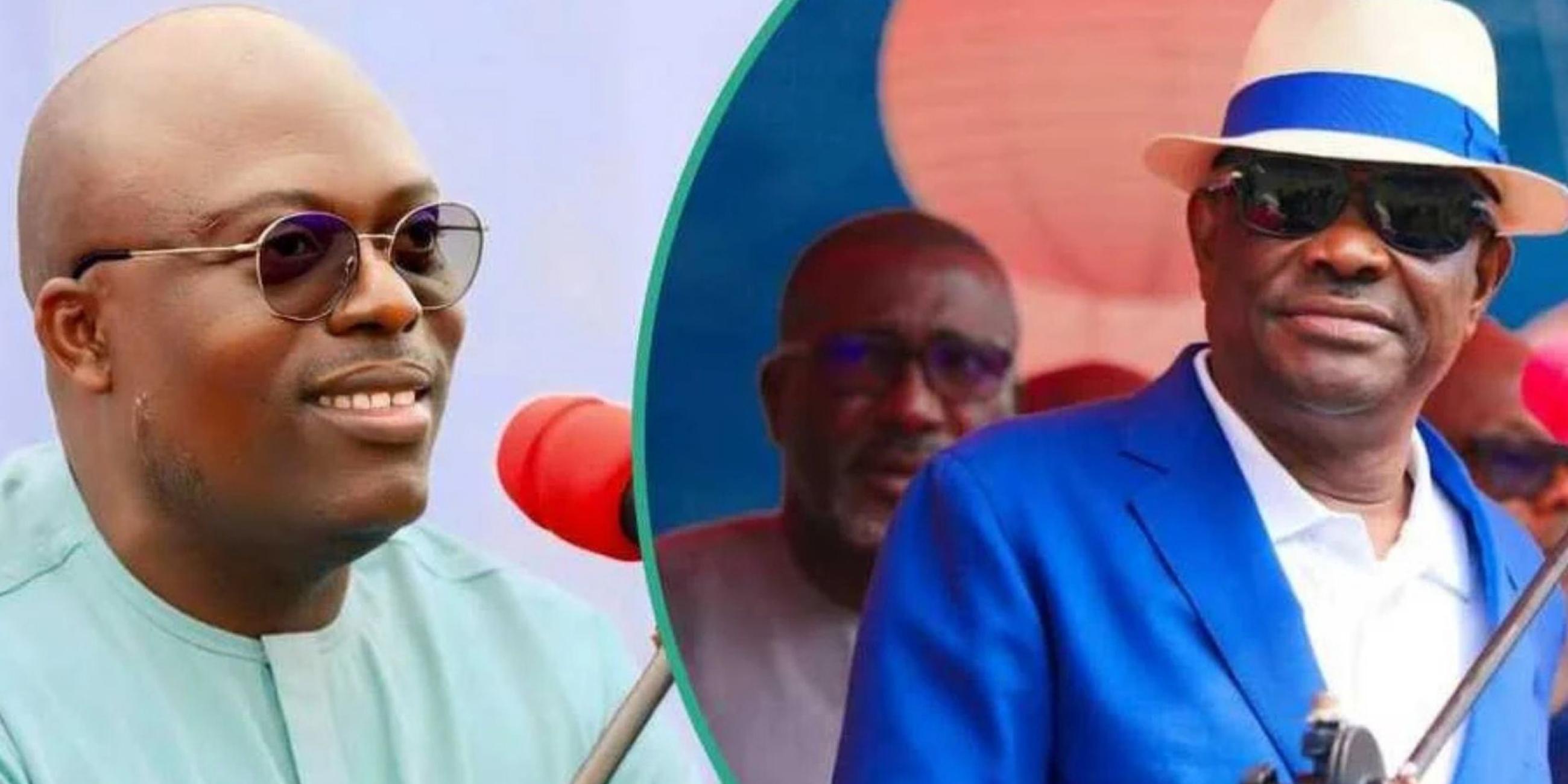
    Wahala don happen for Rivers State as the Pan Niger Delta Forum (PANDEF) has set up a seven-man peace committee to resolve the deepening political crisis between Governor Siminalayi Fubara and the Minister of the FCT, Nyesom Wike. The group has given the committee two weeks to restore calm and stability in the state. Chaired by former Attorney-General of the Federation, Kanu Agabi (SAN), the panel is tasked with de-escalating tensions between the executive and the Rivers State House of Assembly and encouraging dialogue among key stakeholders. PANDEF Chairman, Godknows Igali, urged both Fubara and Wike to respect the outcome of the reconciliation process. The committee will engage political leaders, traditional rulers and former governors before submitting a report within 14 days. Meanwhile, two lawmakers have withdrawn support for the impeachment move against the governor, calling for a political solution instead of removal from office.


    Wahala Don Set Oo! PANDEF Steps In As Wike, Fubara Political Fight Rock Rivers State Wahala don happen for Rivers State as the Pan Niger Delta Forum (PANDEF) has set up a seven-man peace committee to resolve the deepening political crisis between Governor Siminalayi Fubara and the Minister of the FCT, Nyesom Wike. The group has given the committee two weeks to restore calm and stability in the state. Chaired by former Attorney-General of the Federation, Kanu Agabi (SAN), the panel is tasked with de-escalating tensions between the executive and the Rivers State House of Assembly and encouraging dialogue among key stakeholders. PANDEF Chairman, Godknows Igali, urged both Fubara and Wike to respect the outcome of the reconciliation process. The committee will engage political leaders, traditional rulers and former governors before submitting a report within 14 days. Meanwhile, two lawmakers have withdrawn support for the impeachment move against the governor, calling for a political solution instead of removal from office.
    0 Comentários ·0 Compartilhamentos ·3K Visualizações
  • Is Governor Fubara Really Facing Impeachment? Why Rivers Assembly Insists the Process Is Ongoing, Denies Suspension Reports, and Cites the Constitution

    Is the impeachment of Rivers State Governor Siminalayi Fubara actually underway—or has the process been quietly halted? The Rivers State House of Assembly has moved to clear the air, insisting that the impeachment proceedings against the governor and his deputy, Prof. Ngozi Nma Odu, are active, constitutional, and ongoing, despite widespread reports suggesting the exercise has been suspended.

    In a statement released on Friday and signed by Dr. Enemi Alabo George, Chairman of the House Committee on Information, Petitions and Complaints, the Assembly said the process formally began on Thursday, January 8, 2026, and is being conducted strictly in line with Section 188 of the 1999 Constitution of the Federal Republic of Nigeria (as amended).

    According to the lawmakers, two separate notices of allegations of gross misconduct have already been prepared and transmitted to Governor Fubara and Deputy Governor Odu by the Speaker of the House. The Assembly disclosed that it is now awaiting their formal responses, which is a mandatory step before proceeding to the next phase of the constitutional impeachment process.

    The House stressed that it is acting within its constitutional authority to check executive infractions and safeguard democratic governance in the state. It emphasized that the legislature is empowered by law to intervene where there are alleged violations by the governor, deputy governor, or any other state official.

    Dismissing reports that the process has been suspended, the Assembly accused unnamed individuals and media platforms of deliberately spreading false and misleading narratives aimed at confusing the public and creating tension between the House and citizens. Dr. George said such claims were designed to cause disaffection and undermine the credibility of the legislature.

    Calling on the public to disregard the reports, the House reaffirmed that the impeachment process remains “on track” and would not be derailed by what it described as blackmail, threats, or external pressure. The lawmakers vowed to remain focused on their constitutional responsibilities, insisting that they would not be intimidated by forces they believe do not have the best interests of Rivers State or Nigeria’s democracy at heart.

    At the same time, the Assembly expressed gratitude to residents of Rivers State for their prayers and support since the process began and thanked political leaders and stakeholders for their engagement. The statement concluded with a message of appreciation to “all democrats who believe in the Nigerian project.”

    As political tension continues to mount in the state, the key questions remain: Will the governor and his deputy respond to the allegations? Will the process advance to the investigative stage outlined in the Constitution—or could political negotiations alter the outcome? For now, the Rivers State House of Assembly says the impeachment of Governor Fubara is neither paused nor abandoned—and Nigerians are watching closely as the constitutional process unfolds.

    Is Governor Fubara Really Facing Impeachment? Why Rivers Assembly Insists the Process Is Ongoing, Denies Suspension Reports, and Cites the Constitution Is the impeachment of Rivers State Governor Siminalayi Fubara actually underway—or has the process been quietly halted? The Rivers State House of Assembly has moved to clear the air, insisting that the impeachment proceedings against the governor and his deputy, Prof. Ngozi Nma Odu, are active, constitutional, and ongoing, despite widespread reports suggesting the exercise has been suspended. In a statement released on Friday and signed by Dr. Enemi Alabo George, Chairman of the House Committee on Information, Petitions and Complaints, the Assembly said the process formally began on Thursday, January 8, 2026, and is being conducted strictly in line with Section 188 of the 1999 Constitution of the Federal Republic of Nigeria (as amended). According to the lawmakers, two separate notices of allegations of gross misconduct have already been prepared and transmitted to Governor Fubara and Deputy Governor Odu by the Speaker of the House. The Assembly disclosed that it is now awaiting their formal responses, which is a mandatory step before proceeding to the next phase of the constitutional impeachment process. The House stressed that it is acting within its constitutional authority to check executive infractions and safeguard democratic governance in the state. It emphasized that the legislature is empowered by law to intervene where there are alleged violations by the governor, deputy governor, or any other state official. Dismissing reports that the process has been suspended, the Assembly accused unnamed individuals and media platforms of deliberately spreading false and misleading narratives aimed at confusing the public and creating tension between the House and citizens. Dr. George said such claims were designed to cause disaffection and undermine the credibility of the legislature. Calling on the public to disregard the reports, the House reaffirmed that the impeachment process remains “on track” and would not be derailed by what it described as blackmail, threats, or external pressure. The lawmakers vowed to remain focused on their constitutional responsibilities, insisting that they would not be intimidated by forces they believe do not have the best interests of Rivers State or Nigeria’s democracy at heart. At the same time, the Assembly expressed gratitude to residents of Rivers State for their prayers and support since the process began and thanked political leaders and stakeholders for their engagement. The statement concluded with a message of appreciation to “all democrats who believe in the Nigerian project.” As political tension continues to mount in the state, the key questions remain: Will the governor and his deputy respond to the allegations? Will the process advance to the investigative stage outlined in the Constitution—or could political negotiations alter the outcome? For now, the Rivers State House of Assembly says the impeachment of Governor Fubara is neither paused nor abandoned—and Nigerians are watching closely as the constitutional process unfolds.
    0 Comentários ·0 Compartilhamentos ·2K Visualizações
  • Is Tinubu Failing Yoruba Land? Pan-Yoruba Group Slams President Over Insecurity, Kidnapped Monarchs and ‘Silence From Power

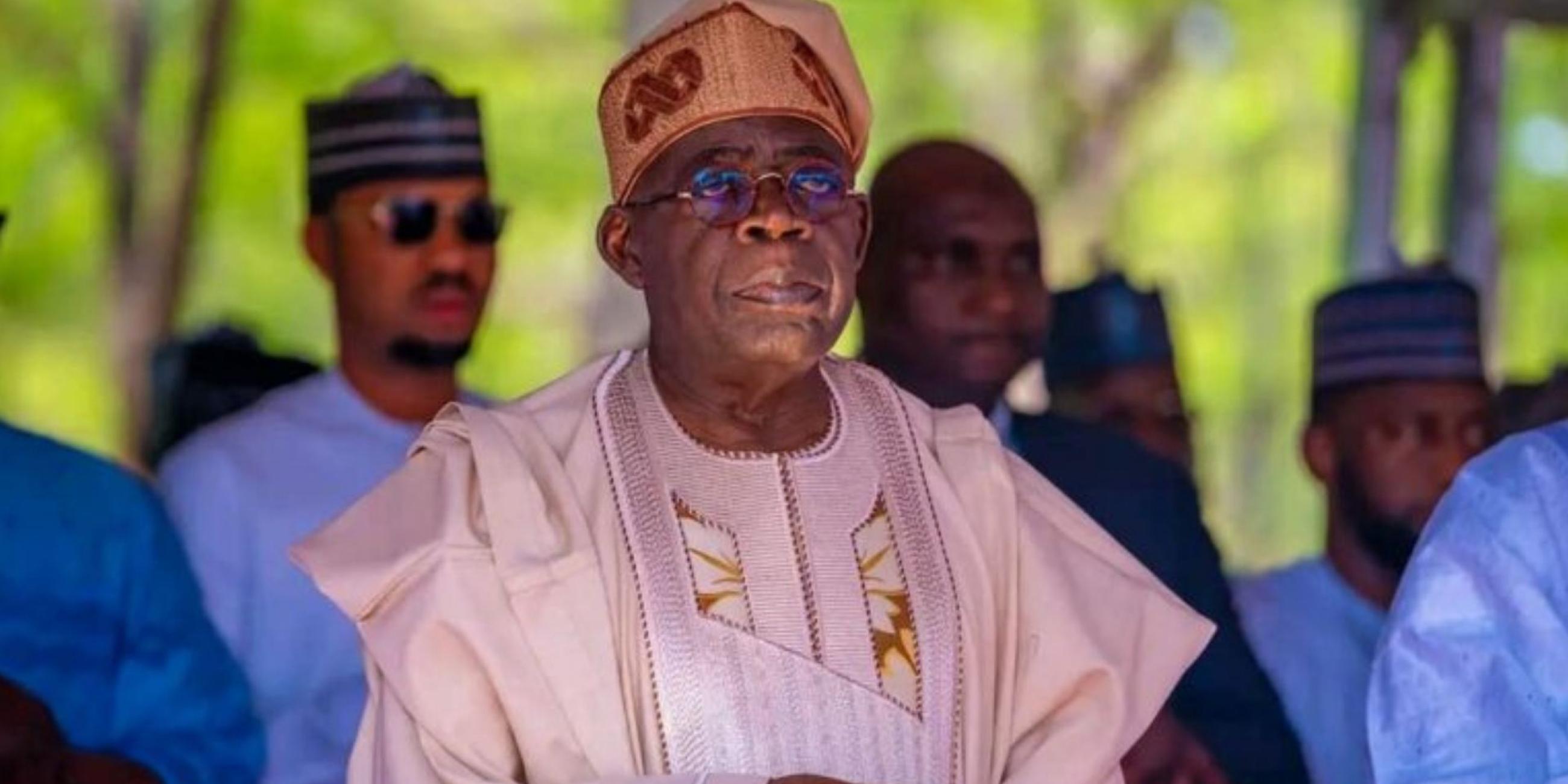
    Is Nigeria’s security crisis finally reaching a breaking point in Yoruba land—and is President Bola Ahmed Tinubu truly doing enough to stop it? These are the urgent questions being raised after a Pan-Yoruba socio-political group, Ìgbìnmó Májékóbájé Ilé-Yorùbá, publicly condemned the President over what it described as his “deafening silence” in the face of worsening insecurity across the South-West.

    The group’s outcry followed the shocking abduction of a Kwara State monarch, Oba S. Y. Olaonipekun, and his son, Olaolu, who were reportedly kidnapped by suspected terrorists in the Ile-Ire district. For many observers, the incident marks a dangerous escalation in Nigeria’s security crisis: when even traditional rulers—symbols of authority, culture, and community stability—are no longer safe, what hope remains for ordinary citizens?

    In a strongly worded statement signed by its Convener, Olusola Badero, and released through Home Director Princess Balogun, the group accused President Tinubu of abandoning his constitutional duty as the nation’s chief security officer. According to the group, violent attacks, kidnappings, and killings have spread across Yoruba communities with little visible federal response. They argued that while statements are often issued, concrete action has been painfully absent.

    The union alleged that forests and rural communities in parts of Kwara and the wider South-West have become safe havens for armed groups posing as herdsmen, whom they directly described as terrorists. It lamented what it called the humiliation of Yoruba traditional institutions, stressing that the kidnapping of monarchs was once unimaginable in the region’s history. Quoting a Yoruba proverb—“Oríadé kì í sùn tán” (Royalty does not sleep outside)—the group said the abduction of kings represents not only a security failure but also a deep cultural wound.

    Beyond insecurity, the group launched a broader political critique of President Tinubu’s leadership. They accused him of prioritising personal interests, political allies, and future elections over the immediate safety and welfare of citizens. They further criticised what they described as his frequent foreign trips, alleging that he enjoys public funds abroad while Nigerians face poverty, fear, collapsing healthcare, and deteriorating schools at home. For the group, this contrast symbolises a widening gap between those in power and the people they govern.

    The statement also targeted Kwara State Governor AbdulRahman AbdulRazaq, accusing the state government of failing to protect residents. The group demanded the immediate release of the abducted monarch and his son, as well as other kidnapped citizens, including workers from the Kwara State Ministry of Works.

    To underline what it sees as a pattern of lawlessness, the union recalled earlier incidents, including the killing of Segun Aremu, a retired army general and monarch (the Olúkòrò of Koro), and the abduction of Kamilu Salami, the Oníbàrà of Bayagan Ile, who reportedly spent weeks in captivity before regaining freedom. These cases, the group argued, show that the crisis is not isolated but systemic.

    Perhaps most striking is the group’s warning that continued political inaction could lead to long-term devastation: deserted villages, abandoned farmlands, and forests fully occupied by armed groups. They questioned how elections can even matter if citizens are no longer safe enough to live in their communities. “Who will be alive to vote,” they asked, “if our villages are deserted and our forests controlled by terrorists?”

    The union went further, calling on Yoruba people at home and in the diaspora to take collective responsibility for protecting their region, suggesting that reliance on political leaders who have “clearly failed” could invite even greater catastrophe.

    As this controversy unfolds, Nigerians are left with uncomfortable but necessary questions: Has the federal government lost control of internal security? Is President Tinubu doing enough to protect his own region? And what happens when traditional institutions—once seen as untouchable—become targets of violence?

    On Fintter, this story is more than breaking news; it is a national conversation about leadership, accountability, and survival. Are these criticisms justified, or are they politically motivated? Can Nigeria still reverse its security decline, or has the crisis reached a point of no return? The answers may shape not just the future of Yoruba land, but the fate of the entire nation.

    What do you think? Is Tinubu truly failing on security—or is the crisis beyond any single leader? Share your thoughts and join the debate on Fintter.

    Is Tinubu Failing Yoruba Land? Pan-Yoruba Group Slams President Over Insecurity, Kidnapped Monarchs and ‘Silence From Power Is Nigeria’s security crisis finally reaching a breaking point in Yoruba land—and is President Bola Ahmed Tinubu truly doing enough to stop it? These are the urgent questions being raised after a Pan-Yoruba socio-political group, Ìgbìnmó Májékóbájé Ilé-Yorùbá, publicly condemned the President over what it described as his “deafening silence” in the face of worsening insecurity across the South-West. The group’s outcry followed the shocking abduction of a Kwara State monarch, Oba S. Y. Olaonipekun, and his son, Olaolu, who were reportedly kidnapped by suspected terrorists in the Ile-Ire district. For many observers, the incident marks a dangerous escalation in Nigeria’s security crisis: when even traditional rulers—symbols of authority, culture, and community stability—are no longer safe, what hope remains for ordinary citizens? In a strongly worded statement signed by its Convener, Olusola Badero, and released through Home Director Princess Balogun, the group accused President Tinubu of abandoning his constitutional duty as the nation’s chief security officer. According to the group, violent attacks, kidnappings, and killings have spread across Yoruba communities with little visible federal response. They argued that while statements are often issued, concrete action has been painfully absent. The union alleged that forests and rural communities in parts of Kwara and the wider South-West have become safe havens for armed groups posing as herdsmen, whom they directly described as terrorists. It lamented what it called the humiliation of Yoruba traditional institutions, stressing that the kidnapping of monarchs was once unimaginable in the region’s history. Quoting a Yoruba proverb—“Oríadé kì í sùn tán” (Royalty does not sleep outside)—the group said the abduction of kings represents not only a security failure but also a deep cultural wound. Beyond insecurity, the group launched a broader political critique of President Tinubu’s leadership. They accused him of prioritising personal interests, political allies, and future elections over the immediate safety and welfare of citizens. They further criticised what they described as his frequent foreign trips, alleging that he enjoys public funds abroad while Nigerians face poverty, fear, collapsing healthcare, and deteriorating schools at home. For the group, this contrast symbolises a widening gap between those in power and the people they govern. The statement also targeted Kwara State Governor AbdulRahman AbdulRazaq, accusing the state government of failing to protect residents. The group demanded the immediate release of the abducted monarch and his son, as well as other kidnapped citizens, including workers from the Kwara State Ministry of Works. To underline what it sees as a pattern of lawlessness, the union recalled earlier incidents, including the killing of Segun Aremu, a retired army general and monarch (the Olúkòrò of Koro), and the abduction of Kamilu Salami, the Oníbàrà of Bayagan Ile, who reportedly spent weeks in captivity before regaining freedom. These cases, the group argued, show that the crisis is not isolated but systemic. Perhaps most striking is the group’s warning that continued political inaction could lead to long-term devastation: deserted villages, abandoned farmlands, and forests fully occupied by armed groups. They questioned how elections can even matter if citizens are no longer safe enough to live in their communities. “Who will be alive to vote,” they asked, “if our villages are deserted and our forests controlled by terrorists?” The union went further, calling on Yoruba people at home and in the diaspora to take collective responsibility for protecting their region, suggesting that reliance on political leaders who have “clearly failed” could invite even greater catastrophe. As this controversy unfolds, Nigerians are left with uncomfortable but necessary questions: Has the federal government lost control of internal security? Is President Tinubu doing enough to protect his own region? And what happens when traditional institutions—once seen as untouchable—become targets of violence? On Fintter, this story is more than breaking news; it is a national conversation about leadership, accountability, and survival. Are these criticisms justified, or are they politically motivated? Can Nigeria still reverse its security decline, or has the crisis reached a point of no return? The answers may shape not just the future of Yoruba land, but the fate of the entire nation. 💬 What do you think? Is Tinubu truly failing on security—or is the crisis beyond any single leader? Share your thoughts and join the debate on Fintter.
    0 Comentários ·0 Compartilhamentos ·4K Visualizações
  • Jihadist Fulani Bandits Responsible for Over 70% of Violent Attacks on Nigerian Communities and Churches in 2025 – InterSociety Report Warns of Grave Threat to National Unity

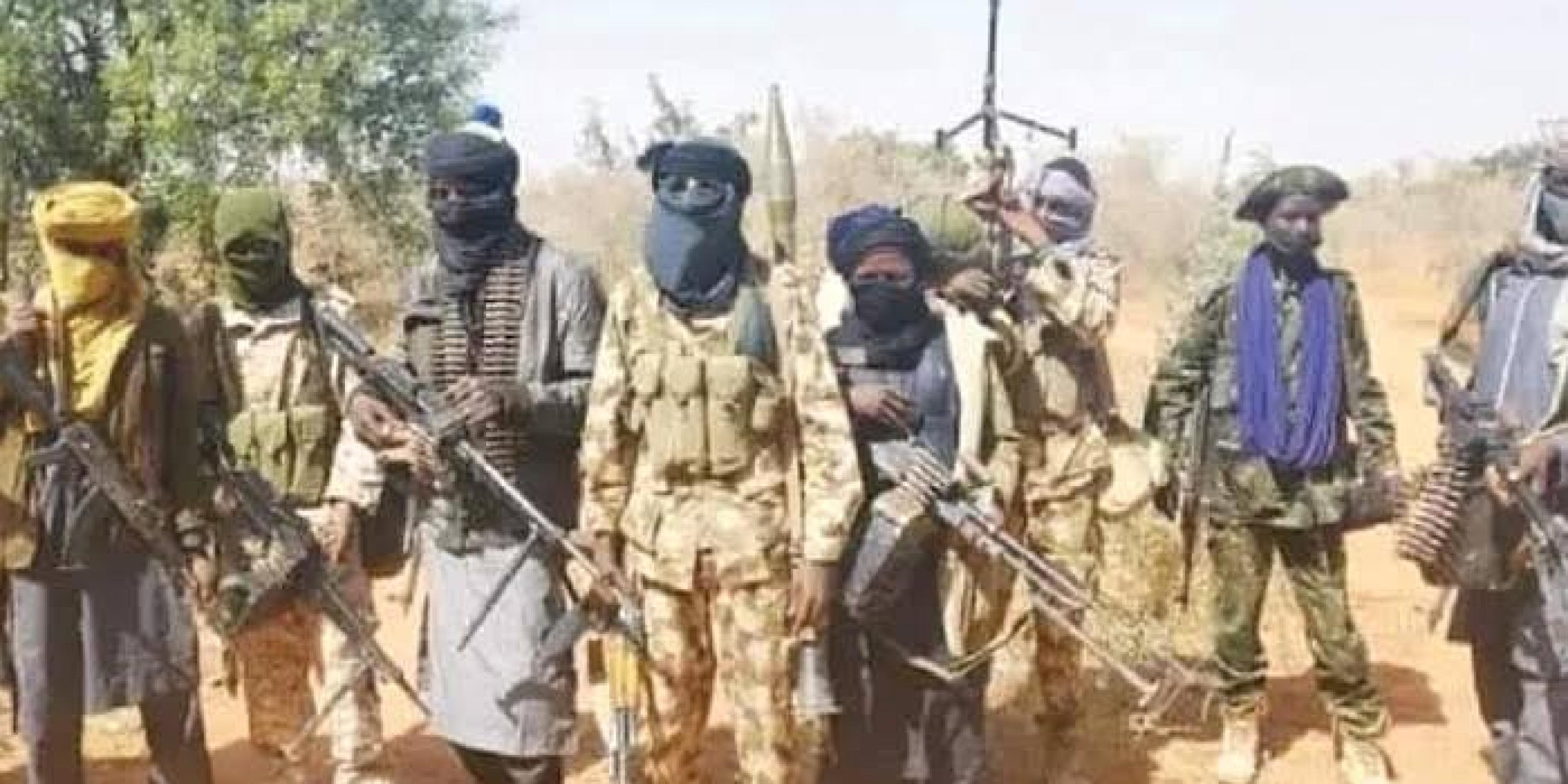
    A new report by the International Society for Civil Liberties and Rule of Law (InterSociety) has revealed that jihadist Fulani bandits and herdsmen were responsible for more than 70 per cent of violent attacks on Christian communities and places of worship across Nigeria in 2025. The civil rights group warned that the scale, coordination, and persistence of the violence pose a serious threat to Nigeria’s national unity, sovereignty, and constitutional secularism.

    According to the report, mass killings and church destructions have been systematic and well-coordinated since June 2015, with Christian communities in the Middle Belt, North-East, Southern Kaduna, parts of Kebbi, Katsina, Ondo State, and Eha-Amufu in Enugu State bearing the brunt of the attacks. InterSociety accused successive Nigerian governments of presiding over what it described as an “ethno-religiously polarised state,” alleging that violence against Christians has intensified under official watch.

    The organisation claimed that jihadist Fulani bandits and herdsmen have emerged as the most widespread and deadly terror groups in Nigeria, allegedly carrying out attacks framed around “convert to Islam or die” campaigns. It further alleged that controversial government policies such as RUGA settlements, grazing reserves, and ranching initiatives indirectly enabled armed herders to settle among indigenous Christian populations.

    InterSociety also raised concerns over forest security, questioning how armed groups gained access to detailed forest location data after a reported 2015 forest-mapping exercise by the Nigerian Army. Despite the grim findings, the group said international pressure helped save at least 600 Christian lives and dozens of churches in 2025, crediting advocacy on religious freedom and diplomatic interventions.

    The report singled out U.S. President Donald Trump for what it described as interventions that helped avert further attacks during the Christmas and New Year period, while also praising the United States and Canada for their roles in defending religious freedom in Nigeria. At the same time, InterSociety criticised the silence of some Nigerian Christian political leaders and called for urgent domestic and international action to prevent further destabilisation of Africa’s most populous nation.
    Jihadist Fulani Bandits Responsible for Over 70% of Violent Attacks on Nigerian Communities and Churches in 2025 – InterSociety Report Warns of Grave Threat to National Unity A new report by the International Society for Civil Liberties and Rule of Law (InterSociety) has revealed that jihadist Fulani bandits and herdsmen were responsible for more than 70 per cent of violent attacks on Christian communities and places of worship across Nigeria in 2025. The civil rights group warned that the scale, coordination, and persistence of the violence pose a serious threat to Nigeria’s national unity, sovereignty, and constitutional secularism. According to the report, mass killings and church destructions have been systematic and well-coordinated since June 2015, with Christian communities in the Middle Belt, North-East, Southern Kaduna, parts of Kebbi, Katsina, Ondo State, and Eha-Amufu in Enugu State bearing the brunt of the attacks. InterSociety accused successive Nigerian governments of presiding over what it described as an “ethno-religiously polarised state,” alleging that violence against Christians has intensified under official watch. The organisation claimed that jihadist Fulani bandits and herdsmen have emerged as the most widespread and deadly terror groups in Nigeria, allegedly carrying out attacks framed around “convert to Islam or die” campaigns. It further alleged that controversial government policies such as RUGA settlements, grazing reserves, and ranching initiatives indirectly enabled armed herders to settle among indigenous Christian populations. InterSociety also raised concerns over forest security, questioning how armed groups gained access to detailed forest location data after a reported 2015 forest-mapping exercise by the Nigerian Army. Despite the grim findings, the group said international pressure helped save at least 600 Christian lives and dozens of churches in 2025, crediting advocacy on religious freedom and diplomatic interventions. The report singled out U.S. President Donald Trump for what it described as interventions that helped avert further attacks during the Christmas and New Year period, while also praising the United States and Canada for their roles in defending religious freedom in Nigeria. At the same time, InterSociety criticised the silence of some Nigerian Christian political leaders and called for urgent domestic and international action to prevent further destabilisation of Africa’s most populous nation.
    like
    1
    · 0 Comentários ·0 Compartilhamentos ·2K Visualizações
  • Governor Mbah Holds Strategic Meeting to Reposition Igbos in Nigeria political space

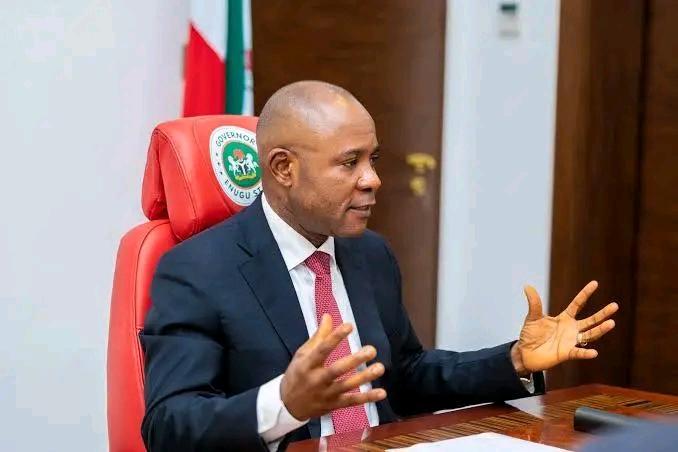
    Governor Peter Mbah has held a strategic closed door meeting, with some prominent Igbo leaders, to discuss the position of Igbos in Nigeria's political arrangements.

    Chika Ugwu reports that the meeting which was held in Amechi Awkunanu Enugu, had in attendance, the former Governor of Old Anambra State,Senator Jim Nwobodo and Senator Orji Uzo Kalu.

    As political alignments and realignments continue ahead of 2027 general elections,the closed door meeting is part of renewed efforts by leaders in the South East to forge a united front, and reposition Igbos effectively in Nigeria's political equation.

    Briefing Journalists at the end of the meeting, Elder Statesman, Jim Nwobodo said the consultative and reflective engagement was driven by the desire to end ambiguity surrounding the place of the Igbos in NATIONAL affairs, stressing thatthe Igbos must have a clearly defined and respected place in the country's power structure.

    The Political leaders emphasized the need for unity,identifying internal division as a major weapon that can weaken the region's influence at the National level.

    They however noted that the conversation will be expanded to include other leaders to ensure that the Igbos remain relevant and strategically positioned in Nigeria's political space.
    Governor Mbah Holds Strategic Meeting to Reposition Igbos in Nigeria political space Governor Peter Mbah has held a strategic closed door meeting, with some prominent Igbo leaders, to discuss the position of Igbos in Nigeria's political arrangements. Chika Ugwu reports that the meeting which was held in Amechi Awkunanu Enugu, had in attendance, the former Governor of Old Anambra State,Senator Jim Nwobodo and Senator Orji Uzo Kalu. As political alignments and realignments continue ahead of 2027 general elections,the closed door meeting is part of renewed efforts by leaders in the South East to forge a united front, and reposition Igbos effectively in Nigeria's political equation. Briefing Journalists at the end of the meeting, Elder Statesman, Jim Nwobodo said the consultative and reflective engagement was driven by the desire to end ambiguity surrounding the place of the Igbos in NATIONAL affairs, stressing thatthe Igbos must have a clearly defined and respected place in the country's power structure. The Political leaders emphasized the need for unity,identifying internal division as a major weapon that can weaken the region's influence at the National level. They however noted that the conversation will be expanded to include other leaders to ensure that the Igbos remain relevant and strategically positioned in Nigeria's political space.
    0 Comentários ·0 Compartilhamentos ·1K Visualizações
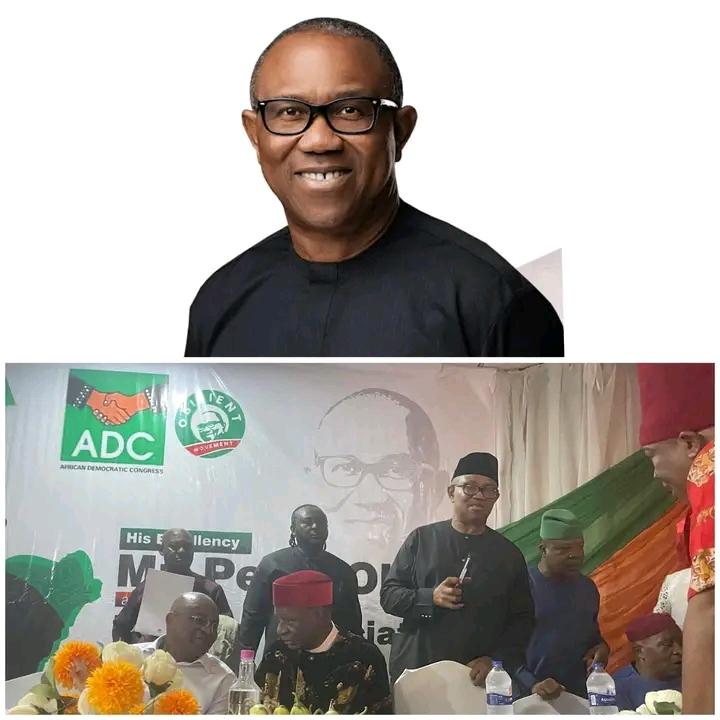
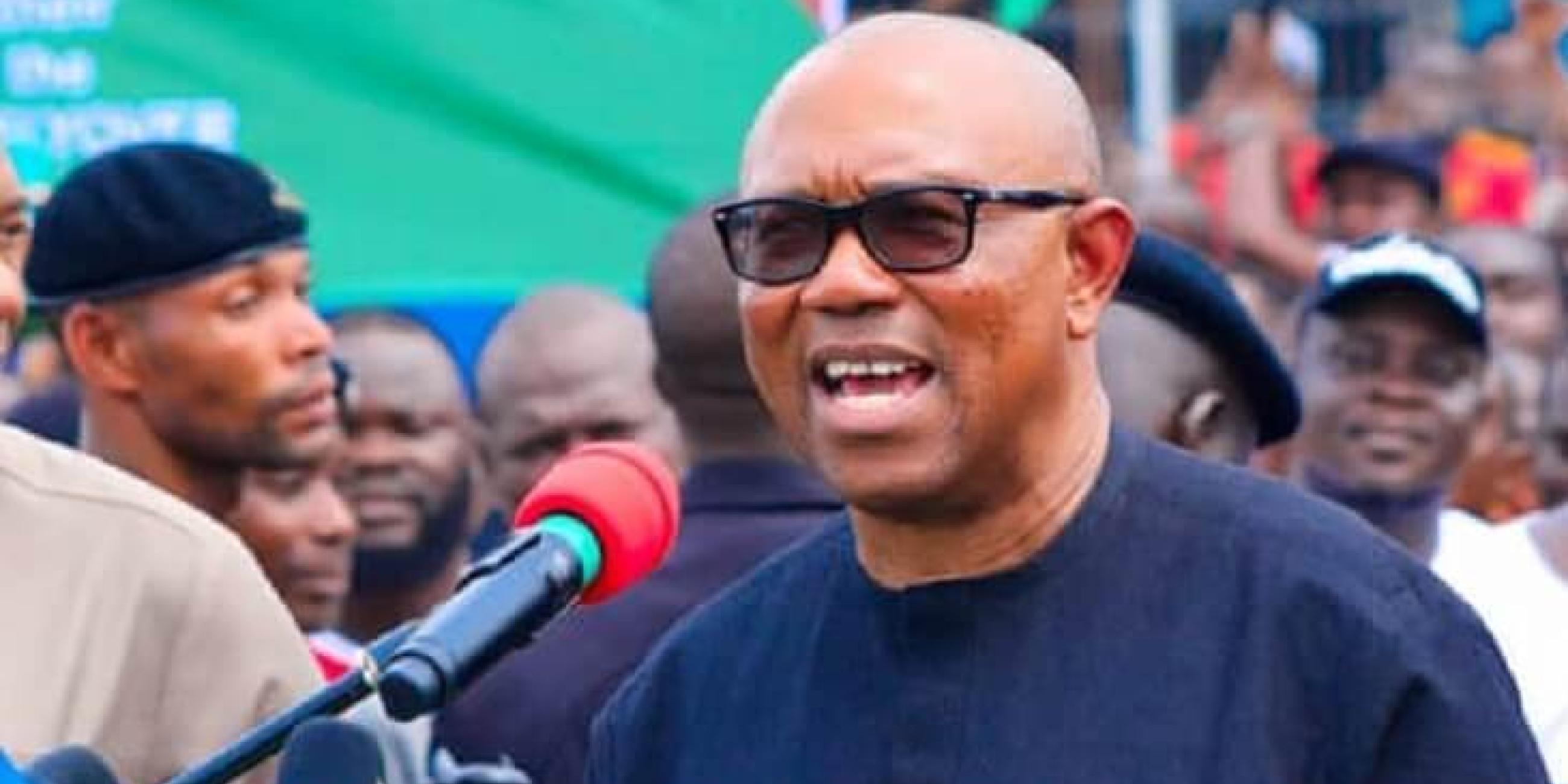
  • Peter Obi defects from LP to ADC

    The Presidential candidate of the Labour Party in the 2023 general election, Peter Obi, has officially declared for the African Democratic Congress (ADC).

    Obi along with other political leaders from the South-East geopolitical zone, declared for the ADC today December 31 in Enugu, the capital of Enugu State.

    Obi and the South East leaders stated that after months of consultations, they had decided to join the ADC and collaborate with other opposition leaders from across the country to “rescue Nigeria from the poor governance of the All Progressives Congress (APC)”.
    Peter Obi defects from LP to ADC The Presidential candidate of the Labour Party in the 2023 general election, Peter Obi, has officially declared for the African Democratic Congress (ADC). Obi along with other political leaders from the South-East geopolitical zone, declared for the ADC today December 31 in Enugu, the capital of Enugu State. Obi and the South East leaders stated that after months of consultations, they had decided to join the ADC and collaborate with other opposition leaders from across the country to “rescue Nigeria from the poor governance of the All Progressives Congress (APC)”.
    0 Comentários ·0 Compartilhamentos ·320 Visualizações
  • BREAKING: Peter Obi, South-East Political Leaders Dump Labour Party, Officially Join ADC in Enugu to Unseat APC Ahead of 2027 Elections

    Former Labour Party presidential candidate in the 2023 election, Peter Obi, alongside prominent political leaders from Nigeria’s South-East, has officially declared allegiance to the African Democratic Congress (ADC) in a major political realignment ahead of the 2027 general elections. The announcement was made during a high-level meeting in Enugu after months of consultations, with the leaders accusing the ruling All Progressives Congress (APC) of poor governance, corruption and economic mismanagement. Obi described Nigeria as a nation “looted into poverty,” citing widespread insecurity, youth unemployment and institutional decay, while calling for urgent electoral reforms and warning against rigging in 2027. He criticised current fiscal and tax policies, argued that Nigeria’s problems stem from leadership failure rather than lack of resources, and formally urged the Obidient Movement and opposition parties nationwide to rally behind a broad opposition coalition under the ADC, led by former Senate President David Mark. The move is expected to significantly reshape opposition politics as preparations intensify for the next general elections.
    BREAKING: Peter Obi, South-East Political Leaders Dump Labour Party, Officially Join ADC in Enugu to Unseat APC Ahead of 2027 Elections Former Labour Party presidential candidate in the 2023 election, Peter Obi, alongside prominent political leaders from Nigeria’s South-East, has officially declared allegiance to the African Democratic Congress (ADC) in a major political realignment ahead of the 2027 general elections. The announcement was made during a high-level meeting in Enugu after months of consultations, with the leaders accusing the ruling All Progressives Congress (APC) of poor governance, corruption and economic mismanagement. Obi described Nigeria as a nation “looted into poverty,” citing widespread insecurity, youth unemployment and institutional decay, while calling for urgent electoral reforms and warning against rigging in 2027. He criticised current fiscal and tax policies, argued that Nigeria’s problems stem from leadership failure rather than lack of resources, and formally urged the Obidient Movement and opposition parties nationwide to rally behind a broad opposition coalition under the ADC, led by former Senate President David Mark. The move is expected to significantly reshape opposition politics as preparations intensify for the next general elections.
    like
    1
    · 0 Comentários ·0 Compartilhamentos ·1K Visualizações
  • BREAKING: Shock In Kano As Two State Assembly Lawmakers, Aminu Saad Ungogo And Sarki Aliyu Daneji, Die Within Hours Of Each Other

    Tragedy has struck the Kano State House of Assembly following the sudden deaths of two serving lawmakers, Hon. Aminu Saad Ungogo and Hon. Sarki Aliyu Daneji, who passed away just hours apart on Wednesday, December 24, 2025. The development has thrown the state’s political landscape into mourning and raised concerns over the loss of key legislative voices within a single day.
    Hon. Aminu Saad Ungogo represented the Ungogo State Constituency, while Hon. Sarki Aliyu Daneji served as the lawmaker for Kano Municipal Constituency. Their deaths were officially confirmed by senior government officials, including the Special Adviser on Information to Governor Abba Kabir Yusuf, Ibrahim Adam, who announced the sad news via a Facebook post, expressing deep sorrow over the loss of both lawmakers in one evening.
    Further confirmation came from the Director of Media at the Kano Government House, Sanusi Bature Dawakin Tofa. He disclosed that Hon. Ungogo died after a brief illness and was scheduled to be buried later the same day in his hometown of Ungogo, in line with Islamic rites. An hour after Ungogo’s death, news broke that Hon. Daneji had also passed away, compounding the grief within the Assembly and across the state.
    The near-simultaneous deaths of the two legislators have sent shockwaves through Kano’s political community, with colleagues, government officials, and residents expressing condolences and prayers for their families. Both lawmakers were described as committed public servants who played active roles in representing their constituencies at the state legislature.
    As Kano mourns the loss of the two lawmakers, tributes continue to pour in from political leaders and citizens alike, while the State House of Assembly is expected to formally announce mourning activities and possible arrangements for filling the vacant seats in accordance with the law.
    BREAKING: Shock In Kano As Two State Assembly Lawmakers, Aminu Saad Ungogo And Sarki Aliyu Daneji, Die Within Hours Of Each Other Tragedy has struck the Kano State House of Assembly following the sudden deaths of two serving lawmakers, Hon. Aminu Saad Ungogo and Hon. Sarki Aliyu Daneji, who passed away just hours apart on Wednesday, December 24, 2025. The development has thrown the state’s political landscape into mourning and raised concerns over the loss of key legislative voices within a single day. Hon. Aminu Saad Ungogo represented the Ungogo State Constituency, while Hon. Sarki Aliyu Daneji served as the lawmaker for Kano Municipal Constituency. Their deaths were officially confirmed by senior government officials, including the Special Adviser on Information to Governor Abba Kabir Yusuf, Ibrahim Adam, who announced the sad news via a Facebook post, expressing deep sorrow over the loss of both lawmakers in one evening. Further confirmation came from the Director of Media at the Kano Government House, Sanusi Bature Dawakin Tofa. He disclosed that Hon. Ungogo died after a brief illness and was scheduled to be buried later the same day in his hometown of Ungogo, in line with Islamic rites. An hour after Ungogo’s death, news broke that Hon. Daneji had also passed away, compounding the grief within the Assembly and across the state. The near-simultaneous deaths of the two legislators have sent shockwaves through Kano’s political community, with colleagues, government officials, and residents expressing condolences and prayers for their families. Both lawmakers were described as committed public servants who played active roles in representing their constituencies at the state legislature. As Kano mourns the loss of the two lawmakers, tributes continue to pour in from political leaders and citizens alike, while the State House of Assembly is expected to formally announce mourning activities and possible arrangements for filling the vacant seats in accordance with the law.
    like
    1
    · 0 Comentários ·0 Compartilhamentos ·1K Visualizações
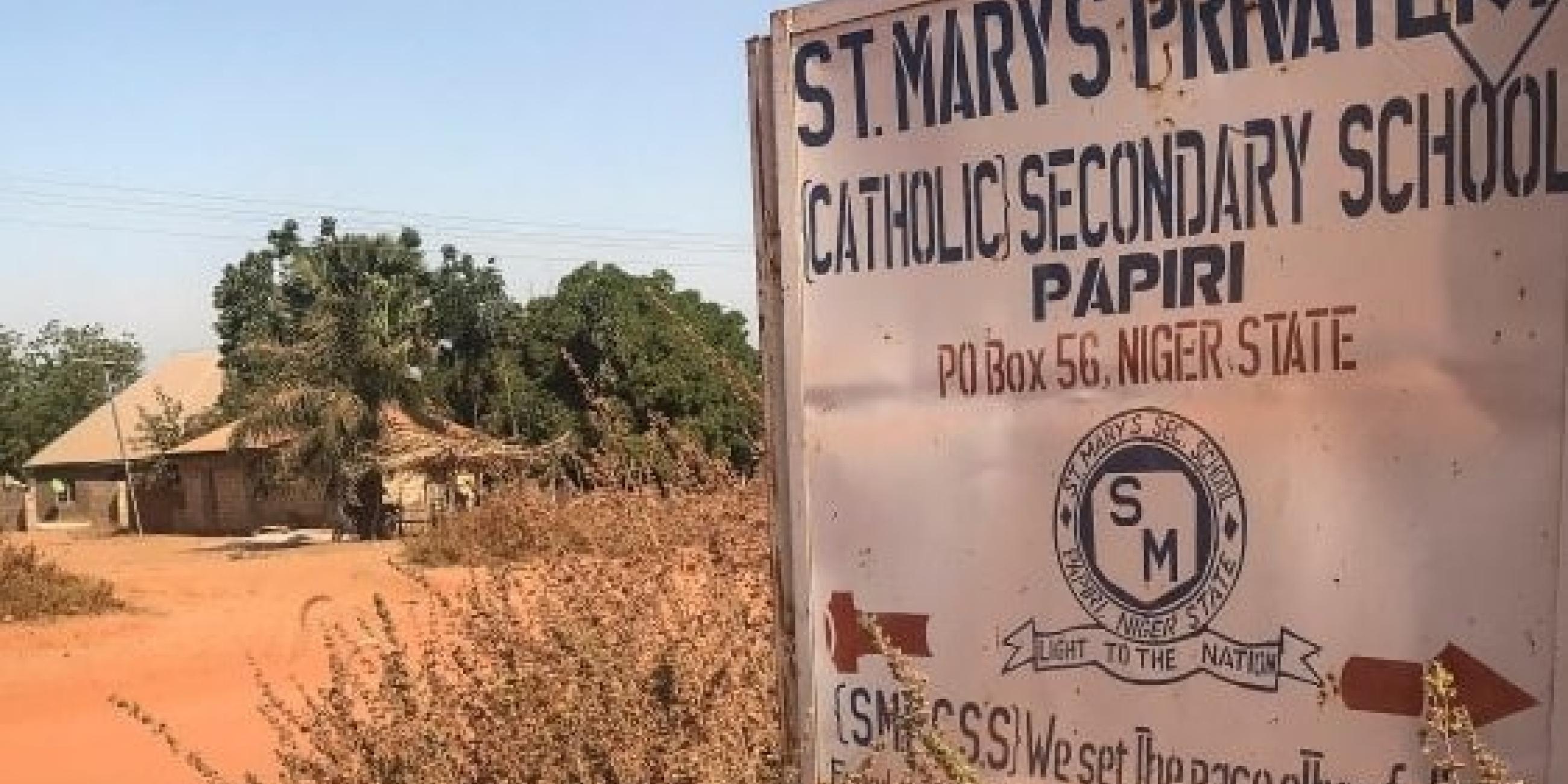
  • Catholic Sisters Call For Global Intervention As 165 Kidnapped Niger State Catholic Schoolchildren Remain In Captivity Weeks After Abduction

    Catholic religious sisters have appealed to the international community to intervene urgently as 165 schoolchildren abducted from St. Mary’s Catholic Primary and Secondary Schools in Papiri, Niger State, remain in captivity. The Sisters of Our Lady of Apostles (OLA) revealed that the children, aged between five and 13, were taken during a night raid by armed bandits on November 21, 2025, and are being held in harsh forest conditions. Although 100 victims have been freed and some pupils escaped earlier, the OLA Sisters say families and communities continue to suffer anguish, urging political leaders and global actors to act swiftly to secure the children’s safe return.
    Catholic Sisters Call For Global Intervention As 165 Kidnapped Niger State Catholic Schoolchildren Remain In Captivity Weeks After Abduction Catholic religious sisters have appealed to the international community to intervene urgently as 165 schoolchildren abducted from St. Mary’s Catholic Primary and Secondary Schools in Papiri, Niger State, remain in captivity. The Sisters of Our Lady of Apostles (OLA) revealed that the children, aged between five and 13, were taken during a night raid by armed bandits on November 21, 2025, and are being held in harsh forest conditions. Although 100 victims have been freed and some pupils escaped earlier, the OLA Sisters say families and communities continue to suffer anguish, urging political leaders and global actors to act swiftly to secure the children’s safe return.
    0 Comentários ·0 Compartilhamentos ·394 Visualizações
  • Zamfara Bandits Kill Political Leader After Collecting N15m Ransom, Months After Abduction

    Armed bandits in Zamfara State have killed Hon. Mu’azu Zannan Gwashi, a local political leader abducted on July 22, 2025, despite collecting a negotiated N15 million ransom. The attackers initially demanded N30 million before reducing it, only to later insist on the full amount after receiving the first payment. Gwashi remained in captivity for about five months before his death was confirmed by community sources. The incident highlights the worsening insecurity in Zamfara, where kidnappings and violent attacks by armed groups remain rampant despite ongoing security operations.


    #ZamfaraInsecurity #BanditryNigeria #KidnappingCrisis
    Zamfara Bandits Kill Political Leader After Collecting N15m Ransom, Months After Abduction Armed bandits in Zamfara State have killed Hon. Mu’azu Zannan Gwashi, a local political leader abducted on July 22, 2025, despite collecting a negotiated N15 million ransom. The attackers initially demanded N30 million before reducing it, only to later insist on the full amount after receiving the first payment. Gwashi remained in captivity for about five months before his death was confirmed by community sources. The incident highlights the worsening insecurity in Zamfara, where kidnappings and violent attacks by armed groups remain rampant despite ongoing security operations. #ZamfaraInsecurity #BanditryNigeria #KidnappingCrisis
    0 Comentários ·0 Compartilhamentos ·734 Visualizações
  • Corruption Fueling Nigeria’s Security Crisis, CISLAC/TI Warn on UN Anti-Corruption Day

    CISLAC and Transparency International-Nigeria warn that corruption is the driving force behind Nigeria’s deepening insecurity, accusing political leaders, security chiefs, and military elites of profiting from opaque defence spending and fraudulent security contracts. The groups cite diversion of funds, recruitment racketeering, illegal arms deals, extortion, and poor welfare for frontline personnel as key factors undermining the fight against terrorism, banditry, kidnapping, and organised crime. They call for urgent reforms, full transparency in defence procurement, strict sanctions for corrupt officers, and independent oversight to stop what they describe as an entrenched “insecurity economy.”
    Corruption Fueling Nigeria’s Security Crisis, CISLAC/TI Warn on UN Anti-Corruption Day CISLAC and Transparency International-Nigeria warn that corruption is the driving force behind Nigeria’s deepening insecurity, accusing political leaders, security chiefs, and military elites of profiting from opaque defence spending and fraudulent security contracts. The groups cite diversion of funds, recruitment racketeering, illegal arms deals, extortion, and poor welfare for frontline personnel as key factors undermining the fight against terrorism, banditry, kidnapping, and organised crime. They call for urgent reforms, full transparency in defence procurement, strict sanctions for corrupt officers, and independent oversight to stop what they describe as an entrenched “insecurity economy.”
    0 Comentários ·0 Compartilhamentos ·820 Visualizações
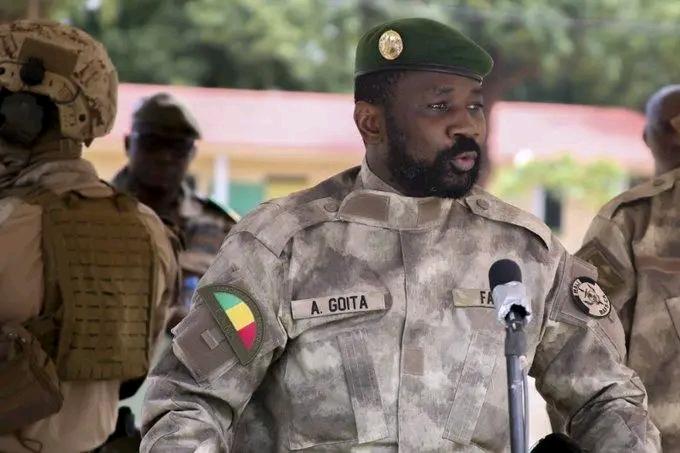
  • Just In: Mali’s President Goïta Drops Bombshell — “We Either Fight for Our Freedom or Remain Slaves Forever”

    In a powerful and emotional address, Mali’s President Assimi Goïta has sent a bold warning to his people and the world, insisting that Africa must choose between fighting for its freedom or remaining “slaves forever.”

    According to Goïta, Mali and several African nations are being hunted, pressured, and manipulated by foreign powers using terror!sm as a tool of control.

    “We either fight this w@r or remain slaves forever, because they are hunting us,” he declared.

    Goïta accused powerful foreign interests of pretending to provide “help” while secretly working to dominate African countries politically and economically.

    He alleged that these global actors are:

    Influencing who becomes president, prime minister, mayor, and political leaders

    Forcing African nations to give up shares in mining corporations

    Trying to control national passports and security systems

    Targeting ownership of Africa’s natural resources

    His message to citizens was clear: wake up, recognize the thre@t, and defend national sovereignty before it’s too late.

    This statement is already sparking debate across Africa — especially as more nations question the intentions of external powers on the continent.

    Do you think African nations should cut ties with foreign powers and political influence?

    If It’s Loud, It’s NewsFlash!

    SHARE this post to keep others informed.

    If you’re new here, FOLLOW our page to stay updated with real, uncensored news from across Africa.

    #AfricaRising #newsflashafrica #sovereigntyfight
    Just In: Mali’s President Goïta Drops Bombshell — “We Either Fight for Our Freedom or Remain Slaves Forever” In a powerful and emotional address, Mali’s President Assimi Goïta has sent a bold warning to his people and the world, insisting that Africa must choose between fighting for its freedom or remaining “slaves forever.” According to Goïta, Mali and several African nations are being hunted, pressured, and manipulated by foreign powers using terror!sm as a tool of control. “We either fight this w@r or remain slaves forever, because they are hunting us,” he declared. Goïta accused powerful foreign interests of pretending to provide “help” while secretly working to dominate African countries politically and economically. He alleged that these global actors are: Influencing who becomes president, prime minister, mayor, and political leaders Forcing African nations to give up shares in mining corporations Trying to control national passports and security systems Targeting ownership of Africa’s natural resources His message to citizens was clear: wake up, recognize the thre@t, and defend national sovereignty before it’s too late. This statement is already sparking debate across Africa — especially as more nations question the intentions of external powers on the continent. Do you think African nations should cut ties with foreign powers and political influence? If It’s Loud, It’s NewsFlash! SHARE this post to keep others informed. If you’re new here, FOLLOW our page to stay updated with real, uncensored news from across Africa. #AfricaRising #newsflashafrica #sovereigntyfight
    0 Comentários ·0 Compartilhamentos ·2K Visualizações
  • Nine-Year-Old Almajiri Boy Remanded in Yola for Aiding N2 Million Shop Burglary


    A nine-year-old Almajiri boy has been remanded in a juvenile correctional facility in Adamawa State for allegedly providing intelligence that enabled a group of burglars to steal N2 million from a shop. Court sources say the child, lacking supervision and structure, was easily manipulated into aiding the crime. The case has sparked outrage, with retired ACP Abubakar Shariff condemning northern political leaders for abandoning millions of Almajiri children and leaving them vulnerable to criminal exploitation. Shariff called for the abolition of the Almajiri system and urged investment in modern education and child welfare to prevent further societal collapse..

    #Almajiri

    #AdamawaState

    #Yola

    #JuvenileCrime

    #ChildVulnerability
    Nine-Year-Old Almajiri Boy Remanded in Yola for Aiding N2 Million Shop Burglary A nine-year-old Almajiri boy has been remanded in a juvenile correctional facility in Adamawa State for allegedly providing intelligence that enabled a group of burglars to steal N2 million from a shop. Court sources say the child, lacking supervision and structure, was easily manipulated into aiding the crime. The case has sparked outrage, with retired ACP Abubakar Shariff condemning northern political leaders for abandoning millions of Almajiri children and leaving them vulnerable to criminal exploitation. Shariff called for the abolition of the Almajiri system and urged investment in modern education and child welfare to prevent further societal collapse.. #Almajiri #AdamawaState #Yola #JuvenileCrime #ChildVulnerability
    0 Comentários ·0 Compartilhamentos ·1K Visualizações
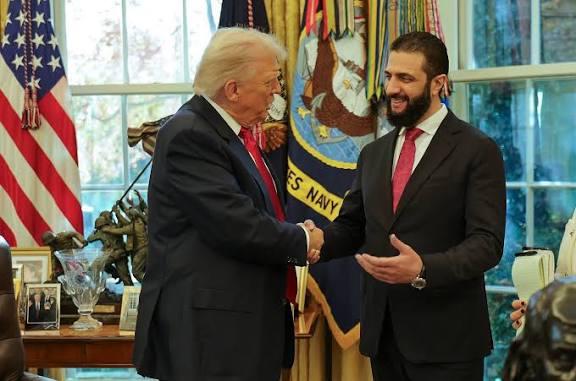
  • Trump Hosts Syrian President and ex-Jihadist, Al-Sharaa, in First-Ever White House Visit.

    US President Donald Trump on Monday held a closed-door meeting with Syrian President Ahmed al-Sharaa at the White House, marking the first time a Syrian leader has ever visited the presidential residence.

    The meeting, which took place without reporters or photo coverage, comes amid ongoing shifts in Syria’s political landscape. 

    Al-Sharaa, 43, is a former leader of al-Qaeda and was once listed by the US as a wanted t+rrorist, with a $10 million bounty on his head until late 2024. He previously spent time in Iraq’s Abu Ghraib prison.

    His recent appearance on the global stage has drawn widespread attention. Just weeks ago, he attended the United Nations General Assembly in New York — a move analysts say underscores his evolution from a militant figure to a recognized political leader.

    Ahead of his visit, the US government lifted longstanding sanctions on al-Sharaa and removed his global terrorist designation, as well as that of Syria’s interior minister, Anas Khattab.

    Trump has previously praised al-Sharaa, referring to him as a “young, attractive guy” with a “very strong past” after the two briefly met during the US president’s Middle East tour earlier this year. 

    Shortly afterward, Washington began easing some of the economic restrictions imposed on Syria.

    Al-Sharaa rose to power in January as part of a transitional arrangement after armed opposition groups launched a major offensive that forced former President Bashar al-Assad to flee to Russia.
    Trump Hosts Syrian President and ex-Jihadist, Al-Sharaa, in First-Ever White House Visit. US President Donald Trump on Monday held a closed-door meeting with Syrian President Ahmed al-Sharaa at the White House, marking the first time a Syrian leader has ever visited the presidential residence. The meeting, which took place without reporters or photo coverage, comes amid ongoing shifts in Syria’s political landscape.  Al-Sharaa, 43, is a former leader of al-Qaeda and was once listed by the US as a wanted t+rrorist, with a $10 million bounty on his head until late 2024. He previously spent time in Iraq’s Abu Ghraib prison. His recent appearance on the global stage has drawn widespread attention. Just weeks ago, he attended the United Nations General Assembly in New York — a move analysts say underscores his evolution from a militant figure to a recognized political leader. Ahead of his visit, the US government lifted longstanding sanctions on al-Sharaa and removed his global terrorist designation, as well as that of Syria’s interior minister, Anas Khattab. Trump has previously praised al-Sharaa, referring to him as a “young, attractive guy” with a “very strong past” after the two briefly met during the US president’s Middle East tour earlier this year.  Shortly afterward, Washington began easing some of the economic restrictions imposed on Syria. Al-Sharaa rose to power in January as part of a transitional arrangement after armed opposition groups launched a major offensive that forced former President Bashar al-Assad to flee to Russia.
    0 Comentários ·0 Compartilhamentos ·1K Visualizações
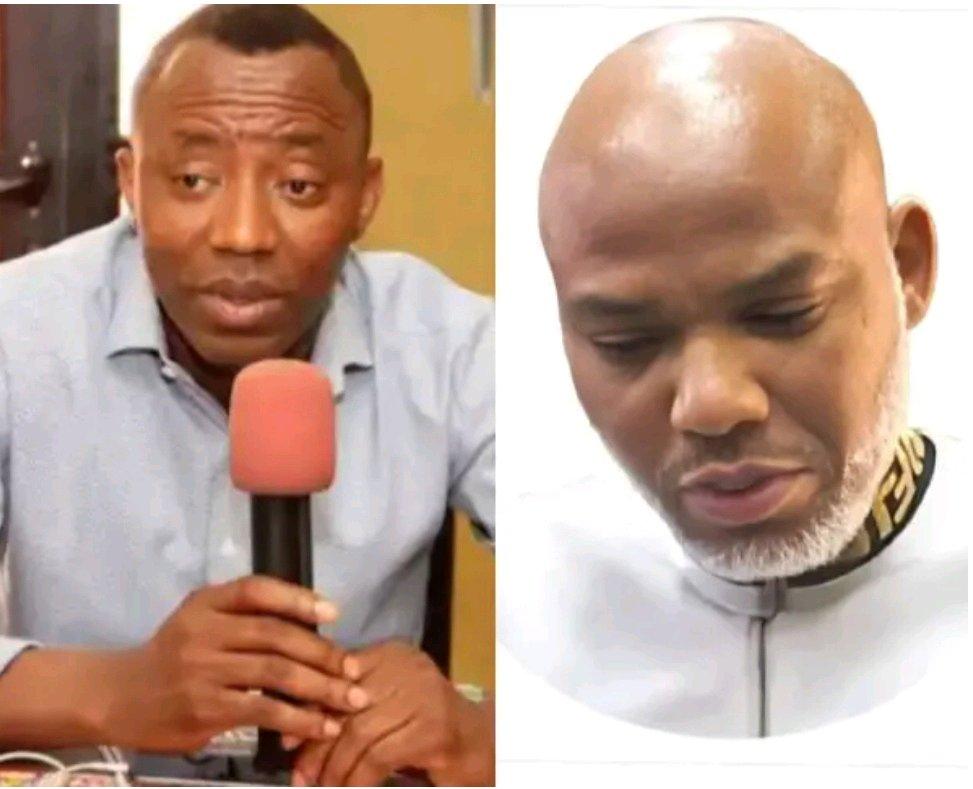
  • “They Ignored My Calls” — Sowore Reveals Otti and Soludo’s Silence Over Nnamdi Kanu’s Detention

    African Action Congress (AAC) presidential candidate in the 2023 election, Omoyele Sowore, has revealed that his attempts to reach Abia State Governor Alex Otti and Anambra State Governor Charles Soludo over the continued detention of Nnamdi Kanu, leader of the Indigenous People of Biafra (IPOB), were unsuccessful.

    In a post shared on his official X (formerly Twitter) account on Wednesday, October 8, 2025, Sowore said he reached out to the two Southeast governors as part of his efforts to rally key political leaders to unite in demanding Kanu’s release — but neither took his calls nor responded to his messages.

    “I have tried reaching out personally to Dr. Alex Otti, Prof. Charles Chukwuma Soludo, and Mr. Peter Obi through his team today.
    Alex Otti and Soludo neither took my calls nor responded to my messages,” Sowore wrote.


    The activist and Sahara Reporters publisher added that while Otti and Soludo remained silent, he was able to connect with Hon. Obi Aguocha, a federal lawmaker from Abia State, who responded positively to his appeal for joint action.

    Sowore also mentioned that he reached out to former Vice President Atiku Abubakar, urging him and other national leaders to join the collective call for Kanu’s unconditional release.

    His statement has since sparked intense debate online, with many Nigerians questioning the political unity and responsiveness of Southeast leaders regarding Kanu’s continued incarceration.
    “They Ignored My Calls” — Sowore Reveals Otti and Soludo’s Silence Over Nnamdi Kanu’s Detention African Action Congress (AAC) presidential candidate in the 2023 election, Omoyele Sowore, has revealed that his attempts to reach Abia State Governor Alex Otti and Anambra State Governor Charles Soludo over the continued detention of Nnamdi Kanu, leader of the Indigenous People of Biafra (IPOB), were unsuccessful. In a post shared on his official X (formerly Twitter) account on Wednesday, October 8, 2025, Sowore said he reached out to the two Southeast governors as part of his efforts to rally key political leaders to unite in demanding Kanu’s release — but neither took his calls nor responded to his messages. “I have tried reaching out personally to Dr. Alex Otti, Prof. Charles Chukwuma Soludo, and Mr. Peter Obi through his team today. Alex Otti and Soludo neither took my calls nor responded to my messages,” Sowore wrote. The activist and Sahara Reporters publisher added that while Otti and Soludo remained silent, he was able to connect with Hon. Obi Aguocha, a federal lawmaker from Abia State, who responded positively to his appeal for joint action. Sowore also mentioned that he reached out to former Vice President Atiku Abubakar, urging him and other national leaders to join the collective call for Kanu’s unconditional release. His statement has since sparked intense debate online, with many Nigerians questioning the political unity and responsiveness of Southeast leaders regarding Kanu’s continued incarceration.
    0 Comentários ·0 Compartilhamentos ·1K Visualizações
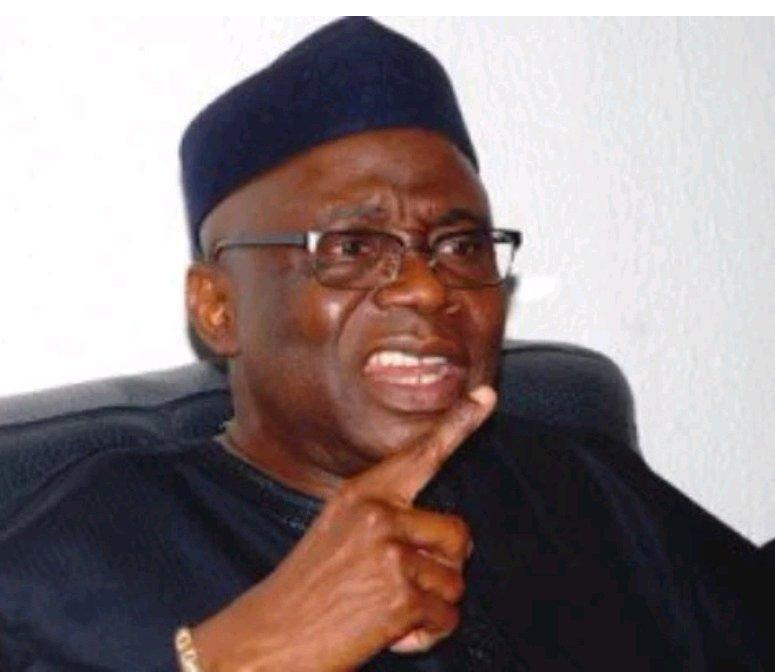
  • “Patience Jonathan Knelt Before Me, Begging Not to Be Abandoned” — Pastor Tunde Bakare Recounts 2014 Encounter with Ex-President Jonathan


    Prominent cleric and political leader, Pastor Tunde Bakare, has revealed that former President Goodluck Jonathan once invited him for a private meeting in 2014, as his administration struggled to retain power.

    Speaking in a video shared by Channels Television, Bakare recounted that during the tense meeting, Patience Jonathan, the former First Lady, broke down in tears and knelt before him, pleading that he should not abandon them.

    “His wife is alive, here in Lagos house, Yinka Odumakin was there. His wife knelt down and held my two feet, saying, ‘You are our father, don’t abandon us.’ I told them it was too late because they didn’t listen to counsel,” Bakare revealed.


    The cleric noted that activist Yinka Odumakin was present at the emotional meeting. He explained that Jonathan sought his support despite their political rivalry, as Bakare had earlier contested the 2011 election as running mate to Muhammadu Buhari.

    According to Bakare, he eventually advised Jonathan to convene a National Conference that would bring together representatives from all regions to discuss Nigeria’s future.

    He said Jonathan acted on that counsel by organizing the 2014 National Conference, but unfortunately, the recommendations were never implemented.

    “I told him to call for a national conference that would address Nigeria’s challenges and unite the people. He did — but sadly, nothing was done with the report,” Bakare added.


    The pastor’s revelation has reignited conversations online about the political intrigues of 2014, Jonathan’s leadership style, and the untapped potential of the conference’s resolutions.
    “Patience Jonathan Knelt Before Me, Begging Not to Be Abandoned” — Pastor Tunde Bakare Recounts 2014 Encounter with Ex-President Jonathan Prominent cleric and political leader, Pastor Tunde Bakare, has revealed that former President Goodluck Jonathan once invited him for a private meeting in 2014, as his administration struggled to retain power. Speaking in a video shared by Channels Television, Bakare recounted that during the tense meeting, Patience Jonathan, the former First Lady, broke down in tears and knelt before him, pleading that he should not abandon them. “His wife is alive, here in Lagos house, Yinka Odumakin was there. His wife knelt down and held my two feet, saying, ‘You are our father, don’t abandon us.’ I told them it was too late because they didn’t listen to counsel,” Bakare revealed. The cleric noted that activist Yinka Odumakin was present at the emotional meeting. He explained that Jonathan sought his support despite their political rivalry, as Bakare had earlier contested the 2011 election as running mate to Muhammadu Buhari. According to Bakare, he eventually advised Jonathan to convene a National Conference that would bring together representatives from all regions to discuss Nigeria’s future. He said Jonathan acted on that counsel by organizing the 2014 National Conference, but unfortunately, the recommendations were never implemented. “I told him to call for a national conference that would address Nigeria’s challenges and unite the people. He did — but sadly, nothing was done with the report,” Bakare added. The pastor’s revelation has reignited conversations online about the political intrigues of 2014, Jonathan’s leadership style, and the untapped potential of the conference’s resolutions.
    0 Comentários ·0 Compartilhamentos ·921 Visualizações
  • Ganduje Arrives Imo for Governor Uzodimma’s Book Launch

    Former Kano State Governor and immediate past National Chairman of the All Progressives Congress (APC), Dr. Abdullahi Umar Ganduje, CON, has arrived in Imo State ahead of the official launch of a book authored by Governor Hope Uzodimma.

    Ganduje was warmly received at the airport on Monday, September 29, 2025, by Governor Uzodimma alongside senior government officials.

    The book, titled “Decade of Impactful Progressive Governance in Nigeria”, will be unveiled on Tuesday at the Late Emmanuel Iwuanyanwu International Conference Centre in Imo. It chronicles ten years of governance milestones, reforms, and developmental policies that have influenced Nigeria’s democratic journey.

    The high-profile event is expected to draw notable political leaders, state governors, members of the National Assembly, policymakers, and other dignitaries from across the country.

    Ganduje’s presence at the ceremony underscores the significance of the launch, given his reputation as a prominent APC stalwart and influential voice on governance and party affairs.

    The book presentation is anticipated to spark conversations on Nigeria’s democratic progress, current challenges, and the nation’s future trajectory.
    Ganduje Arrives Imo for Governor Uzodimma’s Book Launch Former Kano State Governor and immediate past National Chairman of the All Progressives Congress (APC), Dr. Abdullahi Umar Ganduje, CON, has arrived in Imo State ahead of the official launch of a book authored by Governor Hope Uzodimma. Ganduje was warmly received at the airport on Monday, September 29, 2025, by Governor Uzodimma alongside senior government officials. The book, titled “Decade of Impactful Progressive Governance in Nigeria”, will be unveiled on Tuesday at the Late Emmanuel Iwuanyanwu International Conference Centre in Imo. It chronicles ten years of governance milestones, reforms, and developmental policies that have influenced Nigeria’s democratic journey. The high-profile event is expected to draw notable political leaders, state governors, members of the National Assembly, policymakers, and other dignitaries from across the country. Ganduje’s presence at the ceremony underscores the significance of the launch, given his reputation as a prominent APC stalwart and influential voice on governance and party affairs. The book presentation is anticipated to spark conversations on Nigeria’s democratic progress, current challenges, and the nation’s future trajectory.
    0 Comentários ·0 Compartilhamentos ·1K Visualizações
  • Fubara Storms Hometown After Returning to Rivers Govt House.

    Rivers State Governor, Siminalayi Fubara, on Sunday visited his hometown, Opobo, where he worshipped at St. Paul’s Cathedral, days after resuming at the Government House, Port Harcourt.

    Fubara’s visit came barely 48 hours after the governor returned to office following the lifting of the six-month emergency rule in the state.

    During his statewide broadcast on Friday, Fubara acknowledged President Bola Tinubu’s role in brokering peace among key stakeholders, including Federal Capital Territory Minister Nyesom Wike and members of the Rivers State House of Assembly.

    “We believe the political crisis is now behind us and that peace and stability have once again returned to Rivers State,” the governor said, pledging renewed commitment to reconciliation and effective governance.

    Fubara also outlined plans to complete ongoing projects in infrastructure, education, and healthcare, revive the state’s economy, and strengthen cooperation with the House of Assembly. He urged citizens to set aside divisions and unite in building what he described as “a stronger, more peaceful and prosperous Rivers State.”

    The governor expressed gratitude to Tinubu, the National Assembly, political leaders, religious groups, and the people of Rivers State for their resilience and patience during the months of political uncertainty.
    Fubara Storms Hometown After Returning to Rivers Govt House. Rivers State Governor, Siminalayi Fubara, on Sunday visited his hometown, Opobo, where he worshipped at St. Paul’s Cathedral, days after resuming at the Government House, Port Harcourt. Fubara’s visit came barely 48 hours after the governor returned to office following the lifting of the six-month emergency rule in the state. During his statewide broadcast on Friday, Fubara acknowledged President Bola Tinubu’s role in brokering peace among key stakeholders, including Federal Capital Territory Minister Nyesom Wike and members of the Rivers State House of Assembly. “We believe the political crisis is now behind us and that peace and stability have once again returned to Rivers State,” the governor said, pledging renewed commitment to reconciliation and effective governance. Fubara also outlined plans to complete ongoing projects in infrastructure, education, and healthcare, revive the state’s economy, and strengthen cooperation with the House of Assembly. He urged citizens to set aside divisions and unite in building what he described as “a stronger, more peaceful and prosperous Rivers State.” The governor expressed gratitude to Tinubu, the National Assembly, political leaders, religious groups, and the people of Rivers State for their resilience and patience during the months of political uncertainty.
    0 Comentários ·0 Compartilhamentos ·903 Visualizações

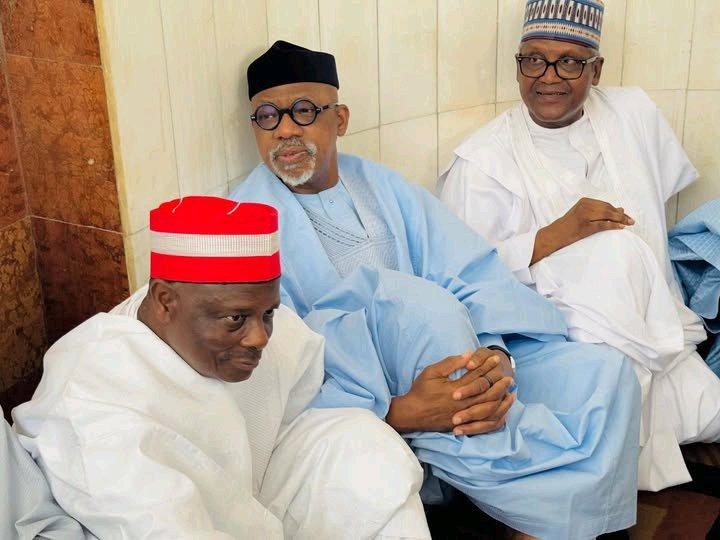
  • Kwankwaso, Dangote Grace Dantata Family Wedding in Kano

    The National Leader of the New Nigeria People’s Party (NNPP), Senator Rabiu Musa Kwankwaso, on Saturday, September 20, 2025, joined Africa’s richest man and Chairman of Dangote Group, Alhaji Aliko Dangote, at the wedding fatiha of the children of the late patriarch, Alhaji Sayyu Idris Dantata, in Kano.

    The elegant ceremony, which united two prominent Nigerian families, took place at the historic Alhaji Alhassan Dantata Mosque in Koki Quarters, Kano State. It featured the solemnization of marriage between Faisal Mohammed Bello, son of former Attorney General of the Federation and Minister of Justice, Mohammed Bello Adoke, and Amira Sayyu Dantata, daughter of the respected Kano businessman.

    The event attracted an array of high-profile dignitaries, including political leaders, captains of industry, and traditional rulers, who gathered to celebrate the much-anticipated union.

    In his goodwill message, Senator Kwankwaso prayed for the couple, asking Almighty God to bless their home with love, harmony, and prosperity.

    The presence of both Dangote and Kwankwaso underscored the importance of the occasion, as Kano played host to one of the most glamorous and celebrated weddings of the year.

    Kwankwaso, Dangote Grace Dantata Family Wedding in Kano The National Leader of the New Nigeria People’s Party (NNPP), Senator Rabiu Musa Kwankwaso, on Saturday, September 20, 2025, joined Africa’s richest man and Chairman of Dangote Group, Alhaji Aliko Dangote, at the wedding fatiha of the children of the late patriarch, Alhaji Sayyu Idris Dantata, in Kano. The elegant ceremony, which united two prominent Nigerian families, took place at the historic Alhaji Alhassan Dantata Mosque in Koki Quarters, Kano State. It featured the solemnization of marriage between Faisal Mohammed Bello, son of former Attorney General of the Federation and Minister of Justice, Mohammed Bello Adoke, and Amira Sayyu Dantata, daughter of the respected Kano businessman. The event attracted an array of high-profile dignitaries, including political leaders, captains of industry, and traditional rulers, who gathered to celebrate the much-anticipated union. In his goodwill message, Senator Kwankwaso prayed for the couple, asking Almighty God to bless their home with love, harmony, and prosperity. The presence of both Dangote and Kwankwaso underscored the importance of the occasion, as Kano played host to one of the most glamorous and celebrated weddings of the year.
    0 Comentários ·0 Compartilhamentos ·619 Visualizações
Páginas Impulsionadas
Fintter https://fintter.com