About
About
Jihadist Fulani Bandits Responsible for Over 70% of Violent Attacks on Nigerian Communities and Churches in 2025 – InterSociety Report Warns of Grave Threat to National Unity
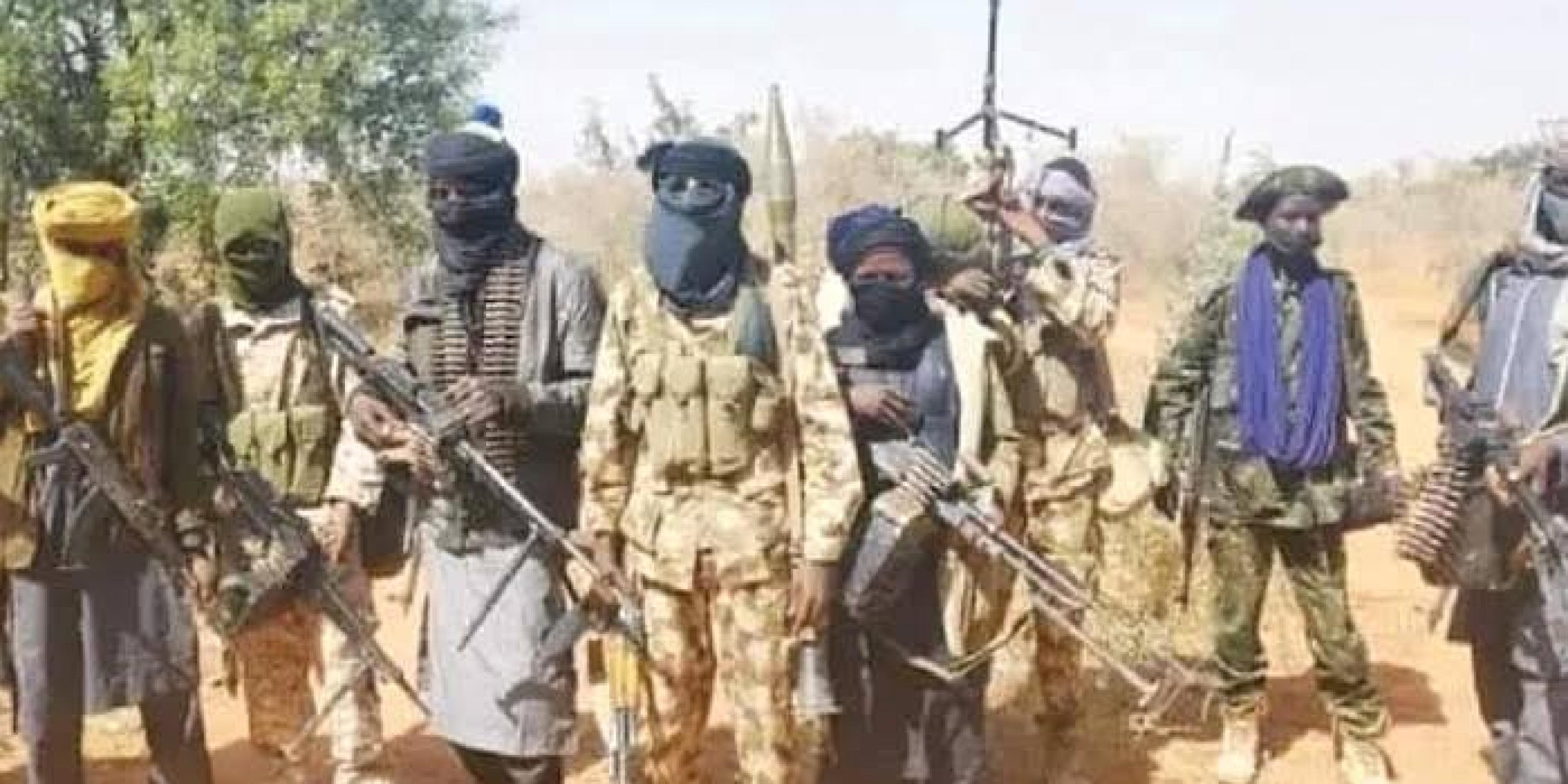
A new report by the International Society for Civil Liberties and Rule of Law (InterSociety) has revealed that jihadist Fulani bandits and herdsmen were responsible for more than 70 per cent of violent attacks on Christian communities and places of worship across Nigeria in 2025. The civil rights group warned that the scale, coordination, and persistence of the violence pose a serious threat to Nigeria’s national unity, sovereignty, and constitutional secularism.
According to the report, mass killings and church destructions have been systematic and well-coordinated since June 2015, with Christian communities in the Middle Belt, North-East, Southern Kaduna, parts of Kebbi, Katsina, Ondo State, and Eha-Amufu in Enugu State bearing the brunt of the attacks. InterSociety accused successive Nigerian governments of presiding over what it described as an “ethno-religiously polarised state,” alleging that violence against Christians has intensified under official watch.
The organisation claimed that jihadist Fulani bandits and herdsmen have emerged as the most widespread and deadly terror groups in Nigeria, allegedly carrying out attacks framed around “convert to Islam or die” campaigns. It further alleged that controversial government policies such as RUGA settlements, grazing reserves, and ranching initiatives indirectly enabled armed herders to settle among indigenous Christian populations.
InterSociety also raised concerns over forest security, questioning how armed groups gained access to detailed forest location data after a reported 2015 forest-mapping exercise by the Nigerian Army. Despite the grim findings, the group said international pressure helped save at least 600 Christian lives and dozens of churches in 2025, crediting advocacy on religious freedom and diplomatic interventions.
The report singled out U.S. President Donald Trump for what it described as interventions that helped avert further attacks during the Christmas and New Year period, while also praising the United States and Canada for their roles in defending religious freedom in Nigeria. At the same time, InterSociety criticised the silence of some Nigerian Christian political leaders and called for urgent domestic and international action to prevent further destabilisation of Africa’s most populous nation.
A new report by the International Society for Civil Liberties and Rule of Law (InterSociety) has revealed that jihadist Fulani bandits and herdsmen were responsible for more than 70 per cent of violent attacks on Christian communities and places of worship across Nigeria in 2025. The civil rights group warned that the scale, coordination, and persistence of the violence pose a serious threat to Nigeria’s national unity, sovereignty, and constitutional secularism.
According to the report, mass killings and church destructions have been systematic and well-coordinated since June 2015, with Christian communities in the Middle Belt, North-East, Southern Kaduna, parts of Kebbi, Katsina, Ondo State, and Eha-Amufu in Enugu State bearing the brunt of the attacks. InterSociety accused successive Nigerian governments of presiding over what it described as an “ethno-religiously polarised state,” alleging that violence against Christians has intensified under official watch.
The organisation claimed that jihadist Fulani bandits and herdsmen have emerged as the most widespread and deadly terror groups in Nigeria, allegedly carrying out attacks framed around “convert to Islam or die” campaigns. It further alleged that controversial government policies such as RUGA settlements, grazing reserves, and ranching initiatives indirectly enabled armed herders to settle among indigenous Christian populations.
InterSociety also raised concerns over forest security, questioning how armed groups gained access to detailed forest location data after a reported 2015 forest-mapping exercise by the Nigerian Army. Despite the grim findings, the group said international pressure helped save at least 600 Christian lives and dozens of churches in 2025, crediting advocacy on religious freedom and diplomatic interventions.
The report singled out U.S. President Donald Trump for what it described as interventions that helped avert further attacks during the Christmas and New Year period, while also praising the United States and Canada for their roles in defending religious freedom in Nigeria. At the same time, InterSociety criticised the silence of some Nigerian Christian political leaders and called for urgent domestic and international action to prevent further destabilisation of Africa’s most populous nation.
Jihadist Fulani Bandits Responsible for Over 70% of Violent Attacks on Nigerian Communities and Churches in 2025 – InterSociety Report Warns of Grave Threat to National Unity
A new report by the International Society for Civil Liberties and Rule of Law (InterSociety) has revealed that jihadist Fulani bandits and herdsmen were responsible for more than 70 per cent of violent attacks on Christian communities and places of worship across Nigeria in 2025. The civil rights group warned that the scale, coordination, and persistence of the violence pose a serious threat to Nigeria’s national unity, sovereignty, and constitutional secularism.
According to the report, mass killings and church destructions have been systematic and well-coordinated since June 2015, with Christian communities in the Middle Belt, North-East, Southern Kaduna, parts of Kebbi, Katsina, Ondo State, and Eha-Amufu in Enugu State bearing the brunt of the attacks. InterSociety accused successive Nigerian governments of presiding over what it described as an “ethno-religiously polarised state,” alleging that violence against Christians has intensified under official watch.
The organisation claimed that jihadist Fulani bandits and herdsmen have emerged as the most widespread and deadly terror groups in Nigeria, allegedly carrying out attacks framed around “convert to Islam or die” campaigns. It further alleged that controversial government policies such as RUGA settlements, grazing reserves, and ranching initiatives indirectly enabled armed herders to settle among indigenous Christian populations.
InterSociety also raised concerns over forest security, questioning how armed groups gained access to detailed forest location data after a reported 2015 forest-mapping exercise by the Nigerian Army. Despite the grim findings, the group said international pressure helped save at least 600 Christian lives and dozens of churches in 2025, crediting advocacy on religious freedom and diplomatic interventions.
The report singled out U.S. President Donald Trump for what it described as interventions that helped avert further attacks during the Christmas and New Year period, while also praising the United States and Canada for their roles in defending religious freedom in Nigeria. At the same time, InterSociety criticised the silence of some Nigerian Christian political leaders and called for urgent domestic and international action to prevent further destabilisation of Africa’s most populous nation.