• EXCLUSIVE: IGP Egbetokun Defies Tinubu, Approves Police Escorts for INEC Officials Nationwide

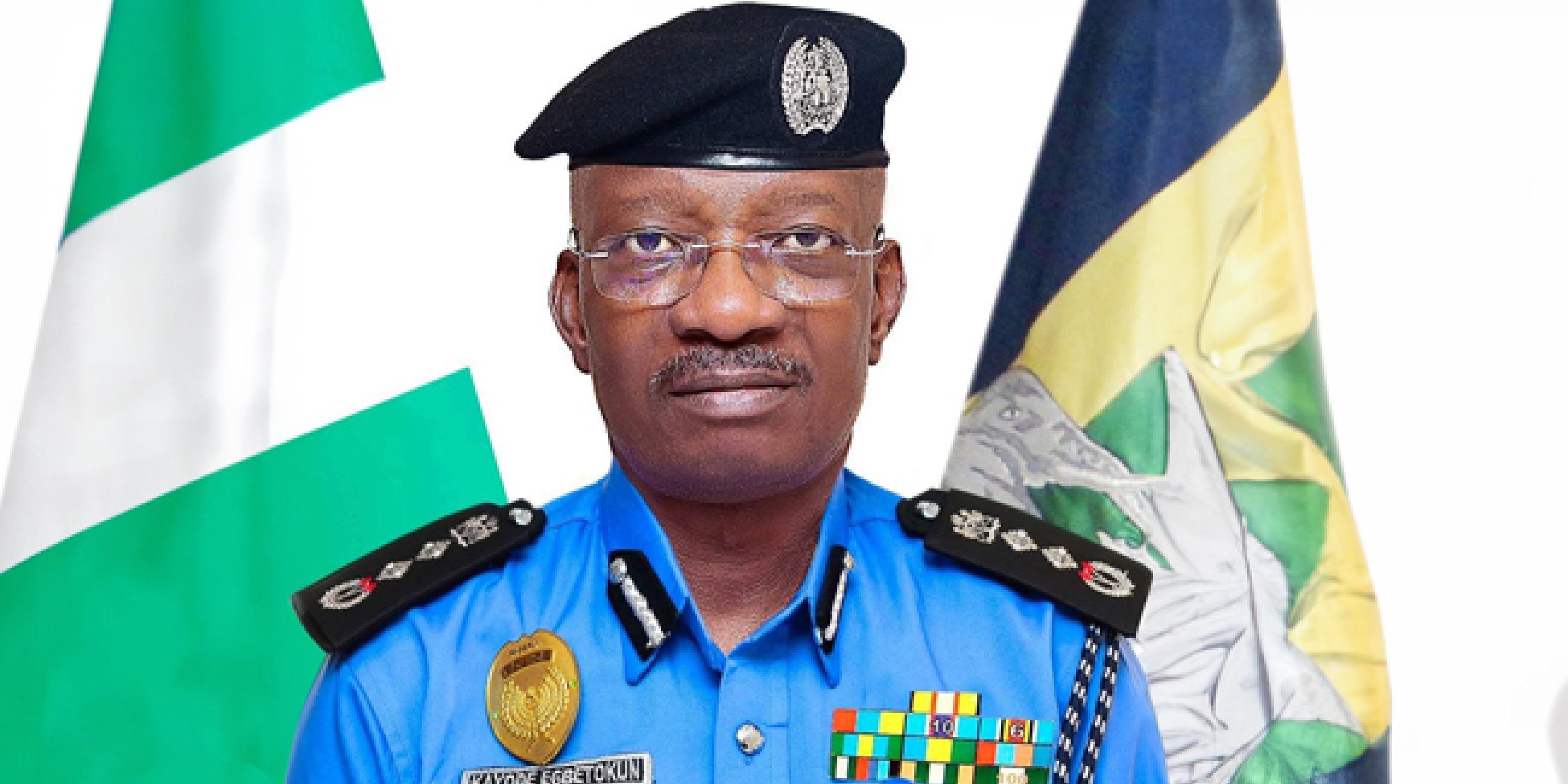
    Inspector-General of Police, Usman Alkali Egbetokun, has reportedly approved police escorts for all INEC officials, including National Commissioners, Resident Electoral Commissioners (RECs), the Acting Director-General of the Electoral Institute, and other Directors of the Commission across the country.

    The approval comes despite a directive from President Bola Tinubu ordering the withdrawal of police security personnel from VIPs and government officials. The decision has raised questions about protocol, security, and the independence of law enforcement in electoral matters, especially as preparations for upcoming elections intensify.

    Documents obtained by SaharaReporters confirm that the continued deployment of police officers to INEC officials has been officially sanctioned by the IGP. No statement has yet been issued by the IGP’s office or the presidency regarding the matter.

    #IGPControversy #Tinubu #INECSecurity #NigeriaPolitics
    EXCLUSIVE: IGP Egbetokun Defies Tinubu, Approves Police Escorts for INEC Officials Nationwide Inspector-General of Police, Usman Alkali Egbetokun, has reportedly approved police escorts for all INEC officials, including National Commissioners, Resident Electoral Commissioners (RECs), the Acting Director-General of the Electoral Institute, and other Directors of the Commission across the country. The approval comes despite a directive from President Bola Tinubu ordering the withdrawal of police security personnel from VIPs and government officials. The decision has raised questions about protocol, security, and the independence of law enforcement in electoral matters, especially as preparations for upcoming elections intensify. Documents obtained by SaharaReporters confirm that the continued deployment of police officers to INEC officials has been officially sanctioned by the IGP. No statement has yet been issued by the IGP’s office or the presidency regarding the matter. #IGPControversy #Tinubu #INECSecurity #NigeriaPolitics
    0 Comentários ·0 Compartilhamentos ·1K Visualizações
  • Security Agents Abduct Critic of Interior Minister Tunji-Ojo in Ondo, Lawyer Demands Immediate Release

    Security operatives suspected to be police officers have reportedly whisked away Prince Owolemi Emorioloye, a vocal critic of Interior Minister Olubunmi Tunji-Ojo, from his residence in Igbokoda, Ondo State. Emorioloye, also known as Emotel, was allegedly manhandled by armed men who arrived in unmarked Hilux vans, with his whereabouts remaining unknown. His lawyers have petitioned the Inspector-General of Police, describing the arrest as unlawful and a violation of his fundamental rights. They are demanding his immediate release or arraignment in court, warning of legal action if authorities fail to comply.

    #legalaction
    Security Agents Abduct Critic of Interior Minister Tunji-Ojo in Ondo, Lawyer Demands Immediate Release Security operatives suspected to be police officers have reportedly whisked away Prince Owolemi Emorioloye, a vocal critic of Interior Minister Olubunmi Tunji-Ojo, from his residence in Igbokoda, Ondo State. Emorioloye, also known as Emotel, was allegedly manhandled by armed men who arrived in unmarked Hilux vans, with his whereabouts remaining unknown. His lawyers have petitioned the Inspector-General of Police, describing the arrest as unlawful and a violation of his fundamental rights. They are demanding his immediate release or arraignment in court, warning of legal action if authorities fail to comply. #legalaction
    love
    1
    · 0 Comentários ·0 Compartilhamentos ·543 Visualizações
  • Witchcraft Accusations, Agwu Beliefs and Police Abuse in Imo State — How Extortion and Impunity Thrive

    This opinion piece by Leo Igwe exposes how witchcraft accusations and beliefs surrounding Agwu rituals are being exploited by families, vigilantes and even police officers in Imo State to justify abuse, extortion and human rights violations. Using the case of 70-year-old Joseph Ottih and his family, the article details alleged police brutality, illegal arrests, destruction of property and collusion between relatives, vigilantes and the anti-kidnapping unit (Tigerbase). Igwe argues that witchcraft accusations are unlawful under Nigerian law, that freedom of religion is constitutionally protected, and that the police must enforce the law—not tradition or superstition. The Advocacy for Alleged Witches (AfAW) vows legal support for the victims, insisting that witch-hunting, ritual policing and religious bias within law enforcement must end.
    Witchcraft Accusations, Agwu Beliefs and Police Abuse in Imo State — How Extortion and Impunity Thrive This opinion piece by Leo Igwe exposes how witchcraft accusations and beliefs surrounding Agwu rituals are being exploited by families, vigilantes and even police officers in Imo State to justify abuse, extortion and human rights violations. Using the case of 70-year-old Joseph Ottih and his family, the article details alleged police brutality, illegal arrests, destruction of property and collusion between relatives, vigilantes and the anti-kidnapping unit (Tigerbase). Igwe argues that witchcraft accusations are unlawful under Nigerian law, that freedom of religion is constitutionally protected, and that the police must enforce the law—not tradition or superstition. The Advocacy for Alleged Witches (AfAW) vows legal support for the victims, insisting that witch-hunting, ritual policing and religious bias within law enforcement must end.
    love
    1
    · 0 Comentários ·0 Compartilhamentos ·949 Visualizações
  • RULAAC Accuses Lagos Police of Torture, Illegal Detention Over Civil Investment Dispute

    The Rule of Law and Accountability Advocacy Centre (RULAAC) has accused the Lagos State Police Command of abusing power by illegally arresting, torturing, and detaining William Eze over a failed investment deal. RULAAC says the dispute is purely civil, yet police officers allegedly detained Eze without charge, forced him to sign an undertaking surrendering his business premises, and aided an illegal takeover of the company. The group also condemned the arrest and detention of Eze’s wife, who is only a surety, describing it as coercion and hostage-taking. A fundamental rights suit has been filed, with RULAAC demanding accountability.

    #PoliceAbuse #RuleOfLaw #LagosNews
    RULAAC Accuses Lagos Police of Torture, Illegal Detention Over Civil Investment Dispute The Rule of Law and Accountability Advocacy Centre (RULAAC) has accused the Lagos State Police Command of abusing power by illegally arresting, torturing, and detaining William Eze over a failed investment deal. RULAAC says the dispute is purely civil, yet police officers allegedly detained Eze without charge, forced him to sign an undertaking surrendering his business premises, and aided an illegal takeover of the company. The group also condemned the arrest and detention of Eze’s wife, who is only a surety, describing it as coercion and hostage-taking. A fundamental rights suit has been filed, with RULAAC demanding accountability. #PoliceAbuse #RuleOfLaw #LagosNews
    love
    1
    · 0 Comentários ·0 Compartilhamentos ·728 Visualizações
  • Delta Crisis: Abuja Businessman Alleges Monarch Plotting His Assassination Over Illegal Mining

    An Abuja-based businessman, Anthony Anamonye, has raised alarm over alleged threats to his life, accusing the traditional ruler of Ugboba in Delta State, Ezedinmbu Nkebakwu III, of plotting to kill him. Anamonye said the threats followed his exposure of alleged illegal coal mining involving the monarch and Mosra Energy Ltd. He claimed to have survived multiple assassination attempts in Abuja and Delta, accused vigilantes and some police officers of complicity, and called on security agencies and civil society to intervene.

    #DeltaState #HumanRights #NigeriaNews
    Delta Crisis: Abuja Businessman Alleges Monarch Plotting His Assassination Over Illegal Mining An Abuja-based businessman, Anthony Anamonye, has raised alarm over alleged threats to his life, accusing the traditional ruler of Ugboba in Delta State, Ezedinmbu Nkebakwu III, of plotting to kill him. Anamonye said the threats followed his exposure of alleged illegal coal mining involving the monarch and Mosra Energy Ltd. He claimed to have survived multiple assassination attempts in Abuja and Delta, accused vigilantes and some police officers of complicity, and called on security agencies and civil society to intervene. #DeltaState #HumanRights #NigeriaNews
    love
    1
    · 1 Comentários ·0 Compartilhamentos ·632 Visualizações
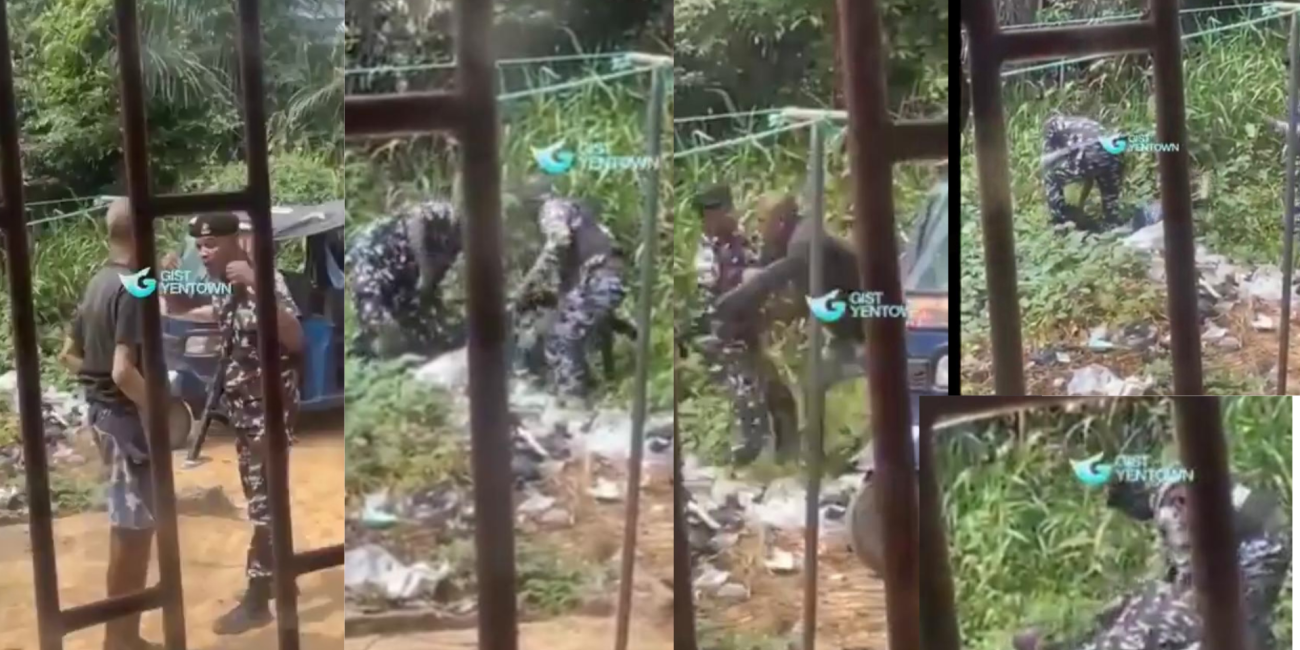
  • Bayelsa Police Wahala: Officers Caught On Camera Beating Tricycle Rider With Rifles

    Two police officers attached to the Bayelsa State Police Command have sparked outrage after a viral video showed them brutally assaulting a tricycle operator during a roadside stop. The officers reportedly demanded the rider’s driver’s licence, seized his tricycle tyre and attacked him when he tried to retrieve it. In the footage, the helpless man was pushed to the ground, beaten with rifles and even struck with a shoe as he cried for mercy. The Bayelsa CP has condemned the act, ordered the officers’ arrest and confirmed that disciplinary action has begun.

    #PoliceBrutality #BayelsaNews #HumanRights
    Bayelsa Police Wahala: Officers Caught On Camera Beating Tricycle Rider With Rifles Two police officers attached to the Bayelsa State Police Command have sparked outrage after a viral video showed them brutally assaulting a tricycle operator during a roadside stop. The officers reportedly demanded the rider’s driver’s licence, seized his tricycle tyre and attacked him when he tried to retrieve it. In the footage, the helpless man was pushed to the ground, beaten with rifles and even struck with a shoe as he cried for mercy. The Bayelsa CP has condemned the act, ordered the officers’ arrest and confirmed that disciplinary action has begun. #PoliceBrutality #BayelsaNews #HumanRights
    0 Comentários ·0 Compartilhamentos ·522 Visualizações
  • Bayelsa Police Officers Caught on Video Assaulting Tricycle Operator With Rifles

    Two police officers attached to the Bayelsa State Police Command have been caught on camera assaulting and brutalising a tricycle operator during a roadside encounter. In the disturbing video, the officers stopped the rider and demanded his driver’s licence before violently pushing him to the ground and repeatedly hitting him with their rifles. The footage, obtained by SaharaReporters, has sparked outrage, with many condemning the officers’ actions as lawless and excessive use of force.

    #BayelsaPolice #PoliceBrutality #NigeriaNews #HumanRights
    Bayelsa Police Officers Caught on Video Assaulting Tricycle Operator With Rifles Two police officers attached to the Bayelsa State Police Command have been caught on camera assaulting and brutalising a tricycle operator during a roadside encounter. In the disturbing video, the officers stopped the rider and demanded his driver’s licence before violently pushing him to the ground and repeatedly hitting him with their rifles. The footage, obtained by SaharaReporters, has sparked outrage, with many condemning the officers’ actions as lawless and excessive use of force. #BayelsaPolice #PoliceBrutality #NigeriaNews #HumanRights
    love
    1
    · 0 Comentários ·0 Compartilhamentos ·600 Visualizações
  • 19-Year-Old Driver Arrested After Injuring Three Police Officers in Edo State
    A 19-year-old driver, Nsikak Okon, has been arrested in Edo State after injuring three police officers during a series of reckless driving incidents.

    According to CSP Benjamin Hundeyin, who disclosed the development on X, the arrest followed the circulation of a viral video showing the suspect being apprehended. Reports by Punch stated that Okon was driving a heavily tinted vehicle without number plates when he first encountered police officers and sped past them dangerously.

    On his return, the suspect allegedly nearly knocked down one officer before deliberately ramming into three others shortly afterward. Two of the injured officers have since been treated and discharged, while the third remains under medical care.

    Okon is currently in custody as investigations continue.
    #EdoState #BreakingNews #NigeriaPolice #RecklessDriving #TrafficOffence
    19-Year-Old Driver Arrested After Injuring Three Police Officers in Edo State A 19-year-old driver, Nsikak Okon, has been arrested in Edo State after injuring three police officers during a series of reckless driving incidents. According to CSP Benjamin Hundeyin, who disclosed the development on X, the arrest followed the circulation of a viral video showing the suspect being apprehended. Reports by Punch stated that Okon was driving a heavily tinted vehicle without number plates when he first encountered police officers and sped past them dangerously. On his return, the suspect allegedly nearly knocked down one officer before deliberately ramming into three others shortly afterward. Two of the injured officers have since been treated and discharged, while the third remains under medical care. Okon is currently in custody as investigations continue. #EdoState #BreakingNews #NigeriaPolice #RecklessDriving #TrafficOffence
    love
    1
    · 0 Comentários ·0 Compartilhamentos ·748 Visualizações ·21 Plays
  • Enugu Checkpoint Attack: Two Police Officers Killed As Gunmen Burn Patrol Van, Police Point Fingers At IPOB, ESN

    The Enugu State Police Command has confirmed that two officers were killed when gunmen attacked a checkpoint along Agbani Road on January 15, 2026. Police said the assailants, suspected to be members of IPOB and its armed wing, ESN, opened fire on a Distress Response Squad team and set their patrol vehicle ablaze. The wounded officers were rushed to hospital but later died. A Lexus jeep allegedly used by the attackers was recovered, riddled with bullets. The Commissioner of Police has ordered an intensified manhunt as security patrols are increased across the area.

    #EnuguAttack #NigeriaSecurity #PoliceNews
    Enugu Checkpoint Attack: Two Police Officers Killed As Gunmen Burn Patrol Van, Police Point Fingers At IPOB, ESN The Enugu State Police Command has confirmed that two officers were killed when gunmen attacked a checkpoint along Agbani Road on January 15, 2026. Police said the assailants, suspected to be members of IPOB and its armed wing, ESN, opened fire on a Distress Response Squad team and set their patrol vehicle ablaze. The wounded officers were rushed to hospital but later died. A Lexus jeep allegedly used by the attackers was recovered, riddled with bullets. The Commissioner of Police has ordered an intensified manhunt as security patrols are increased across the area. #EnuguAttack #NigeriaSecurity #PoliceNews
    0 Comentários ·0 Compartilhamentos ·748 Visualizações
  • Wahala Burst for Edo Oo! Ekpoma DPO Under Fire Over ‘Hausa Officer Who Won’t Listen’ Remark Amid Protest

    Wahala don set for Edo State oo! A Divisional Police Officer (DPO) in Ekpoma, Esan West Local Government Area, is currently facing heavy backlash after a video surfaced online in which he allegedly made an ethnically charged statement while addressing protesters.

    In the viral footage circulating on social media, the officer—whose identity is yet to be officially confirmed—is heard telling demonstrators:
    “Don’t worry, I will leave Ekpoma, and they will bring a Hausa officer who won’t listen to anybody.”

    The remark was reportedly made during a protest sparked by the killing of a young medical graduate, who was abducted and later murdered by kidnappers even after a ransom had been paid. The tragic incident had triggered anger and frustration among residents, who took to the streets to demand improved security and accountability.

    However, instead of calming tensions, the DPO’s comment has now set social media on fire, with many Nigerians describing it as insensitive, divisive, and ethnically provocative.

    Nigerians React: “This One No Pure At All”

    Following the video’s circulation, reactions poured in from across the country, with many users condemning what they described as ethnic stereotyping and unprofessional conduct by a senior police officer.

    One X user, Mr Gerald (@Mr_Gerrie01), wrote:

    > “A very insensitive police officer.”


    Another user, Everything Politics (@Everypolitics1), said:

    > “This statement is troubling because it unfairly stereotypes and dehumanises Hausa people, implying they are incapable of empathy or dialogue. Ethnicity should never be used as a threat or a tool of intimidation.”


    Ekong De Superstar (@EkongGodson) added:

    > “Imagine what a supposed DPO is spewing. Protecting the lives of the people you swore to serve has now turned to ethnic tirade.”


    Similarly, Mister Balo (@MubarakBalogun) described the comment as irresponsible, while Iamowolabi (@Iamowolabi01) urged the officer to focus on his duty:

    > “Oga, do your job to protect people, no deh threaten them.”


    “We Need Security, Not Ethnic Talk”

    Other Nigerians acknowledged the emotional tension surrounding the protest but insisted that bringing ethnicity into the matter only worsens divisions.

    Hephzibah Behulah (@HephzibaBehulah) wrote:

    > “No one should have to live in fear of kidnapping every day, especially students just trying to get an education. That case where the young medical graduate was killed even after ransom was paid is tragic and shows how bad things have gotten.”


    She added that while the DPO may have sounded frustrated, invoking ethnicity was unnecessary and harmful:

    > “The protesters are right to demand better security. Threatening to replace one officer with another who ‘won’t listen’ doesn’t solve the real problem.”


    Calls for Accountability Grow Louder

    As the controversy continues, many Nigerians are now calling on the Edo State Police Command and the Nigeria Police Force headquarters to address the matter, investigate the officer’s conduct, and reaffirm their commitment to professionalism and unity.

    For many observers, the incident reflects a deeper frustration with insecurity, police-community relations, and the handling of public anger over kidnappings and violent crime.

    Wahala don burst oo — because when people dey cry for protection, na unity dem expect, not ethnic threats. Nigerians dey watch wetin go happen next.

    Wahala Burst for Edo Oo! Ekpoma DPO Under Fire Over ‘Hausa Officer Who Won’t Listen’ Remark Amid Protest Wahala don set for Edo State oo! A Divisional Police Officer (DPO) in Ekpoma, Esan West Local Government Area, is currently facing heavy backlash after a video surfaced online in which he allegedly made an ethnically charged statement while addressing protesters. In the viral footage circulating on social media, the officer—whose identity is yet to be officially confirmed—is heard telling demonstrators: “Don’t worry, I will leave Ekpoma, and they will bring a Hausa officer who won’t listen to anybody.” The remark was reportedly made during a protest sparked by the killing of a young medical graduate, who was abducted and later murdered by kidnappers even after a ransom had been paid. The tragic incident had triggered anger and frustration among residents, who took to the streets to demand improved security and accountability. However, instead of calming tensions, the DPO’s comment has now set social media on fire, with many Nigerians describing it as insensitive, divisive, and ethnically provocative. Nigerians React: “This One No Pure At All” Following the video’s circulation, reactions poured in from across the country, with many users condemning what they described as ethnic stereotyping and unprofessional conduct by a senior police officer. One X user, Mr Gerald (@Mr_Gerrie01), wrote: > “A very insensitive police officer.” Another user, Everything Politics (@Everypolitics1), said: > “This statement is troubling because it unfairly stereotypes and dehumanises Hausa people, implying they are incapable of empathy or dialogue. Ethnicity should never be used as a threat or a tool of intimidation.” Ekong De Superstar (@EkongGodson) added: > “Imagine what a supposed DPO is spewing. Protecting the lives of the people you swore to serve has now turned to ethnic tirade.” Similarly, Mister Balo (@MubarakBalogun) described the comment as irresponsible, while Iamowolabi (@Iamowolabi01) urged the officer to focus on his duty: > “Oga, do your job to protect people, no deh threaten them.” “We Need Security, Not Ethnic Talk” Other Nigerians acknowledged the emotional tension surrounding the protest but insisted that bringing ethnicity into the matter only worsens divisions. Hephzibah Behulah (@HephzibaBehulah) wrote: > “No one should have to live in fear of kidnapping every day, especially students just trying to get an education. That case where the young medical graduate was killed even after ransom was paid is tragic and shows how bad things have gotten.” She added that while the DPO may have sounded frustrated, invoking ethnicity was unnecessary and harmful: > “The protesters are right to demand better security. Threatening to replace one officer with another who ‘won’t listen’ doesn’t solve the real problem.” Calls for Accountability Grow Louder As the controversy continues, many Nigerians are now calling on the Edo State Police Command and the Nigeria Police Force headquarters to address the matter, investigate the officer’s conduct, and reaffirm their commitment to professionalism and unity. For many observers, the incident reflects a deeper frustration with insecurity, police-community relations, and the handling of public anger over kidnappings and violent crime. Wahala don burst oo — because when people dey cry for protection, na unity dem expect, not ethnic threats. Nigerians dey watch wetin go happen next.
    like
    1
    · 0 Comentários ·0 Compartilhamentos ·1K Visualizações
  • Wahala Don Set Oo! Kano Rights Group Alleges Plot to Arrest Activist Over Community Transformer Dispute

    Wahala don burst for Kano oo! A human rights group has raised alarm over an alleged plot to arrest a community activist in Minjibir Local Government Area after he opposed the removal of a community-owned electricity transformer.

    The Centre for Human Rights and Social Advancement (CEFSAN) says the activist, Comrade Habu Hassan Abdullahi from Kunya community, is now being targeted simply because he questioned the decision of the Minjibir LG Chairman to allegedly remove the transformer without consulting residents.

    According to a statement issued by CEFSAN’s Executive Director, Yusha’u Sani Yankuzo, Esq, the incident happened on January 8, 2026, when local government officials allegedly ordered the removal of the transformer without notice, explanation, or community engagement.

    Residents reportedly became worried, recalling past incidents where public facilities like transformers and engines allegedly “disappeared” after being taken away.

    CEFSAN said Abdullahi only exercised his constitutional right to speak up and represent his people, but that his action allegedly angered the authorities.

    > “Comrade Habu Hassan Abdullahi, in the exercise of his constitutional right to freedom of expression and peaceful participation in community affairs, openly objected to the removal of the transformer,” the group stated.


    But instead of dialogue, CEFSAN alleged that the Minjibir Local Government Chairman connived with the Dambatta Police Area Command to arrange his arrest and detention without due process.

    Wahala con turn serious. The rights group said it later received information that Abdullahi was about to be arrested, forcing him to flee his community for safety.

    > “Upon receiving confidential information suggesting an imminent arrest, Comrade Habu was forced to flee his community for fear of his life and personal safety,” CEFSAN said.


    Police officers were reportedly sent to pick him up but could not locate him, raising further concerns about intimidation and possible persecution.

    CEFSAN strongly condemned what it described as the use of security agencies to silence community voices.

    > “We strongly condemn any attempt to use state security apparatus to intimidate activists or criminalize peaceful civic engagement,” the group said, warning that such actions violate both Nigeria’s Constitution and international human rights standards.


    The organisation demanded:

    Immediate end to all forms of harassment against Abdullahi,

    Public clarification on why the Kunya community transformer was allegedly removed, and

    An independent investigation into the role of the LG Chairman and the Dambatta Police Command in the alleged arrest plot.


    CEFSAN also called on authorities to guarantee the safety of Abdullahi and protect the rights of Kunya residents, stressing that decisions affecting public utilities must involve consultation, transparency, and accountability.

    > “Any harm to Comrade Habu Hassan Abdullahi will be strongly resisted and pursued through all lawful national and international human rights mechanisms,” the group warned.


    As at the time of filing the report, the Kano State Police Command and Minjibir Local Government authorities had not responded to the allegations.

    Wahala don set oo — because to talk for your community now dey turn crime? Nigerians dey watch.

    Wahala Don Set Oo! Kano Rights Group Alleges Plot to Arrest Activist Over Community Transformer Dispute Wahala don burst for Kano oo! A human rights group has raised alarm over an alleged plot to arrest a community activist in Minjibir Local Government Area after he opposed the removal of a community-owned electricity transformer. The Centre for Human Rights and Social Advancement (CEFSAN) says the activist, Comrade Habu Hassan Abdullahi from Kunya community, is now being targeted simply because he questioned the decision of the Minjibir LG Chairman to allegedly remove the transformer without consulting residents. According to a statement issued by CEFSAN’s Executive Director, Yusha’u Sani Yankuzo, Esq, the incident happened on January 8, 2026, when local government officials allegedly ordered the removal of the transformer without notice, explanation, or community engagement. Residents reportedly became worried, recalling past incidents where public facilities like transformers and engines allegedly “disappeared” after being taken away. CEFSAN said Abdullahi only exercised his constitutional right to speak up and represent his people, but that his action allegedly angered the authorities. > “Comrade Habu Hassan Abdullahi, in the exercise of his constitutional right to freedom of expression and peaceful participation in community affairs, openly objected to the removal of the transformer,” the group stated. But instead of dialogue, CEFSAN alleged that the Minjibir Local Government Chairman connived with the Dambatta Police Area Command to arrange his arrest and detention without due process. Wahala con turn serious. The rights group said it later received information that Abdullahi was about to be arrested, forcing him to flee his community for safety. > “Upon receiving confidential information suggesting an imminent arrest, Comrade Habu was forced to flee his community for fear of his life and personal safety,” CEFSAN said. Police officers were reportedly sent to pick him up but could not locate him, raising further concerns about intimidation and possible persecution. CEFSAN strongly condemned what it described as the use of security agencies to silence community voices. > “We strongly condemn any attempt to use state security apparatus to intimidate activists or criminalize peaceful civic engagement,” the group said, warning that such actions violate both Nigeria’s Constitution and international human rights standards. The organisation demanded: Immediate end to all forms of harassment against Abdullahi, Public clarification on why the Kunya community transformer was allegedly removed, and An independent investigation into the role of the LG Chairman and the Dambatta Police Command in the alleged arrest plot. CEFSAN also called on authorities to guarantee the safety of Abdullahi and protect the rights of Kunya residents, stressing that decisions affecting public utilities must involve consultation, transparency, and accountability. > “Any harm to Comrade Habu Hassan Abdullahi will be strongly resisted and pursued through all lawful national and international human rights mechanisms,” the group warned. As at the time of filing the report, the Kano State Police Command and Minjibir Local Government authorities had not responded to the allegations. Wahala don set oo — because to talk for your community now dey turn crime? Nigerians dey watch.
    love
    1
    · 0 Comentários ·0 Compartilhamentos ·726 Visualizações
  • Edo Rights Group Accuses Uromi DPO of Harassing Activist, Demands Police Action

    The Edo State Civil Society Coalition for Human Rights has accused the Divisional Police Officer of Uromi Division, CSP Monday Agbon, of intimidation, abuse of office, and targeted harassment of activist Comrade General Henry Oziegbe.

    In a statement issued on Saturday, the coalition said Oziegbe, a known social justice advocate, has faced sustained reprisals allegedly linked to his criticism of police extortion and systemic injustice in Uromi.

    The group disclosed that multiple petitions had earlier been submitted to the Edo State Commissioner of Police, accusing the DPO of extortion, bribery, and abuse of authority. Rather than submit to investigation, the coalition alleged, the officer responded with threats, intimidation, and attempts to criminalise the activist.

    According to the statement, jointly signed by Coordinator Marxist Kola Edokpayi and Secretary-General Comrade Aghatise Raphael, the DPO allegedly threatened to fabricate charges against Oziegbe and later branded him a cultist—an accusation the coalition described as false, reckless, and dangerous.

    The coalition further claimed that following a directive from the Commissioner of Police to review one of the petitions, the DPO sought to use the Anti-Cultism Unit in Benin City to arrest Oziegbe. However, the unit reportedly declined after finding no factual or evidentiary basis for the allegations.

    “The Anti-Cultism Unit, acting with commendable professional integrity, refused to comply after establishing that the claims were entirely unfounded,” the group said.

    Describing Oziegbe as “a conscientious dissenter and defender of the oppressed,” the coalition argued that any attempt to arrest or detain him would amount to a violation of his constitutional rights. Citing Section 35 of the 1999 Constitution (as amended), it warned against arbitrary arrest, detention, or enforced disappearance.

    The group also stated that any harm or unlawful action against the activist would be held personally against the DPO and any officers involved.

    Consequently, the coalition called on the Inspector-General of Police, the Police Service Commission, the National Human Rights Commission, and other oversight bodies to intervene, investigate the allegations, and prevent what it described as a growing culture of impunity.

    “We will not capitulate. We will not be intimidated. An injury to one remains an injury to all,” the coalition declared.


    Edo Rights Group Accuses Uromi DPO of Harassing Activist, Demands Police Action The Edo State Civil Society Coalition for Human Rights has accused the Divisional Police Officer of Uromi Division, CSP Monday Agbon, of intimidation, abuse of office, and targeted harassment of activist Comrade General Henry Oziegbe. In a statement issued on Saturday, the coalition said Oziegbe, a known social justice advocate, has faced sustained reprisals allegedly linked to his criticism of police extortion and systemic injustice in Uromi. The group disclosed that multiple petitions had earlier been submitted to the Edo State Commissioner of Police, accusing the DPO of extortion, bribery, and abuse of authority. Rather than submit to investigation, the coalition alleged, the officer responded with threats, intimidation, and attempts to criminalise the activist. According to the statement, jointly signed by Coordinator Marxist Kola Edokpayi and Secretary-General Comrade Aghatise Raphael, the DPO allegedly threatened to fabricate charges against Oziegbe and later branded him a cultist—an accusation the coalition described as false, reckless, and dangerous. The coalition further claimed that following a directive from the Commissioner of Police to review one of the petitions, the DPO sought to use the Anti-Cultism Unit in Benin City to arrest Oziegbe. However, the unit reportedly declined after finding no factual or evidentiary basis for the allegations. “The Anti-Cultism Unit, acting with commendable professional integrity, refused to comply after establishing that the claims were entirely unfounded,” the group said. Describing Oziegbe as “a conscientious dissenter and defender of the oppressed,” the coalition argued that any attempt to arrest or detain him would amount to a violation of his constitutional rights. Citing Section 35 of the 1999 Constitution (as amended), it warned against arbitrary arrest, detention, or enforced disappearance. The group also stated that any harm or unlawful action against the activist would be held personally against the DPO and any officers involved. Consequently, the coalition called on the Inspector-General of Police, the Police Service Commission, the National Human Rights Commission, and other oversight bodies to intervene, investigate the allegations, and prevent what it described as a growing culture of impunity. “We will not capitulate. We will not be intimidated. An injury to one remains an injury to all,” the coalition declared.
    0 Comentários ·0 Compartilhamentos ·992 Visualizações
  • Free Speech Under Threat in Kaduna? Zango-Kataf LGA Chairman Accused of Using Police to Detain Julius Tagwai Over Facebook Post, Residents Allege Abuse of Power

    Is freedom of expression being criminalised in Kaduna State? This question has sparked public outrage following the alleged arrest and detention of Julius Shehu Tagwai, a young resident of Zango-Kataf Local Government Area, over a Facebook post critical of the handling of Christmas welfare packages.

    According to community sources, Tagwai was invited to the Zonkwa Police Station on the evening of January 9, 2026, and went there voluntarily. However, residents claim that upon arrival, he was immediately taken into custody and detained without being informed of any specific offence. They allege that the arrest was carried out on the instruction of the Chairman of Zango-Kataf LGA, Mr. Bege Joseph Gaya, who was said to be the complainant.

    The Facebook post in question reportedly expressed disappointment over the alleged non-distribution of Christmas packages said to have been provided by the Kaduna State Government for residents. Community members insist the post was peaceful and amounted to nothing more than the exercise of the constitutional right to free expression.

    Matters reportedly escalated when Tagwai’s lawyer and younger brother arrived at the station to secure his release, only to be informed that he had already been transferred out of the division. The Divisional Police Officer allegedly disclosed that the transfer to the Kaduna State Police Headquarters was done on the instruction of the local government chairman.

    On January 10, Tagwai was moved to the state police headquarters. His legal counsel later claimed that after examining the police file, no formal written complaint or recognisable criminal offence had been documented against his client. The lawyer further alleged that Tagwai was denied access to his mobile phone, preventing him from contacting family or legal representatives and leaving relatives unaware of his whereabouts for hours.

    As of the time of reporting, Tagwai remained in police custody over an unspecified offence, triggering anger among residents who describe the incident as an abuse of political power and an attempt to intimidate critics and suppress dissent. Locals also referenced a similar recent arrest of another young man, Ayuba Black, raising fears of a growing pattern of targeting outspoken residents.

    Human rights advocates have warned that arresting a citizen over an opinion, denying communication, and holding a person without clear charges may violate Sections 34, 35, and 39 of the 1999 Constitution (as amended), which guarantee dignity of the human person, personal liberty, and freedom of expression.

    Residents are now calling on the Inspector-General of Police, the Police Service Commission, the National Human Rights Commission, and other oversight bodies to urgently investigate the matter and ensure accountability. Attempts to obtain responses from the local government chairman and the Kaduna State Police Command were unsuccessful at the time of filing this report.

    Free Speech Under Threat in Kaduna? Zango-Kataf LGA Chairman Accused of Using Police to Detain Julius Tagwai Over Facebook Post, Residents Allege Abuse of Power Is freedom of expression being criminalised in Kaduna State? This question has sparked public outrage following the alleged arrest and detention of Julius Shehu Tagwai, a young resident of Zango-Kataf Local Government Area, over a Facebook post critical of the handling of Christmas welfare packages. According to community sources, Tagwai was invited to the Zonkwa Police Station on the evening of January 9, 2026, and went there voluntarily. However, residents claim that upon arrival, he was immediately taken into custody and detained without being informed of any specific offence. They allege that the arrest was carried out on the instruction of the Chairman of Zango-Kataf LGA, Mr. Bege Joseph Gaya, who was said to be the complainant. The Facebook post in question reportedly expressed disappointment over the alleged non-distribution of Christmas packages said to have been provided by the Kaduna State Government for residents. Community members insist the post was peaceful and amounted to nothing more than the exercise of the constitutional right to free expression. Matters reportedly escalated when Tagwai’s lawyer and younger brother arrived at the station to secure his release, only to be informed that he had already been transferred out of the division. The Divisional Police Officer allegedly disclosed that the transfer to the Kaduna State Police Headquarters was done on the instruction of the local government chairman. On January 10, Tagwai was moved to the state police headquarters. His legal counsel later claimed that after examining the police file, no formal written complaint or recognisable criminal offence had been documented against his client. The lawyer further alleged that Tagwai was denied access to his mobile phone, preventing him from contacting family or legal representatives and leaving relatives unaware of his whereabouts for hours. As of the time of reporting, Tagwai remained in police custody over an unspecified offence, triggering anger among residents who describe the incident as an abuse of political power and an attempt to intimidate critics and suppress dissent. Locals also referenced a similar recent arrest of another young man, Ayuba Black, raising fears of a growing pattern of targeting outspoken residents. Human rights advocates have warned that arresting a citizen over an opinion, denying communication, and holding a person without clear charges may violate Sections 34, 35, and 39 of the 1999 Constitution (as amended), which guarantee dignity of the human person, personal liberty, and freedom of expression. Residents are now calling on the Inspector-General of Police, the Police Service Commission, the National Human Rights Commission, and other oversight bodies to urgently investigate the matter and ensure accountability. Attempts to obtain responses from the local government chairman and the Kaduna State Police Command were unsuccessful at the time of filing this report.
    0 Comentários ·0 Compartilhamentos ·860 Visualizações
  • Is IGP Kayode Egbetokun Headed to Prison? Can Nigeria’s Police Chief Be Jailed for Defying Court Orders Over SARS Abduction and Disappearance of Lagos Resident?

    Is Nigeria’s top police officer facing imprisonment for ignoring a federal court? The Inspector-General of Police, Kayode Egbetokun, now risks being committed to Kuje Correctional Centre after allegedly refusing to comply with binding court orders concerning the abduction and disappearance of John Chukwuemeka Anozie, a Lagos resident taken from his Lekki home in June 2017.

    Legal action was initiated by Vincent Adodo, counsel to Anozie’s wife, who has filed contempt proceedings against the IGP for what he describes as persistent disobedience of a subsisting judgment of the Federal High Court, Abuja. The ruling, delivered on September 24, 2025 by Justice Binta Nyako, arose from a Freedom of Information (FOI) suit filed by Mrs. Nnenna Anozie after years of unanswered requests for investigation records relating to her husband’s disappearance.

    In its judgment, the court ordered the IGP—who failed to file any defence—to produce for prosecution former officers of the now-defunct Special Anti-Robbery Squad (SARS) from Akwuzu, Anambra State, accused of abducting Anozie. The court further awarded ₦2 million in damages against the IGP for refusing to release investigation reports and directed him to forward both the police investigation file and the legal opinion recommending prosecution to the Attorney General of the Federation.

    The judgment explicitly noted that police authorities had failed to prosecute the officers despite an internal legal opinion recommending criminal charges. Those listed include ASP Anthony Obiozor Ikechukwu, Sgt. Uzochukwu Emeana, John Eze, Oriole (aka T-Boy), and SP Sunday Okpe.

    Yet months after being served with the court order in October 2025, the IGP has allegedly neither prosecuted the officers nor paid the ₦2 million damages. In response, Anozie’s lawyer triggered enforcement by serving the police chief with Form 48 (Notice of Consequences of Disobedience) and Form 49 (Notice of Committal to Prison)—legal steps that can result in imprisonment for contempt of court.

    Court filings now show that Mrs. Anozie is seeking an order to commit the IGP to prison until he obeys the court by releasing certified investigation reports, transmitting the case file to the Attorney General, handing over the indicted officers for prosecution, and paying the damages awarded.

    The matter is scheduled for hearing on February 9, 2025, when the IGP is expected to “show cause” why he should not be jailed for contempt.

    Beyond the personal tragedy of a family still searching for answers after eight years, the case raises a larger constitutional question: Can Nigeria’s most powerful police officer be held personally accountable for disobeying court orders? The outcome could set a critical precedent for rule of law, police accountability, and victims’ access to justice in cases of alleged state abuse.

    As the hearing approaches, legal observers, human rights advocates, and the public are watching closely: Will the judiciary enforce its authority against the nation’s police chief—or will impunity prevail once again?
    Is IGP Kayode Egbetokun Headed to Prison? Can Nigeria’s Police Chief Be Jailed for Defying Court Orders Over SARS Abduction and Disappearance of Lagos Resident? Is Nigeria’s top police officer facing imprisonment for ignoring a federal court? The Inspector-General of Police, Kayode Egbetokun, now risks being committed to Kuje Correctional Centre after allegedly refusing to comply with binding court orders concerning the abduction and disappearance of John Chukwuemeka Anozie, a Lagos resident taken from his Lekki home in June 2017. Legal action was initiated by Vincent Adodo, counsel to Anozie’s wife, who has filed contempt proceedings against the IGP for what he describes as persistent disobedience of a subsisting judgment of the Federal High Court, Abuja. The ruling, delivered on September 24, 2025 by Justice Binta Nyako, arose from a Freedom of Information (FOI) suit filed by Mrs. Nnenna Anozie after years of unanswered requests for investigation records relating to her husband’s disappearance. In its judgment, the court ordered the IGP—who failed to file any defence—to produce for prosecution former officers of the now-defunct Special Anti-Robbery Squad (SARS) from Akwuzu, Anambra State, accused of abducting Anozie. The court further awarded ₦2 million in damages against the IGP for refusing to release investigation reports and directed him to forward both the police investigation file and the legal opinion recommending prosecution to the Attorney General of the Federation. The judgment explicitly noted that police authorities had failed to prosecute the officers despite an internal legal opinion recommending criminal charges. Those listed include ASP Anthony Obiozor Ikechukwu, Sgt. Uzochukwu Emeana, John Eze, Oriole (aka T-Boy), and SP Sunday Okpe. Yet months after being served with the court order in October 2025, the IGP has allegedly neither prosecuted the officers nor paid the ₦2 million damages. In response, Anozie’s lawyer triggered enforcement by serving the police chief with Form 48 (Notice of Consequences of Disobedience) and Form 49 (Notice of Committal to Prison)—legal steps that can result in imprisonment for contempt of court. Court filings now show that Mrs. Anozie is seeking an order to commit the IGP to prison until he obeys the court by releasing certified investigation reports, transmitting the case file to the Attorney General, handing over the indicted officers for prosecution, and paying the damages awarded. The matter is scheduled for hearing on February 9, 2025, when the IGP is expected to “show cause” why he should not be jailed for contempt. Beyond the personal tragedy of a family still searching for answers after eight years, the case raises a larger constitutional question: Can Nigeria’s most powerful police officer be held personally accountable for disobeying court orders? The outcome could set a critical precedent for rule of law, police accountability, and victims’ access to justice in cases of alleged state abuse. As the hearing approaches, legal observers, human rights advocates, and the public are watching closely: Will the judiciary enforce its authority against the nation’s police chief—or will impunity prevail once again?
    0 Comentários ·0 Compartilhamentos ·1K Visualizações
  • Is Iran Facing a New Uprising? How Nationwide Protests, Internet Blackouts and Reza Pahlavi’s Call Are Challenging Khamenei’s Rule

    Iran was gripped by renewed nationwide protests on Thursday night as demonstrators poured into the streets of Tehran and other cities following a call for mass action by exiled crown prince Reza Pahlavi. Witnesses reported chanting from rooftops and in neighbourhoods, while authorities quickly moved to cut internet access and telephone lines, a tactic historically used ahead of harsh crackdowns.

    The demonstrations marked a significant escalation in unrest driven largely by economic hardship, currency collapse, and public anger at Iran’s political system. They also represented the first major test of whether Pahlavi—whose father was overthrown in the 1979 Islamic Revolution—could mobilise meaningful opposition inside the country. Protests had already erupted the previous day in cities and rural towns, with markets and bazaars closing in solidarity.

    According to the U.S.-based Human Rights Activists News Agency, at least 41 people have been killed and more than 2,270 detained since the protests began. Monitoring groups such as Cloudflare and NetBlocks reported widespread digital shutdowns, attributing them to government interference. Calls to Iran from abroad reportedly failed, a sign often preceding intensified security operations.

    Despite the scale of the unrest, the movement has remained largely leaderless, prompting debate over whether it can sustain momentum or force political change. Analysts note that previous protest waves faltered due to the absence of a unified leadership structure, as Iran’s security apparatus has historically arrested, exiled, or silenced potential opposition figures.

    At the appointed protest hour, chants echoed across Tehran: “Death to the dictator!” “Death to the Islamic Republic!” and slogans calling for the return of the monarchy. In a statement, Pahlavi urged Iranians to continue demonstrating, declaring that “the eyes of the world are upon you,” and warning authorities that repression would not go unnoticed internationally.

    Iranian officials have not publicly acknowledged the full scope of the unrest, though state-linked media confirmed casualties among security forces. Reports from the judiciary and semi-official outlets said police officers and Revolutionary Guard members were killed in separate attacks in provinces including Kermanshah, Chaharmahal and Bakhtiari, and Khorasan Razavi. Hard-line media also circulated warnings that security agencies could use drones to identify protesters.

    The unrest comes amid deepening economic strain. Following tighter sanctions and the aftermath of a brief war, Iran’s currency collapsed in December to about 1.4 million rials to the U.S. dollar, triggering renewed demonstrations and calls for an end to clerical rule. U.S. President Donald Trump warned that Washington would respond if peaceful protesters were violently repressed, a statement Iran’s Foreign Ministry dismissed as “hypocritical interference.”

    Meanwhile, Nobel Peace Prize laureate Narges Mohammadi remains imprisoned, with her family saying the protests echo earlier uprisings in 2009 and 2019, each demanding an end to what they describe as a “dictatorial religious regime.”

    As unrest spreads and communication blackouts deepen, pressing questions remain: Can these protests break the cycle of repression? Will Reza Pahlavi emerge as a unifying figure or remain symbolic? And is Iran approaching a turning point—or another crackdown? With anger rising and the government tightening control, the unfolding crisis is shaping up as one of the most serious challenges to Iran’s leadership in years.


    Is Iran Facing a New Uprising? How Nationwide Protests, Internet Blackouts and Reza Pahlavi’s Call Are Challenging Khamenei’s Rule Iran was gripped by renewed nationwide protests on Thursday night as demonstrators poured into the streets of Tehran and other cities following a call for mass action by exiled crown prince Reza Pahlavi. Witnesses reported chanting from rooftops and in neighbourhoods, while authorities quickly moved to cut internet access and telephone lines, a tactic historically used ahead of harsh crackdowns. The demonstrations marked a significant escalation in unrest driven largely by economic hardship, currency collapse, and public anger at Iran’s political system. They also represented the first major test of whether Pahlavi—whose father was overthrown in the 1979 Islamic Revolution—could mobilise meaningful opposition inside the country. Protests had already erupted the previous day in cities and rural towns, with markets and bazaars closing in solidarity. According to the U.S.-based Human Rights Activists News Agency, at least 41 people have been killed and more than 2,270 detained since the protests began. Monitoring groups such as Cloudflare and NetBlocks reported widespread digital shutdowns, attributing them to government interference. Calls to Iran from abroad reportedly failed, a sign often preceding intensified security operations. Despite the scale of the unrest, the movement has remained largely leaderless, prompting debate over whether it can sustain momentum or force political change. Analysts note that previous protest waves faltered due to the absence of a unified leadership structure, as Iran’s security apparatus has historically arrested, exiled, or silenced potential opposition figures. At the appointed protest hour, chants echoed across Tehran: “Death to the dictator!” “Death to the Islamic Republic!” and slogans calling for the return of the monarchy. In a statement, Pahlavi urged Iranians to continue demonstrating, declaring that “the eyes of the world are upon you,” and warning authorities that repression would not go unnoticed internationally. Iranian officials have not publicly acknowledged the full scope of the unrest, though state-linked media confirmed casualties among security forces. Reports from the judiciary and semi-official outlets said police officers and Revolutionary Guard members were killed in separate attacks in provinces including Kermanshah, Chaharmahal and Bakhtiari, and Khorasan Razavi. Hard-line media also circulated warnings that security agencies could use drones to identify protesters. The unrest comes amid deepening economic strain. Following tighter sanctions and the aftermath of a brief war, Iran’s currency collapsed in December to about 1.4 million rials to the U.S. dollar, triggering renewed demonstrations and calls for an end to clerical rule. U.S. President Donald Trump warned that Washington would respond if peaceful protesters were violently repressed, a statement Iran’s Foreign Ministry dismissed as “hypocritical interference.” Meanwhile, Nobel Peace Prize laureate Narges Mohammadi remains imprisoned, with her family saying the protests echo earlier uprisings in 2009 and 2019, each demanding an end to what they describe as a “dictatorial religious regime.” As unrest spreads and communication blackouts deepen, pressing questions remain: Can these protests break the cycle of repression? Will Reza Pahlavi emerge as a unifying figure or remain symbolic? And is Iran approaching a turning point—or another crackdown? With anger rising and the government tightening control, the unfolding crisis is shaping up as one of the most serious challenges to Iran’s leadership in years.
    0 Comentários ·0 Compartilhamentos ·910 Visualizações
  • Did an Ondo DPO Assault a Lawyer at a Police Station? Why a Law Firm Has Petitioned the IGP and Police Service Commission Over Alleged Abuse of Power

    A Lagos- and Ondo-based law firm, Tope Temokun Chambers, has petitioned the Inspector-General of Police (IGP), the Police Service Commission (PSC), and other oversight bodies over allegations of assault, intimidation, abuse of office, and obstruction of justice involving the Divisional Police Officer (DPO) of Ore Division in Ondo State, Mr. Moses Adeduro.

    According to the petitions, the incident occurred on January 8, 2026, when one of the firm’s lawyers, Adedotun Emmanuel Adegoroye, Esq., accompanied a client—Mrs. Stella Oluwasegun, Managing Director of Niret Marketing Product Company Limited—to the Ore Divisional Police Station to formally report a case of alleged stealing and criminal conversion of company goods valued at about ₦20.4 million.

    The firm stated that the complaint followed the discovery that some employees of the company, allegedly acting in collaboration with a supplier’s staff and a driver, unlawfully removed and sold company goods. It added that some receivers of the allegedly stolen items had already been arrested prior to the visit.

    However, the law firm alleged that upon arrival at the police station, officers attempted to coerce the complainant into an informal settlement without first taking her statement or properly documenting the complaint. When their counsel reportedly objected and insisted on due process, he was directed to see the DPO.

    What happened next, according to the petition, escalated into intimidation and physical assault. The firm alleged that the DPO dismissed the presence of legal representation, reportedly stating that lawyers were not needed at the police station, and ordered that the lawyer be forcibly removed from his office. In the process, a police officer was said to have physically grabbed and ejected the lawyer.

    Tope Temokun Chambers described the alleged conduct as a grave abuse of office, an unlawful assault on a legal practitioner, and a deliberate attempt to obstruct justice. The firm argued that the actions violated multiple laws, including the 1999 Constitution (as amended), the Police Act and Regulations, and the Legal Practitioners Act, all of which guarantee citizens’ right to legal representation and protect lawyers in the lawful discharge of their duties.

    In its petitions, the firm demanded:

    An immediate and thorough investigation into the conduct of the DPO and other officers involved, with appropriate disciplinary measures if the allegations are proven;

    A formal written apology to the affected lawyer; and

    That the underlying criminal complaint be taken over by higher police authorities to ensure impartial investigation and public confidence.


    The firm further claimed it had been reliably informed of similar complaints of misconduct previously made against the same DPO, raising concerns about a possible pattern of abuse of authority.

    Emphasising that the petitions were filed in the interest of justice and professionalism, the firm stressed that lawyers must be allowed to perform their duties without fear of harassment, violence, or intimidation, urging authorities to act decisively to uphold the rule of law and restore confidence in the Nigeria Police Force.

    Did an Ondo DPO Assault a Lawyer at a Police Station? Why a Law Firm Has Petitioned the IGP and Police Service Commission Over Alleged Abuse of Power A Lagos- and Ondo-based law firm, Tope Temokun Chambers, has petitioned the Inspector-General of Police (IGP), the Police Service Commission (PSC), and other oversight bodies over allegations of assault, intimidation, abuse of office, and obstruction of justice involving the Divisional Police Officer (DPO) of Ore Division in Ondo State, Mr. Moses Adeduro. According to the petitions, the incident occurred on January 8, 2026, when one of the firm’s lawyers, Adedotun Emmanuel Adegoroye, Esq., accompanied a client—Mrs. Stella Oluwasegun, Managing Director of Niret Marketing Product Company Limited—to the Ore Divisional Police Station to formally report a case of alleged stealing and criminal conversion of company goods valued at about ₦20.4 million. The firm stated that the complaint followed the discovery that some employees of the company, allegedly acting in collaboration with a supplier’s staff and a driver, unlawfully removed and sold company goods. It added that some receivers of the allegedly stolen items had already been arrested prior to the visit. However, the law firm alleged that upon arrival at the police station, officers attempted to coerce the complainant into an informal settlement without first taking her statement or properly documenting the complaint. When their counsel reportedly objected and insisted on due process, he was directed to see the DPO. What happened next, according to the petition, escalated into intimidation and physical assault. The firm alleged that the DPO dismissed the presence of legal representation, reportedly stating that lawyers were not needed at the police station, and ordered that the lawyer be forcibly removed from his office. In the process, a police officer was said to have physically grabbed and ejected the lawyer. Tope Temokun Chambers described the alleged conduct as a grave abuse of office, an unlawful assault on a legal practitioner, and a deliberate attempt to obstruct justice. The firm argued that the actions violated multiple laws, including the 1999 Constitution (as amended), the Police Act and Regulations, and the Legal Practitioners Act, all of which guarantee citizens’ right to legal representation and protect lawyers in the lawful discharge of their duties. In its petitions, the firm demanded: An immediate and thorough investigation into the conduct of the DPO and other officers involved, with appropriate disciplinary measures if the allegations are proven; A formal written apology to the affected lawyer; and That the underlying criminal complaint be taken over by higher police authorities to ensure impartial investigation and public confidence. The firm further claimed it had been reliably informed of similar complaints of misconduct previously made against the same DPO, raising concerns about a possible pattern of abuse of authority. Emphasising that the petitions were filed in the interest of justice and professionalism, the firm stressed that lawyers must be allowed to perform their duties without fear of harassment, violence, or intimidation, urging authorities to act decisively to uphold the rule of law and restore confidence in the Nigeria Police Force.
    0 Comentários ·0 Compartilhamentos ·796 Visualizações
  • Who Is Responsible for Oworonshoki’s Death Traps? How Exposed Electric Cables From Illegal Demolitions Killed a Lagos Teen After Oba-Ordered Evictions

    How did a demolition exercise in Lagos turn into a deadly public hazard? And why were dangerous electric cables left exposed for months in a residential community?

    Another teenager has been electrocuted in Oworonshoki, Lagos State, after coming into contact with live electricity wires abandoned following what residents describe as illegal demolitions ordered by the Oloworo of Oworonshoki Kingdom, Oba Saliu Babatunde. The incident, which occurred on Thursday, has intensified outrage over the failure to remove or secure exposed cables after buildings were pulled down late last year.

    According to community members who spoke to SaharaReporters, the demolitions carried out in November 2025 left behind dangling electric wires and open power lines, effectively turning streets and former residential areas into death traps. Despite repeated complaints, the hazardous infrastructure was never cleared, ultimately leading to the fatal electrocution of a young resident. A photograph obtained at the scene reportedly shows the teenager lying lifeless on the ground.

    This latest death adds to a series of traumatic events linked to the demolition exercise. On November 25, 2025, SaharaReporters documented how two young girls returned from school to find their home allegedly burned down during the operation. In a widely circulated video, the children—one still in school uniform—described how their house was destroyed while their parents were at work, with no opportunity to retrieve personal belongings.

    Residents allege that police officers and local vigilantes known as “Madanwo” participated in the operation, acting on the monarch’s directives. Bystanders in the footage accused authorities of burning houses without notice, arresting residents during clashes, and ignoring claims that government had ordered a halt to forced demolitions in the area.

    Now, the fatal electrocution has raised urgent questions:
    Why were live electric cables left exposed for months?
    Who bears responsibility for clearing dangerous infrastructure after demolitions?
    And how many more lives must be lost before accountability is enforced?

    Community members insist the tragedy was preventable, arguing that basic safety measures—such as disconnecting power lines or fencing off hazardous areas—could have saved lives. The incident highlights a broader pattern of urban displacement, alleged abuse of authority, and neglect of public safety, especially in low-income communities affected by forced evictions.

    As families mourn the teenager’s death, residents continue to demand answers from traditional authorities, security agencies, and government officials. The Oworonshoki case has become a stark symbol of how demolition policies, when carried out without planning, oversight, or accountability, can turn vulnerable neighborhoods into deadly zones—raising a chilling question: is urban “development” in Lagos now coming at the cost of human life?
    Who Is Responsible for Oworonshoki’s Death Traps? How Exposed Electric Cables From Illegal Demolitions Killed a Lagos Teen After Oba-Ordered Evictions How did a demolition exercise in Lagos turn into a deadly public hazard? And why were dangerous electric cables left exposed for months in a residential community? Another teenager has been electrocuted in Oworonshoki, Lagos State, after coming into contact with live electricity wires abandoned following what residents describe as illegal demolitions ordered by the Oloworo of Oworonshoki Kingdom, Oba Saliu Babatunde. The incident, which occurred on Thursday, has intensified outrage over the failure to remove or secure exposed cables after buildings were pulled down late last year. According to community members who spoke to SaharaReporters, the demolitions carried out in November 2025 left behind dangling electric wires and open power lines, effectively turning streets and former residential areas into death traps. Despite repeated complaints, the hazardous infrastructure was never cleared, ultimately leading to the fatal electrocution of a young resident. A photograph obtained at the scene reportedly shows the teenager lying lifeless on the ground. This latest death adds to a series of traumatic events linked to the demolition exercise. On November 25, 2025, SaharaReporters documented how two young girls returned from school to find their home allegedly burned down during the operation. In a widely circulated video, the children—one still in school uniform—described how their house was destroyed while their parents were at work, with no opportunity to retrieve personal belongings. Residents allege that police officers and local vigilantes known as “Madanwo” participated in the operation, acting on the monarch’s directives. Bystanders in the footage accused authorities of burning houses without notice, arresting residents during clashes, and ignoring claims that government had ordered a halt to forced demolitions in the area. Now, the fatal electrocution has raised urgent questions: Why were live electric cables left exposed for months? Who bears responsibility for clearing dangerous infrastructure after demolitions? And how many more lives must be lost before accountability is enforced? Community members insist the tragedy was preventable, arguing that basic safety measures—such as disconnecting power lines or fencing off hazardous areas—could have saved lives. The incident highlights a broader pattern of urban displacement, alleged abuse of authority, and neglect of public safety, especially in low-income communities affected by forced evictions. As families mourn the teenager’s death, residents continue to demand answers from traditional authorities, security agencies, and government officials. The Oworonshoki case has become a stark symbol of how demolition policies, when carried out without planning, oversight, or accountability, can turn vulnerable neighborhoods into deadly zones—raising a chilling question: is urban “development” in Lagos now coming at the cost of human life?
    0 Comentários ·0 Compartilhamentos ·703 Visualizações
  • Why Was a Woman’s Home Burnt for Worshipping Osun in Kwara, Why Were Suspects Freed, and Has Religious Extremism Now Replaced Justice in Ilorin?

    A disturbing case of alleged religious persecution has emerged from Ilorin, Kwara State, where a traditional worshipper, Mrs. T.A. Olorisha, says her home was deliberately set ablaze because of her faith, while suspects arrested over the incident were later released by the police. The traumatised woman has now issued a desperate plea for help, warning that she may take her own life if justice is not served.

    According to Olorisha, she had lived peacefully for years in the Isalẹ Koko area of Ilorin until community members allegedly targeted her over her devotion to Osun, a deity in Yoruba traditional religion. In an emotional video, she recounted how she was summoned to a meeting weeks before the incident, where nine men reportedly told her that an Islamic cleric (“Alfa”) had declared that traditional worshippers were no longer welcome in the community.

    She said she challenged the claim and demanded to meet the cleric face-to-face, insisting she had done nothing wrong. Instead, the men allegedly threatened her, warning that she should either comply or face consequences. Olorisha recalled that one man openly asked what would happen if her house was burnt, while a police officer present advised restraint and later warned the men against causing trouble.

    However, while Olorisha travelled to her hometown to attend a traditional festival, her house was allegedly set on fire on January 1, 2026. The blaze destroyed all her belongings, including livestock, leaving her homeless and destitute. She says she has since been moving around in a single piece of clothing, struggling to survive.

    Her anguish deepened when she learned that suspects initially arrested over the arson had been released, raising fears of intimidation and impunity. In a tearful appeal, she called on Nigerians—especially traditional worshippers—to intervene on her behalf, saying she has nowhere else to turn. She warned that continued abandonment and injustice could push her to suicide.

    SaharaReporters previously reported that three men were arrested in connection with the attack, and the Kwara State Police Command acknowledged awareness of the case. Yet the alleged release of suspects has intensified public concern about whether law enforcement is willing—or able—to confront religious extremism.

    The incident has drawn strong condemnation from Omoyele Sowore, human rights activist and publisher of SaharaReporters, who described the attack as part of a broader pattern of religious intolerance in Ilorin. He warned that extremists must be stopped immediately and reminded authorities that no individual or group has the right to impose religious beliefs on others. Sowore referenced a similar 2023 case involving traditional religion activist Tani Olohun, arguing that repeated failures to enforce the law embolden mobs and radical elements.

    This case has now become a national test of Nigeria’s commitment to religious freedom, constitutional rights, and the rule of law. Why was a woman’s home allegedly destroyed for her beliefs? Why were suspects reportedly freed? And how long will religious intolerance be allowed to override justice in a democratic society?

    For many Nigerians, Olorisha’s plea is not just about one victim—it is about whether the state can still protect citizens from persecution based on faith, or whether silence and inaction will continue to empower extremism.
    Why Was a Woman’s Home Burnt for Worshipping Osun in Kwara, Why Were Suspects Freed, and Has Religious Extremism Now Replaced Justice in Ilorin? A disturbing case of alleged religious persecution has emerged from Ilorin, Kwara State, where a traditional worshipper, Mrs. T.A. Olorisha, says her home was deliberately set ablaze because of her faith, while suspects arrested over the incident were later released by the police. The traumatised woman has now issued a desperate plea for help, warning that she may take her own life if justice is not served. According to Olorisha, she had lived peacefully for years in the Isalẹ Koko area of Ilorin until community members allegedly targeted her over her devotion to Osun, a deity in Yoruba traditional religion. In an emotional video, she recounted how she was summoned to a meeting weeks before the incident, where nine men reportedly told her that an Islamic cleric (“Alfa”) had declared that traditional worshippers were no longer welcome in the community. She said she challenged the claim and demanded to meet the cleric face-to-face, insisting she had done nothing wrong. Instead, the men allegedly threatened her, warning that she should either comply or face consequences. Olorisha recalled that one man openly asked what would happen if her house was burnt, while a police officer present advised restraint and later warned the men against causing trouble. However, while Olorisha travelled to her hometown to attend a traditional festival, her house was allegedly set on fire on January 1, 2026. The blaze destroyed all her belongings, including livestock, leaving her homeless and destitute. She says she has since been moving around in a single piece of clothing, struggling to survive. Her anguish deepened when she learned that suspects initially arrested over the arson had been released, raising fears of intimidation and impunity. In a tearful appeal, she called on Nigerians—especially traditional worshippers—to intervene on her behalf, saying she has nowhere else to turn. She warned that continued abandonment and injustice could push her to suicide. SaharaReporters previously reported that three men were arrested in connection with the attack, and the Kwara State Police Command acknowledged awareness of the case. Yet the alleged release of suspects has intensified public concern about whether law enforcement is willing—or able—to confront religious extremism. The incident has drawn strong condemnation from Omoyele Sowore, human rights activist and publisher of SaharaReporters, who described the attack as part of a broader pattern of religious intolerance in Ilorin. He warned that extremists must be stopped immediately and reminded authorities that no individual or group has the right to impose religious beliefs on others. Sowore referenced a similar 2023 case involving traditional religion activist Tani Olohun, arguing that repeated failures to enforce the law embolden mobs and radical elements. This case has now become a national test of Nigeria’s commitment to religious freedom, constitutional rights, and the rule of law. Why was a woman’s home allegedly destroyed for her beliefs? Why were suspects reportedly freed? And how long will religious intolerance be allowed to override justice in a democratic society? For many Nigerians, Olorisha’s plea is not just about one victim—it is about whether the state can still protect citizens from persecution based on faith, or whether silence and inaction will continue to empower extremism.
    like
    1
    · 0 Comentários ·0 Compartilhamentos ·1K Visualizações
  • Did a Pastor Use Police and Courts to Silence a Worker? Ex-Husband’s Shocking Claims Against Apostle Chikere Nwafor | Fintter

    Can a religious leader allegedly use the police and the courts to keep a poor church worker behind bars—and get away with it?

    A disturbing set of allegations has emerged against Apostle Chikere Nwafor, founder of Heaven’s Gateway Ministries in Lagos, after her ex-husband, Mr. Martin Ogbulu, accused her of orchestrating the arrest, prosecution, and continued imprisonment of a longtime church caretaker, Mr. Alfred Morris Oyawari.

    According to Ogbulu, Alfred—who had overseen the church’s building projects, houses, and properties since 2018—has been languishing in Ikoyi Prison since April 2025 over allegations of missing building materials. The ex-husband insists the accusations were fabricated and driven by fear that Alfred might later sue the cleric for wrongful treatment.

    A Caretaker, Not a Criminal?

    Ogbulu describes Alfred as a loyal, humble worker who managed church construction and supervised contractors for years, often while both he and Apostle Chikere were outside Nigeria during the COVID-19 period. Despite the heavy responsibility placed on him, Alfred reportedly earned only ₦40,000 per month.

    He even volunteered to live alone on the church’s three-acre property in Ibeju-Lekki, near Amen Estate—an isolated area where no one else was willing to stay. From there, he acted as caretaker, site supervisor, and the main link between the church leadership and contractors.

    So how did such a worker end up in prison?

    “She Said She Had Locked Him Up”

    Ogbulu claims that in April 2025, Apostle Chikere informed him that Alfred had been arrested because some items allegedly went missing from the construction site. Even if there had been an issue, he questioned the moral basis of criminal prosecution by a religious leader.

    > “Even if it was him, what are you preaching? Are you not preaching forgiveness?” he asked.
    “You bundled a man who looked after your building from 2018 to 2025, locked him up, and took him to court.”


    Since then, Alfred’s case has reportedly been repeatedly adjourned, leaving him stuck in detention.

    Alleged Police Pressure and a Chilling Condition

    In one of the most troubling claims, Ogbulu alleged that the police demanded that Alfred’s relatives sign an undertaking promising that Alfred would never sue Apostle Chikere for wrongful detention as a condition for his release.

    According to him, the Investigating Police Officer handling the case allegedly said that “madam” was giving instructions, and that Alfred’s family must agree not to take legal action if he were freed.

    Ogbulu says he agreed in desperation—because Alfred is poor and has no means to fight the system.

    “He Calls Her From Prison, Begging for Mercy”

    Ogbulu revealed that Alfred occasionally gets access to a phone in prison and uses it to beg Apostle Chikere for forgiveness, calling her “Mummy” and pleading to be released.

    > “Seeing Alfred in prison breaks my heart,” he said.
    “This young man has begged her countless times, even from inside prison.”


    He further described Alfred’s family as extremely poor, saying his father—a retired security officer from a riverine community—lacks the resources to pursue legal action.

    Pattern of Abuse or Isolated Case?

    Beyond Alfred’s ordeal, Ogbulu alleged a broader pattern of intimidation within the church, recounting incidents in which members were allegedly humiliated or physically confronted, only to later be appeased with money.

    He warned that Alfred’s case might be one of many involving vulnerable Nigerians who allegedly fall victim to abuse of power within religious and law-enforcement structures.

    > “Can you imagine how many other people are languishing in jail that nobody knows about?”


    Silence From Those Accused

    When contacted for a response, Apostle Chikere Nwafor reportedly said she would “get back,” but did not. Attempts to reach the police officer allegedly in charge of the case were also unsuccessful.

    This leaves the public with unsettling questions about justice, power, and accountability in Nigeria’s criminal justice system.


    ---

    Questions for Fintter Readers

    Can a religious leader legally influence police and courts this way?

    Should clerics be held to a higher moral and legal standard?

    If these claims are true, what does it say about justice for the poor in Nigeria?

    How many similar cases go unnoticed because victims lack money or influence?


    Join the conversation on Fintter:
    Is this a case of religious authority abusing state power—or is there another side to the story we are not being told?
    Did a Pastor Use Police and Courts to Silence a Worker? Ex-Husband’s Shocking Claims Against Apostle Chikere Nwafor | Fintter Can a religious leader allegedly use the police and the courts to keep a poor church worker behind bars—and get away with it? A disturbing set of allegations has emerged against Apostle Chikere Nwafor, founder of Heaven’s Gateway Ministries in Lagos, after her ex-husband, Mr. Martin Ogbulu, accused her of orchestrating the arrest, prosecution, and continued imprisonment of a longtime church caretaker, Mr. Alfred Morris Oyawari. According to Ogbulu, Alfred—who had overseen the church’s building projects, houses, and properties since 2018—has been languishing in Ikoyi Prison since April 2025 over allegations of missing building materials. The ex-husband insists the accusations were fabricated and driven by fear that Alfred might later sue the cleric for wrongful treatment. A Caretaker, Not a Criminal? Ogbulu describes Alfred as a loyal, humble worker who managed church construction and supervised contractors for years, often while both he and Apostle Chikere were outside Nigeria during the COVID-19 period. Despite the heavy responsibility placed on him, Alfred reportedly earned only ₦40,000 per month. He even volunteered to live alone on the church’s three-acre property in Ibeju-Lekki, near Amen Estate—an isolated area where no one else was willing to stay. From there, he acted as caretaker, site supervisor, and the main link between the church leadership and contractors. So how did such a worker end up in prison? “She Said She Had Locked Him Up” Ogbulu claims that in April 2025, Apostle Chikere informed him that Alfred had been arrested because some items allegedly went missing from the construction site. Even if there had been an issue, he questioned the moral basis of criminal prosecution by a religious leader. > “Even if it was him, what are you preaching? Are you not preaching forgiveness?” he asked. “You bundled a man who looked after your building from 2018 to 2025, locked him up, and took him to court.” Since then, Alfred’s case has reportedly been repeatedly adjourned, leaving him stuck in detention. Alleged Police Pressure and a Chilling Condition In one of the most troubling claims, Ogbulu alleged that the police demanded that Alfred’s relatives sign an undertaking promising that Alfred would never sue Apostle Chikere for wrongful detention as a condition for his release. According to him, the Investigating Police Officer handling the case allegedly said that “madam” was giving instructions, and that Alfred’s family must agree not to take legal action if he were freed. Ogbulu says he agreed in desperation—because Alfred is poor and has no means to fight the system. “He Calls Her From Prison, Begging for Mercy” Ogbulu revealed that Alfred occasionally gets access to a phone in prison and uses it to beg Apostle Chikere for forgiveness, calling her “Mummy” and pleading to be released. > “Seeing Alfred in prison breaks my heart,” he said. “This young man has begged her countless times, even from inside prison.” He further described Alfred’s family as extremely poor, saying his father—a retired security officer from a riverine community—lacks the resources to pursue legal action. Pattern of Abuse or Isolated Case? Beyond Alfred’s ordeal, Ogbulu alleged a broader pattern of intimidation within the church, recounting incidents in which members were allegedly humiliated or physically confronted, only to later be appeased with money. He warned that Alfred’s case might be one of many involving vulnerable Nigerians who allegedly fall victim to abuse of power within religious and law-enforcement structures. > “Can you imagine how many other people are languishing in jail that nobody knows about?” Silence From Those Accused When contacted for a response, Apostle Chikere Nwafor reportedly said she would “get back,” but did not. Attempts to reach the police officer allegedly in charge of the case were also unsuccessful. This leaves the public with unsettling questions about justice, power, and accountability in Nigeria’s criminal justice system. --- 💬 Questions for Fintter Readers Can a religious leader legally influence police and courts this way? Should clerics be held to a higher moral and legal standard? If these claims are true, what does it say about justice for the poor in Nigeria? How many similar cases go unnoticed because victims lack money or influence? 👉 Join the conversation on Fintter: Is this a case of religious authority abusing state power—or is there another side to the story we are not being told?
    0 Comentários ·0 Compartilhamentos ·631 Visualizações
  • Was Justice Denied? Why Is Inspector Oboh Still Detained After Being Cleared of Murder Charges in Rivers State? | Fintter

    Was justice truly served in the case of Inspector Hycenth Oboh—or is this another troubling example of power, politics, and abuse within Nigeria’s law enforcement system?
    In a case that is raising serious constitutional and human rights concerns, Inspector Hycenth Oboh, a serving police officer attached to the Rivers State Commissioner for Energy and Natural Resources, has allegedly been illegally detained for over 18 months without trial, court order, or lawful disciplinary sanction. His prolonged detention follows a tragic shooting incident that occurred on June 18, 2024, at the Eberi-Omuma Local Government Council Secretariat, where two people were killed during a crossfire.
    What makes this case particularly controversial is that Inspector Oboh was reportedly discharged and acquitted during an internal police disciplinary process in August 2024. Despite this, he has remained in custody at the State Criminal Investigation Department (SCID) in Port Harcourt—raising urgent questions about the rule of law, police accountability, and respect for constitutional rights in Nigeria.
    According to sources, Oboh was initially arrested alongside 11 other officers and subjected to investigations by the Homicide Department. They were later tried under the Police Act and Regulations on three counts: discreditable conduct, unlawful exercise of authority, and destruction of government property through the alleged waste of ammunition. All officers pleaded not guilty. Oboh, in particular, denied firing any weapon and reportedly presented medical evidence showing exposure to teargas.
    The internal proceedings reportedly ended with eight officers, including Oboh, being cleared of all charges. However, in a twist that has left many observers baffled, the Rivers State Police Command allegedly ordered a second disciplinary trial without presenting new evidence. While six officers were later dismissed and five released, Inspector Oboh alone was kept in detention, with no official explanation, court arraignment, or detention order.
    Even more disturbing are allegations of political interference. Sources claim that a serving federal lawmaker, Hon. Kelechi Nwogu, who represents Etche/Omuma Federal Constituency, may have influenced senior police officials to ensure Oboh remains detained—allegedly to prevent him from testifying or being fully investigated. Although these claims have not been independently verified and the lawmaker has yet to respond, they deepen public concern about whether the case is being driven by justice or by political interests.
    Beyond the legal questions, the human cost is devastating. Reports indicate that Oboh’s prolonged detention has destroyed his family life, with his wife reportedly leaving with their children due to lack of support. Paradoxically, despite being held over a murder investigation, he is said to have continued receiving his salary, further highlighting contradictions in how the case is being handled.
    Human rights advocates argue that this situation represents a clear violation of constitutional rights, particularly the rights to liberty and fair hearing. As one advocate put it: “You cannot acquit a man, detain him endlessly, and still call it justice. This is a dangerous abuse of power.”
    As of now, there is no known court order, no formal charge, and no legal justification for Inspector Oboh’s continued detention. Calls are growing louder for either his immediate release or for authorities to arraign him before a competent court if credible evidence exists.
    What Do You Think? (Comment Hooks for Fintter)
    If an officer is cleared internally, can the police legally keep him locked up without a court order?
    Is this a case of justice delayed, or justice deliberately denied?
    Could political influence be overriding due process in this matter?
    Should Nigeria reform how police disciplinary actions and criminal prosecutions are handled?
    Join the conversation on Fintter:
    Is Inspector Oboh a victim of systemic abuse—or are there facts the public still doesn’t know?
    Was Justice Denied? Why Is Inspector Oboh Still Detained After Being Cleared of Murder Charges in Rivers State? | Fintter Was justice truly served in the case of Inspector Hycenth Oboh—or is this another troubling example of power, politics, and abuse within Nigeria’s law enforcement system? In a case that is raising serious constitutional and human rights concerns, Inspector Hycenth Oboh, a serving police officer attached to the Rivers State Commissioner for Energy and Natural Resources, has allegedly been illegally detained for over 18 months without trial, court order, or lawful disciplinary sanction. His prolonged detention follows a tragic shooting incident that occurred on June 18, 2024, at the Eberi-Omuma Local Government Council Secretariat, where two people were killed during a crossfire. What makes this case particularly controversial is that Inspector Oboh was reportedly discharged and acquitted during an internal police disciplinary process in August 2024. Despite this, he has remained in custody at the State Criminal Investigation Department (SCID) in Port Harcourt—raising urgent questions about the rule of law, police accountability, and respect for constitutional rights in Nigeria. According to sources, Oboh was initially arrested alongside 11 other officers and subjected to investigations by the Homicide Department. They were later tried under the Police Act and Regulations on three counts: discreditable conduct, unlawful exercise of authority, and destruction of government property through the alleged waste of ammunition. All officers pleaded not guilty. Oboh, in particular, denied firing any weapon and reportedly presented medical evidence showing exposure to teargas. The internal proceedings reportedly ended with eight officers, including Oboh, being cleared of all charges. However, in a twist that has left many observers baffled, the Rivers State Police Command allegedly ordered a second disciplinary trial without presenting new evidence. While six officers were later dismissed and five released, Inspector Oboh alone was kept in detention, with no official explanation, court arraignment, or detention order. Even more disturbing are allegations of political interference. Sources claim that a serving federal lawmaker, Hon. Kelechi Nwogu, who represents Etche/Omuma Federal Constituency, may have influenced senior police officials to ensure Oboh remains detained—allegedly to prevent him from testifying or being fully investigated. Although these claims have not been independently verified and the lawmaker has yet to respond, they deepen public concern about whether the case is being driven by justice or by political interests. Beyond the legal questions, the human cost is devastating. Reports indicate that Oboh’s prolonged detention has destroyed his family life, with his wife reportedly leaving with their children due to lack of support. Paradoxically, despite being held over a murder investigation, he is said to have continued receiving his salary, further highlighting contradictions in how the case is being handled. Human rights advocates argue that this situation represents a clear violation of constitutional rights, particularly the rights to liberty and fair hearing. As one advocate put it: “You cannot acquit a man, detain him endlessly, and still call it justice. This is a dangerous abuse of power.” As of now, there is no known court order, no formal charge, and no legal justification for Inspector Oboh’s continued detention. Calls are growing louder for either his immediate release or for authorities to arraign him before a competent court if credible evidence exists. 💬 What Do You Think? (Comment Hooks for Fintter) If an officer is cleared internally, can the police legally keep him locked up without a court order? Is this a case of justice delayed, or justice deliberately denied? Could political influence be overriding due process in this matter? Should Nigeria reform how police disciplinary actions and criminal prosecutions are handled? 👉 Join the conversation on Fintter: Is Inspector Oboh a victim of systemic abuse—or are there facts the public still doesn’t know?
    0 Comentários ·0 Compartilhamentos ·706 Visualizações
Páginas Impulsionadas
Fintter https://fintter.com