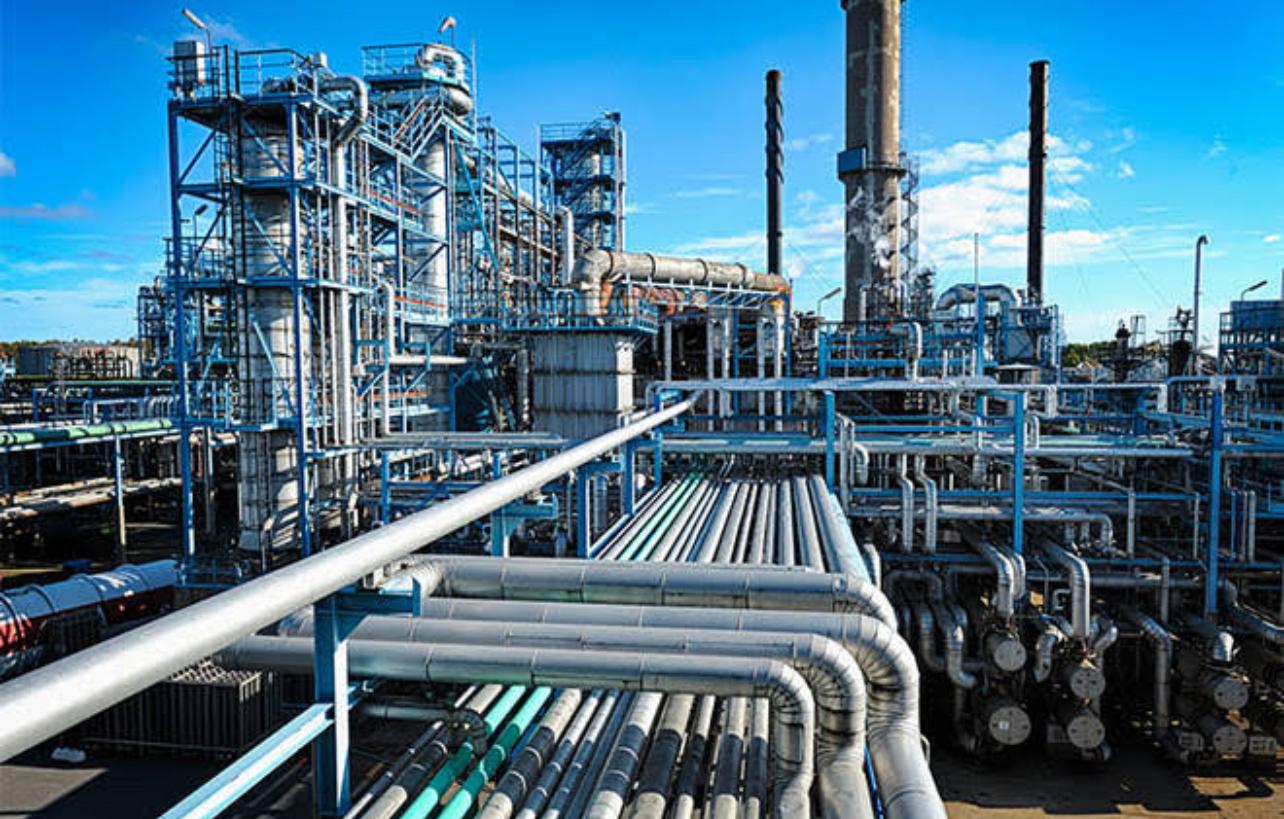
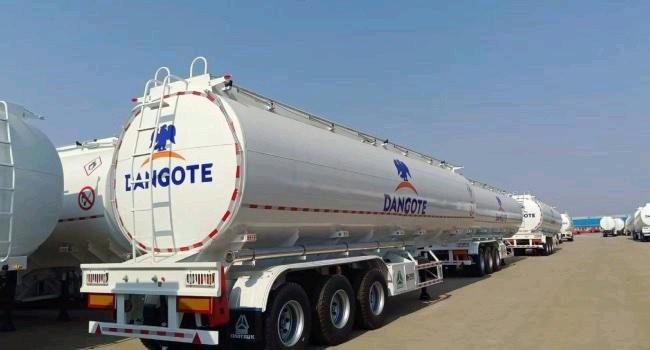
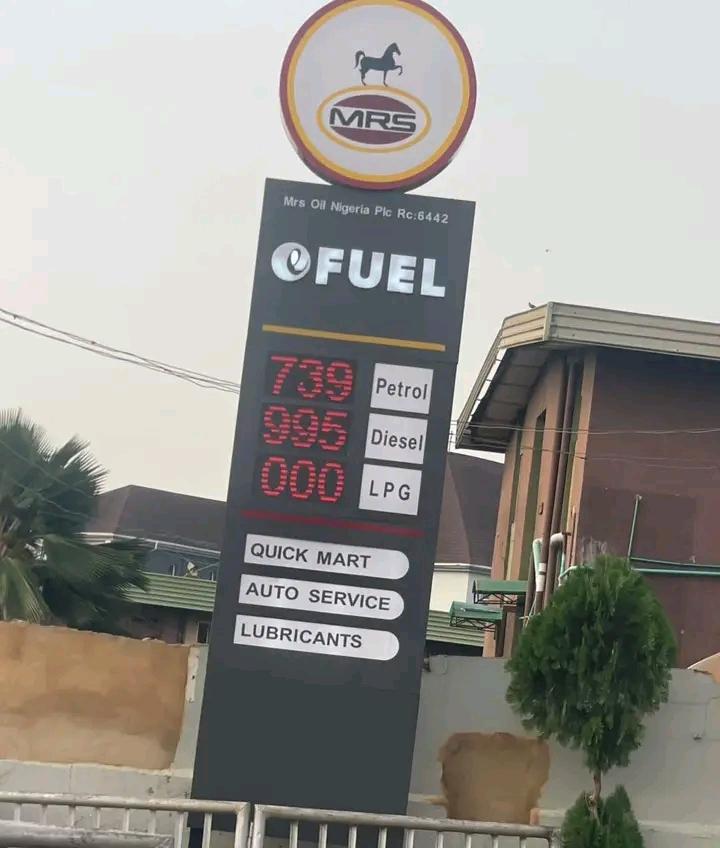
• Dangote Refinery Urges Nigerians to Report MRS Stations Selling Petrol Above ₦739/Litre

    Dangote Petroleum Refinery has called on Nigerians to report any MRS Oil Nigeria Plc filling station selling Premium Motor Spirit (PMS), commonly known as petrol, above the approved price of ₦739 per litre.

    In a statement issued on Sunday, the refinery announced the commencement of nationwide sales of petrol at ₦739 per litre exclusively through over 2,000 MRS stations across the country. This price reduction, backed by a guaranteed daily supply of 50 million litres, aims to provide relief to consumers, stabilize the downstream market, and counter seasonal fuel scarcity often seen during the festive period.

    The refinery commended MRS and other compliant marketers for "demonstrating patriotism" by implementing the reduced pump price, while urging other operators to patronize its products to extend the benefits nationwide.

    It strongly warned against "unscrupulous" attempts to create artificial scarcity or inflate prices, describing such actions as "unpatriotic" and calling on regulatory authorities to intervene firmly.

    "We encourage Nigerians to avoid buying PMS at excessively high prices when they can access locally refined fuel at ₦739 per litre from over 2,000 MRS stations nationwide. Report any MRS station selling above ₦739 per litre by calling 0800 123 5264,” the statement reads in part.
    Dangote Refinery Urges Nigerians to Report MRS Stations Selling Petrol Above ₦739/Litre Dangote Petroleum Refinery has called on Nigerians to report any MRS Oil Nigeria Plc filling station selling Premium Motor Spirit (PMS), commonly known as petrol, above the approved price of ₦739 per litre. In a statement issued on Sunday, the refinery announced the commencement of nationwide sales of petrol at ₦739 per litre exclusively through over 2,000 MRS stations across the country. This price reduction, backed by a guaranteed daily supply of 50 million litres, aims to provide relief to consumers, stabilize the downstream market, and counter seasonal fuel scarcity often seen during the festive period. The refinery commended MRS and other compliant marketers for "demonstrating patriotism" by implementing the reduced pump price, while urging other operators to patronize its products to extend the benefits nationwide. It strongly warned against "unscrupulous" attempts to create artificial scarcity or inflate prices, describing such actions as "unpatriotic" and calling on regulatory authorities to intervene firmly. "We encourage Nigerians to avoid buying PMS at excessively high prices when they can access locally refined fuel at ₦739 per litre from over 2,000 MRS stations nationwide. Report any MRS station selling above ₦739 per litre by calling 0800 123 5264,” the statement reads in part.
    0 Комментарии ·0 Поделились ·368 Просмотры
  • Several Feared Dead As Petrol Tanker Crashes and Explodes On Benin–Auchi Road in Edo State

    A petrol tanker carrying premium motor spirit (PMS) crashed along the Benin–Auchi Road in Edo State on Wednesday evening, causing a massive fire outbreak. The tanker spilled fuel into drainage channels connecting multiple communities around Auchi, with flames spreading rapidly along the paths of the leaked fuel. Eyewitnesses reported fatalities, though the exact number remains unknown. Several homes were affected, and traffic was disrupted as authorities advised motorists to seek alternative routes. Videos circulating online show residents attempting to scoop up spilled petrol from the site.
    Several Feared Dead As Petrol Tanker Crashes and Explodes On Benin–Auchi Road in Edo State A petrol tanker carrying premium motor spirit (PMS) crashed along the Benin–Auchi Road in Edo State on Wednesday evening, causing a massive fire outbreak. The tanker spilled fuel into drainage channels connecting multiple communities around Auchi, with flames spreading rapidly along the paths of the leaked fuel. Eyewitnesses reported fatalities, though the exact number remains unknown. Several homes were affected, and traffic was disrupted as authorities advised motorists to seek alternative routes. Videos circulating online show residents attempting to scoop up spilled petrol from the site.
    0 Комментарии ·0 Поделились ·455 Просмотры
  • CUSTOMS COMPTROLLER GAMBO IYERE ALIYU WHO REJECTED $50,000 BRIBE TAKES HELM AT FOU ZONE A

    The Federal Operations Unit (FOU) Zone A of the Nigeria Customs Service has witnessed a major transition as outgoing Comptroller , now Assistant Comptroller-General (ACG) Mohammed Salisu Shuaibu, formally handed over leadership to the new Customs Area Comptroller , Comptroller Gambo Iyere Aliyu. The handover ceremony, held on December 10, 2025, marked a notable moment for the Service’s anti-smuggling architecture as both senior officers outlined their visions for stronger enforcement and national economic protection.

    In his valedictory remarks, ACG Shuaibu expressed deep gratitude to God and the Comptroller-General of Customs, Bashir Adewale Adeniyi, MFR, dsm, fnipr,psc+ for the trust and support that enabled him to lead the Zone effectively. He described his seven-month tenure as both challenging and rewarding, noting that his mandate upon assumption of office on April 23, 2025 was to strengthen intelligence-driven operations within the Zone.

    He reported remarkable achievements during his stewardship, driven by the resilience and professionalism of officers under his command. According to him, the Unit recorded 476 interceptions comprising 761 seizures valued at ₦10,051,812,208, including 23,000 bags of smuggled rice, 98 used vehicles, 2,350 kg of cannabis sativa, 1,820 jerry cans of PMS, 15 rifles, 4,841 rounds of ammunition, two industrial drones, 25 kg of methamphetamine, and four 50kg cylinders of explosives of Russian origin.He added that the Unit also transferred $20,000 in intercepted currencies to the EFCC, arrested 38 suspects, and handed over eight containers of expired pharmaceuticals valued at ₦7.5 billion. Beyond enforcement, the Unit recovered ₦419,202,458.85 from underpaid import duties through meticulous document checks and demand notices.

    ACG Shuaibu called on officers to remain committed and extend full cooperation to his successor, expressing confidence that the structures he leaves behind will continue to thrive. He thanked his principal officers, patrol leaders, and the media for their support, describing his time at FOU Zone A as fulfilling and impactful.

    In his response, Comptroller Gambo Iyere Aliyu expressed profound appreciation to the Comptroller-General and the NCS management team for the confidence reposed in him. He commended ACG Shuaibu for his exemplary leadership, pledging to consolidate the gains already recorded by the outgoing administration.

    Comptroller Aliyu assured that he would uphold the vision of the Comptroller-General of Customs, focusing on enhanced intelligence-driven enforcement, strict discipline, strong stakeholder collaboration, and improved welfare for officers. Specifically, he will align with the Comptroller-General's goals of modernizing customs processes, strengthening anti-smuggling efforts, improving trade facilitation, and building capacity.

    He highlighted the strategic importance of FOU Zone A as a frontline enforcement formation responsible for suppressing smuggling and safeguarding Nigeria’s economic interests. He emphasised that professionalism, accountability, and ethics would remain non-negotiable under his command, urging officers to uphold the core values of the Service.

    According to him, operational activities will revolve around change management, compliance management, and reputational management—three pillars he considers essential for sustainable progress. Comptroller Aliyu also acknowledged the vital role of the media and pledged open, responsible engagement to ensure accurate dissemination of information.
    CUSTOMS COMPTROLLER GAMBO IYERE ALIYU WHO REJECTED $50,000 BRIBE TAKES HELM AT FOU ZONE A The Federal Operations Unit (FOU) Zone A of the Nigeria Customs Service has witnessed a major transition as outgoing Comptroller , now Assistant Comptroller-General (ACG) Mohammed Salisu Shuaibu, formally handed over leadership to the new Customs Area Comptroller , Comptroller Gambo Iyere Aliyu. The handover ceremony, held on December 10, 2025, marked a notable moment for the Service’s anti-smuggling architecture as both senior officers outlined their visions for stronger enforcement and national economic protection. In his valedictory remarks, ACG Shuaibu expressed deep gratitude to God and the Comptroller-General of Customs, Bashir Adewale Adeniyi, MFR, dsm, fnipr,psc+ for the trust and support that enabled him to lead the Zone effectively. He described his seven-month tenure as both challenging and rewarding, noting that his mandate upon assumption of office on April 23, 2025 was to strengthen intelligence-driven operations within the Zone. He reported remarkable achievements during his stewardship, driven by the resilience and professionalism of officers under his command. According to him, the Unit recorded 476 interceptions comprising 761 seizures valued at ₦10,051,812,208, including 23,000 bags of smuggled rice, 98 used vehicles, 2,350 kg of cannabis sativa, 1,820 jerry cans of PMS, 15 rifles, 4,841 rounds of ammunition, two industrial drones, 25 kg of methamphetamine, and four 50kg cylinders of explosives of Russian origin.He added that the Unit also transferred $20,000 in intercepted currencies to the EFCC, arrested 38 suspects, and handed over eight containers of expired pharmaceuticals valued at ₦7.5 billion. Beyond enforcement, the Unit recovered ₦419,202,458.85 from underpaid import duties through meticulous document checks and demand notices. ACG Shuaibu called on officers to remain committed and extend full cooperation to his successor, expressing confidence that the structures he leaves behind will continue to thrive. He thanked his principal officers, patrol leaders, and the media for their support, describing his time at FOU Zone A as fulfilling and impactful. In his response, Comptroller Gambo Iyere Aliyu expressed profound appreciation to the Comptroller-General and the NCS management team for the confidence reposed in him. He commended ACG Shuaibu for his exemplary leadership, pledging to consolidate the gains already recorded by the outgoing administration. Comptroller Aliyu assured that he would uphold the vision of the Comptroller-General of Customs, focusing on enhanced intelligence-driven enforcement, strict discipline, strong stakeholder collaboration, and improved welfare for officers. Specifically, he will align with the Comptroller-General's goals of modernizing customs processes, strengthening anti-smuggling efforts, improving trade facilitation, and building capacity. He highlighted the strategic importance of FOU Zone A as a frontline enforcement formation responsible for suppressing smuggling and safeguarding Nigeria’s economic interests. He emphasised that professionalism, accountability, and ethics would remain non-negotiable under his command, urging officers to uphold the core values of the Service. According to him, operational activities will revolve around change management, compliance management, and reputational management—three pillars he considers essential for sustainable progress. Comptroller Aliyu also acknowledged the vital role of the media and pledged open, responsible engagement to ensure accurate dissemination of information.
    0 Комментарии ·0 Поделились ·476 Просмотры
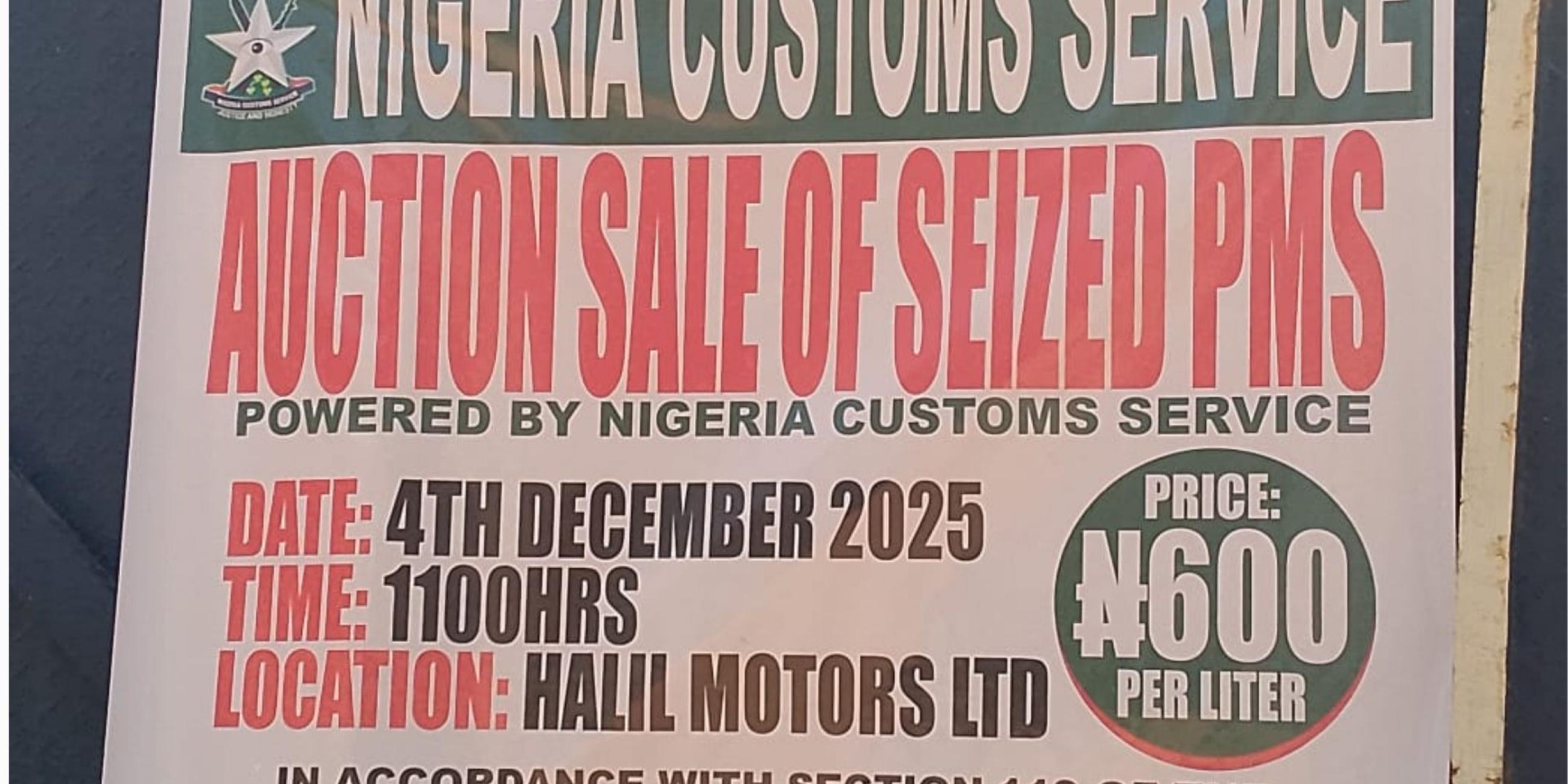
  • Customs Intercepts 195,000 Litres of Smuggled Fuel in Adamawa, Sells Seized PMS at N600 Per Litre

    The Nigeria Customs Service (NCS) has uncovered a major fuel-smuggling ring in Adamawa State, seizing over 195,000 litres of Premium Motor Spirit (PMS) during Operation Whirlwind. Officials auctioned part of the intercepted fuel to motorists at N600 per litre to prevent deterioration. The operation, conducted across notorious smuggling routes, resulted in 55 seizures valued at N181.6 million. Customs also reported increasing violent resistance from smugglers but vowed to intensify its crackdown in line with President Tinubu’s directive on national energy security.
    Customs Intercepts 195,000 Litres of Smuggled Fuel in Adamawa, Sells Seized PMS at N600 Per Litre The Nigeria Customs Service (NCS) has uncovered a major fuel-smuggling ring in Adamawa State, seizing over 195,000 litres of Premium Motor Spirit (PMS) during Operation Whirlwind. Officials auctioned part of the intercepted fuel to motorists at N600 per litre to prevent deterioration. The operation, conducted across notorious smuggling routes, resulted in 55 seizures valued at N181.6 million. Customs also reported increasing violent resistance from smugglers but vowed to intensify its crackdown in line with President Tinubu’s directive on national energy security.
    0 Комментарии ·0 Поделились ·205 Просмотры
  • Nigeria’s Fuel Demand Hits 56.7 Million Litres Daily, Dangote Refinery Leads Local Supply

    Nigeria’s daily fuel consumption surged to 56.74 million litres in October 2025, the highest in a year, according to the Nigerian Midstream and Downstream Petroleum Regulatory Authority (NMDPRA). Of this, 27.6 million litres were imported, while local refineries, led by Dangote Refinery, supplied 17.08 million litres. The data highlights Nigeria’s continued reliance on petroleum products, with diesel, aviation fuel, and LPG also showing significant daily usage. NMDPRA noted that verified consumption data is crucial for energy sector transformation, import reduction, and economic stability.
    emand #PMSConsumption #DangoteRefinery
    Nigeria’s Fuel Demand Hits 56.7 Million Litres Daily, Dangote Refinery Leads Local Supply Nigeria’s daily fuel consumption surged to 56.74 million litres in October 2025, the highest in a year, according to the Nigerian Midstream and Downstream Petroleum Regulatory Authority (NMDPRA). Of this, 27.6 million litres were imported, while local refineries, led by Dangote Refinery, supplied 17.08 million litres. The data highlights Nigeria’s continued reliance on petroleum products, with diesel, aviation fuel, and LPG also showing significant daily usage. NMDPRA noted that verified consumption data is crucial for energy sector transformation, import reduction, and economic stability. emand #PMSConsumption #DangoteRefinery
    0 Комментарии ·0 Поделились ·615 Просмотры
  • BUA Refinery: Nigeria’s Next Big Move to End Fuel Import Dependence

    Nigeria is set for another major breakthrough in its energy sector as BUA Group pushes forward with the construction of its new 200,000 barrels-per-day refinery in Akwa Ibom State. Led by billionaire industrialist Abdul Samad Rabiu, the project aims to strengthen Nigeria’s ability to refine its own crude oil locally — a crucial step toward ending decades of fuel import dependence.

    A Game Changer for Nigeria’s Economy

    For years, Nigeria has exported crude oil only to import refined fuels at high costs. With the new BUA refinery coming onstream, this cycle is expected to change dramatically. The refinery will produce:
    • Petrol (PMS)
    • Diesel (AGO)
    • Aviation fuel (Jet A1)
    • LPG (cooking gas)
    • Petrochemicals

    This means more jobs, cheaper domestic fuel, and extra revenue for the nation through exports.

    Why This Refinery Matters

    ✔ Supports fuel supply stability
    ✔ Reduces foreign exchange pressure
    ✔ Expands Nigeria’s refining capacity
    ✔ Encourages competition with other refineries — especially Dangote Refinery
    ✔ Boosts development in the Niger Delta region

    The refinery is already attracting international partners in engineering, technology, and infrastructure.

    Driving Local Content & Industrial Growth

    BUA Group is one of Nigeria’s fastest-growing conglomerates — with investments in:
    • Cement
    • Foods & sugar
    • Port operations
    • Real estate
    • Energy & power

    The refinery project expands BUA’s footprint into the petroleum value chain, helping to keep more wealth within Nigeria.

    Looking Ahead

    Once completed, the BUA refinery will become one of West Africa’s largest privately-owned refineries, adding healthy competition to the market and supporting Nigeria’s long-awaited shift toward full downstream independence.

    “Nigeria should not be importing fuel when we have crude oil.”
    — Abdul Samad Rabiu

    The journey continues — and the results could reshape the nation’s economic future.
    BUA Refinery: Nigeria’s Next Big Move to End Fuel Import Dependence Nigeria is set for another major breakthrough in its energy sector as BUA Group pushes forward with the construction of its new 200,000 barrels-per-day refinery in Akwa Ibom State. Led by billionaire industrialist Abdul Samad Rabiu, the project aims to strengthen Nigeria’s ability to refine its own crude oil locally — a crucial step toward ending decades of fuel import dependence. 🌍 A Game Changer for Nigeria’s Economy For years, Nigeria has exported crude oil only to import refined fuels at high costs. With the new BUA refinery coming onstream, this cycle is expected to change dramatically. The refinery will produce: • Petrol (PMS) • Diesel (AGO) • Aviation fuel (Jet A1) • LPG (cooking gas) • Petrochemicals This means more jobs, cheaper domestic fuel, and extra revenue for the nation through exports. 🏗️ Why This Refinery Matters ✔ Supports fuel supply stability ✔ Reduces foreign exchange pressure ✔ Expands Nigeria’s refining capacity ✔ Encourages competition with other refineries — especially Dangote Refinery ✔ Boosts development in the Niger Delta region The refinery is already attracting international partners in engineering, technology, and infrastructure. 🚀 Driving Local Content & Industrial Growth BUA Group is one of Nigeria’s fastest-growing conglomerates — with investments in: • Cement • Foods & sugar • Port operations • Real estate • Energy & power The refinery project expands BUA’s footprint into the petroleum value chain, helping to keep more wealth within Nigeria. 🔮 Looking Ahead Once completed, the BUA refinery will become one of West Africa’s largest privately-owned refineries, adding healthy competition to the market and supporting Nigeria’s long-awaited shift toward full downstream independence. “Nigeria should not be importing fuel when we have crude oil.” — Abdul Samad Rabiu The journey continues — and the results could reshape the nation’s economic future. 🇳🇬✨
    0 Комментарии ·0 Поделились ·1Кб Просмотры
  • Smart Patient Management Systems (SPMS) are transforming Ayurvedic healthcare by integrating traditional practices with modern technology. They enhance patient care through personalized data tracking, digital record-keeping, Nadi and Dosha analysis, automated follow-ups, and streamlined clinic management. SPMS improves practitioner efficiency, patient engagement, and treatment accuracy while preserving Ayurveda’s holistic principles. AI integration further enables predictive, personalized, and accessible care.
    Know More: https://www.naditarangini.com/how-ai-is-revolutionizing-ayurveda/
    Smart Patient Management Systems (SPMS) are transforming Ayurvedic healthcare by integrating traditional practices with modern technology. They enhance patient care through personalized data tracking, digital record-keeping, Nadi and Dosha analysis, automated follow-ups, and streamlined clinic management. SPMS improves practitioner efficiency, patient engagement, and treatment accuracy while preserving Ayurveda’s holistic principles. AI integration further enables predictive, personalized, and accessible care. Know More: https://www.naditarangini.com/how-ai-is-revolutionizing-ayurveda/
    How AI is Revolutionizing Ayurveda - Nadi Tarangini
    www.naditarangini.com
    A Deep Dive into Nadi Pariksha Ashtavidha Pariksha i.e. eightfold examination method is a unique and accurate diagnostic method elaborated in Ayurveda for examining patients through pulse diagnosis.Nadi Pariksha amongst Ashtavidha Pariksha is one of the most important and apt diagnostic tool explained by Ayurveda for assessing a patient's physical as well as mental health
    0 Комментарии ·0 Поделились ·767 Просмотры
  • Dangote Refinery deploys CNG trucks to distribute petrol at N850 per litre.

    The Dangote Petroleum Refinery has intensified efforts through the use of Compressed Natural Gas (CNG)-powered trucks to distribute Premium Motor Spirit, PMS, also known as petrol at N850 per litre to different parts of the nation.

    Chief Executive officer of Petroleumprice.ng, Olatide Jeremiah, said: “Generally, the depot prices have increased. Market data showed that petrol sold between ¦ 870 and ¦ 900 per litre at key depots in Lagos and Calabar, reflecting a steady climb over the past week.

    “In Lagos, where most private depots rely on imported supply, prices remained elevated even after recent reviews. Aiteo and Pinnacle both sold petrol at ¦ 890 and ¦ 870 per litre, respectively, while Integrated Oil and Gas priced PMS at ¦ 870 per litre.

    “At Calabar, Matrix Energy and Northwest Petroleum traded at ¦ 890 and ¦ 880 per litre, while Sobaz Depot hit ¦ 900 per litre —the highest recorded so far this month.”

    “The hike in depot prices would likely crash once the Dangote Petroleum Refinery completes its rehabilitation because the plant has the capacity to impact the domestic market.”

    However, the retail prices of petrol have increased by 6.8 percent to N955 per litre, from N890 per litre sold last week.

    The NNPCL, and stations owned by Independent Marketers in Lagos and Abuja showed that the petrol was dispersed between N900 and N955 per litre.

    Also, petrol marketers across Abuja, the nation’s capital, on Tuesday increased their pump price by over N50 per litre following a similar increase by NNPC Limited.

    Dangote Refinery deploys CNG trucks to distribute petrol at N850 per litre. The Dangote Petroleum Refinery has intensified efforts through the use of Compressed Natural Gas (CNG)-powered trucks to distribute Premium Motor Spirit, PMS, also known as petrol at N850 per litre to different parts of the nation. Chief Executive officer of Petroleumprice.ng, Olatide Jeremiah, said: “Generally, the depot prices have increased. Market data showed that petrol sold between ¦ 870 and ¦ 900 per litre at key depots in Lagos and Calabar, reflecting a steady climb over the past week. “In Lagos, where most private depots rely on imported supply, prices remained elevated even after recent reviews. Aiteo and Pinnacle both sold petrol at ¦ 890 and ¦ 870 per litre, respectively, while Integrated Oil and Gas priced PMS at ¦ 870 per litre. “At Calabar, Matrix Energy and Northwest Petroleum traded at ¦ 890 and ¦ 880 per litre, while Sobaz Depot hit ¦ 900 per litre —the highest recorded so far this month.” “The hike in depot prices would likely crash once the Dangote Petroleum Refinery completes its rehabilitation because the plant has the capacity to impact the domestic market.” However, the retail prices of petrol have increased by 6.8 percent to N955 per litre, from N890 per litre sold last week. The NNPCL, and stations owned by Independent Marketers in Lagos and Abuja showed that the petrol was dispersed between N900 and N955 per litre. Also, petrol marketers across Abuja, the nation’s capital, on Tuesday increased their pump price by over N50 per litre following a similar increase by NNPC Limited.
    0 Комментарии ·0 Поделились ·779 Просмотры
  • Brent Crude trades near $67 as naira strengthens to N1,499/$ .

    Petrol import cost hits N870/litre, diesel N999 as downstream market faces FX, crude volatility

    Nigeria’s fuel import costs are climbing again as Brent crude trades near $67.44 per barrel and the naira firmed to N1,499/$, according to the latest Energy bulletin of the Major Energies Marketers Association of Nigeria (MEMAN) Competency Centre.

    The report showed that despite the local currency’s modest appreciation, the Import Parity Price (IPP) of Premium Motor Spirit (PMS) rose to N870.06/litre at the NPSC/ASPAM Jetty in Apapa, above its 30-day average of N848.77/litre. Automotive Gas Oil (AGO or diesel) climbed to N999.80/litre, compared to an average of N969.09/litre, while Aviation Turbine Kerosene (ATK) increased to N980.75/litre against N905.40/litre.

    According to MEMAN, the international petroleum market is being shaped by shifting supply and demand dynamics.

    “U.S. crude inventories fell sharply by about 9.3 million barrels to roughly 415.4 million barrels, as net imports hit a record low due to a surge in exports.”

    Gasoline stocks also declined by around 2.3 million barrels, tightening supply, while distillate inventories rose by about 4 million barrels, highlighting weaker demand in that segment,” the bulletin noted.

    Alongside Brent, WTI crude traded at $63.24 per barrel, while Nigeria’s Bonny Light closed at $68.56. MEMAN added that prices eased slightly as markets weighed the U.S. inventory drawdown against the Federal Reserve’s 25-basis-point rate cut. “Geopolitical risks persist, particularly from Ukrainian drone attacks on Russian oil infrastructure, while OPEC+ confirms plans to raise output by 137,000 barrels per day starting in October as it continues to unwind earlier production cuts,” it said.

    On the domestic front, the association highlighted that the naira recorded steady appreciation in the Nigerian Foreign Exchange Market (NFEM) during the first half of September. It highlighted that the naira appreciated from N1,526/$ at the start of September to N1,498.98/$ by September 18, representing a gain of 1.8 per cent. The currency peaked at N1,484.14/$ on September 16 before settling slightly weaker. The association cautioned that “given that import parity costs remain inherently sensitive to these dynamics, they are expected to experience multiple intra-day fluctuations.”

    The bulletin also listed Dangote Petroleum Refinery’s latest ex-depot prices: AGO at $717.50/MT (N960.00/litre), ATK at $766.25/MT (N995.48/litre), while PMS was left “on hold.” Liquefied Petroleum Gas (LPG) was posted at N715,000/MT.
    Brent Crude trades near $67 as naira strengthens to N1,499/$ . Petrol import cost hits N870/litre, diesel N999 as downstream market faces FX, crude volatility Nigeria’s fuel import costs are climbing again as Brent crude trades near $67.44 per barrel and the naira firmed to N1,499/$, according to the latest Energy bulletin of the Major Energies Marketers Association of Nigeria (MEMAN) Competency Centre. The report showed that despite the local currency’s modest appreciation, the Import Parity Price (IPP) of Premium Motor Spirit (PMS) rose to N870.06/litre at the NPSC/ASPAM Jetty in Apapa, above its 30-day average of N848.77/litre. Automotive Gas Oil (AGO or diesel) climbed to N999.80/litre, compared to an average of N969.09/litre, while Aviation Turbine Kerosene (ATK) increased to N980.75/litre against N905.40/litre. According to MEMAN, the international petroleum market is being shaped by shifting supply and demand dynamics. “U.S. crude inventories fell sharply by about 9.3 million barrels to roughly 415.4 million barrels, as net imports hit a record low due to a surge in exports.” Gasoline stocks also declined by around 2.3 million barrels, tightening supply, while distillate inventories rose by about 4 million barrels, highlighting weaker demand in that segment,” the bulletin noted. Alongside Brent, WTI crude traded at $63.24 per barrel, while Nigeria’s Bonny Light closed at $68.56. MEMAN added that prices eased slightly as markets weighed the U.S. inventory drawdown against the Federal Reserve’s 25-basis-point rate cut. “Geopolitical risks persist, particularly from Ukrainian drone attacks on Russian oil infrastructure, while OPEC+ confirms plans to raise output by 137,000 barrels per day starting in October as it continues to unwind earlier production cuts,” it said. On the domestic front, the association highlighted that the naira recorded steady appreciation in the Nigerian Foreign Exchange Market (NFEM) during the first half of September. It highlighted that the naira appreciated from N1,526/$ at the start of September to N1,498.98/$ by September 18, representing a gain of 1.8 per cent. The currency peaked at N1,484.14/$ on September 16 before settling slightly weaker. The association cautioned that “given that import parity costs remain inherently sensitive to these dynamics, they are expected to experience multiple intra-day fluctuations.” The bulletin also listed Dangote Petroleum Refinery’s latest ex-depot prices: AGO at $717.50/MT (N960.00/litre), ATK at $766.25/MT (N995.48/litre), while PMS was left “on hold.” Liquefied Petroleum Gas (LPG) was posted at N715,000/MT.
    0 Комментарии ·0 Поделились ·897 Просмотры
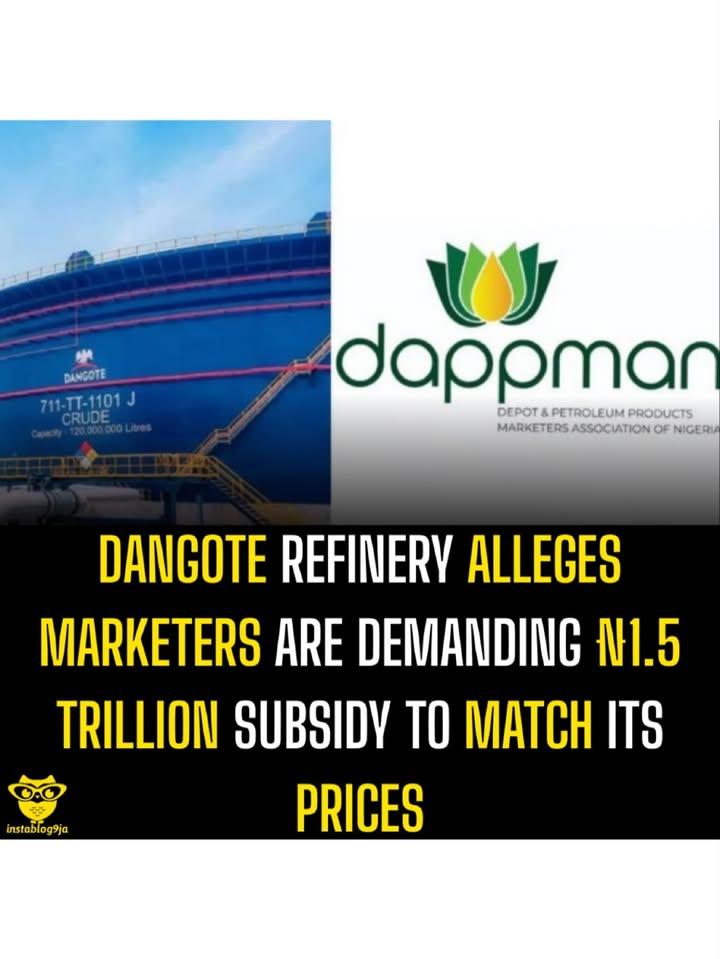
  • Dangote Refinery has accused the Depot and Petroleum Products Marketers Association of Nigeria (DAPPMAN) of seeking an annual subsidy of N1.505 trillion to enable their members to match depot prices with the refinery’s gantry prices.

    In a statement, the refinery explained that the figure was based on Nigeria’s daily consumption of 40 million litres of Premium Motor Spirit (PMS) and 15 million litres of Automotive Gas Oil (AGO).

    According to the management, the marketers requested a discount of N70 per litre on coastal freight, NIMASA, NPA, and related charges, as well as an additional N5 per litre for pumping products into vessels for transportation to depots in Apapa.

    Dangote Refinery, however, insisted it would not raise gantry prices or absorb the cost, stressing that it would not reintroduce a subsidy system that previously cost Nigeria trillions of naira. The company urged marketers to instead lift products directly from its gantry to benefit from its logistics-free initiative.
    Dangote Refinery has accused the Depot and Petroleum Products Marketers Association of Nigeria (DAPPMAN) of seeking an annual subsidy of N1.505 trillion to enable their members to match depot prices with the refinery’s gantry prices. In a statement, the refinery explained that the figure was based on Nigeria’s daily consumption of 40 million litres of Premium Motor Spirit (PMS) and 15 million litres of Automotive Gas Oil (AGO). According to the management, the marketers requested a discount of N70 per litre on coastal freight, NIMASA, NPA, and related charges, as well as an additional N5 per litre for pumping products into vessels for transportation to depots in Apapa. Dangote Refinery, however, insisted it would not raise gantry prices or absorb the cost, stressing that it would not reintroduce a subsidy system that previously cost Nigeria trillions of naira. The company urged marketers to instead lift products directly from its gantry to benefit from its logistics-free initiative.
    0 Комментарии ·0 Поделились ·753 Просмотры
  • Dangote Refinery Cuts Petrol Price, To Begin Direct Supply Nationwide

    The Dangote Petroleum Refinery has announced a reduction in the price of Premium Motor Spirit (PMS) and will begin direct distribution of the product to filling stations across Nigeria starting Monday, September 15, 2025.

    In a statement on Thursday, the refinery said the gantry price has been reduced to N820 per litre, with pump prices varying across key states. Lagos and other South-West states will retail at N841 per litre, while Abuja, Rivers, Delta, Edo, and Kwara will sell at N851 per litre.

    “The first phase of the deployment will cover the Federal Capital Territory, Lagos, Kwara, Delta, Edo, Rivers, and South-West states, with nationwide expansion planned as more trucks are delivered,” the company stated.

    The refinery noted that the use of CNG-powered transportation in the supply chain will save Nigeria over N1.8 trillion annually, cut distribution costs, and help ease inflationary pressures. It added that the initiative will directly benefit more than 42 million MSMEs by lowering energy costs.

    The company also disclosed that it is investing over N720 billion in the programme, which is expected to create thousands of jobs and revive dormant filling stations nationwide.

    Stakeholders such as fuel station operators, telecom companies, and large-scale fuel consumers have been urged to partner with the initiative. Petrol station owners were also encouraged to register for free delivery and other benefits tied to the scheme.

    Source: Dangote Group
    Dangote Refinery Cuts Petrol Price, To Begin Direct Supply Nationwide The Dangote Petroleum Refinery has announced a reduction in the price of Premium Motor Spirit (PMS) and will begin direct distribution of the product to filling stations across Nigeria starting Monday, September 15, 2025. In a statement on Thursday, the refinery said the gantry price has been reduced to N820 per litre, with pump prices varying across key states. Lagos and other South-West states will retail at N841 per litre, while Abuja, Rivers, Delta, Edo, and Kwara will sell at N851 per litre. “The first phase of the deployment will cover the Federal Capital Territory, Lagos, Kwara, Delta, Edo, Rivers, and South-West states, with nationwide expansion planned as more trucks are delivered,” the company stated. The refinery noted that the use of CNG-powered transportation in the supply chain will save Nigeria over N1.8 trillion annually, cut distribution costs, and help ease inflationary pressures. It added that the initiative will directly benefit more than 42 million MSMEs by lowering energy costs. The company also disclosed that it is investing over N720 billion in the programme, which is expected to create thousands of jobs and revive dormant filling stations nationwide. Stakeholders such as fuel station operators, telecom companies, and large-scale fuel consumers have been urged to partner with the initiative. Petrol station owners were also encouraged to register for free delivery and other benefits tied to the scheme. 📌 Source: Dangote Group
    0 Комментарии ·0 Поделились ·2Кб Просмотры
  • States Revenues Have Doubled Since Fuel Subsidy Removal — FG.

    The Federal Government says state governments now earn significantly more following the removal of petrol subsidy by President Bola Tinubu’s administration in May 2023.

    Coordinating Minister of Finance, Wale Edun, disclosed this on Thursday at the National Health Financing Dialogue in Abuja. He explained that although ending the subsidy on Premium Motor Spirit (PMS) was a tough decision, it has yielded positive results.

    According to him, the reform has boosted states’ finances, giving them more than double the funds they previously had, enabling them to contribute meaningfully to critical sectors.

    Edun noted that the subsidy regime only enriched a few individuals, including foreigners, while consuming about 2.5% of the country’s GDP.

    He stressed that its removal has freed up resources for investment in education, healthcare, and infrastructure.

    While fuel prices initially surged above ₦1,000 per litre and later dropped below ₦900, Edun said inflation has also begun to ease, falling to 21.88% in July from 22.22% in June, after peaking around 27% last year. Food inflation also declined to 22.74% year-on-year in July, compared to 39.53% in the same period last year.

    He maintained that the reforms, though painful, are designed to rebuild the economy, restore investor confidence, and create opportunities across all sectors.
    States Revenues Have Doubled Since Fuel Subsidy Removal — FG. The Federal Government says state governments now earn significantly more following the removal of petrol subsidy by President Bola Tinubu’s administration in May 2023. Coordinating Minister of Finance, Wale Edun, disclosed this on Thursday at the National Health Financing Dialogue in Abuja. He explained that although ending the subsidy on Premium Motor Spirit (PMS) was a tough decision, it has yielded positive results. According to him, the reform has boosted states’ finances, giving them more than double the funds they previously had, enabling them to contribute meaningfully to critical sectors. Edun noted that the subsidy regime only enriched a few individuals, including foreigners, while consuming about 2.5% of the country’s GDP. He stressed that its removal has freed up resources for investment in education, healthcare, and infrastructure. While fuel prices initially surged above ₦1,000 per litre and later dropped below ₦900, Edun said inflation has also begun to ease, falling to 21.88% in July from 22.22% in June, after peaking around 27% last year. Food inflation also declined to 22.74% year-on-year in July, compared to 39.53% in the same period last year. He maintained that the reforms, though painful, are designed to rebuild the economy, restore investor confidence, and create opportunities across all sectors.
    like
    1
    · 0 Комментарии ·0 Поделились ·1Кб Просмотры
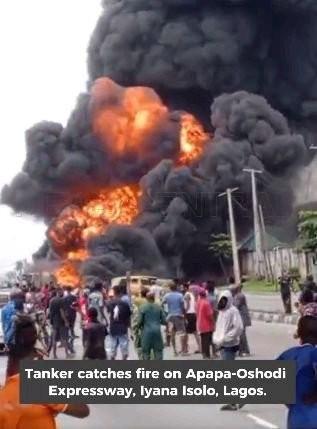
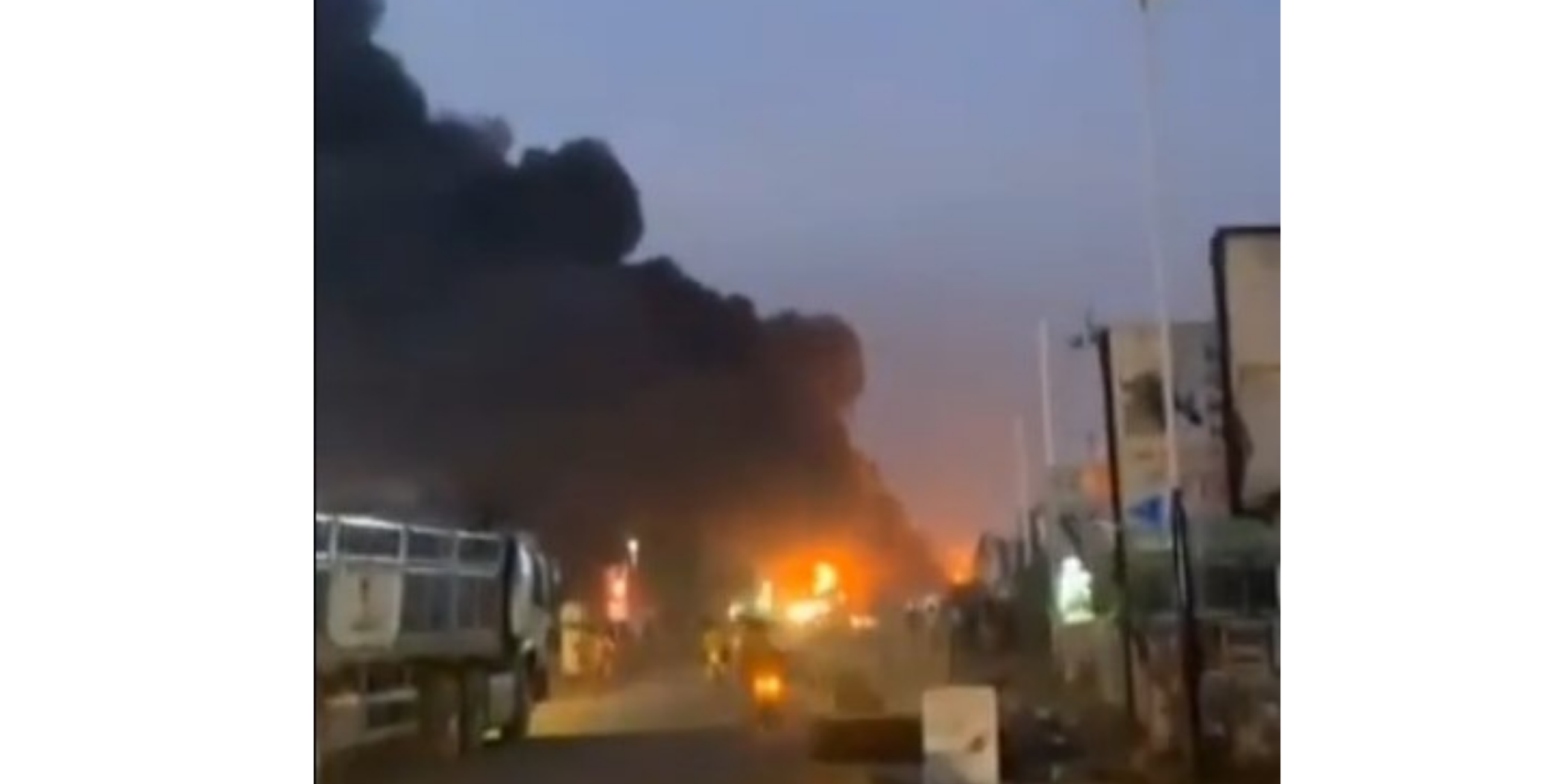
  • Pandemonium As Fuel Tanker Explosion Rocks Oshodi, Lagos.

    The tanker, which reportedly overturned while in motion, immediately exploded, with the raging fire consuming at least four other trucks parked nearby.
    Fuel Tanker Explosion
    A petrol tanker loaded with Premium Motor Spirit (PMS) burst into flames on Sunday at Iyana-Isolo, heading toward Oshodi, Lagos, causing panic and raising fears of the fire spreading across the busy corridor.

    The tanker, which reportedly overturned while in motion, immediately exploded, with the raging fire consuming at least four other trucks parked nearby.

    Eyewitnesses said the inferno could have caused a major disaster had it not been quickly contained.

    Swift intervention by operatives of the Lagos State Traffic Management Authority, LASTMA, in collaboration with other emergency agencies, averted what could have become a large-scale tragedy.

    The agency mobilised first responders, including the Lagos State Fire and Rescue Service, police officers from Aswani, Ilasa and Mushin divisions, as well as the Neighbourhood Safety Corps, to the scene.

    According to LASTMA’s General Manager, Mr Olalekan Bakare-Oki, the fire was successfully brought under control after personnel cordoned off the affected road and diverted traffic away from the danger zone. He confirmed that reinforcements from adjoining zones were also deployed to boost the operation.

    Bakare-Oki expressed relief that no lives were lost, attributing the outcome to the prompt coordination of agencies on the ground. He, however, cautioned drivers of articulated vehicles, tankers and heavy-duty trucks against reckless speeding, which preliminary findings linked to the cause of the accident.

    He also advised residents to utilise LASTMA’s toll-free hotline (080000527862) to report traffic emergencies, assuring the public that the agency remains equipped to respond swiftly to incidents.
    Pandemonium As Fuel Tanker Explosion Rocks Oshodi, Lagos. The tanker, which reportedly overturned while in motion, immediately exploded, with the raging fire consuming at least four other trucks parked nearby. Fuel Tanker Explosion A petrol tanker loaded with Premium Motor Spirit (PMS) burst into flames on Sunday at Iyana-Isolo, heading toward Oshodi, Lagos, causing panic and raising fears of the fire spreading across the busy corridor. The tanker, which reportedly overturned while in motion, immediately exploded, with the raging fire consuming at least four other trucks parked nearby. Eyewitnesses said the inferno could have caused a major disaster had it not been quickly contained. Swift intervention by operatives of the Lagos State Traffic Management Authority, LASTMA, in collaboration with other emergency agencies, averted what could have become a large-scale tragedy. The agency mobilised first responders, including the Lagos State Fire and Rescue Service, police officers from Aswani, Ilasa and Mushin divisions, as well as the Neighbourhood Safety Corps, to the scene. According to LASTMA’s General Manager, Mr Olalekan Bakare-Oki, the fire was successfully brought under control after personnel cordoned off the affected road and diverted traffic away from the danger zone. He confirmed that reinforcements from adjoining zones were also deployed to boost the operation. Bakare-Oki expressed relief that no lives were lost, attributing the outcome to the prompt coordination of agencies on the ground. He, however, cautioned drivers of articulated vehicles, tankers and heavy-duty trucks against reckless speeding, which preliminary findings linked to the cause of the accident. He also advised residents to utilise LASTMA’s toll-free hotline (080000527862) to report traffic emergencies, assuring the public that the agency remains equipped to respond swiftly to incidents.
    0 Комментарии ·0 Поделились ·2Кб Просмотры
  • https://vt.tiktok.com/ZSAXrpms1/
    https://vt.tiktok.com/ZSAXrpms1/
    @abc7chicago

    A woman was shot and killed in a South Side apartment on Friday night. The shooting happened at about 11:56 p.m. in the 7700-block of S. Essex Avenue, according to police.

    ♬ original sound - abc7chicago - abc7chicago
    0 Комментарии ·0 Поделились ·445 Просмотры
  • NMDPRA Reports Significant Decline In Fuel Consumption In Nigeria.

    The Nigerian Midstream and Downstream Petroleum Regulatory Authority (NMDPRA) has reported a substantial decrease in fuel consumption for June 2025, with total fuel evacuation falling to 1.44 billion litres.
    NMDPRA Reports Significant Decline In Fuel Consumption In Nigeria
    This marks a 16.42% decline compared to May, which saw a total of 1.77 billion litres of fuel evacuated.

    Naija News reports that the Director of Public Affairs at NMDPRA, George Ene-Ita, confirmed in a report on Wednesday that daily fuel consumption averaged 48 million litres in June.

    He also corrected earlier reports that suggested a lower daily average of 38.94 million litres.

    According to the NMDPRA, the exact volume of fuel evacuated in June was 1,440,768,129 litres, representing a decrease of over 290 million litres from May’s total.

    When broken down, the daily average evacuation stood at 48,025,604 litres, which was calculated by dividing the total monthly volume by the 30 days in June.

    Fuel Supply Breakdown: Diesel, Kerosene, and Gasoline
    Automobile Gas Oil (AGO/Diesel): The supply of diesel saw a slight increase of 1.73%, reaching 432.18 million litres in June, up from 424.83 million litres in May. However, diesel distribution (truck-out) experienced a significant decline of 23.23%, dropping from 552.35 million litres in May to 424.06 million litres in June.

    Household Kerosene (HHK): Both the supply and distribution of household kerosene recorded a 13% decrease in June. The total HHK supply for the month was 7.79 million litres, down from nearly 9 million litres in May.

    Automotive Gasoline (PMS): The sharpest decline was seen in the supply of automotive gasoline (PMS), which dropped by nearly 48%, from 72.36 million litres in May to 37.66 million litres in June. Distribution also fell by 16.54% during the same period.
    NMDPRA Reports Significant Decline In Fuel Consumption In Nigeria. The Nigerian Midstream and Downstream Petroleum Regulatory Authority (NMDPRA) has reported a substantial decrease in fuel consumption for June 2025, with total fuel evacuation falling to 1.44 billion litres. NMDPRA Reports Significant Decline In Fuel Consumption In Nigeria This marks a 16.42% decline compared to May, which saw a total of 1.77 billion litres of fuel evacuated. Naija News reports that the Director of Public Affairs at NMDPRA, George Ene-Ita, confirmed in a report on Wednesday that daily fuel consumption averaged 48 million litres in June. He also corrected earlier reports that suggested a lower daily average of 38.94 million litres. According to the NMDPRA, the exact volume of fuel evacuated in June was 1,440,768,129 litres, representing a decrease of over 290 million litres from May’s total. When broken down, the daily average evacuation stood at 48,025,604 litres, which was calculated by dividing the total monthly volume by the 30 days in June. Fuel Supply Breakdown: Diesel, Kerosene, and Gasoline Automobile Gas Oil (AGO/Diesel): The supply of diesel saw a slight increase of 1.73%, reaching 432.18 million litres in June, up from 424.83 million litres in May. However, diesel distribution (truck-out) experienced a significant decline of 23.23%, dropping from 552.35 million litres in May to 424.06 million litres in June. Household Kerosene (HHK): Both the supply and distribution of household kerosene recorded a 13% decrease in June. The total HHK supply for the month was 7.79 million litres, down from nearly 9 million litres in May. Automotive Gasoline (PMS): The sharpest decline was seen in the supply of automotive gasoline (PMS), which dropped by nearly 48%, from 72.36 million litres in May to 37.66 million litres in June. Distribution also fell by 16.54% during the same period.
    0 Комментарии ·0 Поделились ·668 Просмотры
  • Dangote Refinery: Petrol Price Still ₦850, Operations Fully Active
    Dangote Petroleum Refinery has dismissed rumours of a shutdown or price hike, confirming that Premium Motor Spirit (PMS) remains ₦850 per litre. Group Chief Branding and Communications Officer Anthony Chiejina said the facility continues to supply over 40 million litres of petrol and steady volumes of diesel daily, with no disruption to truck loading or production.

    The refinery described recent reports as “unfounded” and challenged sceptics to place bulk orders for 90 days to prove supply stability. It reaffirmed its commitment to transparency, energy security, and ending Nigeria’s dependence on imported fuel.

    #DangoteRefinery #FuelPrice #NigeriaEnergy #PMS
    Dangote Refinery: Petrol Price Still ₦850, Operations Fully Active Dangote Petroleum Refinery has dismissed rumours of a shutdown or price hike, confirming that Premium Motor Spirit (PMS) remains ₦850 per litre. Group Chief Branding and Communications Officer Anthony Chiejina said the facility continues to supply over 40 million litres of petrol and steady volumes of diesel daily, with no disruption to truck loading or production. The refinery described recent reports as “unfounded” and challenged sceptics to place bulk orders for 90 days to prove supply stability. It reaffirmed its commitment to transparency, energy security, and ending Nigeria’s dependence on imported fuel. #DangoteRefinery #FuelPrice #NigeriaEnergy #PMS
    0 Комментарии ·0 Поделились ·1Кб Просмотры
  • Nigeria’s Refineries May Never Work Again Despite $18bn Spent — Aliko Dangote.

    President of the Dangote Group, Aliko Dangote, has cast doubt on the functionality of Nigeria’s state-owned refineries, saying they may never work again despite the government spending an estimated $18 billion on their rehabilitation.

    Speaking during a visit by members of Global CEO Africa to the Dangote Refinery, Dangote explained that the 650,000 barrels-per-day facility was built after the late President Umaru Musa Yar’adua’s administration rejected his bid to acquire the government-owned refineries.

    He recalled that he and other investors had acquired the refineries in 2007 during President Obasanjo’s tenure, but were later forced to return them following a change in government. “We bought the refineries in January 2007. At the time, they were producing only about 22% of PMS. But the new administration claimed they would fix them and canceled the sale.

    Today, after spending nearly $18 billion, those refineries are still not working and I doubt they ever will,” Dangote said.

    He likened the repeated rehabilitation efforts to modernizing a 40-year-old car. “Even if you replace the engine, the body can’t handle it. Technology has changed,” he added.

    Former President Olusegun Obasanjo, who initially approved the sale, has previously made similar remarks. He said Dangote and other investors paid $750 million to acquire the facilities before the Yar’adua administration reversed the decision. Obasanjo said he had warned Yar’adua that the refineries were beyond repair.

    “I told him NNPC can’t fix them, but he insisted. Now, even as scrap, they may not sell for $200 million,” he said. He blamed the NNPC for knowingly mismanaging the facilities while benefiting from corruption. “In a civilised country, some people should be in jail for this,” Obasanjo added. He also stated earlier this year that over $2 billion had been wasted on the refineries since the cancelled sale, with nothing to show for it.
    Nigeria’s Refineries May Never Work Again Despite $18bn Spent — Aliko Dangote. President of the Dangote Group, Aliko Dangote, has cast doubt on the functionality of Nigeria’s state-owned refineries, saying they may never work again despite the government spending an estimated $18 billion on their rehabilitation. Speaking during a visit by members of Global CEO Africa to the Dangote Refinery, Dangote explained that the 650,000 barrels-per-day facility was built after the late President Umaru Musa Yar’adua’s administration rejected his bid to acquire the government-owned refineries. He recalled that he and other investors had acquired the refineries in 2007 during President Obasanjo’s tenure, but were later forced to return them following a change in government. “We bought the refineries in January 2007. At the time, they were producing only about 22% of PMS. But the new administration claimed they would fix them and canceled the sale. Today, after spending nearly $18 billion, those refineries are still not working and I doubt they ever will,” Dangote said. He likened the repeated rehabilitation efforts to modernizing a 40-year-old car. “Even if you replace the engine, the body can’t handle it. Technology has changed,” he added. Former President Olusegun Obasanjo, who initially approved the sale, has previously made similar remarks. He said Dangote and other investors paid $750 million to acquire the facilities before the Yar’adua administration reversed the decision. Obasanjo said he had warned Yar’adua that the refineries were beyond repair. “I told him NNPC can’t fix them, but he insisted. Now, even as scrap, they may not sell for $200 million,” he said. He blamed the NNPC for knowingly mismanaging the facilities while benefiting from corruption. “In a civilised country, some people should be in jail for this,” Obasanjo added. He also stated earlier this year that over $2 billion had been wasted on the refineries since the cancelled sale, with nothing to show for it.
    0 Комментарии ·0 Поделились ·827 Просмотры
  • Nigeria’s Refineries May Never Work After $18Billion Spending On Turnaround Maintenance By NNPC, Says Dangote
    Obasanjo had stated that the NNPC could not run the refineries, revealing that even international oil companies like Shell declined his request to manage the facilities.

    The President of Dangote Group, Alhaji Aliko Dangote, has raised serious concerns about the operational functionality of Nigeria’s state-owned refineries in Port Harcourt, Warri, and Kaduna, warning that they may never work again despite having consumed a staggering $18 billion in public funds.

    Speaking in Lagos on Thursday during a tour of the Dangote Petroleum Refinery in Lekki with members of the Global CEO Africa from the Lagos Business School, the billionaire industrialist said the Nigerian National Petroleum Company Limited (NNPC), which oversees the moribund refineries, has failed to make them productive.

    Dangote, whose 650,000-barrel-per-day refinery is now a major force in Nigeria’s downstream oil sector, noted that his facility dedicates more than 50 per cent of its output to the production of Premium Motor Spirit (PMS), far surpassing the 22 per cent historically allocated by government-owned refineries.
    Nigeria’s Refineries May Never Work After $18Billion Spending On Turnaround Maintenance By NNPC, Says Dangote Obasanjo had stated that the NNPC could not run the refineries, revealing that even international oil companies like Shell declined his request to manage the facilities. The President of Dangote Group, Alhaji Aliko Dangote, has raised serious concerns about the operational functionality of Nigeria’s state-owned refineries in Port Harcourt, Warri, and Kaduna, warning that they may never work again despite having consumed a staggering $18 billion in public funds. Speaking in Lagos on Thursday during a tour of the Dangote Petroleum Refinery in Lekki with members of the Global CEO Africa from the Lagos Business School, the billionaire industrialist said the Nigerian National Petroleum Company Limited (NNPC), which oversees the moribund refineries, has failed to make them productive. Dangote, whose 650,000-barrel-per-day refinery is now a major force in Nigeria’s downstream oil sector, noted that his facility dedicates more than 50 per cent of its output to the production of Premium Motor Spirit (PMS), far surpassing the 22 per cent historically allocated by government-owned refineries.
    0 Комментарии ·0 Поделились ·628 Просмотры
  • Dangote Refinery reduces fuel price as petrol marketers hold emergency meeting.

    Nigeria’s Dangote Refinery has reduced its premium motor spirit ex-depot price to N840 from N880 per litre.

    This comes as petroleum product marketers plan an emergency meeting to drop fuel prices from Tuesday.

    The President of the Independent Petroleum Marketers Association of Nigeria, Abubakar Maigandi, disclosed this to DAILY POST during an exclusive interview on Monday.

    “It is true. Dangote Refinery reduced its petrol ex-depot price to N840 from N880 per litre on Monday. We are happy.

    “Our members would implement the new price once they load new products,” he stated.
    This showed that the 650,000-barrel per-day refinery slashed its petrol ex-depot prices by N40 per litre.

    Marketers will drop petrol price nationwide Tuesday IPMAN

    Maigandi said petroleum marketers will be having an emergency meeting on Tuesday to decide on a new petrol price nationwide.

    We will be meeting on Tuesday to review our PMS prices following the latest petrol reduction announced by Dangote. Certainly the petrol price would come down from tomorrow,” he told DAILY POST.
    Dangote Refinery reduces fuel price as petrol marketers hold emergency meeting. Nigeria’s Dangote Refinery has reduced its premium motor spirit ex-depot price to N840 from N880 per litre. This comes as petroleum product marketers plan an emergency meeting to drop fuel prices from Tuesday. The President of the Independent Petroleum Marketers Association of Nigeria, Abubakar Maigandi, disclosed this to DAILY POST during an exclusive interview on Monday. “It is true. Dangote Refinery reduced its petrol ex-depot price to N840 from N880 per litre on Monday. We are happy. “Our members would implement the new price once they load new products,” he stated. This showed that the 650,000-barrel per-day refinery slashed its petrol ex-depot prices by N40 per litre. Marketers will drop petrol price nationwide Tuesday IPMAN Maigandi said petroleum marketers will be having an emergency meeting on Tuesday to decide on a new petrol price nationwide. We will be meeting on Tuesday to review our PMS prices following the latest petrol reduction announced by Dangote. Certainly the petrol price would come down from tomorrow,” he told DAILY POST.
    0 Комментарии ·0 Поделились ·564 Просмотры
  • Dangote refinery commences nationwide fuel distribution August 15.

    Dangote Petroleum Refinery has announced it will be deploying 4 CNG-powered tankers to boost the distribution of Premium Motor Spirit, PMS, and diesel nationwide from August 15.

    In a statement released on Sunday, this initiative, which begins at no extra cost to buyers, is part of the company’s ongoing plans to enhance nationwide delivery. The refinery described the move as a bold step toward stabilising fuel supply, aligning with the Federal Government’s Naira-for-Crude policy and President Bola Tinubu’s Renewed Hope Agenda.
    Dangote refinery commences nationwide fuel distribution August 15. Dangote Petroleum Refinery has announced it will be deploying 4 CNG-powered tankers to boost the distribution of Premium Motor Spirit, PMS, and diesel nationwide from August 15. In a statement released on Sunday, this initiative, which begins at no extra cost to buyers, is part of the company’s ongoing plans to enhance nationwide delivery. The refinery described the move as a bold step toward stabilising fuel supply, aligning with the Federal Government’s Naira-for-Crude policy and President Bola Tinubu’s Renewed Hope Agenda.
    0 Комментарии ·0 Поделились ·414 Просмотры
Расширенные страницы
Fintter https://fintter.com