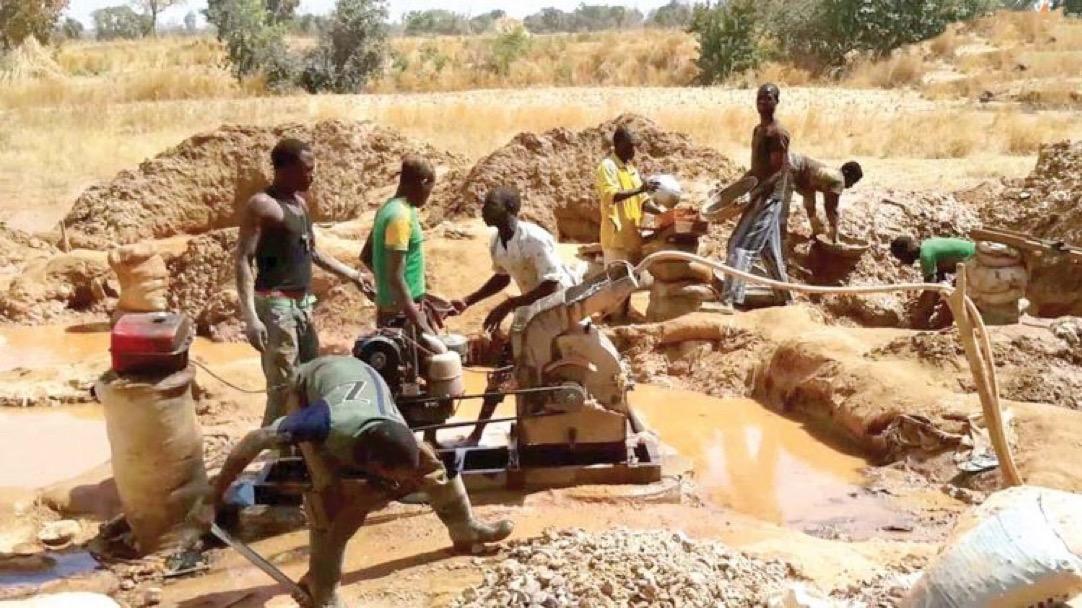
• Zamfara State is often called a rich state because it has large deposits of gold and other valuable minerals. Gold mining takes place in areas such as Anka, Maru, Bukkuyum, and Talata Mafara, where many people extract gold from the ground.

    The state is also believed to contain minerals like copper, iron ore, lead, zinc, and limestone, making it one of Nigeria’s most resource-rich regions.

    However, despite this natural wealth, Zamfara State has not fully benefited from these resources due to issues like illegal mining and insecurity.

    #Nigeria #Zamfara #GoldMining #NaturalResources
    Zamfara State is often called a rich state because it has large deposits of gold and other valuable minerals. Gold mining takes place in areas such as Anka, Maru, Bukkuyum, and Talata Mafara, where many people extract gold from the ground. The state is also believed to contain minerals like copper, iron ore, lead, zinc, and limestone, making it one of Nigeria’s most resource-rich regions. However, despite this natural wealth, Zamfara State has not fully benefited from these resources due to issues like illegal mining and insecurity. #Nigeria #Zamfara #GoldMining #NaturalResources
    0 Comments ·0 Shares ·1K Views
  • BREAKING: Seven persons have been confirmed d€ad following a night attack on an illegal mining site at Capitex, Kuru community, Jos South Local Government Area of Plateau State, the Nigerian Army has said.
    BREAKING: Seven persons have been confirmed d€ad following a night attack on an illegal mining site at Capitex, Kuru community, Jos South Local Government Area of Plateau State, the Nigerian Army has said.
    love
    1
    · 0 Comments ·0 Shares ·567 Views
  • Nigeria’s New Tax Regime Sparks Confusion as Tenants, Businesses Feel the Heat

    Nigeria’s much-talked-about tax “generational reset” is no longer an abstract policy debate—it is now hitting tenants and businesses directly, and painfully. In this opinion piece, Cheta Nwanze recounts receiving a rent renewal notice demanding a 10% withholding tax under the Nigeria Tax Act 2025, with little explanation on whether the rule applies to residential or commercial properties. The lack of clear government communication has fuelled widespread confusion, forcing landlords, tenants, and businesses into a chain of guesswork. As inflation bites harder, the uncertainty risks driving resentment, higher living costs, and tax evasion, undermining the very trust and compliance the reform aims to build.

    #newtax
    Nigeria’s New Tax Regime Sparks Confusion as Tenants, Businesses Feel the Heat Nigeria’s much-talked-about tax “generational reset” is no longer an abstract policy debate—it is now hitting tenants and businesses directly, and painfully. In this opinion piece, Cheta Nwanze recounts receiving a rent renewal notice demanding a 10% withholding tax under the Nigeria Tax Act 2025, with little explanation on whether the rule applies to residential or commercial properties. The lack of clear government communication has fuelled widespread confusion, forcing landlords, tenants, and businesses into a chain of guesswork. As inflation bites harder, the uncertainty risks driving resentment, higher living costs, and tax evasion, undermining the very trust and compliance the reform aims to build. #newtax
    love
    1
    · 0 Comments ·0 Shares ·639 Views
  • Tinubu Returns to Abuja After Weeks Away, Seals Major Nigeria–UAE Trade Deal in Abu Dhabi

    President Bola Tinubu has returned to Abuja after weeks abroad, following his participation in the 2026 Abu Dhabi Sustainability Week. During the summit, Nigeria and the United Arab Emirates signed a landmark Economic Partnership Agreement aimed at boosting trade, investment, and technology transfer. The deal grants duty-free access for thousands of Nigerian products into the UAE market and covers key sectors such as energy, agriculture, infrastructure, mining, and renewables. Tinubu’s trip, which began with a stay in Paris, underscores his administration’s push to attract foreign investment, expand non-oil exports, and reposition Nigeria in the global economy.


    #TinubuReturns #NigeriaUAEDeal #NaijaEconomy
    Tinubu Returns to Abuja After Weeks Away, Seals Major Nigeria–UAE Trade Deal in Abu Dhabi President Bola Tinubu has returned to Abuja after weeks abroad, following his participation in the 2026 Abu Dhabi Sustainability Week. During the summit, Nigeria and the United Arab Emirates signed a landmark Economic Partnership Agreement aimed at boosting trade, investment, and technology transfer. The deal grants duty-free access for thousands of Nigerian products into the UAE market and covers key sectors such as energy, agriculture, infrastructure, mining, and renewables. Tinubu’s trip, which began with a stay in Paris, underscores his administration’s push to attract foreign investment, expand non-oil exports, and reposition Nigeria in the global economy. #TinubuReturns #NigeriaUAEDeal #NaijaEconomy
    love
    2
    · 0 Comments ·0 Shares ·980 Views
  • PRESIDENT TINUBU RETURNS TO NIGERIA AFTER ABU DHABI TRIP……

    President Bola Ahmed Tinubu has returned to Nigeria after participating in the 2026 Abu Dhabi Sustainability Week (ADSW2026) alongside key ministers. According to a statement by his Special Adviser, Bayo Onanuga, Nigeria signed a Comprehensive Economic Partnership Agreement (CEPA) with the United Arab Emirates to deepen economic cooperation. The deal targets increased trade, investment, technology transfer, and collaboration in energy, infrastructure, agriculture, mining, and renewables. Tinubu also announced a Nigeria–UAE INVESTOPIA in Lagos this February and said Nigeria plans to mobilise up to $30bn yearly for climate and green industrial finance.
    #fintternews
    PRESIDENT TINUBU RETURNS TO NIGERIA AFTER ABU DHABI TRIP…… President Bola Ahmed Tinubu has returned to Nigeria after participating in the 2026 Abu Dhabi Sustainability Week (ADSW2026) alongside key ministers. According to a statement by his Special Adviser, Bayo Onanuga, Nigeria signed a Comprehensive Economic Partnership Agreement (CEPA) with the United Arab Emirates to deepen economic cooperation. The deal targets increased trade, investment, technology transfer, and collaboration in energy, infrastructure, agriculture, mining, and renewables. Tinubu also announced a Nigeria–UAE INVESTOPIA in Lagos this February and said Nigeria plans to mobilise up to $30bn yearly for climate and green industrial finance. #fintternews
    love
    2
    · 0 Comments ·0 Shares ·863 Views
  • BREAKING NEWS: The Federal Government has banned the mining of sand within a 10 kilometer radius of River Niger.

    This is aimed at protecting the first and second Niger bridges.
    BREAKING NEWS: The Federal Government has banned the mining of sand within a 10 kilometer radius of River Niger. This is aimed at protecting the first and second Niger bridges.
    0 Comments ·0 Shares ·316 Views
  • Delta Crisis: Abuja Businessman Alleges Monarch Plotting His Assassination Over Illegal Mining

    An Abuja-based businessman, Anthony Anamonye, has raised alarm over alleged threats to his life, accusing the traditional ruler of Ugboba in Delta State, Ezedinmbu Nkebakwu III, of plotting to kill him. Anamonye said the threats followed his exposure of alleged illegal coal mining involving the monarch and Mosra Energy Ltd. He claimed to have survived multiple assassination attempts in Abuja and Delta, accused vigilantes and some police officers of complicity, and called on security agencies and civil society to intervene.

    #DeltaState #HumanRights #NigeriaNews
    Delta Crisis: Abuja Businessman Alleges Monarch Plotting His Assassination Over Illegal Mining An Abuja-based businessman, Anthony Anamonye, has raised alarm over alleged threats to his life, accusing the traditional ruler of Ugboba in Delta State, Ezedinmbu Nkebakwu III, of plotting to kill him. Anamonye said the threats followed his exposure of alleged illegal coal mining involving the monarch and Mosra Energy Ltd. He claimed to have survived multiple assassination attempts in Abuja and Delta, accused vigilantes and some police officers of complicity, and called on security agencies and civil society to intervene. #DeltaState #HumanRights #NigeriaNews
    love
    1
    · 1 Comments ·0 Shares ·649 Views
  • Rivers Crisis: Ex Parte Court Order, Fubara and Impeachment Battle Explained

    The ongoing dispute between Rivers State Governor Siminalayi Fubara and the Rivers State House of Assembly has deepened following an ex parte court order restraining the Chief Judge from constituting a panel to probe alleged gross misconduct. Though temporary, the order carries legal force and must be obeyed pending a motion on notice. The case raises critical constitutional questions on separation of powers, judicial oversight, and the extent to which courts can intervene in legislative impeachment processes without undermining legislative autonomy.

    #RiversCrisis #Fubara #NigeriaPolitics
    Rivers Crisis: Ex Parte Court Order, Fubara and Impeachment Battle Explained The ongoing dispute between Rivers State Governor Siminalayi Fubara and the Rivers State House of Assembly has deepened following an ex parte court order restraining the Chief Judge from constituting a panel to probe alleged gross misconduct. Though temporary, the order carries legal force and must be obeyed pending a motion on notice. The case raises critical constitutional questions on separation of powers, judicial oversight, and the extent to which courts can intervene in legislative impeachment processes without undermining legislative autonomy. #RiversCrisis #Fubara #NigeriaPolitics
    love
    1
    · 1 Comments ·0 Shares ·716 Views
  • Bandits Kill Four, Burn Homes and Loot Livestock in Niger State as Wawa Community Comes Under Fresh Attack.

    Bandits have launched another deadly attack on Wawa community in Borgu Local Government Area of Niger State, killing four residents, burning homes and a church, and carting away villagers’ livestock in a violent raid that has deepened fear across the area.

    According to local sources, the assailants struck Damala village near the Woko–Daba mining axis between 8:00pm and 8:30pm, catching residents off guard. Eyewitnesses said the attackers moved swiftly, setting houses ablaze, killing civilians, and escaping into surrounding forests with stolen animals before any help could arrive.

    Survivors described scenes of terror as families fled burning homes while others mourned loved ones lost in the assault. Community members say the absence of security personnel has left the area exposed to repeated attacks, forcing residents to abandon farms, churches, and daily activities out of fear.

    A community leader, Comrade Zakari Y. Adamu, appealed to state and federal authorities for urgent intervention, warning that without immediate deployment of security forces, more communities in Niger State could face similar bloodshed.

    The latest attack highlights the worsening security crisis in Nigeria’s rural and mining regions, where forested terrain continues to provide safe routes for armed groups. As residents demand action, concerns grow that violence may spread if authorities fail to respond decisively.
    Bandits Kill Four, Burn Homes and Loot Livestock in Niger State as Wawa Community Comes Under Fresh Attack. Bandits have launched another deadly attack on Wawa community in Borgu Local Government Area of Niger State, killing four residents, burning homes and a church, and carting away villagers’ livestock in a violent raid that has deepened fear across the area. According to local sources, the assailants struck Damala village near the Woko–Daba mining axis between 8:00pm and 8:30pm, catching residents off guard. Eyewitnesses said the attackers moved swiftly, setting houses ablaze, killing civilians, and escaping into surrounding forests with stolen animals before any help could arrive. Survivors described scenes of terror as families fled burning homes while others mourned loved ones lost in the assault. Community members say the absence of security personnel has left the area exposed to repeated attacks, forcing residents to abandon farms, churches, and daily activities out of fear. A community leader, Comrade Zakari Y. Adamu, appealed to state and federal authorities for urgent intervention, warning that without immediate deployment of security forces, more communities in Niger State could face similar bloodshed. The latest attack highlights the worsening security crisis in Nigeria’s rural and mining regions, where forested terrain continues to provide safe routes for armed groups. As residents demand action, concerns grow that violence may spread if authorities fail to respond decisively.
    0 Comments ·0 Shares ·819 Views
  • Free Speech Under Threat in Kaduna? Zango-Kataf LGA Chairman Accused of Using Police to Detain Julius Tagwai Over Facebook Post, Residents Allege Abuse of Power

    Is freedom of expression being criminalised in Kaduna State? This question has sparked public outrage following the alleged arrest and detention of Julius Shehu Tagwai, a young resident of Zango-Kataf Local Government Area, over a Facebook post critical of the handling of Christmas welfare packages.

    According to community sources, Tagwai was invited to the Zonkwa Police Station on the evening of January 9, 2026, and went there voluntarily. However, residents claim that upon arrival, he was immediately taken into custody and detained without being informed of any specific offence. They allege that the arrest was carried out on the instruction of the Chairman of Zango-Kataf LGA, Mr. Bege Joseph Gaya, who was said to be the complainant.

    The Facebook post in question reportedly expressed disappointment over the alleged non-distribution of Christmas packages said to have been provided by the Kaduna State Government for residents. Community members insist the post was peaceful and amounted to nothing more than the exercise of the constitutional right to free expression.

    Matters reportedly escalated when Tagwai’s lawyer and younger brother arrived at the station to secure his release, only to be informed that he had already been transferred out of the division. The Divisional Police Officer allegedly disclosed that the transfer to the Kaduna State Police Headquarters was done on the instruction of the local government chairman.

    On January 10, Tagwai was moved to the state police headquarters. His legal counsel later claimed that after examining the police file, no formal written complaint or recognisable criminal offence had been documented against his client. The lawyer further alleged that Tagwai was denied access to his mobile phone, preventing him from contacting family or legal representatives and leaving relatives unaware of his whereabouts for hours.

    As of the time of reporting, Tagwai remained in police custody over an unspecified offence, triggering anger among residents who describe the incident as an abuse of political power and an attempt to intimidate critics and suppress dissent. Locals also referenced a similar recent arrest of another young man, Ayuba Black, raising fears of a growing pattern of targeting outspoken residents.

    Human rights advocates have warned that arresting a citizen over an opinion, denying communication, and holding a person without clear charges may violate Sections 34, 35, and 39 of the 1999 Constitution (as amended), which guarantee dignity of the human person, personal liberty, and freedom of expression.

    Residents are now calling on the Inspector-General of Police, the Police Service Commission, the National Human Rights Commission, and other oversight bodies to urgently investigate the matter and ensure accountability. Attempts to obtain responses from the local government chairman and the Kaduna State Police Command were unsuccessful at the time of filing this report.

    Free Speech Under Threat in Kaduna? Zango-Kataf LGA Chairman Accused of Using Police to Detain Julius Tagwai Over Facebook Post, Residents Allege Abuse of Power Is freedom of expression being criminalised in Kaduna State? This question has sparked public outrage following the alleged arrest and detention of Julius Shehu Tagwai, a young resident of Zango-Kataf Local Government Area, over a Facebook post critical of the handling of Christmas welfare packages. According to community sources, Tagwai was invited to the Zonkwa Police Station on the evening of January 9, 2026, and went there voluntarily. However, residents claim that upon arrival, he was immediately taken into custody and detained without being informed of any specific offence. They allege that the arrest was carried out on the instruction of the Chairman of Zango-Kataf LGA, Mr. Bege Joseph Gaya, who was said to be the complainant. The Facebook post in question reportedly expressed disappointment over the alleged non-distribution of Christmas packages said to have been provided by the Kaduna State Government for residents. Community members insist the post was peaceful and amounted to nothing more than the exercise of the constitutional right to free expression. Matters reportedly escalated when Tagwai’s lawyer and younger brother arrived at the station to secure his release, only to be informed that he had already been transferred out of the division. The Divisional Police Officer allegedly disclosed that the transfer to the Kaduna State Police Headquarters was done on the instruction of the local government chairman. On January 10, Tagwai was moved to the state police headquarters. His legal counsel later claimed that after examining the police file, no formal written complaint or recognisable criminal offence had been documented against his client. The lawyer further alleged that Tagwai was denied access to his mobile phone, preventing him from contacting family or legal representatives and leaving relatives unaware of his whereabouts for hours. As of the time of reporting, Tagwai remained in police custody over an unspecified offence, triggering anger among residents who describe the incident as an abuse of political power and an attempt to intimidate critics and suppress dissent. Locals also referenced a similar recent arrest of another young man, Ayuba Black, raising fears of a growing pattern of targeting outspoken residents. Human rights advocates have warned that arresting a citizen over an opinion, denying communication, and holding a person without clear charges may violate Sections 34, 35, and 39 of the 1999 Constitution (as amended), which guarantee dignity of the human person, personal liberty, and freedom of expression. Residents are now calling on the Inspector-General of Police, the Police Service Commission, the National Human Rights Commission, and other oversight bodies to urgently investigate the matter and ensure accountability. Attempts to obtain responses from the local government chairman and the Kaduna State Police Command were unsuccessful at the time of filing this report.
    0 Comments ·0 Shares ·881 Views
  • Amnesty International Condemns U.S. Withdrawal From 66 International Treaties, Calls Move ‘Reckless

    Amnesty International has strongly criticized the United States’ decision to withdraw from 66 international organisations, conventions, and treaties, calling the move “a vindictive and reckless assault” on the legitimacy of the United Nations and the multilateral system.

    In a statement, Erika Guevara Rosas, Amnesty’s Senior Director of Research, Advocacy, Policy and Campaigns, accused the Trump administration of deliberately undermining global cooperation and international law, including agreements on climate change, human rights, and gender equality.

    She highlighted the withdrawals from critical bodies such as the UN Population Fund (UNFPA), the UN Framework Convention on Climate Change, and the UN Permanent Forum on People of African Descent, warning that these actions could worsen global instability, deepen human rights abuses, and disproportionately affect marginalized communities worldwide.

    Amnesty urged UN member states and international institutions to take immediate action to defend the multilateral system, preserve accountability, and protect human rights globally.

    #HumanRights #UN #ClimateAction”
    Amnesty International Condemns U.S. Withdrawal From 66 International Treaties, Calls Move ‘Reckless Amnesty International has strongly criticized the United States’ decision to withdraw from 66 international organisations, conventions, and treaties, calling the move “a vindictive and reckless assault” on the legitimacy of the United Nations and the multilateral system. In a statement, Erika Guevara Rosas, Amnesty’s Senior Director of Research, Advocacy, Policy and Campaigns, accused the Trump administration of deliberately undermining global cooperation and international law, including agreements on climate change, human rights, and gender equality. She highlighted the withdrawals from critical bodies such as the UN Population Fund (UNFPA), the UN Framework Convention on Climate Change, and the UN Permanent Forum on People of African Descent, warning that these actions could worsen global instability, deepen human rights abuses, and disproportionately affect marginalized communities worldwide. Amnesty urged UN member states and international institutions to take immediate action to defend the multilateral system, preserve accountability, and protect human rights globally. #HumanRights #UN #ClimateAction”
    0 Comments ·0 Shares ·813 Views
  • Is Ebonyi Government Threatening Community Land and Mineral Rights? Host Communities Petition Gov. Nwifuru Over Nigercem Dispute

    Host communities of the Nigerian Cement Company (Nigercem Plc) in Ebonyi State have petitioned Governor Francis Nwifuru over what they describe as growing threats to their land, mineral resources and legally established rights. The communities, through a petition dated January 7, 2026 and signed by Dr. Sulaiman Usman, SAN, accused unnamed political actors of attempting to undermine existing court judgments and community consents under the pretext of building a new state-owned cement plant.

    In the petition addressed to the governor at the Ebonyi State Governor’s Lodge in Abuja, the communities warned that recent developments could “gravely prejudice” their proprietary rights and destabilize the lawful future of Nigercem Plc. They recalled that Ibeto Group lawfully acquired majority shares in Nigercem in 2010, but that the Ebonyi State Government under former Governor Martin Elechi allegedly revoked the company’s mining lease, a move they resisted through litigation.

    According to the petition, prolonged court battles ended in 2013 with judgments in favour of Ibeto Group and the host communities. The communities said they supported the investor because earlier plans to site a new cement plant outside their area would have reduced them to mere limestone suppliers without benefiting from the economic and social gains of hosting a functioning cement factory.

    While welcoming Governor Nwifuru’s campaign pledge to work with Ibeto Group to revive Nigercem, the communities expressed disappointment that a 15-member committee set up in August 2025 has yet to publicly present its findings. Their concerns deepened after the governor announced plans during the 2026 budget presentation to borrow ₦150 billion to build a new state-owned cement plant, despite the existence of Nigercem Plc.

    The petition further alleged that some political office holders from the host clan were pressured on December 31, 2025, to sign a fresh consent letter purportedly revoking earlier agreements with Ibeto Group. The communities described this development as “deeply unsettling,” adding that the proposed site for the new plant lacks commercially viable limestone deposits and would still depend on resources from their land.

    They also rejected what they called an “unauthorised and self-appointed committee” allegedly acting in their name, warning that they would resist any attempt to reduce Nigercem to a mere limestone excavation zone or to bypass existing legal rights through political manipulation.

    In their appeal, the communities urged Governor Nwifuru to halt any action affecting ownership, mineral rights or control of Nigercem Plc and to convene an inclusive town hall meeting involving traditional rulers, professionals, youth and women groups, religious leaders and other stakeholders to transparently determine the company’s future.

    As of the time of filing, the Ebonyi State Government had not issued an official response. However, the communities said they remain open to dialogue, expressing confidence in the governor’s sense of justice and statesmanship.

    The unfolding dispute raises critical questions about resource control, investor confidence, community rights, and state-government intervention in Nigeria’s extractive sector. Observers warn that failure to address the grievances transparently could trigger renewed legal battles and social tensions in Ebonyi State.


    Is Ebonyi Government Threatening Community Land and Mineral Rights? Host Communities Petition Gov. Nwifuru Over Nigercem Dispute Host communities of the Nigerian Cement Company (Nigercem Plc) in Ebonyi State have petitioned Governor Francis Nwifuru over what they describe as growing threats to their land, mineral resources and legally established rights. The communities, through a petition dated January 7, 2026 and signed by Dr. Sulaiman Usman, SAN, accused unnamed political actors of attempting to undermine existing court judgments and community consents under the pretext of building a new state-owned cement plant. In the petition addressed to the governor at the Ebonyi State Governor’s Lodge in Abuja, the communities warned that recent developments could “gravely prejudice” their proprietary rights and destabilize the lawful future of Nigercem Plc. They recalled that Ibeto Group lawfully acquired majority shares in Nigercem in 2010, but that the Ebonyi State Government under former Governor Martin Elechi allegedly revoked the company’s mining lease, a move they resisted through litigation. According to the petition, prolonged court battles ended in 2013 with judgments in favour of Ibeto Group and the host communities. The communities said they supported the investor because earlier plans to site a new cement plant outside their area would have reduced them to mere limestone suppliers without benefiting from the economic and social gains of hosting a functioning cement factory. While welcoming Governor Nwifuru’s campaign pledge to work with Ibeto Group to revive Nigercem, the communities expressed disappointment that a 15-member committee set up in August 2025 has yet to publicly present its findings. Their concerns deepened after the governor announced plans during the 2026 budget presentation to borrow ₦150 billion to build a new state-owned cement plant, despite the existence of Nigercem Plc. The petition further alleged that some political office holders from the host clan were pressured on December 31, 2025, to sign a fresh consent letter purportedly revoking earlier agreements with Ibeto Group. The communities described this development as “deeply unsettling,” adding that the proposed site for the new plant lacks commercially viable limestone deposits and would still depend on resources from their land. They also rejected what they called an “unauthorised and self-appointed committee” allegedly acting in their name, warning that they would resist any attempt to reduce Nigercem to a mere limestone excavation zone or to bypass existing legal rights through political manipulation. In their appeal, the communities urged Governor Nwifuru to halt any action affecting ownership, mineral rights or control of Nigercem Plc and to convene an inclusive town hall meeting involving traditional rulers, professionals, youth and women groups, religious leaders and other stakeholders to transparently determine the company’s future. As of the time of filing, the Ebonyi State Government had not issued an official response. However, the communities said they remain open to dialogue, expressing confidence in the governor’s sense of justice and statesmanship. The unfolding dispute raises critical questions about resource control, investor confidence, community rights, and state-government intervention in Nigeria’s extractive sector. Observers warn that failure to address the grievances transparently could trigger renewed legal battles and social tensions in Ebonyi State.
    0 Comments ·0 Shares ·519 Views
  • Is Nyesom Wike Undermining APC from Inside Government? Why Rivers APC Leaders Are Urging Tinubu to Sanction the FCT Minister Over ‘Anti-Party’ Activities

    Why would leaders of the ruling All Progressives Congress (APC) publicly demand the removal of a sitting minister appointed by their own government? And is Nigeria witnessing one of the most serious internal party confrontations since the 2023 elections?

    A coalition of APC leaders has formally asked President Bola Tinubu to sanction or remove the Minister of the Federal Capital Territory (FCT), Nyesom Wike, accusing him of repeated anti-party conduct and statements that allegedly threaten national unity. The demand was conveyed in a memo addressed to the President through the APC National Chairman, Prof. Nentawe Yilwatda, and was accompanied by plans for a protest at the party’s national secretariat in Abuja.

    The signatories—including party chieftains and youth leaders—say their action was prompted by growing concern that Wike, a former Rivers State governor and still a member of the opposition Peoples Democratic Party (PDP), has consistently attacked APC leadership while serving in an APC-led federal government. Could a minister appointed from outside the ruling party be working at cross-purposes with the party that empowered him?

    At the heart of the dispute are comments allegedly made by Wike during a “thank-you tour” in Oyigbo, Rivers State, where he was said to have criticised the APC National Secretary, Senator Ajibola Basiru, accusing him of meddling in state politics for personal reasons and warning that those who interfere would “get their fingers burnt.” APC leaders argue that such remarks amount to direct disrespect for the party’s National Working Committee and an attempt by Wike to exert influence in Rivers State despite not being a registered APC member.

    The coalition further alleges that Wike has been undermining the APC-led government in Rivers State through persistent public attacks on Governor Siminalayi Fubara, reportedly calling his emergence a “mistake” and suggesting that the situation should be corrected in the 2027 elections. Are these political opinions—or a calculated strategy to weaken APC’s hold on Rivers State from within?

    Beyond party politics, the memo raises alarms over what it describes as “dangerous and inflammatory” statements, including claims attributed to Wike that “nobody can enter Rivers State.” The APC leaders warn that portraying any part of Nigeria as a “no-go area” challenges federal authority, risks reviving tensions in the Niger Delta, and could undermine the President’s constitutional role as Commander-in-Chief. Could such rhetoric threaten national cohesion at a time when unity remains fragile?

    The group insists that failure to act against the FCT Minister may deepen internal divisions, erode party discipline, and weaken APC’s electoral prospects in Rivers State. They have vowed to escalate their protests nationwide if their demand is ignored.

    Is this a necessary stand to defend party supremacy and national unity—or a dramatic political showdown that exposes deeper fractures within Nigeria’s ruling party? As the standoff unfolds, all eyes remain on President Tinubu and whether he will heed the call to sanction one of the most powerful political figures in the country.


    Is Nyesom Wike Undermining APC from Inside Government? Why Rivers APC Leaders Are Urging Tinubu to Sanction the FCT Minister Over ‘Anti-Party’ Activities Why would leaders of the ruling All Progressives Congress (APC) publicly demand the removal of a sitting minister appointed by their own government? And is Nigeria witnessing one of the most serious internal party confrontations since the 2023 elections? A coalition of APC leaders has formally asked President Bola Tinubu to sanction or remove the Minister of the Federal Capital Territory (FCT), Nyesom Wike, accusing him of repeated anti-party conduct and statements that allegedly threaten national unity. The demand was conveyed in a memo addressed to the President through the APC National Chairman, Prof. Nentawe Yilwatda, and was accompanied by plans for a protest at the party’s national secretariat in Abuja. The signatories—including party chieftains and youth leaders—say their action was prompted by growing concern that Wike, a former Rivers State governor and still a member of the opposition Peoples Democratic Party (PDP), has consistently attacked APC leadership while serving in an APC-led federal government. Could a minister appointed from outside the ruling party be working at cross-purposes with the party that empowered him? At the heart of the dispute are comments allegedly made by Wike during a “thank-you tour” in Oyigbo, Rivers State, where he was said to have criticised the APC National Secretary, Senator Ajibola Basiru, accusing him of meddling in state politics for personal reasons and warning that those who interfere would “get their fingers burnt.” APC leaders argue that such remarks amount to direct disrespect for the party’s National Working Committee and an attempt by Wike to exert influence in Rivers State despite not being a registered APC member. The coalition further alleges that Wike has been undermining the APC-led government in Rivers State through persistent public attacks on Governor Siminalayi Fubara, reportedly calling his emergence a “mistake” and suggesting that the situation should be corrected in the 2027 elections. Are these political opinions—or a calculated strategy to weaken APC’s hold on Rivers State from within? Beyond party politics, the memo raises alarms over what it describes as “dangerous and inflammatory” statements, including claims attributed to Wike that “nobody can enter Rivers State.” The APC leaders warn that portraying any part of Nigeria as a “no-go area” challenges federal authority, risks reviving tensions in the Niger Delta, and could undermine the President’s constitutional role as Commander-in-Chief. Could such rhetoric threaten national cohesion at a time when unity remains fragile? The group insists that failure to act against the FCT Minister may deepen internal divisions, erode party discipline, and weaken APC’s electoral prospects in Rivers State. They have vowed to escalate their protests nationwide if their demand is ignored. Is this a necessary stand to defend party supremacy and national unity—or a dramatic political showdown that exposes deeper fractures within Nigeria’s ruling party? As the standoff unfolds, all eyes remain on President Tinubu and whether he will heed the call to sanction one of the most powerful political figures in the country.
    like
    1
    · 0 Comments ·0 Shares ·2K Views
  • Who Is Illegally Selling Hostel Spaces at IBB University? Why IBBUL Is Warning Students, Investigating Racketeers, and Threatening Sanctions Over Exploitation of Freshers

    Who is behind the illegal sale of hostel spaces at Ibrahim Badamasi Babangida University (IBBUL), Lapai—and how are unsuspecting students being exploited? Why has the university stepped in with stern warnings, investigations, and threats of punishment? And what does this mean for students struggling to secure accommodation amid rising demand?

    IBB University, Niger State, has raised the alarm over what it describes as a growing and disturbing practice in which individuals and organised groups allegedly hijack hostel spaces and resell them to students at inflated prices. According to the institution, these activities typically target vulnerable students—especially freshers—who are desperate for accommodation at the beginning of academic sessions when hostel demand is highest.

    In a statement issued by the Deputy Registrar (Information), Alhaji Baba Akote, the university condemned the practice as exploitative and fraudulent. He explained that some individuals deliberately secure official hostel allocations only to turn around and sell them illegally at exorbitant rates, effectively profiting from students’ desperation and undermining the university’s accommodation system.

    How exactly does the scheme work? The university says these groups identify periods of high demand, corner available hostel spaces, and then offer them to students at prices far above approved rates—often misleading students into believing the transactions are legitimate. For many new students unfamiliar with campus processes, the trap is easy to fall into.

    What action is the university taking? IBBUL has directed its Student Affairs Division to launch a full investigation aimed at identifying and exposing those involved. University authorities insist that the matter will not be treated lightly and that all culprits will be held accountable.

    What are the consequences? In a strong warning, the management made it clear that both sellers and buyers of illegally traded hostel spaces will face disciplinary action. The university says “stringent measures” are being prepared to deter the practice and restore transparency and fairness in the hostel allocation process.

    But will this crackdown be enough to end racketeering on campus? As students continue to grapple with accommodation shortages, many are asking whether the investigation will uncover the networks behind the scheme—and whether enforcement will finally stop the exploitation that has quietly flourished for years.

    At the heart of the issue lies a pressing question for students and parents alike: can universities protect their communities from internal profiteering, or will desperate housing needs continue to be used as a tool for exploitation?
    Who Is Illegally Selling Hostel Spaces at IBB University? Why IBBUL Is Warning Students, Investigating Racketeers, and Threatening Sanctions Over Exploitation of Freshers Who is behind the illegal sale of hostel spaces at Ibrahim Badamasi Babangida University (IBBUL), Lapai—and how are unsuspecting students being exploited? Why has the university stepped in with stern warnings, investigations, and threats of punishment? And what does this mean for students struggling to secure accommodation amid rising demand? IBB University, Niger State, has raised the alarm over what it describes as a growing and disturbing practice in which individuals and organised groups allegedly hijack hostel spaces and resell them to students at inflated prices. According to the institution, these activities typically target vulnerable students—especially freshers—who are desperate for accommodation at the beginning of academic sessions when hostel demand is highest. In a statement issued by the Deputy Registrar (Information), Alhaji Baba Akote, the university condemned the practice as exploitative and fraudulent. He explained that some individuals deliberately secure official hostel allocations only to turn around and sell them illegally at exorbitant rates, effectively profiting from students’ desperation and undermining the university’s accommodation system. How exactly does the scheme work? The university says these groups identify periods of high demand, corner available hostel spaces, and then offer them to students at prices far above approved rates—often misleading students into believing the transactions are legitimate. For many new students unfamiliar with campus processes, the trap is easy to fall into. What action is the university taking? IBBUL has directed its Student Affairs Division to launch a full investigation aimed at identifying and exposing those involved. University authorities insist that the matter will not be treated lightly and that all culprits will be held accountable. What are the consequences? In a strong warning, the management made it clear that both sellers and buyers of illegally traded hostel spaces will face disciplinary action. The university says “stringent measures” are being prepared to deter the practice and restore transparency and fairness in the hostel allocation process. But will this crackdown be enough to end racketeering on campus? As students continue to grapple with accommodation shortages, many are asking whether the investigation will uncover the networks behind the scheme—and whether enforcement will finally stop the exploitation that has quietly flourished for years. At the heart of the issue lies a pressing question for students and parents alike: can universities protect their communities from internal profiteering, or will desperate housing needs continue to be used as a tool for exploitation?
    0 Comments ·0 Shares ·579 Views
  • “Ondo Government Plans N2.4 Billion Luxury Cars for Lawmakers Amid Judiciary Strike Crisis”

    The Ondo State government, led by Governor Lucky Aiyedatiwa, has proposed a N2.4 billion budget allocation for the purchase of luxury vehicles for lawmakers, raising public concerns amid an ongoing judiciary strike over poor welfare and financial autonomy.
    According to the 2026 budget documents:
    N2.16 billion is earmarked for 27 Fortuner Jeeps for members of the House of Assembly and the Clerk of the House.
    An additional N245 million is designated for vehicles for the Speaker, Deputy Speaker, and Majority Leader, while N85 million is allocated for the Deputy Speaker alone.
    The total proposed expenditure on lawmakers’ vehicles amounts to N2.4 billion.
    Further, N765 million is set aside for renovations of the Assembly Complex and official lodges, including N485 million for the Assembly Complex and N280 million for residential quarters.
    These lavish spending plans have drawn criticism as court activities remain paralyzed across Ondo State. The situation escalated when magistrates and Grade ‘A’ customary court presidents began an indefinite strike, later joined by the Judiciary Staff Union of Nigeria (JUSUN), citing unfulfilled welfare promises and continued undermining of judicial financial autonomy.
    SaharaReporters’ review of the 2025 budget reveals a similar trend, with N2 billion previously allocated for luxury vehicles, including armoured cars for the governor and Toyota Prados for top officials, while critical sectors like rural water, sanitation, and local security outfits saw minimal to zero expenditure. For instance:
    N2.3 billion was budgeted for Amotekun, the state’s local security outfit, but zero was spent.
    Only N309 million was spent on the Rural Water Supply and Sanitation Agency.
    Additionally, the House of Assembly planned N200 million for telephone charges, averaging N16 million per month or N533,333 per day, highlighting a pattern of prioritizing lawmakers’ perks over public welfare.
    This budgetary allocation comes as the Ondo judiciary demands urgent intervention from the government to restore financial autonomy, improve welfare conditions, and resume court activities, stressing that the ongoing strike has left justice inaccessible to the citizens.
    “Ondo Government Plans N2.4 Billion Luxury Cars for Lawmakers Amid Judiciary Strike Crisis” The Ondo State government, led by Governor Lucky Aiyedatiwa, has proposed a N2.4 billion budget allocation for the purchase of luxury vehicles for lawmakers, raising public concerns amid an ongoing judiciary strike over poor welfare and financial autonomy. According to the 2026 budget documents: N2.16 billion is earmarked for 27 Fortuner Jeeps for members of the House of Assembly and the Clerk of the House. An additional N245 million is designated for vehicles for the Speaker, Deputy Speaker, and Majority Leader, while N85 million is allocated for the Deputy Speaker alone. The total proposed expenditure on lawmakers’ vehicles amounts to N2.4 billion. Further, N765 million is set aside for renovations of the Assembly Complex and official lodges, including N485 million for the Assembly Complex and N280 million for residential quarters. These lavish spending plans have drawn criticism as court activities remain paralyzed across Ondo State. The situation escalated when magistrates and Grade ‘A’ customary court presidents began an indefinite strike, later joined by the Judiciary Staff Union of Nigeria (JUSUN), citing unfulfilled welfare promises and continued undermining of judicial financial autonomy. SaharaReporters’ review of the 2025 budget reveals a similar trend, with N2 billion previously allocated for luxury vehicles, including armoured cars for the governor and Toyota Prados for top officials, while critical sectors like rural water, sanitation, and local security outfits saw minimal to zero expenditure. For instance: N2.3 billion was budgeted for Amotekun, the state’s local security outfit, but zero was spent. Only N309 million was spent on the Rural Water Supply and Sanitation Agency. Additionally, the House of Assembly planned N200 million for telephone charges, averaging N16 million per month or N533,333 per day, highlighting a pattern of prioritizing lawmakers’ perks over public welfare. This budgetary allocation comes as the Ondo judiciary demands urgent intervention from the government to restore financial autonomy, improve welfare conditions, and resume court activities, stressing that the ongoing strike has left justice inaccessible to the citizens.
    0 Comments ·0 Shares ·435 Views
  • “Why Was PDP’s Ekiti Governorship Candidate Oluyede Excluded From INEC List? Is Nigeria’s Electoral Process Transparent?”

    Supporters of the Peoples Democratic Party (PDP) in Ekiti State have taken to the streets, staging a peaceful protest at the INEC state office in Ado-Ekiti, over the removal of their governorship candidate, Dr Wole Oluyede, from the official candidate list for the 2026 election. The protest highlights growing concerns about transparency, accountability, and fairness in Nigeria’s electoral process.
    Dr Oluyede, officially declared the PDP flagbearer by the party’s National Working Committee led by Tanimu Turaki (SAN), was shocked to find his name missing from INEC’s portal despite INEC previously supervising and confirming his emergence during party primaries. Supporters insist that the exclusion raises serious questions about due process and the integrity of the electoral system.
    INEC officials in Ekiti stated that only the national headquarters can provide an official explanation, leaving party members and voters anxious and frustrated. The incident has sparked widespread debate about whether powerful party factions and bureaucratic lapses are undermining the rightful representation of voters.
    This situation begs urgent questions: Why was Dr Oluyede removed despite legal recognition as PDP’s candidate? Is the electoral body acting transparently? What does this mean for democracy in Ekiti and across Nigeria?
    Fintter readers, we want to hear from you: Should INEC be more accountable to voters in situations like this? How can Nigeria ensure that party candidates are not unfairly excluded? Join the conversation in the comments and share your thoughts.
    “Why Was PDP’s Ekiti Governorship Candidate Oluyede Excluded From INEC List? Is Nigeria’s Electoral Process Transparent?” Supporters of the Peoples Democratic Party (PDP) in Ekiti State have taken to the streets, staging a peaceful protest at the INEC state office in Ado-Ekiti, over the removal of their governorship candidate, Dr Wole Oluyede, from the official candidate list for the 2026 election. The protest highlights growing concerns about transparency, accountability, and fairness in Nigeria’s electoral process. Dr Oluyede, officially declared the PDP flagbearer by the party’s National Working Committee led by Tanimu Turaki (SAN), was shocked to find his name missing from INEC’s portal despite INEC previously supervising and confirming his emergence during party primaries. Supporters insist that the exclusion raises serious questions about due process and the integrity of the electoral system. INEC officials in Ekiti stated that only the national headquarters can provide an official explanation, leaving party members and voters anxious and frustrated. The incident has sparked widespread debate about whether powerful party factions and bureaucratic lapses are undermining the rightful representation of voters. This situation begs urgent questions: Why was Dr Oluyede removed despite legal recognition as PDP’s candidate? Is the electoral body acting transparently? What does this mean for democracy in Ekiti and across Nigeria? Fintter readers, we want to hear from you: Should INEC be more accountable to voters in situations like this? How can Nigeria ensure that party candidates are not unfairly excluded? Join the conversation in the comments and share your thoughts.
    like
    1
    · 0 Comments ·0 Shares ·630 Views
  • Atiku Abubakar Refuses to Step Down from ADC Presidential Race, Calls Tinubu a ‘National Liability’ Ahead of 2027 Elections

    Former Vice President Atiku Abubakar has emphatically ruled out stepping aside from the African Democratic Congress (ADC) presidential race, accusing President Bola Ahmed Tinubu of attempting to weaken opposition parties and establish a de facto one-party state.
    In a statement issued through his media adviser, Paul Ibe, on January 7, 2026, Atiku dismissed calls for him to relinquish his ambition in favor of a southern candidate, describing such pressure as serving Tinubu’s interests rather than those of Nigerians.
    Atiku accused the APC-led government of punishing economic policies, shrinking democratic space, and systematically undermining opposition parties. He emphasized that the ADC is on a “national rescue mission” to restore democracy and build strong structures nationwide, and warned that no intimidation, manipulation, or sabotage would derail the party’s plans.
    He also referenced Peter Obi’s recent formal entry into the ADC as a sign of the ruling party’s fear of a united opposition, reinforcing his stance that if anyone should step aside in 2027, it should be President Tinubu.
    Atiku Abubakar Refuses to Step Down from ADC Presidential Race, Calls Tinubu a ‘National Liability’ Ahead of 2027 Elections Former Vice President Atiku Abubakar has emphatically ruled out stepping aside from the African Democratic Congress (ADC) presidential race, accusing President Bola Ahmed Tinubu of attempting to weaken opposition parties and establish a de facto one-party state. In a statement issued through his media adviser, Paul Ibe, on January 7, 2026, Atiku dismissed calls for him to relinquish his ambition in favor of a southern candidate, describing such pressure as serving Tinubu’s interests rather than those of Nigerians. Atiku accused the APC-led government of punishing economic policies, shrinking democratic space, and systematically undermining opposition parties. He emphasized that the ADC is on a “national rescue mission” to restore democracy and build strong structures nationwide, and warned that no intimidation, manipulation, or sabotage would derail the party’s plans. He also referenced Peter Obi’s recent formal entry into the ADC as a sign of the ruling party’s fear of a united opposition, reinforcing his stance that if anyone should step aside in 2027, it should be President Tinubu.
    like
    1
    · 0 Comments ·0 Shares ·874 Views
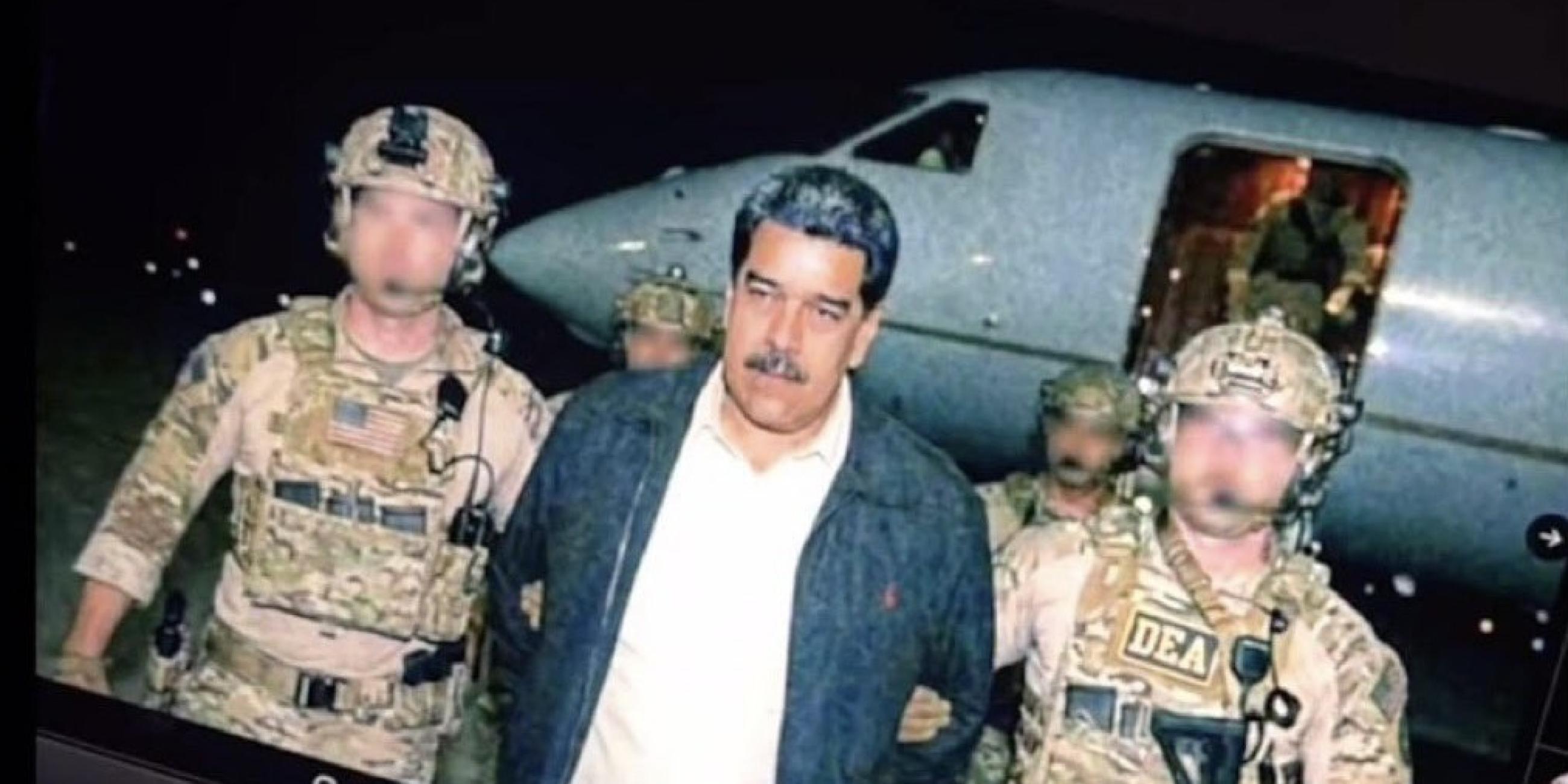
  • US Justice Department Softens Drug Trafficking Case Against Ousted Venezuelan President Nicolás Maduro, Scales Back ‘Cartel de los Soles’ Claims in Revised Indictment

    The United States Justice Department has quietly retreated from one of its most high-profile allegations against ousted Venezuelan President Nicolás Maduro—that he led a powerful international drug cartel known as the Cartel de los Soles. A newly released, revised indictment significantly reduces references to the group and no longer portrays it as a formal criminal organization or identifies Maduro as its leader.

    Originally, a 2020 indictment during the first Trump administration depicted the Cartel de los Soles as a unified narcotics cartel headed by Maduro, accusing him of using cocaine trafficking as a “weapon” against the United States and of collaborating with Colombia’s FARC rebels. Those claims later formed the basis for escalated U.S. actions, including the Treasury Department’s 2025 designation of the cartel as a terrorist organization and a similar move by the State Department under Secretary of State Marco Rubio.

    However, crime experts and Latin American analysts have long disputed the existence of the Cartel de los Soles as a structured organization, describing it instead as media slang for corrupt officials who profit from drug trafficking. The revised indictment reflects this view, recharacterizing the cartel as a “patronage system” and “culture of corruption” rather than a concrete criminal entity. The term now appears only twice, compared with more than 30 mentions in the original filing.

    While prosecutors still accuse Maduro of participating in a drug trafficking conspiracy, they now allege that he protected and benefited from a corrupt network rather than commanding a formal cartel. Analysts, including Elizabeth Dickinson of the International Crisis Group, say the updated indictment aligns more closely with reality, though they question why earlier terrorism designations remain in place despite the lack of courtroom proof.

    The shift has also raised political and legal questions about the justification for previous U.S. actions. Notably, the Cartel de los Soles has never been identified as a major trafficking organization in reports by the DEA or the United Nations. Despite the revisions, Rubio has continued to publicly describe the cartel as a functioning criminal group, insisting that Maduro remains its leader.

    Overall, the development marks a significant recalibration of the U.S. government’s case against Maduro—undermining a central narrative used to justify sanctions and designations, while still maintaining accusations of involvement in drug trafficking and systemic corruption.
    US Justice Department Softens Drug Trafficking Case Against Ousted Venezuelan President Nicolás Maduro, Scales Back ‘Cartel de los Soles’ Claims in Revised Indictment The United States Justice Department has quietly retreated from one of its most high-profile allegations against ousted Venezuelan President Nicolás Maduro—that he led a powerful international drug cartel known as the Cartel de los Soles. A newly released, revised indictment significantly reduces references to the group and no longer portrays it as a formal criminal organization or identifies Maduro as its leader. Originally, a 2020 indictment during the first Trump administration depicted the Cartel de los Soles as a unified narcotics cartel headed by Maduro, accusing him of using cocaine trafficking as a “weapon” against the United States and of collaborating with Colombia’s FARC rebels. Those claims later formed the basis for escalated U.S. actions, including the Treasury Department’s 2025 designation of the cartel as a terrorist organization and a similar move by the State Department under Secretary of State Marco Rubio. However, crime experts and Latin American analysts have long disputed the existence of the Cartel de los Soles as a structured organization, describing it instead as media slang for corrupt officials who profit from drug trafficking. The revised indictment reflects this view, recharacterizing the cartel as a “patronage system” and “culture of corruption” rather than a concrete criminal entity. The term now appears only twice, compared with more than 30 mentions in the original filing. While prosecutors still accuse Maduro of participating in a drug trafficking conspiracy, they now allege that he protected and benefited from a corrupt network rather than commanding a formal cartel. Analysts, including Elizabeth Dickinson of the International Crisis Group, say the updated indictment aligns more closely with reality, though they question why earlier terrorism designations remain in place despite the lack of courtroom proof. The shift has also raised political and legal questions about the justification for previous U.S. actions. Notably, the Cartel de los Soles has never been identified as a major trafficking organization in reports by the DEA or the United Nations. Despite the revisions, Rubio has continued to publicly describe the cartel as a functioning criminal group, insisting that Maduro remains its leader. Overall, the development marks a significant recalibration of the U.S. government’s case against Maduro—undermining a central narrative used to justify sanctions and designations, while still maintaining accusations of involvement in drug trafficking and systemic corruption.
    0 Comments ·0 Shares ·518 Views
  • Five Children Killed, One Injured in Borno as Fence Collapses in Bulumkutu, Police Launch Investigation

    Five children lost their lives and another was injured after a fence collapsed on them in the Bulumkutu area of Maiduguri, Borno State, on Sunday evening around 8 pm. The incident involved six children in total.

    ASP Nahum Daso, Public Relations Officer of the Borno State Police Command, confirmed the tragedy and said the surviving child is receiving medical attention. The police have launched an investigation into the cause of the collapse and are examining whether negligence played a role.

    Daso urged residents to maintain proper structural standards and to supervise their children closely. The tragedy follows months after heavy rainfall in Maiduguri caused the collapse of eight buildings, though no casualties were recorded at that time.

    The incident has sparked concern about safety standards in the area, highlighting the need for vigilance in construction and child safety.
    Five Children Killed, One Injured in Borno as Fence Collapses in Bulumkutu, Police Launch Investigation Five children lost their lives and another was injured after a fence collapsed on them in the Bulumkutu area of Maiduguri, Borno State, on Sunday evening around 8 pm. The incident involved six children in total. ASP Nahum Daso, Public Relations Officer of the Borno State Police Command, confirmed the tragedy and said the surviving child is receiving medical attention. The police have launched an investigation into the cause of the collapse and are examining whether negligence played a role. Daso urged residents to maintain proper structural standards and to supervise their children closely. The tragedy follows months after heavy rainfall in Maiduguri caused the collapse of eight buildings, though no casualties were recorded at that time. The incident has sparked concern about safety standards in the area, highlighting the need for vigilance in construction and child safety.
    like
    1
    · 0 Comments ·0 Shares ·504 Views
  • ‘Wanted’ Nigerian Miner Mundasa Denies Evading Arrest, Refutes NSCDC Allegations of Impersonation and Illegal Mining

    Alhaji Mohammed Dahiru Salihu, popularly known as Mundasa of Mundasa Global Limited, has refuted claims by the Nigeria Security and Civil Defence Corps (NSCDC) that he is on the run over allegations of impersonation and illegal mining. Salihu insisted he has never been invited for questioning and is a licensed miner operating legally under all necessary approvals.

    The controversy arose after the NSCDC Mining Marshals arrested five men allegedly linked to Mundasa Global Limited for illegal mining and impersonation, including using a Toyota Hilux branded with NSCDC insignia. Salihu and his lawyer, Douglas Najime, explained that the vehicle was donated by the company to the NSCDC and was driven by a manager to supply diesel to an excavator in the absence of Civil Defence officers.

    Najime emphasized that Salihu remained accessible throughout the investigation, that his company operates fully within Nigerian mining laws, and that allegations of illegal mining and impersonation were false and misleading. The miner called the claims damaging to his reputation, asserting that all necessary licenses and permits for his operations are intact and available for verification.
    ‘Wanted’ Nigerian Miner Mundasa Denies Evading Arrest, Refutes NSCDC Allegations of Impersonation and Illegal Mining Alhaji Mohammed Dahiru Salihu, popularly known as Mundasa of Mundasa Global Limited, has refuted claims by the Nigeria Security and Civil Defence Corps (NSCDC) that he is on the run over allegations of impersonation and illegal mining. Salihu insisted he has never been invited for questioning and is a licensed miner operating legally under all necessary approvals. The controversy arose after the NSCDC Mining Marshals arrested five men allegedly linked to Mundasa Global Limited for illegal mining and impersonation, including using a Toyota Hilux branded with NSCDC insignia. Salihu and his lawyer, Douglas Najime, explained that the vehicle was donated by the company to the NSCDC and was driven by a manager to supply diesel to an excavator in the absence of Civil Defence officers. Najime emphasized that Salihu remained accessible throughout the investigation, that his company operates fully within Nigerian mining laws, and that allegations of illegal mining and impersonation were false and misleading. The miner called the claims damaging to his reputation, asserting that all necessary licenses and permits for his operations are intact and available for verification.
    like
    1
    · 0 Comments ·0 Shares ·440 Views
More Results
Fintter https://fintter.com