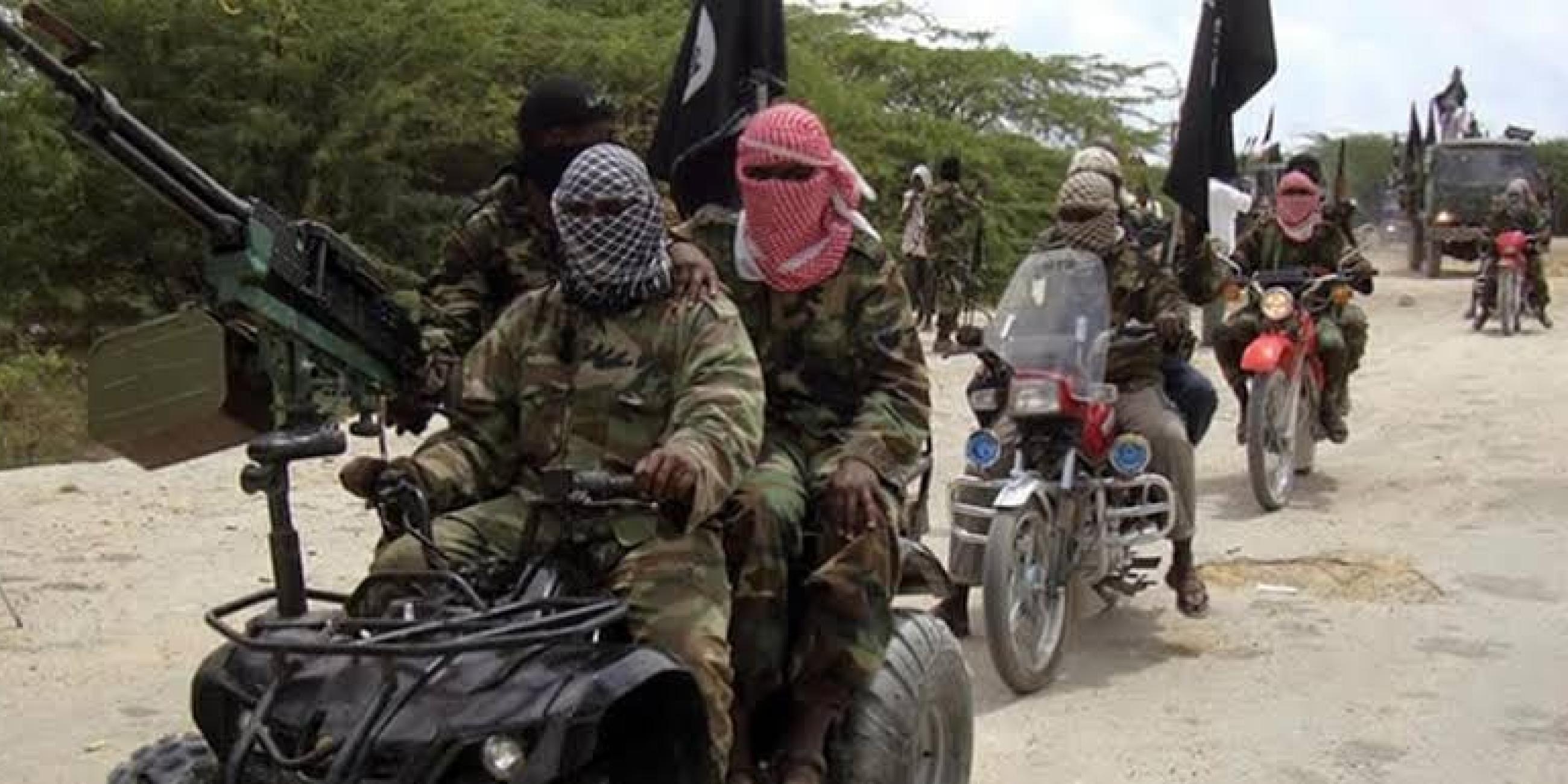
• Bandits have killed an Islamic cleric, Malam Zainu AB Mada, in Zamfara State after collecting ₦2 million ransom, two phones, and ₦70,000 airtime from his family.

    Malam Zainu was abducted along the Kwatarkwashi–Mada highway, a road now known for frequent bandit attacks. Despite his family meeting all the demands, the bandits still brutally killed him.

    His funeral prayer was held on Thursday.

    This tragic killing shows a painful reality: paying ransom no longer guarantees safety. Zamfara residents continue to live in fear as kidnappings, killings, and attacks on major roads persist, despite government assurances.

    How many more lives will be lost before real action is taken?

    #Zamfara #Banditry #Insecurity #Kidnapping #NigeriaNews #StopTheKillings
    Bandits have killed an Islamic cleric, Malam Zainu AB Mada, in Zamfara State after collecting ₦2 million ransom, two phones, and ₦70,000 airtime from his family. Malam Zainu was abducted along the Kwatarkwashi–Mada highway, a road now known for frequent bandit attacks. Despite his family meeting all the demands, the bandits still brutally killed him. His funeral prayer was held on Thursday. This tragic killing shows a painful reality: paying ransom no longer guarantees safety. Zamfara residents continue to live in fear as kidnappings, killings, and attacks on major roads persist, despite government assurances. How many more lives will be lost before real action is taken? 💔🇳🇬 #Zamfara #Banditry #Insecurity #Kidnapping #NigeriaNews #StopTheKillings
    0 Comments ·0 Shares ·292 Views
  • The Imam of Umar Ibn Al-Khattab Masjid in Morocco passed away on a blessed Friday while delivering the Khutbah, speaking profoundly about the reality of the afterlife and the certainty of death. In a moment that deeply moved worshippers, he paused his sermon, appeared to sense his final moments, and began reciting the Kalimah-e-Shahada, the ultimate declaration of faith for every Muslim. His passing in the house of Allah, during worship, stands as a powerful reminder of life’s purpose and the truth of the Hereafter. May Allah forgive his shortcomings, elevate his ranks, and grant him Jannat-ul-Firdaus. Ameen. #islamic #islam #Muslims #muslim
    The Imam of Umar Ibn Al-Khattab Masjid in Morocco passed away on a blessed Friday while delivering the Khutbah, speaking profoundly about the reality of the afterlife and the certainty of death. In a moment that deeply moved worshippers, he paused his sermon, appeared to sense his final moments, and began reciting the Kalimah-e-Shahada, the ultimate declaration of faith for every Muslim. His passing in the house of Allah, during worship, stands as a powerful reminder of life’s purpose and the truth of the Hereafter. May Allah forgive his shortcomings, elevate his ranks, and grant him Jannat-ul-Firdaus. Ameen. #islamic #islam #Muslims #muslim
    0 Comments ·0 Shares ·132 Views
  • BREAKING: Bandits Kill Islamic Cleric in Kaduna’s Birnin Gwari, Abduct Seven Villagers

    Bandits on Wednesday killed an Islamic cleric in Birnin Gwari, Kaduna State, casting fresh doubt on recent claims that peace has returned to the area.

    The attack took place in Layin Danauta, Kuyello Ward, where the victim, Mallam Muhammad Bello Abubakar, an Assistant Imam at the local Izala Mosque, was attacked and killed. During the same incident, seven villagers were reportedly abducted and taken to an unknown location.

    The killing has heightened fears among residents, who say insecurity remains a daily threat despite official assurances of improved safety.

    Question: Can claims of restored peace be trusted when attacks like this continue unchecked?

    #KadunaState #Insecurity #Banditry #NigeriaNews
    BREAKING: Bandits Kill Islamic Cleric in Kaduna’s Birnin Gwari, Abduct Seven Villagers Bandits on Wednesday killed an Islamic cleric in Birnin Gwari, Kaduna State, casting fresh doubt on recent claims that peace has returned to the area. The attack took place in Layin Danauta, Kuyello Ward, where the victim, Mallam Muhammad Bello Abubakar, an Assistant Imam at the local Izala Mosque, was attacked and killed. During the same incident, seven villagers were reportedly abducted and taken to an unknown location. The killing has heightened fears among residents, who say insecurity remains a daily threat despite official assurances of improved safety. Question: Can claims of restored peace be trusted when attacks like this continue unchecked? #KadunaState #Insecurity #Banditry #NigeriaNews
    like
    1
    · 0 Comments ·0 Shares ·218 Views
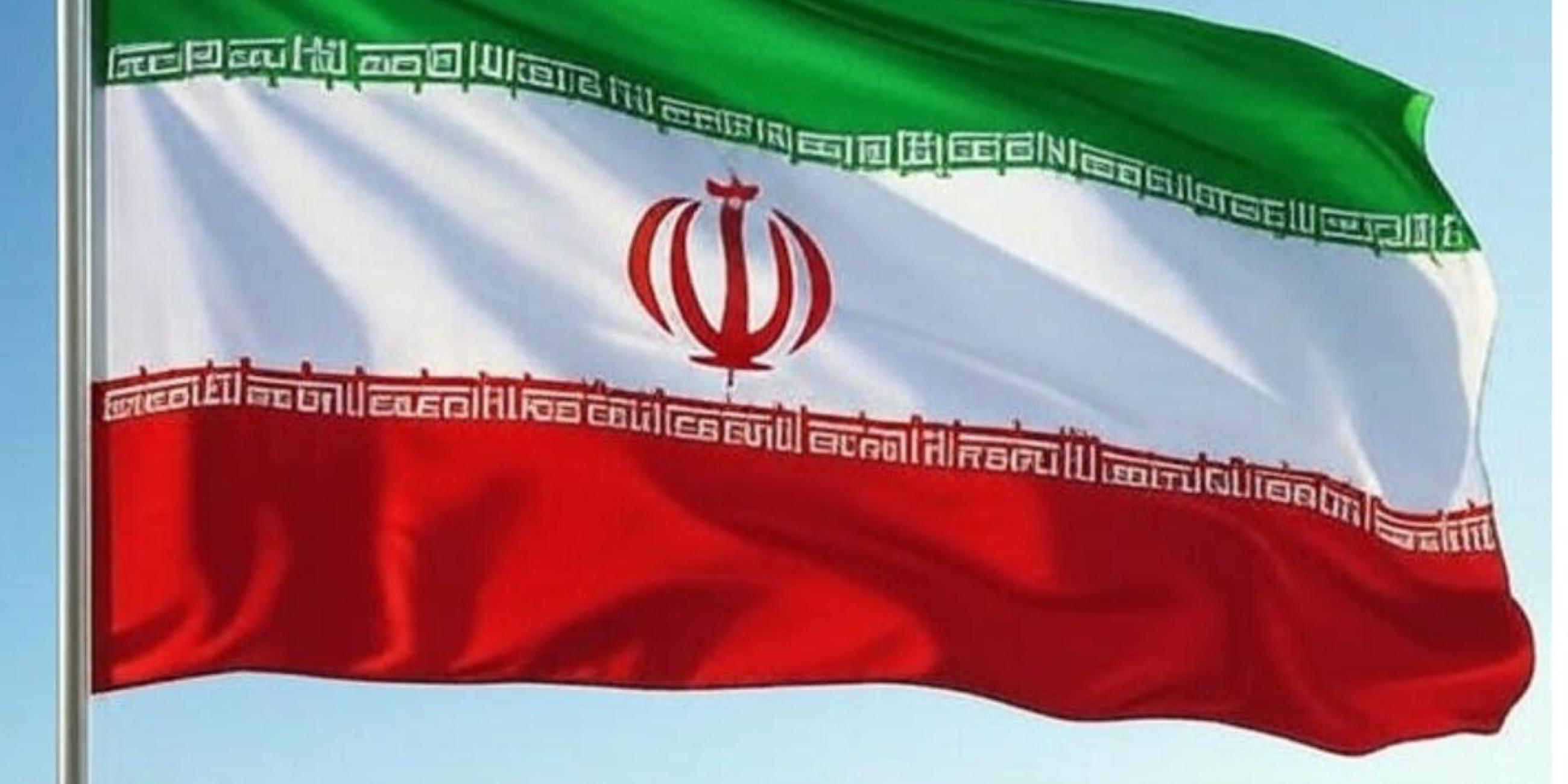
  • Trade Wahala Don Set! Trump Slam 25% Tariff On Any Country Wey Still Dey Do Business With Iran

    Global market don enter tension as former US President Donald Trump has announced a tough new economic move against Iran and any country still trading with Tehran. In a statement on his Truth social platform, Trump declared that any nation doing business with the Islamic Republic of Iran will now face a 25 percent tariff on all trade with the United States. According to him, the order takes effect immediately and is “final and conclusive.” The announcement, which has already sparked heavy reactions online, did not explain how the policy would be enforced or which countries would be directly affected. Trump, who previously pulled the US out of the Iran nuclear deal in 2018 and imposed heavy sanctions, is now pushing an even harder line. Analysts warn that such a blanket tariff could hit US allies and major economies that still maintain commercial ties with Iran, raising serious legal and diplomatic questions under international trade rules. As of now, the White House and US Treasury have not clarified whether the move is official policy or campaign talk, while Iran has yet to respond. One thing is clear: global trade wahala don start.

    Trade Wahala Don Set! Trump Slam 25% Tariff On Any Country Wey Still Dey Do Business With Iran Global market don enter tension as former US President Donald Trump has announced a tough new economic move against Iran and any country still trading with Tehran. In a statement on his Truth social platform, Trump declared that any nation doing business with the Islamic Republic of Iran will now face a 25 percent tariff on all trade with the United States. According to him, the order takes effect immediately and is “final and conclusive.” The announcement, which has already sparked heavy reactions online, did not explain how the policy would be enforced or which countries would be directly affected. Trump, who previously pulled the US out of the Iran nuclear deal in 2018 and imposed heavy sanctions, is now pushing an even harder line. Analysts warn that such a blanket tariff could hit US allies and major economies that still maintain commercial ties with Iran, raising serious legal and diplomatic questions under international trade rules. As of now, the White House and US Treasury have not clarified whether the move is official policy or campaign talk, while Iran has yet to respond. One thing is clear: global trade wahala don start.
    0 Comments ·0 Shares ·435 Views
  • Wahala Don Burst: US Drops Massive Airstrikes on ISIS in Syria, Sokoto Also Hit!

    Na so e be! The United States Central Command (CENTCOM) don carry out big airstrikes against ISIS targets across Syria, and Nigerians won’t forget the connection at home—Sokoto was hit too!

    CENTCOM revealed on X that the strikes happened Saturday around 12:30 p.m. Eastern Time, alongside partner forces. This operation, called Operation Hawkeye Strike, started December 19, 2025, after a deadly ISIS attack near Palmyra, Syria, that killed two American soldiers and one civilian interpreter.

    The US military made it clear: “If you harm our warfighters, we will find you and kill you anywhere in the world.” No shaking!

    Interestingly, in December 2025, the US also conducted airstrikes in northwest Nigeria, specifically in Sokoto State, targeting ISIS-linked militants of the Islamic State-Sahel Province (ISSP) and local affiliate Lakurawa. Tomahawk missiles were reportedly used in collaboration with the Nigerian government to dismantle terrorist camps.

    These operations show that the fight against terrorism is now global and local, and both the US and Nigeria are keeping the pressure on ISIS wherever they pop up.

    For Nigerians, the Sokoto strike is a reminder that terrorism is a real threat, and the government is working with international partners to try to keep citizens safe.

    Wahala don burst, but the fight no go stop!

    Wahala Don Burst: US Drops Massive Airstrikes on ISIS in Syria, Sokoto Also Hit! Na so e be! The United States Central Command (CENTCOM) don carry out big airstrikes against ISIS targets across Syria, and Nigerians won’t forget the connection at home—Sokoto was hit too! CENTCOM revealed on X that the strikes happened Saturday around 12:30 p.m. Eastern Time, alongside partner forces. This operation, called Operation Hawkeye Strike, started December 19, 2025, after a deadly ISIS attack near Palmyra, Syria, that killed two American soldiers and one civilian interpreter. The US military made it clear: “If you harm our warfighters, we will find you and kill you anywhere in the world.” No shaking! Interestingly, in December 2025, the US also conducted airstrikes in northwest Nigeria, specifically in Sokoto State, targeting ISIS-linked militants of the Islamic State-Sahel Province (ISSP) and local affiliate Lakurawa. Tomahawk missiles were reportedly used in collaboration with the Nigerian government to dismantle terrorist camps. These operations show that the fight against terrorism is now global and local, and both the US and Nigeria are keeping the pressure on ISIS wherever they pop up. For Nigerians, the Sokoto strike is a reminder that terrorism is a real threat, and the government is working with international partners to try to keep citizens safe. Wahala don burst, but the fight no go stop!
    0 Comments ·0 Shares ·634 Views
  • Are Iran’s Hospitals Collapsing Under Protest Violence? Doctors Say Wards Are Overwhelmed as Death Toll Rises and Global Leaders Warn Tehran

    Are Iran’s healthcare systems being pushed to the brink as nationwide protests intensify? Medical workers in Tehran and other cities say hospitals are overwhelmed by a surge of injured protesters, many suffering gunshot wounds to the head and eyes, raising urgent questions about the state’s handling of civil unrest.

    According to doctors who contacted international media through satellite internet amid a near-total blackout, Tehran’s Farabi Hospital—one of the country’s main eye specialist centres—has entered crisis mode. Non-urgent surgeries have been suspended, emergency staff recalled, and facilities stretched beyond capacity. A medic in Shiraz reported that hospitals lack enough surgeons to cope with the growing number of casualties.

    Human rights organisations estimate that at least 50 protesters have been killed since demonstrations began on December 28, with more than 2,300 arrests nationwide. The Norway-based Iran Human Rights group says the death toll includes children, while families of victims continue to speak out despite heavy restrictions on media and internet access. With most foreign journalists barred and communications cut, verifying events inside Iran has become increasingly difficult.

    International pressure is mounting. The United Nations has expressed deep concern over the loss of life, stressing that citizens have the right to peaceful protest and that governments must protect that right. Leaders from France, the UK and Germany issued a joint statement urging Iranian authorities to allow freedom of expression and assembly without fear of reprisals. Meanwhile, the United States warned Tehran against further violence, while Iran accused Washington of fuelling what it called “subversive acts.”

    Iran’s Supreme Leader, Ayatollah Ali Khamenei, has remained defiant, declaring that the Islamic Republic will not retreat in the face of unrest and vowing to confront what he described as “destructive elements.” In contrast, opposition voices abroad, including Reza Pahlavi, son of Iran’s last shah, praised the protests and called for continued demonstrations.

    As hospitals struggle, internet blackouts deepen, and casualty numbers climb, the crisis raises urgent questions: Is Iran’s health system reaching a breaking point? Can the government contain the unrest without further bloodshed? And how will international pressure shape what happens next?


    Are Iran’s Hospitals Collapsing Under Protest Violence? Doctors Say Wards Are Overwhelmed as Death Toll Rises and Global Leaders Warn Tehran Are Iran’s healthcare systems being pushed to the brink as nationwide protests intensify? Medical workers in Tehran and other cities say hospitals are overwhelmed by a surge of injured protesters, many suffering gunshot wounds to the head and eyes, raising urgent questions about the state’s handling of civil unrest. According to doctors who contacted international media through satellite internet amid a near-total blackout, Tehran’s Farabi Hospital—one of the country’s main eye specialist centres—has entered crisis mode. Non-urgent surgeries have been suspended, emergency staff recalled, and facilities stretched beyond capacity. A medic in Shiraz reported that hospitals lack enough surgeons to cope with the growing number of casualties. Human rights organisations estimate that at least 50 protesters have been killed since demonstrations began on December 28, with more than 2,300 arrests nationwide. The Norway-based Iran Human Rights group says the death toll includes children, while families of victims continue to speak out despite heavy restrictions on media and internet access. With most foreign journalists barred and communications cut, verifying events inside Iran has become increasingly difficult. International pressure is mounting. The United Nations has expressed deep concern over the loss of life, stressing that citizens have the right to peaceful protest and that governments must protect that right. Leaders from France, the UK and Germany issued a joint statement urging Iranian authorities to allow freedom of expression and assembly without fear of reprisals. Meanwhile, the United States warned Tehran against further violence, while Iran accused Washington of fuelling what it called “subversive acts.” Iran’s Supreme Leader, Ayatollah Ali Khamenei, has remained defiant, declaring that the Islamic Republic will not retreat in the face of unrest and vowing to confront what he described as “destructive elements.” In contrast, opposition voices abroad, including Reza Pahlavi, son of Iran’s last shah, praised the protests and called for continued demonstrations. As hospitals struggle, internet blackouts deepen, and casualty numbers climb, the crisis raises urgent questions: Is Iran’s health system reaching a breaking point? Can the government contain the unrest without further bloodshed? And how will international pressure shape what happens next?
    0 Comments ·0 Shares ·570 Views
  • Why Were At Least 17 Dubai–Iran Flights Suddenly Cancelled? Are Tehran Protests and a Nationwide Internet Blackout Disrupting Regional Travel?

    Why are flights between Dubai and Iran being abruptly cancelled—and what does it reveal about the growing unrest inside the Islamic Republic? At least 17 Flydubai flights scheduled for Friday between Dubai and major Iranian cities, including Tehran, Shiraz, and Mashhad, were called off without prior notice, raising alarm among passengers and underscoring the widening impact of Iran’s escalating political crisis.

    Data published on the Dubai Airports website confirmed the cancellations, showing multiple outbound and inbound routes affected. The disruption comes as Iran faces intensifying nationwide protests and a near-total internet blackout, reportedly imposed by authorities in an effort to restrict communication and contain the spread of demonstrations.

    Iran has been gripped by widespread unrest since late December, driven by worsening economic conditions, soaring inflation, and deepening hardship for ordinary citizens. What began as localized protests has rapidly expanded across several cities, prompting a heavy security response from the government. Observers say the communication shutdown reflects growing concern within the Iranian authorities over the speed at which information—and dissent—is spreading.

    A Flydubai spokesperson confirmed that all scheduled flights to Iran on Friday were cancelled, stating that the airline would “continue to monitor the situation” and adjust operations as needed. However, no specific reasons were publicly provided, leaving travelers uncertain about safety conditions, regulatory restrictions, and how long the disruption might last.

    The cancellations were not limited to Flydubai. Turkish media reported that Turkish Airlines cancelled at least 17 flights to Iranian destinations, while Ajet reportedly suspended six flights. Pegasus Airlines was also said to have cancelled several routes. In the Gulf region, at least two flights between Doha and Tehran were reportedly cancelled, according to updates from Hamad International Airport.

    The wave of suspensions points to a broader regional response to instability inside Iran. Airlines are increasingly forced to weigh passenger safety, operational risks, and regulatory uncertainty as protests grow and communication channels remain restricted.

    The key question remains: Are these flight cancellations a temporary precaution—or an early sign of deeper regional disruption tied to Iran’s internal crisis? For travelers, airlines, and neighboring countries, the unfolding situation highlights how domestic unrest in one nation can quickly ripple across international transport, commerce, and security.

    As protests persist and the blackout continues, aviation disruptions may expand further, signaling that Iran’s political turmoil is no longer confined within its borders but is now reshaping regional connectivity in real time.

    Why Were At Least 17 Dubai–Iran Flights Suddenly Cancelled? Are Tehran Protests and a Nationwide Internet Blackout Disrupting Regional Travel? Why are flights between Dubai and Iran being abruptly cancelled—and what does it reveal about the growing unrest inside the Islamic Republic? At least 17 Flydubai flights scheduled for Friday between Dubai and major Iranian cities, including Tehran, Shiraz, and Mashhad, were called off without prior notice, raising alarm among passengers and underscoring the widening impact of Iran’s escalating political crisis. Data published on the Dubai Airports website confirmed the cancellations, showing multiple outbound and inbound routes affected. The disruption comes as Iran faces intensifying nationwide protests and a near-total internet blackout, reportedly imposed by authorities in an effort to restrict communication and contain the spread of demonstrations. Iran has been gripped by widespread unrest since late December, driven by worsening economic conditions, soaring inflation, and deepening hardship for ordinary citizens. What began as localized protests has rapidly expanded across several cities, prompting a heavy security response from the government. Observers say the communication shutdown reflects growing concern within the Iranian authorities over the speed at which information—and dissent—is spreading. A Flydubai spokesperson confirmed that all scheduled flights to Iran on Friday were cancelled, stating that the airline would “continue to monitor the situation” and adjust operations as needed. However, no specific reasons were publicly provided, leaving travelers uncertain about safety conditions, regulatory restrictions, and how long the disruption might last. The cancellations were not limited to Flydubai. Turkish media reported that Turkish Airlines cancelled at least 17 flights to Iranian destinations, while Ajet reportedly suspended six flights. Pegasus Airlines was also said to have cancelled several routes. In the Gulf region, at least two flights between Doha and Tehran were reportedly cancelled, according to updates from Hamad International Airport. The wave of suspensions points to a broader regional response to instability inside Iran. Airlines are increasingly forced to weigh passenger safety, operational risks, and regulatory uncertainty as protests grow and communication channels remain restricted. The key question remains: Are these flight cancellations a temporary precaution—or an early sign of deeper regional disruption tied to Iran’s internal crisis? For travelers, airlines, and neighboring countries, the unfolding situation highlights how domestic unrest in one nation can quickly ripple across international transport, commerce, and security. As protests persist and the blackout continues, aviation disruptions may expand further, signaling that Iran’s political turmoil is no longer confined within its borders but is now reshaping regional connectivity in real time.
    0 Comments ·0 Shares ·397 Views
  • Is the ‘Christian Genocide’ in Nigeria a Political Narrative? Why Trump Admits Muslims Are Also Killed as Sowore Accuses the U.S. of Using Religion to Justify Power, Oil, and Military Influence

    Is the narrative of a “Christian genocide” in Nigeria an honest reflection of the country’s security crisis—or a political tool shaped by foreign interests? United States President Donald Trump has made a partial shift in his long-standing rhetoric on religious violence in Nigeria, acknowledging that Muslims are also being killed, even while maintaining that Christians remain the primary victims.

    Trump made the remarks during an interview with The New York Times following questions about Washington’s Christmas Day military strike in northwest Nigeria. The U.S. military said the operation, carried out at the request of the Nigerian government, targeted Islamic State West Africa Province (ISWAP), a Boko Haram splinter group responsible for years of deadly attacks across northern Nigeria.

    When asked about earlier comments from his own Africa adviser—who had stated that extremist groups in Nigeria kill more Muslims than Christians—Trump responded: “I think that Muslims are being killed also in Nigeria. But it’s mostly Christians.” The statement marked a rare acknowledgment that Nigeria’s victims of terrorism cut across religious lines, even as Trump continued to frame the conflict primarily through a Christian persecution lens.

    The comments immediately drew a sharp response from Omoyele Sowore, former Nigerian presidential candidate and prominent human rights activist. In a series of posts on X (formerly Twitter), Sowore dismissed the “Christian genocide” narrative as a calculated political construct, arguing that it is designed to stir emotion, mobilize conservative audiences abroad, and provide moral cover for foreign military, economic, and geopolitical agendas.

    Sowore accused Trump of using religion as a rhetorical device while pursuing what he described as imperial interests tied to oil, rare earth minerals, and strategic dominance. “The narrative used to justify it is secondary,” Sowore wrote, adding that such framing only needs to “match the gullibility of the intended audience.” According to him, claims of systematic religious genocide in Nigeria are not grounded in objective reality but are deliberately shaped to occupy a powerful emotional space in Western political discourse.

    He further challenged Trump’s moral authority to speak on Christian values, asserting that the former U.S. president does not embody the compassion, humility, or solidarity central to the faith he frequently invokes. Sowore argued that Trump’s selective concern for religious identity masks a broader indifference to human suffering—both abroad and at home—unless it aligns with his political interests.

    The controversy highlights a deeper question: Is Nigeria’s complex security crisis being oversimplified into a religious conflict for international consumption? While jihadist groups like ISWAP and Boko Haram have undeniably targeted Christian communities, they have also killed thousands of Muslims, including traditional leaders, clerics, villagers, and security personnel. Analysts have long warned that framing the violence as exclusively anti-Christian risks distorting reality, inflaming sectarian tensions, and obscuring the political, economic, and territorial dimensions of the conflict.

    Trump’s admission that Muslims are also victims, even if partial, challenges his earlier absolutist framing. Yet his insistence that Christians remain the main targets continues to fuel debate about whether U.S. policy toward Nigeria is being shaped by faith-based narratives rather than nuanced security analysis.

    As Nigeria battles insurgency, banditry, and transnational terrorism, the exchange between Trump and Sowore underscores how global power politics, religious identity, and media narratives intersect in shaping international responses to African conflicts. The key question remains: is the world seeing Nigeria’s crisis as it truly is—or as it is most politically useful to portray?


    Is the ‘Christian Genocide’ in Nigeria a Political Narrative? Why Trump Admits Muslims Are Also Killed as Sowore Accuses the U.S. of Using Religion to Justify Power, Oil, and Military Influence Is the narrative of a “Christian genocide” in Nigeria an honest reflection of the country’s security crisis—or a political tool shaped by foreign interests? United States President Donald Trump has made a partial shift in his long-standing rhetoric on religious violence in Nigeria, acknowledging that Muslims are also being killed, even while maintaining that Christians remain the primary victims. Trump made the remarks during an interview with The New York Times following questions about Washington’s Christmas Day military strike in northwest Nigeria. The U.S. military said the operation, carried out at the request of the Nigerian government, targeted Islamic State West Africa Province (ISWAP), a Boko Haram splinter group responsible for years of deadly attacks across northern Nigeria. When asked about earlier comments from his own Africa adviser—who had stated that extremist groups in Nigeria kill more Muslims than Christians—Trump responded: “I think that Muslims are being killed also in Nigeria. But it’s mostly Christians.” The statement marked a rare acknowledgment that Nigeria’s victims of terrorism cut across religious lines, even as Trump continued to frame the conflict primarily through a Christian persecution lens. The comments immediately drew a sharp response from Omoyele Sowore, former Nigerian presidential candidate and prominent human rights activist. In a series of posts on X (formerly Twitter), Sowore dismissed the “Christian genocide” narrative as a calculated political construct, arguing that it is designed to stir emotion, mobilize conservative audiences abroad, and provide moral cover for foreign military, economic, and geopolitical agendas. Sowore accused Trump of using religion as a rhetorical device while pursuing what he described as imperial interests tied to oil, rare earth minerals, and strategic dominance. “The narrative used to justify it is secondary,” Sowore wrote, adding that such framing only needs to “match the gullibility of the intended audience.” According to him, claims of systematic religious genocide in Nigeria are not grounded in objective reality but are deliberately shaped to occupy a powerful emotional space in Western political discourse. He further challenged Trump’s moral authority to speak on Christian values, asserting that the former U.S. president does not embody the compassion, humility, or solidarity central to the faith he frequently invokes. Sowore argued that Trump’s selective concern for religious identity masks a broader indifference to human suffering—both abroad and at home—unless it aligns with his political interests. The controversy highlights a deeper question: Is Nigeria’s complex security crisis being oversimplified into a religious conflict for international consumption? While jihadist groups like ISWAP and Boko Haram have undeniably targeted Christian communities, they have also killed thousands of Muslims, including traditional leaders, clerics, villagers, and security personnel. Analysts have long warned that framing the violence as exclusively anti-Christian risks distorting reality, inflaming sectarian tensions, and obscuring the political, economic, and territorial dimensions of the conflict. Trump’s admission that Muslims are also victims, even if partial, challenges his earlier absolutist framing. Yet his insistence that Christians remain the main targets continues to fuel debate about whether U.S. policy toward Nigeria is being shaped by faith-based narratives rather than nuanced security analysis. As Nigeria battles insurgency, banditry, and transnational terrorism, the exchange between Trump and Sowore underscores how global power politics, religious identity, and media narratives intersect in shaping international responses to African conflicts. The key question remains: is the world seeing Nigeria’s crisis as it truly is—or as it is most politically useful to portray?
    0 Comments ·0 Shares ·876 Views
  • Why Is the UAE Cutting Scholarships for UK Universities? Is Fear of Islamist Radicalisation on British Campuses Redefining Emirati Foreign Policy, Student Mobility, and UK–Gulf Relations?

    Is the United Arab Emirates quietly reshaping global student mobility—and sending a political message to Britain in the process? The UAE has begun restricting state-funded scholarships for students seeking to study in the United Kingdom, citing concerns that some British university campuses are being influenced or “radicalised” by Islamist groups.

    Officials in Abu Dhabi confirmed to the Financial Times and The Times that federal funding for Emirati citizens planning to enrol in UK universities has been curtailed. The move reflects deepening unease within the UAE over what it views as the growing ideological presence of Islamist networks on British campuses, particularly those allegedly linked to the Muslim Brotherhood, which the UAE designates as a terrorist organisation.

    While the UAE has not imposed an outright ban on studying in the UK, the policy change marks a significant shift. Wealthier families can still send students abroad using private funds, and government scholarships remain available for studies in other countries. However, the restriction is already affecting numbers: UK student visa data show a sharp decline in Emirati enrolment, with only 213 UAE students granted UK study visas in the year ending September 2025—a 27% drop from the previous year and a 55% fall compared to 2022. This is particularly striking given that the Emirati student population in the UK had doubled between 2017 and 2024 to around 8,500 students, with major concentrations at institutions such as King’s College London, University College London, the University of Manchester, the University of Leeds, and the University of Central Lancashire.

    At the heart of the decision lies long-standing political tension between Abu Dhabi and London. The UAE has repeatedly urged Britain to ban the Muslim Brotherhood, a group it considers a security threat. However, successive UK governments have declined to proscribe the organisation. A 2014 inquiry ordered by then-Prime Minister David Cameron, led by former ambassador Sir John Jenkins, concluded that the Brotherhood’s beliefs were incompatible with British values but found insufficient legal grounds for a ban. More recently, Reform UK leader Nigel Farage has said he would proscribe the group if elected, underscoring how the issue has become embedded in British political debate.

    Concerns in Britain about alleged Islamist influence on university campuses have also fueled controversy. Student organisations have faced scrutiny for hosting speakers accused of promoting extremist ideologies, with critics warning that academic spaces may be vulnerable to ideological recruitment. For the UAE, which has previously jailed suspected Brotherhood members and strongly supported Egypt’s 2013 military ouster of President Mohammed Morsi, the presence of any perceived Brotherhood influence abroad is seen as a direct security risk.

    A Middle East expert quoted by The Times suggested that the Emirati leadership is “obsessed” with the Brotherhood, describing it as more of an ideological movement than a tightly organised group. According to the source, the scholarship restrictions function as a “warning shot” to students, signalling that engagement with Islamist networks abroad could carry consequences back home.

    Beyond education policy, the move raises broader geopolitical questions. Is the UAE using scholarships as a diplomatic lever to pressure the UK? Will other Gulf states follow suit? And what does this mean for Britain’s position as a global education hub, especially at a time when international student numbers are critical to university funding?

    As Emirati students increasingly turn to alternative destinations, the policy may reshape academic exchange, economic ties, and cultural diplomacy between the Gulf and the UK. More fundamentally, it highlights how security concerns, ideological conflict, and foreign policy priorities are now directly influencing where young people are allowed—or encouraged—to study abroad.


    Why Is the UAE Cutting Scholarships for UK Universities? Is Fear of Islamist Radicalisation on British Campuses Redefining Emirati Foreign Policy, Student Mobility, and UK–Gulf Relations? Is the United Arab Emirates quietly reshaping global student mobility—and sending a political message to Britain in the process? The UAE has begun restricting state-funded scholarships for students seeking to study in the United Kingdom, citing concerns that some British university campuses are being influenced or “radicalised” by Islamist groups. Officials in Abu Dhabi confirmed to the Financial Times and The Times that federal funding for Emirati citizens planning to enrol in UK universities has been curtailed. The move reflects deepening unease within the UAE over what it views as the growing ideological presence of Islamist networks on British campuses, particularly those allegedly linked to the Muslim Brotherhood, which the UAE designates as a terrorist organisation. While the UAE has not imposed an outright ban on studying in the UK, the policy change marks a significant shift. Wealthier families can still send students abroad using private funds, and government scholarships remain available for studies in other countries. However, the restriction is already affecting numbers: UK student visa data show a sharp decline in Emirati enrolment, with only 213 UAE students granted UK study visas in the year ending September 2025—a 27% drop from the previous year and a 55% fall compared to 2022. This is particularly striking given that the Emirati student population in the UK had doubled between 2017 and 2024 to around 8,500 students, with major concentrations at institutions such as King’s College London, University College London, the University of Manchester, the University of Leeds, and the University of Central Lancashire. At the heart of the decision lies long-standing political tension between Abu Dhabi and London. The UAE has repeatedly urged Britain to ban the Muslim Brotherhood, a group it considers a security threat. However, successive UK governments have declined to proscribe the organisation. A 2014 inquiry ordered by then-Prime Minister David Cameron, led by former ambassador Sir John Jenkins, concluded that the Brotherhood’s beliefs were incompatible with British values but found insufficient legal grounds for a ban. More recently, Reform UK leader Nigel Farage has said he would proscribe the group if elected, underscoring how the issue has become embedded in British political debate. Concerns in Britain about alleged Islamist influence on university campuses have also fueled controversy. Student organisations have faced scrutiny for hosting speakers accused of promoting extremist ideologies, with critics warning that academic spaces may be vulnerable to ideological recruitment. For the UAE, which has previously jailed suspected Brotherhood members and strongly supported Egypt’s 2013 military ouster of President Mohammed Morsi, the presence of any perceived Brotherhood influence abroad is seen as a direct security risk. A Middle East expert quoted by The Times suggested that the Emirati leadership is “obsessed” with the Brotherhood, describing it as more of an ideological movement than a tightly organised group. According to the source, the scholarship restrictions function as a “warning shot” to students, signalling that engagement with Islamist networks abroad could carry consequences back home. Beyond education policy, the move raises broader geopolitical questions. Is the UAE using scholarships as a diplomatic lever to pressure the UK? Will other Gulf states follow suit? And what does this mean for Britain’s position as a global education hub, especially at a time when international student numbers are critical to university funding? As Emirati students increasingly turn to alternative destinations, the policy may reshape academic exchange, economic ties, and cultural diplomacy between the Gulf and the UK. More fundamentally, it highlights how security concerns, ideological conflict, and foreign policy priorities are now directly influencing where young people are allowed—or encouraged—to study abroad.
    0 Comments ·0 Shares ·524 Views
  • Is Iran’s Supreme Leader Blaming Protesters to Please Trump as Deadly Unrest, Internet Blackouts and Calls for Regime Change Shake Tehran?

    Iran’s Supreme Leader, Ayatollah Ali Khamenei, has accused anti-government protesters of “ruining their own streets to make the president of another country happy,” as nationwide unrest continues to grip Tehran and other major cities despite an unprecedented internet and telephone shutdown. His remarks come amid escalating demonstrations that began over economic hardship but have rapidly evolved into the most serious challenge to Iran’s leadership in years.

    Short videos circulating on social media before the blackout showed protesters chanting around bonfires, blocking roads, and leaving streets strewn with debris. Iranian state television later blamed the violence on “terrorist agents” backed by the United States and Israel, reporting unspecified “casualties” while offering few details. During a televised address, Khamenei warned of a hardline response, as crowds in the studio chanted “Death to America,” underscoring the regime’s narrative of foreign interference.

    According to analysts, the protests gained momentum after public appeals by exiled Crown Prince Reza Pahlavi, who urged Iranians to take to the streets at coordinated times. Holly Dagres of the Washington Institute for Near East Policy said the calls had a decisive impact, transforming scattered demonstrations into a nationwide movement aimed at toppling the Islamic Republic. Witnesses in Tehran reported chants of “Death to the dictator,” “Death to the Islamic Republic,” and slogans calling for the return of the Pahlavi monarchy.

    Pahlavi condemned the government’s decision to shut down communications, warning that cutting internet and landlines was intended to silence the protesters and prevent the world from seeing what was happening inside Iran. He urged international leaders to use “technical, financial, and diplomatic resources” to restore connectivity so that the voices of Iranians could be heard globally.

    Human rights groups report a growing toll. The U.S.-based Human Rights Activists News Agency says at least 42 people have been killed and more than 2,270 detained since the protests began. State media acknowledged that private vehicles, public transport, metro stations, and emergency vehicles had been set ablaze during demonstrations, reinforcing claims of widespread unrest.

    Former U.S. President Donald Trump has also weighed in, warning Tehran against violently suppressing peaceful protesters and threatening severe consequences if the crackdown continues. His comments have fueled speculation that Iran’s leadership is framing the protests as a foreign-backed campaign to delegitimize domestic dissent.

    As the internet blackout persists and security forces tighten their grip, questions remain: Are Iran’s leaders confronting a genuine popular uprising driven by economic despair and demands for freedom, or will the government succeed in recasting the movement as an externally orchestrated plot? With mounting deaths, mass arrests, and growing international attention, the unfolding crisis could redefine Iran’s political future.


    Is Iran’s Supreme Leader Blaming Protesters to Please Trump as Deadly Unrest, Internet Blackouts and Calls for Regime Change Shake Tehran? Iran’s Supreme Leader, Ayatollah Ali Khamenei, has accused anti-government protesters of “ruining their own streets to make the president of another country happy,” as nationwide unrest continues to grip Tehran and other major cities despite an unprecedented internet and telephone shutdown. His remarks come amid escalating demonstrations that began over economic hardship but have rapidly evolved into the most serious challenge to Iran’s leadership in years. Short videos circulating on social media before the blackout showed protesters chanting around bonfires, blocking roads, and leaving streets strewn with debris. Iranian state television later blamed the violence on “terrorist agents” backed by the United States and Israel, reporting unspecified “casualties” while offering few details. During a televised address, Khamenei warned of a hardline response, as crowds in the studio chanted “Death to America,” underscoring the regime’s narrative of foreign interference. According to analysts, the protests gained momentum after public appeals by exiled Crown Prince Reza Pahlavi, who urged Iranians to take to the streets at coordinated times. Holly Dagres of the Washington Institute for Near East Policy said the calls had a decisive impact, transforming scattered demonstrations into a nationwide movement aimed at toppling the Islamic Republic. Witnesses in Tehran reported chants of “Death to the dictator,” “Death to the Islamic Republic,” and slogans calling for the return of the Pahlavi monarchy. Pahlavi condemned the government’s decision to shut down communications, warning that cutting internet and landlines was intended to silence the protesters and prevent the world from seeing what was happening inside Iran. He urged international leaders to use “technical, financial, and diplomatic resources” to restore connectivity so that the voices of Iranians could be heard globally. Human rights groups report a growing toll. The U.S.-based Human Rights Activists News Agency says at least 42 people have been killed and more than 2,270 detained since the protests began. State media acknowledged that private vehicles, public transport, metro stations, and emergency vehicles had been set ablaze during demonstrations, reinforcing claims of widespread unrest. Former U.S. President Donald Trump has also weighed in, warning Tehran against violently suppressing peaceful protesters and threatening severe consequences if the crackdown continues. His comments have fueled speculation that Iran’s leadership is framing the protests as a foreign-backed campaign to delegitimize domestic dissent. As the internet blackout persists and security forces tighten their grip, questions remain: Are Iran’s leaders confronting a genuine popular uprising driven by economic despair and demands for freedom, or will the government succeed in recasting the movement as an externally orchestrated plot? With mounting deaths, mass arrests, and growing international attention, the unfolding crisis could redefine Iran’s political future.
    0 Comments ·0 Shares ·489 Views
  • Jigawa Court Orders Arrest of DSS Officer Over Alleged Abduction, Sexual Exploitation, and Forced Conversion of 16-Year-Old Girl

    A Magistrate Court sitting in Hadejia, Jigawa State, has ordered the arrest of a serving officer of Nigeria’s Department of State Services (DSS), Ifeanyi Festus, over allegations of child abduction, sexual exploitation, unlawful detention, and forcible religious conversion involving a 16-year-old girl, Walida Abdulhadi.

    The directive was issued by His Worship, Sadisu Musa Esq., in Suit No: DCC/01/2026, following a petition filed by Abuja-based law firm Gamji Lawchain on behalf of Walida’s father, Alhaji Abdulhadi Ibrahim. The court ordered the Jigawa State Commissioner of Police or senior DSS officials to arrest the officer and discreetly investigate the allegations under Sections 125 and 102(5) of the Jigawa State Administration of Criminal Justice Law (ACJL). It also directed the DSS to immediately release and reunite the girl with her parents.

    According to the petition dated January 4, 2026, Walida was allegedly abducted from Hadejia over two years ago when she was still a minor and legally incapable of consenting to any sexual relationship. The family reportedly searched for her for years, and the prolonged trauma is said to have contributed to the death of her mother.

    The case reportedly resurfaced on January 1, 2026, when the accused officer allegedly contacted the girl’s father, claiming Walida had been living with him, had given birth to his child, and that he was now prepared to marry her. When a family representative was sent to Abuja, he was allegedly taken to a DSS facility at Karmajiji, where officials reportedly confirmed that Walida had been living within the DSS estate. Requests for her release were allegedly refused.

    The petition further claims that while under this custody, the teenager was allegedly converted from Islam to Christianity without parental consent and subjected to sexual exploitation that resulted in pregnancy and childbirth while she was still underage. The lawyers alleged that the acts could not have occurred without the knowledge or tacit approval of other officers, describing the matter as potential institutional complicity rather than isolated misconduct.

    In its ruling, the court emphasized the need for immediate investigation and ordered that Walida be released and reunited with her family. The case has since generated widespread public attention, raising serious questions about child protection, abuse of power, religious freedom, and accountability within Nigeria’s security agencies.


    Jigawa Court Orders Arrest of DSS Officer Over Alleged Abduction, Sexual Exploitation, and Forced Conversion of 16-Year-Old Girl A Magistrate Court sitting in Hadejia, Jigawa State, has ordered the arrest of a serving officer of Nigeria’s Department of State Services (DSS), Ifeanyi Festus, over allegations of child abduction, sexual exploitation, unlawful detention, and forcible religious conversion involving a 16-year-old girl, Walida Abdulhadi. The directive was issued by His Worship, Sadisu Musa Esq., in Suit No: DCC/01/2026, following a petition filed by Abuja-based law firm Gamji Lawchain on behalf of Walida’s father, Alhaji Abdulhadi Ibrahim. The court ordered the Jigawa State Commissioner of Police or senior DSS officials to arrest the officer and discreetly investigate the allegations under Sections 125 and 102(5) of the Jigawa State Administration of Criminal Justice Law (ACJL). It also directed the DSS to immediately release and reunite the girl with her parents. According to the petition dated January 4, 2026, Walida was allegedly abducted from Hadejia over two years ago when she was still a minor and legally incapable of consenting to any sexual relationship. The family reportedly searched for her for years, and the prolonged trauma is said to have contributed to the death of her mother. The case reportedly resurfaced on January 1, 2026, when the accused officer allegedly contacted the girl’s father, claiming Walida had been living with him, had given birth to his child, and that he was now prepared to marry her. When a family representative was sent to Abuja, he was allegedly taken to a DSS facility at Karmajiji, where officials reportedly confirmed that Walida had been living within the DSS estate. Requests for her release were allegedly refused. The petition further claims that while under this custody, the teenager was allegedly converted from Islam to Christianity without parental consent and subjected to sexual exploitation that resulted in pregnancy and childbirth while she was still underage. The lawyers alleged that the acts could not have occurred without the knowledge or tacit approval of other officers, describing the matter as potential institutional complicity rather than isolated misconduct. In its ruling, the court emphasized the need for immediate investigation and ordered that Walida be released and reunited with her family. The case has since generated widespread public attention, raising serious questions about child protection, abuse of power, religious freedom, and accountability within Nigeria’s security agencies.
    0 Comments ·0 Shares ·310 Views
  • Is Iran Facing a New Uprising? How Nationwide Protests, Internet Blackouts and Reza Pahlavi’s Call Are Challenging Khamenei’s Rule

    Iran was gripped by renewed nationwide protests on Thursday night as demonstrators poured into the streets of Tehran and other cities following a call for mass action by exiled crown prince Reza Pahlavi. Witnesses reported chanting from rooftops and in neighbourhoods, while authorities quickly moved to cut internet access and telephone lines, a tactic historically used ahead of harsh crackdowns.

    The demonstrations marked a significant escalation in unrest driven largely by economic hardship, currency collapse, and public anger at Iran’s political system. They also represented the first major test of whether Pahlavi—whose father was overthrown in the 1979 Islamic Revolution—could mobilise meaningful opposition inside the country. Protests had already erupted the previous day in cities and rural towns, with markets and bazaars closing in solidarity.

    According to the U.S.-based Human Rights Activists News Agency, at least 41 people have been killed and more than 2,270 detained since the protests began. Monitoring groups such as Cloudflare and NetBlocks reported widespread digital shutdowns, attributing them to government interference. Calls to Iran from abroad reportedly failed, a sign often preceding intensified security operations.

    Despite the scale of the unrest, the movement has remained largely leaderless, prompting debate over whether it can sustain momentum or force political change. Analysts note that previous protest waves faltered due to the absence of a unified leadership structure, as Iran’s security apparatus has historically arrested, exiled, or silenced potential opposition figures.

    At the appointed protest hour, chants echoed across Tehran: “Death to the dictator!” “Death to the Islamic Republic!” and slogans calling for the return of the monarchy. In a statement, Pahlavi urged Iranians to continue demonstrating, declaring that “the eyes of the world are upon you,” and warning authorities that repression would not go unnoticed internationally.

    Iranian officials have not publicly acknowledged the full scope of the unrest, though state-linked media confirmed casualties among security forces. Reports from the judiciary and semi-official outlets said police officers and Revolutionary Guard members were killed in separate attacks in provinces including Kermanshah, Chaharmahal and Bakhtiari, and Khorasan Razavi. Hard-line media also circulated warnings that security agencies could use drones to identify protesters.

    The unrest comes amid deepening economic strain. Following tighter sanctions and the aftermath of a brief war, Iran’s currency collapsed in December to about 1.4 million rials to the U.S. dollar, triggering renewed demonstrations and calls for an end to clerical rule. U.S. President Donald Trump warned that Washington would respond if peaceful protesters were violently repressed, a statement Iran’s Foreign Ministry dismissed as “hypocritical interference.”

    Meanwhile, Nobel Peace Prize laureate Narges Mohammadi remains imprisoned, with her family saying the protests echo earlier uprisings in 2009 and 2019, each demanding an end to what they describe as a “dictatorial religious regime.”

    As unrest spreads and communication blackouts deepen, pressing questions remain: Can these protests break the cycle of repression? Will Reza Pahlavi emerge as a unifying figure or remain symbolic? And is Iran approaching a turning point—or another crackdown? With anger rising and the government tightening control, the unfolding crisis is shaping up as one of the most serious challenges to Iran’s leadership in years.


    Is Iran Facing a New Uprising? How Nationwide Protests, Internet Blackouts and Reza Pahlavi’s Call Are Challenging Khamenei’s Rule Iran was gripped by renewed nationwide protests on Thursday night as demonstrators poured into the streets of Tehran and other cities following a call for mass action by exiled crown prince Reza Pahlavi. Witnesses reported chanting from rooftops and in neighbourhoods, while authorities quickly moved to cut internet access and telephone lines, a tactic historically used ahead of harsh crackdowns. The demonstrations marked a significant escalation in unrest driven largely by economic hardship, currency collapse, and public anger at Iran’s political system. They also represented the first major test of whether Pahlavi—whose father was overthrown in the 1979 Islamic Revolution—could mobilise meaningful opposition inside the country. Protests had already erupted the previous day in cities and rural towns, with markets and bazaars closing in solidarity. According to the U.S.-based Human Rights Activists News Agency, at least 41 people have been killed and more than 2,270 detained since the protests began. Monitoring groups such as Cloudflare and NetBlocks reported widespread digital shutdowns, attributing them to government interference. Calls to Iran from abroad reportedly failed, a sign often preceding intensified security operations. Despite the scale of the unrest, the movement has remained largely leaderless, prompting debate over whether it can sustain momentum or force political change. Analysts note that previous protest waves faltered due to the absence of a unified leadership structure, as Iran’s security apparatus has historically arrested, exiled, or silenced potential opposition figures. At the appointed protest hour, chants echoed across Tehran: “Death to the dictator!” “Death to the Islamic Republic!” and slogans calling for the return of the monarchy. In a statement, Pahlavi urged Iranians to continue demonstrating, declaring that “the eyes of the world are upon you,” and warning authorities that repression would not go unnoticed internationally. Iranian officials have not publicly acknowledged the full scope of the unrest, though state-linked media confirmed casualties among security forces. Reports from the judiciary and semi-official outlets said police officers and Revolutionary Guard members were killed in separate attacks in provinces including Kermanshah, Chaharmahal and Bakhtiari, and Khorasan Razavi. Hard-line media also circulated warnings that security agencies could use drones to identify protesters. The unrest comes amid deepening economic strain. Following tighter sanctions and the aftermath of a brief war, Iran’s currency collapsed in December to about 1.4 million rials to the U.S. dollar, triggering renewed demonstrations and calls for an end to clerical rule. U.S. President Donald Trump warned that Washington would respond if peaceful protesters were violently repressed, a statement Iran’s Foreign Ministry dismissed as “hypocritical interference.” Meanwhile, Nobel Peace Prize laureate Narges Mohammadi remains imprisoned, with her family saying the protests echo earlier uprisings in 2009 and 2019, each demanding an end to what they describe as a “dictatorial religious regime.” As unrest spreads and communication blackouts deepen, pressing questions remain: Can these protests break the cycle of repression? Will Reza Pahlavi emerge as a unifying figure or remain symbolic? And is Iran approaching a turning point—or another crackdown? With anger rising and the government tightening control, the unfolding crisis is shaping up as one of the most serious challenges to Iran’s leadership in years.
    0 Comments ·0 Shares ·471 Views
  • Why Was a Woman’s Home Burnt for Worshipping Osun in Kwara, Why Were Suspects Freed, and Has Religious Extremism Now Replaced Justice in Ilorin?

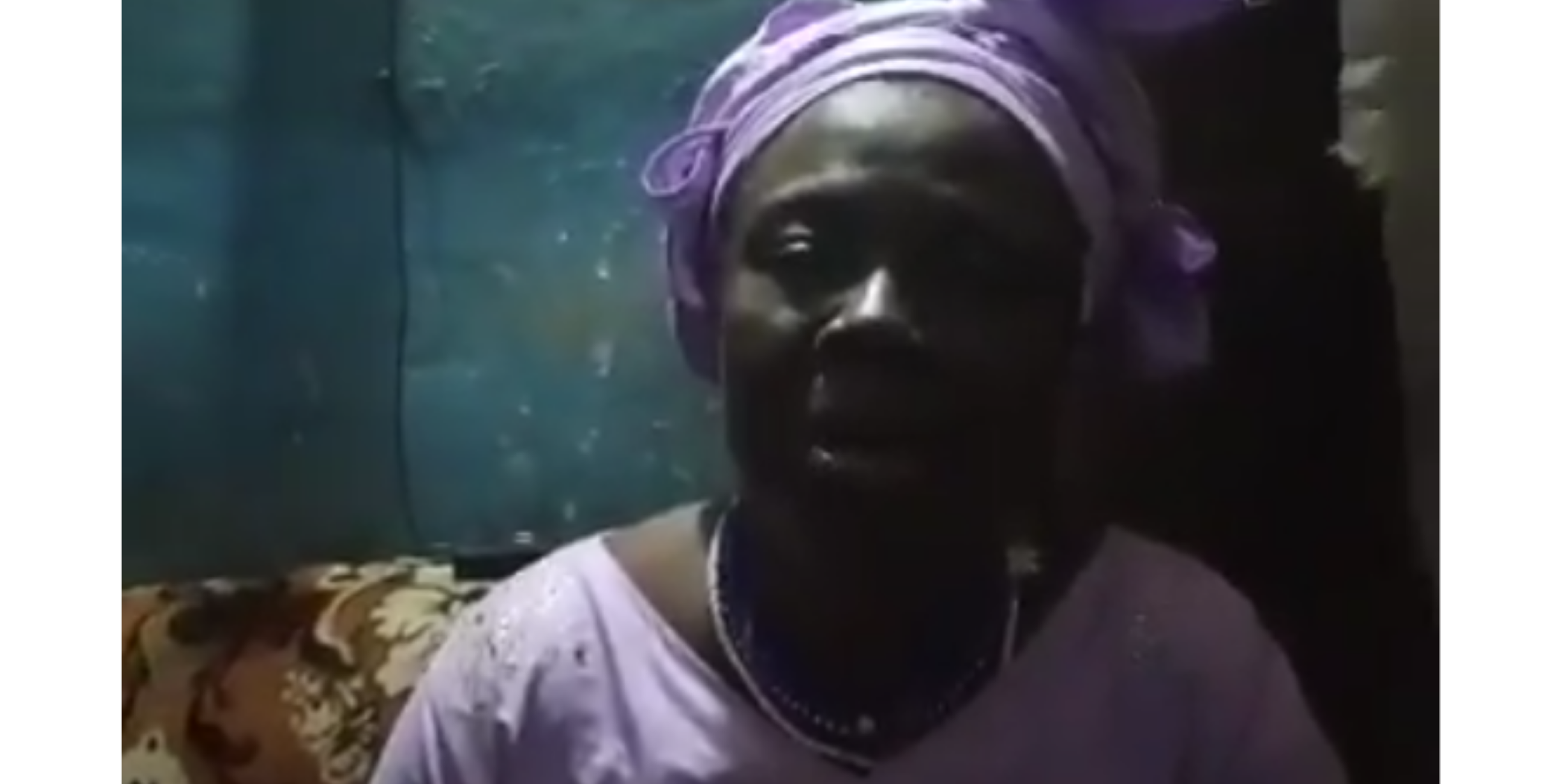
    A disturbing case of alleged religious persecution has emerged from Ilorin, Kwara State, where a traditional worshipper, Mrs. T.A. Olorisha, says her home was deliberately set ablaze because of her faith, while suspects arrested over the incident were later released by the police. The traumatised woman has now issued a desperate plea for help, warning that she may take her own life if justice is not served.

    According to Olorisha, she had lived peacefully for years in the Isalẹ Koko area of Ilorin until community members allegedly targeted her over her devotion to Osun, a deity in Yoruba traditional religion. In an emotional video, she recounted how she was summoned to a meeting weeks before the incident, where nine men reportedly told her that an Islamic cleric (“Alfa”) had declared that traditional worshippers were no longer welcome in the community.

    She said she challenged the claim and demanded to meet the cleric face-to-face, insisting she had done nothing wrong. Instead, the men allegedly threatened her, warning that she should either comply or face consequences. Olorisha recalled that one man openly asked what would happen if her house was burnt, while a police officer present advised restraint and later warned the men against causing trouble.

    However, while Olorisha travelled to her hometown to attend a traditional festival, her house was allegedly set on fire on January 1, 2026. The blaze destroyed all her belongings, including livestock, leaving her homeless and destitute. She says she has since been moving around in a single piece of clothing, struggling to survive.

    Her anguish deepened when she learned that suspects initially arrested over the arson had been released, raising fears of intimidation and impunity. In a tearful appeal, she called on Nigerians—especially traditional worshippers—to intervene on her behalf, saying she has nowhere else to turn. She warned that continued abandonment and injustice could push her to suicide.

    SaharaReporters previously reported that three men were arrested in connection with the attack, and the Kwara State Police Command acknowledged awareness of the case. Yet the alleged release of suspects has intensified public concern about whether law enforcement is willing—or able—to confront religious extremism.

    The incident has drawn strong condemnation from Omoyele Sowore, human rights activist and publisher of SaharaReporters, who described the attack as part of a broader pattern of religious intolerance in Ilorin. He warned that extremists must be stopped immediately and reminded authorities that no individual or group has the right to impose religious beliefs on others. Sowore referenced a similar 2023 case involving traditional religion activist Tani Olohun, arguing that repeated failures to enforce the law embolden mobs and radical elements.

    This case has now become a national test of Nigeria’s commitment to religious freedom, constitutional rights, and the rule of law. Why was a woman’s home allegedly destroyed for her beliefs? Why were suspects reportedly freed? And how long will religious intolerance be allowed to override justice in a democratic society?

    For many Nigerians, Olorisha’s plea is not just about one victim—it is about whether the state can still protect citizens from persecution based on faith, or whether silence and inaction will continue to empower extremism.
    Why Was a Woman’s Home Burnt for Worshipping Osun in Kwara, Why Were Suspects Freed, and Has Religious Extremism Now Replaced Justice in Ilorin? A disturbing case of alleged religious persecution has emerged from Ilorin, Kwara State, where a traditional worshipper, Mrs. T.A. Olorisha, says her home was deliberately set ablaze because of her faith, while suspects arrested over the incident were later released by the police. The traumatised woman has now issued a desperate plea for help, warning that she may take her own life if justice is not served. According to Olorisha, she had lived peacefully for years in the Isalẹ Koko area of Ilorin until community members allegedly targeted her over her devotion to Osun, a deity in Yoruba traditional religion. In an emotional video, she recounted how she was summoned to a meeting weeks before the incident, where nine men reportedly told her that an Islamic cleric (“Alfa”) had declared that traditional worshippers were no longer welcome in the community. She said she challenged the claim and demanded to meet the cleric face-to-face, insisting she had done nothing wrong. Instead, the men allegedly threatened her, warning that she should either comply or face consequences. Olorisha recalled that one man openly asked what would happen if her house was burnt, while a police officer present advised restraint and later warned the men against causing trouble. However, while Olorisha travelled to her hometown to attend a traditional festival, her house was allegedly set on fire on January 1, 2026. The blaze destroyed all her belongings, including livestock, leaving her homeless and destitute. She says she has since been moving around in a single piece of clothing, struggling to survive. Her anguish deepened when she learned that suspects initially arrested over the arson had been released, raising fears of intimidation and impunity. In a tearful appeal, she called on Nigerians—especially traditional worshippers—to intervene on her behalf, saying she has nowhere else to turn. She warned that continued abandonment and injustice could push her to suicide. SaharaReporters previously reported that three men were arrested in connection with the attack, and the Kwara State Police Command acknowledged awareness of the case. Yet the alleged release of suspects has intensified public concern about whether law enforcement is willing—or able—to confront religious extremism. The incident has drawn strong condemnation from Omoyele Sowore, human rights activist and publisher of SaharaReporters, who described the attack as part of a broader pattern of religious intolerance in Ilorin. He warned that extremists must be stopped immediately and reminded authorities that no individual or group has the right to impose religious beliefs on others. Sowore referenced a similar 2023 case involving traditional religion activist Tani Olohun, arguing that repeated failures to enforce the law embolden mobs and radical elements. This case has now become a national test of Nigeria’s commitment to religious freedom, constitutional rights, and the rule of law. Why was a woman’s home allegedly destroyed for her beliefs? Why were suspects reportedly freed? And how long will religious intolerance be allowed to override justice in a democratic society? For many Nigerians, Olorisha’s plea is not just about one victim—it is about whether the state can still protect citizens from persecution based on faith, or whether silence and inaction will continue to empower extremism.
    0 Comments ·0 Shares ·445 Views
  • Is Nigeria Now Leading the War in the Air? Why the U.S. Is Shifting to Intelligence Support After Christmas Day Strikes—and What This Means for Terrorism, Banditry, and Security in the North

    Is Nigeria taking full control of the aerial war against terrorism and banditry? Why has the United States stepped back from direct airstrikes to an intelligence and reconnaissance role? And what does this new security arrangement mean for the fight against jihadist groups and armed gangs across the country’s troubled regions?

    Following U.S. airstrikes carried out on Christmas Day in Sokoto State, the Nigerian Air Force is set to lead subsequent military air operations, as Washington shifts its role to intelligence, surveillance, and reconnaissance support. A Nigerian official familiar with the new Nigeria–U.S. security framework confirmed that while the United States will now rely mainly on reconnaissance flights, Nigeria remains open to further American strikes if necessary.

    What triggered the change? The Christmas night strikes targeted what U.S. officials described as Islamic State–linked sites in northwestern Nigeria. According to Nigerian authorities, the operation was aimed at militants cooperating with the Lakurawa jihadist group and criminal “bandit” networks that have destabilised large parts of the northwest and north-central regions. Both countries reported that an unspecified number of fighters were killed.

    But why is the U.S. stepping back now? In the weeks before the strikes, analysts had already noted increased American surveillance flights over Nigeria—activity that has continued since. However, U.S. officials later described the bombing as a “one-off event,” signalling a strategic shift away from direct military action toward intelligence-sharing and operational support for Nigerian forces.

    What role did diplomacy play? The strikes came after a tense period in bilateral relations, sparked by U.S. President Donald Trump’s claims in October that violence in Nigeria amounted to the “persecution” and “genocide” of Christians—assertions rejected by Abuja and independent analysts. Although Nigeria later said the dispute had been resolved and that the partnership had been “strengthened,” the unilateral announcement of the strikes by Trump reportedly caused unease in Abuja. Nigeria’s Foreign Minister, Yusuf Tuggar, subsequently described the operation as a joint effort.

    What does this new arrangement mean for Nigeria’s security strategy? Nigeria has battled jihadist insurgency since 2009, mainly in the northeast, while heavily armed criminal gangs have entrenched themselves in rural communities across the northwest and north-central regions. By assuming full responsibility for air operations—with U.S. intelligence support—Nigeria appears to be asserting greater operational sovereignty while maintaining strategic cooperation with Washington.

    However, critical questions remain: will intelligence-backed Nigerian air power be enough to contain Islamic State–linked fighters and bandit networks? Could the U.S. return to direct strikes if the threat escalates? And does this shift mark a long-term change in America’s military posture in West Africa—or merely a tactical pause?

    As reconnaissance flights continue and Nigeria leads future air operations, the evolving partnership signals both a test of Nigeria’s military capacity and a recalibration of U.S. involvement in the region’s counterterrorism fight.


    Is Nigeria Now Leading the War in the Air? Why the U.S. Is Shifting to Intelligence Support After Christmas Day Strikes—and What This Means for Terrorism, Banditry, and Security in the North Is Nigeria taking full control of the aerial war against terrorism and banditry? Why has the United States stepped back from direct airstrikes to an intelligence and reconnaissance role? And what does this new security arrangement mean for the fight against jihadist groups and armed gangs across the country’s troubled regions? Following U.S. airstrikes carried out on Christmas Day in Sokoto State, the Nigerian Air Force is set to lead subsequent military air operations, as Washington shifts its role to intelligence, surveillance, and reconnaissance support. A Nigerian official familiar with the new Nigeria–U.S. security framework confirmed that while the United States will now rely mainly on reconnaissance flights, Nigeria remains open to further American strikes if necessary. What triggered the change? The Christmas night strikes targeted what U.S. officials described as Islamic State–linked sites in northwestern Nigeria. According to Nigerian authorities, the operation was aimed at militants cooperating with the Lakurawa jihadist group and criminal “bandit” networks that have destabilised large parts of the northwest and north-central regions. Both countries reported that an unspecified number of fighters were killed. But why is the U.S. stepping back now? In the weeks before the strikes, analysts had already noted increased American surveillance flights over Nigeria—activity that has continued since. However, U.S. officials later described the bombing as a “one-off event,” signalling a strategic shift away from direct military action toward intelligence-sharing and operational support for Nigerian forces. What role did diplomacy play? The strikes came after a tense period in bilateral relations, sparked by U.S. President Donald Trump’s claims in October that violence in Nigeria amounted to the “persecution” and “genocide” of Christians—assertions rejected by Abuja and independent analysts. Although Nigeria later said the dispute had been resolved and that the partnership had been “strengthened,” the unilateral announcement of the strikes by Trump reportedly caused unease in Abuja. Nigeria’s Foreign Minister, Yusuf Tuggar, subsequently described the operation as a joint effort. What does this new arrangement mean for Nigeria’s security strategy? Nigeria has battled jihadist insurgency since 2009, mainly in the northeast, while heavily armed criminal gangs have entrenched themselves in rural communities across the northwest and north-central regions. By assuming full responsibility for air operations—with U.S. intelligence support—Nigeria appears to be asserting greater operational sovereignty while maintaining strategic cooperation with Washington. However, critical questions remain: will intelligence-backed Nigerian air power be enough to contain Islamic State–linked fighters and bandit networks? Could the U.S. return to direct strikes if the threat escalates? And does this shift mark a long-term change in America’s military posture in West Africa—or merely a tactical pause? As reconnaissance flights continue and Nigeria leads future air operations, the evolving partnership signals both a test of Nigeria’s military capacity and a recalibration of U.S. involvement in the region’s counterterrorism fight.
    0 Comments ·0 Shares ·487 Views
  • “Islamic Cleric Al-Waraqi Olopa Meta Admits False Death Prophecy for Fuji Star Saheed Osupa”

    An Islamic cleric, popularly known as Al-Waraqi Olopa Meta, has issued a public apology after initially claiming that Fuji music legend Saheed Osupa would die on January 10, 2026. The confession came during a leaked phone conversation with fellow cleric Sheikh Dr Ahmad Ishola Olanrewaju Al-Fulan, which quickly went viral on social media platforms.
    Previously, Olopa Meta had sworn by the Qur’an and his own life, asserting that God revealed Osupa’s impending death to him. He further claimed that the prophecy could be averted only if Osupa performed a religious sacrifice involving a white ram and mentioned the cleric’s name during prayers. This declaration caused widespread panic and outrage among Fuji fans and the public, prompting debates about the credibility and recklessness of such prophetic claims.
    However, in the viral phone call, Sheikh Al-Fulan challenged Olopa Meta, questioning the authenticity and motives behind the prophecy. Under pressure, Olopa Meta admitted that the prediction was not a divine revelation but rather a strategy to get Saheed Osupa’s attention.
    The incident sparked heated reactions online, with many social media users expressing anger, disbelief, and calls for accountability. Comments ranged from calls for legal action against the cleric to dismissing his apology as insufficient:
    Some users criticized him for emotional manipulation of fans.
    Others highlighted a trend of clerics using false claims to gain attention or influence.
    As of the report, Saheed Osupa and his management have not responded to the prophecy. Meanwhile, the story also coincided with Osupa attending the 15th-year remembrance of Fuji pioneer Ayinde Barrister, where he shared a heartwarming moment with fellow Fuji legend Pasuma, showing unity among the icons despite past perceived rivalries.
    This controversy sheds light on the impact of false prophetic claims in Nigeria’s entertainment scene, highlighting the emotional toll on fans and the need for greater accountability among public religious figures.
    “Islamic Cleric Al-Waraqi Olopa Meta Admits False Death Prophecy for Fuji Star Saheed Osupa” An Islamic cleric, popularly known as Al-Waraqi Olopa Meta, has issued a public apology after initially claiming that Fuji music legend Saheed Osupa would die on January 10, 2026. The confession came during a leaked phone conversation with fellow cleric Sheikh Dr Ahmad Ishola Olanrewaju Al-Fulan, which quickly went viral on social media platforms. Previously, Olopa Meta had sworn by the Qur’an and his own life, asserting that God revealed Osupa’s impending death to him. He further claimed that the prophecy could be averted only if Osupa performed a religious sacrifice involving a white ram and mentioned the cleric’s name during prayers. This declaration caused widespread panic and outrage among Fuji fans and the public, prompting debates about the credibility and recklessness of such prophetic claims. However, in the viral phone call, Sheikh Al-Fulan challenged Olopa Meta, questioning the authenticity and motives behind the prophecy. Under pressure, Olopa Meta admitted that the prediction was not a divine revelation but rather a strategy to get Saheed Osupa’s attention. The incident sparked heated reactions online, with many social media users expressing anger, disbelief, and calls for accountability. Comments ranged from calls for legal action against the cleric to dismissing his apology as insufficient: Some users criticized him for emotional manipulation of fans. Others highlighted a trend of clerics using false claims to gain attention or influence. As of the report, Saheed Osupa and his management have not responded to the prophecy. Meanwhile, the story also coincided with Osupa attending the 15th-year remembrance of Fuji pioneer Ayinde Barrister, where he shared a heartwarming moment with fellow Fuji legend Pasuma, showing unity among the icons despite past perceived rivalries. This controversy sheds light on the impact of false prophetic claims in Nigeria’s entertainment scene, highlighting the emotional toll on fans and the need for greater accountability among public religious figures.
    0 Comments ·0 Shares ·302 Views
  • “US Imposes $15,000 Visa Bonds on Nigerians for Business and Tourist Travel – New Travel Restrictions Explained”

    The United States government has introduced stringent new visa requirements that may affect Nigerians and other nationals from high-risk countries seeking B1/B2 business and tourist visas. According to an official notice on the US Department of State website (Travel.State.Gov), applicants may now be required to post visa bonds of $5,000, $10,000, or $15,000, depending on individual circumstances assessed during visa interviews. Payment of the bond does not guarantee visa issuance, and any fees paid without a consular officer’s direction will not be refunded.
    This directive, effective January 21, 2026, for Nigeria, affects 38 countries worldwide, with 24 African nations included. Visa bonds act as financial guarantees for nationals from countries classified as high-risk, ensuring compliance with visa regulations and departure requirements. Applicants must submit the Department of Homeland Security Form I-352 and make payments via the US Treasury’s Pay.gov platform. Bond holders are also required to enter the US only through designated airports such as Boston Logan, JFK in New York, and Washington Dulles.
    The new restrictions follow a partial travel suspension imposed on Nigeria on December 16, 2025, due to security concerns linked to Boko Haram and Islamic State activities, alongside high visa overstay rates—5.56% for B1/B2 visas and 11.90% for student and exchange visas (F, M, and J categories). The US government emphasized that bonds are refundable only when a visa holder departs on time, does not travel before visa expiration, or is denied admission at a port of entry.
    This move is part of broader US efforts to tighten travel compliance for nationals from countries with security, immigration, or overstay concerns, highlighting the increasing scrutiny facing Nigerian travelers seeking entry to the United States.
    “US Imposes $15,000 Visa Bonds on Nigerians for Business and Tourist Travel – New Travel Restrictions Explained” The United States government has introduced stringent new visa requirements that may affect Nigerians and other nationals from high-risk countries seeking B1/B2 business and tourist visas. According to an official notice on the US Department of State website (Travel.State.Gov), applicants may now be required to post visa bonds of $5,000, $10,000, or $15,000, depending on individual circumstances assessed during visa interviews. Payment of the bond does not guarantee visa issuance, and any fees paid without a consular officer’s direction will not be refunded. This directive, effective January 21, 2026, for Nigeria, affects 38 countries worldwide, with 24 African nations included. Visa bonds act as financial guarantees for nationals from countries classified as high-risk, ensuring compliance with visa regulations and departure requirements. Applicants must submit the Department of Homeland Security Form I-352 and make payments via the US Treasury’s Pay.gov platform. Bond holders are also required to enter the US only through designated airports such as Boston Logan, JFK in New York, and Washington Dulles. The new restrictions follow a partial travel suspension imposed on Nigeria on December 16, 2025, due to security concerns linked to Boko Haram and Islamic State activities, alongside high visa overstay rates—5.56% for B1/B2 visas and 11.90% for student and exchange visas (F, M, and J categories). The US government emphasized that bonds are refundable only when a visa holder departs on time, does not travel before visa expiration, or is denied admission at a port of entry. This move is part of broader US efforts to tighten travel compliance for nationals from countries with security, immigration, or overstay concerns, highlighting the increasing scrutiny facing Nigerian travelers seeking entry to the United States.
    0 Comments ·0 Shares ·259 Views
  • Where Is Sheikh Khalifa? Family Alleges Weeks-Long Detention — What Really Happened in Abuja?”

    For over 25 days, the family of Sheikh Khalifa Sani Abdulkadir, a respected Islamic scholar and leader of the Tijaniyya sect Fityanul Islam in Zaria, has been desperate for answers. According to reports, Sheikh Khalifa traveled to Abuja to resolve issues surrounding a blocked bank account, but since that day, he has reportedly been detained by the Department of State Services (DSS).
    His wife, Hajiya Ramatu Khalifa, describes a life now filled with anxiety, sleepless nights, and fear, raising their children alone while not knowing her husband’s whereabouts or well-being. The family claims to have received only a single brief call from Sheikh Khalifa, leaving more questions than answers.
    Reports suggest that the matter may involve a sum of N2 million and, disturbingly, that authorities have classified it as a military case, making transparency even harder. Meanwhile, rumors linking Sheikh Khalifa to allegations of receiving money for prayers related to a coup remain unconfirmed, with the family completely unaware of such claims.
    This raises urgent questions for the public: Why has Sheikh Khalifa been detained for so long? What exactly is the connection between his bank account and the military case? Should families be left in the dark about the detention of religious leaders?
    We want to hear from you, Fintter readers: What do you think is happening in Abuja, and how should authorities handle cases like this? Share your thoughts in the comments and join the conversation.
    Where Is Sheikh Khalifa? Family Alleges Weeks-Long Detention — What Really Happened in Abuja?” For over 25 days, the family of Sheikh Khalifa Sani Abdulkadir, a respected Islamic scholar and leader of the Tijaniyya sect Fityanul Islam in Zaria, has been desperate for answers. According to reports, Sheikh Khalifa traveled to Abuja to resolve issues surrounding a blocked bank account, but since that day, he has reportedly been detained by the Department of State Services (DSS). His wife, Hajiya Ramatu Khalifa, describes a life now filled with anxiety, sleepless nights, and fear, raising their children alone while not knowing her husband’s whereabouts or well-being. The family claims to have received only a single brief call from Sheikh Khalifa, leaving more questions than answers. Reports suggest that the matter may involve a sum of N2 million and, disturbingly, that authorities have classified it as a military case, making transparency even harder. Meanwhile, rumors linking Sheikh Khalifa to allegations of receiving money for prayers related to a coup remain unconfirmed, with the family completely unaware of such claims. This raises urgent questions for the public: Why has Sheikh Khalifa been detained for so long? What exactly is the connection between his bank account and the military case? Should families be left in the dark about the detention of religious leaders? We want to hear from you, Fintter readers: What do you think is happening in Abuja, and how should authorities handle cases like this? Share your thoughts in the comments and join the conversation.
    0 Comments ·0 Shares ·249 Views
  • Boko Haram/ISWAP Ambush in Gwoza, Borno State Kills One CJTF Operative as Security Forces Respond

    A member of the Civilian Joint Task Force (CJTF), Hamman Ibrahim, 40, was killed in a suspected ambush by Boko Haram and Islamic State West Africa Province (ISWAP) fighters along Warave–Bayan Dutse Road in Gwoza Local Government Area, Borno State, on January 5, 2026. The attack occurred during a routine patrol of CJTF members and local hunters in an area that remains volatile despite ongoing counterinsurgency operations.
    Following the ambush, troops from Operation HADIN KAI, alongside police officers and CJTF members, responded to the scene. Ibrahim was evacuated to the General Hospital in Gwoza, where he was pronounced dead on arrival. His body was released to his family for burial according to Islamic rites.
    The incident highlights persistent security challenges in southern Borno, where local vigilantes and CJTF members continue to play a crucial role in supporting military operations against insurgent groups. Authorities continue investigations into the ambush to prevent future attacks.

    #BornoState #CJTF #BokoHaram #ISWAP #NigeriaNews #GwozaAttack #SecurityUpdate #TerrorismInNigeria #NorthernNigeria
    Boko Haram/ISWAP Ambush in Gwoza, Borno State Kills One CJTF Operative as Security Forces Respond A member of the Civilian Joint Task Force (CJTF), Hamman Ibrahim, 40, was killed in a suspected ambush by Boko Haram and Islamic State West Africa Province (ISWAP) fighters along Warave–Bayan Dutse Road in Gwoza Local Government Area, Borno State, on January 5, 2026. The attack occurred during a routine patrol of CJTF members and local hunters in an area that remains volatile despite ongoing counterinsurgency operations. Following the ambush, troops from Operation HADIN KAI, alongside police officers and CJTF members, responded to the scene. Ibrahim was evacuated to the General Hospital in Gwoza, where he was pronounced dead on arrival. His body was released to his family for burial according to Islamic rites. The incident highlights persistent security challenges in southern Borno, where local vigilantes and CJTF members continue to play a crucial role in supporting military operations against insurgent groups. Authorities continue investigations into the ambush to prevent future attacks. #BornoState #CJTF #BokoHaram #ISWAP #NigeriaNews #GwozaAttack #SecurityUpdate #TerrorismInNigeria #NorthernNigeria
    0 Comments ·0 Shares ·475 Views
  • Borno State Fence Collapse Kills Five, Leaves One Injured in Jere LGA – Victims Evacuated to Maiduguri Hospital

    A tragic incident in Bintu Sugar, Jere Local Government Area of Borno State, claimed the lives of five residents and left one person injured after a fence collapsed on January 4, 2026, around 8:12 p.m. The victims — Hadiza Mohamed, Adamu Umar, Abdul Malik Usman, Abdullahi Usman, and Salamatu Mohammed Dibal — were residents of Gomari and were evacuated to the State Specialists Hospital in Maiduguri, where they were certified dead.
    The sole survivor, 16-year-old Ya’u Labaran, is receiving treatment at the hospital. Police confirmed the incident and stated that investigations are ongoing to determine the cause of the fence collapse. The deceased were released to their families for burial in accordance with Islamic rites.
    Borno State, located in northeastern Nigeria and sharing borders with Cameroon, Niger, and Chad, has a rich cultural heritage and a history of scholarship. Despite its challenges with insurgency and humanitarian crises, the state remains strategically important for regional trade and security.

    #BornoState #FenceCollapse #JereLGA #NigeriaTragedy #MaiduguriNews #AccidentReport #BreakingNewsNigeria #NigeriaNews
    Borno State Fence Collapse Kills Five, Leaves One Injured in Jere LGA – Victims Evacuated to Maiduguri Hospital A tragic incident in Bintu Sugar, Jere Local Government Area of Borno State, claimed the lives of five residents and left one person injured after a fence collapsed on January 4, 2026, around 8:12 p.m. The victims — Hadiza Mohamed, Adamu Umar, Abdul Malik Usman, Abdullahi Usman, and Salamatu Mohammed Dibal — were residents of Gomari and were evacuated to the State Specialists Hospital in Maiduguri, where they were certified dead. The sole survivor, 16-year-old Ya’u Labaran, is receiving treatment at the hospital. Police confirmed the incident and stated that investigations are ongoing to determine the cause of the fence collapse. The deceased were released to their families for burial in accordance with Islamic rites. Borno State, located in northeastern Nigeria and sharing borders with Cameroon, Niger, and Chad, has a rich cultural heritage and a history of scholarship. Despite its challenges with insurgency and humanitarian crises, the state remains strategically important for regional trade and security. #BornoState #FenceCollapse #JereLGA #NigeriaTragedy #MaiduguriNews #AccidentReport #BreakingNewsNigeria #NigeriaNews
    0 Comments ·0 Shares ·496 Views
  • Governor Zulum performs groundbreaking ceremony for the construction of fourty eight classroom at Higher Islamic college and inaugurates newly constructed Day Secondary school in Fikayel, Bayo Local Government.
    The High Islamic College and the twenty classrooms of three blocks will provide access to to education for drop outs and graduates of non formal schools at the rural communities.
    Governor Zulum performs groundbreaking ceremony for the construction of fourty eight classroom at Higher Islamic college and inaugurates newly constructed Day Secondary school in Fikayel, Bayo Local Government. The High Islamic College and the twenty classrooms of three blocks will provide access to to education for drop outs and graduates of non formal schools at the rural communities.
    0 Comments ·0 Shares ·157 Views
More Results
Fintter https://fintter.com