• E don dey set for 9ja oo! Polish Ambassador Hail Nigerian Military, Say Armed Forces Na Backbone of West Africa Security

    The Polish Ambassador to Nigeria, Michał Cygan, don praise Nigerian Armed Forces, describe Nigeria as a major stabilising force for West Africa. During courtesy visit to the Chief of the Air Staff, Air Marshal Sunday Aneke, for NAF Headquarters, Abuja, the ambassador talk say the Nigerian Air Force and other services don show high level professionalism and resilience in counter-insurgency and regional security operations. According to statement from Air Commodore Ehimen Ejodame, Cygan also express Poland interest to strengthen defence cooperation with Nigeria to support security priorities and regional peace. He add say Nigeria’s strategic position and sustained security engagements dey contribute well well to stability across the sub-region. On him own part, Air Marshal Aneke highlight the importance of international partnerships in tackling modern and asymmetric threats, noting say NAF remain committed to cooperation with friendly nations for better operations, training and information sharing. He reaffirm say the service dey open to mutually beneficial partnerships to boost counter-insurgency capacity and strengthen both regional and global security. Wahala oo, Nigeria security matter don turn global concern.

    E don dey set for 9ja oo! Polish Ambassador Hail Nigerian Military, Say Armed Forces Na Backbone of West Africa Security The Polish Ambassador to Nigeria, Michał Cygan, don praise Nigerian Armed Forces, describe Nigeria as a major stabilising force for West Africa. During courtesy visit to the Chief of the Air Staff, Air Marshal Sunday Aneke, for NAF Headquarters, Abuja, the ambassador talk say the Nigerian Air Force and other services don show high level professionalism and resilience in counter-insurgency and regional security operations. According to statement from Air Commodore Ehimen Ejodame, Cygan also express Poland interest to strengthen defence cooperation with Nigeria to support security priorities and regional peace. He add say Nigeria’s strategic position and sustained security engagements dey contribute well well to stability across the sub-region. On him own part, Air Marshal Aneke highlight the importance of international partnerships in tackling modern and asymmetric threats, noting say NAF remain committed to cooperation with friendly nations for better operations, training and information sharing. He reaffirm say the service dey open to mutually beneficial partnerships to boost counter-insurgency capacity and strengthen both regional and global security. Wahala oo, Nigeria security matter don turn global concern.
    love
    1
    · 0 Commentaires ·0 Parts ·2KB Vue
  • Are Nigeria’s Airstrikes Finally Turning the Tide? Nigerian Air Force Bombs Terrorist Hideouts in Borno’s Timbuktu Triangle Under Operation Hadin Kai

    Is Nigeria’s intensified air campaign beginning to weaken terrorist strongholds in the North-East? The Nigerian Air Force (NAF) has confirmed a major air interdiction operation targeting terrorist locations at AbbagaJiri in the Timbuktu Triangle of Borno State, carried out under the joint task force Operation Hadin Kai.

    According to a statement by the NAF Director of Public Relations and Information, Air Commodore Ehimen Ejodame, the mission followed multi-source intelligence that confirmed active terrorist presence, fortified structures, and concealed logistics facilities in the area. Based on this intelligence, NAF air assets were deployed for integrated surveillance and precision strikes on identified targets.

    The Air Force said the operation was carefully designed to degrade terrorist capabilities, deny them sanctuary, and shape the battlespace for advancing ground forces, while strictly adhering to rules of engagement and protecting non-combatants. Targeted structures believed to be used by terrorist elements were destroyed, while a follow-up strike neutralised armed fighters observed converging on the location.

    Speaking on the mission, the Chief of the Air Staff, Air Marshal Sunday Aneke, described the operation as evidence of the Air Force’s determination to deliver precise and decisive airpower in support of ground troops. He stated that NAF would continue to deny terrorists freedom of movement, hideouts, and logistics wherever they attempt to regroup.

    “Our operations are intelligence-led and carefully planned to achieve maximum impact on hostile elements while safeguarding innocent civilians,” Aneke said, reaffirming that pressure will be sustained until terrorist networks are completely dismantled. Ground troops who later advanced into the area reportedly confirmed the effectiveness of the airstrikes, validating the success of the joint air-land operation.

    The Borno operation follows a similar strike in December 2025, when NAF targeted bandit camps in Tsafe Local Government Area of Zamfara State under Operation Fansan Yamma, destroying positions linked to a notorious bandit leader, Kachalla Dogo Sule. Those strikes were also based on what NAF described as credible, multi-source intelligence.

    As Nigeria continues to battle insurgency and banditry across multiple regions, the latest operation raises key questions: Are precision airstrikes beginning to weaken terrorist networks? Can sustained intelligence-driven operations finally deny extremists safe havens? And will joint air-ground campaigns restore security to communities long terrorised by violence?

    Are Nigeria’s Airstrikes Finally Turning the Tide? Nigerian Air Force Bombs Terrorist Hideouts in Borno’s Timbuktu Triangle Under Operation Hadin Kai Is Nigeria’s intensified air campaign beginning to weaken terrorist strongholds in the North-East? The Nigerian Air Force (NAF) has confirmed a major air interdiction operation targeting terrorist locations at AbbagaJiri in the Timbuktu Triangle of Borno State, carried out under the joint task force Operation Hadin Kai. According to a statement by the NAF Director of Public Relations and Information, Air Commodore Ehimen Ejodame, the mission followed multi-source intelligence that confirmed active terrorist presence, fortified structures, and concealed logistics facilities in the area. Based on this intelligence, NAF air assets were deployed for integrated surveillance and precision strikes on identified targets. The Air Force said the operation was carefully designed to degrade terrorist capabilities, deny them sanctuary, and shape the battlespace for advancing ground forces, while strictly adhering to rules of engagement and protecting non-combatants. Targeted structures believed to be used by terrorist elements were destroyed, while a follow-up strike neutralised armed fighters observed converging on the location. Speaking on the mission, the Chief of the Air Staff, Air Marshal Sunday Aneke, described the operation as evidence of the Air Force’s determination to deliver precise and decisive airpower in support of ground troops. He stated that NAF would continue to deny terrorists freedom of movement, hideouts, and logistics wherever they attempt to regroup. “Our operations are intelligence-led and carefully planned to achieve maximum impact on hostile elements while safeguarding innocent civilians,” Aneke said, reaffirming that pressure will be sustained until terrorist networks are completely dismantled. Ground troops who later advanced into the area reportedly confirmed the effectiveness of the airstrikes, validating the success of the joint air-land operation. The Borno operation follows a similar strike in December 2025, when NAF targeted bandit camps in Tsafe Local Government Area of Zamfara State under Operation Fansan Yamma, destroying positions linked to a notorious bandit leader, Kachalla Dogo Sule. Those strikes were also based on what NAF described as credible, multi-source intelligence. As Nigeria continues to battle insurgency and banditry across multiple regions, the latest operation raises key questions: Are precision airstrikes beginning to weaken terrorist networks? Can sustained intelligence-driven operations finally deny extremists safe havens? And will joint air-ground campaigns restore security to communities long terrorised by violence?
    0 Commentaires ·0 Parts ·3KB Vue
  • Is the ‘Christian Genocide’ in Nigeria a Political Narrative? Why Trump Admits Muslims Are Also Killed as Sowore Accuses the U.S. of Using Religion to Justify Power, Oil, and Military Influence

    Is the narrative of a “Christian genocide” in Nigeria an honest reflection of the country’s security crisis—or a political tool shaped by foreign interests? United States President Donald Trump has made a partial shift in his long-standing rhetoric on religious violence in Nigeria, acknowledging that Muslims are also being killed, even while maintaining that Christians remain the primary victims.

    Trump made the remarks during an interview with The New York Times following questions about Washington’s Christmas Day military strike in northwest Nigeria. The U.S. military said the operation, carried out at the request of the Nigerian government, targeted Islamic State West Africa Province (ISWAP), a Boko Haram splinter group responsible for years of deadly attacks across northern Nigeria.

    When asked about earlier comments from his own Africa adviser—who had stated that extremist groups in Nigeria kill more Muslims than Christians—Trump responded: “I think that Muslims are being killed also in Nigeria. But it’s mostly Christians.” The statement marked a rare acknowledgment that Nigeria’s victims of terrorism cut across religious lines, even as Trump continued to frame the conflict primarily through a Christian persecution lens.

    The comments immediately drew a sharp response from Omoyele Sowore, former Nigerian presidential candidate and prominent human rights activist. In a series of posts on X (formerly Twitter), Sowore dismissed the “Christian genocide” narrative as a calculated political construct, arguing that it is designed to stir emotion, mobilize conservative audiences abroad, and provide moral cover for foreign military, economic, and geopolitical agendas.

    Sowore accused Trump of using religion as a rhetorical device while pursuing what he described as imperial interests tied to oil, rare earth minerals, and strategic dominance. “The narrative used to justify it is secondary,” Sowore wrote, adding that such framing only needs to “match the gullibility of the intended audience.” According to him, claims of systematic religious genocide in Nigeria are not grounded in objective reality but are deliberately shaped to occupy a powerful emotional space in Western political discourse.

    He further challenged Trump’s moral authority to speak on Christian values, asserting that the former U.S. president does not embody the compassion, humility, or solidarity central to the faith he frequently invokes. Sowore argued that Trump’s selective concern for religious identity masks a broader indifference to human suffering—both abroad and at home—unless it aligns with his political interests.

    The controversy highlights a deeper question: Is Nigeria’s complex security crisis being oversimplified into a religious conflict for international consumption? While jihadist groups like ISWAP and Boko Haram have undeniably targeted Christian communities, they have also killed thousands of Muslims, including traditional leaders, clerics, villagers, and security personnel. Analysts have long warned that framing the violence as exclusively anti-Christian risks distorting reality, inflaming sectarian tensions, and obscuring the political, economic, and territorial dimensions of the conflict.

    Trump’s admission that Muslims are also victims, even if partial, challenges his earlier absolutist framing. Yet his insistence that Christians remain the main targets continues to fuel debate about whether U.S. policy toward Nigeria is being shaped by faith-based narratives rather than nuanced security analysis.

    As Nigeria battles insurgency, banditry, and transnational terrorism, the exchange between Trump and Sowore underscores how global power politics, religious identity, and media narratives intersect in shaping international responses to African conflicts. The key question remains: is the world seeing Nigeria’s crisis as it truly is—or as it is most politically useful to portray?


    Is the ‘Christian Genocide’ in Nigeria a Political Narrative? Why Trump Admits Muslims Are Also Killed as Sowore Accuses the U.S. of Using Religion to Justify Power, Oil, and Military Influence Is the narrative of a “Christian genocide” in Nigeria an honest reflection of the country’s security crisis—or a political tool shaped by foreign interests? United States President Donald Trump has made a partial shift in his long-standing rhetoric on religious violence in Nigeria, acknowledging that Muslims are also being killed, even while maintaining that Christians remain the primary victims. Trump made the remarks during an interview with The New York Times following questions about Washington’s Christmas Day military strike in northwest Nigeria. The U.S. military said the operation, carried out at the request of the Nigerian government, targeted Islamic State West Africa Province (ISWAP), a Boko Haram splinter group responsible for years of deadly attacks across northern Nigeria. When asked about earlier comments from his own Africa adviser—who had stated that extremist groups in Nigeria kill more Muslims than Christians—Trump responded: “I think that Muslims are being killed also in Nigeria. But it’s mostly Christians.” The statement marked a rare acknowledgment that Nigeria’s victims of terrorism cut across religious lines, even as Trump continued to frame the conflict primarily through a Christian persecution lens. The comments immediately drew a sharp response from Omoyele Sowore, former Nigerian presidential candidate and prominent human rights activist. In a series of posts on X (formerly Twitter), Sowore dismissed the “Christian genocide” narrative as a calculated political construct, arguing that it is designed to stir emotion, mobilize conservative audiences abroad, and provide moral cover for foreign military, economic, and geopolitical agendas. Sowore accused Trump of using religion as a rhetorical device while pursuing what he described as imperial interests tied to oil, rare earth minerals, and strategic dominance. “The narrative used to justify it is secondary,” Sowore wrote, adding that such framing only needs to “match the gullibility of the intended audience.” According to him, claims of systematic religious genocide in Nigeria are not grounded in objective reality but are deliberately shaped to occupy a powerful emotional space in Western political discourse. He further challenged Trump’s moral authority to speak on Christian values, asserting that the former U.S. president does not embody the compassion, humility, or solidarity central to the faith he frequently invokes. Sowore argued that Trump’s selective concern for religious identity masks a broader indifference to human suffering—both abroad and at home—unless it aligns with his political interests. The controversy highlights a deeper question: Is Nigeria’s complex security crisis being oversimplified into a religious conflict for international consumption? While jihadist groups like ISWAP and Boko Haram have undeniably targeted Christian communities, they have also killed thousands of Muslims, including traditional leaders, clerics, villagers, and security personnel. Analysts have long warned that framing the violence as exclusively anti-Christian risks distorting reality, inflaming sectarian tensions, and obscuring the political, economic, and territorial dimensions of the conflict. Trump’s admission that Muslims are also victims, even if partial, challenges his earlier absolutist framing. Yet his insistence that Christians remain the main targets continues to fuel debate about whether U.S. policy toward Nigeria is being shaped by faith-based narratives rather than nuanced security analysis. As Nigeria battles insurgency, banditry, and transnational terrorism, the exchange between Trump and Sowore underscores how global power politics, religious identity, and media narratives intersect in shaping international responses to African conflicts. The key question remains: is the world seeing Nigeria’s crisis as it truly is—or as it is most politically useful to portray?
    0 Commentaires ·0 Parts ·5KB Vue
  • Nigerian Soldiers Accuse Commander of Withholding Operation Allowances Amid Boko Haram Fight

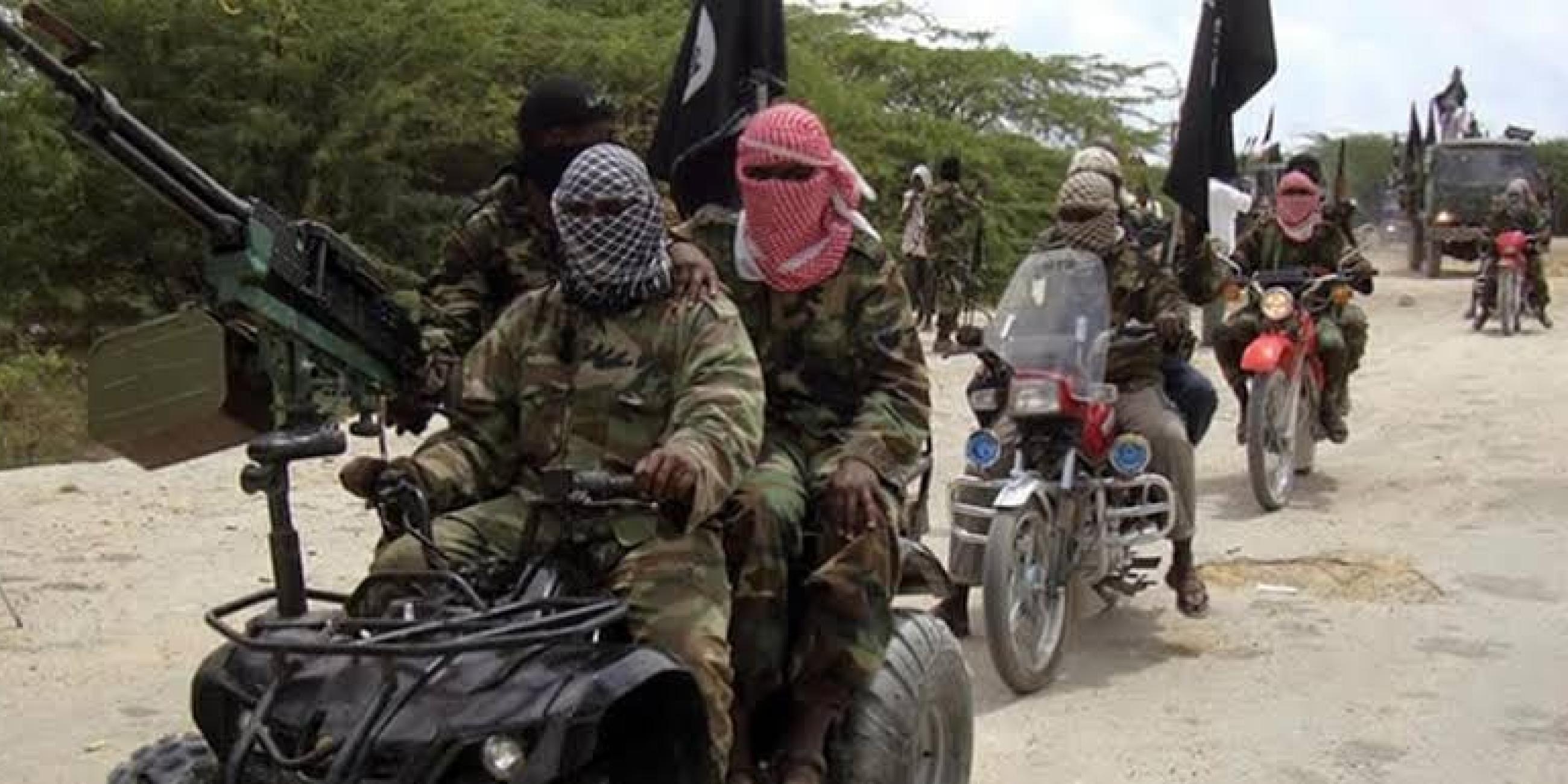
    Nigerian soldiers deployed in the North-East to fight Boko Haram under Operation Hadin Kai have accused their commander of withholding their operation allowances, SaharaReporters has learned. The affected troops claim that thousands of soldiers, along with personnel from the Mobile Police and NSCDC, have been stranded in the field, facing declining morale as they continue counter-insurgency operations without proper support.

    The soldiers allege that their allowances, meant to sustain them while deployed, are irregularly paid. Each soldier is entitled to N1,500 per day, amounting to N46,500 per month, but payments have reportedly been skipped since Major General Abubakar took over as Theatre Commander.

    Operation Hadin Kai spans multiple sectors in Borno, Yobe, and Adamawa states, where troops face constant threats from insurgents. Soldiers argue that even though the allowance is modest, it is essential for their welfare in the field. Previous complaints to army authorities have reportedly been met with threats rather than solutions.

    The soldiers have appealed for urgent intervention, warning that continued non-payment could further demoralize troops risking their lives daily. Efforts to get a comment from the Nigerian Army were unsuccessful at the time of reporting.

    #NigeriaNews #BokoHaram #MilitaryCrisis”
    Nigerian Soldiers Accuse Commander of Withholding Operation Allowances Amid Boko Haram Fight Nigerian soldiers deployed in the North-East to fight Boko Haram under Operation Hadin Kai have accused their commander of withholding their operation allowances, SaharaReporters has learned. The affected troops claim that thousands of soldiers, along with personnel from the Mobile Police and NSCDC, have been stranded in the field, facing declining morale as they continue counter-insurgency operations without proper support. The soldiers allege that their allowances, meant to sustain them while deployed, are irregularly paid. Each soldier is entitled to N1,500 per day, amounting to N46,500 per month, but payments have reportedly been skipped since Major General Abubakar took over as Theatre Commander. Operation Hadin Kai spans multiple sectors in Borno, Yobe, and Adamawa states, where troops face constant threats from insurgents. Soldiers argue that even though the allowance is modest, it is essential for their welfare in the field. Previous complaints to army authorities have reportedly been met with threats rather than solutions. The soldiers have appealed for urgent intervention, warning that continued non-payment could further demoralize troops risking their lives daily. Efforts to get a comment from the Nigerian Army were unsuccessful at the time of reporting. #NigeriaNews #BokoHaram #MilitaryCrisis”
    0 Commentaires ·0 Parts ·2KB Vue
  • Is Nigeria Now Leading the War in the Air? Why the U.S. Is Shifting to Intelligence Support After Christmas Day Strikes—and What This Means for Terrorism, Banditry, and Security in the North

    Is Nigeria taking full control of the aerial war against terrorism and banditry? Why has the United States stepped back from direct airstrikes to an intelligence and reconnaissance role? And what does this new security arrangement mean for the fight against jihadist groups and armed gangs across the country’s troubled regions?

    Following U.S. airstrikes carried out on Christmas Day in Sokoto State, the Nigerian Air Force is set to lead subsequent military air operations, as Washington shifts its role to intelligence, surveillance, and reconnaissance support. A Nigerian official familiar with the new Nigeria–U.S. security framework confirmed that while the United States will now rely mainly on reconnaissance flights, Nigeria remains open to further American strikes if necessary.

    What triggered the change? The Christmas night strikes targeted what U.S. officials described as Islamic State–linked sites in northwestern Nigeria. According to Nigerian authorities, the operation was aimed at militants cooperating with the Lakurawa jihadist group and criminal “bandit” networks that have destabilised large parts of the northwest and north-central regions. Both countries reported that an unspecified number of fighters were killed.

    But why is the U.S. stepping back now? In the weeks before the strikes, analysts had already noted increased American surveillance flights over Nigeria—activity that has continued since. However, U.S. officials later described the bombing as a “one-off event,” signalling a strategic shift away from direct military action toward intelligence-sharing and operational support for Nigerian forces.

    What role did diplomacy play? The strikes came after a tense period in bilateral relations, sparked by U.S. President Donald Trump’s claims in October that violence in Nigeria amounted to the “persecution” and “genocide” of Christians—assertions rejected by Abuja and independent analysts. Although Nigeria later said the dispute had been resolved and that the partnership had been “strengthened,” the unilateral announcement of the strikes by Trump reportedly caused unease in Abuja. Nigeria’s Foreign Minister, Yusuf Tuggar, subsequently described the operation as a joint effort.

    What does this new arrangement mean for Nigeria’s security strategy? Nigeria has battled jihadist insurgency since 2009, mainly in the northeast, while heavily armed criminal gangs have entrenched themselves in rural communities across the northwest and north-central regions. By assuming full responsibility for air operations—with U.S. intelligence support—Nigeria appears to be asserting greater operational sovereignty while maintaining strategic cooperation with Washington.

    However, critical questions remain: will intelligence-backed Nigerian air power be enough to contain Islamic State–linked fighters and bandit networks? Could the U.S. return to direct strikes if the threat escalates? And does this shift mark a long-term change in America’s military posture in West Africa—or merely a tactical pause?

    As reconnaissance flights continue and Nigeria leads future air operations, the evolving partnership signals both a test of Nigeria’s military capacity and a recalibration of U.S. involvement in the region’s counterterrorism fight.


    Is Nigeria Now Leading the War in the Air? Why the U.S. Is Shifting to Intelligence Support After Christmas Day Strikes—and What This Means for Terrorism, Banditry, and Security in the North Is Nigeria taking full control of the aerial war against terrorism and banditry? Why has the United States stepped back from direct airstrikes to an intelligence and reconnaissance role? And what does this new security arrangement mean for the fight against jihadist groups and armed gangs across the country’s troubled regions? Following U.S. airstrikes carried out on Christmas Day in Sokoto State, the Nigerian Air Force is set to lead subsequent military air operations, as Washington shifts its role to intelligence, surveillance, and reconnaissance support. A Nigerian official familiar with the new Nigeria–U.S. security framework confirmed that while the United States will now rely mainly on reconnaissance flights, Nigeria remains open to further American strikes if necessary. What triggered the change? The Christmas night strikes targeted what U.S. officials described as Islamic State–linked sites in northwestern Nigeria. According to Nigerian authorities, the operation was aimed at militants cooperating with the Lakurawa jihadist group and criminal “bandit” networks that have destabilised large parts of the northwest and north-central regions. Both countries reported that an unspecified number of fighters were killed. But why is the U.S. stepping back now? In the weeks before the strikes, analysts had already noted increased American surveillance flights over Nigeria—activity that has continued since. However, U.S. officials later described the bombing as a “one-off event,” signalling a strategic shift away from direct military action toward intelligence-sharing and operational support for Nigerian forces. What role did diplomacy play? The strikes came after a tense period in bilateral relations, sparked by U.S. President Donald Trump’s claims in October that violence in Nigeria amounted to the “persecution” and “genocide” of Christians—assertions rejected by Abuja and independent analysts. Although Nigeria later said the dispute had been resolved and that the partnership had been “strengthened,” the unilateral announcement of the strikes by Trump reportedly caused unease in Abuja. Nigeria’s Foreign Minister, Yusuf Tuggar, subsequently described the operation as a joint effort. What does this new arrangement mean for Nigeria’s security strategy? Nigeria has battled jihadist insurgency since 2009, mainly in the northeast, while heavily armed criminal gangs have entrenched themselves in rural communities across the northwest and north-central regions. By assuming full responsibility for air operations—with U.S. intelligence support—Nigeria appears to be asserting greater operational sovereignty while maintaining strategic cooperation with Washington. However, critical questions remain: will intelligence-backed Nigerian air power be enough to contain Islamic State–linked fighters and bandit networks? Could the U.S. return to direct strikes if the threat escalates? And does this shift mark a long-term change in America’s military posture in West Africa—or merely a tactical pause? As reconnaissance flights continue and Nigeria leads future air operations, the evolving partnership signals both a test of Nigeria’s military capacity and a recalibration of U.S. involvement in the region’s counterterrorism fight.
    0 Commentaires ·0 Parts ·2KB Vue
  • Boko Haram/ISWAP Ambush in Gwoza, Borno State Kills One CJTF Operative as Security Forces Respond

    A member of the Civilian Joint Task Force (CJTF), Hamman Ibrahim, 40, was killed in a suspected ambush by Boko Haram and Islamic State West Africa Province (ISWAP) fighters along Warave–Bayan Dutse Road in Gwoza Local Government Area, Borno State, on January 5, 2026. The attack occurred during a routine patrol of CJTF members and local hunters in an area that remains volatile despite ongoing counterinsurgency operations.
    Following the ambush, troops from Operation HADIN KAI, alongside police officers and CJTF members, responded to the scene. Ibrahim was evacuated to the General Hospital in Gwoza, where he was pronounced dead on arrival. His body was released to his family for burial according to Islamic rites.
    The incident highlights persistent security challenges in southern Borno, where local vigilantes and CJTF members continue to play a crucial role in supporting military operations against insurgent groups. Authorities continue investigations into the ambush to prevent future attacks.

    #BornoState #CJTF #BokoHaram #ISWAP #NigeriaNews #GwozaAttack #SecurityUpdate #TerrorismInNigeria #NorthernNigeria
    Boko Haram/ISWAP Ambush in Gwoza, Borno State Kills One CJTF Operative as Security Forces Respond A member of the Civilian Joint Task Force (CJTF), Hamman Ibrahim, 40, was killed in a suspected ambush by Boko Haram and Islamic State West Africa Province (ISWAP) fighters along Warave–Bayan Dutse Road in Gwoza Local Government Area, Borno State, on January 5, 2026. The attack occurred during a routine patrol of CJTF members and local hunters in an area that remains volatile despite ongoing counterinsurgency operations. Following the ambush, troops from Operation HADIN KAI, alongside police officers and CJTF members, responded to the scene. Ibrahim was evacuated to the General Hospital in Gwoza, where he was pronounced dead on arrival. His body was released to his family for burial according to Islamic rites. The incident highlights persistent security challenges in southern Borno, where local vigilantes and CJTF members continue to play a crucial role in supporting military operations against insurgent groups. Authorities continue investigations into the ambush to prevent future attacks. #BornoState #CJTF #BokoHaram #ISWAP #NigeriaNews #GwozaAttack #SecurityUpdate #TerrorismInNigeria #NorthernNigeria
    like
    1
    · 0 Commentaires ·0 Parts ·3KB Vue
  • Borno State Fence Collapse Kills Five, Leaves One Injured in Jere LGA – Victims Evacuated to Maiduguri Hospital

    A tragic incident in Bintu Sugar, Jere Local Government Area of Borno State, claimed the lives of five residents and left one person injured after a fence collapsed on January 4, 2026, around 8:12 p.m. The victims — Hadiza Mohamed, Adamu Umar, Abdul Malik Usman, Abdullahi Usman, and Salamatu Mohammed Dibal — were residents of Gomari and were evacuated to the State Specialists Hospital in Maiduguri, where they were certified dead.
    The sole survivor, 16-year-old Ya’u Labaran, is receiving treatment at the hospital. Police confirmed the incident and stated that investigations are ongoing to determine the cause of the fence collapse. The deceased were released to their families for burial in accordance with Islamic rites.
    Borno State, located in northeastern Nigeria and sharing borders with Cameroon, Niger, and Chad, has a rich cultural heritage and a history of scholarship. Despite its challenges with insurgency and humanitarian crises, the state remains strategically important for regional trade and security.

    #BornoState #FenceCollapse #JereLGA #NigeriaTragedy #MaiduguriNews #AccidentReport #BreakingNewsNigeria #NigeriaNews
    Borno State Fence Collapse Kills Five, Leaves One Injured in Jere LGA – Victims Evacuated to Maiduguri Hospital A tragic incident in Bintu Sugar, Jere Local Government Area of Borno State, claimed the lives of five residents and left one person injured after a fence collapsed on January 4, 2026, around 8:12 p.m. The victims — Hadiza Mohamed, Adamu Umar, Abdul Malik Usman, Abdullahi Usman, and Salamatu Mohammed Dibal — were residents of Gomari and were evacuated to the State Specialists Hospital in Maiduguri, where they were certified dead. The sole survivor, 16-year-old Ya’u Labaran, is receiving treatment at the hospital. Police confirmed the incident and stated that investigations are ongoing to determine the cause of the fence collapse. The deceased were released to their families for burial in accordance with Islamic rites. Borno State, located in northeastern Nigeria and sharing borders with Cameroon, Niger, and Chad, has a rich cultural heritage and a history of scholarship. Despite its challenges with insurgency and humanitarian crises, the state remains strategically important for regional trade and security. #BornoState #FenceCollapse #JereLGA #NigeriaTragedy #MaiduguriNews #AccidentReport #BreakingNewsNigeria #NigeriaNews
    like
    1
    · 0 Commentaires ·0 Parts ·3KB Vue
  • Israel Offers Intelligence Sharing to Nigeria to Tackle Insecurity, Protect Vulnerable Christian Communities – Envoy

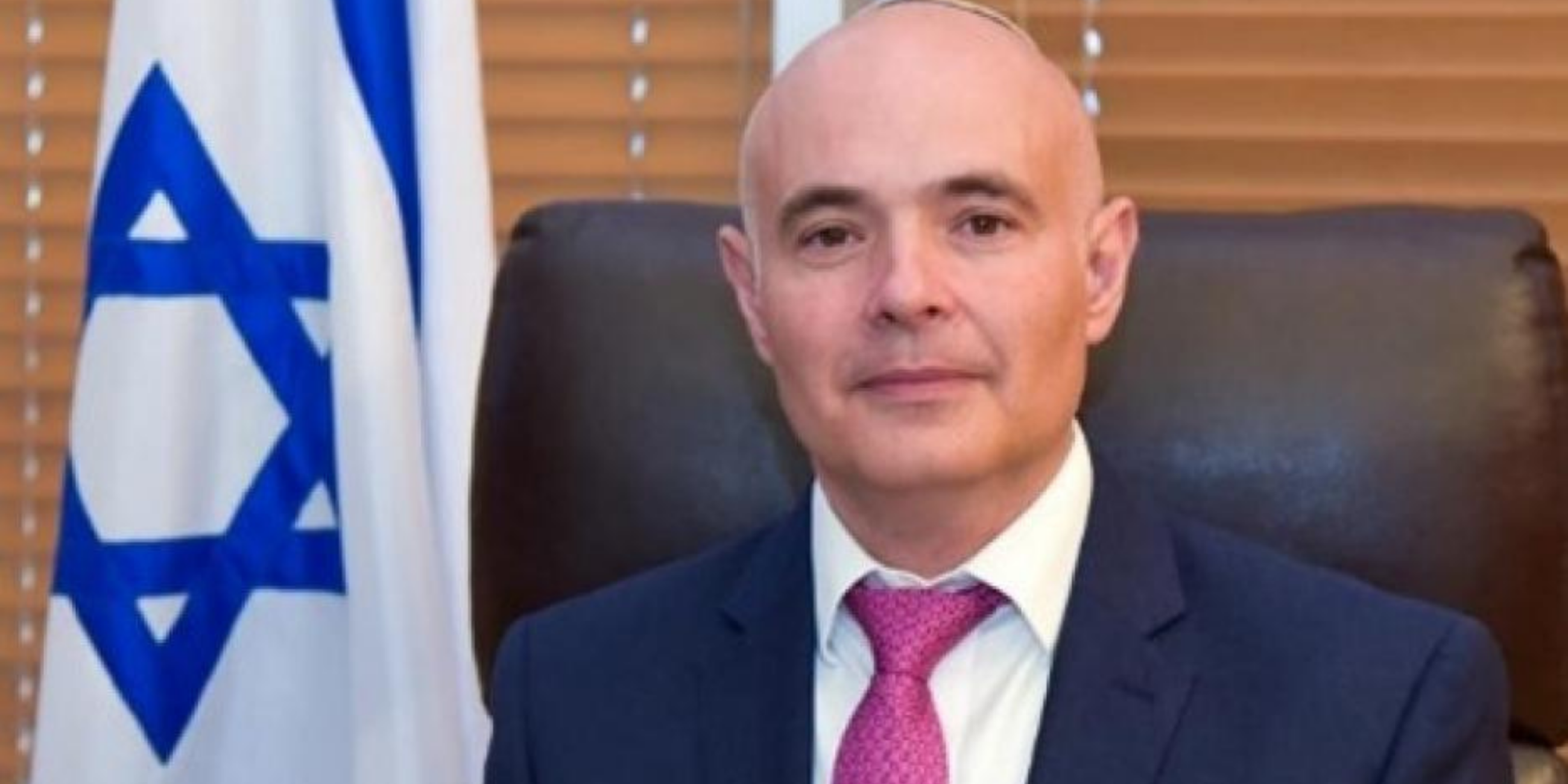
    Israel plans to support Nigeria in addressing insecurity and protecting Christian communities through intelligence sharing and strategic cooperation, according to Israel’s Ambassador to Nigeria, Michael Freeman. The initiative, outlined by Prime Minister Benjamin Netanyahu, emphasizes working in partnership with the Nigerian government and respecting national sovereignty.

    Freeman stated the support targets broader security challenges, including terrorism, insurgency, and violent extremism, not just threats against Christians. He highlighted Israel’s model of religious freedom, pointing to the thriving Christian population in Israel as an example.

    Amid growing concerns over attacks on Christians in Nigeria’s Middle Belt and northern regions, the Israeli involvement is intended as cooperation rather than unilateral action, with all sensitive operations guided by Abuja. The ambassador declined to speculate on potential U.S. unilateral interventions in Nigeria, emphasizing that Israel will act only with government approval.

    The announcement comes as Nigeria continues to face threats from Boko Haram, ISWAP, and bandits, with recurring calls for international support to safeguard vulnerable communities.
    Israel Offers Intelligence Sharing to Nigeria to Tackle Insecurity, Protect Vulnerable Christian Communities – Envoy Israel plans to support Nigeria in addressing insecurity and protecting Christian communities through intelligence sharing and strategic cooperation, according to Israel’s Ambassador to Nigeria, Michael Freeman. The initiative, outlined by Prime Minister Benjamin Netanyahu, emphasizes working in partnership with the Nigerian government and respecting national sovereignty. Freeman stated the support targets broader security challenges, including terrorism, insurgency, and violent extremism, not just threats against Christians. He highlighted Israel’s model of religious freedom, pointing to the thriving Christian population in Israel as an example. Amid growing concerns over attacks on Christians in Nigeria’s Middle Belt and northern regions, the Israeli involvement is intended as cooperation rather than unilateral action, with all sensitive operations guided by Abuja. The ambassador declined to speculate on potential U.S. unilateral interventions in Nigeria, emphasizing that Israel will act only with government approval. The announcement comes as Nigeria continues to face threats from Boko Haram, ISWAP, and bandits, with recurring calls for international support to safeguard vulnerable communities.
    0 Commentaires ·0 Parts ·2KB Vue
  • Opinion: SKC Ogbonnia Exposes Tinubu’s Indifference to Nigeria’s Security Crisis Amid Trump Threat

    In a compelling opinion piece titled “Nigeria Is Dead”, political analyst Bayo Oluwasanmi and commentator SKC Ogbonnia criticize President Bola Ahmed Tinubu’s handling of Nigeria’s ongoing security crisis. The authors highlight widespread atrocities by Boko Haram, Fulani terrorists, and bandits, including reports of civilians witnessing family members being murdered.

    According to Ogbonnia, Tinubu prioritized politics over national security, focusing on propaganda, foreign trips, and protection of VIPs while neglecting citizens’ safety. The regime allegedly displayed complicity in the insurgency, with high-budget allocations failing to curb insecurity.

    The narrative shifted only after U.S. President Donald Trump threatened military action against Nigeria for failing to address terrorism effectively. Following Trump’s warning, Tinubu reportedly redirected resources, ordered redeployment of security personnel from VIP protection to national security duties, and initiated plans to tackle insurgent hideouts.

    Ogbonnia concludes that Tinubu’s prior inaction, political calculation, and indifference amount to a gross abuse of office, making his continued presidency an existential threat to Nigeria. The piece warns that without electoral reforms and accountability, the 2027 elections may favor Tinubu despite the country’s deep-seated crises.

    Author: SKC Ogbonnia, former APC Presidential Aspirant, Ugbo, Enugu State, Nigeria.
    Opinion: SKC Ogbonnia Exposes Tinubu’s Indifference to Nigeria’s Security Crisis Amid Trump Threat In a compelling opinion piece titled “Nigeria Is Dead”, political analyst Bayo Oluwasanmi and commentator SKC Ogbonnia criticize President Bola Ahmed Tinubu’s handling of Nigeria’s ongoing security crisis. The authors highlight widespread atrocities by Boko Haram, Fulani terrorists, and bandits, including reports of civilians witnessing family members being murdered. According to Ogbonnia, Tinubu prioritized politics over national security, focusing on propaganda, foreign trips, and protection of VIPs while neglecting citizens’ safety. The regime allegedly displayed complicity in the insurgency, with high-budget allocations failing to curb insecurity. The narrative shifted only after U.S. President Donald Trump threatened military action against Nigeria for failing to address terrorism effectively. Following Trump’s warning, Tinubu reportedly redirected resources, ordered redeployment of security personnel from VIP protection to national security duties, and initiated plans to tackle insurgent hideouts. Ogbonnia concludes that Tinubu’s prior inaction, political calculation, and indifference amount to a gross abuse of office, making his continued presidency an existential threat to Nigeria. The piece warns that without electoral reforms and accountability, the 2027 elections may favor Tinubu despite the country’s deep-seated crises. Author: SKC Ogbonnia, former APC Presidential Aspirant, Ugbo, Enugu State, Nigeria.
    0 Commentaires ·0 Parts ·2KB Vue
  • Insecurity: We Have Approached Turkey For Assistance — FG
    The development followed recent cooperation between FG and the United States in tackling insecurity and insurgency in the country.
    The Federal Government said it has sought the help of Turkey in tackling the insecurity challenges currently facing the country.
    Insecurity: We Have Approached Turkey For Assistance — FG The development followed recent cooperation between FG and the United States in tackling insecurity and insurgency in the country. The Federal Government said it has sought the help of Turkey in tackling the insecurity challenges currently facing the country.
    love
    1
    · 0 Commentaires ·0 Parts ·535 Vue
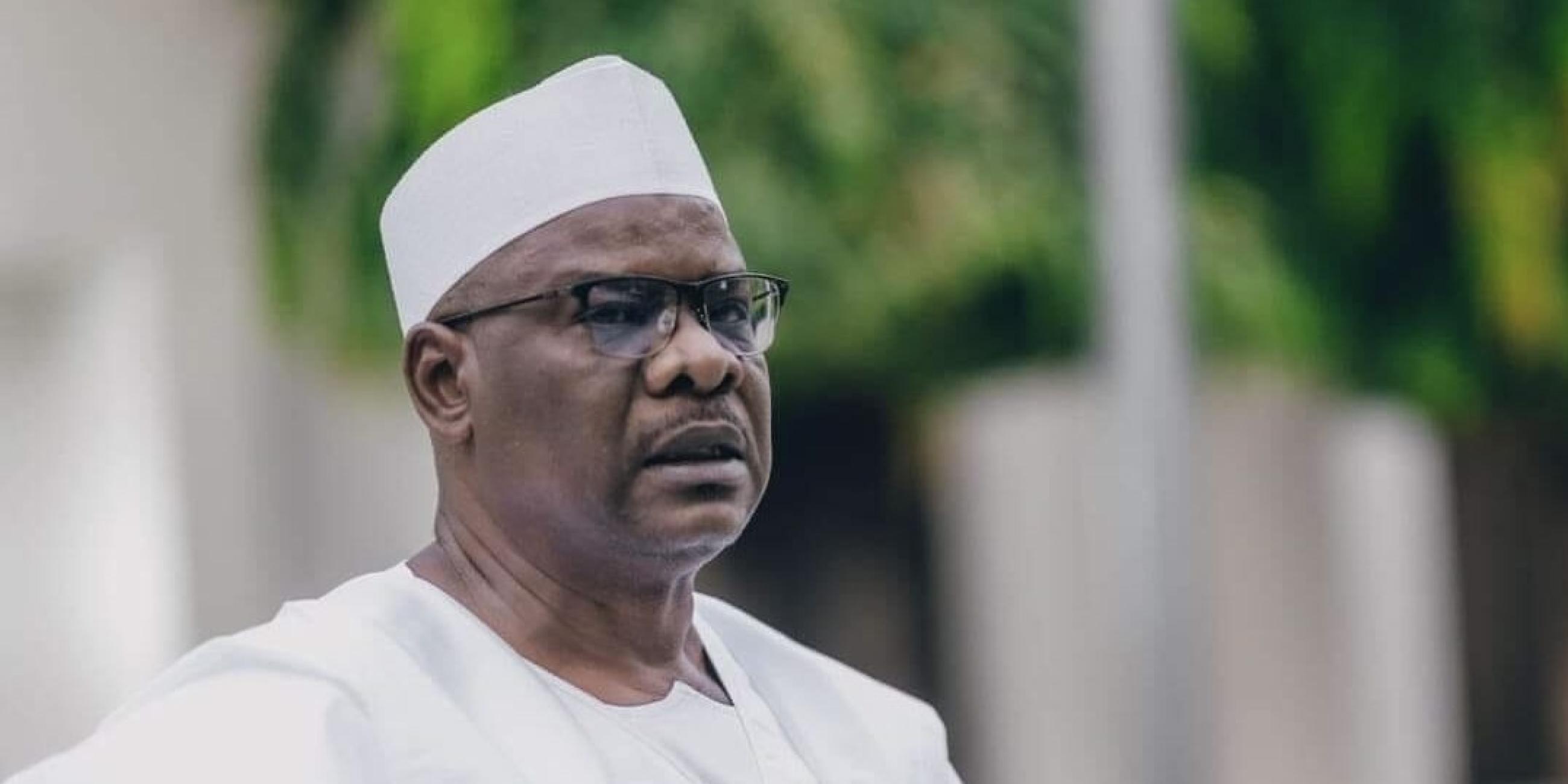
  • Senator Ali Ndume Urges US-Nigeria Military Collaboration Against Boko Haram and ISWAP in North-East

    Former Senate Leader Ali Ndume has called on President Bola Tinubu’s administration to expand US-led military cooperation to Nigeria’s insurgency-hit North-East. Speaking after recent airstrikes against ISIS cells in Sokoto State, Ndume urged similar operations in Boko Haram and ISWAP strongholds, including Lake Chad, Mandara Mountains, and Sambisa Forest. He emphasized the need for deeper collaboration through intelligence sharing, training, and deployment of attack helicopters, while stressing that budgeted defence funds must be transparently and effectively used. Ndume also condemned a recent mosque attack in Gamboru, highlighting that terrorists target communities indiscriminately, regardless of religion.
    Senator Ali Ndume Urges US-Nigeria Military Collaboration Against Boko Haram and ISWAP in North-East Former Senate Leader Ali Ndume has called on President Bola Tinubu’s administration to expand US-led military cooperation to Nigeria’s insurgency-hit North-East. Speaking after recent airstrikes against ISIS cells in Sokoto State, Ndume urged similar operations in Boko Haram and ISWAP strongholds, including Lake Chad, Mandara Mountains, and Sambisa Forest. He emphasized the need for deeper collaboration through intelligence sharing, training, and deployment of attack helicopters, while stressing that budgeted defence funds must be transparently and effectively used. Ndume also condemned a recent mosque attack in Gamboru, highlighting that terrorists target communities indiscriminately, regardless of religion.
    0 Commentaires ·0 Parts ·823 Vue
  • Tinubu Announces Arrival of Four US Att@ck Helicopters Amid Rising Insecurity

    President Bola Tinubu has stated that four att@ck helicopters will arrive in the country from the United States soon. The development comes as the country battles a wave of insecurity and insurgency sweeping across the country.
    Tinubu Announces Arrival of Four US Att@ck Helicopters Amid Rising Insecurity President Bola Tinubu has stated that four att@ck helicopters will arrive in the country from the United States soon. The development comes as the country battles a wave of insecurity and insurgency sweeping across the country.
    0 Commentaires ·0 Parts ·398 Vue
  • South Africa’s EFF Condemns US Christmas Day Airstrikes In Nigeria, Warns Of Growing American Militarism And Threat To African Sovereignty

    South Africa’s Economic Freedom Fighters (EFF) has strongly criticised the United States over Christmas Day airstrikes carried out in northwest Nigeria, reportedly in Sokoto State, describing the action as military imperialism and a grave violation of African sovereignty. In a statement, the EFF accused US President Donald Trump of using inflammatory religious rhetoric to justify the strikes and of oversimplifying Nigeria’s complex security crisis into a religious conflict. The party argued that violence in northern Nigeria is driven by poverty, banditry, insurgency, and governance failures affecting all communities, not just Christians. It also faulted the Nigerian government’s response, describing its praise of US–Nigeria security cooperation as capitulation to foreign military pressure. Warning that American interventions are driven by selfish economic interests such as oil, the EFF urged African governments and institutions to resist what it called expanding US militarism on the continent.
    South Africa’s EFF Condemns US Christmas Day Airstrikes In Nigeria, Warns Of Growing American Militarism And Threat To African Sovereignty South Africa’s Economic Freedom Fighters (EFF) has strongly criticised the United States over Christmas Day airstrikes carried out in northwest Nigeria, reportedly in Sokoto State, describing the action as military imperialism and a grave violation of African sovereignty. In a statement, the EFF accused US President Donald Trump of using inflammatory religious rhetoric to justify the strikes and of oversimplifying Nigeria’s complex security crisis into a religious conflict. The party argued that violence in northern Nigeria is driven by poverty, banditry, insurgency, and governance failures affecting all communities, not just Christians. It also faulted the Nigerian government’s response, describing its praise of US–Nigeria security cooperation as capitulation to foreign military pressure. Warning that American interventions are driven by selfish economic interests such as oil, the EFF urged African governments and institutions to resist what it called expanding US militarism on the continent.
    like
    1
    · 0 Commentaires ·0 Parts ·1KB Vue
  • Gunmen Attack Church During Service in South-West Niger Republic, Kill Married Couple

    Gunmen attacked a church in Mailo village, Dosso region, Niger Republic, during a late-night Christian service, killing a husband and wife. Witnesses reported that the attackers opened fire while worshippers were attending mass, causing panic and forcing some to flee to neighboring villages or hide in the surrounding bush. The assailants also stole cattle before fleeing. Niger Republic has faced long-standing insurgency from armed groups linked to Al-Qaeda and ISIS, with nearly 2,000 conflict-related deaths reported this year alone. Despite generally peaceful Christian-Muslim relations, western regions of Niger, including Tillaberi, have previously experienced deadly attacks on places of worship.
    Gunmen Attack Church During Service in South-West Niger Republic, Kill Married Couple Gunmen attacked a church in Mailo village, Dosso region, Niger Republic, during a late-night Christian service, killing a husband and wife. Witnesses reported that the attackers opened fire while worshippers were attending mass, causing panic and forcing some to flee to neighboring villages or hide in the surrounding bush. The assailants also stole cattle before fleeing. Niger Republic has faced long-standing insurgency from armed groups linked to Al-Qaeda and ISIS, with nearly 2,000 conflict-related deaths reported this year alone. Despite generally peaceful Christian-Muslim relations, western regions of Niger, including Tillaberi, have previously experienced deadly attacks on places of worship.
    0 Commentaires ·0 Parts ·522 Vue
  • JNIM Launches First Attack in Nigeria, Signaling Potential Jihadist Expansion

    Al-Qaeda-linked group Jama’at Nusrat al-Islam wal-Muslimin (JNIM) has claimed its first attack in Nigeria, killing a soldier in Kwara State on October 31, 2025. Analysts warn this may indicate the start of jihadist expansion into Nigeria’s North Central region. The attack appears symbolic, with no permanent bases yet, and may leverage local militant networks like Lakurawa. Security experts caution that such alliances could increase instability, blur lines between crime and insurgency, and create new security challenges for Nigeria.

    #JNIM #AlQaeda #NigeriaSecurity #KwaraState #NorthCentralNigeria #Terrorism #Insurgency #Lakurawa
    JNIM Launches First Attack in Nigeria, Signaling Potential Jihadist Expansion Al-Qaeda-linked group Jama’at Nusrat al-Islam wal-Muslimin (JNIM) has claimed its first attack in Nigeria, killing a soldier in Kwara State on October 31, 2025. Analysts warn this may indicate the start of jihadist expansion into Nigeria’s North Central region. The attack appears symbolic, with no permanent bases yet, and may leverage local militant networks like Lakurawa. Security experts caution that such alliances could increase instability, blur lines between crime and insurgency, and create new security challenges for Nigeria. #JNIM #AlQaeda #NigeriaSecurity #KwaraState #NorthCentralNigeria #Terrorism #Insurgency #Lakurawa
    0 Commentaires ·0 Parts ·1KB Vue
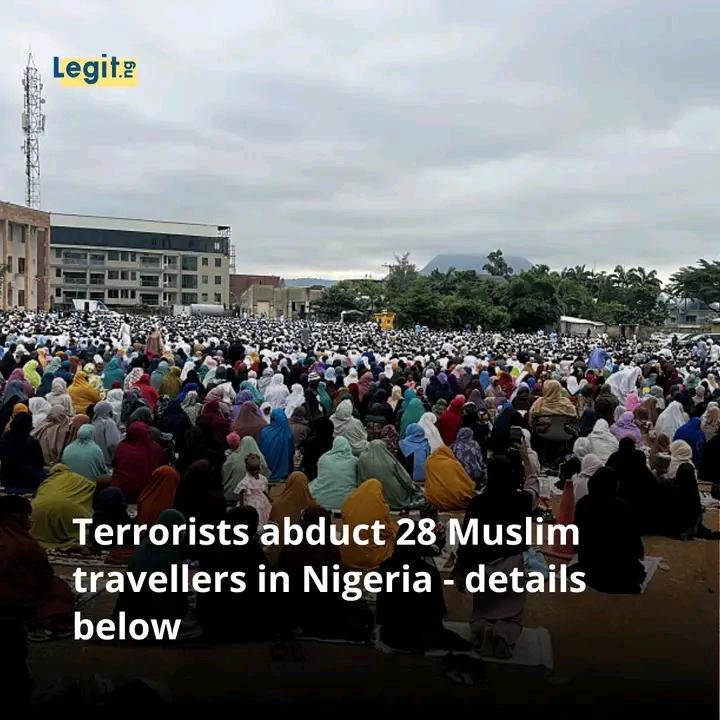
  • Armed Men Abduct 28 Muslim Travellers, Including Women and Children, in Plateau State

    Armed men kidnapped 28 people, including women and children, in Plateau State, Nigeria, while they were traveling to an annual Islamic event. The ambush occurred on Sunday night between villages, and families of the victims have begun receiving ransom demands. Police confirmed that they had deployed security assets to the area to rescue the hostages. The incident comes a day after the release of 130 schoolchildren and teachers abducted from a Catholic boarding school in Niger State. Authorities noted that the Plateau abduction is separate from the ongoing Islamist insurgency in northeastern Nigeria and emphasized that trained forest guards would support army operations to curb the growing kidnapping crisis.

    #PlateauState
    #NigeriaKidnapping
    #BanditryInNigeria
    #RansomDemands
    #WomenAndChildrenAbducted
    #NigerianSecurity
    #IslamicEventAbduction
    #NigeriaNews
    Armed Men Abduct 28 Muslim Travellers, Including Women and Children, in Plateau State Armed men kidnapped 28 people, including women and children, in Plateau State, Nigeria, while they were traveling to an annual Islamic event. The ambush occurred on Sunday night between villages, and families of the victims have begun receiving ransom demands. Police confirmed that they had deployed security assets to the area to rescue the hostages. The incident comes a day after the release of 130 schoolchildren and teachers abducted from a Catholic boarding school in Niger State. Authorities noted that the Plateau abduction is separate from the ongoing Islamist insurgency in northeastern Nigeria and emphasized that trained forest guards would support army operations to curb the growing kidnapping crisis. #PlateauState #NigeriaKidnapping #BanditryInNigeria #RansomDemands #WomenAndChildrenAbducted #NigerianSecurity #IslamicEventAbduction #NigeriaNews
    0 Commentaires ·0 Parts ·2KB Vue
  • Tinubu Commissions 3,620 Electric Vehicles, Schools, and Infrastructure Projects in Borno

    President Bola Ahmed Tinubu has commissioned 3,620 electric vehicles in Borno State, including 3,000 electric bicycles, 500 tricycles, 100 cars, and 20 buses, to enhance affordable transport and mobility. The president also inaugurated newly built schools under Governor Babagana Zulum’s 104 Mega School Initiative in Maiduguri, aimed at rebuilding education infrastructure after years of insurgency. Tinubu praised the Borno government for prioritizing people-focused governance, infrastructure recovery, and social development. The visit included political figures such as Yobe State Governor Mai Mala Buni, former governors Ali Modu Sheriff and Abdulaziz Yari, as well as ministers Festus Keyamo and Abubakar Kyari.
    Tinubu Commissions 3,620 Electric Vehicles, Schools, and Infrastructure Projects in Borno President Bola Ahmed Tinubu has commissioned 3,620 electric vehicles in Borno State, including 3,000 electric bicycles, 500 tricycles, 100 cars, and 20 buses, to enhance affordable transport and mobility. The president also inaugurated newly built schools under Governor Babagana Zulum’s 104 Mega School Initiative in Maiduguri, aimed at rebuilding education infrastructure after years of insurgency. Tinubu praised the Borno government for prioritizing people-focused governance, infrastructure recovery, and social development. The visit included political figures such as Yobe State Governor Mai Mala Buni, former governors Ali Modu Sheriff and Abdulaziz Yari, as well as ministers Festus Keyamo and Abubakar Kyari.
    0 Commentaires ·0 Parts ·751 Vue
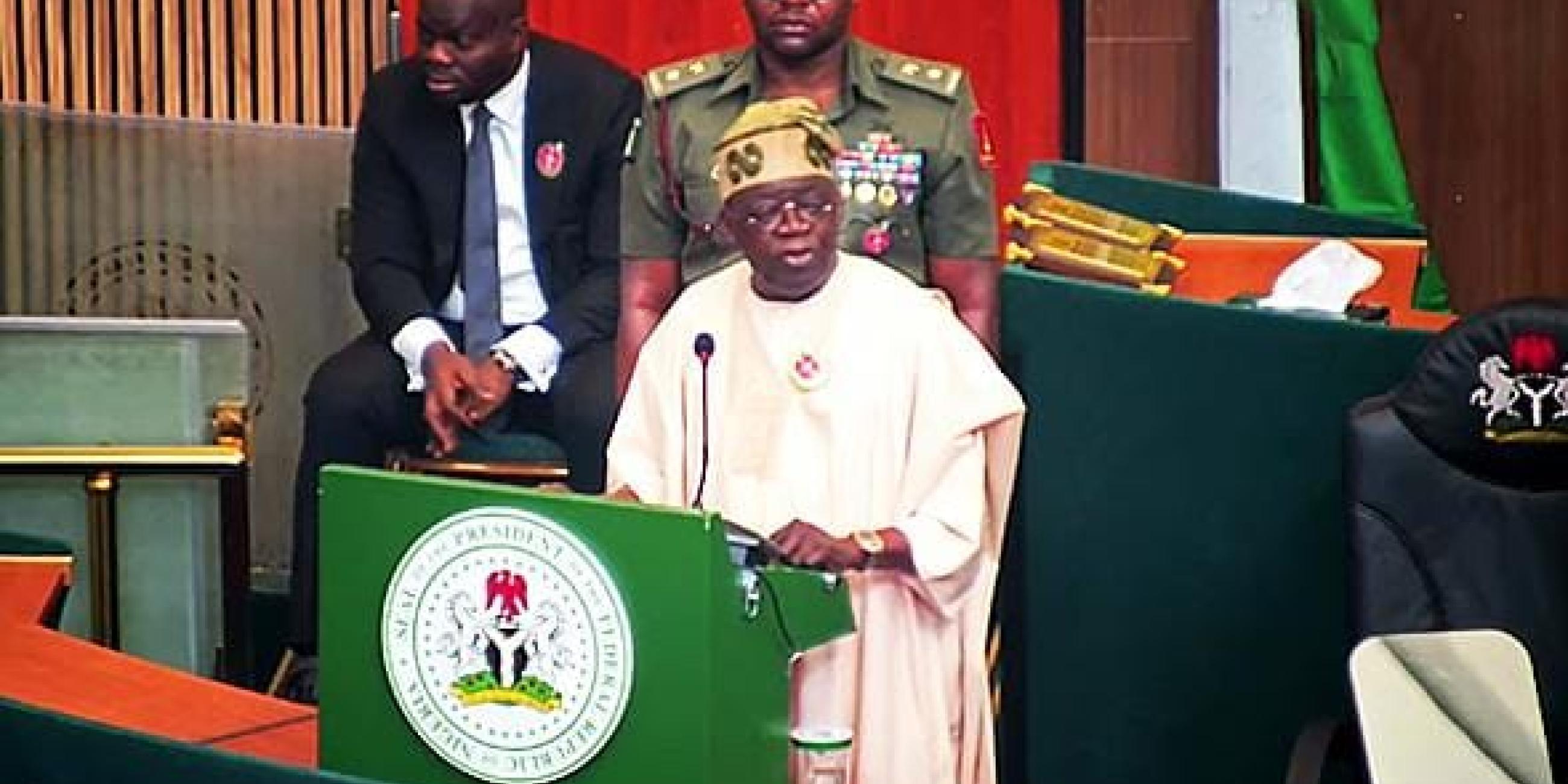
  • Tinubu Declares Bandits as Terrorists, Pledges No Mercy for Violent Criminals

    President Bola Tinubu has officially classified bandits and other armed non-state actors as terrorists, promising that his administration will adopt a zero-tolerance approach toward violent crimes. Announcing the policy while presenting the 2026 budget to the National Assembly, Tinubu said acts such as banditry, kidnapping, militancy, and armed gang activities will now be treated as terrorism. The new national security framework emphasizes unified command, intelligence gathering, community stability, and counter-insurgency, with increased funding tied to measurable outcomes. The Nigerian Senate has also backed similar measures, including a maximum death penalty for kidnapping-related offences and the establishment of a new Joint Task Force to secure high-risk areas.
    Tinubu Declares Bandits as Terrorists, Pledges No Mercy for Violent Criminals President Bola Tinubu has officially classified bandits and other armed non-state actors as terrorists, promising that his administration will adopt a zero-tolerance approach toward violent crimes. Announcing the policy while presenting the 2026 budget to the National Assembly, Tinubu said acts such as banditry, kidnapping, militancy, and armed gang activities will now be treated as terrorism. The new national security framework emphasizes unified command, intelligence gathering, community stability, and counter-insurgency, with increased funding tied to measurable outcomes. The Nigerian Senate has also backed similar measures, including a maximum death penalty for kidnapping-related offences and the establishment of a new Joint Task Force to secure high-risk areas.
    0 Commentaires ·0 Parts ·896 Vue
  • Borno state Governor, Babagana Umara Zulum launches empowerment of 3500 GSM marketers, trains and equipped 1,050 GSM Technicians.
    The programme is part of post insurgency economic recovery efforts of the state government, and providing livelihood to entreprenuers and other citizens across the state.
    Borno state Governor, Babagana Umara Zulum launches empowerment of 3500 GSM marketers, trains and equipped 1,050 GSM Technicians. The programme is part of post insurgency economic recovery efforts of the state government, and providing livelihood to entreprenuers and other citizens across the state.
    0 Commentaires ·0 Parts ·668 Vue
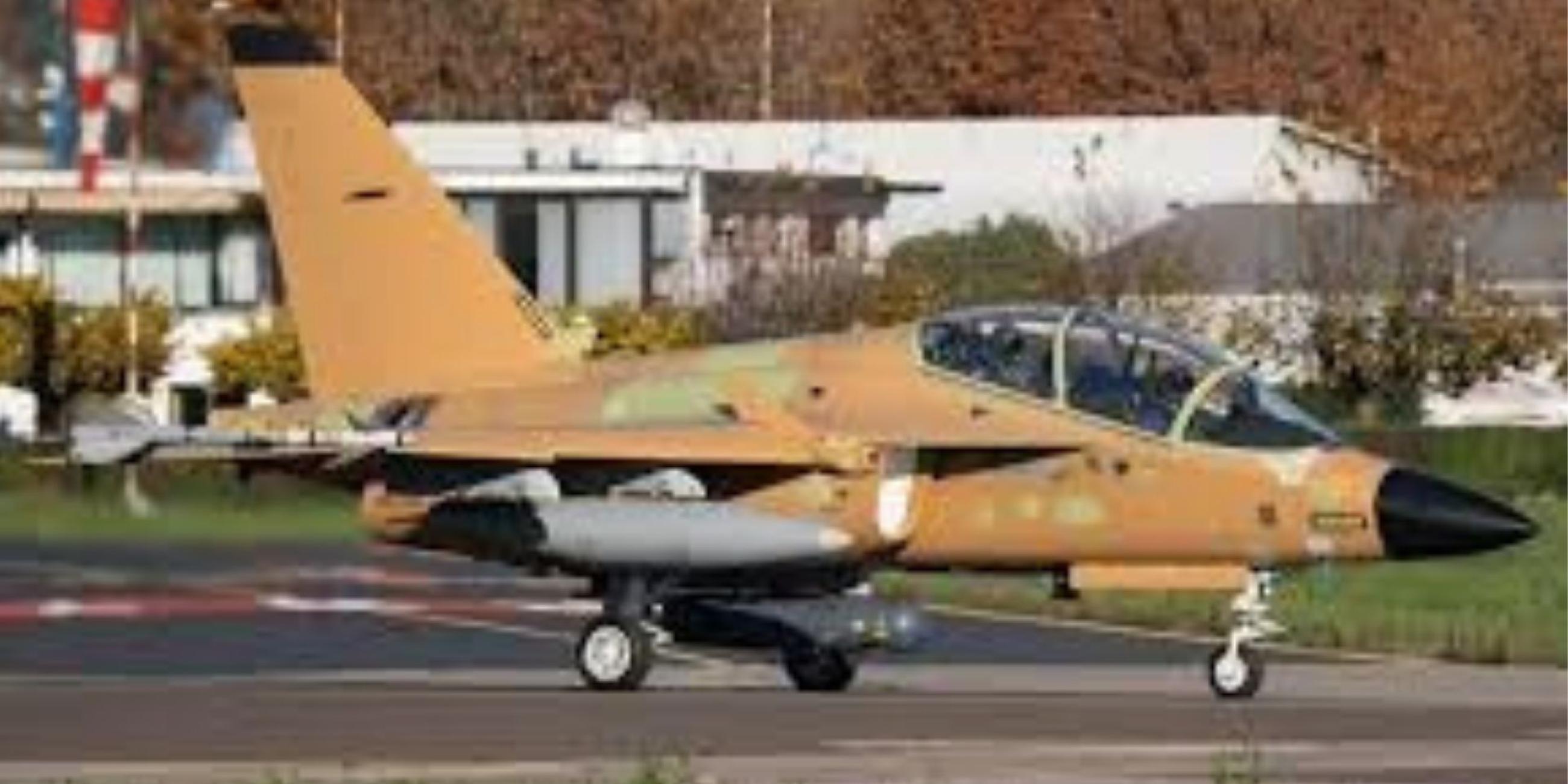
  • Nigeria to Acquire 24 Italian Fighter Jets in €1.2 Billion Deal, Largest in West Africa

    Nigeria has signed a €1.2 billion agreement with Italian aerospace giant Leonardo S.p.A. to purchase 24 M-346FA light fighter aircraft, marking the largest military jet procurement in West Africa. The deal includes aircraft delivery, maintenance, logistics, and long-term technical support, as part of Nigeria’s ongoing military modernisation program. Analysts say the acquisition aims to strengthen aerial surveillance, precision strike capabilities, and overall combat readiness amid escalating insurgency, banditry, and communal violence across the country. This strategic shift toward Italian defence suppliers also signals Nigeria’s intention to diversify arms procurement while addressing regional security challenges.
    Nigeria to Acquire 24 Italian Fighter Jets in €1.2 Billion Deal, Largest in West Africa Nigeria has signed a €1.2 billion agreement with Italian aerospace giant Leonardo S.p.A. to purchase 24 M-346FA light fighter aircraft, marking the largest military jet procurement in West Africa. The deal includes aircraft delivery, maintenance, logistics, and long-term technical support, as part of Nigeria’s ongoing military modernisation program. Analysts say the acquisition aims to strengthen aerial surveillance, precision strike capabilities, and overall combat readiness amid escalating insurgency, banditry, and communal violence across the country. This strategic shift toward Italian defence suppliers also signals Nigeria’s intention to diversify arms procurement while addressing regional security challenges.
    0 Commentaires ·0 Parts ·875 Vue
Plus de résultats
Fintter https://fintter.com