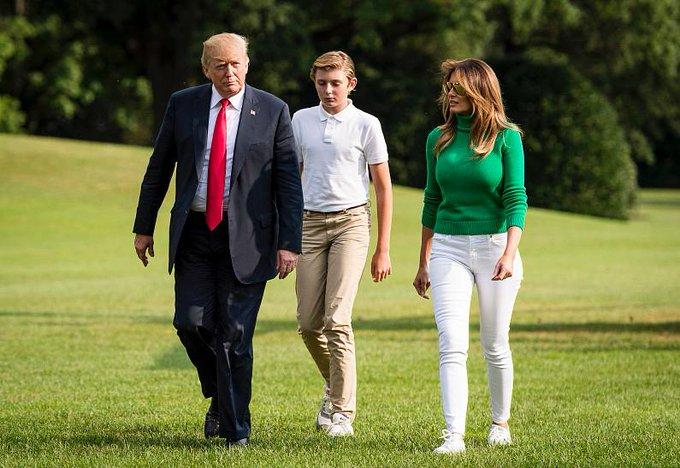
• Donald Trump’s sons became dramatically richer in the first year after their father returned to the White House

    Their wealth multiplied thanks to cryptocurrency ventures, real-estate deals, and shares in companies tied to finance and defense.

    Donald Trump Jr.’s net worth jumped from about $50 million to roughly $300 million in a year.

    At its peak in the fall, it reached around $500 million, but shares of his mining company American Bitcoin later dropped. He also made money on real-estate projects and on stocks of companies connected to government contracts.

    Eric Trump has become the wealthiest heir. His fortune is estimated at around $400 million.

    Barron Trump, according to Forbes, has accumulated about $150 million. He was the first in the family to take an interest in cryptocurrencies and pushed his father to launch crypto initiatives.

    Barron holds billions of tokens that are still locked. Once they are unlocked, he could make more than $500 million.
    More at fintter.com
    #fintter
    Donald Trump’s sons became dramatically richer in the first year after their father returned to the White House Their wealth multiplied thanks to cryptocurrency ventures, real-estate deals, and shares in companies tied to finance and defense. Donald Trump Jr.’s net worth jumped from about $50 million to roughly $300 million in a year. At its peak in the fall, it reached around $500 million, but shares of his mining company American Bitcoin later dropped. He also made money on real-estate projects and on stocks of companies connected to government contracts. Eric Trump has become the wealthiest heir. His fortune is estimated at around $400 million. Barron Trump, according to Forbes, has accumulated about $150 million. He was the first in the family to take an interest in cryptocurrencies and pushed his father to launch crypto initiatives. Barron holds billions of tokens that are still locked. Once they are unlocked, he could make more than $500 million. More at fintter.com #fintter

    love
    1
    · 0 Σχόλια ·0 Μοιράστηκε ·668 Views
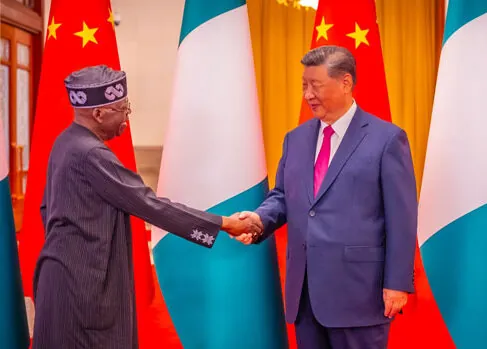
  • China takes home about $16 billion from Nigeria every year — that’s roughly $44 million every single day.

    Based on official data (Chinese Customs, Nigeria’s NBS & UN COMTRADE — Oct. 2025 updates):


    Where the money comes from

    1️⃣ Imports into Nigeria (≈ 86%)
    • Nigeria bought $18.9bn of Chinese goods in 2024 — machinery, phones, vehicles, textiles, solar
    • 2025 Jan–Sept already $14.2bn → full-year trend ~$19bn

    (Local customs recorded N14.15trn ≈ $8.8bn @ N1,600/$ — but COMTRADE confirms higher USD valuation.)

    2️⃣ Nigeria’s exports to China (≈ 14%)
    • China purchased just $3bn of Nigerian crude, LNG, sesame, copper in 2024
    • 2025 spike: +236% growth → $1.8bn Jan–Sept

    3️⃣ Construction & loans
    • Chinese contractors executed $2.1bn of roads/rail (e.g., Lagos–Ibadan line, Lekki Port)
    • Interest on Belt-and-Road loans: ~$250m/year (Nigeria still owes $5.3bn)


    The totals
    • 2024: $21.3bn China–Nigeria flows
    • 2025: ~$22bn projected


    The imbalance — Nigeria bleeds cash
    • Nigeria → China: $3bn (oil, agricultural goods)
    • China → Nigeria: $19bn (phones, cement, electronics)

    ➡ China walks away with a $16bn net surplus every year
    ➡ 80% of the value stays in China


    Hard numbers to digest
    • $16bn = 4× the entire Nigeria 2025 education budget
    • Just one Chinese phone factory in Ogun ships $1.2bn profit back yearly
    • Huawei alone secured $1.8bn in Nigerian government contracts in 2024
    • Nigeria owes China more than World Bank debt on key infrastructure


    The bottom line

    China extracts $16 billion NET from Nigeria annually —
    the biggest one-way financial pipeline in Africa.

    That’s the real definition of “win-win” — and China wins twice.
    China takes home about $16 billion from Nigeria every year — that’s roughly $44 million every single day. Based on official data (Chinese Customs, Nigeria’s NBS & UN COMTRADE — Oct. 2025 updates): ⸻ ✅ Where the money comes from 1️⃣ Imports into Nigeria (≈ 86%) • Nigeria bought $18.9bn of Chinese goods in 2024 — machinery, phones, vehicles, textiles, solar • 2025 Jan–Sept already $14.2bn → full-year trend ~$19bn (Local customs recorded N14.15trn ≈ $8.8bn @ N1,600/$ — but COMTRADE confirms higher USD valuation.) 2️⃣ Nigeria’s exports to China (≈ 14%) • China purchased just $3bn of Nigerian crude, LNG, sesame, copper in 2024 • 2025 spike: +236% growth → $1.8bn Jan–Sept 3️⃣ Construction & loans • Chinese contractors executed $2.1bn of roads/rail (e.g., Lagos–Ibadan line, Lekki Port) • Interest on Belt-and-Road loans: ~$250m/year (Nigeria still owes $5.3bn) ⸻ ✅ The totals • 2024: $21.3bn China–Nigeria flows • 2025: ~$22bn projected ⸻ ❌ The imbalance — Nigeria bleeds cash • Nigeria → China: $3bn (oil, agricultural goods) • China → Nigeria: $19bn (phones, cement, electronics) ➡ China walks away with a $16bn net surplus every year ➡ 80% of the value stays in China ⸻ 🤯 Hard numbers to digest • $16bn = 4× the entire Nigeria 2025 education budget • Just one Chinese phone factory in Ogun ships $1.2bn profit back yearly • Huawei alone secured $1.8bn in Nigerian government contracts in 2024 • Nigeria owes China more than World Bank debt on key infrastructure ⸻ 🔍 The bottom line China extracts $16 billion NET from Nigeria annually — the biggest one-way financial pipeline in Africa. That’s the real definition of “win-win” — and China wins twice.
    0 Σχόλια ·0 Μοιράστηκε ·1χλμ. Views
  • FG announces new requirement for opening bank account.

    The Federal Government has announced that Tax Identification (Tax ID) will become compulsory for all Nigerians involved in banking and allied services from January 1, 2026.

    The new directive is part of the Nigeria Tax Administration Act, 2025, recently signed into law by President Bola Tinubu. Under Part II Section 4 of the Act, all taxable individuals and organizations must register with the relevant tax authority and obtain a Taxpayer Identification Card.

    The Act further stipulates that every ministry, department, and agency at federal, state, or local levels must also secure a Tax ID. Non-resident individuals or entities supplying taxable goods or services in Nigeria are equally mandated to obtain one.

    The law empowers tax authorities to issue a Tax ID on behalf of those who fail to apply, or to reject applications if available information warrants such action. Applicants must be notified of any refusal within five working days.

    In addition, Section 8 of the Act makes possession of a Tax ID a prerequisite for government contracts, banking transactions, insurance, stock market participation, and other financial services.

    The legislation allows for temporary suspension or permanent deregistration of Tax IDs if holders cease business operations.

    Meanwhile, the Nigeria Revenue Service Establishment Act, 2025, vests enormous powers in the Service’s Executive Chairman, who will also chair its Governing Board. The board will include representatives from the Ministries of Finance, National Planning, Justice, Petroleum, the Central Bank, Customs, the Corporate Affairs Commission, and other key institutions.

    The chairman will serve a four-year renewable term, while the Service will be funded through a 4 percent deduction from collected revenues, excluding petroleum royalties.
    FG announces new requirement for opening bank account. The Federal Government has announced that Tax Identification (Tax ID) will become compulsory for all Nigerians involved in banking and allied services from January 1, 2026. The new directive is part of the Nigeria Tax Administration Act, 2025, recently signed into law by President Bola Tinubu. Under Part II Section 4 of the Act, all taxable individuals and organizations must register with the relevant tax authority and obtain a Taxpayer Identification Card. The Act further stipulates that every ministry, department, and agency at federal, state, or local levels must also secure a Tax ID. Non-resident individuals or entities supplying taxable goods or services in Nigeria are equally mandated to obtain one. The law empowers tax authorities to issue a Tax ID on behalf of those who fail to apply, or to reject applications if available information warrants such action. Applicants must be notified of any refusal within five working days. In addition, Section 8 of the Act makes possession of a Tax ID a prerequisite for government contracts, banking transactions, insurance, stock market participation, and other financial services. The legislation allows for temporary suspension or permanent deregistration of Tax IDs if holders cease business operations. Meanwhile, the Nigeria Revenue Service Establishment Act, 2025, vests enormous powers in the Service’s Executive Chairman, who will also chair its Governing Board. The board will include representatives from the Ministries of Finance, National Planning, Justice, Petroleum, the Central Bank, Customs, the Corporate Affairs Commission, and other key institutions. The chairman will serve a four-year renewable term, while the Service will be funded through a 4 percent deduction from collected revenues, excluding petroleum royalties.
    0 Σχόλια ·0 Μοιράστηκε ·939 Views
  • From Renewed Hope to Renewed Hardship: Life Under Tinubu
    Many Nigerians describe President Bola Ahmed Tinubu’s regime as “the worst” because of the following issues that have hit people hard:

    1. Economic Hardship
    • Fuel Subsidy Removal: The sudden removal of fuel subsidy in May 2023 caused fuel prices to triple, leading to skyrocketing transport and food costs.
    • Naira Depreciation: The naira lost much of its value after Tinubu floated the currency. This made imports more expensive, driving inflation.
    • High Inflation: Inflation has reached record highs, with food inflation especially severe, pushing millions deeper into poverty.

    2. Cost of Living Crisis
    • Rising electricity tariffs, fuel prices, and basic commodity costs have made life extremely difficult for ordinary Nigerians.
    • The middle class is shrinking, and many families can no longer afford essentials like education, healthcare, and even food.

    3. Poor Governance & Corruption Concerns
    • Critics argue Tinubu’s appointments are heavily tilted towards loyalists rather than competence.
    • Perceived lack of transparency in government contracts, loans, and policies has fueled distrust.

    4. Insecurity
    • Banditry, kidnapping, and insurgency continue despite promises of improved security.
    • Many communities in the North and Middle Belt still face regular attacks.

    5. Public Outrage & Protests
    • Widespread protests (like #EndBadGovernance in 2024–2025) have erupted over hardship.
    • Tinubu’s administration has been accused of using excessive force and intimidation against protesters.

    6. Erosion of Trust
    • Many Nigerians feel Tinubu came to power through a controversial election with allegations of rigging and manipulation.
    • Promises of “renewed hope” have turned into what many call “renewed hardship.”


    In short: Nigerians see Tinubu’s government as “the worst” because it combined sharp economic decline, high living costs, insecurity, and governance concerns—with little visible relief for the suffering majority.
    From Renewed Hope to Renewed Hardship: Life Under Tinubu Many Nigerians describe President Bola Ahmed Tinubu’s regime as “the worst” because of the following issues that have hit people hard: 1. Economic Hardship • Fuel Subsidy Removal: The sudden removal of fuel subsidy in May 2023 caused fuel prices to triple, leading to skyrocketing transport and food costs. • Naira Depreciation: The naira lost much of its value after Tinubu floated the currency. This made imports more expensive, driving inflation. • High Inflation: Inflation has reached record highs, with food inflation especially severe, pushing millions deeper into poverty. 2. Cost of Living Crisis • Rising electricity tariffs, fuel prices, and basic commodity costs have made life extremely difficult for ordinary Nigerians. • The middle class is shrinking, and many families can no longer afford essentials like education, healthcare, and even food. 3. Poor Governance & Corruption Concerns • Critics argue Tinubu’s appointments are heavily tilted towards loyalists rather than competence. • Perceived lack of transparency in government contracts, loans, and policies has fueled distrust. 4. Insecurity • Banditry, kidnapping, and insurgency continue despite promises of improved security. • Many communities in the North and Middle Belt still face regular attacks. 5. Public Outrage & Protests • Widespread protests (like #EndBadGovernance in 2024–2025) have erupted over hardship. • Tinubu’s administration has been accused of using excessive force and intimidation against protesters. 6. Erosion of Trust • Many Nigerians feel Tinubu came to power through a controversial election with allegations of rigging and manipulation. • Promises of “renewed hope” have turned into what many call “renewed hardship.” ⸻ 👉 In short: Nigerians see Tinubu’s government as “the worst” because it combined sharp economic decline, high living costs, insecurity, and governance concerns—with little visible relief for the suffering majority.
    0 Σχόλια ·0 Μοιράστηκε ·3χλμ. Views
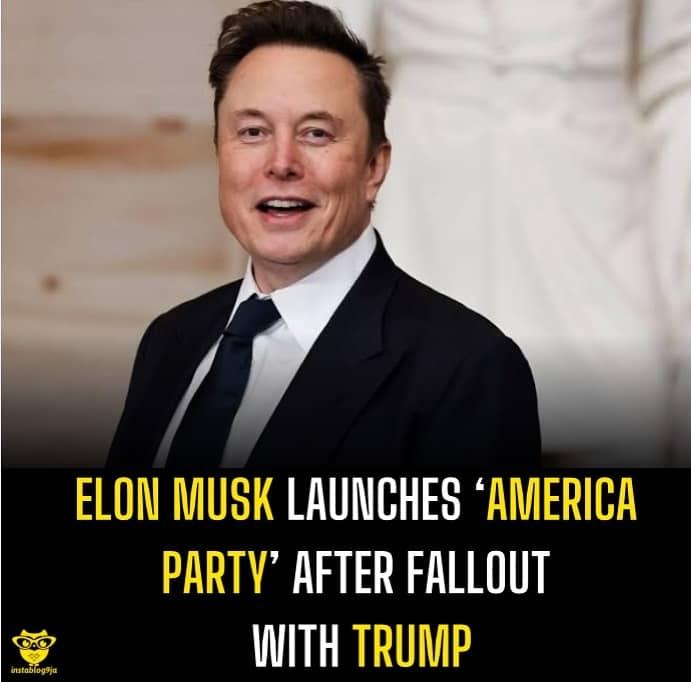
  • Elon Musk Launches ‘America Party’ After Fallout with Trump.

    Billionaire Elon Musk has announced the formation of a new political party—the America Party—following a dramatic fallout with former ally and President Donald Trump over a recently passed domestic policy bill.

    “When it comes to bankrupting our country with waste & graft, we live in a one-party system, not a democracy,” Musk posted on X. “Today, the America Party is formed to give you back your freedom.” Musk, formerly Trump’s top campaign donor and close adviser, had backed the administration’s government efficiency drive.

    But he strongly opposed Trump’s latest policy bill, warning it could add trillions to the national debt. He described the Republican agenda as “debt sl+very.”

    Tensions between the two escalated last month after Musk’s initial criticism, briefly cooled, then reignited as the bill neared passage. Trump signed it into law on Friday.

    The America Party, Musk says, will push a fiscally conservative agenda, though it’s unclear if the party has filed any official paperwork with the Federal Election Commission. So far, no platform details have been shared beyond Musk’s emphasis on spending cuts.

    Though Musk and Trump share conservative views on social issues, the rift highlights deep divides over economic policy. Trump has since lashed out, thr+atennning to review government contracts with Musk’s companies and calling the efficiency department Musk once led a “m+nster that may go back and eat Elon.”

    Musk said his party would focus on supporting candidates in a limited number of House and Senate races in the upcoming midterms. Experts say launching a third party faces steep financial and legal hurdles. Despite high-profile attempts—like Ross Perot’s 1992 run—no third-party candidate has won a U.S. presidential election in modern history.
    Elon Musk Launches ‘America Party’ After Fallout with Trump. Billionaire Elon Musk has announced the formation of a new political party—the America Party—following a dramatic fallout with former ally and President Donald Trump over a recently passed domestic policy bill. “When it comes to bankrupting our country with waste & graft, we live in a one-party system, not a democracy,” Musk posted on X. “Today, the America Party is formed to give you back your freedom.” Musk, formerly Trump’s top campaign donor and close adviser, had backed the administration’s government efficiency drive. But he strongly opposed Trump’s latest policy bill, warning it could add trillions to the national debt. He described the Republican agenda as “debt sl+very.” Tensions between the two escalated last month after Musk’s initial criticism, briefly cooled, then reignited as the bill neared passage. Trump signed it into law on Friday. The America Party, Musk says, will push a fiscally conservative agenda, though it’s unclear if the party has filed any official paperwork with the Federal Election Commission. So far, no platform details have been shared beyond Musk’s emphasis on spending cuts. Though Musk and Trump share conservative views on social issues, the rift highlights deep divides over economic policy. Trump has since lashed out, thr+atennning to review government contracts with Musk’s companies and calling the efficiency department Musk once led a “m+nster that may go back and eat Elon.” Musk said his party would focus on supporting candidates in a limited number of House and Senate races in the upcoming midterms. Experts say launching a third party faces steep financial and legal hurdles. Despite high-profile attempts—like Ross Perot’s 1992 run—no third-party candidate has won a U.S. presidential election in modern history.
    0 Σχόλια ·0 Μοιράστηκε ·730 Views
  • Tesla has just suffered its worst-ever one-day loss, shedding $153 billion in market value—as the once-tight alliance between Donald Trump and Elon Musk turns into a very public power struggle.

    Shares of the electric vehicle giant plunged more than 14% on Thursday after President Trump hinted at cancelling federal contracts with Musk’s companies. “The easiest way to save money... is to terminate Elon’s Governmental Subsidies and Contracts,” he wrote on Truth Social.

    Musk thereafter, took to X to post: “In light of the President’s statement about cancellation of my government contracts, SpaceX will begin decommissioning its Dragon spacecraft immediately.” SpaceX's Dragon spacecraft is the company's primary vehicle for sending astronauts and cargo to orbit.

    The fallout didn’t stop there. Musk, who once championed Trump’s re-election, also fired back online, claiming: “Without me, Trump would have lost the election… Such ingratitude.”

    With Tesla stock now down 25% since January and the two billionaires trading insults, the clash could reshape not just US business politics—but also the future of electric vehicles.

    Trump vs Musk just got very personal. Do you think this feud could hurt Tesla long term or is this just billionaire drama?
    Tesla has just suffered its worst-ever one-day loss, shedding $153 billion in market value—as the once-tight alliance between Donald Trump and Elon Musk turns into a very public power struggle. Shares of the electric vehicle giant plunged more than 14% on Thursday after President Trump hinted at cancelling federal contracts with Musk’s companies. “The easiest way to save money... is to terminate Elon’s Governmental Subsidies and Contracts,” he wrote on Truth Social. Musk thereafter, took to X to post: “In light of the President’s statement about cancellation of my government contracts, SpaceX will begin decommissioning its Dragon spacecraft immediately.” SpaceX's Dragon spacecraft is the company's primary vehicle for sending astronauts and cargo to orbit. The fallout didn’t stop there. Musk, who once championed Trump’s re-election, also fired back online, claiming: “Without me, Trump would have lost the election… Such ingratitude.” With Tesla stock now down 25% since January and the two billionaires trading insults, the clash could reshape not just US business politics—but also the future of electric vehicles. 🔥 Trump vs Musk just got very personal. Do you think this feud could hurt Tesla long term or is this just billionaire drama?
    0 Σχόλια ·0 Μοιράστηκε ·1χλμ. Views
Fintter https://fintter.com