0 التعليقات
·0 المشاركات
·662 مشاهدة
-
-
“I Knew She Wasn’t My Granddaughter” Deji Adeleke Breaks Silence on Anu DNA Controversy
I have been paying Anu’s school fees and taking care of her for years. I also gave Anu’s mother a scholarship at my university, along with a monthly salary, even though I knew Anu is not my granddaughter. I did all these out of compassion.
Kemi Olunloyo is the one impersonating the young child, Anu Adeleke, and I don’t even think it’s legal for her to be impersonat!ng a minor,
I'd have been glad if this girl were my granddaughter so I could spoil her silly like the other ones, but the DNA results were negative."
— Davido’s father, billionaire Deji Adeleke, speaks out for the first time to clear the air on the DNA test controversy.
“I Knew She Wasn’t My Granddaughter” Deji Adeleke Breaks Silence on Anu DNA Controversy I have been paying Anu’s school fees and taking care of her for years. I also gave Anu’s mother a scholarship at my university, along with a monthly salary, even though I knew Anu is not my granddaughter. I did all these out of compassion. Kemi Olunloyo is the one impersonating the young child, Anu Adeleke, and I don’t even think it’s legal for her to be impersonat!ng a minor, I'd have been glad if this girl were my granddaughter so I could spoil her silly like the other ones, but the DNA results were negative." — Davido’s father, billionaire Deji Adeleke, speaks out for the first time to clear the air on the DNA test controversy.· 0 التعليقات ·0 المشاركات ·841 مشاهدة1
-
“Small world… nothing dey hide.” — OGB Cu!ltist Rants
OGB is speaking out after reports that IShowSpeed’s management blocked Africa’s biggest streamer, Peller, despite pleas from Nigerian creatives.
No names mentioned, but the message is loud.
Is this just business… or serious gatekeeping in the industry?
Drop your thoughts in the comments and check for the full story!
If it’s loud, it’s NewsFlash!
#OGBCultist #IShowSpeed #Peller #NigeriaCreatives #Gatekeeping #AfricaStreaming #EntertainmentNews🌍 “Small world… nothing dey hide.” — OGB Cu!ltist Rants OGB is speaking out after reports that IShowSpeed’s management blocked Africa’s biggest streamer, Peller, despite pleas from Nigerian creatives. No names mentioned, but the message is loud. Is this just business… or serious gatekeeping in the industry? 🤔 💬 Drop your thoughts in the comments and check for the full story! If it’s loud, it’s NewsFlash! #OGBCultist #IShowSpeed #Peller #NigeriaCreatives #Gatekeeping #AfricaStreaming #EntertainmentNews0 التعليقات ·0 المشاركات ·1كيلو بايت مشاهدة -
Typical Trump,’ Amb Keshi Reviews US President’s Davos Speech
Ambassador Joe Keshi, former Permanent Secretary of Nigeria’s Ministry of Foreign Affairs, described President Donald Trump’s speech at the World Economic Forum (WEF) in Davos, Switzerland as “nothing special.”
Trump had declared the United States as the ‘economic engine of the planet’, a statement Keshi seemed to view as typical of the US leader’s style.
#Trump #Davos2026 #JoeKeshi #WorldEconomicForum
Typical Trump,’ Amb Keshi Reviews US President’s Davos Speech Ambassador Joe Keshi, former Permanent Secretary of Nigeria’s Ministry of Foreign Affairs, described President Donald Trump’s speech at the World Economic Forum (WEF) in Davos, Switzerland as “nothing special.” Trump had declared the United States as the ‘economic engine of the planet’, a statement Keshi seemed to view as typical of the US leader’s style. #Trump #Davos2026 #JoeKeshi #WorldEconomicForum· 0 التعليقات ·0 المشاركات ·900 مشاهدة1
-
Oga ooo… I am deeply disappointed,” Dr. Kemi Olunloyo said emotionally.
She expressed shock and disappointment at Dr. Adedeji Adeleke for publicly referring to her—an investigative journalist—as a mad woman.
According to her, she expected Dr. Adeleke to address serious unresolved issues, including what truly caused the death of Davido’s mother and the circumstances surrounding the deaths of some of Davido’s close friends. Instead, she said he chose to hold a press conference to insult her and deny the existence of his alleged biological granddaughter.
Dr. Kemi stated that the denial was based on claims that Ayo, Anu’s mother, is a prostitute—an allegation she strongly condemned.
She explained that her passion for Anu comes from a place of concern, saying she does not want the child to suffer or be abandoned.
Dr. Kemi further revealed that she was the one who initially opened Anu’s Instagram page to create awareness after Davido allegedly attempted to silence the girl’s family. She said she later handed over control of the account to Anu’s mother. Now 13 years old, Anu, she said, only wants to be acknowledged and treated as one of the Adeleke daughters.
Addressing another controversy, Dr. Kemi clarified that her own son never denied her on social media, explaining that individuals impersonating him online were actually her cousins.
She concluded by vowing to continue fighting for Anu until the Adeleke family acknowledges the child, insisting that Anu does not deserve the hardship she is currently facing.
Dr. Kemi Olunloyo reportedly broke down in tears while sharing her side of the ongoing Anu vs. the Adeleke family controversy.
Oga ooo… I am deeply disappointed,” Dr. Kemi Olunloyo said emotionally. She expressed shock and disappointment at Dr. Adedeji Adeleke for publicly referring to her—an investigative journalist—as a mad woman. According to her, she expected Dr. Adeleke to address serious unresolved issues, including what truly caused the death of Davido’s mother and the circumstances surrounding the deaths of some of Davido’s close friends. Instead, she said he chose to hold a press conference to insult her and deny the existence of his alleged biological granddaughter. Dr. Kemi stated that the denial was based on claims that Ayo, Anu’s mother, is a prostitute—an allegation she strongly condemned. She explained that her passion for Anu comes from a place of concern, saying she does not want the child to suffer or be abandoned. Dr. Kemi further revealed that she was the one who initially opened Anu’s Instagram page to create awareness after Davido allegedly attempted to silence the girl’s family. She said she later handed over control of the account to Anu’s mother. Now 13 years old, Anu, she said, only wants to be acknowledged and treated as one of the Adeleke daughters. Addressing another controversy, Dr. Kemi clarified that her own son never denied her on social media, explaining that individuals impersonating him online were actually her cousins. She concluded by vowing to continue fighting for Anu until the Adeleke family acknowledges the child, insisting that Anu does not deserve the hardship she is currently facing. Dr. Kemi Olunloyo reportedly broke down in tears while sharing her side of the ongoing Anu vs. the Adeleke family controversy.0 التعليقات ·0 المشاركات ·895 مشاهدة -
BREAKING: Former Nigerian Petroleum Minister Diezani Alison-Madueke appeared before a London court over alleged £100,000 bribery charges linked to her time in office.
She denied the charges. The full trial is scheduled to begin January 26, 2026, and is expected to last up to 12 weeks.
#BreakingNews #DiezaniAlisonMadueke #Nigeria #UKCourt #Corruption #Fintter🚨 BREAKING: Former Nigerian Petroleum Minister Diezani Alison-Madueke appeared before a London court over alleged £100,000 bribery charges linked to her time in office. She denied the charges. The full trial is scheduled to begin January 26, 2026, and is expected to last up to 12 weeks. #BreakingNews #DiezaniAlisonMadueke #Nigeria #UKCourt #Corruption #Fintter· 0 التعليقات ·0 المشاركات ·597 مشاهدة1
-
Layal Tinubu Celebrates Mum’s 60th Birthday in Morocco…..
Layal Tinubu, wife of Seyi Tinubu, has celebrated her mother, Nkechi Holm, as she turned 60. The colourful birthday celebration took place over the weekend in Marrakech, Morocco. Sharing her joy online, Layal described the moment as special and emotional, saying she spent the most beautiful weekend honouring her mum at 60 and expressed deep gratitude, adding that her heart is full and thankful for the milestone.#fintternews
Layal Tinubu Celebrates Mum’s 60th Birthday in Morocco….. Layal Tinubu, wife of Seyi Tinubu, has celebrated her mother, Nkechi Holm, as she turned 60. The colourful birthday celebration took place over the weekend in Marrakech, Morocco. Sharing her joy online, Layal described the moment as special and emotional, saying she spent the most beautiful weekend honouring her mum at 60 and expressed deep gratitude, adding that her heart is full and thankful for the milestone.#fintternews· 0 التعليقات ·0 المشاركات ·704 مشاهدة1
-
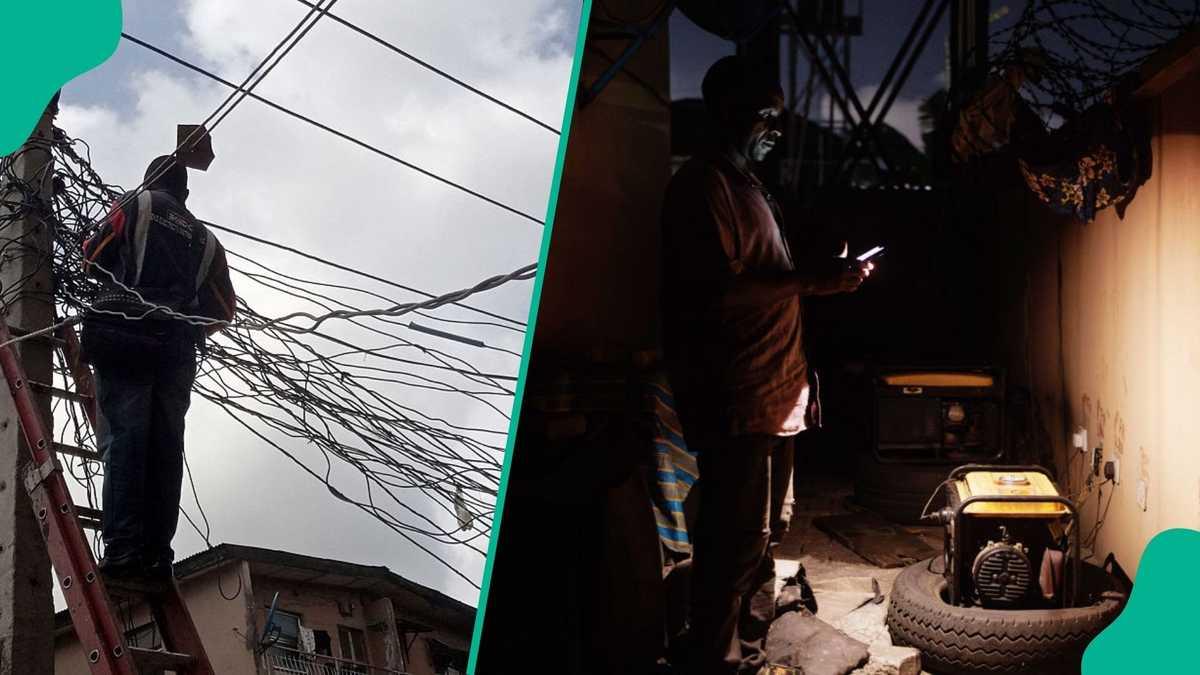
EKEDC Downgrades Lagos Areas to Band E, Power Supply Drops……
The Eko Electricity Distribution Company (EKEDC) has downgraded some areas in Lagos from Band A to Band E, significantly reducing their electricity supply. Affected communities will now receive as little as four hours of power daily, a sharp drop from previous service levels. The downgrade has sparked complaints from residents and businesses, many of whom say the decision disrupts daily activities and economic productivity. EKEDC says the move is linked to supply constraints and ongoing network challenges.#fintternews
EKEDC Downgrades Lagos Areas to Band E, Power Supply Drops…… The Eko Electricity Distribution Company (EKEDC) has downgraded some areas in Lagos from Band A to Band E, significantly reducing their electricity supply. Affected communities will now receive as little as four hours of power daily, a sharp drop from previous service levels. The downgrade has sparked complaints from residents and businesses, many of whom say the decision disrupts daily activities and economic productivity. EKEDC says the move is linked to supply constraints and ongoing network challenges.#fintternews· 0 التعليقات ·0 المشاركات ·150 مشاهدة1
-
Nigerian music superstar Davido (David Adeleke) has finally reacted after a young girl, who claims to be his daughter, publicly appealed for a DNA test, reigniting conversations around paternity, responsibility, and celebrity accountability.
The controversy began when the girl, through social media posts and interviews, alleged that she is Davido’s biological daughter and pleaded for a DNA test to confirm her claim. She insisted that her late mother had a relationship with the singer years ago and had always maintained that Davido was her father.
As the story gained attraction online, many fans and critics questioned why the matter had not been resolved privately, while others called on the singer to submit to a DNA test to clear the air #fintter #breakingnew
Nigerian music superstar Davido (David Adeleke) has finally reacted after a young girl, who claims to be his daughter, publicly appealed for a DNA test, reigniting conversations around paternity, responsibility, and celebrity accountability. The controversy began when the girl, through social media posts and interviews, alleged that she is Davido’s biological daughter and pleaded for a DNA test to confirm her claim. She insisted that her late mother had a relationship with the singer years ago and had always maintained that Davido was her father. As the story gained attraction online, many fans and critics questioned why the matter had not been resolved privately, while others called on the singer to submit to a DNA test to clear the air #fintter #breakingnew· 0 التعليقات ·0 المشاركات ·863 مشاهدة1
-
Davido Breaks Silence on Anu Adeleke DNA Controversy, Says “We Don’t Play With Blood”
Davido has finally reacted to the ongoing Anu Adeleke DNA controversy, breaking his silence amid growing public debate. The singer insisted that his family takes issues of lineage seriously, saying, “You guys don’t know my father, Adeleke. We don’t play with blood on this side.” His statement has further fueled reactions online as calls for clarity around the DNA issue continue to trend.
#Davido #Adeleke #DNAControversy #NigeriaEntertainmentDavido Breaks Silence on Anu Adeleke DNA Controversy, Says “We Don’t Play With Blood” Davido has finally reacted to the ongoing Anu Adeleke DNA controversy, breaking his silence amid growing public debate. The singer insisted that his family takes issues of lineage seriously, saying, “You guys don’t know my father, Adeleke. We don’t play with blood on this side.” His statement has further fueled reactions online as calls for clarity around the DNA issue continue to trend. #Davido #Adeleke #DNAControversy #NigeriaEntertainment· 1 التعليقات ·0 المشاركات ·421 مشاهدة1
-
Davido’s Alleged Daughter Fires Back: Questions Singer’s 5 DNA Test Claims, Alleges Fake Result
The paternity drama between Davido and teenager Anu Adeleke intensifies as Anu questions the singer’s claim of undergoing five DNA tests, alleging only one was done and that it was doctored. She expressed devastation over Davido’s public outbursts, claiming he cursed her and threatened her mother despite never meeting them. The singer insists all tests returned negative and vows to hold her mother accountable. Social media users are divided, with some urging a fresh test for closure, while others encourage Anu to focus on her future, highlighting the emotional toll the controversy has taken on the teenager.
Davido’s Alleged Daughter Fires Back: Questions Singer’s 5 DNA Test Claims, Alleges Fake Result The paternity drama between Davido and teenager Anu Adeleke intensifies as Anu questions the singer’s claim of undergoing five DNA tests, alleging only one was done and that it was doctored. She expressed devastation over Davido’s public outbursts, claiming he cursed her and threatened her mother despite never meeting them. The singer insists all tests returned negative and vows to hold her mother accountable. Social media users are divided, with some urging a fresh test for closure, while others encourage Anu to focus on her future, highlighting the emotional toll the controversy has taken on the teenager.0 التعليقات ·0 المشاركات ·643 مشاهدة -
Davido I’ve Taken Five DNA Tests, I Am Not Your Father
Afrobeats star Davido has broken his silence after a viral claim linked him to a 13-year-old girl, Anu Adeleke, who asked for a DNA test. In a clear message shared via Instagram, the singer stated that he has already taken five DNA tests, all of which were negative, insisting he is not the girl’s father. Davido urged that such sensitive matters, especially involving minors, be handled responsibly and without public speculation, stressing the need for truth, privacy, and protection of everyone involved.
#Davido #DNAClaim #NaijaNews
Davido I’ve Taken Five DNA Tests, I Am Not Your Father Afrobeats star Davido has broken his silence after a viral claim linked him to a 13-year-old girl, Anu Adeleke, who asked for a DNA test. In a clear message shared via Instagram, the singer stated that he has already taken five DNA tests, all of which were negative, insisting he is not the girl’s father. Davido urged that such sensitive matters, especially involving minors, be handled responsibly and without public speculation, stressing the need for truth, privacy, and protection of everyone involved. #Davido #DNAClaim #NaijaNews0 التعليقات ·0 المشاركات ·623 مشاهدة -
E don dey set for 9ja oo! Polish Ambassador Hail Nigerian Military, Say Armed Forces Na Backbone of West Africa Security
The Polish Ambassador to Nigeria, Michał Cygan, don praise Nigerian Armed Forces, describe Nigeria as a major stabilising force for West Africa. During courtesy visit to the Chief of the Air Staff, Air Marshal Sunday Aneke, for NAF Headquarters, Abuja, the ambassador talk say the Nigerian Air Force and other services don show high level professionalism and resilience in counter-insurgency and regional security operations. According to statement from Air Commodore Ehimen Ejodame, Cygan also express Poland interest to strengthen defence cooperation with Nigeria to support security priorities and regional peace. He add say Nigeria’s strategic position and sustained security engagements dey contribute well well to stability across the sub-region. On him own part, Air Marshal Aneke highlight the importance of international partnerships in tackling modern and asymmetric threats, noting say NAF remain committed to cooperation with friendly nations for better operations, training and information sharing. He reaffirm say the service dey open to mutually beneficial partnerships to boost counter-insurgency capacity and strengthen both regional and global security. Wahala oo, Nigeria security matter don turn global concern.
E don dey set for 9ja oo! Polish Ambassador Hail Nigerian Military, Say Armed Forces Na Backbone of West Africa Security The Polish Ambassador to Nigeria, Michał Cygan, don praise Nigerian Armed Forces, describe Nigeria as a major stabilising force for West Africa. During courtesy visit to the Chief of the Air Staff, Air Marshal Sunday Aneke, for NAF Headquarters, Abuja, the ambassador talk say the Nigerian Air Force and other services don show high level professionalism and resilience in counter-insurgency and regional security operations. According to statement from Air Commodore Ehimen Ejodame, Cygan also express Poland interest to strengthen defence cooperation with Nigeria to support security priorities and regional peace. He add say Nigeria’s strategic position and sustained security engagements dey contribute well well to stability across the sub-region. On him own part, Air Marshal Aneke highlight the importance of international partnerships in tackling modern and asymmetric threats, noting say NAF remain committed to cooperation with friendly nations for better operations, training and information sharing. He reaffirm say the service dey open to mutually beneficial partnerships to boost counter-insurgency capacity and strengthen both regional and global security. Wahala oo, Nigeria security matter don turn global concern.· 0 التعليقات ·0 المشاركات ·631 مشاهدة1
-
Are Nigeria’s Airstrikes Finally Turning the Tide? Nigerian Air Force Bombs Terrorist Hideouts in Borno’s Timbuktu Triangle Under Operation Hadin Kai
Is Nigeria’s intensified air campaign beginning to weaken terrorist strongholds in the North-East? The Nigerian Air Force (NAF) has confirmed a major air interdiction operation targeting terrorist locations at AbbagaJiri in the Timbuktu Triangle of Borno State, carried out under the joint task force Operation Hadin Kai.
According to a statement by the NAF Director of Public Relations and Information, Air Commodore Ehimen Ejodame, the mission followed multi-source intelligence that confirmed active terrorist presence, fortified structures, and concealed logistics facilities in the area. Based on this intelligence, NAF air assets were deployed for integrated surveillance and precision strikes on identified targets.
The Air Force said the operation was carefully designed to degrade terrorist capabilities, deny them sanctuary, and shape the battlespace for advancing ground forces, while strictly adhering to rules of engagement and protecting non-combatants. Targeted structures believed to be used by terrorist elements were destroyed, while a follow-up strike neutralised armed fighters observed converging on the location.
Speaking on the mission, the Chief of the Air Staff, Air Marshal Sunday Aneke, described the operation as evidence of the Air Force’s determination to deliver precise and decisive airpower in support of ground troops. He stated that NAF would continue to deny terrorists freedom of movement, hideouts, and logistics wherever they attempt to regroup.
“Our operations are intelligence-led and carefully planned to achieve maximum impact on hostile elements while safeguarding innocent civilians,” Aneke said, reaffirming that pressure will be sustained until terrorist networks are completely dismantled. Ground troops who later advanced into the area reportedly confirmed the effectiveness of the airstrikes, validating the success of the joint air-land operation.
The Borno operation follows a similar strike in December 2025, when NAF targeted bandit camps in Tsafe Local Government Area of Zamfara State under Operation Fansan Yamma, destroying positions linked to a notorious bandit leader, Kachalla Dogo Sule. Those strikes were also based on what NAF described as credible, multi-source intelligence.
As Nigeria continues to battle insurgency and banditry across multiple regions, the latest operation raises key questions: Are precision airstrikes beginning to weaken terrorist networks? Can sustained intelligence-driven operations finally deny extremists safe havens? And will joint air-ground campaigns restore security to communities long terrorised by violence?
Are Nigeria’s Airstrikes Finally Turning the Tide? Nigerian Air Force Bombs Terrorist Hideouts in Borno’s Timbuktu Triangle Under Operation Hadin Kai Is Nigeria’s intensified air campaign beginning to weaken terrorist strongholds in the North-East? The Nigerian Air Force (NAF) has confirmed a major air interdiction operation targeting terrorist locations at AbbagaJiri in the Timbuktu Triangle of Borno State, carried out under the joint task force Operation Hadin Kai. According to a statement by the NAF Director of Public Relations and Information, Air Commodore Ehimen Ejodame, the mission followed multi-source intelligence that confirmed active terrorist presence, fortified structures, and concealed logistics facilities in the area. Based on this intelligence, NAF air assets were deployed for integrated surveillance and precision strikes on identified targets. The Air Force said the operation was carefully designed to degrade terrorist capabilities, deny them sanctuary, and shape the battlespace for advancing ground forces, while strictly adhering to rules of engagement and protecting non-combatants. Targeted structures believed to be used by terrorist elements were destroyed, while a follow-up strike neutralised armed fighters observed converging on the location. Speaking on the mission, the Chief of the Air Staff, Air Marshal Sunday Aneke, described the operation as evidence of the Air Force’s determination to deliver precise and decisive airpower in support of ground troops. He stated that NAF would continue to deny terrorists freedom of movement, hideouts, and logistics wherever they attempt to regroup. “Our operations are intelligence-led and carefully planned to achieve maximum impact on hostile elements while safeguarding innocent civilians,” Aneke said, reaffirming that pressure will be sustained until terrorist networks are completely dismantled. Ground troops who later advanced into the area reportedly confirmed the effectiveness of the airstrikes, validating the success of the joint air-land operation. The Borno operation follows a similar strike in December 2025, when NAF targeted bandit camps in Tsafe Local Government Area of Zamfara State under Operation Fansan Yamma, destroying positions linked to a notorious bandit leader, Kachalla Dogo Sule. Those strikes were also based on what NAF described as credible, multi-source intelligence. As Nigeria continues to battle insurgency and banditry across multiple regions, the latest operation raises key questions: Are precision airstrikes beginning to weaken terrorist networks? Can sustained intelligence-driven operations finally deny extremists safe havens? And will joint air-ground campaigns restore security to communities long terrorised by violence?0 التعليقات ·0 المشاركات ·1كيلو بايت مشاهدة -
Can a Business Owner Detain Drivers Without a Court Order? How an Abia Solar Panel Dispute Turned Into Alleged Illegal Detention, Vehicle Seizure and a Growing Human Rights Outcry
A commercial disagreement over damaged solar panels has escalated into a potential human rights controversy in Bende, Abia State, after two drivers were allegedly held for more than 10 days without a court order by a company executive demanding compensation. The case has raised troubling questions about the legality of “self-help” in business disputes and whether private citizens can lawfully restrict movement or seize property outside the courts.
The drivers, Michael and Mutiu Ade, say they have been confined since December 28, 2025, at the private residence of Martin Mbaka, Managing Director and CEO of Quietstorm Group, after seven solar panels delivered to the premises were found cracked. They allege their vehicle—belonging to Dr. Adeleke Oshin—was immobilised, tyres deflated, keys taken, and that they were forced to sleep inside the bus under harsh conditions, with their freedom of movement restricted.
According to the drivers, the panels were already cracked during loading in Lagos, and they were assured by the sender that the owner was aware. However, upon arrival in Abia, they claim the gate was locked after offloading and they were told they would not be allowed to leave unless the damaged panels were replaced or paid for. “This is a civil issue, but we are being detained like criminals,” Michael said, adding that appeals, pleas and even attempts at police intervention have not secured their release.
Mr. Mbaka confirmed that the vehicle remains in his custody, insisting that ₦840,000 must be paid or replacement panels provided before it is released. His personal assistant, Franklin Azubike, rejected allegations of unlawful detention, arguing that the transporter was negligent, that the solar equipment was worth ₦30–40 million, and that the damaged panels resulted from improper loading alongside other goods. The company says it merely seeks compensation for losses and denies any wrongdoing.
However, human rights lawyers and civil society advocates strongly dispute that position. Legal experts stress that no private individual has the authority to detain another person, restrict movement, or seize property over a civil dispute. Claims for damages, they argue, must be pursued through the courts, not by force or confinement. The drivers maintain that they do not own the vehicle and should not be punished for a disagreement between buyer and sender.
As of the time of reporting, there has been no official statement from the Abia State Police Command on whether the continued detention is under investigation. Rights groups are now calling for urgent intervention to secure the drivers’ freedom and ensure that any compensation claims are resolved strictly within the law.
The case has sparked wider concern about a dangerous trend of turning business disputes into extrajudicial punishment. It raises critical questions: Can a company executive legally hold people and property over a commercial disagreement? Where does civil liability end and unlawful detention begin? And what protections exist for ordinary workers caught between powerful interests? As the drivers continue to plead for their liberty, the incident has become a test of rule of law, personal freedom, and accountability in Nigeria’s commercial and security landscape.
Can a Business Owner Detain Drivers Without a Court Order? How an Abia Solar Panel Dispute Turned Into Alleged Illegal Detention, Vehicle Seizure and a Growing Human Rights Outcry A commercial disagreement over damaged solar panels has escalated into a potential human rights controversy in Bende, Abia State, after two drivers were allegedly held for more than 10 days without a court order by a company executive demanding compensation. The case has raised troubling questions about the legality of “self-help” in business disputes and whether private citizens can lawfully restrict movement or seize property outside the courts. The drivers, Michael and Mutiu Ade, say they have been confined since December 28, 2025, at the private residence of Martin Mbaka, Managing Director and CEO of Quietstorm Group, after seven solar panels delivered to the premises were found cracked. They allege their vehicle—belonging to Dr. Adeleke Oshin—was immobilised, tyres deflated, keys taken, and that they were forced to sleep inside the bus under harsh conditions, with their freedom of movement restricted. According to the drivers, the panels were already cracked during loading in Lagos, and they were assured by the sender that the owner was aware. However, upon arrival in Abia, they claim the gate was locked after offloading and they were told they would not be allowed to leave unless the damaged panels were replaced or paid for. “This is a civil issue, but we are being detained like criminals,” Michael said, adding that appeals, pleas and even attempts at police intervention have not secured their release. Mr. Mbaka confirmed that the vehicle remains in his custody, insisting that ₦840,000 must be paid or replacement panels provided before it is released. His personal assistant, Franklin Azubike, rejected allegations of unlawful detention, arguing that the transporter was negligent, that the solar equipment was worth ₦30–40 million, and that the damaged panels resulted from improper loading alongside other goods. The company says it merely seeks compensation for losses and denies any wrongdoing. However, human rights lawyers and civil society advocates strongly dispute that position. Legal experts stress that no private individual has the authority to detain another person, restrict movement, or seize property over a civil dispute. Claims for damages, they argue, must be pursued through the courts, not by force or confinement. The drivers maintain that they do not own the vehicle and should not be punished for a disagreement between buyer and sender. As of the time of reporting, there has been no official statement from the Abia State Police Command on whether the continued detention is under investigation. Rights groups are now calling for urgent intervention to secure the drivers’ freedom and ensure that any compensation claims are resolved strictly within the law. The case has sparked wider concern about a dangerous trend of turning business disputes into extrajudicial punishment. It raises critical questions: Can a company executive legally hold people and property over a commercial disagreement? Where does civil liability end and unlawful detention begin? And what protections exist for ordinary workers caught between powerful interests? As the drivers continue to plead for their liberty, the incident has become a test of rule of law, personal freedom, and accountability in Nigeria’s commercial and security landscape.0 التعليقات ·0 المشاركات ·590 مشاهدة -
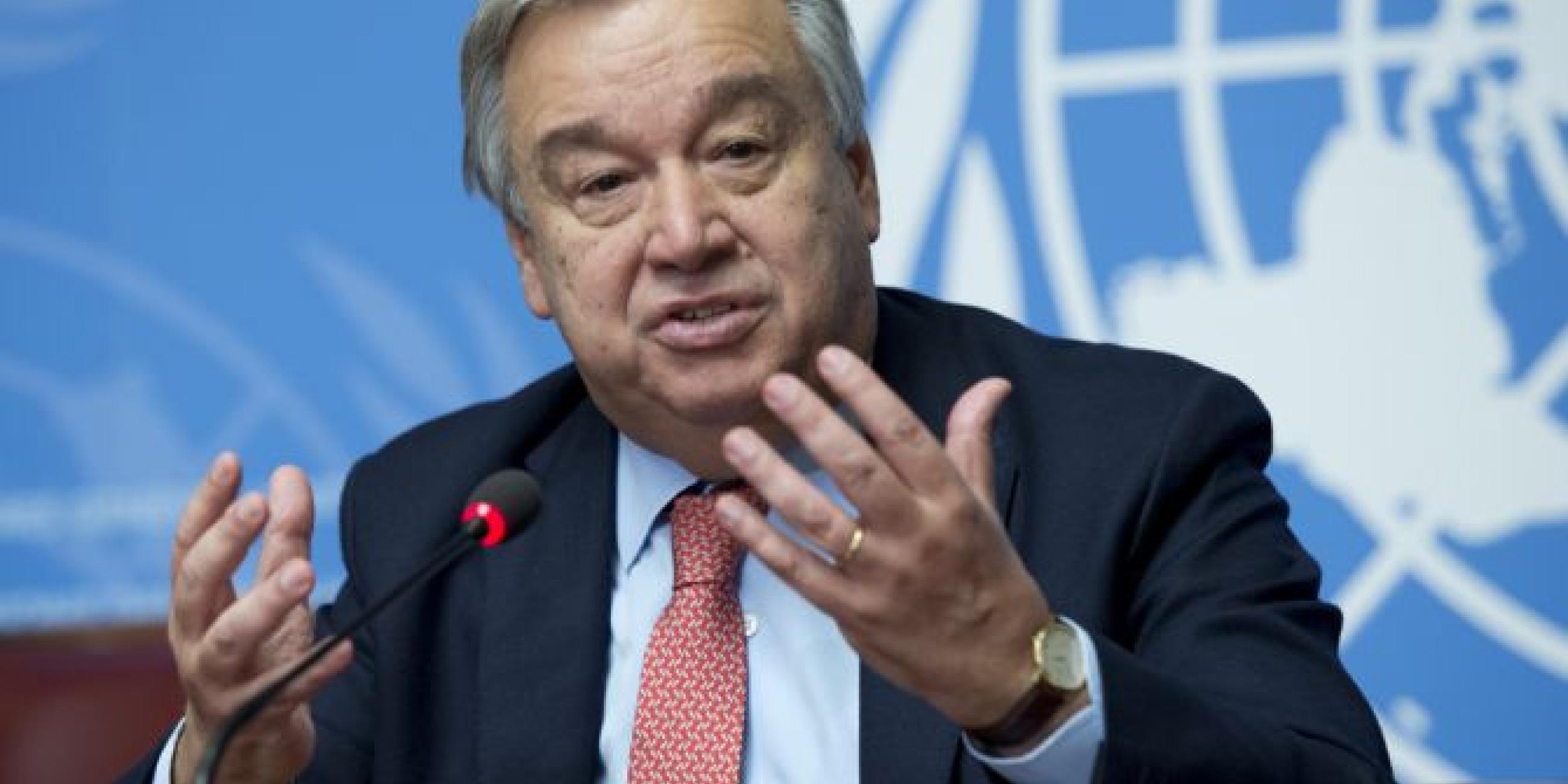
Is the U.S. Turning Its Back on the United Nations? Why UN Chief Guterres Regrets Trump’s Withdrawal From Dozens of Global Bodies and What It Means for World Governance
United Nations Secretary-General Antonio Guterres has expressed strong regret over the United States’ decision to withdraw from multiple international organisations, warning that financial obligations to the UN remain legally binding under international law. The reaction follows a sweeping policy directive signed by U.S. President Donald Trump, ordering American withdrawal from 66 international bodies, including 31 United Nations entities and 35 non-UN organisations.
In a statement delivered by UN Spokesman Stéphane Dujarric, the Secretary-General described the decision as “regrettable” and stressed that assessed contributions to the UN’s regular and peacekeeping budgets are mandatory under the UN Charter for all member states, including the United States. “Assessed contributions… are a legal obligation under the UN Charter,” Dujarric said, adding that all UN agencies would continue implementing their mandates despite political or financial challenges.
While the UN statement did not specify which bodies would be affected or the immediate financial consequences, officials have long warned that funding shortfalls could undermine peacekeeping operations, humanitarian assistance, development programmes, and human-rights initiatives worldwide.
The development stems from a Presidential Memorandum issued by Trump, declaring that continued U.S. participation in the listed organisations no longer serves American interests. The directive follows a comprehensive review ordered under Executive Order 14199 in February 2025, which assessed U.S. involvement in all international organisations, treaties, and conventions receiving American funding or support. After reviewing the findings with his Cabinet, Trump ordered federal agencies to take “immediate steps” to withdraw, where legally permissible.
Among the non-UN organisations affected are bodies dealing with climate change, energy, environmental protection, democracy promotion, cybersecurity, and regional cooperation, including the Intergovernmental Panel on Climate Change (IPCC), the International Renewable Energy Agency (IRENA), the International Union for Conservation of Nature (IUCN), and the Freedom Online Coalition. The order also targets several security and justice-focused groups, such as the Global Counterterrorism Forum and the International Institute for Justice and the Rule of Law.
On the UN side, the memorandum directs the United States to cease participation in or funding for multiple agencies and programmes, including UN Women, the UN Population Fund (UNFPA), UN Conference on Trade and Development (UNCTAD), the UN Framework Convention on Climate Change (UNFCCC), and offices focused on peacebuilding, development, oceans, water, international law, and human rights. It also affects entities such as the Peacebuilding Fund, UN Water, UN Oceans, and the UN University system.
Despite the decision, the UN leadership insists its mission will continue. “All United Nations entities will go on with the implementation of their mandates as given by Member States,” the statement said, underscoring the organisation’s responsibility to people worldwide who rely on its work.
The move has intensified global debate: Can the United States legally withdraw while still bound to financial obligations? Will UN programmes suffer operational setbacks? Does this signal a broader retreat from multilateralism—or a recalibration of U.S. foreign policy priorities? As the review process remains ongoing, with more organisations potentially targeted, the episode raises urgent questions about the future of international cooperation, global governance, and the stability of multilateral institutions.
Is the U.S. Turning Its Back on the United Nations? Why UN Chief Guterres Regrets Trump’s Withdrawal From Dozens of Global Bodies and What It Means for World Governance United Nations Secretary-General Antonio Guterres has expressed strong regret over the United States’ decision to withdraw from multiple international organisations, warning that financial obligations to the UN remain legally binding under international law. The reaction follows a sweeping policy directive signed by U.S. President Donald Trump, ordering American withdrawal from 66 international bodies, including 31 United Nations entities and 35 non-UN organisations. In a statement delivered by UN Spokesman Stéphane Dujarric, the Secretary-General described the decision as “regrettable” and stressed that assessed contributions to the UN’s regular and peacekeeping budgets are mandatory under the UN Charter for all member states, including the United States. “Assessed contributions… are a legal obligation under the UN Charter,” Dujarric said, adding that all UN agencies would continue implementing their mandates despite political or financial challenges. While the UN statement did not specify which bodies would be affected or the immediate financial consequences, officials have long warned that funding shortfalls could undermine peacekeeping operations, humanitarian assistance, development programmes, and human-rights initiatives worldwide. The development stems from a Presidential Memorandum issued by Trump, declaring that continued U.S. participation in the listed organisations no longer serves American interests. The directive follows a comprehensive review ordered under Executive Order 14199 in February 2025, which assessed U.S. involvement in all international organisations, treaties, and conventions receiving American funding or support. After reviewing the findings with his Cabinet, Trump ordered federal agencies to take “immediate steps” to withdraw, where legally permissible. Among the non-UN organisations affected are bodies dealing with climate change, energy, environmental protection, democracy promotion, cybersecurity, and regional cooperation, including the Intergovernmental Panel on Climate Change (IPCC), the International Renewable Energy Agency (IRENA), the International Union for Conservation of Nature (IUCN), and the Freedom Online Coalition. The order also targets several security and justice-focused groups, such as the Global Counterterrorism Forum and the International Institute for Justice and the Rule of Law. On the UN side, the memorandum directs the United States to cease participation in or funding for multiple agencies and programmes, including UN Women, the UN Population Fund (UNFPA), UN Conference on Trade and Development (UNCTAD), the UN Framework Convention on Climate Change (UNFCCC), and offices focused on peacebuilding, development, oceans, water, international law, and human rights. It also affects entities such as the Peacebuilding Fund, UN Water, UN Oceans, and the UN University system. Despite the decision, the UN leadership insists its mission will continue. “All United Nations entities will go on with the implementation of their mandates as given by Member States,” the statement said, underscoring the organisation’s responsibility to people worldwide who rely on its work. The move has intensified global debate: Can the United States legally withdraw while still bound to financial obligations? Will UN programmes suffer operational setbacks? Does this signal a broader retreat from multilateralism—or a recalibration of U.S. foreign policy priorities? As the review process remains ongoing, with more organisations potentially targeted, the episode raises urgent questions about the future of international cooperation, global governance, and the stability of multilateral institutions.0 التعليقات ·0 المشاركات ·1كيلو بايت مشاهدة -
Is Superstition Holding Nigerian Communities Hostage? How Fear of ‘Poison,’ Rituals, and Dog Poop Is Fueling Paranoia, Poverty, and Exploitation – By Leo Igwe
Is superstition silently destroying communities in Nigeria—and why are fear, paranoia, and ritual beliefs still shaping how people interpret illness, death, and misfortune?
In this powerful and unsettling account, Leo Igwe recounts his return to his hometown in southeastern Nigeria after decades away, where he encountered what he describes as the toxic grip of superstition and irrational fear on everyday life. From the moment he arrived, Igwe says he witnessed how ordinary health issues were being interpreted as the work of unseen enemies using “poison,” spiritual attacks, or occult forces.
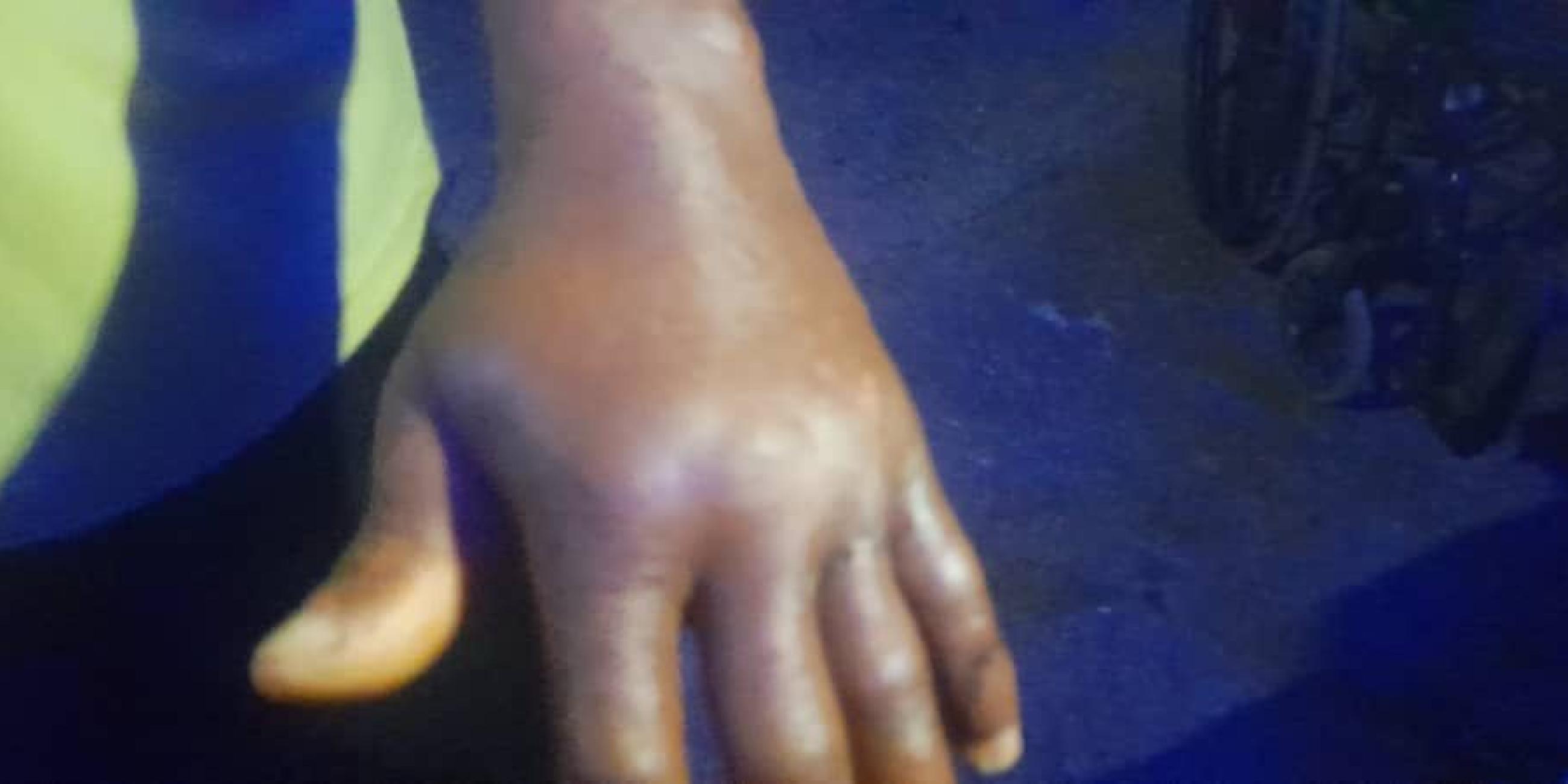
A family housekeeper with a swollen hand claimed he had “picked up poison” while farming—an explanation widely accepted by community members, despite no one being able to describe what the poison was, how it worked, or where it came from. Rather than seeking medical help, the man was subjected to prayers, spiritual pressing, and ritual interventions, which only worsened the condition. For Igwe, this was a troubling reminder of how medical problems are often rebranded as spiritual attacks, delaying proper treatment and deepening fear.
But why does this mindset persist? Igwe explains that in his community, no one is believed to die naturally. Death, illness, stroke, or paralysis are frequently attributed to enemies—often relatives or neighbors—who are accused of using occult means. Phrases like “they have killed him” or “they have finally gotten him” dominate conversations, reinforcing suspicion and tearing families apart. People live in constant fear that someone has planted spiritual “poisons” that they might step on or touch.
Despite identifying as Christians, many residents, Igwe notes, move between churches, prophets, pastors, traditional priests, and ritual specialists. They pray to Jesus, invoke ancestors, hire “prayer warriors,” and perform sacrifices in an endless cycle of spiritual protection. But does this offer safety—or does it deepen exploitation? Igwe argues that this climate has created fertile ground for con artists, fake prophets, and self-styled spiritual practitioners who extract money in exchange for deliverance, exorcism, and supposed protection.
One striking episode involved a roaming prayer man who went from house to house, collecting food or money after loud, theatrical prayers. In another home, Igwe witnessed a dramatic ritual in which sand was placed in people’s hands while God was commanded to “open doors,” even instructing someone to physically open the living room door to symbolize prosperity. To Igwe, this performance illustrated how faith is manipulated into spectacle while poverty remains unchanged.
Perhaps the most disturbing moment came when a neighbor reported that dog feces found in their compound was not ordinary waste but a weapon of spiritual harm. The family believed it had been ritually placed to bring sickness or death—just as, they claimed, their parents had previously been killed. The response? Olive oil poured on it, urine used as a neutralizer, and the case escalated to village authorities. To Igwe, this episode captured how fear transforms harmless events into imagined threats, driving communities deeper into paranoia.
Addressing a village meeting, Igwe warned of the dangerous consequences of baseless accusations, superstition, and occult blame, citing how such beliefs have destroyed families and communities across the region. He urged residents to free themselves from irrational fear and confront the social damage caused by suspicion, exploitation, and magical thinking.
So what is the real cost of these beliefs? According to Igwe, communities trapped in superstition remain locked in poverty, fear, and manipulation, unable to address real health, economic, and social challenges. The essay ultimately asks a haunting question: Can communities break free from the cycle of fear before superstition consumes trust, development, and human dignity?
Is Superstition Holding Nigerian Communities Hostage? How Fear of ‘Poison,’ Rituals, and Dog Poop Is Fueling Paranoia, Poverty, and Exploitation – By Leo Igwe Is superstition silently destroying communities in Nigeria—and why are fear, paranoia, and ritual beliefs still shaping how people interpret illness, death, and misfortune? In this powerful and unsettling account, Leo Igwe recounts his return to his hometown in southeastern Nigeria after decades away, where he encountered what he describes as the toxic grip of superstition and irrational fear on everyday life. From the moment he arrived, Igwe says he witnessed how ordinary health issues were being interpreted as the work of unseen enemies using “poison,” spiritual attacks, or occult forces. A family housekeeper with a swollen hand claimed he had “picked up poison” while farming—an explanation widely accepted by community members, despite no one being able to describe what the poison was, how it worked, or where it came from. Rather than seeking medical help, the man was subjected to prayers, spiritual pressing, and ritual interventions, which only worsened the condition. For Igwe, this was a troubling reminder of how medical problems are often rebranded as spiritual attacks, delaying proper treatment and deepening fear. But why does this mindset persist? Igwe explains that in his community, no one is believed to die naturally. Death, illness, stroke, or paralysis are frequently attributed to enemies—often relatives or neighbors—who are accused of using occult means. Phrases like “they have killed him” or “they have finally gotten him” dominate conversations, reinforcing suspicion and tearing families apart. People live in constant fear that someone has planted spiritual “poisons” that they might step on or touch. Despite identifying as Christians, many residents, Igwe notes, move between churches, prophets, pastors, traditional priests, and ritual specialists. They pray to Jesus, invoke ancestors, hire “prayer warriors,” and perform sacrifices in an endless cycle of spiritual protection. But does this offer safety—or does it deepen exploitation? Igwe argues that this climate has created fertile ground for con artists, fake prophets, and self-styled spiritual practitioners who extract money in exchange for deliverance, exorcism, and supposed protection. One striking episode involved a roaming prayer man who went from house to house, collecting food or money after loud, theatrical prayers. In another home, Igwe witnessed a dramatic ritual in which sand was placed in people’s hands while God was commanded to “open doors,” even instructing someone to physically open the living room door to symbolize prosperity. To Igwe, this performance illustrated how faith is manipulated into spectacle while poverty remains unchanged. Perhaps the most disturbing moment came when a neighbor reported that dog feces found in their compound was not ordinary waste but a weapon of spiritual harm. The family believed it had been ritually placed to bring sickness or death—just as, they claimed, their parents had previously been killed. The response? Olive oil poured on it, urine used as a neutralizer, and the case escalated to village authorities. To Igwe, this episode captured how fear transforms harmless events into imagined threats, driving communities deeper into paranoia. Addressing a village meeting, Igwe warned of the dangerous consequences of baseless accusations, superstition, and occult blame, citing how such beliefs have destroyed families and communities across the region. He urged residents to free themselves from irrational fear and confront the social damage caused by suspicion, exploitation, and magical thinking. So what is the real cost of these beliefs? According to Igwe, communities trapped in superstition remain locked in poverty, fear, and manipulation, unable to address real health, economic, and social challenges. The essay ultimately asks a haunting question: Can communities break free from the cycle of fear before superstition consumes trust, development, and human dignity?0 التعليقات ·0 المشاركات ·1كيلو بايت مشاهدة -
Why Is the ADC Inaugurating Zonal Congress Committees, Why Is It Rejecting Any Alliance With Atiku, Obi, Kwankwaso, and Jonathan, and What Does This Signal for Nigeria’s 2027 Politics?
A faction of the African Democratic Congress (ADC) has moved to strengthen its internal structure by inaugurating Zonal Congress Committees across three geopolitical zones, while firmly rejecting widespread speculation that the party is aligning with major political figures such as Atiku Abubakar, Peter Obi, Rabiu Kwankwaso, and Goodluck Jonathan.
In a communique signed by the party’s National Chairman, Hon. Nafiu Bala Gombe, the ADC said the exercise was part of efforts to entrench internal democracy, transparency, and strict adherence to the party’s constitution ahead of future elections.
According to the statement, the South-West Zonal Congress Committee was inaugurated in Ekiti State on January 7, 2026, with Hon. Bala Sani named Chairman and Hon. Kyauta Yakubu heading the Appeal Committee. The ceremony was conducted by the National Chairman himself.
In the South-East, a similar inauguration took place in Enugu State on the same date. Barrister Adamu Ado Dauda was appointed Chairman of the Congress Committee, while Mrs. Iyabo Salami Alibi was named head of the Appeal Committee. The event was presided over by the Secretary of the party’s Board of Trustees (BoT), Chief Rufus Ekenmi.
Earlier, on January 5, 2026, the party inaugurated its North-Central Zonal Congress Committee, appointing Hon. Lolo Ehirudu as Chairman of the Congress Committee and Hon. Sa’ad Aboki as head of the Appeal Committee.
Beyond organisational matters, the ADC used the occasion to directly address growing rumours of a possible political alliance with prominent national figures. The party categorically dismissed claims linking it to Atiku Abubakar, Labour Party’s 2023 presidential candidate Peter Obi, former Kano State Governor Rabiu Kwankwaso, and former President Goodluck Jonathan.
“The National Leadership reiterates its unwavering commitment to the principles of internal democracy, transparency, and strict adherence to the party’s constitution,” the communique stated, urging members and the public to “disregard and ignore” all reports of external political alignments. The party stressed that its focus remains on building “a strong, independent, and ideologically driven platform.”
The ADC also emphasised that only duly registered and financially up-to-date members would be eligible to vote or contest in its congresses and internal elections, reinforcing its claim of commitment to internal order and party discipline.
By distancing itself from Nigeria’s most recognisable political heavyweights, the party appears determined to project itself as an independent alternative within the country’s democratic space—one that is not defined by elite coalitions or personality-driven politics.
As speculation continues over emerging alliances ahead of future elections, observers are asking: Why is the ADC rejecting any association with established political figures? Is the party positioning itself as a third-force movement, or is this a strategic move to consolidate its base before engaging in broader negotiations? And could this internal reorganisation reshape opposition politics in Nigeria ahead of 2027?
The ADC insists its direction is clear: no external alliances, strict internal democracy, and a people-centred political platform—a stance that may test both its independence and its appeal in Nigeria’s highly competitive political landscape.Why Is the ADC Inaugurating Zonal Congress Committees, Why Is It Rejecting Any Alliance With Atiku, Obi, Kwankwaso, and Jonathan, and What Does This Signal for Nigeria’s 2027 Politics? A faction of the African Democratic Congress (ADC) has moved to strengthen its internal structure by inaugurating Zonal Congress Committees across three geopolitical zones, while firmly rejecting widespread speculation that the party is aligning with major political figures such as Atiku Abubakar, Peter Obi, Rabiu Kwankwaso, and Goodluck Jonathan. In a communique signed by the party’s National Chairman, Hon. Nafiu Bala Gombe, the ADC said the exercise was part of efforts to entrench internal democracy, transparency, and strict adherence to the party’s constitution ahead of future elections. According to the statement, the South-West Zonal Congress Committee was inaugurated in Ekiti State on January 7, 2026, with Hon. Bala Sani named Chairman and Hon. Kyauta Yakubu heading the Appeal Committee. The ceremony was conducted by the National Chairman himself. In the South-East, a similar inauguration took place in Enugu State on the same date. Barrister Adamu Ado Dauda was appointed Chairman of the Congress Committee, while Mrs. Iyabo Salami Alibi was named head of the Appeal Committee. The event was presided over by the Secretary of the party’s Board of Trustees (BoT), Chief Rufus Ekenmi. Earlier, on January 5, 2026, the party inaugurated its North-Central Zonal Congress Committee, appointing Hon. Lolo Ehirudu as Chairman of the Congress Committee and Hon. Sa’ad Aboki as head of the Appeal Committee. Beyond organisational matters, the ADC used the occasion to directly address growing rumours of a possible political alliance with prominent national figures. The party categorically dismissed claims linking it to Atiku Abubakar, Labour Party’s 2023 presidential candidate Peter Obi, former Kano State Governor Rabiu Kwankwaso, and former President Goodluck Jonathan. “The National Leadership reiterates its unwavering commitment to the principles of internal democracy, transparency, and strict adherence to the party’s constitution,” the communique stated, urging members and the public to “disregard and ignore” all reports of external political alignments. The party stressed that its focus remains on building “a strong, independent, and ideologically driven platform.” The ADC also emphasised that only duly registered and financially up-to-date members would be eligible to vote or contest in its congresses and internal elections, reinforcing its claim of commitment to internal order and party discipline. By distancing itself from Nigeria’s most recognisable political heavyweights, the party appears determined to project itself as an independent alternative within the country’s democratic space—one that is not defined by elite coalitions or personality-driven politics. As speculation continues over emerging alliances ahead of future elections, observers are asking: Why is the ADC rejecting any association with established political figures? Is the party positioning itself as a third-force movement, or is this a strategic move to consolidate its base before engaging in broader negotiations? And could this internal reorganisation reshape opposition politics in Nigeria ahead of 2027? The ADC insists its direction is clear: no external alliances, strict internal democracy, and a people-centred political platform—a stance that may test both its independence and its appeal in Nigeria’s highly competitive political landscape.0 التعليقات ·0 المشاركات ·1كيلو بايت مشاهدة -
NAF ACCELERATES ACQUISITION OF 12 AH-1Z ATTACK HELICOPTERS TO ENHANCE SECURITY
In a strategic move to enhance the operational capacity of the Nigerian Air Force the Chief of the Air Staff Air Marshal Sunday Aneke, led a Programme Management Review meeting with senior United States Government officials and representatives of Messrs Bell Textron in San Diego, California, USA.
The engagement focused on fast-tracking the acquisition of 12 AH-1Z attack helicopters, a critical capability enhance professional, and mission-ready force capable of delivering decisive airpower in attainment of national security objectives.
A Statement by the Director of Public Relations and Information, Air Commodore Ehimen Ejodame indicates that Air Marshal Aneke expressed appreciation to the United States Government and Messrs Bell Textron for their continued cooperation, professionalism, and transparency in the execution of the helicopter acquisition programme.
The Air Chief noted that the acquisition of the AH-1Z helicopters represents more than a platform upgrade, describing it as a reflection of the enduring defence cooperation between Nigeria and the United States.
Reaffirming the NAF’s sense of urgency and commitment, Air Marshal Aneke assured the US team that his administration would take all necessary measures to ensure the helicopters are delivered in the shortest possible time while expressing gratitude to president Bola Tinubu for his unwavering support to the Nigerian Airforce as regards platform acquisition
Air Marshal Sunday Aneke reassured Nigerians of the NAF’s unwavering commitment to eliminating terrorist and criminal threats with professionalism, restraint, and accountability, while sustaining public trust and confidence in the Service’s operations.NAF ACCELERATES ACQUISITION OF 12 AH-1Z ATTACK HELICOPTERS TO ENHANCE SECURITY In a strategic move to enhance the operational capacity of the Nigerian Air Force the Chief of the Air Staff Air Marshal Sunday Aneke, led a Programme Management Review meeting with senior United States Government officials and representatives of Messrs Bell Textron in San Diego, California, USA. The engagement focused on fast-tracking the acquisition of 12 AH-1Z attack helicopters, a critical capability enhance professional, and mission-ready force capable of delivering decisive airpower in attainment of national security objectives. A Statement by the Director of Public Relations and Information, Air Commodore Ehimen Ejodame indicates that Air Marshal Aneke expressed appreciation to the United States Government and Messrs Bell Textron for their continued cooperation, professionalism, and transparency in the execution of the helicopter acquisition programme. The Air Chief noted that the acquisition of the AH-1Z helicopters represents more than a platform upgrade, describing it as a reflection of the enduring defence cooperation between Nigeria and the United States. Reaffirming the NAF’s sense of urgency and commitment, Air Marshal Aneke assured the US team that his administration would take all necessary measures to ensure the helicopters are delivered in the shortest possible time while expressing gratitude to president Bola Tinubu for his unwavering support to the Nigerian Airforce as regards platform acquisition Air Marshal Sunday Aneke reassured Nigerians of the NAF’s unwavering commitment to eliminating terrorist and criminal threats with professionalism, restraint, and accountability, while sustaining public trust and confidence in the Service’s operations.· 0 التعليقات ·0 المشاركات ·577 مشاهدة1
-
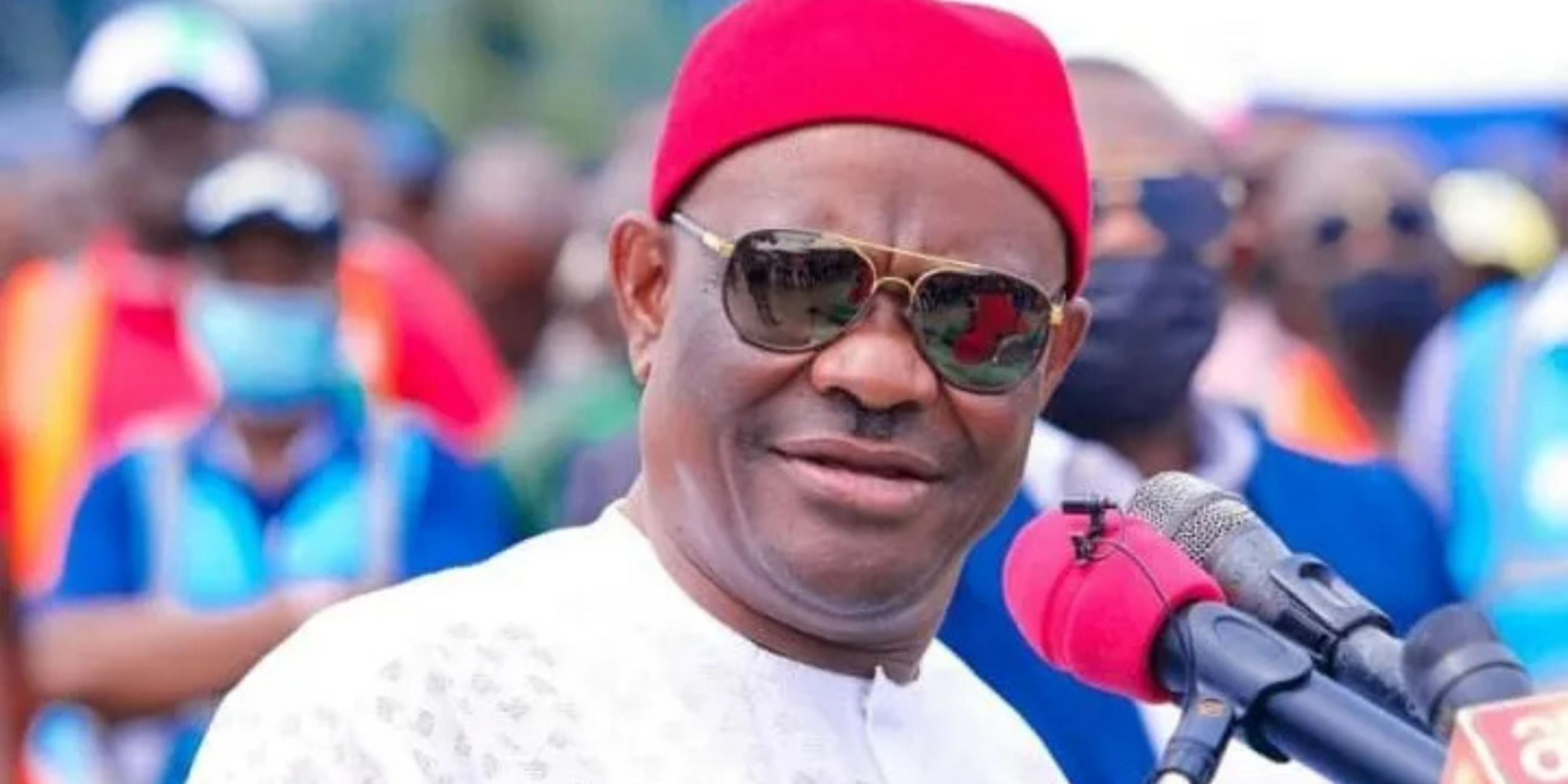
Did Wike Admit Using the Judiciary for APC’s Political Battles? Why the FCT Minister Says He Helped Kill Osun’s LG Funds Case—and What It Means for Democracy in Nigeria
Nigeria’s political space was thrown into controversy after Minister of the Federal Capital Territory (FCT), Nyesom Wike, openly claimed that he helped influential figures within the ruling All Progressives Congress (APC) use the judiciary to frustrate the Osun State local government funds lawsuit. Speaking in a video circulating online, Wike boasted that the court actions that led to the withholding of Osun’s local government allocations were not accidental but carefully engineered by powerful political actors working behind the scenes.
Addressing a crowd in Port Harcourt, the former Rivers State governor accused APC National Secretary, Senator Ajibola Basiru, of enjoying the political benefits of judicial decisions against the Osun State Government without acknowledging those who made them possible. According to Wike, the lawsuit—widely viewed as targeting Governor Ademola Adeleke’s administration—was part of a broader political strategy rather than a purely legal process.
Wike warned APC leaders against what he described as ingratitude, insisting that their current advantage in Osun was the result of unseen political manoeuvres. “Today, you are enjoying in Osun. You don’t know those who did the work,” he said, cautioning party leaders not to “take our support for Mr President for granted.” His remarks appeared to be a direct response to Basiru’s criticism of his involvement in Rivers State politics.
The political clash follows Basiru’s demand that Wike resign as FCT minister, arguing that he is not a member of the APC and therefore has no standing to interfere in the party’s internal affairs. Basiru maintained that his comments were aimed at defending party structure and respecting sitting governors, adding that Wike’s response was inappropriate for a member of the Federal Executive Council.
The controversy also reopens debate surrounding the Supreme Court’s December 2025 ruling on the Osun local government funds dispute. While the Court faulted the Federal Government for withholding funds, it also ruled that the Osun Attorney General lacked the authority to sue on behalf of the local councils without proper authorisation. A minority judgment, however, criticised the Federal Government’s action as harmful to local governance.
Wike’s admission has triggered intense reactions across political and civil society circles, raising troubling questions about judicial independence, political influence over court processes, and the weaponisation of legal institutions for partisan gain. If court outcomes can be “worked out” through political connections, critics ask, what does this mean for democracy, federalism, and the rule of law in Nigeria?
As tensions escalate between Wike and APC leadership, the episode underscores a deeper struggle over power, loyalty, and accountability within Nigeria’s political system—one that could reshape party alliances, governance in Osun and Rivers States, and public trust in the judiciary.
Did Wike Admit Using the Judiciary for APC’s Political Battles? Why the FCT Minister Says He Helped Kill Osun’s LG Funds Case—and What It Means for Democracy in Nigeria Nigeria’s political space was thrown into controversy after Minister of the Federal Capital Territory (FCT), Nyesom Wike, openly claimed that he helped influential figures within the ruling All Progressives Congress (APC) use the judiciary to frustrate the Osun State local government funds lawsuit. Speaking in a video circulating online, Wike boasted that the court actions that led to the withholding of Osun’s local government allocations were not accidental but carefully engineered by powerful political actors working behind the scenes. Addressing a crowd in Port Harcourt, the former Rivers State governor accused APC National Secretary, Senator Ajibola Basiru, of enjoying the political benefits of judicial decisions against the Osun State Government without acknowledging those who made them possible. According to Wike, the lawsuit—widely viewed as targeting Governor Ademola Adeleke’s administration—was part of a broader political strategy rather than a purely legal process. Wike warned APC leaders against what he described as ingratitude, insisting that their current advantage in Osun was the result of unseen political manoeuvres. “Today, you are enjoying in Osun. You don’t know those who did the work,” he said, cautioning party leaders not to “take our support for Mr President for granted.” His remarks appeared to be a direct response to Basiru’s criticism of his involvement in Rivers State politics. The political clash follows Basiru’s demand that Wike resign as FCT minister, arguing that he is not a member of the APC and therefore has no standing to interfere in the party’s internal affairs. Basiru maintained that his comments were aimed at defending party structure and respecting sitting governors, adding that Wike’s response was inappropriate for a member of the Federal Executive Council. The controversy also reopens debate surrounding the Supreme Court’s December 2025 ruling on the Osun local government funds dispute. While the Court faulted the Federal Government for withholding funds, it also ruled that the Osun Attorney General lacked the authority to sue on behalf of the local councils without proper authorisation. A minority judgment, however, criticised the Federal Government’s action as harmful to local governance. Wike’s admission has triggered intense reactions across political and civil society circles, raising troubling questions about judicial independence, political influence over court processes, and the weaponisation of legal institutions for partisan gain. If court outcomes can be “worked out” through political connections, critics ask, what does this mean for democracy, federalism, and the rule of law in Nigeria? As tensions escalate between Wike and APC leadership, the episode underscores a deeper struggle over power, loyalty, and accountability within Nigeria’s political system—one that could reshape party alliances, governance in Osun and Rivers States, and public trust in the judiciary.0 التعليقات ·0 المشاركات ·1كيلو بايت مشاهدة
الصفحات المعززة