• Domestic Worker Arrested for Allegedly Stealing Dollars, Cash, and Jewelry from Employer’s Home……


    A domestic worker has been apprehended after allegedly stealing large sums of foreign currency, cash, jewelry, and other valuable items from the residence where she was employed. The incident came to light after her employers noticed missing valuables and alerted security operatives. Items reportedly recovered include dollars, local currency, and expensive jewelry. The suspect is currently in custody while investigations continue.
    Domestic Worker Arrested for Allegedly Stealing Dollars, Cash, and Jewelry from Employer’s Home…… A domestic worker has been apprehended after allegedly stealing large sums of foreign currency, cash, jewelry, and other valuable items from the residence where she was employed. The incident came to light after her employers noticed missing valuables and alerted security operatives. Items reportedly recovered include dollars, local currency, and expensive jewelry. The suspect is currently in custody while investigations continue.
    love
    2
    · 0 Comentários ·0 Compartilhamentos ·747 Visualizações ·3 Plays
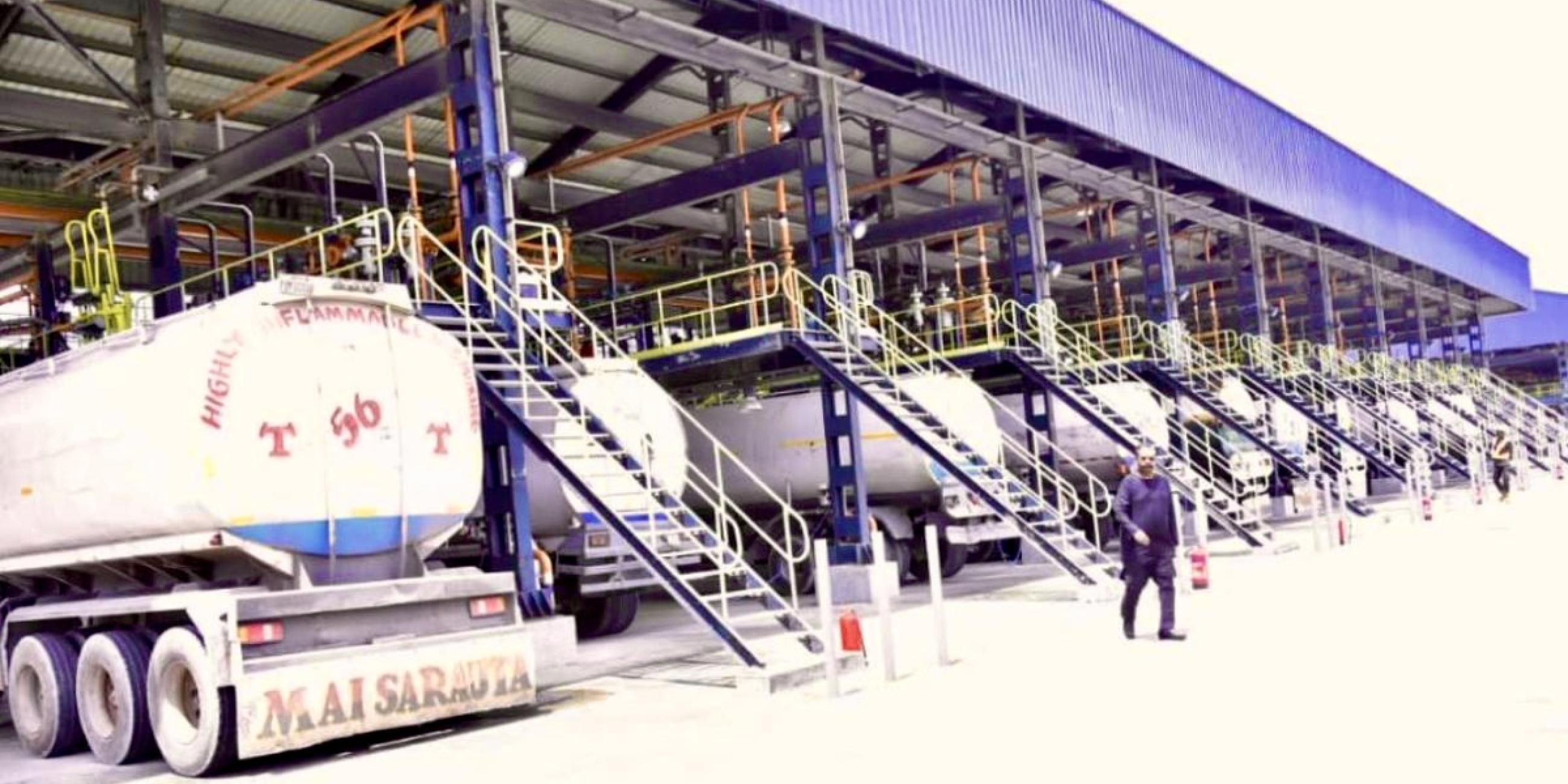
  • Dangote Group to Expand Lekki Refinery to 1.4 Million Barrels Per Day…….


    In a major boost for Nigeria’s energy sector, Dangote Group has secured a multi-million-dollar contract to expand the capacity of the Dangote Refinery in Lekki to an impressive 1.4 million barrels per day. According to the refinery, the expansion will solidify its position as a “global heavyweight,” transforming the complex into a multi-train facility of unmatched scale. The move is seen as a giant leap toward national fuel independence, reduced imports and stronger economic growth. Stakeholders say the project could significantly lower fuel costs and strengthen Nigeria’s export potential.
    #fintternews
    Dangote Group to Expand Lekki Refinery to 1.4 Million Barrels Per Day……. In a major boost for Nigeria’s energy sector, Dangote Group has secured a multi-million-dollar contract to expand the capacity of the Dangote Refinery in Lekki to an impressive 1.4 million barrels per day. According to the refinery, the expansion will solidify its position as a “global heavyweight,” transforming the complex into a multi-train facility of unmatched scale. The move is seen as a giant leap toward national fuel independence, reduced imports and stronger economic growth. Stakeholders say the project could significantly lower fuel costs and strengthen Nigeria’s export potential. #fintternews
    love
    1
    · 0 Comentários ·0 Compartilhamentos ·726 Visualizações
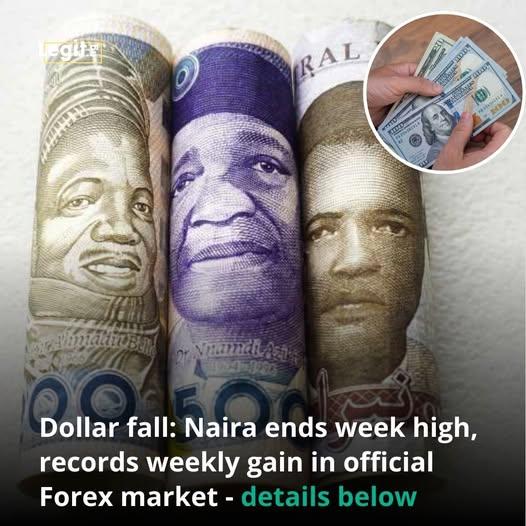
  • Naira Strengthens Against US Dollar Amid Rising Reserves and Narrowing FX Gap

    The Nigerian naira showed resilience against the US dollar, despite multiple economic pressures. Analysts attribute the development to rising external reserves and a narrowing gap between official and black-market foreign exchange rates.

    Market watchers suggest that these factors may help stabilise the currency in the near term, offering some relief amid ongoing financial uncertainties.

    #Naira #USDExchangeRate #NigeriaEconomy #Forex
    Naira Strengthens Against US Dollar Amid Rising Reserves and Narrowing FX Gap The Nigerian naira showed resilience against the US dollar, despite multiple economic pressures. Analysts attribute the development to rising external reserves and a narrowing gap between official and black-market foreign exchange rates. Market watchers suggest that these factors may help stabilise the currency in the near term, offering some relief amid ongoing financial uncertainties. #Naira #USDExchangeRate #NigeriaEconomy #Forex
    like
    1
    · 0 Comentários ·0 Compartilhamentos ·875 Visualizações
  • The naira managed to put up a strong challenge against the US dollar amid other variables.
    The naira managed to put up a strong challenge against the US dollar amid other variables.
    0 Comentários ·0 Compartilhamentos ·295 Visualizações
  • EFCC Tried to Force Emefiele’s Co-Defendant to Implicate Him, Defence Witness Tells Court

    A defence witness has told a Lagos court that the EFCC attempted to coerce Henry Omoile, co-defendant of ex-CBN Governor Godwin Emefiele, to falsely implicate him in a multi-billion-dollar corruption case. Lawyer Nnamdi Offial alleged that investigators promised bail and non-prosecution if Omoile cooperated, dictated his statements, and blocked answers that did not suit their narrative. He said Omoile was detained for 21 days after refusing. Under cross-examination, Offial admitted no formal complaint was filed and that no physical abuse occurred.

    #EmefieleTrial #EFCC #NigeriaCourt

    EFCC Tried to Force Emefiele’s Co-Defendant to Implicate Him, Defence Witness Tells Court A defence witness has told a Lagos court that the EFCC attempted to coerce Henry Omoile, co-defendant of ex-CBN Governor Godwin Emefiele, to falsely implicate him in a multi-billion-dollar corruption case. Lawyer Nnamdi Offial alleged that investigators promised bail and non-prosecution if Omoile cooperated, dictated his statements, and blocked answers that did not suit their narrative. He said Omoile was detained for 21 days after refusing. Under cross-examination, Offial admitted no formal complaint was filed and that no physical abuse occurred. #EmefieleTrial #EFCC #NigeriaCourt
    0 Comentários ·0 Compartilhamentos ·652 Visualizações
  • Wahala Don Set Oo! BUA Boss Rabiu Puts $500,000 on the Line as Super Eagles Face Morocco in AFCON Semi-Final

    Wahala don set oo for AFCON! Nigerian billionaire and BUA Group Chairman, Abdul Samad Rabiu, has dropped serious motivation for the Super Eagles ahead of their do-or-die semi-final clash against host nation Morocco.

    Rabiu has promised a whopping $500,000 to the team if they defeat Morocco, with an extra $50,000 for every goal scored in the match. The bold pledge has sent excitement across Nigeria as fans gear up for what many are calling the biggest test of the tournament so far.

    The businessman made the announcement on X after Nigeria’s impressive 2–0 victory over Algeria in Marrakech, a result that secured the Super Eagles’ place in the last four of the Africa Cup of Nations.

    But that’s not all. More wahala still dey! Rabiu further revealed that if the Super Eagles go all the way to lift the AFCON trophy, he will reward them with $1 million, plus an additional $100,000 for every goal scored in the final.

    The message has been widely hailed as a major morale booster for the players, with many Nigerians saying the cash incentive shows strong belief in the team’s ability to bring glory back home.

    Nigeria, three-time AFCON champions, will face Morocco on Wednesday, January 14, in what promises to be a high-pressure showdown against the tournament hosts. With national pride, continental glory, and now millions of dollars on the line, body go pepper for that pitch.

    For fans across the country, one thing is clear: this match no be small thing. As kickoff draws closer, Nigerians are hoping the Super Eagles will rise to the occasion and turn Rabiu’s promise into reality.

    Wahala don set oo — Morocco vs Nigeria, money, pride, and AFCON glory on the line!


    Wahala Don Set Oo! BUA Boss Rabiu Puts $500,000 on the Line as Super Eagles Face Morocco in AFCON Semi-Final Wahala don set oo for AFCON! Nigerian billionaire and BUA Group Chairman, Abdul Samad Rabiu, has dropped serious motivation for the Super Eagles ahead of their do-or-die semi-final clash against host nation Morocco. Rabiu has promised a whopping $500,000 to the team if they defeat Morocco, with an extra $50,000 for every goal scored in the match. The bold pledge has sent excitement across Nigeria as fans gear up for what many are calling the biggest test of the tournament so far. The businessman made the announcement on X after Nigeria’s impressive 2–0 victory over Algeria in Marrakech, a result that secured the Super Eagles’ place in the last four of the Africa Cup of Nations. But that’s not all. More wahala still dey! Rabiu further revealed that if the Super Eagles go all the way to lift the AFCON trophy, he will reward them with $1 million, plus an additional $100,000 for every goal scored in the final. The message has been widely hailed as a major morale booster for the players, with many Nigerians saying the cash incentive shows strong belief in the team’s ability to bring glory back home. Nigeria, three-time AFCON champions, will face Morocco on Wednesday, January 14, in what promises to be a high-pressure showdown against the tournament hosts. With national pride, continental glory, and now millions of dollars on the line, body go pepper for that pitch. For fans across the country, one thing is clear: this match no be small thing. As kickoff draws closer, Nigerians are hoping the Super Eagles will rise to the occasion and turn Rabiu’s promise into reality. Wahala don set oo — Morocco vs Nigeria, money, pride, and AFCON glory on the line! 🇳🇬🔥
    love
    1
    · 0 Comentários ·0 Compartilhamentos ·655 Visualizações
  • E Don Set for AFCON: BUA Chairman Rabiu Promises Super Eagles $1.5 Million If Dem Beat Algeria, Enter Final

    E don set for AFCON oo! Nigerians no fit keep calm again as BUA Group Chairman, Abdul Samad Rabiu, don drop heavy money promise for our Super Eagles after their hot victory over Algeria.

    Following the boys’ 2–0 win that carried Nigeria enter the semi-finals, the billionaire businessman come out boldly announce say serious cash reward dey wait the players if dem continue to deliver.

    Rabiu, wey post the message for him official X (Twitter) handle on Saturday, January 10, 2026, praise the team say dem don lift the spirit of the nation and make Nigerians proud again.

    According to am, if Super Eagles win their semi-final match, he go release $500,000 immediately, plus $50,000 for every single goal wey dem score. As in, every goal na money!

    But the real wahala dey the final.

    Rabiu talk say if Nigeria carry this AFCON cup go house, he go drop another $1 million, plus $100,000 for each goal scored in the final match. Meaning say goals don turn to dollars for this tournament.

    “Congratulations to our Super Eagles on a brilliant victory against Algeria. You have lifted the spirit of the nation,” Rabiu wrote. “Should you win the semi-final, I will reward you with $500,000 and $50,000 for each goal. If you go on to win the final, I further pledge $1,000,000 plus $100,000 for every goal.”

    He still encourage the boys make dem no relent: “Keep making Nigeria proud. Proudly Nigerian.”

    Recall say Nigeria beat Algeria 2–0 in Marrakech on Saturday, January 10, 2026. Goals from Victor Osimhen and Akor Adams for second half seal the match and send the Super Eagles straight to the semi-finals, where dem go face host nation Morocco.

    Since that victory, celebration don burst everywhere – from streets to social media – as Nigerians and top business leaders don begin rally behind the team.

    As e be now, one thing clear:
    AFCON don turn serious business. Goals na dollars. Victory na millions. Wahala don set oo!

    E Don Set for AFCON: BUA Chairman Rabiu Promises Super Eagles $1.5 Million If Dem Beat Algeria, Enter Final E don set for AFCON oo! Nigerians no fit keep calm again as BUA Group Chairman, Abdul Samad Rabiu, don drop heavy money promise for our Super Eagles after their hot victory over Algeria. Following the boys’ 2–0 win that carried Nigeria enter the semi-finals, the billionaire businessman come out boldly announce say serious cash reward dey wait the players if dem continue to deliver. Rabiu, wey post the message for him official X (Twitter) handle on Saturday, January 10, 2026, praise the team say dem don lift the spirit of the nation and make Nigerians proud again. According to am, if Super Eagles win their semi-final match, he go release $500,000 immediately, plus $50,000 for every single goal wey dem score. As in, every goal na money! But the real wahala dey the final. Rabiu talk say if Nigeria carry this AFCON cup go house, he go drop another $1 million, plus $100,000 for each goal scored in the final match. Meaning say goals don turn to dollars for this tournament. “Congratulations to our Super Eagles on a brilliant victory against Algeria. You have lifted the spirit of the nation,” Rabiu wrote. “Should you win the semi-final, I will reward you with $500,000 and $50,000 for each goal. If you go on to win the final, I further pledge $1,000,000 plus $100,000 for every goal.” He still encourage the boys make dem no relent: “Keep making Nigeria proud. Proudly Nigerian.” Recall say Nigeria beat Algeria 2–0 in Marrakech on Saturday, January 10, 2026. Goals from Victor Osimhen and Akor Adams for second half seal the match and send the Super Eagles straight to the semi-finals, where dem go face host nation Morocco. Since that victory, celebration don burst everywhere – from streets to social media – as Nigerians and top business leaders don begin rally behind the team. As e be now, one thing clear: AFCON don turn serious business. Goals na dollars. Victory na millions. Wahala don set oo!
    like
    1
    · 0 Comentários ·0 Compartilhamentos ·827 Visualizações
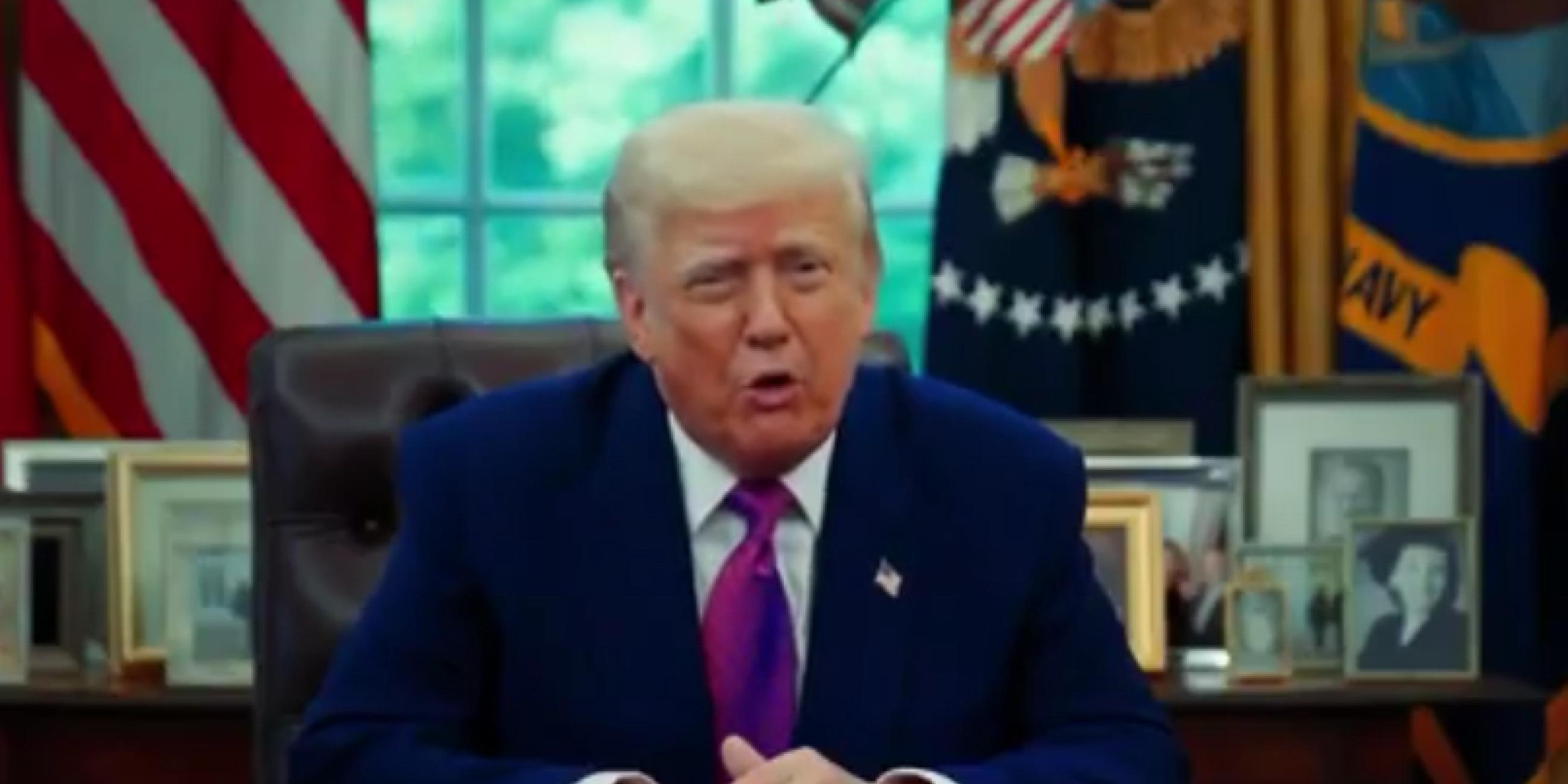
  • Trump Declares Emergency to Lock Down Venezuela’s Oil Funds in U.S. Treasury

    President Donald Trump has signed an executive order declaring a national emergency to block courts, creditors, and private parties from seizing Venezuelan oil revenue held in U.S. Treasury accounts.

    The White House said the funds—classified as Foreign Government Deposit Funds—are now fully protected from attachment, judgment, liens, or any form of legal action. The order also bans any transfer or use of the money unless explicitly authorised by the U.S. government.

    According to the administration, allowing the funds to be accessed would undermine U.S. foreign policy goals, weaken efforts to stabilise Venezuela, and threaten regional security. Officials linked the decision to concerns over illegal immigration, drug trafficking, and the influence of hostile foreign actors.

    The White House warned that losing control of the oil revenues could strengthen groups such as Iran and Hezbollah while crippling initiatives aimed at restoring political and economic stability in Venezuela and across the Western Hemisphere.

    The move forms part of Trump’s hardline “America First” approach to Venezuela. His administration has designated several criminal groups as terrorist organisations, imposed strict measures on oil shipments, and authorised aggressive action against narcotics networks operating in the region.

    Earlier on the same day, Trump met with top oil executives, revealing plans for large-scale U.S. investment in Venezuela’s energy sector. He said the deals could involve “hundreds of billions of dollars,” boost oil production, and drive prices down globally.

    The White House described the executive order as a strategic step to safeguard U.S. national security interests while maintaining control over Venezuela’s most critical financial asset.


    Trump Declares Emergency to Lock Down Venezuela’s Oil Funds in U.S. Treasury President Donald Trump has signed an executive order declaring a national emergency to block courts, creditors, and private parties from seizing Venezuelan oil revenue held in U.S. Treasury accounts. The White House said the funds—classified as Foreign Government Deposit Funds—are now fully protected from attachment, judgment, liens, or any form of legal action. The order also bans any transfer or use of the money unless explicitly authorised by the U.S. government. According to the administration, allowing the funds to be accessed would undermine U.S. foreign policy goals, weaken efforts to stabilise Venezuela, and threaten regional security. Officials linked the decision to concerns over illegal immigration, drug trafficking, and the influence of hostile foreign actors. The White House warned that losing control of the oil revenues could strengthen groups such as Iran and Hezbollah while crippling initiatives aimed at restoring political and economic stability in Venezuela and across the Western Hemisphere. The move forms part of Trump’s hardline “America First” approach to Venezuela. His administration has designated several criminal groups as terrorist organisations, imposed strict measures on oil shipments, and authorised aggressive action against narcotics networks operating in the region. Earlier on the same day, Trump met with top oil executives, revealing plans for large-scale U.S. investment in Venezuela’s energy sector. He said the deals could involve “hundreds of billions of dollars,” boost oil production, and drive prices down globally. The White House described the executive order as a strategic step to safeguard U.S. national security interests while maintaining control over Venezuela’s most critical financial asset.
    0 Comentários ·0 Compartilhamentos ·1K Visualizações
  • Is Iran Facing a New Uprising? How Nationwide Protests, Internet Blackouts and Reza Pahlavi’s Call Are Challenging Khamenei’s Rule

    Iran was gripped by renewed nationwide protests on Thursday night as demonstrators poured into the streets of Tehran and other cities following a call for mass action by exiled crown prince Reza Pahlavi. Witnesses reported chanting from rooftops and in neighbourhoods, while authorities quickly moved to cut internet access and telephone lines, a tactic historically used ahead of harsh crackdowns.

    The demonstrations marked a significant escalation in unrest driven largely by economic hardship, currency collapse, and public anger at Iran’s political system. They also represented the first major test of whether Pahlavi—whose father was overthrown in the 1979 Islamic Revolution—could mobilise meaningful opposition inside the country. Protests had already erupted the previous day in cities and rural towns, with markets and bazaars closing in solidarity.

    According to the U.S.-based Human Rights Activists News Agency, at least 41 people have been killed and more than 2,270 detained since the protests began. Monitoring groups such as Cloudflare and NetBlocks reported widespread digital shutdowns, attributing them to government interference. Calls to Iran from abroad reportedly failed, a sign often preceding intensified security operations.

    Despite the scale of the unrest, the movement has remained largely leaderless, prompting debate over whether it can sustain momentum or force political change. Analysts note that previous protest waves faltered due to the absence of a unified leadership structure, as Iran’s security apparatus has historically arrested, exiled, or silenced potential opposition figures.

    At the appointed protest hour, chants echoed across Tehran: “Death to the dictator!” “Death to the Islamic Republic!” and slogans calling for the return of the monarchy. In a statement, Pahlavi urged Iranians to continue demonstrating, declaring that “the eyes of the world are upon you,” and warning authorities that repression would not go unnoticed internationally.

    Iranian officials have not publicly acknowledged the full scope of the unrest, though state-linked media confirmed casualties among security forces. Reports from the judiciary and semi-official outlets said police officers and Revolutionary Guard members were killed in separate attacks in provinces including Kermanshah, Chaharmahal and Bakhtiari, and Khorasan Razavi. Hard-line media also circulated warnings that security agencies could use drones to identify protesters.

    The unrest comes amid deepening economic strain. Following tighter sanctions and the aftermath of a brief war, Iran’s currency collapsed in December to about 1.4 million rials to the U.S. dollar, triggering renewed demonstrations and calls for an end to clerical rule. U.S. President Donald Trump warned that Washington would respond if peaceful protesters were violently repressed, a statement Iran’s Foreign Ministry dismissed as “hypocritical interference.”

    Meanwhile, Nobel Peace Prize laureate Narges Mohammadi remains imprisoned, with her family saying the protests echo earlier uprisings in 2009 and 2019, each demanding an end to what they describe as a “dictatorial religious regime.”

    As unrest spreads and communication blackouts deepen, pressing questions remain: Can these protests break the cycle of repression? Will Reza Pahlavi emerge as a unifying figure or remain symbolic? And is Iran approaching a turning point—or another crackdown? With anger rising and the government tightening control, the unfolding crisis is shaping up as one of the most serious challenges to Iran’s leadership in years.


    Is Iran Facing a New Uprising? How Nationwide Protests, Internet Blackouts and Reza Pahlavi’s Call Are Challenging Khamenei’s Rule Iran was gripped by renewed nationwide protests on Thursday night as demonstrators poured into the streets of Tehran and other cities following a call for mass action by exiled crown prince Reza Pahlavi. Witnesses reported chanting from rooftops and in neighbourhoods, while authorities quickly moved to cut internet access and telephone lines, a tactic historically used ahead of harsh crackdowns. The demonstrations marked a significant escalation in unrest driven largely by economic hardship, currency collapse, and public anger at Iran’s political system. They also represented the first major test of whether Pahlavi—whose father was overthrown in the 1979 Islamic Revolution—could mobilise meaningful opposition inside the country. Protests had already erupted the previous day in cities and rural towns, with markets and bazaars closing in solidarity. According to the U.S.-based Human Rights Activists News Agency, at least 41 people have been killed and more than 2,270 detained since the protests began. Monitoring groups such as Cloudflare and NetBlocks reported widespread digital shutdowns, attributing them to government interference. Calls to Iran from abroad reportedly failed, a sign often preceding intensified security operations. Despite the scale of the unrest, the movement has remained largely leaderless, prompting debate over whether it can sustain momentum or force political change. Analysts note that previous protest waves faltered due to the absence of a unified leadership structure, as Iran’s security apparatus has historically arrested, exiled, or silenced potential opposition figures. At the appointed protest hour, chants echoed across Tehran: “Death to the dictator!” “Death to the Islamic Republic!” and slogans calling for the return of the monarchy. In a statement, Pahlavi urged Iranians to continue demonstrating, declaring that “the eyes of the world are upon you,” and warning authorities that repression would not go unnoticed internationally. Iranian officials have not publicly acknowledged the full scope of the unrest, though state-linked media confirmed casualties among security forces. Reports from the judiciary and semi-official outlets said police officers and Revolutionary Guard members were killed in separate attacks in provinces including Kermanshah, Chaharmahal and Bakhtiari, and Khorasan Razavi. Hard-line media also circulated warnings that security agencies could use drones to identify protesters. The unrest comes amid deepening economic strain. Following tighter sanctions and the aftermath of a brief war, Iran’s currency collapsed in December to about 1.4 million rials to the U.S. dollar, triggering renewed demonstrations and calls for an end to clerical rule. U.S. President Donald Trump warned that Washington would respond if peaceful protesters were violently repressed, a statement Iran’s Foreign Ministry dismissed as “hypocritical interference.” Meanwhile, Nobel Peace Prize laureate Narges Mohammadi remains imprisoned, with her family saying the protests echo earlier uprisings in 2009 and 2019, each demanding an end to what they describe as a “dictatorial religious regime.” As unrest spreads and communication blackouts deepen, pressing questions remain: Can these protests break the cycle of repression? Will Reza Pahlavi emerge as a unifying figure or remain symbolic? And is Iran approaching a turning point—or another crackdown? With anger rising and the government tightening control, the unfolding crisis is shaping up as one of the most serious challenges to Iran’s leadership in years.
    0 Comentários ·0 Compartilhamentos ·985 Visualizações
  • What Will 2026 Really Bring for Nigeria and the World? Azu Ishiekwene Predicts Power Shifts, Economic Strain, AI Disruption, 2027 Politics and Who Wins the World Cup

    Is 2026 a year of quiet recovery—or the beginning of deeper political, economic and global turbulence? And is Nigeria already slipping into the politics of 2027?

    In what he describes as possibly his final annual forecast, journalist and columnist Azu Ishiekwene delivers a sweeping, high-stakes outlook on Nigeria and the world, blending political prediction, economic analysis, technology trends and global power shifts. Known for earlier forecasts that accurately anticipated election outcomes and cabinet shake-ups, Ishiekwene argues that 2026 will be a year where politics collides head-on with harsh economic realities, leaving citizens caught between daily hardship and recycled political promises.

    He warns that Nigeria’s economy will remain under pressure, with tensions growing between tight monetary policy and rising demands for fiscal expansion in a pre-election year. Could divisions inside the Ministry of Finance undermine investor confidence? And will petrol prices remain stable around ₦850 per litre, as he suggests, only if oil output rises and NNPC escapes its heavy crude obligations?

    While cheaper fuel from the Dangote Refinery may offer temporary consumer relief, Ishiekwene predicts continued instability in electricity supply, pointing to a fragile transmission system that still requires massive investment. He also foresees President Bola Tinubu possibly unveiling private-sector-led reforms in power transmission involving major business players.

    But is Nigeria already entering the politics of 2027 in 2026?

    Ishiekwene argues that although early elections are unlikely, political realignments are accelerating. With multiple opposition governors defecting to the ruling APC, claims of a creeping one-party state are growing. Yet, he suggests the reality is more complex: a weakened opposition plagued by internal fractures, financial constraints and a lack of coherent alternatives.

    Turning to the emerging African Democratic Congress (ADC) coalition—uniting figures such as Atiku Abubakar, Peter Obi, Nasir El-Rufai, Rotimi Amaechi and Rabiu Kwankwaso—he raises a critical question: is ADC truly built to win in 2027, or merely to survive until 2031? He predicts Atiku will clinch the party’s ticket over Obi, with Obi likely offered the vice-presidential slot—potentially triggering backlash among “Obidients.” With limited grassroots reach and the enormous financial demands of a presidential campaign, Ishiekwene concludes that ADC may struggle to pose a serious challenge to the ruling party in the next election cycle.

    Beyond Nigeria, he paints 2026 as a year shaped by geopolitical rivalry, especially between Donald Trump’s America and Xi Jinping’s China, and by growing global unease over U.S. trade policies, immigration enforcement and economic nationalism. Could gold and non-dollar assets accelerate as the world quietly prepares for a less dollar-centric future?

    He also highlights the rapid evolution of artificial intelligence, warning that 2026 will mark a shift from basic generative AI to agentic, autonomous systems capable of independent action. As AI blurs the line between reality and fabrication, he predicts rising confusion, misinformation, and ethical challenges—ushering in what he calls the “Year of the Humanoid.”

    Even football is not spared his forecasting. With the 2026 FIFA World Cup approaching, Ishiekwene tips Spain to win, citing tactical depth and cohesion, while acknowledging Morocco as Africa’s strongest hope.

    Ultimately, the essay asks uncomfortable but urgent questions:
    Is Nigeria drifting toward political dominance by one party?
    Will economic reforms truly ease citizens’ burdens—or merely reshuffle the pressure?
    Can a fractured opposition reorganise in time?
    And in a world increasingly shaped by AI and geopolitical rivalry, where does Nigeria truly stand?

    For Ishiekwene, 2026 is not just another year—it is a crossroads where technology, politics, power and survival intersect, setting the tone for Nigeria’s future well beyond the next election.


    What Will 2026 Really Bring for Nigeria and the World? Azu Ishiekwene Predicts Power Shifts, Economic Strain, AI Disruption, 2027 Politics and Who Wins the World Cup Is 2026 a year of quiet recovery—or the beginning of deeper political, economic and global turbulence? And is Nigeria already slipping into the politics of 2027? In what he describes as possibly his final annual forecast, journalist and columnist Azu Ishiekwene delivers a sweeping, high-stakes outlook on Nigeria and the world, blending political prediction, economic analysis, technology trends and global power shifts. Known for earlier forecasts that accurately anticipated election outcomes and cabinet shake-ups, Ishiekwene argues that 2026 will be a year where politics collides head-on with harsh economic realities, leaving citizens caught between daily hardship and recycled political promises. He warns that Nigeria’s economy will remain under pressure, with tensions growing between tight monetary policy and rising demands for fiscal expansion in a pre-election year. Could divisions inside the Ministry of Finance undermine investor confidence? And will petrol prices remain stable around ₦850 per litre, as he suggests, only if oil output rises and NNPC escapes its heavy crude obligations? While cheaper fuel from the Dangote Refinery may offer temporary consumer relief, Ishiekwene predicts continued instability in electricity supply, pointing to a fragile transmission system that still requires massive investment. He also foresees President Bola Tinubu possibly unveiling private-sector-led reforms in power transmission involving major business players. But is Nigeria already entering the politics of 2027 in 2026? Ishiekwene argues that although early elections are unlikely, political realignments are accelerating. With multiple opposition governors defecting to the ruling APC, claims of a creeping one-party state are growing. Yet, he suggests the reality is more complex: a weakened opposition plagued by internal fractures, financial constraints and a lack of coherent alternatives. Turning to the emerging African Democratic Congress (ADC) coalition—uniting figures such as Atiku Abubakar, Peter Obi, Nasir El-Rufai, Rotimi Amaechi and Rabiu Kwankwaso—he raises a critical question: is ADC truly built to win in 2027, or merely to survive until 2031? He predicts Atiku will clinch the party’s ticket over Obi, with Obi likely offered the vice-presidential slot—potentially triggering backlash among “Obidients.” With limited grassroots reach and the enormous financial demands of a presidential campaign, Ishiekwene concludes that ADC may struggle to pose a serious challenge to the ruling party in the next election cycle. Beyond Nigeria, he paints 2026 as a year shaped by geopolitical rivalry, especially between Donald Trump’s America and Xi Jinping’s China, and by growing global unease over U.S. trade policies, immigration enforcement and economic nationalism. Could gold and non-dollar assets accelerate as the world quietly prepares for a less dollar-centric future? He also highlights the rapid evolution of artificial intelligence, warning that 2026 will mark a shift from basic generative AI to agentic, autonomous systems capable of independent action. As AI blurs the line between reality and fabrication, he predicts rising confusion, misinformation, and ethical challenges—ushering in what he calls the “Year of the Humanoid.” Even football is not spared his forecasting. With the 2026 FIFA World Cup approaching, Ishiekwene tips Spain to win, citing tactical depth and cohesion, while acknowledging Morocco as Africa’s strongest hope. Ultimately, the essay asks uncomfortable but urgent questions: Is Nigeria drifting toward political dominance by one party? Will economic reforms truly ease citizens’ burdens—or merely reshuffle the pressure? Can a fractured opposition reorganise in time? And in a world increasingly shaped by AI and geopolitical rivalry, where does Nigeria truly stand? For Ishiekwene, 2026 is not just another year—it is a crossroads where technology, politics, power and survival intersect, setting the tone for Nigeria’s future well beyond the next election.
    love
    1
    · 0 Comentários ·0 Compartilhamentos ·2K Visualizações
  • China Condemns U.S. Detention of Venezuela’s President Maduro, Says No Country Has the Right to Act as the ‘World’s Judge’ or Global Police

    China has strongly criticised the detention of Venezuelan President Nicolás Maduro by the United States, declaring that it will never accept any country positioning itself as the “world’s judge” or acting as a global police force. The position was stated by Chinese Foreign Minister Wang Yi during talks with Pakistan’s Foreign Minister, Ishaq Dar, in Beijing, following what he described as sudden and serious developments in Venezuela.

    Without naming the United States directly, Wang Yi stressed that international law does not permit any nation to unilaterally police or judge others, insisting that the sovereignty and security of all countries must be respected. His remarks marked China’s first public response since images of Maduro blindfolded and handcuffed surfaced, sparking global controversy. Maduro is currently detained in New York and awaiting a court appearance on drug-related charges.

    The development poses a diplomatic test for China, which has cultivated close ties with Venezuela and considers itself a dependable partner to Caracas. Beijing has played a significant economic and political role in supporting Venezuela, particularly since Western sanctions intensified in 2017, investing billions of dollars and purchasing large volumes of Venezuelan crude oil. Analysts say China’s growing confidence on the global stage, reinforced by its past confrontations with Washington and recent diplomatic initiatives, is shaping its firm stance.

    However, U.S. President Donald Trump’s assertion that Washington will temporarily oversee Venezuela’s government has raised concerns about the future of China–Venezuela relations and Beijing’s ambition to act as a major diplomatic power. Chinese officials privately described Maduro’s detention as a major setback, highlighting years of diplomatic engagement and economic cooperation now overshadowed by escalating geopolitical tensions.
    China Condemns U.S. Detention of Venezuela’s President Maduro, Says No Country Has the Right to Act as the ‘World’s Judge’ or Global Police China has strongly criticised the detention of Venezuelan President Nicolás Maduro by the United States, declaring that it will never accept any country positioning itself as the “world’s judge” or acting as a global police force. The position was stated by Chinese Foreign Minister Wang Yi during talks with Pakistan’s Foreign Minister, Ishaq Dar, in Beijing, following what he described as sudden and serious developments in Venezuela. Without naming the United States directly, Wang Yi stressed that international law does not permit any nation to unilaterally police or judge others, insisting that the sovereignty and security of all countries must be respected. His remarks marked China’s first public response since images of Maduro blindfolded and handcuffed surfaced, sparking global controversy. Maduro is currently detained in New York and awaiting a court appearance on drug-related charges. The development poses a diplomatic test for China, which has cultivated close ties with Venezuela and considers itself a dependable partner to Caracas. Beijing has played a significant economic and political role in supporting Venezuela, particularly since Western sanctions intensified in 2017, investing billions of dollars and purchasing large volumes of Venezuelan crude oil. Analysts say China’s growing confidence on the global stage, reinforced by its past confrontations with Washington and recent diplomatic initiatives, is shaping its firm stance. However, U.S. President Donald Trump’s assertion that Washington will temporarily oversee Venezuela’s government has raised concerns about the future of China–Venezuela relations and Beijing’s ambition to act as a major diplomatic power. Chinese officials privately described Maduro’s detention as a major setback, highlighting years of diplomatic engagement and economic cooperation now overshadowed by escalating geopolitical tensions.
    love
    1
    · 0 Comentários ·0 Compartilhamentos ·529 Visualizações
  • Nigeria Spends ₦1.4 Trillion Importing Food, Beverages and Vegetable Products in Three Months Amid Rising Hunger – NBS Report

    Nigeria spent a total of ₦1.4 trillion importing prepared foodstuffs, beverages and vegetable products between July and September 2025, according to third-quarter foreign trade data released by the National Bureau of Statistics (NBS). The report shows that prepared foodstuffs, beverages, spirits and vinegar alone accounted for ₦748 billion in imports, while vegetable products were valued at ₦697 billion within the same three-month period.

    The figures highlight Nigeria’s heavy dependence on imported food despite repeated government promises to boost local agricultural production. The spending comes at a time of worsening hunger, rising food prices and pressure from the high dollar-to-naira exchange rate.

    Beyond food items, the data revealed that Nigeria imported live animals and animal products worth ₦382 billion, animal and vegetable fats and oils valued at ₦140 billion, plastics and rubber products worth ₦933 billion, and vehicles, aircraft and related parts costing ₦1.6 trillion. Boilers, machinery and mechanical appliances topped the import list at ₦2.5 trillion, while textile materials and articles amounted to ₦248.3 billion.

    The NBS figures underscore the scale of Nigeria’s import dependence and its implications for food security and foreign exchange stability. The report also comes amid broader concerns about rising import bills, including arms and ammunition, at a time when economic pressures continue to mount across the country.
    Nigeria Spends ₦1.4 Trillion Importing Food, Beverages and Vegetable Products in Three Months Amid Rising Hunger – NBS Report Nigeria spent a total of ₦1.4 trillion importing prepared foodstuffs, beverages and vegetable products between July and September 2025, according to third-quarter foreign trade data released by the National Bureau of Statistics (NBS). The report shows that prepared foodstuffs, beverages, spirits and vinegar alone accounted for ₦748 billion in imports, while vegetable products were valued at ₦697 billion within the same three-month period. The figures highlight Nigeria’s heavy dependence on imported food despite repeated government promises to boost local agricultural production. The spending comes at a time of worsening hunger, rising food prices and pressure from the high dollar-to-naira exchange rate. Beyond food items, the data revealed that Nigeria imported live animals and animal products worth ₦382 billion, animal and vegetable fats and oils valued at ₦140 billion, plastics and rubber products worth ₦933 billion, and vehicles, aircraft and related parts costing ₦1.6 trillion. Boilers, machinery and mechanical appliances topped the import list at ₦2.5 trillion, while textile materials and articles amounted to ₦248.3 billion. The NBS figures underscore the scale of Nigeria’s import dependence and its implications for food security and foreign exchange stability. The report also comes amid broader concerns about rising import bills, including arms and ammunition, at a time when economic pressures continue to mount across the country.
    0 Comentários ·0 Compartilhamentos ·390 Visualizações
  • Alleged Terrorism Financing: EFCC Arraigns Bauchi Commissioner, Three Others for $9.7m

    The Federal High Court, Abuja has ordered the remand of the Bauchi State Commissioner for finance Yakubu Adamu and three others in Kuje correctional centre pending the determination of their bail application.

    Justice Emeka Nwite gave the other following the arraignment of the four defendants by the EFCC.

    Yakubu Adamu, Balarabe Abdullahi Ilelah, Aminu Mohammed Bose and Kabiru Yahaya Mohammed were arraigned on a ten-count charge bordering on conspiracy, conversion of public funds and alleged terrorism financing running to over 9 point 7 million dollars.

    The defendants pleaded not guilty to the ten - count change.

    While the defence counsel moved the motion for the bail application of the defendants, the prosecution counsel opposed the application.
    Justice Emeka Nwite adjourned the matter to January 5, 2026 for ruling on the bail application
    Alleged Terrorism Financing: EFCC Arraigns Bauchi Commissioner, Three Others for $9.7m The Federal High Court, Abuja has ordered the remand of the Bauchi State Commissioner for finance Yakubu Adamu and three others in Kuje correctional centre pending the determination of their bail application. Justice Emeka Nwite gave the other following the arraignment of the four defendants by the EFCC. Yakubu Adamu, Balarabe Abdullahi Ilelah, Aminu Mohammed Bose and Kabiru Yahaya Mohammed were arraigned on a ten-count charge bordering on conspiracy, conversion of public funds and alleged terrorism financing running to over 9 point 7 million dollars. The defendants pleaded not guilty to the ten - count change. While the defence counsel moved the motion for the bail application of the defendants, the prosecution counsel opposed the application. Justice Emeka Nwite adjourned the matter to January 5, 2026 for ruling on the bail application
    0 Comentários ·0 Compartilhamentos ·475 Visualizações
  • Africa’s Weakest Currencies in 2025: Why South Sudan and Ethiopia Crashed, Investor Fears Grew, and the Naira Escaped Africa’s Bottom 10

    In 2025, currency weakness across Africa deepened economic hardship for millions, as sharp devaluations translated into soaring inflation, higher living costs, and reduced investor confidence. An end-of-year assessment shows that the South Sudanese pound and the Ethiopian birr emerged as Africa’s weakest currencies, each losing more than 10% of their value against the US dollar, underscoring persistent structural and macroeconomic vulnerabilities across the continent.

    South Sudan’s currency collapse was largely driven by its heavy dependence on crude oil, which accounts for over 90% of foreign exchange earnings. Disruptions to oil exports following conflict in neighbouring Sudan severely reduced dollar inflows, triggering a steep depreciation of the pound. The fallout was devastating, with inflation surging to nearly 108% by September 2025, eroding purchasing power and worsening poverty.

    Ethiopia’s birr also suffered a brutal year, ranking among the world’s weakest currencies alongside the Argentine peso and Turkish lira. Dollar shortages, high inflation, mounting debt pressures, and investor anxiety combined to push the birr down by over 15%, complicating economic stabilisation efforts and debt restructuring plans.

    Across Africa, weak and volatile currencies continue to deter both foreign and local investment, as exchange-rate instability makes long-term business planning nearly impossible. Economies with limited export diversification, persistent inflation, and political or fiscal instability remain the most exposed to global shocks.

    Notably, Nigeria’s naira was absent from Africa’s bottom 10 weakest currencies in 2025, despite its own struggles and ending the year around ₦1,445 to the dollar. Analysts say this highlights that currency strength is not determined by central bank policy alone but reflects deeper economic resilience, diversification, and stability. As Africa moves into 2026, the performance of its currencies remains a key signal of broader economic health across the continent.
    Africa’s Weakest Currencies in 2025: Why South Sudan and Ethiopia Crashed, Investor Fears Grew, and the Naira Escaped Africa’s Bottom 10 In 2025, currency weakness across Africa deepened economic hardship for millions, as sharp devaluations translated into soaring inflation, higher living costs, and reduced investor confidence. An end-of-year assessment shows that the South Sudanese pound and the Ethiopian birr emerged as Africa’s weakest currencies, each losing more than 10% of their value against the US dollar, underscoring persistent structural and macroeconomic vulnerabilities across the continent. South Sudan’s currency collapse was largely driven by its heavy dependence on crude oil, which accounts for over 90% of foreign exchange earnings. Disruptions to oil exports following conflict in neighbouring Sudan severely reduced dollar inflows, triggering a steep depreciation of the pound. The fallout was devastating, with inflation surging to nearly 108% by September 2025, eroding purchasing power and worsening poverty. Ethiopia’s birr also suffered a brutal year, ranking among the world’s weakest currencies alongside the Argentine peso and Turkish lira. Dollar shortages, high inflation, mounting debt pressures, and investor anxiety combined to push the birr down by over 15%, complicating economic stabilisation efforts and debt restructuring plans. Across Africa, weak and volatile currencies continue to deter both foreign and local investment, as exchange-rate instability makes long-term business planning nearly impossible. Economies with limited export diversification, persistent inflation, and political or fiscal instability remain the most exposed to global shocks. Notably, Nigeria’s naira was absent from Africa’s bottom 10 weakest currencies in 2025, despite its own struggles and ending the year around ₦1,445 to the dollar. Analysts say this highlights that currency strength is not determined by central bank policy alone but reflects deeper economic resilience, diversification, and stability. As Africa moves into 2026, the performance of its currencies remains a key signal of broader economic health across the continent.
    0 Comentários ·0 Compartilhamentos ·734 Visualizações
  • LPG Marketers Accuse Dangote Refinery of Blocking Gas Loading for Over One Month After Full Payment, Allege Product Diversion, Preferential Pricing and Financial Losses

    Some Liquefied Petroleum Gas (LPG) marketers have accused the Dangote Refinery of deliberately frustrating their operations by preventing them from loading LPG products more than a month after full payment was made. The aggrieved marketers told SaharaReporters that despite settling proforma invoices and meeting all financial obligations, access to the Dangote gantry has remained blocked, leaving many traders in severe financial distress. Several marketers said they borrowed heavily from banks to fund their allocations and are now burdened with high interest costs due to prolonged delays.

    The marketers further alleged that LPG already paid for is being diverted by the refinery for the production of polypropylene, while independent traders are sidelined. They also criticised what they described as an inefficient and opaque loading system, claiming FAN tickets take weeks to process and that traders are restricted to loading only one truck every two weeks, often requiring insider connections. Additional complaints include alleged preferential pricing for consortium members, uncompetitive margins for independent marketers, the sale of Aviation Turbine Kerosene (ATK) in US dollars, and pricing structures that make profitability nearly impossible for traders relying on bank loans.

    Responding to the allegations, Dangote Group’s Chief Communications Officer, Tony Chiejina, dismissed the criticisms, stating that the refinery’s impact would become clearer over time and highlighting Nigeria’s improved fuel availability during festive periods. He also hinted at what he described as an impending “big revolution” in LPG, urging critics to be patient as the refinery’s long-term benefits unfold.
    LPG Marketers Accuse Dangote Refinery of Blocking Gas Loading for Over One Month After Full Payment, Allege Product Diversion, Preferential Pricing and Financial Losses Some Liquefied Petroleum Gas (LPG) marketers have accused the Dangote Refinery of deliberately frustrating their operations by preventing them from loading LPG products more than a month after full payment was made. The aggrieved marketers told SaharaReporters that despite settling proforma invoices and meeting all financial obligations, access to the Dangote gantry has remained blocked, leaving many traders in severe financial distress. Several marketers said they borrowed heavily from banks to fund their allocations and are now burdened with high interest costs due to prolonged delays. The marketers further alleged that LPG already paid for is being diverted by the refinery for the production of polypropylene, while independent traders are sidelined. They also criticised what they described as an inefficient and opaque loading system, claiming FAN tickets take weeks to process and that traders are restricted to loading only one truck every two weeks, often requiring insider connections. Additional complaints include alleged preferential pricing for consortium members, uncompetitive margins for independent marketers, the sale of Aviation Turbine Kerosene (ATK) in US dollars, and pricing structures that make profitability nearly impossible for traders relying on bank loans. Responding to the allegations, Dangote Group’s Chief Communications Officer, Tony Chiejina, dismissed the criticisms, stating that the refinery’s impact would become clearer over time and highlighting Nigeria’s improved fuel availability during festive periods. He also hinted at what he described as an impending “big revolution” in LPG, urging critics to be patient as the refinery’s long-term benefits unfold.
    0 Comentários ·0 Compartilhamentos ·620 Visualizações
  • Fact Check: Has Hushpuppi Been Released and Deported to Nigeria? Viral Social Media Claim Debunked as False

    Claims circulating on social media that convicted Nigerian internet celebrity Ramon Abbas, popularly known as Hushpuppi, has been released from a U.S. prison and deported to Nigeria have been proven false. A viral post on X alleged that Hushpuppi was freed for good behaviour, supported by misleading images. However, fact-checks confirmed that Hushpuppi, sentenced in November 2022 to over 11 years for multi-million-dollar fraud, remains in U.S. federal custody and is not due for release until 2029. The images used in the viral claim were traced to an unrelated INTERPOL arrest in Nigeria, further discrediting the rumour.
    Fact Check: Has Hushpuppi Been Released and Deported to Nigeria? Viral Social Media Claim Debunked as False Claims circulating on social media that convicted Nigerian internet celebrity Ramon Abbas, popularly known as Hushpuppi, has been released from a U.S. prison and deported to Nigeria have been proven false. A viral post on X alleged that Hushpuppi was freed for good behaviour, supported by misleading images. However, fact-checks confirmed that Hushpuppi, sentenced in November 2022 to over 11 years for multi-million-dollar fraud, remains in U.S. federal custody and is not due for release until 2029. The images used in the viral claim were traced to an unrelated INTERPOL arrest in Nigeria, further discrediting the rumour.
    0 Comentários ·0 Compartilhamentos ·420 Visualizações

  • ‎Mr Eazi about to put $2 million into building a massive event centre in Ghana

    ‎During his appearance at the Detty Rave concert, Mr Eazi reveals Ghana needs proper venues for events.

    ‎"I want to tell Ghana Tourism...
    ‎We need proper venues for events in Ghana.
    ‎I’m ready to invest two million dollars to make it happen.
    ‎I plan to construct a 3,000-capacity.
    ‎I’ll put up the necessary infrastructure and security" - Mr Eazi to Ghana's Tourism Authorities


    ‎If they say yes, Ghana may have the biggest venue for Detty December annually.


    #1official
    ‎🇬🇭🇳🇬🔥 ‎Mr Eazi about to put $2 million into building a massive event centre in Ghana 👀 ‎ ‎During his appearance at the Detty Rave concert, Mr Eazi reveals Ghana needs proper venues for events. ‎ ‎"I want to tell Ghana Tourism... ‎We need proper venues for events in Ghana. ‎I’m ready to invest two million dollars to make it happen. ‎I plan to construct a 3,000-capacity. ‎I’ll put up the necessary infrastructure and security" - Mr Eazi to Ghana's Tourism Authorities ‎ ‎ ‎If they say yes, Ghana may have the biggest venue for Detty December annually. 💥 ‎ #1official
    like
    1
    · 0 Comentários ·0 Compartilhamentos ·293 Visualizações
  • Breaking News

    Ghanaian Prophet Eboh Noah who said the world will finish on the 25th of December just splashed $89k dollars on a 2025 Mercedes Benz . That’s about 100 million Naira .

    Millions was alledgedly donated to him by Christians all over the world to built the Ark and bro just made sure he got all he wanted .

    Moral lesson : African Christians need to wise up and rise up too .
    Breaking News 😳😳😳🙌🙌🙌 Ghanaian Prophet Eboh Noah who said the world will finish on the 25th of December just splashed $89k dollars on a 2025 Mercedes Benz . That’s about 100 million Naira . Millions was alledgedly donated to him by Christians all over the world to built the Ark and bro just made sure he got all he wanted . Moral lesson : African Christians need to wise up and rise up too .
    0 Comentários ·0 Compartilhamentos ·458 Visualizações
  • Doris Ogala Showoffs $10k "Compensation" Pastor Chris Okafor Recently Gave Her With A Condition

    Nollywood actress Doris Ogala has publicly displayed bundles of U.S. dollar bills totaling $10,000, claiming the money was given to her by Pastor Chris Okafor as an inducement to retract her previous accusations against him.

    In a video posted online, Ogala stated that she received the cash delivered in two installments of $5,000 each on December 23, 2025.

    She alleged that the pastor urged her to publicly declare that rival pastors had sponsored her to tarnish his reputation and to withdraw all her earlier claims.

    Ogala firmly rejected the condition, insisting she would not comply. "You want me to come out and say that some pastors sent me to blackmail him? I'm not going to do that," she said.

    To counter any potential spiritual concerns, she claimed to have prayed over the money, canceling any "diabolical" influences attached to it.

    The actress emphasized that she accepted the funds deliberately as evidence to support the veracity of her ongoing allegations, while denying any intent to blackmail the cleric. The development has sparked widespread online debate amid the continuing controversy between the two parties.

    (Note: These claims remain allegations from Ogala and have not been independently verified or responded to publicly by Pastor Okafor as of the latest updates.)
    Doris Ogala Showoffs $10k "Compensation" Pastor Chris Okafor Recently Gave Her With A Condition Nollywood actress Doris Ogala has publicly displayed bundles of U.S. dollar bills totaling $10,000, claiming the money was given to her by Pastor Chris Okafor as an inducement to retract her previous accusations against him. In a video posted online, Ogala stated that she received the cash delivered in two installments of $5,000 each on December 23, 2025. She alleged that the pastor urged her to publicly declare that rival pastors had sponsored her to tarnish his reputation and to withdraw all her earlier claims. Ogala firmly rejected the condition, insisting she would not comply. "You want me to come out and say that some pastors sent me to blackmail him? I'm not going to do that," she said. To counter any potential spiritual concerns, she claimed to have prayed over the money, canceling any "diabolical" influences attached to it. The actress emphasized that she accepted the funds deliberately as evidence to support the veracity of her ongoing allegations, while denying any intent to blackmail the cleric. The development has sparked widespread online debate amid the continuing controversy between the two parties. (Note: These claims remain allegations from Ogala and have not been independently verified or responded to publicly by Pastor Okafor as of the latest updates.)
    0 Comentários ·0 Compartilhamentos ·241 Visualizações
  • Trump Attacks Democrats as ‘Radical Left Scum’ in Christmas Message, Claims Economic Boom, Strong Borders and Record Security Gains

    U.S. President Donald Trump sparked controversy on Christmas Day after using his holiday message to sharply attack Democrats, whom he labelled “Radical Left Scum,” while highlighting what he described as major economic, security and policy achievements under his administration. In a post shared on X, Trump wished Americans a Merry Christmas but accused his political opponents of trying—and failing—to destroy the country.

    Trump claimed his government had reversed several policies, insisting the United States no longer has open borders, weak law enforcement, or policies allowing men in women’s sports and widespread transgender inclusion. He boasted of what he called strong economic indicators, citing a record stock market, growth in 401(k) accounts, low crime rates, no inflation, and a reported 4.3 percent GDP growth that exceeded expectations.

    The president also credited tariffs for generating “trillions of dollars” in economic growth and strengthening national security, arguing that the U.S. has regained global respect. He ended his Christmas message with a patriotic sign-off, “God Bless America.”

    The remarks followed a recent year-end national address in which Trump criticized former President Joe Biden, blaming his administration for inflation and immigration problems. Trump claimed he inherited economic and border challenges after the COVID-19 pandemic and accused Democrats of creating “mayhem.” He further asserted that the U.S. is experiencing reverse migration for the first time in decades and claimed he helped resolve multiple international conflicts, a point he has used to support his call for a Nobel Peace Prize.

    Trump Attacks Democrats as ‘Radical Left Scum’ in Christmas Message, Claims Economic Boom, Strong Borders and Record Security Gains U.S. President Donald Trump sparked controversy on Christmas Day after using his holiday message to sharply attack Democrats, whom he labelled “Radical Left Scum,” while highlighting what he described as major economic, security and policy achievements under his administration. In a post shared on X, Trump wished Americans a Merry Christmas but accused his political opponents of trying—and failing—to destroy the country. Trump claimed his government had reversed several policies, insisting the United States no longer has open borders, weak law enforcement, or policies allowing men in women’s sports and widespread transgender inclusion. He boasted of what he called strong economic indicators, citing a record stock market, growth in 401(k) accounts, low crime rates, no inflation, and a reported 4.3 percent GDP growth that exceeded expectations. The president also credited tariffs for generating “trillions of dollars” in economic growth and strengthening national security, arguing that the U.S. has regained global respect. He ended his Christmas message with a patriotic sign-off, “God Bless America.” The remarks followed a recent year-end national address in which Trump criticized former President Joe Biden, blaming his administration for inflation and immigration problems. Trump claimed he inherited economic and border challenges after the COVID-19 pandemic and accused Democrats of creating “mayhem.” He further asserted that the U.S. is experiencing reverse migration for the first time in decades and claimed he helped resolve multiple international conflicts, a point he has used to support his call for a Nobel Peace Prize.
    0 Comentários ·0 Compartilhamentos ·580 Visualizações
Páginas Impulsionadas
Fintter https://fintter.com