


 About
About

-
· 2 Comments ·0 Shares ·2K Views1
-
DSS Rearrests Malami’s Son at Kuje Prison After Alleged Attempt to Sneak Him Out
Operatives of the Department of State Services (DSS) have rearrested Abdulaziz Malami, son of former Attorney-General Abubakar Malami, at Kuje Correctional Centre, Abuja, after an alleged attempt to quietly move him out despite completed bail papers. Security sources said heightened surveillance was ordered following intelligence reports of irregular release plans. Abdulaziz was intercepted shortly after being handed over by court bailiffs. The incident deepens controversy surrounding the Malami family, who are facing EFCC charges over alleged ₦8.7bn money laundering, with investigations and trial ongoing.
#Malami
#DSS
#NigeriaCorruptionDSS Rearrests Malami’s Son at Kuje Prison After Alleged Attempt to Sneak Him Out Operatives of the Department of State Services (DSS) have rearrested Abdulaziz Malami, son of former Attorney-General Abubakar Malami, at Kuje Correctional Centre, Abuja, after an alleged attempt to quietly move him out despite completed bail papers. Security sources said heightened surveillance was ordered following intelligence reports of irregular release plans. Abdulaziz was intercepted shortly after being handed over by court bailiffs. The incident deepens controversy surrounding the Malami family, who are facing EFCC charges over alleged ₦8.7bn money laundering, with investigations and trial ongoing. #Malami #DSS #NigeriaCorruption · 0 Comments ·0 Shares ·4K Views1
-
EFCC Launches Investigation Into Ex-NMDPRA Boss Farouk Ahmed Over Alleged $7M School Fund Misuse
Nigeria’s EFCC has begun probing former NMDPRA MD Farouk Ahmed following a petition by Aliko Dangote alleging misuse of public funds to pay $7 million for his children’s education in Switzerland. The anti-graft agency confirmed it is writing to institutions mentioned in the petition, including the Swiss school, before inviting Ahmed. The investigation follows Dangote’s withdrawal of a previous complaint to ICPC, with EFCC emphasizing standard procedures of verifying claims locally and internationally before confronting the accused.
#EFCCProbe #FaroukAhmed #DangotePetitionEFCC Launches Investigation Into Ex-NMDPRA Boss Farouk Ahmed Over Alleged $7M School Fund Misuse Nigeria’s EFCC has begun probing former NMDPRA MD Farouk Ahmed following a petition by Aliko Dangote alleging misuse of public funds to pay $7 million for his children’s education in Switzerland. The anti-graft agency confirmed it is writing to institutions mentioned in the petition, including the Swiss school, before inviting Ahmed. The investigation follows Dangote’s withdrawal of a previous complaint to ICPC, with EFCC emphasizing standard procedures of verifying claims locally and internationally before confronting the accused. #EFCCProbe #FaroukAhmed #DangotePetition · 0 Comments ·0 Shares ·4K Views3
-
Supreme Court Revives ₦1.35bn Corruption Case Against Ex-Jigawa Gov Lamido, Orders Fresh Trial
The Supreme Court has overturned the Court of Appeal’s 2023 judgment that freed former Jigawa State governor Sule Lamido and his sons, Mustapha and Aminu, from ₦1.35 billion corruption charges. In a unanimous ruling, the apex court held that the EFCC’s appeal had merit and ordered the defendants to return to the Federal High Court to open their defence. Lamido is accused of laundering funds allegedly received as kickbacks from contractors during his tenure. The court ruled that sufficient evidence was presented and directed that the long-running trial be resumed and concluded.
Supreme Court Revives ₦1.35bn Corruption Case Against Ex-Jigawa Gov Lamido, Orders Fresh Trial The Supreme Court has overturned the Court of Appeal’s 2023 judgment that freed former Jigawa State governor Sule Lamido and his sons, Mustapha and Aminu, from ₦1.35 billion corruption charges. In a unanimous ruling, the apex court held that the EFCC’s appeal had merit and ordered the defendants to return to the Federal High Court to open their defence. Lamido is accused of laundering funds allegedly received as kickbacks from contractors during his tenure. The court ruled that sufficient evidence was presented and directed that the long-running trial be resumed and concluded.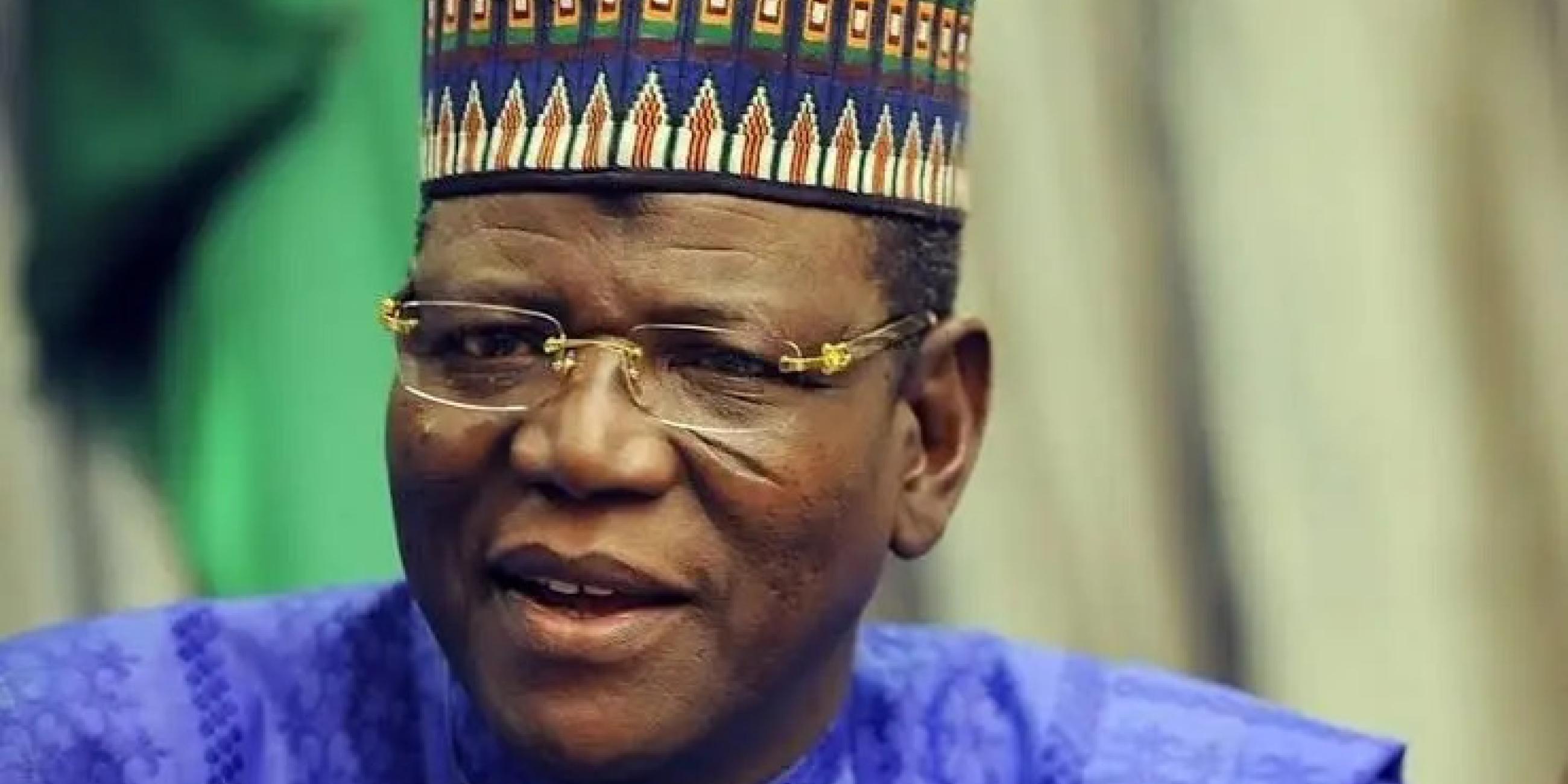 0 Comments ·0 Shares ·4K Views
 -
Nigerian Police Deny Bail to Whistleblower Who Exposed Alpha-Beta Tax Fraud, Threaten Torture
The Nigeria Police Force has refused bail to Comrade Segun Oluwasanmi, a whistleblower who exposed alleged corruption and tax evasion at Alpha-Beta Consulting Limited, linked to President Bola Tinubu. Detained beyond the constitutionally allowed 24 hours, police cited the need for a fresh investigation. Family members allege he was threatened with torture to unlock his phone. Oluwasanmi previously petitioned ICPC and EFCC, accusing the firm of under-declaring salaries, underpaying taxes, and inflating contracts. Police claims of cyberbullying appear to mask his whistleblowing activities.
Nigerian Police Deny Bail to Whistleblower Who Exposed Alpha-Beta Tax Fraud, Threaten Torture The Nigeria Police Force has refused bail to Comrade Segun Oluwasanmi, a whistleblower who exposed alleged corruption and tax evasion at Alpha-Beta Consulting Limited, linked to President Bola Tinubu. Detained beyond the constitutionally allowed 24 hours, police cited the need for a fresh investigation. Family members allege he was threatened with torture to unlock his phone. Oluwasanmi previously petitioned ICPC and EFCC, accusing the firm of under-declaring salaries, underpaying taxes, and inflating contracts. Police claims of cyberbullying appear to mask his whistleblowing activities.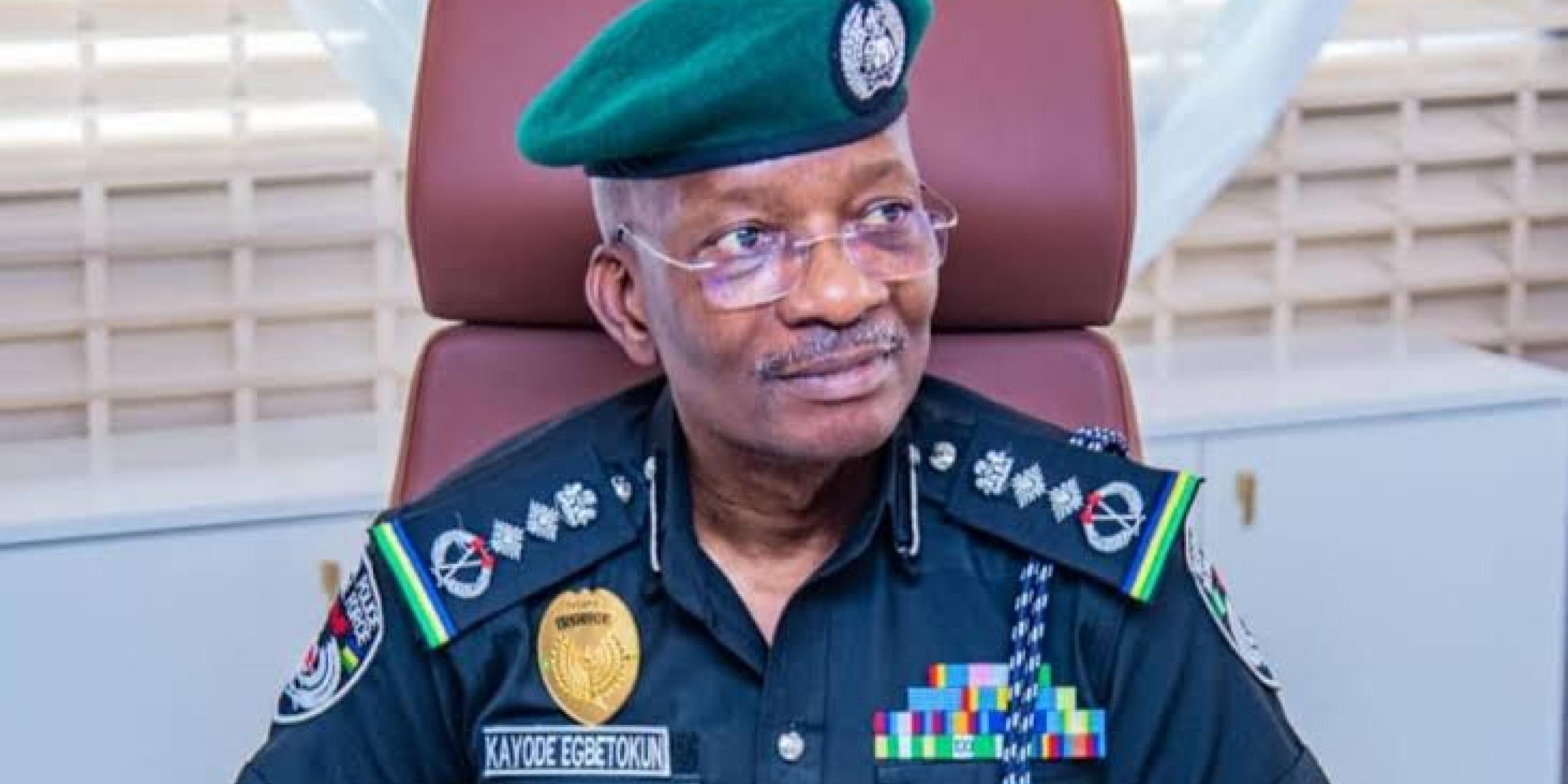 0 Comments ·0 Shares ·4K Views
 -
Supreme Court Upholds Conviction of Ex-Jigawa Governor’s Son Over $40,000 Undeclared Cash
The Supreme Court of Nigeria has dismissed the appeal of Aminu Sule Lamido, son of former Jigawa Governor Sule Lamido, affirming his conviction for failing to declare $40,000 in cash while leaving the country. The apex court ruled that lower courts properly evaluated evidence and applied the law. Aminu was first arrested in 2012 by EFCC at Kano Airport, having declared only $10,000 of the $50,000 in his possession. He was sentenced by the Federal High Court, and subsequent appeals to the Court of Appeal and now the Supreme Court were all dismissed, ending his long-running legal battle.
Supreme Court Upholds Conviction of Ex-Jigawa Governor’s Son Over $40,000 Undeclared Cash The Supreme Court of Nigeria has dismissed the appeal of Aminu Sule Lamido, son of former Jigawa Governor Sule Lamido, affirming his conviction for failing to declare $40,000 in cash while leaving the country. The apex court ruled that lower courts properly evaluated evidence and applied the law. Aminu was first arrested in 2012 by EFCC at Kano Airport, having declared only $10,000 of the $50,000 in his possession. He was sentenced by the Federal High Court, and subsequent appeals to the Court of Appeal and now the Supreme Court were all dismissed, ending his long-running legal battle.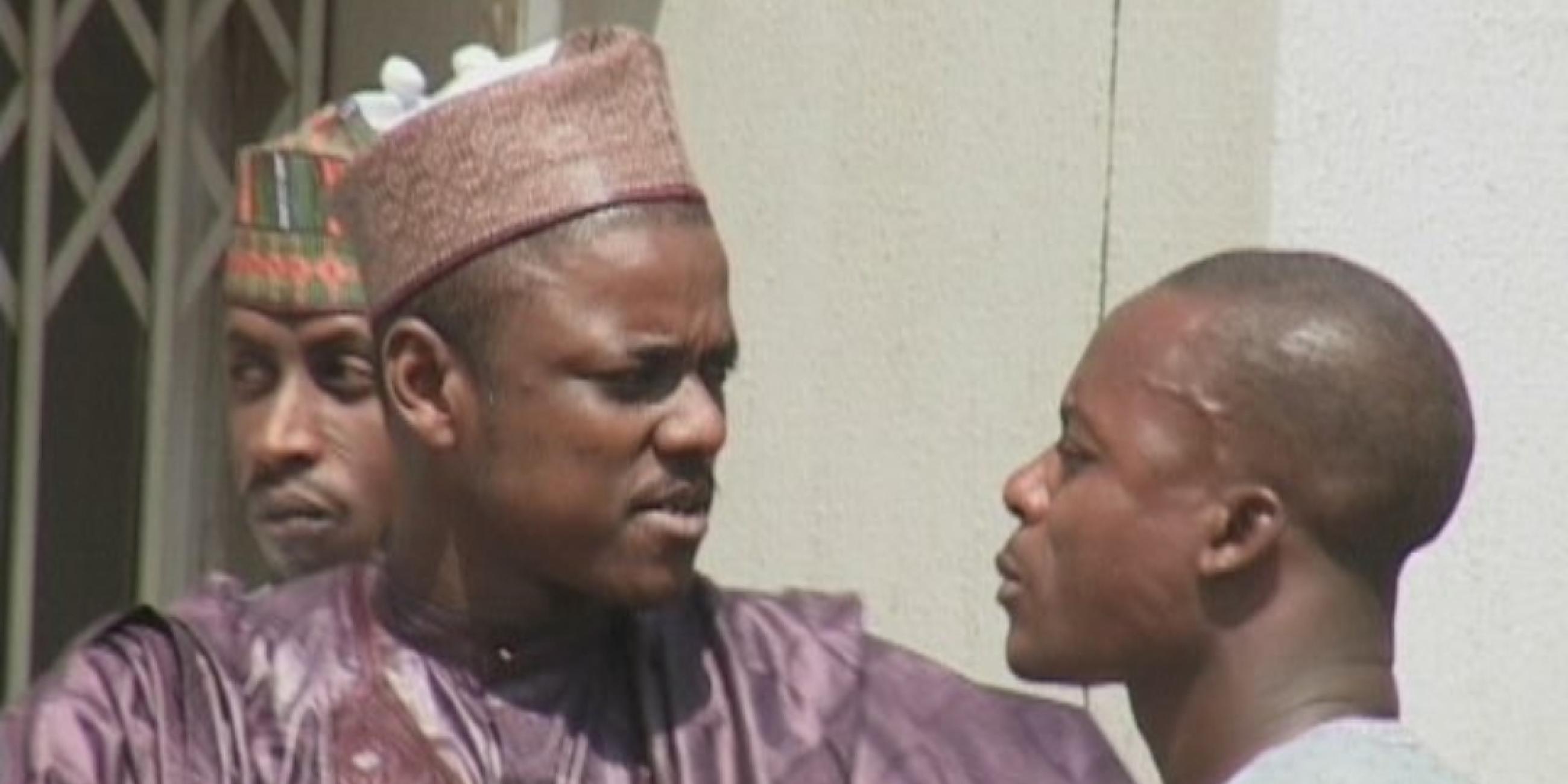 0 Comments ·0 Shares ·3K Views
 -
EFCC Tried to Force Emefiele’s Co-Defendant to Implicate Him, Defence Witness Tells Court
A defence witness has told a Lagos court that the EFCC attempted to coerce Henry Omoile, co-defendant of ex-CBN Governor Godwin Emefiele, to falsely implicate him in a multi-billion-dollar corruption case. Lawyer Nnamdi Offial alleged that investigators promised bail and non-prosecution if Omoile cooperated, dictated his statements, and blocked answers that did not suit their narrative. He said Omoile was detained for 21 days after refusing. Under cross-examination, Offial admitted no formal complaint was filed and that no physical abuse occurred.
#EmefieleTrial #EFCC #NigeriaCourt
EFCC Tried to Force Emefiele’s Co-Defendant to Implicate Him, Defence Witness Tells Court A defence witness has told a Lagos court that the EFCC attempted to coerce Henry Omoile, co-defendant of ex-CBN Governor Godwin Emefiele, to falsely implicate him in a multi-billion-dollar corruption case. Lawyer Nnamdi Offial alleged that investigators promised bail and non-prosecution if Omoile cooperated, dictated his statements, and blocked answers that did not suit their narrative. He said Omoile was detained for 21 days after refusing. Under cross-examination, Offial admitted no formal complaint was filed and that no physical abuse occurred. #EmefieleTrial #EFCC #NigeriaCourt 0 Comments ·0 Shares ·4K Views
 -
Nigerian MDAs Budget N6.6B for Generator Fuel Amid Power Crisis in 2026
Nigeria’s 2026 budget reveals that 20 federal Ministries, Departments, and Agencies (MDAs) will spend N6.626 billion on diesel and petrol for generators, highlighting ongoing electricity supply challenges. The EFCC tops the list with N1.2 billion, while security agencies collectively account for 63% of the total. Civil institutions and media agencies receive smaller allocations. The State House plans nearly N2 billion for generator fuel and maintenance despite a N7 billion solarisation project, underscoring persistent reliance on fossil fuels.
#NigeriaBudget #PowerCrisis #GeneratorFuel
Nigerian MDAs Budget N6.6B for Generator Fuel Amid Power Crisis in 2026 Nigeria’s 2026 budget reveals that 20 federal Ministries, Departments, and Agencies (MDAs) will spend N6.626 billion on diesel and petrol for generators, highlighting ongoing electricity supply challenges. The EFCC tops the list with N1.2 billion, while security agencies collectively account for 63% of the total. Civil institutions and media agencies receive smaller allocations. The State House plans nearly N2 billion for generator fuel and maintenance despite a N7 billion solarisation project, underscoring persistent reliance on fossil fuels. #NigeriaBudget #PowerCrisis #GeneratorFuel 0 Comments ·0 Shares ·3K Views
 -
Naphtha Scam Burst: EFCC Return N64.8m Give Edo Businessman, Carry Suspects Go Court
Big relief land for Benin as EFCC recover N64.8 million and return am to businessman Uzoechina Anene after fuel deal wey turn scam. Anene talk say one Adegboyega Adebanbo collect N65.7m promise say e go supply 90,000 litres of naphtha, but after money enter, product no show. EFCC investigate for months, trace the cash through different accounts, even after suspect waka comot Nigeria and try hide the money through him associate wife. Finally, commission recover the funds and hand am back to the victim. EFCC warn Nigerians make dem shine eye for business deals, say fraudsters plenty. Dem don already charge all suspects to court.🔥 Naphtha Scam Burst: EFCC Return N64.8m Give Edo Businessman, Carry Suspects Go Court Big relief land for Benin as EFCC recover N64.8 million and return am to businessman Uzoechina Anene after fuel deal wey turn scam. Anene talk say one Adegboyega Adebanbo collect N65.7m promise say e go supply 90,000 litres of naphtha, but after money enter, product no show. EFCC investigate for months, trace the cash through different accounts, even after suspect waka comot Nigeria and try hide the money through him associate wife. Finally, commission recover the funds and hand am back to the victim. EFCC warn Nigerians make dem shine eye for business deals, say fraudsters plenty. Dem don already charge all suspects to court. 0 Comments ·0 Shares ·3K Views
 -
Supreme Court Go Finally Talk: Lamido, Pikin Face N1.35bn Fraud Case Friday – EFCC Talk Am
Big wahala dey ground as Supreme Court set Friday, January 16, 2026 to drop final judgment for the long N1.35 billion fraud case wey involve former Jigawa governor Sule Lamido and him son, Mustapha. EFCC confirm say dem don carry the matter reach the highest court after Appeal Court earlier discharge the two men.
EFCC talk say Appeal Court wrong as dem still get strong evidence say money laundering happen. Dem accuse Lamido say between 2007–2015, he abuse office, collect kickback from contractors and wash N1.35bn through companies. Case don waka since 2015, witnesses don talk tire, but defendants try stop am. Now, all eyes dey Supreme Court as Nigerians wait make justice finally show face.🔥Supreme Court Go Finally Talk: Lamido, Pikin Face N1.35bn Fraud Case Friday – EFCC Talk Am Big wahala dey ground as Supreme Court set Friday, January 16, 2026 to drop final judgment for the long N1.35 billion fraud case wey involve former Jigawa governor Sule Lamido and him son, Mustapha. EFCC confirm say dem don carry the matter reach the highest court after Appeal Court earlier discharge the two men. EFCC talk say Appeal Court wrong as dem still get strong evidence say money laundering happen. Dem accuse Lamido say between 2007–2015, he abuse office, collect kickback from contractors and wash N1.35bn through companies. Case don waka since 2015, witnesses don talk tire, but defendants try stop am. Now, all eyes dey Supreme Court as Nigerians wait make justice finally show face.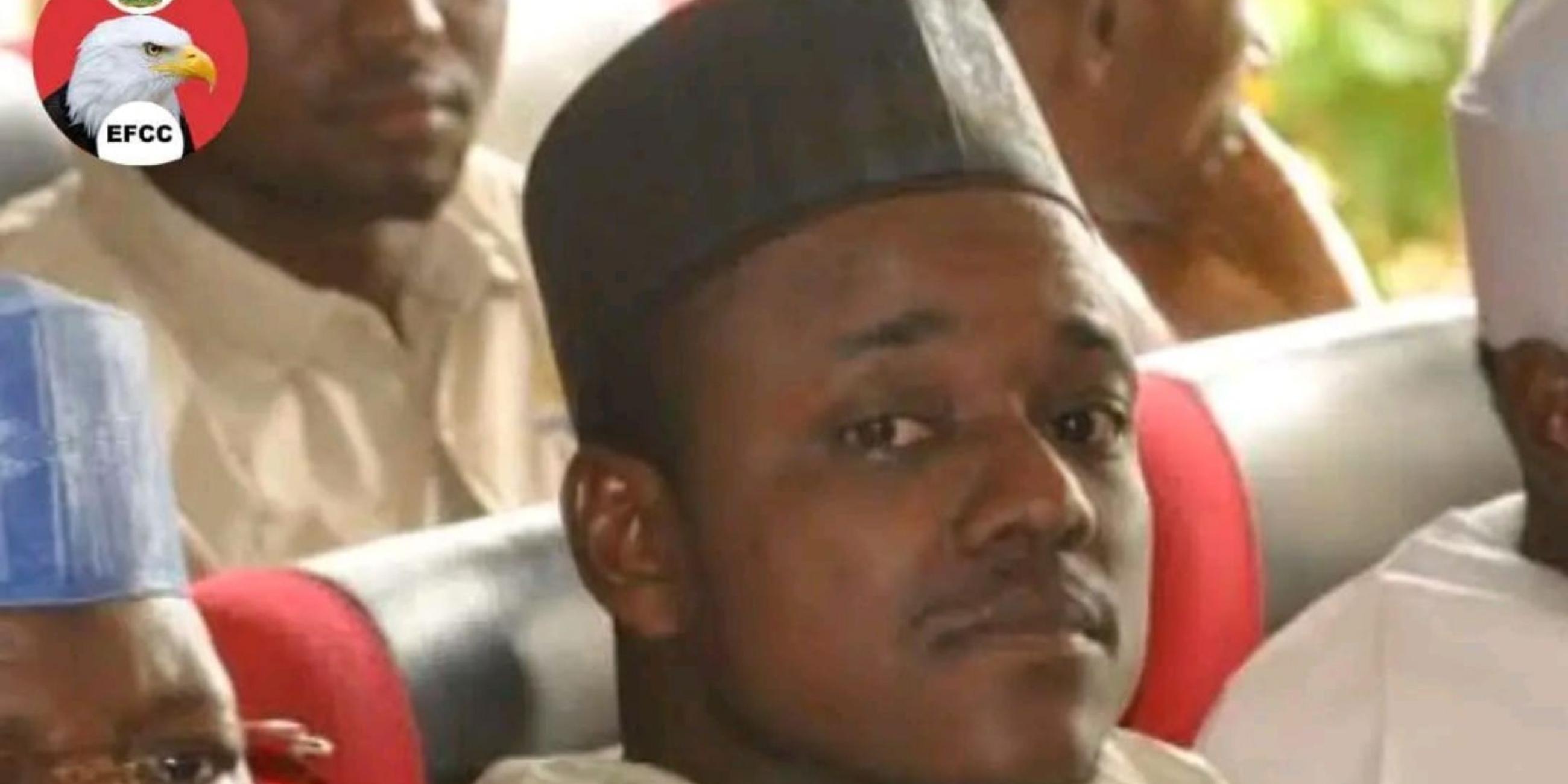 · 0 Comments ·0 Shares ·2K Views1
-
Obeta-Ndoki People Dey Suffer Water Wahala Even After ₦10.6m Was Released – Na Stream Dem Dey Drink!
Residents of Obeta-Ndoki, Rivers State dey face serious hardship, almost two years after government release ₦10.6 million for water scheme rehabilitation. The money, meant for Obeta-Ndoki water project, never see ground as contractor Jonac Multi Purpose Company Ltd no do any work.
Instead, men, women, and children dey rely on dirty village stream wey dem dey share with animals for drinking and cooking, causing frequent waterborne diseases. Tracka monitoring team call on EFCC and ICPC to investigate the matter and ensure the project is completed, stressing that clean water na basic human right.
The community continue dey beg for accountability and real action, as promises remain broken and living conditions worsen.
Obeta-Ndoki People Dey Suffer Water Wahala Even After ₦10.6m Was Released – Na Stream Dem Dey Drink! Residents of Obeta-Ndoki, Rivers State dey face serious hardship, almost two years after government release ₦10.6 million for water scheme rehabilitation. The money, meant for Obeta-Ndoki water project, never see ground as contractor Jonac Multi Purpose Company Ltd no do any work. Instead, men, women, and children dey rely on dirty village stream wey dem dey share with animals for drinking and cooking, causing frequent waterborne diseases. Tracka monitoring team call on EFCC and ICPC to investigate the matter and ensure the project is completed, stressing that clean water na basic human right. The community continue dey beg for accountability and real action, as promises remain broken and living conditions worsen.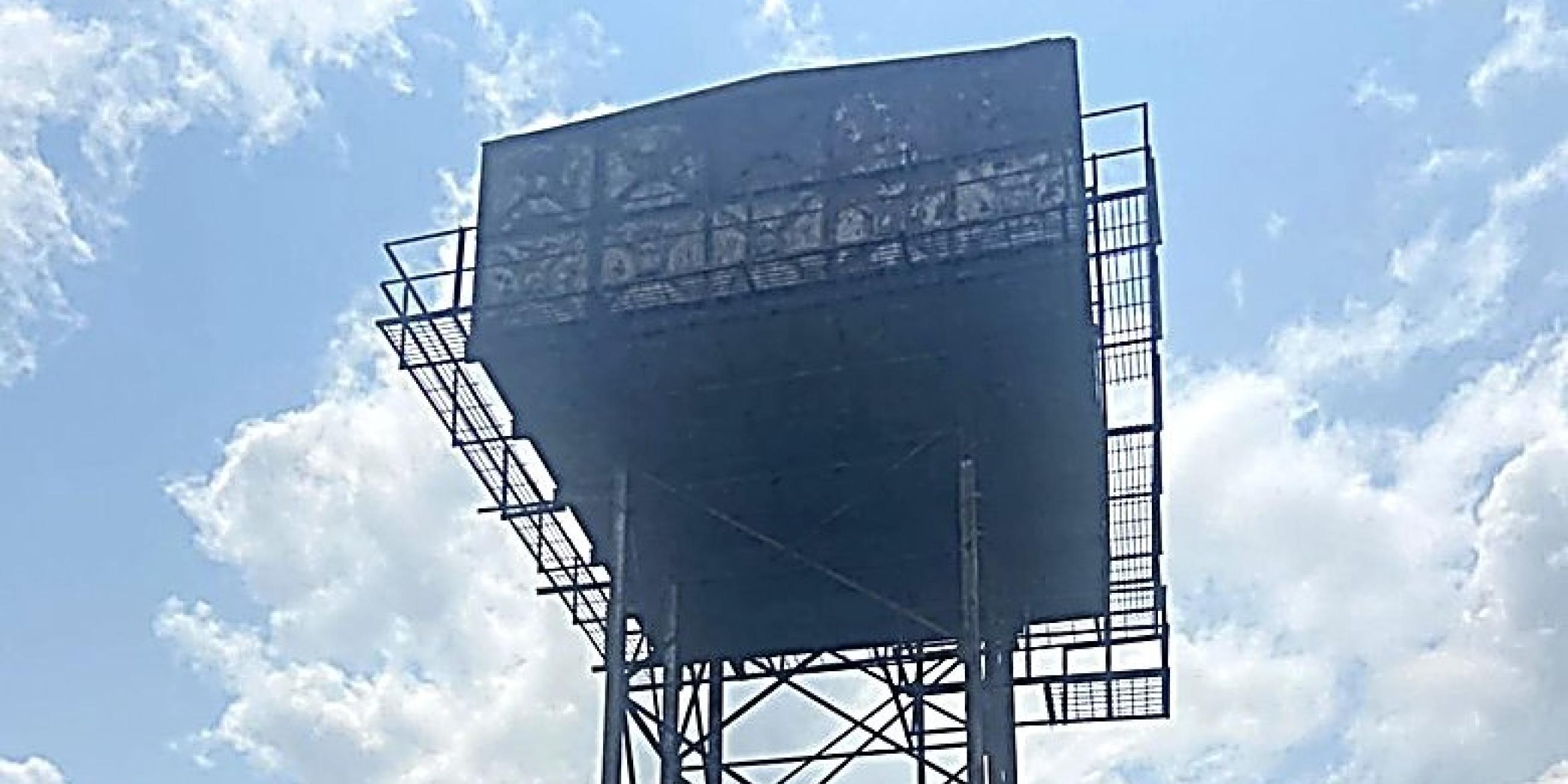 0 Comments ·0 Shares ·4K Views
 -
LAUTECH Nurses Drag EFCC, ICPC Over ₦18m Extortion, Withheld Results – SOS Petition
Omo, wahala dey oo! Some concerned nurses from LAUTECH Open Learning don shout SOS to EFCC and ICPC over serious gbege. Dem claim say from 200 Level reach 500 Level, class executives dey collect huge levies for vague purposes, sometimes pay into personal accounts, without receipts or transparency.
Dem talk say ₦18 million don vanish, some students been dey pay for projects, sports, entertainment, and final exams, but still results dey withheld. Some even get exemption letters, others dey suffer in academic limbo.
Nurses demand full investigation, audit of all funds collected, protection for affected students, and immediate release of their results. Dem call am SOS – no more fear, no more intimidation.
LAUTECH Nurses Drag EFCC, ICPC Over ₦18m Extortion, Withheld Results – SOS Petition Omo, wahala dey oo! Some concerned nurses from LAUTECH Open Learning don shout SOS to EFCC and ICPC over serious gbege. Dem claim say from 200 Level reach 500 Level, class executives dey collect huge levies for vague purposes, sometimes pay into personal accounts, without receipts or transparency. Dem talk say ₦18 million don vanish, some students been dey pay for projects, sports, entertainment, and final exams, but still results dey withheld. Some even get exemption letters, others dey suffer in academic limbo. Nurses demand full investigation, audit of all funds collected, protection for affected students, and immediate release of their results. Dem call am SOS – no more fear, no more intimidation.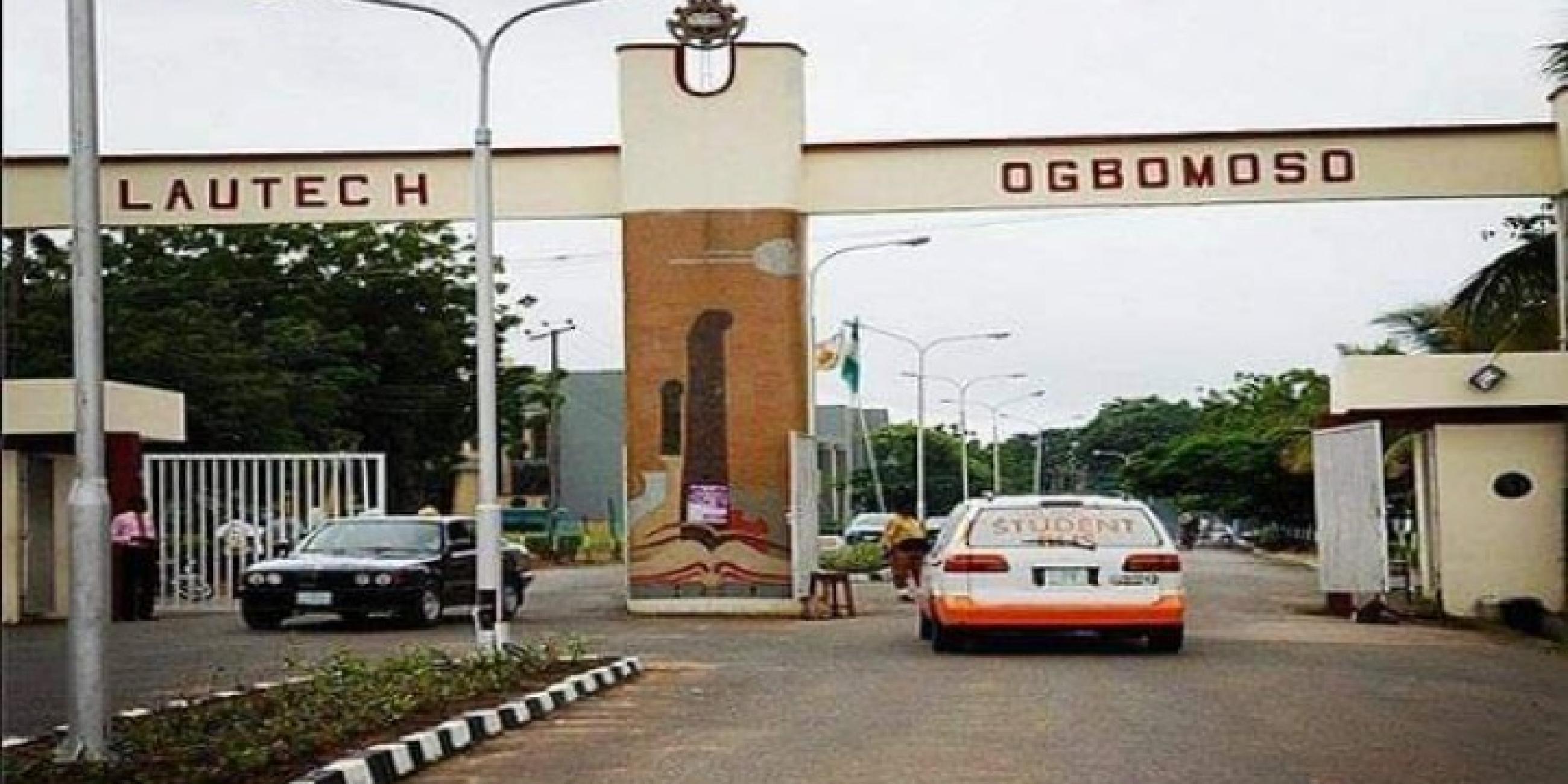 0 Comments ·0 Shares ·4K Views
 -
N11.9 Million Disappear, Mawogi Health Centre Na Ghost Town – Residents Shout “Wahala oo!”, Call EFCC, ICPC Make Dem Enter Matter
Residents of Mawogi community for Abaji Area Council, FCT, don dey shout tori as N11.9 million wey suppose build Primary Health Care Centre vanish. Civic tech organisation, MonITNG, report say facility dey overgrow with weeds and total neglect, even as community don provide sand, wood, labour and open special account to make project transparent. According to the report, after fund release, Head of Department of Health, Dr. Mansur Ashafa, allegedly tell project committee make dem transfer all money go private company, Shamgaj Integrated Service Limited. People talk say dem pressure dem to sign documents, but construction stop sharply, leaving health centre incomplete. MonITNG dey call ICPC and EFCC make dem investigate, warn say na human right matter be this as Mawogi residents dey suffer despite all their sacrifice. Wahala oo, who go answer this one?
N11.9 Million Disappear, Mawogi Health Centre Na Ghost Town – Residents Shout “Wahala oo!”, Call EFCC, ICPC Make Dem Enter Matter Residents of Mawogi community for Abaji Area Council, FCT, don dey shout tori as N11.9 million wey suppose build Primary Health Care Centre vanish. Civic tech organisation, MonITNG, report say facility dey overgrow with weeds and total neglect, even as community don provide sand, wood, labour and open special account to make project transparent. According to the report, after fund release, Head of Department of Health, Dr. Mansur Ashafa, allegedly tell project committee make dem transfer all money go private company, Shamgaj Integrated Service Limited. People talk say dem pressure dem to sign documents, but construction stop sharply, leaving health centre incomplete. MonITNG dey call ICPC and EFCC make dem investigate, warn say na human right matter be this as Mawogi residents dey suffer despite all their sacrifice. Wahala oo, who go answer this one?0 Comments ·0 Shares ·3K Views -
Yahaya Bello’s Case Still in Court — EFCC Chair Says “I’ve Done My Job”
EFCC Chairman, Ola Olukoyede, says the prosecution of former Kogi State governor, Yahaya Bello, is already underway and firmly in the hands of the court.
Recall that Olukoyede had publicly vowed in April 2024 to resign if Bello was not prosecuted. Responding to public criticism over the slow pace of the case, he insisted that the EFCC has fulfilled its mandate.
“Is Yahaya Bello not being prosecuted? The case is in court. I have three cases against him. Am I the judge to decide conviction?” Olukoyede said during an interview on Channels TV.
According to him, Bello has been investigated and charged, stressing that the EFCC cannot control court proceedings.
Yahaya Bello is currently facing:
• A 16-count charge over alleged N110bn property fraud
• Another 19-count charge involving N80.2bn in fraud and money laundering
Both cases are before the Federal High Court.
The big question Nigerians are asking:
If the EFCC has “done its work,” why is this case still dragging — and how long will justice really take?
#YahayaBello #EFCC #NigeriaPolitics #CorruptionCasesYahaya Bello’s Case Still in Court — EFCC Chair Says “I’ve Done My Job” EFCC Chairman, Ola Olukoyede, says the prosecution of former Kogi State governor, Yahaya Bello, is already underway and firmly in the hands of the court. Recall that Olukoyede had publicly vowed in April 2024 to resign if Bello was not prosecuted. Responding to public criticism over the slow pace of the case, he insisted that the EFCC has fulfilled its mandate. “Is Yahaya Bello not being prosecuted? The case is in court. I have three cases against him. Am I the judge to decide conviction?” Olukoyede said during an interview on Channels TV. According to him, Bello has been investigated and charged, stressing that the EFCC cannot control court proceedings. Yahaya Bello is currently facing: • A 16-count charge over alleged N110bn property fraud • Another 19-count charge involving N80.2bn in fraud and money laundering Both cases are before the Federal High Court. The big question Nigerians are asking: If the EFCC has “done its work,” why is this case still dragging — and how long will justice really take? #YahayaBello #EFCC #NigeriaPolitics #CorruptionCases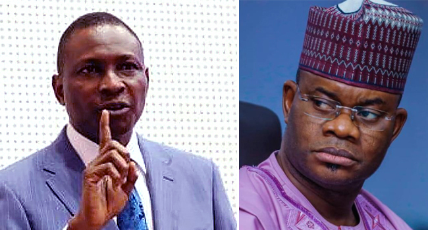 · 0 Comments ·0 Shares ·4K Views1
-
Bauchi Audit Exposes Universities, Polytechnics, Colleges, and Parastatals: How Did ₦Billions in Public Funds Go Unaccounted For, Why Were Revenues Unremitted, and Who Will Be Held Legally Responsible?
How did institutions meant to uphold discipline, transparency, and public trust become hubs of financial disorder? An audit investigation by WikkiTimes reveals widespread financial mismanagement across Bauchi State’s universities, polytechnics, colleges, hospitals, agencies, and parastatals, raising urgent questions about accountability, oversight, and the future of public finance in the state.
The Auditor-General’s report shows a consistent pattern: payments without documentation, unretired advances, missing revenue, inflated costs, forged or incomplete records, and expenditures without approval. These violations were not isolated to ministries or Government House—they extended deep into educational institutions and public agencies that are supposed to set standards in record-keeping, training, and ethical governance.
At Sa’adu Zungur University, the state’s flagship institution, auditors recorded ₦63.5 million in payments without supporting documents, ₦12 million in unretired advances, ₦48 million in vouchers not presented for audit, ₦9.1 million in receipt discrepancies, ₦14.5 million in inflated diesel costs, and ₦84.2 million in unremitted tax deductions. Another ₦101 million was not posted to the cash book, making the trail of funds impossible to trace. An institution named after a symbol of moral discipline now stands accused of systemic financial indiscipline.
At Abubakar Tatari Ali Polytechnic, auditors uncovered what they described as one of the most detailed cases of financial breakdown: ₦21.4 million in government revenue with no evidence of remittance, ₦13.4 million in undocumented payments, ₦15.1 million in vouchers withheld from audit, ₦28.6 million in store purchases not entered into ledgers, and multiple unretired advances and imprests. Additional red flags included ₦32.8 million in unauthorised payments, ₦5.7 million paid without documentation, and ₦5.2 million in soft loans without proof of recovery.
Other institutions followed the same pattern. A.D. Rufa’i College of Legal Studies recorded millions in undocumented, unauthorised, and unacknowledged payments, alongside major store ledger discrepancies—echoing earlier reports of student exploitation. At the Bill and Melinda Gates College of Health Sciences, auditors flagged bank reconciliation gaps, voucher irregularities, and cash-book discrepancies. Health agencies, including the Specialist Hospital Board and Bauchi State Health Contributory Management Agency, were cited for diesel payments without retirement records and funds disbursed without approval.
The audit further exposed revenue losses in parastatals. At Yankari Express Corporation, auditors recorded a staggering ₦165.5 million gap between revenue collected and bank lodgements, alongside missing vehicles, undocumented spare parts purchases, and multiple unsubmitted vouchers. At Yankari Game Reserve, findings included unauthorised payments, ghost beneficiaries, unaccounted revenue, undocumented diesel purchases, and unexplained bank withdrawals—suggesting deep-seated weaknesses in financial controls.
Perhaps most alarming is what did not happen. According to the audit, missing vouchers remained missing, unremitted revenue was not accounted for, advances were not recovered, and disputed sums were not refunded. Explanations submitted by institutions failed to resolve the issues, leaving large portions of public funds in limbo.
The report also outlines the legal consequences. Under the 1999 Constitution, all public spending must be authorised by law, with the Auditor-General empowered under Section 125 to refer violations to the House of Assembly. The ICPC Act criminalises abuse of office, while the EFCC Act classifies tax non-remittance and fund diversion as economic crimes—offences that remain prosecutable even after restitution.
This investigation forces urgent questions: How did so many institutions operate for years without basic financial controls? Why were revenues collected but never remitted? Who authorised payments without records? And will the ICPC, EFCC, and lawmakers move from exposure to prosecution? As billions of naira remain unaccounted for, Bauchi’s audit report is no longer just a financial document—it is a test of whether public office will finally be matched with public accountability.
Bauchi Audit Exposes Universities, Polytechnics, Colleges, and Parastatals: How Did ₦Billions in Public Funds Go Unaccounted For, Why Were Revenues Unremitted, and Who Will Be Held Legally Responsible? How did institutions meant to uphold discipline, transparency, and public trust become hubs of financial disorder? An audit investigation by WikkiTimes reveals widespread financial mismanagement across Bauchi State’s universities, polytechnics, colleges, hospitals, agencies, and parastatals, raising urgent questions about accountability, oversight, and the future of public finance in the state. The Auditor-General’s report shows a consistent pattern: payments without documentation, unretired advances, missing revenue, inflated costs, forged or incomplete records, and expenditures without approval. These violations were not isolated to ministries or Government House—they extended deep into educational institutions and public agencies that are supposed to set standards in record-keeping, training, and ethical governance. At Sa’adu Zungur University, the state’s flagship institution, auditors recorded ₦63.5 million in payments without supporting documents, ₦12 million in unretired advances, ₦48 million in vouchers not presented for audit, ₦9.1 million in receipt discrepancies, ₦14.5 million in inflated diesel costs, and ₦84.2 million in unremitted tax deductions. Another ₦101 million was not posted to the cash book, making the trail of funds impossible to trace. An institution named after a symbol of moral discipline now stands accused of systemic financial indiscipline. At Abubakar Tatari Ali Polytechnic, auditors uncovered what they described as one of the most detailed cases of financial breakdown: ₦21.4 million in government revenue with no evidence of remittance, ₦13.4 million in undocumented payments, ₦15.1 million in vouchers withheld from audit, ₦28.6 million in store purchases not entered into ledgers, and multiple unretired advances and imprests. Additional red flags included ₦32.8 million in unauthorised payments, ₦5.7 million paid without documentation, and ₦5.2 million in soft loans without proof of recovery. Other institutions followed the same pattern. A.D. Rufa’i College of Legal Studies recorded millions in undocumented, unauthorised, and unacknowledged payments, alongside major store ledger discrepancies—echoing earlier reports of student exploitation. At the Bill and Melinda Gates College of Health Sciences, auditors flagged bank reconciliation gaps, voucher irregularities, and cash-book discrepancies. Health agencies, including the Specialist Hospital Board and Bauchi State Health Contributory Management Agency, were cited for diesel payments without retirement records and funds disbursed without approval. The audit further exposed revenue losses in parastatals. At Yankari Express Corporation, auditors recorded a staggering ₦165.5 million gap between revenue collected and bank lodgements, alongside missing vehicles, undocumented spare parts purchases, and multiple unsubmitted vouchers. At Yankari Game Reserve, findings included unauthorised payments, ghost beneficiaries, unaccounted revenue, undocumented diesel purchases, and unexplained bank withdrawals—suggesting deep-seated weaknesses in financial controls. Perhaps most alarming is what did not happen. According to the audit, missing vouchers remained missing, unremitted revenue was not accounted for, advances were not recovered, and disputed sums were not refunded. Explanations submitted by institutions failed to resolve the issues, leaving large portions of public funds in limbo. The report also outlines the legal consequences. Under the 1999 Constitution, all public spending must be authorised by law, with the Auditor-General empowered under Section 125 to refer violations to the House of Assembly. The ICPC Act criminalises abuse of office, while the EFCC Act classifies tax non-remittance and fund diversion as economic crimes—offences that remain prosecutable even after restitution. This investigation forces urgent questions: How did so many institutions operate for years without basic financial controls? Why were revenues collected but never remitted? Who authorised payments without records? And will the ICPC, EFCC, and lawmakers move from exposure to prosecution? As billions of naira remain unaccounted for, Bauchi’s audit report is no longer just a financial document—it is a test of whether public office will finally be matched with public accountability.· 0 Comments ·0 Shares ·6K Views1
-
EFCC Arraigns Austrian National Over Undeclared $800,585 and €651,505 at Lagos Airport
The Economic and Financial Crimes Commission (EFCC) has arraigned Austrian national Kavlak Onal for allegedly failing to declare large sums of foreign currency at Murtala Muhammed International Airport, Lagos.
Onal was intercepted by the Nigeria Customs Service while attempting to travel to Dubai, with $800,585 and €651,505 in his possession, reportedly concealed and undeclared. He was subsequently handed over to the EFCC for investigation and prosecution.
The Head of the Foreign Exchange Malpractices Section, ACE II Adejumo Richard, commended the Customs Service for their cooperation in the arrest, emphasizing the importance of synergy between security agencies in combating financial crimes.
This incident follows previous cases involving undeclared foreign currencies at Nigerian airports, including the interception of $6.1 million from passengers suspected to be couriers for politically exposed persons (PEPs).
The EFCC continues to intensify efforts against financial crimes, highlighting its commitment to enforcing compliance with Nigeria’s foreign currency declaration laws.
#EFCC #FinancialCrime #NigeriaSecurity”
EFCC Arraigns Austrian National Over Undeclared $800,585 and €651,505 at Lagos Airport The Economic and Financial Crimes Commission (EFCC) has arraigned Austrian national Kavlak Onal for allegedly failing to declare large sums of foreign currency at Murtala Muhammed International Airport, Lagos. Onal was intercepted by the Nigeria Customs Service while attempting to travel to Dubai, with $800,585 and €651,505 in his possession, reportedly concealed and undeclared. He was subsequently handed over to the EFCC for investigation and prosecution. The Head of the Foreign Exchange Malpractices Section, ACE II Adejumo Richard, commended the Customs Service for their cooperation in the arrest, emphasizing the importance of synergy between security agencies in combating financial crimes. This incident follows previous cases involving undeclared foreign currencies at Nigerian airports, including the interception of $6.1 million from passengers suspected to be couriers for politically exposed persons (PEPs). The EFCC continues to intensify efforts against financial crimes, highlighting its commitment to enforcing compliance with Nigeria’s foreign currency declaration laws. #EFCC #FinancialCrime #NigeriaSecurity” 0 Comments ·0 Shares ·4K Views
 -
Did Abdulfatah Ahmed Divert ₦5.78 Billion UBEC Funds? Why Kwara Court Adjourned Ex-Governor’s Fraud Trial to February 16
A Kwara State High Court sitting in Ilorin has adjourned the ₦5.78 billion alleged fraud trial of former Governor Abdulfatah Ahmed and his former Commissioner for Finance, Ademola Banu, raising fresh questions about how public education funds were allegedly diverted under the previous administration. The case, which resumed before Justice Mahmud Abdulgafar, was postponed to February 16, 2026, following legal objections during the presentation of evidence by the prosecution.
The Economic and Financial Crimes Commission (EFCC), through its Ilorin Zonal Directorate, is prosecuting the former officials over claims that funds meant for educational development were unlawfully redirected. According to the EFCC, the defendants approved the use of Universal Basic Education Commission (UBEC) matching grants—money specifically allocated for building and upgrading primary and junior secondary schools across Kwara’s 16 local government areas—to pay civil servants’ salaries, contrary to the conditions attached to the funds.
During the latest hearing, the prosecution called its sixth witness, Stanley Ujilibo, who told the court that the EFCC obtained bank statements from Polaris Bank (formerly Skye Bank) and Guaranty Trust Bank as part of its investigation. He explained that official letters dated August 1, 2025, were sent to both banks requesting records of Kwara State Government accounts. The banks acknowledged the requests and provided the statements, which were admitted as exhibits by the court.
The trial further revisited earlier testimony by a former Accountant-General of Kwara State, Suleiman Oluwadare Ishola, who stated that ₦1 billion from UBEC matching grants was borrowed in 2015 by the Ahmed administration to pay salaries and pensions. This revelation has intensified public scrutiny over whether funds intended for school infrastructure were systematically diverted for recurrent government expenses.
However, proceedings were briefly stalled when the EFCC attempted to tender additional documents from the Ministry of Finance and the Office of the Accountant-General. Defence counsel, led by Kamaldeen Ajibade, objected on procedural grounds, arguing that the documents had not been properly highlighted for clarity and reference. Justice Abdulgafar upheld the objection and consequently adjourned the case.
The adjournment has sparked debate across Kwara State and beyond: Was public education funding sacrificed to cover salary obligations? Did the former administration violate the terms governing UBEC grants? And will the evidence presented be enough to establish criminal responsibility?
As the trial continues, the case stands as a major test of accountability in Nigeria’s anti-corruption efforts, particularly regarding the management of education funds and the prosecution of high-profile political figures.
Did Abdulfatah Ahmed Divert ₦5.78 Billion UBEC Funds? Why Kwara Court Adjourned Ex-Governor’s Fraud Trial to February 16 A Kwara State High Court sitting in Ilorin has adjourned the ₦5.78 billion alleged fraud trial of former Governor Abdulfatah Ahmed and his former Commissioner for Finance, Ademola Banu, raising fresh questions about how public education funds were allegedly diverted under the previous administration. The case, which resumed before Justice Mahmud Abdulgafar, was postponed to February 16, 2026, following legal objections during the presentation of evidence by the prosecution. The Economic and Financial Crimes Commission (EFCC), through its Ilorin Zonal Directorate, is prosecuting the former officials over claims that funds meant for educational development were unlawfully redirected. According to the EFCC, the defendants approved the use of Universal Basic Education Commission (UBEC) matching grants—money specifically allocated for building and upgrading primary and junior secondary schools across Kwara’s 16 local government areas—to pay civil servants’ salaries, contrary to the conditions attached to the funds. During the latest hearing, the prosecution called its sixth witness, Stanley Ujilibo, who told the court that the EFCC obtained bank statements from Polaris Bank (formerly Skye Bank) and Guaranty Trust Bank as part of its investigation. He explained that official letters dated August 1, 2025, were sent to both banks requesting records of Kwara State Government accounts. The banks acknowledged the requests and provided the statements, which were admitted as exhibits by the court. The trial further revisited earlier testimony by a former Accountant-General of Kwara State, Suleiman Oluwadare Ishola, who stated that ₦1 billion from UBEC matching grants was borrowed in 2015 by the Ahmed administration to pay salaries and pensions. This revelation has intensified public scrutiny over whether funds intended for school infrastructure were systematically diverted for recurrent government expenses. However, proceedings were briefly stalled when the EFCC attempted to tender additional documents from the Ministry of Finance and the Office of the Accountant-General. Defence counsel, led by Kamaldeen Ajibade, objected on procedural grounds, arguing that the documents had not been properly highlighted for clarity and reference. Justice Abdulgafar upheld the objection and consequently adjourned the case. The adjournment has sparked debate across Kwara State and beyond: Was public education funding sacrificed to cover salary obligations? Did the former administration violate the terms governing UBEC grants? And will the evidence presented be enough to establish criminal responsibility? As the trial continues, the case stands as a major test of accountability in Nigeria’s anti-corruption efforts, particularly regarding the management of education funds and the prosecution of high-profile political figures. 0 Comments ·0 Shares ·5K Views
 -
Malami Delays Bail as DSS Besiege Kuje Prison Over Terrorism Financing Probe – Inside the High-Stakes Showdown
Former Attorney General of the Federation, Abubakar Malami (SAN), has reportedly slowed the processing of his bail following a heavy deployment of Department of State Services (DSS) operatives at the Kuje Medium Security Custodial Centre (MSCC) in Abuja. Sources indicate that over 50 DSS officers established a perimeter around the prison, arriving in a convoy of approximately six Toyota Hilux vans, amid fears that Malami could be immediately rearrested in connection with an ongoing terrorism financing investigation.
Malami, who was granted bail by the Federal High Court in Abuja in his N8.7 billion money laundering case, instructed his legal team to delay the release process, remaining in the VIP segregation cell of the prison, a section previously refurbished by former police intelligence chief Abba Kyari and known for housing high-profile detainees. His son, Abubakar Abdulaziz, and fourth wife, Hajia Bashir Asabe, remain at the facility, with Abdulaziz reportedly admitted to the prison clinic for observation after falling ill.
The EFCC had arraigned Malami, Asabe, and Abdulaziz on a 16-count charge involving conspiracy, laundering, and concealment of unlawful proceeds totaling ₦8,713,923,759.49 under the Money Laundering (Prevention and Prohibition) Act, 2022. While terrorism financing is not part of the formal charges, security sources link ongoing investigations to Malami and other high-profile figures regarding the flow of Abacha loot recovered from Switzerland and the UK.
Retired Army General Danjuma Ali-Keffi, former head of counter-terrorism Task Force Operation Service Wide (OSW), revealed that investigations into Boko Haram financiers exposed networks allegedly connected to senior military officers, top financial officials, and government figures, including Malami. Ali-Keffi claimed Malami interfered with these investigations by removing key prosecutors and influencing the release of certain suspects, actions that undermined anti-terrorism operations.
This unfolding situation underscores heightened tensions between Nigerian law enforcement agencies and high-profile figures, highlighting the complex interplay of money laundering, terrorism financing probes, and political influence. Authorities remain on high alert as Malami’s legal maneuvering continues amid nationwide scrutiny of his activities.
Malami Delays Bail as DSS Besiege Kuje Prison Over Terrorism Financing Probe – Inside the High-Stakes Showdown Former Attorney General of the Federation, Abubakar Malami (SAN), has reportedly slowed the processing of his bail following a heavy deployment of Department of State Services (DSS) operatives at the Kuje Medium Security Custodial Centre (MSCC) in Abuja. Sources indicate that over 50 DSS officers established a perimeter around the prison, arriving in a convoy of approximately six Toyota Hilux vans, amid fears that Malami could be immediately rearrested in connection with an ongoing terrorism financing investigation. Malami, who was granted bail by the Federal High Court in Abuja in his N8.7 billion money laundering case, instructed his legal team to delay the release process, remaining in the VIP segregation cell of the prison, a section previously refurbished by former police intelligence chief Abba Kyari and known for housing high-profile detainees. His son, Abubakar Abdulaziz, and fourth wife, Hajia Bashir Asabe, remain at the facility, with Abdulaziz reportedly admitted to the prison clinic for observation after falling ill. The EFCC had arraigned Malami, Asabe, and Abdulaziz on a 16-count charge involving conspiracy, laundering, and concealment of unlawful proceeds totaling ₦8,713,923,759.49 under the Money Laundering (Prevention and Prohibition) Act, 2022. While terrorism financing is not part of the formal charges, security sources link ongoing investigations to Malami and other high-profile figures regarding the flow of Abacha loot recovered from Switzerland and the UK. Retired Army General Danjuma Ali-Keffi, former head of counter-terrorism Task Force Operation Service Wide (OSW), revealed that investigations into Boko Haram financiers exposed networks allegedly connected to senior military officers, top financial officials, and government figures, including Malami. Ali-Keffi claimed Malami interfered with these investigations by removing key prosecutors and influencing the release of certain suspects, actions that undermined anti-terrorism operations. This unfolding situation underscores heightened tensions between Nigerian law enforcement agencies and high-profile figures, highlighting the complex interplay of money laundering, terrorism financing probes, and political influence. Authorities remain on high alert as Malami’s legal maneuvering continues amid nationwide scrutiny of his activities. 0 Comments ·0 Shares ·4K Views
 -
DSS Deploys 50+ Operatives to Kuje Prison Amid Malami Bail in N8.7B Money Laundering Case
The Department of State Services (DSS) has deployed more than 50 operatives to the Kuje Medium Security Custodial Centre (MSCC) in Abuja, following the granting of bail to former Attorney General of the Federation (AGF) Abubakar Malami. The deployment, which involved a convoy of six Toyota Hilux vans, reportedly aims to prevent Malami from evading ongoing investigations linked to terrorism financing, despite the Economic and Financial Crimes Commission (EFCC) charging him primarily with money laundering.
Justice Emeka Nwite of the Federal High Court in Abuja granted Malami bail on Wednesday, January 8, 2026, with conditions including ₦500 million surety bonds, ownership of landed property in highbrow Abuja districts such as Asokoro, Maitama, or Gwarinpa, and deposit of travel documents with the court. Malami, his son Abdulaziz Malami, and his wife Bashir Asabe face a 16-count charge for allegedly laundering ₦8.7 billion. He was barred from leaving the country without prior court approval.
Sources described a tense atmosphere at Kuje Prison, with DSS operatives taking strategic positions around the facility, monitoring all entries and exits, and enforcing heightened security measures. The intense deployment indicates the sensitive nature of the case and the perceived risks surrounding Malami’s custody.
Background context reveals that Malami’s legal and financial activities have previously intersected with terrorism financing investigations under Operation Service Wide (OSW), led by retired Army General Danjuma Ali-Keffi. Launched in 2021, OSW sought to dismantle financial networks supporting Boko Haram. The operation identified alleged links between some high-profile Nigerians—including former Army Chiefs Tukur Yusuf Buratai and Faruk Yahaya, former CBN Governor Godwin Emefiele, and Malami—and suspects connected to terrorism financing.
Ali-Keffi clarified that his revelations did not accuse Malami or others of terrorism financing but highlighted connections identified during investigations. He alleged that Malami interfered with OSW by removing a senior prosecution lawyer who refused to compromise on evidence against 48 terrorism financing suspects, potentially redirecting cases toward money laundering charges under the EFCC’s supervision.
The DSS deployment at Kuje Prison, combined with strict bail conditions, underscores the high stakes surrounding Malami’s trial. The case exemplifies the intersection of corruption, terrorism financing, and accountability in Nigeria, with multiple agencies maintaining vigilance over proceedings involving senior political and security figures.
DSS Deploys 50+ Operatives to Kuje Prison Amid Malami Bail in N8.7B Money Laundering Case The Department of State Services (DSS) has deployed more than 50 operatives to the Kuje Medium Security Custodial Centre (MSCC) in Abuja, following the granting of bail to former Attorney General of the Federation (AGF) Abubakar Malami. The deployment, which involved a convoy of six Toyota Hilux vans, reportedly aims to prevent Malami from evading ongoing investigations linked to terrorism financing, despite the Economic and Financial Crimes Commission (EFCC) charging him primarily with money laundering. Justice Emeka Nwite of the Federal High Court in Abuja granted Malami bail on Wednesday, January 8, 2026, with conditions including ₦500 million surety bonds, ownership of landed property in highbrow Abuja districts such as Asokoro, Maitama, or Gwarinpa, and deposit of travel documents with the court. Malami, his son Abdulaziz Malami, and his wife Bashir Asabe face a 16-count charge for allegedly laundering ₦8.7 billion. He was barred from leaving the country without prior court approval. Sources described a tense atmosphere at Kuje Prison, with DSS operatives taking strategic positions around the facility, monitoring all entries and exits, and enforcing heightened security measures. The intense deployment indicates the sensitive nature of the case and the perceived risks surrounding Malami’s custody. Background context reveals that Malami’s legal and financial activities have previously intersected with terrorism financing investigations under Operation Service Wide (OSW), led by retired Army General Danjuma Ali-Keffi. Launched in 2021, OSW sought to dismantle financial networks supporting Boko Haram. The operation identified alleged links between some high-profile Nigerians—including former Army Chiefs Tukur Yusuf Buratai and Faruk Yahaya, former CBN Governor Godwin Emefiele, and Malami—and suspects connected to terrorism financing. Ali-Keffi clarified that his revelations did not accuse Malami or others of terrorism financing but highlighted connections identified during investigations. He alleged that Malami interfered with OSW by removing a senior prosecution lawyer who refused to compromise on evidence against 48 terrorism financing suspects, potentially redirecting cases toward money laundering charges under the EFCC’s supervision. The DSS deployment at Kuje Prison, combined with strict bail conditions, underscores the high stakes surrounding Malami’s trial. The case exemplifies the intersection of corruption, terrorism financing, and accountability in Nigeria, with multiple agencies maintaining vigilance over proceedings involving senior political and security figures.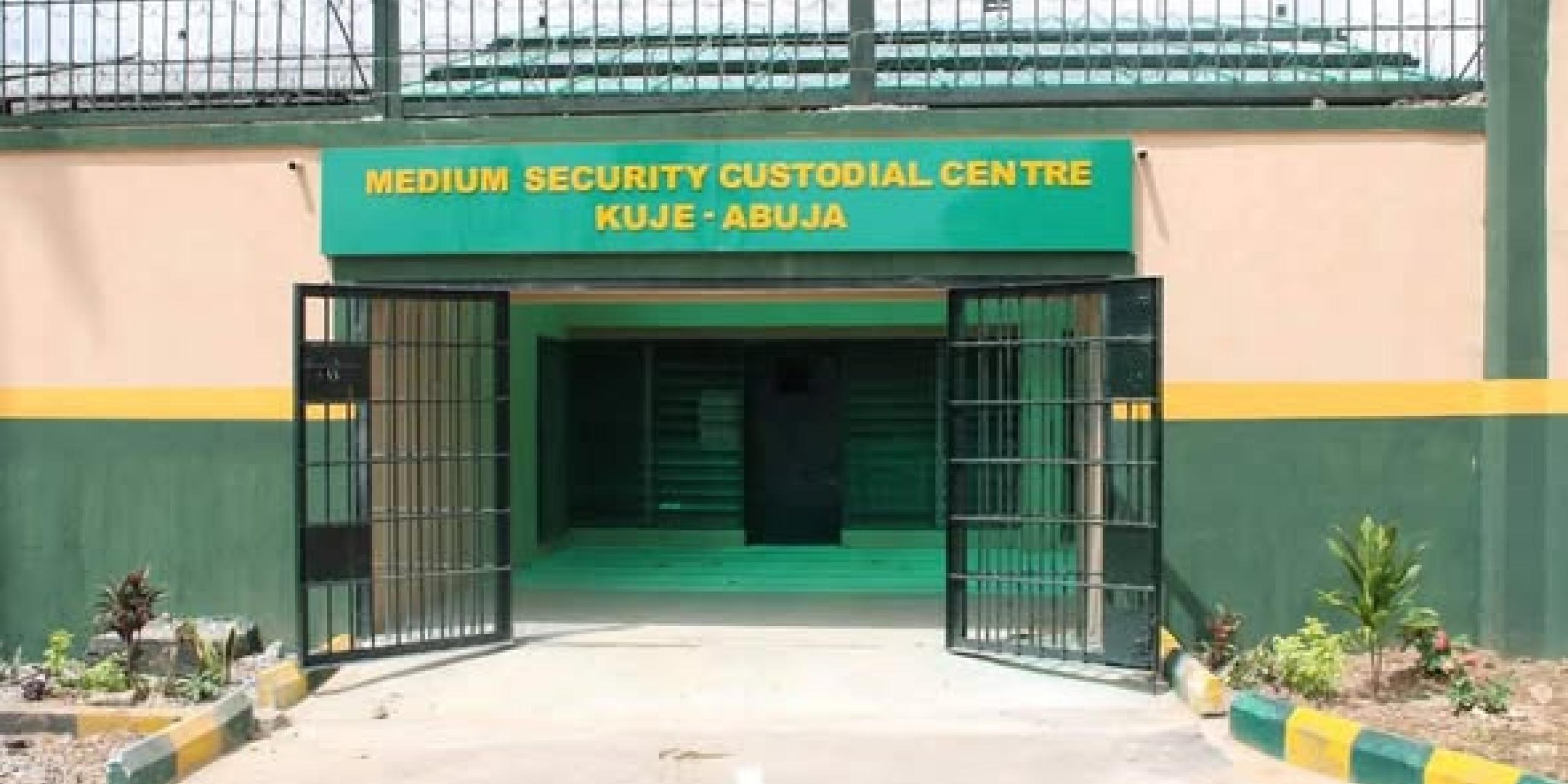 0 Comments ·0 Shares ·5K Views
 -
DSS Deploys 50+ Operatives to Kuje Prison Amid Abubakar Malami Bail in N8.7B Money Laundering Case
The Department of State Services (DSS) has deployed over 50 operatives to Kuje Medium Security Custodial Centre (MSCC) in Abuja, placing the prison under heavy security following the bail granted to former Attorney General of the Federation (AGF) Abubakar Malami. The move is reportedly a precautionary measure to ensure Malami does not evade investigations related to terrorism financing, despite the fact that the charges filed by the Economic and Financial Crimes Commission (EFCC) focus on money laundering.
Malami, currently remanded at Kuje Prison, was granted bail on Wednesday, January 8, 2026, by Justice Emeka Nwite of the Federal High Court in Abuja. Bail conditions include ₦500 million surety bonds, ownership of landed property in highbrow districts such as Asokoro, Maitama, or Gwarinpa, deposit of travel documents, and an absolute ban on leaving Nigeria without prior court permission. The bail hearing was part of a 16-count charge filed against Malami, his son Abdulaziz Malami, and his wife Bashir Asabe, collectively accused of laundering ₦8.7 billion.
Sources describe a tense atmosphere at Kuje, with DSS operatives stationed strategically, monitoring all entries and exits, using approximately six Toyota Hilux vans to maintain control over the prison perimeter. The deployment highlights the critical nature of the ongoing investigation.
Background reports indicate that Malami’s legal and financial activities have previously intersected with broader terrorism financing investigations led by retired Nigerian Army General Danjuma Ali-Keffi under Operation Service Wide (OSW). The operation, initiated in 2021, aimed to track financial networks linked to Boko Haram and uncovered alleged links between some high-profile officials—including former Army Chiefs Tukur Yusuf Buratai and Faruk Yahaya, as well as Malami and former CBN Governor Godwin Emefiele—and suspects arrested for terrorism financing.
Ali-Keffi clarified that he was not accusing these officials of terrorism financing but stated that investigations revealed connections between them and some suspects. He also alleged that Malami had interfered with the OSW investigation by removing a senior prosecution lawyer who had resisted compromises on cases involving 48 terrorism financing suspects.
The DSS deployment, combined with the stringent bail conditions, reflects the high stakes and sensitivity surrounding Malami’s ongoing trial and the broader investigations into the alleged misuse of funds tied to insurgent activities.
The unfolding situation has drawn attention to the intersection of high-level corruption, terrorism financing, and law enforcement accountability in Nigeria, signaling the continued involvement of multiple agencies in overseeing cases with national security implications.
DSS Deploys 50+ Operatives to Kuje Prison Amid Abubakar Malami Bail in N8.7B Money Laundering Case The Department of State Services (DSS) has deployed over 50 operatives to Kuje Medium Security Custodial Centre (MSCC) in Abuja, placing the prison under heavy security following the bail granted to former Attorney General of the Federation (AGF) Abubakar Malami. The move is reportedly a precautionary measure to ensure Malami does not evade investigations related to terrorism financing, despite the fact that the charges filed by the Economic and Financial Crimes Commission (EFCC) focus on money laundering. Malami, currently remanded at Kuje Prison, was granted bail on Wednesday, January 8, 2026, by Justice Emeka Nwite of the Federal High Court in Abuja. Bail conditions include ₦500 million surety bonds, ownership of landed property in highbrow districts such as Asokoro, Maitama, or Gwarinpa, deposit of travel documents, and an absolute ban on leaving Nigeria without prior court permission. The bail hearing was part of a 16-count charge filed against Malami, his son Abdulaziz Malami, and his wife Bashir Asabe, collectively accused of laundering ₦8.7 billion. Sources describe a tense atmosphere at Kuje, with DSS operatives stationed strategically, monitoring all entries and exits, using approximately six Toyota Hilux vans to maintain control over the prison perimeter. The deployment highlights the critical nature of the ongoing investigation. Background reports indicate that Malami’s legal and financial activities have previously intersected with broader terrorism financing investigations led by retired Nigerian Army General Danjuma Ali-Keffi under Operation Service Wide (OSW). The operation, initiated in 2021, aimed to track financial networks linked to Boko Haram and uncovered alleged links between some high-profile officials—including former Army Chiefs Tukur Yusuf Buratai and Faruk Yahaya, as well as Malami and former CBN Governor Godwin Emefiele—and suspects arrested for terrorism financing. Ali-Keffi clarified that he was not accusing these officials of terrorism financing but stated that investigations revealed connections between them and some suspects. He also alleged that Malami had interfered with the OSW investigation by removing a senior prosecution lawyer who had resisted compromises on cases involving 48 terrorism financing suspects. The DSS deployment, combined with the stringent bail conditions, reflects the high stakes and sensitivity surrounding Malami’s ongoing trial and the broader investigations into the alleged misuse of funds tied to insurgent activities. The unfolding situation has drawn attention to the intersection of high-level corruption, terrorism financing, and law enforcement accountability in Nigeria, signaling the continued involvement of multiple agencies in overseeing cases with national security implications.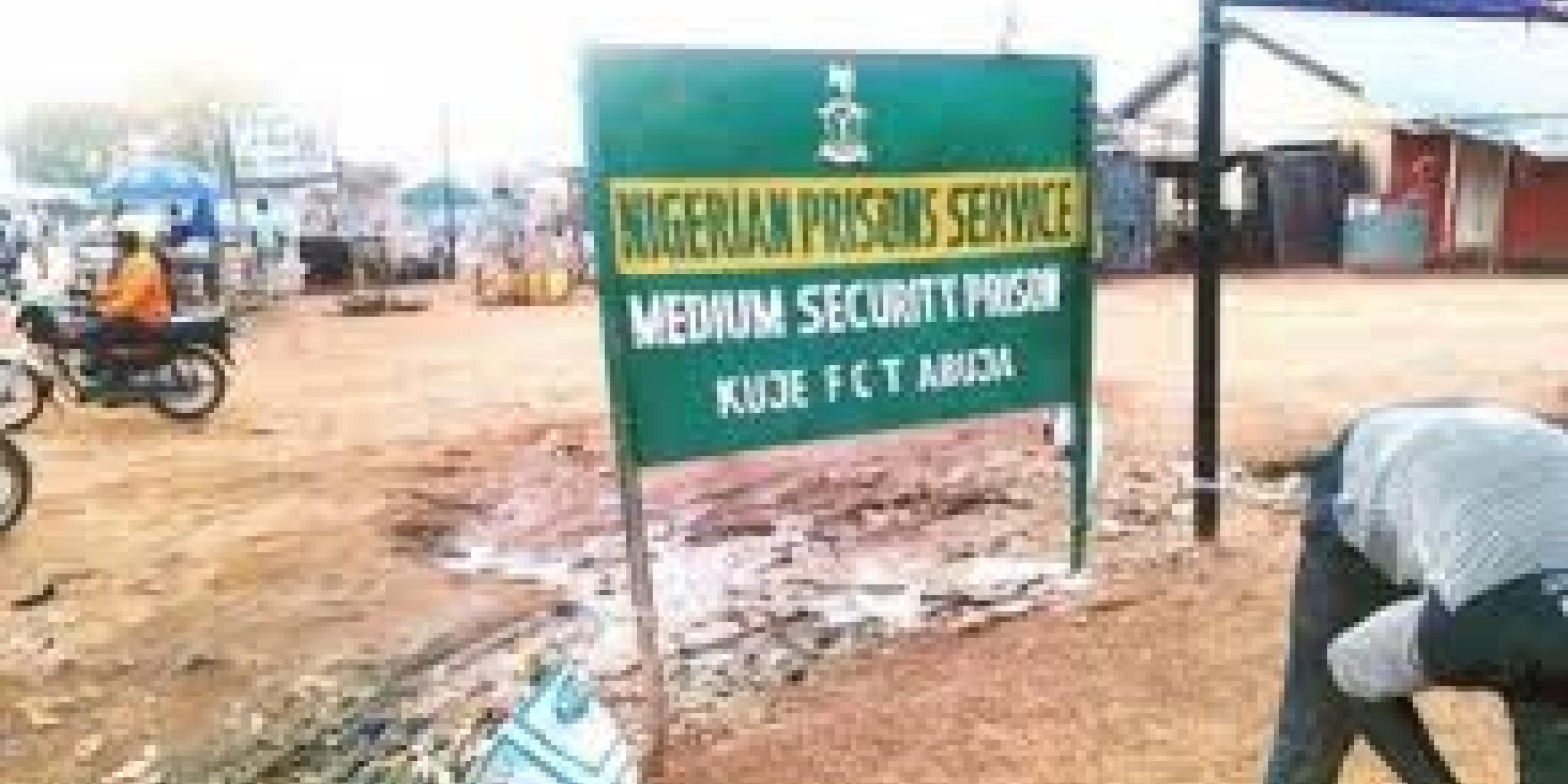 0 Comments ·0 Shares ·6K Views
More Results
