• Christians in Borno State Warned Not to Be Fooled by Governor Zulum’s Rhetoric on Religious Tolerance

    An opinion piece by Ishaya Malgwi warns Christians in Borno State against being swayed by Governor Babagana Umara Zulum’s public gestures promoting religious tolerance. Despite claims of harmony, Christians continue to face systemic marginalization under Zulum’s administration, including denial of Christian Religious Knowledge in schools, political exclusion, neglect of displaced persons, and restrictions on NGO aid in Christian communities.
    The article stresses that symbolic acts like sponsoring pilgrimages or visiting Christian refugees cannot substitute for meaningful policy changes. Advocates call for equal access to education, fair resettlement of displaced Christians, political representation, prompt payment of pensions, and unhindered humanitarian assistance.

    #BornoState #ChristianRights #ReligiousTolerance #GovernorZulum #NigeriaPolitics #HumanRights #ReligiousFreedom #IDPs #SocialJustice #NigeriaNews
    Christians in Borno State Warned Not to Be Fooled by Governor Zulum’s Rhetoric on Religious Tolerance An opinion piece by Ishaya Malgwi warns Christians in Borno State against being swayed by Governor Babagana Umara Zulum’s public gestures promoting religious tolerance. Despite claims of harmony, Christians continue to face systemic marginalization under Zulum’s administration, including denial of Christian Religious Knowledge in schools, political exclusion, neglect of displaced persons, and restrictions on NGO aid in Christian communities. The article stresses that symbolic acts like sponsoring pilgrimages or visiting Christian refugees cannot substitute for meaningful policy changes. Advocates call for equal access to education, fair resettlement of displaced Christians, political representation, prompt payment of pensions, and unhindered humanitarian assistance. #BornoState #ChristianRights #ReligiousTolerance #GovernorZulum #NigeriaPolitics #HumanRights #ReligiousFreedom #IDPs #SocialJustice #NigeriaNews
    0 Comments ·0 Shares ·249 Views
  • US Congressman Riley Moore Warns of Escalating Violence Against Christians in Nigeria, Cites ISIS ‘Convert or Die’ Threats and U.S.–Nigeria Security Cooperation

    U.S. Congressman Riley Moore has raised fresh alarm over what he describes as a worsening campaign of violence against Christian communities in Nigeria, citing threats from ISIS-linked groups demanding that Christians “convert or die.” Speaking on Newsmax TV, Moore said he visited Nigeria in December as part of a congressional delegation sent at the direction of President Donald Trump to assess security conditions and humanitarian needs.

    Moore recounted harrowing testimonies from internally displaced persons (IDPs), including women who witnessed the قتل of their children, families torn apart, and unborn babies killed. He said these accounts point to targeted religious persecution, not random criminal violence. According to him, extremist groups—such as ISIS-affiliated factions and Islamist militants active in Nigeria’s Middle Belt—are deliberately attacking churches, Christian villages, and IDP camps.

    The West Virginia lawmaker stated that U.S.–Nigeria security cooperation has intensified, claiming recent joint military actions, including a reported strike around Christmas, helped deter attacks during the holiday period. While some details of these operations have not been independently verified, Moore said discussions are ongoing to establish a broader strategic security framework to strengthen Nigeria’s military capacity, improve intelligence sharing, and close operational gaps.

    Rejecting explanations that attribute the violence mainly to climate change or land disputes, Moore argued that the rhetoric and actions of extremist groups clearly show a specific focus on Christian communities. He acknowledged that Nigerians of all backgrounds have suffered but insisted that Christians face targeted persecution.

    Human rights groups continue to document widespread insecurity in Nigeria involving Boko Haram, ISIS–West Africa Province (ISWAP), and armed militias, with debate persisting over the root causes of the violence. Moore said his conclusions are based on firsthand observations: “What is happening in Nigeria is Christian persecution,” he maintained, urging sustained international attention and support.
    US Congressman Riley Moore Warns of Escalating Violence Against Christians in Nigeria, Cites ISIS ‘Convert or Die’ Threats and U.S.–Nigeria Security Cooperation U.S. Congressman Riley Moore has raised fresh alarm over what he describes as a worsening campaign of violence against Christian communities in Nigeria, citing threats from ISIS-linked groups demanding that Christians “convert or die.” Speaking on Newsmax TV, Moore said he visited Nigeria in December as part of a congressional delegation sent at the direction of President Donald Trump to assess security conditions and humanitarian needs. Moore recounted harrowing testimonies from internally displaced persons (IDPs), including women who witnessed the قتل of their children, families torn apart, and unborn babies killed. He said these accounts point to targeted religious persecution, not random criminal violence. According to him, extremist groups—such as ISIS-affiliated factions and Islamist militants active in Nigeria’s Middle Belt—are deliberately attacking churches, Christian villages, and IDP camps. The West Virginia lawmaker stated that U.S.–Nigeria security cooperation has intensified, claiming recent joint military actions, including a reported strike around Christmas, helped deter attacks during the holiday period. While some details of these operations have not been independently verified, Moore said discussions are ongoing to establish a broader strategic security framework to strengthen Nigeria’s military capacity, improve intelligence sharing, and close operational gaps. Rejecting explanations that attribute the violence mainly to climate change or land disputes, Moore argued that the rhetoric and actions of extremist groups clearly show a specific focus on Christian communities. He acknowledged that Nigerians of all backgrounds have suffered but insisted that Christians face targeted persecution. Human rights groups continue to document widespread insecurity in Nigeria involving Boko Haram, ISIS–West Africa Province (ISWAP), and armed militias, with debate persisting over the root causes of the violence. Moore said his conclusions are based on firsthand observations: “What is happening in Nigeria is Christian persecution,” he maintained, urging sustained international attention and support.
    0 Comments ·0 Shares ·108 Views
  • Boko Haram Attack in Adamawa Communities Kills 14, Destroys Shops and Food Stores, Residents Demand Government Action

    Suspected Boko Haram fighters launched a deadly attack on Zah and Mubang communities in Yadul, Garaha District of Adamawa State on the evening of Monday, December 29, 2025. The assault claimed at least 14 lives, including elders and youths, and left two others injured. Attackers also set ablaze food stores and other properties, devastating local livelihoods.

    Residents described the attack as part of a recurring nightmare, citing repeated assaults on the largely Christian farming settlements of Yadul, Garaha District, including Dabna, Kopre, Kultha, and Kinging. Many residents have been forced to live as internally displaced persons in their own land.

    Community leaders called on the Nigerian government to strengthen security, close existing loopholes, and implement measures beyond relief handouts to protect lives and property. Locals emphasized that the ongoing attacks threaten food security and dignity, demanding urgent government intervention.
    Boko Haram Attack in Adamawa Communities Kills 14, Destroys Shops and Food Stores, Residents Demand Government Action Suspected Boko Haram fighters launched a deadly attack on Zah and Mubang communities in Yadul, Garaha District of Adamawa State on the evening of Monday, December 29, 2025. The assault claimed at least 14 lives, including elders and youths, and left two others injured. Attackers also set ablaze food stores and other properties, devastating local livelihoods. Residents described the attack as part of a recurring nightmare, citing repeated assaults on the largely Christian farming settlements of Yadul, Garaha District, including Dabna, Kopre, Kultha, and Kinging. Many residents have been forced to live as internally displaced persons in their own land. Community leaders called on the Nigerian government to strengthen security, close existing loopholes, and implement measures beyond relief handouts to protect lives and property. Locals emphasized that the ongoing attacks threaten food security and dignity, demanding urgent government intervention.
    0 Comments ·0 Shares ·138 Views
  • EXCLUSIVE VIDEO: Over 30 Women, Children Displaced by Bandits Forced to Share Single Room at Unofficial Zamfara IDP Camp

    More than 30 women and children displaced by bandit attacks are crammed into a single room at an unofficial IDP camp in Gusau, Zamfara State. Videos shared by lawyer Mubashir Umar reveal horrific living conditions, with victims recounting abductions, killings, rape, hunger and prolonged captivity despite ransom payments. Umar blamed the worsening humanitarian crisis on the Zamfara State government’s failure to establish official IDP camps across the state’s 14 local government areas, leaving displaced persons to seek shelter in schools, unfinished buildings, markets and private homes amid escalating insecurity in Nigeria’s North-West.
    EXCLUSIVE VIDEO: Over 30 Women, Children Displaced by Bandits Forced to Share Single Room at Unofficial Zamfara IDP Camp More than 30 women and children displaced by bandit attacks are crammed into a single room at an unofficial IDP camp in Gusau, Zamfara State. Videos shared by lawyer Mubashir Umar reveal horrific living conditions, with victims recounting abductions, killings, rape, hunger and prolonged captivity despite ransom payments. Umar blamed the worsening humanitarian crisis on the Zamfara State government’s failure to establish official IDP camps across the state’s 14 local government areas, leaving displaced persons to seek shelter in schools, unfinished buildings, markets and private homes amid escalating insecurity in Nigeria’s North-West.
    0 Comments ·0 Shares ·180 Views
  • UN Condemns Maiduguri Mosque Suicide Bombing, Urges Enhanced Security As Insecurity Persists In Borno

    The United Nations has strongly condemned a suicide bomb attack on a mosque at Gamboru Market in Maiduguri, Borno State, which occurred on Wednesday evening during prayers and resulted in multiple deaths and injuries. The attack has intensified fears over the persistent insecurity plaguing Nigeria’s North-East region, particularly during the festive season.

    In a statement issued on Christmas Day, the UN Resident and Humanitarian Coordinator in Nigeria, Mohamed Fall, described the incident as a grave assault on civilians and a direct violation of freedom of worship. He expressed deep sorrow over the loss of lives and extended condolences to the families of the victims, the Borno State Government, and residents of the state, while wishing the injured a speedy recovery.

    Fall joined Borno State Governor, Professor Babagana Umara Zulum, in condemning the “heinous attack” and echoed the governor’s call for heightened vigilance and stronger security measures during the festive period and beyond. He warned that the bombing was part of a disturbing pattern of violent attacks recorded in Borno State in 2025, with civilians continuing to bear the brunt of the conflict.

    Recalling previous deadly incidents, including the September 5 attack on Darajamal in Bama Local Government Area where over 50 civilians were killed, the UN official highlighted the continued use of suicide bombings, improvised explosive devices, and targeted assaults against communities, displaced persons, farmers, traders, and travellers.

    Reaffirming the UN’s stance, Fall urged all parties involved in the conflict to prioritise the protection of civilians and respect international humanitarian and human rights laws. He assured that the United Nations would continue to support government efforts and provide humanitarian assistance to communities affected by the ongoing conflict in north-east Nigeria.

    UN Condemns Maiduguri Mosque Suicide Bombing, Urges Enhanced Security As Insecurity Persists In Borno The United Nations has strongly condemned a suicide bomb attack on a mosque at Gamboru Market in Maiduguri, Borno State, which occurred on Wednesday evening during prayers and resulted in multiple deaths and injuries. The attack has intensified fears over the persistent insecurity plaguing Nigeria’s North-East region, particularly during the festive season. In a statement issued on Christmas Day, the UN Resident and Humanitarian Coordinator in Nigeria, Mohamed Fall, described the incident as a grave assault on civilians and a direct violation of freedom of worship. He expressed deep sorrow over the loss of lives and extended condolences to the families of the victims, the Borno State Government, and residents of the state, while wishing the injured a speedy recovery. Fall joined Borno State Governor, Professor Babagana Umara Zulum, in condemning the “heinous attack” and echoed the governor’s call for heightened vigilance and stronger security measures during the festive period and beyond. He warned that the bombing was part of a disturbing pattern of violent attacks recorded in Borno State in 2025, with civilians continuing to bear the brunt of the conflict. Recalling previous deadly incidents, including the September 5 attack on Darajamal in Bama Local Government Area where over 50 civilians were killed, the UN official highlighted the continued use of suicide bombings, improvised explosive devices, and targeted assaults against communities, displaced persons, farmers, traders, and travellers. Reaffirming the UN’s stance, Fall urged all parties involved in the conflict to prioritise the protection of civilians and respect international humanitarian and human rights laws. He assured that the United Nations would continue to support government efforts and provide humanitarian assistance to communities affected by the ongoing conflict in north-east Nigeria.
    0 Comments ·0 Shares ·197 Views
  • Islamic Cleric Says Muslims Can Eat Christmas Food Given by Christians, Debunks Myths

    An Islamic cleric has addressed the ongoing debate on whether Muslims can consume food prepared for Christmas by Christians. Speaking in a trending video shared on social media, the cleric clarified that there is nothing wrong with Muslims eating Christmas food, dismissing claims that such food constitutes a sacrifice for idolatrous worship. He also emphasized that the use of the Gregorian calendar to fix Christmas celebrations does not amount to idolatry.
    The cleric highlighted that those opposed to Muslims eating Christmas food due to the calendar should reconsider their use of other devices and systems tied to the Gregorian calendar, including international passports and mobile phones. His statements, shared by social media user @SameAsake on X, have sparked widespread discussion, with many Nigerians supporting the cleric’s reasoning and advocating religious tolerance and harmony.
    The debate comes amid other Christmas activities in Nigeria, including Governor Babagana Zulum of Borno State distributing food items to over 6,000 Christian widows and vulnerable persons, including internally displaced persons, to promote peace and inclusivity. However, incidents of crime, such as armed bandits seizing Christmas food in Kaduna State, highlight ongoing security challenges.
    The cleric’s message reinforces unity and coexistence, encouraging Nigerians to view each other as brothers and sisters regardless of religion, and to celebrate shared values of generosity and goodwill during festive seasons.
    Islamic Cleric Says Muslims Can Eat Christmas Food Given by Christians, Debunks Myths An Islamic cleric has addressed the ongoing debate on whether Muslims can consume food prepared for Christmas by Christians. Speaking in a trending video shared on social media, the cleric clarified that there is nothing wrong with Muslims eating Christmas food, dismissing claims that such food constitutes a sacrifice for idolatrous worship. He also emphasized that the use of the Gregorian calendar to fix Christmas celebrations does not amount to idolatry. The cleric highlighted that those opposed to Muslims eating Christmas food due to the calendar should reconsider their use of other devices and systems tied to the Gregorian calendar, including international passports and mobile phones. His statements, shared by social media user @SameAsake on X, have sparked widespread discussion, with many Nigerians supporting the cleric’s reasoning and advocating religious tolerance and harmony. The debate comes amid other Christmas activities in Nigeria, including Governor Babagana Zulum of Borno State distributing food items to over 6,000 Christian widows and vulnerable persons, including internally displaced persons, to promote peace and inclusivity. However, incidents of crime, such as armed bandits seizing Christmas food in Kaduna State, highlight ongoing security challenges. The cleric’s message reinforces unity and coexistence, encouraging Nigerians to view each other as brothers and sisters regardless of religion, and to celebrate shared values of generosity and goodwill during festive seasons.
    0 Comments ·0 Shares ·195 Views
  • Benue Government to Distribute N1.275 Billion in Private Donations to Yelwata Attack Victims

    The Benue State Government announced plans to distribute N1.275 billion in private donations to victims of the Yelwata community attacks. The Technical Committee, chaired by Secretary to the State Government Deborah Aber, revealed that the funds would address both immediate relief and long-term needs of internally displaced persons (IDPs). Distribution activities, including food, non-food items, and conditional cash transfers for 1,000 IDPs, have begun. Construction of new houses for cluster settlements is ongoing, alongside a major water treatment plant in Naka to benefit IDPs and host communities. The interventions aim to restore livelihoods, ensure safety, and promote sustainable solutions following the June attacks that killed at least 100 people.
    Benue Government to Distribute N1.275 Billion in Private Donations to Yelwata Attack Victims The Benue State Government announced plans to distribute N1.275 billion in private donations to victims of the Yelwata community attacks. The Technical Committee, chaired by Secretary to the State Government Deborah Aber, revealed that the funds would address both immediate relief and long-term needs of internally displaced persons (IDPs). Distribution activities, including food, non-food items, and conditional cash transfers for 1,000 IDPs, have begun. Construction of new houses for cluster settlements is ongoing, alongside a major water treatment plant in Naka to benefit IDPs and host communities. The interventions aim to restore livelihoods, ensure safety, and promote sustainable solutions following the June attacks that killed at least 100 people.
    0 Comments ·0 Shares ·238 Views
  • Rights Groups Warn of Christmas Season Attacks in Northern Nigeria, Urge Tinubu to Protect IDPs and Churches

    A coalition of human rights, faith-based, and civil society groups has raised alarms over potential attacks during the 2025 Christmas season in Northern Nigeria and the Middle Belt. Citing a history of seasonal violence, including attacks from 2010 to 2024 that caused mass killings and displacement, the groups warned that failure to act could lead to renewed atrocities. They urged President Bola Tinubu and the Nigerian government to deploy security forces to protect communities, churches, and travellers, and to prioritize the welfare of internally displaced persons (IDPs). The coalition also called for activation of NEMA and SEMA to provide food, water, shelter, and security, and advocated for the domestication of the African Union Kampala Convention to ensure a rights-based response to displacement.
    Rights Groups Warn of Christmas Season Attacks in Northern Nigeria, Urge Tinubu to Protect IDPs and Churches A coalition of human rights, faith-based, and civil society groups has raised alarms over potential attacks during the 2025 Christmas season in Northern Nigeria and the Middle Belt. Citing a history of seasonal violence, including attacks from 2010 to 2024 that caused mass killings and displacement, the groups warned that failure to act could lead to renewed atrocities. They urged President Bola Tinubu and the Nigerian government to deploy security forces to protect communities, churches, and travellers, and to prioritize the welfare of internally displaced persons (IDPs). The coalition also called for activation of NEMA and SEMA to provide food, water, shelter, and security, and advocated for the domestication of the African Union Kampala Convention to ensure a rights-based response to displacement.
    0 Comments ·0 Shares ·432 Views
  • At least 17 people were killed and eight others injured when armed men, suspected to be Jukun militia, launched a coordinated attack on returning Internally Displaced Persons (IDPs) in Tse Ajogo village, Wukari Local Government Area, Taraba State, on Wednesday, 10 December 2025.

    According to sources, the attackers stormed the village at about 6 a.m., firing indiscriminately at residents and IDPs. Several others remain unaccounted for, while seven houses were set ablaze during the assault.

    The sources told Zagazola Makama that the incident marks the second attack on returning IDPs in Tse Ajogo within a two-month period. The village, located approximately four kilometres from Rafin Kada town, has been described as highly vulnerable to armed incursions by the militia.

    Sources said that the assailants were heavily armed and coordinated their attack to inflict maximum casualties and disrupt resettlement efforts.

    Authorities have called for heightened vigilance in the area and urged troops to sustain patrols along key routes to protect resettling communities.

    Security operatives are working to track and neutralise the attackers.

    Residents of the Tiv communities in Taraba State have been advised to remain cautious and report any suspicious movements to authorities, while prayers have been offered for peace to return to the affected areas.

    Viewers discretion strongly advised
    At least 17 people were killed and eight others injured when armed men, suspected to be Jukun militia, launched a coordinated attack on returning Internally Displaced Persons (IDPs) in Tse Ajogo village, Wukari Local Government Area, Taraba State, on Wednesday, 10 December 2025. According to sources, the attackers stormed the village at about 6 a.m., firing indiscriminately at residents and IDPs. Several others remain unaccounted for, while seven houses were set ablaze during the assault. The sources told Zagazola Makama that the incident marks the second attack on returning IDPs in Tse Ajogo within a two-month period. The village, located approximately four kilometres from Rafin Kada town, has been described as highly vulnerable to armed incursions by the militia. Sources said that the assailants were heavily armed and coordinated their attack to inflict maximum casualties and disrupt resettlement efforts. Authorities have called for heightened vigilance in the area and urged troops to sustain patrols along key routes to protect resettling communities. Security operatives are working to track and neutralise the attackers. Residents of the Tiv communities in Taraba State have been advised to remain cautious and report any suspicious movements to authorities, while prayers have been offered for peace to return to the affected areas. Viewers discretion strongly advised
    0 Comments ·0 Shares ·218 Views
  • U.S. Pledges Action on Religious Freedom in Nigeria After Lawmakers Visit Benue IDP Camps

    The United States has reaffirmed its commitment to defending religious freedom in Nigeria following a visit by U.S. Congressman Riley Moore to Internally Displaced Persons (IDP) camps in Benue State. During the visit, Moore met with Christian victims who recounted horrific attacks that left families murdered and communities displaced. The U.S. House Committee on Appropriations responded by pledging that America “will not look away,” noting that the visit forms part of a fact-finding mission ordered by President Donald Trump to address Christian persecution and guide future policy. Moore later met with Nigeria’s National Security Adviser, Nuhu Ribadu, discussing concrete steps to tackle terrorism and violence in the North-East and Middle Belt. While acknowledging some progress, the U.S. stressed that Nigeria’s security crisis remains severe and requires urgent action.
    U.S. Pledges Action on Religious Freedom in Nigeria After Lawmakers Visit Benue IDP Camps The United States has reaffirmed its commitment to defending religious freedom in Nigeria following a visit by U.S. Congressman Riley Moore to Internally Displaced Persons (IDP) camps in Benue State. During the visit, Moore met with Christian victims who recounted horrific attacks that left families murdered and communities displaced. The U.S. House Committee on Appropriations responded by pledging that America “will not look away,” noting that the visit forms part of a fact-finding mission ordered by President Donald Trump to address Christian persecution and guide future policy. Moore later met with Nigeria’s National Security Adviser, Nuhu Ribadu, discussing concrete steps to tackle terrorism and violence in the North-East and Middle Belt. While acknowledging some progress, the U.S. stressed that Nigeria’s security crisis remains severe and requires urgent action.
    0 Comments ·0 Shares ·274 Views
  • Nigeria Seeks UN Partnership for $10bn Long-Term Fund to Address Internal Displacement.

    The Federal Government has appealed to the United Nations for support in accessing a $10 billion long-term financing plan aimed at tackling the country’s growing internal displacement and humanitarian challenges.

    Minister of Budget and Economic Planning, Senator Abubakar Bagudu, made the appeal during a roundtable on “Humanitarian Development and Peacebuilding Approaches to Durable Solutions for Internally Displaced Persons” held in Abuja on Wednesday.

    Bagudu said the government could deploy such financing ideally at a four percent interest rate to create wealth among displaced populations while addressing the root causes of displacement. He noted that donor-based grants were shrinking and urged the UN to help Nigeria tap into the capital market for sustainable, long-term funds.

    He added that the government’s fiscal policies were designed to reduce waste, empower subnational governments, and promote inclusive development through programmes like the Renewed Hope Ward-Based Development Plan and Solutions for the Internally Displaced and Host Communities (SOLID) initiative, which maps economic opportunities across 8,809 wards nationwide.

    Minister of State for Humanitarian Affairs and Poverty Reduction, Dr. Yusuf Sununu, stressed that Nigeria’s humanitarian response must transition “from relief to resilience,” focusing on prevention, national leadership, and coordinated accountability.

    UN Resident and Humanitarian Coordinator, Mr. Mohammed Fall, commended Nigeria’s ongoing efforts in Borno, Yobe, and Adamawa, pledging continued UN support to help displaced persons “regain their dignity and rebuild their lives.”
    Nigeria Seeks UN Partnership for $10bn Long-Term Fund to Address Internal Displacement. The Federal Government has appealed to the United Nations for support in accessing a $10 billion long-term financing plan aimed at tackling the country’s growing internal displacement and humanitarian challenges. Minister of Budget and Economic Planning, Senator Abubakar Bagudu, made the appeal during a roundtable on “Humanitarian Development and Peacebuilding Approaches to Durable Solutions for Internally Displaced Persons” held in Abuja on Wednesday. Bagudu said the government could deploy such financing ideally at a four percent interest rate to create wealth among displaced populations while addressing the root causes of displacement. He noted that donor-based grants were shrinking and urged the UN to help Nigeria tap into the capital market for sustainable, long-term funds. He added that the government’s fiscal policies were designed to reduce waste, empower subnational governments, and promote inclusive development through programmes like the Renewed Hope Ward-Based Development Plan and Solutions for the Internally Displaced and Host Communities (SOLID) initiative, which maps economic opportunities across 8,809 wards nationwide. Minister of State for Humanitarian Affairs and Poverty Reduction, Dr. Yusuf Sununu, stressed that Nigeria’s humanitarian response must transition “from relief to resilience,” focusing on prevention, national leadership, and coordinated accountability. UN Resident and Humanitarian Coordinator, Mr. Mohammed Fall, commended Nigeria’s ongoing efforts in Borno, Yobe, and Adamawa, pledging continued UN support to help displaced persons “regain their dignity and rebuild their lives.”
    0 Comments ·0 Shares ·714 Views
  • Flood submerges 5 communities in Kogi.

    Lokoja: Executive Secretary of Kogi State Emergency Management Agency, Mouktar Atima, has said floods have completely submerged Ibaji Local Government Area of the state, warning communities along the river bank to immediately relocate to safer grounds.

    The SEMA boss, who led the Emergency Response and Critical team on an advocacy visit to the state Commissioner of Health, Dr. Adams Abdullazeez, said the state was no longer safe owing to the rising levels of water in Rivers Niger and Benue.

    He said that from charts of experts and managers of various dams in the country, excessive water will begin to pour into the Rivers Niger and Benue from Tuesday night, which will cause an overflow of the river bank.

    He said: ” No fewer than 258 communities in eight local government areas of the state have been marked as flood-prone areas while 42 internally displaced persons, IDPs, camps have been constructed to take care of those to be displaced while an emergency operations centre has been opened.?

    “Already, five communities in Ibaji Local Government Area of the state were worst hit including Ota, Ofogbo, Itima and Owara community in Kogi Local Government Area of the state.”

    Atimah said the state Ministry of Health was key to disaster management in the state even as he intimated the Health Commissioner of the rising levels of the Rivers Niger and Benue, stressing that in the next 72 hours, the state will be entering a difficult period.

    The SEMA boss commended the Health Commissioner for his proactive measures and support given to the agency, saying the support was responsible for zero casualty in last year.

    Responding, Dr. Abdullazeez, said the ministry was not only for healthcare services but for human services, saying the ministry was adequately prepared to tackle or mitigate any disaster in the state.
    Flood submerges 5 communities in Kogi. Lokoja: Executive Secretary of Kogi State Emergency Management Agency, Mouktar Atima, has said floods have completely submerged Ibaji Local Government Area of the state, warning communities along the river bank to immediately relocate to safer grounds. The SEMA boss, who led the Emergency Response and Critical team on an advocacy visit to the state Commissioner of Health, Dr. Adams Abdullazeez, said the state was no longer safe owing to the rising levels of water in Rivers Niger and Benue. He said that from charts of experts and managers of various dams in the country, excessive water will begin to pour into the Rivers Niger and Benue from Tuesday night, which will cause an overflow of the river bank. He said: ” No fewer than 258 communities in eight local government areas of the state have been marked as flood-prone areas while 42 internally displaced persons, IDPs, camps have been constructed to take care of those to be displaced while an emergency operations centre has been opened.? “Already, five communities in Ibaji Local Government Area of the state were worst hit including Ota, Ofogbo, Itima and Owara community in Kogi Local Government Area of the state.” Atimah said the state Ministry of Health was key to disaster management in the state even as he intimated the Health Commissioner of the rising levels of the Rivers Niger and Benue, stressing that in the next 72 hours, the state will be entering a difficult period. The SEMA boss commended the Health Commissioner for his proactive measures and support given to the agency, saying the support was responsible for zero casualty in last year. Responding, Dr. Abdullazeez, said the ministry was not only for healthcare services but for human services, saying the ministry was adequately prepared to tackle or mitigate any disaster in the state.
    0 Comments ·0 Shares ·430 Views
  • "91 chibok girls still in boko-haram captivity"- UN exposes Nigeria's systemic failures.

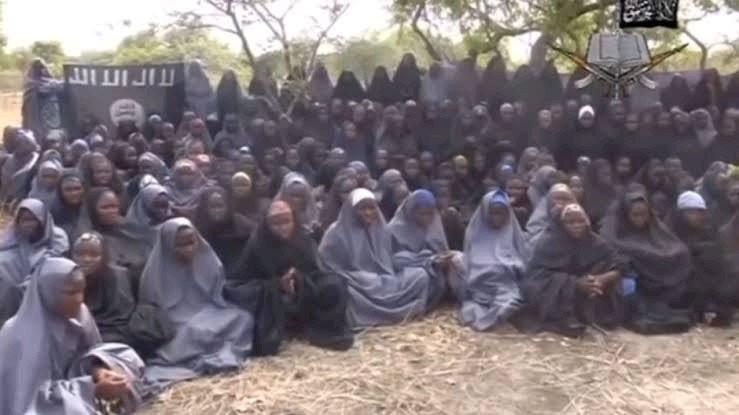
    A decade after the horrific 2014 abduction of schoolgirls in Chibok, Nigeria, the United Nations Committee on the Elimination of Discrimination against Women (CEDAW) has disclosed that 91 of the victims remain unaccounted for or held captive by Boko Haram terrorists, underscoring ongoing rights abuses.

    The committee’s investigation also highlights the persistent trauma and societal rejection faced by survivors, who often lack essential psychological and social services.

    These revelations stem from a detailed inquiry report issued after a confidential two-week fact-finding trip to Nigeria in December 2023.

    The CEDAW team evaluated conditions in Abuja and key states such as Adamawa, Borno, Enugu, and Kaduna.

    “The committee finds grave and systematic violations persist after Chibok mass abduction of schoolgirls,” the report stated.

    “Nigeria is responsible for grave and systematic violations of women’s and girls’ rights amid multiple mass abductions.”

    The experts called for immediate steps to halt torture and mistreatment.

    School officials noted that this marked the first UN visit to Chibok Government Secondary School since the 2014 incident.

    In the capital, the delegation engaged with the Director of the Women Development Department and the Director of Defence and Security.

    They also consulted representatives from the National Agency for the Prohibition of Trafficking in Persons, the Nigerian Armed Forces, and the Police Service Commission.

    At an internally displaced persons (IDP) camp in Abuja, the group spoke with Boko Haram abduction victims and women and girls seized by other factions for ransom.

    “The initial focus of the Committee’s inquiry was on the mass abduction carried out by Boko Haram in 2014, when 276 schoolgirls were taken from Chibok Secondary School in Borno State.

    “Of that number, 82 managed to escape on their own, while 103 were released in small groups between 2016 and 2017 through prisoner exchanges.

    “At least 91 of the Chibok girls remain in captivity, or their whereabouts are still unknown.”

    The probe went further, addressing kidnappings by various armed factions in the years since, including those driven by extortion.

    Nahla Haidar, the Committee’s Chair, emphasized: “The abduction of the Chibok girls was not an isolated tragedy but part of a series of mass abductions targeting schools and communities across northern Nigeria.

    “Though it was the first publicised case to gain global support.

    “While such attacks had started earlier, Chibok marked the beginning of increased international attention of a decade-long pattern of mass abduction.”

    She continued: “At least 1,400 students have been kidnapped from schools since the Chibok abduction.

    “These girls were often taken for ransom, forced marriage, trafficking and prisoner exchange,

    “The Committee considered that the state party’s repeated failure to protect schoolgirls and other women and girls from abductions amounts to systematic and grave violations.”

    The document detailed brutal captivity conditions under Boko Haram and rival groups, including malnutrition, beatings for non-compliance, forced marriages to militants, religious conversions, and births in confinement.

    “Other survivors of abductions for ransom by other armed groups faced extremely high risks of sexual violence, often suffering repeated rape by different men, and other physical violence,” the report concluded.

    Post-release experiences for the Chibok survivors differed sharply.

    Those who fled independently were shunned in their communities due to stigma linked to associations with insurgents, preventing returns to home village.
    "91 chibok girls still in boko-haram captivity"- UN exposes Nigeria's systemic failures. A decade after the horrific 2014 abduction of schoolgirls in Chibok, Nigeria, the United Nations Committee on the Elimination of Discrimination against Women (CEDAW) has disclosed that 91 of the victims remain unaccounted for or held captive by Boko Haram terrorists, underscoring ongoing rights abuses. The committee’s investigation also highlights the persistent trauma and societal rejection faced by survivors, who often lack essential psychological and social services. These revelations stem from a detailed inquiry report issued after a confidential two-week fact-finding trip to Nigeria in December 2023. The CEDAW team evaluated conditions in Abuja and key states such as Adamawa, Borno, Enugu, and Kaduna. “The committee finds grave and systematic violations persist after Chibok mass abduction of schoolgirls,” the report stated. “Nigeria is responsible for grave and systematic violations of women’s and girls’ rights amid multiple mass abductions.” The experts called for immediate steps to halt torture and mistreatment. School officials noted that this marked the first UN visit to Chibok Government Secondary School since the 2014 incident. In the capital, the delegation engaged with the Director of the Women Development Department and the Director of Defence and Security. They also consulted representatives from the National Agency for the Prohibition of Trafficking in Persons, the Nigerian Armed Forces, and the Police Service Commission. At an internally displaced persons (IDP) camp in Abuja, the group spoke with Boko Haram abduction victims and women and girls seized by other factions for ransom. “The initial focus of the Committee’s inquiry was on the mass abduction carried out by Boko Haram in 2014, when 276 schoolgirls were taken from Chibok Secondary School in Borno State. “Of that number, 82 managed to escape on their own, while 103 were released in small groups between 2016 and 2017 through prisoner exchanges. “At least 91 of the Chibok girls remain in captivity, or their whereabouts are still unknown.” The probe went further, addressing kidnappings by various armed factions in the years since, including those driven by extortion. Nahla Haidar, the Committee’s Chair, emphasized: “The abduction of the Chibok girls was not an isolated tragedy but part of a series of mass abductions targeting schools and communities across northern Nigeria. “Though it was the first publicised case to gain global support. “While such attacks had started earlier, Chibok marked the beginning of increased international attention of a decade-long pattern of mass abduction.” She continued: “At least 1,400 students have been kidnapped from schools since the Chibok abduction. “These girls were often taken for ransom, forced marriage, trafficking and prisoner exchange, “The Committee considered that the state party’s repeated failure to protect schoolgirls and other women and girls from abductions amounts to systematic and grave violations.” The document detailed brutal captivity conditions under Boko Haram and rival groups, including malnutrition, beatings for non-compliance, forced marriages to militants, religious conversions, and births in confinement. “Other survivors of abductions for ransom by other armed groups faced extremely high risks of sexual violence, often suffering repeated rape by different men, and other physical violence,” the report concluded. Post-release experiences for the Chibok survivors differed sharply. Those who fled independently were shunned in their communities due to stigma linked to associations with insurgents, preventing returns to home village.
    0 Comments ·0 Shares ·637 Views
  • Gov Alia Criticized for Plans to Erect Giant Statues of Himself in Makurdi

    Reports emerging from Benue State suggest that Governor Hyacinth Alia is planning to erect giant statues of himself at major junctions in Makurdi, the state capital—a move that has sparked outrage and condemnation.

    The information was first shared by Raphael Akume, the governor’s Senior Special Assistant on Media, who confirmed the project in a social media post. For many observers, this announcement erased earlier doubts and confirmed that the self-glorifying initiative is indeed in motion.

    Critics argue that the decision to spend public funds on statues amounts to a waste of resources and a betrayal of the trust of Benue people. With urgent needs in education, healthcare, infrastructure, security, and welfare, allocating funds to vanity projects is viewed as insensitive and unjustifiable.

    “Governance should focus on service, accountability, and transparency—not self-glorification,” Ornguga wrote, stressing that public resources must uplift citizens rather than fuel a cult of personality.

    No governor in Benue’s history—from Aper Aku to Samuel Ortom—ever named public assets after themselves while in office. Traditionally, infrastructure and projects are named to honor past leaders or notable figures.

    However, Governor Alia has reportedly broken this norm by naming facilities such as the “Fr Alia Quality House” at the Quality Assurance building and the “Fr Alia Complex” at the BSUTH drug collection centre after himself. Critics warn this trend risks normalizing autocratic-style branding.


    Ornguga urged Governor Alia to redirect his attention to unfulfilled campaign promises. Despite receiving increased federal allocations after fuel subsidy removal, arrears of salaries, pensions, and gratuities remain unpaid in Benue—while other states have cleared theirs.

    President Bola Tinubu himself recently noted in Makurdi that governors now receive enough funds to settle such obligations without borrowing.

    Governor Alia also promised to return internally displaced persons (IDPs) to their ancestral homes within his first 100 days in office, a pledge yet to materialize.


    Critics insist that resources earmarked for the statues should instead be invested in roads, welfare programs, and debt clearance. They warn that self-glorifying ventures risk alienating citizens and reducing governance to propaganda rather than service.

    “The time for politicking has passed. Governor Alia has enough funds to transform Benue. What the people need is leadership, not monuments of self-adulation,” Ornguga concluded.

    Gov Alia Criticized for Plans to Erect Giant Statues of Himself in Makurdi Reports emerging from Benue State suggest that Governor Hyacinth Alia is planning to erect giant statues of himself at major junctions in Makurdi, the state capital—a move that has sparked outrage and condemnation. The information was first shared by Raphael Akume, the governor’s Senior Special Assistant on Media, who confirmed the project in a social media post. For many observers, this announcement erased earlier doubts and confirmed that the self-glorifying initiative is indeed in motion. Critics argue that the decision to spend public funds on statues amounts to a waste of resources and a betrayal of the trust of Benue people. With urgent needs in education, healthcare, infrastructure, security, and welfare, allocating funds to vanity projects is viewed as insensitive and unjustifiable. “Governance should focus on service, accountability, and transparency—not self-glorification,” Ornguga wrote, stressing that public resources must uplift citizens rather than fuel a cult of personality. No governor in Benue’s history—from Aper Aku to Samuel Ortom—ever named public assets after themselves while in office. Traditionally, infrastructure and projects are named to honor past leaders or notable figures. However, Governor Alia has reportedly broken this norm by naming facilities such as the “Fr Alia Quality House” at the Quality Assurance building and the “Fr Alia Complex” at the BSUTH drug collection centre after himself. Critics warn this trend risks normalizing autocratic-style branding. Ornguga urged Governor Alia to redirect his attention to unfulfilled campaign promises. Despite receiving increased federal allocations after fuel subsidy removal, arrears of salaries, pensions, and gratuities remain unpaid in Benue—while other states have cleared theirs. President Bola Tinubu himself recently noted in Makurdi that governors now receive enough funds to settle such obligations without borrowing. Governor Alia also promised to return internally displaced persons (IDPs) to their ancestral homes within his first 100 days in office, a pledge yet to materialize. Critics insist that resources earmarked for the statues should instead be invested in roads, welfare programs, and debt clearance. They warn that self-glorifying ventures risk alienating citizens and reducing governance to propaganda rather than service. “The time for politicking has passed. Governor Alia has enough funds to transform Benue. What the people need is leadership, not monuments of self-adulation,” Ornguga concluded.
    0 Comments ·0 Shares ·2K Views
  • Five Soldiers, 58 Civilians Killed In Fresh Borno Attack

    At least 63 people including five soldiers and 58 civilians — were killed when suspected Boko Haram terrorists attacked Daral-Jamal community along the Bama-Banki road, Sambisa Forest, on Friday night.

    The insurgents torched over 20 houses, vehicles, and foodstuffs belonging to recently resettled IDPs.

    Governor Babagana Umara Zulum visited the community on Saturday to condole with bereaved families and urged urgent deployment of trained Forest Guards to support the military.

    Residents said dozens of fighters stormed the town on motorbikes, shooting indiscriminately and setting homes ablaze. The Air Force later claimed it neutralised about 30 terrorists during the gunfight.

    The attack has renewed concerns over the government’s push to close IDP camps and resettle displaced persons in vulnerable rural areas.

    Ref: Channels TV
    #Borno #Nigeria #BokoHaram #Security #IDPs #BreakingNews
    Five Soldiers, 58 Civilians Killed In Fresh Borno Attack At least 63 people including five soldiers and 58 civilians — were killed when suspected Boko Haram terrorists attacked Daral-Jamal community along the Bama-Banki road, Sambisa Forest, on Friday night. The insurgents torched over 20 houses, vehicles, and foodstuffs belonging to recently resettled IDPs. Governor Babagana Umara Zulum visited the community on Saturday to condole with bereaved families and urged urgent deployment of trained Forest Guards to support the military. Residents said dozens of fighters stormed the town on motorbikes, shooting indiscriminately and setting homes ablaze. The Air Force later claimed it neutralised about 30 terrorists during the gunfight. The attack has renewed concerns over the government’s push to close IDP camps and resettle displaced persons in vulnerable rural areas. 📌 Ref: Channels TV #Borno #Nigeria #BokoHaram #Security #IDPs #BreakingNews
    Like
    1
    · 0 Comments ·0 Shares ·801 Views

  • Shehu Sani Applauds U.S. $32.5 Million Donation for Displaced Nigerians

    Former Kaduna Central Senator and chieftain of the All Progressives Congress (APC), Shehu Sani, has praised the United States government for donating funds to support displaced persons in Nigeria.

    In a post shared via his official X handle on Thursday, September 4, 2025, Sani revealed that the U.S. government contributed $32.5 million to the World Food Programme (WFP). The donation is aimed at providing food and nutrition for hundreds of thousands of Nigerians who have been displaced by conflict and insecurity.

    Commending the gesture, the former lawmaker described the act as a reflection of empathy and compassion.

    “The donation of $32.5 million by the US government to the WFP for food and nutrition for hundreds of thousands of displaced Nigerians is commendable. This act of generosity and empathy is well appreciated,” Sani wrote.


    The intervention comes at a time when humanitarian needs in Nigeria remain pressing, with millions displaced due to insurgency, banditry, and other security challenges.

    While applauding the support from the U.S., some Nigerians have also called on the Federal Government to intensify efforts in providing sustainable solutions for displaced citizens beyond international aid.

    Shehu Sani Applauds U.S. $32.5 Million Donation for Displaced Nigerians Former Kaduna Central Senator and chieftain of the All Progressives Congress (APC), Shehu Sani, has praised the United States government for donating funds to support displaced persons in Nigeria. In a post shared via his official X handle on Thursday, September 4, 2025, Sani revealed that the U.S. government contributed $32.5 million to the World Food Programme (WFP). The donation is aimed at providing food and nutrition for hundreds of thousands of Nigerians who have been displaced by conflict and insecurity. Commending the gesture, the former lawmaker described the act as a reflection of empathy and compassion. “The donation of $32.5 million by the US government to the WFP for food and nutrition for hundreds of thousands of displaced Nigerians is commendable. This act of generosity and empathy is well appreciated,” Sani wrote. The intervention comes at a time when humanitarian needs in Nigeria remain pressing, with millions displaced due to insurgency, banditry, and other security challenges. While applauding the support from the U.S., some Nigerians have also called on the Federal Government to intensify efforts in providing sustainable solutions for displaced citizens beyond international aid.
    0 Comments ·0 Shares ·493 Views
  • BREAKING: Coalition Of Nigerian Leaders Warns Of ‘Wartime Levels’ Of Insecurity, Proposes Presidential Task Force

    A coalition of prominent Nigerian leaders across ethnic, religious, and political divides has raised alarm over worsening insecurity under President Bola Tinubu, warning that the nation risks sliding into chaos unless urgent action is taken.

    Citing an Amnesty International report, the leaders said at least 10,217 Nigerians have been killed in violent attacks in the past two years, describing it as “wartime levels of slaughter.” Benue alone reportedly recorded nearly 6,900 deaths, Plateau over 2,600, while Zamfara has seen 638 villages razed and residents forced to pay criminal levies.

    The coalition condemned what it termed “a dangerous national silence” and the state’s failure to maintain security, stressing that farmer-herder clashes have evolved into sectarian wars fueled by poverty, arms proliferation, and impunity.

    They proposed the creation of a Presidential Task Force on National Security with extraordinary powers to coordinate intelligence, disarm armed groups, reintegrate displaced persons, and publish quarterly accountability reports.

    “Nigeria stands on a knife-edge,” the leaders warned, urging immediate reforms, reconciliation, and inclusive governance to halt the bloodshed.

    #NigeriaSecurity #Insecurity #Tinubu #BreakingNews
    BREAKING: Coalition Of Nigerian Leaders Warns Of ‘Wartime Levels’ Of Insecurity, Proposes Presidential Task Force A coalition of prominent Nigerian leaders across ethnic, religious, and political divides has raised alarm over worsening insecurity under President Bola Tinubu, warning that the nation risks sliding into chaos unless urgent action is taken. Citing an Amnesty International report, the leaders said at least 10,217 Nigerians have been killed in violent attacks in the past two years, describing it as “wartime levels of slaughter.” Benue alone reportedly recorded nearly 6,900 deaths, Plateau over 2,600, while Zamfara has seen 638 villages razed and residents forced to pay criminal levies. The coalition condemned what it termed “a dangerous national silence” and the state’s failure to maintain security, stressing that farmer-herder clashes have evolved into sectarian wars fueled by poverty, arms proliferation, and impunity. They proposed the creation of a Presidential Task Force on National Security with extraordinary powers to coordinate intelligence, disarm armed groups, reintegrate displaced persons, and publish quarterly accountability reports. “Nigeria stands on a knife-edge,” the leaders warned, urging immediate reforms, reconciliation, and inclusive governance to halt the bloodshed. #NigeriaSecurity #Insecurity #Tinubu #BreakingNews
    Like
    1
    · 1 Comments ·0 Shares ·1K Views
  • Flood alert: NEMA warns of rising water level in Adamawa communities.

    The National Emergency Management Agency warned that the water level at Bakin Kogi, Jimeta, in Adamawa State, has surpassed the warning threshold of 6.0 meters.

    NEMA stated this on X on Wednesday.

    According to the agency, the current discharge rates from upstream sources exceed 3,222 m³/s, posing a heightened risk of overbank flooding.

    “As of 13th August 2025, the water level at Bakin Kogi, Jimeta, has surpassed the warning threshold of 6.0 meters.

    “Current discharge rates from upstream sources exceed 3,222 m³/s, posing a heightened risk of overbank flooding.

    “Low-lying areas of Jimeta and surrounding flood prone communities are under immediate threat,” NEMA stated.

    It, however, said the NEMA Yola Operations Office is closely monitoring the situation and has activated coordination with Disaster Response Units, and other relevant stakeholders to prepare for possible evacuation and relief operations.

    “Some displaced persons have already sought refuge at Limawa and Gwadabawa Secondary Schools. Residents in high-risk areas are strongly advised to remain alert and heed official safety instructions,” it added.

    Recently, the devastating flood that swept through parts of Adamawa State on Sunday, left dozens many of them children missing and hundreds displaced.
    Flood alert: NEMA warns of rising water level in Adamawa communities. The National Emergency Management Agency warned that the water level at Bakin Kogi, Jimeta, in Adamawa State, has surpassed the warning threshold of 6.0 meters. NEMA stated this on X on Wednesday. According to the agency, the current discharge rates from upstream sources exceed 3,222 m³/s, posing a heightened risk of overbank flooding. “As of 13th August 2025, the water level at Bakin Kogi, Jimeta, has surpassed the warning threshold of 6.0 meters. “Current discharge rates from upstream sources exceed 3,222 m³/s, posing a heightened risk of overbank flooding. “Low-lying areas of Jimeta and surrounding flood prone communities are under immediate threat,” NEMA stated. It, however, said the NEMA Yola Operations Office is closely monitoring the situation and has activated coordination with Disaster Response Units, and other relevant stakeholders to prepare for possible evacuation and relief operations. “Some displaced persons have already sought refuge at Limawa and Gwadabawa Secondary Schools. Residents in high-risk areas are strongly advised to remain alert and heed official safety instructions,” it added. Recently, the devastating flood that swept through parts of Adamawa State on Sunday, left dozens many of them children missing and hundreds displaced.
    0 Comments ·0 Shares ·879 Views
  • FG Secures $25.35m Kuwait Loan to Address Out-of-School Children in Kaduna.

    The Federal Government has obtained a $25.35 million concessionary loan from the Kuwait Fund for Arab Economic Development to support efforts aimed at tackling the high number of out-of-school children in Kaduna State.

    The loan forms part of a larger $62.8 million blended financing package involving multiple international development partners. The funds will be used to implement the Reaching Out-of-School Children programme, an ambitious initiative targeting vulnerable groups including girls, children with disabilities, and internally displaced persons.

    This was disclosed in a statement on Tuesday by the Director of Information and Public Relations at the Federal Ministry of Finance, Mohammed Manga. The project aims to enrol over 100,000 children, construct or rehabilitate more than 200 schools, and boost teacher capacity and learning conditions in underserved communities across Kaduna State.

    The loan agreement, signed by the Federal Government on behalf of the Kaduna State Government, reflects a broader strategy to enhance inclusive and quality education in one of Nigeria’s most education-challenged regions.

    Minister of Finance and Coordinating Minister of the Economy, Wale Edun—represented by Minister of State for Finance, Dr Doris Uzoka-Anite—emphasised the government’s focus on transparency, accountability, and tangible impact in education investment.

    He stressed the need for every dollar spent to deliver measurable results, especially in regions with high out-of-school populations. Edun also praised Kaduna State for its proactive approach and collaboration with development partners. He expressed optimism that the initiative could serve as a model for other states.

    Governor Uba Sani, in his remarks, reiterated Kaduna’s commitment to education and revealed that the state had already met its $1 million counterpart funding obligation. He added that Kaduna had raised its education sector allocation to 26% in the 2025 budget, underscoring its focus on human capital development.
    FG Secures $25.35m Kuwait Loan to Address Out-of-School Children in Kaduna. The Federal Government has obtained a $25.35 million concessionary loan from the Kuwait Fund for Arab Economic Development to support efforts aimed at tackling the high number of out-of-school children in Kaduna State. The loan forms part of a larger $62.8 million blended financing package involving multiple international development partners. The funds will be used to implement the Reaching Out-of-School Children programme, an ambitious initiative targeting vulnerable groups including girls, children with disabilities, and internally displaced persons. This was disclosed in a statement on Tuesday by the Director of Information and Public Relations at the Federal Ministry of Finance, Mohammed Manga. The project aims to enrol over 100,000 children, construct or rehabilitate more than 200 schools, and boost teacher capacity and learning conditions in underserved communities across Kaduna State. The loan agreement, signed by the Federal Government on behalf of the Kaduna State Government, reflects a broader strategy to enhance inclusive and quality education in one of Nigeria’s most education-challenged regions. Minister of Finance and Coordinating Minister of the Economy, Wale Edun—represented by Minister of State for Finance, Dr Doris Uzoka-Anite—emphasised the government’s focus on transparency, accountability, and tangible impact in education investment. He stressed the need for every dollar spent to deliver measurable results, especially in regions with high out-of-school populations. Edun also praised Kaduna State for its proactive approach and collaboration with development partners. He expressed optimism that the initiative could serve as a model for other states. Governor Uba Sani, in his remarks, reiterated Kaduna’s commitment to education and revealed that the state had already met its $1 million counterpart funding obligation. He added that Kaduna had raised its education sector allocation to 26% in the 2025 budget, underscoring its focus on human capital development.
    0 Comments ·0 Shares ·890 Views
  • FRESH PROTEST BREAKS OUT IN BENUE AFTER TINUBU'S VISIT.

    Internally Displaced Persons (IDPs) from the Yelwata crisis on Thursday took to the streets of Makurdi to protest worsening conditions at their camp, alleging hunger, neglect and the diversion of relief materials meant for their survival.

    The aggrieved IDPs blocked the busy road near the Makurdi International Market, causing traffic gridlock as they demanded swift government intervention and accountability from relief agencies.

    According to the protesting IDPs, at least two people recently died in the camp due to starvation and the deteriorating health environment.

    Some alleged that food items and mattresses, including those reportedly donated by the Senior Pastor of Dunamis International Gospel Centre, Dr. Paul Enenche, never reached them.

    “There’s no food, our children are starving, we sleep on the floor, and mosquitoes are almost killing us,” a female protester said, holding up a placard.

    “We are suffering, and people are dying.”

    The protesters accused officials overseeing camp management of hoarding and possibly diverting donated materials.

    They urged the Benue State Government and relevant humanitarian agencies to investigate the alleged misconduct and ensure transparency in the distribution of aid.

    As of press time, government officials had yet to release a formal statement regarding the protest or the allegations
    FRESH PROTEST BREAKS OUT IN BENUE AFTER TINUBU'S VISIT. Internally Displaced Persons (IDPs) from the Yelwata crisis on Thursday took to the streets of Makurdi to protest worsening conditions at their camp, alleging hunger, neglect and the diversion of relief materials meant for their survival. The aggrieved IDPs blocked the busy road near the Makurdi International Market, causing traffic gridlock as they demanded swift government intervention and accountability from relief agencies. According to the protesting IDPs, at least two people recently died in the camp due to starvation and the deteriorating health environment. Some alleged that food items and mattresses, including those reportedly donated by the Senior Pastor of Dunamis International Gospel Centre, Dr. Paul Enenche, never reached them. “There’s no food, our children are starving, we sleep on the floor, and mosquitoes are almost killing us,” a female protester said, holding up a placard. “We are suffering, and people are dying.” The protesters accused officials overseeing camp management of hoarding and possibly diverting donated materials. They urged the Benue State Government and relevant humanitarian agencies to investigate the alleged misconduct and ensure transparency in the distribution of aid. As of press time, government officials had yet to release a formal statement regarding the protest or the allegations
    0 Comments ·0 Shares ·395 Views
More Results
Fintter https://fintter.com