• Nathaniel Bassey Warns Married Men Against Deceiving Young Women…….


    Gospel singer and preacher Nathaniel Bassey has issued a strong warning to married men who lure young women into sleeping with them through lies and false promises. In a viral message, he said, “If you try it this year, you won’t survive,” stressing that divine judgment awaits such actions. He urged men to fear God, honor their marriages, and stop exploiting young women, calling for repentance and moral discipline.
    #fintternews
    Nathaniel Bassey Warns Married Men Against Deceiving Young Women……. Gospel singer and preacher Nathaniel Bassey has issued a strong warning to married men who lure young women into sleeping with them through lies and false promises. In a viral message, he said, “If you try it this year, you won’t survive,” stressing that divine judgment awaits such actions. He urged men to fear God, honor their marriages, and stop exploiting young women, calling for repentance and moral discipline. #fintternews
    like
    love
    2
    · 0 Kommentare ·0 Geteilt ·2KB Ansichten ·1 Plays
  • Nigerian Army Denies Mutiny Threat Over Salaries, Says Welfare Reforms Ongoing

    The Nigerian Army has dismissed reports of an impending mutiny by aggrieved soldiers over poor salaries and allowances, describing such claims as false and misleading. In a statement signed by Acting Army Spokesperson, Col. Appolonia Anele, the military said mutiny is alien to its discipline and professionalism. The Army clarified that promotion increments are only part of overall remuneration and listed multiple allowances that make up soldiers’ pay. While acknowledging welfare concerns, it said structured reforms, salary reviews and improved benefits are ongoing, reaffirming loyalty to the Constitution and President Tinubu.

    #NigerianArmy #MilitaryWelfare #MutinyClaims #NigeriaSecurity #Tinubu
    Nigerian Army Denies Mutiny Threat Over Salaries, Says Welfare Reforms Ongoing The Nigerian Army has dismissed reports of an impending mutiny by aggrieved soldiers over poor salaries and allowances, describing such claims as false and misleading. In a statement signed by Acting Army Spokesperson, Col. Appolonia Anele, the military said mutiny is alien to its discipline and professionalism. The Army clarified that promotion increments are only part of overall remuneration and listed multiple allowances that make up soldiers’ pay. While acknowledging welfare concerns, it said structured reforms, salary reviews and improved benefits are ongoing, reaffirming loyalty to the Constitution and President Tinubu. #NigerianArmy #MilitaryWelfare #MutinyClaims #NigeriaSecurity #Tinubu
    love
    1
    · 0 Kommentare ·0 Geteilt ·3KB Ansichten
  • CAF Threatens Sanctions Over Chaos In Morocco vs Senegal AFCON 2025 Final

    The Confederation of African Football (CAF) has vowed to impose sanctions following misconduct that marred the AFCON 2025 final between Morocco and Senegal in Rabat. CAF condemned what it called unacceptable behaviour targeting match officials and organizers after chaotic scenes erupted late in the game. The controversy followed a VAR-awarded penalty to Morocco, prompting most Senegal players to walk off the pitch in protest. Fan unrest and a near 20-minute stoppage worsened the situation. CAF says it is reviewing footage and will refer offenders to disciplinary bodies, stressing its commitment to discipline, respect and fair play.
    #CAF
    CAF Threatens Sanctions Over Chaos In Morocco vs Senegal AFCON 2025 Final The Confederation of African Football (CAF) has vowed to impose sanctions following misconduct that marred the AFCON 2025 final between Morocco and Senegal in Rabat. CAF condemned what it called unacceptable behaviour targeting match officials and organizers after chaotic scenes erupted late in the game. The controversy followed a VAR-awarded penalty to Morocco, prompting most Senegal players to walk off the pitch in protest. Fan unrest and a near 20-minute stoppage worsened the situation. CAF says it is reviewing footage and will refer offenders to disciplinary bodies, stressing its commitment to discipline, respect and fair play. #CAF
    love
    1
    · 0 Kommentare ·0 Geteilt ·2KB Ansichten
  • The CBN has finally shut the window to a particular loan it has been offering to Nigerian banks for years.

    The Central Bank of Nigeria (CBN) has officially closed a long-running loan window it had made available to commercial banks for several years. The facility, which provided short-term liquidity support to financial institutions, was withdrawn as part of the apex bank’s broader reforms to tighten monetary policy and strengthen financial discipline. Analysts say the move signals the CBN’s intent to curb excess liquidity, encourage banks to rely more on market-based funding, and stabilize the financial system amid ongoing economic adjustments. Banks are now expected to adapt to the new funding environment.
    #fintternews
    The CBN has finally shut the window to a particular loan it has been offering to Nigerian banks for years. The Central Bank of Nigeria (CBN) has officially closed a long-running loan window it had made available to commercial banks for several years. The facility, which provided short-term liquidity support to financial institutions, was withdrawn as part of the apex bank’s broader reforms to tighten monetary policy and strengthen financial discipline. Analysts say the move signals the CBN’s intent to curb excess liquidity, encourage banks to rely more on market-based funding, and stabilize the financial system amid ongoing economic adjustments. Banks are now expected to adapt to the new funding environment. #fintternews
    love
    1
    · 0 Kommentare ·0 Geteilt ·1KB Ansichten
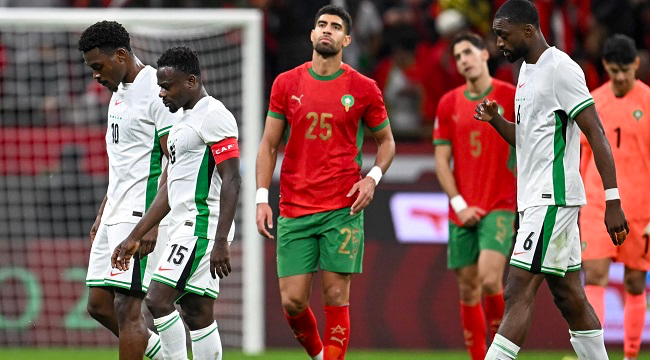
  • Nigeria Remains Proud of You, FG Tells Super Eagles After AFCON Semi-Final Exit

    The Federal Government has applauded the Super Eagles for their grit and impressive performance at the 2025 Africa Cup of Nations, despite their painful semi-final exit.

    Nigeria’s campaign ended on Wednesday after a tense penalty shootout defeat to Morocco’s Atlas Lions, who advanced to the final.

    In a statement issued on Thursday, the Minister of Information and National Orientation, Mohammed Idris, praised the team’s discipline, unity, and resilience, saying their display embodied the true Nigerian spirit and made the nation proud, regardless of the outcome.

    #SuperEagles #AFCON2025 #NigeriaProud #AfricanFootball
    Nigeria Remains Proud of You, FG Tells Super Eagles After AFCON Semi-Final Exit The Federal Government has applauded the Super Eagles for their grit and impressive performance at the 2025 Africa Cup of Nations, despite their painful semi-final exit. Nigeria’s campaign ended on Wednesday after a tense penalty shootout defeat to Morocco’s Atlas Lions, who advanced to the final. In a statement issued on Thursday, the Minister of Information and National Orientation, Mohammed Idris, praised the team’s discipline, unity, and resilience, saying their display embodied the true Nigerian spirit and made the nation proud, regardless of the outcome. #SuperEagles #AFCON2025 #NigeriaProud #AfricanFootball
    love
    2
    · 0 Kommentare ·0 Geteilt ·2KB Ansichten
  • Sowore Foundation Awards 250 Scholarships, Empowers 45 Artisans; Hosts 2026 #ComeToKiribo Festival in Ondo

    The Sowore Foundation, founded by human rights activist and former presidential candidate Omoyele Sowore, has awarded scholarships to 250 students studying Medicine, Nursing, Law, and other disciplines, while also empowering 45 artisans and vulnerable individuals.

    The interventions coincided with the 2026 edition of the annual #ComeToKiribo Festival, held on January 1, 2026, in Kiribo, Ondo State. Speaking at the event, Sowore described the Kiribo Road Race as both symbolic and historic, noting that it is the first marathon race anywhere in the world held every year on January 1.

    Beyond celebration, the festival served as a platform for education, empowerment, and community development, drawing attention to grassroots support initiatives often missing from mainstream governance efforts.

    Question: Should community-driven initiatives like this play a bigger role where government support falls short?

    #ComeToKiribo #SoworeFoundation #OndoState #EducationAndEmpowerment
    Sowore Foundation Awards 250 Scholarships, Empowers 45 Artisans; Hosts 2026 #ComeToKiribo Festival in Ondo The Sowore Foundation, founded by human rights activist and former presidential candidate Omoyele Sowore, has awarded scholarships to 250 students studying Medicine, Nursing, Law, and other disciplines, while also empowering 45 artisans and vulnerable individuals. The interventions coincided with the 2026 edition of the annual #ComeToKiribo Festival, held on January 1, 2026, in Kiribo, Ondo State. Speaking at the event, Sowore described the Kiribo Road Race as both symbolic and historic, noting that it is the first marathon race anywhere in the world held every year on January 1. Beyond celebration, the festival served as a platform for education, empowerment, and community development, drawing attention to grassroots support initiatives often missing from mainstream governance efforts. Question: Should community-driven initiatives like this play a bigger role where government support falls short? #ComeToKiribo #SoworeFoundation #OndoState #EducationAndEmpowerment
    love
    2
    · 0 Kommentare ·0 Geteilt ·3KB Ansichten
  • Tomato Don Carry Igbo: Ondo Prison Officers Catch Drug Smugglers for Akure Custody Centre

    Serious gbege don burst for Akure prison as officers of the Nigerian Correctional Service (NCoS) foil attempt by two visitors wey try sneak illegal drugs enter the Medium Security Custodial Centre.

    According to NCoS, the incident happen during routine security check for gate lodge. When officers search the visitors’ bag, dem discover about four grams of suspected Indian hemp hide inside fresh tomatoes, wrapped well for nylon. Dem believe say the drug suppose reach one inmate inside the prison.

    Immediately, officers arrest the suspects in line with order from the Controller-General, Sylvester Ndidi Nwakuche, wey insist on tight security for all custodial centres. After that, dem hand the suspects over to NDLEA for proper investigation and possible prosecution.

    Ondo State Controller of Corrections, Oyewole Charles, praise the officers for their sharp eye, discipline and quick response. He talk say the Service go continue to keep the prison secure and clean, and make sure say drug business no get space for correctional centres.

    NCoS also warn the public, especially visitors, say anybody wey try smuggle anything illegal go face serious law, because the safety of the prison no be something to joke with.
    Tomato Don Carry Igbo: Ondo Prison Officers Catch Drug Smugglers for Akure Custody Centre Serious gbege don burst for Akure prison as officers of the Nigerian Correctional Service (NCoS) foil attempt by two visitors wey try sneak illegal drugs enter the Medium Security Custodial Centre. According to NCoS, the incident happen during routine security check for gate lodge. When officers search the visitors’ bag, dem discover about four grams of suspected Indian hemp hide inside fresh tomatoes, wrapped well for nylon. Dem believe say the drug suppose reach one inmate inside the prison. Immediately, officers arrest the suspects in line with order from the Controller-General, Sylvester Ndidi Nwakuche, wey insist on tight security for all custodial centres. After that, dem hand the suspects over to NDLEA for proper investigation and possible prosecution. Ondo State Controller of Corrections, Oyewole Charles, praise the officers for their sharp eye, discipline and quick response. He talk say the Service go continue to keep the prison secure and clean, and make sure say drug business no get space for correctional centres. NCoS also warn the public, especially visitors, say anybody wey try smuggle anything illegal go face serious law, because the safety of the prison no be something to joke with.
    0 Kommentare ·0 Geteilt ·1KB Ansichten
  • Naija dey With You! Info Minister Hails Super Eagles, Charges Them to Shine Against Morocco

    As Super Eagles dey ready for their AFCON 2025 semifinal clash against Morocco, Information Minister Mohammed Idris don assure them say all of Nigeria dey behind them.

    The Minister hail the team’s inspiring performance so far, saying their discipline, courage, and belief dey show why Super Eagles remain one of Africa’s top teams. He urged them to play like champions, trust one another, stay focused, and make Nigerians proud.

    “Go out there and write another proud chapter in our football story, play with heart, play with pride, play for Nigeria,” he added.

    #AFCON2025 #NigeriaVsMorocco

    Naija dey With You! Info Minister Hails Super Eagles, Charges Them to Shine Against Morocco As Super Eagles dey ready for their AFCON 2025 semifinal clash against Morocco, Information Minister Mohammed Idris don assure them say all of Nigeria dey behind them. The Minister hail the team’s inspiring performance so far, saying their discipline, courage, and belief dey show why Super Eagles remain one of Africa’s top teams. He urged them to play like champions, trust one another, stay focused, and make Nigerians proud. “Go out there and write another proud chapter in our football story, play with heart, play with pride, play for Nigeria,” he added. #AFCON2025 #NigeriaVsMorocco
    0 Kommentare ·0 Geteilt ·1KB Ansichten
  • KEY THINGS PEOPLE IGNORE BEFORE MARRIAGE
    1. Communication Style
    How you talk during peace is different from how you talk during conflict.
    2. Conflict Resolution
    Do you resolve issues or sweep them under the carpet?
    3. Money Mindset
    Spending habits, debt, saving culture, and financial transparency.
    4. Emotional Maturity
    Can your partner apologize, accept correction, and take responsibility?
    5. Expectations in Marriage
    Roles, responsibilities, lifestyle, and standards.
    6. Family Boundaries & In-Laws
    Who comes first — spouse or parents?
    7. Values & Beliefs
    Faith, morals, principles, and life priorities.
    8. Life Goals & Direction
    Career plans, relocation, children, and long-term vision.
    9. Anger & Temperament
    How your partner reacts when upset or stressed.
    10. Respect (Not Just Love)
    Love can fade temporarily, but respect must remain constant.
    11. Handling Stress & Pressure
    How they act during hardship, not comfort.
    12. Sexual Expectations & Intimacy
    Needs, boundaries, and openness (without details).
    13. Health & Genetics
    Physical, mental health history, and genotype discussions.
    14. Past Trauma & Baggage
    Unhealed wounds can show up in marriage.
    15. Parenting Style
    Discipline, education, and values for children.
    16. Friendships & Influences
    Who has access and influence over your partner?
    17. Honesty & Transparency
    Secrets before marriage often become scandals after.
    18. Growth Mindset
    Are you both willing to learn and change?
    19. Decision-Making Style
    Who decides what, and how?
    20. Definition of Love & Commitment
    What does cheating, loyalty, and commitment mean to each of you?
    🔑 KEY THINGS PEOPLE IGNORE BEFORE MARRIAGE 1. Communication Style How you talk during peace is different from how you talk during conflict. 2. Conflict Resolution Do you resolve issues or sweep them under the carpet? 3. Money Mindset Spending habits, debt, saving culture, and financial transparency. 4. Emotional Maturity Can your partner apologize, accept correction, and take responsibility? 5. Expectations in Marriage Roles, responsibilities, lifestyle, and standards. 6. Family Boundaries & In-Laws Who comes first — spouse or parents? 7. Values & Beliefs Faith, morals, principles, and life priorities. 8. Life Goals & Direction Career plans, relocation, children, and long-term vision. 9. Anger & Temperament How your partner reacts when upset or stressed. 10. Respect (Not Just Love) Love can fade temporarily, but respect must remain constant. 11. Handling Stress & Pressure How they act during hardship, not comfort. 12. Sexual Expectations & Intimacy Needs, boundaries, and openness (without details). 13. Health & Genetics Physical, mental health history, and genotype discussions. 14. Past Trauma & Baggage Unhealed wounds can show up in marriage. 15. Parenting Style Discipline, education, and values for children. 16. Friendships & Influences Who has access and influence over your partner? 17. Honesty & Transparency Secrets before marriage often become scandals after. 18. Growth Mindset Are you both willing to learn and change? 19. Decision-Making Style Who decides what, and how? 20. Definition of Love & Commitment What does cheating, loyalty, and commitment mean to each of you?
    0 Kommentare ·0 Geteilt ·2KB Ansichten
  • Ogun Police Order Probe After Viral Video of Portable in Custody
    The Ogun State Police Command has ordered an internal investigation after a viral video surfaced showing controversial musician Habeeb Okikiola (Portable) handcuffed in police custody amid allegations of assault. Reports indicate that his arrest followed a complaint filed by his baby mama, Asabi.

    The video, widely circulated on social media—especially on X—sparked public outrage and concerns over police brutality and human rights abuses. Reacting to the footage, the Police Public Relations Officer, DSP Oluseyi Babaseyi, confirmed that Portable is indeed in custody but described the conduct seen in the video as unacceptable and against police standards.

    The police spokesperson emphasized that filming or publicly displaying suspects is prohibited, as it endangers suspects and compromises investigations. He assured the public that an internal probe has begun, and any officers found culpable will be disciplined according to the law.
    Ogun Police Order Probe After Viral Video of Portable in Custody The Ogun State Police Command has ordered an internal investigation after a viral video surfaced showing controversial musician Habeeb Okikiola (Portable) handcuffed in police custody amid allegations of assault. Reports indicate that his arrest followed a complaint filed by his baby mama, Asabi. The video, widely circulated on social media—especially on X—sparked public outrage and concerns over police brutality and human rights abuses. Reacting to the footage, the Police Public Relations Officer, DSP Oluseyi Babaseyi, confirmed that Portable is indeed in custody but described the conduct seen in the video as unacceptable and against police standards. The police spokesperson emphasized that filming or publicly displaying suspects is prohibited, as it endangers suspects and compromises investigations. He assured the public that an internal probe has begun, and any officers found culpable will be disciplined according to the law.
    love
    1
    · 0 Kommentare ·0 Geteilt ·1KB Ansichten
  • Wahala Don Set for Judiciary! ‘Mr Justice Steppin’ Razor’ Drama Sparks Outrage Over Judges, Bribes and Malami Case

    Wahala don set for Nigeria judiciary as a fiery opinion by human rights lawyer Chidi Anselm Odinkalu don scatter the internet, exposing what many now call the rise of “Mr Justice Steppin’ Razor” inside Nigerian courts.

    The article, inspired by legendary reggae singer Peter Tosh’s song Steppin’ Razor, takes aim at judges who, instead of quietly doing their jobs, now mount the courtroom like a stage—boasting, threatening and performing toughness while serious allegations of bribery and influence quietly pass without action.

    According to Odinkalu, some judges in Nigeria are beginning to see themselves as untouchable strongmen—“dangerous judges”—who talk tough but refuse to use the powers the law has already given them to deal with corruption.

    The writer recalled how in August 2023, a senior judge, Justice Flora Azinge, publicly complained in court that lawyers had allegedly tried to bribe her with ₦10 million. Rather than naming the culprit, reporting the matter or punishing the offenders, she reportedly chose to issue public warnings and threats—without taking concrete action.

    Fast forward to this past week, and history appears to be repeating itself.

    At the Federal High Court in Abuja, Justice Polycarp Nwite, while ruling on the bail application of former Attorney-General of the Federation, Abubakar Malami, his wife and son over money laundering and corruption charges, reportedly declared himself “dangerous.” He warned lawyers not to approach him or attempt to influence his decisions, insisting that any such move would be “vehemently resisted.”

    But Odinkalu no gree.

    According to him, this kind of courtroom performance is nothing but noise if the judge refuses to take the legal steps available to him. Under Nigerian law and international judicial standards, judges are expected to be independent, impartial and firm. Any attempt to influence a judge is a crime—and there are clear options: report to the police, punish for contempt, refer lawyers for disciplinary action, or openly name and shame the offenders.

    Instead, the author says, some judges prefer drama to discipline.

    “This kind of talk without action,” Odinkalu argues, “does more harm than good. It makes the judiciary look weak, compromised and unserious.” In his words, a judge who complains about being approached but refuses to identify or sanction the culprits is not defending justice—he is advertising that he can be tested again.

    In the Malami case, the judge neither named the lawyers allegedly trying to influence him nor recused himself from the matter. To Odinkalu, that is a serious failure of judicial responsibility.

    For many Nigerians already frustrated with corruption, selective justice and political interference in the courts, this write-up only confirms their worst fears: say judges dey shout ‘I be dangerous’, but when e reach time to act, everywhere just go silent.

    As reactions continue online, one thing is clear—this is not just about one judge or one court case. It is about the credibility of Nigeria’s justice system itself.

    And as Nigerians would say:
    If judges dey fear to act, who go protect justice? Wahala don really set for this country judiciary.
    Wahala Don Set for Judiciary! ‘Mr Justice Steppin’ Razor’ Drama Sparks Outrage Over Judges, Bribes and Malami Case Wahala don set for Nigeria judiciary as a fiery opinion by human rights lawyer Chidi Anselm Odinkalu don scatter the internet, exposing what many now call the rise of “Mr Justice Steppin’ Razor” inside Nigerian courts. The article, inspired by legendary reggae singer Peter Tosh’s song Steppin’ Razor, takes aim at judges who, instead of quietly doing their jobs, now mount the courtroom like a stage—boasting, threatening and performing toughness while serious allegations of bribery and influence quietly pass without action. According to Odinkalu, some judges in Nigeria are beginning to see themselves as untouchable strongmen—“dangerous judges”—who talk tough but refuse to use the powers the law has already given them to deal with corruption. The writer recalled how in August 2023, a senior judge, Justice Flora Azinge, publicly complained in court that lawyers had allegedly tried to bribe her with ₦10 million. Rather than naming the culprit, reporting the matter or punishing the offenders, she reportedly chose to issue public warnings and threats—without taking concrete action. Fast forward to this past week, and history appears to be repeating itself. At the Federal High Court in Abuja, Justice Polycarp Nwite, while ruling on the bail application of former Attorney-General of the Federation, Abubakar Malami, his wife and son over money laundering and corruption charges, reportedly declared himself “dangerous.” He warned lawyers not to approach him or attempt to influence his decisions, insisting that any such move would be “vehemently resisted.” But Odinkalu no gree. According to him, this kind of courtroom performance is nothing but noise if the judge refuses to take the legal steps available to him. Under Nigerian law and international judicial standards, judges are expected to be independent, impartial and firm. Any attempt to influence a judge is a crime—and there are clear options: report to the police, punish for contempt, refer lawyers for disciplinary action, or openly name and shame the offenders. Instead, the author says, some judges prefer drama to discipline. “This kind of talk without action,” Odinkalu argues, “does more harm than good. It makes the judiciary look weak, compromised and unserious.” In his words, a judge who complains about being approached but refuses to identify or sanction the culprits is not defending justice—he is advertising that he can be tested again. In the Malami case, the judge neither named the lawyers allegedly trying to influence him nor recused himself from the matter. To Odinkalu, that is a serious failure of judicial responsibility. For many Nigerians already frustrated with corruption, selective justice and political interference in the courts, this write-up only confirms their worst fears: say judges dey shout ‘I be dangerous’, but when e reach time to act, everywhere just go silent. As reactions continue online, one thing is clear—this is not just about one judge or one court case. It is about the credibility of Nigeria’s justice system itself. And as Nigerians would say: If judges dey fear to act, who go protect justice? Wahala don really set for this country judiciary.
    0 Kommentare ·0 Geteilt ·2KB Ansichten
  • Bauchi Audit Exposes Universities, Polytechnics, Colleges, and Parastatals: How Did ₦Billions in Public Funds Go Unaccounted For, Why Were Revenues Unremitted, and Who Will Be Held Legally Responsible?

    How did institutions meant to uphold discipline, transparency, and public trust become hubs of financial disorder? An audit investigation by WikkiTimes reveals widespread financial mismanagement across Bauchi State’s universities, polytechnics, colleges, hospitals, agencies, and parastatals, raising urgent questions about accountability, oversight, and the future of public finance in the state.

    The Auditor-General’s report shows a consistent pattern: payments without documentation, unretired advances, missing revenue, inflated costs, forged or incomplete records, and expenditures without approval. These violations were not isolated to ministries or Government House—they extended deep into educational institutions and public agencies that are supposed to set standards in record-keeping, training, and ethical governance.

    At Sa’adu Zungur University, the state’s flagship institution, auditors recorded ₦63.5 million in payments without supporting documents, ₦12 million in unretired advances, ₦48 million in vouchers not presented for audit, ₦9.1 million in receipt discrepancies, ₦14.5 million in inflated diesel costs, and ₦84.2 million in unremitted tax deductions. Another ₦101 million was not posted to the cash book, making the trail of funds impossible to trace. An institution named after a symbol of moral discipline now stands accused of systemic financial indiscipline.

    At Abubakar Tatari Ali Polytechnic, auditors uncovered what they described as one of the most detailed cases of financial breakdown: ₦21.4 million in government revenue with no evidence of remittance, ₦13.4 million in undocumented payments, ₦15.1 million in vouchers withheld from audit, ₦28.6 million in store purchases not entered into ledgers, and multiple unretired advances and imprests. Additional red flags included ₦32.8 million in unauthorised payments, ₦5.7 million paid without documentation, and ₦5.2 million in soft loans without proof of recovery.

    Other institutions followed the same pattern. A.D. Rufa’i College of Legal Studies recorded millions in undocumented, unauthorised, and unacknowledged payments, alongside major store ledger discrepancies—echoing earlier reports of student exploitation. At the Bill and Melinda Gates College of Health Sciences, auditors flagged bank reconciliation gaps, voucher irregularities, and cash-book discrepancies. Health agencies, including the Specialist Hospital Board and Bauchi State Health Contributory Management Agency, were cited for diesel payments without retirement records and funds disbursed without approval.

    The audit further exposed revenue losses in parastatals. At Yankari Express Corporation, auditors recorded a staggering ₦165.5 million gap between revenue collected and bank lodgements, alongside missing vehicles, undocumented spare parts purchases, and multiple unsubmitted vouchers. At Yankari Game Reserve, findings included unauthorised payments, ghost beneficiaries, unaccounted revenue, undocumented diesel purchases, and unexplained bank withdrawals—suggesting deep-seated weaknesses in financial controls.

    Perhaps most alarming is what did not happen. According to the audit, missing vouchers remained missing, unremitted revenue was not accounted for, advances were not recovered, and disputed sums were not refunded. Explanations submitted by institutions failed to resolve the issues, leaving large portions of public funds in limbo.

    The report also outlines the legal consequences. Under the 1999 Constitution, all public spending must be authorised by law, with the Auditor-General empowered under Section 125 to refer violations to the House of Assembly. The ICPC Act criminalises abuse of office, while the EFCC Act classifies tax non-remittance and fund diversion as economic crimes—offences that remain prosecutable even after restitution.

    This investigation forces urgent questions: How did so many institutions operate for years without basic financial controls? Why were revenues collected but never remitted? Who authorised payments without records? And will the ICPC, EFCC, and lawmakers move from exposure to prosecution? As billions of naira remain unaccounted for, Bauchi’s audit report is no longer just a financial document—it is a test of whether public office will finally be matched with public accountability.

    Bauchi Audit Exposes Universities, Polytechnics, Colleges, and Parastatals: How Did ₦Billions in Public Funds Go Unaccounted For, Why Were Revenues Unremitted, and Who Will Be Held Legally Responsible? How did institutions meant to uphold discipline, transparency, and public trust become hubs of financial disorder? An audit investigation by WikkiTimes reveals widespread financial mismanagement across Bauchi State’s universities, polytechnics, colleges, hospitals, agencies, and parastatals, raising urgent questions about accountability, oversight, and the future of public finance in the state. The Auditor-General’s report shows a consistent pattern: payments without documentation, unretired advances, missing revenue, inflated costs, forged or incomplete records, and expenditures without approval. These violations were not isolated to ministries or Government House—they extended deep into educational institutions and public agencies that are supposed to set standards in record-keeping, training, and ethical governance. At Sa’adu Zungur University, the state’s flagship institution, auditors recorded ₦63.5 million in payments without supporting documents, ₦12 million in unretired advances, ₦48 million in vouchers not presented for audit, ₦9.1 million in receipt discrepancies, ₦14.5 million in inflated diesel costs, and ₦84.2 million in unremitted tax deductions. Another ₦101 million was not posted to the cash book, making the trail of funds impossible to trace. An institution named after a symbol of moral discipline now stands accused of systemic financial indiscipline. At Abubakar Tatari Ali Polytechnic, auditors uncovered what they described as one of the most detailed cases of financial breakdown: ₦21.4 million in government revenue with no evidence of remittance, ₦13.4 million in undocumented payments, ₦15.1 million in vouchers withheld from audit, ₦28.6 million in store purchases not entered into ledgers, and multiple unretired advances and imprests. Additional red flags included ₦32.8 million in unauthorised payments, ₦5.7 million paid without documentation, and ₦5.2 million in soft loans without proof of recovery. Other institutions followed the same pattern. A.D. Rufa’i College of Legal Studies recorded millions in undocumented, unauthorised, and unacknowledged payments, alongside major store ledger discrepancies—echoing earlier reports of student exploitation. At the Bill and Melinda Gates College of Health Sciences, auditors flagged bank reconciliation gaps, voucher irregularities, and cash-book discrepancies. Health agencies, including the Specialist Hospital Board and Bauchi State Health Contributory Management Agency, were cited for diesel payments without retirement records and funds disbursed without approval. The audit further exposed revenue losses in parastatals. At Yankari Express Corporation, auditors recorded a staggering ₦165.5 million gap between revenue collected and bank lodgements, alongside missing vehicles, undocumented spare parts purchases, and multiple unsubmitted vouchers. At Yankari Game Reserve, findings included unauthorised payments, ghost beneficiaries, unaccounted revenue, undocumented diesel purchases, and unexplained bank withdrawals—suggesting deep-seated weaknesses in financial controls. Perhaps most alarming is what did not happen. According to the audit, missing vouchers remained missing, unremitted revenue was not accounted for, advances were not recovered, and disputed sums were not refunded. Explanations submitted by institutions failed to resolve the issues, leaving large portions of public funds in limbo. The report also outlines the legal consequences. Under the 1999 Constitution, all public spending must be authorised by law, with the Auditor-General empowered under Section 125 to refer violations to the House of Assembly. The ICPC Act criminalises abuse of office, while the EFCC Act classifies tax non-remittance and fund diversion as economic crimes—offences that remain prosecutable even after restitution. This investigation forces urgent questions: How did so many institutions operate for years without basic financial controls? Why were revenues collected but never remitted? Who authorised payments without records? And will the ICPC, EFCC, and lawmakers move from exposure to prosecution? As billions of naira remain unaccounted for, Bauchi’s audit report is no longer just a financial document—it is a test of whether public office will finally be matched with public accountability.
    love
    1
    · 0 Kommentare ·0 Geteilt ·3KB Ansichten
  • Why Is Tinubu Budgeting ₦6.1 Billion for Foreign Trips in 2026? What Nigeria’s Travel Spending Reveals About Presidential Priorities

    A review of Nigeria’s 2026 budget has revealed that President Bola Tinubu plans to spend ₦6.1 billion on foreign travels in the coming fiscal year, raising fresh questions about government priorities amid economic strain. The figure, listed under “State House operations – President,” also shows an additional ₦873 million earmarked for local travel. When combined with the Vice President’s projected foreign travel costs of ₦1.3 billion, total international trip spending by the Presidency in 2026 is expected to reach ₦7.4 billion.

    The budget breakdown comes as Nigerians continue to grapple with rising living costs and fiscal pressures. According to the documents, travel expenses remain a major component of State House spending, with another ₦375 million allocated for foodstuffs and catering materials alone. While the Presidency has not released a detailed justification for the travel budget, officials insist the trips are essential for diplomacy, investment, and international engagement.

    Recent movements by the President have already drawn public attention. President Tinubu recently departed Lagos for Europe before heading to Abu Dhabi at the invitation of UAE President Sheikh Mohamed bin Zayed Al Nahyan to attend the Abu Dhabi Sustainability Week Summit (ADSW 2026). The Presidency described the summit as a high-level global forum bringing together leaders from government, business, and civil society to discuss sustainable development. Officials also confirmed that the President would return to Nigeria after the event.

    However, critics argue that the scale of spending on foreign trips is difficult to justify, especially in light of past expenditure. Although comprehensive 2025 data is unavailable, records from the Open Treasury Portal show that in 2024 alone, the State House spent over ₦36.3 billion on international travel. This included ₦12.2 billion for “international travel and transport (training)” and ₦24.19 billion for “international travel and transport (others).” Local travel was even more costly, with ₦47 billion spent on training and other domestic trips. In total, travel expenses—both local and foreign—amounted to approximately ₦83 billion in 2024.

    Further reports revealed that between February and July 2024, the Presidency spent about ₦2.3 billion on foreign trips, while an additional ₦2.9 billion went toward foreign exchange for trips involving the President, Vice President, and First Lady across several countries. Payments running into hundreds of millions of naira were also recorded in individual months, fueling debate over transparency and fiscal discipline.

    Opposition figures, including former presidential candidate Peter Obi, have questioned the frequency and cost of the President’s travels. At the same time, government officials have defended the expenditure. Nigeria’s Minister of Foreign Affairs, Ambassador Yusuf Maitama Tuggar, has argued that the President should even travel more to advance Nigeria’s diplomatic and economic interests globally.

    With the 2026 budget now in focus, the key questions remain: Does the ₦6.1 billion allocation reflect necessary diplomacy or excessive spending? How does such expenditure align with Nigeria’s current economic challenges? And will the government provide clearer accountability for the rising cost of presidential travel? As public scrutiny intensifies, the debate over leadership priorities and fiscal responsibility is likely to continue.


    Why Is Tinubu Budgeting ₦6.1 Billion for Foreign Trips in 2026? What Nigeria’s Travel Spending Reveals About Presidential Priorities A review of Nigeria’s 2026 budget has revealed that President Bola Tinubu plans to spend ₦6.1 billion on foreign travels in the coming fiscal year, raising fresh questions about government priorities amid economic strain. The figure, listed under “State House operations – President,” also shows an additional ₦873 million earmarked for local travel. When combined with the Vice President’s projected foreign travel costs of ₦1.3 billion, total international trip spending by the Presidency in 2026 is expected to reach ₦7.4 billion. The budget breakdown comes as Nigerians continue to grapple with rising living costs and fiscal pressures. According to the documents, travel expenses remain a major component of State House spending, with another ₦375 million allocated for foodstuffs and catering materials alone. While the Presidency has not released a detailed justification for the travel budget, officials insist the trips are essential for diplomacy, investment, and international engagement. Recent movements by the President have already drawn public attention. President Tinubu recently departed Lagos for Europe before heading to Abu Dhabi at the invitation of UAE President Sheikh Mohamed bin Zayed Al Nahyan to attend the Abu Dhabi Sustainability Week Summit (ADSW 2026). The Presidency described the summit as a high-level global forum bringing together leaders from government, business, and civil society to discuss sustainable development. Officials also confirmed that the President would return to Nigeria after the event. However, critics argue that the scale of spending on foreign trips is difficult to justify, especially in light of past expenditure. Although comprehensive 2025 data is unavailable, records from the Open Treasury Portal show that in 2024 alone, the State House spent over ₦36.3 billion on international travel. This included ₦12.2 billion for “international travel and transport (training)” and ₦24.19 billion for “international travel and transport (others).” Local travel was even more costly, with ₦47 billion spent on training and other domestic trips. In total, travel expenses—both local and foreign—amounted to approximately ₦83 billion in 2024. Further reports revealed that between February and July 2024, the Presidency spent about ₦2.3 billion on foreign trips, while an additional ₦2.9 billion went toward foreign exchange for trips involving the President, Vice President, and First Lady across several countries. Payments running into hundreds of millions of naira were also recorded in individual months, fueling debate over transparency and fiscal discipline. Opposition figures, including former presidential candidate Peter Obi, have questioned the frequency and cost of the President’s travels. At the same time, government officials have defended the expenditure. Nigeria’s Minister of Foreign Affairs, Ambassador Yusuf Maitama Tuggar, has argued that the President should even travel more to advance Nigeria’s diplomatic and economic interests globally. With the 2026 budget now in focus, the key questions remain: Does the ₦6.1 billion allocation reflect necessary diplomacy or excessive spending? How does such expenditure align with Nigeria’s current economic challenges? And will the government provide clearer accountability for the rising cost of presidential travel? As public scrutiny intensifies, the debate over leadership priorities and fiscal responsibility is likely to continue.
    0 Kommentare ·0 Geteilt ·3KB Ansichten
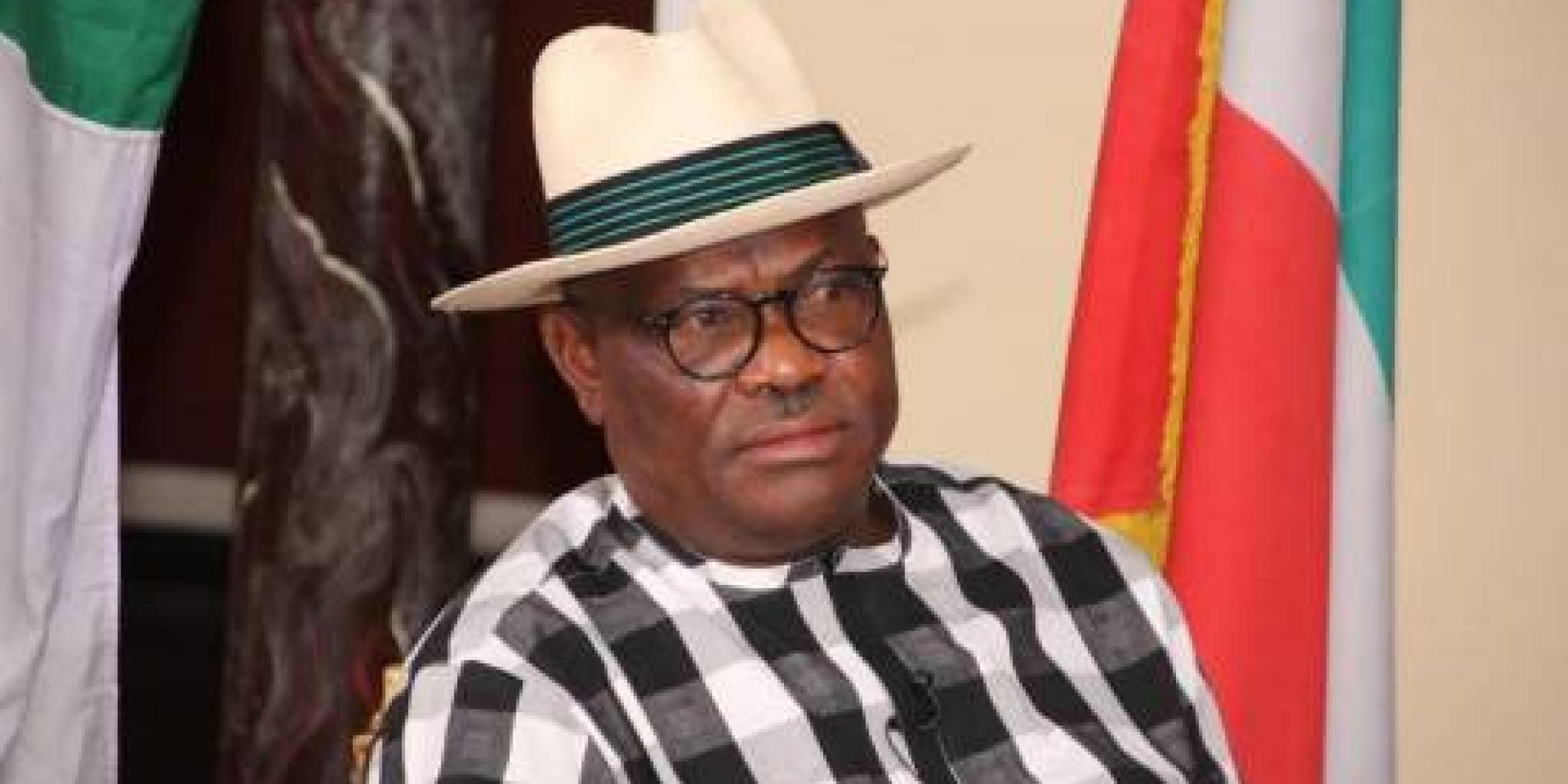
  • Is Nyesom Wike Undermining APC from Inside Government? Why Rivers APC Leaders Are Urging Tinubu to Sanction the FCT Minister Over ‘Anti-Party’ Activities

    Why would leaders of the ruling All Progressives Congress (APC) publicly demand the removal of a sitting minister appointed by their own government? And is Nigeria witnessing one of the most serious internal party confrontations since the 2023 elections?

    A coalition of APC leaders has formally asked President Bola Tinubu to sanction or remove the Minister of the Federal Capital Territory (FCT), Nyesom Wike, accusing him of repeated anti-party conduct and statements that allegedly threaten national unity. The demand was conveyed in a memo addressed to the President through the APC National Chairman, Prof. Nentawe Yilwatda, and was accompanied by plans for a protest at the party’s national secretariat in Abuja.

    The signatories—including party chieftains and youth leaders—say their action was prompted by growing concern that Wike, a former Rivers State governor and still a member of the opposition Peoples Democratic Party (PDP), has consistently attacked APC leadership while serving in an APC-led federal government. Could a minister appointed from outside the ruling party be working at cross-purposes with the party that empowered him?

    At the heart of the dispute are comments allegedly made by Wike during a “thank-you tour” in Oyigbo, Rivers State, where he was said to have criticised the APC National Secretary, Senator Ajibola Basiru, accusing him of meddling in state politics for personal reasons and warning that those who interfere would “get their fingers burnt.” APC leaders argue that such remarks amount to direct disrespect for the party’s National Working Committee and an attempt by Wike to exert influence in Rivers State despite not being a registered APC member.

    The coalition further alleges that Wike has been undermining the APC-led government in Rivers State through persistent public attacks on Governor Siminalayi Fubara, reportedly calling his emergence a “mistake” and suggesting that the situation should be corrected in the 2027 elections. Are these political opinions—or a calculated strategy to weaken APC’s hold on Rivers State from within?

    Beyond party politics, the memo raises alarms over what it describes as “dangerous and inflammatory” statements, including claims attributed to Wike that “nobody can enter Rivers State.” The APC leaders warn that portraying any part of Nigeria as a “no-go area” challenges federal authority, risks reviving tensions in the Niger Delta, and could undermine the President’s constitutional role as Commander-in-Chief. Could such rhetoric threaten national cohesion at a time when unity remains fragile?

    The group insists that failure to act against the FCT Minister may deepen internal divisions, erode party discipline, and weaken APC’s electoral prospects in Rivers State. They have vowed to escalate their protests nationwide if their demand is ignored.

    Is this a necessary stand to defend party supremacy and national unity—or a dramatic political showdown that exposes deeper fractures within Nigeria’s ruling party? As the standoff unfolds, all eyes remain on President Tinubu and whether he will heed the call to sanction one of the most powerful political figures in the country.


    Is Nyesom Wike Undermining APC from Inside Government? Why Rivers APC Leaders Are Urging Tinubu to Sanction the FCT Minister Over ‘Anti-Party’ Activities Why would leaders of the ruling All Progressives Congress (APC) publicly demand the removal of a sitting minister appointed by their own government? And is Nigeria witnessing one of the most serious internal party confrontations since the 2023 elections? A coalition of APC leaders has formally asked President Bola Tinubu to sanction or remove the Minister of the Federal Capital Territory (FCT), Nyesom Wike, accusing him of repeated anti-party conduct and statements that allegedly threaten national unity. The demand was conveyed in a memo addressed to the President through the APC National Chairman, Prof. Nentawe Yilwatda, and was accompanied by plans for a protest at the party’s national secretariat in Abuja. The signatories—including party chieftains and youth leaders—say their action was prompted by growing concern that Wike, a former Rivers State governor and still a member of the opposition Peoples Democratic Party (PDP), has consistently attacked APC leadership while serving in an APC-led federal government. Could a minister appointed from outside the ruling party be working at cross-purposes with the party that empowered him? At the heart of the dispute are comments allegedly made by Wike during a “thank-you tour” in Oyigbo, Rivers State, where he was said to have criticised the APC National Secretary, Senator Ajibola Basiru, accusing him of meddling in state politics for personal reasons and warning that those who interfere would “get their fingers burnt.” APC leaders argue that such remarks amount to direct disrespect for the party’s National Working Committee and an attempt by Wike to exert influence in Rivers State despite not being a registered APC member. The coalition further alleges that Wike has been undermining the APC-led government in Rivers State through persistent public attacks on Governor Siminalayi Fubara, reportedly calling his emergence a “mistake” and suggesting that the situation should be corrected in the 2027 elections. Are these political opinions—or a calculated strategy to weaken APC’s hold on Rivers State from within? Beyond party politics, the memo raises alarms over what it describes as “dangerous and inflammatory” statements, including claims attributed to Wike that “nobody can enter Rivers State.” The APC leaders warn that portraying any part of Nigeria as a “no-go area” challenges federal authority, risks reviving tensions in the Niger Delta, and could undermine the President’s constitutional role as Commander-in-Chief. Could such rhetoric threaten national cohesion at a time when unity remains fragile? The group insists that failure to act against the FCT Minister may deepen internal divisions, erode party discipline, and weaken APC’s electoral prospects in Rivers State. They have vowed to escalate their protests nationwide if their demand is ignored. Is this a necessary stand to defend party supremacy and national unity—or a dramatic political showdown that exposes deeper fractures within Nigeria’s ruling party? As the standoff unfolds, all eyes remain on President Tinubu and whether he will heed the call to sanction one of the most powerful political figures in the country.
    like
    1
    · 0 Kommentare ·0 Geteilt ·4KB Ansichten
  • Why Is the ADC Inaugurating Zonal Congress Committees, Why Is It Rejecting Any Alliance With Atiku, Obi, Kwankwaso, and Jonathan, and What Does This Signal for Nigeria’s 2027 Politics?

    A faction of the African Democratic Congress (ADC) has moved to strengthen its internal structure by inaugurating Zonal Congress Committees across three geopolitical zones, while firmly rejecting widespread speculation that the party is aligning with major political figures such as Atiku Abubakar, Peter Obi, Rabiu Kwankwaso, and Goodluck Jonathan.

    In a communique signed by the party’s National Chairman, Hon. Nafiu Bala Gombe, the ADC said the exercise was part of efforts to entrench internal democracy, transparency, and strict adherence to the party’s constitution ahead of future elections.

    According to the statement, the South-West Zonal Congress Committee was inaugurated in Ekiti State on January 7, 2026, with Hon. Bala Sani named Chairman and Hon. Kyauta Yakubu heading the Appeal Committee. The ceremony was conducted by the National Chairman himself.

    In the South-East, a similar inauguration took place in Enugu State on the same date. Barrister Adamu Ado Dauda was appointed Chairman of the Congress Committee, while Mrs. Iyabo Salami Alibi was named head of the Appeal Committee. The event was presided over by the Secretary of the party’s Board of Trustees (BoT), Chief Rufus Ekenmi.

    Earlier, on January 5, 2026, the party inaugurated its North-Central Zonal Congress Committee, appointing Hon. Lolo Ehirudu as Chairman of the Congress Committee and Hon. Sa’ad Aboki as head of the Appeal Committee.

    Beyond organisational matters, the ADC used the occasion to directly address growing rumours of a possible political alliance with prominent national figures. The party categorically dismissed claims linking it to Atiku Abubakar, Labour Party’s 2023 presidential candidate Peter Obi, former Kano State Governor Rabiu Kwankwaso, and former President Goodluck Jonathan.

    “The National Leadership reiterates its unwavering commitment to the principles of internal democracy, transparency, and strict adherence to the party’s constitution,” the communique stated, urging members and the public to “disregard and ignore” all reports of external political alignments. The party stressed that its focus remains on building “a strong, independent, and ideologically driven platform.”

    The ADC also emphasised that only duly registered and financially up-to-date members would be eligible to vote or contest in its congresses and internal elections, reinforcing its claim of commitment to internal order and party discipline.

    By distancing itself from Nigeria’s most recognisable political heavyweights, the party appears determined to project itself as an independent alternative within the country’s democratic space—one that is not defined by elite coalitions or personality-driven politics.

    As speculation continues over emerging alliances ahead of future elections, observers are asking: Why is the ADC rejecting any association with established political figures? Is the party positioning itself as a third-force movement, or is this a strategic move to consolidate its base before engaging in broader negotiations? And could this internal reorganisation reshape opposition politics in Nigeria ahead of 2027?

    The ADC insists its direction is clear: no external alliances, strict internal democracy, and a people-centred political platform—a stance that may test both its independence and its appeal in Nigeria’s highly competitive political landscape.
    Why Is the ADC Inaugurating Zonal Congress Committees, Why Is It Rejecting Any Alliance With Atiku, Obi, Kwankwaso, and Jonathan, and What Does This Signal for Nigeria’s 2027 Politics? A faction of the African Democratic Congress (ADC) has moved to strengthen its internal structure by inaugurating Zonal Congress Committees across three geopolitical zones, while firmly rejecting widespread speculation that the party is aligning with major political figures such as Atiku Abubakar, Peter Obi, Rabiu Kwankwaso, and Goodluck Jonathan. In a communique signed by the party’s National Chairman, Hon. Nafiu Bala Gombe, the ADC said the exercise was part of efforts to entrench internal democracy, transparency, and strict adherence to the party’s constitution ahead of future elections. According to the statement, the South-West Zonal Congress Committee was inaugurated in Ekiti State on January 7, 2026, with Hon. Bala Sani named Chairman and Hon. Kyauta Yakubu heading the Appeal Committee. The ceremony was conducted by the National Chairman himself. In the South-East, a similar inauguration took place in Enugu State on the same date. Barrister Adamu Ado Dauda was appointed Chairman of the Congress Committee, while Mrs. Iyabo Salami Alibi was named head of the Appeal Committee. The event was presided over by the Secretary of the party’s Board of Trustees (BoT), Chief Rufus Ekenmi. Earlier, on January 5, 2026, the party inaugurated its North-Central Zonal Congress Committee, appointing Hon. Lolo Ehirudu as Chairman of the Congress Committee and Hon. Sa’ad Aboki as head of the Appeal Committee. Beyond organisational matters, the ADC used the occasion to directly address growing rumours of a possible political alliance with prominent national figures. The party categorically dismissed claims linking it to Atiku Abubakar, Labour Party’s 2023 presidential candidate Peter Obi, former Kano State Governor Rabiu Kwankwaso, and former President Goodluck Jonathan. “The National Leadership reiterates its unwavering commitment to the principles of internal democracy, transparency, and strict adherence to the party’s constitution,” the communique stated, urging members and the public to “disregard and ignore” all reports of external political alignments. The party stressed that its focus remains on building “a strong, independent, and ideologically driven platform.” The ADC also emphasised that only duly registered and financially up-to-date members would be eligible to vote or contest in its congresses and internal elections, reinforcing its claim of commitment to internal order and party discipline. By distancing itself from Nigeria’s most recognisable political heavyweights, the party appears determined to project itself as an independent alternative within the country’s democratic space—one that is not defined by elite coalitions or personality-driven politics. As speculation continues over emerging alliances ahead of future elections, observers are asking: Why is the ADC rejecting any association with established political figures? Is the party positioning itself as a third-force movement, or is this a strategic move to consolidate its base before engaging in broader negotiations? And could this internal reorganisation reshape opposition politics in Nigeria ahead of 2027? The ADC insists its direction is clear: no external alliances, strict internal democracy, and a people-centred political platform—a stance that may test both its independence and its appeal in Nigeria’s highly competitive political landscape.
    0 Kommentare ·0 Geteilt ·3KB Ansichten
  • Ekiti Assembly to Spend ₦1.2 Billion on Chairs, Tables and Vehicles in 2026—While Key Ministries Get Zero Funding: Is This Governance or Misplaced Priorities?

    A review of the Ekiti State House of Assembly’s 2026 budget estimates by SaharaReporters has revealed a controversial plan to spend ₦1.2 billion on executive chairs, tables, cabinets and office furniture, despite the fact that ₦470 million was already spent on similar items in 2025. The proposed expenditure includes 700 executive chairs, 600 tables, 200 chamber tables, 100 cabinets, 50 office shelves and 12 chair sets, raising questions about fiscal responsibility and government priorities.

    In addition to furniture, the Assembly is seeking ₦800 million to procure three 2025 Toyota Land Cruiser Prado SUVs and 30 Toyota Corolla vehicles, further fueling concerns about luxury spending amid economic challenges facing the state.

    This development follows earlier revelations that ₦300 million was budgeted for the construction of a governor’s and deputy governor’s lodge in Asokoro, Abuja, even though ₦470 million had already been spent on similar projects between January and September 2025. Another contract worth ₦320 million was reportedly awarded for the construction of a guest house chalet within the Government House, allegedly to a permanent secretary, raising transparency concerns.

    While billions are allocated to official residences, vehicles and office furniture, a review of Ekiti State’s audited financial statements for 2024 shows that 35 government agencies received zero funding for capital projects, despite having a combined capital budget of ₦3.3 billion. Affected institutions include the Ministry of Education, Science and Technology, Ekiti State Pensions Board, Civil Service Commission, Housing Corporation, Fiscal Responsibility Commission, Office of Public Defender, Teaching Service Commission, University Teaching Hospital, and several others critical to governance, education, healthcare and public welfare.

    The report also highlights a troubling pattern in public procurement, with multiple contracts worth billions of naira reportedly awarded to individuals listed as “Permanent Secretary.” These include airport-related projects such as the ₦3.3 billion Instrument Landing System, electrification works, transformer installations, floodlight systems, and road extensions, along with smaller procurements like buses and motorcycles.

    Critics argue that the growing gap between lavish government spending and the chronic underfunding of essential agencies reflects a governance crisis. As calls for transparency, accountability and prudent use of public funds intensify, the question remains: Why are billions being committed to furniture, vehicles and government lodges while critical ministries and public institutions are left unfunded?

    This controversy has once again placed Ekiti State’s budgeting priorities under national scrutiny, raising fundamental concerns about public trust, fiscal discipline and whether state resources are truly being used in the best interest of citizens.


    Ekiti Assembly to Spend ₦1.2 Billion on Chairs, Tables and Vehicles in 2026—While Key Ministries Get Zero Funding: Is This Governance or Misplaced Priorities? A review of the Ekiti State House of Assembly’s 2026 budget estimates by SaharaReporters has revealed a controversial plan to spend ₦1.2 billion on executive chairs, tables, cabinets and office furniture, despite the fact that ₦470 million was already spent on similar items in 2025. The proposed expenditure includes 700 executive chairs, 600 tables, 200 chamber tables, 100 cabinets, 50 office shelves and 12 chair sets, raising questions about fiscal responsibility and government priorities. In addition to furniture, the Assembly is seeking ₦800 million to procure three 2025 Toyota Land Cruiser Prado SUVs and 30 Toyota Corolla vehicles, further fueling concerns about luxury spending amid economic challenges facing the state. This development follows earlier revelations that ₦300 million was budgeted for the construction of a governor’s and deputy governor’s lodge in Asokoro, Abuja, even though ₦470 million had already been spent on similar projects between January and September 2025. Another contract worth ₦320 million was reportedly awarded for the construction of a guest house chalet within the Government House, allegedly to a permanent secretary, raising transparency concerns. While billions are allocated to official residences, vehicles and office furniture, a review of Ekiti State’s audited financial statements for 2024 shows that 35 government agencies received zero funding for capital projects, despite having a combined capital budget of ₦3.3 billion. Affected institutions include the Ministry of Education, Science and Technology, Ekiti State Pensions Board, Civil Service Commission, Housing Corporation, Fiscal Responsibility Commission, Office of Public Defender, Teaching Service Commission, University Teaching Hospital, and several others critical to governance, education, healthcare and public welfare. The report also highlights a troubling pattern in public procurement, with multiple contracts worth billions of naira reportedly awarded to individuals listed as “Permanent Secretary.” These include airport-related projects such as the ₦3.3 billion Instrument Landing System, electrification works, transformer installations, floodlight systems, and road extensions, along with smaller procurements like buses and motorcycles. Critics argue that the growing gap between lavish government spending and the chronic underfunding of essential agencies reflects a governance crisis. As calls for transparency, accountability and prudent use of public funds intensify, the question remains: Why are billions being committed to furniture, vehicles and government lodges while critical ministries and public institutions are left unfunded? This controversy has once again placed Ekiti State’s budgeting priorities under national scrutiny, raising fundamental concerns about public trust, fiscal discipline and whether state resources are truly being used in the best interest of citizens.
    like
    1
    · 0 Kommentare ·0 Geteilt ·2KB Ansichten
  • From Harvard with love: Why Ijebuland Is Blessed With a Strong Choice.

    Education has long been one of the defining strengths of the Awùjalẹ̀ institution in Ijebuland. The immediate past Awùjalẹ̀, Oba Sikiru Kayode Adetona, was widely respected not only for the length of his reign but also for his intellectual depth, discipline, and exposure. His solid formal education and broad worldview shaped a reign marked by courage, clarity, and principled leadership. Under him, Ijebuland benefited from a ruler who could engage confidently with governments, institutions, and global audiences while remaining firmly rooted in tradition. It is therefore unsurprising that education remains a central consideration as conversations continue about the next Awùjalẹ̀.
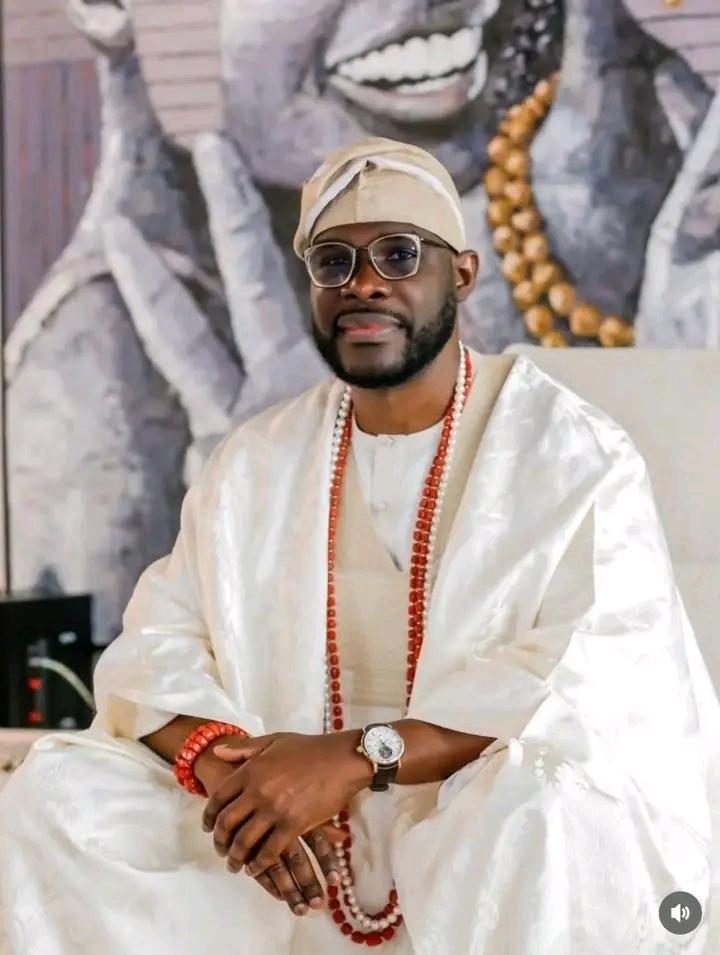
    Within this context, Omoọba Abímbọ́lá Onabanjo’s educational background has drawn considerable attention (@omoobagg) . He holds a Bachelor of Science Honours degree in Banking and Finance from Lagos State University, a discipline that provided him with strong foundations in economics, financial systems, and organizational discipline. Beyond this, he pursued advanced executive education at some of the world’s most respected institutions including Harvard Business School, the Wharton School, and Columbia Business School, where he refined his understanding of leadership, international strategy, corporate governance, and global capital markets. This level of exposure places him firmly within the long standing tradition of educated Ijebu leadership.
    From Harvard with love: Why Ijebuland Is Blessed With a Strong Choice. Education has long been one of the defining strengths of the Awùjalẹ̀ institution in Ijebuland. The immediate past Awùjalẹ̀, Oba Sikiru Kayode Adetona, was widely respected not only for the length of his reign but also for his intellectual depth, discipline, and exposure. His solid formal education and broad worldview shaped a reign marked by courage, clarity, and principled leadership. Under him, Ijebuland benefited from a ruler who could engage confidently with governments, institutions, and global audiences while remaining firmly rooted in tradition. It is therefore unsurprising that education remains a central consideration as conversations continue about the next Awùjalẹ̀. Within this context, Omoọba Abímbọ́lá Onabanjo’s educational background has drawn considerable attention (@omoobagg) . He holds a Bachelor of Science Honours degree in Banking and Finance from Lagos State University, a discipline that provided him with strong foundations in economics, financial systems, and organizational discipline. Beyond this, he pursued advanced executive education at some of the world’s most respected institutions including Harvard Business School, the Wharton School, and Columbia Business School, where he refined his understanding of leadership, international strategy, corporate governance, and global capital markets. This level of exposure places him firmly within the long standing tradition of educated Ijebu leadership.
    0 Kommentare ·0 Geteilt ·863 Ansichten
  • Babcock University Bans Beards, Dreadlocks, Body-Hugging Clothes, and ‘Hair-Pass’ Documents; Threatens Sanctions for Violations

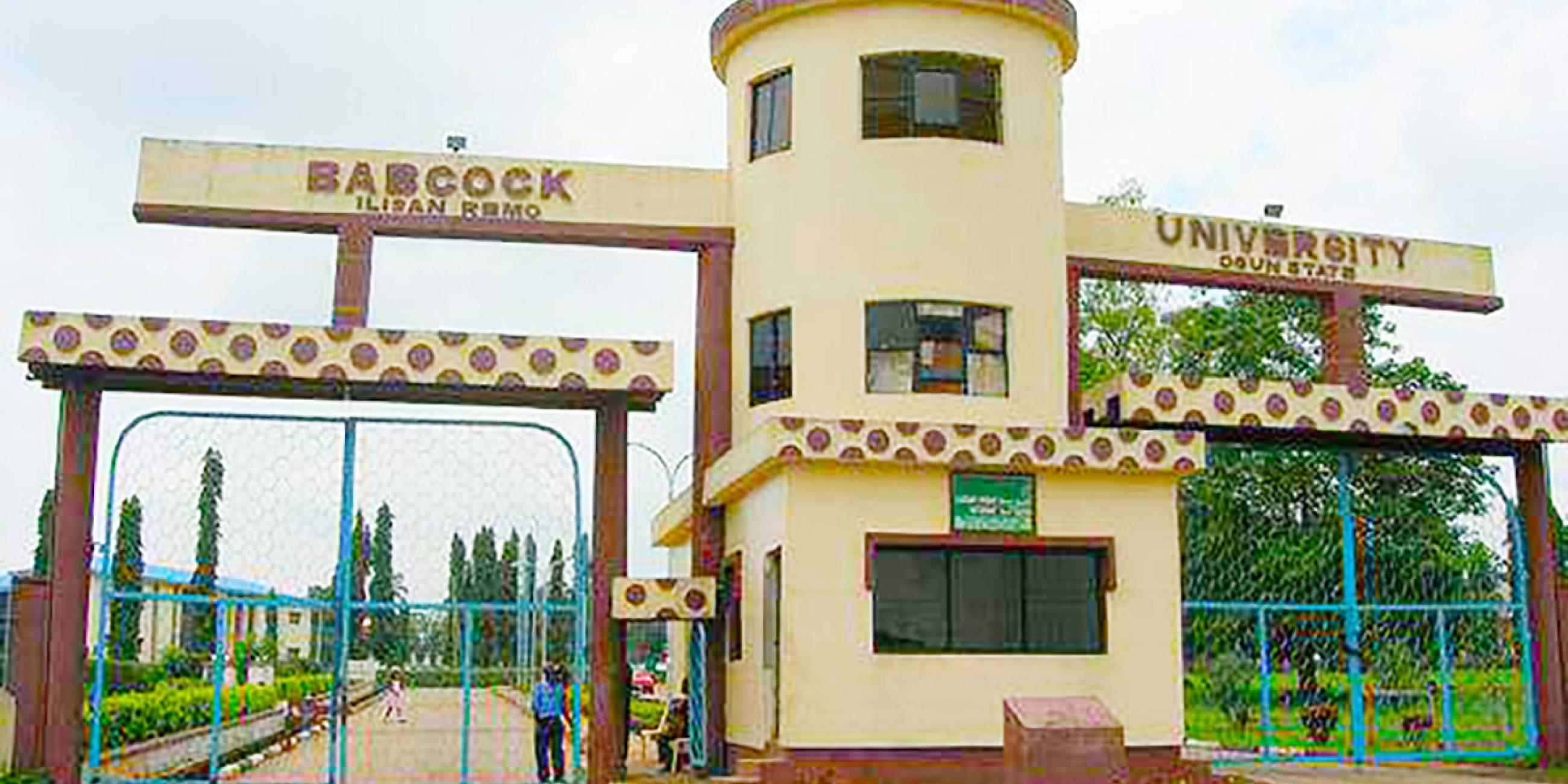
    Babcock University has announced strict new grooming and dress code regulations for students, ahead of the upcoming academic examinations, warning that violations will attract disciplinary action. The university’s Vice President for Student Development, Olanivi Arije, stated that all so-called “hair passes” — documents allegedly permitting unapproved hairstyles — are now nullified and illegal. Students in possession of these passes are directed to discontinue their use immediately, as relying on them will result in investigation and sanctions.

    Under the revised regulations, male students are prohibited from wearing voluminous or unkempt hair, beards, or dreadlocks, while female students must avoid extreme, indecent, or inconsistent hairstyles. In addition, dress restrictions include body-hugging clothes, sleeveless tops, sagging or baggy trousers, walk-out wear, bubu, dansiki, joggers, and sportswear, which are not permitted on campus during certain periods. Tying scarves to official academic or corporate wear is also banned at designated times.

    The university emphasized that all students are expected to fully comply with these rules at the start of the second semester in January. The management stressed that excuses, appeals, or ignorance will not be entertained, and violators will face inevitable disciplinary consequences.

    This policy aims to enforce discipline, uniformity, and decorum on campus, ensuring that students maintain a professional and appropriate appearance during academic activities. The announcement has sparked discussion among students and social media users, some of whom expressed concern over the strictness of the rules, while others support the move as a step toward maintaining institutional standards.

    Babcock University’s move highlights the growing trend among educational institutions in Nigeria to regulate student grooming and dress codes, balancing individual expression with campus decorum and institutional expectations.


    Babcock University Bans Beards, Dreadlocks, Body-Hugging Clothes, and ‘Hair-Pass’ Documents; Threatens Sanctions for Violations Babcock University has announced strict new grooming and dress code regulations for students, ahead of the upcoming academic examinations, warning that violations will attract disciplinary action. The university’s Vice President for Student Development, Olanivi Arije, stated that all so-called “hair passes” — documents allegedly permitting unapproved hairstyles — are now nullified and illegal. Students in possession of these passes are directed to discontinue their use immediately, as relying on them will result in investigation and sanctions. Under the revised regulations, male students are prohibited from wearing voluminous or unkempt hair, beards, or dreadlocks, while female students must avoid extreme, indecent, or inconsistent hairstyles. In addition, dress restrictions include body-hugging clothes, sleeveless tops, sagging or baggy trousers, walk-out wear, bubu, dansiki, joggers, and sportswear, which are not permitted on campus during certain periods. Tying scarves to official academic or corporate wear is also banned at designated times. The university emphasized that all students are expected to fully comply with these rules at the start of the second semester in January. The management stressed that excuses, appeals, or ignorance will not be entertained, and violators will face inevitable disciplinary consequences. This policy aims to enforce discipline, uniformity, and decorum on campus, ensuring that students maintain a professional and appropriate appearance during academic activities. The announcement has sparked discussion among students and social media users, some of whom expressed concern over the strictness of the rules, while others support the move as a step toward maintaining institutional standards. Babcock University’s move highlights the growing trend among educational institutions in Nigeria to regulate student grooming and dress codes, balancing individual expression with campus decorum and institutional expectations.
    like
    1
    · 0 Kommentare ·0 Geteilt ·602 Ansichten
  • Are Nigeria’s New Tax Laws Unconstitutional? Why a Lawyer Is Suing the Federal Government Over Multiple Budgets, Fiscal Transparency, and the 2026 Tax Reforms

    Is Nigeria running its finances in violation of its own laws—and could the country’s new tax regime be declared unconstitutional? These are the questions now before the Federal High Court in Lagos following a landmark lawsuit filed by human rights lawyer, Mr. Tilewa Oyefeso.

    Oyefeso has dragged the Federal Government, the Senate President, the Speaker of the House of Representatives, the National Assembly, and the Attorney-General of the Federation to court, challenging what he describes as Nigeria’s “opaque and undisciplined fiscal regime.” At the heart of the case is the government’s practice of operating multiple federal budgets simultaneously and introducing new tax laws that he claims contradict both the Constitution and the Fiscal Responsibility Act (FRA) 2007.

    According to the suit, the Federal Government has extended capital components of the 2024 Appropriation Act into 2025 and 2026 while the 2025 budget is already in force—effectively running overlapping budgets. Oyefeso is asking the court to determine whether this practice complies with Nigeria’s Medium-Term Expenditure Framework (MTEF) and the unified annual budgeting system mandated by fiscal law.

    Why does this matter? The lawyer argues that overlapping budgets, supplementary appropriations, and extended capital projects undermine fiscal transparency, distort expenditure projections, and weaken the macroeconomic discipline the Fiscal Responsibility Act was designed to protect. He also accuses the government of failing to publish quarterly budget implementation reports within the legally required 30-day period—an omission he says makes it impossible for citizens to track public spending or hold authorities accountable.

    But the lawsuit goes beyond budgets. Oyefeso is also challenging four major tax laws scheduled to take effect from January 1, 2026: the Nigeria Tax Act 2025, the Nigeria Revenue Service (Establishment) Act 2025, the Joint Revenue Board of Nigeria (Establishment) Act 2025, and the Nigeria Tax Administration Act 2025.

    He contends that the new tax framework prioritises aggressive revenue generation without first ensuring compliance with constitutional limits on borrowing, deficit thresholds, fiscal accountability, and transparency. Citing Section 16 of the 1999 Constitution, which outlines Nigeria’s economic objectives, Oyefeso argues that fiscal and tax policies must promote social justice, equitable wealth distribution, macroeconomic stability, and the welfare of citizens—not merely expand government revenue.

    One of his key claims is that the reforms ignore the Fiscal Responsibility Act’s requirement that fiscal deficits should not exceed three per cent of GDP unless expressly approved by the National Assembly. By allegedly sidestepping these safeguards, he says, the new tax laws form part of a broader unconstitutional fiscal structure.

    Among the reliefs sought, Oyefeso is asking the court to declare the four tax laws unconstitutional, null, and void. He also wants an order of mandamus compelling the National Assembly to amend the Fiscal Responsibility Act to strengthen transparency, fiscal discipline, and prudent resource management. In addition, he seeks a perpetual injunction to halt the implementation of the new tax laws pending such amendments.

    What could this mean for Nigeria’s economy and governance? If the court upholds his arguments, the ruling could upend Nigeria’s 2026 tax framework, force reforms to budgetary practices, and redefine how fiscal responsibility is enforced under the Constitution.

    For now, the defendants have 30 days to respond, and the case is yet to be assigned to a judge. But the questions raised are already resonating nationwide: Is Nigeria violating its own fiscal laws? Are the new tax reforms legally sound? And will the courts finally impose transparency on how public funds are budgeted, spent, and taxed?
    Are Nigeria’s New Tax Laws Unconstitutional? Why a Lawyer Is Suing the Federal Government Over Multiple Budgets, Fiscal Transparency, and the 2026 Tax Reforms Is Nigeria running its finances in violation of its own laws—and could the country’s new tax regime be declared unconstitutional? These are the questions now before the Federal High Court in Lagos following a landmark lawsuit filed by human rights lawyer, Mr. Tilewa Oyefeso. Oyefeso has dragged the Federal Government, the Senate President, the Speaker of the House of Representatives, the National Assembly, and the Attorney-General of the Federation to court, challenging what he describes as Nigeria’s “opaque and undisciplined fiscal regime.” At the heart of the case is the government’s practice of operating multiple federal budgets simultaneously and introducing new tax laws that he claims contradict both the Constitution and the Fiscal Responsibility Act (FRA) 2007. According to the suit, the Federal Government has extended capital components of the 2024 Appropriation Act into 2025 and 2026 while the 2025 budget is already in force—effectively running overlapping budgets. Oyefeso is asking the court to determine whether this practice complies with Nigeria’s Medium-Term Expenditure Framework (MTEF) and the unified annual budgeting system mandated by fiscal law. Why does this matter? The lawyer argues that overlapping budgets, supplementary appropriations, and extended capital projects undermine fiscal transparency, distort expenditure projections, and weaken the macroeconomic discipline the Fiscal Responsibility Act was designed to protect. He also accuses the government of failing to publish quarterly budget implementation reports within the legally required 30-day period—an omission he says makes it impossible for citizens to track public spending or hold authorities accountable. But the lawsuit goes beyond budgets. Oyefeso is also challenging four major tax laws scheduled to take effect from January 1, 2026: the Nigeria Tax Act 2025, the Nigeria Revenue Service (Establishment) Act 2025, the Joint Revenue Board of Nigeria (Establishment) Act 2025, and the Nigeria Tax Administration Act 2025. He contends that the new tax framework prioritises aggressive revenue generation without first ensuring compliance with constitutional limits on borrowing, deficit thresholds, fiscal accountability, and transparency. Citing Section 16 of the 1999 Constitution, which outlines Nigeria’s economic objectives, Oyefeso argues that fiscal and tax policies must promote social justice, equitable wealth distribution, macroeconomic stability, and the welfare of citizens—not merely expand government revenue. One of his key claims is that the reforms ignore the Fiscal Responsibility Act’s requirement that fiscal deficits should not exceed three per cent of GDP unless expressly approved by the National Assembly. By allegedly sidestepping these safeguards, he says, the new tax laws form part of a broader unconstitutional fiscal structure. Among the reliefs sought, Oyefeso is asking the court to declare the four tax laws unconstitutional, null, and void. He also wants an order of mandamus compelling the National Assembly to amend the Fiscal Responsibility Act to strengthen transparency, fiscal discipline, and prudent resource management. In addition, he seeks a perpetual injunction to halt the implementation of the new tax laws pending such amendments. What could this mean for Nigeria’s economy and governance? If the court upholds his arguments, the ruling could upend Nigeria’s 2026 tax framework, force reforms to budgetary practices, and redefine how fiscal responsibility is enforced under the Constitution. For now, the defendants have 30 days to respond, and the case is yet to be assigned to a judge. But the questions raised are already resonating nationwide: Is Nigeria violating its own fiscal laws? Are the new tax reforms legally sound? And will the courts finally impose transparency on how public funds are budgeted, spent, and taxed?
    0 Kommentare ·0 Geteilt ·2KB Ansichten
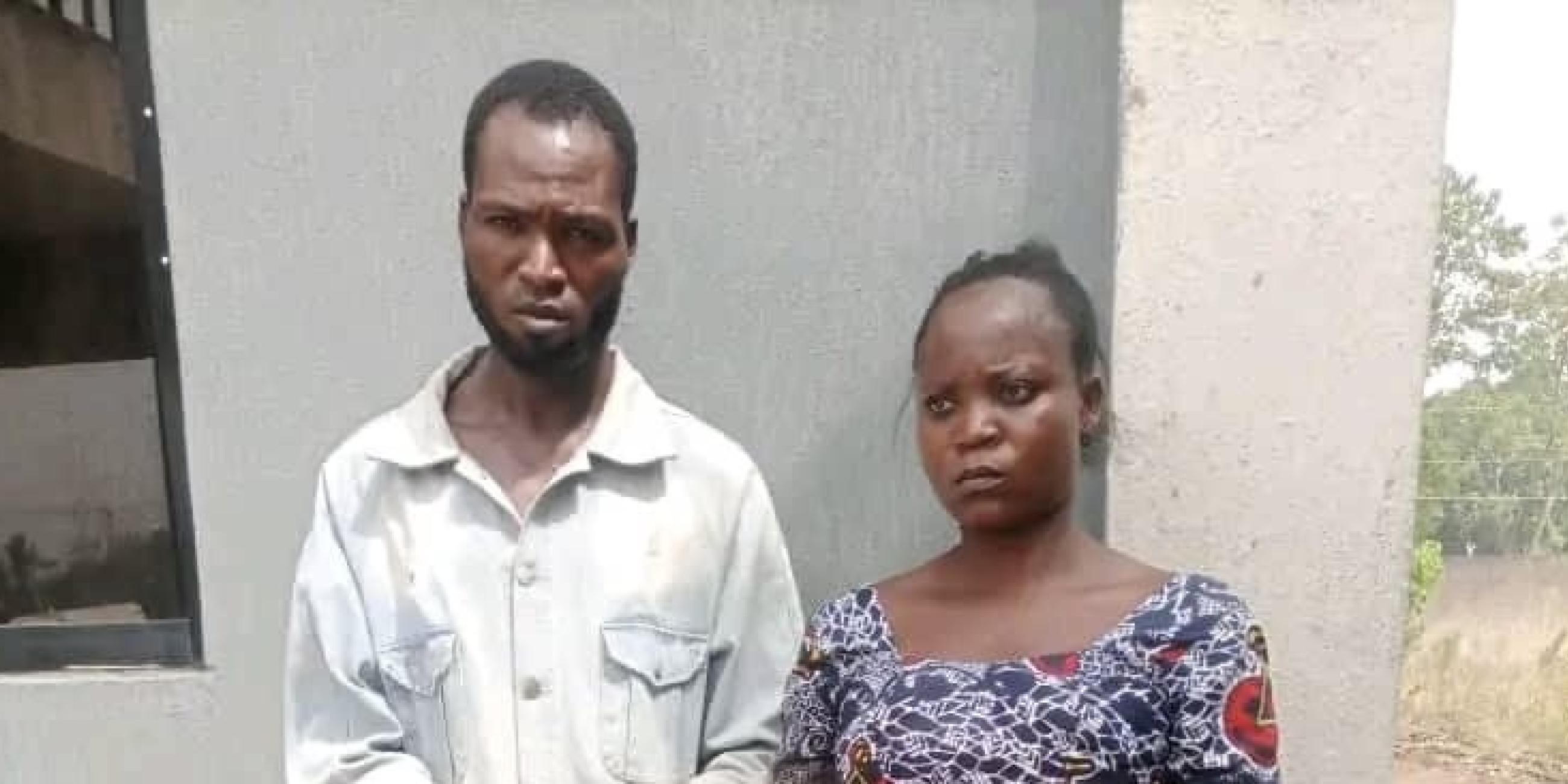
  • How Did Two Young Men Try to Smuggle Marijuana Into a Kano Court? Who Were They Working For—and What Does Their Arrest Reveal About Nigeria’s Prison Drug Crisis?

    How were two young men able to attempt a drug drop inside a court facility in Kano—and what does their arrest expose about the growing challenge of narcotics trafficking into Nigeria’s custodial system?

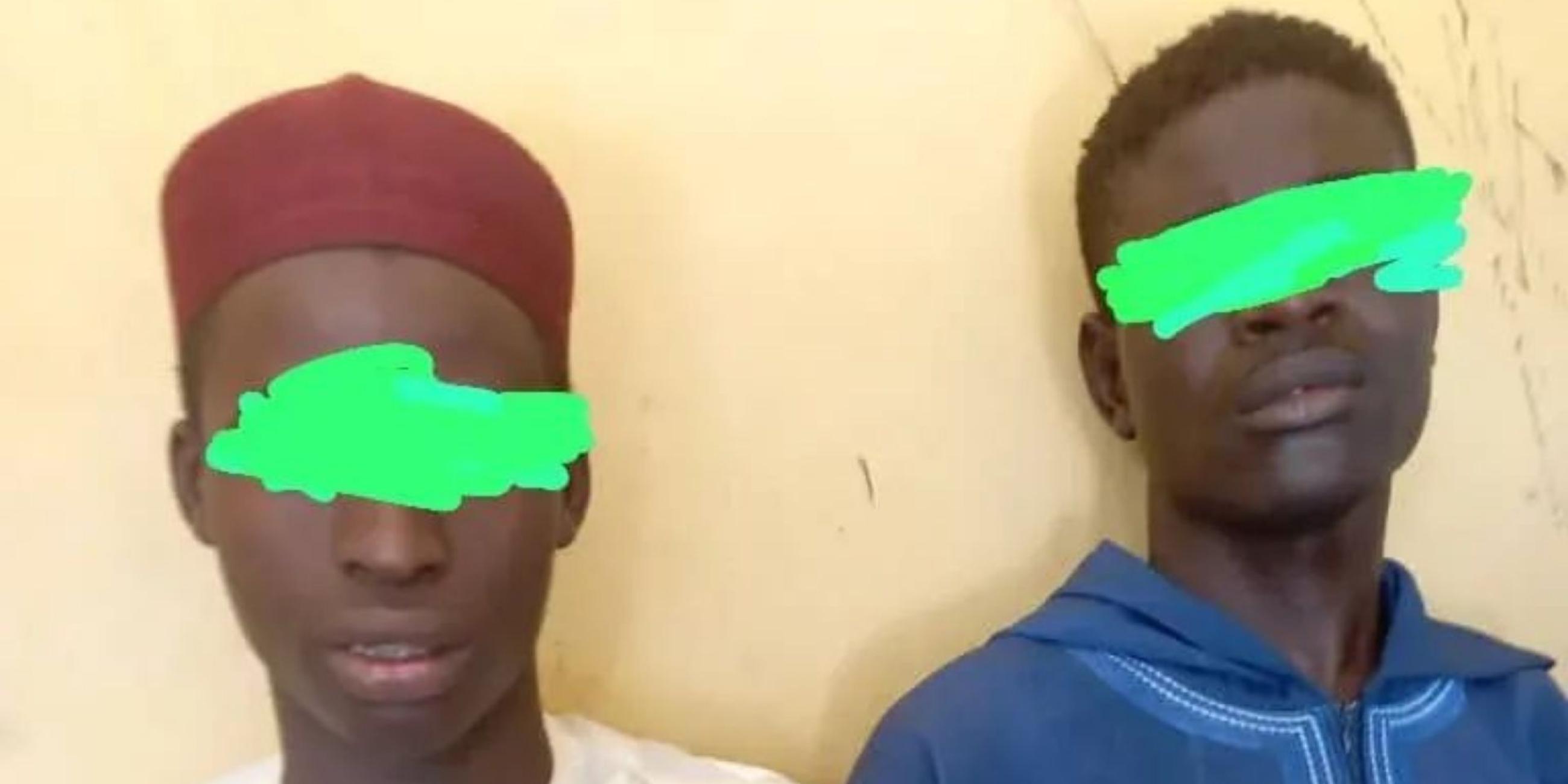
    The Nigerian Correctional Service (NCoS), Kano State Command, has arrested two men for allegedly attempting to smuggle marijuana and other illicit substances to inmates during court proceedings at the Nomansland Court Complex. The suspects—identified as 25-year-old Usman Khalid and 24-year-old Bello Musa Ahmed, both from the Tsamiya (Brigade) area of Kano—were apprehended by officers attached to the Medium Security Custodial Centre (MSCC), Goron Dutse.

    According to the NCoS, the men were caught while allegedly trying to throw wraps of Indian hemp and other prohibited drugs to inmates as they were being moved in and out of the court. The arrest was confirmed by the Command’s Public Relations Officer, CSC Musbahu Lawan-Kofarnasarawa, who said the suspects were intercepted before the items could reach any prisoner.

    But why would suspects risk such a public and tightly controlled environment to deliver drugs? And who exactly were they trying to supply? While authorities have not yet disclosed whether the suspects were linked to a wider trafficking network, the incident has raised fresh concerns about how criminal elements attempt to exploit court appearances and inmate movements to bypass prison security.

    Reacting to the incident, the Controller of Corrections in Kano State, Ado Inuwa, described the act as a serious security breach and a criminal offence under Nigerian law. He warned members of the public to desist from any interaction with inmates during court transfers, stressing that such conduct threatens both public safety and the integrity of the justice system.

    Inuwa reaffirmed the NCoS’s commitment to rehabilitation and reformation, noting that drug trafficking into custodial facilities undermines discipline, fuels criminal behaviour behind bars, and sabotages correctional objectives. He directed that the suspects and the seized drugs be handed over to the National Drug Law Enforcement Agency (NDLEA) for further investigation and possible prosecution.

    What does this case reveal about the broader problem of drugs in Nigeria’s prisons? The Kano Command reiterated its zero-tolerance policy toward drug-related offences, vowing to maintain maximum security across all custodial centres and judicial premises in the state. The Service also called on residents to report suspicious activities, emphasising that community vigilance remains vital in the fight against narcotics and organised crime.

    As investigations continue, key questions remain unanswered: Were the suspects acting alone or as part of a larger network? Which inmates were the intended recipients? And how many similar attempts go undetected across the country? The outcome of this case may determine not only the fate of the two accused men but also how aggressively authorities tighten security around Nigeria’s courts and correctional facilities in the ongoing war against drugs.


    How Did Two Young Men Try to Smuggle Marijuana Into a Kano Court? Who Were They Working For—and What Does Their Arrest Reveal About Nigeria’s Prison Drug Crisis? How were two young men able to attempt a drug drop inside a court facility in Kano—and what does their arrest expose about the growing challenge of narcotics trafficking into Nigeria’s custodial system? The Nigerian Correctional Service (NCoS), Kano State Command, has arrested two men for allegedly attempting to smuggle marijuana and other illicit substances to inmates during court proceedings at the Nomansland Court Complex. The suspects—identified as 25-year-old Usman Khalid and 24-year-old Bello Musa Ahmed, both from the Tsamiya (Brigade) area of Kano—were apprehended by officers attached to the Medium Security Custodial Centre (MSCC), Goron Dutse. According to the NCoS, the men were caught while allegedly trying to throw wraps of Indian hemp and other prohibited drugs to inmates as they were being moved in and out of the court. The arrest was confirmed by the Command’s Public Relations Officer, CSC Musbahu Lawan-Kofarnasarawa, who said the suspects were intercepted before the items could reach any prisoner. But why would suspects risk such a public and tightly controlled environment to deliver drugs? And who exactly were they trying to supply? While authorities have not yet disclosed whether the suspects were linked to a wider trafficking network, the incident has raised fresh concerns about how criminal elements attempt to exploit court appearances and inmate movements to bypass prison security. Reacting to the incident, the Controller of Corrections in Kano State, Ado Inuwa, described the act as a serious security breach and a criminal offence under Nigerian law. He warned members of the public to desist from any interaction with inmates during court transfers, stressing that such conduct threatens both public safety and the integrity of the justice system. Inuwa reaffirmed the NCoS’s commitment to rehabilitation and reformation, noting that drug trafficking into custodial facilities undermines discipline, fuels criminal behaviour behind bars, and sabotages correctional objectives. He directed that the suspects and the seized drugs be handed over to the National Drug Law Enforcement Agency (NDLEA) for further investigation and possible prosecution. What does this case reveal about the broader problem of drugs in Nigeria’s prisons? The Kano Command reiterated its zero-tolerance policy toward drug-related offences, vowing to maintain maximum security across all custodial centres and judicial premises in the state. The Service also called on residents to report suspicious activities, emphasising that community vigilance remains vital in the fight against narcotics and organised crime. As investigations continue, key questions remain unanswered: Were the suspects acting alone or as part of a larger network? Which inmates were the intended recipients? And how many similar attempts go undetected across the country? The outcome of this case may determine not only the fate of the two accused men but also how aggressively authorities tighten security around Nigeria’s courts and correctional facilities in the ongoing war against drugs.
    0 Kommentare ·0 Geteilt ·2KB Ansichten
Weitere Ergebnisse
Fintter https://fintter.com