• Impeachment Move: Rivers Chief Judge Rejects Assembly’s Request to Probe Fubara

    The Chief Judge of Rivers State, Justice Simeon C. Amadi, has turned down the request by the Rivers State House of Assembly to set up a seven-man panel to investigate allegations of gross misconduct against Governor Siminalayi Fubara and his deputy, Ngozi Nma-Odu.

    Justice Amadi cited existing court orders and a pending appeal as the reason for his decision. This development has effectively stalled the impeachment move by the lawmakers and shifted the battle entirely to the courts.

    The situation now leaves the fate of the impeachment process in the hands of the judiciary.

    #RiversPolitics #ImpeachmentMove #GovernorFubara #NigeriaPolitics
    Impeachment Move: Rivers Chief Judge Rejects Assembly’s Request to Probe Fubara The Chief Judge of Rivers State, Justice Simeon C. Amadi, has turned down the request by the Rivers State House of Assembly to set up a seven-man panel to investigate allegations of gross misconduct against Governor Siminalayi Fubara and his deputy, Ngozi Nma-Odu. Justice Amadi cited existing court orders and a pending appeal as the reason for his decision. This development has effectively stalled the impeachment move by the lawmakers and shifted the battle entirely to the courts. The situation now leaves the fate of the impeachment process in the hands of the judiciary. #RiversPolitics #ImpeachmentMove #GovernorFubara #NigeriaPolitics
    love
    1
    · 0 Comentários ·0 Compartilhamentos ·4KB Visualizações
  • FG Takes Over Nigerian Banks by Court Order Ahead of CBN Recapitalisation Deadline……


    Ahead of the Central Bank of Nigeria’s March 31, 2026 recapitalisation deadline, the federal government has taken full ownership of two Nigerian banks by court order as part of efforts to stabilise the financial sector. The court ruled that the shares of the banks’ former owners be forfeited to the government, giving authorities control to strengthen operations and support compliance with new capital requirements. This move comes amid broader recapitalisation efforts, where many banks are racing to meet CBN’s raised capital thresholds ahead of the deadline.
    #fintternews

    FG Takes Over Nigerian Banks by Court Order Ahead of CBN Recapitalisation Deadline…… Ahead of the Central Bank of Nigeria’s March 31, 2026 recapitalisation deadline, the federal government has taken full ownership of two Nigerian banks by court order as part of efforts to stabilise the financial sector. The court ruled that the shares of the banks’ former owners be forfeited to the government, giving authorities control to strengthen operations and support compliance with new capital requirements. This move comes amid broader recapitalisation efforts, where many banks are racing to meet CBN’s raised capital thresholds ahead of the deadline. #fintternews
    love
    1
    · 0 Comentários ·0 Compartilhamentos ·3KB Visualizações
  • Rivers Crisis: Ex Parte Court Order, Fubara and Impeachment Battle Explained

    The ongoing dispute between Rivers State Governor Siminalayi Fubara and the Rivers State House of Assembly has deepened following an ex parte court order restraining the Chief Judge from constituting a panel to probe alleged gross misconduct. Though temporary, the order carries legal force and must be obeyed pending a motion on notice. The case raises critical constitutional questions on separation of powers, judicial oversight, and the extent to which courts can intervene in legislative impeachment processes without undermining legislative autonomy.

    #RiversCrisis #Fubara #NigeriaPolitics
    Rivers Crisis: Ex Parte Court Order, Fubara and Impeachment Battle Explained The ongoing dispute between Rivers State Governor Siminalayi Fubara and the Rivers State House of Assembly has deepened following an ex parte court order restraining the Chief Judge from constituting a panel to probe alleged gross misconduct. Though temporary, the order carries legal force and must be obeyed pending a motion on notice. The case raises critical constitutional questions on separation of powers, judicial oversight, and the extent to which courts can intervene in legislative impeachment processes without undermining legislative autonomy. #RiversCrisis #Fubara #NigeriaPolitics
    love
    1
    · 1 Comentários ·0 Compartilhamentos ·3KB Visualizações
  • Wahala no dey finish oo! Industrial Court Order Enugu Neuro Hospital Make Dem Reinstate Sacked MD, Declare Sack Illegal

    The National Industrial Court, Abuja Division, don order the immediate reinstatement of Professor Monday Igwe as Medical Director of the Federal Neuropsychiatric Hospital, Enugu, after ruling that his removal was unlawful, null and void. Justice Emmanuel Subilim give the judgement in the suit between Prof. Igwe and seven defendants, also voiding the appointment of Dr. Unaogu Nneka as substantive MD during the pendency of the case, describing the action as overreaching and illegal. The court hold say Prof. Igwe don successfully prove his case and order make he return to office to complete the remaining three years and five months of his tenure. Justice Subilim also direct the defendants to pay all his outstanding emoluments from September 2023 till the date of judgement. The court further rule that the procedure used to terminate his appointment was arbitrary, illegal and a clear breach of statutory regulations guiding his employment. In addition, the court award ₦3 million in damages in favour of Prof. Igwe. Wahala oo, court don scatter the sack.

    Wahala no dey finish oo! Industrial Court Order Enugu Neuro Hospital Make Dem Reinstate Sacked MD, Declare Sack Illegal The National Industrial Court, Abuja Division, don order the immediate reinstatement of Professor Monday Igwe as Medical Director of the Federal Neuropsychiatric Hospital, Enugu, after ruling that his removal was unlawful, null and void. Justice Emmanuel Subilim give the judgement in the suit between Prof. Igwe and seven defendants, also voiding the appointment of Dr. Unaogu Nneka as substantive MD during the pendency of the case, describing the action as overreaching and illegal. The court hold say Prof. Igwe don successfully prove his case and order make he return to office to complete the remaining three years and five months of his tenure. Justice Subilim also direct the defendants to pay all his outstanding emoluments from September 2023 till the date of judgement. The court further rule that the procedure used to terminate his appointment was arbitrary, illegal and a clear breach of statutory regulations guiding his employment. In addition, the court award ₦3 million in damages in favour of Prof. Igwe. Wahala oo, court don scatter the sack.
    like
    love
    2
    · 0 Comentários ·0 Compartilhamentos ·966 Visualizações
  • Tears As Court Orders Remand Of Arrested Ekpoma Protesters At Edo Correctional Centre
    The police said they had swiftly intervened to restore peace and public safety when the protest over insecurity in the area was “hijacked”.
    Tears As Court Orders Remand Of Arrested Ekpoma Protesters At Edo Correctional Centre The police said they had swiftly intervened to restore peace and public safety when the protest over insecurity in the area was “hijacked”.
    0 Comentários ·0 Compartilhamentos ·652 Visualizações
  • Why Did a Nigerian Court Stop Resident Doctors’ Planned Nationwide Strike—Is the Tinubu Government Using Legal Power to Silence Protests Over Salaries, Welfare, and Broken Agreements?

    Is the Nigerian government turning to the courts to prevent another healthcare shutdown—and what does it mean for doctors’ rights to protest? The National Industrial Court in Abuja has issued an interim injunction restraining the National Association of Resident Doctors (NARD) and its members from embarking on any form of industrial action across the country.

    The order, delivered by Justice Emmanuel Danjuma Subilim, followed an ex parte application filed by the Federal Government through the Office of the Attorney General of the Federation and Minister of Justice, Lateef Fagbemi (SAN). The court barred resident doctors from calling, organizing, directing, or participating in strikes, work stoppages, go-slows, picketing, or any other actions capable of disrupting healthcare services nationwide.

    In addition, the court prohibited NARD from taking any steps preparatory to industrial action with effect from January 12, 2026, ruling that the injunction would remain in force pending the hearing and determination of the motion on notice, scheduled for January 21, 2026.

    The ruling comes just days after the association threatened a nationwide strike over unresolved grievances related to welfare, salaries, and working conditions. NARD accused the Bola Tinubu-led administration of failing to honor previous agreements, stating that signed memoranda had been “totally neglected, altered or half implemented,” while earlier gains had been “overtaken by events of the government’s own making.”

    The association maintained that it had exhausted all avenues of dialogue, saying it had engaged respectfully, called attention to the issues, sought advice, and appealed for implementation—yet received no meaningful response. Defending its members against public criticism, NARD rejected portrayals of resident doctors as unpatriotic agitators, insisting that doctors have not committed any wrongdoing by demanding better conditions for healthcare workers who form “the backbone of service delivery in Nigeria.”

    In a strongly worded statement, the group argued that its members were “experienced enough to understand that merit doesn’t fetch a lot in Nigeria” and “militant enough to agitate for our legitimate rights, including signed and agreed MoUs.”

    While the government’s legal move is aimed at preventing disruptions in essential medical services, it raises pressing questions: Is the court order protecting patients—or curtailing workers’ rights to protest unfair conditions? Can judicial intervention resolve deep-rooted problems in Nigeria’s healthcare system, or will it merely postpone a larger confrontation? As the case returns to court later in January, Nigerians will be watching closely to see whether dialogue replaces confrontation—or whether tensions between the government and resident doctors escalate further.


    Why Did a Nigerian Court Stop Resident Doctors’ Planned Nationwide Strike—Is the Tinubu Government Using Legal Power to Silence Protests Over Salaries, Welfare, and Broken Agreements? Is the Nigerian government turning to the courts to prevent another healthcare shutdown—and what does it mean for doctors’ rights to protest? The National Industrial Court in Abuja has issued an interim injunction restraining the National Association of Resident Doctors (NARD) and its members from embarking on any form of industrial action across the country. The order, delivered by Justice Emmanuel Danjuma Subilim, followed an ex parte application filed by the Federal Government through the Office of the Attorney General of the Federation and Minister of Justice, Lateef Fagbemi (SAN). The court barred resident doctors from calling, organizing, directing, or participating in strikes, work stoppages, go-slows, picketing, or any other actions capable of disrupting healthcare services nationwide. In addition, the court prohibited NARD from taking any steps preparatory to industrial action with effect from January 12, 2026, ruling that the injunction would remain in force pending the hearing and determination of the motion on notice, scheduled for January 21, 2026. The ruling comes just days after the association threatened a nationwide strike over unresolved grievances related to welfare, salaries, and working conditions. NARD accused the Bola Tinubu-led administration of failing to honor previous agreements, stating that signed memoranda had been “totally neglected, altered or half implemented,” while earlier gains had been “overtaken by events of the government’s own making.” The association maintained that it had exhausted all avenues of dialogue, saying it had engaged respectfully, called attention to the issues, sought advice, and appealed for implementation—yet received no meaningful response. Defending its members against public criticism, NARD rejected portrayals of resident doctors as unpatriotic agitators, insisting that doctors have not committed any wrongdoing by demanding better conditions for healthcare workers who form “the backbone of service delivery in Nigeria.” In a strongly worded statement, the group argued that its members were “experienced enough to understand that merit doesn’t fetch a lot in Nigeria” and “militant enough to agitate for our legitimate rights, including signed and agreed MoUs.” While the government’s legal move is aimed at preventing disruptions in essential medical services, it raises pressing questions: Is the court order protecting patients—or curtailing workers’ rights to protest unfair conditions? Can judicial intervention resolve deep-rooted problems in Nigeria’s healthcare system, or will it merely postpone a larger confrontation? As the case returns to court later in January, Nigerians will be watching closely to see whether dialogue replaces confrontation—or whether tensions between the government and resident doctors escalate further.
    0 Comentários ·0 Compartilhamentos ·3KB Visualizações
  • Is IGP Kayode Egbetokun Headed to Prison? Can Nigeria’s Police Chief Be Jailed for Defying Court Orders Over SARS Abduction and Disappearance of Lagos Resident?

    Is Nigeria’s top police officer facing imprisonment for ignoring a federal court? The Inspector-General of Police, Kayode Egbetokun, now risks being committed to Kuje Correctional Centre after allegedly refusing to comply with binding court orders concerning the abduction and disappearance of John Chukwuemeka Anozie, a Lagos resident taken from his Lekki home in June 2017.

    Legal action was initiated by Vincent Adodo, counsel to Anozie’s wife, who has filed contempt proceedings against the IGP for what he describes as persistent disobedience of a subsisting judgment of the Federal High Court, Abuja. The ruling, delivered on September 24, 2025 by Justice Binta Nyako, arose from a Freedom of Information (FOI) suit filed by Mrs. Nnenna Anozie after years of unanswered requests for investigation records relating to her husband’s disappearance.

    In its judgment, the court ordered the IGP—who failed to file any defence—to produce for prosecution former officers of the now-defunct Special Anti-Robbery Squad (SARS) from Akwuzu, Anambra State, accused of abducting Anozie. The court further awarded ₦2 million in damages against the IGP for refusing to release investigation reports and directed him to forward both the police investigation file and the legal opinion recommending prosecution to the Attorney General of the Federation.

    The judgment explicitly noted that police authorities had failed to prosecute the officers despite an internal legal opinion recommending criminal charges. Those listed include ASP Anthony Obiozor Ikechukwu, Sgt. Uzochukwu Emeana, John Eze, Oriole (aka T-Boy), and SP Sunday Okpe.

    Yet months after being served with the court order in October 2025, the IGP has allegedly neither prosecuted the officers nor paid the ₦2 million damages. In response, Anozie’s lawyer triggered enforcement by serving the police chief with Form 48 (Notice of Consequences of Disobedience) and Form 49 (Notice of Committal to Prison)—legal steps that can result in imprisonment for contempt of court.

    Court filings now show that Mrs. Anozie is seeking an order to commit the IGP to prison until he obeys the court by releasing certified investigation reports, transmitting the case file to the Attorney General, handing over the indicted officers for prosecution, and paying the damages awarded.

    The matter is scheduled for hearing on February 9, 2025, when the IGP is expected to “show cause” why he should not be jailed for contempt.

    Beyond the personal tragedy of a family still searching for answers after eight years, the case raises a larger constitutional question: Can Nigeria’s most powerful police officer be held personally accountable for disobeying court orders? The outcome could set a critical precedent for rule of law, police accountability, and victims’ access to justice in cases of alleged state abuse.

    As the hearing approaches, legal observers, human rights advocates, and the public are watching closely: Will the judiciary enforce its authority against the nation’s police chief—or will impunity prevail once again?
    Is IGP Kayode Egbetokun Headed to Prison? Can Nigeria’s Police Chief Be Jailed for Defying Court Orders Over SARS Abduction and Disappearance of Lagos Resident? Is Nigeria’s top police officer facing imprisonment for ignoring a federal court? The Inspector-General of Police, Kayode Egbetokun, now risks being committed to Kuje Correctional Centre after allegedly refusing to comply with binding court orders concerning the abduction and disappearance of John Chukwuemeka Anozie, a Lagos resident taken from his Lekki home in June 2017. Legal action was initiated by Vincent Adodo, counsel to Anozie’s wife, who has filed contempt proceedings against the IGP for what he describes as persistent disobedience of a subsisting judgment of the Federal High Court, Abuja. The ruling, delivered on September 24, 2025 by Justice Binta Nyako, arose from a Freedom of Information (FOI) suit filed by Mrs. Nnenna Anozie after years of unanswered requests for investigation records relating to her husband’s disappearance. In its judgment, the court ordered the IGP—who failed to file any defence—to produce for prosecution former officers of the now-defunct Special Anti-Robbery Squad (SARS) from Akwuzu, Anambra State, accused of abducting Anozie. The court further awarded ₦2 million in damages against the IGP for refusing to release investigation reports and directed him to forward both the police investigation file and the legal opinion recommending prosecution to the Attorney General of the Federation. The judgment explicitly noted that police authorities had failed to prosecute the officers despite an internal legal opinion recommending criminal charges. Those listed include ASP Anthony Obiozor Ikechukwu, Sgt. Uzochukwu Emeana, John Eze, Oriole (aka T-Boy), and SP Sunday Okpe. Yet months after being served with the court order in October 2025, the IGP has allegedly neither prosecuted the officers nor paid the ₦2 million damages. In response, Anozie’s lawyer triggered enforcement by serving the police chief with Form 48 (Notice of Consequences of Disobedience) and Form 49 (Notice of Committal to Prison)—legal steps that can result in imprisonment for contempt of court. Court filings now show that Mrs. Anozie is seeking an order to commit the IGP to prison until he obeys the court by releasing certified investigation reports, transmitting the case file to the Attorney General, handing over the indicted officers for prosecution, and paying the damages awarded. The matter is scheduled for hearing on February 9, 2025, when the IGP is expected to “show cause” why he should not be jailed for contempt. Beyond the personal tragedy of a family still searching for answers after eight years, the case raises a larger constitutional question: Can Nigeria’s most powerful police officer be held personally accountable for disobeying court orders? The outcome could set a critical precedent for rule of law, police accountability, and victims’ access to justice in cases of alleged state abuse. As the hearing approaches, legal observers, human rights advocates, and the public are watching closely: Will the judiciary enforce its authority against the nation’s police chief—or will impunity prevail once again?
    0 Comentários ·0 Compartilhamentos ·3KB Visualizações
  • Jigawa Court Orders Arrest of DSS Officer Over Alleged Abduction, Sexual Exploitation, and Forced Conversion of 16-Year-Old Girl

    A Magistrate Court sitting in Hadejia, Jigawa State, has ordered the arrest of a serving officer of Nigeria’s Department of State Services (DSS), Ifeanyi Festus, over allegations of child abduction, sexual exploitation, unlawful detention, and forcible religious conversion involving a 16-year-old girl, Walida Abdulhadi.

    The directive was issued by His Worship, Sadisu Musa Esq., in Suit No: DCC/01/2026, following a petition filed by Abuja-based law firm Gamji Lawchain on behalf of Walida’s father, Alhaji Abdulhadi Ibrahim. The court ordered the Jigawa State Commissioner of Police or senior DSS officials to arrest the officer and discreetly investigate the allegations under Sections 125 and 102(5) of the Jigawa State Administration of Criminal Justice Law (ACJL). It also directed the DSS to immediately release and reunite the girl with her parents.

    According to the petition dated January 4, 2026, Walida was allegedly abducted from Hadejia over two years ago when she was still a minor and legally incapable of consenting to any sexual relationship. The family reportedly searched for her for years, and the prolonged trauma is said to have contributed to the death of her mother.

    The case reportedly resurfaced on January 1, 2026, when the accused officer allegedly contacted the girl’s father, claiming Walida had been living with him, had given birth to his child, and that he was now prepared to marry her. When a family representative was sent to Abuja, he was allegedly taken to a DSS facility at Karmajiji, where officials reportedly confirmed that Walida had been living within the DSS estate. Requests for her release were allegedly refused.

    The petition further claims that while under this custody, the teenager was allegedly converted from Islam to Christianity without parental consent and subjected to sexual exploitation that resulted in pregnancy and childbirth while she was still underage. The lawyers alleged that the acts could not have occurred without the knowledge or tacit approval of other officers, describing the matter as potential institutional complicity rather than isolated misconduct.

    In its ruling, the court emphasized the need for immediate investigation and ordered that Walida be released and reunited with her family. The case has since generated widespread public attention, raising serious questions about child protection, abuse of power, religious freedom, and accountability within Nigeria’s security agencies.


    Jigawa Court Orders Arrest of DSS Officer Over Alleged Abduction, Sexual Exploitation, and Forced Conversion of 16-Year-Old Girl A Magistrate Court sitting in Hadejia, Jigawa State, has ordered the arrest of a serving officer of Nigeria’s Department of State Services (DSS), Ifeanyi Festus, over allegations of child abduction, sexual exploitation, unlawful detention, and forcible religious conversion involving a 16-year-old girl, Walida Abdulhadi. The directive was issued by His Worship, Sadisu Musa Esq., in Suit No: DCC/01/2026, following a petition filed by Abuja-based law firm Gamji Lawchain on behalf of Walida’s father, Alhaji Abdulhadi Ibrahim. The court ordered the Jigawa State Commissioner of Police or senior DSS officials to arrest the officer and discreetly investigate the allegations under Sections 125 and 102(5) of the Jigawa State Administration of Criminal Justice Law (ACJL). It also directed the DSS to immediately release and reunite the girl with her parents. According to the petition dated January 4, 2026, Walida was allegedly abducted from Hadejia over two years ago when she was still a minor and legally incapable of consenting to any sexual relationship. The family reportedly searched for her for years, and the prolonged trauma is said to have contributed to the death of her mother. The case reportedly resurfaced on January 1, 2026, when the accused officer allegedly contacted the girl’s father, claiming Walida had been living with him, had given birth to his child, and that he was now prepared to marry her. When a family representative was sent to Abuja, he was allegedly taken to a DSS facility at Karmajiji, where officials reportedly confirmed that Walida had been living within the DSS estate. Requests for her release were allegedly refused. The petition further claims that while under this custody, the teenager was allegedly converted from Islam to Christianity without parental consent and subjected to sexual exploitation that resulted in pregnancy and childbirth while she was still underage. The lawyers alleged that the acts could not have occurred without the knowledge or tacit approval of other officers, describing the matter as potential institutional complicity rather than isolated misconduct. In its ruling, the court emphasized the need for immediate investigation and ordered that Walida be released and reunited with her family. The case has since generated widespread public attention, raising serious questions about child protection, abuse of power, religious freedom, and accountability within Nigeria’s security agencies.
    love
    1
    · 0 Comentários ·0 Compartilhamentos ·3KB Visualizações
  • Police Detain Osun Activists Over Report of Deadly Stampede at APC Aspirant Bola Oyebamiji’s Residence

    The Nigerian Police have detained civic activists in Osun State following their reports of an alleged stampede that reportedly claimed three lives during a food distribution event at the Ikire residence of All Progressives Congress (APC) governorship aspirant, Bola Oyebamiji. The arrests have sparked widespread concern over freedom of expression, civic reporting, and due process.

    According to family sources, Mr. Abiodun Adegoke, National Coordinator of the Concerned Citizens of Nigeria (CCN), was arrested in Osogbo after publishing claims about a December 27, 2025 incident in which a stampede allegedly occurred during the distribution of rice and cash gifts. He had reportedly called on security agencies to investigate the incident and maintained that he possessed verifiable information and community accounts. Instead of being invited for questioning, he was allegedly arrested without prior engagement, denied bail, and faced possible transfer to Abuja without a court order.

    In a separate statement, the CCN condemned the arrest of another member, Mr. Iyiola Monsuru, describing it as an attack on freedom of expression and civic responsibility. The group said the stampede reportedly happened in the early hours of the morning during the distribution of food items and envelopes allegedly containing ₦2,000, leading to the deaths of a woman, Mrs. Buli Balogun (popularly known as Iya Eleelo), and two other persons.

    The organisation emphasized that incidents involving loss of life should be thoroughly investigated rather than suppressed, warning that arresting citizens for reporting such matters undermines democratic accountability. CCN demanded the immediate and unconditional release of its members and urged security agencies to conduct a transparent, impartial investigation into the alleged deaths.

    SaharaReporters learned that the arrests followed a social media post titled “Three Feared Dead At Bola Oyebamiji’s Residence In Ikire,” in which Adegoke called for an official probe and appealed to Osun residents to demand a full account of the circumstances surrounding the incident.

    The development has intensified national debate around police conduct, political pressure, human rights, and the shrinking space for civic engagement in Nigeria, particularly as the 2026 Osun State governorship election approaches.


    Police Detain Osun Activists Over Report of Deadly Stampede at APC Aspirant Bola Oyebamiji’s Residence The Nigerian Police have detained civic activists in Osun State following their reports of an alleged stampede that reportedly claimed three lives during a food distribution event at the Ikire residence of All Progressives Congress (APC) governorship aspirant, Bola Oyebamiji. The arrests have sparked widespread concern over freedom of expression, civic reporting, and due process. According to family sources, Mr. Abiodun Adegoke, National Coordinator of the Concerned Citizens of Nigeria (CCN), was arrested in Osogbo after publishing claims about a December 27, 2025 incident in which a stampede allegedly occurred during the distribution of rice and cash gifts. He had reportedly called on security agencies to investigate the incident and maintained that he possessed verifiable information and community accounts. Instead of being invited for questioning, he was allegedly arrested without prior engagement, denied bail, and faced possible transfer to Abuja without a court order. In a separate statement, the CCN condemned the arrest of another member, Mr. Iyiola Monsuru, describing it as an attack on freedom of expression and civic responsibility. The group said the stampede reportedly happened in the early hours of the morning during the distribution of food items and envelopes allegedly containing ₦2,000, leading to the deaths of a woman, Mrs. Buli Balogun (popularly known as Iya Eleelo), and two other persons. The organisation emphasized that incidents involving loss of life should be thoroughly investigated rather than suppressed, warning that arresting citizens for reporting such matters undermines democratic accountability. CCN demanded the immediate and unconditional release of its members and urged security agencies to conduct a transparent, impartial investigation into the alleged deaths. SaharaReporters learned that the arrests followed a social media post titled “Three Feared Dead At Bola Oyebamiji’s Residence In Ikire,” in which Adegoke called for an official probe and appealed to Osun residents to demand a full account of the circumstances surrounding the incident. The development has intensified national debate around police conduct, political pressure, human rights, and the shrinking space for civic engagement in Nigeria, particularly as the 2026 Osun State governorship election approaches.
    love
    1
    · 0 Comentários ·0 Compartilhamentos ·2KB Visualizações
  • Jigawa Court Orders Arrest of DSS Officer Over Alleged Crimes Against Minor, Directs Police Investigation

    A Magistrate Court in Hadejia, Jigawa State, has ordered the arrest of a Department of State Services (DSS) officer, Ifeanyi Festus, and directed the Nigeria Police Force to investigate alleged offences against a minor, following a petition filed by Abdulhadi Ibrahim. The court’s order, issued in Suit No: DCC/01/2026 and signed by His Worship Sadisu Musa Esq., signals the seriousness of the allegations and underscores the judiciary’s commitment to protecting vulnerable citizens.

    The application for the arrest and investigation was moved by Mr. Kabiru Adamu Esq., alongside Babangida Garba Esq., acting as counsel to the applicant. They urged the court to invoke its powers under Section 125 and Section 102(5) of the Administration of Criminal Justice Law (ACJL) to compel immediate action against the DSS officer.

    In granting the application, the court directed the Commissioner of Police, Jigawa State Police Command, or the Deputy Director-General of the DSS to arrest the respondent. It also specifically mandated the Nigeria Police Force, Jigawa State Command, to conduct a discreet investigation into the alleged offences.

    The court further issued an urgent directive to the DSS to immediately release the victim, identified as Walida Abdulhadi, and reunite her with her parents, emphasizing the protection of the minor as a matter of priority. The ruling highlights the legal mechanisms available to hold security personnel accountable when allegations of misconduct arise, even against agencies with high-level authority like the DSS.

    Observers say the case raises critical questions about accountability, child protection, and oversight of security agencies in Nigeria. It also demonstrates the judiciary’s willingness to intervene in sensitive matters involving minors and ensure adherence to the law, regardless of the accused’s position or rank.

    As of the time of reporting, there has been no official statement from the DSS or the Jigawa State Police Command regarding the implementation of the arrest or investigation orders. Legal analysts suggest that swift compliance with the court’s directives will be a litmus test for both the DSS and police in upholding justice in cases involving vulnerable citizens.

    The case continues to attract public attention, underlining the growing demand for transparency, rule of law, and protection of minors in Nigeria’s criminal justice system.

    Jigawa Court Orders Arrest of DSS Officer Over Alleged Crimes Against Minor, Directs Police Investigation A Magistrate Court in Hadejia, Jigawa State, has ordered the arrest of a Department of State Services (DSS) officer, Ifeanyi Festus, and directed the Nigeria Police Force to investigate alleged offences against a minor, following a petition filed by Abdulhadi Ibrahim. The court’s order, issued in Suit No: DCC/01/2026 and signed by His Worship Sadisu Musa Esq., signals the seriousness of the allegations and underscores the judiciary’s commitment to protecting vulnerable citizens. The application for the arrest and investigation was moved by Mr. Kabiru Adamu Esq., alongside Babangida Garba Esq., acting as counsel to the applicant. They urged the court to invoke its powers under Section 125 and Section 102(5) of the Administration of Criminal Justice Law (ACJL) to compel immediate action against the DSS officer. In granting the application, the court directed the Commissioner of Police, Jigawa State Police Command, or the Deputy Director-General of the DSS to arrest the respondent. It also specifically mandated the Nigeria Police Force, Jigawa State Command, to conduct a discreet investigation into the alleged offences. The court further issued an urgent directive to the DSS to immediately release the victim, identified as Walida Abdulhadi, and reunite her with her parents, emphasizing the protection of the minor as a matter of priority. The ruling highlights the legal mechanisms available to hold security personnel accountable when allegations of misconduct arise, even against agencies with high-level authority like the DSS. Observers say the case raises critical questions about accountability, child protection, and oversight of security agencies in Nigeria. It also demonstrates the judiciary’s willingness to intervene in sensitive matters involving minors and ensure adherence to the law, regardless of the accused’s position or rank. As of the time of reporting, there has been no official statement from the DSS or the Jigawa State Police Command regarding the implementation of the arrest or investigation orders. Legal analysts suggest that swift compliance with the court’s directives will be a litmus test for both the DSS and police in upholding justice in cases involving vulnerable citizens. The case continues to attract public attention, underlining the growing demand for transparency, rule of law, and protection of minors in Nigeria’s criminal justice system.
    0 Comentários ·0 Compartilhamentos ·2KB Visualizações
  • Can a Business Owner Detain Drivers Without a Court Order? How an Abia Solar Panel Dispute Turned Into Alleged Illegal Detention, Vehicle Seizure and a Growing Human Rights Outcry

    A commercial disagreement over damaged solar panels has escalated into a potential human rights controversy in Bende, Abia State, after two drivers were allegedly held for more than 10 days without a court order by a company executive demanding compensation. The case has raised troubling questions about the legality of “self-help” in business disputes and whether private citizens can lawfully restrict movement or seize property outside the courts.

    The drivers, Michael and Mutiu Ade, say they have been confined since December 28, 2025, at the private residence of Martin Mbaka, Managing Director and CEO of Quietstorm Group, after seven solar panels delivered to the premises were found cracked. They allege their vehicle—belonging to Dr. Adeleke Oshin—was immobilised, tyres deflated, keys taken, and that they were forced to sleep inside the bus under harsh conditions, with their freedom of movement restricted.

    According to the drivers, the panels were already cracked during loading in Lagos, and they were assured by the sender that the owner was aware. However, upon arrival in Abia, they claim the gate was locked after offloading and they were told they would not be allowed to leave unless the damaged panels were replaced or paid for. “This is a civil issue, but we are being detained like criminals,” Michael said, adding that appeals, pleas and even attempts at police intervention have not secured their release.

    Mr. Mbaka confirmed that the vehicle remains in his custody, insisting that ₦840,000 must be paid or replacement panels provided before it is released. His personal assistant, Franklin Azubike, rejected allegations of unlawful detention, arguing that the transporter was negligent, that the solar equipment was worth ₦30–40 million, and that the damaged panels resulted from improper loading alongside other goods. The company says it merely seeks compensation for losses and denies any wrongdoing.

    However, human rights lawyers and civil society advocates strongly dispute that position. Legal experts stress that no private individual has the authority to detain another person, restrict movement, or seize property over a civil dispute. Claims for damages, they argue, must be pursued through the courts, not by force or confinement. The drivers maintain that they do not own the vehicle and should not be punished for a disagreement between buyer and sender.

    As of the time of reporting, there has been no official statement from the Abia State Police Command on whether the continued detention is under investigation. Rights groups are now calling for urgent intervention to secure the drivers’ freedom and ensure that any compensation claims are resolved strictly within the law.

    The case has sparked wider concern about a dangerous trend of turning business disputes into extrajudicial punishment. It raises critical questions: Can a company executive legally hold people and property over a commercial disagreement? Where does civil liability end and unlawful detention begin? And what protections exist for ordinary workers caught between powerful interests? As the drivers continue to plead for their liberty, the incident has become a test of rule of law, personal freedom, and accountability in Nigeria’s commercial and security landscape.


    Can a Business Owner Detain Drivers Without a Court Order? How an Abia Solar Panel Dispute Turned Into Alleged Illegal Detention, Vehicle Seizure and a Growing Human Rights Outcry A commercial disagreement over damaged solar panels has escalated into a potential human rights controversy in Bende, Abia State, after two drivers were allegedly held for more than 10 days without a court order by a company executive demanding compensation. The case has raised troubling questions about the legality of “self-help” in business disputes and whether private citizens can lawfully restrict movement or seize property outside the courts. The drivers, Michael and Mutiu Ade, say they have been confined since December 28, 2025, at the private residence of Martin Mbaka, Managing Director and CEO of Quietstorm Group, after seven solar panels delivered to the premises were found cracked. They allege their vehicle—belonging to Dr. Adeleke Oshin—was immobilised, tyres deflated, keys taken, and that they were forced to sleep inside the bus under harsh conditions, with their freedom of movement restricted. According to the drivers, the panels were already cracked during loading in Lagos, and they were assured by the sender that the owner was aware. However, upon arrival in Abia, they claim the gate was locked after offloading and they were told they would not be allowed to leave unless the damaged panels were replaced or paid for. “This is a civil issue, but we are being detained like criminals,” Michael said, adding that appeals, pleas and even attempts at police intervention have not secured their release. Mr. Mbaka confirmed that the vehicle remains in his custody, insisting that ₦840,000 must be paid or replacement panels provided before it is released. His personal assistant, Franklin Azubike, rejected allegations of unlawful detention, arguing that the transporter was negligent, that the solar equipment was worth ₦30–40 million, and that the damaged panels resulted from improper loading alongside other goods. The company says it merely seeks compensation for losses and denies any wrongdoing. However, human rights lawyers and civil society advocates strongly dispute that position. Legal experts stress that no private individual has the authority to detain another person, restrict movement, or seize property over a civil dispute. Claims for damages, they argue, must be pursued through the courts, not by force or confinement. The drivers maintain that they do not own the vehicle and should not be punished for a disagreement between buyer and sender. As of the time of reporting, there has been no official statement from the Abia State Police Command on whether the continued detention is under investigation. Rights groups are now calling for urgent intervention to secure the drivers’ freedom and ensure that any compensation claims are resolved strictly within the law. The case has sparked wider concern about a dangerous trend of turning business disputes into extrajudicial punishment. It raises critical questions: Can a company executive legally hold people and property over a commercial disagreement? Where does civil liability end and unlawful detention begin? And what protections exist for ordinary workers caught between powerful interests? As the drivers continue to plead for their liberty, the incident has become a test of rule of law, personal freedom, and accountability in Nigeria’s commercial and security landscape.
    0 Comentários ·0 Compartilhamentos ·2KB Visualizações
  • Is Ondo’s Governor Above the Law? Outrage as Commissioner Decorates Gov Aiyedatiwa at Public Event Despite Court Order for Her Arrest

    Is the rule of law being deliberately undermined in Ondo State, and why was a commissioner facing a court-ordered arrest allowed to appear publicly with the governor?

    Governor Lucky Aiyedatiwa has come under intense public criticism after his Commissioner for Women Affairs, Mrs Seun Osamaye, was seen participating in an official state event and decorating him with the 2026 National Armed Forces Remembrance Emblem, despite a subsisting court order directing her arrest and remand.

    The controversy stems from a ruling delivered on December 31, 2025, by a Magistrate Court in Ondo State, which ordered the arrest and imprisonment of Mrs Osamaye over allegations of assault, intimidation, and threats against a serving Chief Magistrate, Mrs Temitope Alphonso. According to court records, the commissioner was accused of verbally and physically confronting the magistrate during an official visit to the Ministry of Women Affairs following a judgment that was reportedly unfavourable to her.

    Public outrage erupted after photographs of the commissioner at Wednesday’s event circulated on social media. Legal commentators noted that no court order had vacated or overturned the ruling, and that the magistrates’ indefinite strike in Ondo State made it impossible for any judicial review to have lawfully taken place. “The order remains valid and enforceable,” one observer said, describing the public appearance as “a slap on the judiciary.”

    Critics questioned how a public official facing a lawful arrest order could be allowed to take part in a high-profile state function—especially one honouring the governor, who is constitutionally bound to uphold the law. “How can a governor permit an appointee who ought to be in custody to decorate him in public?” one source asked, calling the episode “a show of shame” and evidence of “disrespect and disregard for the rule of law.”

    Court documents allege that Mrs Osamaye verbally abused and threatened Magistrate Alphonso, reportedly telling her to “shut up,” referring to her as “a mere magistrate,” and boasting that even the Chief Judge of Ondo State could not challenge her authority. The affidavit further claims she issued threats suggesting the magistrate could be made to “go missing,” actions described as intimidation and abuse of political influence.

    Mrs Osamaye failed to appear in court on the hearing date. Her counsel submitted a medical report claiming she was receiving treatment, but the presiding magistrate, Mr Damilola Sekoni, rejected the document for lacking essential details. He subsequently ordered her arrest and remand, citing what he described as a clear disregard for the authority of the court, and adjourned the matter to January 12.

    The Nigerian Bar Association (NBA), Akure Branch, has since called on Governor Aiyedatiwa to suspend the commissioner to allow her face prosecution without interference. The NBA warned that the alleged conduct, if proven, constitutes a direct attack on judicial independence and a dangerous erosion of public confidence in the justice system.

    The episode has raised urgent questions:
    Did the Ondo State Government knowingly disregard a valid court order?
    What message does this send about accountability and equality before the law?
    And can public trust in the judiciary survive when court directives appear openly defied?

    As legal bodies demand action and citizens express outrage, the controversy has become a critical test of rule of law, separation of powers, and democratic accountability in Ondo State.


    Is Ondo’s Governor Above the Law? Outrage as Commissioner Decorates Gov Aiyedatiwa at Public Event Despite Court Order for Her Arrest Is the rule of law being deliberately undermined in Ondo State, and why was a commissioner facing a court-ordered arrest allowed to appear publicly with the governor? Governor Lucky Aiyedatiwa has come under intense public criticism after his Commissioner for Women Affairs, Mrs Seun Osamaye, was seen participating in an official state event and decorating him with the 2026 National Armed Forces Remembrance Emblem, despite a subsisting court order directing her arrest and remand. The controversy stems from a ruling delivered on December 31, 2025, by a Magistrate Court in Ondo State, which ordered the arrest and imprisonment of Mrs Osamaye over allegations of assault, intimidation, and threats against a serving Chief Magistrate, Mrs Temitope Alphonso. According to court records, the commissioner was accused of verbally and physically confronting the magistrate during an official visit to the Ministry of Women Affairs following a judgment that was reportedly unfavourable to her. Public outrage erupted after photographs of the commissioner at Wednesday’s event circulated on social media. Legal commentators noted that no court order had vacated or overturned the ruling, and that the magistrates’ indefinite strike in Ondo State made it impossible for any judicial review to have lawfully taken place. “The order remains valid and enforceable,” one observer said, describing the public appearance as “a slap on the judiciary.” Critics questioned how a public official facing a lawful arrest order could be allowed to take part in a high-profile state function—especially one honouring the governor, who is constitutionally bound to uphold the law. “How can a governor permit an appointee who ought to be in custody to decorate him in public?” one source asked, calling the episode “a show of shame” and evidence of “disrespect and disregard for the rule of law.” Court documents allege that Mrs Osamaye verbally abused and threatened Magistrate Alphonso, reportedly telling her to “shut up,” referring to her as “a mere magistrate,” and boasting that even the Chief Judge of Ondo State could not challenge her authority. The affidavit further claims she issued threats suggesting the magistrate could be made to “go missing,” actions described as intimidation and abuse of political influence. Mrs Osamaye failed to appear in court on the hearing date. Her counsel submitted a medical report claiming she was receiving treatment, but the presiding magistrate, Mr Damilola Sekoni, rejected the document for lacking essential details. He subsequently ordered her arrest and remand, citing what he described as a clear disregard for the authority of the court, and adjourned the matter to January 12. The Nigerian Bar Association (NBA), Akure Branch, has since called on Governor Aiyedatiwa to suspend the commissioner to allow her face prosecution without interference. The NBA warned that the alleged conduct, if proven, constitutes a direct attack on judicial independence and a dangerous erosion of public confidence in the justice system. The episode has raised urgent questions: Did the Ondo State Government knowingly disregard a valid court order? What message does this send about accountability and equality before the law? And can public trust in the judiciary survive when court directives appear openly defied? As legal bodies demand action and citizens express outrage, the controversy has become a critical test of rule of law, separation of powers, and democratic accountability in Ondo State.
    0 Comentários ·0 Compartilhamentos ·2KB Visualizações
  • BREAKING: Abuja Court Orders Interim Forfeiture of 57 Properties Linked to Former AGF Malami
    January 7, 2026 – Legal / Nigeria

    The Federal High Court in Abuja has ordered the interim forfeiture of 57 properties linked to former Attorney-General of the Federation, Abubakar Malami, SAN, following an ex-parte application by the EFCC.

    Justice Emeka Nwite granted the order, temporarily vesting control of the multi-billion-naira real estate assets in the Federal Government. The properties, spread across Abuja, Kebbi, Kano, and Kaduna, include luxury hotels, duplexes, plazas, warehouses, shopping units, and residential estates.

    The EFCC suspects these assets are proceeds of unlawful activities carried out between 2015 and 2025 during Malami’s tenure as AGF. The court has directed that the forfeiture order be published in a national newspaper to allow third parties to contest the action within 14 days.

    This interim forfeiture is linked to ongoing criminal proceedings against Malami, his wife, and son, who face a N8.7 billion money laundering charge. The EFCC alleges that they used bank accounts and extensive property acquisitions to conceal illicit funds.

    Malami has denied any wrongdoing and was granted N500 million bail.

    BREAKING: Abuja Court Orders Interim Forfeiture of 57 Properties Linked to Former AGF Malami January 7, 2026 – Legal / Nigeria The Federal High Court in Abuja has ordered the interim forfeiture of 57 properties linked to former Attorney-General of the Federation, Abubakar Malami, SAN, following an ex-parte application by the EFCC. Justice Emeka Nwite granted the order, temporarily vesting control of the multi-billion-naira real estate assets in the Federal Government. The properties, spread across Abuja, Kebbi, Kano, and Kaduna, include luxury hotels, duplexes, plazas, warehouses, shopping units, and residential estates. The EFCC suspects these assets are proceeds of unlawful activities carried out between 2015 and 2025 during Malami’s tenure as AGF. The court has directed that the forfeiture order be published in a national newspaper to allow third parties to contest the action within 14 days. This interim forfeiture is linked to ongoing criminal proceedings against Malami, his wife, and son, who face a N8.7 billion money laundering charge. The EFCC alleges that they used bank accounts and extensive property acquisitions to conceal illicit funds. Malami has denied any wrongdoing and was granted N500 million bail.
    0 Comentários ·0 Compartilhamentos ·2KB Visualizações
  • Was Justice Denied? Why Is Inspector Oboh Still Detained After Being Cleared of Murder Charges in Rivers State? | Fintter

    Was justice truly served in the case of Inspector Hycenth Oboh—or is this another troubling example of power, politics, and abuse within Nigeria’s law enforcement system?
    In a case that is raising serious constitutional and human rights concerns, Inspector Hycenth Oboh, a serving police officer attached to the Rivers State Commissioner for Energy and Natural Resources, has allegedly been illegally detained for over 18 months without trial, court order, or lawful disciplinary sanction. His prolonged detention follows a tragic shooting incident that occurred on June 18, 2024, at the Eberi-Omuma Local Government Council Secretariat, where two people were killed during a crossfire.
    What makes this case particularly controversial is that Inspector Oboh was reportedly discharged and acquitted during an internal police disciplinary process in August 2024. Despite this, he has remained in custody at the State Criminal Investigation Department (SCID) in Port Harcourt—raising urgent questions about the rule of law, police accountability, and respect for constitutional rights in Nigeria.
    According to sources, Oboh was initially arrested alongside 11 other officers and subjected to investigations by the Homicide Department. They were later tried under the Police Act and Regulations on three counts: discreditable conduct, unlawful exercise of authority, and destruction of government property through the alleged waste of ammunition. All officers pleaded not guilty. Oboh, in particular, denied firing any weapon and reportedly presented medical evidence showing exposure to teargas.
    The internal proceedings reportedly ended with eight officers, including Oboh, being cleared of all charges. However, in a twist that has left many observers baffled, the Rivers State Police Command allegedly ordered a second disciplinary trial without presenting new evidence. While six officers were later dismissed and five released, Inspector Oboh alone was kept in detention, with no official explanation, court arraignment, or detention order.
    Even more disturbing are allegations of political interference. Sources claim that a serving federal lawmaker, Hon. Kelechi Nwogu, who represents Etche/Omuma Federal Constituency, may have influenced senior police officials to ensure Oboh remains detained—allegedly to prevent him from testifying or being fully investigated. Although these claims have not been independently verified and the lawmaker has yet to respond, they deepen public concern about whether the case is being driven by justice or by political interests.
    Beyond the legal questions, the human cost is devastating. Reports indicate that Oboh’s prolonged detention has destroyed his family life, with his wife reportedly leaving with their children due to lack of support. Paradoxically, despite being held over a murder investigation, he is said to have continued receiving his salary, further highlighting contradictions in how the case is being handled.
    Human rights advocates argue that this situation represents a clear violation of constitutional rights, particularly the rights to liberty and fair hearing. As one advocate put it: “You cannot acquit a man, detain him endlessly, and still call it justice. This is a dangerous abuse of power.”
    As of now, there is no known court order, no formal charge, and no legal justification for Inspector Oboh’s continued detention. Calls are growing louder for either his immediate release or for authorities to arraign him before a competent court if credible evidence exists.
    What Do You Think? (Comment Hooks for Fintter)
    If an officer is cleared internally, can the police legally keep him locked up without a court order?
    Is this a case of justice delayed, or justice deliberately denied?
    Could political influence be overriding due process in this matter?
    Should Nigeria reform how police disciplinary actions and criminal prosecutions are handled?
    Join the conversation on Fintter:
    Is Inspector Oboh a victim of systemic abuse—or are there facts the public still doesn’t know?
    Was Justice Denied? Why Is Inspector Oboh Still Detained After Being Cleared of Murder Charges in Rivers State? | Fintter Was justice truly served in the case of Inspector Hycenth Oboh—or is this another troubling example of power, politics, and abuse within Nigeria’s law enforcement system? In a case that is raising serious constitutional and human rights concerns, Inspector Hycenth Oboh, a serving police officer attached to the Rivers State Commissioner for Energy and Natural Resources, has allegedly been illegally detained for over 18 months without trial, court order, or lawful disciplinary sanction. His prolonged detention follows a tragic shooting incident that occurred on June 18, 2024, at the Eberi-Omuma Local Government Council Secretariat, where two people were killed during a crossfire. What makes this case particularly controversial is that Inspector Oboh was reportedly discharged and acquitted during an internal police disciplinary process in August 2024. Despite this, he has remained in custody at the State Criminal Investigation Department (SCID) in Port Harcourt—raising urgent questions about the rule of law, police accountability, and respect for constitutional rights in Nigeria. According to sources, Oboh was initially arrested alongside 11 other officers and subjected to investigations by the Homicide Department. They were later tried under the Police Act and Regulations on three counts: discreditable conduct, unlawful exercise of authority, and destruction of government property through the alleged waste of ammunition. All officers pleaded not guilty. Oboh, in particular, denied firing any weapon and reportedly presented medical evidence showing exposure to teargas. The internal proceedings reportedly ended with eight officers, including Oboh, being cleared of all charges. However, in a twist that has left many observers baffled, the Rivers State Police Command allegedly ordered a second disciplinary trial without presenting new evidence. While six officers were later dismissed and five released, Inspector Oboh alone was kept in detention, with no official explanation, court arraignment, or detention order. Even more disturbing are allegations of political interference. Sources claim that a serving federal lawmaker, Hon. Kelechi Nwogu, who represents Etche/Omuma Federal Constituency, may have influenced senior police officials to ensure Oboh remains detained—allegedly to prevent him from testifying or being fully investigated. Although these claims have not been independently verified and the lawmaker has yet to respond, they deepen public concern about whether the case is being driven by justice or by political interests. Beyond the legal questions, the human cost is devastating. Reports indicate that Oboh’s prolonged detention has destroyed his family life, with his wife reportedly leaving with their children due to lack of support. Paradoxically, despite being held over a murder investigation, he is said to have continued receiving his salary, further highlighting contradictions in how the case is being handled. Human rights advocates argue that this situation represents a clear violation of constitutional rights, particularly the rights to liberty and fair hearing. As one advocate put it: “You cannot acquit a man, detain him endlessly, and still call it justice. This is a dangerous abuse of power.” As of now, there is no known court order, no formal charge, and no legal justification for Inspector Oboh’s continued detention. Calls are growing louder for either his immediate release or for authorities to arraign him before a competent court if credible evidence exists. 💬 What Do You Think? (Comment Hooks for Fintter) If an officer is cleared internally, can the police legally keep him locked up without a court order? Is this a case of justice delayed, or justice deliberately denied? Could political influence be overriding due process in this matter? Should Nigeria reform how police disciplinary actions and criminal prosecutions are handled? 👉 Join the conversation on Fintter: Is Inspector Oboh a victim of systemic abuse—or are there facts the public still doesn’t know?
    0 Comentários ·0 Compartilhamentos ·2KB Visualizações
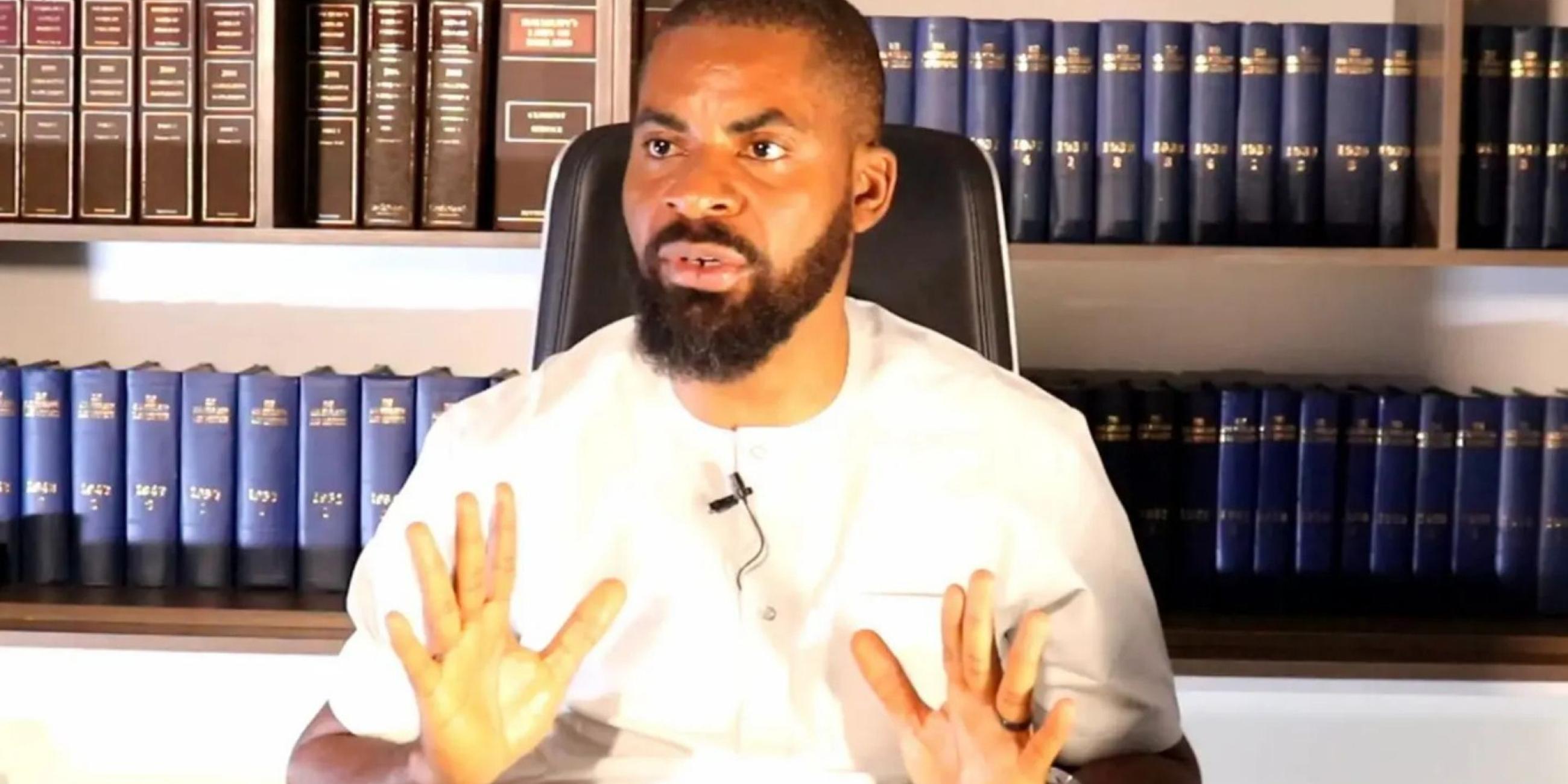
  • Lawyer Deji Adeyanju Blasts Former AGF Abubakar Malami for Flouting Court Orders, Warns Against Arrogance in Power

    Nigerian human rights lawyer, Deji Adeyanju, has criticized former Attorney General of the Federation (AGF) and Minister of Justice, Abubakar Malami (SAN), accusing him of repeatedly disobeying court orders while holding office. Adeyanju described Malami’s actions as shameful and dangerous to democracy, highlighting that even as a Senior Advocate of Nigeria, he ignored the rule of law.
    Speaking on Tuesday, Adeyanju noted that Malami’s fall from influence after leaving office was a consequence of his disregard for legal procedures and accountability. He warned current leaders against arrogance and impunity, stressing that political authority is temporary and accountability is inevitable.
    Malami, who served under former President Muhammadu Buhari, is currently facing prosecution by the Economic and Financial Crimes Commission (EFCC) over alleged money laundering offenses totaling over ₦8.7 billion. He, alongside his wife and son, is being held at Kuje Correctional Centre pending a bail ruling in a 16-count charge of conspiracy, procuring, disguising, and laundering proceeds of unlawful activities under the Money Laundering (Prevention and Prohibition) Act, 2022.
    The matter has drawn attention to the accountability of public officers in Nigeria and the consequences of ignoring judicial authority, with civil society and rights groups monitoring developments closely.
    Lawyer Deji Adeyanju Blasts Former AGF Abubakar Malami for Flouting Court Orders, Warns Against Arrogance in Power Nigerian human rights lawyer, Deji Adeyanju, has criticized former Attorney General of the Federation (AGF) and Minister of Justice, Abubakar Malami (SAN), accusing him of repeatedly disobeying court orders while holding office. Adeyanju described Malami’s actions as shameful and dangerous to democracy, highlighting that even as a Senior Advocate of Nigeria, he ignored the rule of law. Speaking on Tuesday, Adeyanju noted that Malami’s fall from influence after leaving office was a consequence of his disregard for legal procedures and accountability. He warned current leaders against arrogance and impunity, stressing that political authority is temporary and accountability is inevitable. Malami, who served under former President Muhammadu Buhari, is currently facing prosecution by the Economic and Financial Crimes Commission (EFCC) over alleged money laundering offenses totaling over ₦8.7 billion. He, alongside his wife and son, is being held at Kuje Correctional Centre pending a bail ruling in a 16-count charge of conspiracy, procuring, disguising, and laundering proceeds of unlawful activities under the Money Laundering (Prevention and Prohibition) Act, 2022. The matter has drawn attention to the accountability of public officers in Nigeria and the consequences of ignoring judicial authority, with civil society and rights groups monitoring developments closely.
    like
    1
    · 0 Comentários ·0 Compartilhamentos ·2KB Visualizações
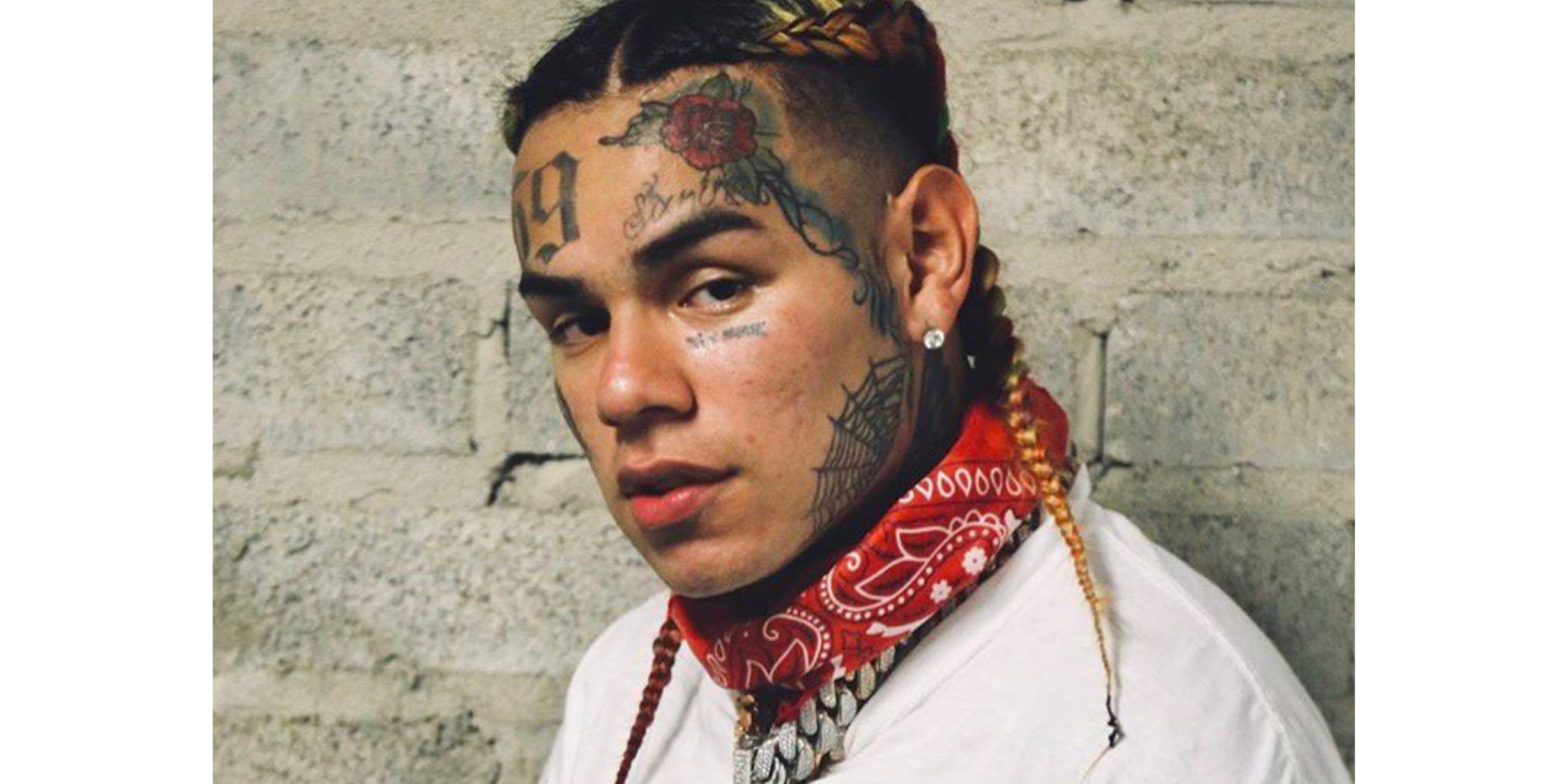
  • American Rapper Tekashi 6ix9ine Turns Himself In to Begin Three-Month Prison Sentence for Supervised Release Violations Amid Social Media Livestream Frenzy

    American rapper Daniel Hernandez, professionally known as Tekashi 6ix9ine, surrendered on January 6, 2026, to begin serving a three-month federal prison sentence for multiple violations of his supervised release. The rapper reported to the Metropolitan Detention Center in Brooklyn, New York, following a media-filled farewell, livestreamed by popular influencer Adin Ross, capturing his final moments as a free man.
    The latest sentence stems from Hernandez’s prior legal troubles, including a 2018 racketeering (RICO) conviction linked to the Nine Trey Gangsta Bloods. In March 2025, authorities discovered cocaine and MDMA at his South Florida residence, leading to a guilty plea for drug possession. Additional violations, including an assault at a Palm Beach County mall, contributed to the prison term.
    This marks 6ix9ine’s second incarceration in just over a year for supervised release breaches, following a six-week prison sentence in November 2024 for unauthorized travel, missed drug tests, and positive methamphetamine tests. Ahead of surrender, 6ix9ine’s social media activity, including removing his court-ordered ankle monitor with the help of influencers, sparked widespread attention. The rapper expressed gratitude to fans, captioning his farewell post, “Thank you guys so much see you in 3 months,” as he began his roughly 90-day sentence.
    American Rapper Tekashi 6ix9ine Turns Himself In to Begin Three-Month Prison Sentence for Supervised Release Violations Amid Social Media Livestream Frenzy American rapper Daniel Hernandez, professionally known as Tekashi 6ix9ine, surrendered on January 6, 2026, to begin serving a three-month federal prison sentence for multiple violations of his supervised release. The rapper reported to the Metropolitan Detention Center in Brooklyn, New York, following a media-filled farewell, livestreamed by popular influencer Adin Ross, capturing his final moments as a free man. The latest sentence stems from Hernandez’s prior legal troubles, including a 2018 racketeering (RICO) conviction linked to the Nine Trey Gangsta Bloods. In March 2025, authorities discovered cocaine and MDMA at his South Florida residence, leading to a guilty plea for drug possession. Additional violations, including an assault at a Palm Beach County mall, contributed to the prison term. This marks 6ix9ine’s second incarceration in just over a year for supervised release breaches, following a six-week prison sentence in November 2024 for unauthorized travel, missed drug tests, and positive methamphetamine tests. Ahead of surrender, 6ix9ine’s social media activity, including removing his court-ordered ankle monitor with the help of influencers, sparked widespread attention. The rapper expressed gratitude to fans, captioning his farewell post, “Thank you guys so much see you in 3 months,” as he began his roughly 90-day sentence.
    like
    1
    · 0 Comentários ·0 Compartilhamentos ·2KB Visualizações
  • Ex-Lagos Education Director Olawale Faleti Sentenced to 2 Years 5 Months for ₦48.9 Million Theft from Access Bank

    A Lagos court has sentenced Olawale Faleti, a former Director in the Lagos State Ministry of Education, to two years and five months in prison for stealing ₦48.9 million from Access Bank Plc.

    The conviction, delivered by Justice Rahman Oshodi of the Ikeja Special Offences and Domestic Violence Court, followed multiple counts of theft brought by the EFCC. The judge noted the deliberate and sustained nature of the offences, highlighting that Faleti repeatedly withdrew funds he was unauthorised to access.

    Although a first-time offender, Faleti received a custodial sentence due to the scale of the crime. The court ordered him to refund ₦45.9 million after deducting ₦3 million already restituted, with all sentences running concurrently.

    The theft occurred during the COVID-19 pandemic in 2020, exploiting a system glitch in a bank-issued credit card, and contravened Section 287(1)(a) of the Criminal Law of Lagos State, 2015. Justice Oshodi stressed that public confidence in financial institutions must be protected and that severe consequences follow attempts to defraud banks.
    Ex-Lagos Education Director Olawale Faleti Sentenced to 2 Years 5 Months for ₦48.9 Million Theft from Access Bank A Lagos court has sentenced Olawale Faleti, a former Director in the Lagos State Ministry of Education, to two years and five months in prison for stealing ₦48.9 million from Access Bank Plc. The conviction, delivered by Justice Rahman Oshodi of the Ikeja Special Offences and Domestic Violence Court, followed multiple counts of theft brought by the EFCC. The judge noted the deliberate and sustained nature of the offences, highlighting that Faleti repeatedly withdrew funds he was unauthorised to access. Although a first-time offender, Faleti received a custodial sentence due to the scale of the crime. The court ordered him to refund ₦45.9 million after deducting ₦3 million already restituted, with all sentences running concurrently. The theft occurred during the COVID-19 pandemic in 2020, exploiting a system glitch in a bank-issued credit card, and contravened Section 287(1)(a) of the Criminal Law of Lagos State, 2015. Justice Oshodi stressed that public confidence in financial institutions must be protected and that severe consequences follow attempts to defraud banks.
    0 Comentários ·0 Compartilhamentos ·701 Visualizações
  • Nigerian Police Officers Caught Demanding ₦50,000 Bribe Over Tinted Glass Permit at Anambra Checkpoint

    A viral video has exposed Nigerian police officers allegedly demanding a ₦50,000 bribe from a motorist at the Nise checkpoint in Anambra State over a tinted glass permit. The video, shared by activist Somto Okonkwo (@General_Somto) on X (formerly Twitter), shows the driver stating that his documents were in order, but the officers insisted on payment despite a court-ordered hold on tinted glass enforcement.

    One officer is heard refusing to release the driver without payment, saying he would ignore calls to the Inspector General of Police, Kayode Egbetokun. The incident has reignited public concerns over extortion and misconduct by security operatives at road checkpoints.

    As of the report, the Anambra State Police Command had not issued an official statement, while social media users continue to call for investigation and disciplinary action against the officers involved.

    Watch Video Here
    Nigerian Police Officers Caught Demanding ₦50,000 Bribe Over Tinted Glass Permit at Anambra Checkpoint A viral video has exposed Nigerian police officers allegedly demanding a ₦50,000 bribe from a motorist at the Nise checkpoint in Anambra State over a tinted glass permit. The video, shared by activist Somto Okonkwo (@General_Somto) on X (formerly Twitter), shows the driver stating that his documents were in order, but the officers insisted on payment despite a court-ordered hold on tinted glass enforcement. One officer is heard refusing to release the driver without payment, saying he would ignore calls to the Inspector General of Police, Kayode Egbetokun. The incident has reignited public concerns over extortion and misconduct by security operatives at road checkpoints. As of the report, the Anambra State Police Command had not issued an official statement, while social media users continue to call for investigation and disciplinary action against the officers involved. Watch Video Here
    like
    1
    · 0 Comentários ·0 Compartilhamentos ·1KB Visualizações
  • Court Orders NNPC to Disclose Details of $3B Afreximbank Crude-for-Cash Loan to HEDA

    The Federal High Court in Abuja has directed the Nigerian National Petroleum Company Limited (NNPC Ltd.) to provide HEDA Resource Centre with full details of the $3 billion “crude-for-cash” loan obtained from the African Export-Import Bank (Afreximbank). Justice Emeka Nwite ruled that the requested information is “simple and harmless” and cannot be withheld under the Freedom of Information Act.

    The court order requires NNPC to disclose the loan’s anticipated benefits for both the company and the Nigerian economy, the economic implications, oil grades involved, the exchange rate applied, and the quality of the oil used as collateral. HEDA chairman Olanrewaju Suraju hailed the ruling as a major victory for transparency and accountability, calling on stakeholders to support public access to information and the fight against corruption in the oil sector.

    #NNPC #HEDA #Afreximbank #Transparency #OilAndGas #NigeriaEconomy #FreedomOfInformation #AntiCorruption #NigeriaNews
    Court Orders NNPC to Disclose Details of $3B Afreximbank Crude-for-Cash Loan to HEDA The Federal High Court in Abuja has directed the Nigerian National Petroleum Company Limited (NNPC Ltd.) to provide HEDA Resource Centre with full details of the $3 billion “crude-for-cash” loan obtained from the African Export-Import Bank (Afreximbank). Justice Emeka Nwite ruled that the requested information is “simple and harmless” and cannot be withheld under the Freedom of Information Act. The court order requires NNPC to disclose the loan’s anticipated benefits for both the company and the Nigerian economy, the economic implications, oil grades involved, the exchange rate applied, and the quality of the oil used as collateral. HEDA chairman Olanrewaju Suraju hailed the ruling as a major victory for transparency and accountability, calling on stakeholders to support public access to information and the fight against corruption in the oil sector. #NNPC #HEDA #Afreximbank #Transparency #OilAndGas #NigeriaEconomy #FreedomOfInformation #AntiCorruption #NigeriaNews
    like
    1
    · 0 Comentários ·0 Compartilhamentos ·2KB Visualizações
  • Ghanaian Self-Styled Prophet Ebo Noah Remanded in Custody, Court Orders Psychiatric Evaluation Over Doomsday Flood Prophecy That Sparked Nationwide Panic

    A Ghanaian self-styled prophet, Ebo Noah, born Evans Eshun, has been remanded in custody by the Adenta District Court and ordered to undergo a psychiatric evaluation following his arrest over a controversial doomsday prophecy. Eshun was arrested on December 31, 2025, by operatives of the Ghana Police Service Special Cyber Vetting Team for false communication and causing fear and panic after he predicted that the world would be submerged by a global flood on December 25, 2025.

    The prophecy, widely circulated on social media, triggered widespread anxiety, with hundreds of people—some from neighbouring countries—reportedly abandoning their homes and travelling with luggage to Eshun’s premises, where he claimed an “ark” he built would save humanity. When the predicted flood failed to occur, Eshun released a video claiming that prayers and fasting had convinced God to postpone the destruction, rather than admitting the prophecy was false.

    Public outrage intensified after he appeared at rapper Sarkodie’s Rapperholic 2025 concert, telling attendees to celebrate because the alleged doom had been delayed. The court has adjourned the case to January 15, 2026, pending the outcome of the psychiatric assessment. The incident has reignited national debate in Ghana over religious extremism, misinformation, public safety, and the limits of free expression, as authorities move to hold the self-proclaimed prophet accountable for the social disruption caused by his claims.
    Ghanaian Self-Styled Prophet Ebo Noah Remanded in Custody, Court Orders Psychiatric Evaluation Over Doomsday Flood Prophecy That Sparked Nationwide Panic A Ghanaian self-styled prophet, Ebo Noah, born Evans Eshun, has been remanded in custody by the Adenta District Court and ordered to undergo a psychiatric evaluation following his arrest over a controversial doomsday prophecy. Eshun was arrested on December 31, 2025, by operatives of the Ghana Police Service Special Cyber Vetting Team for false communication and causing fear and panic after he predicted that the world would be submerged by a global flood on December 25, 2025. The prophecy, widely circulated on social media, triggered widespread anxiety, with hundreds of people—some from neighbouring countries—reportedly abandoning their homes and travelling with luggage to Eshun’s premises, where he claimed an “ark” he built would save humanity. When the predicted flood failed to occur, Eshun released a video claiming that prayers and fasting had convinced God to postpone the destruction, rather than admitting the prophecy was false. Public outrage intensified after he appeared at rapper Sarkodie’s Rapperholic 2025 concert, telling attendees to celebrate because the alleged doom had been delayed. The court has adjourned the case to January 15, 2026, pending the outcome of the psychiatric assessment. The incident has reignited national debate in Ghana over religious extremism, misinformation, public safety, and the limits of free expression, as authorities move to hold the self-proclaimed prophet accountable for the social disruption caused by his claims.
    like
    1
    · 0 Comentários ·0 Compartilhamentos ·2KB Visualizações
Páginas impulsionada
Fintter https://fintter.com