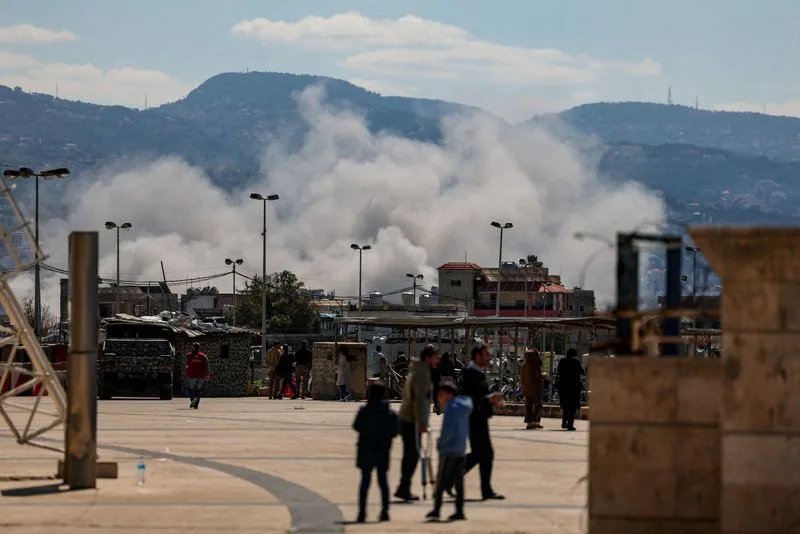
• JERUSALEM, March 10 (Reuters) - The Israeli military illegally used white phosphorus munitions over homes in the southern ‌Lebanese town Yohmor on March 3, posing a threat to civilians, Human Rights Watch ‌said in a report on Monday.

    "The incendiary effects of white phosphorus can cause death or cruel injuries that result in ​lifelong suffering," Ramzi Kaiss, Lebanon researcher at Human Rights Watch, said in the statement.
    JERUSALEM, March 10 (Reuters) - The Israeli military illegally used white phosphorus munitions over homes in the southern ‌Lebanese town Yohmor on March 3, posing a threat to civilians, Human Rights Watch ‌said in a report on Monday. "The incendiary effects of white phosphorus can cause death or cruel injuries that result in ​lifelong suffering," Ramzi Kaiss, Lebanon researcher at Human Rights Watch, said in the statement.
    like
    2
    · 0 Comentários ·0 Compartilhamentos ·230 Visualizações
  • Troops Eliminate Top Boko Haram/ISWAP Commander Abu Khalid In Sambisa Forest

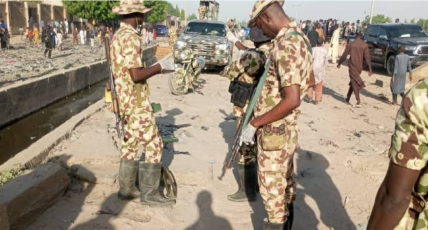
    Nigerian troops under the Joint Task Force (North East), Operation Hadin Kai, have killed a senior Boko Haram/ISWAP commander, Abu Khalid, during a night offensive in Sambisa Forest, Borno State.

    Military authorities confirmed that Khalid served as the group’s second-in-command within the Sambisa axis. He was neutralised alongside 10 other fighters during the coordinated operation.

    The Theatre Command’s Media Information Officer, Lieutenant-Colonel Sani Uba, disclosed the development in a statement on Sunday, noting that the success came less than 24 hours after troops eliminated another notorious commander, Julaibib, operating around the Gujba area of the Timbuktu Triangle.

    According to Uba, soldiers from Sector 1, working closely with members of the Civilian Joint Task Force (CJTF) under Operation Desert Sanity, engaged the terrorists at the Komala general area in Konduga Local Government Area at about 11 p.m., leading to the deaths of the insurgents.

    The military said the continued offensives are part of ongoing efforts to dismantle terrorist strongholds and restore security across the North-East.

    #Nigeria #Borno #SambisaForest #CounterTerrorism
    Troops Eliminate Top Boko Haram/ISWAP Commander Abu Khalid In Sambisa Forest Nigerian troops under the Joint Task Force (North East), Operation Hadin Kai, have killed a senior Boko Haram/ISWAP commander, Abu Khalid, during a night offensive in Sambisa Forest, Borno State. Military authorities confirmed that Khalid served as the group’s second-in-command within the Sambisa axis. He was neutralised alongside 10 other fighters during the coordinated operation. The Theatre Command’s Media Information Officer, Lieutenant-Colonel Sani Uba, disclosed the development in a statement on Sunday, noting that the success came less than 24 hours after troops eliminated another notorious commander, Julaibib, operating around the Gujba area of the Timbuktu Triangle. According to Uba, soldiers from Sector 1, working closely with members of the Civilian Joint Task Force (CJTF) under Operation Desert Sanity, engaged the terrorists at the Komala general area in Konduga Local Government Area at about 11 p.m., leading to the deaths of the insurgents. The military said the continued offensives are part of ongoing efforts to dismantle terrorist strongholds and restore security across the North-East. #Nigeria #Borno #SambisaForest #CounterTerrorism
    0 Comentários ·0 Compartilhamentos ·2KB Visualizações
  • BREAKING: Ugandan opposition leader Bobi Wine says more than 100 of his supporters have been killed in what he describes as a violent crackdown tied to recent elections.

    Wine alleges that security forces targeted civilians linked to his party, the National Unity Platform (NUP), in a campaign of violence following disputed vote results. Earlier reports also included claims of deadly raids and arrests as tensions mount across Uganda.

    #Uganda #BobiWine #ElectionViolence #HumanRights #BreakingNews #Fintter
    🚨 BREAKING: Ugandan opposition leader Bobi Wine says more than 100 of his supporters have been killed in what he describes as a violent crackdown tied to recent elections. Wine alleges that security forces targeted civilians linked to his party, the National Unity Platform (NUP), in a campaign of violence following disputed vote results. Earlier reports also included claims of deadly raids and arrests as tensions mount across Uganda. #Uganda #BobiWine #ElectionViolence #HumanRights #BreakingNews #Fintter
    0 Comentários ·0 Compartilhamentos ·898 Visualizações
  • Airstrikes Kill Over 40 Terrorists In Borno — NAF

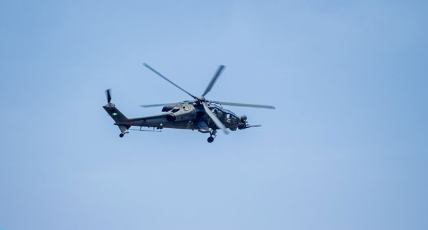
    The Nigerian Air Force (NAF) says more than 40 terrorists were killed in coordinated airstrikes carried out in Azir and Musarram areas of Borno State, successfully foiling planned attacks on nearby civilian communities.

    In a statement on Sunday, NAF Spokesman, Commodore Ehimen Ejodame, disclosed that the precision strikes were conducted on January 15 and 16 by NAF aircraft operating under the Air Component of Operation Hadin Kai, following credible intelligence on terrorist movements and imminent threats.

    Ejodame added that further aerial scans revealed terrorist elements attempting to regroup under nearby tree cover, prompting successive precision strikes that neutralised several of them.

    #NAF #BornoState #OperationHadinKai #SecurityUpdate
    Airstrikes Kill Over 40 Terrorists In Borno — NAF The Nigerian Air Force (NAF) says more than 40 terrorists were killed in coordinated airstrikes carried out in Azir and Musarram areas of Borno State, successfully foiling planned attacks on nearby civilian communities. In a statement on Sunday, NAF Spokesman, Commodore Ehimen Ejodame, disclosed that the precision strikes were conducted on January 15 and 16 by NAF aircraft operating under the Air Component of Operation Hadin Kai, following credible intelligence on terrorist movements and imminent threats. Ejodame added that further aerial scans revealed terrorist elements attempting to regroup under nearby tree cover, prompting successive precision strikes that neutralised several of them. #NAF #BornoState #OperationHadinKai #SecurityUpdate
    0 Comentários ·0 Compartilhamentos ·962 Visualizações
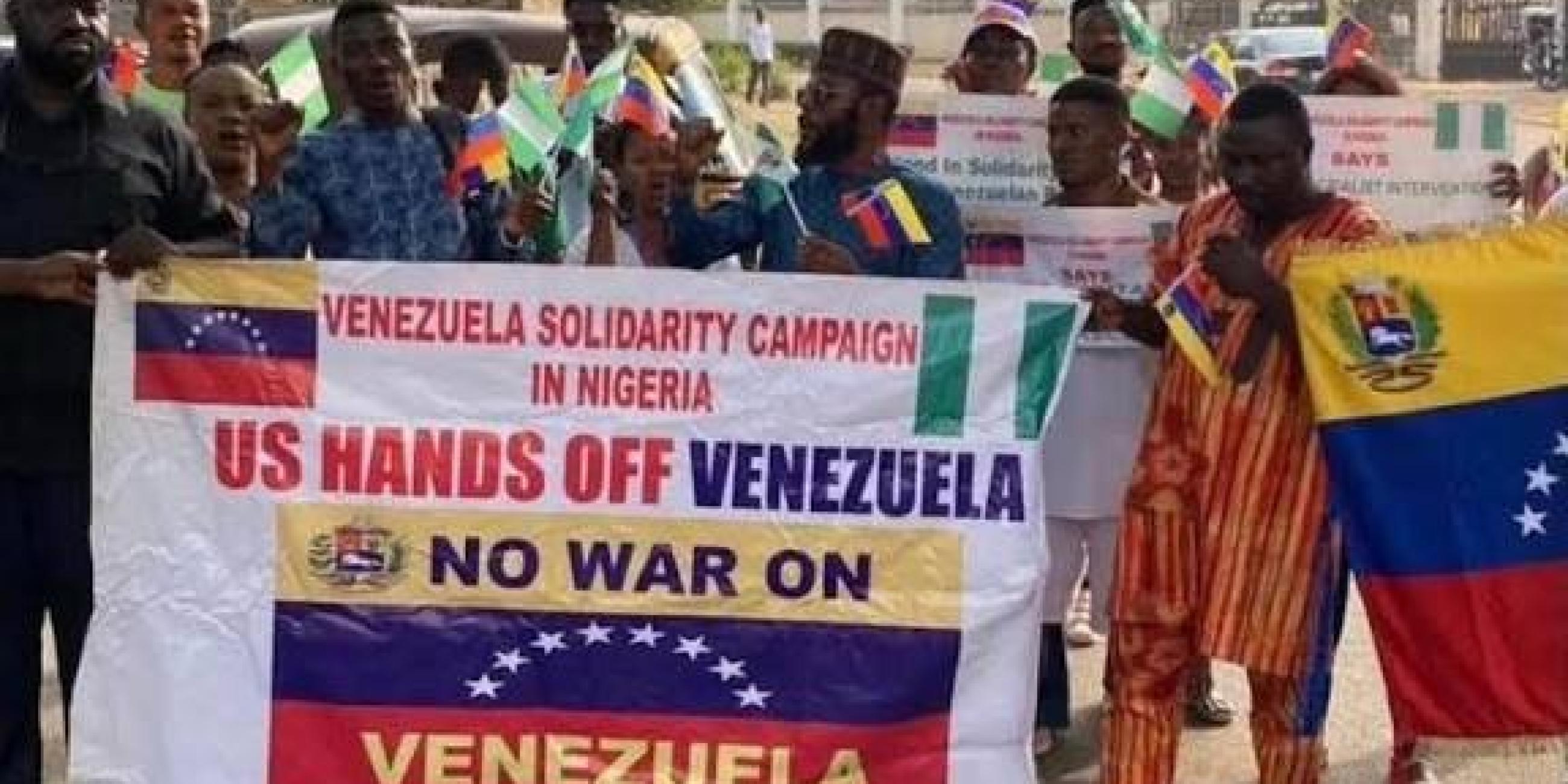
  • Nigerian Group Condemns U.S. Strike on Venezuela, Mourns Cuban Losses, Demands Release of Maduro

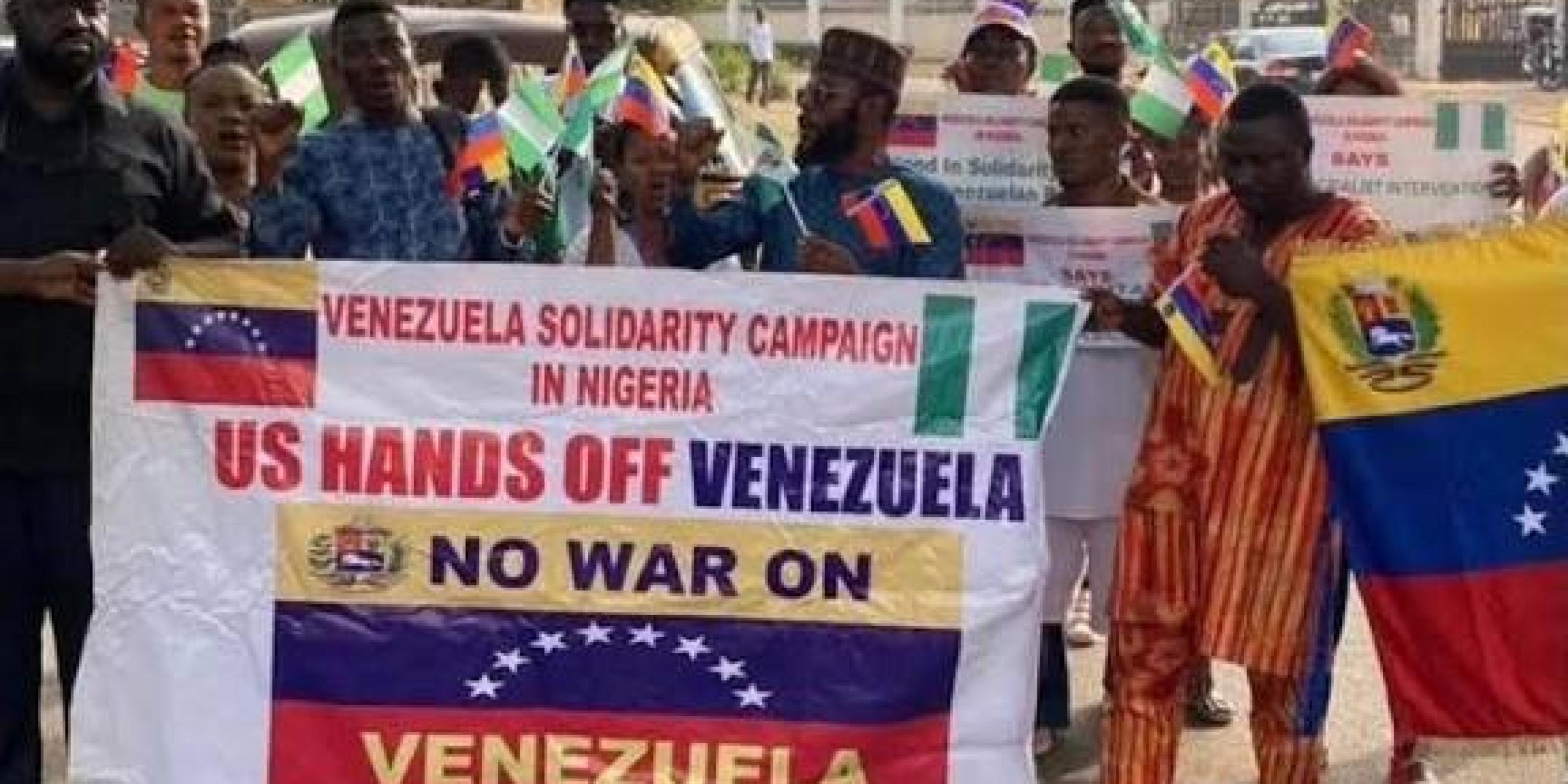
    The Venezuela Solidarity Campaign in Nigeria (VSCN) has condemned the recent U.S. military attack on Venezuela, describing it as a violation of international law and national sovereignty. The group mourned Venezuelan soldiers, Cuban officers and civilians killed in the strikes, calling their deaths a painful reminder of the human cost of foreign intervention. VSCN also decried the reported abduction of President Nicolás Maduro and First Combatant Cilia Flores, urging African nations and the global community to demand an immediate end to the aggression, respect for sovereignty, and the release of Venezuela’s leaders.

    #VenezuelaCrisis #USMilitaryStrike #InternationalLaw
    Nigerian Group Condemns U.S. Strike on Venezuela, Mourns Cuban Losses, Demands Release of Maduro The Venezuela Solidarity Campaign in Nigeria (VSCN) has condemned the recent U.S. military attack on Venezuela, describing it as a violation of international law and national sovereignty. The group mourned Venezuelan soldiers, Cuban officers and civilians killed in the strikes, calling their deaths a painful reminder of the human cost of foreign intervention. VSCN also decried the reported abduction of President Nicolás Maduro and First Combatant Cilia Flores, urging African nations and the global community to demand an immediate end to the aggression, respect for sovereignty, and the release of Venezuela’s leaders. #VenezuelaCrisis #USMilitaryStrike #InternationalLaw
    love
    3
    · 0 Comentários ·0 Compartilhamentos ·880 Visualizações
  • Nigerian Group Condemns U.S. Strike on Venezuela

    The Venezuela Solidarity Campaign in Nigeria (VSCN) has condemned the recent U.S. military attack on Venezuela, calling it a violation of international law and Venezuelan sovereignty. The group mourned Venezuelan soldiers, Cuban officers, and civilians killed in the strike, describing their deaths as sacrifices in defence of Venezuelan territory.

    VSCN demanded an immediate end to military actions and called for the release of President Nicolás Maduro, urging respect for Venezuela’s right to self-determination.

    #Venezuela #Nigeria #VSCN #USStrike #InternationalLaw #Solidarity #Maduro
    🇳🇬🤝🇻🇪 Nigerian Group Condemns U.S. Strike on Venezuela The Venezuela Solidarity Campaign in Nigeria (VSCN) has condemned the recent U.S. military attack on Venezuela, calling it a violation of international law and Venezuelan sovereignty. The group mourned Venezuelan soldiers, Cuban officers, and civilians killed in the strike, describing their deaths as sacrifices in defence of Venezuelan territory. VSCN demanded an immediate end to military actions and called for the release of President Nicolás Maduro, urging respect for Venezuela’s right to self-determination. #Venezuela #Nigeria #VSCN #USStrike #InternationalLaw #Solidarity #Maduro
    love
    2
    · 0 Comentários ·0 Compartilhamentos ·608 Visualizações
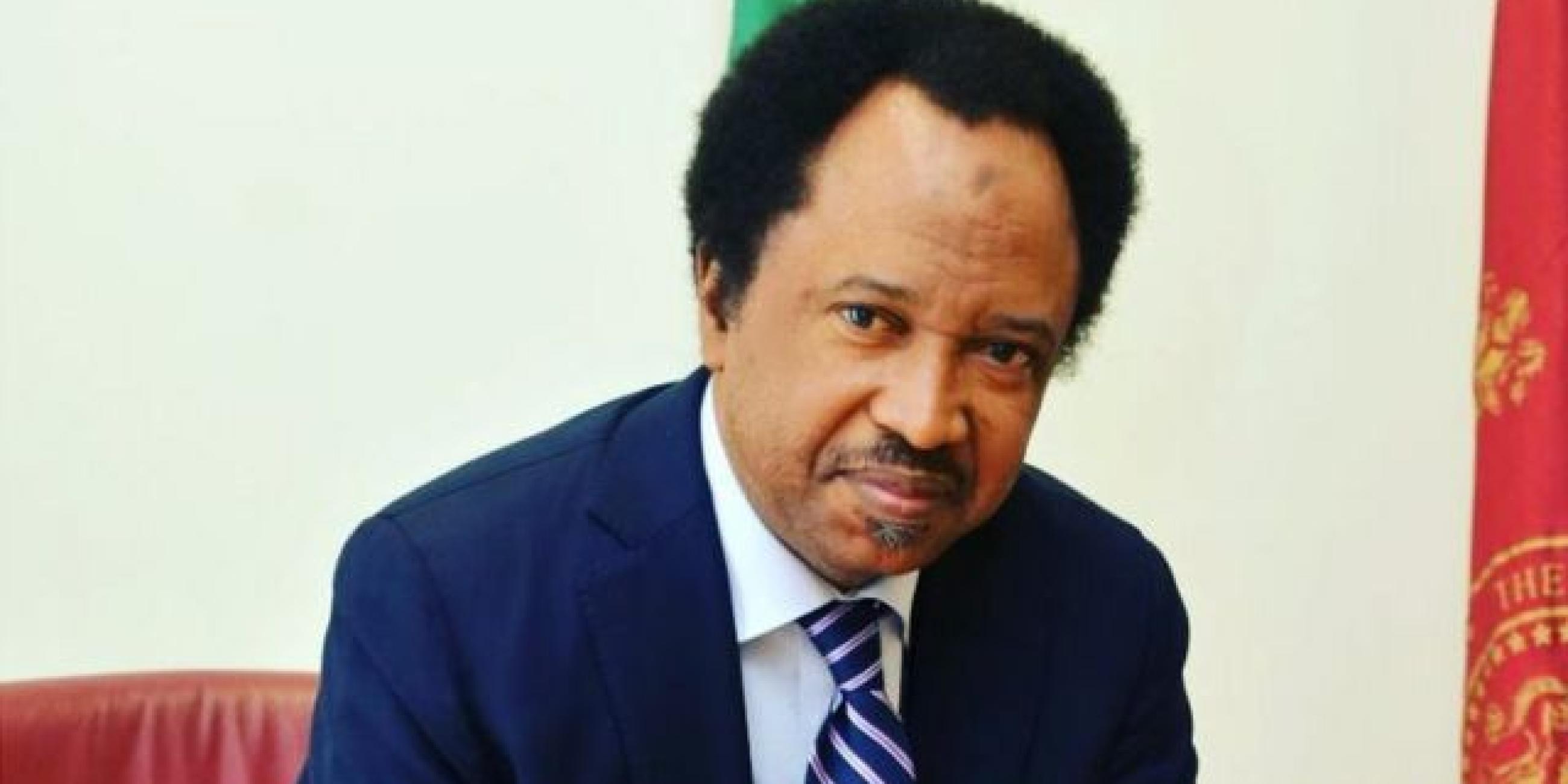
  • Shehu Sani Urges Northern Nigerians to Protect Themselves Amid Rising Banditry and Insecurity

    Former Senator Shehu Sani has urged citizens in Northern Nigeria to take security into their own hands amid persistent banditry and terrorism. Speaking during the launch of his books and stageplay in Abuja, Sani highlighted attacks by ISWAP, Boko Haram, and other armed groups, which have displaced millions, killed, and kidnapped civilians. He stressed community vigilance, accountability, and local intelligence as vital to dismantling criminal networks. His works also address irregular migration, human trafficking, and the need for African leaders to create local opportunities to curb youth exploitation abroad.
    Shehu Sani Urges Northern Nigerians to Protect Themselves Amid Rising Banditry and Insecurity Former Senator Shehu Sani has urged citizens in Northern Nigeria to take security into their own hands amid persistent banditry and terrorism. Speaking during the launch of his books and stageplay in Abuja, Sani highlighted attacks by ISWAP, Boko Haram, and other armed groups, which have displaced millions, killed, and kidnapped civilians. He stressed community vigilance, accountability, and local intelligence as vital to dismantling criminal networks. His works also address irregular migration, human trafficking, and the need for African leaders to create local opportunities to curb youth exploitation abroad.
    0 Comentários ·0 Compartilhamentos ·942 Visualizações
  • Iran Wahala Don Set! White House Says Trump Fit Order Airstrikes As Protesters Dey Die

    Global wahala don burst as the White House has revealed that former US President Donald Trump is keeping all options open on Iran, including possible airstrikes, following reports that protesters are being killed on the streets of Tehran. Speaking to journalists, Press Secretary Karoline Leavitt said Trump is considering “very strong options” against Iran, stressing that military action remains on the table if the situation worsens. However, she noted that diplomacy remains the president’s first choice, explaining that while Iran’s leaders are issuing tough statements publicly, they are sending different messages privately to US officials. According to the White House, Tehran has adopted a softer tone in discussions with Trump’s special envoy, Steve Witkoff, even as protests continue. Trump himself warned that Iran may have crossed his red line after reports of civilian deaths, adding that although Iranian leaders have requested talks, “we may have to act before a meeting.” Rights groups say the death toll is rising despite an internet shutdown, while the White House insists Trump does not want to see people “being killed in the streets of Tehran.”

    Iran Wahala Don Set! White House Says Trump Fit Order Airstrikes As Protesters Dey Die Global wahala don burst as the White House has revealed that former US President Donald Trump is keeping all options open on Iran, including possible airstrikes, following reports that protesters are being killed on the streets of Tehran. Speaking to journalists, Press Secretary Karoline Leavitt said Trump is considering “very strong options” against Iran, stressing that military action remains on the table if the situation worsens. However, she noted that diplomacy remains the president’s first choice, explaining that while Iran’s leaders are issuing tough statements publicly, they are sending different messages privately to US officials. According to the White House, Tehran has adopted a softer tone in discussions with Trump’s special envoy, Steve Witkoff, even as protests continue. Trump himself warned that Iran may have crossed his red line after reports of civilian deaths, adding that although Iranian leaders have requested talks, “we may have to act before a meeting.” Rights groups say the death toll is rising despite an internet shutdown, while the White House insists Trump does not want to see people “being killed in the streets of Tehran.”
    0 Comentários ·0 Compartilhamentos ·600 Visualizações
  • Wahala Don Set Oo! Bello Turji Storms Eastern Sokoto Villages, Residents Flee For Their Lives

    Wahala don burst for Sokoto State as notorious bandits’ leader, Bello Turji, has launched fresh attacks on several communities in the eastern axis, beginning with a deadly raid on Tidibale village in Isa Local Government Area. According to reports, Turji’s fighters stormed the village in large numbers, forcing residents to abandon their homes and flee in the middle of the night to neighbouring communities. A video from the scene showed families escaping as fear gripped the area. Security alerts from Bakatsine confirmed the attack, describing it as part of a wider plan by Turji to seize and dominate rural settlements across eastern Sokoto. Bargaja village was also reportedly targeted days earlier in the same campaign. Despite government assurances, communities continue to face attacks, abductions and displacement. As villages empty and bandits tighten control over abandoned areas, concerns are growing over the response of security agencies and the safety of civilians.


    Wahala Don Set Oo! Bello Turji Storms Eastern Sokoto Villages, Residents Flee For Their Lives Wahala don burst for Sokoto State as notorious bandits’ leader, Bello Turji, has launched fresh attacks on several communities in the eastern axis, beginning with a deadly raid on Tidibale village in Isa Local Government Area. According to reports, Turji’s fighters stormed the village in large numbers, forcing residents to abandon their homes and flee in the middle of the night to neighbouring communities. A video from the scene showed families escaping as fear gripped the area. Security alerts from Bakatsine confirmed the attack, describing it as part of a wider plan by Turji to seize and dominate rural settlements across eastern Sokoto. Bargaja village was also reportedly targeted days earlier in the same campaign. Despite government assurances, communities continue to face attacks, abductions and displacement. As villages empty and bandits tighten control over abandoned areas, concerns are growing over the response of security agencies and the safety of civilians.
    0 Comentários ·0 Compartilhamentos ·470 Visualizações
  • Police Repel Bandit Attack in Kaduna, Kill Two Suspects, Recover Arms

    The Kaduna State Police Command says it has repelled an attempted bandit attack in Giwa Local Government Area, killing two suspected bandits and recovering firearms and ammunition.

    Police said the operation followed credible intelligence indicating that armed bandits were planning to attack Idisu village in Bayan Kogi ward. Intelligence revealed the group, allegedly led by a notorious kingpin identified as Kachalla Sanusi Bajira, was mobilising after residents refused to pay an illegal levy.

    According to the Command’s spokesperson, DSP Mansir Hassan, the Commissioner of Police ordered operatives of the anti-kidnapping unit, in collaboration with the Civilian Joint Task Force, to move into the area.

    On arrival, the security team encountered the bandits who had set an ambush, leading to a gun battle. Police operatives overpowered the attackers, killing two suspects, while others escaped into nearby bushes.

    Two firearms and five rounds of live ammunition were recovered during the operation.

    The Commissioner of Police, Rabiu Muhammad, commended the operatives for their professionalism and assured residents of continued intelligence-led operations against banditry, kidnapping, and other violent crimes. He warned that Kaduna State will not serve as a safe haven for criminals.
    Police Repel Bandit Attack in Kaduna, Kill Two Suspects, Recover Arms The Kaduna State Police Command says it has repelled an attempted bandit attack in Giwa Local Government Area, killing two suspected bandits and recovering firearms and ammunition. Police said the operation followed credible intelligence indicating that armed bandits were planning to attack Idisu village in Bayan Kogi ward. Intelligence revealed the group, allegedly led by a notorious kingpin identified as Kachalla Sanusi Bajira, was mobilising after residents refused to pay an illegal levy. According to the Command’s spokesperson, DSP Mansir Hassan, the Commissioner of Police ordered operatives of the anti-kidnapping unit, in collaboration with the Civilian Joint Task Force, to move into the area. On arrival, the security team encountered the bandits who had set an ambush, leading to a gun battle. Police operatives overpowered the attackers, killing two suspects, while others escaped into nearby bushes. Two firearms and five rounds of live ammunition were recovered during the operation. The Commissioner of Police, Rabiu Muhammad, commended the operatives for their professionalism and assured residents of continued intelligence-led operations against banditry, kidnapping, and other violent crimes. He warned that Kaduna State will not serve as a safe haven for criminals.
    0 Comentários ·0 Compartilhamentos ·654 Visualizações
  • Wahala Don Burst: US Drops Massive Airstrikes on ISIS in Syria, Sokoto Also Hit!

    Na so e be! The United States Central Command (CENTCOM) don carry out big airstrikes against ISIS targets across Syria, and Nigerians won’t forget the connection at home—Sokoto was hit too!

    CENTCOM revealed on X that the strikes happened Saturday around 12:30 p.m. Eastern Time, alongside partner forces. This operation, called Operation Hawkeye Strike, started December 19, 2025, after a deadly ISIS attack near Palmyra, Syria, that killed two American soldiers and one civilian interpreter.

    The US military made it clear: “If you harm our warfighters, we will find you and kill you anywhere in the world.” No shaking!

    Interestingly, in December 2025, the US also conducted airstrikes in northwest Nigeria, specifically in Sokoto State, targeting ISIS-linked militants of the Islamic State-Sahel Province (ISSP) and local affiliate Lakurawa. Tomahawk missiles were reportedly used in collaboration with the Nigerian government to dismantle terrorist camps.

    These operations show that the fight against terrorism is now global and local, and both the US and Nigeria are keeping the pressure on ISIS wherever they pop up.

    For Nigerians, the Sokoto strike is a reminder that terrorism is a real threat, and the government is working with international partners to try to keep citizens safe.

    Wahala don burst, but the fight no go stop!

    Wahala Don Burst: US Drops Massive Airstrikes on ISIS in Syria, Sokoto Also Hit! Na so e be! The United States Central Command (CENTCOM) don carry out big airstrikes against ISIS targets across Syria, and Nigerians won’t forget the connection at home—Sokoto was hit too! CENTCOM revealed on X that the strikes happened Saturday around 12:30 p.m. Eastern Time, alongside partner forces. This operation, called Operation Hawkeye Strike, started December 19, 2025, after a deadly ISIS attack near Palmyra, Syria, that killed two American soldiers and one civilian interpreter. The US military made it clear: “If you harm our warfighters, we will find you and kill you anywhere in the world.” No shaking! Interestingly, in December 2025, the US also conducted airstrikes in northwest Nigeria, specifically in Sokoto State, targeting ISIS-linked militants of the Islamic State-Sahel Province (ISSP) and local affiliate Lakurawa. Tomahawk missiles were reportedly used in collaboration with the Nigerian government to dismantle terrorist camps. These operations show that the fight against terrorism is now global and local, and both the US and Nigeria are keeping the pressure on ISIS wherever they pop up. For Nigerians, the Sokoto strike is a reminder that terrorism is a real threat, and the government is working with international partners to try to keep citizens safe. Wahala don burst, but the fight no go stop!
    0 Comentários ·0 Compartilhamentos ·1KB Visualizações
  • Bandits Kill Four, Burn Homes and Loot Livestock in Niger State as Wawa Community Comes Under Fresh Attack.

    Bandits have launched another deadly attack on Wawa community in Borgu Local Government Area of Niger State, killing four residents, burning homes and a church, and carting away villagers’ livestock in a violent raid that has deepened fear across the area.

    According to local sources, the assailants struck Damala village near the Woko–Daba mining axis between 8:00pm and 8:30pm, catching residents off guard. Eyewitnesses said the attackers moved swiftly, setting houses ablaze, killing civilians, and escaping into surrounding forests with stolen animals before any help could arrive.

    Survivors described scenes of terror as families fled burning homes while others mourned loved ones lost in the assault. Community members say the absence of security personnel has left the area exposed to repeated attacks, forcing residents to abandon farms, churches, and daily activities out of fear.

    A community leader, Comrade Zakari Y. Adamu, appealed to state and federal authorities for urgent intervention, warning that without immediate deployment of security forces, more communities in Niger State could face similar bloodshed.

    The latest attack highlights the worsening security crisis in Nigeria’s rural and mining regions, where forested terrain continues to provide safe routes for armed groups. As residents demand action, concerns grow that violence may spread if authorities fail to respond decisively.
    Bandits Kill Four, Burn Homes and Loot Livestock in Niger State as Wawa Community Comes Under Fresh Attack. Bandits have launched another deadly attack on Wawa community in Borgu Local Government Area of Niger State, killing four residents, burning homes and a church, and carting away villagers’ livestock in a violent raid that has deepened fear across the area. According to local sources, the assailants struck Damala village near the Woko–Daba mining axis between 8:00pm and 8:30pm, catching residents off guard. Eyewitnesses said the attackers moved swiftly, setting houses ablaze, killing civilians, and escaping into surrounding forests with stolen animals before any help could arrive. Survivors described scenes of terror as families fled burning homes while others mourned loved ones lost in the assault. Community members say the absence of security personnel has left the area exposed to repeated attacks, forcing residents to abandon farms, churches, and daily activities out of fear. A community leader, Comrade Zakari Y. Adamu, appealed to state and federal authorities for urgent intervention, warning that without immediate deployment of security forces, more communities in Niger State could face similar bloodshed. The latest attack highlights the worsening security crisis in Nigeria’s rural and mining regions, where forested terrain continues to provide safe routes for armed groups. As residents demand action, concerns grow that violence may spread if authorities fail to respond decisively.
    0 Comentários ·0 Compartilhamentos ·800 Visualizações
  • Are Nigeria’s Airstrikes Finally Turning the Tide? Nigerian Air Force Bombs Terrorist Hideouts in Borno’s Timbuktu Triangle Under Operation Hadin Kai

    Is Nigeria’s intensified air campaign beginning to weaken terrorist strongholds in the North-East? The Nigerian Air Force (NAF) has confirmed a major air interdiction operation targeting terrorist locations at AbbagaJiri in the Timbuktu Triangle of Borno State, carried out under the joint task force Operation Hadin Kai.

    According to a statement by the NAF Director of Public Relations and Information, Air Commodore Ehimen Ejodame, the mission followed multi-source intelligence that confirmed active terrorist presence, fortified structures, and concealed logistics facilities in the area. Based on this intelligence, NAF air assets were deployed for integrated surveillance and precision strikes on identified targets.

    The Air Force said the operation was carefully designed to degrade terrorist capabilities, deny them sanctuary, and shape the battlespace for advancing ground forces, while strictly adhering to rules of engagement and protecting non-combatants. Targeted structures believed to be used by terrorist elements were destroyed, while a follow-up strike neutralised armed fighters observed converging on the location.

    Speaking on the mission, the Chief of the Air Staff, Air Marshal Sunday Aneke, described the operation as evidence of the Air Force’s determination to deliver precise and decisive airpower in support of ground troops. He stated that NAF would continue to deny terrorists freedom of movement, hideouts, and logistics wherever they attempt to regroup.

    “Our operations are intelligence-led and carefully planned to achieve maximum impact on hostile elements while safeguarding innocent civilians,” Aneke said, reaffirming that pressure will be sustained until terrorist networks are completely dismantled. Ground troops who later advanced into the area reportedly confirmed the effectiveness of the airstrikes, validating the success of the joint air-land operation.

    The Borno operation follows a similar strike in December 2025, when NAF targeted bandit camps in Tsafe Local Government Area of Zamfara State under Operation Fansan Yamma, destroying positions linked to a notorious bandit leader, Kachalla Dogo Sule. Those strikes were also based on what NAF described as credible, multi-source intelligence.

    As Nigeria continues to battle insurgency and banditry across multiple regions, the latest operation raises key questions: Are precision airstrikes beginning to weaken terrorist networks? Can sustained intelligence-driven operations finally deny extremists safe havens? And will joint air-ground campaigns restore security to communities long terrorised by violence?

    Are Nigeria’s Airstrikes Finally Turning the Tide? Nigerian Air Force Bombs Terrorist Hideouts in Borno’s Timbuktu Triangle Under Operation Hadin Kai Is Nigeria’s intensified air campaign beginning to weaken terrorist strongholds in the North-East? The Nigerian Air Force (NAF) has confirmed a major air interdiction operation targeting terrorist locations at AbbagaJiri in the Timbuktu Triangle of Borno State, carried out under the joint task force Operation Hadin Kai. According to a statement by the NAF Director of Public Relations and Information, Air Commodore Ehimen Ejodame, the mission followed multi-source intelligence that confirmed active terrorist presence, fortified structures, and concealed logistics facilities in the area. Based on this intelligence, NAF air assets were deployed for integrated surveillance and precision strikes on identified targets. The Air Force said the operation was carefully designed to degrade terrorist capabilities, deny them sanctuary, and shape the battlespace for advancing ground forces, while strictly adhering to rules of engagement and protecting non-combatants. Targeted structures believed to be used by terrorist elements were destroyed, while a follow-up strike neutralised armed fighters observed converging on the location. Speaking on the mission, the Chief of the Air Staff, Air Marshal Sunday Aneke, described the operation as evidence of the Air Force’s determination to deliver precise and decisive airpower in support of ground troops. He stated that NAF would continue to deny terrorists freedom of movement, hideouts, and logistics wherever they attempt to regroup. “Our operations are intelligence-led and carefully planned to achieve maximum impact on hostile elements while safeguarding innocent civilians,” Aneke said, reaffirming that pressure will be sustained until terrorist networks are completely dismantled. Ground troops who later advanced into the area reportedly confirmed the effectiveness of the airstrikes, validating the success of the joint air-land operation. The Borno operation follows a similar strike in December 2025, when NAF targeted bandit camps in Tsafe Local Government Area of Zamfara State under Operation Fansan Yamma, destroying positions linked to a notorious bandit leader, Kachalla Dogo Sule. Those strikes were also based on what NAF described as credible, multi-source intelligence. As Nigeria continues to battle insurgency and banditry across multiple regions, the latest operation raises key questions: Are precision airstrikes beginning to weaken terrorist networks? Can sustained intelligence-driven operations finally deny extremists safe havens? And will joint air-ground campaigns restore security to communities long terrorised by violence?
    0 Comentários ·0 Compartilhamentos ·1KB Visualizações
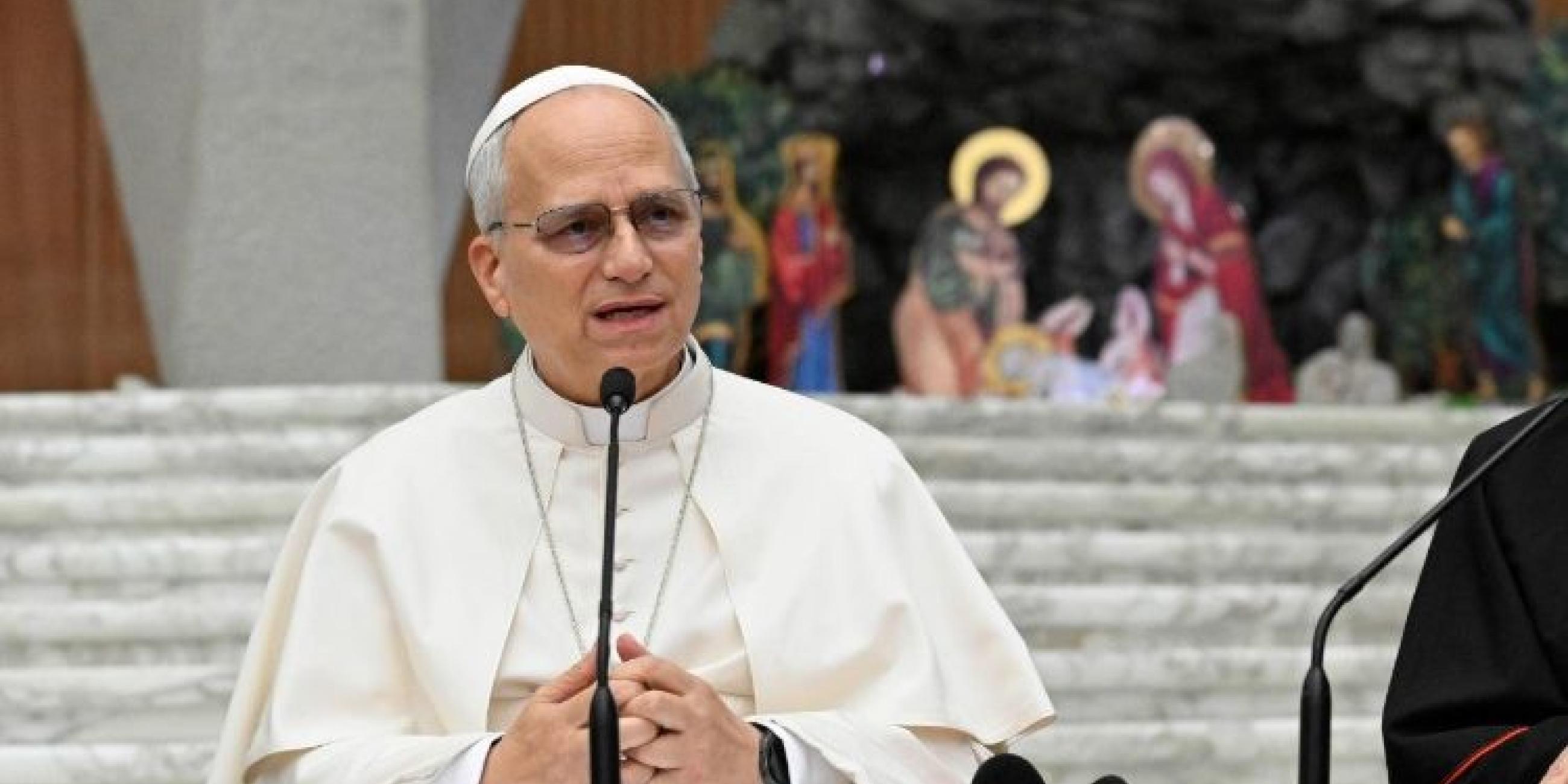
  • Pope Leo XIV Warns “War Is Back in Vogue,” Urges Global Leaders to Choose Dialogue Over Force

    In a blunt address to the Diplomatic Corps, Pope Leo XIV has warned that “war is back in vogue” as nations increasingly pursue peace through military force instead of diplomacy, justice, and dialogue. The pontiff expressed deep concern over rising geopolitical tensions, the erosion of multilateral institutions, and the growing culture of unilateralism, stressing that innocent civilians always bear the highest cost of armed conflicts.

    The Pope called on world leaders to embrace humility, dialogue, and compromise, emphasizing that lasting peace cannot be imposed by force but must be patiently built through justice, listening, and cooperation. He also highlighted the crucial role of global institutions in mediating conflicts, even as the world faces challenges like wars, displacement, economic inequality, and climate crises.

    Diplomats at the address described it as one of the strongest critiques of contemporary international politics by the Holy See, underscoring the Vatican’s role as a moral voice for peace. Pope Leo XIV concluded by urging leaders to resist the temptation of violence and “have the courage to choose peace, even when it is difficult.”


    Pope Leo XIV Warns “War Is Back in Vogue,” Urges Global Leaders to Choose Dialogue Over Force In a blunt address to the Diplomatic Corps, Pope Leo XIV has warned that “war is back in vogue” as nations increasingly pursue peace through military force instead of diplomacy, justice, and dialogue. The pontiff expressed deep concern over rising geopolitical tensions, the erosion of multilateral institutions, and the growing culture of unilateralism, stressing that innocent civilians always bear the highest cost of armed conflicts. The Pope called on world leaders to embrace humility, dialogue, and compromise, emphasizing that lasting peace cannot be imposed by force but must be patiently built through justice, listening, and cooperation. He also highlighted the crucial role of global institutions in mediating conflicts, even as the world faces challenges like wars, displacement, economic inequality, and climate crises. Diplomats at the address described it as one of the strongest critiques of contemporary international politics by the Holy See, underscoring the Vatican’s role as a moral voice for peace. Pope Leo XIV concluded by urging leaders to resist the temptation of violence and “have the courage to choose peace, even when it is difficult.”
    0 Comentários ·0 Compartilhamentos ·756 Visualizações
  • Are Terrorists Fleeing U.S. Airstrikes in Sokoto Now Spreading Violence Into Benue? Why Agatu Council Chairman Says Armed Groups Have Infiltrated Communities, Forced Policy Reversals, and Triggered a New Security Crisis

    Are counterterrorism operations in one part of Nigeria unintentionally pushing violence into other states? That is the concern raised by the Chairman of Agatu Local Government Area in Benue State, James Melvin Ejeh, who says armed groups displaced by recent U.S.–Nigerian military airstrikes in Sokoto State are now infiltrating communities in his region.

    According to Ejeh, terrorists targeted in coordinated air operations in December have not been eliminated but instead relocated across state borders, spreading insecurity into rural Benue communities. He described a surge in attacks on Agatu villages, warning that innocent residents are now facing “unprecedented terror” as fleeing fighters establish new footholds.

    The council chairman said intelligence reports and local accounts indicate that the militants, after being dislodged from Sokoto, are moving into neighbouring states, with Agatu among the hardest hit. He stressed that what was intended as a strategic blow against terrorism may now be creating a dangerous spillover effect, exposing vulnerable farming communities to renewed violence.

    In response to the escalating attacks, Ejeh announced a decisive policy shift: the immediate cancellation of a 2017 grazing agreement that allowed herdsmen access to Adepati Island. He argued that the agreement, originally framed as a peacebuilding measure, had instead compromised community safety and enabled armed elements to operate within Agatu territory.

    Describing the pact as an arrangement made “under the guise of promoting peaceful coexistence,” Ejeh accused previous local administrations of placing diplomacy above the security of residents. He declared the agreement null and void, ordered all armed herders to vacate Agatu land, and emphasized that no portion of Agatu belongs to herders under any guise.

    Ejeh further revealed that security agencies have begun arrests and investigations, warning that anyone found collaborating with armed groups will face the full weight of the law. He maintained that the people of Agatu have reached a firm position: no future engagement with herders will occur unless it is conducted lawfully, transparently, and only after broad consultation with traditional rulers and community stakeholders.

    The development raises urgent national questions: Are military airstrikes merely displacing terrorists rather than dismantling their networks? Is Nigeria witnessing a dangerous redistribution of insecurity from one region to another? And can local governments withstand the security fallout without stronger federal coordination?

    As communities in Benue confront the consequences of a conflict they did not initiate, the Agatu chairman’s warning highlights a growing fear that counterterrorism victories in one state may be creating new frontlines elsewhere, leaving civilians trapped in the crossfire of shifting militant movements.

    Are Terrorists Fleeing U.S. Airstrikes in Sokoto Now Spreading Violence Into Benue? Why Agatu Council Chairman Says Armed Groups Have Infiltrated Communities, Forced Policy Reversals, and Triggered a New Security Crisis Are counterterrorism operations in one part of Nigeria unintentionally pushing violence into other states? That is the concern raised by the Chairman of Agatu Local Government Area in Benue State, James Melvin Ejeh, who says armed groups displaced by recent U.S.–Nigerian military airstrikes in Sokoto State are now infiltrating communities in his region. According to Ejeh, terrorists targeted in coordinated air operations in December have not been eliminated but instead relocated across state borders, spreading insecurity into rural Benue communities. He described a surge in attacks on Agatu villages, warning that innocent residents are now facing “unprecedented terror” as fleeing fighters establish new footholds. The council chairman said intelligence reports and local accounts indicate that the militants, after being dislodged from Sokoto, are moving into neighbouring states, with Agatu among the hardest hit. He stressed that what was intended as a strategic blow against terrorism may now be creating a dangerous spillover effect, exposing vulnerable farming communities to renewed violence. In response to the escalating attacks, Ejeh announced a decisive policy shift: the immediate cancellation of a 2017 grazing agreement that allowed herdsmen access to Adepati Island. He argued that the agreement, originally framed as a peacebuilding measure, had instead compromised community safety and enabled armed elements to operate within Agatu territory. Describing the pact as an arrangement made “under the guise of promoting peaceful coexistence,” Ejeh accused previous local administrations of placing diplomacy above the security of residents. He declared the agreement null and void, ordered all armed herders to vacate Agatu land, and emphasized that no portion of Agatu belongs to herders under any guise. Ejeh further revealed that security agencies have begun arrests and investigations, warning that anyone found collaborating with armed groups will face the full weight of the law. He maintained that the people of Agatu have reached a firm position: no future engagement with herders will occur unless it is conducted lawfully, transparently, and only after broad consultation with traditional rulers and community stakeholders. The development raises urgent national questions: Are military airstrikes merely displacing terrorists rather than dismantling their networks? Is Nigeria witnessing a dangerous redistribution of insecurity from one region to another? And can local governments withstand the security fallout without stronger federal coordination? As communities in Benue confront the consequences of a conflict they did not initiate, the Agatu chairman’s warning highlights a growing fear that counterterrorism victories in one state may be creating new frontlines elsewhere, leaving civilians trapped in the crossfire of shifting militant movements.
    0 Comentários ·0 Compartilhamentos ·985 Visualizações
  • How Were an Elderly Woman and Her Granddaughter Freed by Bandits in Southern Kaduna After a Ransom Payment?

    In a dramatic turn of events in Southern Kaduna, an elderly woman, Mrs. Averik Arak, and her granddaughter were released by bandits after their family paid an undisclosed ransom. The victims had been abducted earlier this week in Arak village, Sanga Local Government Area, following a violent attack in which Mrs. Arak’s son, Kefas Habila Averik, and another resident were killed.

    The release occurred on Wednesday night, after negotiations between the family and the abductors. The victims were immediately taken to an undisclosed hospital for medical examinations, and they are reportedly in stable condition.

    A family member, Racheal Averik, confirmed the ordeal on social media, expressing deep gratitude for the prayers and support received during the challenging period. She revealed that the abduction occurred just 48 hours after her mother’s son was killed, and that the elderly woman, already in mourning, was particularly vulnerable when the bandits struck.

    This incident highlights the growing security challenges in Southern Kaduna, where banditry, kidnappings, and violent attacks have become increasingly frequent. Local authorities and security agencies continue to face pressure to protect vulnerable communities and prevent similar tragedies.

    The Kaduna kidnapping saga underscores the human cost of insecurity, showing how families are forced to pay ransoms while mourning lost loved ones, and raises urgent questions about government measures to tackle banditry and protect civilians in Nigeria’s most affected regions.

    How Were an Elderly Woman and Her Granddaughter Freed by Bandits in Southern Kaduna After a Ransom Payment? In a dramatic turn of events in Southern Kaduna, an elderly woman, Mrs. Averik Arak, and her granddaughter were released by bandits after their family paid an undisclosed ransom. The victims had been abducted earlier this week in Arak village, Sanga Local Government Area, following a violent attack in which Mrs. Arak’s son, Kefas Habila Averik, and another resident were killed. The release occurred on Wednesday night, after negotiations between the family and the abductors. The victims were immediately taken to an undisclosed hospital for medical examinations, and they are reportedly in stable condition. A family member, Racheal Averik, confirmed the ordeal on social media, expressing deep gratitude for the prayers and support received during the challenging period. She revealed that the abduction occurred just 48 hours after her mother’s son was killed, and that the elderly woman, already in mourning, was particularly vulnerable when the bandits struck. This incident highlights the growing security challenges in Southern Kaduna, where banditry, kidnappings, and violent attacks have become increasingly frequent. Local authorities and security agencies continue to face pressure to protect vulnerable communities and prevent similar tragedies. The Kaduna kidnapping saga underscores the human cost of insecurity, showing how families are forced to pay ransoms while mourning lost loved ones, and raises urgent questions about government measures to tackle banditry and protect civilians in Nigeria’s most affected regions.
    0 Comentários ·0 Compartilhamentos ·708 Visualizações
  • Was Deadly Force Justified? Why an ICE Agent Shot a Motorist in Minneapolis During Immigration Raids—and How This Killing Is Reigniting America’s Immigration and Police Brutality Debate

    Was the fatal shooting of a motorist by a federal immigration agent in Minneapolis an act of self-defence—or a troubling escalation in America’s immigration crackdown? And how far is the U.S. government willing to go in enforcing immigration laws under the Trump administration?

    An Immigration and Customs Enforcement (ICE) agent shot and killed a woman during a federal immigration operation in Minneapolis after authorities said she attempted to drive her vehicle into law enforcement officers. The incident occurred in a residential neighbourhood as ICE carried out what the Department of Homeland Security (DHS) described as “targeted operations” connected to an ongoing nationwide enforcement surge.

    According to DHS spokesperson Tricia McLaughlin, the confrontation unfolded after protesters reportedly surrounded officers at the scene. She alleged that the woman “weaponized her vehicle” in an attempt to run over federal agents—calling the act “domestic terrorism.” The woman was shot inside her car, but as of Wednesday evening, authorities had not released her identity or confirmed whether body-camera footage would be made public.

    Why is this incident causing such outrage? The killing comes amid a dramatic expansion of federal immigration enforcement in major U.S. cities. Just one day earlier, DHS announced the deployment of approximately 2,000 federal agents to Minneapolis and St. Paul as part of a sweeping crackdown linked in part to alleged fraud involving members of the Somali community. The announcement immediately heightened tensions in a region already sensitive to aggressive immigration operations.

    Following the shooting, crowds of protesters flooded the area, chanting “Shame! Shame! Shame!” and “ICE out of Minnesota!”—slogans that have echoed across other U.S. cities experiencing similar raids. Civil rights advocates and community leaders have called for an independent investigation, demanding transparency around the use of deadly force by federal officers during immigration operations.

    Minneapolis Mayor Jacob Frey strongly condemned the federal presence, accusing ICE of destabilising the city. “Immigration agents are causing chaos in our city,” he said, insisting that federal authorities leave Minnesota and affirming the city’s support for immigrant and refugee communities.

    What does this mean for immigration enforcement in America? The shooting is being widely seen as a turning point in an already polarising national debate over immigration, policing, and the militarisation of federal law enforcement. With Minneapolis now emerging as a flashpoint—alongside cities like Los Angeles and Chicago—the incident raises urgent questions: Are ICE operations becoming more dangerous for both officers and civilians? Is the use of lethal force becoming normalised in immigration enforcement? And will federal authorities face greater scrutiny or legal challenges over how these operations are conducted?

    As investigations loom and public anger grows, the Minneapolis shooting is likely to intensify political battles over immigration policy, civil rights, and the limits of federal power—reshaping how America confronts one of its most divisive issues in the years ahead.

    Was Deadly Force Justified? Why an ICE Agent Shot a Motorist in Minneapolis During Immigration Raids—and How This Killing Is Reigniting America’s Immigration and Police Brutality Debate Was the fatal shooting of a motorist by a federal immigration agent in Minneapolis an act of self-defence—or a troubling escalation in America’s immigration crackdown? And how far is the U.S. government willing to go in enforcing immigration laws under the Trump administration? An Immigration and Customs Enforcement (ICE) agent shot and killed a woman during a federal immigration operation in Minneapolis after authorities said she attempted to drive her vehicle into law enforcement officers. The incident occurred in a residential neighbourhood as ICE carried out what the Department of Homeland Security (DHS) described as “targeted operations” connected to an ongoing nationwide enforcement surge. According to DHS spokesperson Tricia McLaughlin, the confrontation unfolded after protesters reportedly surrounded officers at the scene. She alleged that the woman “weaponized her vehicle” in an attempt to run over federal agents—calling the act “domestic terrorism.” The woman was shot inside her car, but as of Wednesday evening, authorities had not released her identity or confirmed whether body-camera footage would be made public. Why is this incident causing such outrage? The killing comes amid a dramatic expansion of federal immigration enforcement in major U.S. cities. Just one day earlier, DHS announced the deployment of approximately 2,000 federal agents to Minneapolis and St. Paul as part of a sweeping crackdown linked in part to alleged fraud involving members of the Somali community. The announcement immediately heightened tensions in a region already sensitive to aggressive immigration operations. Following the shooting, crowds of protesters flooded the area, chanting “Shame! Shame! Shame!” and “ICE out of Minnesota!”—slogans that have echoed across other U.S. cities experiencing similar raids. Civil rights advocates and community leaders have called for an independent investigation, demanding transparency around the use of deadly force by federal officers during immigration operations. Minneapolis Mayor Jacob Frey strongly condemned the federal presence, accusing ICE of destabilising the city. “Immigration agents are causing chaos in our city,” he said, insisting that federal authorities leave Minnesota and affirming the city’s support for immigrant and refugee communities. What does this mean for immigration enforcement in America? The shooting is being widely seen as a turning point in an already polarising national debate over immigration, policing, and the militarisation of federal law enforcement. With Minneapolis now emerging as a flashpoint—alongside cities like Los Angeles and Chicago—the incident raises urgent questions: Are ICE operations becoming more dangerous for both officers and civilians? Is the use of lethal force becoming normalised in immigration enforcement? And will federal authorities face greater scrutiny or legal challenges over how these operations are conducted? As investigations loom and public anger grows, the Minneapolis shooting is likely to intensify political battles over immigration policy, civil rights, and the limits of federal power—reshaping how America confronts one of its most divisive issues in the years ahead.
    0 Comentários ·0 Compartilhamentos ·863 Visualizações
  • BURKINA FASO FOILS COUP ATTEMPT

    Burkina Faso's Military junta announced that it had foiled what was described a sophisticated plot to assassinate its military leader, Captain Ibrahim Traoré.

    Security Minister Mahamadou Sana revealed the details in a national television broadcast, stating that intelligence services intercepted the operation in its final stages.

    He alleged that the plotters had planned to assassinate the head of state and then strike other key institutions, including civilian personalities, alleging that the conspiracy was funded from neighbouring country.

    Sana said authorities uncovered a leaked video in which the plotters discussed their intentions, including assassinating Traoré either at close range or by planting explosives at his residence shortly after 11 p.m. local time on Saturday, January 3.

    The conspirators allegedly planned to follow up by targeting other senior military and civilian figures, mobilizing soldiers and civilian supporters, and disabling the country's drone-launch base to prevent foreign intervention.
    Sana added that the situation was under control and urging citizens "not to be misled, out of naivety, into dangerous schemes.
    BURKINA FASO FOILS COUP ATTEMPT Burkina Faso's Military junta announced that it had foiled what was described a sophisticated plot to assassinate its military leader, Captain Ibrahim Traoré. Security Minister Mahamadou Sana revealed the details in a national television broadcast, stating that intelligence services intercepted the operation in its final stages. He alleged that the plotters had planned to assassinate the head of state and then strike other key institutions, including civilian personalities, alleging that the conspiracy was funded from neighbouring country. Sana said authorities uncovered a leaked video in which the plotters discussed their intentions, including assassinating Traoré either at close range or by planting explosives at his residence shortly after 11 p.m. local time on Saturday, January 3. The conspirators allegedly planned to follow up by targeting other senior military and civilian figures, mobilizing soldiers and civilian supporters, and disabling the country's drone-launch base to prevent foreign intervention. Sana added that the situation was under control and urging citizens "not to be misled, out of naivety, into dangerous schemes.
    0 Comentários ·0 Compartilhamentos ·503 Visualizações
  • “Burkina Faso Foils Assassination Plot Against Military Leader Traoré, Linked to Former Leader Damiba”

    Burkina Faso’s security services have successfully foiled a fresh assassination attempt targeting Captain Ibrahim Traoré, the country’s military leader, according to Security Minister Mahamadou Sana. The plot was allegedly orchestrated by Lieutenant Colonel Paul Henri Damiba, Traoré’s predecessor, who was ousted in September 2022. Authorities report that the plan involved not only assassinating Traoré but also launching attacks on strategic institutions and prominent civilian figures.
    Minister Sana added that the operation was financed from neighboring Ivory Coast, though neither Damiba nor Ivorian authorities have issued statements in response.
    Since assuming power in 2022, Traoré, 37, has faced multiple coup attempts and continues to deal with jihadist violence that has displaced millions across the country. Despite these challenges, Traoré maintains a measure of domestic support and has gained recognition across Africa. He is known for criticizing Western influence and advocating pan-Africanist ideas.
    In response to the foiled plot, Burkina Faso has tightened security around government installations and is monitoring border regions, particularly with Ivory Coast. This latest incident follows previous coup attempts, including one in April 2025, in which current and former soldiers planned attacks on the presidential palace and other key locations.
    The ongoing instability in Burkina Faso is compounded by jihadist attacks and a humanitarian crisis, affecting both national security and civilian safety. Authorities continue to investigate the foiled assassination attempt as part of broader efforts to protect the military leadership and maintain national stability.
    “Burkina Faso Foils Assassination Plot Against Military Leader Traoré, Linked to Former Leader Damiba” Burkina Faso’s security services have successfully foiled a fresh assassination attempt targeting Captain Ibrahim Traoré, the country’s military leader, according to Security Minister Mahamadou Sana. The plot was allegedly orchestrated by Lieutenant Colonel Paul Henri Damiba, Traoré’s predecessor, who was ousted in September 2022. Authorities report that the plan involved not only assassinating Traoré but also launching attacks on strategic institutions and prominent civilian figures. Minister Sana added that the operation was financed from neighboring Ivory Coast, though neither Damiba nor Ivorian authorities have issued statements in response. Since assuming power in 2022, Traoré, 37, has faced multiple coup attempts and continues to deal with jihadist violence that has displaced millions across the country. Despite these challenges, Traoré maintains a measure of domestic support and has gained recognition across Africa. He is known for criticizing Western influence and advocating pan-Africanist ideas. In response to the foiled plot, Burkina Faso has tightened security around government installations and is monitoring border regions, particularly with Ivory Coast. This latest incident follows previous coup attempts, including one in April 2025, in which current and former soldiers planned attacks on the presidential palace and other key locations. The ongoing instability in Burkina Faso is compounded by jihadist attacks and a humanitarian crisis, affecting both national security and civilian safety. Authorities continue to investigate the foiled assassination attempt as part of broader efforts to protect the military leadership and maintain national stability.
    like
    1
    · 0 Comentários ·0 Compartilhamentos ·590 Visualizações
  • How Did Detained Police Officers Still Get Paid After the Deadly Omuma Shooting? Panel Acquits 10, Demotes Two – What Went Wrong?”

    An exclusive SaharaReporters investigation reveals shocking details about the June 18, 2024 deadly shooting at the Eberi-Omuma Local Government Council Secretariat in Rivers State, where at least two people lost their lives. Despite being detained over the incident, Inspector Hycent Oboh continued to receive his salary of ₦249,138.13 in December 2025, raising questions about accountability within the Nigerian Police Force.
    The incident, triggered by heightened political tensions in Omuma, involved multiple armed police officers allegedly firing live bullets and deploying teargas, leaving Inspector David Mgbada and civilian security operative Samuel Nwigwe dead. Eyewitnesses described chaos, teargas clouds, and indiscriminate gunfire, some linking officers to political actors. Yet, the police orderly room trial, which began in August 2024 at the SCIID in Port Harcourt, found that evidential gaps and investigative lapses prevented most officers from being held accountable.
    After hearing testimonies from eight witnesses, the Executive Chairman of Omuma LGA, and the accused officers themselves, the panel acquitted 10 officers of all charges due to lack of proof. Only Inspectors Michael Etim (D5) and Nelson Mbang (D8) were demoted for discreditable conduct, having joined an unauthorised security detail, highlighting a serious breakdown in police discipline and investigative rigor.
    The panel criticized the Investigating Police Officers (IPO) for failing to verify evidence, including video footage, conduct ballistic analyses, or identify officers present at the scene. This failure, the panel said, compromised justice for the victims and reflected political influence and systemic weaknesses within the force. Shockingly, the panel even recommended a posthumous trial for late Inspector Mgbada, underscoring the unusual and controversial nature of the proceedings.
    The case raises serious questions about police accountability, salary payments during detention, and systemic failures in handling politically sensitive incidents. Citizens and stakeholders continue to demand transparency, proper investigations, and meaningful reforms to prevent future abuses and ensure justice for victims.
    Fintter readers, we want to hear from you: How can the Nigerian Police Force be held accountable when investigations fail and officers continue to draw salaries despite detention? Share your thoughts in the comments.
    How Did Detained Police Officers Still Get Paid After the Deadly Omuma Shooting? Panel Acquits 10, Demotes Two – What Went Wrong?” An exclusive SaharaReporters investigation reveals shocking details about the June 18, 2024 deadly shooting at the Eberi-Omuma Local Government Council Secretariat in Rivers State, where at least two people lost their lives. Despite being detained over the incident, Inspector Hycent Oboh continued to receive his salary of ₦249,138.13 in December 2025, raising questions about accountability within the Nigerian Police Force. The incident, triggered by heightened political tensions in Omuma, involved multiple armed police officers allegedly firing live bullets and deploying teargas, leaving Inspector David Mgbada and civilian security operative Samuel Nwigwe dead. Eyewitnesses described chaos, teargas clouds, and indiscriminate gunfire, some linking officers to political actors. Yet, the police orderly room trial, which began in August 2024 at the SCIID in Port Harcourt, found that evidential gaps and investigative lapses prevented most officers from being held accountable. After hearing testimonies from eight witnesses, the Executive Chairman of Omuma LGA, and the accused officers themselves, the panel acquitted 10 officers of all charges due to lack of proof. Only Inspectors Michael Etim (D5) and Nelson Mbang (D8) were demoted for discreditable conduct, having joined an unauthorised security detail, highlighting a serious breakdown in police discipline and investigative rigor. The panel criticized the Investigating Police Officers (IPO) for failing to verify evidence, including video footage, conduct ballistic analyses, or identify officers present at the scene. This failure, the panel said, compromised justice for the victims and reflected political influence and systemic weaknesses within the force. Shockingly, the panel even recommended a posthumous trial for late Inspector Mgbada, underscoring the unusual and controversial nature of the proceedings. The case raises serious questions about police accountability, salary payments during detention, and systemic failures in handling politically sensitive incidents. Citizens and stakeholders continue to demand transparency, proper investigations, and meaningful reforms to prevent future abuses and ensure justice for victims. Fintter readers, we want to hear from you: How can the Nigerian Police Force be held accountable when investigations fail and officers continue to draw salaries despite detention? Share your thoughts in the comments.
    0 Comentários ·0 Compartilhamentos ·582 Visualizações
Páginas impulsionada
Fintter https://fintter.com