• Is the U.S. Turning Its Back on the United Nations? Why UN Chief Guterres Regrets Trump’s Withdrawal From Dozens of Global Bodies and What It Means for World Governance

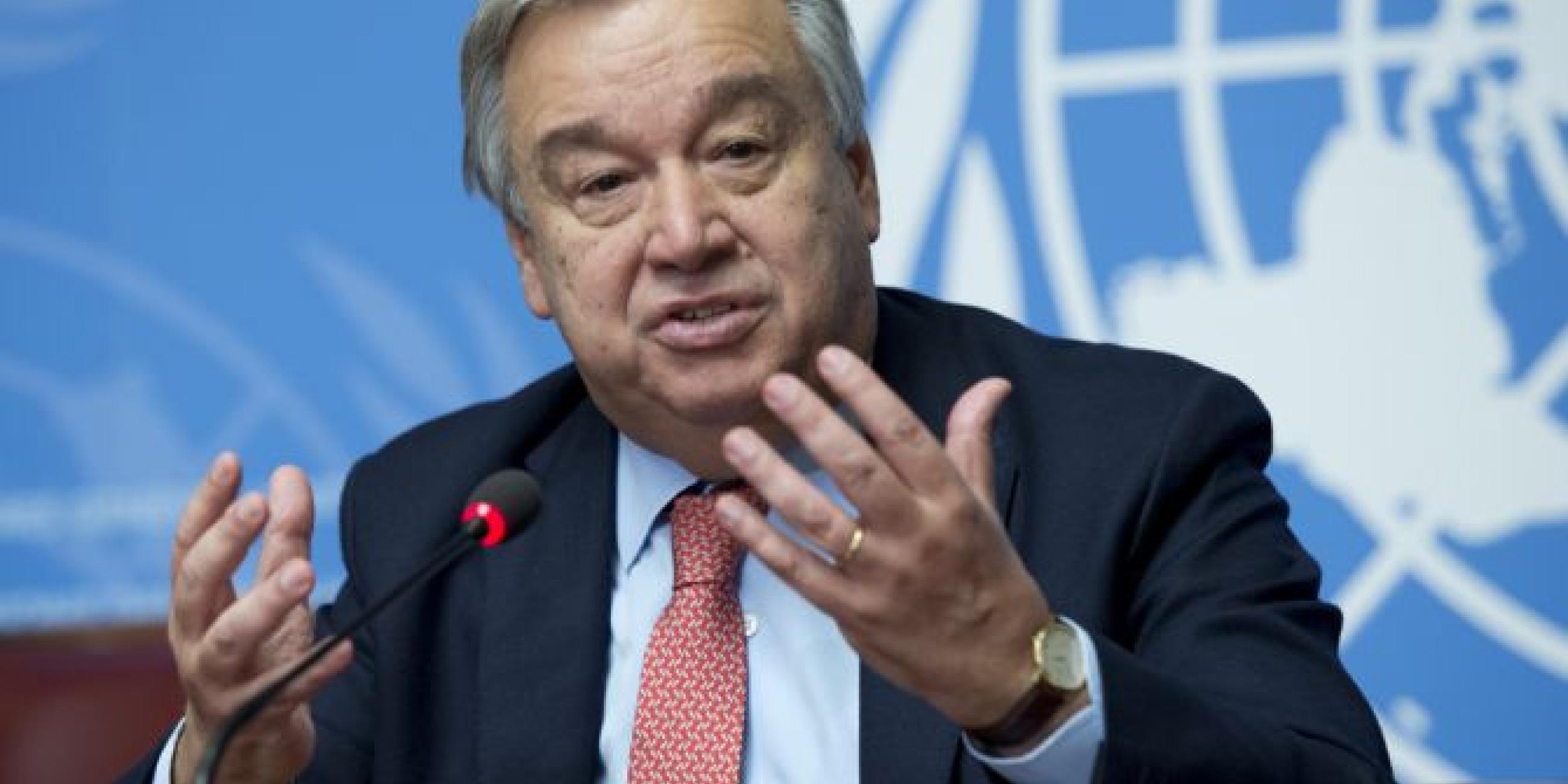
    United Nations Secretary-General Antonio Guterres has expressed strong regret over the United States’ decision to withdraw from multiple international organisations, warning that financial obligations to the UN remain legally binding under international law. The reaction follows a sweeping policy directive signed by U.S. President Donald Trump, ordering American withdrawal from 66 international bodies, including 31 United Nations entities and 35 non-UN organisations.

    In a statement delivered by UN Spokesman Stéphane Dujarric, the Secretary-General described the decision as “regrettable” and stressed that assessed contributions to the UN’s regular and peacekeeping budgets are mandatory under the UN Charter for all member states, including the United States. “Assessed contributions… are a legal obligation under the UN Charter,” Dujarric said, adding that all UN agencies would continue implementing their mandates despite political or financial challenges.

    While the UN statement did not specify which bodies would be affected or the immediate financial consequences, officials have long warned that funding shortfalls could undermine peacekeeping operations, humanitarian assistance, development programmes, and human-rights initiatives worldwide.

    The development stems from a Presidential Memorandum issued by Trump, declaring that continued U.S. participation in the listed organisations no longer serves American interests. The directive follows a comprehensive review ordered under Executive Order 14199 in February 2025, which assessed U.S. involvement in all international organisations, treaties, and conventions receiving American funding or support. After reviewing the findings with his Cabinet, Trump ordered federal agencies to take “immediate steps” to withdraw, where legally permissible.

    Among the non-UN organisations affected are bodies dealing with climate change, energy, environmental protection, democracy promotion, cybersecurity, and regional cooperation, including the Intergovernmental Panel on Climate Change (IPCC), the International Renewable Energy Agency (IRENA), the International Union for Conservation of Nature (IUCN), and the Freedom Online Coalition. The order also targets several security and justice-focused groups, such as the Global Counterterrorism Forum and the International Institute for Justice and the Rule of Law.

    On the UN side, the memorandum directs the United States to cease participation in or funding for multiple agencies and programmes, including UN Women, the UN Population Fund (UNFPA), UN Conference on Trade and Development (UNCTAD), the UN Framework Convention on Climate Change (UNFCCC), and offices focused on peacebuilding, development, oceans, water, international law, and human rights. It also affects entities such as the Peacebuilding Fund, UN Water, UN Oceans, and the UN University system.

    Despite the decision, the UN leadership insists its mission will continue. “All United Nations entities will go on with the implementation of their mandates as given by Member States,” the statement said, underscoring the organisation’s responsibility to people worldwide who rely on its work.

    The move has intensified global debate: Can the United States legally withdraw while still bound to financial obligations? Will UN programmes suffer operational setbacks? Does this signal a broader retreat from multilateralism—or a recalibration of U.S. foreign policy priorities? As the review process remains ongoing, with more organisations potentially targeted, the episode raises urgent questions about the future of international cooperation, global governance, and the stability of multilateral institutions.

    Is the U.S. Turning Its Back on the United Nations? Why UN Chief Guterres Regrets Trump’s Withdrawal From Dozens of Global Bodies and What It Means for World Governance United Nations Secretary-General Antonio Guterres has expressed strong regret over the United States’ decision to withdraw from multiple international organisations, warning that financial obligations to the UN remain legally binding under international law. The reaction follows a sweeping policy directive signed by U.S. President Donald Trump, ordering American withdrawal from 66 international bodies, including 31 United Nations entities and 35 non-UN organisations. In a statement delivered by UN Spokesman Stéphane Dujarric, the Secretary-General described the decision as “regrettable” and stressed that assessed contributions to the UN’s regular and peacekeeping budgets are mandatory under the UN Charter for all member states, including the United States. “Assessed contributions… are a legal obligation under the UN Charter,” Dujarric said, adding that all UN agencies would continue implementing their mandates despite political or financial challenges. While the UN statement did not specify which bodies would be affected or the immediate financial consequences, officials have long warned that funding shortfalls could undermine peacekeeping operations, humanitarian assistance, development programmes, and human-rights initiatives worldwide. The development stems from a Presidential Memorandum issued by Trump, declaring that continued U.S. participation in the listed organisations no longer serves American interests. The directive follows a comprehensive review ordered under Executive Order 14199 in February 2025, which assessed U.S. involvement in all international organisations, treaties, and conventions receiving American funding or support. After reviewing the findings with his Cabinet, Trump ordered federal agencies to take “immediate steps” to withdraw, where legally permissible. Among the non-UN organisations affected are bodies dealing with climate change, energy, environmental protection, democracy promotion, cybersecurity, and regional cooperation, including the Intergovernmental Panel on Climate Change (IPCC), the International Renewable Energy Agency (IRENA), the International Union for Conservation of Nature (IUCN), and the Freedom Online Coalition. The order also targets several security and justice-focused groups, such as the Global Counterterrorism Forum and the International Institute for Justice and the Rule of Law. On the UN side, the memorandum directs the United States to cease participation in or funding for multiple agencies and programmes, including UN Women, the UN Population Fund (UNFPA), UN Conference on Trade and Development (UNCTAD), the UN Framework Convention on Climate Change (UNFCCC), and offices focused on peacebuilding, development, oceans, water, international law, and human rights. It also affects entities such as the Peacebuilding Fund, UN Water, UN Oceans, and the UN University system. Despite the decision, the UN leadership insists its mission will continue. “All United Nations entities will go on with the implementation of their mandates as given by Member States,” the statement said, underscoring the organisation’s responsibility to people worldwide who rely on its work. The move has intensified global debate: Can the United States legally withdraw while still bound to financial obligations? Will UN programmes suffer operational setbacks? Does this signal a broader retreat from multilateralism—or a recalibration of U.S. foreign policy priorities? As the review process remains ongoing, with more organisations potentially targeted, the episode raises urgent questions about the future of international cooperation, global governance, and the stability of multilateral institutions.
    0 Commentaires ·0 Parts ·63 Vue
  • Trump Orders U.S. Withdrawal From 66 International Organizations, Including 31 UN Bodies

    U.S. President Donald J. Trump has signed a Presidential Memorandum directing the United States to withdraw from 66 international organizations, including 31 United Nations bodies and 35 non-UN entities. The decision, part of Trump’s “America First” foreign policy, follows a review mandated under Executive Order 14199 on February 4, 2025, which tasked the Secretary of State with evaluating U.S. participation in all international intergovernmental organizations, conventions, and treaties receiving American support.

    According to the memorandum, the Secretary of State submitted findings, which were reviewed by the president and Cabinet, leading to the determination that continued membership in these organizations no longer aligns with U.S. interests. The memorandum instructs all executive departments and agencies to take “immediate steps” to implement withdrawals where legally permissible, including ceasing participation or funding for affected UN bodies.

    The withdrawal list encompasses a wide array of policy areas, from climate change, energy, and environmental conservation to human rights, peacebuilding, democracy promotion, and cybersecurity. Notable non-UN organizations affected include the Intergovernmental Panel on Climate Change, International Renewable Energy Agency, International Union for Conservation of Nature, and the Global Counterterrorism Forum.

    UN entities affected include major offices and programs such as the UN Framework Convention on Climate Change, UN Women, UN Population Fund, UN Conference on Trade and Development, UN Peacebuilding Fund, UN Oceans, and the UN University system.

    Trump emphasized that the review is ongoing, and additional organizations or agreements may be targeted in the future. The memorandum clarifies that this directive does not override existing legal authorities or budgetary controls and does not create enforceable legal rights for any party.

    The announcement marks one of the largest U.S. withdrawals from international institutions in modern history, reflecting a strategic pivot toward national sovereignty, cost reduction, and reevaluation of multilateral commitments. The State Department will oversee implementation and provide additional guidance to federal agencies.
    Trump Orders U.S. Withdrawal From 66 International Organizations, Including 31 UN Bodies U.S. President Donald J. Trump has signed a Presidential Memorandum directing the United States to withdraw from 66 international organizations, including 31 United Nations bodies and 35 non-UN entities. The decision, part of Trump’s “America First” foreign policy, follows a review mandated under Executive Order 14199 on February 4, 2025, which tasked the Secretary of State with evaluating U.S. participation in all international intergovernmental organizations, conventions, and treaties receiving American support. According to the memorandum, the Secretary of State submitted findings, which were reviewed by the president and Cabinet, leading to the determination that continued membership in these organizations no longer aligns with U.S. interests. The memorandum instructs all executive departments and agencies to take “immediate steps” to implement withdrawals where legally permissible, including ceasing participation or funding for affected UN bodies. The withdrawal list encompasses a wide array of policy areas, from climate change, energy, and environmental conservation to human rights, peacebuilding, democracy promotion, and cybersecurity. Notable non-UN organizations affected include the Intergovernmental Panel on Climate Change, International Renewable Energy Agency, International Union for Conservation of Nature, and the Global Counterterrorism Forum. UN entities affected include major offices and programs such as the UN Framework Convention on Climate Change, UN Women, UN Population Fund, UN Conference on Trade and Development, UN Peacebuilding Fund, UN Oceans, and the UN University system. Trump emphasized that the review is ongoing, and additional organizations or agreements may be targeted in the future. The memorandum clarifies that this directive does not override existing legal authorities or budgetary controls and does not create enforceable legal rights for any party. The announcement marks one of the largest U.S. withdrawals from international institutions in modern history, reflecting a strategic pivot toward national sovereignty, cost reduction, and reevaluation of multilateral commitments. The State Department will oversee implementation and provide additional guidance to federal agencies.
    0 Commentaires ·0 Parts ·113 Vue
  • Is Nigeria Now Leading the War in the Air? Why the U.S. Is Shifting to Intelligence Support After Christmas Day Strikes—and What This Means for Terrorism, Banditry, and Security in the North

    Is Nigeria taking full control of the aerial war against terrorism and banditry? Why has the United States stepped back from direct airstrikes to an intelligence and reconnaissance role? And what does this new security arrangement mean for the fight against jihadist groups and armed gangs across the country’s troubled regions?

    Following U.S. airstrikes carried out on Christmas Day in Sokoto State, the Nigerian Air Force is set to lead subsequent military air operations, as Washington shifts its role to intelligence, surveillance, and reconnaissance support. A Nigerian official familiar with the new Nigeria–U.S. security framework confirmed that while the United States will now rely mainly on reconnaissance flights, Nigeria remains open to further American strikes if necessary.

    What triggered the change? The Christmas night strikes targeted what U.S. officials described as Islamic State–linked sites in northwestern Nigeria. According to Nigerian authorities, the operation was aimed at militants cooperating with the Lakurawa jihadist group and criminal “bandit” networks that have destabilised large parts of the northwest and north-central regions. Both countries reported that an unspecified number of fighters were killed.

    But why is the U.S. stepping back now? In the weeks before the strikes, analysts had already noted increased American surveillance flights over Nigeria—activity that has continued since. However, U.S. officials later described the bombing as a “one-off event,” signalling a strategic shift away from direct military action toward intelligence-sharing and operational support for Nigerian forces.

    What role did diplomacy play? The strikes came after a tense period in bilateral relations, sparked by U.S. President Donald Trump’s claims in October that violence in Nigeria amounted to the “persecution” and “genocide” of Christians—assertions rejected by Abuja and independent analysts. Although Nigeria later said the dispute had been resolved and that the partnership had been “strengthened,” the unilateral announcement of the strikes by Trump reportedly caused unease in Abuja. Nigeria’s Foreign Minister, Yusuf Tuggar, subsequently described the operation as a joint effort.

    What does this new arrangement mean for Nigeria’s security strategy? Nigeria has battled jihadist insurgency since 2009, mainly in the northeast, while heavily armed criminal gangs have entrenched themselves in rural communities across the northwest and north-central regions. By assuming full responsibility for air operations—with U.S. intelligence support—Nigeria appears to be asserting greater operational sovereignty while maintaining strategic cooperation with Washington.

    However, critical questions remain: will intelligence-backed Nigerian air power be enough to contain Islamic State–linked fighters and bandit networks? Could the U.S. return to direct strikes if the threat escalates? And does this shift mark a long-term change in America’s military posture in West Africa—or merely a tactical pause?

    As reconnaissance flights continue and Nigeria leads future air operations, the evolving partnership signals both a test of Nigeria’s military capacity and a recalibration of U.S. involvement in the region’s counterterrorism fight.


    Is Nigeria Now Leading the War in the Air? Why the U.S. Is Shifting to Intelligence Support After Christmas Day Strikes—and What This Means for Terrorism, Banditry, and Security in the North Is Nigeria taking full control of the aerial war against terrorism and banditry? Why has the United States stepped back from direct airstrikes to an intelligence and reconnaissance role? And what does this new security arrangement mean for the fight against jihadist groups and armed gangs across the country’s troubled regions? Following U.S. airstrikes carried out on Christmas Day in Sokoto State, the Nigerian Air Force is set to lead subsequent military air operations, as Washington shifts its role to intelligence, surveillance, and reconnaissance support. A Nigerian official familiar with the new Nigeria–U.S. security framework confirmed that while the United States will now rely mainly on reconnaissance flights, Nigeria remains open to further American strikes if necessary. What triggered the change? The Christmas night strikes targeted what U.S. officials described as Islamic State–linked sites in northwestern Nigeria. According to Nigerian authorities, the operation was aimed at militants cooperating with the Lakurawa jihadist group and criminal “bandit” networks that have destabilised large parts of the northwest and north-central regions. Both countries reported that an unspecified number of fighters were killed. But why is the U.S. stepping back now? In the weeks before the strikes, analysts had already noted increased American surveillance flights over Nigeria—activity that has continued since. However, U.S. officials later described the bombing as a “one-off event,” signalling a strategic shift away from direct military action toward intelligence-sharing and operational support for Nigerian forces. What role did diplomacy play? The strikes came after a tense period in bilateral relations, sparked by U.S. President Donald Trump’s claims in October that violence in Nigeria amounted to the “persecution” and “genocide” of Christians—assertions rejected by Abuja and independent analysts. Although Nigeria later said the dispute had been resolved and that the partnership had been “strengthened,” the unilateral announcement of the strikes by Trump reportedly caused unease in Abuja. Nigeria’s Foreign Minister, Yusuf Tuggar, subsequently described the operation as a joint effort. What does this new arrangement mean for Nigeria’s security strategy? Nigeria has battled jihadist insurgency since 2009, mainly in the northeast, while heavily armed criminal gangs have entrenched themselves in rural communities across the northwest and north-central regions. By assuming full responsibility for air operations—with U.S. intelligence support—Nigeria appears to be asserting greater operational sovereignty while maintaining strategic cooperation with Washington. However, critical questions remain: will intelligence-backed Nigerian air power be enough to contain Islamic State–linked fighters and bandit networks? Could the U.S. return to direct strikes if the threat escalates? And does this shift mark a long-term change in America’s military posture in West Africa—or merely a tactical pause? As reconnaissance flights continue and Nigeria leads future air operations, the evolving partnership signals both a test of Nigeria’s military capacity and a recalibration of U.S. involvement in the region’s counterterrorism fight.
    0 Commentaires ·0 Parts ·98 Vue
  • Afghan National Sentenced to 15 Years in U.S. Prison for Plotting 2024 Election Day ISIS Terror Attack

    Abdullah Haji Zada, an Afghan national and lawful U.S. permanent resident, has been sentenced to 15 years in federal prison for conspiring with the Islamic State of Iraq and Syria (ISIS) to carry out a violent attack targeting the 2024 U.S. Election Day. Authorities revealed that Zada attempted to acquire two AK-47-style rifles and roughly 500 rounds of ammunition, intending to use them in a mass-casualty attack designed to disrupt the democratic process.

    The investigation was conducted by U.S. Immigration and Customs Enforcement (ICE) Homeland Security Investigations (HSI), which used intelligence and counterterrorism monitoring to identify Zada, execute search warrants, seize evidence, and prevent the plot. U.S. officials emphasized that ISIS continues to encourage attacks on American soil, particularly around symbolic events such as national elections.

    Following the completion of his sentence, Zada will be handed over to ICE Enforcement and Removal Operations for deportation to Afghanistan. This case underscores ongoing U.S. efforts to safeguard electoral processes and prevent terrorist threats, highlighting the critical role of ICE HSI in dismantling transnational extremist networks.
    Afghan National Sentenced to 15 Years in U.S. Prison for Plotting 2024 Election Day ISIS Terror Attack Abdullah Haji Zada, an Afghan national and lawful U.S. permanent resident, has been sentenced to 15 years in federal prison for conspiring with the Islamic State of Iraq and Syria (ISIS) to carry out a violent attack targeting the 2024 U.S. Election Day. Authorities revealed that Zada attempted to acquire two AK-47-style rifles and roughly 500 rounds of ammunition, intending to use them in a mass-casualty attack designed to disrupt the democratic process. The investigation was conducted by U.S. Immigration and Customs Enforcement (ICE) Homeland Security Investigations (HSI), which used intelligence and counterterrorism monitoring to identify Zada, execute search warrants, seize evidence, and prevent the plot. U.S. officials emphasized that ISIS continues to encourage attacks on American soil, particularly around symbolic events such as national elections. Following the completion of his sentence, Zada will be handed over to ICE Enforcement and Removal Operations for deportation to Afghanistan. This case underscores ongoing U.S. efforts to safeguard electoral processes and prevent terrorist threats, highlighting the critical role of ICE HSI in dismantling transnational extremist networks.
    0 Commentaires ·0 Parts ·173 Vue
  • More US Airstrikes Coming As Congressman Riley Moore Says Trump’s Nigeria Strikes Are Bringing Hope, Security To Christians

    United States Congressman Riley Moore has said that additional American airstrikes against terrorist camps in Nigeria are imminent, dismissing claims that President Donald Trump’s actions could trigger war. Moore stated that the Christmas Day airstrikes, carried out in coordination with the Nigerian government, have boosted morale and renewed hope among vulnerable communities, particularly Christians facing violence from ISIS-linked groups, Boko Haram and Fulani militants. He cited widespread killings and displacement, especially in Benue State, and stressed that the military operation is only the first phase of a broader counterterrorism effort supported by Nigerian authorities.
    More US Airstrikes Coming As Congressman Riley Moore Says Trump’s Nigeria Strikes Are Bringing Hope, Security To Christians United States Congressman Riley Moore has said that additional American airstrikes against terrorist camps in Nigeria are imminent, dismissing claims that President Donald Trump’s actions could trigger war. Moore stated that the Christmas Day airstrikes, carried out in coordination with the Nigerian government, have boosted morale and renewed hope among vulnerable communities, particularly Christians facing violence from ISIS-linked groups, Boko Haram and Fulani militants. He cited widespread killings and displacement, especially in Benue State, and stressed that the military operation is only the first phase of a broader counterterrorism effort supported by Nigerian authorities.
    like
    1
    · 1 Commentaires ·0 Parts ·183 Vue
  • US Attack in Sokoto: Resident Accuses Trump of Targeting Innocent Civilians in Alleged ISIS Airstrike, Questions Terror Claims

    A Sokoto resident, Jamilu Umar Jabbi, has strongly condemned the recent United States airstrike on alleged ISIS bases in Sokoto State, ordered by former US President Donald Trump. Speaking via a Facebook post, Jabbi questioned the existence of ISIS in Sokoto and accused the US of targeting innocent civilians rather than terrorists. He argued that areas with documented terrorist activities, such as Zamfara, Katsina, and parts of eastern Sokoto, were ignored, while Jabo—an area he claims has no history of terrorism—was struck at night.
    Jabbi further alleged that the attack reflects injustice and a hidden agenda against Muslims, calling on Nigerian leaders to speak out and urging divine intervention. His comments have sparked mixed reactions online, with some supporting the US action as a counterterrorism effort and others insisting that innocent lives were lost. The incident continues to fuel national debate over the legitimacy, intelligence basis, and humanitarian impact of the reported US airstrikes in northern Nigeria.
    US Attack in Sokoto: Resident Accuses Trump of Targeting Innocent Civilians in Alleged ISIS Airstrike, Questions Terror Claims A Sokoto resident, Jamilu Umar Jabbi, has strongly condemned the recent United States airstrike on alleged ISIS bases in Sokoto State, ordered by former US President Donald Trump. Speaking via a Facebook post, Jabbi questioned the existence of ISIS in Sokoto and accused the US of targeting innocent civilians rather than terrorists. He argued that areas with documented terrorist activities, such as Zamfara, Katsina, and parts of eastern Sokoto, were ignored, while Jabo—an area he claims has no history of terrorism—was struck at night. Jabbi further alleged that the attack reflects injustice and a hidden agenda against Muslims, calling on Nigerian leaders to speak out and urging divine intervention. His comments have sparked mixed reactions online, with some supporting the US action as a counterterrorism effort and others insisting that innocent lives were lost. The incident continues to fuel national debate over the legitimacy, intelligence basis, and humanitarian impact of the reported US airstrikes in northern Nigeria.
    0 Commentaires ·0 Parts ·208 Vue
  • Nigerian Man Refutes Claims That Trump’s Missile Missed ISIS Targets in Sokoto, Says Images Withheld

    A Nigerian man has addressed viral claims that a recent U.S. missile strike on ISIS-linked militants in Sokoto, northwest Nigeria, targeted empty land. Identified on X as @ndubuixi, he rejected speculations, emphasizing that such military operations rely on precise intelligence and planning. He further claimed that local authorities in the North chose not to share images of the destruction caused to the terrorists. His comments sparked reactions from Nigerians debating the credibility of the strike and its impact, amid ongoing discussions about U.S. involvement in counterterrorism operations in Nigeria.
    Nigerian Man Refutes Claims That Trump’s Missile Missed ISIS Targets in Sokoto, Says Images Withheld A Nigerian man has addressed viral claims that a recent U.S. missile strike on ISIS-linked militants in Sokoto, northwest Nigeria, targeted empty land. Identified on X as @ndubuixi, he rejected speculations, emphasizing that such military operations rely on precise intelligence and planning. He further claimed that local authorities in the North chose not to share images of the destruction caused to the terrorists. His comments sparked reactions from Nigerians debating the credibility of the strike and its impact, amid ongoing discussions about U.S. involvement in counterterrorism operations in Nigeria.
    0 Commentaires ·0 Parts ·176 Vue
  • US War Secretary Pete Hegseth Thanks Nigeria for Cooperation in Christmas Day Counterterrorism Operation

    United States War Secretary Pete Hegseth has expressed gratitude to the Nigerian government for its cooperation in the recent US-led airstrikes against terrorist targets in Nigeria’s North-West region. The strikes, conducted on Christmas Day, were part of broader counterterrorism operations following Nigeria’s designation as a "Country of Particular Concern" by former President Donald Trump. Hegseth highlighted the importance of Nigeria’s support in ensuring the operation’s success and emphasized that extremists were confronted with the consequences of continued violence. Nigerian Foreign Affairs Minister Yusuf Tuggar confirmed that President Bola Tinubu personally approved the strikes, stressing that the operations were joint, aimed at combating terrorism, and not targeting any religion. The collaborative efforts underscore growing US-Nigeria military cooperation amid heightened security challenges in the North-West.
    US War Secretary Pete Hegseth Thanks Nigeria for Cooperation in Christmas Day Counterterrorism Operation United States War Secretary Pete Hegseth has expressed gratitude to the Nigerian government for its cooperation in the recent US-led airstrikes against terrorist targets in Nigeria’s North-West region. The strikes, conducted on Christmas Day, were part of broader counterterrorism operations following Nigeria’s designation as a "Country of Particular Concern" by former President Donald Trump. Hegseth highlighted the importance of Nigeria’s support in ensuring the operation’s success and emphasized that extremists were confronted with the consequences of continued violence. Nigerian Foreign Affairs Minister Yusuf Tuggar confirmed that President Bola Tinubu personally approved the strikes, stressing that the operations were joint, aimed at combating terrorism, and not targeting any religion. The collaborative efforts underscore growing US-Nigeria military cooperation amid heightened security challenges in the North-West.
    0 Commentaires ·0 Parts ·233 Vue
  • U.S. Did Not Seek Nigeria’s Approval Before Airstrikes On Terrorists In North-West, CISLAC’s Rafsanjani Says

    Civil society leader and CISLAC Executive Director, Auwal Rafsanjani, has claimed that the United States carried out recent airstrikes against terrorist targets in Nigeria’s North-West without informing or obtaining approval from the Nigerian government. Speaking on Arise Television, Rafsanjani criticised the federal government’s response, describing it as an attempt at damage control rather than a firm assertion of national sovereignty. He linked the incident to Nigeria’s weak foreign policy and failure to protect lives and property, while warning against framing insecurity as a religious conflict. The claims contradict Nigeria’s official position, as the Minister of Foreign Affairs, Yusuf Tuggar, insisted that President Bola Tinubu personally approved the joint counterterrorism operation with the U.S.
    U.S. Did Not Seek Nigeria’s Approval Before Airstrikes On Terrorists In North-West, CISLAC’s Rafsanjani Says Civil society leader and CISLAC Executive Director, Auwal Rafsanjani, has claimed that the United States carried out recent airstrikes against terrorist targets in Nigeria’s North-West without informing or obtaining approval from the Nigerian government. Speaking on Arise Television, Rafsanjani criticised the federal government’s response, describing it as an attempt at damage control rather than a firm assertion of national sovereignty. He linked the incident to Nigeria’s weak foreign policy and failure to protect lives and property, while warning against framing insecurity as a religious conflict. The claims contradict Nigeria’s official position, as the Minister of Foreign Affairs, Yusuf Tuggar, insisted that President Bola Tinubu personally approved the joint counterterrorism operation with the U.S.
    0 Commentaires ·0 Parts ·170 Vue
  • President Trump’s US Airstrikes Send Strong Message as Nigerian Christians Receive Relief Amid Tinubu’s Leadership Failure — Opinion

    In this opinion piece, Bayo Oluwasanmi argues that US President Donald Trump’s decision to launch targeted airstrikes against ISIS-linked terrorists in northwest Nigeria represents bold leadership in contrast to what he describes as President Bola Tinubu’s weak and indecisive response to the prolonged killings of Nigerian Christians. The author praises Trump for fulfilling his warning to act against terrorists allegedly responsible for mass violence, insisting the operation was a precise counterterrorism strike rather than a resource-driven or religious agenda. Oluwasanmi accuses the Nigerian government of prioritising political survival over citizen security, calling the US intervention a decisive step that could mark the beginning of the end for terrorist violence against Christians in Nigeria.
    President Trump’s US Airstrikes Send Strong Message as Nigerian Christians Receive Relief Amid Tinubu’s Leadership Failure — Opinion In this opinion piece, Bayo Oluwasanmi argues that US President Donald Trump’s decision to launch targeted airstrikes against ISIS-linked terrorists in northwest Nigeria represents bold leadership in contrast to what he describes as President Bola Tinubu’s weak and indecisive response to the prolonged killings of Nigerian Christians. The author praises Trump for fulfilling his warning to act against terrorists allegedly responsible for mass violence, insisting the operation was a precise counterterrorism strike rather than a resource-driven or religious agenda. Oluwasanmi accuses the Nigerian government of prioritising political survival over citizen security, calling the US intervention a decisive step that could mark the beginning of the end for terrorist violence against Christians in Nigeria.
    0 Commentaires ·0 Parts ·203 Vue
  • Ex-Governor Tambuwal Urges Calm After US Counterterrorism Strikes in Sokoto, Says Operation Targeted Terrorists, Not Civilians

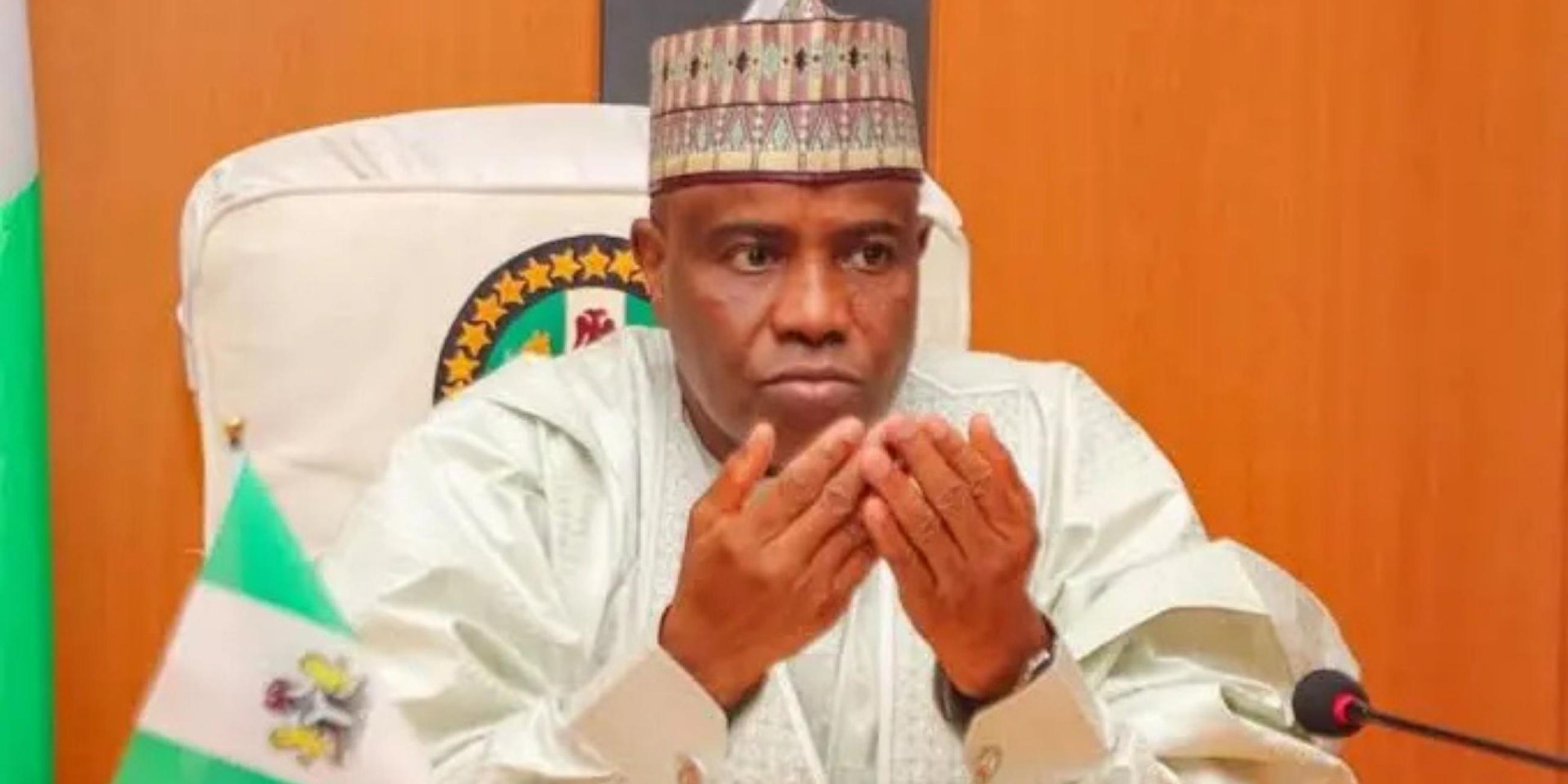
    Former Sokoto State Governor and Senator Aminu Waziri Tambuwal has called on residents to remain calm following recent US military airstrikes in parts of Sokoto State. In a statement, Tambuwal said the operation was part of ongoing counterterrorism cooperation between Nigeria and the United States and was strictly aimed at terrorist elements, not civilians. He assured constituents that he is in active engagement with security agencies to clarify the circumstances surrounding the strikes and ensure civilian protection. Tambuwal also urged community leaders and residents to avoid misinformation, support security agencies with credible intelligence, and remain united in efforts to restore peace and stability in Sokoto State and Nigeria at large.
    Ex-Governor Tambuwal Urges Calm After US Counterterrorism Strikes in Sokoto, Says Operation Targeted Terrorists, Not Civilians Former Sokoto State Governor and Senator Aminu Waziri Tambuwal has called on residents to remain calm following recent US military airstrikes in parts of Sokoto State. In a statement, Tambuwal said the operation was part of ongoing counterterrorism cooperation between Nigeria and the United States and was strictly aimed at terrorist elements, not civilians. He assured constituents that he is in active engagement with security agencies to clarify the circumstances surrounding the strikes and ensure civilian protection. Tambuwal also urged community leaders and residents to avoid misinformation, support security agencies with credible intelligence, and remain united in efforts to restore peace and stability in Sokoto State and Nigeria at large.
    0 Commentaires ·0 Parts ·191 Vue
  • Nigeria Provided Intelligence, Approved US Terror Strikes as Tinubu Gave Final Go-Ahead — Foreign Minister Tuggar Reveals

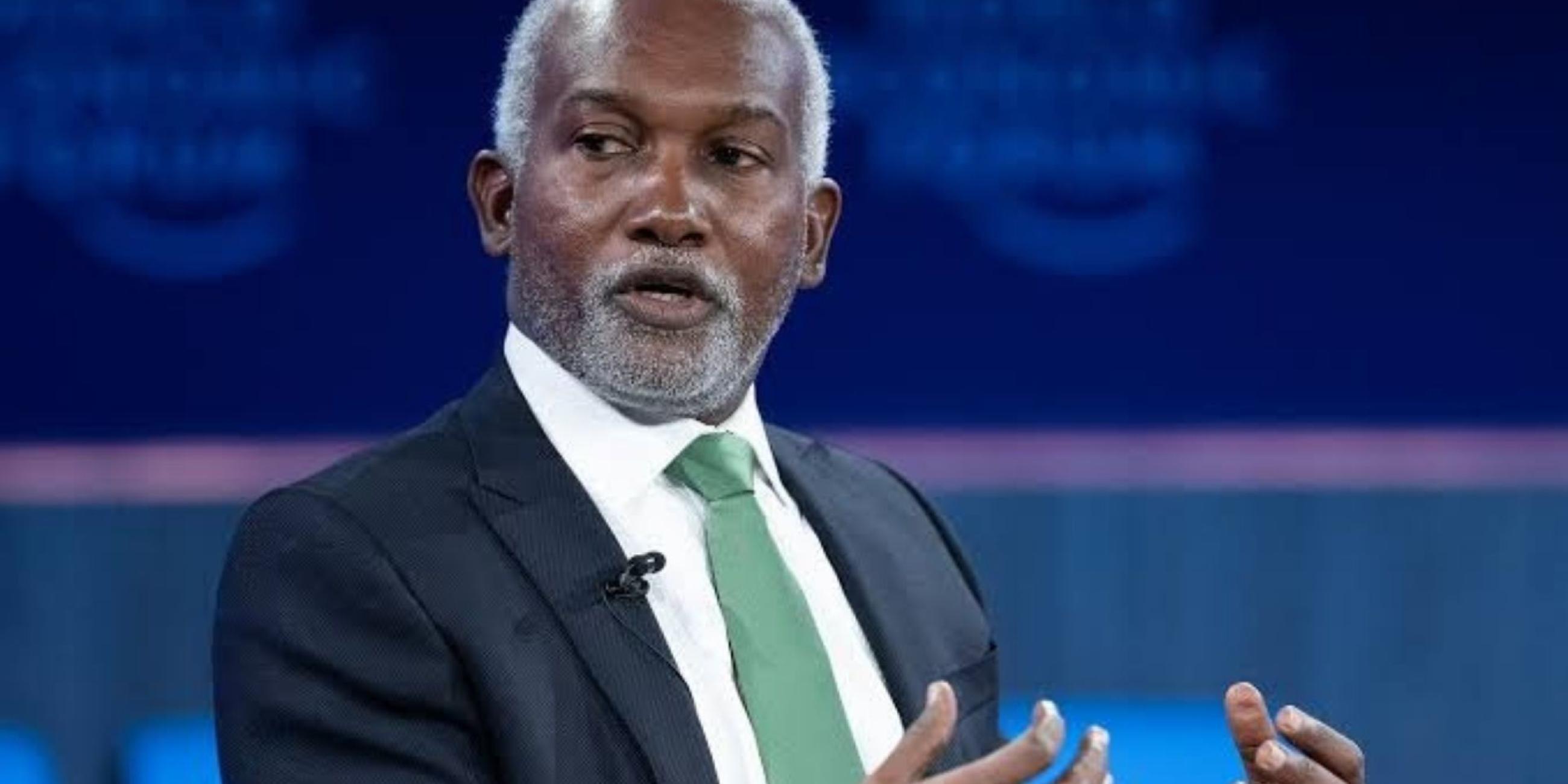
    Nigeria’s Minister of Foreign Affairs, Yusuf Maitama Tuggar, has confirmed that the Nigerian government provided intelligence and formally approved the recent US military airstrikes on terrorist targets in northwest Nigeria. Tuggar disclosed that he held a 19-minute phone conversation with US Secretary of State Marco Rubio ahead of the operation and subsequently consulted President Bola Tinubu, who gave the final approval. He stressed that the strikes were part of ongoing joint counterterrorism operations between Nigeria and the United States and were not religiously motivated. The minister said the objective was solely to protect Nigerians and other innocent lives from terrorism, reinforcing Nigeria’s collaboration with international partners in addressing regional insecurity.
    Nigeria Provided Intelligence, Approved US Terror Strikes as Tinubu Gave Final Go-Ahead — Foreign Minister Tuggar Reveals Nigeria’s Minister of Foreign Affairs, Yusuf Maitama Tuggar, has confirmed that the Nigerian government provided intelligence and formally approved the recent US military airstrikes on terrorist targets in northwest Nigeria. Tuggar disclosed that he held a 19-minute phone conversation with US Secretary of State Marco Rubio ahead of the operation and subsequently consulted President Bola Tinubu, who gave the final approval. He stressed that the strikes were part of ongoing joint counterterrorism operations between Nigeria and the United States and were not religiously motivated. The minister said the objective was solely to protect Nigerians and other innocent lives from terrorism, reinforcing Nigeria’s collaboration with international partners in addressing regional insecurity.
    0 Commentaires ·0 Parts ·204 Vue
  • Sheikh Ahmad Gumi Urges Nigeria to Halt US Military Cooperation, Warns Airstrikes Could Destabilize the Country

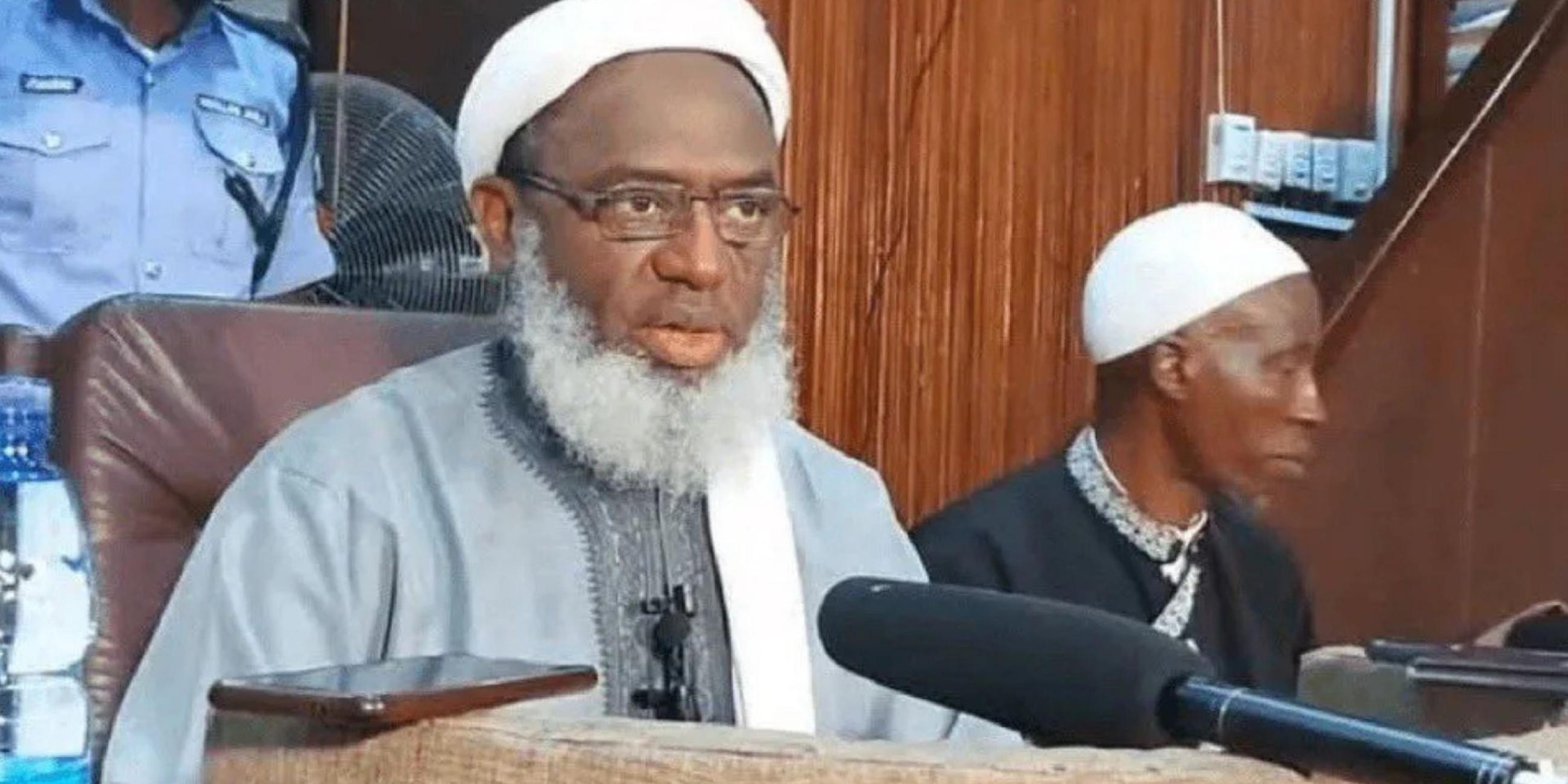
    Islamic scholar Sheikh Ahmad Abubakar Gumi has criticised U.S. military strikes in northwest Nigeria, cautioning that foreign involvement could destabilize the nation. Speaking after U.S.-led airstrikes against ISIS-affiliated militants on Christmas Day, Gumi argued that counterterrorism must be conducted by morally upright actors and warned against civilian casualties. He advised Nigeria to suspend military cooperation with the United States, suggesting alternative support from neutral countries like China, Turkey, and Pakistan. Gumi further warned that U.S. intervention under the guise of protecting Christians could deepen religious divisions, undermine national sovereignty, and turn Nigeria into a theatre of war.
    Sheikh Ahmad Gumi Urges Nigeria to Halt US Military Cooperation, Warns Airstrikes Could Destabilize the Country Islamic scholar Sheikh Ahmad Abubakar Gumi has criticised U.S. military strikes in northwest Nigeria, cautioning that foreign involvement could destabilize the nation. Speaking after U.S.-led airstrikes against ISIS-affiliated militants on Christmas Day, Gumi argued that counterterrorism must be conducted by morally upright actors and warned against civilian casualties. He advised Nigeria to suspend military cooperation with the United States, suggesting alternative support from neutral countries like China, Turkey, and Pakistan. Gumi further warned that U.S. intervention under the guise of protecting Christians could deepen religious divisions, undermine national sovereignty, and turn Nigeria into a theatre of war.
    0 Commentaires ·0 Parts ·220 Vue
  • US Congressman Observes Shifting Nigerian Government Attitudes Towards Protecting Christians Amid Terror Threats

    United States Congressman Bill Huizenga has observed signs of changing attitudes within the Nigerian government toward the protection of Christians, following his visit with a US congressional delegation to Nigeria. During the trip, lawmakers engaged with Nigerian officials to review security challenges and counterterrorism efforts targeting extremist groups affecting both Christians and moderate Muslims. Huizenga noted that some government officials are increasingly committed to safeguarding vulnerable communities. The visit coincided with US-led airstrikes against ISIS-affiliated militants in northwest Nigeria, following years of attacks primarily targeting Christians, announced by President Donald Trump on Christmas Day. The delegation’s discussions highlighted ongoing diplomatic and legislative cooperation between the US and Nigeria on security matters.
    US Congressman Observes Shifting Nigerian Government Attitudes Towards Protecting Christians Amid Terror Threats United States Congressman Bill Huizenga has observed signs of changing attitudes within the Nigerian government toward the protection of Christians, following his visit with a US congressional delegation to Nigeria. During the trip, lawmakers engaged with Nigerian officials to review security challenges and counterterrorism efforts targeting extremist groups affecting both Christians and moderate Muslims. Huizenga noted that some government officials are increasingly committed to safeguarding vulnerable communities. The visit coincided with US-led airstrikes against ISIS-affiliated militants in northwest Nigeria, following years of attacks primarily targeting Christians, announced by President Donald Trump on Christmas Day. The delegation’s discussions highlighted ongoing diplomatic and legislative cooperation between the US and Nigeria on security matters.
    0 Commentaires ·0 Parts ·208 Vue
  • Arewa Take-It-Back Urges Respect for Nigeria’s Sovereignty Amid US Military Strikes Targeting Terrorists in Northwest Nigeria

    The Arewa Take-It-Back (ATIB) Movement has called on the United States to respect Nigeria’s sovereignty while conducting counterterrorism operations in Northwest Nigeria. In a statement, ATIB acknowledged the reported US airstrikes announced by President Donald Trump on December 25, 2025, targeting ISIS-linked militants responsible for mass killings. The group emphasized that foreign military actions must coordinate with Nigerian authorities, minimize harm to civilians, and contribute to lasting stability. ATIB also stressed that military intervention alone is insufficient, urging the Nigerian government and regional stakeholders to strengthen security frameworks, intelligence, and socio-economic resilience.
    Arewa Take-It-Back Urges Respect for Nigeria’s Sovereignty Amid US Military Strikes Targeting Terrorists in Northwest Nigeria The Arewa Take-It-Back (ATIB) Movement has called on the United States to respect Nigeria’s sovereignty while conducting counterterrorism operations in Northwest Nigeria. In a statement, ATIB acknowledged the reported US airstrikes announced by President Donald Trump on December 25, 2025, targeting ISIS-linked militants responsible for mass killings. The group emphasized that foreign military actions must coordinate with Nigerian authorities, minimize harm to civilians, and contribute to lasting stability. ATIB also stressed that military intervention alone is insufficient, urging the Nigerian government and regional stakeholders to strengthen security frameworks, intelligence, and socio-economic resilience.
    0 Commentaires ·0 Parts ·214 Vue

  • U.S. Christmas Day Airstrikes in Sokoto Trigger Fresh Calls for Nnamdi Kanu’s Relocation

    Location: Sokoto State, Nigeria

    The Christmas Day U.S. military strikes in Sokoto targeting alleged terrorists have intensified concerns over the safety of high-profile detainees in northern Nigeria, particularly Nnamdi Kanu, the jailed IPOB leader. Key points include:

    1. Call for Relocation:

    Aloy Ejimakor, Kanu’s Special Counsel, stated on X (Twitter) that the strikes confirm Sokoto is “riddled with terrorists,” making it unsafe for Kanu’s custody.

    Ejimakor urged urgent transfer of Kanu to a location outside northern Nigeria’s so-called “terrorist belt.”


    2. Kanu’s Legal Background:

    Kanu was extradited to Nigeria in 2021 and is serving sentences imposed in November 2025 by Justice James Omotosho:

    Life imprisonment on terrorism-related charges

    20-year term on count three

    5-year term on count seven


    Kanu plans to challenge these convictions at the appellate level.


    3. Security Context:

    Sokoto and neighboring states have seen rising attacks by bandits and insurgent groups.

    Government authorities claim ongoing operations are maintaining security, but public and legal concerns persist.


    4. Implications:

    The airstrikes highlight ongoing insecurity in the region and raise questions about the suitability of Sokoto for housing high-profile detainees.

    The situation adds to broader debates over detainee safety, counterterrorism operations, and regional stability in northern Nigeria.


    --
    U.S. Christmas Day Airstrikes in Sokoto Trigger Fresh Calls for Nnamdi Kanu’s Relocation Location: Sokoto State, Nigeria The Christmas Day U.S. military strikes in Sokoto targeting alleged terrorists have intensified concerns over the safety of high-profile detainees in northern Nigeria, particularly Nnamdi Kanu, the jailed IPOB leader. Key points include: 1. Call for Relocation: Aloy Ejimakor, Kanu’s Special Counsel, stated on X (Twitter) that the strikes confirm Sokoto is “riddled with terrorists,” making it unsafe for Kanu’s custody. Ejimakor urged urgent transfer of Kanu to a location outside northern Nigeria’s so-called “terrorist belt.” 2. Kanu’s Legal Background: Kanu was extradited to Nigeria in 2021 and is serving sentences imposed in November 2025 by Justice James Omotosho: Life imprisonment on terrorism-related charges 20-year term on count three 5-year term on count seven Kanu plans to challenge these convictions at the appellate level. 3. Security Context: Sokoto and neighboring states have seen rising attacks by bandits and insurgent groups. Government authorities claim ongoing operations are maintaining security, but public and legal concerns persist. 4. Implications: The airstrikes highlight ongoing insecurity in the region and raise questions about the suitability of Sokoto for housing high-profile detainees. The situation adds to broader debates over detainee safety, counterterrorism operations, and regional stability in northern Nigeria. --
    0 Commentaires ·0 Parts ·317 Vue
  • Loud Explosions From U.S. Aerial Bombardment Throw Sokoto Town Into Panic on Christmas Night

    Location: Jabo town, Tambuwal Local Government Area, Sokoto State, Nigeria

    On Christmas night, residents of Jabo town were thrown into panic after loud explosions from aerial bombardments shook the community. Key points include:

    1. Incident Details:

    An object, suspected to be a bomb, fell in the town, causing chaos.

    No fatalities were reported, though debris scattered among people.

    Residents recounted the frightening experience, spending the night in fear.


    2. U.S. Airstrike Operation:

    The strikes were reportedly part of U.S. operations under President Donald Trump targeting ISIS-linked terrorist elements in Northwest Nigeria.

    Coordination occurred through Nigeria’s Office of the National Security Adviser (NSA), led by Nuhu Ribadu, working with U.S. AFRICOM.

    The number of targets struck and full extent of the operation remain unclear.


    3. Context:

    The strikes follow broader U.S. counterterrorism measures in the region.

    Local authorities and intelligence units facilitated targeting of terrorist elements described as high-threat actors.


    Loud Explosions From U.S. Aerial Bombardment Throw Sokoto Town Into Panic on Christmas Night Location: Jabo town, Tambuwal Local Government Area, Sokoto State, Nigeria On Christmas night, residents of Jabo town were thrown into panic after loud explosions from aerial bombardments shook the community. Key points include: 1. Incident Details: An object, suspected to be a bomb, fell in the town, causing chaos. No fatalities were reported, though debris scattered among people. Residents recounted the frightening experience, spending the night in fear. 2. U.S. Airstrike Operation: The strikes were reportedly part of U.S. operations under President Donald Trump targeting ISIS-linked terrorist elements in Northwest Nigeria. Coordination occurred through Nigeria’s Office of the National Security Adviser (NSA), led by Nuhu Ribadu, working with U.S. AFRICOM. The number of targets struck and full extent of the operation remain unclear. 3. Context: The strikes follow broader U.S. counterterrorism measures in the region. Local authorities and intelligence units facilitated targeting of terrorist elements described as high-threat actors.
    0 Commentaires ·0 Parts ·204 Vue
  • U.S. Coordinated With Nigeria’s NSA, AFRICOM To Strike ISIS-Linked Terrorist Targets In Sokoto

    Fresh details have emerged on the United States airstrikes carried out against ISIS-linked terrorist elements in northwest Nigeria, revealing that the operation was closely coordinated with Nigeria’s national security architecture. A senior Nigerian government source disclosed that the strikes authorised by U.S. President Donald Trump were largely planned and executed through the Office of the National Security Adviser (NSA), headed by Mallam Nuhu Ribadu.

    According to the source, intelligence units within the NSA’s office worked in collaboration with the United States Africa Command (AFRICOM) to identify, locate, and target terrorist enclaves operating in parts of northern Nigeria. The objective of the operation, the source said, was the “elimination” of ISIS-affiliated fighters accused of fueling deadly attacks and insecurity across the region. However, the exact number of targets hit and the scale of damage inflicted remain unclear.

    Reports confirmed that at least one explosion occurred on the outskirts of Jibo village in Tambuwal Local Government Area of Sokoto State, suggesting that the area was among those struck during the operation. As of the time of reporting, there was no independent confirmation of casualties, and Nigerian authorities have not released details regarding possible civilian impact.

    The U.S. Africa Command later confirmed via social media that it carried out attacks on terrorist camps in northwest Nigeria, although its initial statement misspelled Sokoto State as “Soboto,” an error that was subsequently corrected. Despite the confirmation, both Nigerian and U.S. officials have remained tight-lipped about the full scope of coordination, Nigeria’s operational role, and safeguards taken to prevent civilian harm.

    The revelation of U.S.–Nigeria intelligence-backed military action has intensified public debate over foreign involvement in Nigeria’s counterterrorism efforts, national sovereignty, and transparency in security operations. It also underscores the growing security cooperation between Abuja and Washington amid escalating terrorist violence in Nigeria’s northwest.

    U.S. Coordinated With Nigeria’s NSA, AFRICOM To Strike ISIS-Linked Terrorist Targets In Sokoto Fresh details have emerged on the United States airstrikes carried out against ISIS-linked terrorist elements in northwest Nigeria, revealing that the operation was closely coordinated with Nigeria’s national security architecture. A senior Nigerian government source disclosed that the strikes authorised by U.S. President Donald Trump were largely planned and executed through the Office of the National Security Adviser (NSA), headed by Mallam Nuhu Ribadu. According to the source, intelligence units within the NSA’s office worked in collaboration with the United States Africa Command (AFRICOM) to identify, locate, and target terrorist enclaves operating in parts of northern Nigeria. The objective of the operation, the source said, was the “elimination” of ISIS-affiliated fighters accused of fueling deadly attacks and insecurity across the region. However, the exact number of targets hit and the scale of damage inflicted remain unclear. Reports confirmed that at least one explosion occurred on the outskirts of Jibo village in Tambuwal Local Government Area of Sokoto State, suggesting that the area was among those struck during the operation. As of the time of reporting, there was no independent confirmation of casualties, and Nigerian authorities have not released details regarding possible civilian impact. The U.S. Africa Command later confirmed via social media that it carried out attacks on terrorist camps in northwest Nigeria, although its initial statement misspelled Sokoto State as “Soboto,” an error that was subsequently corrected. Despite the confirmation, both Nigerian and U.S. officials have remained tight-lipped about the full scope of coordination, Nigeria’s operational role, and safeguards taken to prevent civilian harm. The revelation of U.S.–Nigeria intelligence-backed military action has intensified public debate over foreign involvement in Nigeria’s counterterrorism efforts, national sovereignty, and transparency in security operations. It also underscores the growing security cooperation between Abuja and Washington amid escalating terrorist violence in Nigeria’s northwest.
    0 Commentaires ·0 Parts ·225 Vue
  • Boko Haram Responsible For Maiduguri Mosque Bomb Blast, Nigerian Army Confirms

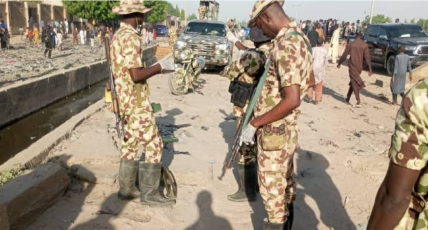
    The Nigerian Army has confirmed that Boko Haram insurgents were responsible for the deadly bomb explosion at the Gamboru Juma’at Mosque in Maiduguri, the Borno State capital. The attack occurred on Wednesday during Maghrib prayers when a suspected suicide bomber detonated an improvised explosive device inside the mosque, causing widespread casualties and panic among worshippers.

    According to the headquarters of Operation Hadin Kai, investigations revealed that the assault was carried out by Boko Haram elements targeting civilians during a religious gathering. Five worshippers were confirmed dead, while at least 35 others sustained injuries of varying degrees. The Theatre Command spokesman, Lieutenant Colonel Sani Uba, disclosed that 32 civilians were injured in the blast, with two later dying at the hospital and two others remaining in critical condition.

    Following the explosion, troops of Operation Hadin Kai, in collaboration with the Nigeria Police Explosive Ordnance Disposal unit, other security agencies, the Borno State Government and the National Emergency Management Agency, swiftly cordoned off the affected area to prevent further harm. Victims were immediately evacuated to the General Hospital and the Teaching Hospital in Maiduguri for urgent medical treatment.

    The Nigerian Army reassured residents of Maiduguri and its environs of their safety, especially during the festive season, noting that security surveillance and operations have been intensified across the city and surrounding areas. The military reiterated its commitment to maintaining peace and preventing further attacks in the North-East, urging the public to remain calm, vigilant and cooperative with security agencies as counterterrorism efforts continue.

    Boko Haram Responsible For Maiduguri Mosque Bomb Blast, Nigerian Army Confirms The Nigerian Army has confirmed that Boko Haram insurgents were responsible for the deadly bomb explosion at the Gamboru Juma’at Mosque in Maiduguri, the Borno State capital. The attack occurred on Wednesday during Maghrib prayers when a suspected suicide bomber detonated an improvised explosive device inside the mosque, causing widespread casualties and panic among worshippers. According to the headquarters of Operation Hadin Kai, investigations revealed that the assault was carried out by Boko Haram elements targeting civilians during a religious gathering. Five worshippers were confirmed dead, while at least 35 others sustained injuries of varying degrees. The Theatre Command spokesman, Lieutenant Colonel Sani Uba, disclosed that 32 civilians were injured in the blast, with two later dying at the hospital and two others remaining in critical condition. Following the explosion, troops of Operation Hadin Kai, in collaboration with the Nigeria Police Explosive Ordnance Disposal unit, other security agencies, the Borno State Government and the National Emergency Management Agency, swiftly cordoned off the affected area to prevent further harm. Victims were immediately evacuated to the General Hospital and the Teaching Hospital in Maiduguri for urgent medical treatment. The Nigerian Army reassured residents of Maiduguri and its environs of their safety, especially during the festive season, noting that security surveillance and operations have been intensified across the city and surrounding areas. The military reiterated its commitment to maintaining peace and preventing further attacks in the North-East, urging the public to remain calm, vigilant and cooperative with security agencies as counterterrorism efforts continue.
    0 Commentaires ·0 Parts ·213 Vue
  • IGP Egbetokun Approves Mobilisation of 700+ Police Officers to Counter-Terrorism Unit

    The Inspector-General of Police, Kayode Egbetokun, has sanctioned the mobilisation of over 700 police officers across Nigeria, including the Federal Capital Territory and Police Mobile Force, to strengthen the Counter-Terrorism Unit (CTU). The move comes amid ongoing threats from terrorism, banditry, and kidnappings. The internal police signal, dated December 18, 2025, detailed the deployment numbers for each state, with the FCT Command contributing the highest at 121 officers. Senior police formations were instructed to release personnel to proceed with the deployment, underscoring a nationwide effort to bolster counter-terrorism capabilities.

    #NigeriaPolice
    #CounterTerrorismUnit
    #IGPEgbetokun
    IGP Egbetokun Approves Mobilisation of 700+ Police Officers to Counter-Terrorism Unit The Inspector-General of Police, Kayode Egbetokun, has sanctioned the mobilisation of over 700 police officers across Nigeria, including the Federal Capital Territory and Police Mobile Force, to strengthen the Counter-Terrorism Unit (CTU). The move comes amid ongoing threats from terrorism, banditry, and kidnappings. The internal police signal, dated December 18, 2025, detailed the deployment numbers for each state, with the FCT Command contributing the highest at 121 officers. Senior police formations were instructed to release personnel to proceed with the deployment, underscoring a nationwide effort to bolster counter-terrorism capabilities. #NigeriaPolice #CounterTerrorismUnit #IGPEgbetokun
    0 Commentaires ·0 Parts ·407 Vue
Plus de résultats
Fintter https://fintter.com