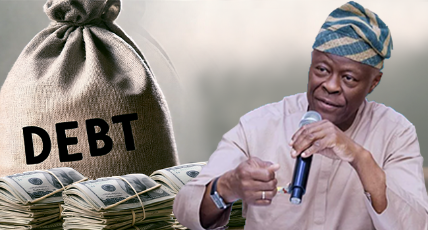
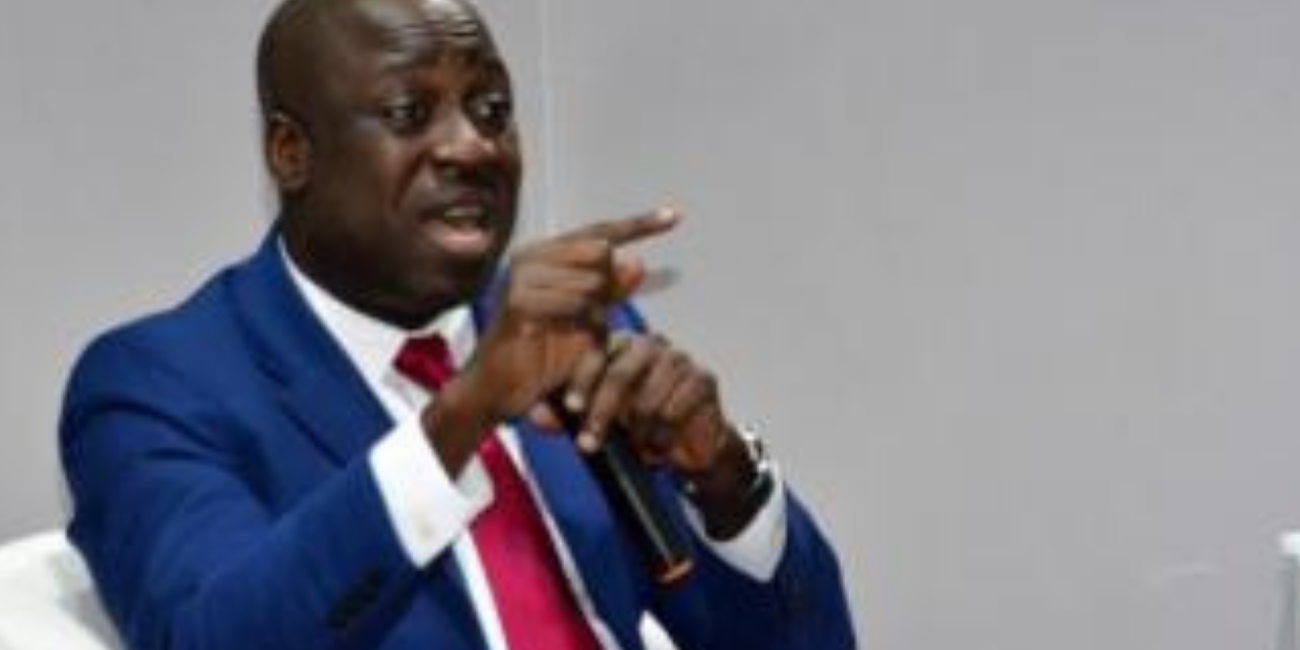
• Davos: FG Targets Less Borrowing, More Investment — Wale Edun

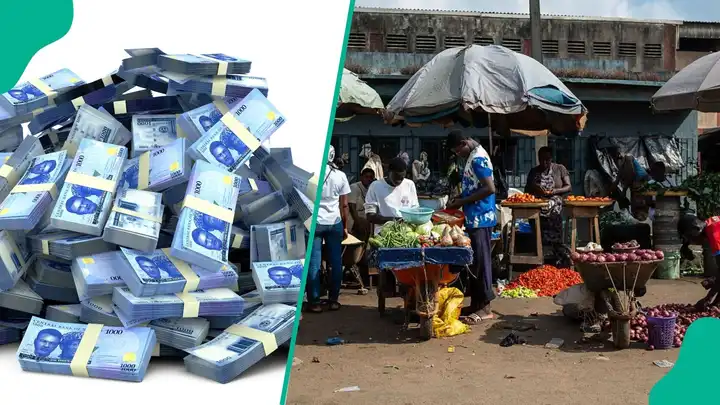
    The Federal Government has said it plans to reduce borrowing and focus more on investment to grow Nigeria’s economy. The Minister of Finance, Wale Edun, made this known at the World Economic Forum in Davos.

    According to him, the government wants to rely more on local resources and attract investments while carrying out fiscal reforms to strengthen the economy. He said these steps are aimed at improving economic stability and long-term growth.

    #NigeriaEconomy #FGReforms #Davos2026 #InvestmentGrowth
    Davos: FG Targets Less Borrowing, More Investment — Wale Edun The Federal Government has said it plans to reduce borrowing and focus more on investment to grow Nigeria’s economy. The Minister of Finance, Wale Edun, made this known at the World Economic Forum in Davos. According to him, the government wants to rely more on local resources and attract investments while carrying out fiscal reforms to strengthen the economy. He said these steps are aimed at improving economic stability and long-term growth. #NigeriaEconomy #FGReforms #Davos2026 #InvestmentGrowth
    0 Reacties ·0 aandelen ·1K Views

  • The federal government has released an updated 2026 list that clearly specifies all approved loan apps for Nigerians…..

    The Federal Government has released an updated list of approved loan applications for Nigerians in 2026, aiming to protect citizens from fraud and illegal lending practices. The list outlines digital loan platforms licensed by relevant regulatory agencies and permitted to operate within the country. Authorities say the move is part of ongoing efforts to curb harassment, data abuse, and exploitation linked to unregistered loan apps. Nigerians have been advised to verify any loan platform against the approved list before borrowing and to report illegal operators to the appropriate agencies. #fintter
    The federal government has released an updated 2026 list that clearly specifies all approved loan apps for Nigerians….. The Federal Government has released an updated list of approved loan applications for Nigerians in 2026, aiming to protect citizens from fraud and illegal lending practices. The list outlines digital loan platforms licensed by relevant regulatory agencies and permitted to operate within the country. Authorities say the move is part of ongoing efforts to curb harassment, data abuse, and exploitation linked to unregistered loan apps. Nigerians have been advised to verify any loan platform against the approved list before borrowing and to report illegal operators to the appropriate agencies. #fintter
    love
    1
    · 0 Reacties ·0 aandelen ·810 Views
  • Wahala Don Set for Delta! 26-Year-Old Woman Accuses Baby Daddy, Family of Brutal Beatings, Child Neglect

    Wahala don sup for Delta State as a 26-year-old woman, Favour Kalamatoro, has come out with a heartbreaking story of alleged domestic abuse, assault and child neglect by her children’s father and his family.

    Favour, an Urhobo indigene from Obiayagha in Ughelli South, told SaharaReporters that her nightmare began after she went to her children’s father’s house in Udu Local Government Area to check on her two kids. Instead of peace, she said she was attacked by the man, Ikovie Odephiare, his mother, Mrs Ikovie Ekaete, his elder brother, Ikovie Etabunor, and other relatives.

    According to her, she has two children with the man—a four-year-old boy and a seven-month-old baby girl—and has endured years of abuse, abandonment and suffering that pushed her into street begging and menial jobs just to survive.

    Favour revealed that the violence started while she was pregnant with her second child.
    “I was physically assaulted by my children’s father, his mother and his elder brother, all because I went to visit my kids,” she said.

    She alleged that during her pregnancy, she was constantly insulted, starved and beaten.
    “The abuse started when I was seven months pregnant and living in his house. He would insult me, beat me and even starve me, forcing me to go outside and beg for food while I was pregnant,” she narrated.

    Things reportedly got worse when she was eight months pregnant.
    “He beat me until I fainted, threw me out of the house and locked the door. Neighbours rushed me to a clinic, and I almost lost my baby. I survived, but the next day, the beatings continued.”

    Unable to cope anymore, Favour said she left the house with her first child and began hawking sachet water just to feed herself and the boy.
    “I packed my things and left with my four-year-old son. I started selling ‘pure water’ just to survive,” she said.

    She further alleged that after she delivered her second child, the man and his family abandoned her completely.
    “When I gave birth, none of them came to see me. My father and siblings paid all the hospital bills and took care of me and my two children.”

    Although the children’s father later promised her family that he would take responsibility, she said he never fulfilled it.
    “Six months later, he came and told my father he would take care of the children and pay the hospital bills, but he never did.”

    According to Favour, whenever she asked for money to buy baby food or diapers, she was insulted and threatened.
    “He told me not to ask him for anything again and said if I was tired, I should bring the children to him. Later, he told me never to contact him again because he wanted to start a new life and family, while we had nothing to eat.”

    She said she once involved the police in Warri so he could formally agree to support the first child, but after sending ₦15,000 once, he allegedly stopped.
    “He told me I could do my worst, that he was not afraid of the police or anybody.”

    Favour also explained that years of dependence left her without any skills or stable source of income.
    “He left me handicapped. I had no handwork, no business to fall back on. The small business I tried to run was ruined because he kept borrowing money from me.”

    Out of desperation, she said she eventually took the children to their grandmother’s house for care, begging her to feed them. According to her, the woman initially agreed.

    But wahala really burst when she went back to visit her children on Monday, January 10, 2026.
    “When I went to see my children, their father, his mother and elder brother gathered and beat me. They punched me, flogged me with a cane and even a shovel, damaged my phone, and I sustained bruises on my mouth and all over my body,” she alleged.

    Favour said she reported the matter to the police, but before officers could make an arrest, the children’s grandmother reportedly fled with the kids. She added that when police contacted the children’s father, he claimed he was out of town. Officers later discovered that the mother’s shop had been abandoned, allegedly on his instruction.

    As of the time of filing this report, SaharaReporters said attempts to reach Ikovie Odephiare were unsuccessful, with his phone lines reportedly switched off.

    “This is my story,” Favour said. “I am seeking urgent help to protect myself and my children.”

    For many Nigerians reading this, one thing is clear: domestic violence and child neglect remain serious issues, and in this case, wahala don truly set oo for Delta.
    Wahala Don Set for Delta! 26-Year-Old Woman Accuses Baby Daddy, Family of Brutal Beatings, Child Neglect Wahala don sup for Delta State as a 26-year-old woman, Favour Kalamatoro, has come out with a heartbreaking story of alleged domestic abuse, assault and child neglect by her children’s father and his family. Favour, an Urhobo indigene from Obiayagha in Ughelli South, told SaharaReporters that her nightmare began after she went to her children’s father’s house in Udu Local Government Area to check on her two kids. Instead of peace, she said she was attacked by the man, Ikovie Odephiare, his mother, Mrs Ikovie Ekaete, his elder brother, Ikovie Etabunor, and other relatives. According to her, she has two children with the man—a four-year-old boy and a seven-month-old baby girl—and has endured years of abuse, abandonment and suffering that pushed her into street begging and menial jobs just to survive. Favour revealed that the violence started while she was pregnant with her second child. “I was physically assaulted by my children’s father, his mother and his elder brother, all because I went to visit my kids,” she said. She alleged that during her pregnancy, she was constantly insulted, starved and beaten. “The abuse started when I was seven months pregnant and living in his house. He would insult me, beat me and even starve me, forcing me to go outside and beg for food while I was pregnant,” she narrated. Things reportedly got worse when she was eight months pregnant. “He beat me until I fainted, threw me out of the house and locked the door. Neighbours rushed me to a clinic, and I almost lost my baby. I survived, but the next day, the beatings continued.” Unable to cope anymore, Favour said she left the house with her first child and began hawking sachet water just to feed herself and the boy. “I packed my things and left with my four-year-old son. I started selling ‘pure water’ just to survive,” she said. She further alleged that after she delivered her second child, the man and his family abandoned her completely. “When I gave birth, none of them came to see me. My father and siblings paid all the hospital bills and took care of me and my two children.” Although the children’s father later promised her family that he would take responsibility, she said he never fulfilled it. “Six months later, he came and told my father he would take care of the children and pay the hospital bills, but he never did.” According to Favour, whenever she asked for money to buy baby food or diapers, she was insulted and threatened. “He told me not to ask him for anything again and said if I was tired, I should bring the children to him. Later, he told me never to contact him again because he wanted to start a new life and family, while we had nothing to eat.” She said she once involved the police in Warri so he could formally agree to support the first child, but after sending ₦15,000 once, he allegedly stopped. “He told me I could do my worst, that he was not afraid of the police or anybody.” Favour also explained that years of dependence left her without any skills or stable source of income. “He left me handicapped. I had no handwork, no business to fall back on. The small business I tried to run was ruined because he kept borrowing money from me.” Out of desperation, she said she eventually took the children to their grandmother’s house for care, begging her to feed them. According to her, the woman initially agreed. But wahala really burst when she went back to visit her children on Monday, January 10, 2026. “When I went to see my children, their father, his mother and elder brother gathered and beat me. They punched me, flogged me with a cane and even a shovel, damaged my phone, and I sustained bruises on my mouth and all over my body,” she alleged. Favour said she reported the matter to the police, but before officers could make an arrest, the children’s grandmother reportedly fled with the kids. She added that when police contacted the children’s father, he claimed he was out of town. Officers later discovered that the mother’s shop had been abandoned, allegedly on his instruction. As of the time of filing this report, SaharaReporters said attempts to reach Ikovie Odephiare were unsuccessful, with his phone lines reportedly switched off. “This is my story,” Favour said. “I am seeking urgent help to protect myself and my children.” For many Nigerians reading this, one thing is clear: domestic violence and child neglect remain serious issues, and in this case, wahala don truly set oo for Delta.
    like
    1
    · 0 Reacties ·0 aandelen ·3K Views
  • Are Nigeria’s New Tax Laws Unconstitutional? Why a Lawyer Is Suing the Federal Government Over Multiple Budgets, Fiscal Transparency, and the 2026 Tax Reforms

    Is Nigeria running its finances in violation of its own laws—and could the country’s new tax regime be declared unconstitutional? These are the questions now before the Federal High Court in Lagos following a landmark lawsuit filed by human rights lawyer, Mr. Tilewa Oyefeso.

    Oyefeso has dragged the Federal Government, the Senate President, the Speaker of the House of Representatives, the National Assembly, and the Attorney-General of the Federation to court, challenging what he describes as Nigeria’s “opaque and undisciplined fiscal regime.” At the heart of the case is the government’s practice of operating multiple federal budgets simultaneously and introducing new tax laws that he claims contradict both the Constitution and the Fiscal Responsibility Act (FRA) 2007.

    According to the suit, the Federal Government has extended capital components of the 2024 Appropriation Act into 2025 and 2026 while the 2025 budget is already in force—effectively running overlapping budgets. Oyefeso is asking the court to determine whether this practice complies with Nigeria’s Medium-Term Expenditure Framework (MTEF) and the unified annual budgeting system mandated by fiscal law.

    Why does this matter? The lawyer argues that overlapping budgets, supplementary appropriations, and extended capital projects undermine fiscal transparency, distort expenditure projections, and weaken the macroeconomic discipline the Fiscal Responsibility Act was designed to protect. He also accuses the government of failing to publish quarterly budget implementation reports within the legally required 30-day period—an omission he says makes it impossible for citizens to track public spending or hold authorities accountable.

    But the lawsuit goes beyond budgets. Oyefeso is also challenging four major tax laws scheduled to take effect from January 1, 2026: the Nigeria Tax Act 2025, the Nigeria Revenue Service (Establishment) Act 2025, the Joint Revenue Board of Nigeria (Establishment) Act 2025, and the Nigeria Tax Administration Act 2025.

    He contends that the new tax framework prioritises aggressive revenue generation without first ensuring compliance with constitutional limits on borrowing, deficit thresholds, fiscal accountability, and transparency. Citing Section 16 of the 1999 Constitution, which outlines Nigeria’s economic objectives, Oyefeso argues that fiscal and tax policies must promote social justice, equitable wealth distribution, macroeconomic stability, and the welfare of citizens—not merely expand government revenue.

    One of his key claims is that the reforms ignore the Fiscal Responsibility Act’s requirement that fiscal deficits should not exceed three per cent of GDP unless expressly approved by the National Assembly. By allegedly sidestepping these safeguards, he says, the new tax laws form part of a broader unconstitutional fiscal structure.

    Among the reliefs sought, Oyefeso is asking the court to declare the four tax laws unconstitutional, null, and void. He also wants an order of mandamus compelling the National Assembly to amend the Fiscal Responsibility Act to strengthen transparency, fiscal discipline, and prudent resource management. In addition, he seeks a perpetual injunction to halt the implementation of the new tax laws pending such amendments.

    What could this mean for Nigeria’s economy and governance? If the court upholds his arguments, the ruling could upend Nigeria’s 2026 tax framework, force reforms to budgetary practices, and redefine how fiscal responsibility is enforced under the Constitution.

    For now, the defendants have 30 days to respond, and the case is yet to be assigned to a judge. But the questions raised are already resonating nationwide: Is Nigeria violating its own fiscal laws? Are the new tax reforms legally sound? And will the courts finally impose transparency on how public funds are budgeted, spent, and taxed?
    Are Nigeria’s New Tax Laws Unconstitutional? Why a Lawyer Is Suing the Federal Government Over Multiple Budgets, Fiscal Transparency, and the 2026 Tax Reforms Is Nigeria running its finances in violation of its own laws—and could the country’s new tax regime be declared unconstitutional? These are the questions now before the Federal High Court in Lagos following a landmark lawsuit filed by human rights lawyer, Mr. Tilewa Oyefeso. Oyefeso has dragged the Federal Government, the Senate President, the Speaker of the House of Representatives, the National Assembly, and the Attorney-General of the Federation to court, challenging what he describes as Nigeria’s “opaque and undisciplined fiscal regime.” At the heart of the case is the government’s practice of operating multiple federal budgets simultaneously and introducing new tax laws that he claims contradict both the Constitution and the Fiscal Responsibility Act (FRA) 2007. According to the suit, the Federal Government has extended capital components of the 2024 Appropriation Act into 2025 and 2026 while the 2025 budget is already in force—effectively running overlapping budgets. Oyefeso is asking the court to determine whether this practice complies with Nigeria’s Medium-Term Expenditure Framework (MTEF) and the unified annual budgeting system mandated by fiscal law. Why does this matter? The lawyer argues that overlapping budgets, supplementary appropriations, and extended capital projects undermine fiscal transparency, distort expenditure projections, and weaken the macroeconomic discipline the Fiscal Responsibility Act was designed to protect. He also accuses the government of failing to publish quarterly budget implementation reports within the legally required 30-day period—an omission he says makes it impossible for citizens to track public spending or hold authorities accountable. But the lawsuit goes beyond budgets. Oyefeso is also challenging four major tax laws scheduled to take effect from January 1, 2026: the Nigeria Tax Act 2025, the Nigeria Revenue Service (Establishment) Act 2025, the Joint Revenue Board of Nigeria (Establishment) Act 2025, and the Nigeria Tax Administration Act 2025. He contends that the new tax framework prioritises aggressive revenue generation without first ensuring compliance with constitutional limits on borrowing, deficit thresholds, fiscal accountability, and transparency. Citing Section 16 of the 1999 Constitution, which outlines Nigeria’s economic objectives, Oyefeso argues that fiscal and tax policies must promote social justice, equitable wealth distribution, macroeconomic stability, and the welfare of citizens—not merely expand government revenue. One of his key claims is that the reforms ignore the Fiscal Responsibility Act’s requirement that fiscal deficits should not exceed three per cent of GDP unless expressly approved by the National Assembly. By allegedly sidestepping these safeguards, he says, the new tax laws form part of a broader unconstitutional fiscal structure. Among the reliefs sought, Oyefeso is asking the court to declare the four tax laws unconstitutional, null, and void. He also wants an order of mandamus compelling the National Assembly to amend the Fiscal Responsibility Act to strengthen transparency, fiscal discipline, and prudent resource management. In addition, he seeks a perpetual injunction to halt the implementation of the new tax laws pending such amendments. What could this mean for Nigeria’s economy and governance? If the court upholds his arguments, the ruling could upend Nigeria’s 2026 tax framework, force reforms to budgetary practices, and redefine how fiscal responsibility is enforced under the Constitution. For now, the defendants have 30 days to respond, and the case is yet to be assigned to a judge. But the questions raised are already resonating nationwide: Is Nigeria violating its own fiscal laws? Are the new tax reforms legally sound? And will the courts finally impose transparency on how public funds are budgeted, spent, and taxed?
    0 Reacties ·0 aandelen ·2K Views
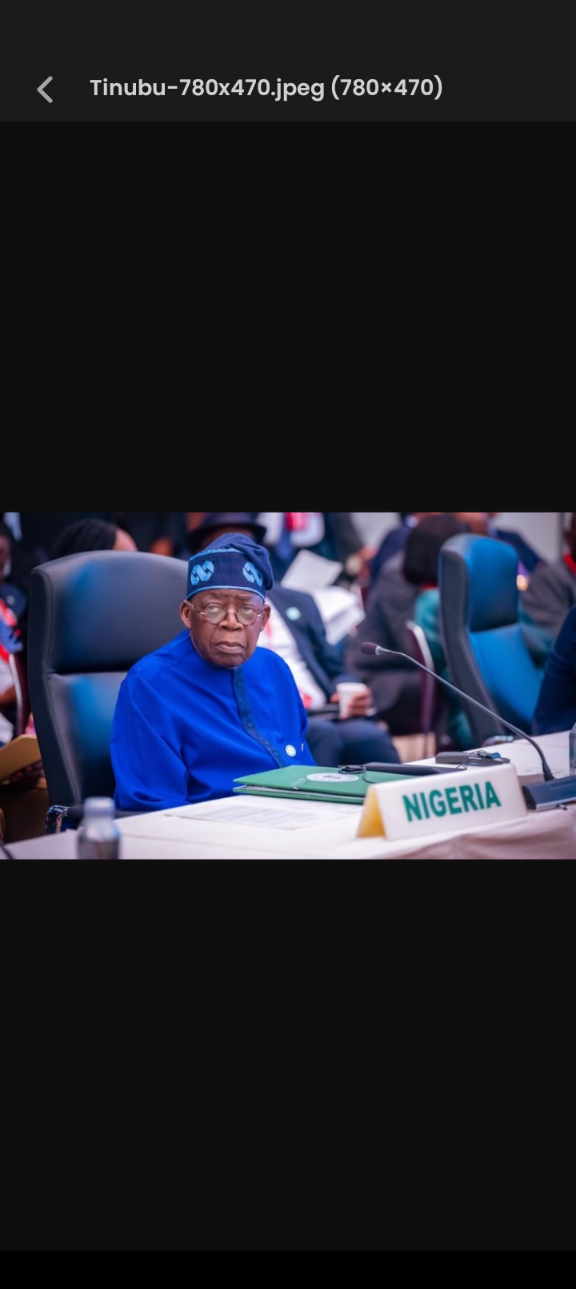
  • Broken Promise? Why Has Tinubu’s Government Failed to Give Ex-Corps Members the Jobs It Promised Since July? | Fintter

    Was the promise of “automatic employment” for ex-corps members a genuine commitment—or just another political announcement that has quietly faded away?

    Five months after President Bola Ahmed Tinubu’s administration publicly announced automatic employment, scholarships, and financial rewards for 210 honoured ex-corps members, the promised jobs are yet to materialise. What was once celebrated as a bold gesture of appreciation for young Nigerians who “went beyond the call of duty” has now become a painful reminder of unfulfilled government pledges.

    In a statement released by the National Youth Service Corps (NYSC) on July 29, the Tinubu government announced that 210 ex-corps members from the 2020–2023 service years would receive automatic employment in the Federal Civil Service, scholarships up to doctoral level within Nigeria, and cash awards of ₦250,000 each. Among them were individuals who had demonstrated exceptional service—and others who had suffered life-changing injuries while serving the nation.

    For many of the beneficiaries, the announcement was more than symbolic recognition. It represented hope, stability, and a long-awaited breakthrough after years of struggle, unemployment, and sacrifice. But today, that hope has turned into frustration, exhaustion, and a deep sense of betrayal.

    According to affected ex-corps members who spoke anonymously for fear of victimisation, no job placements have been made, no official communication has followed, and no clear explanation has been given by either the government or the NYSC. Although the promised cash award was reportedly paid, the most critical aspect of the pledge—automatic employment—remains unfulfilled.

    In October 2025, after public pressure intensified following investigative reports, the ex-corps members were invited to Abuja and instructed to submit documents for “urgent processing.” Many travelled long distances, spending scarce resources they could barely afford. Some arrived without accommodation or support, driven only by the hope that the long-promised jobs were finally becoming a reality.

    Yet, weeks turned into months—and no one contacted them again.

    One affected ex-corps member described borrowing money to make the trip, only to return home with nothing. Another said he slept in a religious centre, enduring discomfort and mosquito-infested nights, believing the government was finally about to fulfil its word. Instead, they were met with silence.

    Even more troubling are the stories of ex-corps members who sustained permanent injuries during national service. For them, the promise of government employment was not merely an opportunity—it was a lifeline. Many say private employers now reject them because of their disabilities. The government’s pledge had restored their sense of dignity and belonging, if only briefly.

    One injured ex-corps member said:
    “When they promised automatic employment, I believed there was still a place for me in this country despite my condition. Today, nobody has even called or sent an email.”

    The emotional toll has been devastating. Beneficiaries say the process left them financially drained, psychologically exhausted, and feeling used for public relations. What was once a moment of national praise has become a story of disappointment, neglect, and broken trust.

    The situation raises serious questions about government accountability, youth unemployment, and the credibility of public promises. If young Nigerians who risked their lives in service of the nation can be publicly honoured—and then quietly ignored—what message does that send to millions of other youths struggling for opportunity?

    Now, the affected ex-corps members are appealing directly to the federal government to redeem its word. They insist they do not want sympathy or publicity—they want action.

    As one of them put it:
    “We don’t want to be used as tools for government promotion. We only ask that the promises made to us be fulfilled.”


    ---

    Conversation Starters for Fintter Readers

    Should government promises come with legal consequences when they are not fulfilled?

    Is this another example of young Nigerians being used for political image-building?

    Why has there been no official explanation from the Presidency or the NYSC?

    What does this mean for trust in future government youth empowerment programmes?


    Join the discussion on Fintter:
    Do you believe the Tinubu administration will still honour this promise—or has it already been abandoned?


    Broken Promise? Why Has Tinubu’s Government Failed to Give Ex-Corps Members the Jobs It Promised Since July? | Fintter Was the promise of “automatic employment” for ex-corps members a genuine commitment—or just another political announcement that has quietly faded away? Five months after President Bola Ahmed Tinubu’s administration publicly announced automatic employment, scholarships, and financial rewards for 210 honoured ex-corps members, the promised jobs are yet to materialise. What was once celebrated as a bold gesture of appreciation for young Nigerians who “went beyond the call of duty” has now become a painful reminder of unfulfilled government pledges. In a statement released by the National Youth Service Corps (NYSC) on July 29, the Tinubu government announced that 210 ex-corps members from the 2020–2023 service years would receive automatic employment in the Federal Civil Service, scholarships up to doctoral level within Nigeria, and cash awards of ₦250,000 each. Among them were individuals who had demonstrated exceptional service—and others who had suffered life-changing injuries while serving the nation. For many of the beneficiaries, the announcement was more than symbolic recognition. It represented hope, stability, and a long-awaited breakthrough after years of struggle, unemployment, and sacrifice. But today, that hope has turned into frustration, exhaustion, and a deep sense of betrayal. According to affected ex-corps members who spoke anonymously for fear of victimisation, no job placements have been made, no official communication has followed, and no clear explanation has been given by either the government or the NYSC. Although the promised cash award was reportedly paid, the most critical aspect of the pledge—automatic employment—remains unfulfilled. In October 2025, after public pressure intensified following investigative reports, the ex-corps members were invited to Abuja and instructed to submit documents for “urgent processing.” Many travelled long distances, spending scarce resources they could barely afford. Some arrived without accommodation or support, driven only by the hope that the long-promised jobs were finally becoming a reality. Yet, weeks turned into months—and no one contacted them again. One affected ex-corps member described borrowing money to make the trip, only to return home with nothing. Another said he slept in a religious centre, enduring discomfort and mosquito-infested nights, believing the government was finally about to fulfil its word. Instead, they were met with silence. Even more troubling are the stories of ex-corps members who sustained permanent injuries during national service. For them, the promise of government employment was not merely an opportunity—it was a lifeline. Many say private employers now reject them because of their disabilities. The government’s pledge had restored their sense of dignity and belonging, if only briefly. One injured ex-corps member said: “When they promised automatic employment, I believed there was still a place for me in this country despite my condition. Today, nobody has even called or sent an email.” The emotional toll has been devastating. Beneficiaries say the process left them financially drained, psychologically exhausted, and feeling used for public relations. What was once a moment of national praise has become a story of disappointment, neglect, and broken trust. The situation raises serious questions about government accountability, youth unemployment, and the credibility of public promises. If young Nigerians who risked their lives in service of the nation can be publicly honoured—and then quietly ignored—what message does that send to millions of other youths struggling for opportunity? Now, the affected ex-corps members are appealing directly to the federal government to redeem its word. They insist they do not want sympathy or publicity—they want action. As one of them put it: “We don’t want to be used as tools for government promotion. We only ask that the promises made to us be fulfilled.” --- 💬 Conversation Starters for Fintter Readers Should government promises come with legal consequences when they are not fulfilled? Is this another example of young Nigerians being used for political image-building? Why has there been no official explanation from the Presidency or the NYSC? What does this mean for trust in future government youth empowerment programmes? 👉 Join the discussion on Fintter: Do you believe the Tinubu administration will still honour this promise—or has it already been abandoned?
    0 Reacties ·0 aandelen ·2K Views
  • PRP Urges Nationwide Protests as Party Calls on Nigerians to Resist Tinubu’s New Tax Policies, Fuel Subsidy Removal, and Economic Hardship

    The Peoples Redemption Party (PRP) has called on Nigerians to embark on nationwide, lawful, and peaceful protests against what it described as oppressive tax policies and economic decisions of President Bola Ahmed Tinubu’s administration. In a New Year statement signed by its National Chairman, Falalu Bello, the party said Nigerians are already grappling with severe hardship caused by insecurity, hunger, poverty, and poor governance under the APC-led government.

    The PRP strongly criticised the introduction and enforcement of new tax laws, accusing the government of ignoring public opposition and pushing policies that allegedly lack transparency and were altered at the point of gazetting. According to the party, the taxes are designed to benefit a few while further impoverishing ordinary Nigerians who are struggling to survive.

    The opposition party also condemned the removal of fuel subsidy on Tinubu’s first day in office, noting that promised investments in social services have failed to materialise. Instead, it alleged that increased borrowing without visible improvements in social infrastructure has worsened the economic situation across the country.

    Calling for collective action, the PRP urged Nigerians to organise protests and strike actions to resist unjust taxation and governance failures, stressing that mass unity remains the strongest tool against oppression. The party warned citizens not to be discouraged by political defections, describing such moves as self-serving and insignificant compared to the power of the people.

    Looking ahead to the 2027 general elections, the PRP said sustained resistance should translate into political change, urging Nigerians to remain steadfast in their quest to end what it termed an incompetent and non-transparent administration. The statement concluded with a call for peaceful but determined resistance to reclaim Nigeria and build a system rooted in accountability, transparency, and citizen-focused governance.
    PRP Urges Nationwide Protests as Party Calls on Nigerians to Resist Tinubu’s New Tax Policies, Fuel Subsidy Removal, and Economic Hardship The Peoples Redemption Party (PRP) has called on Nigerians to embark on nationwide, lawful, and peaceful protests against what it described as oppressive tax policies and economic decisions of President Bola Ahmed Tinubu’s administration. In a New Year statement signed by its National Chairman, Falalu Bello, the party said Nigerians are already grappling with severe hardship caused by insecurity, hunger, poverty, and poor governance under the APC-led government. The PRP strongly criticised the introduction and enforcement of new tax laws, accusing the government of ignoring public opposition and pushing policies that allegedly lack transparency and were altered at the point of gazetting. According to the party, the taxes are designed to benefit a few while further impoverishing ordinary Nigerians who are struggling to survive. The opposition party also condemned the removal of fuel subsidy on Tinubu’s first day in office, noting that promised investments in social services have failed to materialise. Instead, it alleged that increased borrowing without visible improvements in social infrastructure has worsened the economic situation across the country. Calling for collective action, the PRP urged Nigerians to organise protests and strike actions to resist unjust taxation and governance failures, stressing that mass unity remains the strongest tool against oppression. The party warned citizens not to be discouraged by political defections, describing such moves as self-serving and insignificant compared to the power of the people. Looking ahead to the 2027 general elections, the PRP said sustained resistance should translate into political change, urging Nigerians to remain steadfast in their quest to end what it termed an incompetent and non-transparent administration. The statement concluded with a call for peaceful but determined resistance to reclaim Nigeria and build a system rooted in accountability, transparency, and citizen-focused governance.
    0 Reacties ·0 aandelen ·1K Views
  • Atiku Abubakar Says 2025 Exposed Tinubu’s Incompetence and Policy Bankruptcy, Describes Year as One of Nigeria’s Most Punishing Amid Economic Hardship and Insecurity

    Former Vice-President Atiku Abubakar has described 2025 as one of the most punishing years in Nigeria’s recent history, blaming widespread hardship on what he called the incompetence and policy bankruptcy of President Bola Tinubu’s APC-led administration.

    In a New Year message to Nigerians, Atiku said the year was marked by economic suffocation, political recklessness, worsening insecurity, and governance without empathy. He accused the Tinubu government of mismanaging the economy, governing for months without a functional budget, and relying on reckless borrowing and propaganda, which he said pushed the country to the brink of economic collapse.

    Atiku also criticised the handling of a controversial tax law, describing it as a forged document disguised as reform, and faulted the President for allegedly refusing to allow proper legislative and legal scrutiny. He warned that a government that begins reforms with forgery cannot deliver prosperity.

    On democracy, the former vice-president accused the APC of weakening Nigeria’s democratic institutions and attempting to turn the country into a de facto one-party state through intimidation, coercion, and state capture. He further highlighted rising national debt, worsening insecurity, increased kidnappings and violent crimes, and the devastating impact on lives, livelihoods, and communities.

    Despite these challenges, Atiku said Nigeria survived the year not because of government competence but due to the resilience of its people, whom he praised for enduring hardship amid what he described as failed leadership and poor governance.
    Atiku Abubakar Says 2025 Exposed Tinubu’s Incompetence and Policy Bankruptcy, Describes Year as One of Nigeria’s Most Punishing Amid Economic Hardship and Insecurity Former Vice-President Atiku Abubakar has described 2025 as one of the most punishing years in Nigeria’s recent history, blaming widespread hardship on what he called the incompetence and policy bankruptcy of President Bola Tinubu’s APC-led administration. In a New Year message to Nigerians, Atiku said the year was marked by economic suffocation, political recklessness, worsening insecurity, and governance without empathy. He accused the Tinubu government of mismanaging the economy, governing for months without a functional budget, and relying on reckless borrowing and propaganda, which he said pushed the country to the brink of economic collapse. Atiku also criticised the handling of a controversial tax law, describing it as a forged document disguised as reform, and faulted the President for allegedly refusing to allow proper legislative and legal scrutiny. He warned that a government that begins reforms with forgery cannot deliver prosperity. On democracy, the former vice-president accused the APC of weakening Nigeria’s democratic institutions and attempting to turn the country into a de facto one-party state through intimidation, coercion, and state capture. He further highlighted rising national debt, worsening insecurity, increased kidnappings and violent crimes, and the devastating impact on lives, livelihoods, and communities. Despite these challenges, Atiku said Nigeria survived the year not because of government competence but due to the resilience of its people, whom he praised for enduring hardship amid what he described as failed leadership and poor governance.
    0 Reacties ·0 aandelen ·1K Views
  • 10 Nigerian States Plan N4.28tn Borrowing to Fund 2026 Budgets Amid Fiscal Concerns

    Ten Nigerian states—including Lagos, Ogun, Abia, Enugu, Osun, Delta, Sokoto, Edo, Bayelsa, and Gombe—plan to raise a combined N4.287 trillion through loans, bonds, grants, and public-private partnerships to fund their 2026 budgets. The states’ total budgets amount to N14.174 trillion, highlighting growing reliance on non-recurring funds beyond federal allocations and internally generated revenue. Lagos, Ogun, and Abia are leading in borrowing for capital projects. Analysts warn that excessive reliance on debt could strain fiscal sustainability and increase debt servicing costs. Experts also emphasize the need for improved revenue management and fiscal discipline to reduce dependence on borrowing.

    #NigeriaEconomy #StateBudgets2026 #FiscalSustainability #Borrowing #InfrastructureFunding
    10 Nigerian States Plan N4.28tn Borrowing to Fund 2026 Budgets Amid Fiscal Concerns Ten Nigerian states—including Lagos, Ogun, Abia, Enugu, Osun, Delta, Sokoto, Edo, Bayelsa, and Gombe—plan to raise a combined N4.287 trillion through loans, bonds, grants, and public-private partnerships to fund their 2026 budgets. The states’ total budgets amount to N14.174 trillion, highlighting growing reliance on non-recurring funds beyond federal allocations and internally generated revenue. Lagos, Ogun, and Abia are leading in borrowing for capital projects. Analysts warn that excessive reliance on debt could strain fiscal sustainability and increase debt servicing costs. Experts also emphasize the need for improved revenue management and fiscal discipline to reduce dependence on borrowing. #NigeriaEconomy #StateBudgets2026 #FiscalSustainability #Borrowing #InfrastructureFunding
    like
    1
    · 0 Reacties ·0 aandelen ·2K Views
  • Kaduna State Plans N659 Billion Borrowing Between 2025–2028, Budgets N275 Billion for Debt Servicing While Spending More on Lawmakers’ Luxury Projects

    A review of Kaduna State’s Medium-Term Fiscal Framework reveals plans to borrow a total of N659 billion between 2025 and 2028, alongside spending N275 billion on debt servicing within the same period. Despite heavy reliance on loans, the state budget prioritises lawmakers’ luxury items, including N3.8 billion for 36 Toyota Camry XLE vehicles and N1.5 billion for the construction of the Speaker and Deputy Speaker’s residences. This comes amid severe social challenges, with high rates of educational deprivation, poor access to clean water, and inadequate sanitation facilities across the state, raising concerns about misplaced spending priorities.
    Kaduna State Plans N659 Billion Borrowing Between 2025–2028, Budgets N275 Billion for Debt Servicing While Spending More on Lawmakers’ Luxury Projects A review of Kaduna State’s Medium-Term Fiscal Framework reveals plans to borrow a total of N659 billion between 2025 and 2028, alongside spending N275 billion on debt servicing within the same period. Despite heavy reliance on loans, the state budget prioritises lawmakers’ luxury items, including N3.8 billion for 36 Toyota Camry XLE vehicles and N1.5 billion for the construction of the Speaker and Deputy Speaker’s residences. This comes amid severe social challenges, with high rates of educational deprivation, poor access to clean water, and inadequate sanitation facilities across the state, raising concerns about misplaced spending priorities.
    0 Reacties ·0 aandelen ·606 Views
  • ADC Warns Tinubu’s 2026 Budget Will Burden Future Nigerians With Unsustainable Debt

    The African Democratic Congress (ADC) has criticized President Bola Tinubu’s 2026 budget proposal, describing it as fiscally reckless and a potential debt trap that mortgages Nigeria’s future. The opposition party argues the budget repeats failed patterns from 2024 and 2025, with unrealistic revenue projections and excessive borrowing. ADC warns that planned debt servicing and deficits could worsen economic hardship, constrain development spending, and place an undue financial burden on the next generation of Nigerians.
    ADC Warns Tinubu’s 2026 Budget Will Burden Future Nigerians With Unsustainable Debt The African Democratic Congress (ADC) has criticized President Bola Tinubu’s 2026 budget proposal, describing it as fiscally reckless and a potential debt trap that mortgages Nigeria’s future. The opposition party argues the budget repeats failed patterns from 2024 and 2025, with unrealistic revenue projections and excessive borrowing. ADC warns that planned debt servicing and deficits could worsen economic hardship, constrain development spending, and place an undue financial burden on the next generation of Nigerians.
    0 Reacties ·0 aandelen ·521 Views
  • Nigeria Plans N54.7 Trillion Borrowing Over 2026–2028 Amid Rising Public Debt

    Nigeria is set to borrow a cumulative total of N54.7 trillion over the next three fiscal years, according to the recently approved Medium Term Expenditure Framework (MTEF) for 2026–2028. The plan includes N17.8 trillion for 2026, N21.1 trillion for 2027, and N15.8 trillion for 2028, split between domestic and international sources. This comes as Nigeria’s public debt continues to rise, reaching N149.3 trillion as of March 2025, up from N144.6 trillion in December 2024. Domestic debt remains the primary source of borrowing, reflecting the government’s reliance on local financing amid economic challenges and growing fiscal pressures.
    Nigeria Plans N54.7 Trillion Borrowing Over 2026–2028 Amid Rising Public Debt Nigeria is set to borrow a cumulative total of N54.7 trillion over the next three fiscal years, according to the recently approved Medium Term Expenditure Framework (MTEF) for 2026–2028. The plan includes N17.8 trillion for 2026, N21.1 trillion for 2027, and N15.8 trillion for 2028, split between domestic and international sources. This comes as Nigeria’s public debt continues to rise, reaching N149.3 trillion as of March 2025, up from N144.6 trillion in December 2024. Domestic debt remains the primary source of borrowing, reflecting the government’s reliance on local financing amid economic challenges and growing fiscal pressures.
    0 Reacties ·0 aandelen ·422 Views
  • Conflicting Revenue Figures Under Tinubu Government Raise Concerns Over Fiscal Transparency in Nigeria

    Concerns are mounting over Nigeria’s fiscal transparency following conflicting revenue figures reported under President Bola Tinubu’s administration. While the Medium-Term Expenditure Framework (MTEF) indicates the government had generated ₦13.6 trillion as of July 2025, Finance Minister statements report only ₦10.7 trillion in revenue. Analysts warn that the discrepancy raises questions about budget accuracy, deficit financing, and long-term economic implications. Civil society groups, including BudgIT and MonITNG, have called for reconciled, transparent, and timely disclosure of revenue, borrowing, and expenditure data to ensure accountability and public trust.
    Conflicting Revenue Figures Under Tinubu Government Raise Concerns Over Fiscal Transparency in Nigeria Concerns are mounting over Nigeria’s fiscal transparency following conflicting revenue figures reported under President Bola Tinubu’s administration. While the Medium-Term Expenditure Framework (MTEF) indicates the government had generated ₦13.6 trillion as of July 2025, Finance Minister statements report only ₦10.7 trillion in revenue. Analysts warn that the discrepancy raises questions about budget accuracy, deficit financing, and long-term economic implications. Civil society groups, including BudgIT and MonITNG, have called for reconciled, transparent, and timely disclosure of revenue, borrowing, and expenditure data to ensure accountability and public trust.
    like
    1
    · 0 Reacties ·0 aandelen ·903 Views
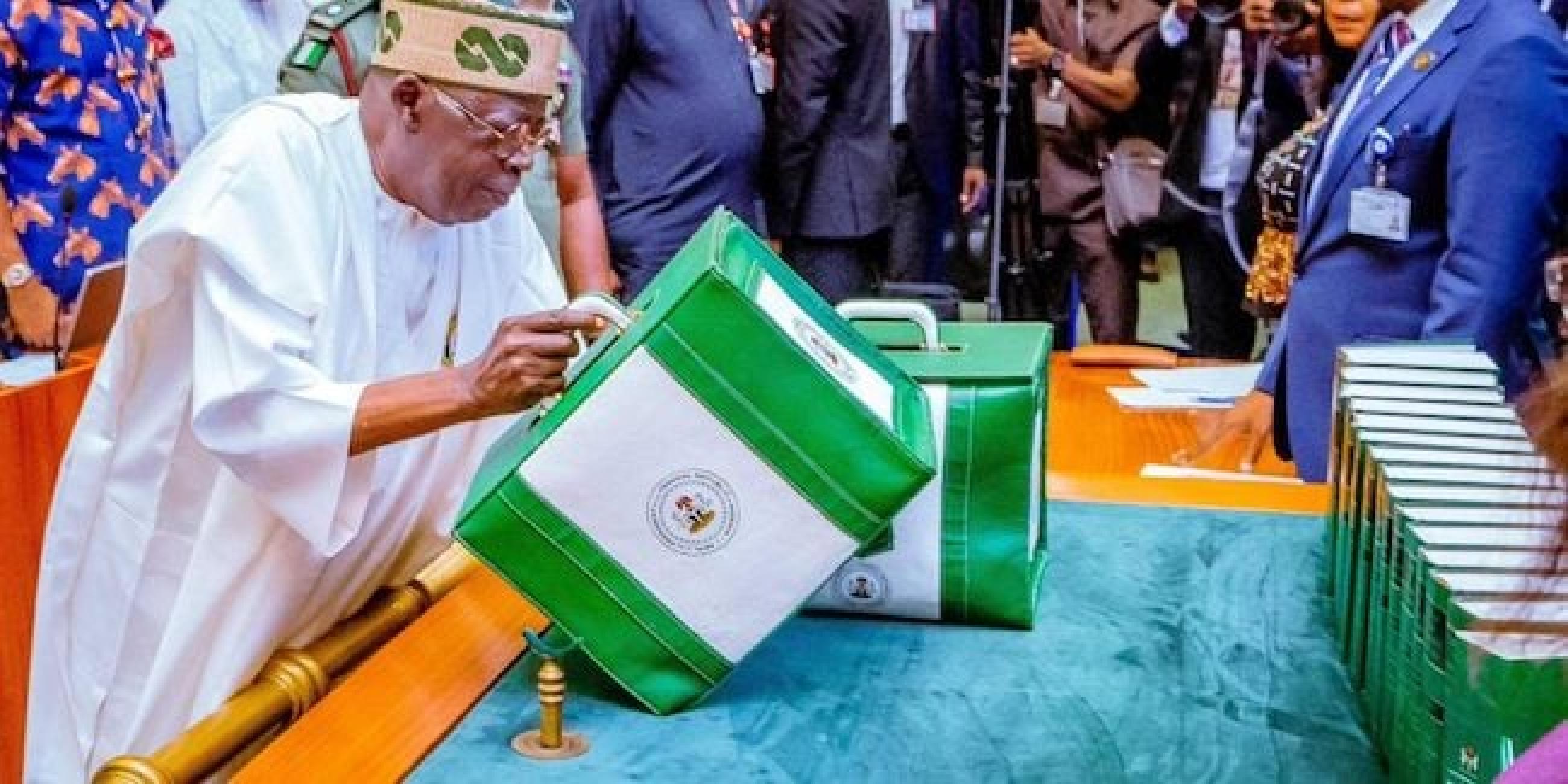
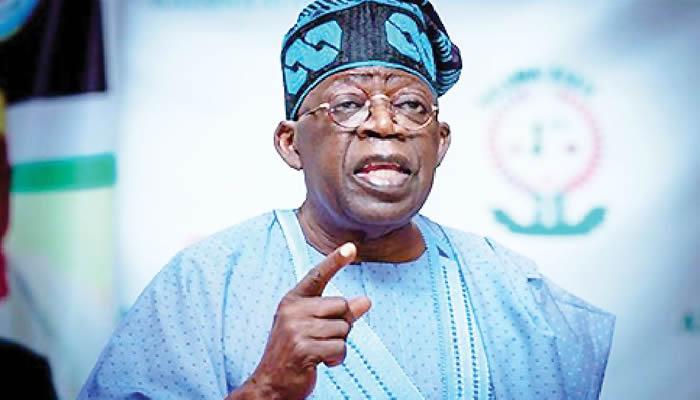
  • Tinubu to Present 2026 Nigerian Budget to National Assembly Friday, Proposes N17.8 Trillion Fresh Borrowings as Budget Hits N54.46 Trillion

    President Bola Tinubu has formally requested permission from the House of Representatives to appear before a joint session of the National Assembly on Friday, December 19, 2025, to present the 2026 Appropriation Bill. The request, conveyed in a letter read by Speaker Abbas Tajudeen, comes as lawmakers deliberate on the 2026–2028 Medium-Term Expenditure Framework and Fiscal Strategy Paper. The proposed 2026 budget is estimated at N54.46 trillion, with retained revenue projected at N34.33 trillion and new borrowings of about N17.88 trillion from domestic and foreign sources. Debt servicing is projected at N15.52 trillion, while capital expenditure stands at N20.13 trillion amid a fiscal deficit of N20.13 trillion.
    Tinubu to Present 2026 Nigerian Budget to National Assembly Friday, Proposes N17.8 Trillion Fresh Borrowings as Budget Hits N54.46 Trillion President Bola Tinubu has formally requested permission from the House of Representatives to appear before a joint session of the National Assembly on Friday, December 19, 2025, to present the 2026 Appropriation Bill. The request, conveyed in a letter read by Speaker Abbas Tajudeen, comes as lawmakers deliberate on the 2026–2028 Medium-Term Expenditure Framework and Fiscal Strategy Paper. The proposed 2026 budget is estimated at N54.46 trillion, with retained revenue projected at N34.33 trillion and new borrowings of about N17.88 trillion from domestic and foreign sources. Debt servicing is projected at N15.52 trillion, while capital expenditure stands at N20.13 trillion amid a fiscal deficit of N20.13 trillion.
    0 Reacties ·0 aandelen ·383 Views
  • Peter Obi Slams Tinubu Govt Over Fresh ₦20trillion Loan Plan Despite Claimed Revenue Growth

    Peter Obi has criticised the Tinubu administration for proposing a ₦20trillion loan to fund the 2026 budget, warning that Nigeria is nearing fiscal collapse. He questioned the government’s transparency on 2025 revenue figures despite claims of surpassing targets, and condemned borrowing that does not support productive sectors. Obi said Nigeria cannot develop by consuming more than it produces and urged the government to adopt a sustainable, production-driven economic model. He warned that rising debt, shrinking production, and worsening hardship threaten the nation’s future.
    Peter Obi Slams Tinubu Govt Over Fresh ₦20trillion Loan Plan Despite Claimed Revenue Growth Peter Obi has criticised the Tinubu administration for proposing a ₦20trillion loan to fund the 2026 budget, warning that Nigeria is nearing fiscal collapse. He questioned the government’s transparency on 2025 revenue figures despite claims of surpassing targets, and condemned borrowing that does not support productive sectors. Obi said Nigeria cannot develop by consuming more than it produces and urged the government to adopt a sustainable, production-driven economic model. He warned that rising debt, shrinking production, and worsening hardship threaten the nation’s future.
    0 Reacties ·0 aandelen ·645 Views
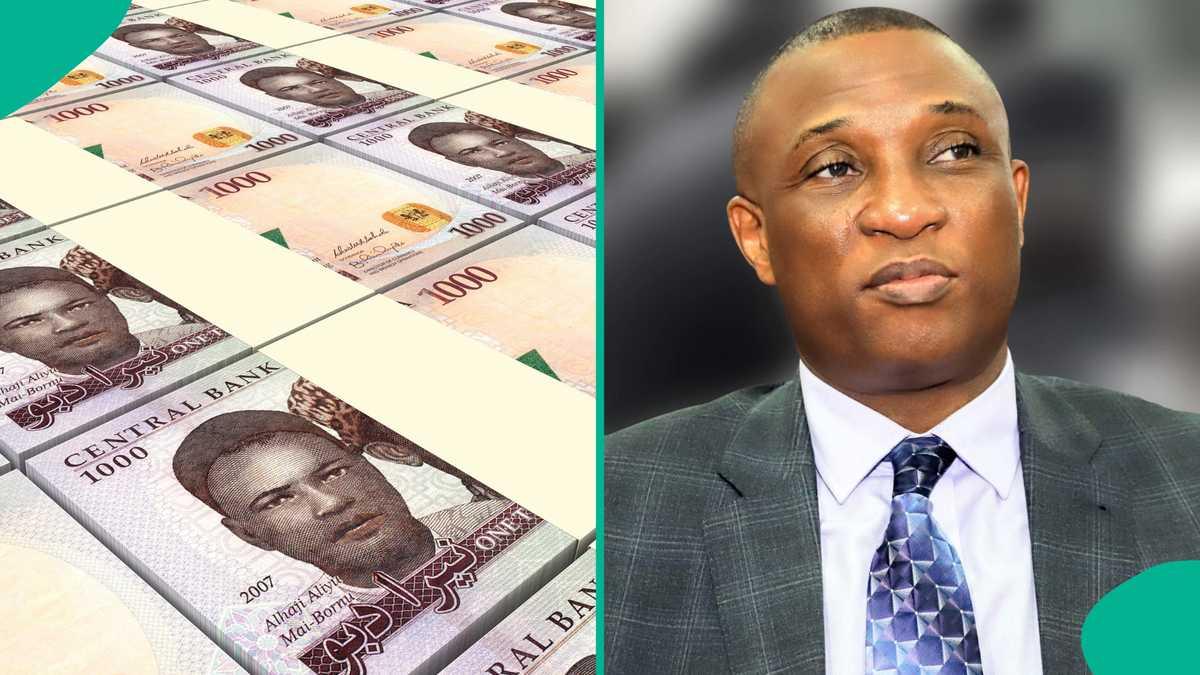
  • New Tax Law: Nigerian Man Breaks Down After Seeing 2026 Salary Deductions

    A Nigerian man, Onyedika Justice, has gone viral after revealing he burst into tears upon calculating how much the federal government’s new tax law will deduct from his salary starting January 2026. His reaction comes amid growing public outrage over the revised tax bill, which Legit.ng recently explained along with exemptions. Onyedika warned that the policy will “unite all tribes,” as everyone—regardless of ethnicity—will feel its impact. Social media users also expressed frustration, criticising rising taxes, borrowing, and economic hardship under President Tinubu’s administration.
    New Tax Law: Nigerian Man Breaks Down After Seeing 2026 Salary Deductions A Nigerian man, Onyedika Justice, has gone viral after revealing he burst into tears upon calculating how much the federal government’s new tax law will deduct from his salary starting January 2026. His reaction comes amid growing public outrage over the revised tax bill, which Legit.ng recently explained along with exemptions. Onyedika warned that the policy will “unite all tribes,” as everyone—regardless of ethnicity—will feel its impact. Social media users also expressed frustration, criticising rising taxes, borrowing, and economic hardship under President Tinubu’s administration.
    0 Reacties ·0 aandelen ·425 Views
  • ADC Coalition Slams Tinubu: You Deceive Nigerians With 'Increased Revenue' But Keep Borrowing
    ADC Coalition Slams Tinubu: You Deceive Nigerians With 'Increased Revenue' But Keep Borrowing
    0 Reacties ·0 aandelen ·620 Views
  • Tinubu Seeks Approval for Fresh N1.15trn Domestic Loan Despite Rising Debts.

    President Bola Tinubu has requested the National Assembly’s approval to borrow a fresh N1.15 trillion from the domestic debt market to help fund the deficit in the 2025 budget.

    The request was conveyed in a letter read on the floor of the Senate during plenary on Tuesday.

    According to the letter, the proposed borrowing aims to bridge the funding gap and ensure the full implementation of government programmes and projects under the 2025 fiscal plan.

    Senate President Godswill Akpabio has referred the request to the Senate Committee on Local and Foreign Debt, instructing it to report back within one week for further legislative action.
    Tinubu Seeks Approval for Fresh N1.15trn Domestic Loan Despite Rising Debts. President Bola Tinubu has requested the National Assembly’s approval to borrow a fresh N1.15 trillion from the domestic debt market to help fund the deficit in the 2025 budget. The request was conveyed in a letter read on the floor of the Senate during plenary on Tuesday. According to the letter, the proposed borrowing aims to bridge the funding gap and ensure the full implementation of government programmes and projects under the 2025 fiscal plan. Senate President Godswill Akpabio has referred the request to the Senate Committee on Local and Foreign Debt, instructing it to report back within one week for further legislative action.
    0 Reacties ·0 aandelen ·773 Views
  • President tinubu requests senate approval for new ₦1.15trn domestic loan to bridge 2025 budget gap.

    President Bola Tinubu has requested the National Assembly’s approval for a fresh ₦1.15 trillion domestic loan to bridge the deficit in the 2025 national budget. The request, contained in a letter read by Senate President Godswill Akpabio during Tuesday’s plenary, is part of measures to sustain key government programmes and projects.

    Tinubu explained that the loan would ensure smooth implementation of the 2025 budget and compliance with the Fiscal Responsibility Act 2007 and relevant executive orders requiring legislative approval for new borrowings. The Senate referred the proposal to the Committee on Local and Foreign Debt, which has one week to submit its report.

    The latest borrowing plan comes just days after the Senate approved Tinubu’s request for a $2.847 billion external loan, including a $500 million debut Sovereign Sukuk, aimed at funding the budget deficit and refinancing maturing Eurobonds.

    Earlier in May, Tinubu sought approval for a $21.5 billion external loan for infrastructure, health, education, and water projects, as well as a ₦758 billion domestic bond to clear outstanding pension arrears under the Contributory Pension Scheme.

    According to the Debt Management Office, Nigeria’s total public debt rose to ₦152.40 trillion as of June 2025, up from ₦149.39 trillion in March — an increase of ₦3.01 trillion within three months. In dollar terms, the debt stands at $99.66 billion, underscoring the country’s growing reliance on borrowing to fund fiscal shortfalls amid ongoing revenue reforms and foreign exchange liberalization.
    President tinubu requests senate approval for new ₦1.15trn domestic loan to bridge 2025 budget gap. President Bola Tinubu has requested the National Assembly’s approval for a fresh ₦1.15 trillion domestic loan to bridge the deficit in the 2025 national budget. The request, contained in a letter read by Senate President Godswill Akpabio during Tuesday’s plenary, is part of measures to sustain key government programmes and projects. Tinubu explained that the loan would ensure smooth implementation of the 2025 budget and compliance with the Fiscal Responsibility Act 2007 and relevant executive orders requiring legislative approval for new borrowings. The Senate referred the proposal to the Committee on Local and Foreign Debt, which has one week to submit its report. The latest borrowing plan comes just days after the Senate approved Tinubu’s request for a $2.847 billion external loan, including a $500 million debut Sovereign Sukuk, aimed at funding the budget deficit and refinancing maturing Eurobonds. Earlier in May, Tinubu sought approval for a $21.5 billion external loan for infrastructure, health, education, and water projects, as well as a ₦758 billion domestic bond to clear outstanding pension arrears under the Contributory Pension Scheme. According to the Debt Management Office, Nigeria’s total public debt rose to ₦152.40 trillion as of June 2025, up from ₦149.39 trillion in March — an increase of ₦3.01 trillion within three months. In dollar terms, the debt stands at $99.66 billion, underscoring the country’s growing reliance on borrowing to fund fiscal shortfalls amid ongoing revenue reforms and foreign exchange liberalization.
    0 Reacties ·0 aandelen ·1K Views
  • Reps Approve Pres. Tinubu’s $2.35bn Loan Request, $500m International Sukuk for 2025 Budget

    The House of Representatives has approved President Bola Tinubu’s request to secure $2.35 billion in external loans to help finance part of Nigeria’s 2025 budget deficit. 

    The House also approved the issuance of a $500 million sovereign sukuk in the international market to support infrastructure development & diversify government funding sources.

    The approvals followed the adoption of a report by the House Committee on Aids, Loans & Debt Management during plenary on Wednesday.

    In line with the 2025 Appropriation Act, the House endorsed the implementation of N1.84 trillion in new external borrowing at a budget exchange rate of N1,500/$1, to partly fund the projected N9.28 trillion federal deficit.

    President Tinubu had earlier written to the National Assembly requesting approval, citing Sections 21(1) & 27(1) of the Debt Management Office Act, which require legislative consent for external borrowing.

    The President stated that the loans may be raised through Eurobonds, syndicated loans, or bridge financing, depending on market conditions. He noted that interest rates would likely align with current yields on Nigeria’s existing international bonds, which range from 6.8% to 9.3%.

    On the $500 million international sukuk, Tinubu explained that it would attract new investor groups, deepen Nigeria’s securities market, and fund critical infrastructure. 

    He added that Nigeria has already raised over N1.39 trillion through domestic sukuk issuances since 2017 for major road and capital projects, and the international sukuk would complement these efforts. Up to 25% of the funds may be used to refinance existing high-cost debt.

    The approvals clear the way for the Federal Government to proceed with the financing plans.
    Reps Approve Pres. Tinubu’s $2.35bn Loan Request, $500m International Sukuk for 2025 Budget The House of Representatives has approved President Bola Tinubu’s request to secure $2.35 billion in external loans to help finance part of Nigeria’s 2025 budget deficit.  The House also approved the issuance of a $500 million sovereign sukuk in the international market to support infrastructure development & diversify government funding sources. The approvals followed the adoption of a report by the House Committee on Aids, Loans & Debt Management during plenary on Wednesday. In line with the 2025 Appropriation Act, the House endorsed the implementation of N1.84 trillion in new external borrowing at a budget exchange rate of N1,500/$1, to partly fund the projected N9.28 trillion federal deficit. President Tinubu had earlier written to the National Assembly requesting approval, citing Sections 21(1) & 27(1) of the Debt Management Office Act, which require legislative consent for external borrowing. The President stated that the loans may be raised through Eurobonds, syndicated loans, or bridge financing, depending on market conditions. He noted that interest rates would likely align with current yields on Nigeria’s existing international bonds, which range from 6.8% to 9.3%. On the $500 million international sukuk, Tinubu explained that it would attract new investor groups, deepen Nigeria’s securities market, and fund critical infrastructure.  He added that Nigeria has already raised over N1.39 trillion through domestic sukuk issuances since 2017 for major road and capital projects, and the international sukuk would complement these efforts. Up to 25% of the funds may be used to refinance existing high-cost debt. The approvals clear the way for the Federal Government to proceed with the financing plans.
    0 Reacties ·0 aandelen ·1K Views
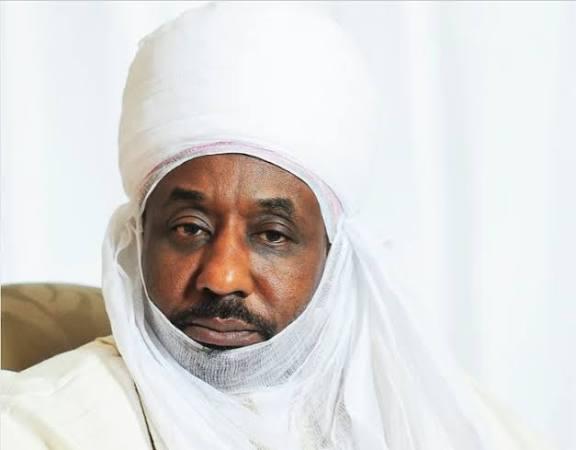
  • Former CBN governor & 16th Emir of Kano, Muhammadu Sanusi II has criticized the FG for continued borrowing despite removing fuel subsidy.

    Speaking at the Oxford Global Think Tank Leadership Conference in Abuja, Sanusi said the subsidy removal had already increased revenue & questioned why the Bola Tinubu administration was still taking loans.

    He praised the removal of fuel subsidy & exchange rate unification as “painful but necessary,” but warned that reckless spending could erase the gains. “If you stop paying subsidies but continue borrowing, it means you’ve filled one hole only to dig another,” he said.

    Sanusi blamed the nation’s economic woes on years of poor fiscal management & populist policies. He urged the government to cut waste, asking, “Why do we need 48 ministers & long convoys?”

    He also condemned the culture of praise-singing in governance, noting that sycophancy prevents leaders from hearing the truth. According to him, leaders must seek honest advisers rather than those who flatter them.
    Former CBN governor & 16th Emir of Kano, Muhammadu Sanusi II has criticized the FG for continued borrowing despite removing fuel subsidy. Speaking at the Oxford Global Think Tank Leadership Conference in Abuja, Sanusi said the subsidy removal had already increased revenue & questioned why the Bola Tinubu administration was still taking loans. He praised the removal of fuel subsidy & exchange rate unification as “painful but necessary,” but warned that reckless spending could erase the gains. “If you stop paying subsidies but continue borrowing, it means you’ve filled one hole only to dig another,” he said. Sanusi blamed the nation’s economic woes on years of poor fiscal management & populist policies. He urged the government to cut waste, asking, “Why do we need 48 ministers & long convoys?” He also condemned the culture of praise-singing in governance, noting that sycophancy prevents leaders from hearing the truth. According to him, leaders must seek honest advisers rather than those who flatter them.
    0 Reacties ·0 aandelen ·1K Views
Zoekresultaten
Fintter https://fintter.com