• Tinubu Govt Allocates N6B for Presidential Jet Engine Overhaul, N1.5B for Aviation Fuel in 2026 Budget

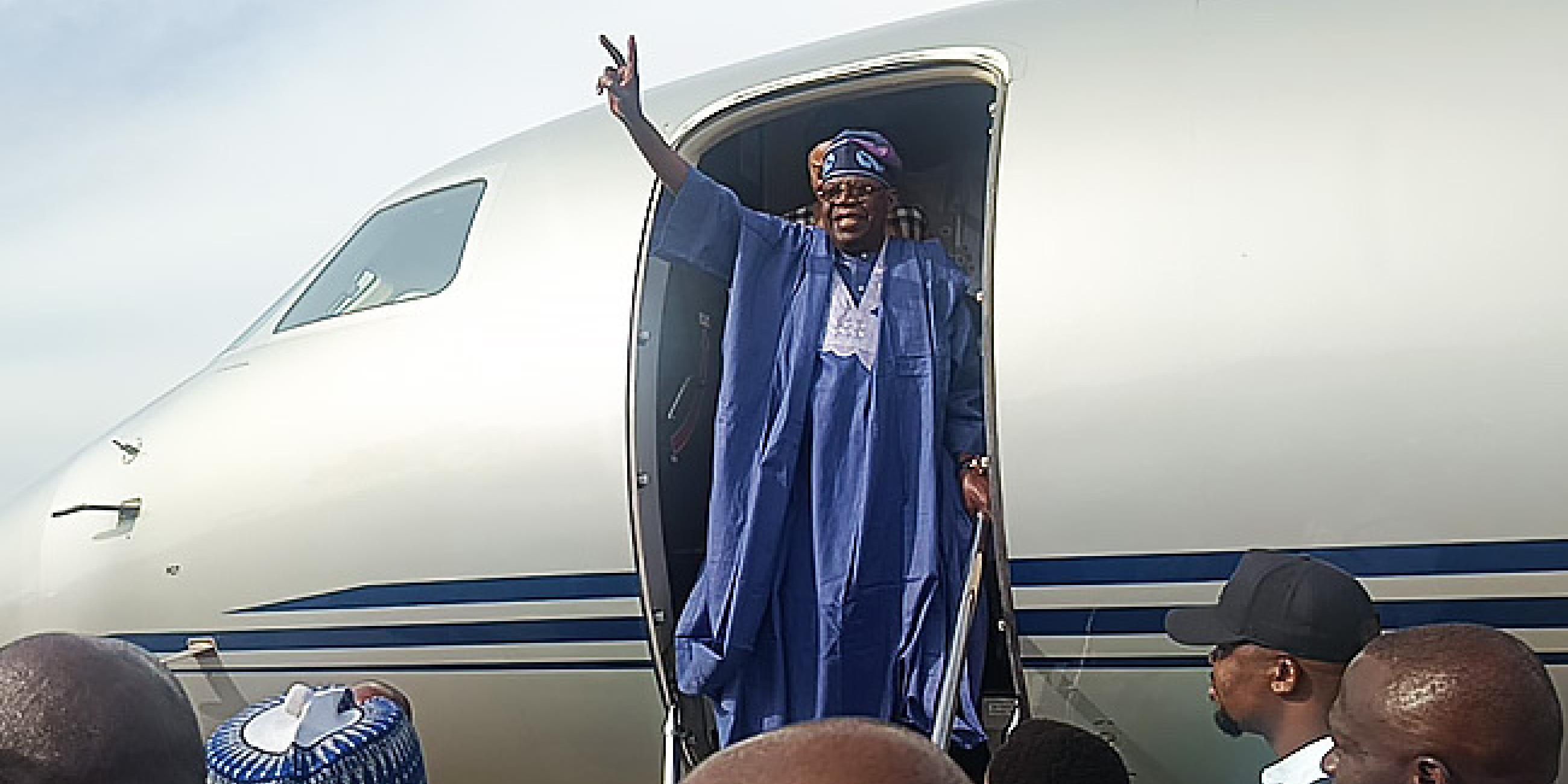
    The Tinubu-led Nigerian government has earmarked N6 billion for overhauling aircraft engines in the Presidential Air Fleet under the 2026 budget. A breakdown of the expenditure reveals that the presidential jet, 5N-FGW (Gulfstream G550), will cost N3.859 billion for engine overhaul, while two Falcon 7X aircraft will require N2.19 billion for maintenance.

    In addition, N1.2 billion is budgeted for general aircraft maintenance, and N1.5 billion is allocated for aviation fuel. Other allocations include N375 million for foodstuffs and catering supplies for presidential operations.

    The budget review also highlights planned travel expenses: President Bola Tinubu has set aside N6.1 billion for international trips, while Vice President Kashim Shettima plans to spend N1.3 billion on foreign travels, totaling N7.4 billion. The President is scheduled to attend the Abu Dhabi Sustainability Week Summit (ADSW 2026) following his European break.

    Historical data shows the Tinubu administration spent N36.3 billion on international travel in 2024 and significant sums on local transport, underscoring the continued high cost of State House operations.

    #NigeriaBudget2026 #Tinubu #PresidentialAirFleet”

    Tinubu Govt Allocates N6B for Presidential Jet Engine Overhaul, N1.5B for Aviation Fuel in 2026 Budget The Tinubu-led Nigerian government has earmarked N6 billion for overhauling aircraft engines in the Presidential Air Fleet under the 2026 budget. A breakdown of the expenditure reveals that the presidential jet, 5N-FGW (Gulfstream G550), will cost N3.859 billion for engine overhaul, while two Falcon 7X aircraft will require N2.19 billion for maintenance. In addition, N1.2 billion is budgeted for general aircraft maintenance, and N1.5 billion is allocated for aviation fuel. Other allocations include N375 million for foodstuffs and catering supplies for presidential operations. The budget review also highlights planned travel expenses: President Bola Tinubu has set aside N6.1 billion for international trips, while Vice President Kashim Shettima plans to spend N1.3 billion on foreign travels, totaling N7.4 billion. The President is scheduled to attend the Abu Dhabi Sustainability Week Summit (ADSW 2026) following his European break. Historical data shows the Tinubu administration spent N36.3 billion on international travel in 2024 and significant sums on local transport, underscoring the continued high cost of State House operations. #NigeriaBudget2026 #Tinubu #PresidentialAirFleet”
    0 Σχόλια ·0 Μοιράστηκε ·109 Views
  • Why Is Tinubu Budgeting ₦6.1 Billion for Foreign Trips in 2026? What Nigeria’s Travel Spending Reveals About Presidential Priorities

    A review of Nigeria’s 2026 budget has revealed that President Bola Tinubu plans to spend ₦6.1 billion on foreign travels in the coming fiscal year, raising fresh questions about government priorities amid economic strain. The figure, listed under “State House operations – President,” also shows an additional ₦873 million earmarked for local travel. When combined with the Vice President’s projected foreign travel costs of ₦1.3 billion, total international trip spending by the Presidency in 2026 is expected to reach ₦7.4 billion.

    The budget breakdown comes as Nigerians continue to grapple with rising living costs and fiscal pressures. According to the documents, travel expenses remain a major component of State House spending, with another ₦375 million allocated for foodstuffs and catering materials alone. While the Presidency has not released a detailed justification for the travel budget, officials insist the trips are essential for diplomacy, investment, and international engagement.

    Recent movements by the President have already drawn public attention. President Tinubu recently departed Lagos for Europe before heading to Abu Dhabi at the invitation of UAE President Sheikh Mohamed bin Zayed Al Nahyan to attend the Abu Dhabi Sustainability Week Summit (ADSW 2026). The Presidency described the summit as a high-level global forum bringing together leaders from government, business, and civil society to discuss sustainable development. Officials also confirmed that the President would return to Nigeria after the event.

    However, critics argue that the scale of spending on foreign trips is difficult to justify, especially in light of past expenditure. Although comprehensive 2025 data is unavailable, records from the Open Treasury Portal show that in 2024 alone, the State House spent over ₦36.3 billion on international travel. This included ₦12.2 billion for “international travel and transport (training)” and ₦24.19 billion for “international travel and transport (others).” Local travel was even more costly, with ₦47 billion spent on training and other domestic trips. In total, travel expenses—both local and foreign—amounted to approximately ₦83 billion in 2024.

    Further reports revealed that between February and July 2024, the Presidency spent about ₦2.3 billion on foreign trips, while an additional ₦2.9 billion went toward foreign exchange for trips involving the President, Vice President, and First Lady across several countries. Payments running into hundreds of millions of naira were also recorded in individual months, fueling debate over transparency and fiscal discipline.

    Opposition figures, including former presidential candidate Peter Obi, have questioned the frequency and cost of the President’s travels. At the same time, government officials have defended the expenditure. Nigeria’s Minister of Foreign Affairs, Ambassador Yusuf Maitama Tuggar, has argued that the President should even travel more to advance Nigeria’s diplomatic and economic interests globally.

    With the 2026 budget now in focus, the key questions remain: Does the ₦6.1 billion allocation reflect necessary diplomacy or excessive spending? How does such expenditure align with Nigeria’s current economic challenges? And will the government provide clearer accountability for the rising cost of presidential travel? As public scrutiny intensifies, the debate over leadership priorities and fiscal responsibility is likely to continue.


    Why Is Tinubu Budgeting ₦6.1 Billion for Foreign Trips in 2026? What Nigeria’s Travel Spending Reveals About Presidential Priorities A review of Nigeria’s 2026 budget has revealed that President Bola Tinubu plans to spend ₦6.1 billion on foreign travels in the coming fiscal year, raising fresh questions about government priorities amid economic strain. The figure, listed under “State House operations – President,” also shows an additional ₦873 million earmarked for local travel. When combined with the Vice President’s projected foreign travel costs of ₦1.3 billion, total international trip spending by the Presidency in 2026 is expected to reach ₦7.4 billion. The budget breakdown comes as Nigerians continue to grapple with rising living costs and fiscal pressures. According to the documents, travel expenses remain a major component of State House spending, with another ₦375 million allocated for foodstuffs and catering materials alone. While the Presidency has not released a detailed justification for the travel budget, officials insist the trips are essential for diplomacy, investment, and international engagement. Recent movements by the President have already drawn public attention. President Tinubu recently departed Lagos for Europe before heading to Abu Dhabi at the invitation of UAE President Sheikh Mohamed bin Zayed Al Nahyan to attend the Abu Dhabi Sustainability Week Summit (ADSW 2026). The Presidency described the summit as a high-level global forum bringing together leaders from government, business, and civil society to discuss sustainable development. Officials also confirmed that the President would return to Nigeria after the event. However, critics argue that the scale of spending on foreign trips is difficult to justify, especially in light of past expenditure. Although comprehensive 2025 data is unavailable, records from the Open Treasury Portal show that in 2024 alone, the State House spent over ₦36.3 billion on international travel. This included ₦12.2 billion for “international travel and transport (training)” and ₦24.19 billion for “international travel and transport (others).” Local travel was even more costly, with ₦47 billion spent on training and other domestic trips. In total, travel expenses—both local and foreign—amounted to approximately ₦83 billion in 2024. Further reports revealed that between February and July 2024, the Presidency spent about ₦2.3 billion on foreign trips, while an additional ₦2.9 billion went toward foreign exchange for trips involving the President, Vice President, and First Lady across several countries. Payments running into hundreds of millions of naira were also recorded in individual months, fueling debate over transparency and fiscal discipline. Opposition figures, including former presidential candidate Peter Obi, have questioned the frequency and cost of the President’s travels. At the same time, government officials have defended the expenditure. Nigeria’s Minister of Foreign Affairs, Ambassador Yusuf Maitama Tuggar, has argued that the President should even travel more to advance Nigeria’s diplomatic and economic interests globally. With the 2026 budget now in focus, the key questions remain: Does the ₦6.1 billion allocation reflect necessary diplomacy or excessive spending? How does such expenditure align with Nigeria’s current economic challenges? And will the government provide clearer accountability for the rising cost of presidential travel? As public scrutiny intensifies, the debate over leadership priorities and fiscal responsibility is likely to continue.
    0 Σχόλια ·0 Μοιράστηκε ·70 Views
  • Why Is Tinubu Budgeting Another ₦7bn for Aso Rock Solar While Nigerians Face Blackouts? After ₦10bn in 2025, Is the Presidency Prioritising Itself Over the National Power Crisis?

    Amid worsening electricity shortages across Nigeria, the Bola Tinubu-led federal government has allocated another ₦7 billion in the 2026 budget for the solarisation of the Presidential Villa, Aso Rock, raising fresh questions about priorities, equity, and governance. The new allocation—listed by the Budget Office of the Federation under State House expenditures as “provision of solarisation of Villa with solar mini grid”—comes just a year after ₦10 billion was set aside for the same project in 2025.

    The decision has reignited public debate because it contrasts sharply with the everyday reality of millions of Nigerians who continue to endure persistent blackouts, business disruptions, and rising energy costs. Critics argue that while the Presidency secures reliable power through a premium solar project, households and small enterprises remain at the mercy of an unstable national grid.

    In April 2025, when the initial ₦10 billion allocation triggered public outrage, the Presidency defended the project as a long-term investment in sustainability and energy efficiency. Presidential spokesman Bayo Onanuga said the move follows “global standards,” citing the White House’s use of solar power and insisting the administration was not “reinventing the wheel” but adopting a tested model for powering critical institutions. Supporters of the project also frame it as a smart hedge against grid failures and a step toward cleaner energy.

    Yet the timing has kept the controversy alive. The latest budget increase coincides with a series of national grid collapses that have plunged much of the country into darkness. According to data from the Nigerian Independent System Operator (NISO), one major disturbance saw total power generation crash from 2,052.37MW to just 139.92MW within one hour, leaving only three of the country’s 11 distribution companies able to take any load. At different points, major DisCos—including Eko, Ikeja, Enugu, Jos, Kaduna, Kano, Port Harcourt and Yola—recorded zero allocation, underscoring the fragility of the system.

    Independent monitoring confirmed that even hours after such collapses, national supply remained severely constrained, with total available power far below what is needed to sustain homes, hospitals, businesses, and critical services. Similar incidents in March and September 2025 followed earlier government celebrations of rising generation, only for output to plunge again below sustainable levels.

    Against this backdrop, many Nigerians question whether investing billions to guarantee uninterrupted electricity for the seat of power—while the wider grid remains unreliable—signals a two-tier energy policy. Some see the solar project as an admission that government itself no longer trusts the national power system it oversees. Others argue that the Presidency’s energy security should not come at a time when ordinary citizens face daily outages, rising fuel costs for generators, and an economy already under strain.

    The debate now centres on urgent questions: Is the Tinubu administration protecting Aso Rock while the country stays in the dark? Should scarce public funds be channelled first into stabilising the national grid rather than insulating the Presidency? And does repeated spending—₦17 billion across two years—reflect forward-looking sustainability or misplaced priorities in the middle of a power crisis? As Nigeria’s electricity infrastructure continues to falter, the Aso Rock solar budget has become a powerful symbol in a wider argument about leadership, accountability, and who truly benefits from government policy.


    Why Is Tinubu Budgeting Another ₦7bn for Aso Rock Solar While Nigerians Face Blackouts? After ₦10bn in 2025, Is the Presidency Prioritising Itself Over the National Power Crisis? Amid worsening electricity shortages across Nigeria, the Bola Tinubu-led federal government has allocated another ₦7 billion in the 2026 budget for the solarisation of the Presidential Villa, Aso Rock, raising fresh questions about priorities, equity, and governance. The new allocation—listed by the Budget Office of the Federation under State House expenditures as “provision of solarisation of Villa with solar mini grid”—comes just a year after ₦10 billion was set aside for the same project in 2025. The decision has reignited public debate because it contrasts sharply with the everyday reality of millions of Nigerians who continue to endure persistent blackouts, business disruptions, and rising energy costs. Critics argue that while the Presidency secures reliable power through a premium solar project, households and small enterprises remain at the mercy of an unstable national grid. In April 2025, when the initial ₦10 billion allocation triggered public outrage, the Presidency defended the project as a long-term investment in sustainability and energy efficiency. Presidential spokesman Bayo Onanuga said the move follows “global standards,” citing the White House’s use of solar power and insisting the administration was not “reinventing the wheel” but adopting a tested model for powering critical institutions. Supporters of the project also frame it as a smart hedge against grid failures and a step toward cleaner energy. Yet the timing has kept the controversy alive. The latest budget increase coincides with a series of national grid collapses that have plunged much of the country into darkness. According to data from the Nigerian Independent System Operator (NISO), one major disturbance saw total power generation crash from 2,052.37MW to just 139.92MW within one hour, leaving only three of the country’s 11 distribution companies able to take any load. At different points, major DisCos—including Eko, Ikeja, Enugu, Jos, Kaduna, Kano, Port Harcourt and Yola—recorded zero allocation, underscoring the fragility of the system. Independent monitoring confirmed that even hours after such collapses, national supply remained severely constrained, with total available power far below what is needed to sustain homes, hospitals, businesses, and critical services. Similar incidents in March and September 2025 followed earlier government celebrations of rising generation, only for output to plunge again below sustainable levels. Against this backdrop, many Nigerians question whether investing billions to guarantee uninterrupted electricity for the seat of power—while the wider grid remains unreliable—signals a two-tier energy policy. Some see the solar project as an admission that government itself no longer trusts the national power system it oversees. Others argue that the Presidency’s energy security should not come at a time when ordinary citizens face daily outages, rising fuel costs for generators, and an economy already under strain. The debate now centres on urgent questions: Is the Tinubu administration protecting Aso Rock while the country stays in the dark? Should scarce public funds be channelled first into stabilising the national grid rather than insulating the Presidency? And does repeated spending—₦17 billion across two years—reflect forward-looking sustainability or misplaced priorities in the middle of a power crisis? As Nigeria’s electricity infrastructure continues to falter, the Aso Rock solar budget has become a powerful symbol in a wider argument about leadership, accountability, and who truly benefits from government policy.
    0 Σχόλια ·0 Μοιράστηκε ·171 Views
  • What Will 2026 Really Bring for Nigeria and the World? Azu Ishiekwene Predicts Power Shifts, Economic Strain, AI Disruption, 2027 Politics and Who Wins the World Cup

    Is 2026 a year of quiet recovery—or the beginning of deeper political, economic and global turbulence? And is Nigeria already slipping into the politics of 2027?

    In what he describes as possibly his final annual forecast, journalist and columnist Azu Ishiekwene delivers a sweeping, high-stakes outlook on Nigeria and the world, blending political prediction, economic analysis, technology trends and global power shifts. Known for earlier forecasts that accurately anticipated election outcomes and cabinet shake-ups, Ishiekwene argues that 2026 will be a year where politics collides head-on with harsh economic realities, leaving citizens caught between daily hardship and recycled political promises.

    He warns that Nigeria’s economy will remain under pressure, with tensions growing between tight monetary policy and rising demands for fiscal expansion in a pre-election year. Could divisions inside the Ministry of Finance undermine investor confidence? And will petrol prices remain stable around ₦850 per litre, as he suggests, only if oil output rises and NNPC escapes its heavy crude obligations?

    While cheaper fuel from the Dangote Refinery may offer temporary consumer relief, Ishiekwene predicts continued instability in electricity supply, pointing to a fragile transmission system that still requires massive investment. He also foresees President Bola Tinubu possibly unveiling private-sector-led reforms in power transmission involving major business players.

    But is Nigeria already entering the politics of 2027 in 2026?

    Ishiekwene argues that although early elections are unlikely, political realignments are accelerating. With multiple opposition governors defecting to the ruling APC, claims of a creeping one-party state are growing. Yet, he suggests the reality is more complex: a weakened opposition plagued by internal fractures, financial constraints and a lack of coherent alternatives.

    Turning to the emerging African Democratic Congress (ADC) coalition—uniting figures such as Atiku Abubakar, Peter Obi, Nasir El-Rufai, Rotimi Amaechi and Rabiu Kwankwaso—he raises a critical question: is ADC truly built to win in 2027, or merely to survive until 2031? He predicts Atiku will clinch the party’s ticket over Obi, with Obi likely offered the vice-presidential slot—potentially triggering backlash among “Obidients.” With limited grassroots reach and the enormous financial demands of a presidential campaign, Ishiekwene concludes that ADC may struggle to pose a serious challenge to the ruling party in the next election cycle.

    Beyond Nigeria, he paints 2026 as a year shaped by geopolitical rivalry, especially between Donald Trump’s America and Xi Jinping’s China, and by growing global unease over U.S. trade policies, immigration enforcement and economic nationalism. Could gold and non-dollar assets accelerate as the world quietly prepares for a less dollar-centric future?

    He also highlights the rapid evolution of artificial intelligence, warning that 2026 will mark a shift from basic generative AI to agentic, autonomous systems capable of independent action. As AI blurs the line between reality and fabrication, he predicts rising confusion, misinformation, and ethical challenges—ushering in what he calls the “Year of the Humanoid.”

    Even football is not spared his forecasting. With the 2026 FIFA World Cup approaching, Ishiekwene tips Spain to win, citing tactical depth and cohesion, while acknowledging Morocco as Africa’s strongest hope.

    Ultimately, the essay asks uncomfortable but urgent questions:
    Is Nigeria drifting toward political dominance by one party?
    Will economic reforms truly ease citizens’ burdens—or merely reshuffle the pressure?
    Can a fractured opposition reorganise in time?
    And in a world increasingly shaped by AI and geopolitical rivalry, where does Nigeria truly stand?

    For Ishiekwene, 2026 is not just another year—it is a crossroads where technology, politics, power and survival intersect, setting the tone for Nigeria’s future well beyond the next election.


    What Will 2026 Really Bring for Nigeria and the World? Azu Ishiekwene Predicts Power Shifts, Economic Strain, AI Disruption, 2027 Politics and Who Wins the World Cup Is 2026 a year of quiet recovery—or the beginning of deeper political, economic and global turbulence? And is Nigeria already slipping into the politics of 2027? In what he describes as possibly his final annual forecast, journalist and columnist Azu Ishiekwene delivers a sweeping, high-stakes outlook on Nigeria and the world, blending political prediction, economic analysis, technology trends and global power shifts. Known for earlier forecasts that accurately anticipated election outcomes and cabinet shake-ups, Ishiekwene argues that 2026 will be a year where politics collides head-on with harsh economic realities, leaving citizens caught between daily hardship and recycled political promises. He warns that Nigeria’s economy will remain under pressure, with tensions growing between tight monetary policy and rising demands for fiscal expansion in a pre-election year. Could divisions inside the Ministry of Finance undermine investor confidence? And will petrol prices remain stable around ₦850 per litre, as he suggests, only if oil output rises and NNPC escapes its heavy crude obligations? While cheaper fuel from the Dangote Refinery may offer temporary consumer relief, Ishiekwene predicts continued instability in electricity supply, pointing to a fragile transmission system that still requires massive investment. He also foresees President Bola Tinubu possibly unveiling private-sector-led reforms in power transmission involving major business players. But is Nigeria already entering the politics of 2027 in 2026? Ishiekwene argues that although early elections are unlikely, political realignments are accelerating. With multiple opposition governors defecting to the ruling APC, claims of a creeping one-party state are growing. Yet, he suggests the reality is more complex: a weakened opposition plagued by internal fractures, financial constraints and a lack of coherent alternatives. Turning to the emerging African Democratic Congress (ADC) coalition—uniting figures such as Atiku Abubakar, Peter Obi, Nasir El-Rufai, Rotimi Amaechi and Rabiu Kwankwaso—he raises a critical question: is ADC truly built to win in 2027, or merely to survive until 2031? He predicts Atiku will clinch the party’s ticket over Obi, with Obi likely offered the vice-presidential slot—potentially triggering backlash among “Obidients.” With limited grassroots reach and the enormous financial demands of a presidential campaign, Ishiekwene concludes that ADC may struggle to pose a serious challenge to the ruling party in the next election cycle. Beyond Nigeria, he paints 2026 as a year shaped by geopolitical rivalry, especially between Donald Trump’s America and Xi Jinping’s China, and by growing global unease over U.S. trade policies, immigration enforcement and economic nationalism. Could gold and non-dollar assets accelerate as the world quietly prepares for a less dollar-centric future? He also highlights the rapid evolution of artificial intelligence, warning that 2026 will mark a shift from basic generative AI to agentic, autonomous systems capable of independent action. As AI blurs the line between reality and fabrication, he predicts rising confusion, misinformation, and ethical challenges—ushering in what he calls the “Year of the Humanoid.” Even football is not spared his forecasting. With the 2026 FIFA World Cup approaching, Ishiekwene tips Spain to win, citing tactical depth and cohesion, while acknowledging Morocco as Africa’s strongest hope. Ultimately, the essay asks uncomfortable but urgent questions: Is Nigeria drifting toward political dominance by one party? Will economic reforms truly ease citizens’ burdens—or merely reshuffle the pressure? Can a fractured opposition reorganise in time? And in a world increasingly shaped by AI and geopolitical rivalry, where does Nigeria truly stand? For Ishiekwene, 2026 is not just another year—it is a crossroads where technology, politics, power and survival intersect, setting the tone for Nigeria’s future well beyond the next election.
    0 Σχόλια ·0 Μοιράστηκε ·179 Views
  • Is Nyesom Wike Undermining APC from Inside Government? Why Rivers APC Leaders Are Urging Tinubu to Sanction the FCT Minister Over ‘Anti-Party’ Activities

    Why would leaders of the ruling All Progressives Congress (APC) publicly demand the removal of a sitting minister appointed by their own government? And is Nigeria witnessing one of the most serious internal party confrontations since the 2023 elections?

    A coalition of APC leaders has formally asked President Bola Tinubu to sanction or remove the Minister of the Federal Capital Territory (FCT), Nyesom Wike, accusing him of repeated anti-party conduct and statements that allegedly threaten national unity. The demand was conveyed in a memo addressed to the President through the APC National Chairman, Prof. Nentawe Yilwatda, and was accompanied by plans for a protest at the party’s national secretariat in Abuja.

    The signatories—including party chieftains and youth leaders—say their action was prompted by growing concern that Wike, a former Rivers State governor and still a member of the opposition Peoples Democratic Party (PDP), has consistently attacked APC leadership while serving in an APC-led federal government. Could a minister appointed from outside the ruling party be working at cross-purposes with the party that empowered him?

    At the heart of the dispute are comments allegedly made by Wike during a “thank-you tour” in Oyigbo, Rivers State, where he was said to have criticised the APC National Secretary, Senator Ajibola Basiru, accusing him of meddling in state politics for personal reasons and warning that those who interfere would “get their fingers burnt.” APC leaders argue that such remarks amount to direct disrespect for the party’s National Working Committee and an attempt by Wike to exert influence in Rivers State despite not being a registered APC member.

    The coalition further alleges that Wike has been undermining the APC-led government in Rivers State through persistent public attacks on Governor Siminalayi Fubara, reportedly calling his emergence a “mistake” and suggesting that the situation should be corrected in the 2027 elections. Are these political opinions—or a calculated strategy to weaken APC’s hold on Rivers State from within?

    Beyond party politics, the memo raises alarms over what it describes as “dangerous and inflammatory” statements, including claims attributed to Wike that “nobody can enter Rivers State.” The APC leaders warn that portraying any part of Nigeria as a “no-go area” challenges federal authority, risks reviving tensions in the Niger Delta, and could undermine the President’s constitutional role as Commander-in-Chief. Could such rhetoric threaten national cohesion at a time when unity remains fragile?

    The group insists that failure to act against the FCT Minister may deepen internal divisions, erode party discipline, and weaken APC’s electoral prospects in Rivers State. They have vowed to escalate their protests nationwide if their demand is ignored.

    Is this a necessary stand to defend party supremacy and national unity—or a dramatic political showdown that exposes deeper fractures within Nigeria’s ruling party? As the standoff unfolds, all eyes remain on President Tinubu and whether he will heed the call to sanction one of the most powerful political figures in the country.


    Is Nyesom Wike Undermining APC from Inside Government? Why Rivers APC Leaders Are Urging Tinubu to Sanction the FCT Minister Over ‘Anti-Party’ Activities Why would leaders of the ruling All Progressives Congress (APC) publicly demand the removal of a sitting minister appointed by their own government? And is Nigeria witnessing one of the most serious internal party confrontations since the 2023 elections? A coalition of APC leaders has formally asked President Bola Tinubu to sanction or remove the Minister of the Federal Capital Territory (FCT), Nyesom Wike, accusing him of repeated anti-party conduct and statements that allegedly threaten national unity. The demand was conveyed in a memo addressed to the President through the APC National Chairman, Prof. Nentawe Yilwatda, and was accompanied by plans for a protest at the party’s national secretariat in Abuja. The signatories—including party chieftains and youth leaders—say their action was prompted by growing concern that Wike, a former Rivers State governor and still a member of the opposition Peoples Democratic Party (PDP), has consistently attacked APC leadership while serving in an APC-led federal government. Could a minister appointed from outside the ruling party be working at cross-purposes with the party that empowered him? At the heart of the dispute are comments allegedly made by Wike during a “thank-you tour” in Oyigbo, Rivers State, where he was said to have criticised the APC National Secretary, Senator Ajibola Basiru, accusing him of meddling in state politics for personal reasons and warning that those who interfere would “get their fingers burnt.” APC leaders argue that such remarks amount to direct disrespect for the party’s National Working Committee and an attempt by Wike to exert influence in Rivers State despite not being a registered APC member. The coalition further alleges that Wike has been undermining the APC-led government in Rivers State through persistent public attacks on Governor Siminalayi Fubara, reportedly calling his emergence a “mistake” and suggesting that the situation should be corrected in the 2027 elections. Are these political opinions—or a calculated strategy to weaken APC’s hold on Rivers State from within? Beyond party politics, the memo raises alarms over what it describes as “dangerous and inflammatory” statements, including claims attributed to Wike that “nobody can enter Rivers State.” The APC leaders warn that portraying any part of Nigeria as a “no-go area” challenges federal authority, risks reviving tensions in the Niger Delta, and could undermine the President’s constitutional role as Commander-in-Chief. Could such rhetoric threaten national cohesion at a time when unity remains fragile? The group insists that failure to act against the FCT Minister may deepen internal divisions, erode party discipline, and weaken APC’s electoral prospects in Rivers State. They have vowed to escalate their protests nationwide if their demand is ignored. Is this a necessary stand to defend party supremacy and national unity—or a dramatic political showdown that exposes deeper fractures within Nigeria’s ruling party? As the standoff unfolds, all eyes remain on President Tinubu and whether he will heed the call to sanction one of the most powerful political figures in the country.
    0 Σχόλια ·0 Μοιράστηκε ·177 Views
  • Why AFCON 2025 Bonuses for Super Eagles Players Are Delayed: Tinubu Government Explains

    The Nigerian Government has clarified the delay in bonus payments to Super Eagles players participating in the 2025 Africa Cup of Nations (AFCON), attributing the issue to bureaucratic processes rather than negligence. Reports had suggested that the players considered boycotting their quarter-final match against Algeria due to unpaid entitlements, sparking national concern.

    Shehu Dikko, Chairman of the National Sports Commission (NSC), explained that all players were aware of the payment structure before the tournament and that funds approved for AFCON participation were being processed through the Finance Ministry, the Office of the Accountant General, and the Central Bank of Nigeria (CBN).

    Dikko noted that President Bola Tinubu had approved a special budget for AFCON as far back as November 14, 2025, but stressed that approval does not mean instant disbursement. According to him, AFCON bonuses are structured by tournament progression, not on a per-match basis, and the first phase of funds has already reached the CBN for processing.

    The NSC chairman assured that daily allowances and initial payments had been made, and the situation was being misrepresented in media reports. He emphasized that the Super Eagles were fully informed about the timing and structure of bonus payments.

    This explanation comes amid heightened public interest in player welfare and government accountability, highlighting the need for transparent and timely disbursement of funds for national sports teams representing Nigeria on the continental stage.


    Why AFCON 2025 Bonuses for Super Eagles Players Are Delayed: Tinubu Government Explains The Nigerian Government has clarified the delay in bonus payments to Super Eagles players participating in the 2025 Africa Cup of Nations (AFCON), attributing the issue to bureaucratic processes rather than negligence. Reports had suggested that the players considered boycotting their quarter-final match against Algeria due to unpaid entitlements, sparking national concern. Shehu Dikko, Chairman of the National Sports Commission (NSC), explained that all players were aware of the payment structure before the tournament and that funds approved for AFCON participation were being processed through the Finance Ministry, the Office of the Accountant General, and the Central Bank of Nigeria (CBN). Dikko noted that President Bola Tinubu had approved a special budget for AFCON as far back as November 14, 2025, but stressed that approval does not mean instant disbursement. According to him, AFCON bonuses are structured by tournament progression, not on a per-match basis, and the first phase of funds has already reached the CBN for processing. The NSC chairman assured that daily allowances and initial payments had been made, and the situation was being misrepresented in media reports. He emphasized that the Super Eagles were fully informed about the timing and structure of bonus payments. This explanation comes amid heightened public interest in player welfare and government accountability, highlighting the need for transparent and timely disbursement of funds for national sports teams representing Nigeria on the continental stage.
    0 Σχόλια ·0 Μοιράστηκε ·176 Views
  • NAF ACCELERATES ACQUISITION OF 12 AH-1Z ATTACK HELICOPTERS TO ENHANCE SECURITY

    In a strategic move to enhance the operational capacity of the Nigerian Air Force the Chief of the Air Staff Air Marshal Sunday Aneke, led a Programme Management Review meeting with senior United States Government officials and representatives of Messrs Bell Textron in San Diego, California, USA.

    The engagement focused on fast-tracking the acquisition of 12 AH-1Z attack helicopters, a critical capability enhance professional, and mission-ready force capable of delivering decisive airpower in attainment of national security objectives.

    A Statement by the Director of Public Relations and Information, Air Commodore Ehimen Ejodame indicates that Air Marshal Aneke expressed appreciation to the United States Government and Messrs Bell Textron for their continued cooperation, professionalism, and transparency in the execution of the helicopter acquisition programme.

    The Air Chief noted that the acquisition of the AH-1Z helicopters represents more than a platform upgrade, describing it as a reflection of the enduring defence cooperation between Nigeria and the United States.

    Reaffirming the NAF’s sense of urgency and commitment, Air Marshal Aneke assured the US team that his administration would take all necessary measures to ensure the helicopters are delivered in the shortest possible time while expressing gratitude to president Bola Tinubu for his unwavering support to the Nigerian Airforce as regards platform acquisition

    Air Marshal Sunday Aneke reassured Nigerians of the NAF’s unwavering commitment to eliminating terrorist and criminal threats with professionalism, restraint, and accountability, while sustaining public trust and confidence in the Service’s operations.
    NAF ACCELERATES ACQUISITION OF 12 AH-1Z ATTACK HELICOPTERS TO ENHANCE SECURITY In a strategic move to enhance the operational capacity of the Nigerian Air Force the Chief of the Air Staff Air Marshal Sunday Aneke, led a Programme Management Review meeting with senior United States Government officials and representatives of Messrs Bell Textron in San Diego, California, USA. The engagement focused on fast-tracking the acquisition of 12 AH-1Z attack helicopters, a critical capability enhance professional, and mission-ready force capable of delivering decisive airpower in attainment of national security objectives. A Statement by the Director of Public Relations and Information, Air Commodore Ehimen Ejodame indicates that Air Marshal Aneke expressed appreciation to the United States Government and Messrs Bell Textron for their continued cooperation, professionalism, and transparency in the execution of the helicopter acquisition programme. The Air Chief noted that the acquisition of the AH-1Z helicopters represents more than a platform upgrade, describing it as a reflection of the enduring defence cooperation between Nigeria and the United States. Reaffirming the NAF’s sense of urgency and commitment, Air Marshal Aneke assured the US team that his administration would take all necessary measures to ensure the helicopters are delivered in the shortest possible time while expressing gratitude to president Bola Tinubu for his unwavering support to the Nigerian Airforce as regards platform acquisition Air Marshal Sunday Aneke reassured Nigerians of the NAF’s unwavering commitment to eliminating terrorist and criminal threats with professionalism, restraint, and accountability, while sustaining public trust and confidence in the Service’s operations.
    0 Σχόλια ·0 Μοιράστηκε ·123 Views
  • VDM Calls Out President Tinubu Over Failed Scholarship Promises to Nigerian Students in Morocco

    Nigerian activist Martins Vincent Otse, popularly known as Verydarkman (VDM), has publicly criticized President Bola Tinubu and his son, Seyi Tinubu, over the deteriorating conditions some Nigerian students are reportedly facing in Morocco. The students, granted scholarships by the Nigerian government, were promised full support including a $500 monthly allowance, and were allegedly instructed not to work while studying.

    In a video shared online, VDM revealed that some students have suffered serious consequences due to the government’s alleged failure to deliver on these promises. He claimed that one student died while another sustained a broken leg after attempting to work secretly to survive. He also highlighted the poor state of their accommodation, where up to five students were crammed into rooms meant for one, lacking electricity and proper study facilities.

    VDM warned that if students continue to be neglected, they may resort to cybercrime, which could negatively impact Nigeria’s international image. He also alleged that attempts by students to reach out to influencers and media houses were met with demands for money before their stories could be shared.

    The activist called on the government to intervene urgently and suggested that funds meant for students may have been embezzled. VDM’s video has received praise from fans who expressed outrage at the government’s inaction and applauded his advocacy for the students’ rights.

    This incident underscores ongoing concerns about government accountability in managing scholarship programs and protecting Nigerian students abroad, and it adds to VDM’s history of activism, which includes previous solo protests addressing national insecurity issues.

    VDM Calls Out President Tinubu Over Failed Scholarship Promises to Nigerian Students in Morocco Nigerian activist Martins Vincent Otse, popularly known as Verydarkman (VDM), has publicly criticized President Bola Tinubu and his son, Seyi Tinubu, over the deteriorating conditions some Nigerian students are reportedly facing in Morocco. The students, granted scholarships by the Nigerian government, were promised full support including a $500 monthly allowance, and were allegedly instructed not to work while studying. In a video shared online, VDM revealed that some students have suffered serious consequences due to the government’s alleged failure to deliver on these promises. He claimed that one student died while another sustained a broken leg after attempting to work secretly to survive. He also highlighted the poor state of their accommodation, where up to five students were crammed into rooms meant for one, lacking electricity and proper study facilities. VDM warned that if students continue to be neglected, they may resort to cybercrime, which could negatively impact Nigeria’s international image. He also alleged that attempts by students to reach out to influencers and media houses were met with demands for money before their stories could be shared. The activist called on the government to intervene urgently and suggested that funds meant for students may have been embezzled. VDM’s video has received praise from fans who expressed outrage at the government’s inaction and applauded his advocacy for the students’ rights. This incident underscores ongoing concerns about government accountability in managing scholarship programs and protecting Nigerian students abroad, and it adds to VDM’s history of activism, which includes previous solo protests addressing national insecurity issues.
    0 Σχόλια ·0 Μοιράστηκε ·173 Views
  • Peter Obi Allegedly Recruited Bwala via Obasanjo to Join 2023 Presidential Campaign – Tinubu Adviser Speaks

    Daniel Bwala, Special Adviser to President Bola Tinubu on Policy Communication, has revealed that Peter Obi, the Labour Party’s 2023 presidential candidate, reportedly reached out to former President Olusegun Obasanjo to persuade him to join Obi’s campaign. Bwala made the disclosure during an interview on The Clarity Zone podcast while responding to remarks allegedly made by Obi, who had reportedly described Bwala as a “character.”

    Bwala dismissed the description as inoffensive, turning it around to describe Obi himself as the “character-in-chief,” accusing the former Anambra State governor of political theatrics. He further alleged that Obi’s supporters became disillusioned after the 2023 elections when their “fantasy” of his leadership collapsed, leading to aggressive social media attacks on critics.

    Criticizing Obi’s record as governor, Bwala claimed that doctors in Anambra State went on strike due to poor funding and working conditions, and accused Obi of prioritizing personal financial savings over infrastructure development. He also alleged that Obi avoided clarifying whether he benefitted from dividends from a bank where he served as chairman.

    On the claim that he had never visited Anambra, Bwala insisted he was well-acquainted with the area, naming roads and communities in the South-East to prove his familiarity. He detailed that Obasanjo had personally contacted him while he was abroad in London, urging him to join Obi’s campaign, with the communication facilitated by a named ambassador.

    Bwala concluded that his claims were verifiable and that he remained unbothered by Obi’s remarks, emphasizing that his criticisms were based on substantive facts rather than personal attacks.

    This revelation highlights lingering tensions and controversies from Nigeria’s 2023 elections, providing insight into behind-the-scenes political maneuvers and the dynamics between major political figures in the country.
    Peter Obi Allegedly Recruited Bwala via Obasanjo to Join 2023 Presidential Campaign – Tinubu Adviser Speaks Daniel Bwala, Special Adviser to President Bola Tinubu on Policy Communication, has revealed that Peter Obi, the Labour Party’s 2023 presidential candidate, reportedly reached out to former President Olusegun Obasanjo to persuade him to join Obi’s campaign. Bwala made the disclosure during an interview on The Clarity Zone podcast while responding to remarks allegedly made by Obi, who had reportedly described Bwala as a “character.” Bwala dismissed the description as inoffensive, turning it around to describe Obi himself as the “character-in-chief,” accusing the former Anambra State governor of political theatrics. He further alleged that Obi’s supporters became disillusioned after the 2023 elections when their “fantasy” of his leadership collapsed, leading to aggressive social media attacks on critics. Criticizing Obi’s record as governor, Bwala claimed that doctors in Anambra State went on strike due to poor funding and working conditions, and accused Obi of prioritizing personal financial savings over infrastructure development. He also alleged that Obi avoided clarifying whether he benefitted from dividends from a bank where he served as chairman. On the claim that he had never visited Anambra, Bwala insisted he was well-acquainted with the area, naming roads and communities in the South-East to prove his familiarity. He detailed that Obasanjo had personally contacted him while he was abroad in London, urging him to join Obi’s campaign, with the communication facilitated by a named ambassador. Bwala concluded that his claims were verifiable and that he remained unbothered by Obi’s remarks, emphasizing that his criticisms were based on substantive facts rather than personal attacks. This revelation highlights lingering tensions and controversies from Nigeria’s 2023 elections, providing insight into behind-the-scenes political maneuvers and the dynamics between major political figures in the country.
    0 Σχόλια ·0 Μοιράστηκε ·101 Views
  • “Tinubu Government Cites Fiscal Challenges for Delayed Support to Nigerian Scholars in Morocco”

    The Bola Tinubu-led Nigerian government has addressed allegations that Nigerian students studying in Morocco under federal scholarships have been abandoned, attributing delays to “temporary fiscal challenges.” This response comes amid claims by several students that they were left without financial support, shelter, or medical care over several years, with some facing life-threatening situations.
    One final-year medical student reported that scholarship beneficiaries, recruited to train as future doctors for Nigeria, were struggling to meet basic needs. Another case involved a student named Umar, who suffered from appendicitis requiring urgent surgery, highlighting the serious risks faced by the scholars.
    In a statement released by the Federal Ministry of Education, Director of Press Boriowo Folasade quoted Education Minister Dr. Maruf Alausa, who confirmed that no Nigerian student on a valid Federal Government scholarship has been abandoned. The ministry explained that students enrolled under the Bilateral Education Scholarship Programme prior to 2024 received funding up to the 2024 budget year. Any delays in payments were attributed to fiscal constraints, with ongoing coordination between the Ministries of Education and Finance to resolve outstanding issues.
    The ministry further clarified that no new bilateral scholarships were awarded in 2025, dismissing circulating documents as “fake and unauthenticated.” According to the government, overseas scholarships have been scaled down following a policy review, citing sufficient capacity in Nigerian universities, polytechnics, and colleges of education to accommodate affected programs locally. Under the new framework, only scholarships fully funded by host foreign governments are supported.
    Despite these changes, the government reiterated its commitment to students already enrolled abroad, promising continued support until they complete their studies. Students wishing to discontinue overseas programs may return to Nigerian institutions, with the Federal Government covering return travel costs. The ministry justified the reforms as a measure to reduce avoidable financial burdens on public resources while strengthening domestic educational capacity.
    The government concluded by rejecting what it described as misinformation or attempts to undermine policies, emphasizing that it remains dedicated to the welfare and academic progress of Nigerian students abroad.
    “Tinubu Government Cites Fiscal Challenges for Delayed Support to Nigerian Scholars in Morocco” The Bola Tinubu-led Nigerian government has addressed allegations that Nigerian students studying in Morocco under federal scholarships have been abandoned, attributing delays to “temporary fiscal challenges.” This response comes amid claims by several students that they were left without financial support, shelter, or medical care over several years, with some facing life-threatening situations. One final-year medical student reported that scholarship beneficiaries, recruited to train as future doctors for Nigeria, were struggling to meet basic needs. Another case involved a student named Umar, who suffered from appendicitis requiring urgent surgery, highlighting the serious risks faced by the scholars. In a statement released by the Federal Ministry of Education, Director of Press Boriowo Folasade quoted Education Minister Dr. Maruf Alausa, who confirmed that no Nigerian student on a valid Federal Government scholarship has been abandoned. The ministry explained that students enrolled under the Bilateral Education Scholarship Programme prior to 2024 received funding up to the 2024 budget year. Any delays in payments were attributed to fiscal constraints, with ongoing coordination between the Ministries of Education and Finance to resolve outstanding issues. The ministry further clarified that no new bilateral scholarships were awarded in 2025, dismissing circulating documents as “fake and unauthenticated.” According to the government, overseas scholarships have been scaled down following a policy review, citing sufficient capacity in Nigerian universities, polytechnics, and colleges of education to accommodate affected programs locally. Under the new framework, only scholarships fully funded by host foreign governments are supported. Despite these changes, the government reiterated its commitment to students already enrolled abroad, promising continued support until they complete their studies. Students wishing to discontinue overseas programs may return to Nigerian institutions, with the Federal Government covering return travel costs. The ministry justified the reforms as a measure to reduce avoidable financial burdens on public resources while strengthening domestic educational capacity. The government concluded by rejecting what it described as misinformation or attempts to undermine policies, emphasizing that it remains dedicated to the welfare and academic progress of Nigerian students abroad.
    0 Σχόλια ·0 Μοιράστηκε ·123 Views
  • ADC Presidential Ticket: No one is stepping down- Atiku

    Amid the call by Obidients that presidential aspirants in the African Democratic Congress (ADC) should step down for Peter Obi, the former Vice President, Atiku Abubakar, has dismissed the notion, saying no aspirant will withdraw for another in the coalition.

    Atiku’s position was made known in a statement issued by his media aide, Paul Ibe, on Tuesday, January 6. Ibe issued the statement following recent comments by Obi’s allies, including Prof Pat Utomi and Aisha Yesufu, who have rejected the idea of Obi emerging as a Vice Presidential candidate in the coalition.

    Rejecting any suggestion that he should step aside, Atiku described such calls as dangerous to Nigeria’s democracy.

    “Any call — overt or covert — for Atiku to ‘step aside’ is a gift to authoritarian ambition and a betrayal of the Nigerian people,” the statement said.

    The former vice president also accused the Bola Tinubu-led administration of shrinking democratic space and deliberately weakening opposition parties in a bid to impose what he described as a “creeping, de facto one-party state.”

    “For nearly three years, Nigerians have endured one of the harshest periods in recent history — an era defined by punishing economic policies and shrinking democratic space,” the statement read, adding that the ruling All Progressives Congress (APC) had sought to eliminate political alternatives through systematic pressure on opposition forces.
    ADC Presidential Ticket: No one is stepping down- Atiku Amid the call by Obidients that presidential aspirants in the African Democratic Congress (ADC) should step down for Peter Obi, the former Vice President, Atiku Abubakar, has dismissed the notion, saying no aspirant will withdraw for another in the coalition. Atiku’s position was made known in a statement issued by his media aide, Paul Ibe, on Tuesday, January 6. Ibe issued the statement following recent comments by Obi’s allies, including Prof Pat Utomi and Aisha Yesufu, who have rejected the idea of Obi emerging as a Vice Presidential candidate in the coalition. Rejecting any suggestion that he should step aside, Atiku described such calls as dangerous to Nigeria’s democracy. “Any call — overt or covert — for Atiku to ‘step aside’ is a gift to authoritarian ambition and a betrayal of the Nigerian people,” the statement said. The former vice president also accused the Bola Tinubu-led administration of shrinking democratic space and deliberately weakening opposition parties in a bid to impose what he described as a “creeping, de facto one-party state.” “For nearly three years, Nigerians have endured one of the harshest periods in recent history — an era defined by punishing economic policies and shrinking democratic space,” the statement read, adding that the ruling All Progressives Congress (APC) had sought to eliminate political alternatives through systematic pressure on opposition forces.
    0 Σχόλια ·0 Μοιράστηκε ·149 Views
  • ADC Criticizes Tinubu’s Silence on Venezuela Crisis, Warns Nigeria Has Lost Global Diplomatic Voice in International Affairs

    The African Democratic Congress (ADC) has condemned the Nigerian government under President Bola Tinubu for failing to publicly respond to recent political developments in Venezuela, describing the silence as a national embarrassment and a decline in Nigeria’s international influence.
    ADC National Publicity Secretary Bolaji Abdullahi said Nigeria’s absence from global conversations undermines its historic role as a leading diplomatic voice in Africa and West Africa. He contrasted the current administration’s inaction with past Nigerian leaders like Jaja Nwachukwu and Joseph Garba, who took firm stances on major international issues.
    Abdullahi further suggested that Nigeria’s reluctance to speak reflects internal vulnerabilities and a lack of moral courage, warning that the country’s diminished presence on the global stage is abnormal for its stature. The remarks follow outrage over the U.S. military’s capture of Venezuelan President Nicolás Maduro and his wife.
    ADC Criticizes Tinubu’s Silence on Venezuela Crisis, Warns Nigeria Has Lost Global Diplomatic Voice in International Affairs The African Democratic Congress (ADC) has condemned the Nigerian government under President Bola Tinubu for failing to publicly respond to recent political developments in Venezuela, describing the silence as a national embarrassment and a decline in Nigeria’s international influence. ADC National Publicity Secretary Bolaji Abdullahi said Nigeria’s absence from global conversations undermines its historic role as a leading diplomatic voice in Africa and West Africa. He contrasted the current administration’s inaction with past Nigerian leaders like Jaja Nwachukwu and Joseph Garba, who took firm stances on major international issues. Abdullahi further suggested that Nigeria’s reluctance to speak reflects internal vulnerabilities and a lack of moral courage, warning that the country’s diminished presence on the global stage is abnormal for its stature. The remarks follow outrage over the U.S. military’s capture of Venezuelan President Nicolás Maduro and his wife.
    0 Σχόλια ·0 Μοιράστηκε ·122 Views
  • Tinubu Appoints Dr Olugbemisola Odusote as First Female Director-General of Nigerian Law School, Marking Historic Leadership Change Since 1962

    President Bola Tinubu has approved the appointment of Dr Olugbemisola Titilayo Odusote as the new Director-General of the Nigerian Law School, making her the first woman to head the institution since its establishment in 1962. The appointment, announced by Presidential spokesperson Bayo Onanuga, takes effect from January 10, 2026, for a four-year term. Odusote, 54, succeeds Professor Isa Hayatu Chiroma, whose tenure ends on January 9, 2026.
    Currently serving as Deputy Director-General and Head of the Lagos Campus, Odusote holds an LL.B. and LL.M. from Obafemi Awolowo University and a PhD in Law from the University of Surrey, UK. A long-standing academic at the Law School since 2001, she has held several leadership roles, published widely, and served on key legal bodies including the Council of Legal Education and the Nigerian Bar Association. As Director-General, she will oversee academic leadership, administration, and strategic direction across all campuses, while liaising with major legal institutions nationwide.
    Tinubu Appoints Dr Olugbemisola Odusote as First Female Director-General of Nigerian Law School, Marking Historic Leadership Change Since 1962 President Bola Tinubu has approved the appointment of Dr Olugbemisola Titilayo Odusote as the new Director-General of the Nigerian Law School, making her the first woman to head the institution since its establishment in 1962. The appointment, announced by Presidential spokesperson Bayo Onanuga, takes effect from January 10, 2026, for a four-year term. Odusote, 54, succeeds Professor Isa Hayatu Chiroma, whose tenure ends on January 9, 2026. Currently serving as Deputy Director-General and Head of the Lagos Campus, Odusote holds an LL.B. and LL.M. from Obafemi Awolowo University and a PhD in Law from the University of Surrey, UK. A long-standing academic at the Law School since 2001, she has held several leadership roles, published widely, and served on key legal bodies including the Council of Legal Education and the Nigerian Bar Association. As Director-General, she will oversee academic leadership, administration, and strategic direction across all campuses, while liaising with major legal institutions nationwide.
    0 Σχόλια ·0 Μοιράστηκε ·103 Views
  • No Increase in 2026 UTME, Direct Entry Fees as JAMB Assures Nigerians, Announces Registration Dates and Upholds Tinubu’s Human-Face Policy

    The Joint Admissions and Matriculation Board (JAMB) has assured candidates and parents that there will be no increment in the cost of application forms for the 2026 Unified Tertiary Matriculation Examination (UTME) and Direct Entry (DE). In its Weekly Bulletin, the Board stated that it has not raised examination fees in the past nine years and has even reduced registration costs under the current administration.

    JAMB explained that any future adjustment would only be considered if absolutely necessary to maintain the integrity, quality, and credibility of its examinations. The policy, it said, aligns with President Bola Tinubu’s directive—conveyed through the Minister of Education—that government agencies must adopt a “human-face” approach and be sensitive to the economic realities facing Nigerian families. The Board emphasized that the cost for the 2026 exercise will remain largely the same as in the previous year, enabling families to plan ahead.

    The examination body urged parents and guardians to make early preparations and ensure timely registration, warning that the registration window will not be extended once it opens. JAMB also highlighted its continued efficiency and prudent management, noting that despite reduced fees, it has made substantial remittances to the Federal Government, reflecting its commitment to accountability, transparency, and affordability.

    Meanwhile, JAMB announced that the sale of forms for the 2026 UTME will begin on Friday, January 31, 2026, and close on Saturday, March 8, 2026, reaffirming its pledge to sustain global best practices in the conduct of its examinations.
    No Increase in 2026 UTME, Direct Entry Fees as JAMB Assures Nigerians, Announces Registration Dates and Upholds Tinubu’s Human-Face Policy The Joint Admissions and Matriculation Board (JAMB) has assured candidates and parents that there will be no increment in the cost of application forms for the 2026 Unified Tertiary Matriculation Examination (UTME) and Direct Entry (DE). In its Weekly Bulletin, the Board stated that it has not raised examination fees in the past nine years and has even reduced registration costs under the current administration. JAMB explained that any future adjustment would only be considered if absolutely necessary to maintain the integrity, quality, and credibility of its examinations. The policy, it said, aligns with President Bola Tinubu’s directive—conveyed through the Minister of Education—that government agencies must adopt a “human-face” approach and be sensitive to the economic realities facing Nigerian families. The Board emphasized that the cost for the 2026 exercise will remain largely the same as in the previous year, enabling families to plan ahead. The examination body urged parents and guardians to make early preparations and ensure timely registration, warning that the registration window will not be extended once it opens. JAMB also highlighted its continued efficiency and prudent management, noting that despite reduced fees, it has made substantial remittances to the Federal Government, reflecting its commitment to accountability, transparency, and affordability. Meanwhile, JAMB announced that the sale of forms for the 2026 UTME will begin on Friday, January 31, 2026, and close on Saturday, March 8, 2026, reaffirming its pledge to sustain global best practices in the conduct of its examinations.
    0 Σχόλια ·0 Μοιράστηκε ·192 Views
  • FCT Minister Wike Warns APC National Secretary Basiru Against Meddling in Rivers State Politics

    Federal Capital Territory (FCT) Minister Nyesom Wike has threatened APC National Secretary Ajibola Basiru, warning him to stop interfering in Rivers State politics. Speaking at a rally in Oyigbo, Wike accused Basiru of commenting on matters outside his jurisdiction, particularly concerning the N600 billion funds in Rivers State.

    Wike cautioned Basiru against taking Rivers State’s support for President Bola Tinubu for granted and threatened to brief the President about the issue. He emphasized that anyone interfering with Rivers State affairs would face consequences, stating, “Anything you see, take it.”

    The tension follows Basiru’s earlier criticism of an APC official who referred to Rivers Governor Siminalayi Fubara as a “so-called governor,” noting that elected offices must be respected regardless of political differences. Wike, however, remains determined to prevent Fubara from securing a second term in office.
    FCT Minister Wike Warns APC National Secretary Basiru Against Meddling in Rivers State Politics Federal Capital Territory (FCT) Minister Nyesom Wike has threatened APC National Secretary Ajibola Basiru, warning him to stop interfering in Rivers State politics. Speaking at a rally in Oyigbo, Wike accused Basiru of commenting on matters outside his jurisdiction, particularly concerning the N600 billion funds in Rivers State. Wike cautioned Basiru against taking Rivers State’s support for President Bola Tinubu for granted and threatened to brief the President about the issue. He emphasized that anyone interfering with Rivers State affairs would face consequences, stating, “Anything you see, take it.” The tension follows Basiru’s earlier criticism of an APC official who referred to Rivers Governor Siminalayi Fubara as a “so-called governor,” noting that elected offices must be respected regardless of political differences. Wike, however, remains determined to prevent Fubara from securing a second term in office.
    0 Σχόλια ·0 Μοιράστηκε ·239 Views
  • Niger State Government Accused of Scam After AI-Generated SME Grant Beneficiaries Video Surfaces

    The Niger State government, led by Governor Umar Mohammed Bago, is facing public backlash after a video showing supposed Small and Medium Enterprises (SME) grant beneficiaries was revealed to be AI-generated. The footage, shared by former Special Adviser Abdulberqy Ebbo, depicted virtual recipients receiving credit alerts and thanking the government.

    Residents and legal practitioners criticized the use of AI, questioning the authenticity of the grants and calling for transparency. Ibrahim Usman Wali described it as a “new low” in government propaganda. Social media users demanded proof from real beneficiaries, emphasizing that AI-generated videos undermine credibility and public trust.

    The controversy follows similar incidents, including a viral image of President Bola Tinubu’s meeting with Rwanda’s President Paul Kagame that appeared to be AI-enhanced, highlighting growing concerns about the misuse of AI in government communications.

    Topics: #Niger State, #SMEGrants, #AI-Generated Videos, #GovernmentAccountability, #PublicBacklash, #SocialMediaReactions.
    Niger State Government Accused of Scam After AI-Generated SME Grant Beneficiaries Video Surfaces The Niger State government, led by Governor Umar Mohammed Bago, is facing public backlash after a video showing supposed Small and Medium Enterprises (SME) grant beneficiaries was revealed to be AI-generated. The footage, shared by former Special Adviser Abdulberqy Ebbo, depicted virtual recipients receiving credit alerts and thanking the government. Residents and legal practitioners criticized the use of AI, questioning the authenticity of the grants and calling for transparency. Ibrahim Usman Wali described it as a “new low” in government propaganda. Social media users demanded proof from real beneficiaries, emphasizing that AI-generated videos undermine credibility and public trust. The controversy follows similar incidents, including a viral image of President Bola Tinubu’s meeting with Rwanda’s President Paul Kagame that appeared to be AI-enhanced, highlighting growing concerns about the misuse of AI in government communications. Topics: #Niger State, #SMEGrants, #AI-Generated Videos, #GovernmentAccountability, #PublicBacklash, #SocialMediaReactions.
    0 Σχόλια ·0 Μοιράστηκε ·154 Views
  • UPDATE :Tinubu Orders Military, Police, DSS To Hunt Down Terrorists Behind Niger State Attack

    President Bola Tinubu has directed the Minister of Defence, the Chief of Defence Staff, the service chiefs, the Inspector-General of Police, and the Director-General of the Department of State Services (DSS) to track down and apprehend the perpetrators of the Kasuwan Daji attack in Niger State.
    UPDATE :Tinubu Orders Military, Police, DSS To Hunt Down Terrorists Behind Niger State Attack President Bola Tinubu has directed the Minister of Defence, the Chief of Defence Staff, the service chiefs, the Inspector-General of Police, and the Director-General of the Department of State Services (DSS) to track down and apprehend the perpetrators of the Kasuwan Daji attack in Niger State.
    0 Σχόλια ·0 Μοιράστηκε ·116 Views
  • Breaking: President Bola Tinubu at a private lunch in Paris with the President of the Republic of Rwanda, Paul Kagame, discussing world affairs and advancing Africa.
    Breaking: President Bola Tinubu at a private lunch in Paris with the President of the Republic of Rwanda, Paul Kagame, discussing world affairs and advancing Africa.
    0 Σχόλια ·0 Μοιράστηκε ·214 Views
  • SERAP Urges President Tinubu to Probe N128 Billion Missing From Power Ministry, NBET

    The Socio-Economic Rights and Accountability Project (SERAP) has called on President Bola Tinubu to investigate allegations that over N128 billion was misappropriated or diverted from the Federal Ministry of Power and the Nigerian Bulk Electricity Trading Plc (NBET). Citing the Auditor-General’s 2022 and 2025 reports, SERAP highlighted missing funds, undocumented payments to contractors, irregular foreign travel expenses, unauthorized sub-account transfers, and extra-budgetary spending.

    SERAP urged prosecution of those responsible, recovery of the funds, and their use to address Nigeria’s 2026 budget deficit. The organization emphasized that tackling corruption in the power sector is essential to improve electricity supply and uphold constitutional and international anti-corruption obligations. SERAP warned it may take legal action if the government fails to act within seven days.

    #SERAP #Tinubu #PowerSectorCorruption #NBET #NigeriaNews #Accountability #AntiCorruption #ElectricityCrisis #PublicFunds
    SERAP Urges President Tinubu to Probe N128 Billion Missing From Power Ministry, NBET The Socio-Economic Rights and Accountability Project (SERAP) has called on President Bola Tinubu to investigate allegations that over N128 billion was misappropriated or diverted from the Federal Ministry of Power and the Nigerian Bulk Electricity Trading Plc (NBET). Citing the Auditor-General’s 2022 and 2025 reports, SERAP highlighted missing funds, undocumented payments to contractors, irregular foreign travel expenses, unauthorized sub-account transfers, and extra-budgetary spending. SERAP urged prosecution of those responsible, recovery of the funds, and their use to address Nigeria’s 2026 budget deficit. The organization emphasized that tackling corruption in the power sector is essential to improve electricity supply and uphold constitutional and international anti-corruption obligations. SERAP warned it may take legal action if the government fails to act within seven days. #SERAP #Tinubu #PowerSectorCorruption #NBET #NigeriaNews #Accountability #AntiCorruption #ElectricityCrisis #PublicFunds
    0 Σχόλια ·0 Μοιράστηκε ·200 Views
  • Nass Releases the Four Ceetified Tax Acts to Public

    ‎The National Assembly has released the four tax reform Acts duly signed into law by President Bola Tinubu for public record, verification and reference.

    ‎House Spokesman Akin Rotimi says the Senate President, Godswill Akpabio and Speaker, House of Representatives, Abbas Tajudeen, directed the immediate release of the Certified True Copies of the Acts, including the endorsement and assent pages signed by the President.

    ‎Rotimi says this is to dispel public concerns and allegations regarding purported alterations and the circulation of unauthorised and misleading versions of the laws.

    ‎The four Acts released are:
    ‎• The Nigeria Tax Act, 2025
    ‎• The Nigeria Tax Administration Act, 2025
    ‎• The National Revenue Service (Establishment) Act, 2025
    ‎• The Joint Revenue Board (Establishment) Act, 2025.

    ‎Rotimi further notes that parliament would remain vigilant and proactive in defending the integrity of its work, clarifying that the only authentic and authoritative versions of the four tax Acts are those certified and released by the National Assembly.
    Nass Releases the Four Ceetified Tax Acts to Public ‎ ‎The National Assembly has released the four tax reform Acts duly signed into law by President Bola Tinubu for public record, verification and reference. ‎ ‎House Spokesman Akin Rotimi says the Senate President, Godswill Akpabio and Speaker, House of Representatives, Abbas Tajudeen, directed the immediate release of the Certified True Copies of the Acts, including the endorsement and assent pages signed by the President. ‎ ‎Rotimi says this is to dispel public concerns and allegations regarding purported alterations and the circulation of unauthorised and misleading versions of the laws. ‎ ‎The four Acts released are: ‎• The Nigeria Tax Act, 2025 ‎• The Nigeria Tax Administration Act, 2025 ‎• The National Revenue Service (Establishment) Act, 2025 ‎• The Joint Revenue Board (Establishment) Act, 2025. ‎ ‎Rotimi further notes that parliament would remain vigilant and proactive in defending the integrity of its work, clarifying that the only authentic and authoritative versions of the four tax Acts are those certified and released by the National Assembly.
    Dislike
    1
    · 0 Σχόλια ·0 Μοιράστηκε ·169 Views
Αναζήτηση αποτελεσμάτων
Fintter https://fintter.com