• JOHESU Asks Nigerians To Blame FG Over Healthcare Disruption

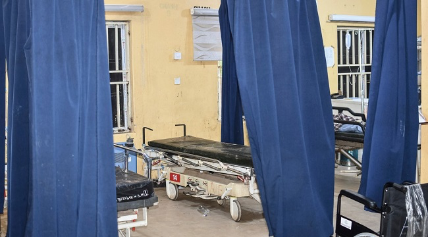
    The Joint Health Sector Union (JOHESU) has urged Nigerians to hold the Federal Government responsible for the hardship being experienced across the country’s healthcare system following its ongoing strike.

    According to the union, the strike became inevitable after the government failed to address longstanding demands despite several engagements. JOHESU recalled that President Bola Tinubu had, in 2023, assured the union that he would mandate the appropriate ministry, department, or agency to resolve the issues raised.

    However, the union lamented that no concrete action has been taken since then, leaving health workers with no option but to withdraw their services.

    JOHESU maintained that the suffering of patients and other Nigerians in need of medical attention could have been avoided if the Federal Government had honoured its commitments, stressing that responsibility for the disruption lies squarely with the authorities.

    #JOHESU #NigeriaHealthcare #FGResponsibility #HealthSectorCrisis
    JOHESU Asks Nigerians To Blame FG Over Healthcare Disruption The Joint Health Sector Union (JOHESU) has urged Nigerians to hold the Federal Government responsible for the hardship being experienced across the country’s healthcare system following its ongoing strike. According to the union, the strike became inevitable after the government failed to address longstanding demands despite several engagements. JOHESU recalled that President Bola Tinubu had, in 2023, assured the union that he would mandate the appropriate ministry, department, or agency to resolve the issues raised. However, the union lamented that no concrete action has been taken since then, leaving health workers with no option but to withdraw their services. JOHESU maintained that the suffering of patients and other Nigerians in need of medical attention could have been avoided if the Federal Government had honoured its commitments, stressing that responsibility for the disruption lies squarely with the authorities. #JOHESU #NigeriaHealthcare #FGResponsibility #HealthSectorCrisis
    0 Comments ·0 Shares ·94 Views
  • Is Nigeria’s Health System Heading for Shutdown? JOHESU Orders Total Work Stoppage Over Tinubu Government’s ‘No Work, No Pay’ Policy

    Is Nigeria on the brink of another nationwide healthcare crisis? The Joint Health Sector Unions (JOHESU) has directed its members across federal health institutions to withdraw their services indefinitely, escalating its standoff with the Tinubu administration over a newly enforced “No Work, No Pay” directive from the Federal Ministry of Health.

    According to a statement issued by JOHESU leader Comrade Abubakar Sani Aminu, the policy was introduced without consultation or dialogue, a move the union describes as a direct violation of workers’ rights and collective bargaining principles. Why, the union asks, would the government impose such a far-reaching directive at a time when negotiations are still ongoing?

    JOHESU says hospital chief executives have been instructed to enforce the policy, which the union believes is a deliberate attempt to weaken organised labour and fracture solidarity among health workers. Aminu warned members that the directive represents “the final weapon” being deployed by the government to break the union’s resolve. Could this mark a turning point in labour relations within Nigeria’s health sector?

    In response, the union has ordered a total work stoppage, explicitly rejecting skeleton services, partial compliance, or compromise of any kind. “There should be no skeleton services, no attempt to help out, or compromise in any way,” the statement declared. JOHESU insists that only collective action can protect workers’ rights and prevent what it calls a dangerous precedent that could affect future industrial disputes.

    What does this mean for patients and public hospitals already struggling with limited resources? While the full impact on healthcare delivery remains uncertain, past JOHESU strikes have caused widespread disruptions across federal medical institutions, raising fears of another wave of service paralysis.

    The union has reaffirmed its commitment to what it describes as a fight for fair treatment, respect for dialogue, and protection of labour rights, urging members nationwide to remain united until its demands are addressed. As of the time of reporting, the Federal Ministry of Health has not issued an official response.

    Will the government reconsider its stance, or is Nigeria heading toward another prolonged healthcare shutdown? And in a sector where lives depend on continuity of care, who ultimately bears the cost of this policy standoff—workers, patients, or the state itself?

    Is Nigeria’s Health System Heading for Shutdown? JOHESU Orders Total Work Stoppage Over Tinubu Government’s ‘No Work, No Pay’ Policy Is Nigeria on the brink of another nationwide healthcare crisis? The Joint Health Sector Unions (JOHESU) has directed its members across federal health institutions to withdraw their services indefinitely, escalating its standoff with the Tinubu administration over a newly enforced “No Work, No Pay” directive from the Federal Ministry of Health. According to a statement issued by JOHESU leader Comrade Abubakar Sani Aminu, the policy was introduced without consultation or dialogue, a move the union describes as a direct violation of workers’ rights and collective bargaining principles. Why, the union asks, would the government impose such a far-reaching directive at a time when negotiations are still ongoing? JOHESU says hospital chief executives have been instructed to enforce the policy, which the union believes is a deliberate attempt to weaken organised labour and fracture solidarity among health workers. Aminu warned members that the directive represents “the final weapon” being deployed by the government to break the union’s resolve. Could this mark a turning point in labour relations within Nigeria’s health sector? In response, the union has ordered a total work stoppage, explicitly rejecting skeleton services, partial compliance, or compromise of any kind. “There should be no skeleton services, no attempt to help out, or compromise in any way,” the statement declared. JOHESU insists that only collective action can protect workers’ rights and prevent what it calls a dangerous precedent that could affect future industrial disputes. What does this mean for patients and public hospitals already struggling with limited resources? While the full impact on healthcare delivery remains uncertain, past JOHESU strikes have caused widespread disruptions across federal medical institutions, raising fears of another wave of service paralysis. The union has reaffirmed its commitment to what it describes as a fight for fair treatment, respect for dialogue, and protection of labour rights, urging members nationwide to remain united until its demands are addressed. As of the time of reporting, the Federal Ministry of Health has not issued an official response. Will the government reconsider its stance, or is Nigeria heading toward another prolonged healthcare shutdown? And in a sector where lives depend on continuity of care, who ultimately bears the cost of this policy standoff—workers, patients, or the state itself?
    0 Comments ·0 Shares ·445 Views
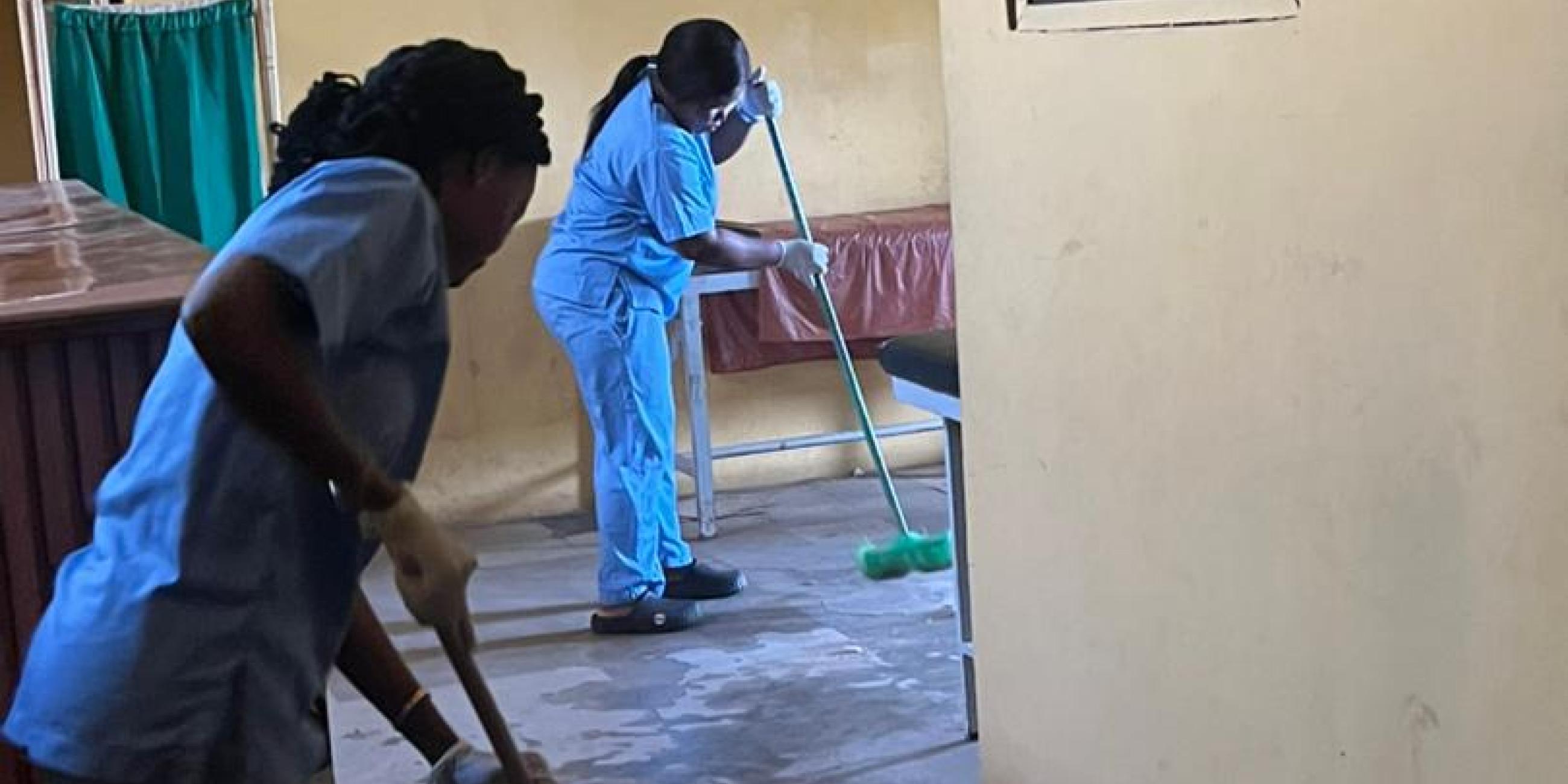
  • Why Are Nigerian Nurses Being Forced to Do Cleaners’ Jobs? Are Hospital CMDs Exploiting Strikes to Intimidate Health Workers Across the Country?

    A growing controversy is shaking Nigeria’s healthcare sector after the Elegant Nurses Forum accused hospital managements across the country of forcing nurses to perform cleaning and other menial duties, a practice the group describes as unethical, unlawful, and professionally degrading.

    In a press statement signed by Nurse Thomas Abiodun Olamide, the forum said it had received multiple complaints from health institutions nationwide, alleging that some Chief Medical Directors (CMDs) are exploiting the ongoing strike by hospital cleaners under the Joint Health Sector Unions (JOHESU) to compel nurses to take over sanitation work.

    According to the forum, this practice violates professional ethics, international best practices, and the legal framework governing nursing in Nigeria. It warned that compelling nurses to abandon clinical responsibilities for cleaning duties not only demeans the profession but also endangers patient safety and healthcare quality.

    The group disclosed that over ten days ago, nurses at the Federal Medical Centre (FMC), Makurdi, Benue State, formally complained of threats and coercion to assume cleaners’ duties. Similar complaints were later received from the Olabisi Onabanjo University Teaching Hospital (OOUTH), Sagamu, Ogun State, along with reports from other tertiary and secondary health facilities nationwide.

    The forum expressed particular concern over the leadership at OOUTH, alleging a persistent pattern of intimidation and harassment of nurses by the hospital’s CMD. According to the statement, nurses were reportedly threatened with job loss, with allegations that political connections were being used to exert pressure. The forum described this as a gross abuse of office, questioning the competence, temperament, and ethical standing of such leadership.

    It further alleged that political interference rather than merit has influenced some CMD appointments, warning that hospitals were being transformed into “tools of oppression” instead of institutions dedicated to patient-centred care.

    Emphasising the professional role of nurses, the forum stated that nurses are trained healthcare practitioners whose duties include patient care, disease prevention, health promotion, and clinical management—not sanitation. Forcing them into menial tasks, it said, devalues their expertise, undermines healthcare delivery, and weakens the entire system.

    In its demands, the Elegant Nurses Forum called for:

    Immediate cessation of all intimidation, threats, and coercion of nurses into non-nursing duties;

    Clear directives from federal and state health ministries prohibiting the assignment of cleaning or other unrelated tasks to nurses;

    Independent investigations and disciplinary action against erring CMDs and administrators;

    Protection of nurses from victimisation and harassment; and

    Transparent, merit-based appointments to hospital leadership positions free from political interference.


    The forum vowed it would not remain silent while nurses are treated as expendable labour and stripped of their professional identity. “Healthcare leadership must be about service, competence, and accountability—not intimidation, arrogance, and abuse of power,” the statement concluded.

    As the allegations spread across multiple states, the central question remains: are hospital authorities protecting patient care—or sacrificing professionalism for power?
    Why Are Nigerian Nurses Being Forced to Do Cleaners’ Jobs? Are Hospital CMDs Exploiting Strikes to Intimidate Health Workers Across the Country? A growing controversy is shaking Nigeria’s healthcare sector after the Elegant Nurses Forum accused hospital managements across the country of forcing nurses to perform cleaning and other menial duties, a practice the group describes as unethical, unlawful, and professionally degrading. In a press statement signed by Nurse Thomas Abiodun Olamide, the forum said it had received multiple complaints from health institutions nationwide, alleging that some Chief Medical Directors (CMDs) are exploiting the ongoing strike by hospital cleaners under the Joint Health Sector Unions (JOHESU) to compel nurses to take over sanitation work. According to the forum, this practice violates professional ethics, international best practices, and the legal framework governing nursing in Nigeria. It warned that compelling nurses to abandon clinical responsibilities for cleaning duties not only demeans the profession but also endangers patient safety and healthcare quality. The group disclosed that over ten days ago, nurses at the Federal Medical Centre (FMC), Makurdi, Benue State, formally complained of threats and coercion to assume cleaners’ duties. Similar complaints were later received from the Olabisi Onabanjo University Teaching Hospital (OOUTH), Sagamu, Ogun State, along with reports from other tertiary and secondary health facilities nationwide. The forum expressed particular concern over the leadership at OOUTH, alleging a persistent pattern of intimidation and harassment of nurses by the hospital’s CMD. According to the statement, nurses were reportedly threatened with job loss, with allegations that political connections were being used to exert pressure. The forum described this as a gross abuse of office, questioning the competence, temperament, and ethical standing of such leadership. It further alleged that political interference rather than merit has influenced some CMD appointments, warning that hospitals were being transformed into “tools of oppression” instead of institutions dedicated to patient-centred care. Emphasising the professional role of nurses, the forum stated that nurses are trained healthcare practitioners whose duties include patient care, disease prevention, health promotion, and clinical management—not sanitation. Forcing them into menial tasks, it said, devalues their expertise, undermines healthcare delivery, and weakens the entire system. In its demands, the Elegant Nurses Forum called for: Immediate cessation of all intimidation, threats, and coercion of nurses into non-nursing duties; Clear directives from federal and state health ministries prohibiting the assignment of cleaning or other unrelated tasks to nurses; Independent investigations and disciplinary action against erring CMDs and administrators; Protection of nurses from victimisation and harassment; and Transparent, merit-based appointments to hospital leadership positions free from political interference. The forum vowed it would not remain silent while nurses are treated as expendable labour and stripped of their professional identity. “Healthcare leadership must be about service, competence, and accountability—not intimidation, arrogance, and abuse of power,” the statement concluded. As the allegations spread across multiple states, the central question remains: are hospital authorities protecting patient care—or sacrificing professionalism for power?
    0 Comments ·0 Shares ·358 Views
Fintter https://fintter.com