• A civil society organisation, the Association of Legislative Drafting and Advocacy Practitioners (ALDRAP), has formally urged the Economic and Financial Crimes Commission (EFCC) to reject the Director-General of the Legal Aid Council of Nigeria as a surety in the ongoing corruption case involving former Attorney General of the Federation and Minister of Justice, Abubakar Malami (SAN).

    In a petition dated December 24, 2025, and addressed to the EFCC Chairman in Abuja, ALDRAP based its request on Section 167(1) of the Administration of Criminal Justice Act (ACJA), 2015, which clearly outlines who qualifies to stand as a surety in criminal proceedings. The group argued that the Director-General of the Legal Aid Council does not meet the statutory and ethical requirements required under the law.

    The petition, signed by ALDRAP’s Secretary, Dr. Tonye Clinton Jaja, cited the 2024 Anti-Corruption Index published by the Independent Corrupt Practices and Related Offences Commission (ICPC). According to the group, the Legal Aid Council of Nigeria was among federal government agencies that recorded a zero percent (0%) score in the ICPC’s ethics and integrity assessment for the year.

    ALDRAP stressed that this poor rating raises serious concerns about the integrity, credibility, and suitability of the Legal Aid Council’s leadership to act as a surety for a defendant facing serious corruption allegations. The group argued that allowing a public official whose institution failed to meet basic anti-corruption benchmarks to guarantee the bail of a former justice minister accused of massive financial crimes would undermine public confidence in the justice system.

    “The implication is that a person heading an institution that scored zero percent in the ICPC anti-corruption index cannot be considered fit and proper to stand as surety for Malami, who is himself undergoing investigation and prosecution for corruption-related offences,” the petition stated.

    ALDRAP further reminded the EFCC of its mandate as a watchdog against corruption and urged the commission to ensure that all bail conditions strictly comply with the law and ethical standards. The group noted that it was incorporated in 2017 under the Companies and Allied Matters Act (CAMA) and is committed to promoting adherence to the 1999 Constitution and other relevant laws governing public accountability.

    Meanwhile, the petition comes against the backdrop of serious criminal charges filed against Malami by the Federal Government. SaharaReporters had earlier reported that Malami is facing 16 counts bordering on money laundering, conspiracy, and unlawful acquisition of assets, alongside his son, Abubakar Abdulaziz Malami, and an associate, Hajia Bashir Asabe.

    According to court documents, prosecutors allege that Malami and his co-defendants used corporate fronts and proxies, including Metropolitan Auto Tech Limited, Rahamaniyya Properties Limited, and Meethaq Hotels Limited, to conceal and launder illicit funds while Malami served as Nigeria’s chief law officer. The alleged offences span nearly a decade, from 2015 to 2025, covering both his time in office and the period after.

    The charges detail multiple financial transactions involving billions of naira, including over ₦1 billion allegedly concealed through Sterling Bank accounts, large cash collaterals used to secure bank loans, and payments for luxury properties in Abuja, Kano, Birnin Kebbi, and other locations. Prosecutors claim that no fewer than 30 high-value properties worth about ₦212.8 billion were acquired using proceeds of unlawful activities.

    The government further alleges that Malami and his associates violated provisions of the Money Laundering (Prohibition) Act 2011 (as amended) and the Money Laundering (Prevention and Prohibition) Act 2022, through systematic concealment, conversion, and retention of illicit funds.

    Against this backdrop, ALDRAP has expressed confidence that the EFCC will give its petition urgent and favourable consideration, insisting that the integrity of the bail process must not be compromised in a case of such national significance. The group warned that allowing questionable sureties could weaken anti-corruption efforts and send the wrong message to Nigerians about accountability at the highest levels of government.
    A civil society organisation, the Association of Legislative Drafting and Advocacy Practitioners (ALDRAP), has formally urged the Economic and Financial Crimes Commission (EFCC) to reject the Director-General of the Legal Aid Council of Nigeria as a surety in the ongoing corruption case involving former Attorney General of the Federation and Minister of Justice, Abubakar Malami (SAN). In a petition dated December 24, 2025, and addressed to the EFCC Chairman in Abuja, ALDRAP based its request on Section 167(1) of the Administration of Criminal Justice Act (ACJA), 2015, which clearly outlines who qualifies to stand as a surety in criminal proceedings. The group argued that the Director-General of the Legal Aid Council does not meet the statutory and ethical requirements required under the law. The petition, signed by ALDRAP’s Secretary, Dr. Tonye Clinton Jaja, cited the 2024 Anti-Corruption Index published by the Independent Corrupt Practices and Related Offences Commission (ICPC). According to the group, the Legal Aid Council of Nigeria was among federal government agencies that recorded a zero percent (0%) score in the ICPC’s ethics and integrity assessment for the year. ALDRAP stressed that this poor rating raises serious concerns about the integrity, credibility, and suitability of the Legal Aid Council’s leadership to act as a surety for a defendant facing serious corruption allegations. The group argued that allowing a public official whose institution failed to meet basic anti-corruption benchmarks to guarantee the bail of a former justice minister accused of massive financial crimes would undermine public confidence in the justice system. “The implication is that a person heading an institution that scored zero percent in the ICPC anti-corruption index cannot be considered fit and proper to stand as surety for Malami, who is himself undergoing investigation and prosecution for corruption-related offences,” the petition stated. ALDRAP further reminded the EFCC of its mandate as a watchdog against corruption and urged the commission to ensure that all bail conditions strictly comply with the law and ethical standards. The group noted that it was incorporated in 2017 under the Companies and Allied Matters Act (CAMA) and is committed to promoting adherence to the 1999 Constitution and other relevant laws governing public accountability. Meanwhile, the petition comes against the backdrop of serious criminal charges filed against Malami by the Federal Government. SaharaReporters had earlier reported that Malami is facing 16 counts bordering on money laundering, conspiracy, and unlawful acquisition of assets, alongside his son, Abubakar Abdulaziz Malami, and an associate, Hajia Bashir Asabe. According to court documents, prosecutors allege that Malami and his co-defendants used corporate fronts and proxies, including Metropolitan Auto Tech Limited, Rahamaniyya Properties Limited, and Meethaq Hotels Limited, to conceal and launder illicit funds while Malami served as Nigeria’s chief law officer. The alleged offences span nearly a decade, from 2015 to 2025, covering both his time in office and the period after. The charges detail multiple financial transactions involving billions of naira, including over ₦1 billion allegedly concealed through Sterling Bank accounts, large cash collaterals used to secure bank loans, and payments for luxury properties in Abuja, Kano, Birnin Kebbi, and other locations. Prosecutors claim that no fewer than 30 high-value properties worth about ₦212.8 billion were acquired using proceeds of unlawful activities. The government further alleges that Malami and his associates violated provisions of the Money Laundering (Prohibition) Act 2011 (as amended) and the Money Laundering (Prevention and Prohibition) Act 2022, through systematic concealment, conversion, and retention of illicit funds. Against this backdrop, ALDRAP has expressed confidence that the EFCC will give its petition urgent and favourable consideration, insisting that the integrity of the bail process must not be compromised in a case of such national significance. The group warned that allowing questionable sureties could weaken anti-corruption efforts and send the wrong message to Nigerians about accountability at the highest levels of government.
    like
    1
    · 0 Reacties ·0 aandelen ·932 Views
  • Tinubu Presents 2026 Budget, Vows to Deliver Renewed Hope Agenda to Nigerians

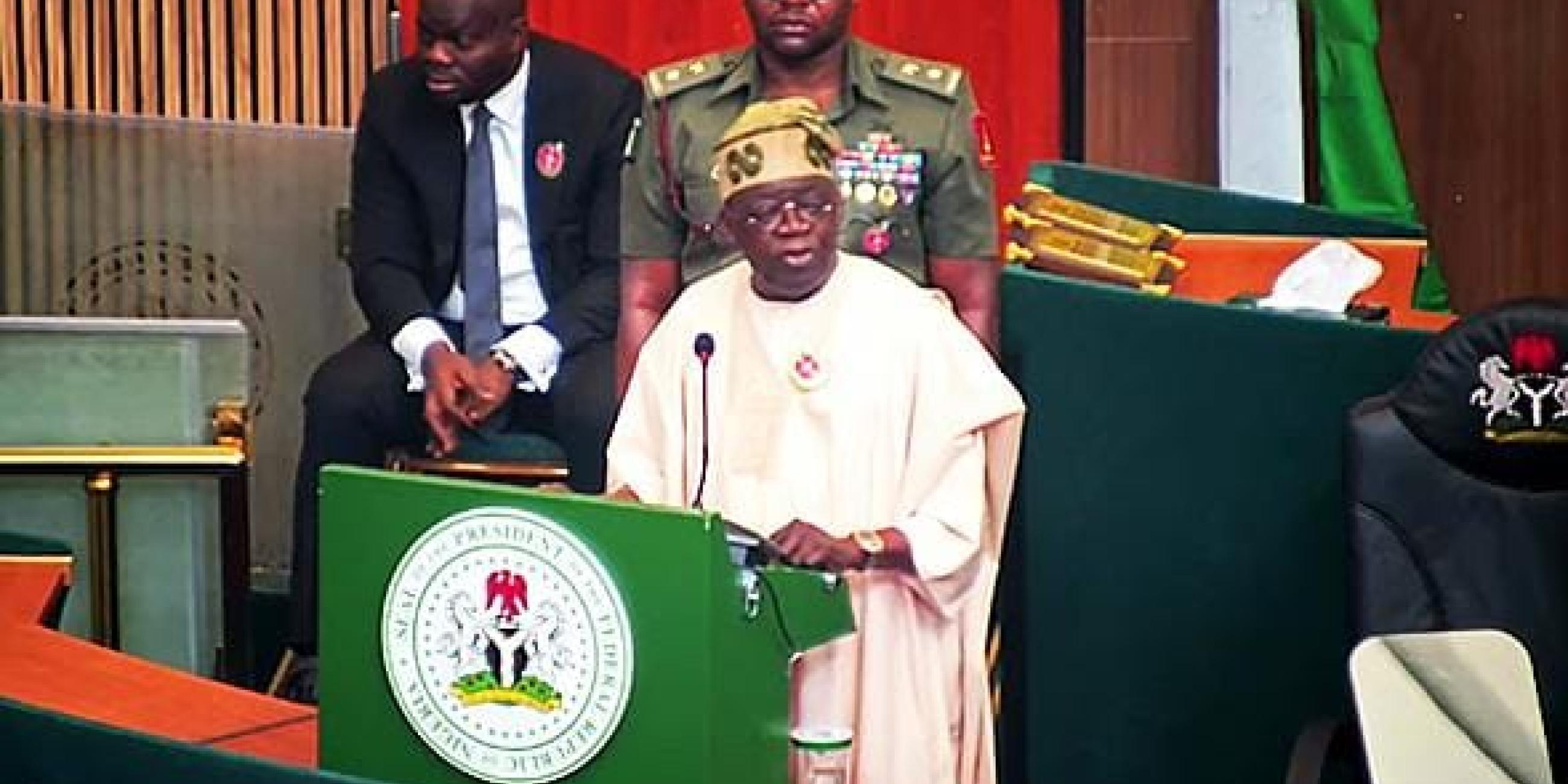
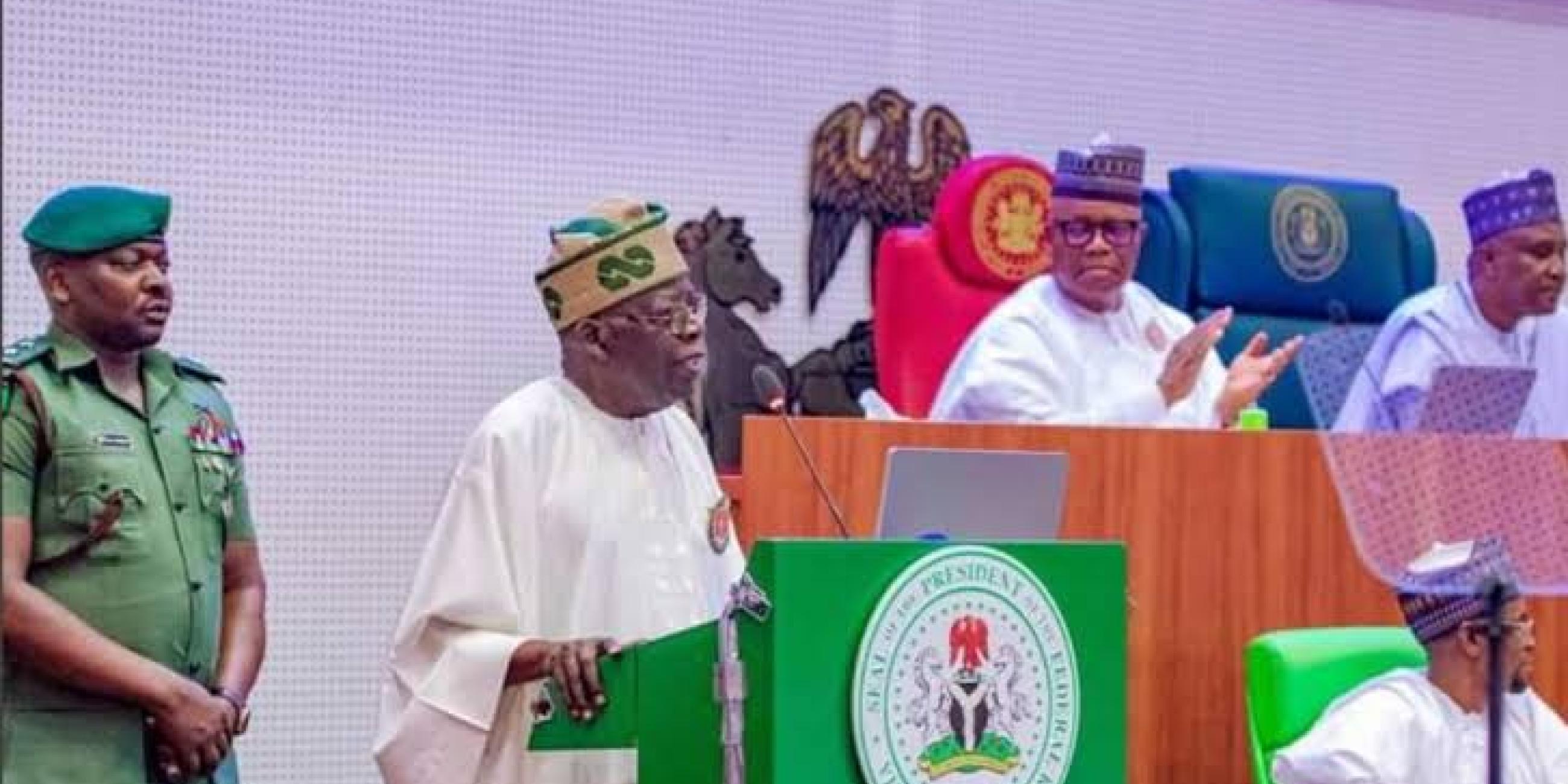
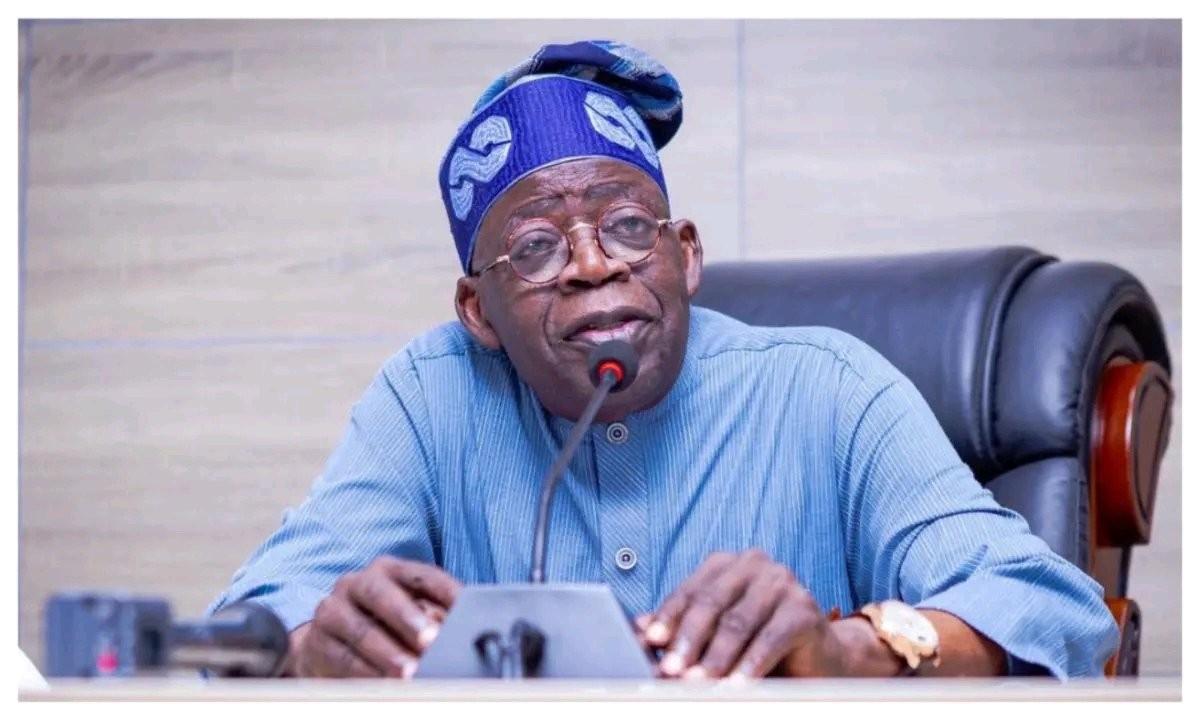
    President Bola Tinubu on December 19, 2025, presented the 2026 Appropriation Bill to a joint session of the National Assembly, pledging that his administration will fulfill the objectives of the Renewed Hope Agenda. The budget, titled “Budget of Consolidation, Renewed Hope, and Shared Prosperity,” aims to stabilize the economy, strengthen public finances, and improve citizens’ welfare. The presentation followed an emergency Federal Executive Council (FEC) session that finalised the budget parameters, including an oil price benchmark of $64.85 per barrel and an exchange rate of ₦1,512 per dollar. Tinubu called for collaboration between the legislature and the executive to ensure national development goals are met as lawmakers prepare to scrutinize the 2026 fiscal estimates.
    Tinubu Presents 2026 Budget, Vows to Deliver Renewed Hope Agenda to Nigerians President Bola Tinubu on December 19, 2025, presented the 2026 Appropriation Bill to a joint session of the National Assembly, pledging that his administration will fulfill the objectives of the Renewed Hope Agenda. The budget, titled “Budget of Consolidation, Renewed Hope, and Shared Prosperity,” aims to stabilize the economy, strengthen public finances, and improve citizens’ welfare. The presentation followed an emergency Federal Executive Council (FEC) session that finalised the budget parameters, including an oil price benchmark of $64.85 per barrel and an exchange rate of ₦1,512 per dollar. Tinubu called for collaboration between the legislature and the executive to ensure national development goals are met as lawmakers prepare to scrutinize the 2026 fiscal estimates.
    haha
    1
    · 0 Reacties ·0 aandelen ·524 Views
  • Tinubu Presents ₦58.47 Trillion 2026 Nigerian Budget, Defence and Security Receive Largest Allocations

    President Bola Tinubu has presented the ₦58.47 trillion budget proposal for Nigeria’s 2026 fiscal year to the National Assembly, titled “Budget of Consolidation, Renewed Resilience and Shared Prosperity.” The budget proposes ₦26.08 trillion in capital expenditure and ₦15.25 trillion in recurrent (non-debt) spending. Defence and security received the highest allocation of ₦5.41 trillion, followed by infrastructure (₦3.56 trillion), education (₦3.52 trillion), and healthcare (₦2.48 trillion). The budget is based on a crude oil benchmark of US$64.85 per barrel, daily production of 1.84 million barrels, and an exchange rate of ₦1,400/US$. Analysts note that the proposal underscores government priorities in security, infrastructure, and human capital while raising concerns over debt servicing and inflation.
    Tinubu Presents ₦58.47 Trillion 2026 Nigerian Budget, Defence and Security Receive Largest Allocations President Bola Tinubu has presented the ₦58.47 trillion budget proposal for Nigeria’s 2026 fiscal year to the National Assembly, titled “Budget of Consolidation, Renewed Resilience and Shared Prosperity.” The budget proposes ₦26.08 trillion in capital expenditure and ₦15.25 trillion in recurrent (non-debt) spending. Defence and security received the highest allocation of ₦5.41 trillion, followed by infrastructure (₦3.56 trillion), education (₦3.52 trillion), and healthcare (₦2.48 trillion). The budget is based on a crude oil benchmark of US$64.85 per barrel, daily production of 1.84 million barrels, and an exchange rate of ₦1,400/US$. Analysts note that the proposal underscores government priorities in security, infrastructure, and human capital while raising concerns over debt servicing and inflation.
    like
    1
    · 0 Reacties ·0 aandelen ·627 Views
  • BPP AND SON SIGN MOU TO PROMOTE “NIGERIA FIRST” IN PUBLIC PROCUREMENT

    The Bureau of Public Procurement (BPP) and the Standards Organisation of Nigeria (SON) have signed a Memorandum of Understanding to strengthen the application of Nigerian Industrial Standards (NIS) in Federal Government procurement processes, in support of the Federal Government’s Nigeria First policy.

    A statement jointly signed by Zira Zakka Nagga, Head of Press and Public Relations (BPP) and
    Talatu Ethan, Director Corporate Affairs (SON) indicates that the MoU was signed by both the Director-General of BPP, Dr. Adebowale A. Adedokun, FCIPS, FCILT, ACFE and the Director-General of SON, Dr. Ifeanyi Chukwunonso Okeke, ACTI, FCA, FMSN at the BPP headoffice in Abuja.

    The MoU establishes a cooperation framework to ensure that goods, works and services procured by Government comply with relevant Nigerian Industrial Standards and encourages the adoption of local content and the use of Made-in-Nigeria products that meet approved quality benchmarks.

    With the signing of the MoU, both institutions reaffirm their commitment to improving quality outcomes in Government projects and advancing transparency, competitiveness, and value-for-money in line with the Nigeria First policy.
    BPP AND SON SIGN MOU TO PROMOTE “NIGERIA FIRST” IN PUBLIC PROCUREMENT The Bureau of Public Procurement (BPP) and the Standards Organisation of Nigeria (SON) have signed a Memorandum of Understanding to strengthen the application of Nigerian Industrial Standards (NIS) in Federal Government procurement processes, in support of the Federal Government’s Nigeria First policy. A statement jointly signed by Zira Zakka Nagga, Head of Press and Public Relations (BPP) and Talatu Ethan, Director Corporate Affairs (SON) indicates that the MoU was signed by both the Director-General of BPP, Dr. Adebowale A. Adedokun, FCIPS, FCILT, ACFE and the Director-General of SON, Dr. Ifeanyi Chukwunonso Okeke, ACTI, FCA, FMSN at the BPP headoffice in Abuja. The MoU establishes a cooperation framework to ensure that goods, works and services procured by Government comply with relevant Nigerian Industrial Standards and encourages the adoption of local content and the use of Made-in-Nigeria products that meet approved quality benchmarks. With the signing of the MoU, both institutions reaffirm their commitment to improving quality outcomes in Government projects and advancing transparency, competitiveness, and value-for-money in line with the Nigeria First policy.
    0 Reacties ·0 aandelen ·521 Views
  • Audit Reveals Massive Collapse in Nigeria’s Public Service as 30 MDAs Declared ‘Structurally Failing’

    A new federal compliance audit has exposed a deep crisis in Nigeria’s public sector, revealing that 30 major Ministries, Departments and Agencies (MDAs) are “structurally non-compliant and operationally failing.” The report, covering January–October 2025 and compiled by PEBEC, shows that over half of the institutions evaluated did not meet the minimum 50% Business Facilitation Act (BFA) compliance benchmark.

    Only five agencies—including the Nigerian Content Development Board, NDLEA, Customs, NCC and NPA—recorded strong performances. Meanwhile, critical institutions like NIMC, NBS, NIPOST, SEC, NUPRC, NIMASA, and NEXIM Bank ranked at the bottom, scoring below 50%, with NIMC posting a shocking 12.7%.

    The audit paints a grim picture of widespread governance failure marked by sluggish approvals, analog processes, opaque systems, missing service timelines, lack of digital integration, and zero accountability. Despite billions invested in digital transformation, essential services such as identity registration and passport processing remain chaotic, leaving citizens to bear the brunt of a collapsing public service infrastructure.
    Audit Reveals Massive Collapse in Nigeria’s Public Service as 30 MDAs Declared ‘Structurally Failing’ A new federal compliance audit has exposed a deep crisis in Nigeria’s public sector, revealing that 30 major Ministries, Departments and Agencies (MDAs) are “structurally non-compliant and operationally failing.” The report, covering January–October 2025 and compiled by PEBEC, shows that over half of the institutions evaluated did not meet the minimum 50% Business Facilitation Act (BFA) compliance benchmark. Only five agencies—including the Nigerian Content Development Board, NDLEA, Customs, NCC and NPA—recorded strong performances. Meanwhile, critical institutions like NIMC, NBS, NIPOST, SEC, NUPRC, NIMASA, and NEXIM Bank ranked at the bottom, scoring below 50%, with NIMC posting a shocking 12.7%. The audit paints a grim picture of widespread governance failure marked by sluggish approvals, analog processes, opaque systems, missing service timelines, lack of digital integration, and zero accountability. Despite billions invested in digital transformation, essential services such as identity registration and passport processing remain chaotic, leaving citizens to bear the brunt of a collapsing public service infrastructure.
    0 Reacties ·0 aandelen ·1K Views
  • FG Sets N1,512/$ Exchange Rate Target for 2026 in New Fiscal Framework

    The Federal Government has unveiled a new exchange rate projection of N1,512 per dollar for the 2026 budget under the 2026–2028 Medium-Term Expenditure Framework and Fiscal Strategy Paper (MTEF/FSP). The plan also includes a conservative oil price benchmark of $64.85 per barrel, and two production targets: 2.06mbpd (target) and 1.80mbpd (benchmark).
    According to Minister of Budget and Economic Planning, Atiku Bagudu, Nigeria is projecting GDP growth of 4.68%, gross federation revenue of N50.74 trillion, and a federal budget deficit of N20.10 trillion. Major spending areas include debt servicing, statutory transfers, and recurrent expenditure.
    The announcement comes as Nigeria’s external reserves rise to $42.2 billion, strengthening the country’s FX stability outlook.
    FG Sets N1,512/$ Exchange Rate Target for 2026 in New Fiscal Framework The Federal Government has unveiled a new exchange rate projection of N1,512 per dollar for the 2026 budget under the 2026–2028 Medium-Term Expenditure Framework and Fiscal Strategy Paper (MTEF/FSP). The plan also includes a conservative oil price benchmark of $64.85 per barrel, and two production targets: 2.06mbpd (target) and 1.80mbpd (benchmark). According to Minister of Budget and Economic Planning, Atiku Bagudu, Nigeria is projecting GDP growth of 4.68%, gross federation revenue of N50.74 trillion, and a federal budget deficit of N20.10 trillion. Major spending areas include debt servicing, statutory transfers, and recurrent expenditure. The announcement comes as Nigeria’s external reserves rise to $42.2 billion, strengthening the country’s FX stability outlook.
    0 Reacties ·0 aandelen ·517 Views
  • FG Projects N34.33trn Revenue for 2026, Sets Exchange Rate at N1,512/$1 in New MTEF

    The Federal Executive Council has approved the 2026–2028 Medium-Term Expenditure Framework and Fiscal Strategy Paper, setting Nigeria’s projected revenue for 2026 at N34.33 trillion. According to Budget and Economic Planning Minister Atiku Bagudu, the framework adopts a benchmark oil production target of 2.06 million barrels per day, with a conservative 1.8 million barrels per day used for budgeting. The government also approved an oil price benchmark of $64.85 per barrel and an exchange rate of N1,512/$1, influenced partly by the upcoming 2027 general elections.
    The MTEF outlines key expenditure figures, including N15.91 trillion for debt servicing, N15.27 trillion for non-recurrent spending, and a fiscal deficit of N20.1 trillion. Bagudu emphasised ongoing reforms to expand non-oil revenue, strengthen tax administration, and curb leakages in the oil and minerals sectors. The government is also working with the National Assembly to restore a January–December budget cycle, with parts of the 2025 capital expenditure expected to roll over into 2026.


    #2026Budget

    #MTEF

    #FederalExecutiveCouncil

    #AtikuBagudu

    #WaleEdun
    FG Projects N34.33trn Revenue for 2026, Sets Exchange Rate at N1,512/$1 in New MTEF The Federal Executive Council has approved the 2026–2028 Medium-Term Expenditure Framework and Fiscal Strategy Paper, setting Nigeria’s projected revenue for 2026 at N34.33 trillion. According to Budget and Economic Planning Minister Atiku Bagudu, the framework adopts a benchmark oil production target of 2.06 million barrels per day, with a conservative 1.8 million barrels per day used for budgeting. The government also approved an oil price benchmark of $64.85 per barrel and an exchange rate of N1,512/$1, influenced partly by the upcoming 2027 general elections. The MTEF outlines key expenditure figures, including N15.91 trillion for debt servicing, N15.27 trillion for non-recurrent spending, and a fiscal deficit of N20.1 trillion. Bagudu emphasised ongoing reforms to expand non-oil revenue, strengthen tax administration, and curb leakages in the oil and minerals sectors. The government is also working with the National Assembly to restore a January–December budget cycle, with parts of the 2025 capital expenditure expected to roll over into 2026. #2026Budget #MTEF #FederalExecutiveCouncil #AtikuBagudu #WaleEdun
    0 Reacties ·0 aandelen ·736 Views

  • JUST IN: The National Senior Secondary Education Commission on Monday said it has given state governments a one-year ultimatum to implement the newly set minimum benchmarks for senior secondary schools.

    The Executive Secretary of the Commission, Dr. Iyela Ajayi stated this during an interaction with journalists in Abuja.
    JUST IN: The National Senior Secondary Education Commission on Monday said it has given state governments a one-year ultimatum to implement the newly set minimum benchmarks for senior secondary schools. The Executive Secretary of the Commission, Dr. Iyela Ajayi stated this during an interaction with journalists in Abuja.
    0 Reacties ·0 aandelen ·288 Views
  • "Lagos-Calabar Coastal Highway Costs ₦7.5 Billion Per Kilometer" —David Umahi

    Minister of Works, Dave Umahi, has justified the ₦7.5 billion per kilometer cost of the Lagos-Calabar Coastal Highway insisting that the ₦1.067 trillion budgeted for the first 47.47-kilometer section is fair & even below global benchmarks

    Addressing journalists in a recent briefing, Umahi explained that the project’s cost reflects its complex design — a 6 lane reinforced concrete expressway featuring flyovers, underpasses, shoreline protection, solar lighting & landscaping

    “A standard coastal road costs ₦7.5 billion per kilometer,” Umahi said. “This includes all fillings, shore protections, solar streetlights & the planting of trees.”

    According to him, the figure was derived by dividing the total ₦1.067 trillion cost by the road length & adjusting it to a standard two-lane federal highway. “When you divide ₦1.067 trillion by 47.47 kilometers & then by two lanes, it gives ₦7.5 billion per kilometer of a standard road,” he explained

    Umahi noted that the cost also factors in difficult terrain and extensive groundwork. He disclosed that engineers encountered pits as deep as 20 meters along parts of the route, which had to be excavated and refilled in layers before concrete laying could begin.

    Comparing the current project to older asphalt-based roads, the minister argued that the use of reinforced concrete ensures greater durability and long-term value for money.

    He also revealed that international financial institutions, including a Dutch-led consortium, reviewed the project and found it to be “undervalued.” Umahi added that the 70% loan portion of the project was oversubscribed by $100 million, reflecting global confidence in its feasibility.

    Defending the government’s transparency, Umahi challenged critics to be factual in their assessments. “If international lenders can back this project, we are ready to face anyone. But when criticising, be objective and tell the public the truth,” he stated.
    "Lagos-Calabar Coastal Highway Costs ₦7.5 Billion Per Kilometer" —David Umahi Minister of Works, Dave Umahi, has justified the ₦7.5 billion per kilometer cost of the Lagos-Calabar Coastal Highway insisting that the ₦1.067 trillion budgeted for the first 47.47-kilometer section is fair & even below global benchmarks Addressing journalists in a recent briefing, Umahi explained that the project’s cost reflects its complex design — a 6 lane reinforced concrete expressway featuring flyovers, underpasses, shoreline protection, solar lighting & landscaping “A standard coastal road costs ₦7.5 billion per kilometer,” Umahi said. “This includes all fillings, shore protections, solar streetlights & the planting of trees.” According to him, the figure was derived by dividing the total ₦1.067 trillion cost by the road length & adjusting it to a standard two-lane federal highway. “When you divide ₦1.067 trillion by 47.47 kilometers & then by two lanes, it gives ₦7.5 billion per kilometer of a standard road,” he explained Umahi noted that the cost also factors in difficult terrain and extensive groundwork. He disclosed that engineers encountered pits as deep as 20 meters along parts of the route, which had to be excavated and refilled in layers before concrete laying could begin. Comparing the current project to older asphalt-based roads, the minister argued that the use of reinforced concrete ensures greater durability and long-term value for money. He also revealed that international financial institutions, including a Dutch-led consortium, reviewed the project and found it to be “undervalued.” Umahi added that the 70% loan portion of the project was oversubscribed by $100 million, reflecting global confidence in its feasibility. Defending the government’s transparency, Umahi challenged critics to be factual in their assessments. “If international lenders can back this project, we are ready to face anyone. But when criticising, be objective and tell the public the truth,” he stated.
    0 Reacties ·0 aandelen ·796 Views
  • Nigerians blush as FG Reports Drop in Food Prices, Highlights Boost in Crop Production Nationwide

    The Federal Government has announced that food prices across Nigeria have declined, driven by improved crop yields and stronger agricultural performance, according to the 2025 Agricultural Performance Survey.

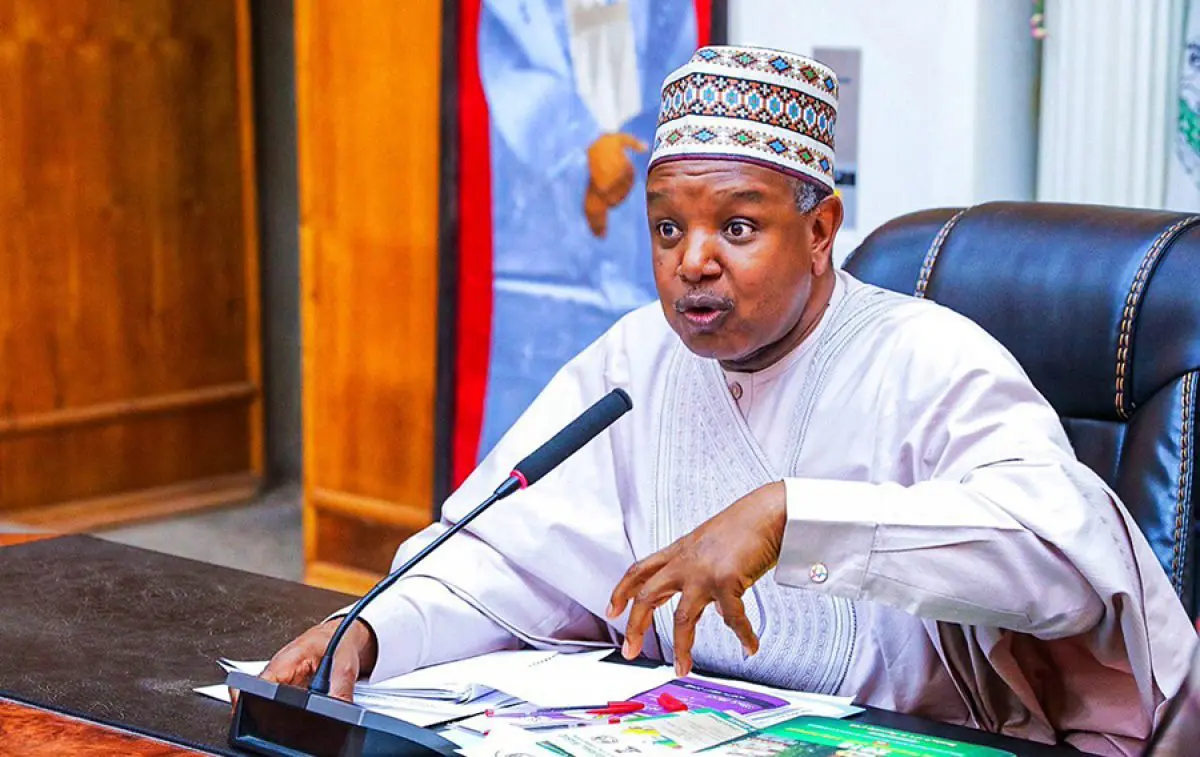
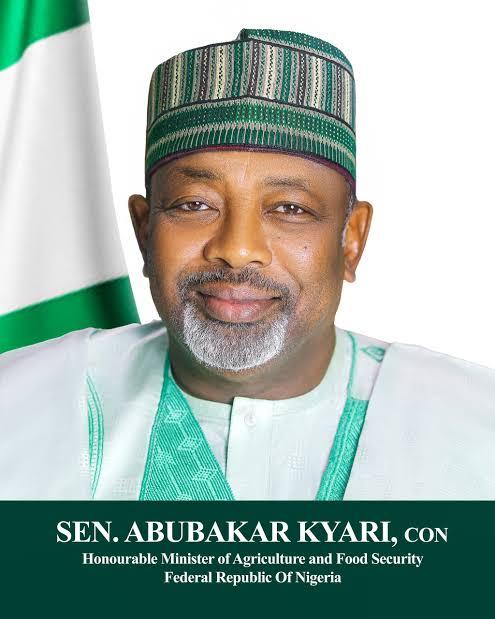
    In a statement issued on Wednesday, the Minister of Agriculture and Food Security, Senator Abubakar Kyari, said the report shows steady growth in the production of key staples including rice, maize, sorghum, millet, cowpea, yam, and cassava all recording increases compared to 2024 levels.

    Kyari attributed the progress and the “significant reduction in food prices across all zones” to improved supply conditions and the cumulative effect of government programmes focused on input support, mechanisation, and extension service delivery.

    He commended the National Agricultural Extension and Research Liaison Services (NAERLS) of Ahmadu Bello University and the ministry’s technical departments for their role in producing what he described as a new benchmark for “excellence and transparency” in national agricultural performance tracking.

    “This survey remains one of the most important tools for evidence-based planning, monitoring, and policymaking in Nigeria’s agricultural sector. It provides a realistic picture of production outcomes, farmer experiences, and sectoral challenges all crucial for designing targeted interventions,” Kyari said.

    He highlighted that the data collection covered all 36 states and the FCT, incorporating new datasets such as the Farm Family Census and Tractor Census, alongside complementary studies on commodity prices, a process he said reflects a stronger commitment to transparency and data-driven decision-making.

    The minister also praised farmers for their resilience despite challenges posed by irregular rainfall, localised flooding, and pest outbreaks.

    However, Kyari cautioned that high input costs, particularly for fertiliser and fuel, as well as weak post-harvest infrastructure, remain major obstacles to agricultural growth.
    Nigerians blush as FG Reports Drop in Food Prices, Highlights Boost in Crop Production Nationwide The Federal Government has announced that food prices across Nigeria have declined, driven by improved crop yields and stronger agricultural performance, according to the 2025 Agricultural Performance Survey. In a statement issued on Wednesday, the Minister of Agriculture and Food Security, Senator Abubakar Kyari, said the report shows steady growth in the production of key staples including rice, maize, sorghum, millet, cowpea, yam, and cassava all recording increases compared to 2024 levels. Kyari attributed the progress and the “significant reduction in food prices across all zones” to improved supply conditions and the cumulative effect of government programmes focused on input support, mechanisation, and extension service delivery. He commended the National Agricultural Extension and Research Liaison Services (NAERLS) of Ahmadu Bello University and the ministry’s technical departments for their role in producing what he described as a new benchmark for “excellence and transparency” in national agricultural performance tracking. “This survey remains one of the most important tools for evidence-based planning, monitoring, and policymaking in Nigeria’s agricultural sector. It provides a realistic picture of production outcomes, farmer experiences, and sectoral challenges all crucial for designing targeted interventions,” Kyari said. He highlighted that the data collection covered all 36 states and the FCT, incorporating new datasets such as the Farm Family Census and Tractor Census, alongside complementary studies on commodity prices, a process he said reflects a stronger commitment to transparency and data-driven decision-making. The minister also praised farmers for their resilience despite challenges posed by irregular rainfall, localised flooding, and pest outbreaks. However, Kyari cautioned that high input costs, particularly for fertiliser and fuel, as well as weak post-harvest infrastructure, remain major obstacles to agricultural growth.
    like
    1
    · 0 Reacties ·0 aandelen ·787 Views
  • Presidency Dismisses World Bank Report Claiming 139 Million Nigerians Live in Poverty.

    The Presidency has rejected the World Bank’s recent report estimating that 139 million Nigerians are living in poverty, describing the figure as exaggerated and disconnected from the nation’s current economic reality.

    In a statement posted on X (formerly Twitter) on Wednesday, President Bola Tinubu’s Special Adviser on Media and Public Communication, Sunday Dare, said the World Bank’s assessment must be “properly contextualised” within the limitations of global poverty measurement frameworks.

    “While Nigeria values its partnership with the World Bank and acknowledges its contributions to policy discussions, the figure quoted must be properly contextualised. It is unrealistic,” Dare stated.

    According to the Presidency, the 139 million figure was derived using the global poverty benchmark of $2.15 per person per day, a standard set in 2017 under Purchasing Power Parity (PPP). It clarified that the measure does not represent an actual headcount of poor Nigerians.

    The statement explained that when converted to nominal terms, the $2.15 benchmark equates to roughly ₦100,000 per month at the current exchange rate, far above Nigeria’s new minimum wage of ₦70,000 making the figure “an analytical model, not a direct reflection of local realities.”

    “The World Bank’s poverty estimate should not be interpreted as a literal or real-time headcount. It’s based on an outdated PPP model using Nigeria’s last major consumption survey from 2018/19 and largely ignores the informal and subsistence sectors that sustain millions of households,” the Presidency said.

    It added that the government views the report as a “global projection” rather than an accurate picture of living conditions in 2025, stressing that Nigeria’s economy is now on a recovery path.
    Presidency Dismisses World Bank Report Claiming 139 Million Nigerians Live in Poverty. The Presidency has rejected the World Bank’s recent report estimating that 139 million Nigerians are living in poverty, describing the figure as exaggerated and disconnected from the nation’s current economic reality. In a statement posted on X (formerly Twitter) on Wednesday, President Bola Tinubu’s Special Adviser on Media and Public Communication, Sunday Dare, said the World Bank’s assessment must be “properly contextualised” within the limitations of global poverty measurement frameworks. “While Nigeria values its partnership with the World Bank and acknowledges its contributions to policy discussions, the figure quoted must be properly contextualised. It is unrealistic,” Dare stated. According to the Presidency, the 139 million figure was derived using the global poverty benchmark of $2.15 per person per day, a standard set in 2017 under Purchasing Power Parity (PPP). It clarified that the measure does not represent an actual headcount of poor Nigerians. The statement explained that when converted to nominal terms, the $2.15 benchmark equates to roughly ₦100,000 per month at the current exchange rate, far above Nigeria’s new minimum wage of ₦70,000 making the figure “an analytical model, not a direct reflection of local realities.” “The World Bank’s poverty estimate should not be interpreted as a literal or real-time headcount. It’s based on an outdated PPP model using Nigeria’s last major consumption survey from 2018/19 and largely ignores the informal and subsistence sectors that sustain millions of households,” the Presidency said. It added that the government views the report as a “global projection” rather than an accurate picture of living conditions in 2025, stressing that Nigeria’s economy is now on a recovery path.
    0 Reacties ·0 aandelen ·782 Views
  • United States won’t be happy, Xiaomi has developed a chip so powerful that even China has praised it.

    Chinese electronics giant Xiaomi this week unveiled its first high-end processor, the Xring 01, a System-on-a-Chip (SoC) that clearly aims to rival the industry benchmarks of Qualcomm’s Snapdragon 8 and Apple’s A18 Pro. The result is such that the Chinese government itself has publicly hailed the performance.
    United States won’t be happy, Xiaomi has developed a chip so powerful that even China has praised it. Chinese electronics giant Xiaomi this week unveiled its first high-end processor, the Xring 01, a System-on-a-Chip (SoC) that clearly aims to rival the industry benchmarks of Qualcomm’s Snapdragon 8 and Apple’s A18 Pro. The result is such that the Chinese government itself has publicly hailed the performance.
    0 Reacties ·0 aandelen ·469 Views
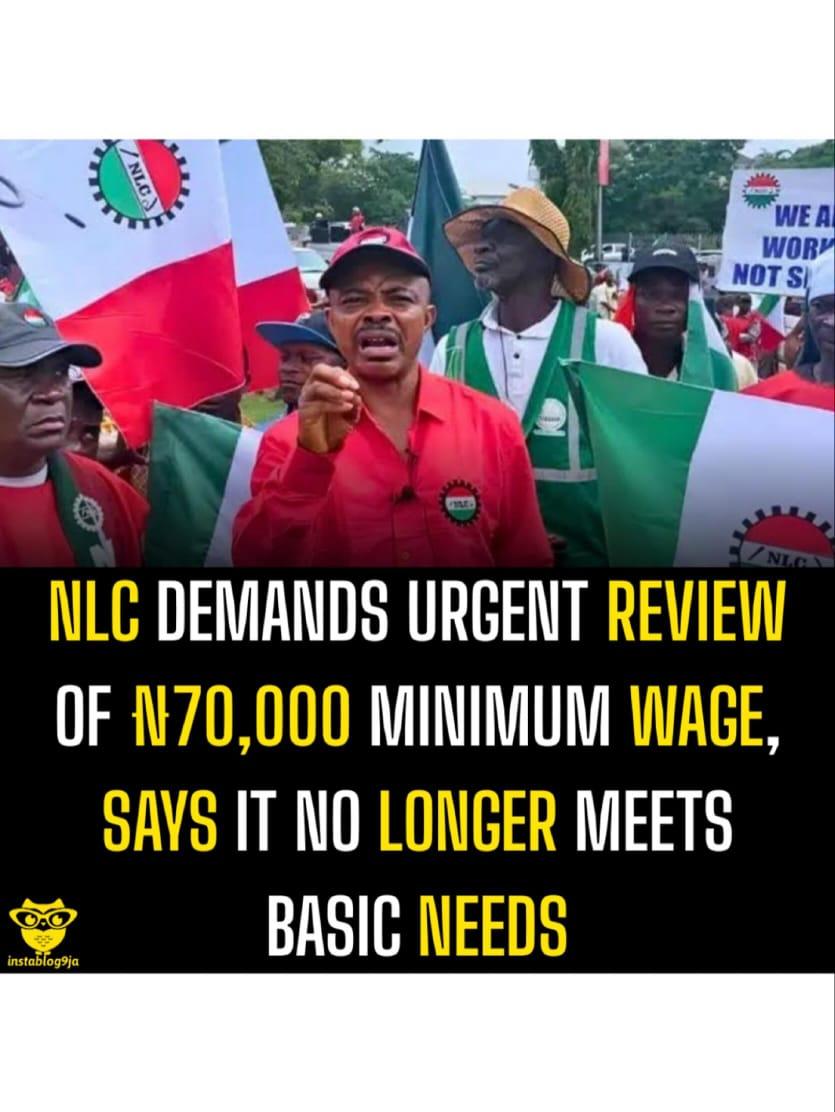
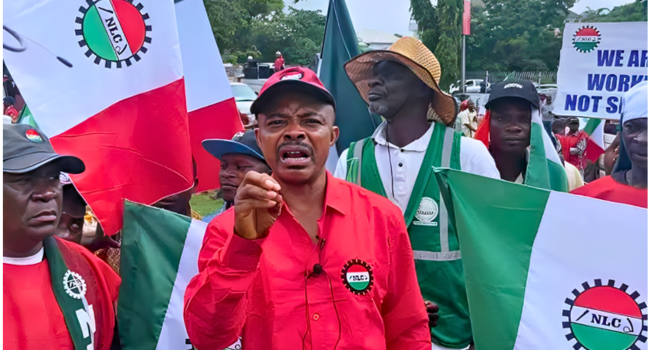
  • NLC Demands Urgent Review of ₦70,000 Minimum Wage, Says it No Longer Meets Basic Needs

    The Nigeria Labour Congress (NLC) and federal government workers have called for an immediate review of the national minimum wage, arguing that the current ₦70,000 can no longer meet basic needs.

    Their demand comes after several states increased workers’ salaries beyond the ₦70,000 benchmark to cushion the effects of rising living costs.

    Speaking to the News Agency of Nigeria (NAN), union leaders and workers stressed that soaring inflation, escalating food prices, transportation costs, rent, and other essential expenses have made the wage unsustainable.

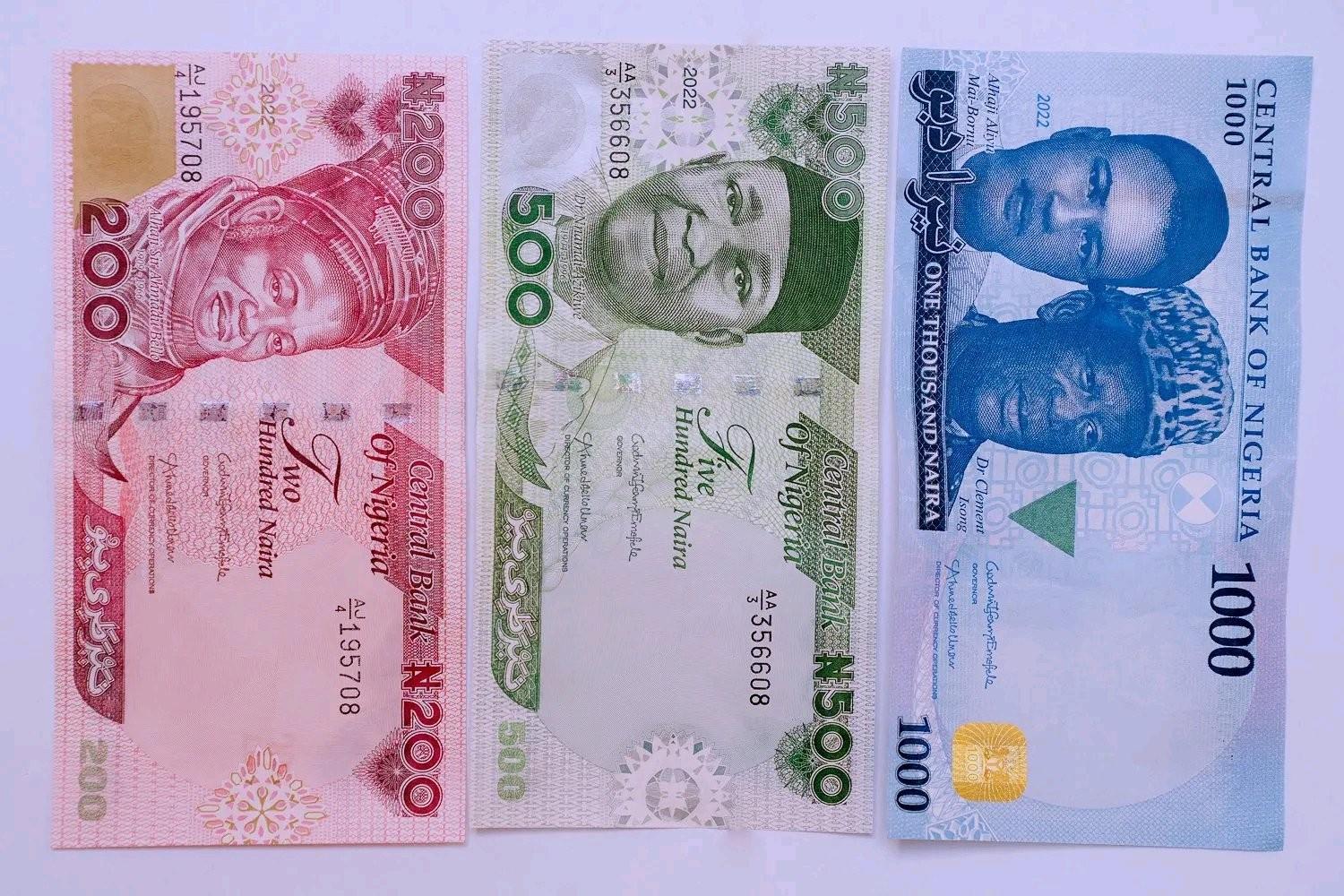
    President Bola Tinubu had in July 2024 signed the new National Minimum Wage Bill into law, raising it from ₦30,000 to ₦70,000. The law covers federal, state, and local governments, as well as the private sector.
    NLC Demands Urgent Review of ₦70,000 Minimum Wage, Says it No Longer Meets Basic Needs The Nigeria Labour Congress (NLC) and federal government workers have called for an immediate review of the national minimum wage, arguing that the current ₦70,000 can no longer meet basic needs. Their demand comes after several states increased workers’ salaries beyond the ₦70,000 benchmark to cushion the effects of rising living costs. Speaking to the News Agency of Nigeria (NAN), union leaders and workers stressed that soaring inflation, escalating food prices, transportation costs, rent, and other essential expenses have made the wage unsustainable. President Bola Tinubu had in July 2024 signed the new National Minimum Wage Bill into law, raising it from ₦30,000 to ₦70,000. The law covers federal, state, and local governments, as well as the private sector.
    0 Reacties ·0 aandelen ·1K Views
  • Newsbrief: NLC Urges FG to Halt Salary Review for Political Office Holders

    The Nigeria Labour Congress (NLC) has called on the Revenue Mobilisation Allocation and Fiscal Commission (RMAFC) to suspend its proposed salary review for political office holders, describing it as “insensitive, unjust, and inequitable.”

    NLC President Joe Ajaero criticized the move for deepening the gap between civil servants and politicians, highlighting that President Bola Tinubu earns ₦1.5m monthly while ministers earn less than ₦1m—a figure unchanged since 2008. He demanded public disclosure of current salaries and the benchmark for the proposed increase, warning that proceeding could worsen poverty and social inequality in Nigeria.

    #NLC #SalaryReview #NigeriaPolitics #EconomicInequality
    Newsbrief: NLC Urges FG to Halt Salary Review for Political Office Holders The Nigeria Labour Congress (NLC) has called on the Revenue Mobilisation Allocation and Fiscal Commission (RMAFC) to suspend its proposed salary review for political office holders, describing it as “insensitive, unjust, and inequitable.” NLC President Joe Ajaero criticized the move for deepening the gap between civil servants and politicians, highlighting that President Bola Tinubu earns ₦1.5m monthly while ministers earn less than ₦1m—a figure unchanged since 2008. He demanded public disclosure of current salaries and the benchmark for the proposed increase, warning that proceeding could worsen poverty and social inequality in Nigeria. #NLC #SalaryReview #NigeriaPolitics #EconomicInequality
    0 Reacties ·0 aandelen ·2K Views
  • Black market dollar to naira exchange rate as of today Friday, 11th of July, 2025.

    The Nigerian Naira held steady against the United States Dollar in the black market today, Friday, July 11th, 2025, closing the trading week with minimal movement as traders balanced moderate supply and steady demand.

    After slight gains earlier in the week, today’s rate shows that the local currency is maintaining its ground amid Nigeria’s ongoing foreign exchange constraints and import-driven dollar needs.

    According to black market dealers in Lagos, Abuja, Port Harcourt, and Kano, the Dollar to Naira black market exchange rate today is:
    Buying Rate: ₦1,550 per $1
    Selling Rate: ₦1,560 per $1

    The stable ₦10 spread reflects continued caution in the street forex market as traders watch for fresh supply or policy signals heading into next week.

    How Much Is Dollar to Naira Today in Black Market?
    A key question for many Nigerians remains, “how much is dollar to naira today in black market?” especially for parents paying school fees abroad, travelers booking tickets, importers paying suppliers, and individuals funding medical trips.

    As of Friday, July 11th, 2025, the Dollar to Naira black market rate is ₦1,550 per dollar for buying and ₦1,560 per dollar for selling. These rates may differ slightly based on location, dealer, and volume of the transaction, but they represent the general average across Nigeria’s major parallel market hubs.

    For credible daily updates and trusted market data, platforms like Investors King and Aboki Forex remain reliable sources for tracking black market rates. The Central Bank of Nigeria (CBN) also publishes the official benchmark rate daily for reference.

    Dollar to Naira: Black Market vs. Official CBN Rate
    increase. The CBN is likely to maintain FX interventions to close the gap between the official and black market rates, but access challenges persist.

    To stay ahead of daily market shifts and forex trends, follow Investors King for expert coverage and analysis. For real-time parallel market rates, check Aboki Forex. For official policy updates and rates, visit the Central Bank of Nigeria.

    Conclusion
    For Friday, July 11th, 2025, the Black Market Dollar to Naira exchange rate is:
    ₦1,550 per dollar for buying
    ₦1,560 per dollar for selling

    With demand stable and street supply modest, the Naira is closing the week on a flat note — but the gap between the black market and official rates highlights Nigeria’s ongoing foreign exchange challenges.
    Black market dollar to naira exchange rate as of today Friday, 11th of July, 2025. The Nigerian Naira held steady against the United States Dollar in the black market today, Friday, July 11th, 2025, closing the trading week with minimal movement as traders balanced moderate supply and steady demand. After slight gains earlier in the week, today’s rate shows that the local currency is maintaining its ground amid Nigeria’s ongoing foreign exchange constraints and import-driven dollar needs. According to black market dealers in Lagos, Abuja, Port Harcourt, and Kano, the Dollar to Naira black market exchange rate today is: Buying Rate: ₦1,550 per $1 Selling Rate: ₦1,560 per $1 The stable ₦10 spread reflects continued caution in the street forex market as traders watch for fresh supply or policy signals heading into next week. How Much Is Dollar to Naira Today in Black Market? A key question for many Nigerians remains, “how much is dollar to naira today in black market?” especially for parents paying school fees abroad, travelers booking tickets, importers paying suppliers, and individuals funding medical trips. As of Friday, July 11th, 2025, the Dollar to Naira black market rate is ₦1,550 per dollar for buying and ₦1,560 per dollar for selling. These rates may differ slightly based on location, dealer, and volume of the transaction, but they represent the general average across Nigeria’s major parallel market hubs. For credible daily updates and trusted market data, platforms like Investors King and Aboki Forex remain reliable sources for tracking black market rates. The Central Bank of Nigeria (CBN) also publishes the official benchmark rate daily for reference. Dollar to Naira: Black Market vs. Official CBN Rate increase. The CBN is likely to maintain FX interventions to close the gap between the official and black market rates, but access challenges persist. To stay ahead of daily market shifts and forex trends, follow Investors King for expert coverage and analysis. For real-time parallel market rates, check Aboki Forex. For official policy updates and rates, visit the Central Bank of Nigeria. Conclusion For Friday, July 11th, 2025, the Black Market Dollar to Naira exchange rate is: ₦1,550 per dollar for buying ₦1,560 per dollar for selling With demand stable and street supply modest, the Naira is closing the week on a flat note — but the gap between the black market and official rates highlights Nigeria’s ongoing foreign exchange challenges.
    0 Reacties ·0 aandelen ·685 Views
  • U.S. Slashes Non-Immigrant Visa Validity for Nigerians to 3 Months, Single Entry.

    The U.S Department of State has announced significant updates to its visa reciprocity policy now affecting several countries, including Nigeria.

    Under the new rules, most non-immigrant, non-diplomatic visas issued to Nigerian citizens will now be valid for only 3 months and allow just a single entry. This change takes effect immediately. However, visas issued before July 8, 2025, will remain valid under the original terms & are not affected by the new policy.

    The State Department emphasized that visa reciprocity is a standard & ongoing global process, subject to periodic reviews and adjustments. These may include changes to the number of entries allowed or the duration of visa validity.

    Travelers are advised to consult the latest updates on reciprocity schedules. The updated policy reflects broader U.S. immigration priorities, which aim to protect the integrity of its visa systems using global security & technical benchmarks

    According to the U.S. Mission, discussions are ongoing with the Nigerian government to help meet these criteria.

    Key benchmarks for visa reciprocity include:
    • Secure Travel Documents: Ensuring passports and IDs meet international standards with verified identities.
    • Visa Overstay Management: Implementing systems to reduce overstays by U.S. visa holders.
    • Information Sharing: Exchanging relevant criminal and security data to safeguard public safety.

    Despite the change, the U.S. reaffirmed its commitment to its longstanding relationship with Nigeria, highlighting continued collaboration on mutual security, economic growth, and immigration best practices.

    The U.S. Mission also acknowledged ongoing improvements by Nigeria’s immigration and security agencies and stressed the importance of continued cooperation to resolve outstanding concerns. Nigerian travelers are urged to comply strictly with visa conditions and ensure their travel documents are accurate and up to date.
    U.S. Slashes Non-Immigrant Visa Validity for Nigerians to 3 Months, Single Entry. The U.S Department of State has announced significant updates to its visa reciprocity policy now affecting several countries, including Nigeria. Under the new rules, most non-immigrant, non-diplomatic visas issued to Nigerian citizens will now be valid for only 3 months and allow just a single entry. This change takes effect immediately. However, visas issued before July 8, 2025, will remain valid under the original terms & are not affected by the new policy. The State Department emphasized that visa reciprocity is a standard & ongoing global process, subject to periodic reviews and adjustments. These may include changes to the number of entries allowed or the duration of visa validity. Travelers are advised to consult the latest updates on reciprocity schedules. The updated policy reflects broader U.S. immigration priorities, which aim to protect the integrity of its visa systems using global security & technical benchmarks According to the U.S. Mission, discussions are ongoing with the Nigerian government to help meet these criteria. Key benchmarks for visa reciprocity include: • Secure Travel Documents: Ensuring passports and IDs meet international standards with verified identities. • Visa Overstay Management: Implementing systems to reduce overstays by U.S. visa holders. • Information Sharing: Exchanging relevant criminal and security data to safeguard public safety. Despite the change, the U.S. reaffirmed its commitment to its longstanding relationship with Nigeria, highlighting continued collaboration on mutual security, economic growth, and immigration best practices. The U.S. Mission also acknowledged ongoing improvements by Nigeria’s immigration and security agencies and stressed the importance of continued cooperation to resolve outstanding concerns. Nigerian travelers are urged to comply strictly with visa conditions and ensure their travel documents are accurate and up to date.
    0 Reacties ·0 aandelen ·416 Views
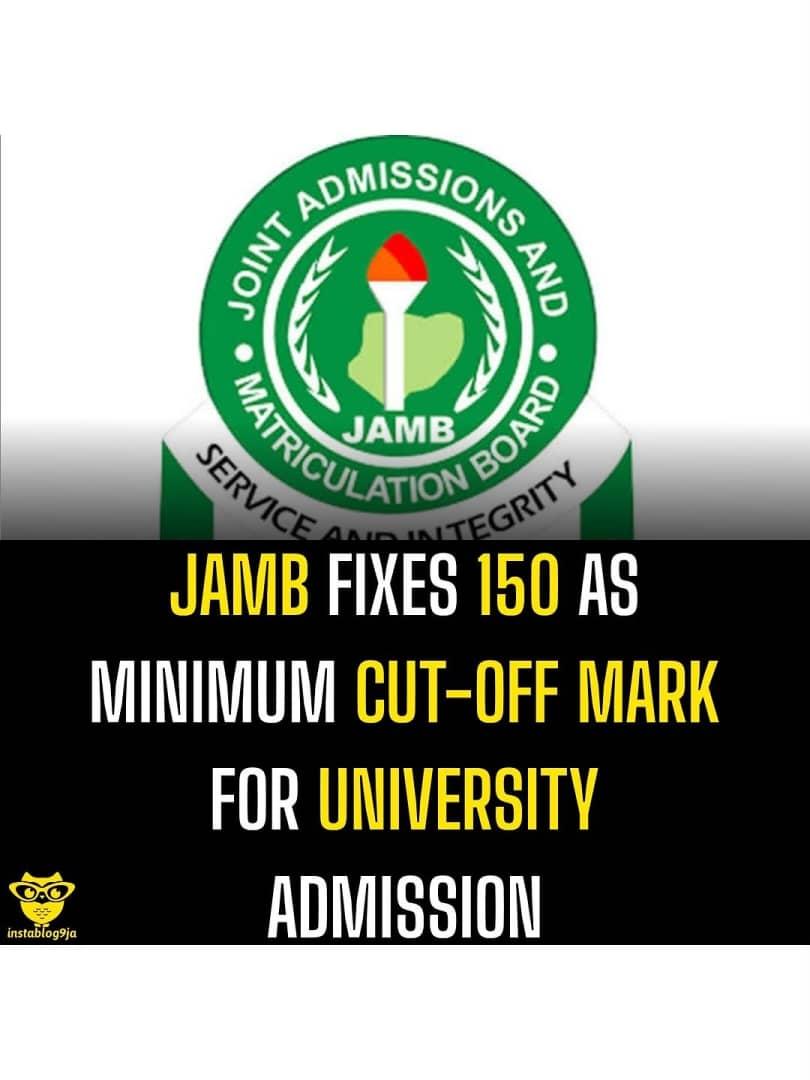
  • JAMB Fixes 150 as Minimum Cut-Off Mark for University Admission.

    The Joint Admissions and Matriculation Board (JAMB) has pegged 150 as the minimum cut-off mark for admission into universities for the 2025 academic session.

    The decision was announced on Tuesday during the 2025 Policy Meeting on Admissions, which took place at the Bola Ahmed Tinubu International Conference Centre in Abuja.

    According to JAMB, the approved cut-off marks for other tertiary institutions are as follows: 140 for colleges of nursing, 100 for polytechnics, 100 for colleges of education, and 100 for colleges of agriculture.

    The announcement was confirmed via a post on JAMB’s official X handle, stating that the benchmarks were agreed upon by stakeholders, including heads of various tertiary institutions.
    JAMB Fixes 150 as Minimum Cut-Off Mark for University Admission. The Joint Admissions and Matriculation Board (JAMB) has pegged 150 as the minimum cut-off mark for admission into universities for the 2025 academic session. The decision was announced on Tuesday during the 2025 Policy Meeting on Admissions, which took place at the Bola Ahmed Tinubu International Conference Centre in Abuja. According to JAMB, the approved cut-off marks for other tertiary institutions are as follows: 140 for colleges of nursing, 100 for polytechnics, 100 for colleges of education, and 100 for colleges of agriculture. The announcement was confirmed via a post on JAMB’s official X handle, stating that the benchmarks were agreed upon by stakeholders, including heads of various tertiary institutions.
    0 Reacties ·0 aandelen ·479 Views
  • JUST IN: Presidency Rejects IMF Report on Nigeria’s Inflation, Poverty.

    The Nigerian Presidency has rejected a recent International Monetary Fund (IMF) article that raised concerns over the country’s economic trajectory.

    The government has labelled the report as a “very fatalistic” and unhelpful assessment of ongoing reforms.

    In its July 7 publication titled “How Nigeria Can Unleash Its Economic Potential,” the IMF acknowledged that President Bola Tinubu’s administration had initiated important reforms, such as the removal of fuel subsidies and exchange rate unification, but warned that the impact had been slow in reducing inflation, tackling poverty, or strengthening investor confidence.

    The Fund noted that inflation remained persistently above 20 per cent, food insecurity had deepened, and recommended firmer monetary policy, effective budgetary discipline, and better redistribution of fuel subsidy savings into critical infrastructure and social safety nets.

    “The country needs stronger and more sustained growth to lift millions out of poverty and food insecurity,” the IMF stated, while also encouraging the Federal Government to align its tax rates with regional benchmarks once the national cash transfer system is fully functional.

    However, in reacting to the IMF’s remarks, the Special Adviser to the President on Economic Affairs, Tope Fasua, faulted the tone and timing of the Fund’s message, describing it as both discouraging and destabilising.

    Speaking on Channels Television’s The Morning Brief on Tuesday, Fasua said:

    “This administration under President Tinubu has done some of the deepest reforms that we have seen in a while. We only just got the tax bills signed into law—bills that offer relief to low-income earners and double the tax threshold for small businesses.
    JUST IN: Presidency Rejects IMF Report on Nigeria’s Inflation, Poverty. The Nigerian Presidency has rejected a recent International Monetary Fund (IMF) article that raised concerns over the country’s economic trajectory. The government has labelled the report as a “very fatalistic” and unhelpful assessment of ongoing reforms. In its July 7 publication titled “How Nigeria Can Unleash Its Economic Potential,” the IMF acknowledged that President Bola Tinubu’s administration had initiated important reforms, such as the removal of fuel subsidies and exchange rate unification, but warned that the impact had been slow in reducing inflation, tackling poverty, or strengthening investor confidence. The Fund noted that inflation remained persistently above 20 per cent, food insecurity had deepened, and recommended firmer monetary policy, effective budgetary discipline, and better redistribution of fuel subsidy savings into critical infrastructure and social safety nets. “The country needs stronger and more sustained growth to lift millions out of poverty and food insecurity,” the IMF stated, while also encouraging the Federal Government to align its tax rates with regional benchmarks once the national cash transfer system is fully functional. However, in reacting to the IMF’s remarks, the Special Adviser to the President on Economic Affairs, Tope Fasua, faulted the tone and timing of the Fund’s message, describing it as both discouraging and destabilising. Speaking on Channels Television’s The Morning Brief on Tuesday, Fasua said: “This administration under President Tinubu has done some of the deepest reforms that we have seen in a while. We only just got the tax bills signed into law—bills that offer relief to low-income earners and double the tax threshold for small businesses.
    0 Reacties ·0 aandelen ·775 Views
  • Lagos reopens Oko-Oba abattoir.

    The Lagos State Government has ordered the immediate reopening of the Oko-Oba Abattoir in the Agege area following the operators’ compliance with sanitation and hygiene regulations.

    The facility was shut on June 19 over what the government described as environmental violations and inappropriate operational practices.

    In a post on X (formerly Twitter) on Saturday, the Commissioner for the Environment and Water Resources, Tokunbo Wahab, said the operators had “substantially complied with the minimum benchmark for the operations of abattoirs in the state, which was flagrantly flouted initially, necessitating the closure.”

    He added that, as part of the conditions for reopening, officials from the ministry would now conduct monthly inspections of the abattoir.
    Lagos reopens Oko-Oba abattoir. The Lagos State Government has ordered the immediate reopening of the Oko-Oba Abattoir in the Agege area following the operators’ compliance with sanitation and hygiene regulations. The facility was shut on June 19 over what the government described as environmental violations and inappropriate operational practices. In a post on X (formerly Twitter) on Saturday, the Commissioner for the Environment and Water Resources, Tokunbo Wahab, said the operators had “substantially complied with the minimum benchmark for the operations of abattoirs in the state, which was flagrantly flouted initially, necessitating the closure.” He added that, as part of the conditions for reopening, officials from the ministry would now conduct monthly inspections of the abattoir.
    0 Reacties ·0 aandelen ·465 Views
  • Delta State Reigns Supreme at National Sports Festival, Cementing Its Sporting Dominance

    According to Sports247, Delta State has emerged as the undisputed champion of the National Sports Festival, once again proving why it is regarded as a powerhouse in Nigerian sports.

    The state’s athletes showcased exceptional talent and determination across multiple disciplines, outshining competitors from across the country. This victory not only adds to Delta State’s impressive legacy but also highlights its commitment to nurturing sports development and excellence.

    With a strong infrastructure and dedicated sports programs, Delta continues to set the benchmark for athletic performance in Nigeria, inspiring young athletes nationwide.


    #DeltaState #NationalSportsFestival #NigerianSports
    Delta State Reigns Supreme at National Sports Festival, Cementing Its Sporting Dominance According to Sports247, Delta State has emerged as the undisputed champion of the National Sports Festival, once again proving why it is regarded as a powerhouse in Nigerian sports. The state’s athletes showcased exceptional talent and determination across multiple disciplines, outshining competitors from across the country. This victory not only adds to Delta State’s impressive legacy but also highlights its commitment to nurturing sports development and excellence. With a strong infrastructure and dedicated sports programs, Delta continues to set the benchmark for athletic performance in Nigeria, inspiring young athletes nationwide. #DeltaState #NationalSportsFestival #NigerianSports
    0 Reacties ·0 aandelen ·974 Views
Zoekresultaten
Fintter https://fintter.com