• Strategic research from The Insight Partners indicates that the global Reactive Adhesives Market is expected to register a significant CAGR from 2025 to 2031. Following a steady expansion in 2024, the market size is projected to expand substantially through 2031. This growth is underpinned by the aggressive adoption of composite materials and the rapid evolution of automated electronic assembly.

    Download Sample PDF Brochure: https://www.theinsightpartners.com/sample/TIPRE00005872
    Strategic research from The Insight Partners indicates that the global Reactive Adhesives Market is expected to register a significant CAGR from 2025 to 2031. Following a steady expansion in 2024, the market size is projected to expand substantially through 2031. This growth is underpinned by the aggressive adoption of composite materials and the rapid evolution of automated electronic assembly. Download Sample PDF Brochure: https://www.theinsightpartners.com/sample/TIPRE00005872
    www.theinsightpartners.com
    Reactive Adhesives Market represents a CAGR of 6.5% from 2025-2031 with detailed analysis of drivers, challenges, and future growth projections - Download Sample
    0 Комментарии ·0 Поделились ·1Кб Просмотры
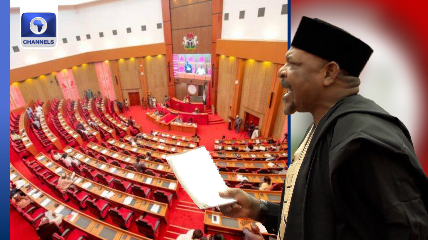
  • The Senate has announced plans to hold an executive briefing over the December 25 United States air strikes on suspected terrorist targets in Sokoto State, following concerns about the National Assembly’s alleged exclusion.

    Senator Abdul Ningi questioned the operation, arguing that the strikes amounted to a violation of Nigeria’s territorial integrity and should not have been carried out without legislative oversight or prior engagement with the National Assembly.

    The issue has sparked debate within the Senate, with lawmakers seeking clarity on the circumstances surrounding the operation and the level of involvement of Nigerian authorities.

    #Nigeria #NationalAssembly #USAirstrikes #Security
    The Senate has announced plans to hold an executive briefing over the December 25 United States air strikes on suspected terrorist targets in Sokoto State, following concerns about the National Assembly’s alleged exclusion. Senator Abdul Ningi questioned the operation, arguing that the strikes amounted to a violation of Nigeria’s territorial integrity and should not have been carried out without legislative oversight or prior engagement with the National Assembly. The issue has sparked debate within the Senate, with lawmakers seeking clarity on the circumstances surrounding the operation and the level of involvement of Nigerian authorities. #Nigeria #NationalAssembly #USAirstrikes #Security
    love
    1
    · 0 Комментарии ·0 Поделились ·3Кб Просмотры
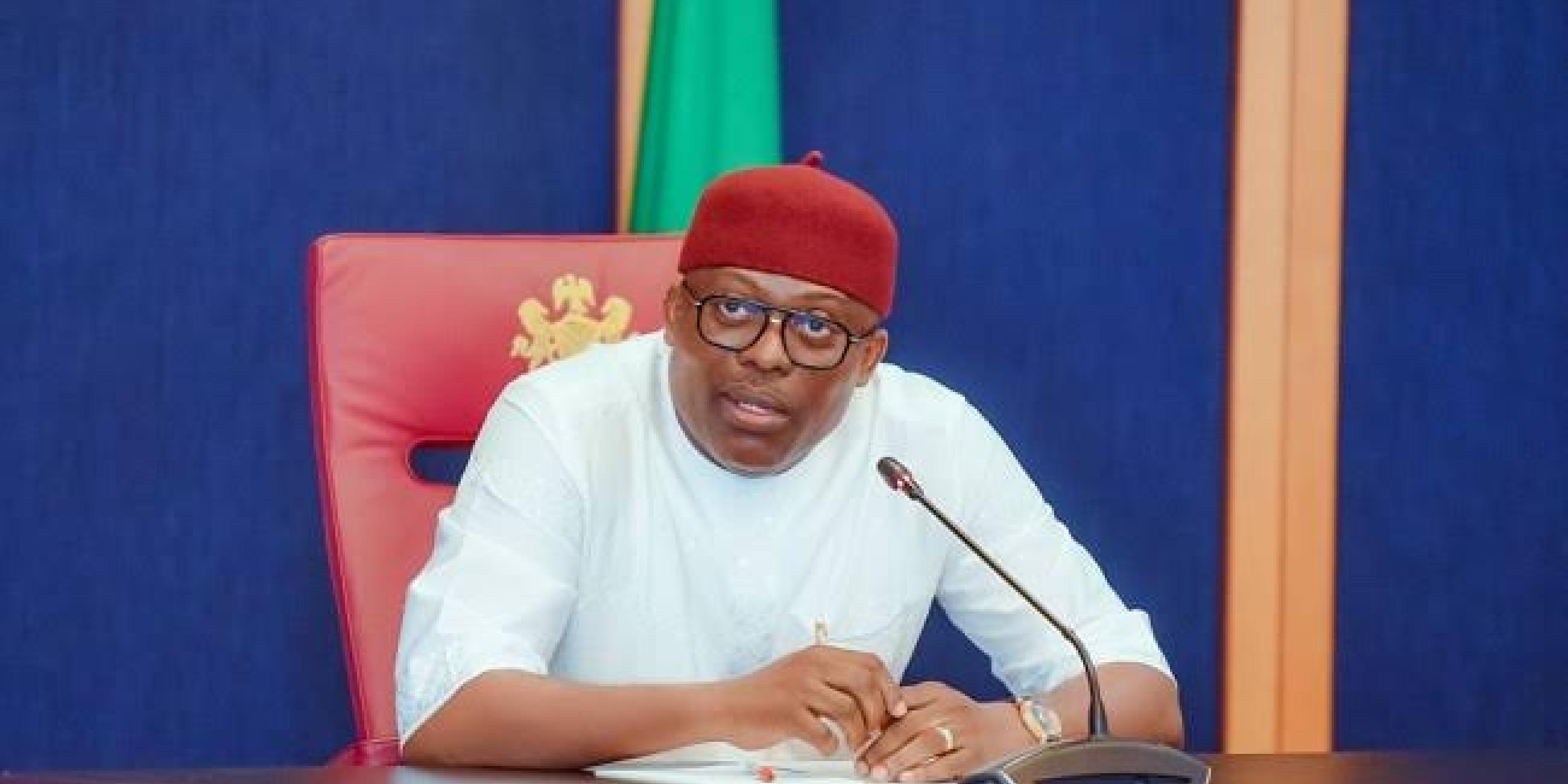
  • Impeachment Move: Rivers Chief Judge Rejects Assembly’s Request to Probe Fubara

    The Chief Judge of Rivers State, Justice Simeon C. Amadi, has turned down the request by the Rivers State House of Assembly to set up a seven-man panel to investigate allegations of gross misconduct against Governor Siminalayi Fubara and his deputy, Ngozi Nma-Odu.

    Justice Amadi cited existing court orders and a pending appeal as the reason for his decision. This development has effectively stalled the impeachment move by the lawmakers and shifted the battle entirely to the courts.

    The situation now leaves the fate of the impeachment process in the hands of the judiciary.

    #RiversPolitics #ImpeachmentMove #GovernorFubara #NigeriaPolitics
    Impeachment Move: Rivers Chief Judge Rejects Assembly’s Request to Probe Fubara The Chief Judge of Rivers State, Justice Simeon C. Amadi, has turned down the request by the Rivers State House of Assembly to set up a seven-man panel to investigate allegations of gross misconduct against Governor Siminalayi Fubara and his deputy, Ngozi Nma-Odu. Justice Amadi cited existing court orders and a pending appeal as the reason for his decision. This development has effectively stalled the impeachment move by the lawmakers and shifted the battle entirely to the courts. The situation now leaves the fate of the impeachment process in the hands of the judiciary. #RiversPolitics #ImpeachmentMove #GovernorFubara #NigeriaPolitics
    love
    1
    · 0 Комментарии ·0 Поделились ·3Кб Просмотры
  • APC Blasts Rivers Assembly’s Move to Impeach Governor Fubara, Calls It ‘Legislative Coup D’état’

    The Rivers State chapter of the APC has condemned the impeachment proceedings against Governor Siminalayi Fubara and Deputy Governor Ngozi Odu, labeling it a “legislative coup d’état.” Party spokesperson Darlington Nwauju urged the state Chief Judge, Justice Simeon Amadi, to respect an interim court injunction restraining him from acting on the Assembly’s resolutions. The APC warned that the lawmakers’ actions, including those of APC members, could threaten the party’s unity in the state. The party also called on national leaders to invoke constitutional mechanisms to safeguard the party from internal political sabotage.

    #RiversPolitics #APC #FubaraImpeachment #LegislativeCoup #NigeriaPolitics
    APC Blasts Rivers Assembly’s Move to Impeach Governor Fubara, Calls It ‘Legislative Coup D’état’ The Rivers State chapter of the APC has condemned the impeachment proceedings against Governor Siminalayi Fubara and Deputy Governor Ngozi Odu, labeling it a “legislative coup d’état.” Party spokesperson Darlington Nwauju urged the state Chief Judge, Justice Simeon Amadi, to respect an interim court injunction restraining him from acting on the Assembly’s resolutions. The APC warned that the lawmakers’ actions, including those of APC members, could threaten the party’s unity in the state. The party also called on national leaders to invoke constitutional mechanisms to safeguard the party from internal political sabotage. #RiversPolitics #APC #FubaraImpeachment #LegislativeCoup #NigeriaPolitics
    love
    2
    · 0 Комментарии ·0 Поделились ·3Кб Просмотры
  • Makoko Residents have Storm Lagos State House Of Assembly Over Mass Eviction and Demolition
    Makoko Residents have Storm Lagos State House Of Assembly Over Mass Eviction and Demolition
    love
    1
    · 0 Комментарии ·0 Поделились ·673 Просмотры ·5 Plays
  • JUST IN

    “First time in Nigeria, the National Assembly passes a law and it is allegedly forged and rebranded as the ‘approved version’ — all under Tinubu’s watch.”

    — Bolaji Abdullahi
    JUST IN ‼️ “First time in Nigeria, the National Assembly passes a law and it is allegedly forged and rebranded as the ‘approved version’ — all under Tinubu’s watch.” — Bolaji Abdullahi 🔥🔥🔥
    like
    love
    2
    · 0 Комментарии ·0 Поделились ·1Кб Просмотры ·4 Plays
  • Documents Reveal Sokoto Lawmakers Spent ₦4.6bn on Vehicles Amid Rising Insecurity

    Documents reviewed by SaharaReporters have revealed that Sokoto State lawmakers spent ₦4.6 billion on the purchase of vehicles amid widespread insecurity and poverty in the state. Budget performance documents show that between January and September 2025, the state spent ₦1 billion on 30 vehicles for members of the House of Assembly and management staff. The expenditure has sparked criticism, coming at a time when residents continue to face worsening security challenges and economic hardship.

    #Sokoto #NigeriaPolitics #PublicFunds #Insecurity
    Documents Reveal Sokoto Lawmakers Spent ₦4.6bn on Vehicles Amid Rising Insecurity Documents reviewed by SaharaReporters have revealed that Sokoto State lawmakers spent ₦4.6 billion on the purchase of vehicles amid widespread insecurity and poverty in the state. Budget performance documents show that between January and September 2025, the state spent ₦1 billion on 30 vehicles for members of the House of Assembly and management staff. The expenditure has sparked criticism, coming at a time when residents continue to face worsening security challenges and economic hardship. #Sokoto #NigeriaPolitics #PublicFunds #Insecurity
    love
    1
    · 0 Комментарии ·0 Поделились ·2Кб Просмотры
  • Documents have revealed that lawmakers in Sokoto State spent about ₦4.6 billion on the purchase of vehicles despite the state grappling with widespread insecurity……….

    The expenditure reportedly covered official cars and utility vehicles for members of the House of Assembly, sparking public outrage. Critics argue that the funds could have been redirected toward improving security, supporting displaced communities, and strengthening law enforcement. The revelation has renewed debates over government priorities, transparency, and accountability, especially as residents continue to face attacks by bandits and rising safety concerns across several parts of the state.#Fintter
    Documents have revealed that lawmakers in Sokoto State spent about ₦4.6 billion on the purchase of vehicles despite the state grappling with widespread insecurity………. The expenditure reportedly covered official cars and utility vehicles for members of the House of Assembly, sparking public outrage. Critics argue that the funds could have been redirected toward improving security, supporting displaced communities, and strengthening law enforcement. The revelation has renewed debates over government priorities, transparency, and accountability, especially as residents continue to face attacks by bandits and rising safety concerns across several parts of the state.#Fintter
    love
    2
    · 0 Комментарии ·0 Поделились ·2Кб Просмотры
  • Rivers Crisis: Ex Parte Court Order, Fubara and Impeachment Battle Explained

    The ongoing dispute between Rivers State Governor Siminalayi Fubara and the Rivers State House of Assembly has deepened following an ex parte court order restraining the Chief Judge from constituting a panel to probe alleged gross misconduct. Though temporary, the order carries legal force and must be obeyed pending a motion on notice. The case raises critical constitutional questions on separation of powers, judicial oversight, and the extent to which courts can intervene in legislative impeachment processes without undermining legislative autonomy.

    #RiversCrisis #Fubara #NigeriaPolitics
    Rivers Crisis: Ex Parte Court Order, Fubara and Impeachment Battle Explained The ongoing dispute between Rivers State Governor Siminalayi Fubara and the Rivers State House of Assembly has deepened following an ex parte court order restraining the Chief Judge from constituting a panel to probe alleged gross misconduct. Though temporary, the order carries legal force and must be obeyed pending a motion on notice. The case raises critical constitutional questions on separation of powers, judicial oversight, and the extent to which courts can intervene in legislative impeachment processes without undermining legislative autonomy. #RiversCrisis #Fubara #NigeriaPolitics
    love
    1
    · 1 Комментарии ·0 Поделились ·2Кб Просмотры
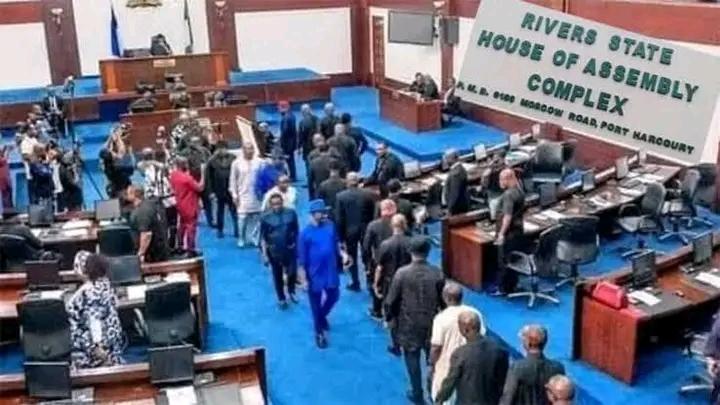
  • Rivers Assembly Moves to Investigate Governor Fubara and Deputy Over Alleged Misconduct

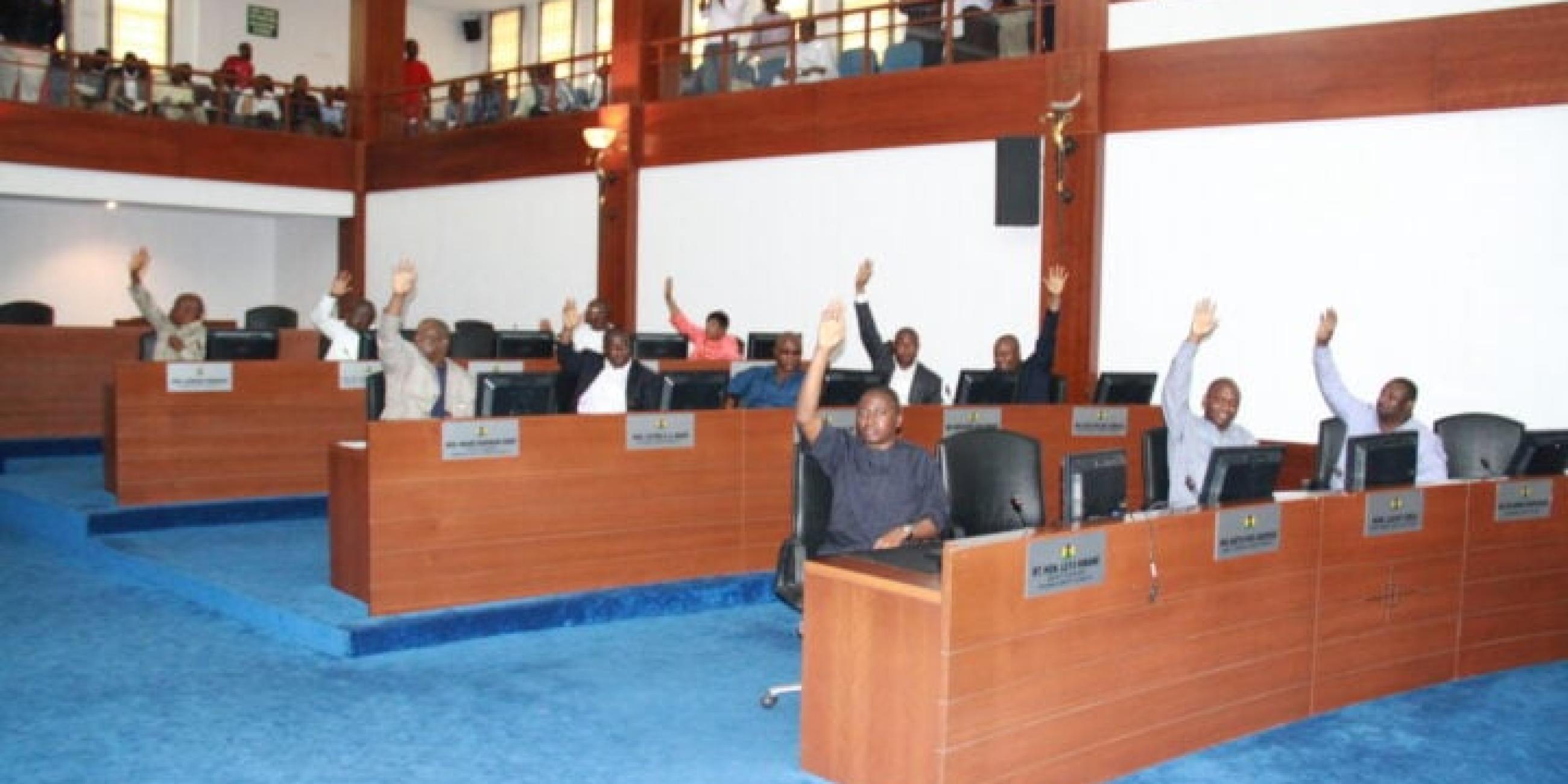
    The Rivers State House of Assembly Speaker, Martins Amaewhule, has directed the Chief Judge to set up a seven-member committee to investigate Governor Siminalayi Fubara and Deputy Governor Ngozi Odu over allegations of gross misconduct. The move follows a House vote in favor of proceeding with the probe, after four lawmakers reversed earlier calls for reconciliation, citing continued attacks on the Assembly by the governor’s media aides. The lawmakers emphasized that the impeachment process is a constitutional matter, highlighting persistent violations and the need to uphold the rule of law in Rivers State.

    Rivers Assembly Moves to Investigate Governor Fubara and Deputy Over Alleged Misconduct The Rivers State House of Assembly Speaker, Martins Amaewhule, has directed the Chief Judge to set up a seven-member committee to investigate Governor Siminalayi Fubara and Deputy Governor Ngozi Odu over allegations of gross misconduct. The move follows a House vote in favor of proceeding with the probe, after four lawmakers reversed earlier calls for reconciliation, citing continued attacks on the Assembly by the governor’s media aides. The lawmakers emphasized that the impeachment process is a constitutional matter, highlighting persistent violations and the need to uphold the rule of law in Rivers State.
    love
    1
    · 0 Комментарии ·0 Поделились ·1Кб Просмотры
  • Rivers Assembly Lawmakers Reverse Reconciliation Call, Insist Impeachment of Governor Fubara, Deputy Must Continue

    Four Rivers State House of Assembly members have withdrawn their earlier call for reconciliation, insisting that the impeachment process against Governor Siminalayi Fubara and Deputy Governor Ngozi Odu must continue. Speaking at a press conference in Port Harcourt, the lawmakers cited persistent constitutional violations and media attacks orchestrated by the governor’s aides as reasons for their reversal. They emphasized that their stance is strictly legal, not ethnic or personal, calling for the continuation of impeachment proceedings to uphold the Constitution and protect democratic governance in Rivers State.
    Rivers Assembly Lawmakers Reverse Reconciliation Call, Insist Impeachment of Governor Fubara, Deputy Must Continue Four Rivers State House of Assembly members have withdrawn their earlier call for reconciliation, insisting that the impeachment process against Governor Siminalayi Fubara and Deputy Governor Ngozi Odu must continue. Speaking at a press conference in Port Harcourt, the lawmakers cited persistent constitutional violations and media attacks orchestrated by the governor’s aides as reasons for their reversal. They emphasized that their stance is strictly legal, not ethnic or personal, calling for the continuation of impeachment proceedings to uphold the Constitution and protect democratic governance in Rivers State.
    love
    1
    · 0 Комментарии ·0 Поделились ·2Кб Просмотры
  • Political Earthquake: Atiku’s Son, Abba Abubakar, Dumps PDP for APC, Backs Tinubu’s 2027 Re-Election

    Abba Abubakar, son of former Vice President Atiku Abubakar, has defected from the PDP to the ruling APC, declaring open support for President Bola Tinubu’s second-term bid in 2027. Announcing his move at the National Assembly, Abba described the decision as historic and personal, directing his political structure to join the APC and mobilise for Tinubu’s Renewed Hope Agenda. APC leaders hailed the defection as symbolic, saying it reflects confidence in Tinubu’s reforms and signals a new phase of “politics without borders.”
    Political Earthquake: Atiku’s Son, Abba Abubakar, Dumps PDP for APC, Backs Tinubu’s 2027 Re-Election Abba Abubakar, son of former Vice President Atiku Abubakar, has defected from the PDP to the ruling APC, declaring open support for President Bola Tinubu’s second-term bid in 2027. Announcing his move at the National Assembly, Abba described the decision as historic and personal, directing his political structure to join the APC and mobilise for Tinubu’s Renewed Hope Agenda. APC leaders hailed the defection as symbolic, saying it reflects confidence in Tinubu’s reforms and signals a new phase of “politics without borders.”
    0 Комментарии ·0 Поделились ·2Кб Просмотры
  • Wahala Shift: Two More Rivers Lawmakers Don Comot For Fubara Impeachment Matter

    Fresh tori just drop as two more members of Rivers State House of Assembly don officially pull out from the impeachment move wey some lawmakers start against Governor Siminalayi Fubara.

    Sources say the lawmakers withdraw their support for the process, weakening the impeachment plot and raising serious questions about whether the plan still get enough backing inside the Assembly.

    This latest development come as political tension still dey high for Rivers State, with many residents, groups and party leaders calling for calm and dialogue instead of crisis.

    With more lawmakers stepping back, observers believe say the impeachment move dey lose steam, and the battle for control of the Assembly may soon take another turn.

    More details dey come as situation dey unfold.
    Wahala Shift: Two More Rivers Lawmakers Don Comot For Fubara Impeachment Matter Fresh tori just drop as two more members of Rivers State House of Assembly don officially pull out from the impeachment move wey some lawmakers start against Governor Siminalayi Fubara. Sources say the lawmakers withdraw their support for the process, weakening the impeachment plot and raising serious questions about whether the plan still get enough backing inside the Assembly. This latest development come as political tension still dey high for Rivers State, with many residents, groups and party leaders calling for calm and dialogue instead of crisis. With more lawmakers stepping back, observers believe say the impeachment move dey lose steam, and the battle for control of the Assembly may soon take another turn. More details dey come as situation dey unfold.
    0 Комментарии ·0 Поделились ·1Кб Просмотры
  • Wahala Don Set Oo! PANDEF Steps In As Wike, Fubara Political Fight Rock Rivers State

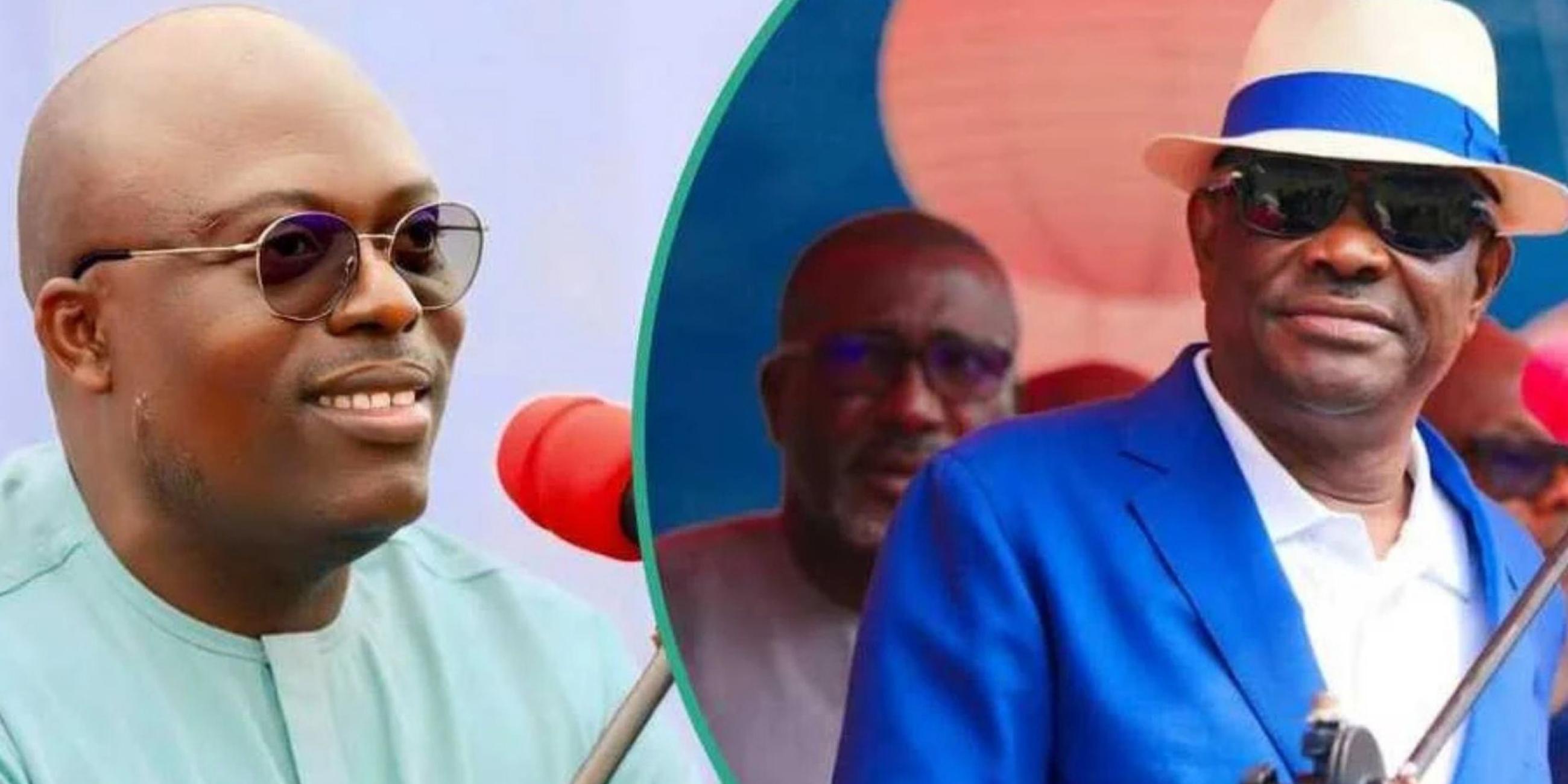
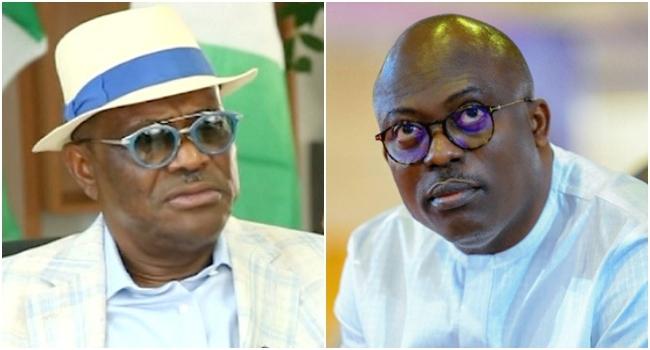
    Wahala don happen for Rivers State as the Pan Niger Delta Forum (PANDEF) has set up a seven-man peace committee to resolve the deepening political crisis between Governor Siminalayi Fubara and the Minister of the FCT, Nyesom Wike. The group has given the committee two weeks to restore calm and stability in the state. Chaired by former Attorney-General of the Federation, Kanu Agabi (SAN), the panel is tasked with de-escalating tensions between the executive and the Rivers State House of Assembly and encouraging dialogue among key stakeholders. PANDEF Chairman, Godknows Igali, urged both Fubara and Wike to respect the outcome of the reconciliation process. The committee will engage political leaders, traditional rulers and former governors before submitting a report within 14 days. Meanwhile, two lawmakers have withdrawn support for the impeachment move against the governor, calling for a political solution instead of removal from office.


    Wahala Don Set Oo! PANDEF Steps In As Wike, Fubara Political Fight Rock Rivers State Wahala don happen for Rivers State as the Pan Niger Delta Forum (PANDEF) has set up a seven-man peace committee to resolve the deepening political crisis between Governor Siminalayi Fubara and the Minister of the FCT, Nyesom Wike. The group has given the committee two weeks to restore calm and stability in the state. Chaired by former Attorney-General of the Federation, Kanu Agabi (SAN), the panel is tasked with de-escalating tensions between the executive and the Rivers State House of Assembly and encouraging dialogue among key stakeholders. PANDEF Chairman, Godknows Igali, urged both Fubara and Wike to respect the outcome of the reconciliation process. The committee will engage political leaders, traditional rulers and former governors before submitting a report within 14 days. Meanwhile, two lawmakers have withdrawn support for the impeachment move against the governor, calling for a political solution instead of removal from office.
    0 Комментарии ·0 Поделились ·2Кб Просмотры
  • Rivers Crisis Indicates Political Class Has No Interest In Nigerians – Olisa Agbakoba
    The oil-rich state has been engulfed by a protracted crisis that has seen Governor Siminalayi Fubara at loggerheads with members of the Assembly.
    Rivers Crisis Indicates Political Class Has No Interest In Nigerians – Olisa Agbakoba The oil-rich state has been engulfed by a protracted crisis that has seen Governor Siminalayi Fubara at loggerheads with members of the Assembly.
    like
    1
    · 0 Комментарии ·0 Поделились ·1Кб Просмотры
  • VIDEO: Fubara Urges Calm as Rivers Assembly Begins Impeachment Process
    The Rivers State House of Assembly on Thursday formally initiated impeachment proceedings against Governor Siminalayi Fubara and his deputy, Ngozi Odu, citing allegations of gross misconduct.
    VIDEO: Fubara Urges Calm as Rivers Assembly Begins Impeachment Process The Rivers State House of Assembly on Thursday formally initiated impeachment proceedings against Governor Siminalayi Fubara and his deputy, Ngozi Odu, citing allegations of gross misconduct.
    love
    1
    · 0 Комментарии ·0 Поделились ·1Кб Просмотры
  • Is Democracy Under Threat in Rivers State? Pro-Democracy Group NDF Demands Recall of Lawmakers Over Impeachment Move Against Governor Fubara

    Is the impeachment attempt against Rivers State Governor Siminalayi Fubara a genuine constitutional process—or a politically driven effort that could destabilize the state? The Nigeria Democratic Front (NDF) has strongly condemned the move by some members of the Rivers State House of Assembly to impeach the governor and his deputy, describing it as anti-democratic, self-serving, and dangerous to political stability.

    In a statement signed by its National Coordinator, Ikenna Ellis-Ezenekwe, the pro-democracy group accused the lawmakers behind the impeachment proceedings of abandoning the interests of their constituents in favour of what it called personal political loyalty to the Minister of the Federal Capital Territory (FCT), Nyesom Wike. According to the NDF, the action represents a “shameful display of political thuggery” rather than a lawful attempt to uphold accountability.

    The group went further to call on political stakeholders within Rivers State and the All Progressives Congress (APC) to initiate a recall process against the lawmakers involved, arguing that their conduct shows they no longer represent the will of the people. “Their action clearly shows that they no longer represent their constituents but their political paymaster,” the statement declared.

    The NDF also alleged that the impeachment move is part of a broader attempt to plunge the oil-rich state into prolonged political instability for personal and factional gain. It urged residents of Rivers State to resist what it described as the politics of godfatherism, greed, and elite control, insisting that such practices undermine democratic governance and development.

    Expressing firm support for Governor Fubara, the group called on him to remain resolute and unyielding in the face of political pressure, asserting that the governor enjoys widespread public backing. “Rivers State is ready for people-oriented development, not Wike-oriented destruction,” the NDF said, maintaining that the current administration should not be intimidated by forces seeking to derail governance through legislative conflict.

    In a direct appeal to the federal government, the group urged President Bola Ahmed Tinubu to intervene by calling the FCT minister to order, warning that failure to do so could deepen political tensions and erode democratic stability in the state.

    As of the time of reporting, neither the Rivers State House of Assembly nor the FCT Minister, Nyesom Wike, had responded to the allegations.

    The unfolding crisis raises pressing questions: Is the impeachment move truly about accountability or about political control? Will Rivers lawmakers face recall from their constituents? And can democratic institutions withstand the growing influence of political godfatherism in Nigeria’s state politics?

    Is Democracy Under Threat in Rivers State? Pro-Democracy Group NDF Demands Recall of Lawmakers Over Impeachment Move Against Governor Fubara Is the impeachment attempt against Rivers State Governor Siminalayi Fubara a genuine constitutional process—or a politically driven effort that could destabilize the state? The Nigeria Democratic Front (NDF) has strongly condemned the move by some members of the Rivers State House of Assembly to impeach the governor and his deputy, describing it as anti-democratic, self-serving, and dangerous to political stability. In a statement signed by its National Coordinator, Ikenna Ellis-Ezenekwe, the pro-democracy group accused the lawmakers behind the impeachment proceedings of abandoning the interests of their constituents in favour of what it called personal political loyalty to the Minister of the Federal Capital Territory (FCT), Nyesom Wike. According to the NDF, the action represents a “shameful display of political thuggery” rather than a lawful attempt to uphold accountability. The group went further to call on political stakeholders within Rivers State and the All Progressives Congress (APC) to initiate a recall process against the lawmakers involved, arguing that their conduct shows they no longer represent the will of the people. “Their action clearly shows that they no longer represent their constituents but their political paymaster,” the statement declared. The NDF also alleged that the impeachment move is part of a broader attempt to plunge the oil-rich state into prolonged political instability for personal and factional gain. It urged residents of Rivers State to resist what it described as the politics of godfatherism, greed, and elite control, insisting that such practices undermine democratic governance and development. Expressing firm support for Governor Fubara, the group called on him to remain resolute and unyielding in the face of political pressure, asserting that the governor enjoys widespread public backing. “Rivers State is ready for people-oriented development, not Wike-oriented destruction,” the NDF said, maintaining that the current administration should not be intimidated by forces seeking to derail governance through legislative conflict. In a direct appeal to the federal government, the group urged President Bola Ahmed Tinubu to intervene by calling the FCT minister to order, warning that failure to do so could deepen political tensions and erode democratic stability in the state. As of the time of reporting, neither the Rivers State House of Assembly nor the FCT Minister, Nyesom Wike, had responded to the allegations. The unfolding crisis raises pressing questions: Is the impeachment move truly about accountability or about political control? Will Rivers lawmakers face recall from their constituents? And can democratic institutions withstand the growing influence of political godfatherism in Nigeria’s state politics?
    0 Комментарии ·0 Поделились ·3Кб Просмотры
  • Are Iran’s Hospitals Collapsing Under Protest Violence? Doctors Say Wards Are Overwhelmed as Death Toll Rises and Global Leaders Warn Tehran

    Are Iran’s healthcare systems being pushed to the brink as nationwide protests intensify? Medical workers in Tehran and other cities say hospitals are overwhelmed by a surge of injured protesters, many suffering gunshot wounds to the head and eyes, raising urgent questions about the state’s handling of civil unrest.

    According to doctors who contacted international media through satellite internet amid a near-total blackout, Tehran’s Farabi Hospital—one of the country’s main eye specialist centres—has entered crisis mode. Non-urgent surgeries have been suspended, emergency staff recalled, and facilities stretched beyond capacity. A medic in Shiraz reported that hospitals lack enough surgeons to cope with the growing number of casualties.

    Human rights organisations estimate that at least 50 protesters have been killed since demonstrations began on December 28, with more than 2,300 arrests nationwide. The Norway-based Iran Human Rights group says the death toll includes children, while families of victims continue to speak out despite heavy restrictions on media and internet access. With most foreign journalists barred and communications cut, verifying events inside Iran has become increasingly difficult.

    International pressure is mounting. The United Nations has expressed deep concern over the loss of life, stressing that citizens have the right to peaceful protest and that governments must protect that right. Leaders from France, the UK and Germany issued a joint statement urging Iranian authorities to allow freedom of expression and assembly without fear of reprisals. Meanwhile, the United States warned Tehran against further violence, while Iran accused Washington of fuelling what it called “subversive acts.”

    Iran’s Supreme Leader, Ayatollah Ali Khamenei, has remained defiant, declaring that the Islamic Republic will not retreat in the face of unrest and vowing to confront what he described as “destructive elements.” In contrast, opposition voices abroad, including Reza Pahlavi, son of Iran’s last shah, praised the protests and called for continued demonstrations.

    As hospitals struggle, internet blackouts deepen, and casualty numbers climb, the crisis raises urgent questions: Is Iran’s health system reaching a breaking point? Can the government contain the unrest without further bloodshed? And how will international pressure shape what happens next?


    Are Iran’s Hospitals Collapsing Under Protest Violence? Doctors Say Wards Are Overwhelmed as Death Toll Rises and Global Leaders Warn Tehran Are Iran’s healthcare systems being pushed to the brink as nationwide protests intensify? Medical workers in Tehran and other cities say hospitals are overwhelmed by a surge of injured protesters, many suffering gunshot wounds to the head and eyes, raising urgent questions about the state’s handling of civil unrest. According to doctors who contacted international media through satellite internet amid a near-total blackout, Tehran’s Farabi Hospital—one of the country’s main eye specialist centres—has entered crisis mode. Non-urgent surgeries have been suspended, emergency staff recalled, and facilities stretched beyond capacity. A medic in Shiraz reported that hospitals lack enough surgeons to cope with the growing number of casualties. Human rights organisations estimate that at least 50 protesters have been killed since demonstrations began on December 28, with more than 2,300 arrests nationwide. The Norway-based Iran Human Rights group says the death toll includes children, while families of victims continue to speak out despite heavy restrictions on media and internet access. With most foreign journalists barred and communications cut, verifying events inside Iran has become increasingly difficult. International pressure is mounting. The United Nations has expressed deep concern over the loss of life, stressing that citizens have the right to peaceful protest and that governments must protect that right. Leaders from France, the UK and Germany issued a joint statement urging Iranian authorities to allow freedom of expression and assembly without fear of reprisals. Meanwhile, the United States warned Tehran against further violence, while Iran accused Washington of fuelling what it called “subversive acts.” Iran’s Supreme Leader, Ayatollah Ali Khamenei, has remained defiant, declaring that the Islamic Republic will not retreat in the face of unrest and vowing to confront what he described as “destructive elements.” In contrast, opposition voices abroad, including Reza Pahlavi, son of Iran’s last shah, praised the protests and called for continued demonstrations. As hospitals struggle, internet blackouts deepen, and casualty numbers climb, the crisis raises urgent questions: Is Iran’s health system reaching a breaking point? Can the government contain the unrest without further bloodshed? And how will international pressure shape what happens next?
    0 Комментарии ·0 Поделились ·3Кб Просмотры
  • Bauchi Audit Exposes Universities, Polytechnics, Colleges, and Parastatals: How Did ₦Billions in Public Funds Go Unaccounted For, Why Were Revenues Unremitted, and Who Will Be Held Legally Responsible?

    How did institutions meant to uphold discipline, transparency, and public trust become hubs of financial disorder? An audit investigation by WikkiTimes reveals widespread financial mismanagement across Bauchi State’s universities, polytechnics, colleges, hospitals, agencies, and parastatals, raising urgent questions about accountability, oversight, and the future of public finance in the state.

    The Auditor-General’s report shows a consistent pattern: payments without documentation, unretired advances, missing revenue, inflated costs, forged or incomplete records, and expenditures without approval. These violations were not isolated to ministries or Government House—they extended deep into educational institutions and public agencies that are supposed to set standards in record-keeping, training, and ethical governance.

    At Sa’adu Zungur University, the state’s flagship institution, auditors recorded ₦63.5 million in payments without supporting documents, ₦12 million in unretired advances, ₦48 million in vouchers not presented for audit, ₦9.1 million in receipt discrepancies, ₦14.5 million in inflated diesel costs, and ₦84.2 million in unremitted tax deductions. Another ₦101 million was not posted to the cash book, making the trail of funds impossible to trace. An institution named after a symbol of moral discipline now stands accused of systemic financial indiscipline.

    At Abubakar Tatari Ali Polytechnic, auditors uncovered what they described as one of the most detailed cases of financial breakdown: ₦21.4 million in government revenue with no evidence of remittance, ₦13.4 million in undocumented payments, ₦15.1 million in vouchers withheld from audit, ₦28.6 million in store purchases not entered into ledgers, and multiple unretired advances and imprests. Additional red flags included ₦32.8 million in unauthorised payments, ₦5.7 million paid without documentation, and ₦5.2 million in soft loans without proof of recovery.

    Other institutions followed the same pattern. A.D. Rufa’i College of Legal Studies recorded millions in undocumented, unauthorised, and unacknowledged payments, alongside major store ledger discrepancies—echoing earlier reports of student exploitation. At the Bill and Melinda Gates College of Health Sciences, auditors flagged bank reconciliation gaps, voucher irregularities, and cash-book discrepancies. Health agencies, including the Specialist Hospital Board and Bauchi State Health Contributory Management Agency, were cited for diesel payments without retirement records and funds disbursed without approval.

    The audit further exposed revenue losses in parastatals. At Yankari Express Corporation, auditors recorded a staggering ₦165.5 million gap between revenue collected and bank lodgements, alongside missing vehicles, undocumented spare parts purchases, and multiple unsubmitted vouchers. At Yankari Game Reserve, findings included unauthorised payments, ghost beneficiaries, unaccounted revenue, undocumented diesel purchases, and unexplained bank withdrawals—suggesting deep-seated weaknesses in financial controls.

    Perhaps most alarming is what did not happen. According to the audit, missing vouchers remained missing, unremitted revenue was not accounted for, advances were not recovered, and disputed sums were not refunded. Explanations submitted by institutions failed to resolve the issues, leaving large portions of public funds in limbo.

    The report also outlines the legal consequences. Under the 1999 Constitution, all public spending must be authorised by law, with the Auditor-General empowered under Section 125 to refer violations to the House of Assembly. The ICPC Act criminalises abuse of office, while the EFCC Act classifies tax non-remittance and fund diversion as economic crimes—offences that remain prosecutable even after restitution.

    This investigation forces urgent questions: How did so many institutions operate for years without basic financial controls? Why were revenues collected but never remitted? Who authorised payments without records? And will the ICPC, EFCC, and lawmakers move from exposure to prosecution? As billions of naira remain unaccounted for, Bauchi’s audit report is no longer just a financial document—it is a test of whether public office will finally be matched with public accountability.

    Bauchi Audit Exposes Universities, Polytechnics, Colleges, and Parastatals: How Did ₦Billions in Public Funds Go Unaccounted For, Why Were Revenues Unremitted, and Who Will Be Held Legally Responsible? How did institutions meant to uphold discipline, transparency, and public trust become hubs of financial disorder? An audit investigation by WikkiTimes reveals widespread financial mismanagement across Bauchi State’s universities, polytechnics, colleges, hospitals, agencies, and parastatals, raising urgent questions about accountability, oversight, and the future of public finance in the state. The Auditor-General’s report shows a consistent pattern: payments without documentation, unretired advances, missing revenue, inflated costs, forged or incomplete records, and expenditures without approval. These violations were not isolated to ministries or Government House—they extended deep into educational institutions and public agencies that are supposed to set standards in record-keeping, training, and ethical governance. At Sa’adu Zungur University, the state’s flagship institution, auditors recorded ₦63.5 million in payments without supporting documents, ₦12 million in unretired advances, ₦48 million in vouchers not presented for audit, ₦9.1 million in receipt discrepancies, ₦14.5 million in inflated diesel costs, and ₦84.2 million in unremitted tax deductions. Another ₦101 million was not posted to the cash book, making the trail of funds impossible to trace. An institution named after a symbol of moral discipline now stands accused of systemic financial indiscipline. At Abubakar Tatari Ali Polytechnic, auditors uncovered what they described as one of the most detailed cases of financial breakdown: ₦21.4 million in government revenue with no evidence of remittance, ₦13.4 million in undocumented payments, ₦15.1 million in vouchers withheld from audit, ₦28.6 million in store purchases not entered into ledgers, and multiple unretired advances and imprests. Additional red flags included ₦32.8 million in unauthorised payments, ₦5.7 million paid without documentation, and ₦5.2 million in soft loans without proof of recovery. Other institutions followed the same pattern. A.D. Rufa’i College of Legal Studies recorded millions in undocumented, unauthorised, and unacknowledged payments, alongside major store ledger discrepancies—echoing earlier reports of student exploitation. At the Bill and Melinda Gates College of Health Sciences, auditors flagged bank reconciliation gaps, voucher irregularities, and cash-book discrepancies. Health agencies, including the Specialist Hospital Board and Bauchi State Health Contributory Management Agency, were cited for diesel payments without retirement records and funds disbursed without approval. The audit further exposed revenue losses in parastatals. At Yankari Express Corporation, auditors recorded a staggering ₦165.5 million gap between revenue collected and bank lodgements, alongside missing vehicles, undocumented spare parts purchases, and multiple unsubmitted vouchers. At Yankari Game Reserve, findings included unauthorised payments, ghost beneficiaries, unaccounted revenue, undocumented diesel purchases, and unexplained bank withdrawals—suggesting deep-seated weaknesses in financial controls. Perhaps most alarming is what did not happen. According to the audit, missing vouchers remained missing, unremitted revenue was not accounted for, advances were not recovered, and disputed sums were not refunded. Explanations submitted by institutions failed to resolve the issues, leaving large portions of public funds in limbo. The report also outlines the legal consequences. Under the 1999 Constitution, all public spending must be authorised by law, with the Auditor-General empowered under Section 125 to refer violations to the House of Assembly. The ICPC Act criminalises abuse of office, while the EFCC Act classifies tax non-remittance and fund diversion as economic crimes—offences that remain prosecutable even after restitution. This investigation forces urgent questions: How did so many institutions operate for years without basic financial controls? Why were revenues collected but never remitted? Who authorised payments without records? And will the ICPC, EFCC, and lawmakers move from exposure to prosecution? As billions of naira remain unaccounted for, Bauchi’s audit report is no longer just a financial document—it is a test of whether public office will finally be matched with public accountability.
    love
    1
    · 0 Комментарии ·0 Поделились ·3Кб Просмотры
  • Is Governor Fubara Really Facing Impeachment? Why Rivers Assembly Insists the Process Is Ongoing, Denies Suspension Reports, and Cites the Constitution

    Is the impeachment of Rivers State Governor Siminalayi Fubara actually underway—or has the process been quietly halted? The Rivers State House of Assembly has moved to clear the air, insisting that the impeachment proceedings against the governor and his deputy, Prof. Ngozi Nma Odu, are active, constitutional, and ongoing, despite widespread reports suggesting the exercise has been suspended.

    In a statement released on Friday and signed by Dr. Enemi Alabo George, Chairman of the House Committee on Information, Petitions and Complaints, the Assembly said the process formally began on Thursday, January 8, 2026, and is being conducted strictly in line with Section 188 of the 1999 Constitution of the Federal Republic of Nigeria (as amended).

    According to the lawmakers, two separate notices of allegations of gross misconduct have already been prepared and transmitted to Governor Fubara and Deputy Governor Odu by the Speaker of the House. The Assembly disclosed that it is now awaiting their formal responses, which is a mandatory step before proceeding to the next phase of the constitutional impeachment process.

    The House stressed that it is acting within its constitutional authority to check executive infractions and safeguard democratic governance in the state. It emphasized that the legislature is empowered by law to intervene where there are alleged violations by the governor, deputy governor, or any other state official.

    Dismissing reports that the process has been suspended, the Assembly accused unnamed individuals and media platforms of deliberately spreading false and misleading narratives aimed at confusing the public and creating tension between the House and citizens. Dr. George said such claims were designed to cause disaffection and undermine the credibility of the legislature.

    Calling on the public to disregard the reports, the House reaffirmed that the impeachment process remains “on track” and would not be derailed by what it described as blackmail, threats, or external pressure. The lawmakers vowed to remain focused on their constitutional responsibilities, insisting that they would not be intimidated by forces they believe do not have the best interests of Rivers State or Nigeria’s democracy at heart.

    At the same time, the Assembly expressed gratitude to residents of Rivers State for their prayers and support since the process began and thanked political leaders and stakeholders for their engagement. The statement concluded with a message of appreciation to “all democrats who believe in the Nigerian project.”

    As political tension continues to mount in the state, the key questions remain: Will the governor and his deputy respond to the allegations? Will the process advance to the investigative stage outlined in the Constitution—or could political negotiations alter the outcome? For now, the Rivers State House of Assembly says the impeachment of Governor Fubara is neither paused nor abandoned—and Nigerians are watching closely as the constitutional process unfolds.

    Is Governor Fubara Really Facing Impeachment? Why Rivers Assembly Insists the Process Is Ongoing, Denies Suspension Reports, and Cites the Constitution Is the impeachment of Rivers State Governor Siminalayi Fubara actually underway—or has the process been quietly halted? The Rivers State House of Assembly has moved to clear the air, insisting that the impeachment proceedings against the governor and his deputy, Prof. Ngozi Nma Odu, are active, constitutional, and ongoing, despite widespread reports suggesting the exercise has been suspended. In a statement released on Friday and signed by Dr. Enemi Alabo George, Chairman of the House Committee on Information, Petitions and Complaints, the Assembly said the process formally began on Thursday, January 8, 2026, and is being conducted strictly in line with Section 188 of the 1999 Constitution of the Federal Republic of Nigeria (as amended). According to the lawmakers, two separate notices of allegations of gross misconduct have already been prepared and transmitted to Governor Fubara and Deputy Governor Odu by the Speaker of the House. The Assembly disclosed that it is now awaiting their formal responses, which is a mandatory step before proceeding to the next phase of the constitutional impeachment process. The House stressed that it is acting within its constitutional authority to check executive infractions and safeguard democratic governance in the state. It emphasized that the legislature is empowered by law to intervene where there are alleged violations by the governor, deputy governor, or any other state official. Dismissing reports that the process has been suspended, the Assembly accused unnamed individuals and media platforms of deliberately spreading false and misleading narratives aimed at confusing the public and creating tension between the House and citizens. Dr. George said such claims were designed to cause disaffection and undermine the credibility of the legislature. Calling on the public to disregard the reports, the House reaffirmed that the impeachment process remains “on track” and would not be derailed by what it described as blackmail, threats, or external pressure. The lawmakers vowed to remain focused on their constitutional responsibilities, insisting that they would not be intimidated by forces they believe do not have the best interests of Rivers State or Nigeria’s democracy at heart. At the same time, the Assembly expressed gratitude to residents of Rivers State for their prayers and support since the process began and thanked political leaders and stakeholders for their engagement. The statement concluded with a message of appreciation to “all democrats who believe in the Nigerian project.” As political tension continues to mount in the state, the key questions remain: Will the governor and his deputy respond to the allegations? Will the process advance to the investigative stage outlined in the Constitution—or could political negotiations alter the outcome? For now, the Rivers State House of Assembly says the impeachment of Governor Fubara is neither paused nor abandoned—and Nigerians are watching closely as the constitutional process unfolds.
    0 Комментарии ·0 Поделились ·2Кб Просмотры
Расширенные страницы
Fintter https://fintter.com