• Gbenga Adeboye

    Entertainer & Broadcaster

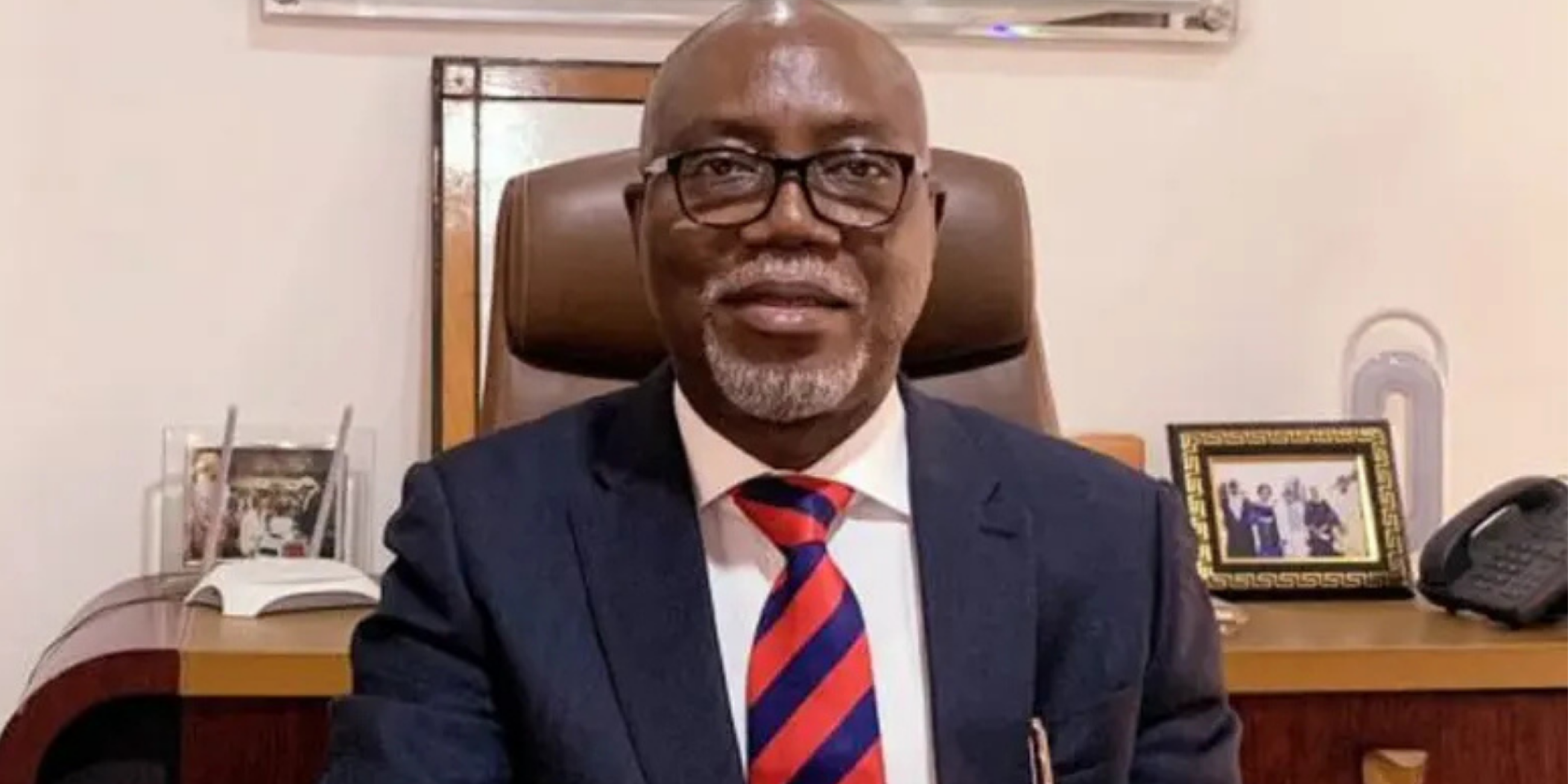
    Gbenga Adeboye was a pioneering Nigerian comedian, broadcaster, and satirist whose voice helped shape modern radio entertainment in Nigeria. Renowned for his sharp wit, cultural intelligence, and fearless social commentary, he used humor not just to entertain, but to educate, critique, and preserve Yoruba oral traditions.

    He was a founding member of the Freelance and Independent Broadcasters’ Association of Nigeria, an independent corporate body established to uphold professionalism, creativity, and ethical standards among qualified broadcasters outside government-controlled media.

    Adeboye’s work blended comedy with deep insight—mocking excesses of power, spotlighting everyday struggles, and giving listeners a mirror through laughter. His influence endures in Nigeria’s broadcasting landscape, where satire remains a powerful tool for storytelling and civic reflection.
    Gbenga Adeboye Entertainer & Broadcaster Gbenga Adeboye was a pioneering Nigerian comedian, broadcaster, and satirist whose voice helped shape modern radio entertainment in Nigeria. Renowned for his sharp wit, cultural intelligence, and fearless social commentary, he used humor not just to entertain, but to educate, critique, and preserve Yoruba oral traditions. He was a founding member of the Freelance and Independent Broadcasters’ Association of Nigeria, an independent corporate body established to uphold professionalism, creativity, and ethical standards among qualified broadcasters outside government-controlled media. Adeboye’s work blended comedy with deep insight—mocking excesses of power, spotlighting everyday struggles, and giving listeners a mirror through laughter. His influence endures in Nigeria’s broadcasting landscape, where satire remains a powerful tool for storytelling and civic reflection.
    love
    1
    · 0 Commenti ·0 condivisioni ·3K Views
  • No Joy, Just Dust: Minna Traders Battle Falling Sales Amid Prolonged Road Construction

    Traders in Minna, Niger State, are struggling as slow road construction disrupts business, raises health concerns, and limits customer access. From markets like Tunga and City Gate to Kpakungu, merchants report declining sales, mounting debt, and unbearable dust, leaving many praying for relief as projects lag behind schedule.

    #MinnaMarkets #RoadConstructionCrisis #SmallBusinessStruggle
    No Joy, Just Dust: Minna Traders Battle Falling Sales Amid Prolonged Road Construction Traders in Minna, Niger State, are struggling as slow road construction disrupts business, raises health concerns, and limits customer access. From markets like Tunga and City Gate to Kpakungu, merchants report declining sales, mounting debt, and unbearable dust, leaving many praying for relief as projects lag behind schedule. #MinnaMarkets #RoadConstructionCrisis #SmallBusinessStruggle
    0 Commenti ·0 condivisioni ·3K Views
  • 2027: ADC Will Bleed After Convention If Atiku Gets Ticket — Baba-Ahmed

    A former spokesperson of the Northern Elders Forum, Hakeem Baba-Ahmed, has predicted that the African Democratic Congress (ADC) may face internal crisis and possible defections after its convention ahead of the 2027 presidential election.

    According to Baba-Ahmed, several interests within the party could feel sidelined if Atiku Abubakar emerges as the party’s presidential candidate. He warned that such a development may lead to divisions and instability within the ADC.

    Baba-Ahmed said managing competing ambitions and interests would be crucial if the party hopes to remain united going into the 2027 elections.

    #2027Elections #ADC #Atiku #NigeriaPolitics
    2027: ADC Will Bleed After Convention If Atiku Gets Ticket — Baba-Ahmed A former spokesperson of the Northern Elders Forum, Hakeem Baba-Ahmed, has predicted that the African Democratic Congress (ADC) may face internal crisis and possible defections after its convention ahead of the 2027 presidential election. According to Baba-Ahmed, several interests within the party could feel sidelined if Atiku Abubakar emerges as the party’s presidential candidate. He warned that such a development may lead to divisions and instability within the ADC. Baba-Ahmed said managing competing ambitions and interests would be crucial if the party hopes to remain united going into the 2027 elections. #2027Elections #ADC #Atiku #NigeriaPolitics
    0 Commenti ·0 condivisioni ·3K Views
  • Nwajiuba Declares 2027 Presidential Bid on ADC Platform….


    Former Minister Chukwuemeka Nwajiuba has officially declared his intention to contest the 2027 presidential election on the platform of the African Democratic Congress (ADC). Announcing his ambition, Nwajiuba said Nigeria’s current challenges require leadership built on clear policies, strategic negotiation and a strong grassroots structure rather than mere rhetoric. His declaration adds a new name to the growing list of politicians eyeing the nation’s highest office, sparking fresh conversations in the political space.
    #fintternews

    Nwajiuba Declares 2027 Presidential Bid on ADC Platform…. Former Minister Chukwuemeka Nwajiuba has officially declared his intention to contest the 2027 presidential election on the platform of the African Democratic Congress (ADC). Announcing his ambition, Nwajiuba said Nigeria’s current challenges require leadership built on clear policies, strategic negotiation and a strong grassroots structure rather than mere rhetoric. His declaration adds a new name to the growing list of politicians eyeing the nation’s highest office, sparking fresh conversations in the political space. #fintternews
    love
    1
    · 0 Commenti ·0 condivisioni ·2K Views
  • Fresh Twist in Nigerian Politics: Atiku Haske Organisation Expels Abba Atiku After Joining APC

    A fresh political drama has erupted as the Atiku Haske Organisation (AHO) expelled Abba Atiku Abubakar, son of former VP Atiku Abubakar, over attempts to influence the group’s political direction. The AHO dismissed Abba’s directives as “null, void and dead on arrival” and reaffirmed its loyalty to the African Democratic Congress (ADC). Despite the expulsion, the organisation reiterated its support for Atiku Abubakar as a credible leader for the 2027 elections. Abba’s move to join the ruling APC and endorse President Tinubu was described by Atiku as a personal decision, not alarming amid family politics.


    #AtikuAbubakar #AbbaAtiku #NigeriaPolitics
    Fresh Twist in Nigerian Politics: Atiku Haske Organisation Expels Abba Atiku After Joining APC A fresh political drama has erupted as the Atiku Haske Organisation (AHO) expelled Abba Atiku Abubakar, son of former VP Atiku Abubakar, over attempts to influence the group’s political direction. The AHO dismissed Abba’s directives as “null, void and dead on arrival” and reaffirmed its loyalty to the African Democratic Congress (ADC). Despite the expulsion, the organisation reiterated its support for Atiku Abubakar as a credible leader for the 2027 elections. Abba’s move to join the ruling APC and endorse President Tinubu was described by Atiku as a personal decision, not alarming amid family politics. #AtikuAbubakar #AbbaAtiku #NigeriaPolitics
    love
    3
    · 0 Commenti ·0 condivisioni ·3K Views
  • 2027: Getting Tinubu out of power only way to rescue Nigeria  —  ADC

    The African Democratic Congress (ADC) has declared that removing President Bola Tinubu from power in the 2027 general election is the only way to rescue Nigeria from its current challenges. The party blamed the Tinubu administration for worsening economic hardship, insecurity, and poor governance, insisting that Nigerians are suffering under present policies. ADC urged opposition parties to unite ahead of 2027, saying only a strong alternative government can restore hope, stabilize the economy, and deliver effective leadership to citizens.
    #fintternews
    2027: Getting Tinubu out of power only way to rescue Nigeria  —  ADC The African Democratic Congress (ADC) has declared that removing President Bola Tinubu from power in the 2027 general election is the only way to rescue Nigeria from its current challenges. The party blamed the Tinubu administration for worsening economic hardship, insecurity, and poor governance, insisting that Nigerians are suffering under present policies. ADC urged opposition parties to unite ahead of 2027, saying only a strong alternative government can restore hope, stabilize the economy, and deliver effective leadership to citizens. #fintternews
    love
    1
    · 0 Commenti ·0 condivisioni ·3K Views
  • Nigerians have started talking as ADC candidate snubbed ex-VP Atiku Abubakar and Peter Obi, and sought the support of FCT Minister Nyesom Wike as the major election approaches. Details in the comment.
    Nigerians have started talking as ADC candidate snubbed ex-VP Atiku Abubakar and Peter Obi, and sought the support of FCT Minister Nyesom Wike as the major election approaches. Details in the comment.
    0 Commenti ·0 condivisioni ·2K Views
  • ADC Criticizes Nigerian Governors for Poor Impact Despite Increased Federal Allocations

    The African Democratic Congress (ADC) says state governors have failed to improve citizens’ welfare despite receiving higher allocations after the removal of fuel subsidies. Spokesman Bolaji Abdullahi argued that although funds to states have more than doubled under President Tinubu—from N3.8 trillion to N7.1 trillion—Nigerians have not seen better living conditions. He questioned the impact of the increased inflow on public infrastructure and social services.

    #NigeriaPolitics #ADC #GovernanceFail
    ADC Criticizes Nigerian Governors for Poor Impact Despite Increased Federal Allocations The African Democratic Congress (ADC) says state governors have failed to improve citizens’ welfare despite receiving higher allocations after the removal of fuel subsidies. Spokesman Bolaji Abdullahi argued that although funds to states have more than doubled under President Tinubu—from N3.8 trillion to N7.1 trillion—Nigerians have not seen better living conditions. He questioned the impact of the increased inflow on public infrastructure and social services. #NigeriaPolitics #ADC #GovernanceFail
    love
    1
    · 0 Commenti ·0 condivisioni ·2K Views
  • The African Democratic Congress (ADC) says removing President Bola Tinubu from office in 2027 is the only way to “take back” Nigeria. ADC spokesperson, Bolaji Abdullahi, described the current situation as an unprecedented governance crisis, claiming the country has been hijacked. He said the party’s core objective is to dislodge the ruling government as a first step toward restoring effective leadership and rescuing Nigeria from deepening economic and political challenges.

    #ADC #Tinubu #NigeriaPolitics #2027Elections
    The African Democratic Congress (ADC) says removing President Bola Tinubu from office in 2027 is the only way to “take back” Nigeria. ADC spokesperson, Bolaji Abdullahi, described the current situation as an unprecedented governance crisis, claiming the country has been hijacked. He said the party’s core objective is to dislodge the ruling government as a first step toward restoring effective leadership and rescuing Nigeria from deepening economic and political challenges. #ADC #Tinubu #NigeriaPolitics #2027Elections
    love
    1
    · 0 Commenti ·0 condivisioni ·2K Views
  • ADC Wahala: Ondo Chapter Descends Into Chaos As Faction Hijacks Party Structure

    Ondo State ADC don enter gbege as faction led by Prof. Bode Ayorinde allegedly hijacks party structures, sidelining authentic members. Former governorship candidate Barrister Myson Nejo accused the group—mainly ex-PDP members—of trying to dominate the party instead of collaborating, sparking tension ahead of 2027 elections.

    Nejo claimed Ayorinde declared himself State Coordinator, ignored the state chairman, and packed meetings with loyalists, causing confusion and resistance. He stressed that the move lacks approval from the national leadership and accused the faction of supporting individual ambitions over the party’s growth.

    Nejo urged Ayorinde to formally join ADC before any stakeholder meetings, promising a roundtable discussion to restore unity and ensure a democratic, inclusive path forward.


    ADC Wahala: Ondo Chapter Descends Into Chaos As Faction Hijacks Party Structure Ondo State ADC don enter gbege as faction led by Prof. Bode Ayorinde allegedly hijacks party structures, sidelining authentic members. Former governorship candidate Barrister Myson Nejo accused the group—mainly ex-PDP members—of trying to dominate the party instead of collaborating, sparking tension ahead of 2027 elections. Nejo claimed Ayorinde declared himself State Coordinator, ignored the state chairman, and packed meetings with loyalists, causing confusion and resistance. He stressed that the move lacks approval from the national leadership and accused the faction of supporting individual ambitions over the party’s growth. Nejo urged Ayorinde to formally join ADC before any stakeholder meetings, promising a roundtable discussion to restore unity and ensure a democratic, inclusive path forward.
    like
    1
    · 0 Commenti ·0 condivisioni ·2K Views
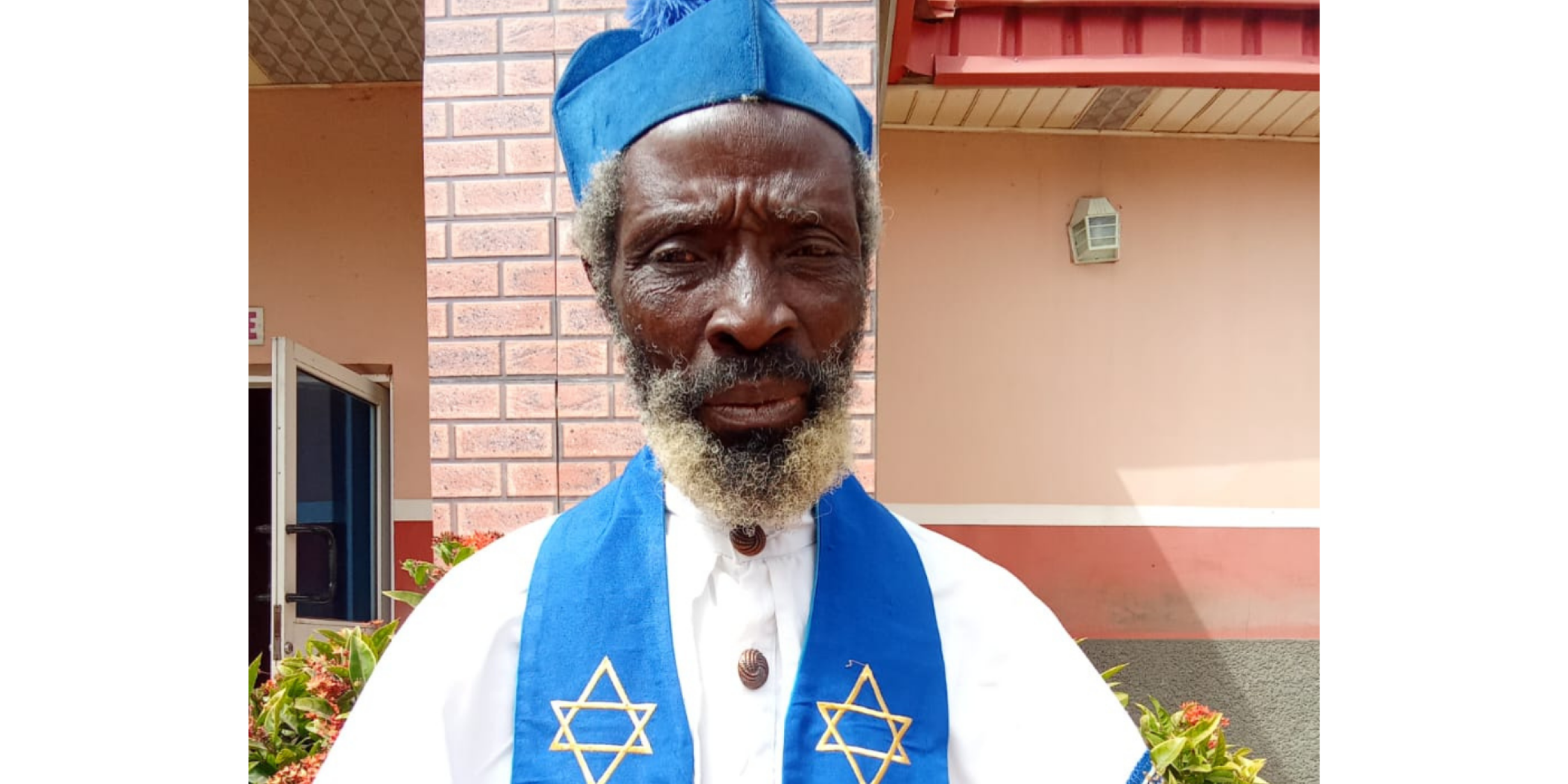
  • Is Nnamdi Kanu Being Illegally Detained? Nigerian Jewish Leader Visits IPOB Founder in Sokoto Prison, Rejects Terrorism Label and Demands His Immediate Release

    Is the continued detention of Mazi Nnamdi Kanu, leader of the Indigenous People of Biafra (IPOB), legally justified—or is it a violation of justice and human rights? This question has been reignited following a high-profile prison visit by Kohen Daniel Onuoha, a Nigerian Jewish cleric and spiritual leader of the Peace of Yahweh Synagogue and founder of Eastern Judaism, who met Kanu at the Sokoto Correctional Facility on January 10, 2026.

    Describing the visit as an act of spiritual and moral solidarity, Onuoha said he was accompanied by his wife and representatives of Jewish congregations in Nigeria’s former Eastern Region, whom he said “faithfully observe the Ten Commandments.” According to him, the visit symbolised years of prayers and sacrifices by his community for Kanu’s freedom.

    “For over five years, we have remained steadfast in daily sacrifices and prayers to Elohim without interruption,” Onuoha said, adding that the prison visit reaffirmed his commitment to justice and liberty.

    During the visit, the cleric directly challenged the legal foundation of Kanu’s continued incarceration, urging the international community, legal experts, and human rights organisations to examine what he described as questionable legal grounds for the case. He argued that Kanu’s prosecution was based on a repealed law, making the detention unlawful.

    Onuoha also rejected the designation of Kanu and IPOB as terrorists, insisting that neither the separatist leader nor the movement had committed violent acts. “Mazi Nnamdi Kanu is not a terrorist, and IPOB is not a terrorist organisation,” he declared, adding that Kanu’s ordeal stemmed from the peaceful exercise of self-determination and his public criticism of alleged abuses by political elites, foreign interests, and local power structures.

    He further contended that speech alone cannot justify criminal conviction, stressing that verbal expressions or broadcasts without evidence of violence should not result in imprisonment. Calling for Kanu’s “immediate and unconditional release,” the Jewish leader said such action was necessary to uphold justice and the rule of law.

    Beyond Kanu’s case, Onuoha appealed for broader international intervention, arguing that Biafrans continue to face marginalisation, oppression, and violence. He commended U.S. President Donald Trump for what he described as efforts to protect Christians in Nigeria and urged increased global pressure on Nigerian authorities over alleged human rights violations.

    In his closing remarks, Onuoha called on Kanu’s supporters, Biafrans, Jews, and human rights advocates to remain peaceful, resilient, and steadfast, expressing confidence that justice would ultimately prevail.

    The visit raises urgent questions: Is Nnamdi Kanu’s detention legally valid? Has the terrorism label been misapplied? And will international scrutiny finally force a reassessment of one of Nigeria’s most controversial political prosecutions?

    Is Nnamdi Kanu Being Illegally Detained? Nigerian Jewish Leader Visits IPOB Founder in Sokoto Prison, Rejects Terrorism Label and Demands His Immediate Release Is the continued detention of Mazi Nnamdi Kanu, leader of the Indigenous People of Biafra (IPOB), legally justified—or is it a violation of justice and human rights? This question has been reignited following a high-profile prison visit by Kohen Daniel Onuoha, a Nigerian Jewish cleric and spiritual leader of the Peace of Yahweh Synagogue and founder of Eastern Judaism, who met Kanu at the Sokoto Correctional Facility on January 10, 2026. Describing the visit as an act of spiritual and moral solidarity, Onuoha said he was accompanied by his wife and representatives of Jewish congregations in Nigeria’s former Eastern Region, whom he said “faithfully observe the Ten Commandments.” According to him, the visit symbolised years of prayers and sacrifices by his community for Kanu’s freedom. “For over five years, we have remained steadfast in daily sacrifices and prayers to Elohim without interruption,” Onuoha said, adding that the prison visit reaffirmed his commitment to justice and liberty. During the visit, the cleric directly challenged the legal foundation of Kanu’s continued incarceration, urging the international community, legal experts, and human rights organisations to examine what he described as questionable legal grounds for the case. He argued that Kanu’s prosecution was based on a repealed law, making the detention unlawful. Onuoha also rejected the designation of Kanu and IPOB as terrorists, insisting that neither the separatist leader nor the movement had committed violent acts. “Mazi Nnamdi Kanu is not a terrorist, and IPOB is not a terrorist organisation,” he declared, adding that Kanu’s ordeal stemmed from the peaceful exercise of self-determination and his public criticism of alleged abuses by political elites, foreign interests, and local power structures. He further contended that speech alone cannot justify criminal conviction, stressing that verbal expressions or broadcasts without evidence of violence should not result in imprisonment. Calling for Kanu’s “immediate and unconditional release,” the Jewish leader said such action was necessary to uphold justice and the rule of law. Beyond Kanu’s case, Onuoha appealed for broader international intervention, arguing that Biafrans continue to face marginalisation, oppression, and violence. He commended U.S. President Donald Trump for what he described as efforts to protect Christians in Nigeria and urged increased global pressure on Nigerian authorities over alleged human rights violations. In his closing remarks, Onuoha called on Kanu’s supporters, Biafrans, Jews, and human rights advocates to remain peaceful, resilient, and steadfast, expressing confidence that justice would ultimately prevail. The visit raises urgent questions: Is Nnamdi Kanu’s detention legally valid? Has the terrorism label been misapplied? And will international scrutiny finally force a reassessment of one of Nigeria’s most controversial political prosecutions?
    love
    1
    · 0 Commenti ·0 condivisioni ·3K Views


  • Why Did Uba Sani’s Campaign Director-General Quit APC for ADC? Does Prof Muhammad Sani Bello’s Resignation Signal a Growing Crack in Kaduna Politics Ahead of Future Elections?

    Is the All Progressives Congress (APC) beginning to lose key political figures in Kaduna State? That question has taken center stage following the resignation of Prof. Muhammad Sani Bello, the former Director-General of Governor Uba Sani’s 2023 Campaign Council, who has formally defected from the APC to the African Democratic Congress (ADC).

    Bello, a respected academic and former Commissioner of Education and Commissioner of Communications in Kaduna State, announced his decision in a resignation letter dated January 7, 2026, addressed to the APC Chairman of Dogarawa Ward, Sabon Gari Local Government Area. In the letter, he stated unequivocally: “This is to let you know of my decision to withdraw my membership of the APC with immediate effect.”

    Despite his exit, Bello maintained a diplomatic tone, expressing appreciation for his time in the party and describing his relationship with the APC as “mutually beneficial.” He concluded the letter with formal courtesies, signaling a calculated and orderly departure rather than a public confrontation.

    His defection is politically significant. Bello was not only a former commissioner but also a central strategist in Governor Uba Sani’s 2023 election victory, making his exit one of the most high-profile departures from the ruling party in Kaduna in recent times. Observers see the move as more than a routine party switch—it raises deeper questions about internal cohesion, loyalty, and ideological direction within the APC at the state level.

    Why did such a prominent figure abandon the ruling party for the ADC, a smaller but increasingly vocal opposition platform? While Bello did not publicly disclose his reasons beyond the formal resignation, analysts suggest the move may reflect growing dissatisfaction among some party elites, strategic realignment ahead of future elections, or concerns over political inclusion and governance style.

    The development also underscores the ADC’s quiet efforts to attract influential politicians, potentially reshaping opposition politics in Kaduna. With Bello’s credentials in governance, education, and communications, his presence could strengthen the ADC’s structure and messaging, especially in urban and intellectual circles.

    Politically, the defection fuels speculation about possible cracks within the APC’s power base in the state. Could more high-ranking members follow? Does this mark the beginning of a broader realignment ahead of upcoming electoral cycles? And what impact might this have on Governor Uba Sani’s political machinery?

    As Kaduna’s political landscape continues to evolve, Bello’s resignation from the APC and entry into the ADC signals a moment of uncertainty—and opportunity. Whether this move becomes a catalyst for wider shifts or remains an isolated defection will shape the balance of power in the state’s future political battles.


    Why Did Uba Sani’s Campaign Director-General Quit APC for ADC? Does Prof Muhammad Sani Bello’s Resignation Signal a Growing Crack in Kaduna Politics Ahead of Future Elections? Is the All Progressives Congress (APC) beginning to lose key political figures in Kaduna State? That question has taken center stage following the resignation of Prof. Muhammad Sani Bello, the former Director-General of Governor Uba Sani’s 2023 Campaign Council, who has formally defected from the APC to the African Democratic Congress (ADC). Bello, a respected academic and former Commissioner of Education and Commissioner of Communications in Kaduna State, announced his decision in a resignation letter dated January 7, 2026, addressed to the APC Chairman of Dogarawa Ward, Sabon Gari Local Government Area. In the letter, he stated unequivocally: “This is to let you know of my decision to withdraw my membership of the APC with immediate effect.” Despite his exit, Bello maintained a diplomatic tone, expressing appreciation for his time in the party and describing his relationship with the APC as “mutually beneficial.” He concluded the letter with formal courtesies, signaling a calculated and orderly departure rather than a public confrontation. His defection is politically significant. Bello was not only a former commissioner but also a central strategist in Governor Uba Sani’s 2023 election victory, making his exit one of the most high-profile departures from the ruling party in Kaduna in recent times. Observers see the move as more than a routine party switch—it raises deeper questions about internal cohesion, loyalty, and ideological direction within the APC at the state level. Why did such a prominent figure abandon the ruling party for the ADC, a smaller but increasingly vocal opposition platform? While Bello did not publicly disclose his reasons beyond the formal resignation, analysts suggest the move may reflect growing dissatisfaction among some party elites, strategic realignment ahead of future elections, or concerns over political inclusion and governance style. The development also underscores the ADC’s quiet efforts to attract influential politicians, potentially reshaping opposition politics in Kaduna. With Bello’s credentials in governance, education, and communications, his presence could strengthen the ADC’s structure and messaging, especially in urban and intellectual circles. Politically, the defection fuels speculation about possible cracks within the APC’s power base in the state. Could more high-ranking members follow? Does this mark the beginning of a broader realignment ahead of upcoming electoral cycles? And what impact might this have on Governor Uba Sani’s political machinery? As Kaduna’s political landscape continues to evolve, Bello’s resignation from the APC and entry into the ADC signals a moment of uncertainty—and opportunity. Whether this move becomes a catalyst for wider shifts or remains an isolated defection will shape the balance of power in the state’s future political battles.
    0 Commenti ·0 condivisioni ·2K Views
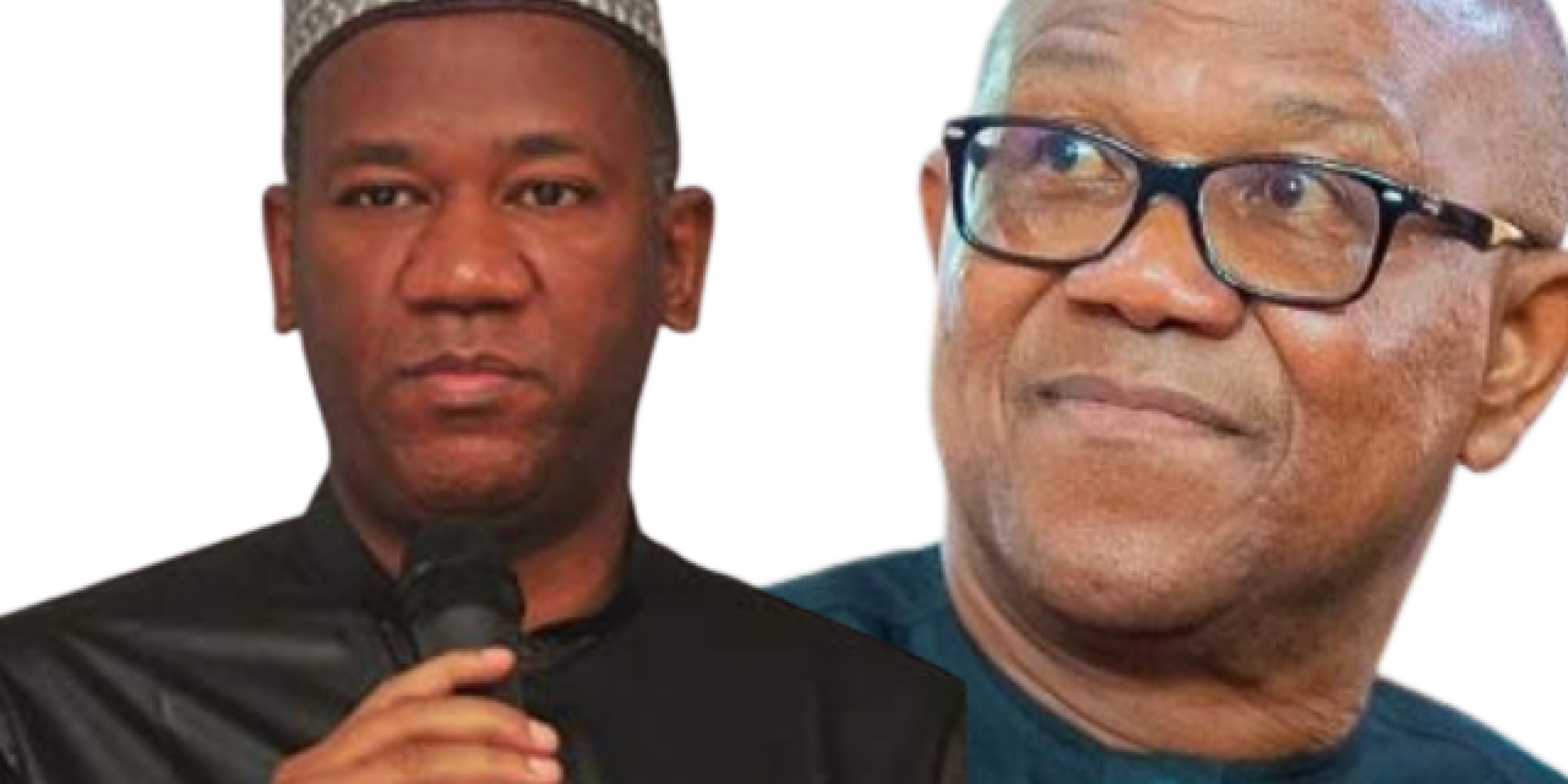
  • Datti Baba-Ahmed Mocks Atiku’s Endless Presidential Bids, Says ‘He’s Been Contesting Since My NYSC Days

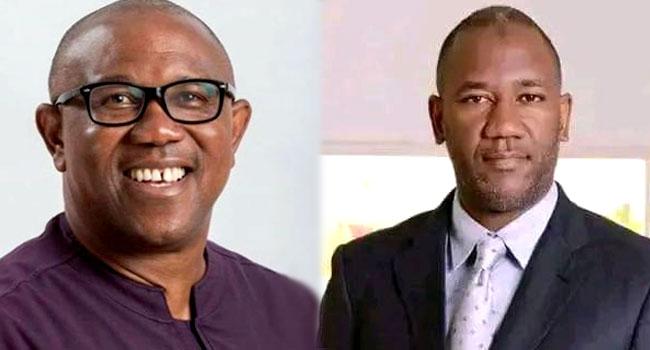
    Labour Party’s former vice-presidential candidate, Senator Yusuf Datti Baba-Ahmed, has criticized former Vice President Atiku Abubakar for his unrelenting presidential ambitions, saying Nigeria urgently needs new and visionary leaders to move the country forward.

    Speaking in a recent interview, Datti recalled that Atiku had already been an aspirant when he was serving his National Youth Service Corps (NYSC), emphasizing that the former vice president has remained a serial contender in every election cycle without offering Nigerians tangible change.

    “When I was doing my NYSC, Baba Atiku was already an aspirant. In 2018, we contested primaries together. In 2023, I was a vice-presidential candidate elsewhere when his own vice president had left him. And now, in 2027 again,” Datti said, expressing frustration at the recycling of old political figures.

    He lamented that Nigeria’s political landscape has become hostile to genuine reformers and dominated by money politics, godfatherism, and unfulfilled promises that discourage competent citizens from participating.

    According to him, the nation is full of capable individuals ready to rebuild Nigeria, but the existing political structure prevents them from rising. “There are good Nigerians who can fix this country, but the system is treacherous and discouraging,” he stated.

    Datti reiterated his belief that a new generation of leaders is ready to take charge, urging Nigerians to rally behind fresh, credible leadership rather than recycling the same political elites.

    His remarks come amid speculation that Atiku, now linked with the African Democratic Congress (ADC), may once again contest the 2027 presidential election—his seventh bid since 1993.


    Datti Baba-Ahmed Mocks Atiku’s Endless Presidential Bids, Says ‘He’s Been Contesting Since My NYSC Days Labour Party’s former vice-presidential candidate, Senator Yusuf Datti Baba-Ahmed, has criticized former Vice President Atiku Abubakar for his unrelenting presidential ambitions, saying Nigeria urgently needs new and visionary leaders to move the country forward. Speaking in a recent interview, Datti recalled that Atiku had already been an aspirant when he was serving his National Youth Service Corps (NYSC), emphasizing that the former vice president has remained a serial contender in every election cycle without offering Nigerians tangible change. “When I was doing my NYSC, Baba Atiku was already an aspirant. In 2018, we contested primaries together. In 2023, I was a vice-presidential candidate elsewhere when his own vice president had left him. And now, in 2027 again,” Datti said, expressing frustration at the recycling of old political figures. He lamented that Nigeria’s political landscape has become hostile to genuine reformers and dominated by money politics, godfatherism, and unfulfilled promises that discourage competent citizens from participating. According to him, the nation is full of capable individuals ready to rebuild Nigeria, but the existing political structure prevents them from rising. “There are good Nigerians who can fix this country, but the system is treacherous and discouraging,” he stated. Datti reiterated his belief that a new generation of leaders is ready to take charge, urging Nigerians to rally behind fresh, credible leadership rather than recycling the same political elites. His remarks come amid speculation that Atiku, now linked with the African Democratic Congress (ADC), may once again contest the 2027 presidential election—his seventh bid since 1993.
    0 Commenti ·0 condivisioni ·2K Views
  • Is Peter Obi a ‘Political Traveller’ Gifted a Presidential Ticket? Why Labour Party VP Candidate Datti Baba-Ahmed Is Challenging Obi’s ADC Move and Declaring His Own 2027 Ambition

    Former Labour Party vice-presidential candidate Yusuf Datti Baba-Ahmed has launched a pointed political broadside that appears directed at his former principal, Peter Obi, following Obi’s decision to join the African Democratic Congress (ADC) coalition. Without naming him directly, Baba-Ahmed described Obi and other defecting politicians as “political travellers” who were “gifted a presidential ticket,” igniting fresh debate over loyalty, leadership, and the future of Nigeria’s opposition ahead of 2027.

    Speaking while declaring his intention to run for president, Baba-Ahmed insisted that he remains firmly within the Labour Party (LP), arguing that the party already “won a presidential election” and still represents a credible alternative to Nigeria’s dominant political blocs. He dismissed the ADC coalition as a gathering of “disgruntled politicians” who failed to properly challenge alleged constitutional breaches in the 2023 elections, questioning whether such alliances truly offer reform or merely recycle old power structures.

    At the heart of his message was a bold economic promise: Baba-Ahmed said that by June 2027, salaries of public servants—especially security personnel and teachers—would be quadrupled, insisting that “Nigeria can afford it.” He framed this pledge as a moral obligation to workers often overlooked despite their critical role in national stability and development.

    Positioning himself as a political outlier, Baba-Ahmed challenged rivals to produce “just one” major presidential aspirant who has never belonged to a ruling party. “I am that one,” he declared, stressing his independence and rejecting what he described as opportunistic movement between power centres. He added that he has no intention of joining any ruling party—except one he hopes to lead through the ballot.

    The former LP vice-presidential candidate also pushed back against claims that defections are weakening the Labour Party, saying neither he nor the party is responsible. According to him, individuals welcomed into LP in 2022 “with a presidential ticket” merely continued their political journey elsewhere. He urged supporters to “use the truth” amid what he called increasingly hostile online narratives.

    Recounting political history, Baba-Ahmed asserted that he aspired to the presidency before Peter Obi, citing events from 2018 when he contested in the PDP primaries and personally sought Obi’s support. While he spoke respectfully of Obi’s character, the implication was clear: leadership ambition, he argued, did not originate with his former running mate.

    Baba-Ahmed also highlighted Labour Party’s achievements despite financial constraints and what he termed “an era of perfected electoral fraud,” pointing to the party’s electoral gains—one state governor, eight senators, and around 40 House of Representatives members—as proof of its growing national footprint.

    The controversy now raises pressing political questions: Is Peter Obi abandoning the movement that propelled him in 2023? Does the ADC coalition represent a genuine opposition realignment or a gathering of familiar political actors? And can Datti Baba-Ahmed’s pledge of economic reform, party loyalty, and outsider status reshape Nigeria’s 2027 presidential race? As realignments continue, the Labour Party faces a defining moment over identity, leadership, and the path forward in Nigeria’s evolving political landscape.
    Is Peter Obi a ‘Political Traveller’ Gifted a Presidential Ticket? Why Labour Party VP Candidate Datti Baba-Ahmed Is Challenging Obi’s ADC Move and Declaring His Own 2027 Ambition Former Labour Party vice-presidential candidate Yusuf Datti Baba-Ahmed has launched a pointed political broadside that appears directed at his former principal, Peter Obi, following Obi’s decision to join the African Democratic Congress (ADC) coalition. Without naming him directly, Baba-Ahmed described Obi and other defecting politicians as “political travellers” who were “gifted a presidential ticket,” igniting fresh debate over loyalty, leadership, and the future of Nigeria’s opposition ahead of 2027. Speaking while declaring his intention to run for president, Baba-Ahmed insisted that he remains firmly within the Labour Party (LP), arguing that the party already “won a presidential election” and still represents a credible alternative to Nigeria’s dominant political blocs. He dismissed the ADC coalition as a gathering of “disgruntled politicians” who failed to properly challenge alleged constitutional breaches in the 2023 elections, questioning whether such alliances truly offer reform or merely recycle old power structures. At the heart of his message was a bold economic promise: Baba-Ahmed said that by June 2027, salaries of public servants—especially security personnel and teachers—would be quadrupled, insisting that “Nigeria can afford it.” He framed this pledge as a moral obligation to workers often overlooked despite their critical role in national stability and development. Positioning himself as a political outlier, Baba-Ahmed challenged rivals to produce “just one” major presidential aspirant who has never belonged to a ruling party. “I am that one,” he declared, stressing his independence and rejecting what he described as opportunistic movement between power centres. He added that he has no intention of joining any ruling party—except one he hopes to lead through the ballot. The former LP vice-presidential candidate also pushed back against claims that defections are weakening the Labour Party, saying neither he nor the party is responsible. According to him, individuals welcomed into LP in 2022 “with a presidential ticket” merely continued their political journey elsewhere. He urged supporters to “use the truth” amid what he called increasingly hostile online narratives. Recounting political history, Baba-Ahmed asserted that he aspired to the presidency before Peter Obi, citing events from 2018 when he contested in the PDP primaries and personally sought Obi’s support. While he spoke respectfully of Obi’s character, the implication was clear: leadership ambition, he argued, did not originate with his former running mate. Baba-Ahmed also highlighted Labour Party’s achievements despite financial constraints and what he termed “an era of perfected electoral fraud,” pointing to the party’s electoral gains—one state governor, eight senators, and around 40 House of Representatives members—as proof of its growing national footprint. The controversy now raises pressing political questions: Is Peter Obi abandoning the movement that propelled him in 2023? Does the ADC coalition represent a genuine opposition realignment or a gathering of familiar political actors? And can Datti Baba-Ahmed’s pledge of economic reform, party loyalty, and outsider status reshape Nigeria’s 2027 presidential race? As realignments continue, the Labour Party faces a defining moment over identity, leadership, and the path forward in Nigeria’s evolving political landscape.
    0 Commenti ·0 condivisioni ·3K Views
  • What Will 2026 Really Bring for Nigeria and the World? Azu Ishiekwene Predicts Power Shifts, Economic Strain, AI Disruption, 2027 Politics and Who Wins the World Cup

    Is 2026 a year of quiet recovery—or the beginning of deeper political, economic and global turbulence? And is Nigeria already slipping into the politics of 2027?

    In what he describes as possibly his final annual forecast, journalist and columnist Azu Ishiekwene delivers a sweeping, high-stakes outlook on Nigeria and the world, blending political prediction, economic analysis, technology trends and global power shifts. Known for earlier forecasts that accurately anticipated election outcomes and cabinet shake-ups, Ishiekwene argues that 2026 will be a year where politics collides head-on with harsh economic realities, leaving citizens caught between daily hardship and recycled political promises.

    He warns that Nigeria’s economy will remain under pressure, with tensions growing between tight monetary policy and rising demands for fiscal expansion in a pre-election year. Could divisions inside the Ministry of Finance undermine investor confidence? And will petrol prices remain stable around ₦850 per litre, as he suggests, only if oil output rises and NNPC escapes its heavy crude obligations?

    While cheaper fuel from the Dangote Refinery may offer temporary consumer relief, Ishiekwene predicts continued instability in electricity supply, pointing to a fragile transmission system that still requires massive investment. He also foresees President Bola Tinubu possibly unveiling private-sector-led reforms in power transmission involving major business players.

    But is Nigeria already entering the politics of 2027 in 2026?

    Ishiekwene argues that although early elections are unlikely, political realignments are accelerating. With multiple opposition governors defecting to the ruling APC, claims of a creeping one-party state are growing. Yet, he suggests the reality is more complex: a weakened opposition plagued by internal fractures, financial constraints and a lack of coherent alternatives.

    Turning to the emerging African Democratic Congress (ADC) coalition—uniting figures such as Atiku Abubakar, Peter Obi, Nasir El-Rufai, Rotimi Amaechi and Rabiu Kwankwaso—he raises a critical question: is ADC truly built to win in 2027, or merely to survive until 2031? He predicts Atiku will clinch the party’s ticket over Obi, with Obi likely offered the vice-presidential slot—potentially triggering backlash among “Obidients.” With limited grassroots reach and the enormous financial demands of a presidential campaign, Ishiekwene concludes that ADC may struggle to pose a serious challenge to the ruling party in the next election cycle.

    Beyond Nigeria, he paints 2026 as a year shaped by geopolitical rivalry, especially between Donald Trump’s America and Xi Jinping’s China, and by growing global unease over U.S. trade policies, immigration enforcement and economic nationalism. Could gold and non-dollar assets accelerate as the world quietly prepares for a less dollar-centric future?

    He also highlights the rapid evolution of artificial intelligence, warning that 2026 will mark a shift from basic generative AI to agentic, autonomous systems capable of independent action. As AI blurs the line between reality and fabrication, he predicts rising confusion, misinformation, and ethical challenges—ushering in what he calls the “Year of the Humanoid.”

    Even football is not spared his forecasting. With the 2026 FIFA World Cup approaching, Ishiekwene tips Spain to win, citing tactical depth and cohesion, while acknowledging Morocco as Africa’s strongest hope.

    Ultimately, the essay asks uncomfortable but urgent questions:
    Is Nigeria drifting toward political dominance by one party?
    Will economic reforms truly ease citizens’ burdens—or merely reshuffle the pressure?
    Can a fractured opposition reorganise in time?
    And in a world increasingly shaped by AI and geopolitical rivalry, where does Nigeria truly stand?

    For Ishiekwene, 2026 is not just another year—it is a crossroads where technology, politics, power and survival intersect, setting the tone for Nigeria’s future well beyond the next election.


    What Will 2026 Really Bring for Nigeria and the World? Azu Ishiekwene Predicts Power Shifts, Economic Strain, AI Disruption, 2027 Politics and Who Wins the World Cup Is 2026 a year of quiet recovery—or the beginning of deeper political, economic and global turbulence? And is Nigeria already slipping into the politics of 2027? In what he describes as possibly his final annual forecast, journalist and columnist Azu Ishiekwene delivers a sweeping, high-stakes outlook on Nigeria and the world, blending political prediction, economic analysis, technology trends and global power shifts. Known for earlier forecasts that accurately anticipated election outcomes and cabinet shake-ups, Ishiekwene argues that 2026 will be a year where politics collides head-on with harsh economic realities, leaving citizens caught between daily hardship and recycled political promises. He warns that Nigeria’s economy will remain under pressure, with tensions growing between tight monetary policy and rising demands for fiscal expansion in a pre-election year. Could divisions inside the Ministry of Finance undermine investor confidence? And will petrol prices remain stable around ₦850 per litre, as he suggests, only if oil output rises and NNPC escapes its heavy crude obligations? While cheaper fuel from the Dangote Refinery may offer temporary consumer relief, Ishiekwene predicts continued instability in electricity supply, pointing to a fragile transmission system that still requires massive investment. He also foresees President Bola Tinubu possibly unveiling private-sector-led reforms in power transmission involving major business players. But is Nigeria already entering the politics of 2027 in 2026? Ishiekwene argues that although early elections are unlikely, political realignments are accelerating. With multiple opposition governors defecting to the ruling APC, claims of a creeping one-party state are growing. Yet, he suggests the reality is more complex: a weakened opposition plagued by internal fractures, financial constraints and a lack of coherent alternatives. Turning to the emerging African Democratic Congress (ADC) coalition—uniting figures such as Atiku Abubakar, Peter Obi, Nasir El-Rufai, Rotimi Amaechi and Rabiu Kwankwaso—he raises a critical question: is ADC truly built to win in 2027, or merely to survive until 2031? He predicts Atiku will clinch the party’s ticket over Obi, with Obi likely offered the vice-presidential slot—potentially triggering backlash among “Obidients.” With limited grassroots reach and the enormous financial demands of a presidential campaign, Ishiekwene concludes that ADC may struggle to pose a serious challenge to the ruling party in the next election cycle. Beyond Nigeria, he paints 2026 as a year shaped by geopolitical rivalry, especially between Donald Trump’s America and Xi Jinping’s China, and by growing global unease over U.S. trade policies, immigration enforcement and economic nationalism. Could gold and non-dollar assets accelerate as the world quietly prepares for a less dollar-centric future? He also highlights the rapid evolution of artificial intelligence, warning that 2026 will mark a shift from basic generative AI to agentic, autonomous systems capable of independent action. As AI blurs the line between reality and fabrication, he predicts rising confusion, misinformation, and ethical challenges—ushering in what he calls the “Year of the Humanoid.” Even football is not spared his forecasting. With the 2026 FIFA World Cup approaching, Ishiekwene tips Spain to win, citing tactical depth and cohesion, while acknowledging Morocco as Africa’s strongest hope. Ultimately, the essay asks uncomfortable but urgent questions: Is Nigeria drifting toward political dominance by one party? Will economic reforms truly ease citizens’ burdens—or merely reshuffle the pressure? Can a fractured opposition reorganise in time? And in a world increasingly shaped by AI and geopolitical rivalry, where does Nigeria truly stand? For Ishiekwene, 2026 is not just another year—it is a crossroads where technology, politics, power and survival intersect, setting the tone for Nigeria’s future well beyond the next election.
    love
    1
    · 0 Commenti ·0 condivisioni ·5K Views
  • Why Is the ADC Inaugurating Zonal Congress Committees, Why Is It Rejecting Any Alliance With Atiku, Obi, Kwankwaso, and Jonathan, and What Does This Signal for Nigeria’s 2027 Politics?

    A faction of the African Democratic Congress (ADC) has moved to strengthen its internal structure by inaugurating Zonal Congress Committees across three geopolitical zones, while firmly rejecting widespread speculation that the party is aligning with major political figures such as Atiku Abubakar, Peter Obi, Rabiu Kwankwaso, and Goodluck Jonathan.

    In a communique signed by the party’s National Chairman, Hon. Nafiu Bala Gombe, the ADC said the exercise was part of efforts to entrench internal democracy, transparency, and strict adherence to the party’s constitution ahead of future elections.

    According to the statement, the South-West Zonal Congress Committee was inaugurated in Ekiti State on January 7, 2026, with Hon. Bala Sani named Chairman and Hon. Kyauta Yakubu heading the Appeal Committee. The ceremony was conducted by the National Chairman himself.

    In the South-East, a similar inauguration took place in Enugu State on the same date. Barrister Adamu Ado Dauda was appointed Chairman of the Congress Committee, while Mrs. Iyabo Salami Alibi was named head of the Appeal Committee. The event was presided over by the Secretary of the party’s Board of Trustees (BoT), Chief Rufus Ekenmi.

    Earlier, on January 5, 2026, the party inaugurated its North-Central Zonal Congress Committee, appointing Hon. Lolo Ehirudu as Chairman of the Congress Committee and Hon. Sa’ad Aboki as head of the Appeal Committee.

    Beyond organisational matters, the ADC used the occasion to directly address growing rumours of a possible political alliance with prominent national figures. The party categorically dismissed claims linking it to Atiku Abubakar, Labour Party’s 2023 presidential candidate Peter Obi, former Kano State Governor Rabiu Kwankwaso, and former President Goodluck Jonathan.

    “The National Leadership reiterates its unwavering commitment to the principles of internal democracy, transparency, and strict adherence to the party’s constitution,” the communique stated, urging members and the public to “disregard and ignore” all reports of external political alignments. The party stressed that its focus remains on building “a strong, independent, and ideologically driven platform.”

    The ADC also emphasised that only duly registered and financially up-to-date members would be eligible to vote or contest in its congresses and internal elections, reinforcing its claim of commitment to internal order and party discipline.

    By distancing itself from Nigeria’s most recognisable political heavyweights, the party appears determined to project itself as an independent alternative within the country’s democratic space—one that is not defined by elite coalitions or personality-driven politics.

    As speculation continues over emerging alliances ahead of future elections, observers are asking: Why is the ADC rejecting any association with established political figures? Is the party positioning itself as a third-force movement, or is this a strategic move to consolidate its base before engaging in broader negotiations? And could this internal reorganisation reshape opposition politics in Nigeria ahead of 2027?

    The ADC insists its direction is clear: no external alliances, strict internal democracy, and a people-centred political platform—a stance that may test both its independence and its appeal in Nigeria’s highly competitive political landscape.
    Why Is the ADC Inaugurating Zonal Congress Committees, Why Is It Rejecting Any Alliance With Atiku, Obi, Kwankwaso, and Jonathan, and What Does This Signal for Nigeria’s 2027 Politics? A faction of the African Democratic Congress (ADC) has moved to strengthen its internal structure by inaugurating Zonal Congress Committees across three geopolitical zones, while firmly rejecting widespread speculation that the party is aligning with major political figures such as Atiku Abubakar, Peter Obi, Rabiu Kwankwaso, and Goodluck Jonathan. In a communique signed by the party’s National Chairman, Hon. Nafiu Bala Gombe, the ADC said the exercise was part of efforts to entrench internal democracy, transparency, and strict adherence to the party’s constitution ahead of future elections. According to the statement, the South-West Zonal Congress Committee was inaugurated in Ekiti State on January 7, 2026, with Hon. Bala Sani named Chairman and Hon. Kyauta Yakubu heading the Appeal Committee. The ceremony was conducted by the National Chairman himself. In the South-East, a similar inauguration took place in Enugu State on the same date. Barrister Adamu Ado Dauda was appointed Chairman of the Congress Committee, while Mrs. Iyabo Salami Alibi was named head of the Appeal Committee. The event was presided over by the Secretary of the party’s Board of Trustees (BoT), Chief Rufus Ekenmi. Earlier, on January 5, 2026, the party inaugurated its North-Central Zonal Congress Committee, appointing Hon. Lolo Ehirudu as Chairman of the Congress Committee and Hon. Sa’ad Aboki as head of the Appeal Committee. Beyond organisational matters, the ADC used the occasion to directly address growing rumours of a possible political alliance with prominent national figures. The party categorically dismissed claims linking it to Atiku Abubakar, Labour Party’s 2023 presidential candidate Peter Obi, former Kano State Governor Rabiu Kwankwaso, and former President Goodluck Jonathan. “The National Leadership reiterates its unwavering commitment to the principles of internal democracy, transparency, and strict adherence to the party’s constitution,” the communique stated, urging members and the public to “disregard and ignore” all reports of external political alignments. The party stressed that its focus remains on building “a strong, independent, and ideologically driven platform.” The ADC also emphasised that only duly registered and financially up-to-date members would be eligible to vote or contest in its congresses and internal elections, reinforcing its claim of commitment to internal order and party discipline. By distancing itself from Nigeria’s most recognisable political heavyweights, the party appears determined to project itself as an independent alternative within the country’s democratic space—one that is not defined by elite coalitions or personality-driven politics. As speculation continues over emerging alliances ahead of future elections, observers are asking: Why is the ADC rejecting any association with established political figures? Is the party positioning itself as a third-force movement, or is this a strategic move to consolidate its base before engaging in broader negotiations? And could this internal reorganisation reshape opposition politics in Nigeria ahead of 2027? The ADC insists its direction is clear: no external alliances, strict internal democracy, and a people-centred political platform—a stance that may test both its independence and its appeal in Nigeria’s highly competitive political landscape.
    0 Commenti ·0 condivisioni ·3K Views
  • Was Ondo Governor’s Security Compromised? Protocol Chiefs Accused of Swapping Convoy Drivers Without Clearance Amid Rising Safety Fears

    A serious security controversy has emerged within the Ondo State Government following allegations that top protocol officials authorized a change of drivers in the governor’s convoy without security clearance, a move insiders describe as a dangerous breach of established procedure. The incident has reportedly heightened tension inside Government House and raised concerns about vulnerabilities in the governor’s protective arrangements.

    According to multiple security sources, the Chief of Protocol (CoP), Mr. Olasanya Abayomi, and the Director of Protocol (DoP), Barr. Asonja George, allegedly ordered the replacement of convoy drivers without informing the Chief Security Officer (CSO) or the Aide-de-Camp (ADC)—the two officers legally responsible for coordinating the governor’s personal security.

    Security experts within the government described the action as a “grave breach of protocol,” stressing that no driver attached to the governor’s convoy should be changed without clearance from the CSO and ADC. One senior official told SaharaReporters that bypassing this chain of command constitutes a serious security violation, especially at a time of heightened national security concerns.

    The development is said to have unsettled junior officers and deepened mistrust among senior officials, with insiders warning that internal lapses of this nature could weaken confidence in the state’s security architecture. Some officials expressed fears that overlapping authority between protocol and security units could create confusion and expose the governor to potential risks.

    More troubling are allegations that the Chief of Protocol may be acting in concert with unnamed individuals to politically undermine the governor’s security structure. Although no concrete evidence has been made public, the claims have intensified calls for an independent investigation, with sources insisting that the governor’s safety must not be subjected to internal power struggles or administrative shortcuts.

    Stakeholders are now urging the Ondo State Commissioner of Police and the Department of State Services (DSS) to urgently probe the incident, determine accountability, and restore confidence in the state’s protective operations. Civil society actors have also called for the two officials involved to step aside pending investigations, arguing that doing so would reassure the public and demonstrate institutional accountability.

    However, the state government has pushed back against claims of a security breach. The governor’s Chief Press Secretary, Mr. Ebenezer Adeniyan, denied that the governor’s safety was compromised, confirming instead that the driver changes were part of a routine annual reshuffle. He explained that all drivers fall under the supervision of the Chief of Protocol and that similar reassignments also affected other units, including the media and ambulance services.

    Despite this official explanation, security analysts argue that the episode highlights a deeper structural issue: the need for clear coordination between protocol and security departments. Experts warn that when protocol functions override established security procedures, it can create vulnerabilities that may be exploited.

    As the controversy continues, one key question remains: Was the governor’s security genuinely compromised, or was this merely an administrative routine that was misinterpreted? The answer may depend on the outcome of any investigation and whether the state government moves to review and strengthen its internal security and protocol processes.
    Was Ondo Governor’s Security Compromised? Protocol Chiefs Accused of Swapping Convoy Drivers Without Clearance Amid Rising Safety Fears A serious security controversy has emerged within the Ondo State Government following allegations that top protocol officials authorized a change of drivers in the governor’s convoy without security clearance, a move insiders describe as a dangerous breach of established procedure. The incident has reportedly heightened tension inside Government House and raised concerns about vulnerabilities in the governor’s protective arrangements. According to multiple security sources, the Chief of Protocol (CoP), Mr. Olasanya Abayomi, and the Director of Protocol (DoP), Barr. Asonja George, allegedly ordered the replacement of convoy drivers without informing the Chief Security Officer (CSO) or the Aide-de-Camp (ADC)—the two officers legally responsible for coordinating the governor’s personal security. Security experts within the government described the action as a “grave breach of protocol,” stressing that no driver attached to the governor’s convoy should be changed without clearance from the CSO and ADC. One senior official told SaharaReporters that bypassing this chain of command constitutes a serious security violation, especially at a time of heightened national security concerns. The development is said to have unsettled junior officers and deepened mistrust among senior officials, with insiders warning that internal lapses of this nature could weaken confidence in the state’s security architecture. Some officials expressed fears that overlapping authority between protocol and security units could create confusion and expose the governor to potential risks. More troubling are allegations that the Chief of Protocol may be acting in concert with unnamed individuals to politically undermine the governor’s security structure. Although no concrete evidence has been made public, the claims have intensified calls for an independent investigation, with sources insisting that the governor’s safety must not be subjected to internal power struggles or administrative shortcuts. Stakeholders are now urging the Ondo State Commissioner of Police and the Department of State Services (DSS) to urgently probe the incident, determine accountability, and restore confidence in the state’s protective operations. Civil society actors have also called for the two officials involved to step aside pending investigations, arguing that doing so would reassure the public and demonstrate institutional accountability. However, the state government has pushed back against claims of a security breach. The governor’s Chief Press Secretary, Mr. Ebenezer Adeniyan, denied that the governor’s safety was compromised, confirming instead that the driver changes were part of a routine annual reshuffle. He explained that all drivers fall under the supervision of the Chief of Protocol and that similar reassignments also affected other units, including the media and ambulance services. Despite this official explanation, security analysts argue that the episode highlights a deeper structural issue: the need for clear coordination between protocol and security departments. Experts warn that when protocol functions override established security procedures, it can create vulnerabilities that may be exploited. As the controversy continues, one key question remains: Was the governor’s security genuinely compromised, or was this merely an administrative routine that was misinterpreted? The answer may depend on the outcome of any investigation and whether the state government moves to review and strengthen its internal security and protocol processes.
    0 Commenti ·0 condivisioni ·2K Views
  • Why Is Datti Baba-Ahmed Refusing to Follow Obi Out of Labour Party?
    As Nigeria looks toward the 2027 general elections, Senator Datti Baba-Ahmed has declared he will remain with the Labour Party, distancing himself from the political move made by his former running mate, Peter Obi.

    Baba-Ahmed, who was Obi’s vice-presidential candidate in the 2023 election, said he has no intention of leaving the Labour Party, insisting that loyalty and consistency matter in politics.

    Peter Obi recently exited the Labour Party and aligned with the African Democratic Congress (ADC), a coalition-backed platform aimed at challenging the ruling APC. However, Baba-Ahmed dismissed the ADC, describing its members as “disgruntled politicians” and questioning the credibility of the alliance.

    Speaking at the Labour Party’s national headquarters in Abuja, the former Kaduna North senator also signaled his readiness to play a role in fixing Nigeria ahead of 2027.

    Discussion Questions:

    Is Datti Baba-Ahmed right to stay with the Labour Party despite Obi’s exit?

    Does political loyalty matter more than strategy in Nigerian politics?

    Is the ADC a genuine alternative or just a coalition of unhappy politicians?

    Who stands a better chance in 2027: Labour Party loyalists or the new coalition?

    What do you think?
    Why Is Datti Baba-Ahmed Refusing to Follow Obi Out of Labour Party? As Nigeria looks toward the 2027 general elections, Senator Datti Baba-Ahmed has declared he will remain with the Labour Party, distancing himself from the political move made by his former running mate, Peter Obi. Baba-Ahmed, who was Obi’s vice-presidential candidate in the 2023 election, said he has no intention of leaving the Labour Party, insisting that loyalty and consistency matter in politics. Peter Obi recently exited the Labour Party and aligned with the African Democratic Congress (ADC), a coalition-backed platform aimed at challenging the ruling APC. However, Baba-Ahmed dismissed the ADC, describing its members as “disgruntled politicians” and questioning the credibility of the alliance. Speaking at the Labour Party’s national headquarters in Abuja, the former Kaduna North senator also signaled his readiness to play a role in fixing Nigeria ahead of 2027. Discussion Questions: Is Datti Baba-Ahmed right to stay with the Labour Party despite Obi’s exit? Does political loyalty matter more than strategy in Nigerian politics? Is the ADC a genuine alternative or just a coalition of unhappy politicians? Who stands a better chance in 2027: Labour Party loyalists or the new coalition? What do you think?
    0 Commenti ·0 condivisioni ·2K Views
  • BURKINA FASO FOILS COUP ATTEMPT

    Burkina Faso's Military junta announced that it had foiled what was described a sophisticated plot to assassinate its military leader, Captain Ibrahim Traoré.

    Security Minister Mahamadou Sana revealed the details in a national television broadcast, stating that intelligence services intercepted the operation in its final stages.

    He alleged that the plotters had planned to assassinate the head of state and then strike other key institutions, including civilian personalities, alleging that the conspiracy was funded from neighbouring country.

    Sana said authorities uncovered a leaked video in which the plotters discussed their intentions, including assassinating Traoré either at close range or by planting explosives at his residence shortly after 11 p.m. local time on Saturday, January 3.

    The conspirators allegedly planned to follow up by targeting other senior military and civilian figures, mobilizing soldiers and civilian supporters, and disabling the country's drone-launch base to prevent foreign intervention.
    Sana added that the situation was under control and urging citizens "not to be misled, out of naivety, into dangerous schemes.
    BURKINA FASO FOILS COUP ATTEMPT Burkina Faso's Military junta announced that it had foiled what was described a sophisticated plot to assassinate its military leader, Captain Ibrahim Traoré. Security Minister Mahamadou Sana revealed the details in a national television broadcast, stating that intelligence services intercepted the operation in its final stages. He alleged that the plotters had planned to assassinate the head of state and then strike other key institutions, including civilian personalities, alleging that the conspiracy was funded from neighbouring country. Sana said authorities uncovered a leaked video in which the plotters discussed their intentions, including assassinating Traoré either at close range or by planting explosives at his residence shortly after 11 p.m. local time on Saturday, January 3. The conspirators allegedly planned to follow up by targeting other senior military and civilian figures, mobilizing soldiers and civilian supporters, and disabling the country's drone-launch base to prevent foreign intervention. Sana added that the situation was under control and urging citizens "not to be misled, out of naivety, into dangerous schemes.
    0 Commenti ·0 condivisioni ·1K Views
  • Can Datti Baba-Ahmed Really Replace Peter Obi? LP’s 2023 Running Mate Declares 2027 Presidential Ambition Amid Party Crisis

    Is a new political battle for Nigeria’s presidency already taking shape within the opposition—and could Senator Datti Baba-Ahmed be positioning himself as the next major contender? These are the questions dominating political discussions after the former Labour Party (LP) vice-presidential candidate in the 2023 election formally declared his intention to contest the 2027 presidency.

    Baba-Ahmed made the announcement at a rally at the Labour Party’s national secretariat in Abuja, at a time when the party is grappling with internal realignments following the high-profile exit of its 2023 presidential candidate, Peter Obi, to the African Democratic Congress (ADC). His declaration comes barely days after Obi’s departure, instantly igniting debate about the future direction of the Labour Party and the broader opposition ahead of the next general election.

    Addressing party members and supporters, Baba-Ahmed was quick to dismiss any suggestion that his ambition was a reaction to Obi’s political move. Instead, he insisted that his presidential aspiration predates his alliance with Obi, stressing that he was not “following anybody’s trajectory” or attempting to step into anyone’s political space. According to him, records clearly show that he had sought the presidency even before Obi entered the 2023 race.

    He recalled his participation in the 2018 presidential primaries of the Peoples Democratic Party (PDP) in Port Harcourt, noting that his eventual decision to serve as Obi’s running mate was driven by what he described as a rare opportunity for national unity rather than personal ambition. For Baba-Ahmed, aligning with Obi was not a surrender of his own political vision but a strategic choice aimed at offering Nigerians an alternative leadership model.

    Beyond ambition, his speech touched on sensitive but unavoidable themes in Nigerian politics—religion and ethnicity. Baba-Ahmed openly acknowledged his identity as a practising Muslim and a Hausa man, but maintained that the Nigerian Constitution guarantees every qualified citizen the right to seek elective office. According to him, his decision to run is rooted in what he described as a genuine desire to help rescue Nigeria from its many challenges, rather than sectional or personal interests.

    However, he also struck a cautious tone, emphasizing that he would respect due process within the Labour Party and the electoral framework. While affirming his intention, he stated that he would not formally pursue the ticket until the Independent National Electoral Commission (INEC) releases its timetable and the party leadership officially calls for aspirants. To him, this approach reflects both loyalty to party structures and adherence to democratic norms.

    His declaration has added a new layer of complexity to an already evolving opposition landscape. With Peter Obi now outside the Labour Party, questions are being raised about who will command the loyalty of the party’s grassroots supporters, many of whom were mobilized by the “Obidient” movement in 2023. Can Datti Baba-Ahmed inherit that momentum, or will the party struggle to redefine itself without its most visible figure?

    Reacting to the announcement, Labour Party National Chairman Julius Abure praised Baba-Ahmed for remaining within the party despite speculation that he might defect following Obi’s exit. For party loyalists, his decision to stay is being interpreted as a signal of continuity and internal stability. For critics, however, it raises deeper questions: does the Labour Party still have a unified ideological direction, or is it entering a phase of leadership contest and fragmentation?

    As 2027 approaches, Baba-Ahmed’s declaration invites broader national reflection. Is Nigeria’s opposition finally preparing early for the next election, or is this the beginning of another cycle of internal rivalry that could weaken alternative voices? Can Baba-Ahmed’s experience, ideology, and personal narrative convince Nigerians that he offers something fundamentally different from the political establishment? And perhaps most importantly, can he fill the vacuum left by Peter Obi’s departure—or will the Labour Party need a complete reinvention to remain politically relevant?

    On Fintter, this development is more than a headline. It is a conversation about leadership, loyalty, and the future of opposition politics in Nigeria. Is Datti Baba-Ahmed the natural successor within the Labour Party, or is his ambition likely to deepen internal divisions? Can he rally young voters and reform-minded citizens the way Obi once did?

    What do you think? Is Datti Baba-Ahmed the right figure to lead the Labour Party into 2027—or is the party losing its political identity? Share your views and join the debate on Fintter.

    Can Datti Baba-Ahmed Really Replace Peter Obi? LP’s 2023 Running Mate Declares 2027 Presidential Ambition Amid Party Crisis Is a new political battle for Nigeria’s presidency already taking shape within the opposition—and could Senator Datti Baba-Ahmed be positioning himself as the next major contender? These are the questions dominating political discussions after the former Labour Party (LP) vice-presidential candidate in the 2023 election formally declared his intention to contest the 2027 presidency. Baba-Ahmed made the announcement at a rally at the Labour Party’s national secretariat in Abuja, at a time when the party is grappling with internal realignments following the high-profile exit of its 2023 presidential candidate, Peter Obi, to the African Democratic Congress (ADC). His declaration comes barely days after Obi’s departure, instantly igniting debate about the future direction of the Labour Party and the broader opposition ahead of the next general election. Addressing party members and supporters, Baba-Ahmed was quick to dismiss any suggestion that his ambition was a reaction to Obi’s political move. Instead, he insisted that his presidential aspiration predates his alliance with Obi, stressing that he was not “following anybody’s trajectory” or attempting to step into anyone’s political space. According to him, records clearly show that he had sought the presidency even before Obi entered the 2023 race. He recalled his participation in the 2018 presidential primaries of the Peoples Democratic Party (PDP) in Port Harcourt, noting that his eventual decision to serve as Obi’s running mate was driven by what he described as a rare opportunity for national unity rather than personal ambition. For Baba-Ahmed, aligning with Obi was not a surrender of his own political vision but a strategic choice aimed at offering Nigerians an alternative leadership model. Beyond ambition, his speech touched on sensitive but unavoidable themes in Nigerian politics—religion and ethnicity. Baba-Ahmed openly acknowledged his identity as a practising Muslim and a Hausa man, but maintained that the Nigerian Constitution guarantees every qualified citizen the right to seek elective office. According to him, his decision to run is rooted in what he described as a genuine desire to help rescue Nigeria from its many challenges, rather than sectional or personal interests. However, he also struck a cautious tone, emphasizing that he would respect due process within the Labour Party and the electoral framework. While affirming his intention, he stated that he would not formally pursue the ticket until the Independent National Electoral Commission (INEC) releases its timetable and the party leadership officially calls for aspirants. To him, this approach reflects both loyalty to party structures and adherence to democratic norms. His declaration has added a new layer of complexity to an already evolving opposition landscape. With Peter Obi now outside the Labour Party, questions are being raised about who will command the loyalty of the party’s grassroots supporters, many of whom were mobilized by the “Obidient” movement in 2023. Can Datti Baba-Ahmed inherit that momentum, or will the party struggle to redefine itself without its most visible figure? Reacting to the announcement, Labour Party National Chairman Julius Abure praised Baba-Ahmed for remaining within the party despite speculation that he might defect following Obi’s exit. For party loyalists, his decision to stay is being interpreted as a signal of continuity and internal stability. For critics, however, it raises deeper questions: does the Labour Party still have a unified ideological direction, or is it entering a phase of leadership contest and fragmentation? As 2027 approaches, Baba-Ahmed’s declaration invites broader national reflection. Is Nigeria’s opposition finally preparing early for the next election, or is this the beginning of another cycle of internal rivalry that could weaken alternative voices? Can Baba-Ahmed’s experience, ideology, and personal narrative convince Nigerians that he offers something fundamentally different from the political establishment? And perhaps most importantly, can he fill the vacuum left by Peter Obi’s departure—or will the Labour Party need a complete reinvention to remain politically relevant? On Fintter, this development is more than a headline. It is a conversation about leadership, loyalty, and the future of opposition politics in Nigeria. Is Datti Baba-Ahmed the natural successor within the Labour Party, or is his ambition likely to deepen internal divisions? Can he rally young voters and reform-minded citizens the way Obi once did? 💬 What do you think? Is Datti Baba-Ahmed the right figure to lead the Labour Party into 2027—or is the party losing its political identity? Share your views and join the debate on Fintter.
    like
    1
    · 0 Commenti ·0 condivisioni ·3K Views
Pagine in Evidenza
Fintter https://fintter.com