• Datti Baba-Ahmed Mocks Atiku’s Endless Presidential Bids, Says ‘He’s Been Contesting Since My NYSC Days

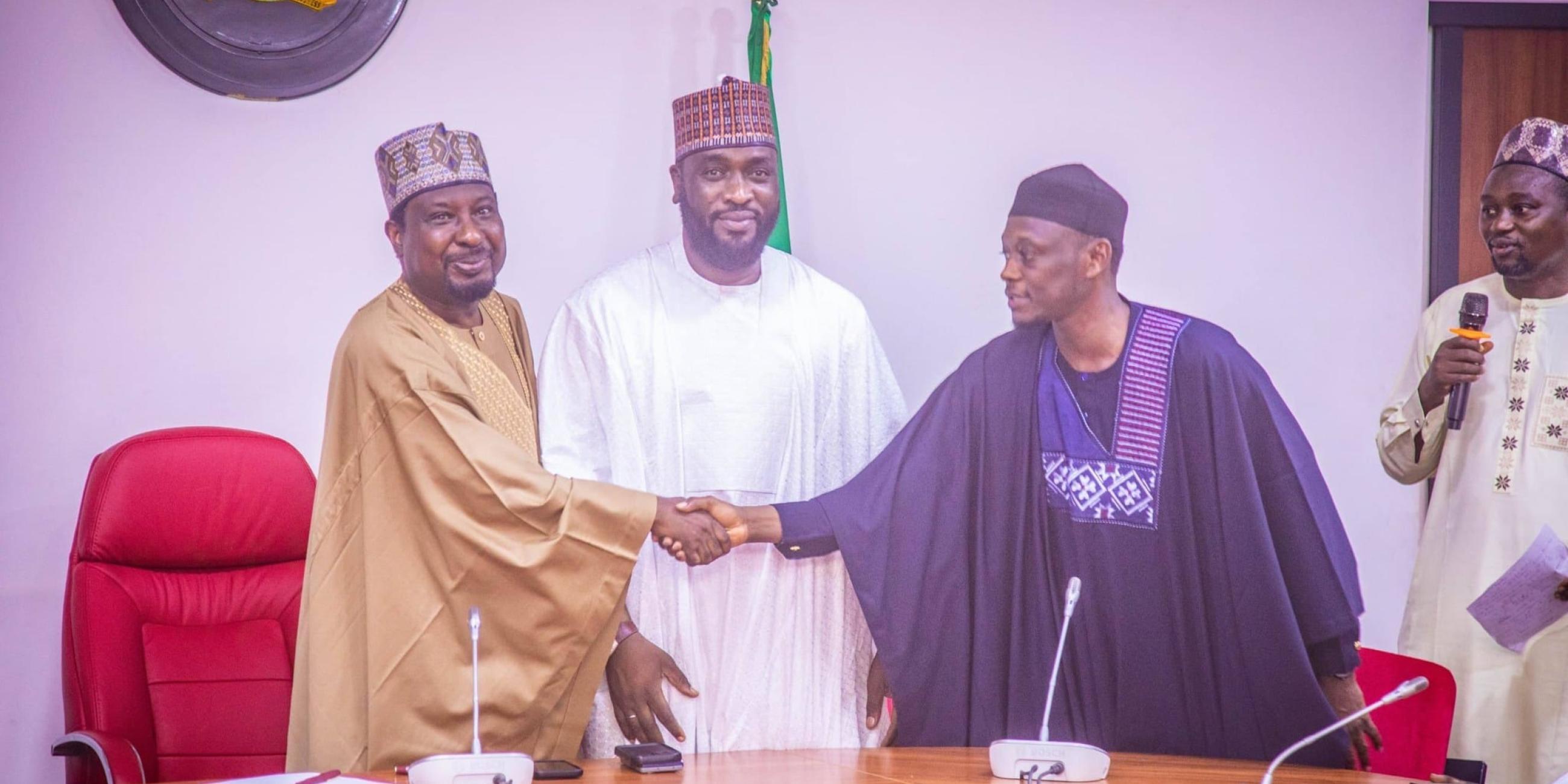
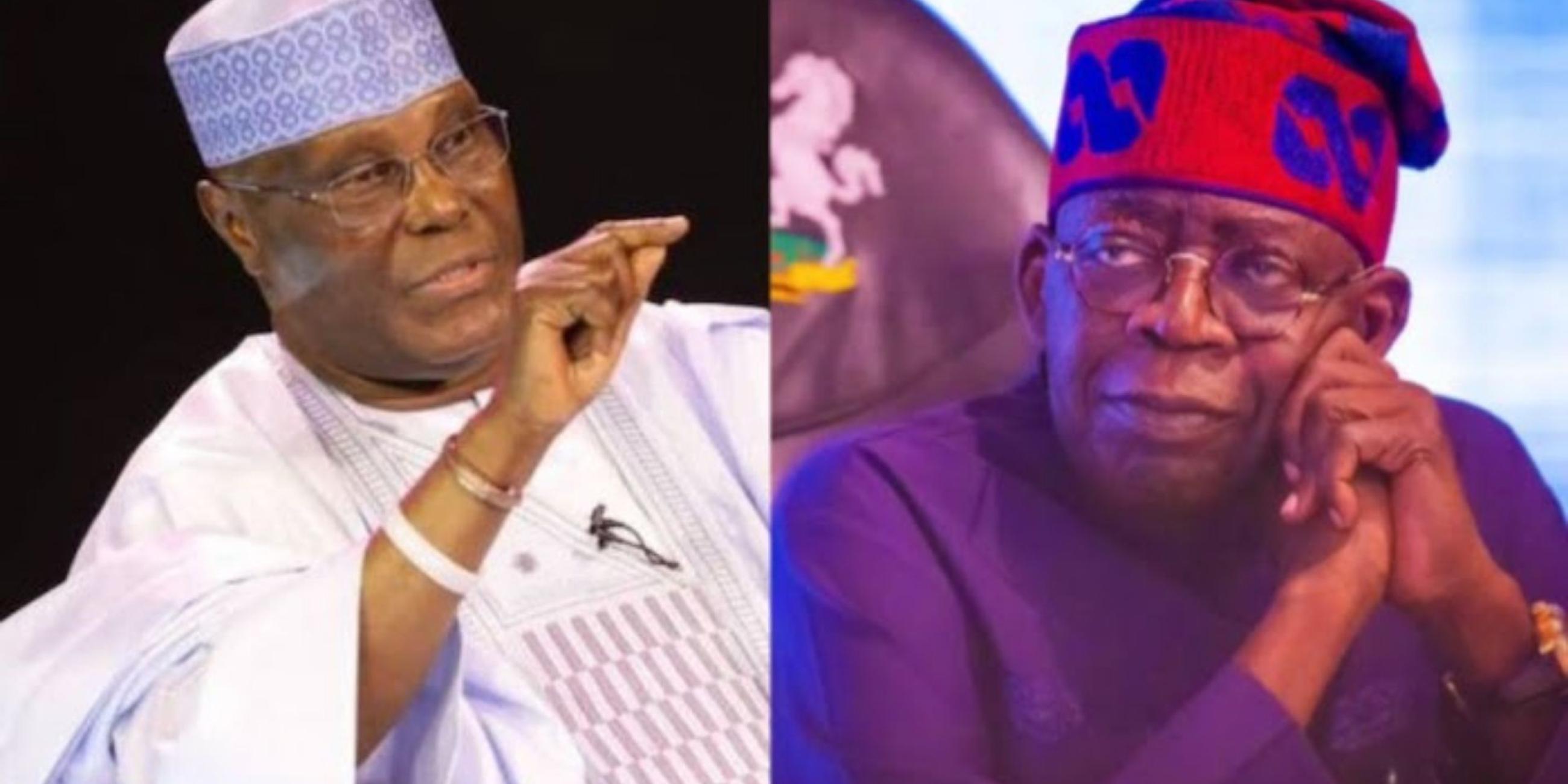
    Labour Party’s former vice-presidential candidate, Senator Yusuf Datti Baba-Ahmed, has criticized former Vice President Atiku Abubakar for his unrelenting presidential ambitions, saying Nigeria urgently needs new and visionary leaders to move the country forward.

    Speaking in a recent interview, Datti recalled that Atiku had already been an aspirant when he was serving his National Youth Service Corps (NYSC), emphasizing that the former vice president has remained a serial contender in every election cycle without offering Nigerians tangible change.

    “When I was doing my NYSC, Baba Atiku was already an aspirant. In 2018, we contested primaries together. In 2023, I was a vice-presidential candidate elsewhere when his own vice president had left him. And now, in 2027 again,” Datti said, expressing frustration at the recycling of old political figures.

    He lamented that Nigeria’s political landscape has become hostile to genuine reformers and dominated by money politics, godfatherism, and unfulfilled promises that discourage competent citizens from participating.

    According to him, the nation is full of capable individuals ready to rebuild Nigeria, but the existing political structure prevents them from rising. “There are good Nigerians who can fix this country, but the system is treacherous and discouraging,” he stated.

    Datti reiterated his belief that a new generation of leaders is ready to take charge, urging Nigerians to rally behind fresh, credible leadership rather than recycling the same political elites.

    His remarks come amid speculation that Atiku, now linked with the African Democratic Congress (ADC), may once again contest the 2027 presidential election—his seventh bid since 1993.


    Datti Baba-Ahmed Mocks Atiku’s Endless Presidential Bids, Says ‘He’s Been Contesting Since My NYSC Days Labour Party’s former vice-presidential candidate, Senator Yusuf Datti Baba-Ahmed, has criticized former Vice President Atiku Abubakar for his unrelenting presidential ambitions, saying Nigeria urgently needs new and visionary leaders to move the country forward. Speaking in a recent interview, Datti recalled that Atiku had already been an aspirant when he was serving his National Youth Service Corps (NYSC), emphasizing that the former vice president has remained a serial contender in every election cycle without offering Nigerians tangible change. “When I was doing my NYSC, Baba Atiku was already an aspirant. In 2018, we contested primaries together. In 2023, I was a vice-presidential candidate elsewhere when his own vice president had left him. And now, in 2027 again,” Datti said, expressing frustration at the recycling of old political figures. He lamented that Nigeria’s political landscape has become hostile to genuine reformers and dominated by money politics, godfatherism, and unfulfilled promises that discourage competent citizens from participating. According to him, the nation is full of capable individuals ready to rebuild Nigeria, but the existing political structure prevents them from rising. “There are good Nigerians who can fix this country, but the system is treacherous and discouraging,” he stated. Datti reiterated his belief that a new generation of leaders is ready to take charge, urging Nigerians to rally behind fresh, credible leadership rather than recycling the same political elites. His remarks come amid speculation that Atiku, now linked with the African Democratic Congress (ADC), may once again contest the 2027 presidential election—his seventh bid since 1993.
    0 Commentaires ·0 Parts ·75 Vue
  • What Will 2026 Really Bring for Nigeria and the World? Azu Ishiekwene Predicts Power Shifts, Economic Strain, AI Disruption, 2027 Politics and Who Wins the World Cup

    Is 2026 a year of quiet recovery—or the beginning of deeper political, economic and global turbulence? And is Nigeria already slipping into the politics of 2027?

    In what he describes as possibly his final annual forecast, journalist and columnist Azu Ishiekwene delivers a sweeping, high-stakes outlook on Nigeria and the world, blending political prediction, economic analysis, technology trends and global power shifts. Known for earlier forecasts that accurately anticipated election outcomes and cabinet shake-ups, Ishiekwene argues that 2026 will be a year where politics collides head-on with harsh economic realities, leaving citizens caught between daily hardship and recycled political promises.

    He warns that Nigeria’s economy will remain under pressure, with tensions growing between tight monetary policy and rising demands for fiscal expansion in a pre-election year. Could divisions inside the Ministry of Finance undermine investor confidence? And will petrol prices remain stable around ₦850 per litre, as he suggests, only if oil output rises and NNPC escapes its heavy crude obligations?

    While cheaper fuel from the Dangote Refinery may offer temporary consumer relief, Ishiekwene predicts continued instability in electricity supply, pointing to a fragile transmission system that still requires massive investment. He also foresees President Bola Tinubu possibly unveiling private-sector-led reforms in power transmission involving major business players.

    But is Nigeria already entering the politics of 2027 in 2026?

    Ishiekwene argues that although early elections are unlikely, political realignments are accelerating. With multiple opposition governors defecting to the ruling APC, claims of a creeping one-party state are growing. Yet, he suggests the reality is more complex: a weakened opposition plagued by internal fractures, financial constraints and a lack of coherent alternatives.

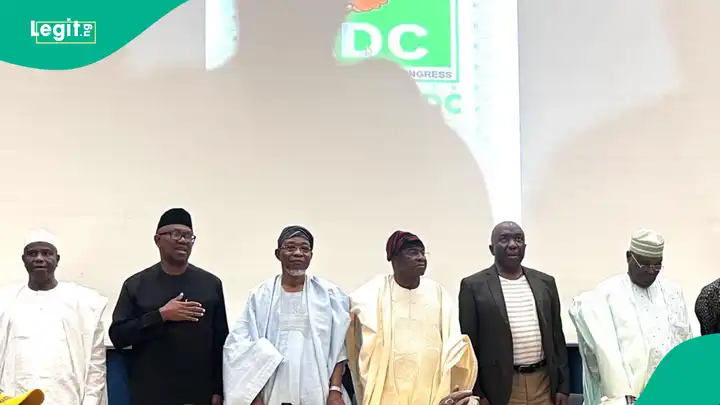
    Turning to the emerging African Democratic Congress (ADC) coalition—uniting figures such as Atiku Abubakar, Peter Obi, Nasir El-Rufai, Rotimi Amaechi and Rabiu Kwankwaso—he raises a critical question: is ADC truly built to win in 2027, or merely to survive until 2031? He predicts Atiku will clinch the party’s ticket over Obi, with Obi likely offered the vice-presidential slot—potentially triggering backlash among “Obidients.” With limited grassroots reach and the enormous financial demands of a presidential campaign, Ishiekwene concludes that ADC may struggle to pose a serious challenge to the ruling party in the next election cycle.

    Beyond Nigeria, he paints 2026 as a year shaped by geopolitical rivalry, especially between Donald Trump’s America and Xi Jinping’s China, and by growing global unease over U.S. trade policies, immigration enforcement and economic nationalism. Could gold and non-dollar assets accelerate as the world quietly prepares for a less dollar-centric future?

    He also highlights the rapid evolution of artificial intelligence, warning that 2026 will mark a shift from basic generative AI to agentic, autonomous systems capable of independent action. As AI blurs the line between reality and fabrication, he predicts rising confusion, misinformation, and ethical challenges—ushering in what he calls the “Year of the Humanoid.”

    Even football is not spared his forecasting. With the 2026 FIFA World Cup approaching, Ishiekwene tips Spain to win, citing tactical depth and cohesion, while acknowledging Morocco as Africa’s strongest hope.

    Ultimately, the essay asks uncomfortable but urgent questions:
    Is Nigeria drifting toward political dominance by one party?
    Will economic reforms truly ease citizens’ burdens—or merely reshuffle the pressure?
    Can a fractured opposition reorganise in time?
    And in a world increasingly shaped by AI and geopolitical rivalry, where does Nigeria truly stand?

    For Ishiekwene, 2026 is not just another year—it is a crossroads where technology, politics, power and survival intersect, setting the tone for Nigeria’s future well beyond the next election.


    What Will 2026 Really Bring for Nigeria and the World? Azu Ishiekwene Predicts Power Shifts, Economic Strain, AI Disruption, 2027 Politics and Who Wins the World Cup Is 2026 a year of quiet recovery—or the beginning of deeper political, economic and global turbulence? And is Nigeria already slipping into the politics of 2027? In what he describes as possibly his final annual forecast, journalist and columnist Azu Ishiekwene delivers a sweeping, high-stakes outlook on Nigeria and the world, blending political prediction, economic analysis, technology trends and global power shifts. Known for earlier forecasts that accurately anticipated election outcomes and cabinet shake-ups, Ishiekwene argues that 2026 will be a year where politics collides head-on with harsh economic realities, leaving citizens caught between daily hardship and recycled political promises. He warns that Nigeria’s economy will remain under pressure, with tensions growing between tight monetary policy and rising demands for fiscal expansion in a pre-election year. Could divisions inside the Ministry of Finance undermine investor confidence? And will petrol prices remain stable around ₦850 per litre, as he suggests, only if oil output rises and NNPC escapes its heavy crude obligations? While cheaper fuel from the Dangote Refinery may offer temporary consumer relief, Ishiekwene predicts continued instability in electricity supply, pointing to a fragile transmission system that still requires massive investment. He also foresees President Bola Tinubu possibly unveiling private-sector-led reforms in power transmission involving major business players. But is Nigeria already entering the politics of 2027 in 2026? Ishiekwene argues that although early elections are unlikely, political realignments are accelerating. With multiple opposition governors defecting to the ruling APC, claims of a creeping one-party state are growing. Yet, he suggests the reality is more complex: a weakened opposition plagued by internal fractures, financial constraints and a lack of coherent alternatives. Turning to the emerging African Democratic Congress (ADC) coalition—uniting figures such as Atiku Abubakar, Peter Obi, Nasir El-Rufai, Rotimi Amaechi and Rabiu Kwankwaso—he raises a critical question: is ADC truly built to win in 2027, or merely to survive until 2031? He predicts Atiku will clinch the party’s ticket over Obi, with Obi likely offered the vice-presidential slot—potentially triggering backlash among “Obidients.” With limited grassroots reach and the enormous financial demands of a presidential campaign, Ishiekwene concludes that ADC may struggle to pose a serious challenge to the ruling party in the next election cycle. Beyond Nigeria, he paints 2026 as a year shaped by geopolitical rivalry, especially between Donald Trump’s America and Xi Jinping’s China, and by growing global unease over U.S. trade policies, immigration enforcement and economic nationalism. Could gold and non-dollar assets accelerate as the world quietly prepares for a less dollar-centric future? He also highlights the rapid evolution of artificial intelligence, warning that 2026 will mark a shift from basic generative AI to agentic, autonomous systems capable of independent action. As AI blurs the line between reality and fabrication, he predicts rising confusion, misinformation, and ethical challenges—ushering in what he calls the “Year of the Humanoid.” Even football is not spared his forecasting. With the 2026 FIFA World Cup approaching, Ishiekwene tips Spain to win, citing tactical depth and cohesion, while acknowledging Morocco as Africa’s strongest hope. Ultimately, the essay asks uncomfortable but urgent questions: Is Nigeria drifting toward political dominance by one party? Will economic reforms truly ease citizens’ burdens—or merely reshuffle the pressure? Can a fractured opposition reorganise in time? And in a world increasingly shaped by AI and geopolitical rivalry, where does Nigeria truly stand? For Ishiekwene, 2026 is not just another year—it is a crossroads where technology, politics, power and survival intersect, setting the tone for Nigeria’s future well beyond the next election.
    0 Commentaires ·0 Parts ·174 Vue
  • Why Is the ADC Inaugurating Zonal Congress Committees, Why Is It Rejecting Any Alliance With Atiku, Obi, Kwankwaso, and Jonathan, and What Does This Signal for Nigeria’s 2027 Politics?

    A faction of the African Democratic Congress (ADC) has moved to strengthen its internal structure by inaugurating Zonal Congress Committees across three geopolitical zones, while firmly rejecting widespread speculation that the party is aligning with major political figures such as Atiku Abubakar, Peter Obi, Rabiu Kwankwaso, and Goodluck Jonathan.

    In a communique signed by the party’s National Chairman, Hon. Nafiu Bala Gombe, the ADC said the exercise was part of efforts to entrench internal democracy, transparency, and strict adherence to the party’s constitution ahead of future elections.

    According to the statement, the South-West Zonal Congress Committee was inaugurated in Ekiti State on January 7, 2026, with Hon. Bala Sani named Chairman and Hon. Kyauta Yakubu heading the Appeal Committee. The ceremony was conducted by the National Chairman himself.

    In the South-East, a similar inauguration took place in Enugu State on the same date. Barrister Adamu Ado Dauda was appointed Chairman of the Congress Committee, while Mrs. Iyabo Salami Alibi was named head of the Appeal Committee. The event was presided over by the Secretary of the party’s Board of Trustees (BoT), Chief Rufus Ekenmi.

    Earlier, on January 5, 2026, the party inaugurated its North-Central Zonal Congress Committee, appointing Hon. Lolo Ehirudu as Chairman of the Congress Committee and Hon. Sa’ad Aboki as head of the Appeal Committee.

    Beyond organisational matters, the ADC used the occasion to directly address growing rumours of a possible political alliance with prominent national figures. The party categorically dismissed claims linking it to Atiku Abubakar, Labour Party’s 2023 presidential candidate Peter Obi, former Kano State Governor Rabiu Kwankwaso, and former President Goodluck Jonathan.

    “The National Leadership reiterates its unwavering commitment to the principles of internal democracy, transparency, and strict adherence to the party’s constitution,” the communique stated, urging members and the public to “disregard and ignore” all reports of external political alignments. The party stressed that its focus remains on building “a strong, independent, and ideologically driven platform.”

    The ADC also emphasised that only duly registered and financially up-to-date members would be eligible to vote or contest in its congresses and internal elections, reinforcing its claim of commitment to internal order and party discipline.

    By distancing itself from Nigeria’s most recognisable political heavyweights, the party appears determined to project itself as an independent alternative within the country’s democratic space—one that is not defined by elite coalitions or personality-driven politics.

    As speculation continues over emerging alliances ahead of future elections, observers are asking: Why is the ADC rejecting any association with established political figures? Is the party positioning itself as a third-force movement, or is this a strategic move to consolidate its base before engaging in broader negotiations? And could this internal reorganisation reshape opposition politics in Nigeria ahead of 2027?

    The ADC insists its direction is clear: no external alliances, strict internal democracy, and a people-centred political platform—a stance that may test both its independence and its appeal in Nigeria’s highly competitive political landscape.
    Why Is the ADC Inaugurating Zonal Congress Committees, Why Is It Rejecting Any Alliance With Atiku, Obi, Kwankwaso, and Jonathan, and What Does This Signal for Nigeria’s 2027 Politics? A faction of the African Democratic Congress (ADC) has moved to strengthen its internal structure by inaugurating Zonal Congress Committees across three geopolitical zones, while firmly rejecting widespread speculation that the party is aligning with major political figures such as Atiku Abubakar, Peter Obi, Rabiu Kwankwaso, and Goodluck Jonathan. In a communique signed by the party’s National Chairman, Hon. Nafiu Bala Gombe, the ADC said the exercise was part of efforts to entrench internal democracy, transparency, and strict adherence to the party’s constitution ahead of future elections. According to the statement, the South-West Zonal Congress Committee was inaugurated in Ekiti State on January 7, 2026, with Hon. Bala Sani named Chairman and Hon. Kyauta Yakubu heading the Appeal Committee. The ceremony was conducted by the National Chairman himself. In the South-East, a similar inauguration took place in Enugu State on the same date. Barrister Adamu Ado Dauda was appointed Chairman of the Congress Committee, while Mrs. Iyabo Salami Alibi was named head of the Appeal Committee. The event was presided over by the Secretary of the party’s Board of Trustees (BoT), Chief Rufus Ekenmi. Earlier, on January 5, 2026, the party inaugurated its North-Central Zonal Congress Committee, appointing Hon. Lolo Ehirudu as Chairman of the Congress Committee and Hon. Sa’ad Aboki as head of the Appeal Committee. Beyond organisational matters, the ADC used the occasion to directly address growing rumours of a possible political alliance with prominent national figures. The party categorically dismissed claims linking it to Atiku Abubakar, Labour Party’s 2023 presidential candidate Peter Obi, former Kano State Governor Rabiu Kwankwaso, and former President Goodluck Jonathan. “The National Leadership reiterates its unwavering commitment to the principles of internal democracy, transparency, and strict adherence to the party’s constitution,” the communique stated, urging members and the public to “disregard and ignore” all reports of external political alignments. The party stressed that its focus remains on building “a strong, independent, and ideologically driven platform.” The ADC also emphasised that only duly registered and financially up-to-date members would be eligible to vote or contest in its congresses and internal elections, reinforcing its claim of commitment to internal order and party discipline. By distancing itself from Nigeria’s most recognisable political heavyweights, the party appears determined to project itself as an independent alternative within the country’s democratic space—one that is not defined by elite coalitions or personality-driven politics. As speculation continues over emerging alliances ahead of future elections, observers are asking: Why is the ADC rejecting any association with established political figures? Is the party positioning itself as a third-force movement, or is this a strategic move to consolidate its base before engaging in broader negotiations? And could this internal reorganisation reshape opposition politics in Nigeria ahead of 2027? The ADC insists its direction is clear: no external alliances, strict internal democracy, and a people-centred political platform—a stance that may test both its independence and its appeal in Nigeria’s highly competitive political landscape.
    0 Commentaires ·0 Parts ·179 Vue
  • PDP Plans Strategic Meetings with Peter Obi, Atiku, and Key Powerbrokers Ahead of 2027 Elections”

    The Peoples Democratic Party (PDP) has announced plans to engage with former presidential candidate Peter Obi, ex-Vice President Atiku Abubakar, and other influential political figures as part of its strategy to rebuild the party ahead of the 2027 general elections. The announcement was made by Emmanuel Ogidi, PDP South-South Chairman, during an interview on Channels Television on Wednesday.
    Ogidi revealed that the party has already begun consultations with key political actors, including former Presidents Olusegun Obasanjo and Ibrahim Babangida (IBB), to signal that the PDP remains relevant despite internal challenges. He stressed that meetings with Obi and Atiku, both former PDP stalwarts now aligned with other political platforms, are part of a deliberate effort to reconnect with major opposition figures.
    Peter Obi and Atiku Abubakar were previously PDP vice presidential and presidential candidates in the 2019 and 2023 elections, respectively. The outreach reflects the PDP’s commitment to unifying opposition voices and strengthening its democratic credentials.
    The PDP’s efforts coincide with ongoing preparations for off-season elections in Ekiti and Osun states, as well as the 2027 general elections. On Tuesday, the party’s National Working Committee (NWC) met with former President Goodluck Jonathan in Abuja. Led by National Chairman Tanimu Turaki, the delegation received Jonathan’s assurance of continued loyalty and active support for the PDP.
    Turaki described the former president’s commitment as “very reassuring and encouraging”, highlighting the PDP’s determination to reorganize, strengthen internal cohesion, and mobilize key political actors ahead of critical upcoming elections.
    The PDP’s outreach initiative is viewed as a strategic move to solidify its relevance in Nigeria’s political landscape, heal internal divisions, and present a united front against the ruling All Progressives Congress (APC) in the years leading up to the 2027 polls.
    PDP Plans Strategic Meetings with Peter Obi, Atiku, and Key Powerbrokers Ahead of 2027 Elections” The Peoples Democratic Party (PDP) has announced plans to engage with former presidential candidate Peter Obi, ex-Vice President Atiku Abubakar, and other influential political figures as part of its strategy to rebuild the party ahead of the 2027 general elections. The announcement was made by Emmanuel Ogidi, PDP South-South Chairman, during an interview on Channels Television on Wednesday. Ogidi revealed that the party has already begun consultations with key political actors, including former Presidents Olusegun Obasanjo and Ibrahim Babangida (IBB), to signal that the PDP remains relevant despite internal challenges. He stressed that meetings with Obi and Atiku, both former PDP stalwarts now aligned with other political platforms, are part of a deliberate effort to reconnect with major opposition figures. Peter Obi and Atiku Abubakar were previously PDP vice presidential and presidential candidates in the 2019 and 2023 elections, respectively. The outreach reflects the PDP’s commitment to unifying opposition voices and strengthening its democratic credentials. The PDP’s efforts coincide with ongoing preparations for off-season elections in Ekiti and Osun states, as well as the 2027 general elections. On Tuesday, the party’s National Working Committee (NWC) met with former President Goodluck Jonathan in Abuja. Led by National Chairman Tanimu Turaki, the delegation received Jonathan’s assurance of continued loyalty and active support for the PDP. Turaki described the former president’s commitment as “very reassuring and encouraging”, highlighting the PDP’s determination to reorganize, strengthen internal cohesion, and mobilize key political actors ahead of critical upcoming elections. The PDP’s outreach initiative is viewed as a strategic move to solidify its relevance in Nigeria’s political landscape, heal internal divisions, and present a united front against the ruling All Progressives Congress (APC) in the years leading up to the 2027 polls.
    0 Commentaires ·0 Parts ·131 Vue
  • Atiku Abubakar Refuses to Step Down from ADC Presidential Race, Calls Tinubu a ‘National Liability’ Ahead of 2027 Elections

    Former Vice President Atiku Abubakar has emphatically ruled out stepping aside from the African Democratic Congress (ADC) presidential race, accusing President Bola Ahmed Tinubu of attempting to weaken opposition parties and establish a de facto one-party state.
    In a statement issued through his media adviser, Paul Ibe, on January 7, 2026, Atiku dismissed calls for him to relinquish his ambition in favor of a southern candidate, describing such pressure as serving Tinubu’s interests rather than those of Nigerians.
    Atiku accused the APC-led government of punishing economic policies, shrinking democratic space, and systematically undermining opposition parties. He emphasized that the ADC is on a “national rescue mission” to restore democracy and build strong structures nationwide, and warned that no intimidation, manipulation, or sabotage would derail the party’s plans.
    He also referenced Peter Obi’s recent formal entry into the ADC as a sign of the ruling party’s fear of a united opposition, reinforcing his stance that if anyone should step aside in 2027, it should be President Tinubu.
    Atiku Abubakar Refuses to Step Down from ADC Presidential Race, Calls Tinubu a ‘National Liability’ Ahead of 2027 Elections Former Vice President Atiku Abubakar has emphatically ruled out stepping aside from the African Democratic Congress (ADC) presidential race, accusing President Bola Ahmed Tinubu of attempting to weaken opposition parties and establish a de facto one-party state. In a statement issued through his media adviser, Paul Ibe, on January 7, 2026, Atiku dismissed calls for him to relinquish his ambition in favor of a southern candidate, describing such pressure as serving Tinubu’s interests rather than those of Nigerians. Atiku accused the APC-led government of punishing economic policies, shrinking democratic space, and systematically undermining opposition parties. He emphasized that the ADC is on a “national rescue mission” to restore democracy and build strong structures nationwide, and warned that no intimidation, manipulation, or sabotage would derail the party’s plans. He also referenced Peter Obi’s recent formal entry into the ADC as a sign of the ruling party’s fear of a united opposition, reinforcing his stance that if anyone should step aside in 2027, it should be President Tinubu.
    0 Commentaires ·0 Parts ·125 Vue
  • ADC Presidential Ticket: No one is stepping down- Atiku

    Amid the call by Obidients that presidential aspirants in the African Democratic Congress (ADC) should step down for Peter Obi, the former Vice President, Atiku Abubakar, has dismissed the notion, saying no aspirant will withdraw for another in the coalition.

    Atiku’s position was made known in a statement issued by his media aide, Paul Ibe, on Tuesday, January 6. Ibe issued the statement following recent comments by Obi’s allies, including Prof Pat Utomi and Aisha Yesufu, who have rejected the idea of Obi emerging as a Vice Presidential candidate in the coalition.

    Rejecting any suggestion that he should step aside, Atiku described such calls as dangerous to Nigeria’s democracy.

    “Any call — overt or covert — for Atiku to ‘step aside’ is a gift to authoritarian ambition and a betrayal of the Nigerian people,” the statement said.

    The former vice president also accused the Bola Tinubu-led administration of shrinking democratic space and deliberately weakening opposition parties in a bid to impose what he described as a “creeping, de facto one-party state.”

    “For nearly three years, Nigerians have endured one of the harshest periods in recent history — an era defined by punishing economic policies and shrinking democratic space,” the statement read, adding that the ruling All Progressives Congress (APC) had sought to eliminate political alternatives through systematic pressure on opposition forces.
    ADC Presidential Ticket: No one is stepping down- Atiku Amid the call by Obidients that presidential aspirants in the African Democratic Congress (ADC) should step down for Peter Obi, the former Vice President, Atiku Abubakar, has dismissed the notion, saying no aspirant will withdraw for another in the coalition. Atiku’s position was made known in a statement issued by his media aide, Paul Ibe, on Tuesday, January 6. Ibe issued the statement following recent comments by Obi’s allies, including Prof Pat Utomi and Aisha Yesufu, who have rejected the idea of Obi emerging as a Vice Presidential candidate in the coalition. Rejecting any suggestion that he should step aside, Atiku described such calls as dangerous to Nigeria’s democracy. “Any call — overt or covert — for Atiku to ‘step aside’ is a gift to authoritarian ambition and a betrayal of the Nigerian people,” the statement said. The former vice president also accused the Bola Tinubu-led administration of shrinking democratic space and deliberately weakening opposition parties in a bid to impose what he described as a “creeping, de facto one-party state.” “For nearly three years, Nigerians have endured one of the harshest periods in recent history — an era defined by punishing economic policies and shrinking democratic space,” the statement read, adding that the ruling All Progressives Congress (APC) had sought to eliminate political alternatives through systematic pressure on opposition forces.
    0 Commentaires ·0 Parts ·144 Vue
  • How will ADC and Atiku manage Obidients?

    Handling them is somehow bigger than handling Nigeria issues.
    How will ADC and Atiku manage Obidients? Handling them is somehow bigger than handling Nigeria issues.
    0 Commentaires ·0 Parts ·110 Vue
  • Atiku Abubakar Says 2025 Exposed Tinubu’s Incompetence and Policy Bankruptcy, Describes Year as One of Nigeria’s Most Punishing Amid Economic Hardship and Insecurity

    Former Vice-President Atiku Abubakar has described 2025 as one of the most punishing years in Nigeria’s recent history, blaming widespread hardship on what he called the incompetence and policy bankruptcy of President Bola Tinubu’s APC-led administration.

    In a New Year message to Nigerians, Atiku said the year was marked by economic suffocation, political recklessness, worsening insecurity, and governance without empathy. He accused the Tinubu government of mismanaging the economy, governing for months without a functional budget, and relying on reckless borrowing and propaganda, which he said pushed the country to the brink of economic collapse.

    Atiku also criticised the handling of a controversial tax law, describing it as a forged document disguised as reform, and faulted the President for allegedly refusing to allow proper legislative and legal scrutiny. He warned that a government that begins reforms with forgery cannot deliver prosperity.

    On democracy, the former vice-president accused the APC of weakening Nigeria’s democratic institutions and attempting to turn the country into a de facto one-party state through intimidation, coercion, and state capture. He further highlighted rising national debt, worsening insecurity, increased kidnappings and violent crimes, and the devastating impact on lives, livelihoods, and communities.

    Despite these challenges, Atiku said Nigeria survived the year not because of government competence but due to the resilience of its people, whom he praised for enduring hardship amid what he described as failed leadership and poor governance.
    Atiku Abubakar Says 2025 Exposed Tinubu’s Incompetence and Policy Bankruptcy, Describes Year as One of Nigeria’s Most Punishing Amid Economic Hardship and Insecurity Former Vice-President Atiku Abubakar has described 2025 as one of the most punishing years in Nigeria’s recent history, blaming widespread hardship on what he called the incompetence and policy bankruptcy of President Bola Tinubu’s APC-led administration. In a New Year message to Nigerians, Atiku said the year was marked by economic suffocation, political recklessness, worsening insecurity, and governance without empathy. He accused the Tinubu government of mismanaging the economy, governing for months without a functional budget, and relying on reckless borrowing and propaganda, which he said pushed the country to the brink of economic collapse. Atiku also criticised the handling of a controversial tax law, describing it as a forged document disguised as reform, and faulted the President for allegedly refusing to allow proper legislative and legal scrutiny. He warned that a government that begins reforms with forgery cannot deliver prosperity. On democracy, the former vice-president accused the APC of weakening Nigeria’s democratic institutions and attempting to turn the country into a de facto one-party state through intimidation, coercion, and state capture. He further highlighted rising national debt, worsening insecurity, increased kidnappings and violent crimes, and the devastating impact on lives, livelihoods, and communities. Despite these challenges, Atiku said Nigeria survived the year not because of government competence but due to the resilience of its people, whom he praised for enduring hardship amid what he described as failed leadership and poor governance.
    0 Commentaires ·0 Parts ·293 Vue
  • Tinubu Presidency Labels Peter Obi ‘Bitter, Failed Governor’ and ‘Copycat’

    Bayo Onanuga, Special Adviser on Media to President Bola Tinubu, criticized former Labour Party presidential candidate Peter Obi following his defection to the African Democratic Congress (ADC). Onanuga described Obi as bitter over the 2023 election and accused him of relying on foreign examples for national development.

    He questioned Obi’s leadership record as Governor of Anambra State and claimed that Nigeria requires original solutions rather than copying models from other countries. Onanuga contrasted Obi’s approach with Tinubu’s administration, highlighting economic reforms, infrastructure projects, and tax system improvements achieved in under three years.

    He further predicted that Obi will play a minor role in future elections, likely becoming Atiku Abubakar’s running mate in 2027, similar to the 2019 election.
    Tinubu Presidency Labels Peter Obi ‘Bitter, Failed Governor’ and ‘Copycat’ Bayo Onanuga, Special Adviser on Media to President Bola Tinubu, criticized former Labour Party presidential candidate Peter Obi following his defection to the African Democratic Congress (ADC). Onanuga described Obi as bitter over the 2023 election and accused him of relying on foreign examples for national development. He questioned Obi’s leadership record as Governor of Anambra State and claimed that Nigeria requires original solutions rather than copying models from other countries. Onanuga contrasted Obi’s approach with Tinubu’s administration, highlighting economic reforms, infrastructure projects, and tax system improvements achieved in under three years. He further predicted that Obi will play a minor role in future elections, likely becoming Atiku Abubakar’s running mate in 2027, similar to the 2019 election.
    0 Commentaires ·0 Parts ·203 Vue
  • 2027 Election: Five Major Advantages of Peter Obi’s Defection From Labour Party to ADC as Opposition Coalition Gathers Momentum

    Peter Obi, the Labour Party’s presidential candidate in the 2023 election, has officially defected to the African Democratic Congress (ADC) ahead of the 2027 general election, a move widely seen as a major boost for the opposition coalition challenging the ruling APC. Obi announced his decision on December 31, 2025, at a political rally held at the Nike Lake Resort in Enugu State, alongside many of his loyal supporters popularly known as “Obidients.”

    Analysts say Obi’s entry into the ADC offers several advantages. First, it strengthens the emerging national coalition against the APC by uniting two of the strongest opposition figures from the 2023 polls under one platform. Second, the move expands Obi’s political reach beyond the Labour Party’s base, especially into northern Nigeria where the ADC is gaining traction, while consolidating support in the Southeast.

    Third, Obi’s defection helps present a unified opposition front, as the ADC has been adopted as the coalition platform for major opposition leaders ahead of 2027. Fourth, the decision is viewed as a sign of political maturity and flexibility, preserving the momentum Obi built among young voters while positioning him strategically within a broader alliance.

    Finally, Obi’s move strengthens his bargaining power within the coalition, opening the door for negotiations around power-sharing arrangements, including the possibility of a vice-presidential slot on a joint ticket. Overall, the defection marks a significant realignment in Nigeria’s political landscape as opposition forces intensify preparations for the 2027 election.

    :
    #2027Election #PeterObi #ADC #NigerianPolitics #OppositionCoalition #LabourParty #AtikuAbubakar #Enugu
    2027 Election: Five Major Advantages of Peter Obi’s Defection From Labour Party to ADC as Opposition Coalition Gathers Momentum Peter Obi, the Labour Party’s presidential candidate in the 2023 election, has officially defected to the African Democratic Congress (ADC) ahead of the 2027 general election, a move widely seen as a major boost for the opposition coalition challenging the ruling APC. Obi announced his decision on December 31, 2025, at a political rally held at the Nike Lake Resort in Enugu State, alongside many of his loyal supporters popularly known as “Obidients.” Analysts say Obi’s entry into the ADC offers several advantages. First, it strengthens the emerging national coalition against the APC by uniting two of the strongest opposition figures from the 2023 polls under one platform. Second, the move expands Obi’s political reach beyond the Labour Party’s base, especially into northern Nigeria where the ADC is gaining traction, while consolidating support in the Southeast. Third, Obi’s defection helps present a unified opposition front, as the ADC has been adopted as the coalition platform for major opposition leaders ahead of 2027. Fourth, the decision is viewed as a sign of political maturity and flexibility, preserving the momentum Obi built among young voters while positioning him strategically within a broader alliance. Finally, Obi’s move strengthens his bargaining power within the coalition, opening the door for negotiations around power-sharing arrangements, including the possibility of a vice-presidential slot on a joint ticket. Overall, the defection marks a significant realignment in Nigeria’s political landscape as opposition forces intensify preparations for the 2027 election. : #2027Election #PeterObi #ADC #NigerianPolitics #OppositionCoalition #LabourParty #AtikuAbubakar #Enugu
    0 Commentaires ·0 Parts ·311 Vue
  • 2027 Election: Atiku Abubakar Welcomes Peter Obi as Former Labour Party Presidential Candidate Officially Defects to ADC in Enugu

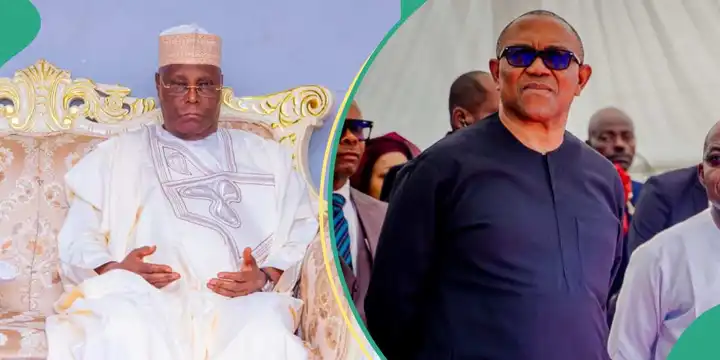
    Former Nigerian Vice President Atiku Abubakar has reacted positively to Peter Obi’s official defection from the Labour Party (LP) to the African Democratic Congress (ADC) ahead of the 2027 general election. Obi, the LP’s presidential candidate in the 2023 election, announced his move on Wednesday, December 31, 2025, during a political gathering at the Nike Lake Resort in Enugu State.

    In a personally signed statement shared on his verified X account, Atiku described Obi’s entry into the ADC as a significant milestone for opposition politics in Nigeria. He expressed optimism that Obi’s defection would strengthen the ADC-led coalition and help build a credible opposition capable of forming a government that would deliver prosperity and peace to Nigerians.

    Obi, while addressing supporters, stressed the need for early preparation ahead of 2027, urging Nigerians to verify their credentials and commit to resisting electoral malpractice through lawful means. The ADC leadership, through its spokesperson Bolaji Abdullahi, also welcomed Obi, describing his move as a strong start to the New Year. The defection has further reshaped Nigeria’s political landscape as alliances begin to form ahead of the next presidential election.


    #2027Election #PeterObi #AtikuAbubakar #ADC #NigerianPolitics #OppositionCoalition #Enugu #LabourParty
    2027 Election: Atiku Abubakar Welcomes Peter Obi as Former Labour Party Presidential Candidate Officially Defects to ADC in Enugu Former Nigerian Vice President Atiku Abubakar has reacted positively to Peter Obi’s official defection from the Labour Party (LP) to the African Democratic Congress (ADC) ahead of the 2027 general election. Obi, the LP’s presidential candidate in the 2023 election, announced his move on Wednesday, December 31, 2025, during a political gathering at the Nike Lake Resort in Enugu State. In a personally signed statement shared on his verified X account, Atiku described Obi’s entry into the ADC as a significant milestone for opposition politics in Nigeria. He expressed optimism that Obi’s defection would strengthen the ADC-led coalition and help build a credible opposition capable of forming a government that would deliver prosperity and peace to Nigerians. Obi, while addressing supporters, stressed the need for early preparation ahead of 2027, urging Nigerians to verify their credentials and commit to resisting electoral malpractice through lawful means. The ADC leadership, through its spokesperson Bolaji Abdullahi, also welcomed Obi, describing his move as a strong start to the New Year. The defection has further reshaped Nigeria’s political landscape as alliances begin to form ahead of the next presidential election. #2027Election #PeterObi #AtikuAbubakar #ADC #NigerianPolitics #OppositionCoalition #Enugu #LabourParty
    0 Commentaires ·0 Parts ·305 Vue
  • Atiku Abubakar Condoles Anthony Joshua After Fatal Ogun Road Accident That Killed Two

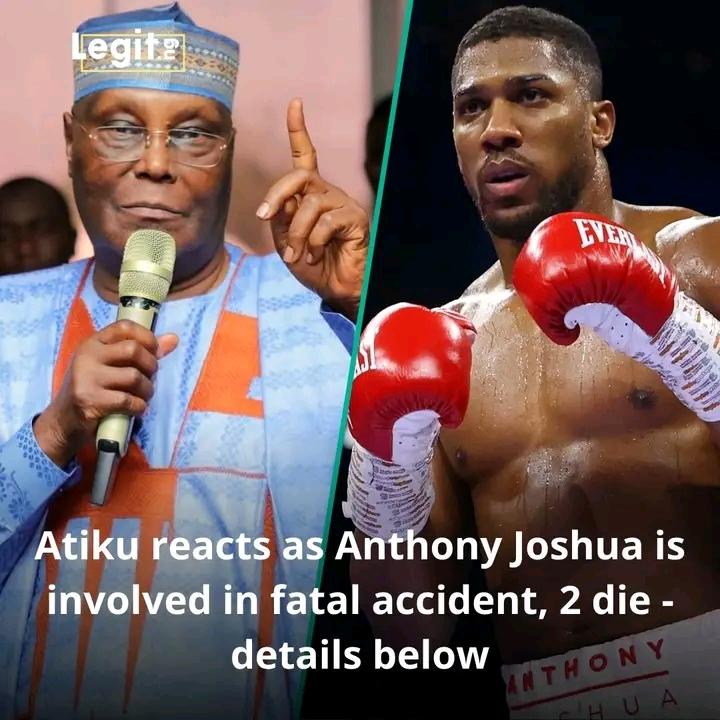
    Former Vice President Atiku Abubakar expressed deep sympathy following the tragic road accident involving Nigerian-British boxing champion Anthony Joshua on December 29, 2025, along the Lagos–Ibadan Expressway in Ogun State. The crash claimed the lives of two individuals traveling with Joshua, while the boxer sustained minor injuries. Atiku’s statement praised Joshua’s courage and extended condolences to the bereaved families, highlighting the ongoing concerns over road safety in Nigeria. The Ogun State government also urged motorists to exercise caution, particularly during the festive season.
    Atiku Abubakar Condoles Anthony Joshua After Fatal Ogun Road Accident That Killed Two Former Vice President Atiku Abubakar expressed deep sympathy following the tragic road accident involving Nigerian-British boxing champion Anthony Joshua on December 29, 2025, along the Lagos–Ibadan Expressway in Ogun State. The crash claimed the lives of two individuals traveling with Joshua, while the boxer sustained minor injuries. Atiku’s statement praised Joshua’s courage and extended condolences to the bereaved families, highlighting the ongoing concerns over road safety in Nigeria. The Ogun State government also urged motorists to exercise caution, particularly during the festive season.
    0 Commentaires ·0 Parts ·263 Vue
  • Atiku Abubakar Rejects National Assembly’s Plan to Re-Gazette Tinubu’s Controversial Tax Laws

    Former Vice-President Atiku Abubakar has criticised the National Assembly’s plan to re-gazette Tinubu’s recently passed tax reform laws, warning that any version differing from what was approved by lawmakers is legally invalid. Atiku insisted that the only lawful solution is a fresh passage by the National Assembly followed by renewed presidential assent before implementation. He described post-passage alterations without legislative approval as a serious constitutional breach and potentially criminal. The controversy has drawn concern from the Nigerian Bar Association, which has called for the suspension of the law pending investigation.
    Atiku Abubakar Rejects National Assembly’s Plan to Re-Gazette Tinubu’s Controversial Tax Laws Former Vice-President Atiku Abubakar has criticised the National Assembly’s plan to re-gazette Tinubu’s recently passed tax reform laws, warning that any version differing from what was approved by lawmakers is legally invalid. Atiku insisted that the only lawful solution is a fresh passage by the National Assembly followed by renewed presidential assent before implementation. He described post-passage alterations without legislative approval as a serious constitutional breach and potentially criminal. The controversy has drawn concern from the Nigerian Bar Association, which has called for the suspension of the law pending investigation.
    0 Commentaires ·0 Parts ·283 Vue
  • Atiku Abubakar Warns Tinubu Against Re-Gazetting Tax Laws, Cites Constitutional Breach

    Former Vice President Atiku Abubakar has cautioned the Federal Government against hurriedly re-gazetting Nigeria’s new tax laws, warning that doing so could undermine parliamentary oversight and violate the constitution. Atiku argued that gazetting is an administrative act and cannot legitimize laws that differ from what the National Assembly passed. He insisted that any post-passage alterations without legislative approval amount to forgery and that the only lawful solution is fresh legislative passage and presidential assent. His warning comes amid public scrutiny over discrepancies between the versions of tax laws signed by President Bola Tinubu and those approved by lawmakers.
    Atiku Abubakar Warns Tinubu Against Re-Gazetting Tax Laws, Cites Constitutional Breach Former Vice President Atiku Abubakar has cautioned the Federal Government against hurriedly re-gazetting Nigeria’s new tax laws, warning that doing so could undermine parliamentary oversight and violate the constitution. Atiku argued that gazetting is an administrative act and cannot legitimize laws that differ from what the National Assembly passed. He insisted that any post-passage alterations without legislative approval amount to forgery and that the only lawful solution is fresh legislative passage and presidential assent. His warning comes amid public scrutiny over discrepancies between the versions of tax laws signed by President Bola Tinubu and those approved by lawmakers.
    0 Commentaires ·0 Parts ·236 Vue
  • Peter Obi Set to Join ADC Ahead of 2027 Election: Date and Details Emerge

    Peter Obi, former Labour Party presidential candidate in 2023, is reportedly set to formally join the African Democratic Congress (ADC) ahead of the 2027 general elections. Sources indicate that Obi will hold a declaration rally in Enugu State on December 31, 2025, with party structures aligning to accommodate his political base and the wider Obidient movement. Obi’s decision follows consultations with ADC leadership, including national chairman David Mark, amid growing opposition coalition efforts. While the ADC has not officially confirmed the defection, heavyweights like Atiku Abubakar and Nasir El-Rufai have already joined the party, signaling a strengthened opposition aiming to unseat President Bola Ahmed Tinubu in 2027.
    Peter Obi Set to Join ADC Ahead of 2027 Election: Date and Details Emerge Peter Obi, former Labour Party presidential candidate in 2023, is reportedly set to formally join the African Democratic Congress (ADC) ahead of the 2027 general elections. Sources indicate that Obi will hold a declaration rally in Enugu State on December 31, 2025, with party structures aligning to accommodate his political base and the wider Obidient movement. Obi’s decision follows consultations with ADC leadership, including national chairman David Mark, amid growing opposition coalition efforts. While the ADC has not officially confirmed the defection, heavyweights like Atiku Abubakar and Nasir El-Rufai have already joined the party, signaling a strengthened opposition aiming to unseat President Bola Ahmed Tinubu in 2027.
    0 Commentaires ·0 Parts ·211 Vue
  • Alleged Forgery Of Tinubu’s Tax Reform Law Is Treason, Assault On Democracy — Atiku Alleges

    Former Vice President Atiku Abubakar has accused the Bola Tinubu administration of committing a “brazen act of treason” through alleged unauthorised alterations to the recently passed Tax Reform Law. In a statement issued by his media aide, Paul Ibe, Atiku claimed that key provisions were illegally inserted after the National Assembly had passed the bill, in violation of Sections 4 and 58 of the 1999 Constitution. He alleged that the changes granted excessive powers to tax authorities, imposed harsher financial burdens on citizens and businesses, and removed critical legislative oversight mechanisms. Atiku warned that the alleged forgery undermines constitutional democracy, due process and legislative supremacy, while worsening hardship for Nigerians already facing poverty and inflation. He called for the immediate suspension of the law’s implementation, legislative correction of the alleged alterations, judicial intervention to strike down unconstitutional provisions, and public resistance to what he described as an erosion of democratic governance.
    Alleged Forgery Of Tinubu’s Tax Reform Law Is Treason, Assault On Democracy — Atiku Alleges Former Vice President Atiku Abubakar has accused the Bola Tinubu administration of committing a “brazen act of treason” through alleged unauthorised alterations to the recently passed Tax Reform Law. In a statement issued by his media aide, Paul Ibe, Atiku claimed that key provisions were illegally inserted after the National Assembly had passed the bill, in violation of Sections 4 and 58 of the 1999 Constitution. He alleged that the changes granted excessive powers to tax authorities, imposed harsher financial burdens on citizens and businesses, and removed critical legislative oversight mechanisms. Atiku warned that the alleged forgery undermines constitutional democracy, due process and legislative supremacy, while worsening hardship for Nigerians already facing poverty and inflation. He called for the immediate suspension of the law’s implementation, legislative correction of the alleged alterations, judicial intervention to strike down unconstitutional provisions, and public resistance to what he described as an erosion of democratic governance.
    0 Commentaires ·0 Parts ·310 Vue

  • Nigeria’s National Assembly has been thrown into deep controversy following allegations that Senate President Godswill Akpabio ordered the Clerk of the National Assembly to withhold certified copies of a tax reform bill transmitted to President Bola Tinubu and subsequently signed into law. The alleged directive has fueled suspicions among lawmakers that the version of the tax law assented to by the president may differ from what was debated and passed by both chambers of parliament.

    According to reports by Peoples Gazette, two senators and four members of the House of Representatives claimed that repeated requests for certified true copies of the assented tax law were denied on the explicit instruction of the Senate President. Lawmakers said the embargo on the document has intensified internal tension, mistrust, and accusations of procedural manipulation within the legislature.

    The controversy began after a House of Representatives member, Abdulsammad Dasuki (PDP, Sokoto State), raised a Point of Privilege during plenary, alleging that the tax laws made available to the public did not reflect the versions passed by the National Assembly. Dasuki stated that after the bill’s passage, he spent several days comparing the gazetted laws with the House’s Votes and Proceedings as well as the harmonised versions approved by both chambers, only to discover significant discrepancies.

    According to Dasuki, the documents obtained from the Ministry of Information contained provisions that lawmakers neither debated nor approved. He insisted that the situation amounted to a serious breach of legislative procedure and constitutional governance, stressing that his intervention was meant to alert parliament to a potentially dangerous precedent rather than to move a formal motion.

    Following his claims, several lawmakers formally requested access to the certified copy of the law signed by President Tinubu to verify whether any alterations occurred between legislative passage and presidential assent. However, lawmakers alleged that officials in the Clerk’s office repeatedly refused to release the document, citing direct instructions from Senate President Akpabio.

    The refusal to release the assented version has further deepened suspicion, especially after Peoples Gazette reported that it had obtained a certified true copy of the tax bill as passed by the National Assembly. Lawmakers questioned why parliamentary leadership would block access to the assented version if no changes had been made.

    Several legislators described the situation as an attack on legislative oversight and transparency. A ruling party senator, who spoke anonymously for fear of retaliation, warned that the alleged concealment of the document represented an attempt to undermine Nigeria’s democratic process and called on Nigerians of conscience to intervene. Another House member from Oyo State criticised Speaker Tajudeen Abbas for failing to address the issue with the urgency it deserved, expressing concern that the government appeared unwilling to suspend the January 1 implementation of the disputed tax law despite the unresolved controversy.

    At the centre of the dispute is the fear that unauthorised clauses may have been inserted into the tax reform laws after parliamentary approval, raising serious constitutional and legal questions. Lawmakers warned that denying access to the assented copy erodes trust within parliament and weakens democratic accountability.

    Meanwhile, Senator Sunday Karimi, a member of the Senate Finance Committee, dismissed claims of alterations as unsubstantiated rumours but acknowledged that the matter deserved investigation. He stated that all versions of the bill—those passed by the National Assembly and the gazetted laws—should be made publicly available for transparency. Karimi also expressed confidence in President Tinubu, insisting that the president would not be complicit in any attempt to undermine Nigeria’s democratic institutions.

    The allegations have sparked widespread political backlash beyond the National Assembly. Opposition figures and civil society groups have accused unnamed actors of secretly altering the tax laws, with some describing the alleged actions as treasonous. Former Vice President Atiku Abubakar condemned the situation as a “brazen act of treason” and a direct assault on Nigeria’s democracy.

    As of the time of reporting, neither Senate President Akpabio, the Clerk of the National Assembly, nor Speaker Tajudeen Abbas had publicly responded to the allegations. The unfolding controversy has placed Nigeria’s tax reforms at the centre of a growing political storm, with calls mounting for full disclosure, legislative accountability, and a transparent review of the assented laws to safeguard the integrity of the country’s democratic process.
    Nigeria’s National Assembly has been thrown into deep controversy following allegations that Senate President Godswill Akpabio ordered the Clerk of the National Assembly to withhold certified copies of a tax reform bill transmitted to President Bola Tinubu and subsequently signed into law. The alleged directive has fueled suspicions among lawmakers that the version of the tax law assented to by the president may differ from what was debated and passed by both chambers of parliament. According to reports by Peoples Gazette, two senators and four members of the House of Representatives claimed that repeated requests for certified true copies of the assented tax law were denied on the explicit instruction of the Senate President. Lawmakers said the embargo on the document has intensified internal tension, mistrust, and accusations of procedural manipulation within the legislature. The controversy began after a House of Representatives member, Abdulsammad Dasuki (PDP, Sokoto State), raised a Point of Privilege during plenary, alleging that the tax laws made available to the public did not reflect the versions passed by the National Assembly. Dasuki stated that after the bill’s passage, he spent several days comparing the gazetted laws with the House’s Votes and Proceedings as well as the harmonised versions approved by both chambers, only to discover significant discrepancies. According to Dasuki, the documents obtained from the Ministry of Information contained provisions that lawmakers neither debated nor approved. He insisted that the situation amounted to a serious breach of legislative procedure and constitutional governance, stressing that his intervention was meant to alert parliament to a potentially dangerous precedent rather than to move a formal motion. Following his claims, several lawmakers formally requested access to the certified copy of the law signed by President Tinubu to verify whether any alterations occurred between legislative passage and presidential assent. However, lawmakers alleged that officials in the Clerk’s office repeatedly refused to release the document, citing direct instructions from Senate President Akpabio. The refusal to release the assented version has further deepened suspicion, especially after Peoples Gazette reported that it had obtained a certified true copy of the tax bill as passed by the National Assembly. Lawmakers questioned why parliamentary leadership would block access to the assented version if no changes had been made. Several legislators described the situation as an attack on legislative oversight and transparency. A ruling party senator, who spoke anonymously for fear of retaliation, warned that the alleged concealment of the document represented an attempt to undermine Nigeria’s democratic process and called on Nigerians of conscience to intervene. Another House member from Oyo State criticised Speaker Tajudeen Abbas for failing to address the issue with the urgency it deserved, expressing concern that the government appeared unwilling to suspend the January 1 implementation of the disputed tax law despite the unresolved controversy. At the centre of the dispute is the fear that unauthorised clauses may have been inserted into the tax reform laws after parliamentary approval, raising serious constitutional and legal questions. Lawmakers warned that denying access to the assented copy erodes trust within parliament and weakens democratic accountability. Meanwhile, Senator Sunday Karimi, a member of the Senate Finance Committee, dismissed claims of alterations as unsubstantiated rumours but acknowledged that the matter deserved investigation. He stated that all versions of the bill—those passed by the National Assembly and the gazetted laws—should be made publicly available for transparency. Karimi also expressed confidence in President Tinubu, insisting that the president would not be complicit in any attempt to undermine Nigeria’s democratic institutions. The allegations have sparked widespread political backlash beyond the National Assembly. Opposition figures and civil society groups have accused unnamed actors of secretly altering the tax laws, with some describing the alleged actions as treasonous. Former Vice President Atiku Abubakar condemned the situation as a “brazen act of treason” and a direct assault on Nigeria’s democracy. As of the time of reporting, neither Senate President Akpabio, the Clerk of the National Assembly, nor Speaker Tajudeen Abbas had publicly responded to the allegations. The unfolding controversy has placed Nigeria’s tax reforms at the centre of a growing political storm, with calls mounting for full disclosure, legislative accountability, and a transparent review of the assented laws to safeguard the integrity of the country’s democratic process.
    0 Commentaires ·0 Parts ·296 Vue
  • Atiku Abubakar Slams Tinubu Government for Allegedly Ignoring Supreme Court Ruling on Local Government Autonomy, Calls It Constitutional Breach

    Former Vice President Atiku Abubakar has strongly criticised President Bola Tinubu’s administration for failing to implement a binding Supreme Court judgment mandating direct FAAC allocations to local governments. In a statement issued on December 24, 2025, Atiku described the prolonged non-implementation as deliberate defiance of the Constitution rather than administrative delay, accusing the federal government of using compliance as a political tool to control governors. He warned that continued denial of local government financial autonomy is crippling grassroots development, worsening poverty, and undermining democratic governance, while urging the president to immediately direct the Attorney-General to enforce the court’s ruling.

    #AtikuAbubakar
    #LocalGovernmentAutonomy
    #SupremeCourtRuling
    Atiku Abubakar Slams Tinubu Government for Allegedly Ignoring Supreme Court Ruling on Local Government Autonomy, Calls It Constitutional Breach Former Vice President Atiku Abubakar has strongly criticised President Bola Tinubu’s administration for failing to implement a binding Supreme Court judgment mandating direct FAAC allocations to local governments. In a statement issued on December 24, 2025, Atiku described the prolonged non-implementation as deliberate defiance of the Constitution rather than administrative delay, accusing the federal government of using compliance as a political tool to control governors. He warned that continued denial of local government financial autonomy is crippling grassroots development, worsening poverty, and undermining democratic governance, while urging the president to immediately direct the Attorney-General to enforce the court’s ruling. #AtikuAbubakar #LocalGovernmentAutonomy #SupremeCourtRuling
    0 Commentaires ·0 Parts ·322 Vue
  • Makinde: Wike promised to hold PDP for Tinubu ahead of 2027 — that wasn’t our agreement
    Seyi Makinde, governor of Oyo, says he will not support President Bola Tinubu’s re-election because of concerns about the survival of democracy in the country.

    In the buildup to the 2023 presidential election, Makinde was part of the G5 governors of the Peoples Democratic Party (PDP) who refused to back Atiku Abubakar’s presidential bid.
    Makinde: Wike promised to hold PDP for Tinubu ahead of 2027 — that wasn’t our agreement Seyi Makinde, governor of Oyo, says he will not support President Bola Tinubu’s re-election because of concerns about the survival of democracy in the country. In the buildup to the 2023 presidential election, Makinde was part of the G5 governors of the Peoples Democratic Party (PDP) who refused to back Atiku Abubakar’s presidential bid.
    0 Commentaires ·0 Parts ·241 Vue
  • Atiku Accuses Tinubu Administration of Forging Tax Reform Law, Labels It “Act of Treason”

    Former Vice President Atiku Abubakar has accused President Bola Tinubu’s administration of illegally altering Nigeria’s tax reform legislation after it was passed by the National Assembly, calling it a “brazen act of treason.” Atiku claimed the alleged modifications undermine legislative supremacy, strip Nigerians of due process, and impose excessive financial burdens on citizens and businesses. He highlighted provisions such as arrest powers for tax authorities, property seizure without court orders, and forced USD computation for petroleum operations. Atiku urged the Executive to suspend the law, called on the National Assembly to correct the changes, and appealed to the judiciary and civil society to uphold constitutional governance.

    #AtikuAbubakar
    #TinubuAdministration
    #TaxReformNigeria
    #LegislativeSupremacy
    #ConstitutionalBreach
    #EconomicPolicy
    #NigerianPolitics
    Atiku Accuses Tinubu Administration of Forging Tax Reform Law, Labels It “Act of Treason” Former Vice President Atiku Abubakar has accused President Bola Tinubu’s administration of illegally altering Nigeria’s tax reform legislation after it was passed by the National Assembly, calling it a “brazen act of treason.” Atiku claimed the alleged modifications undermine legislative supremacy, strip Nigerians of due process, and impose excessive financial burdens on citizens and businesses. He highlighted provisions such as arrest powers for tax authorities, property seizure without court orders, and forced USD computation for petroleum operations. Atiku urged the Executive to suspend the law, called on the National Assembly to correct the changes, and appealed to the judiciary and civil society to uphold constitutional governance. #AtikuAbubakar #TinubuAdministration #TaxReformNigeria #LegislativeSupremacy #ConstitutionalBreach #EconomicPolicy #NigerianPolitics
    0 Commentaires ·0 Parts ·539 Vue
Plus de résultats
Fintter https://fintter.com