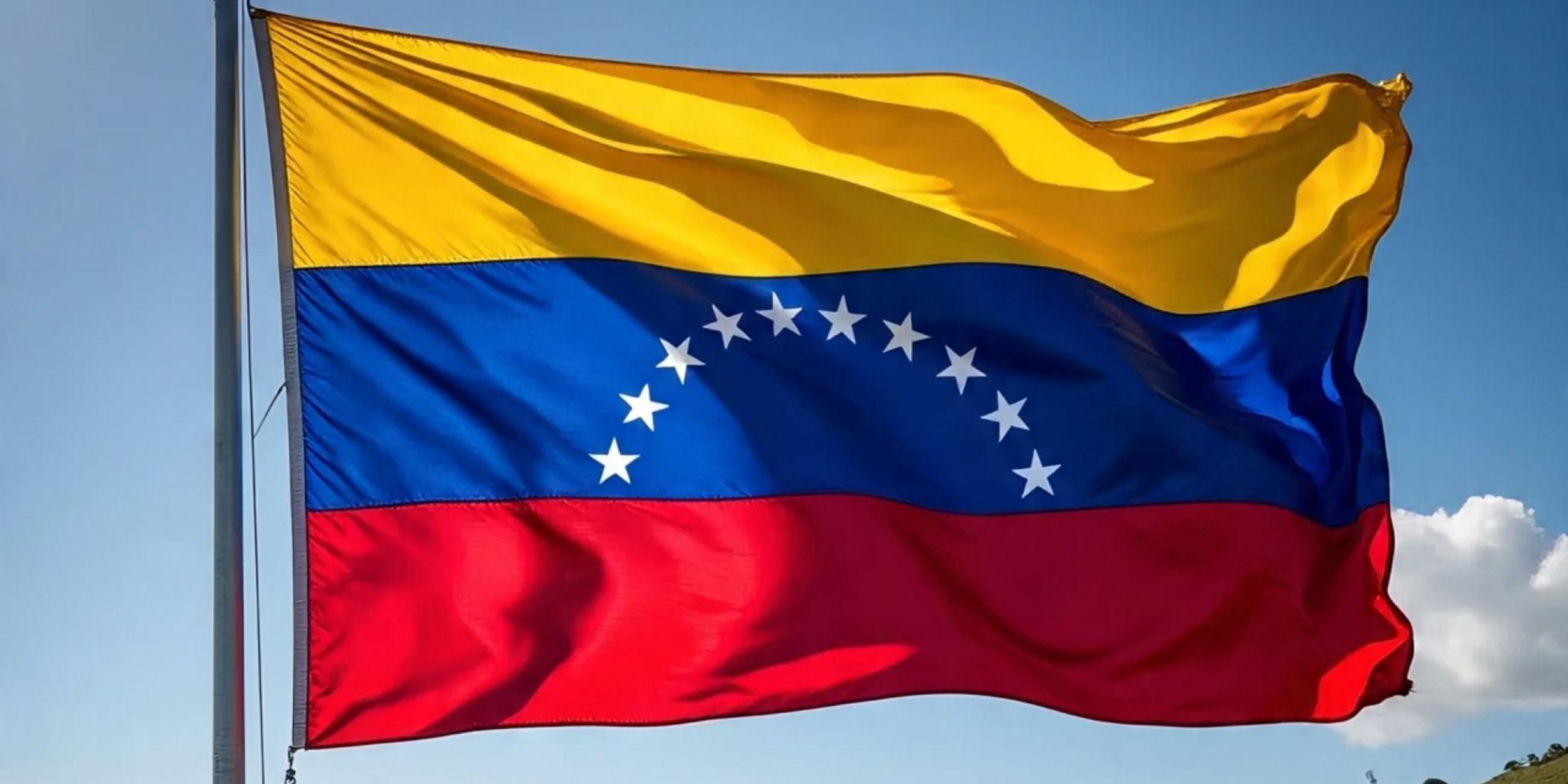
• Delcy Rodríguez has drawn a clear line.

    Venezuela’s acting president says she has had “enough” of Washington’s orders as pressure from the United States continues to mount. Backed by the US to lead the country after the capture of former leader Nicolás Maduro, Rodríguez now finds herself walking a delicate line — keeping Maduro loyalists calm at home while responding to demands from abroad.

    Nearly a month into her interim role, she is pushing back, especially over calls for Venezuela to resume oil production. Her message is clear: Venezuela must chart its own path, even amid international pressure.

    #Venezuela #WorldPolitics #USVenezuela #GlobalAffairs
    Delcy Rodríguez has drawn a clear line. Venezuela’s acting president says she has had “enough” of Washington’s orders as pressure from the United States continues to mount. Backed by the US to lead the country after the capture of former leader Nicolás Maduro, Rodríguez now finds herself walking a delicate line — keeping Maduro loyalists calm at home while responding to demands from abroad. Nearly a month into her interim role, she is pushing back, especially over calls for Venezuela to resume oil production. Her message is clear: Venezuela must chart its own path, even amid international pressure. #Venezuela #WorldPolitics #USVenezuela #GlobalAffairs
    0 Commenti ·0 condivisioni ·928 Views

  • Outrage as Maitama Remains in Darkness, Isaac Fayose Laments Power Failure …….

    Social commentator Isaac Fayose has raised concerns over persistent power outage in Maitama, Abuja’s most expensive and prestigious district. Fayose expressed frustration that despite the area’s elite status and high cost of living, residents have been left without electricity. He described the situation as unacceptable and reflective of deeper problems in Nigeria’s power sector. The complaint has sparked reactions online, with many Nigerians questioning how a top government and diplomatic area can suffer prolonged blackout while authorities remain silent.
    Outrage as Maitama Remains in Darkness, Isaac Fayose Laments Power Failure ……. Social commentator Isaac Fayose has raised concerns over persistent power outage in Maitama, Abuja’s most expensive and prestigious district. Fayose expressed frustration that despite the area’s elite status and high cost of living, residents have been left without electricity. He described the situation as unacceptable and reflective of deeper problems in Nigeria’s power sector. The complaint has sparked reactions online, with many Nigerians questioning how a top government and diplomatic area can suffer prolonged blackout while authorities remain silent.
    love
    2
    · 0 Commenti ·0 condivisioni ·603 Views ·0 Plays
  • Tinubu Govt Withholds ₦131.5bn Osun LG Funds for 10 Months Despite Supreme Court Ruling

    The Tinubu-led Federal Government has allegedly withheld ₦131.5 billion in local government allocations meant for Osun State for 10 months, despite a Supreme Court ruling declaring such action unlawful.

    A review of FAAC data from the Office of the Accountant-General of the Federation shows that the unpaid funds cover the period from March to December 2025. The money was meant for Osun’s local governments to provide basic services at the grassroots.

    Observers say the continued withholding of the funds has crippled local governance and raises serious concerns about respect for the rule of law.

    How long will court judgments be ignored while citizens suffer?

    #OsunState #Tinubu #FAAC #LocalGovernmentFunds #RuleOfLaw #NigeriaPolitics #Injustice
    Tinubu Govt Withholds ₦131.5bn Osun LG Funds for 10 Months Despite Supreme Court Ruling The Tinubu-led Federal Government has allegedly withheld ₦131.5 billion in local government allocations meant for Osun State for 10 months, despite a Supreme Court ruling declaring such action unlawful. A review of FAAC data from the Office of the Accountant-General of the Federation shows that the unpaid funds cover the period from March to December 2025. The money was meant for Osun’s local governments to provide basic services at the grassroots. Observers say the continued withholding of the funds has crippled local governance and raises serious concerns about respect for the rule of law. How long will court judgments be ignored while citizens suffer? 🇳🇬🤔 #OsunState #Tinubu #FAAC #LocalGovernmentFunds #RuleOfLaw #NigeriaPolitics #Injustice
    0 Commenti ·0 condivisioni ·1K Views
  • INEC Releases Final List of Candidates for June 2026 Ekiti Governorship Election

    INEC has released the final list of candidates for the June 20, 2026 Ekiti governorship election, clearing 12 political parties for the race. Incumbent Governor Biodun Oyebanji will contest on the APC platform with Monisade Afuye as deputy, while the Labour Party fields Olajuyin Ikusayede Gbegbe Oyebanji. Younger contenders from NNPP and AAC are also in the race. Candidates’ qualifications range from primary school certificates to PhDs, sparking debate as campaigns intensify ahead of the poll.


    #Ekiti2026 #INEC #GovernorshipElection #NigerianPolitics #EkitiDecides
    INEC Releases Final List of Candidates for June 2026 Ekiti Governorship Election INEC has released the final list of candidates for the June 20, 2026 Ekiti governorship election, clearing 12 political parties for the race. Incumbent Governor Biodun Oyebanji will contest on the APC platform with Monisade Afuye as deputy, while the Labour Party fields Olajuyin Ikusayede Gbegbe Oyebanji. Younger contenders from NNPP and AAC are also in the race. Candidates’ qualifications range from primary school certificates to PhDs, sparking debate as campaigns intensify ahead of the poll. #Ekiti2026 #INEC #GovernorshipElection #NigerianPolitics #EkitiDecides
    love
    1
    · 0 Commenti ·0 condivisioni ·1K Views
  • At Least 39 Dead, Dozens Injured After Two High-Speed Trains Collide in Spain

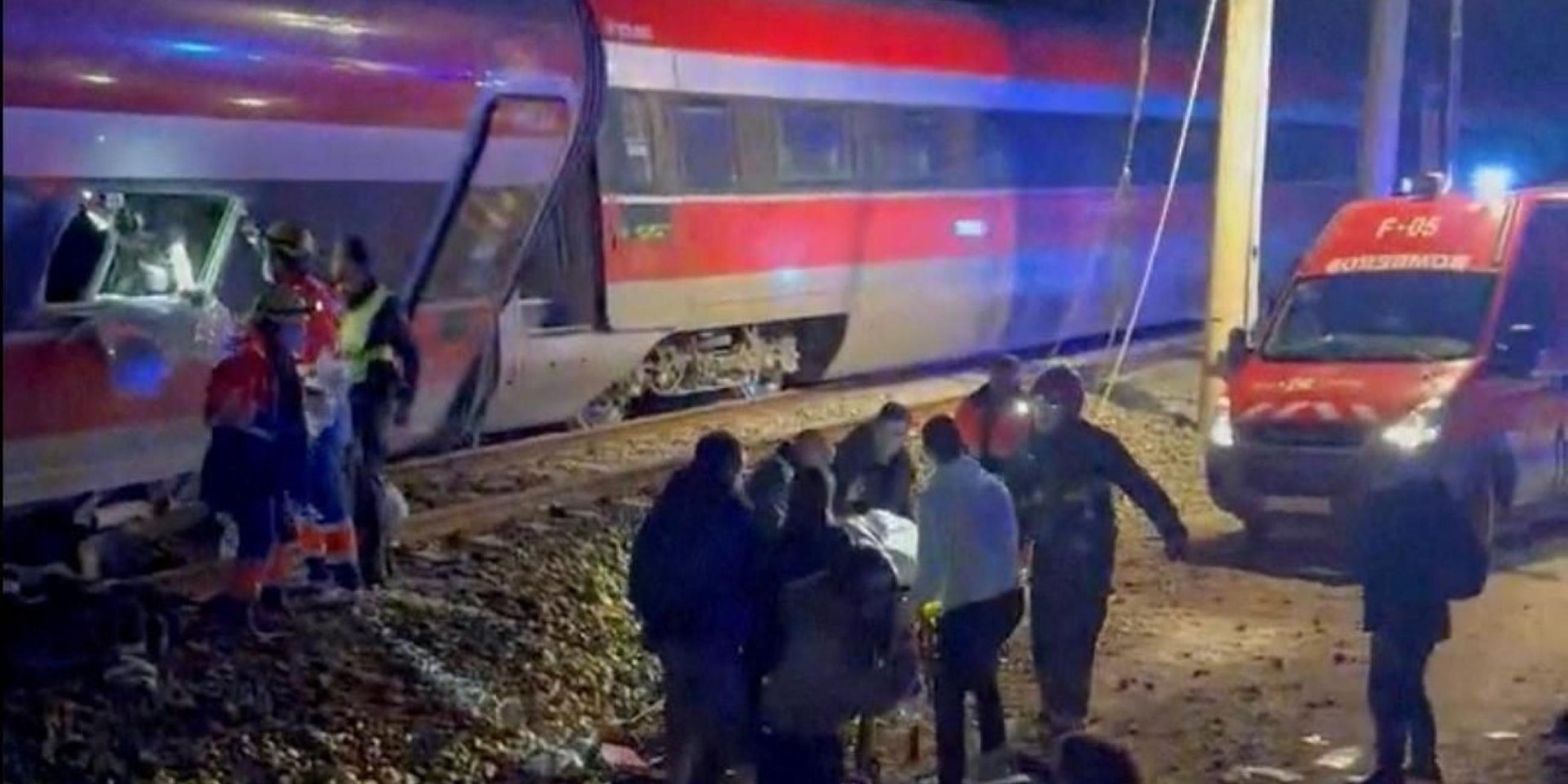
    Tragedy struck in southern Spain as two high-speed trains collided near Adamuz, killing at least 39 and injuring 73, including four minors. The crash involved an Iryo train from Málaga to Madrid and a Renfe Alvia service from Madrid to Huelva. Rear carriages of one train slammed into the front of the other, causing derailments and overturned carriages. Rescue teams worked through the night to free trapped passengers. Spain’s PM and King Felipe VI expressed deep condolences. Investigations continue, with the cause of the collision still unknown.

    #SpainTrainCrash #HighSpeedTrainDisaster #BreakingNews
    At Least 39 Dead, Dozens Injured After Two High-Speed Trains Collide in Spain Tragedy struck in southern Spain as two high-speed trains collided near Adamuz, killing at least 39 and injuring 73, including four minors. The crash involved an Iryo train from Málaga to Madrid and a Renfe Alvia service from Madrid to Huelva. Rear carriages of one train slammed into the front of the other, causing derailments and overturned carriages. Rescue teams worked through the night to free trapped passengers. Spain’s PM and King Felipe VI expressed deep condolences. Investigations continue, with the cause of the collision still unknown. #SpainTrainCrash #HighSpeedTrainDisaster #BreakingNews
    love
    2
    · 0 Commenti ·0 condivisioni ·743 Views
  • Nigerian Group Condemns U.S. Strike on Venezuela, Mourns Cuban Losses, Demands Release of Maduro

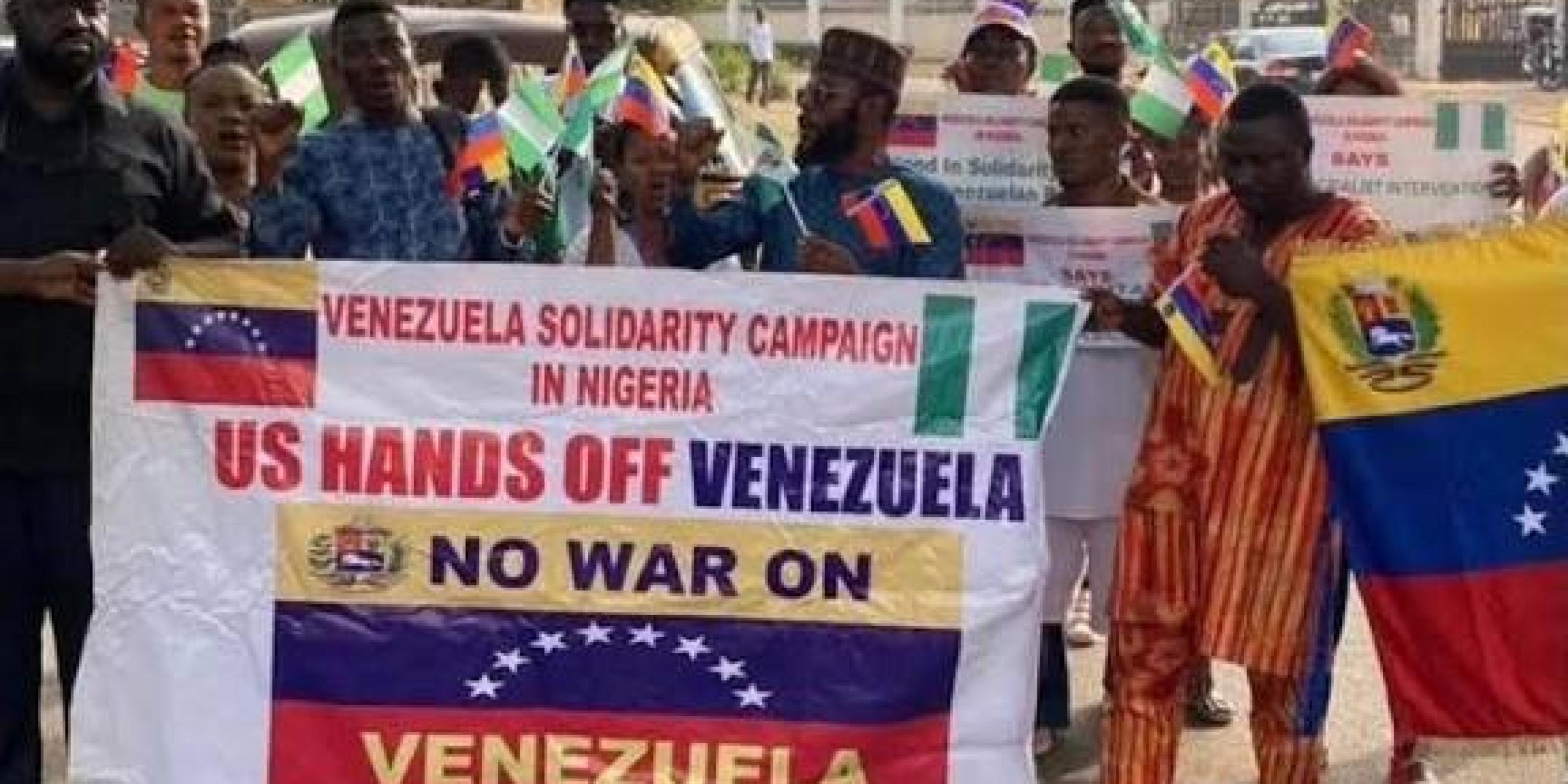
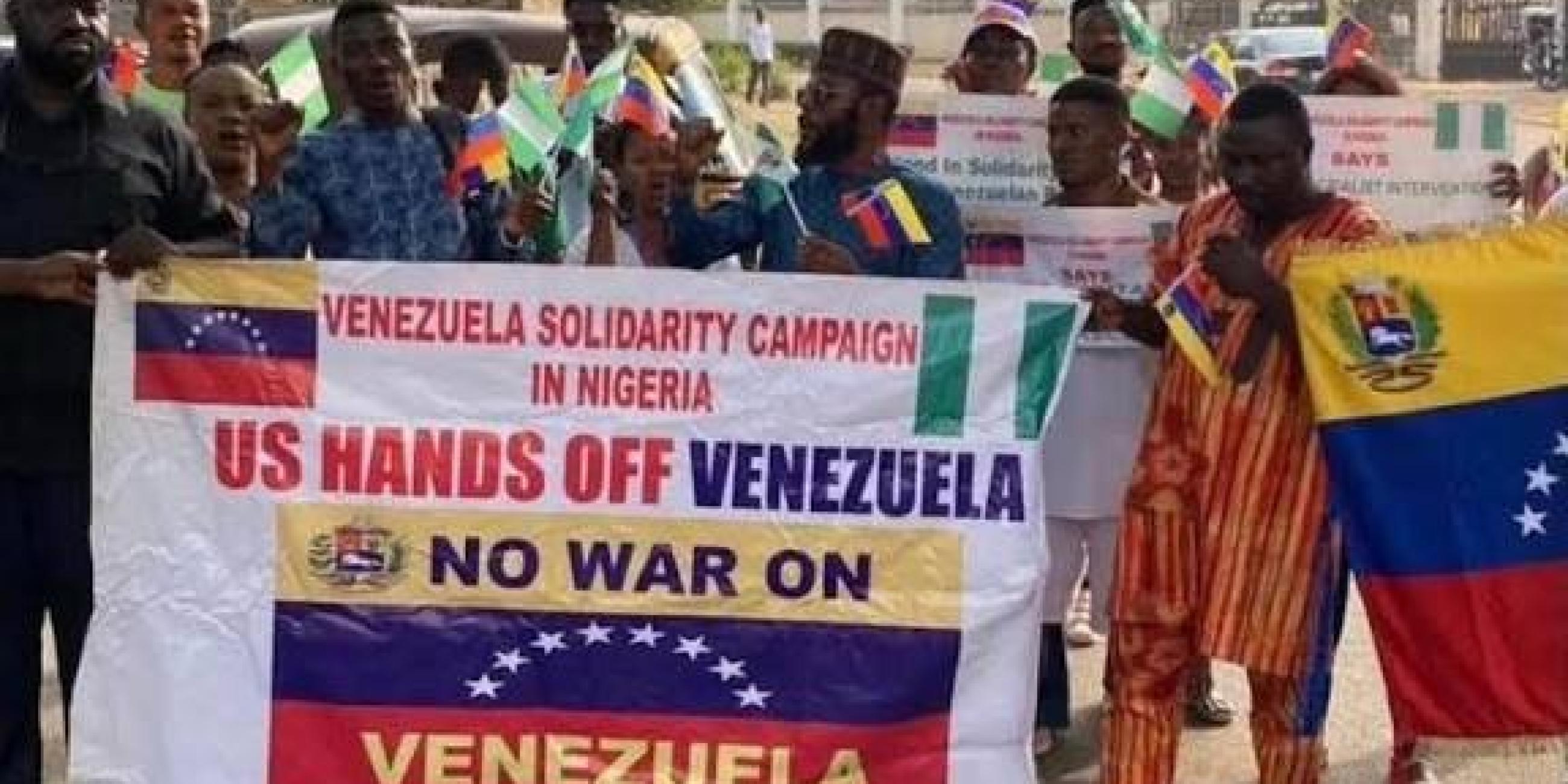
    The Venezuela Solidarity Campaign in Nigeria (VSCN) has condemned the recent U.S. military attack on Venezuela, describing it as a violation of international law and national sovereignty. The group mourned Venezuelan soldiers, Cuban officers and civilians killed in the strikes, calling their deaths a painful reminder of the human cost of foreign intervention. VSCN also decried the reported abduction of President Nicolás Maduro and First Combatant Cilia Flores, urging African nations and the global community to demand an immediate end to the aggression, respect for sovereignty, and the release of Venezuela’s leaders.

    #VenezuelaCrisis #USMilitaryStrike #InternationalLaw
    Nigerian Group Condemns U.S. Strike on Venezuela, Mourns Cuban Losses, Demands Release of Maduro The Venezuela Solidarity Campaign in Nigeria (VSCN) has condemned the recent U.S. military attack on Venezuela, describing it as a violation of international law and national sovereignty. The group mourned Venezuelan soldiers, Cuban officers and civilians killed in the strikes, calling their deaths a painful reminder of the human cost of foreign intervention. VSCN also decried the reported abduction of President Nicolás Maduro and First Combatant Cilia Flores, urging African nations and the global community to demand an immediate end to the aggression, respect for sovereignty, and the release of Venezuela’s leaders. #VenezuelaCrisis #USMilitaryStrike #InternationalLaw
    love
    3
    · 0 Commenti ·0 condivisioni ·881 Views
  • Nigerian Group Condemns U.S. Strike on Venezuela

    The Venezuela Solidarity Campaign in Nigeria (VSCN) has condemned the recent U.S. military attack on Venezuela, calling it a violation of international law and Venezuelan sovereignty. The group mourned Venezuelan soldiers, Cuban officers, and civilians killed in the strike, describing their deaths as sacrifices in defence of Venezuelan territory.

    VSCN demanded an immediate end to military actions and called for the release of President Nicolás Maduro, urging respect for Venezuela’s right to self-determination.

    #Venezuela #Nigeria #VSCN #USStrike #InternationalLaw #Solidarity #Maduro
    🇳🇬🤝🇻🇪 Nigerian Group Condemns U.S. Strike on Venezuela The Venezuela Solidarity Campaign in Nigeria (VSCN) has condemned the recent U.S. military attack on Venezuela, calling it a violation of international law and Venezuelan sovereignty. The group mourned Venezuelan soldiers, Cuban officers, and civilians killed in the strike, describing their deaths as sacrifices in defence of Venezuelan territory. VSCN demanded an immediate end to military actions and called for the release of President Nicolás Maduro, urging respect for Venezuela’s right to self-determination. #Venezuela #Nigeria #VSCN #USStrike #InternationalLaw #Solidarity #Maduro
    love
    2
    · 0 Commenti ·0 condivisioni ·609 Views
  • RULAAC Accuses Lagos Police of Torture, Illegal Detention Over Civil Investment Dispute

    The Rule of Law and Accountability Advocacy Centre (RULAAC) has accused the Lagos State Police Command of abusing power by illegally arresting, torturing, and detaining William Eze over a failed investment deal. RULAAC says the dispute is purely civil, yet police officers allegedly detained Eze without charge, forced him to sign an undertaking surrendering his business premises, and aided an illegal takeover of the company. The group also condemned the arrest and detention of Eze’s wife, who is only a surety, describing it as coercion and hostage-taking. A fundamental rights suit has been filed, with RULAAC demanding accountability.

    #PoliceAbuse #RuleOfLaw #LagosNews
    RULAAC Accuses Lagos Police of Torture, Illegal Detention Over Civil Investment Dispute The Rule of Law and Accountability Advocacy Centre (RULAAC) has accused the Lagos State Police Command of abusing power by illegally arresting, torturing, and detaining William Eze over a failed investment deal. RULAAC says the dispute is purely civil, yet police officers allegedly detained Eze without charge, forced him to sign an undertaking surrendering his business premises, and aided an illegal takeover of the company. The group also condemned the arrest and detention of Eze’s wife, who is only a surety, describing it as coercion and hostage-taking. A fundamental rights suit has been filed, with RULAAC demanding accountability. #PoliceAbuse #RuleOfLaw #LagosNews
    love
    1
    · 0 Commenti ·0 condivisioni ·710 Views
  • 80 Militants Surrender Arms, Embrace Amnesty in Cross River…….

    No fewer than 80 militants operating in the creeks of Akpabuyo Local Government Area of Cross River State have voluntarily surrendered their weapons and embraced the state government’s amnesty and reintegration programme. The surrender took place at Atimbo Rear Area under Operation OKWOK, within the Nigerian Army’s 13 Brigade area. Security sources said the breakthrough followed months of sustained military pressure and discreet dialogue involving community leaders and officials. Two camps led by ThankGod Ebikontei (Ayibanuagha) and John Isaac (Akpokolo) disbanded, with more fighters expected to report, marking a major boost against coastal militancy.#Fintternews
    80 Militants Surrender Arms, Embrace Amnesty in Cross River……. No fewer than 80 militants operating in the creeks of Akpabuyo Local Government Area of Cross River State have voluntarily surrendered their weapons and embraced the state government’s amnesty and reintegration programme. The surrender took place at Atimbo Rear Area under Operation OKWOK, within the Nigerian Army’s 13 Brigade area. Security sources said the breakthrough followed months of sustained military pressure and discreet dialogue involving community leaders and officials. Two camps led by ThankGod Ebikontei (Ayibanuagha) and John Isaac (Akpokolo) disbanded, with more fighters expected to report, marking a major boost against coastal militancy.#Fintternews
    love
    2
    · 0 Commenti ·0 condivisioni ·473 Views
  • Tinubu Dey Wash Image for Oyibo While Insecurity Dey Kill Us: Yoruba Group Slam $9m US Lobby Deal

    Wahala don burst as pan-Yoruba group Ìgbìnmó Májékóbájé Ilé-Yorùbá accuse President Bola Tinubu of wrong priority after report say Federal Government commit $9 million to hire US lobbyists while insecurity dey scatter Nigeria.

    For statement wey Olusola Badero sign, the group say the money wey government allegedly pay foreign lobbyists fit use fight banditry, kidnapping and killings wey don claim thousands of lives across the country. Dem accuse Tinubu of caring more about foreign image laundering and 2027 politics than the suffering of ordinary Nigerians.

    According to dem, APC government dey waste taxpayers’ money to paint Nigeria fine for abroad, while people dey die every day for villages, highways and even Abuja. Dem say terrorists full almost all states, yet government dey pretend say everywhere safe and even dey give amnesty to criminals.

    The group react to report say NSA Nuhu Ribadu arrange deal with US firm DCI Group, with initial $4.5m paid and another $4.5m to follow, making am $750k per month. Dem question why Tinubu go dey “appease Trump” instead of fixing security, economy and governance.

    Dem demand accountability, urge Nigerians to hold government responsible, and insist say $9m fit rebuild communities, support victims and strengthen security—not to polish Nigeria image for abroad while citizens dey suffer.
    Tinubu Dey Wash Image for Oyibo While Insecurity Dey Kill Us: Yoruba Group Slam $9m US Lobby Deal Wahala don burst as pan-Yoruba group Ìgbìnmó Májékóbájé Ilé-Yorùbá accuse President Bola Tinubu of wrong priority after report say Federal Government commit $9 million to hire US lobbyists while insecurity dey scatter Nigeria. For statement wey Olusola Badero sign, the group say the money wey government allegedly pay foreign lobbyists fit use fight banditry, kidnapping and killings wey don claim thousands of lives across the country. Dem accuse Tinubu of caring more about foreign image laundering and 2027 politics than the suffering of ordinary Nigerians. According to dem, APC government dey waste taxpayers’ money to paint Nigeria fine for abroad, while people dey die every day for villages, highways and even Abuja. Dem say terrorists full almost all states, yet government dey pretend say everywhere safe and even dey give amnesty to criminals. The group react to report say NSA Nuhu Ribadu arrange deal with US firm DCI Group, with initial $4.5m paid and another $4.5m to follow, making am $750k per month. Dem question why Tinubu go dey “appease Trump” instead of fixing security, economy and governance. Dem demand accountability, urge Nigerians to hold government responsible, and insist say $9m fit rebuild communities, support victims and strengthen security—not to polish Nigeria image for abroad while citizens dey suffer.
    0 Commenti ·0 condivisioni ·1K Views
  • DSS Kill Enugu Woman for Custody, RULAAC Dey Call for Justice

    Gobe don burst oo! Mrs. Calista Ifedi, wey DSS carry go Wawa Barracks, Abuja, don die while in their custody. RULAAC yan say dis na serious abuse of power and clear violation of Constitution, because na DSS suppose protect life, no be destroy am.

    Calista arrest together with her husband, Sunday Ifedi, for Enugu on 23 Nov 2021. Reason? People from IPOB reportedly buy food for her restaurant. She dey detained without charge, denied court access, and husband never see her again from March 2022 till her death.

    RULAAC talk say she dey complain chest pain many times, but DSS just dey give small medicine, dey mock her, no proper medical care. Even when civil society dey ask, DSS deny say dem dey hold her. Husband reportedly dey warned make e no talk publicly.

    RULAAC dey demand immediate investigation, free autopsy, closure of Wawa Barracks as detention centre, and protection for Ifedi family. As dem talk, “Justice delayed no go mean justice denied.”


    DSS Kill Enugu Woman for Custody, RULAAC Dey Call for Justice Gobe don burst oo! Mrs. Calista Ifedi, wey DSS carry go Wawa Barracks, Abuja, don die while in their custody. RULAAC yan say dis na serious abuse of power and clear violation of Constitution, because na DSS suppose protect life, no be destroy am. Calista arrest together with her husband, Sunday Ifedi, for Enugu on 23 Nov 2021. Reason? People from IPOB reportedly buy food for her restaurant. She dey detained without charge, denied court access, and husband never see her again from March 2022 till her death. RULAAC talk say she dey complain chest pain many times, but DSS just dey give small medicine, dey mock her, no proper medical care. Even when civil society dey ask, DSS deny say dem dey hold her. Husband reportedly dey warned make e no talk publicly. RULAAC dey demand immediate investigation, free autopsy, closure of Wawa Barracks as detention centre, and protection for Ifedi family. As dem talk, “Justice delayed no go mean justice denied.”
    love
    2
    · 0 Commenti ·0 condivisioni ·555 Views
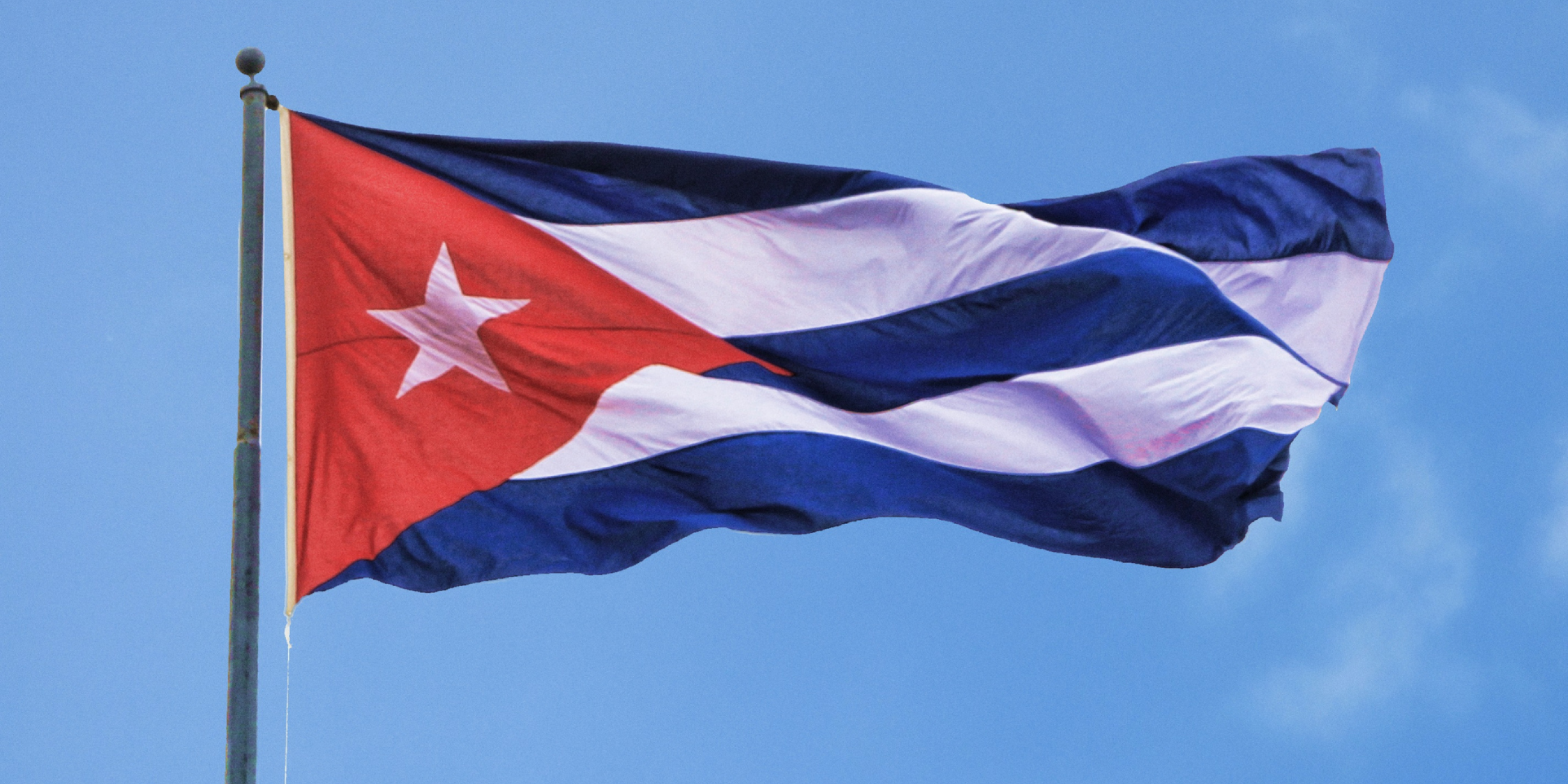
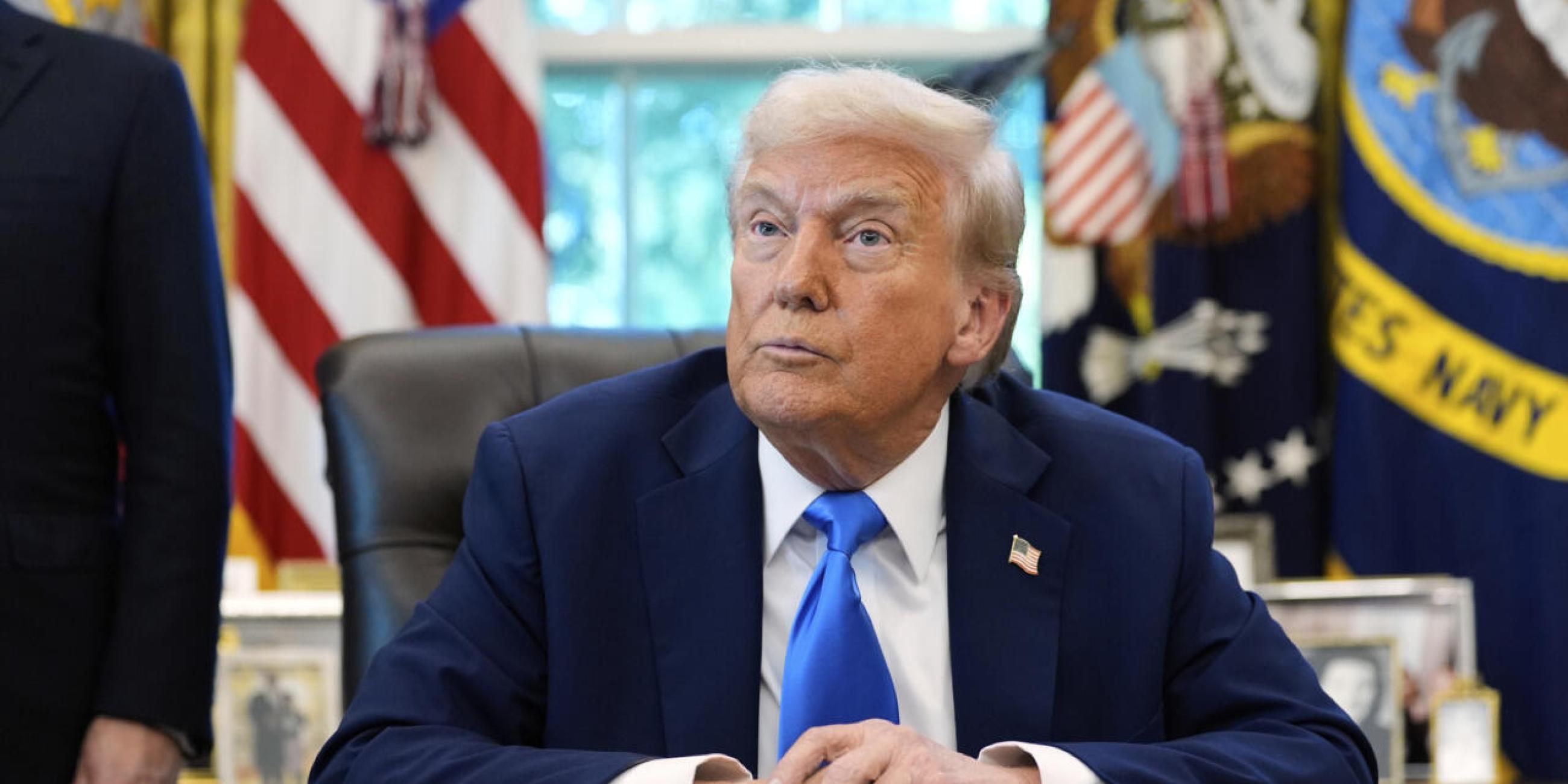
  • U.S. President Issues Stark Ultimatum to Cuba

    U.S. President Donald Trump has warned Cuba to “make a deal before it is too late” in a series of posts on his platform Truth Social, following the U.S. seizure of Venezuela’s leader, Nicolás Maduro. Trump declared that there will be no more Venezuelan oil or financial support flowing to Cuba, signaling a sharp escalation in U.S. pressure on Havana.
    📌 U.S. President Issues Stark Ultimatum to Cuba U.S. President Donald Trump has warned Cuba to “make a deal before it is too late” in a series of posts on his platform Truth Social, following the U.S. seizure of Venezuela’s leader, Nicolás Maduro. Trump declared that there will be no more Venezuelan oil or financial support flowing to Cuba, signaling a sharp escalation in U.S. pressure on Havana.
    love
    1
    · 0 Commenti ·0 condivisioni ·558 Views
  • Nicolás Maduro Remains in U.S. Custody — What We Know So Far

    As of January 11, 2026, multiple credible reports confirm that Venezuelan President Nicolás Maduro is still being held by U.S. authorities, with no indication of release or transfer.

    Maduro and his wife, Cilia Flores, remain in detention in the United States, where they are facing serious federal charges, including drug trafficking and narco-terrorism. The case marks one of the most dramatic developments in recent international politics.

    Following his arrest, Maduro was arraigned in a federal court in New York, where he pleaded not guilty to all charges. Current reports indicate that he is being held at the Metropolitan Detention Center (MDC) in Brooklyn, a high-security federal facility.

    U.S. officials say the detention will continue pending further court proceedings, and so far, there has been no official confirmation of his release, extradition, or transfer to another jurisdiction.

    As the legal process unfolds, the situation continues to draw intense global attention, raising major questions about sovereignty, international law, and the future of Venezuela’s leadership.

    #Maduro #VenezuelaCrisis #GlobalPolitics #BreakingNews
    Nicolás Maduro Remains in U.S. Custody — What We Know So Far As of January 11, 2026, multiple credible reports confirm that Venezuelan President Nicolás Maduro is still being held by U.S. authorities, with no indication of release or transfer. Maduro and his wife, Cilia Flores, remain in detention in the United States, where they are facing serious federal charges, including drug trafficking and narco-terrorism. The case marks one of the most dramatic developments in recent international politics. Following his arrest, Maduro was arraigned in a federal court in New York, where he pleaded not guilty to all charges. Current reports indicate that he is being held at the Metropolitan Detention Center (MDC) in Brooklyn, a high-security federal facility. U.S. officials say the detention will continue pending further court proceedings, and so far, there has been no official confirmation of his release, extradition, or transfer to another jurisdiction. As the legal process unfolds, the situation continues to draw intense global attention, raising major questions about sovereignty, international law, and the future of Venezuela’s leadership. #Maduro #VenezuelaCrisis #GlobalPolitics #BreakingNews
    love
    1
    · 0 Commenti ·0 condivisioni ·1K Views
  • US Orders Citizens to Leave Venezuela Immediately as Armed Militias Set Up Roadblocks

    The United States government has issued an urgent warning to all its citizens in Venezuela: leave immediately. The advisory, posted on January 10, 2026, comes amid rising insecurity despite international flights resuming.

    Officials report that armed militias, known locally as colectivos, are setting up roadblocks and searching vehicles, allegedly looking for Americans or anyone supporting the US. Citizens were advised to stay alert and exercise extreme caution while traveling by road.

    Venezuela is now at Travel Advisory Level 4: Do Not Travel, the highest alert level. Risks cited include wrongful detention, torture, terrorism, kidnapping, arbitrary enforcement of local laws, crime, civil unrest, and poor health infrastructure.

    The US urged travelers to monitor airlines for updates and enroll in the Smart Traveler Enrollment Program (STEP) to receive security updates.

    This comes just days after US forces reportedly stormed Venezuela and abducted President Nicolás Maduro on January 3, 2026, escalating tensions in the region.

    Meanwhile, former US President Donald Trump has continued to make headlines by threatening Colombia and repeating plans to annex Greenland, citing strategic and mineral interests.

    The situation underscores the growing dangers in Venezuela and the urgent need for American citizens to prioritize safety and leave immediately.


    US Orders Citizens to Leave Venezuela Immediately as Armed Militias Set Up Roadblocks The United States government has issued an urgent warning to all its citizens in Venezuela: leave immediately. The advisory, posted on January 10, 2026, comes amid rising insecurity despite international flights resuming. Officials report that armed militias, known locally as colectivos, are setting up roadblocks and searching vehicles, allegedly looking for Americans or anyone supporting the US. Citizens were advised to stay alert and exercise extreme caution while traveling by road. Venezuela is now at Travel Advisory Level 4: Do Not Travel, the highest alert level. Risks cited include wrongful detention, torture, terrorism, kidnapping, arbitrary enforcement of local laws, crime, civil unrest, and poor health infrastructure. The US urged travelers to monitor airlines for updates and enroll in the Smart Traveler Enrollment Program (STEP) to receive security updates. This comes just days after US forces reportedly stormed Venezuela and abducted President Nicolás Maduro on January 3, 2026, escalating tensions in the region. Meanwhile, former US President Donald Trump has continued to make headlines by threatening Colombia and repeating plans to annex Greenland, citing strategic and mineral interests. The situation underscores the growing dangers in Venezuela and the urgent need for American citizens to prioritize safety and leave immediately.
    0 Commenti ·0 condivisioni ·1K Views
  • U.S. Warns Citizens to Flee Venezuela After Special Ops Capture of President Maduro

    The U.S. Embassy in Venezuela has issued a strong security alert, urging all American citizens to leave the country immediately amid growing threats from armed militias known as colectivos, who are reportedly setting up roadblocks to target U.S. citizens. The advisory reiterates longstanding travel warnings dating back to 2019, when the U.S. fully withdrew its diplomatic personnel from Caracas.

    The warning follows a major escalation in early January 2026: over 200 U.S. Special Operations forces raided Caracas in Operation Absolute Resolve, abducting President Nicolás Maduro and his wife, Cilia Flores, and transporting them to New York City. The raid reportedly killed dozens of Venezuelan security personnel and Cuban bodyguards.

    In Manhattan, Maduro and Flores face federal charges, including narco-terrorism and cocaine importation conspiracies, and have pleaded not guilty. Meanwhile, Venezuelan Vice President Delcy Rodríguez has been sworn in as acting president, denouncing the operation as an illegal "kidnapping."

    The U.S. administration, citing the war on drugs, has also signaled intentions to rebuild Venezuela’s energy sector and manage oil exports, with Secretary of State Marco Rubio mentioning an "oil quarantine" as leverage. Critics argue the operation primarily targets geopolitical and economic control rather than law enforcement.

    Americans in Venezuela are urged to check flight availability, communicate regularly with family abroad, and enroll in the STEP program to receive security updates, as the U.S. government is currently unable to provide routine or emergency assistance.

    The situation underscores Venezuela’s ongoing instability, including civil unrest, intermittent power outages, and heightened risks of crime and kidnapping.


    U.S. Warns Citizens to Flee Venezuela After Special Ops Capture of President Maduro The U.S. Embassy in Venezuela has issued a strong security alert, urging all American citizens to leave the country immediately amid growing threats from armed militias known as colectivos, who are reportedly setting up roadblocks to target U.S. citizens. The advisory reiterates longstanding travel warnings dating back to 2019, when the U.S. fully withdrew its diplomatic personnel from Caracas. The warning follows a major escalation in early January 2026: over 200 U.S. Special Operations forces raided Caracas in Operation Absolute Resolve, abducting President Nicolás Maduro and his wife, Cilia Flores, and transporting them to New York City. The raid reportedly killed dozens of Venezuelan security personnel and Cuban bodyguards. In Manhattan, Maduro and Flores face federal charges, including narco-terrorism and cocaine importation conspiracies, and have pleaded not guilty. Meanwhile, Venezuelan Vice President Delcy Rodríguez has been sworn in as acting president, denouncing the operation as an illegal "kidnapping." The U.S. administration, citing the war on drugs, has also signaled intentions to rebuild Venezuela’s energy sector and manage oil exports, with Secretary of State Marco Rubio mentioning an "oil quarantine" as leverage. Critics argue the operation primarily targets geopolitical and economic control rather than law enforcement. Americans in Venezuela are urged to check flight availability, communicate regularly with family abroad, and enroll in the STEP program to receive security updates, as the U.S. government is currently unable to provide routine or emergency assistance. The situation underscores Venezuela’s ongoing instability, including civil unrest, intermittent power outages, and heightened risks of crime and kidnapping.
    0 Commenti ·0 condivisioni ·976 Views
  • Nigerian Cuba Solidarity Group Condemns U.S. Raid in Venezuela That Killed 32 Cubans, Demands End to Sanctions and Release of Maduro

    The Nigeria Movement of Solidarity With Cuba (NMSC) has strongly condemned the United States’ military operation in Venezuela that reportedly led to the deaths of 32 Cuban nationals, describing the action as a violation of international law and an assault on national sovereignty.

    In a statement signed by labour activist Owei Lakemfa, the coalition said it stands in “deep condolence” with the Cuban people following the January 3 raid in Caracas, during which Venezuelan President Nicolás Maduro and his wife were captured. The Cuban government confirmed that those killed were members of its armed forces and intelligence services stationed in Venezuela.

    The Nigerian solidarity group accused Washington of engaging in “military aggression” and demanded the immediate release of President Maduro, respect for international law, and an end to what it called the United States’ pattern of “invasions of countries and territories.” Havana has since declared days of national mourning, praising the fallen for their “dignity and heroism” while denouncing the operation as state terrorism.

    Drawing on Cuba’s history of international solidarity, the NMSC cited the country’s role in anti-apartheid struggles in Africa, humanitarian missions across the globe, and its medical support during the COVID-19 pandemic as evidence of its commitment to global justice. The group also renewed calls for the lifting of long-standing U.S. sanctions on Cuba and demanded an end to punitive measures against Venezuela, warning that such policies inflict suffering on ordinary citizens.

    The incident has triggered widespread condemnation from labour organisations and political movements worldwide, with critics arguing that the raid represents a dangerous breach of sovereignty and the United Nations Charter.

    Nigerian Cuba Solidarity Group Condemns U.S. Raid in Venezuela That Killed 32 Cubans, Demands End to Sanctions and Release of Maduro The Nigeria Movement of Solidarity With Cuba (NMSC) has strongly condemned the United States’ military operation in Venezuela that reportedly led to the deaths of 32 Cuban nationals, describing the action as a violation of international law and an assault on national sovereignty. In a statement signed by labour activist Owei Lakemfa, the coalition said it stands in “deep condolence” with the Cuban people following the January 3 raid in Caracas, during which Venezuelan President Nicolás Maduro and his wife were captured. The Cuban government confirmed that those killed were members of its armed forces and intelligence services stationed in Venezuela. The Nigerian solidarity group accused Washington of engaging in “military aggression” and demanded the immediate release of President Maduro, respect for international law, and an end to what it called the United States’ pattern of “invasions of countries and territories.” Havana has since declared days of national mourning, praising the fallen for their “dignity and heroism” while denouncing the operation as state terrorism. Drawing on Cuba’s history of international solidarity, the NMSC cited the country’s role in anti-apartheid struggles in Africa, humanitarian missions across the globe, and its medical support during the COVID-19 pandemic as evidence of its commitment to global justice. The group also renewed calls for the lifting of long-standing U.S. sanctions on Cuba and demanded an end to punitive measures against Venezuela, warning that such policies inflict suffering on ordinary citizens. The incident has triggered widespread condemnation from labour organisations and political movements worldwide, with critics arguing that the raid represents a dangerous breach of sovereignty and the United Nations Charter.
    0 Commenti ·0 condivisioni ·1K Views
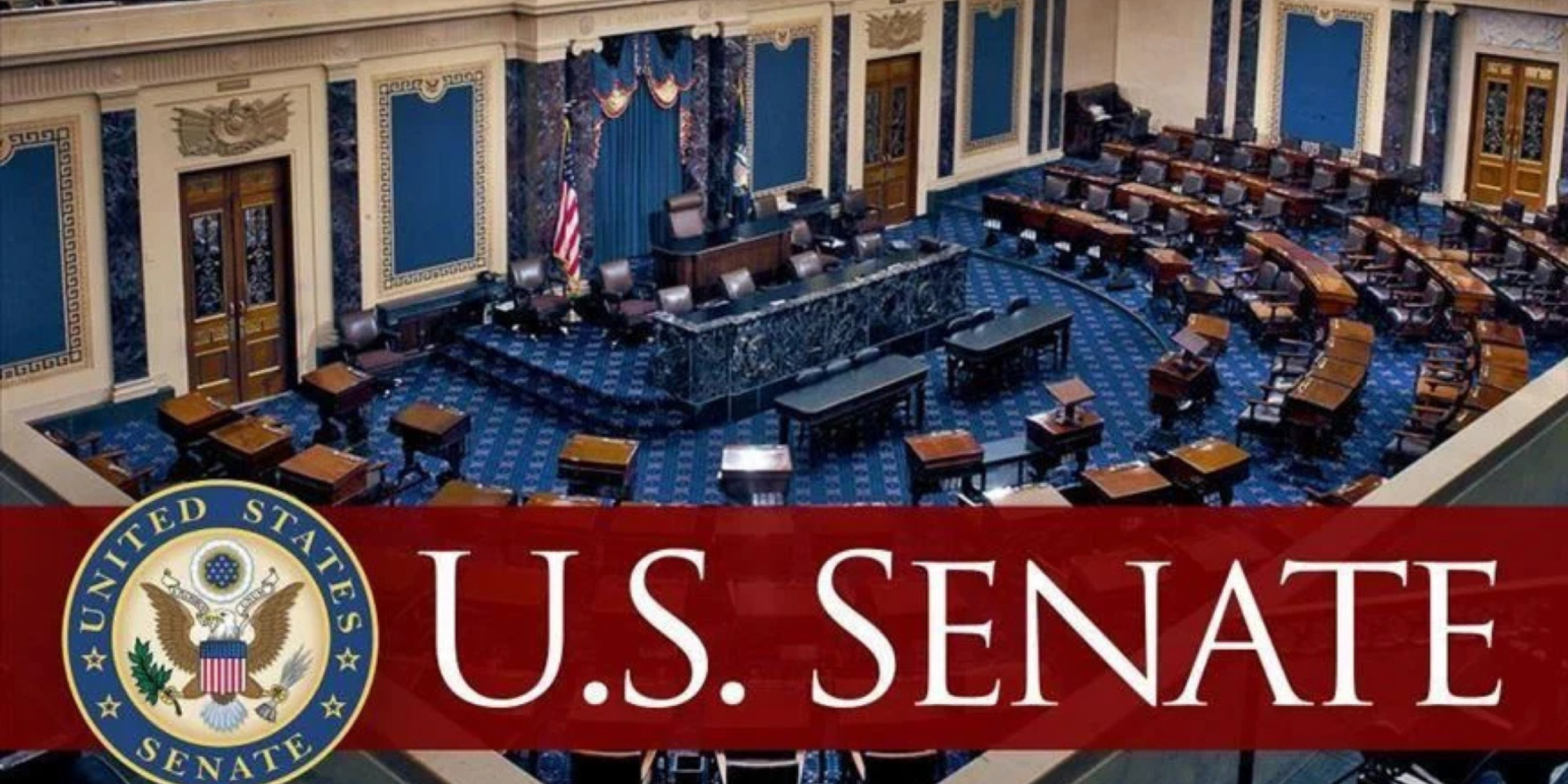
  • Is Congress Trying to Stop Trump’s War in Venezuela? Inside the US Senate Vote to Restrict Military Action

    The United States Senate has passed a War Powers resolution by a narrow 52–48 vote, seeking to restrict President Donald Trump’s military action in Venezuela and reassert Congress’s constitutional authority over the use of force abroad. The resolution reflects rising unease among lawmakers about the scope of presidential war powers and the legality of recent U.S. operations targeting the Venezuelan government.

    The move follows a dramatic escalation in U.S.–Venezuela relations, including reports that the Trump administration carried out an operation that abducted Venezuelan President Nicolás Maduro, an action said to have resulted in at least 100 deaths. The development triggered global reactions and reignited domestic debate over whether the president can deploy military force without explicit approval from Congress.

    Supporters of the resolution argue that it is designed to check executive overreach and prevent the United States from sliding into another open-ended foreign conflict. Senate Democratic Leader Chuck Schumer stated that the measure was intended to halt what he described as “military adventurism” and to restore Congress’s role as outlined in the U.S. Constitution. He criticized the administration’s foreign policy approach, warning that Americans do not want their resources—or lives—spent on wars without clear justification or accountability.

    Despite its passage in the Senate, the resolution now faces a major test in the House of Representatives, where approval is required before it can be sent to the president. Even if the House passes it, President Trump retains the power to veto the measure, meaning a two-thirds majority in both chambers would be necessary to override such a decision. Analysts note that while the resolution’s future is uncertain, its success in the Senate signals a renewed effort by lawmakers to challenge the expansion of presidential war-making authority.

    The vote highlights a broader constitutional question: Who truly controls America’s military actions abroad—the president or Congress? As tensions with Venezuela intensify and international scrutiny grows, the outcome of this legislative battle could shape not only U.S. policy toward Venezuela but also the balance of power between the executive and legislative branches.

    With political divisions deepening and global attention fixed on Washington, the coming House debate may determine whether Congress can effectively rein in the president’s authority—or whether Trump’s approach to Venezuela will continue unchecked.


    Is Congress Trying to Stop Trump’s War in Venezuela? Inside the US Senate Vote to Restrict Military Action The United States Senate has passed a War Powers resolution by a narrow 52–48 vote, seeking to restrict President Donald Trump’s military action in Venezuela and reassert Congress’s constitutional authority over the use of force abroad. The resolution reflects rising unease among lawmakers about the scope of presidential war powers and the legality of recent U.S. operations targeting the Venezuelan government. The move follows a dramatic escalation in U.S.–Venezuela relations, including reports that the Trump administration carried out an operation that abducted Venezuelan President Nicolás Maduro, an action said to have resulted in at least 100 deaths. The development triggered global reactions and reignited domestic debate over whether the president can deploy military force without explicit approval from Congress. Supporters of the resolution argue that it is designed to check executive overreach and prevent the United States from sliding into another open-ended foreign conflict. Senate Democratic Leader Chuck Schumer stated that the measure was intended to halt what he described as “military adventurism” and to restore Congress’s role as outlined in the U.S. Constitution. He criticized the administration’s foreign policy approach, warning that Americans do not want their resources—or lives—spent on wars without clear justification or accountability. Despite its passage in the Senate, the resolution now faces a major test in the House of Representatives, where approval is required before it can be sent to the president. Even if the House passes it, President Trump retains the power to veto the measure, meaning a two-thirds majority in both chambers would be necessary to override such a decision. Analysts note that while the resolution’s future is uncertain, its success in the Senate signals a renewed effort by lawmakers to challenge the expansion of presidential war-making authority. The vote highlights a broader constitutional question: Who truly controls America’s military actions abroad—the president or Congress? As tensions with Venezuela intensify and international scrutiny grows, the outcome of this legislative battle could shape not only U.S. policy toward Venezuela but also the balance of power between the executive and legislative branches. With political divisions deepening and global attention fixed on Washington, the coming House debate may determine whether Congress can effectively rein in the president’s authority—or whether Trump’s approach to Venezuela will continue unchecked.
    0 Commenti ·0 condivisioni ·611 Views
  • Will the U.S. Control Venezuela for Years? Trump Says Washington Will Oversee Venezuela’s Oil, Rebuild the Country and Decide Its Future After Maduro’s Removal

    Is the United States preparing to govern Venezuela for years, and will oil revenues determine the country’s political and economic future?

    U.S. President Donald Trump has said that Washington will take control of Venezuela and oversee its oil sector for a period that will extend far beyond a short-term transition. Speaking in a wide-ranging interview published on January 8, 2026, Trump indicated that American involvement in Venezuela would be long-term, with the country’s vast oil reserves at the center of U.S. strategy.

    When asked how long the United States would remain in control—whether for months, a year, or longer—Trump responded: “Only time will tell… I would say much longer.” The statement signals that U.S. oversight of Venezuela is not envisioned as a brief handover process but one that could last several years.

    Trump said the United States plans to rebuild Venezuela while exerting control over its most valuable resource, oil. “We will rebuild it in a very profitable way,” he said, following the January 3 operation in which U.S. forces seized President Nicolás Maduro. According to Trump, oil will play a central role in the rebuilding effort. “We’re going to be using oil, and we’re going to be taking oil. We’re getting oil prices down, and we’re going to be giving money to Venezuela, which they desperately need,” he stated.

    The president also confirmed that Washington is working closely with Venezuela’s interim government after Maduro’s removal, describing relations with interim president Delcy Rodríguez—a longtime ally and former vice president of Maduro—as cooperative. Trump further appeared to soften earlier rhetoric toward neighboring Colombia, inviting its leftist leader to Washington after previously criticizing him.

    The remarks come amid a broader shift in U.S.–Venezuela relations centered on energy and trade. Trump recently announced that Venezuela would use proceeds from a new oil agreement to purchase only American-made products, including agricultural goods, medicines, medical devices, and equipment for upgrading the country’s electricity grid and energy facilities. He portrayed the move as strengthening bilateral ties and positioning the United States as Venezuela’s principal commercial partner.

    Earlier reports also confirmed a deal allowing Venezuela to export $2 billion worth of crude oil to the United States—an agreement the administration described as a major diplomatic breakthrough. The arrangement is expected to divert Venezuelan oil away from China, ease production pressures, and mark a significant realignment in the region following months of heightened U.S. pressure on Caracas.

    But Trump’s comments raise major questions:
    Will U.S. control of Venezuela become a prolonged political and economic occupation?
    Who will ultimately decide how Venezuela’s oil wealth is managed and distributed?
    And can long-term foreign oversight deliver stability—or deepen regional tensions?

    As Washington places oil revenues at the heart of its strategy, the future of Venezuela appears increasingly tied to U.S. policy, energy markets, and geopolitical interests. Whether this approach leads to reconstruction or controversy, Trump’s statements make one thing clear: American involvement in Venezuela is not temporary, and the country’s oil will shape what comes next.


    Will the U.S. Control Venezuela for Years? Trump Says Washington Will Oversee Venezuela’s Oil, Rebuild the Country and Decide Its Future After Maduro’s Removal Is the United States preparing to govern Venezuela for years, and will oil revenues determine the country’s political and economic future? U.S. President Donald Trump has said that Washington will take control of Venezuela and oversee its oil sector for a period that will extend far beyond a short-term transition. Speaking in a wide-ranging interview published on January 8, 2026, Trump indicated that American involvement in Venezuela would be long-term, with the country’s vast oil reserves at the center of U.S. strategy. When asked how long the United States would remain in control—whether for months, a year, or longer—Trump responded: “Only time will tell… I would say much longer.” The statement signals that U.S. oversight of Venezuela is not envisioned as a brief handover process but one that could last several years. Trump said the United States plans to rebuild Venezuela while exerting control over its most valuable resource, oil. “We will rebuild it in a very profitable way,” he said, following the January 3 operation in which U.S. forces seized President Nicolás Maduro. According to Trump, oil will play a central role in the rebuilding effort. “We’re going to be using oil, and we’re going to be taking oil. We’re getting oil prices down, and we’re going to be giving money to Venezuela, which they desperately need,” he stated. The president also confirmed that Washington is working closely with Venezuela’s interim government after Maduro’s removal, describing relations with interim president Delcy Rodríguez—a longtime ally and former vice president of Maduro—as cooperative. Trump further appeared to soften earlier rhetoric toward neighboring Colombia, inviting its leftist leader to Washington after previously criticizing him. The remarks come amid a broader shift in U.S.–Venezuela relations centered on energy and trade. Trump recently announced that Venezuela would use proceeds from a new oil agreement to purchase only American-made products, including agricultural goods, medicines, medical devices, and equipment for upgrading the country’s electricity grid and energy facilities. He portrayed the move as strengthening bilateral ties and positioning the United States as Venezuela’s principal commercial partner. Earlier reports also confirmed a deal allowing Venezuela to export $2 billion worth of crude oil to the United States—an agreement the administration described as a major diplomatic breakthrough. The arrangement is expected to divert Venezuelan oil away from China, ease production pressures, and mark a significant realignment in the region following months of heightened U.S. pressure on Caracas. But Trump’s comments raise major questions: Will U.S. control of Venezuela become a prolonged political and economic occupation? Who will ultimately decide how Venezuela’s oil wealth is managed and distributed? And can long-term foreign oversight deliver stability—or deepen regional tensions? As Washington places oil revenues at the heart of its strategy, the future of Venezuela appears increasingly tied to U.S. policy, energy markets, and geopolitical interests. Whether this approach leads to reconstruction or controversy, Trump’s statements make one thing clear: American involvement in Venezuela is not temporary, and the country’s oil will shape what comes next.
    0 Commenti ·0 condivisioni ·935 Views
  • From Harvard with love: Why Ijebuland Is Blessed With a Strong Choice.

    Education has long been one of the defining strengths of the Awùjalẹ̀ institution in Ijebuland. The immediate past Awùjalẹ̀, Oba Sikiru Kayode Adetona, was widely respected not only for the length of his reign but also for his intellectual depth, discipline, and exposure. His solid formal education and broad worldview shaped a reign marked by courage, clarity, and principled leadership. Under him, Ijebuland benefited from a ruler who could engage confidently with governments, institutions, and global audiences while remaining firmly rooted in tradition. It is therefore unsurprising that education remains a central consideration as conversations continue about the next Awùjalẹ̀.
    Within this context, Omoọba Abímbọ́lá Onabanjo’s educational background has drawn considerable attention (@omoobagg) . He holds a Bachelor of Science Honours degree in Banking and Finance from Lagos State University, a discipline that provided him with strong foundations in economics, financial systems, and organizational discipline. Beyond this, he pursued advanced executive education at some of the world’s most respected institutions including Harvard Business School, the Wharton School, and Columbia Business School, where he refined his understanding of leadership, international strategy, corporate governance, and global capital markets. This level of exposure places him firmly within the long standing tradition of educated Ijebu leadership.
    From Harvard with love: Why Ijebuland Is Blessed With a Strong Choice. Education has long been one of the defining strengths of the Awùjalẹ̀ institution in Ijebuland. The immediate past Awùjalẹ̀, Oba Sikiru Kayode Adetona, was widely respected not only for the length of his reign but also for his intellectual depth, discipline, and exposure. His solid formal education and broad worldview shaped a reign marked by courage, clarity, and principled leadership. Under him, Ijebuland benefited from a ruler who could engage confidently with governments, institutions, and global audiences while remaining firmly rooted in tradition. It is therefore unsurprising that education remains a central consideration as conversations continue about the next Awùjalẹ̀. Within this context, Omoọba Abímbọ́lá Onabanjo’s educational background has drawn considerable attention (@omoobagg) . He holds a Bachelor of Science Honours degree in Banking and Finance from Lagos State University, a discipline that provided him with strong foundations in economics, financial systems, and organizational discipline. Beyond this, he pursued advanced executive education at some of the world’s most respected institutions including Harvard Business School, the Wharton School, and Columbia Business School, where he refined his understanding of leadership, international strategy, corporate governance, and global capital markets. This level of exposure places him firmly within the long standing tradition of educated Ijebu leadership.
    0 Commenti ·0 condivisioni ·434 Views
  • Venezuela Confirms 100 Dead After U.S. Operation Captures President Maduro

    Venezuelan authorities have confirmed that at least 100 people died during the U.S. military operation that led to the capture of President Nicolás Maduro on Saturday, January 4, 2026. The announcement came from Venezuela’s Interior Minister Diosdado Cabello, marking the first official death toll since the controversial raid.

    Cabello revealed that a significant portion of Maduro’s security team was killed “in cold blood,” while Cuban military and intelligence personnel operating in Venezuela were also reportedly killed. Maduro’s wife, Cilia Flores, sustained a head injury, and Maduro himself suffered a leg injury during the attack.

    The operation occurred amid escalating tensions between the U.S. and Venezuela, following years of sanctions, political disputes, and accusations of governance and security failures by Maduro’s administration. The U.S. justified the raid by citing Maduro’s alleged involvement in drug trafficking and narco-terrorism, claiming his government shipped tons of cocaine into the United States.

    Following the operation, former U.S. President Donald Trump stated that the U.S. intended to take control of Venezuela’s oil industry, asserting that American investment originally built the infrastructure now under Maduro’s administration. Maduro, speaking publicly for the first time after being taken to the U.S., described himself as “kidnapped” and denied all allegations.

    Venezuelan authorities have declared a week of mourning for the military personnel killed, describing them as “courageous” for their role in defending the country. The operation has further strained international relations and intensified scrutiny on U.S. foreign interventions in Latin America.

    Venezuela Confirms 100 Dead After U.S. Operation Captures President Maduro Venezuelan authorities have confirmed that at least 100 people died during the U.S. military operation that led to the capture of President Nicolás Maduro on Saturday, January 4, 2026. The announcement came from Venezuela’s Interior Minister Diosdado Cabello, marking the first official death toll since the controversial raid. Cabello revealed that a significant portion of Maduro’s security team was killed “in cold blood,” while Cuban military and intelligence personnel operating in Venezuela were also reportedly killed. Maduro’s wife, Cilia Flores, sustained a head injury, and Maduro himself suffered a leg injury during the attack. The operation occurred amid escalating tensions between the U.S. and Venezuela, following years of sanctions, political disputes, and accusations of governance and security failures by Maduro’s administration. The U.S. justified the raid by citing Maduro’s alleged involvement in drug trafficking and narco-terrorism, claiming his government shipped tons of cocaine into the United States. Following the operation, former U.S. President Donald Trump stated that the U.S. intended to take control of Venezuela’s oil industry, asserting that American investment originally built the infrastructure now under Maduro’s administration. Maduro, speaking publicly for the first time after being taken to the U.S., described himself as “kidnapped” and denied all allegations. Venezuelan authorities have declared a week of mourning for the military personnel killed, describing them as “courageous” for their role in defending the country. The operation has further strained international relations and intensified scrutiny on U.S. foreign interventions in Latin America.
    like
    1
    · 0 Commenti ·0 condivisioni ·517 Views
Pagine in Evidenza
Fintter https://fintter.com