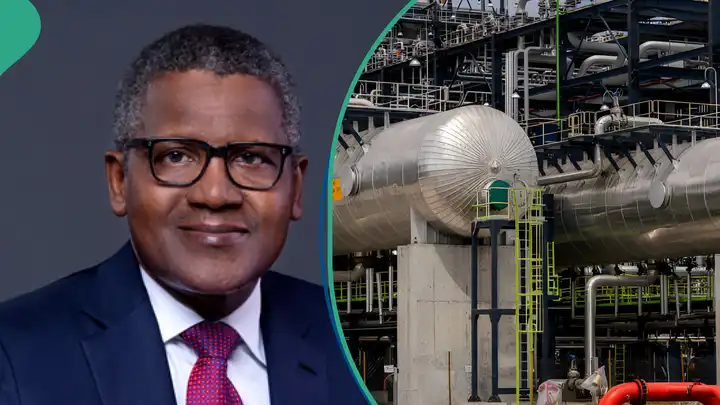
• Geregu Power Ownership Changes: Femi Otedola Exits, Ma’am Energy Takes Control, Abdulaziz Yari Appointed Chairman

    Geregu Power has officially confirmed the sale of billionaire Femi Otedola’s controlling stake to Ma’am Energy Limited, signaling a major shift in the company’s leadership. The transaction involved 95% of Amperion Power’s shares—the vehicle through which Otedola held his stake—estimated at $750 million. Following the ownership change, Otedola, along with CEO Akin Akinfemiwa, deputy CEO Julius Omodayo Owotuga, and several non-executive directors, resigned from the board.

    Ma’am Energy, an Abuja-based energy solutions provider operating across power generation, oil and gas exploration, refining, and energy trading, is now the controlling entity. Four individuals hold significant control over the company: Abdulkarim Tsafe, Jari Jafar, Abdulaziz Yari, and Abdulaziz Ahmad, each with a 25% stake.

    Senator Abdulaziz Yari, son of the former Zamfara governor, has been appointed chairman of Geregu Power. Yari has an extensive political and educational background, including leadership and change certification from the London School of Economics and a master’s degree in Public Administration, Finance, and Investment Management from the University of Salford.

    The new board also includes seasoned professionals across finance, energy, and corporate management:

    Abdulkadeer Njiddah – Non-executive director, accounting and auditing expert

    Usman Mohammed – Independent non-executive director, former MD of Transmission Company of Nigeria

    Mohammed Jaafaru – Independent non-executive director, COO of Advance Link Petroleum

    Neka Adogu – Independent non-executive director, banking and wealth management expert

    Mahmud Magaji – Independent non-executive director, Senior Advocate of Nigeria with expertise in criminal law, aviation, and energy sector disputes


    This leadership overhaul comes after Otedola’s exit and marks a new phase for Geregu Power as Ma’am Energy assumes operational control and strategic direction.
    Geregu Power Ownership Changes: Femi Otedola Exits, Ma’am Energy Takes Control, Abdulaziz Yari Appointed Chairman Geregu Power has officially confirmed the sale of billionaire Femi Otedola’s controlling stake to Ma’am Energy Limited, signaling a major shift in the company’s leadership. The transaction involved 95% of Amperion Power’s shares—the vehicle through which Otedola held his stake—estimated at $750 million. Following the ownership change, Otedola, along with CEO Akin Akinfemiwa, deputy CEO Julius Omodayo Owotuga, and several non-executive directors, resigned from the board. Ma’am Energy, an Abuja-based energy solutions provider operating across power generation, oil and gas exploration, refining, and energy trading, is now the controlling entity. Four individuals hold significant control over the company: Abdulkarim Tsafe, Jari Jafar, Abdulaziz Yari, and Abdulaziz Ahmad, each with a 25% stake. Senator Abdulaziz Yari, son of the former Zamfara governor, has been appointed chairman of Geregu Power. Yari has an extensive political and educational background, including leadership and change certification from the London School of Economics and a master’s degree in Public Administration, Finance, and Investment Management from the University of Salford. The new board also includes seasoned professionals across finance, energy, and corporate management: Abdulkadeer Njiddah – Non-executive director, accounting and auditing expert Usman Mohammed – Independent non-executive director, former MD of Transmission Company of Nigeria Mohammed Jaafaru – Independent non-executive director, COO of Advance Link Petroleum Neka Adogu – Independent non-executive director, banking and wealth management expert Mahmud Magaji – Independent non-executive director, Senior Advocate of Nigeria with expertise in criminal law, aviation, and energy sector disputes This leadership overhaul comes after Otedola’s exit and marks a new phase for Geregu Power as Ma’am Energy assumes operational control and strategic direction.
    0 Commentarii ·0 Distribuiri ·638 Views
  • Dangote Refinery Temporarily Offline for Maintenance, Eyes 700,000 bpd Output in 2026 to Boost Nigeria’s Fuel Self-Sufficiency

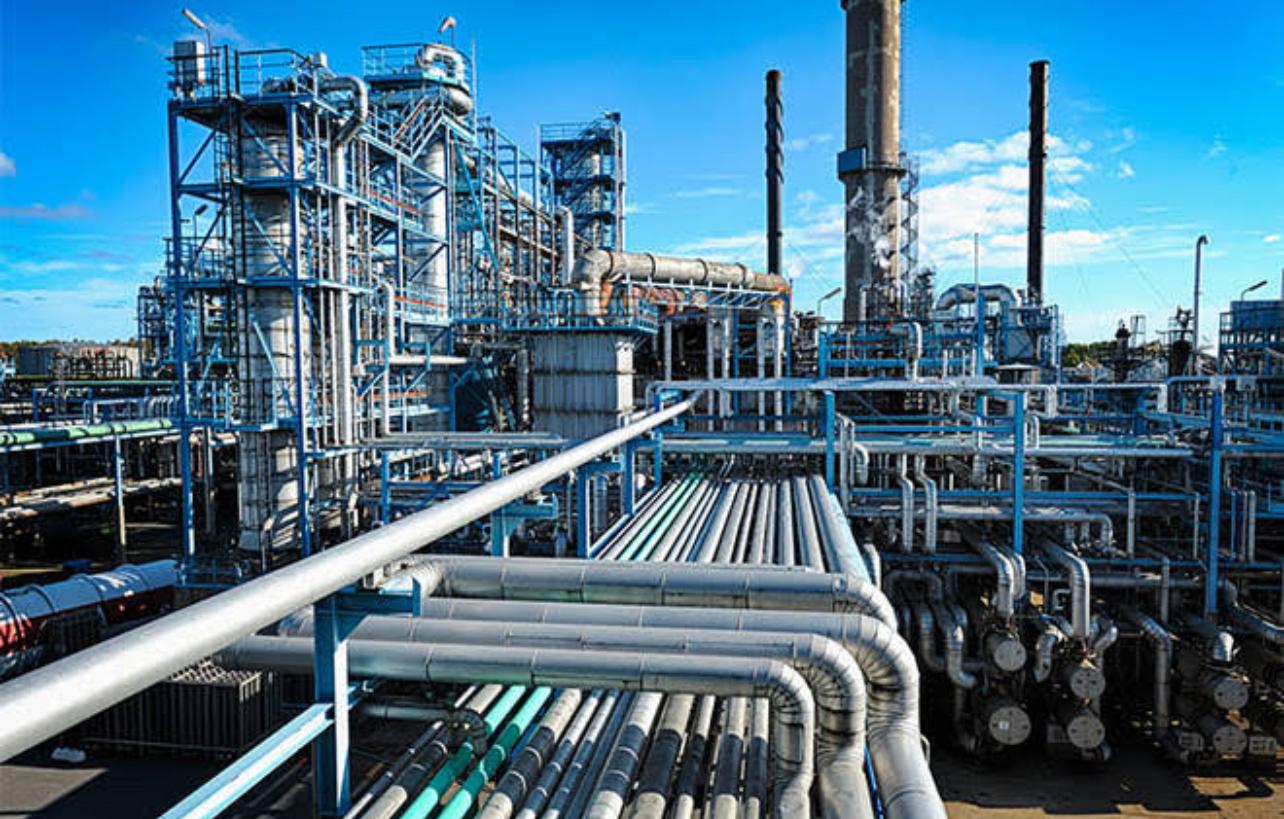
    Dangote Petroleum Refinery has commenced planned maintenance on its core petrol-producing units, temporarily pausing full crude processing. The move targets increased operational stability and a ramp-up in crude distillation capacity from 650,000 to 700,000 barrels per day (bpd) by early 2026, solidifying the refinery’s status as the world’s largest single-train facility.

    The maintenance includes taking the residue fluid catalytic cracker (RFCC) and crude distillation unit (CDU) offline, while secondary units such as the hydrocracker and reformer continue limited production of diesel, aviation fuel, and petrol. Since starting operations, the refinery has cut Nigeria’s petrol imports by over 60%, easing foreign exchange pressure and reducing reliance on global supply.

    The upgrade is seen as a strategic de-bottlenecking effort, aimed at enhancing long-term refining efficiency and regional market influence. Analysts note that successful capacity ramp-up will reinforce Nigeria’s role as Africa’s refining hub and further reduce dependence on imported fuel, while ensuring adequate supply during the maintenance period.
    Dangote Refinery Temporarily Offline for Maintenance, Eyes 700,000 bpd Output in 2026 to Boost Nigeria’s Fuel Self-Sufficiency Dangote Petroleum Refinery has commenced planned maintenance on its core petrol-producing units, temporarily pausing full crude processing. The move targets increased operational stability and a ramp-up in crude distillation capacity from 650,000 to 700,000 barrels per day (bpd) by early 2026, solidifying the refinery’s status as the world’s largest single-train facility. The maintenance includes taking the residue fluid catalytic cracker (RFCC) and crude distillation unit (CDU) offline, while secondary units such as the hydrocracker and reformer continue limited production of diesel, aviation fuel, and petrol. Since starting operations, the refinery has cut Nigeria’s petrol imports by over 60%, easing foreign exchange pressure and reducing reliance on global supply. The upgrade is seen as a strategic de-bottlenecking effort, aimed at enhancing long-term refining efficiency and regional market influence. Analysts note that successful capacity ramp-up will reinforce Nigeria’s role as Africa’s refining hub and further reduce dependence on imported fuel, while ensuring adequate supply during the maintenance period.
    love
    1
    · 0 Commentarii ·0 Distribuiri ·515 Views
  • EXCLUSIVE: NMDPRA CEO Saidu Aliyu Mohammed Linked to Kaduna Refinery Collapse

    Saidu Aliyu Mohammed, recently confirmed as CEO of the Nigeria Midstream and Downstream Petroleum Regulatory Authority (NMDPRA), has been linked to the collapse of the Kaduna Refinery, sources say. The Senate confirmed his appointment following screenings by the Joint Committees on Petroleum. Mohammed previously served as Managing Director of Kaduna Refining and Petrochemical Company and chaired boards of major NNPC subsidiaries. Industry insiders allege mismanagement under his leadership contributed to the refinery’s prolonged shutdown. Meanwhile, Oritsemeyiwa Amanorisewo Eyesan was confirmed as CEO of the Nigeria Upstream Petroleum Regulatory Commission (NUPRC). The appointments follow the resignations of Farouk Ahmed and Gbenga Komalafe, amid corruption allegations, notably by billionaire Aliko Dangote against Ahmed. Dangote’s claims included diversion of public funds and extravagant personal spending. Observers note the new regulators’ appointment is welcomed by Dangote, potentially increasing his influence over Nigeria’s petroleum sector.
    EXCLUSIVE: NMDPRA CEO Saidu Aliyu Mohammed Linked to Kaduna Refinery Collapse Saidu Aliyu Mohammed, recently confirmed as CEO of the Nigeria Midstream and Downstream Petroleum Regulatory Authority (NMDPRA), has been linked to the collapse of the Kaduna Refinery, sources say. The Senate confirmed his appointment following screenings by the Joint Committees on Petroleum. Mohammed previously served as Managing Director of Kaduna Refining and Petrochemical Company and chaired boards of major NNPC subsidiaries. Industry insiders allege mismanagement under his leadership contributed to the refinery’s prolonged shutdown. Meanwhile, Oritsemeyiwa Amanorisewo Eyesan was confirmed as CEO of the Nigeria Upstream Petroleum Regulatory Commission (NUPRC). The appointments follow the resignations of Farouk Ahmed and Gbenga Komalafe, amid corruption allegations, notably by billionaire Aliko Dangote against Ahmed. Dangote’s claims included diversion of public funds and extravagant personal spending. Observers note the new regulators’ appointment is welcomed by Dangote, potentially increasing his influence over Nigeria’s petroleum sector.
    0 Commentarii ·0 Distribuiri ·565 Views
  • of Nigeria’s industrial ambition, driven by a strong emphasis on local manufacturing across key sectors such as cement, sugar, and oil refining. Through these investments, Dangote positioned himself as a central figure in Nigeria’s push for self-sufficiency and reduced reliance on imports.

    However, contradictions within Nigeria’s economic structure have raised questions. Dangote Cement, for instance, is often sold cheaper outside Nigeria than within the country, largely because exports avoid the heavy domestic taxes, levies, and regulatory costs imposed on locally sold goods. This highlights deeper structural inefficiencies within Nigeria’s fiscal and regulatory system, which ultimately drive up prices for consumers despite local production.

    More recently, Dangote’s massive refinery project has attracted both praise and backlash. While it is celebrated as a landmark achievement for Nigeria’s energy sector, critics have raised concerns about potential market dominance, pricing power, and the implications of such a critical national asset being privately owned.
    of Nigeria’s industrial ambition, driven by a strong emphasis on local manufacturing across key sectors such as cement, sugar, and oil refining. Through these investments, Dangote positioned himself as a central figure in Nigeria’s push for self-sufficiency and reduced reliance on imports. However, contradictions within Nigeria’s economic structure have raised questions. Dangote Cement, for instance, is often sold cheaper outside Nigeria than within the country, largely because exports avoid the heavy domestic taxes, levies, and regulatory costs imposed on locally sold goods. This highlights deeper structural inefficiencies within Nigeria’s fiscal and regulatory system, which ultimately drive up prices for consumers despite local production. More recently, Dangote’s massive refinery project has attracted both praise and backlash. While it is celebrated as a landmark achievement for Nigeria’s energy sector, critics have raised concerns about potential market dominance, pricing power, and the implications of such a critical national asset being privately owned.
    love
    1
    · 0 Commentarii ·0 Distribuiri ·396 Views
  • NNPCL Cuts Petrol Pump Price to ₦835 Per Litre Nationwide as Dangote Refinery Price War Intensifies

    The Nigerian National Petroleum Company Limited (NNPCL) has reduced the pump price of petrol to about ₦835 per litre across major cities, down from ₦915. NNPCL outlets in Lagos now sell between ₦838 and ₦840 per litre, while Abuja stations are pegged at ₦835. The price drop follows aggressive fuel price cuts by the Dangote Refinery and other private marketers, reflecting increased domestic refining capacity and lower ex-depot costs. Analysts say the move offers temporary relief to consumers but warn prices remain vulnerable to global oil prices, exchange rates, and refinery output levels.
    NNPCL Cuts Petrol Pump Price to ₦835 Per Litre Nationwide as Dangote Refinery Price War Intensifies The Nigerian National Petroleum Company Limited (NNPCL) has reduced the pump price of petrol to about ₦835 per litre across major cities, down from ₦915. NNPCL outlets in Lagos now sell between ₦838 and ₦840 per litre, while Abuja stations are pegged at ₦835. The price drop follows aggressive fuel price cuts by the Dangote Refinery and other private marketers, reflecting increased domestic refining capacity and lower ex-depot costs. Analysts say the move offers temporary relief to consumers but warn prices remain vulnerable to global oil prices, exchange rates, and refinery output levels.
    0 Commentarii ·0 Distribuiri ·565 Views
  • NMDPRA Boss Farouk Ahmed Rejects Dangote’s Corruption Allegations, Calls for Full EFCC, ICPC and National Assembly Probe

    The Chief Executive Officer of the Nigerian Midstream and Downstream Petroleum Regulatory Authority (NMDPRA), Engr. Farouk Ahmed, has denied corruption allegations levelled against him by Dangote Group President, Aliko Dangote, describing the claims as misleading and politically motivated. Ahmed said his rise in Nigeria’s petroleum sector since 1991 was merit-based and defended his financial record, including the education of his children abroad, citing scholarships, family support and decades of personal savings. He linked the timing of the allegations to recent regulatory actions enforcing fuel quality standards, stricter licensing and transparent pricing under the Petroleum Industry Act. Ahmed formally invited the Code of Conduct Bureau, EFCC, ICPC and the National Assembly to investigate his assets and tenure, insisting his record would withstand any legitimate scrutiny. Dangote, however, has petitioned the ICPC, accusing the regulator of abuse of office, illicit enrichment and frustrating local refining through fuel import licences.
    NMDPRA Boss Farouk Ahmed Rejects Dangote’s Corruption Allegations, Calls for Full EFCC, ICPC and National Assembly Probe The Chief Executive Officer of the Nigerian Midstream and Downstream Petroleum Regulatory Authority (NMDPRA), Engr. Farouk Ahmed, has denied corruption allegations levelled against him by Dangote Group President, Aliko Dangote, describing the claims as misleading and politically motivated. Ahmed said his rise in Nigeria’s petroleum sector since 1991 was merit-based and defended his financial record, including the education of his children abroad, citing scholarships, family support and decades of personal savings. He linked the timing of the allegations to recent regulatory actions enforcing fuel quality standards, stricter licensing and transparent pricing under the Petroleum Industry Act. Ahmed formally invited the Code of Conduct Bureau, EFCC, ICPC and the National Assembly to investigate his assets and tenure, insisting his record would withstand any legitimate scrutiny. Dangote, however, has petitioned the ICPC, accusing the regulator of abuse of office, illicit enrichment and frustrating local refining through fuel import licences.
    love
    1
    · 0 Commentarii ·0 Distribuiri ·472 Views
  • Aliko Dangote Accuses NMDPRA Boss Farouk Ahmed of Economic Sabotage, Questions Children’s Foreign Education Spending

    Africa’s richest man, Aliko Dangote, publicly accused Farouk Ahmed, CEO of the Nigerian Midstream and Downstream Petroleum Regulatory Authority (NMDPRA), of sabotaging Nigeria’s economy and frustrating local refining investment. Speaking at a public engagement, Dangote likened Ahmed’s regulatory decisions to economic sabotage and emphasized the need to protect the Dangote Refinery despite potential short-term losses. He further called for an investigation by the Code of Conduct Bureau into Ahmed’s alleged lavish lifestyle, including multi-million-dollar education costs for his children abroad. Dangote threatened to publish details of Ahmed’s children’s schools and fees, potentially taking legal action to compel disclosure.
    Aliko Dangote Accuses NMDPRA Boss Farouk Ahmed of Economic Sabotage, Questions Children’s Foreign Education Spending Africa’s richest man, Aliko Dangote, publicly accused Farouk Ahmed, CEO of the Nigerian Midstream and Downstream Petroleum Regulatory Authority (NMDPRA), of sabotaging Nigeria’s economy and frustrating local refining investment. Speaking at a public engagement, Dangote likened Ahmed’s regulatory decisions to economic sabotage and emphasized the need to protect the Dangote Refinery despite potential short-term losses. He further called for an investigation by the Code of Conduct Bureau into Ahmed’s alleged lavish lifestyle, including multi-million-dollar education costs for his children abroad. Dangote threatened to publish details of Ahmed’s children’s schools and fees, potentially taking legal action to compel disclosure.
    love
    1
    · 0 Commentarii ·0 Distribuiri ·446 Views
  • Ondo Youth Brutalised by Naval Officers Battles for Life as Navy Redeploys Accused Commanding Officer

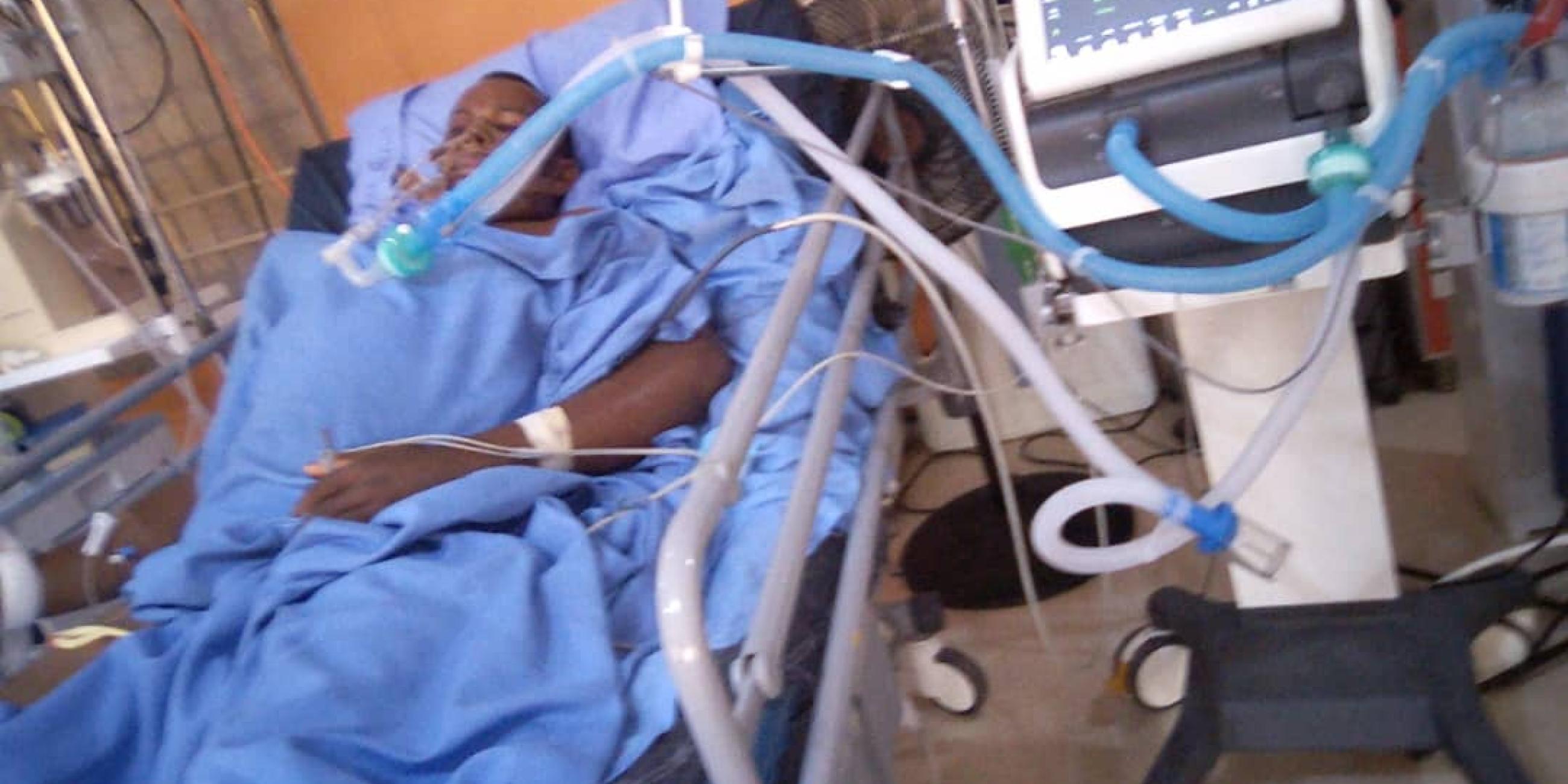
    Gbenga Omogbemi, an Ilaje youth brutally assaulted by naval personnel over an alleged theft of $9,000 belonging to Navy Captain Aliyu Usman, remains in critical condition despite earlier reports claiming he had died. The Nigerian Navy has since redeployed Captain Usman, who was accused of leading multiple violent operations in Ilaje communities, including destruction of property, arson, killings, harassment, and repeated sexual assaults. Residents say the officers invaded Obejedo, Obe-Adun, and Obe-Nla on October 19, destroying property worth millions and leaving several people missing. Community members insist the Navy fabricated claims of illegal refining, while activists defending the victims have reportedly been arrested. They are calling for a full investigation and justice.


    #OndoState

    #NigerianNavy

    #HumanRightsAbuse

    Ondo Youth Brutalised by Naval Officers Battles for Life as Navy Redeploys Accused Commanding Officer Gbenga Omogbemi, an Ilaje youth brutally assaulted by naval personnel over an alleged theft of $9,000 belonging to Navy Captain Aliyu Usman, remains in critical condition despite earlier reports claiming he had died. The Nigerian Navy has since redeployed Captain Usman, who was accused of leading multiple violent operations in Ilaje communities, including destruction of property, arson, killings, harassment, and repeated sexual assaults. Residents say the officers invaded Obejedo, Obe-Adun, and Obe-Nla on October 19, destroying property worth millions and leaving several people missing. Community members insist the Navy fabricated claims of illegal refining, while activists defending the victims have reportedly been arrested. They are calling for a full investigation and justice. #OndoState #NigerianNavy #HumanRightsAbuse
    0 Commentarii ·0 Distribuiri ·622 Views

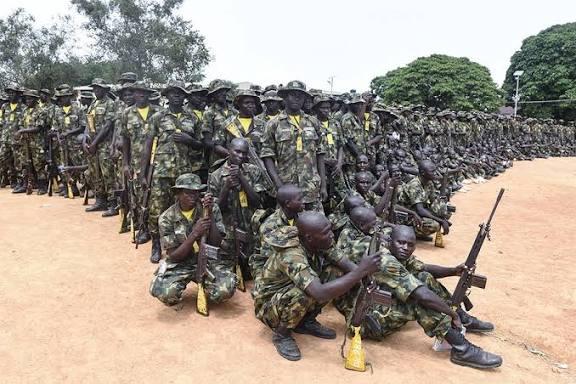
  • NIGERIAN ARMY SHATTERS TERROR NETWORKS: 8 NEUTRALIZED, 51 ARRESTED, 27 RESCUED, ARSENAL RECOVERED

    In a decisive nationwide offensive, the Nigerian Army delivered major blows to criminal networks between 29 November and 1 December 2025, neutralizing eight terrorists, arresting 51 suspects, rescuing 27 victims and seizing a substantial cache of weapons and illicit items across several operations.

    In the North East, troops of 151 Task Force Battalion, 152 Task Force Battalion and 192 Battalion in Borno State neutralized four ISWAP/JAS terrorists in ambush and clearance operations, recovering three AK-47 rifles, four AK-47 magazines containing 70 rounds of 7.62mm, 31 rounds of 12.7mm, 171 rounds of 7.62x54mm linked, 183 rounds of 7.62x51mm NATO, an AK-47 working part and a Baofeng radio. Troops also rescued no victims in these operations but responded effectively to infiltration attempts around Chibok.

    In Plateau, Taraba, Benue, Kogi and Kaduna States, troops under Operation WHIRL STROKE and Operation ENDURING PEACE rescued 3 victims in Panyam, 1 in Zaki-Biam, 6 adult females and 1 minor (7 total) in Tsanyawa/Kankia, 4 victims in Yagba West, 1 victim in Odo Eri, 2 victims in Sanga LGA and 2 adult females in Isoko North, bringing the total rescued in the North Central and North West theatres to 20 victims. In these operations, troops arrested 2 suspected kidnappers in Panyam, 4 human traffickers in Sardauna, 3 extremist collaborators in Ukum, 13 illegal miners in Lau, 2 cultists in Delta and 1 gunrunner in Plateau. Combined with 25 drug suspects arrested in Bayelsa and Rivers, troops arrested a total of 51 suspects across the regions.

    In Taraba, troops also neutralized 4 violent extremists and recovered one fabricated AK-47 rifle, three Dane guns, 25 rounds of 7.62mm special ammunition and two motorcycles during a communal-clash response in Karim Lamido. Troops in Delta State recovered one locally made pistol, two cartridges and five mobile phones while arresting two suspected cultists. Security forces further recovered 76 rustled cattle in Plateau State and handed them back to their rightful owners.

    In the South-South, anti-oil theft operations led to the shutdown of an illegal refining site with about 1,000 litres of stolen crude, while joint raids with NDLEA led to the arrest of 25 drug-related suspects. Meanwhile, in Kaduna State, troops intercepted vehicles transporting 5,000kg of gelatine explosives, 3,000m of cordtex fuse, 10 electric detonators and 1,000m of connecting wire, prompting ongoing investigations involving other security agencies.

    Additionally, troops arrested notorious gunrunner Shuaibu Isah (aka Alhaji) who was attempting to receive 1,000 rounds of ammunition from accomplices still being trailed. His arrest marked one of the most significant breakthroughs of the period.

    The Nigerian Army reaffirms its commitment to safeguarding all Nigerians and ensuring that terrorists, criminals and their collaborators have no safe haven.
    NIGERIAN ARMY SHATTERS TERROR NETWORKS: 8 NEUTRALIZED, 51 ARRESTED, 27 RESCUED, ARSENAL RECOVERED In a decisive nationwide offensive, the Nigerian Army delivered major blows to criminal networks between 29 November and 1 December 2025, neutralizing eight terrorists, arresting 51 suspects, rescuing 27 victims and seizing a substantial cache of weapons and illicit items across several operations. In the North East, troops of 151 Task Force Battalion, 152 Task Force Battalion and 192 Battalion in Borno State neutralized four ISWAP/JAS terrorists in ambush and clearance operations, recovering three AK-47 rifles, four AK-47 magazines containing 70 rounds of 7.62mm, 31 rounds of 12.7mm, 171 rounds of 7.62x54mm linked, 183 rounds of 7.62x51mm NATO, an AK-47 working part and a Baofeng radio. Troops also rescued no victims in these operations but responded effectively to infiltration attempts around Chibok. In Plateau, Taraba, Benue, Kogi and Kaduna States, troops under Operation WHIRL STROKE and Operation ENDURING PEACE rescued 3 victims in Panyam, 1 in Zaki-Biam, 6 adult females and 1 minor (7 total) in Tsanyawa/Kankia, 4 victims in Yagba West, 1 victim in Odo Eri, 2 victims in Sanga LGA and 2 adult females in Isoko North, bringing the total rescued in the North Central and North West theatres to 20 victims. In these operations, troops arrested 2 suspected kidnappers in Panyam, 4 human traffickers in Sardauna, 3 extremist collaborators in Ukum, 13 illegal miners in Lau, 2 cultists in Delta and 1 gunrunner in Plateau. Combined with 25 drug suspects arrested in Bayelsa and Rivers, troops arrested a total of 51 suspects across the regions. In Taraba, troops also neutralized 4 violent extremists and recovered one fabricated AK-47 rifle, three Dane guns, 25 rounds of 7.62mm special ammunition and two motorcycles during a communal-clash response in Karim Lamido. Troops in Delta State recovered one locally made pistol, two cartridges and five mobile phones while arresting two suspected cultists. Security forces further recovered 76 rustled cattle in Plateau State and handed them back to their rightful owners. In the South-South, anti-oil theft operations led to the shutdown of an illegal refining site with about 1,000 litres of stolen crude, while joint raids with NDLEA led to the arrest of 25 drug-related suspects. Meanwhile, in Kaduna State, troops intercepted vehicles transporting 5,000kg of gelatine explosives, 3,000m of cordtex fuse, 10 electric detonators and 1,000m of connecting wire, prompting ongoing investigations involving other security agencies. Additionally, troops arrested notorious gunrunner Shuaibu Isah (aka Alhaji) who was attempting to receive 1,000 rounds of ammunition from accomplices still being trailed. His arrest marked one of the most significant breakthroughs of the period. The Nigerian Army reaffirms its commitment to safeguarding all Nigerians and ensuring that terrorists, criminals and their collaborators have no safe haven.
    0 Commentarii ·0 Distribuiri ·741 Views
  • BUA Refinery: Nigeria’s Next Big Move to End Fuel Import Dependence

    Nigeria is set for another major breakthrough in its energy sector as BUA Group pushes forward with the construction of its new 200,000 barrels-per-day refinery in Akwa Ibom State. Led by billionaire industrialist Abdul Samad Rabiu, the project aims to strengthen Nigeria’s ability to refine its own crude oil locally — a crucial step toward ending decades of fuel import dependence.

    A Game Changer for Nigeria’s Economy

    For years, Nigeria has exported crude oil only to import refined fuels at high costs. With the new BUA refinery coming onstream, this cycle is expected to change dramatically. The refinery will produce:
    • Petrol (PMS)
    • Diesel (AGO)
    • Aviation fuel (Jet A1)
    • LPG (cooking gas)
    • Petrochemicals

    This means more jobs, cheaper domestic fuel, and extra revenue for the nation through exports.

    Why This Refinery Matters

    ✔ Supports fuel supply stability
    ✔ Reduces foreign exchange pressure
    ✔ Expands Nigeria’s refining capacity
    ✔ Encourages competition with other refineries — especially Dangote Refinery
    ✔ Boosts development in the Niger Delta region

    The refinery is already attracting international partners in engineering, technology, and infrastructure.

    Driving Local Content & Industrial Growth

    BUA Group is one of Nigeria’s fastest-growing conglomerates — with investments in:
    • Cement
    • Foods & sugar
    • Port operations
    • Real estate
    • Energy & power

    The refinery project expands BUA’s footprint into the petroleum value chain, helping to keep more wealth within Nigeria.

    Looking Ahead

    Once completed, the BUA refinery will become one of West Africa’s largest privately-owned refineries, adding healthy competition to the market and supporting Nigeria’s long-awaited shift toward full downstream independence.

    “Nigeria should not be importing fuel when we have crude oil.”
    — Abdul Samad Rabiu

    The journey continues — and the results could reshape the nation’s economic future.
    BUA Refinery: Nigeria’s Next Big Move to End Fuel Import Dependence Nigeria is set for another major breakthrough in its energy sector as BUA Group pushes forward with the construction of its new 200,000 barrels-per-day refinery in Akwa Ibom State. Led by billionaire industrialist Abdul Samad Rabiu, the project aims to strengthen Nigeria’s ability to refine its own crude oil locally — a crucial step toward ending decades of fuel import dependence. 🌍 A Game Changer for Nigeria’s Economy For years, Nigeria has exported crude oil only to import refined fuels at high costs. With the new BUA refinery coming onstream, this cycle is expected to change dramatically. The refinery will produce: • Petrol (PMS) • Diesel (AGO) • Aviation fuel (Jet A1) • LPG (cooking gas) • Petrochemicals This means more jobs, cheaper domestic fuel, and extra revenue for the nation through exports. 🏗️ Why This Refinery Matters ✔ Supports fuel supply stability ✔ Reduces foreign exchange pressure ✔ Expands Nigeria’s refining capacity ✔ Encourages competition with other refineries — especially Dangote Refinery ✔ Boosts development in the Niger Delta region The refinery is already attracting international partners in engineering, technology, and infrastructure. 🚀 Driving Local Content & Industrial Growth BUA Group is one of Nigeria’s fastest-growing conglomerates — with investments in: • Cement • Foods & sugar • Port operations • Real estate • Energy & power The refinery project expands BUA’s footprint into the petroleum value chain, helping to keep more wealth within Nigeria. 🔮 Looking Ahead Once completed, the BUA refinery will become one of West Africa’s largest privately-owned refineries, adding healthy competition to the market and supporting Nigeria’s long-awaited shift toward full downstream independence. “Nigeria should not be importing fuel when we have crude oil.” — Abdul Samad Rabiu The journey continues — and the results could reshape the nation’s economic future. 🇳🇬✨
    0 Commentarii ·0 Distribuiri ·1K Views
  • [10/31, 8:07 PM] null: Presidency Defends 15% Fuel Import Tariff.

    The Presidency has confirmed President Bola Tinubu’s approval of a 15% import duty on petrol and diesel, saying the move is intended to boost local refining and reduce Nigeria’s reliance on imported fuel.

    The announcement was made by the Special Adviser to the President on Media and Public Communications, Sunday Dare, in a statement posted on X on Friday. He described the policy as “a bridge, not a burden,” aimed at reshaping Nigeria’s energy sector for long-term stability.

    Dare said the tariff is meant to discourage fuel importation, encourage investment in domestic refining, and help Nigeria take control of its energy supply after years of depending on foreign refineries.

    He noted that despite being a major crude oil producer, Nigeria has spent years importing refined products, which drained foreign exchange and cost the nation jobs.

    According to him, the new policy gives a competitive edge to local refineries such as Dangote Refinery, the Port Harcourt Refinery, and modular refineries currently being developed.

    “By making imported fuel less competitive, the government is tilting the market in favour of local refineries, laying the groundwork for a self-sustaining and resilient energy sector,” he stated.

    Dare added that as local refining output increases, fuel availability will improve and pump prices are expected to stabilize, while job creation and industrial activity expand.

    However, petroleum marketers have warned that the policy could push petrol prices above ₦1,000 per litre in the short term. Government officials argue that temporary price pressure is necessary to secure long-term gains.

    The 15% tariff will take effect after a 30-day transition period, ending November 21, 2025.
    [10/31, 8:07 PM] null: Presidency Defends 15% Fuel Import Tariff. The Presidency has confirmed President Bola Tinubu’s approval of a 15% import duty on petrol and diesel, saying the move is intended to boost local refining and reduce Nigeria’s reliance on imported fuel. The announcement was made by the Special Adviser to the President on Media and Public Communications, Sunday Dare, in a statement posted on X on Friday. He described the policy as “a bridge, not a burden,” aimed at reshaping Nigeria’s energy sector for long-term stability. Dare said the tariff is meant to discourage fuel importation, encourage investment in domestic refining, and help Nigeria take control of its energy supply after years of depending on foreign refineries. He noted that despite being a major crude oil producer, Nigeria has spent years importing refined products, which drained foreign exchange and cost the nation jobs. According to him, the new policy gives a competitive edge to local refineries such as Dangote Refinery, the Port Harcourt Refinery, and modular refineries currently being developed. “By making imported fuel less competitive, the government is tilting the market in favour of local refineries, laying the groundwork for a self-sustaining and resilient energy sector,” he stated. Dare added that as local refining output increases, fuel availability will improve and pump prices are expected to stabilize, while job creation and industrial activity expand. However, petroleum marketers have warned that the policy could push petrol prices above ₦1,000 per litre in the short term. Government officials argue that temporary price pressure is necessary to secure long-term gains. The 15% tariff will take effect after a 30-day transition period, ending November 21, 2025.
    0 Commentarii ·0 Distribuiri ·943 Views
  • Fuel prices will eventually moderate – Tinubu Spokesperson on 15% petrol import duty.

    Spokesperson to President Bola Tinubu, Sunday Dare, has claimed the president’s approval of a 15 per cent import duty on petrol and diesel is a bridge and not a burden on Nigerians.

    Dare made the assertions in a statement on his X account on Friday, while reacting to Tinubu’s approval of a 15 per cent import duty on petrol and diesel.

    Recall that there has been diverse reactions from Nigerians, stakeholders and economists alike over the new tariffs and their possible impact on the price of fuel and diesel.

    In a clarification, Dare said the policy is designed to reverse the fuel and diesel import dependency trend by encouraging local refining, boosting domestic capacity, and ensuring that Nigeria’s oil wealth translates directly into national prosperity.

    He noted that the tariff will mark imported fuel as less competitive and encourage local refineries such as Dangote Refinery.

    He said as local refining ramps up and supply strengthens, prices of petrol are expected to moderate while jobs, investment, and industrial activity expands.

    “It’s no longer news that President Bola Ahmed Tinubu has approved a 15 per cent import duty on petrol and diesel—a bold and strategic move aimed at reshaping Nigeria’s energy landscape.

    “For years, the nation has depended heavily on imported fuel despite being a leading crude oil producer, draining foreign exchange and exporting jobs that should have been created at home
    Fuel prices will eventually moderate – Tinubu Spokesperson on 15% petrol import duty. Spokesperson to President Bola Tinubu, Sunday Dare, has claimed the president’s approval of a 15 per cent import duty on petrol and diesel is a bridge and not a burden on Nigerians. Dare made the assertions in a statement on his X account on Friday, while reacting to Tinubu’s approval of a 15 per cent import duty on petrol and diesel. Recall that there has been diverse reactions from Nigerians, stakeholders and economists alike over the new tariffs and their possible impact on the price of fuel and diesel. In a clarification, Dare said the policy is designed to reverse the fuel and diesel import dependency trend by encouraging local refining, boosting domestic capacity, and ensuring that Nigeria’s oil wealth translates directly into national prosperity. He noted that the tariff will mark imported fuel as less competitive and encourage local refineries such as Dangote Refinery. He said as local refining ramps up and supply strengthens, prices of petrol are expected to moderate while jobs, investment, and industrial activity expands. “It’s no longer news that President Bola Ahmed Tinubu has approved a 15 per cent import duty on petrol and diesel—a bold and strategic move aimed at reshaping Nigeria’s energy landscape. “For years, the nation has depended heavily on imported fuel despite being a leading crude oil producer, draining foreign exchange and exporting jobs that should have been created at home
    0 Commentarii ·0 Distribuiri ·938 Views
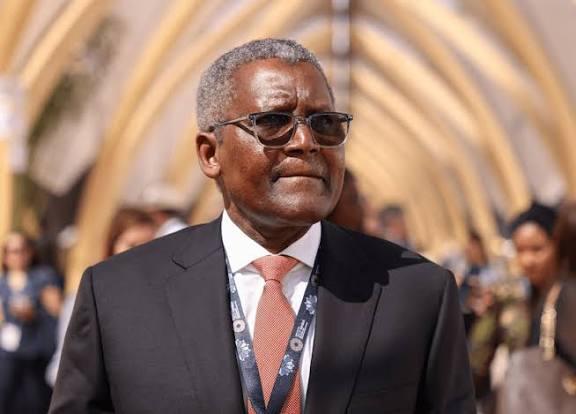
  • Aliko Dangote Becomes First African to Hit $30 Billion Net Worth.

    Nigerian billionaire and industrial magnate Aliko Dangote has officially become the first African to reach a net worth of $30 billion, according to the latest Bloomberg Billionaires Index.

    The milestone follows a $430 million surge in his portfolio, capping a year of remarkable growth that added over $2.16 billion to his fortune. The rise cements his long-standing position as Africa’s richest person and underscores the strength of his vast industrial empire spanning cement, sugar, flour, and oil refining.

    “This isn’t just a personal win for Dangote it’s a defining moment for African industry,” said Ngozi Okonjo, an analyst at Afrinvest. “He’s proving that value-added manufacturing can rival resource extraction as a source of African wealth.”
    Aliko Dangote Becomes First African to Hit $30 Billion Net Worth. Nigerian billionaire and industrial magnate Aliko Dangote has officially become the first African to reach a net worth of $30 billion, according to the latest Bloomberg Billionaires Index. The milestone follows a $430 million surge in his portfolio, capping a year of remarkable growth that added over $2.16 billion to his fortune. The rise cements his long-standing position as Africa’s richest person and underscores the strength of his vast industrial empire spanning cement, sugar, flour, and oil refining. “This isn’t just a personal win for Dangote it’s a defining moment for African industry,” said Ngozi Okonjo, an analyst at Afrinvest. “He’s proving that value-added manufacturing can rival resource extraction as a source of African wealth.”
    0 Commentarii ·0 Distribuiri ·698 Views
  • PENGASSAN Orders Immediate Gas Supply Shutdown to Dangote Refinery.

    The Petroleum and Natural Gas Senior Staff Association of Nigeria (PENGASSAN) has ordered an immediate suspension of gas supply to the Dangote Petroleum Refinery.

    The latest development has escalated the growing labour dispute with the company.

    In a letter dated September 26 and signed by the union’s General Secretary, Comrade Lumumba Ighotemu Okugbawa, PENGASSAN directed all its members, especially those in the Nigerian Gas Infrastructure Company (NGIC) branch, to halt gas supply to the multibillion-dollar refinery without delay.

    The directive also includes shutting crude oil supply valves and suspending loading operations for vessels destined for the facility.

    The union accused the refinery’s management of unlawfully disengaging unionised workers and launching a “mission of misinformation and propaganda” instead of engaging in genuine dialogue with organised labour.

    “This action is a necessary response to defend the constitutional rights of workers to freely associate and unionise,” the letter stated. “Injury to one! Injury to all!”

    The confrontation follows reports that the company recently laid off more than 800 Nigerian workers — a decision PENGASSAN described as “anti-labour, insensitive, and unacceptable.” The union vowed to resist the move through nationwide solidarity actions unless the decision is reversed.

    The Dangote Refinery, located in the Lekki Free Zone, Lagos, is Africa’s largest petroleum refining facility and Nigeria’s biggest domestic source of refined products. Since commencing partial operations, it has been central to the country’s efforts to reduce fuel imports and stabilise local supply.

    PENGASSAN Orders Immediate Gas Supply Shutdown to Dangote Refinery. The Petroleum and Natural Gas Senior Staff Association of Nigeria (PENGASSAN) has ordered an immediate suspension of gas supply to the Dangote Petroleum Refinery. The latest development has escalated the growing labour dispute with the company. In a letter dated September 26 and signed by the union’s General Secretary, Comrade Lumumba Ighotemu Okugbawa, PENGASSAN directed all its members, especially those in the Nigerian Gas Infrastructure Company (NGIC) branch, to halt gas supply to the multibillion-dollar refinery without delay. The directive also includes shutting crude oil supply valves and suspending loading operations for vessels destined for the facility. The union accused the refinery’s management of unlawfully disengaging unionised workers and launching a “mission of misinformation and propaganda” instead of engaging in genuine dialogue with organised labour. “This action is a necessary response to defend the constitutional rights of workers to freely associate and unionise,” the letter stated. “Injury to one! Injury to all!” The confrontation follows reports that the company recently laid off more than 800 Nigerian workers — a decision PENGASSAN described as “anti-labour, insensitive, and unacceptable.” The union vowed to resist the move through nationwide solidarity actions unless the decision is reversed. The Dangote Refinery, located in the Lekki Free Zone, Lagos, is Africa’s largest petroleum refining facility and Nigeria’s biggest domestic source of refined products. Since commencing partial operations, it has been central to the country’s efforts to reduce fuel imports and stabilise local supply.
    0 Commentarii ·0 Distribuiri ·733 Views
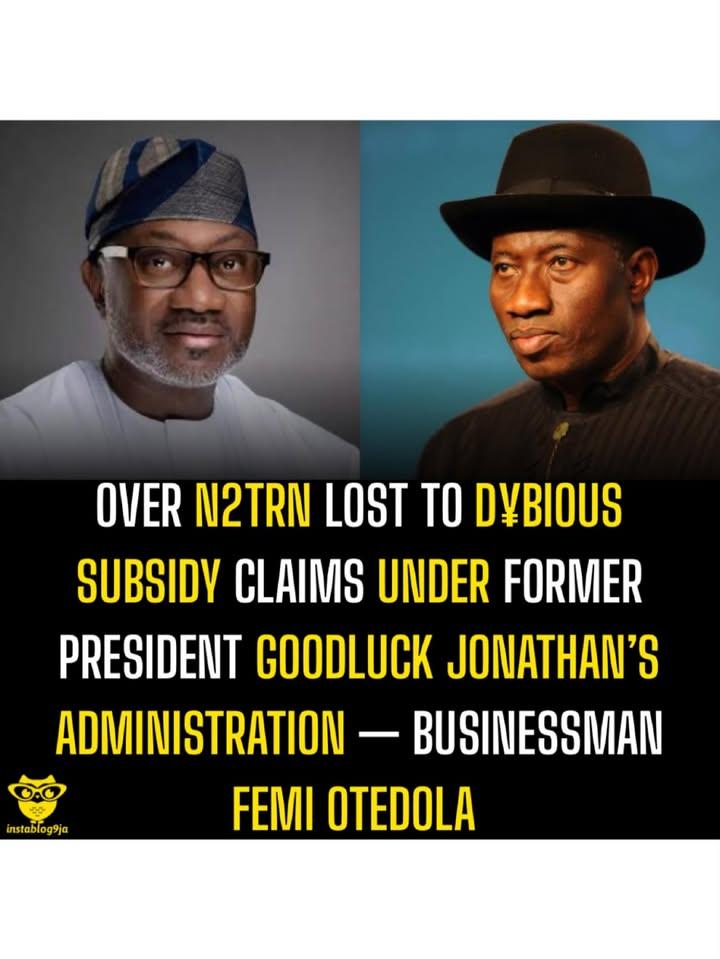
  • Over N2trn Lost to Dubious Subsidy Claims Under Former President Goodluck Jonathan’s Administration — Businessman Femi Otedola

    Billionaire businessman, Femi Otedola, has alleged that more than ₦2 trillion was siphoned through questionable petrol subsidy claims during the administration of former President Goodluck Jonathan.

    In a statement on Monday, Otedola backed the Dangote Petroleum Refinery in its ongoing dispute with the Depot and Petroleum Products Marketers Association of Nigeria (DAPPMAN).

    DAPPMAN had accused the refinery of destabilizing the market with its fuel price cuts, but Dangote countered, claiming the group demanded an annual subsidy of ₦1.5 trillion to enable members match its depot prices.

    Otedola, however, maintained that the subsidy regime was deliberately structured to benefit depot owners, making DAPPMAN members the biggest beneficiaries.

    “I warned President Jonathan at the time that he was being misled. The system encouraged rent-seeking and corruption. Over ₦2 trillion was siphoned through dubious claims tied to depot licences,” he said.

    He further dismissed the notion that depots significantly create jobs, noting that a typical facility employs only a handful of people, unlike filling stations that hire dozens.

    Otedola urged DAPPMAN members to shift their focus to retail operations rather than holding on to depots designed for an import-driven fuel economy, which, according to him, has become redundant with Nigeria now refining locally.

    He likened the development to the transformation of Nigeria’s cement industry, where reliance on import terminals gave way to domestic production.
    Over N2trn Lost to Dubious Subsidy Claims Under Former President Goodluck Jonathan’s Administration — Businessman Femi Otedola Billionaire businessman, Femi Otedola, has alleged that more than ₦2 trillion was siphoned through questionable petrol subsidy claims during the administration of former President Goodluck Jonathan. In a statement on Monday, Otedola backed the Dangote Petroleum Refinery in its ongoing dispute with the Depot and Petroleum Products Marketers Association of Nigeria (DAPPMAN). DAPPMAN had accused the refinery of destabilizing the market with its fuel price cuts, but Dangote countered, claiming the group demanded an annual subsidy of ₦1.5 trillion to enable members match its depot prices. Otedola, however, maintained that the subsidy regime was deliberately structured to benefit depot owners, making DAPPMAN members the biggest beneficiaries. “I warned President Jonathan at the time that he was being misled. The system encouraged rent-seeking and corruption. Over ₦2 trillion was siphoned through dubious claims tied to depot licences,” he said. He further dismissed the notion that depots significantly create jobs, noting that a typical facility employs only a handful of people, unlike filling stations that hire dozens. Otedola urged DAPPMAN members to shift their focus to retail operations rather than holding on to depots designed for an import-driven fuel economy, which, according to him, has become redundant with Nigeria now refining locally. He likened the development to the transformation of Nigeria’s cement industry, where reliance on import terminals gave way to domestic production.
    0 Commentarii ·0 Distribuiri ·748 Views
  • U4GM - Helldivers 2 2025 Roadmap Overview

    Helldivers 2 has steadily grown into one of the most engaging cooperative shooters of recent years, and the 2025 roadmap promises an exciting lineup of updates and expansions that fans won’t want to miss. As someone who has spent countless hours coordinating drops, perfecting loadouts, and exploring the depths of hostile planets, I’ve been following the upcoming changes closely—and there’s plenty to discuss.


    New Missions and Planetary Expansions

    One of the highlights of the 2025 roadmap is the expansion of mission types and new planetary environments. Players can expect more diverse biomes, from icy tundras to volcanic wastelands, each presenting unique tactical challenges. These updates are designed to keep seasoned Helldivers on their toes, requiring adaptive strategies and clever teamwork to succeed.


    Weapon and Gear Enhancements

    The roadmap also includes a slew of weapon and armor improvements. Expect adjustments to weapon balance, new equipment variants, and gear that caters to both aggressive and defensive playstyles. For players looking to stay ahead, the upcoming changes will make certain previously underused setups suddenly viable, giving everyone a reason to experiment.


    Super Credits System Updates

    For those invested in the progression system, Helldivers 2 will be refining its Super Credits economy. Whether you’re looking to grind efficiently or just acquire new cosmetics, knowing how to navigate the Helldivers 2 super credit shop will be key. Players can also choose to buy helldivers 2 super credits through trusted providers like U4GM to fast-track access to new gear and unlockables without breaking the game’s balance. This provides a flexible approach for both casual and hardcore players.


    Community and Quality-of-Life Improvements

    Beyond content updates, 2025 will focus heavily on community-driven improvements. Expect enhanced matchmaking, refined squad management tools, and quality-of-life updates aimed at reducing downtime between missions. The developers are clearly paying attention to player feedback, ensuring the cooperative experience remains smooth and enjoyable.


    Looking Ahead

    Overall, the Helldivers 2 2025 roadmap is shaping up to be one of the most ambitious yet. With a combination of new environments, gear expansions, and economic refinements, the game continues to evolve in ways that cater to both newcomers and veteran Helldivers alike. If you’re looking to maximize your experience, keeping an eye on the Helldivers 2 super credit shop and considering options to buy helldivers 2 super credits from U4GM could give you a useful edge as the year progresses.

    U4GM - Helldivers 2 2025 Roadmap Overview Helldivers 2 has steadily grown into one of the most engaging cooperative shooters of recent years, and the 2025 roadmap promises an exciting lineup of updates and expansions that fans won’t want to miss. As someone who has spent countless hours coordinating drops, perfecting loadouts, and exploring the depths of hostile planets, I’ve been following the upcoming changes closely—and there’s plenty to discuss. New Missions and Planetary Expansions One of the highlights of the 2025 roadmap is the expansion of mission types and new planetary environments. Players can expect more diverse biomes, from icy tundras to volcanic wastelands, each presenting unique tactical challenges. These updates are designed to keep seasoned Helldivers on their toes, requiring adaptive strategies and clever teamwork to succeed. Weapon and Gear Enhancements The roadmap also includes a slew of weapon and armor improvements. Expect adjustments to weapon balance, new equipment variants, and gear that caters to both aggressive and defensive playstyles. For players looking to stay ahead, the upcoming changes will make certain previously underused setups suddenly viable, giving everyone a reason to experiment. Super Credits System Updates For those invested in the progression system, Helldivers 2 will be refining its Super Credits economy. Whether you’re looking to grind efficiently or just acquire new cosmetics, knowing how to navigate the Helldivers 2 super credit shop will be key. Players can also choose to buy helldivers 2 super credits through trusted providers like U4GM to fast-track access to new gear and unlockables without breaking the game’s balance. This provides a flexible approach for both casual and hardcore players. Community and Quality-of-Life Improvements Beyond content updates, 2025 will focus heavily on community-driven improvements. Expect enhanced matchmaking, refined squad management tools, and quality-of-life updates aimed at reducing downtime between missions. The developers are clearly paying attention to player feedback, ensuring the cooperative experience remains smooth and enjoyable. Looking Ahead Overall, the Helldivers 2 2025 roadmap is shaping up to be one of the most ambitious yet. With a combination of new environments, gear expansions, and economic refinements, the game continues to evolve in ways that cater to both newcomers and veteran Helldivers alike. If you’re looking to maximize your experience, keeping an eye on the Helldivers 2 super credit shop and considering options to buy helldivers 2 super credits from U4GM could give you a useful edge as the year progresses.
    0 Commentarii ·0 Distribuiri ·1K Views
  • Petrol Subsidy Removal Rescued Nigeria From Bankruptcy – Emir of Kano Muhammad Sanusi.

    Muhammad Sanusi II, Emir of Kano and former Central Bank of Nigeria (CBN) governor, says scrapping petrol subsidy saved Nigeria from imminent bankruptcy.

    Speaking at the second edition of the Kano International Poetry Festival on Saturday, Sanusi described the subsidy system as wasteful and unsustainable, noting that it drained government finances through oil price fluctuations, exchange rate pressures, transport costs, and refining expenses.

    “Subsidy meant if petrol was N100, Nigerians paid N70 and government covered N30,” he explained. “But government went further, fixing petrol at N65 per litre regardless of global oil prices. Who paid the difference? Government. And that was always going to bankrupt Nigeria.”

    He faulted past governments for neglecting local refineries while spending billions on subsidies that enriched foreign refineries and cost Nigerians jobs. According to him, those funds should have been invested in production rather than consumption.

    The emir recalled warning as CBN governor in 2012 that the policy was like “a man running towards a ditch.” He said Nigeria eventually began borrowing to pay subsidies and later to service debts, making the arrangement unsustainable.

    Sanusi stressed that subsidy removal should be seen not just as an economic reform but also as a chance to rebuild a more resilient and self-reliant nation.
    Petrol Subsidy Removal Rescued Nigeria From Bankruptcy – Emir of Kano Muhammad Sanusi. Muhammad Sanusi II, Emir of Kano and former Central Bank of Nigeria (CBN) governor, says scrapping petrol subsidy saved Nigeria from imminent bankruptcy. Speaking at the second edition of the Kano International Poetry Festival on Saturday, Sanusi described the subsidy system as wasteful and unsustainable, noting that it drained government finances through oil price fluctuations, exchange rate pressures, transport costs, and refining expenses. “Subsidy meant if petrol was N100, Nigerians paid N70 and government covered N30,” he explained. “But government went further, fixing petrol at N65 per litre regardless of global oil prices. Who paid the difference? Government. And that was always going to bankrupt Nigeria.” He faulted past governments for neglecting local refineries while spending billions on subsidies that enriched foreign refineries and cost Nigerians jobs. According to him, those funds should have been invested in production rather than consumption. The emir recalled warning as CBN governor in 2012 that the policy was like “a man running towards a ditch.” He said Nigeria eventually began borrowing to pay subsidies and later to service debts, making the arrangement unsustainable. Sanusi stressed that subsidy removal should be seen not just as an economic reform but also as a chance to rebuild a more resilient and self-reliant nation.
    0 Commentarii ·0 Distribuiri ·1K Views

  • The Leader of INRI Evangelical Spiritual Church, Primate Elijah Ayodele, has issued a fresh prophecy warning Africa’s richest man, Aliko Dangote, of looming challenges that could trigger public backlash against his company.

    Speaking during a prophetic session in Lagos, Ayodele revealed that another tragic accident involving Dangote’s operations was imminent and could lead to loss of lives, sparking widespread revolt. He cautioned that if not properly managed, the development could damage the reputation of the Dangote Group.

    “Another tragic accident is coming. That will kill several,” Ayodele warned. “And they will now begin to fight Dangote by people who just revolt against him. Dangote, I don’t know. God has never told me that you are using this for this one. If he told me, I will say it to you. But Dangote must be careful, careful, careful, careful.”

    According to the cleric, the incident would not only cause casualties but also incite anger against Dangote, with critics using it as an opportunity to discredit him and his business empire.

    “If it happens again, people will revolt seriously. And it can dent the image of the company,” Ayodele added.

    The Dangote Group, which spans cement, sugar, salt, and recently petroleum refining, has occasionally faced operational challenges, including industrial accidents and safety controversies. Ayodele’s prophecy has sparked conversations about the safety standards of large industrial corporations and the potential impact of a major mishap on public perception.


    Industry watchers note that a large-scale accident could have ripple effects, given the group’s dominance in key sectors of Nigeria’s economy. With Dangote Cement leading in construction and the newly launched Dangote Refinery set to play a critical role in Nigeria’s energy transition, any disruption could attract national and even international scrutiny.

    For many Nigerians, Dangote represents both economic pride and monopoly concerns. While his businesses employ thousands and contribute significantly to GDP, critics have accused the group of stifling competition and benefiting disproportionately from government policies.

    Ayodele, however, insisted that his prophecy was not a personal attack but a divine caution. “I’m not against Dangote. I’m only saying what God has revealed. He must be careful because this is a serious warning. If not handled, it will bring revolt and damage his image,” he said.
    The Leader of INRI Evangelical Spiritual Church, Primate Elijah Ayodele, has issued a fresh prophecy warning Africa’s richest man, Aliko Dangote, of looming challenges that could trigger public backlash against his company. Speaking during a prophetic session in Lagos, Ayodele revealed that another tragic accident involving Dangote’s operations was imminent and could lead to loss of lives, sparking widespread revolt. He cautioned that if not properly managed, the development could damage the reputation of the Dangote Group. “Another tragic accident is coming. That will kill several,” Ayodele warned. “And they will now begin to fight Dangote by people who just revolt against him. Dangote, I don’t know. God has never told me that you are using this for this one. If he told me, I will say it to you. But Dangote must be careful, careful, careful, careful.” According to the cleric, the incident would not only cause casualties but also incite anger against Dangote, with critics using it as an opportunity to discredit him and his business empire. “If it happens again, people will revolt seriously. And it can dent the image of the company,” Ayodele added. The Dangote Group, which spans cement, sugar, salt, and recently petroleum refining, has occasionally faced operational challenges, including industrial accidents and safety controversies. Ayodele’s prophecy has sparked conversations about the safety standards of large industrial corporations and the potential impact of a major mishap on public perception. Industry watchers note that a large-scale accident could have ripple effects, given the group’s dominance in key sectors of Nigeria’s economy. With Dangote Cement leading in construction and the newly launched Dangote Refinery set to play a critical role in Nigeria’s energy transition, any disruption could attract national and even international scrutiny. For many Nigerians, Dangote represents both economic pride and monopoly concerns. While his businesses employ thousands and contribute significantly to GDP, critics have accused the group of stifling competition and benefiting disproportionately from government policies. Ayodele, however, insisted that his prophecy was not a personal attack but a divine caution. “I’m not against Dangote. I’m only saying what God has revealed. He must be careful because this is a serious warning. If not handled, it will bring revolt and damage his image,” he said.
    0 Commentarii ·0 Distribuiri ·590 Views
  • Petrol Prices Drop Below Dangote’s as Importers Slash Rates.

    Fuel importers have slashed petrol prices below those of Dangote Refinery, intensifying market competition and drawing fresh debate over the future of fuel importation in Nigeria.

    Filling stations in Lagos and Ogun are now selling petrol for as low as ₦847 per litre, compared to ₦865–₦875 at outlets affiliated with Dangote, such as MRS and Heyden. Some depots have dropped their prices to ₦815, while Dangote Refinery’s ex-depot price stands at ₦820.

    This development comes as Dangote Group President, Aliko Dangote, urged the Federal Government to ban fuel imports to protect local refiners. He accused importers of flooding Nigeria with subsidised or low-quality fuel, particularly products sourced from Russia, which he described as “t+xic” and banned in Europe.

    “At these prices, local refiners cannot survive,” he said, warning that d¥mping thr+atens investments and undermines domestic production.However, the Independent Petroleum Marketers Association of Nigeria (IPMAN) disagrees.

    Its spokesperson, Chinedu Ukadike, defended the current competitive pricing, describing it as a positive result of market liberalisation. “This is why we support deregulation. It encourages fair pricing. Banning imports would h¥rt consumers,” he said.

    He added that regulatory agencies are in place to prevent the importation of substandard fuel and emphasized that open competition will drive efficiency and affordability. While Dangote calls for protectionist measures under the Nigeria First policy, marketers argue that true market freedom ensures lower prices and stability.

    The cl+sh highlights ongoing tensions in Nigeria’s fuel market, as the country navigates between encouraging local refining and maintaining a liberalised economy.
    Petrol Prices Drop Below Dangote’s as Importers Slash Rates. Fuel importers have slashed petrol prices below those of Dangote Refinery, intensifying market competition and drawing fresh debate over the future of fuel importation in Nigeria. Filling stations in Lagos and Ogun are now selling petrol for as low as ₦847 per litre, compared to ₦865–₦875 at outlets affiliated with Dangote, such as MRS and Heyden. Some depots have dropped their prices to ₦815, while Dangote Refinery’s ex-depot price stands at ₦820. This development comes as Dangote Group President, Aliko Dangote, urged the Federal Government to ban fuel imports to protect local refiners. He accused importers of flooding Nigeria with subsidised or low-quality fuel, particularly products sourced from Russia, which he described as “t+xic” and banned in Europe. “At these prices, local refiners cannot survive,” he said, warning that d¥mping thr+atens investments and undermines domestic production.However, the Independent Petroleum Marketers Association of Nigeria (IPMAN) disagrees. Its spokesperson, Chinedu Ukadike, defended the current competitive pricing, describing it as a positive result of market liberalisation. “This is why we support deregulation. It encourages fair pricing. Banning imports would h¥rt consumers,” he said. He added that regulatory agencies are in place to prevent the importation of substandard fuel and emphasized that open competition will drive efficiency and affordability. While Dangote calls for protectionist measures under the Nigeria First policy, marketers argue that true market freedom ensures lower prices and stability. The cl+sh highlights ongoing tensions in Nigeria’s fuel market, as the country navigates between encouraging local refining and maintaining a liberalised economy.
    0 Commentarii ·0 Distribuiri ·1K Views
  • Brief: Dangote Refinery Drops ₦100bn Lawsuit Against NNPCL, Others

    Dangote Petroleum Refinery has withdrawn its ₦100 billion lawsuit against the Nigerian Midstream and Downstream Petroleum Regulatory Authority (NMDPRA), NNPC Limited, and five other oil firms.

    The case, filed at the Federal High Court in Abuja, challenged the issuance of fuel import licenses, which Dangote claimed violated the Petroleum Industry Act and undermined local refining. The refinery had sought damages and a declaration that NMDPRA failed to protect domestic producers.

    However, a formal notice of discontinuance was submitted, with no stated reason or indication of an out-of-court settlement.

    The defendants, including Matrix, AYM Shafa, and A.A. Rano, had argued the case was an attempt by Dangote to monopolise the market. NMDPRA maintained it acted lawfully to meet national fuel demand.#DangoteRefinery #NNPCL #NMDPRA #OilAndGas #PetroleumIndustryAct #FuelImportation
    Brief: Dangote Refinery Drops ₦100bn Lawsuit Against NNPCL, Others Dangote Petroleum Refinery has withdrawn its ₦100 billion lawsuit against the Nigerian Midstream and Downstream Petroleum Regulatory Authority (NMDPRA), NNPC Limited, and five other oil firms. The case, filed at the Federal High Court in Abuja, challenged the issuance of fuel import licenses, which Dangote claimed violated the Petroleum Industry Act and undermined local refining. The refinery had sought damages and a declaration that NMDPRA failed to protect domestic producers. However, a formal notice of discontinuance was submitted, with no stated reason or indication of an out-of-court settlement. The defendants, including Matrix, AYM Shafa, and A.A. Rano, had argued the case was an attempt by Dangote to monopolise the market. NMDPRA maintained it acted lawfully to meet national fuel demand.#DangoteRefinery #NNPCL #NMDPRA #OilAndGas #PetroleumIndustryAct #FuelImportation
    0 Commentarii ·0 Distribuiri ·2K Views
Sponsorizeaza Paginile
Fintter https://fintter.com