• BREAKING NEWS


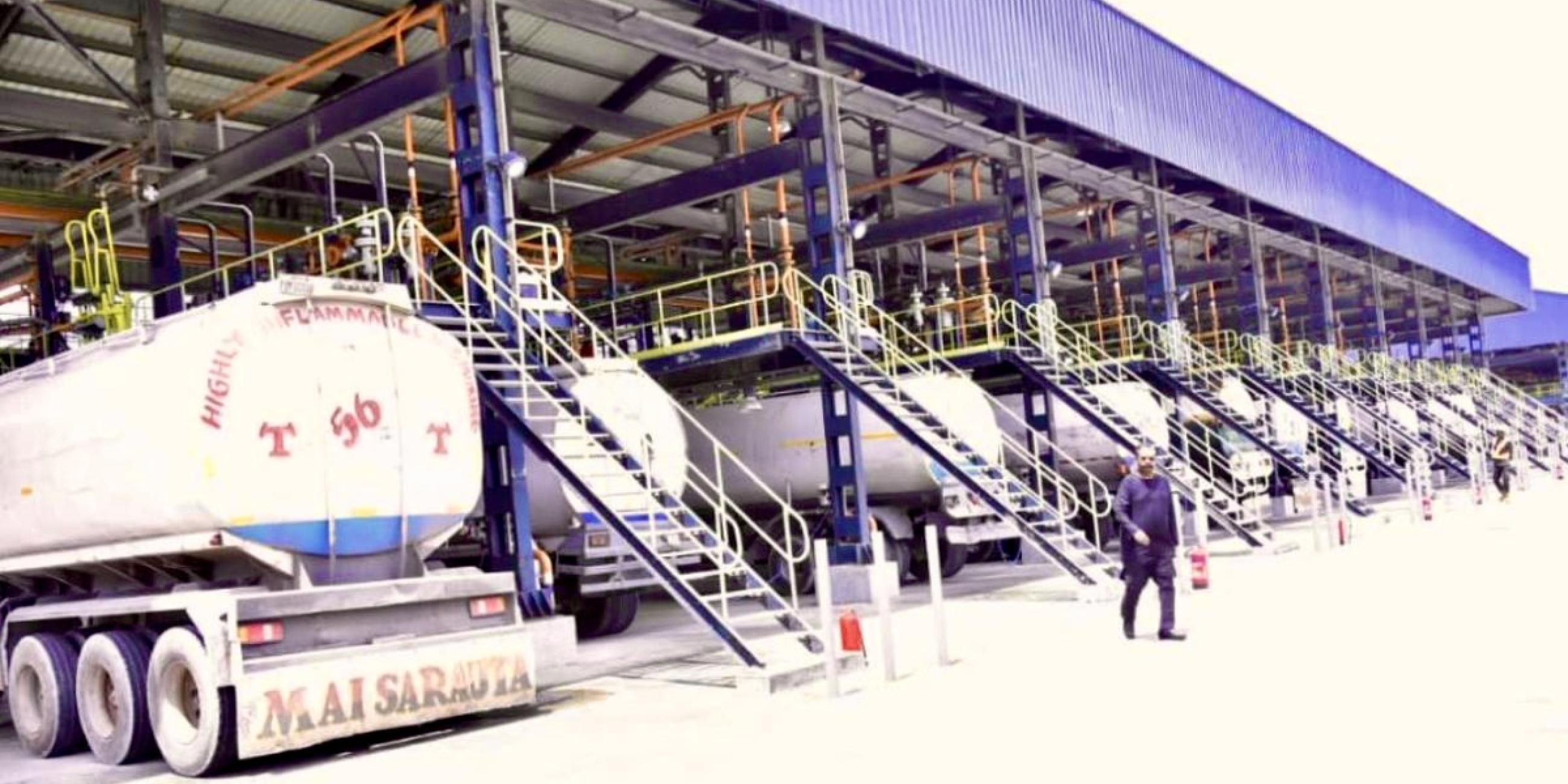
    The Federal Government has reaffirmed plans to comprehensively map Nigeria for expanded gas distribution networks while intensifying calls for increased refinery capacity to position the country as a major exporter of petroleum products.
    BREAKING NEWS 🔥🔥🔥 The Federal Government has reaffirmed plans to comprehensively map Nigeria for expanded gas distribution networks while intensifying calls for increased refinery capacity to position the country as a major exporter of petroleum products.
    love
    2
    · 0 Reacties ·0 aandelen ·2K Views
  • BREAKING: Former Nigerian Petroleum Minister Diezani Alison-Madueke appeared before a London court over alleged £100,000 bribery charges linked to her time in office.

    She denied the charges. The full trial is scheduled to begin January 26, 2026, and is expected to last up to 12 weeks.

    #BreakingNews #DiezaniAlisonMadueke #Nigeria #UKCourt #Corruption #Fintter
    🚨 BREAKING: Former Nigerian Petroleum Minister Diezani Alison-Madueke appeared before a London court over alleged £100,000 bribery charges linked to her time in office. She denied the charges. The full trial is scheduled to begin January 26, 2026, and is expected to last up to 12 weeks. #BreakingNews #DiezaniAlisonMadueke #Nigeria #UKCourt #Corruption #Fintter
    love
    1
    · 0 Reacties ·0 aandelen ·2K Views
  • NNPC Sets New Petrol Prices; Lagos Remains Cheapest State….

    New petrol prices have been announced, with Nigerian National Petroleum Company (NNPC) filling stations set to sell to the public at government-approved rates. The adjustment follows recent market changes, aiming to regularize pump prices nationwide and ease fuel scarcity concerns. Petrol marketers and consumers are watching closely as retailers comply with the updated tariff. Lagos has been confirmed as the cheapest state to purchase petrol, offering lower pump prices compared to other regions, providing some relief for motorists and commuters.
    #fintternews
    NNPC Sets New Petrol Prices; Lagos Remains Cheapest State…. New petrol prices have been announced, with Nigerian National Petroleum Company (NNPC) filling stations set to sell to the public at government-approved rates. The adjustment follows recent market changes, aiming to regularize pump prices nationwide and ease fuel scarcity concerns. Petrol marketers and consumers are watching closely as retailers comply with the updated tariff. Lagos has been confirmed as the cheapest state to purchase petrol, offering lower pump prices compared to other regions, providing some relief for motorists and commuters. #fintternews
    love
    1
    · 0 Reacties ·0 aandelen ·1K Views
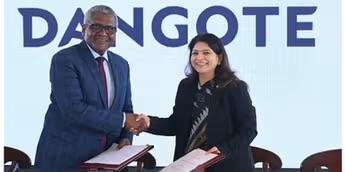
  • Dangote Signs $350m Deal With Indian Firm EIL to Expand Lagos Refinery

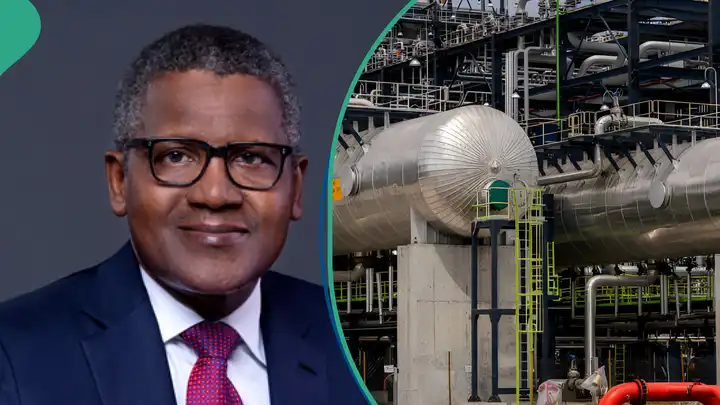
    Dangote Group has signed a $350 million agreement with Indian engineering firm Engineers India Ltd (EIL) to expand its flagship refinery and petrochemicals complex in Lagos, a move expected to significantly boost Nigeria’s industrial capacity and reduce Africa’s dependence on imported refined fuels.

    The expansion project will increase the refinery’s processing capacity from 650,000 barrels per day to 1.4 million barrels per day, positioning it as one of the largest single-location refinery complexes in the world.

    Located in the Lekki Free Zone, the Dangote Refinery represents a major milestone in Nigeria’s transition from fuel importation to local production and export of refined petroleum products.

    As part of the deal, Dangote Group will also expand its petrochemical operations, with polypropylene production set to rise to 2.4 million tonnes per annum, strengthening Nigeria’s position in the global petrochemical market.

    #DangoteRefinery #NigeriaEconomy #IndustrialGrowth #EnergySector
    Dangote Signs $350m Deal With Indian Firm EIL to Expand Lagos Refinery Dangote Group has signed a $350 million agreement with Indian engineering firm Engineers India Ltd (EIL) to expand its flagship refinery and petrochemicals complex in Lagos, a move expected to significantly boost Nigeria’s industrial capacity and reduce Africa’s dependence on imported refined fuels. The expansion project will increase the refinery’s processing capacity from 650,000 barrels per day to 1.4 million barrels per day, positioning it as one of the largest single-location refinery complexes in the world. Located in the Lekki Free Zone, the Dangote Refinery represents a major milestone in Nigeria’s transition from fuel importation to local production and export of refined petroleum products. As part of the deal, Dangote Group will also expand its petrochemical operations, with polypropylene production set to rise to 2.4 million tonnes per annum, strengthening Nigeria’s position in the global petrochemical market. #DangoteRefinery #NigeriaEconomy #IndustrialGrowth #EnergySector
    love
    1
    · 0 Reacties ·0 aandelen ·2K Views
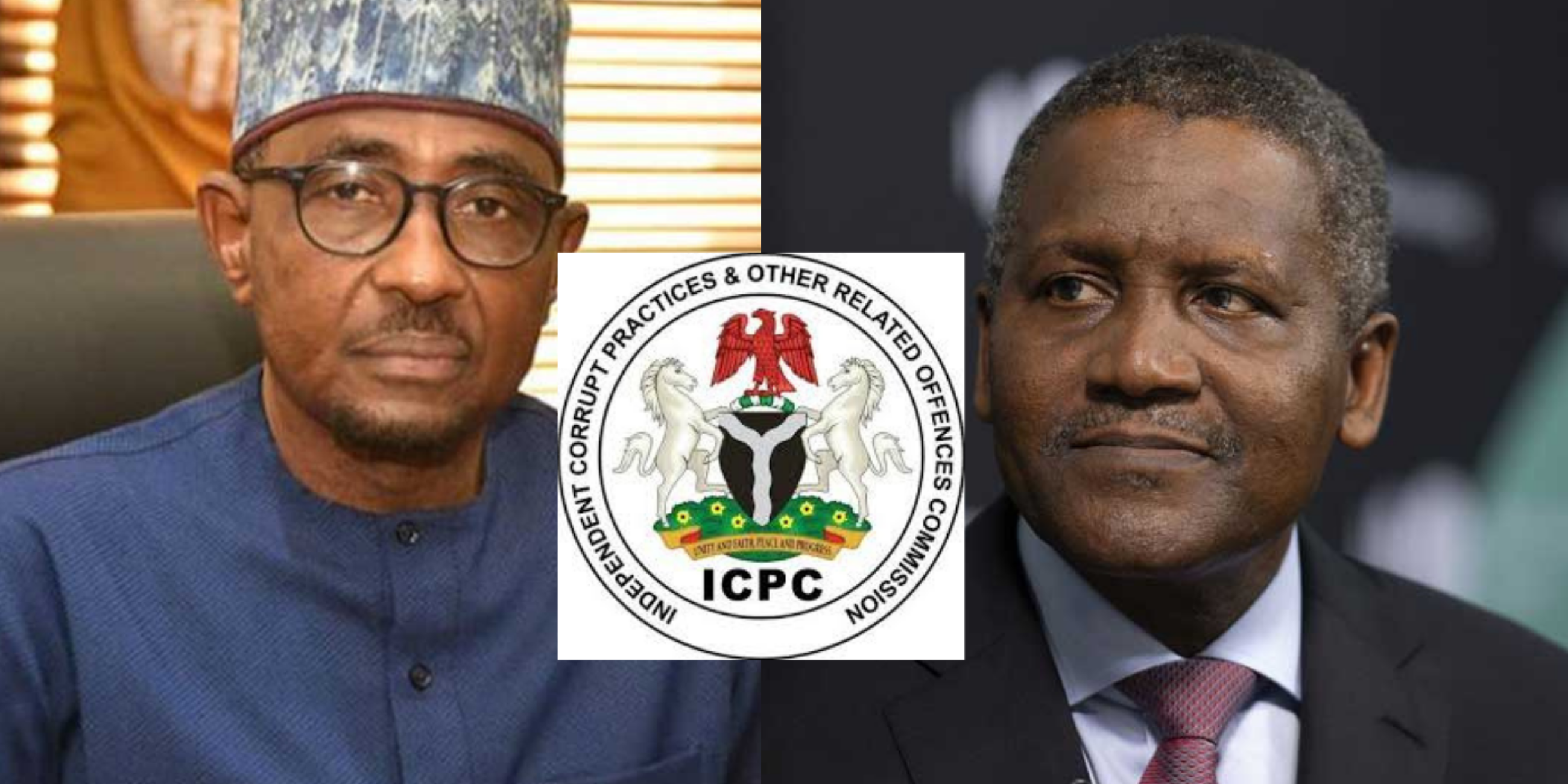
  • ICPC Rejects Dangote’s Petition Withdrawal, Continues Probe of Ex-NMDPRA Chief Farouk Ahmed

    The Independent Corrupt Practices and Other Related Offences Commission (ICPC) has confirmed that it will continue investigating allegations of corruption against Engineer Farouk Ahmed, the former Chief Executive Officer of the Nigerian Midstream and Downstream Petroleum Regulatory Authority (NMDPRA), despite the withdrawal of a petition by Africa’s richest man, Aliko Dangote.

    Dangote initially filed the petition in December 2025, accusing Ahmed of corruption, including the alleged misappropriation of public funds and spending approximately $5 million on his children’s education in Switzerland, despite lacking a verifiable lawful income to support such expenditure. The allegations sparked nationwide outrage and intensified scrutiny of Nigeria’s downstream petroleum sector.

    On January 5, 2026, Dangote’s legal team, led by Dr. O.J. Onoja, SAN, formally withdrew the petition, citing that another law enforcement agency had assumed responsibility for investigating the matter. However, the ICPC rejected the withdrawal, emphasizing that once a petition alleging corruption is received and an investigation commences, the process cannot be terminated at the discretion of the petitioner—particularly in cases of public interest and alleged abuse of office.

    In a press statement, ICPC spokesperson Okor Odey stressed that the commission’s investigation would proceed in line with its statutory mandate to ensure transparency, accountability, and the fight against corruption in Nigeria. The ICPC also highlighted that the inquiry serves the interest of the Nigerian people and cannot be halted simply because the petitioner withdraws.

    Following the accusations, Farouk Ahmed resigned from his position as NMDPRA Chief Executive, and President Bola Ahmed Tinubu appointed a successor. ICPC had earlier summoned Dangote to appear before a special panel of investigators in Abuja regarding his petition. Dangote had publicly criticized Ahmed’s alleged spending during a media briefing on December 14, 2025, highlighting the contrast between such expenditure and the economic struggles of ordinary Nigerians amid inflation and rising fuel prices.

    The ICPC’s decision to continue its probe underscores the agency’s commitment to holding public officials accountable, regardless of a petitioner’s withdrawal, and signals a robust approach to anti-corruption enforcement in Nigeria.

    ICPC Rejects Dangote’s Petition Withdrawal, Continues Probe of Ex-NMDPRA Chief Farouk Ahmed The Independent Corrupt Practices and Other Related Offences Commission (ICPC) has confirmed that it will continue investigating allegations of corruption against Engineer Farouk Ahmed, the former Chief Executive Officer of the Nigerian Midstream and Downstream Petroleum Regulatory Authority (NMDPRA), despite the withdrawal of a petition by Africa’s richest man, Aliko Dangote. Dangote initially filed the petition in December 2025, accusing Ahmed of corruption, including the alleged misappropriation of public funds and spending approximately $5 million on his children’s education in Switzerland, despite lacking a verifiable lawful income to support such expenditure. The allegations sparked nationwide outrage and intensified scrutiny of Nigeria’s downstream petroleum sector. On January 5, 2026, Dangote’s legal team, led by Dr. O.J. Onoja, SAN, formally withdrew the petition, citing that another law enforcement agency had assumed responsibility for investigating the matter. However, the ICPC rejected the withdrawal, emphasizing that once a petition alleging corruption is received and an investigation commences, the process cannot be terminated at the discretion of the petitioner—particularly in cases of public interest and alleged abuse of office. In a press statement, ICPC spokesperson Okor Odey stressed that the commission’s investigation would proceed in line with its statutory mandate to ensure transparency, accountability, and the fight against corruption in Nigeria. The ICPC also highlighted that the inquiry serves the interest of the Nigerian people and cannot be halted simply because the petitioner withdraws. Following the accusations, Farouk Ahmed resigned from his position as NMDPRA Chief Executive, and President Bola Ahmed Tinubu appointed a successor. ICPC had earlier summoned Dangote to appear before a special panel of investigators in Abuja regarding his petition. Dangote had publicly criticized Ahmed’s alleged spending during a media briefing on December 14, 2025, highlighting the contrast between such expenditure and the economic struggles of ordinary Nigerians amid inflation and rising fuel prices. The ICPC’s decision to continue its probe underscores the agency’s commitment to holding public officials accountable, regardless of a petitioner’s withdrawal, and signals a robust approach to anti-corruption enforcement in Nigeria.
    0 Reacties ·0 aandelen ·2K Views
  • Why Did the US and Venezuela Sign a $2 Billion Oil Deal Now? Is Maduro’s Crisis Reshaping Global Energy Politics?”

    The United States and Venezuela have signed a controversial agreement allowing the export of $2 billion worth of Venezuelan crude oil to the U.S., a move that has triggered intense global debate. Announced by former U.S. President Donald Trump, the deal is being described as a major shift in relations between Washington and Caracas—coming at a time when Venezuela is grappling with political instability, economic collapse, and international sanctions.
    But the big question on Fintter is: Why now?
    According to U.S. officials, the agreement is designed to redirect Venezuelan oil away from China, weaken Beijing’s grip on the country’s energy sector, and prevent Venezuela from suffering deeper production cuts due to storage backlogs and export restrictions. Trump described the deal as a “flagship negotiation,” insisting that it reflects Venezuela’s compliance with U.S. demands to open its oil industry to American companies.
    Even more striking is the political backdrop. The deal comes after the reported capture of President Nicolás Maduro by U.S. forces, a move Venezuelan authorities have denounced as a “kidnapping” and an attempt by Washington to seize control of the country’s vast oil resources. While the U.S. claims the proceeds from the oil sales will be managed to benefit both nations, it remains unclear whether Venezuela’s state oil company PDVSA will gain any real financial access, given that it is still largely frozen out of the global financial system by U.S. sanctions.
    Trump further stated that 30 to 50 million barrels of what he called “sanctioned oil” would be transferred to the United States at market prices, with the U.S. government controlling the revenue. Energy Secretary Chris Wright is expected to oversee the operation, with crude shipped directly from tankers to U.S. ports. Industry insiders revealed that some shipments initially bound for China will now be redirected to the U.S.—potentially ending Beijing’s dominance as Venezuela’s biggest crude buyer.
    Market reactions were swift. U.S. oil prices dropped by more than 1.5%, while heavy crude prices along the Gulf Coast slipped amid expectations of increased supply. Currently, only Chevron is authorized to export Venezuelan crude under a special U.S. license, handling between 100,000 and 150,000 barrels per day, but this deal could dramatically expand that flow.
    At the same time, Venezuela’s oil output remains under threat. Storage shortages caused by the embargo have already forced production cuts, and industry sources warn that without stable export routes, output could decline even further. Meanwhile, discussions are ongoing about whether Venezuelan oil could eventually be used in the U.S. Strategic Petroleum Reserve, raising even bigger geopolitical implications.
    So, Fintter readers are left with powerful questions:
    Is this deal truly about helping Venezuela’s collapsing economy—or is it a strategic move to weaken China’s influence in global energy markets?
    Will Venezuelans actually benefit from this agreement, or will control of their oil wealth remain in foreign hands?
    Does this mark a new era of U.S.–Venezuela relations, or is it simply a high-stakes political maneuver tied to Maduro’s crisis?
    As global energy politics continue to shift, this $2 billion oil agreement could reshape not only Venezuela’s future, but also the balance of power between the U.S., China, and Latin America.
    What do you think, Fintter community? Is this a breakthrough for Venezuela—or another chapter in global resource politics? Drop your thoughts in the comments.
    Why Did the US and Venezuela Sign a $2 Billion Oil Deal Now? Is Maduro’s Crisis Reshaping Global Energy Politics?” The United States and Venezuela have signed a controversial agreement allowing the export of $2 billion worth of Venezuelan crude oil to the U.S., a move that has triggered intense global debate. Announced by former U.S. President Donald Trump, the deal is being described as a major shift in relations between Washington and Caracas—coming at a time when Venezuela is grappling with political instability, economic collapse, and international sanctions. But the big question on Fintter is: Why now? According to U.S. officials, the agreement is designed to redirect Venezuelan oil away from China, weaken Beijing’s grip on the country’s energy sector, and prevent Venezuela from suffering deeper production cuts due to storage backlogs and export restrictions. Trump described the deal as a “flagship negotiation,” insisting that it reflects Venezuela’s compliance with U.S. demands to open its oil industry to American companies. Even more striking is the political backdrop. The deal comes after the reported capture of President Nicolás Maduro by U.S. forces, a move Venezuelan authorities have denounced as a “kidnapping” and an attempt by Washington to seize control of the country’s vast oil resources. While the U.S. claims the proceeds from the oil sales will be managed to benefit both nations, it remains unclear whether Venezuela’s state oil company PDVSA will gain any real financial access, given that it is still largely frozen out of the global financial system by U.S. sanctions. Trump further stated that 30 to 50 million barrels of what he called “sanctioned oil” would be transferred to the United States at market prices, with the U.S. government controlling the revenue. Energy Secretary Chris Wright is expected to oversee the operation, with crude shipped directly from tankers to U.S. ports. Industry insiders revealed that some shipments initially bound for China will now be redirected to the U.S.—potentially ending Beijing’s dominance as Venezuela’s biggest crude buyer. Market reactions were swift. U.S. oil prices dropped by more than 1.5%, while heavy crude prices along the Gulf Coast slipped amid expectations of increased supply. Currently, only Chevron is authorized to export Venezuelan crude under a special U.S. license, handling between 100,000 and 150,000 barrels per day, but this deal could dramatically expand that flow. At the same time, Venezuela’s oil output remains under threat. Storage shortages caused by the embargo have already forced production cuts, and industry sources warn that without stable export routes, output could decline even further. Meanwhile, discussions are ongoing about whether Venezuelan oil could eventually be used in the U.S. Strategic Petroleum Reserve, raising even bigger geopolitical implications. So, Fintter readers are left with powerful questions: Is this deal truly about helping Venezuela’s collapsing economy—or is it a strategic move to weaken China’s influence in global energy markets? Will Venezuelans actually benefit from this agreement, or will control of their oil wealth remain in foreign hands? Does this mark a new era of U.S.–Venezuela relations, or is it simply a high-stakes political maneuver tied to Maduro’s crisis? As global energy politics continue to shift, this $2 billion oil agreement could reshape not only Venezuela’s future, but also the balance of power between the U.S., China, and Latin America. 👉 What do you think, Fintter community? Is this a breakthrough for Venezuela—or another chapter in global resource politics? Drop your thoughts in the comments.
    0 Reacties ·0 aandelen ·2K Views
  • Nigerian Military Dismantles Suspected Suicide Bombing Network in Adamawa, Arrests Eight Suspects, Seizes Explosives and Terrorist Logistics

    The Nigerian military has announced the dismantling of a suspected suicide bombing network in Adamawa State, with the arrest of eight individuals linked to the recent Gamboru Market Mosque attack, according to Lieutenant Colonel Sani Uba, Media Information Officer of the Joint Task Force (North East), Operation HADIN KAI.

    The arrests were made following intelligence-led cordon-and-search operations in the Yan Lemo area of Mubi South LGA. Among the eight suspects, two were identified as key facilitators who supplied materials for the Improvised Explosive Device (IED) used in the attack. Searches of their residences yielded cash, mobile phones, ID documents, ATM cards, jewellery, and other personal items, all undergoing forensic analysis.

    In a related operation on January 4, troops intercepted 45 jerrycans of Premium Motor Spirit (about 1,125 litres) in Mayo Nguli, Maiha LGA, suspected to be intended for terrorist activities. The suppliers escaped, and the petroleum products were secured.

    All suspects remain in military custody for detailed interrogation to gather further intelligence before being handed over for ongoing investigations. The military emphasized that these operations are part of a broader effort to disrupt terrorist networks, dismantle supply chains, and prevent future attacks.

    The military also urged the public to remain vigilant and continue cooperating with security agencies to strengthen security in the North East.
    Nigerian Military Dismantles Suspected Suicide Bombing Network in Adamawa, Arrests Eight Suspects, Seizes Explosives and Terrorist Logistics The Nigerian military has announced the dismantling of a suspected suicide bombing network in Adamawa State, with the arrest of eight individuals linked to the recent Gamboru Market Mosque attack, according to Lieutenant Colonel Sani Uba, Media Information Officer of the Joint Task Force (North East), Operation HADIN KAI. The arrests were made following intelligence-led cordon-and-search operations in the Yan Lemo area of Mubi South LGA. Among the eight suspects, two were identified as key facilitators who supplied materials for the Improvised Explosive Device (IED) used in the attack. Searches of their residences yielded cash, mobile phones, ID documents, ATM cards, jewellery, and other personal items, all undergoing forensic analysis. In a related operation on January 4, troops intercepted 45 jerrycans of Premium Motor Spirit (about 1,125 litres) in Mayo Nguli, Maiha LGA, suspected to be intended for terrorist activities. The suppliers escaped, and the petroleum products were secured. All suspects remain in military custody for detailed interrogation to gather further intelligence before being handed over for ongoing investigations. The military emphasized that these operations are part of a broader effort to disrupt terrorist networks, dismantle supply chains, and prevent future attacks. The military also urged the public to remain vigilant and continue cooperating with security agencies to strengthen security in the North East.
    0 Reacties ·0 aandelen ·1K Views
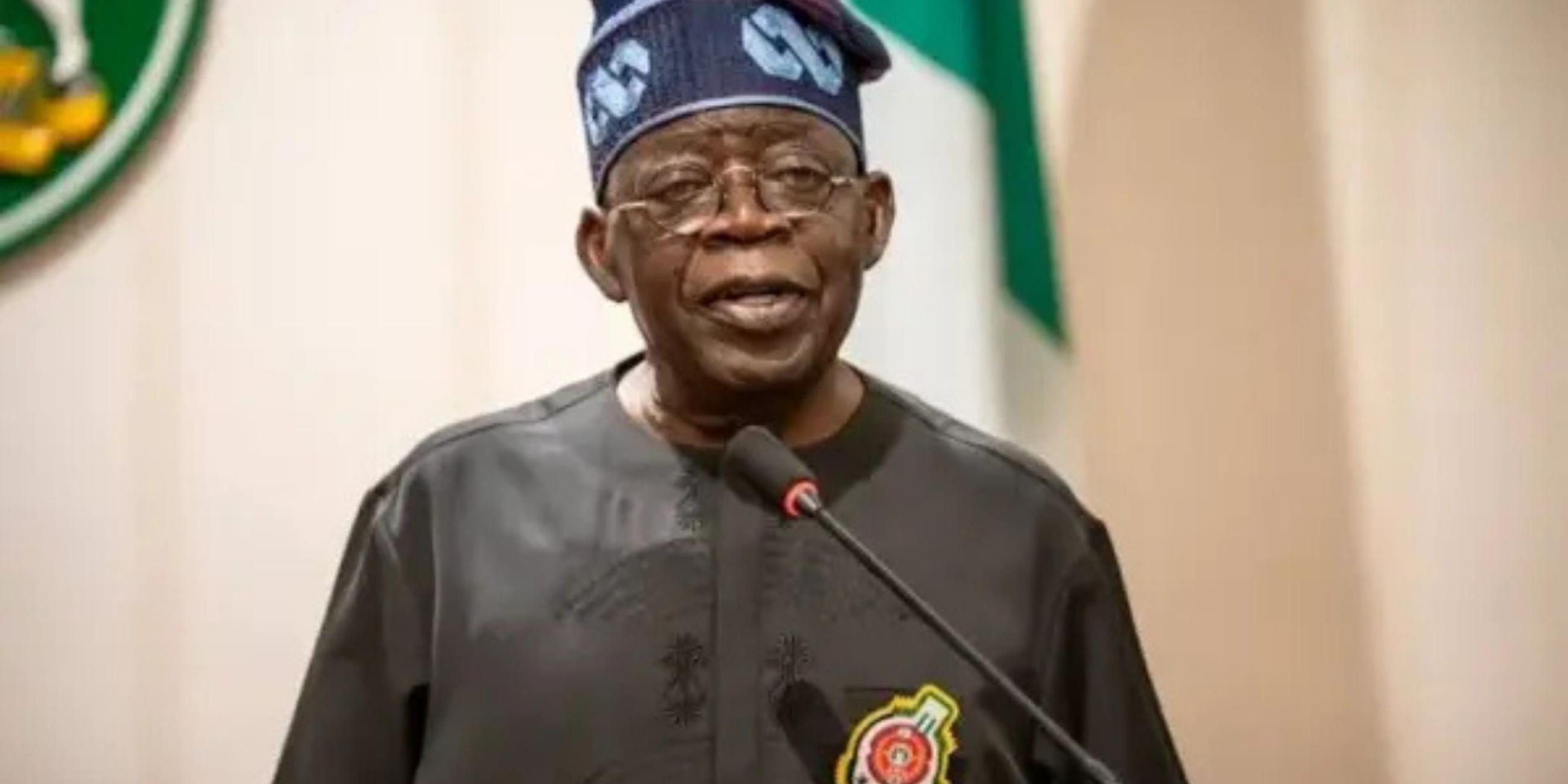
  • President Tinubu Nominates Magnus Abe as NUPRC Chairman, Seeks Senate Confirmation for 21 Oil and Gas Board Members

    President Bola Ahmed Tinubu has submitted two letters to the Senate seeking confirmation of 21 nominees for boards of the Nigerian Upstream Petroleum Regulatory Commission (NUPRC) and the Nigerian Midstream and Downstream Petroleum Regulatory Authority (NMDPRA).

    For the NUPRC, former senator Magnus Abe is nominated as chairman. Other nominees include seven executive commissioners covering finance, exploration, production, and corporate services, along with non-executive commissioners and a secretary/legal adviser. Some members were previously appointed under Presidents Buhari and Tinubu, while others are new nominations.

    For the NMDPRA, Adegbite Ebiowei Adeniji, a lawyer with over 30 years in energy and natural resources, is nominated as chairman. The board also includes executive and non-executive members with expertise in finance, hydrocarbon, midstream and downstream infrastructure, and corporate administration.

    The Senate has been urged to expedite confirmation following recent CEO confirmations for both agencies. President Tinubu emphasized that all appointees must perform their regulatory duties professionally to strengthen oversight of Nigeria’s oil and gas sector.
    President Tinubu Nominates Magnus Abe as NUPRC Chairman, Seeks Senate Confirmation for 21 Oil and Gas Board Members President Bola Ahmed Tinubu has submitted two letters to the Senate seeking confirmation of 21 nominees for boards of the Nigerian Upstream Petroleum Regulatory Commission (NUPRC) and the Nigerian Midstream and Downstream Petroleum Regulatory Authority (NMDPRA). For the NUPRC, former senator Magnus Abe is nominated as chairman. Other nominees include seven executive commissioners covering finance, exploration, production, and corporate services, along with non-executive commissioners and a secretary/legal adviser. Some members were previously appointed under Presidents Buhari and Tinubu, while others are new nominations. For the NMDPRA, Adegbite Ebiowei Adeniji, a lawyer with over 30 years in energy and natural resources, is nominated as chairman. The board also includes executive and non-executive members with expertise in finance, hydrocarbon, midstream and downstream infrastructure, and corporate administration. The Senate has been urged to expedite confirmation following recent CEO confirmations for both agencies. President Tinubu emphasized that all appointees must perform their regulatory duties professionally to strengthen oversight of Nigeria’s oil and gas sector.
    0 Reacties ·0 aandelen ·1K Views
  • PRESIDENT TINUBU NOMINATES BOARD MEMBERS FOR NMDPRA, NUPRC, SEEKS SENATE CONFIRMATION

    President Bola Ahmed Tinubu has written two letters to the Senate, seeking confirmation of 21 nominees for the boards of the Nigerian Midstream and Downstream Petroleum Regulatory Authority (NMDPRA) and the Nigerian Upstream Petroleum Regulatory Commission (NUPRC).

    A statement by Bayo Onanuga, special Adviser to the President, Information & Strategy, indicates that in the first letter, President Tinubu nominated Senator Magnus Abe to serve as the NUPRC board chair. Abe, who represented Rivers South East in the Senate for two terms, is a former NNPC board member and current chairman of the National Agency of the Great Green Wall.

    Other nominees for the NUPRC board are Engineer Paul Yaro Jezhi, a former Trade Union Congress chairman in Kaduna, and Mr Sunday Adebayo Babalola, a former deputy director of the Department of Petroleum Resources (DPR), which was abolished by the PIA in 2021. Both men will serve as non-executive commissioners.

    President Tinubu also nominated executive commissioners to the board.

    They are: Muhammed Sabo Lamido, executive commissioner for finance; Mr Edu Inyang, executive commissioner for Exploration and Acreage; Justin Ezeala, executive commissioner for economic regulation and strategic planning; and Henry Darlington Oki, executive commissioner for Development and Production. Others are Indabawa Bashari Alka, executive commissioner for corporate services and administration; Mahmood Tijani, executive commissioner for health, safety and environment; and Ms Olayemi Adeboyejo, as secretary and legal adviser.

    Former President Buhari appointed Lamido and Adeboyejo in 2022, while President Tinubu appointed Alka in 2023. Inyang, Ezeala, the former managing director of Nigerian Gas Marketing Limited, Mahmood Tijani, Babalola and Jezhi are new appointees of President Tinubu.

    In his second letter to the Senate, President Tinubu nominated Mr Adegbite Ebiowei Adeniji, a lawyer, as chairman of the NMDPRA board. Adeniji has over 30 years of experience in energy and natural resources issues. He was a special technical adviser to the Minister of State for Petroleum on upstream and gas until 2018. He was a member of the Oil & Gas Policy team at the World Bank, which advised the Government of Nigeria on the reform and restructuring of the petroleum sector, including the development of the Strategic Gas Plan for Nigeria. He is currently the managing partner at ENR Advisory.

    President Tinubu also nominated Chief Kenneth Kobani and Mrs Asabe Ahmed as non-executive members. Kobani was a former minister of state for trade under President Jonathan and secretary to the government of Rivers State, under Nyesom Wike.

    Also nominated for confirmation are Abiodun Adeniji, executive director of finance; Francis Ogaree, executive director of hydrocarbon; Oluwole Adama, executive director of midstream and Downstream gas infrastructure; and Dr Mustapha Lamorde, executive director of Corporate Services and Administration. President Tinubu appointed Adama in 2024, while late President Buhari appointed Lamorde and Adeniji in 2021 and Ogaree in 2022

    Other members of the NMDPRA board, as proposed by President Tinubu, are Mr Yahaya Nasamu Yinusa, executive director, distribution systems; Adeyemi Murtala Aminu, executive director, corporate services; Ms Modie Ogechukwu, executive director, economic regulation and strategic planning; and Barrister Olawale Dawodu, as board secretary and legal adviser. Dawodu is an industry player and was, at a time, the Financial Reporting Manager at Exxon Nigerian subsidiaries.

    The President urged the Senate to approve the nominees expeditiously.

    The requests followed the recent appointment of chief executive officers for the two regulatory agencies. The Senate confirmed Oritsemeyiwa Eyesan as the chief executive officer (CEO) of the Nigerian Upstream Petroleum Regulatory Commission (NUPRC) and Engineer Saidu Aliyu Mohammed as CEO of NMDPRA.

    Mr President has charged all the appointees and nominees to discharge their duties and responsibilities professionally as regulators of the oil and gas sectors.
    PRESIDENT TINUBU NOMINATES BOARD MEMBERS FOR NMDPRA, NUPRC, SEEKS SENATE CONFIRMATION President Bola Ahmed Tinubu has written two letters to the Senate, seeking confirmation of 21 nominees for the boards of the Nigerian Midstream and Downstream Petroleum Regulatory Authority (NMDPRA) and the Nigerian Upstream Petroleum Regulatory Commission (NUPRC). A statement by Bayo Onanuga, special Adviser to the President, Information & Strategy, indicates that in the first letter, President Tinubu nominated Senator Magnus Abe to serve as the NUPRC board chair. Abe, who represented Rivers South East in the Senate for two terms, is a former NNPC board member and current chairman of the National Agency of the Great Green Wall. Other nominees for the NUPRC board are Engineer Paul Yaro Jezhi, a former Trade Union Congress chairman in Kaduna, and Mr Sunday Adebayo Babalola, a former deputy director of the Department of Petroleum Resources (DPR), which was abolished by the PIA in 2021. Both men will serve as non-executive commissioners. President Tinubu also nominated executive commissioners to the board. They are: Muhammed Sabo Lamido, executive commissioner for finance; Mr Edu Inyang, executive commissioner for Exploration and Acreage; Justin Ezeala, executive commissioner for economic regulation and strategic planning; and Henry Darlington Oki, executive commissioner for Development and Production. Others are Indabawa Bashari Alka, executive commissioner for corporate services and administration; Mahmood Tijani, executive commissioner for health, safety and environment; and Ms Olayemi Adeboyejo, as secretary and legal adviser. Former President Buhari appointed Lamido and Adeboyejo in 2022, while President Tinubu appointed Alka in 2023. Inyang, Ezeala, the former managing director of Nigerian Gas Marketing Limited, Mahmood Tijani, Babalola and Jezhi are new appointees of President Tinubu. In his second letter to the Senate, President Tinubu nominated Mr Adegbite Ebiowei Adeniji, a lawyer, as chairman of the NMDPRA board. Adeniji has over 30 years of experience in energy and natural resources issues. He was a special technical adviser to the Minister of State for Petroleum on upstream and gas until 2018. He was a member of the Oil & Gas Policy team at the World Bank, which advised the Government of Nigeria on the reform and restructuring of the petroleum sector, including the development of the Strategic Gas Plan for Nigeria. He is currently the managing partner at ENR Advisory. President Tinubu also nominated Chief Kenneth Kobani and Mrs Asabe Ahmed as non-executive members. Kobani was a former minister of state for trade under President Jonathan and secretary to the government of Rivers State, under Nyesom Wike. Also nominated for confirmation are Abiodun Adeniji, executive director of finance; Francis Ogaree, executive director of hydrocarbon; Oluwole Adama, executive director of midstream and Downstream gas infrastructure; and Dr Mustapha Lamorde, executive director of Corporate Services and Administration. President Tinubu appointed Adama in 2024, while late President Buhari appointed Lamorde and Adeniji in 2021 and Ogaree in 2022 Other members of the NMDPRA board, as proposed by President Tinubu, are Mr Yahaya Nasamu Yinusa, executive director, distribution systems; Adeyemi Murtala Aminu, executive director, corporate services; Ms Modie Ogechukwu, executive director, economic regulation and strategic planning; and Barrister Olawale Dawodu, as board secretary and legal adviser. Dawodu is an industry player and was, at a time, the Financial Reporting Manager at Exxon Nigerian subsidiaries. The President urged the Senate to approve the nominees expeditiously. The requests followed the recent appointment of chief executive officers for the two regulatory agencies. The Senate confirmed Oritsemeyiwa Eyesan as the chief executive officer (CEO) of the Nigerian Upstream Petroleum Regulatory Commission (NUPRC) and Engineer Saidu Aliyu Mohammed as CEO of NMDPRA. Mr President has charged all the appointees and nominees to discharge their duties and responsibilities professionally as regulators of the oil and gas sectors.
    like
    1
    · 0 Reacties ·0 aandelen ·2K Views
  • Court Orders NNPC to Disclose Details of $3B Afreximbank Crude-for-Cash Loan to HEDA

    The Federal High Court in Abuja has directed the Nigerian National Petroleum Company Limited (NNPC Ltd.) to provide HEDA Resource Centre with full details of the $3 billion “crude-for-cash” loan obtained from the African Export-Import Bank (Afreximbank). Justice Emeka Nwite ruled that the requested information is “simple and harmless” and cannot be withheld under the Freedom of Information Act.

    The court order requires NNPC to disclose the loan’s anticipated benefits for both the company and the Nigerian economy, the economic implications, oil grades involved, the exchange rate applied, and the quality of the oil used as collateral. HEDA chairman Olanrewaju Suraju hailed the ruling as a major victory for transparency and accountability, calling on stakeholders to support public access to information and the fight against corruption in the oil sector.

    #NNPC #HEDA #Afreximbank #Transparency #OilAndGas #NigeriaEconomy #FreedomOfInformation #AntiCorruption #NigeriaNews
    Court Orders NNPC to Disclose Details of $3B Afreximbank Crude-for-Cash Loan to HEDA The Federal High Court in Abuja has directed the Nigerian National Petroleum Company Limited (NNPC Ltd.) to provide HEDA Resource Centre with full details of the $3 billion “crude-for-cash” loan obtained from the African Export-Import Bank (Afreximbank). Justice Emeka Nwite ruled that the requested information is “simple and harmless” and cannot be withheld under the Freedom of Information Act. The court order requires NNPC to disclose the loan’s anticipated benefits for both the company and the Nigerian economy, the economic implications, oil grades involved, the exchange rate applied, and the quality of the oil used as collateral. HEDA chairman Olanrewaju Suraju hailed the ruling as a major victory for transparency and accountability, calling on stakeholders to support public access to information and the fight against corruption in the oil sector. #NNPC #HEDA #Afreximbank #Transparency #OilAndGas #NigeriaEconomy #FreedomOfInformation #AntiCorruption #NigeriaNews
    like
    1
    · 0 Reacties ·0 aandelen ·2K Views
  • ADC Coalition Criticizes Tinubu Over NNPC Legacy Debt Cancellation, Calls Move Unconstitutional and Harmful to States

    The African Democratic Congress (ADC) has strongly condemned President Bola Tinubu’s approval to cancel legacy debts owed by the Nigerian National Petroleum Company Limited (NNPC Ltd) to the Federation Account. The party described the move as unconstitutional, arguing that it undermines subnational governments by erasing longstanding public liabilities without legislative approval.

    According to ADC, the cancellation involved about $1.42 billion and N5.57 trillion in legacy NNPC debts, including obligations from production sharing contracts, domestic supply obligations, and royalty receivables. The coalition warned that the executive directive overrode constitutional provisions that require all Federation revenues to be paid into the account for distribution among federal, state, and local governments.

    ADC accused the President of repeated constitutional violations and expressed concern over apparent inaction by the National Assembly. The party emphasized that any unilateral cancellation reducing revenues due to states and local governments is unconstitutional, asserting that Nigeria must operate as “a nation of laws, not of men.”
    ADC Coalition Criticizes Tinubu Over NNPC Legacy Debt Cancellation, Calls Move Unconstitutional and Harmful to States The African Democratic Congress (ADC) has strongly condemned President Bola Tinubu’s approval to cancel legacy debts owed by the Nigerian National Petroleum Company Limited (NNPC Ltd) to the Federation Account. The party described the move as unconstitutional, arguing that it undermines subnational governments by erasing longstanding public liabilities without legislative approval. According to ADC, the cancellation involved about $1.42 billion and N5.57 trillion in legacy NNPC debts, including obligations from production sharing contracts, domestic supply obligations, and royalty receivables. The coalition warned that the executive directive overrode constitutional provisions that require all Federation revenues to be paid into the account for distribution among federal, state, and local governments. ADC accused the President of repeated constitutional violations and expressed concern over apparent inaction by the National Assembly. The party emphasized that any unilateral cancellation reducing revenues due to states and local governments is unconstitutional, asserting that Nigeria must operate as “a nation of laws, not of men.”
    like
    1
    · 0 Reacties ·0 aandelen ·1K Views
  • Adeyanju Slams Tinubu Over Implementation of Controversial Tax Reform Act, Calls It an Insult to Nigerians and Violation of Rule of Law

    Human rights activist and lawyer, Deji Adeyanju, has strongly criticised President Bola Ahmed Tinubu for proceeding with the implementation of the controversial Tax Reform Act from January 1, 2026, describing the move as an insult to Nigerians and a serious breach of democratic principles. Adeyanju said the President’s decision to enforce the law despite unresolved controversies, including allegations of forgery and violations of constitutional procedures, demonstrates a blatant disregard for due process and the rule of law.

    According to Adeyanju, the unresolved legal and procedural questions surrounding the Act render its enforcement illegitimate and potentially dangerous, warning that it could further erode public trust in government institutions. He argued that no law burdened with such serious allegations should be implemented without transparent investigations and constitutional clarification.

    The activist also raised concerns over reports that President Tinubu may have unilaterally written off debts owed by the Nigerian National Petroleum Company Limited (NNPCL), questioning the constitutional authority for such a decision. He stressed that matters involving taxation and public finance must follow due process and receive proper legislative approval.

    Adeyanju warned that bypassing constitutional safeguards could set a dangerous precedent for governance in Nigeria and called on the National Assembly and the judiciary to intervene to protect democracy. He urged the Federal Government to suspend the implementation of the Tax Reform Act until all allegations surrounding its passage are thoroughly investigated and resolved in line with constitutional provisions.
    Adeyanju Slams Tinubu Over Implementation of Controversial Tax Reform Act, Calls It an Insult to Nigerians and Violation of Rule of Law Human rights activist and lawyer, Deji Adeyanju, has strongly criticised President Bola Ahmed Tinubu for proceeding with the implementation of the controversial Tax Reform Act from January 1, 2026, describing the move as an insult to Nigerians and a serious breach of democratic principles. Adeyanju said the President’s decision to enforce the law despite unresolved controversies, including allegations of forgery and violations of constitutional procedures, demonstrates a blatant disregard for due process and the rule of law. According to Adeyanju, the unresolved legal and procedural questions surrounding the Act render its enforcement illegitimate and potentially dangerous, warning that it could further erode public trust in government institutions. He argued that no law burdened with such serious allegations should be implemented without transparent investigations and constitutional clarification. The activist also raised concerns over reports that President Tinubu may have unilaterally written off debts owed by the Nigerian National Petroleum Company Limited (NNPCL), questioning the constitutional authority for such a decision. He stressed that matters involving taxation and public finance must follow due process and receive proper legislative approval. Adeyanju warned that bypassing constitutional safeguards could set a dangerous precedent for governance in Nigeria and called on the National Assembly and the judiciary to intervene to protect democracy. He urged the Federal Government to suspend the implementation of the Tax Reform Act until all allegations surrounding its passage are thoroughly investigated and resolved in line with constitutional provisions.
    like
    1
    · 0 Reacties ·0 aandelen ·2K Views
  • Geregu Power Ownership Changes: Femi Otedola Exits, Ma’am Energy Takes Control, Abdulaziz Yari Appointed Chairman

    Geregu Power has officially confirmed the sale of billionaire Femi Otedola’s controlling stake to Ma’am Energy Limited, signaling a major shift in the company’s leadership. The transaction involved 95% of Amperion Power’s shares—the vehicle through which Otedola held his stake—estimated at $750 million. Following the ownership change, Otedola, along with CEO Akin Akinfemiwa, deputy CEO Julius Omodayo Owotuga, and several non-executive directors, resigned from the board.

    Ma’am Energy, an Abuja-based energy solutions provider operating across power generation, oil and gas exploration, refining, and energy trading, is now the controlling entity. Four individuals hold significant control over the company: Abdulkarim Tsafe, Jari Jafar, Abdulaziz Yari, and Abdulaziz Ahmad, each with a 25% stake.

    Senator Abdulaziz Yari, son of the former Zamfara governor, has been appointed chairman of Geregu Power. Yari has an extensive political and educational background, including leadership and change certification from the London School of Economics and a master’s degree in Public Administration, Finance, and Investment Management from the University of Salford.

    The new board also includes seasoned professionals across finance, energy, and corporate management:

    Abdulkadeer Njiddah – Non-executive director, accounting and auditing expert

    Usman Mohammed – Independent non-executive director, former MD of Transmission Company of Nigeria

    Mohammed Jaafaru – Independent non-executive director, COO of Advance Link Petroleum

    Neka Adogu – Independent non-executive director, banking and wealth management expert

    Mahmud Magaji – Independent non-executive director, Senior Advocate of Nigeria with expertise in criminal law, aviation, and energy sector disputes


    This leadership overhaul comes after Otedola’s exit and marks a new phase for Geregu Power as Ma’am Energy assumes operational control and strategic direction.
    Geregu Power Ownership Changes: Femi Otedola Exits, Ma’am Energy Takes Control, Abdulaziz Yari Appointed Chairman Geregu Power has officially confirmed the sale of billionaire Femi Otedola’s controlling stake to Ma’am Energy Limited, signaling a major shift in the company’s leadership. The transaction involved 95% of Amperion Power’s shares—the vehicle through which Otedola held his stake—estimated at $750 million. Following the ownership change, Otedola, along with CEO Akin Akinfemiwa, deputy CEO Julius Omodayo Owotuga, and several non-executive directors, resigned from the board. Ma’am Energy, an Abuja-based energy solutions provider operating across power generation, oil and gas exploration, refining, and energy trading, is now the controlling entity. Four individuals hold significant control over the company: Abdulkarim Tsafe, Jari Jafar, Abdulaziz Yari, and Abdulaziz Ahmad, each with a 25% stake. Senator Abdulaziz Yari, son of the former Zamfara governor, has been appointed chairman of Geregu Power. Yari has an extensive political and educational background, including leadership and change certification from the London School of Economics and a master’s degree in Public Administration, Finance, and Investment Management from the University of Salford. The new board also includes seasoned professionals across finance, energy, and corporate management: Abdulkadeer Njiddah – Non-executive director, accounting and auditing expert Usman Mohammed – Independent non-executive director, former MD of Transmission Company of Nigeria Mohammed Jaafaru – Independent non-executive director, COO of Advance Link Petroleum Neka Adogu – Independent non-executive director, banking and wealth management expert Mahmud Magaji – Independent non-executive director, Senior Advocate of Nigeria with expertise in criminal law, aviation, and energy sector disputes This leadership overhaul comes after Otedola’s exit and marks a new phase for Geregu Power as Ma’am Energy assumes operational control and strategic direction.
    0 Reacties ·0 aandelen ·1K Views
  • Dangote Refinery Temporarily Offline for Maintenance, Eyes 700,000 bpd Output in 2026 to Boost Nigeria’s Fuel Self-Sufficiency

    Dangote Petroleum Refinery has commenced planned maintenance on its core petrol-producing units, temporarily pausing full crude processing. The move targets increased operational stability and a ramp-up in crude distillation capacity from 650,000 to 700,000 barrels per day (bpd) by early 2026, solidifying the refinery’s status as the world’s largest single-train facility.

    The maintenance includes taking the residue fluid catalytic cracker (RFCC) and crude distillation unit (CDU) offline, while secondary units such as the hydrocracker and reformer continue limited production of diesel, aviation fuel, and petrol. Since starting operations, the refinery has cut Nigeria’s petrol imports by over 60%, easing foreign exchange pressure and reducing reliance on global supply.

    The upgrade is seen as a strategic de-bottlenecking effort, aimed at enhancing long-term refining efficiency and regional market influence. Analysts note that successful capacity ramp-up will reinforce Nigeria’s role as Africa’s refining hub and further reduce dependence on imported fuel, while ensuring adequate supply during the maintenance period.
    Dangote Refinery Temporarily Offline for Maintenance, Eyes 700,000 bpd Output in 2026 to Boost Nigeria’s Fuel Self-Sufficiency Dangote Petroleum Refinery has commenced planned maintenance on its core petrol-producing units, temporarily pausing full crude processing. The move targets increased operational stability and a ramp-up in crude distillation capacity from 650,000 to 700,000 barrels per day (bpd) by early 2026, solidifying the refinery’s status as the world’s largest single-train facility. The maintenance includes taking the residue fluid catalytic cracker (RFCC) and crude distillation unit (CDU) offline, while secondary units such as the hydrocracker and reformer continue limited production of diesel, aviation fuel, and petrol. Since starting operations, the refinery has cut Nigeria’s petrol imports by over 60%, easing foreign exchange pressure and reducing reliance on global supply. The upgrade is seen as a strategic de-bottlenecking effort, aimed at enhancing long-term refining efficiency and regional market influence. Analysts note that successful capacity ramp-up will reinforce Nigeria’s role as Africa’s refining hub and further reduce dependence on imported fuel, while ensuring adequate supply during the maintenance period.
    love
    1
    · 0 Reacties ·0 aandelen ·1K Views
  • LPG Marketers Accuse Dangote Refinery of Blocking Gas Loading for Over One Month After Full Payment, Allege Product Diversion, Preferential Pricing and Financial Losses

    Some Liquefied Petroleum Gas (LPG) marketers have accused the Dangote Refinery of deliberately frustrating their operations by preventing them from loading LPG products more than a month after full payment was made. The aggrieved marketers told SaharaReporters that despite settling proforma invoices and meeting all financial obligations, access to the Dangote gantry has remained blocked, leaving many traders in severe financial distress. Several marketers said they borrowed heavily from banks to fund their allocations and are now burdened with high interest costs due to prolonged delays.

    The marketers further alleged that LPG already paid for is being diverted by the refinery for the production of polypropylene, while independent traders are sidelined. They also criticised what they described as an inefficient and opaque loading system, claiming FAN tickets take weeks to process and that traders are restricted to loading only one truck every two weeks, often requiring insider connections. Additional complaints include alleged preferential pricing for consortium members, uncompetitive margins for independent marketers, the sale of Aviation Turbine Kerosene (ATK) in US dollars, and pricing structures that make profitability nearly impossible for traders relying on bank loans.

    Responding to the allegations, Dangote Group’s Chief Communications Officer, Tony Chiejina, dismissed the criticisms, stating that the refinery’s impact would become clearer over time and highlighting Nigeria’s improved fuel availability during festive periods. He also hinted at what he described as an impending “big revolution” in LPG, urging critics to be patient as the refinery’s long-term benefits unfold.
    LPG Marketers Accuse Dangote Refinery of Blocking Gas Loading for Over One Month After Full Payment, Allege Product Diversion, Preferential Pricing and Financial Losses Some Liquefied Petroleum Gas (LPG) marketers have accused the Dangote Refinery of deliberately frustrating their operations by preventing them from loading LPG products more than a month after full payment was made. The aggrieved marketers told SaharaReporters that despite settling proforma invoices and meeting all financial obligations, access to the Dangote gantry has remained blocked, leaving many traders in severe financial distress. Several marketers said they borrowed heavily from banks to fund their allocations and are now burdened with high interest costs due to prolonged delays. The marketers further alleged that LPG already paid for is being diverted by the refinery for the production of polypropylene, while independent traders are sidelined. They also criticised what they described as an inefficient and opaque loading system, claiming FAN tickets take weeks to process and that traders are restricted to loading only one truck every two weeks, often requiring insider connections. Additional complaints include alleged preferential pricing for consortium members, uncompetitive margins for independent marketers, the sale of Aviation Turbine Kerosene (ATK) in US dollars, and pricing structures that make profitability nearly impossible for traders relying on bank loans. Responding to the allegations, Dangote Group’s Chief Communications Officer, Tony Chiejina, dismissed the criticisms, stating that the refinery’s impact would become clearer over time and highlighting Nigeria’s improved fuel availability during festive periods. He also hinted at what he described as an impending “big revolution” in LPG, urging critics to be patient as the refinery’s long-term benefits unfold.
    0 Reacties ·0 aandelen ·1K Views
  • Tinubu Government Writes Off NNPC’s ₦5.5 Trillion and $1.4 Billion Pre-2025 Debts After FAAC Reconciliation

    President Bola Tinubu has approved the clearance of long-standing debts owed by the Nigerian National Petroleum Company Limited (NNPC Ltd) to the Federation Account, wiping off about ₦5.5 trillion and $1.4 billion accumulated up to December 31, 2024. The decision followed a reconciliation exercise conducted by the Nigerian Upstream Petroleum Regulatory Commission (NUPRC) and presented at the November 2025 Federation Account Allocation Committee (FAAC) meeting. According to the report, most of the disputed royalty and lifting-related obligations were removed from government records based on recommendations by a Stakeholder Alignment Committee. However, statutory liabilities incurred after January 2025 were excluded from the approval and remain subject to recovery and FAAC scrutiny, drawing a clear line between legacy debts and new obligations.
    Tinubu Government Writes Off NNPC’s ₦5.5 Trillion and $1.4 Billion Pre-2025 Debts After FAAC Reconciliation President Bola Tinubu has approved the clearance of long-standing debts owed by the Nigerian National Petroleum Company Limited (NNPC Ltd) to the Federation Account, wiping off about ₦5.5 trillion and $1.4 billion accumulated up to December 31, 2024. The decision followed a reconciliation exercise conducted by the Nigerian Upstream Petroleum Regulatory Commission (NUPRC) and presented at the November 2025 Federation Account Allocation Committee (FAAC) meeting. According to the report, most of the disputed royalty and lifting-related obligations were removed from government records based on recommendations by a Stakeholder Alignment Committee. However, statutory liabilities incurred after January 2025 were excluded from the approval and remain subject to recovery and FAAC scrutiny, drawing a clear line between legacy debts and new obligations.
    0 Reacties ·0 aandelen ·1K Views
  • Integrity Shock as ICPC Scores NNPC Zero, Ranks National Oil Company Bottom Despite Fresh Profits and Reform Claims

    Nigeria’s anti-corruption watchdog, the Independent Corrupt Practices and Other Related Offences Commission (ICPC), has rated the Nigerian National Petroleum Company Limited (NNPCL) zero in its 2025 Ethics and Integrity Compliance Scorecard, placing it last among 357 federal ministries, departments and agencies assessed nationwide. The report found that NNPCL failed across all four integrity pillars—management culture, financial management, administrative systems, and anti-corruption mechanisms—classifying the national oil company as a high-risk institution. The outcome has intensified concerns over governance, transparency and accountability in Nigeria’s oil and gas sector, especially given NNPCL’s recent claims of improved profitability.
    The ICPC report also revealed mixed results across petroleum regulators, with the Nigerian Upstream Petroleum Regulatory Commission (NUPRC) emerging as the top-performing agency, while the Nigerian Midstream and Downstream Petroleum Regulatory Commission (NMDPRA) recorded weak compliance. Overall, only about 14% of federal agencies achieved substantial compliance, prompting the ICPC to signal tougher enforcement actions against persistently non-compliant institutions. Analysts warn that NNPCL’s zero score poses reputational risks and could undermine public trust and investor confidence unless urgent governance reforms are implemented.
    Integrity Shock as ICPC Scores NNPC Zero, Ranks National Oil Company Bottom Despite Fresh Profits and Reform Claims Nigeria’s anti-corruption watchdog, the Independent Corrupt Practices and Other Related Offences Commission (ICPC), has rated the Nigerian National Petroleum Company Limited (NNPCL) zero in its 2025 Ethics and Integrity Compliance Scorecard, placing it last among 357 federal ministries, departments and agencies assessed nationwide. The report found that NNPCL failed across all four integrity pillars—management culture, financial management, administrative systems, and anti-corruption mechanisms—classifying the national oil company as a high-risk institution. The outcome has intensified concerns over governance, transparency and accountability in Nigeria’s oil and gas sector, especially given NNPCL’s recent claims of improved profitability. The ICPC report also revealed mixed results across petroleum regulators, with the Nigerian Upstream Petroleum Regulatory Commission (NUPRC) emerging as the top-performing agency, while the Nigerian Midstream and Downstream Petroleum Regulatory Commission (NMDPRA) recorded weak compliance. Overall, only about 14% of federal agencies achieved substantial compliance, prompting the ICPC to signal tougher enforcement actions against persistently non-compliant institutions. Analysts warn that NNPCL’s zero score poses reputational risks and could undermine public trust and investor confidence unless urgent governance reforms are implemented.
    like
    1
    · 0 Reacties ·0 aandelen ·1K Views
  • NNPC Reports N5.4 Trillion Profit as Directors’ Pay Hits N4.096 Billion, Administrative Costs Surge

    The Nigerian National Petroleum Company Limited (NNPCL) revealed that directors’ fees rose to N4.096 billion in 2024, a 58% increase from 2023, amid a record N5.4 trillion profit. Executive pay slightly dipped to N1.365 billion, while employee welfare expenses rose to N749.7 billion, contributing to zero voluntary resignations. Administrative and operational costs surged to N3.58 trillion, driven by consultancy, software, security, travel, and training expenditures. The report highlights scrutiny over governance costs despite NNPCL’s reforms and massive profits, as the company continues its transition under the Petroleum Industry Act.
    NNPC Reports N5.4 Trillion Profit as Directors’ Pay Hits N4.096 Billion, Administrative Costs Surge The Nigerian National Petroleum Company Limited (NNPCL) revealed that directors’ fees rose to N4.096 billion in 2024, a 58% increase from 2023, amid a record N5.4 trillion profit. Executive pay slightly dipped to N1.365 billion, while employee welfare expenses rose to N749.7 billion, contributing to zero voluntary resignations. Administrative and operational costs surged to N3.58 trillion, driven by consultancy, software, security, travel, and training expenditures. The report highlights scrutiny over governance costs despite NNPCL’s reforms and massive profits, as the company continues its transition under the Petroleum Industry Act.
    like
    1
    · 0 Reacties ·0 aandelen ·658 Views
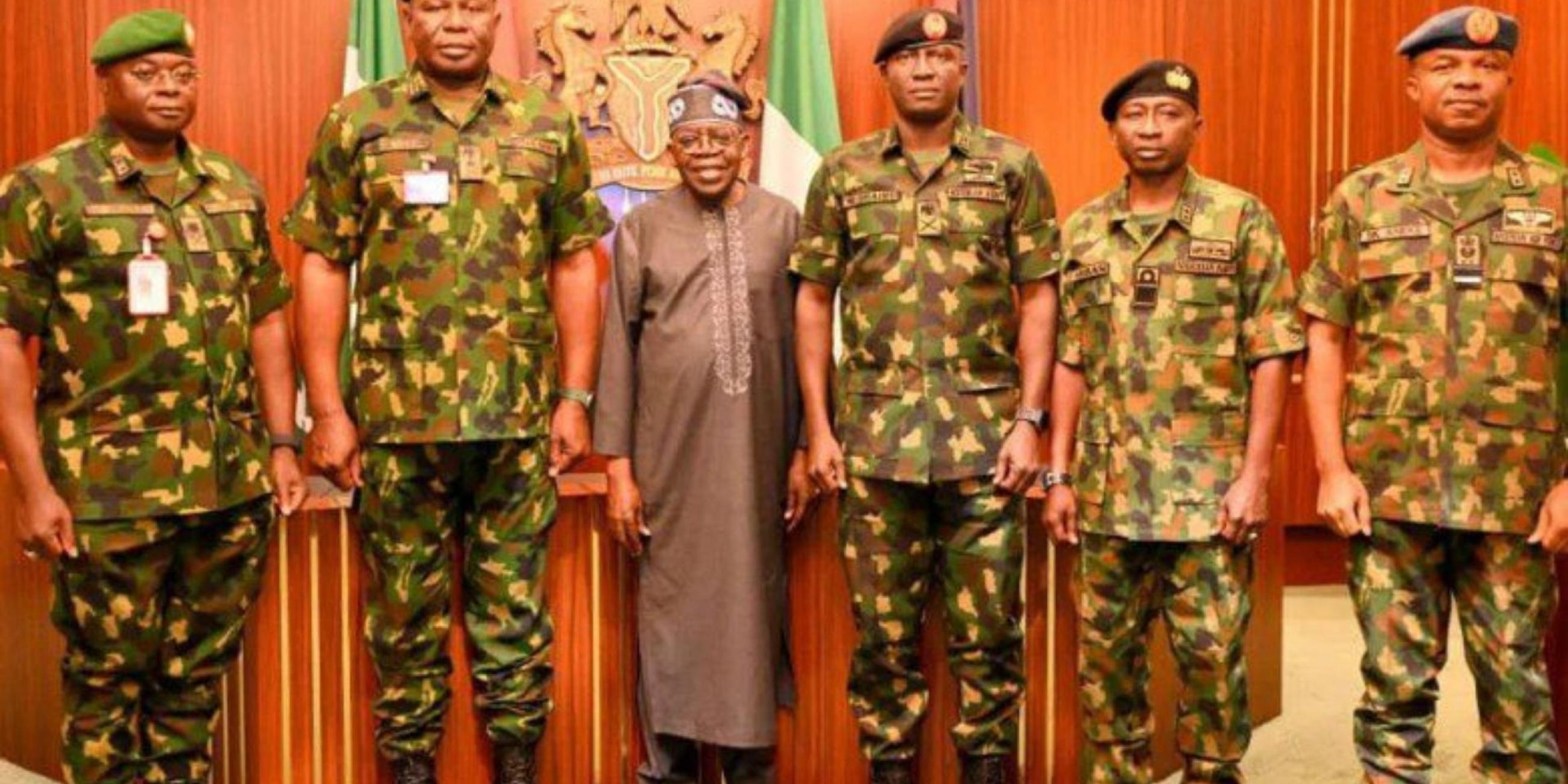
  • Over 50 Military Officers and Civilians Detained by Nigeria’s DIA Over Alleged Coup Plot, Families Denied Access

    More than 50 military officers and civilians have been held for three months by Nigeria’s Defence Intelligence Agency (DIA) over an alleged plot to overthrow President Bola Tinubu’s government. Families of the detainees have reportedly been denied access. The investigation, led by Chief of Defence Intelligence Lieutenant General Emmanuel Parker Undiandeye, involves officers from the Army, Navy, and Air Force, including senior figures such as Brigadier General Musa Abubakar Sadiq. Nigerian authorities conducted raids on linked individuals, including the Abuja residence of former Minister of State for Petroleum Resources, Timipre Sylva, though he denied any involvement.
    Over 50 Military Officers and Civilians Detained by Nigeria’s DIA Over Alleged Coup Plot, Families Denied Access More than 50 military officers and civilians have been held for three months by Nigeria’s Defence Intelligence Agency (DIA) over an alleged plot to overthrow President Bola Tinubu’s government. Families of the detainees have reportedly been denied access. The investigation, led by Chief of Defence Intelligence Lieutenant General Emmanuel Parker Undiandeye, involves officers from the Army, Navy, and Air Force, including senior figures such as Brigadier General Musa Abubakar Sadiq. Nigerian authorities conducted raids on linked individuals, including the Abuja residence of former Minister of State for Petroleum Resources, Timipre Sylva, though he denied any involvement.
    0 Reacties ·0 aandelen ·471 Views
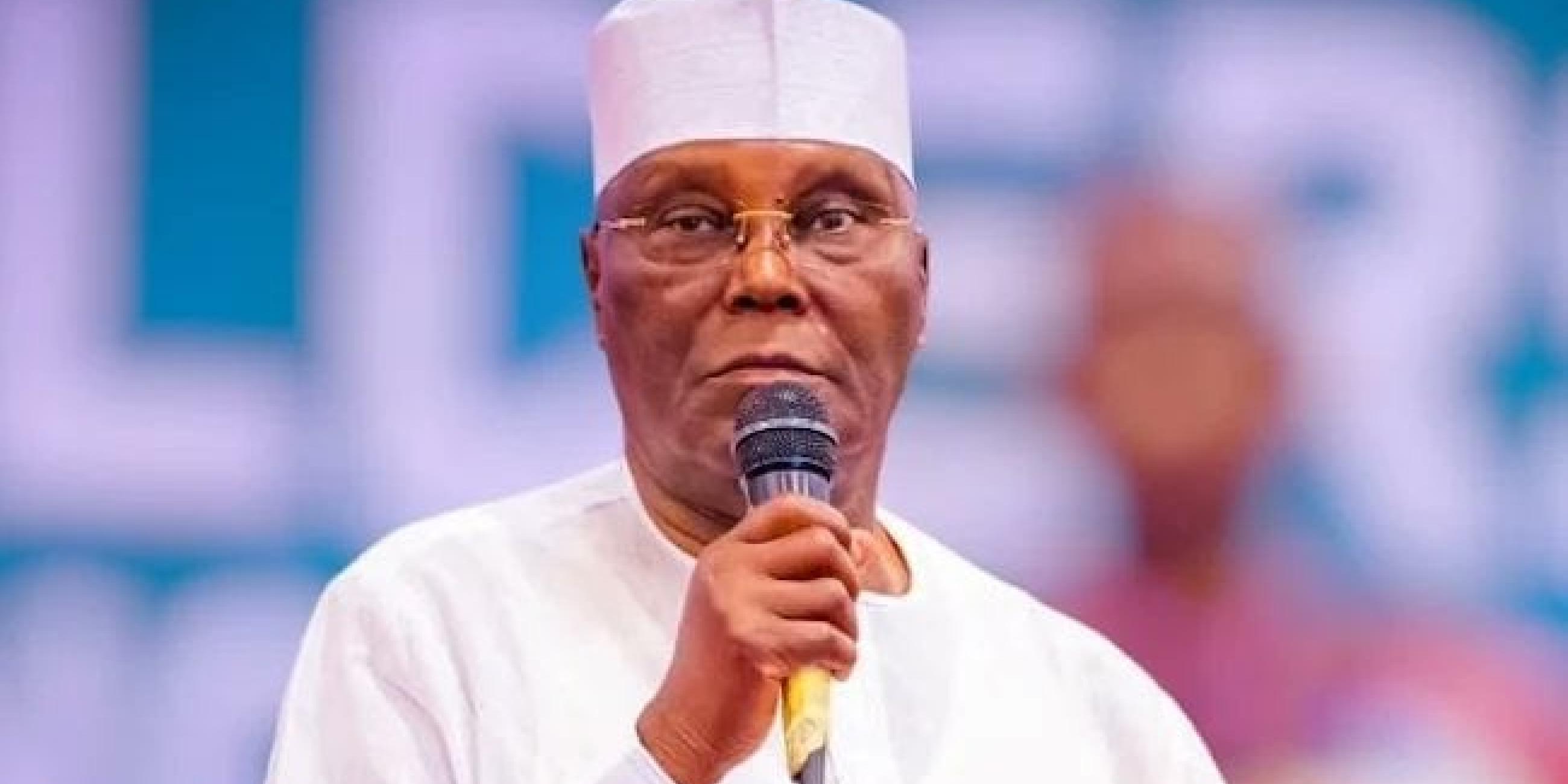
  • Atiku Accuses Tinubu Administration of Forging Tax Reform Law, Labels It “Act of Treason”

    Former Vice President Atiku Abubakar has accused President Bola Tinubu’s administration of illegally altering Nigeria’s tax reform legislation after it was passed by the National Assembly, calling it a “brazen act of treason.” Atiku claimed the alleged modifications undermine legislative supremacy, strip Nigerians of due process, and impose excessive financial burdens on citizens and businesses. He highlighted provisions such as arrest powers for tax authorities, property seizure without court orders, and forced USD computation for petroleum operations. Atiku urged the Executive to suspend the law, called on the National Assembly to correct the changes, and appealed to the judiciary and civil society to uphold constitutional governance.

    #AtikuAbubakar
    #TinubuAdministration
    #TaxReformNigeria
    #LegislativeSupremacy
    #ConstitutionalBreach
    #EconomicPolicy
    #NigerianPolitics
    Atiku Accuses Tinubu Administration of Forging Tax Reform Law, Labels It “Act of Treason” Former Vice President Atiku Abubakar has accused President Bola Tinubu’s administration of illegally altering Nigeria’s tax reform legislation after it was passed by the National Assembly, calling it a “brazen act of treason.” Atiku claimed the alleged modifications undermine legislative supremacy, strip Nigerians of due process, and impose excessive financial burdens on citizens and businesses. He highlighted provisions such as arrest powers for tax authorities, property seizure without court orders, and forced USD computation for petroleum operations. Atiku urged the Executive to suspend the law, called on the National Assembly to correct the changes, and appealed to the judiciary and civil society to uphold constitutional governance. #AtikuAbubakar #TinubuAdministration #TaxReformNigeria #LegislativeSupremacy #ConstitutionalBreach #EconomicPolicy #NigerianPolitics
    0 Reacties ·0 aandelen ·2K Views
Zoekresultaten
Fintter https://fintter.com