• Illbliss

    Illbliss did not chase trends. He did not bend easily to industry pressure. He built his brand slowly, deliberately, and strategically. In a Nigerian music industry often dominated by fast rising pop stars and viral sensations, Illbliss carved a different path. He became a voice of Eastern Nigerian hip hop, a respected lyricist, a label executive, and a cultural architect.

    But long before the title Oga Boss became synonymous with his name, there was Tobechukwu Melvin Ejiofor, a young boy growing up in Enugu with hunger in his heart and rhythm in his spirit.

    The Boy From Enugu With A Sharp Mind

    Illbliss was born on December 30, 1979, in Enugu State, Nigeria. Growing up in the eastern part of the country, he experienced a culture deeply rooted in pride, resilience, and enterprise. Igbo culture emphasizes self determination and hard work, and those values shaped him early.

    As a child, he was observant and intelligent. He loved words. He enjoyed storytelling. He paid attention to conversations and the way elders expressed themselves. That early fascination with language later became his weapon in rap.

    Music entered his life gradually. American hip hop from artists like Jay-Z and Nas influenced his lyrical style. Back home, Nigerian hip hop was evolving, and artists like Mode 9 were pushing lyrical boundaries.

    Illbliss studied them all.

    Education And Early Rap Dreams

    He attended the University of Nigeria, Nsukka, where he studied Political Science. University life exposed him to broader intellectual discussions about society, governance, and power.

    Those themes later appeared in his lyrics.

    He began participating in rap battles and underground performances. The early days were not glamorous. There were no major sponsors. No viral moments. Just passion and a microphone.

    He sharpened his craft in small circles.

    The Birth Of A Persona

    The name Illbliss emerged as his artistic identity. It represented lyrical sharpness mixed with calm confidence.

    He was not flashy.

    He was calculated.

    Unlike artists who focused purely on club anthems, Illbliss leaned toward conscious hip hop. He rapped about politics, social issues, ambition, and survival.

    He wanted respect more than hype.

    The Eastern Movement

    One of Illbliss’s greatest contributions to Nigerian music was helping build a structured hip hop scene in the East.

    At a time when Lagos dominated the industry, Eastern Nigerian artists struggled for recognition.

    Illbliss believed Enugu and the Southeast deserved a stronger voice.

    He co founded Capital Hill Music, a record label and creative hub designed to nurture talent from the region.

    This move was revolutionary.

    He was not just chasing his own career.

    He was building infrastructure.

    Dat Ibo Boy And National Recognition

    In 2009, Illbliss released his debut album Dat Ibo Boy. The project was both cultural and lyrical.
    Illbliss Illbliss did not chase trends. He did not bend easily to industry pressure. He built his brand slowly, deliberately, and strategically. In a Nigerian music industry often dominated by fast rising pop stars and viral sensations, Illbliss carved a different path. He became a voice of Eastern Nigerian hip hop, a respected lyricist, a label executive, and a cultural architect. But long before the title Oga Boss became synonymous with his name, there was Tobechukwu Melvin Ejiofor, a young boy growing up in Enugu with hunger in his heart and rhythm in his spirit. The Boy From Enugu With A Sharp Mind Illbliss was born on December 30, 1979, in Enugu State, Nigeria. Growing up in the eastern part of the country, he experienced a culture deeply rooted in pride, resilience, and enterprise. Igbo culture emphasizes self determination and hard work, and those values shaped him early. As a child, he was observant and intelligent. He loved words. He enjoyed storytelling. He paid attention to conversations and the way elders expressed themselves. That early fascination with language later became his weapon in rap. Music entered his life gradually. American hip hop from artists like Jay-Z and Nas influenced his lyrical style. Back home, Nigerian hip hop was evolving, and artists like Mode 9 were pushing lyrical boundaries. Illbliss studied them all. Education And Early Rap Dreams He attended the University of Nigeria, Nsukka, where he studied Political Science. University life exposed him to broader intellectual discussions about society, governance, and power. Those themes later appeared in his lyrics. He began participating in rap battles and underground performances. The early days were not glamorous. There were no major sponsors. No viral moments. Just passion and a microphone. He sharpened his craft in small circles. The Birth Of A Persona The name Illbliss emerged as his artistic identity. It represented lyrical sharpness mixed with calm confidence. He was not flashy. He was calculated. Unlike artists who focused purely on club anthems, Illbliss leaned toward conscious hip hop. He rapped about politics, social issues, ambition, and survival. He wanted respect more than hype. The Eastern Movement One of Illbliss’s greatest contributions to Nigerian music was helping build a structured hip hop scene in the East. At a time when Lagos dominated the industry, Eastern Nigerian artists struggled for recognition. Illbliss believed Enugu and the Southeast deserved a stronger voice. He co founded Capital Hill Music, a record label and creative hub designed to nurture talent from the region. This move was revolutionary. He was not just chasing his own career. He was building infrastructure. Dat Ibo Boy And National Recognition In 2009, Illbliss released his debut album Dat Ibo Boy. The project was both cultural and lyrical.
    0 Commenti ·0 condivisioni ·8K Views
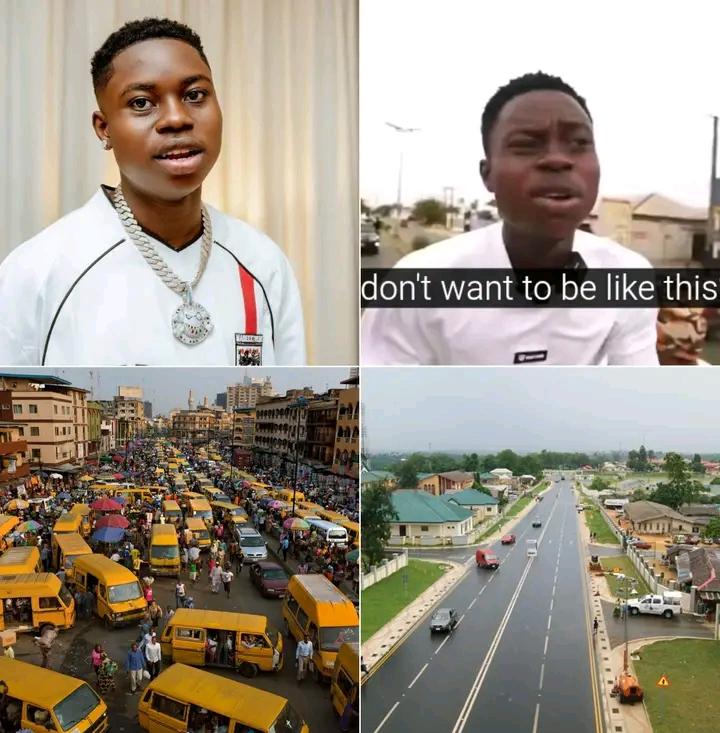
  • "But why Lagos no wan dey like this? Lagos people are just over-wise, but when it comes to roads, other states have more beautiful roads with no potholes. I can buy Benz and drive here, one year nothing will happen. No pot holes...." – Nigerian content creator Peller has sparked conversations online after sharing his thoughts on road infrastructure while visiting Uyo.


    "But why Lagos no wan dey like this? Lagos people are just over-wise, but when it comes to roads, other states have more beautiful roads with no potholes. I can buy Benz and drive here, one year nothing will happen. No pot holes...." – Nigerian content creator Peller has sparked conversations online after sharing his thoughts on road infrastructure while visiting Uyo.
    love
    1
    · 0 Commenti ·0 condivisioni ·2K Views
  • Olamide, whose full name is Olamide Gbenga Adedeji, is a Nigerian rapper, singer, songwriter, and record executive born on 15 March 1989 in Bariga, Lagos State, Nigeria. He rose to fame with his street inspired sound, strong Yoruba rap style, and consistent run of hit songs that made him one of the most influential artists in Nigerian music.

    He began his mainstream music journey in the early 2010s, released his debut album Rapsodi in 2011, and later founded YBNL Nation, a label that became important in the rise of several Nigerian stars. Olamide is widely respected for blending rap, Afrobeats, and street pop while staying deeply connected to his Lagos roots. #Olamide #OlamideBiography #YBNL
    Olamide, whose full name is Olamide Gbenga Adedeji, is a Nigerian rapper, singer, songwriter, and record executive born on 15 March 1989 in Bariga, Lagos State, Nigeria. He rose to fame with his street inspired sound, strong Yoruba rap style, and consistent run of hit songs that made him one of the most influential artists in Nigerian music. He began his mainstream music journey in the early 2010s, released his debut album Rapsodi in 2011, and later founded YBNL Nation, a label that became important in the rise of several Nigerian stars. Olamide is widely respected for blending rap, Afrobeats, and street pop while staying deeply connected to his Lagos roots. #Olamide #OlamideBiography #YBNL
    like
    1
    · 0 Commenti ·0 condivisioni ·4K Views
  • Early independence moments in Africa were powerful scenes of joy and pride.

    In Ghana, crowds filled Accra as the Union Jack came down and the new Ghana flag went up in March 1957. ()
    In Nigeria, the same kind of historic midnight happened on October 1, 1960 in Lagos as the British flag was lowered and the green white green was raised. ()

    These flag raising moments were not just ceremonies. They were a message to the world: we are free.

    #Independence #Ghana1957 #Nigeria1960 #AfricanHistory
    Early independence moments in Africa were powerful scenes of joy and pride. In Ghana, crowds filled Accra as the Union Jack came down and the new Ghana flag went up in March 1957. () In Nigeria, the same kind of historic midnight happened on October 1, 1960 in Lagos as the British flag was lowered and the green white green was raised. () These flag raising moments were not just ceremonies. They were a message to the world: we are free. #Independence #Ghana1957 #Nigeria1960 #AfricanHistory
    like
    2
    · 0 Commenti ·0 condivisioni ·3K Views
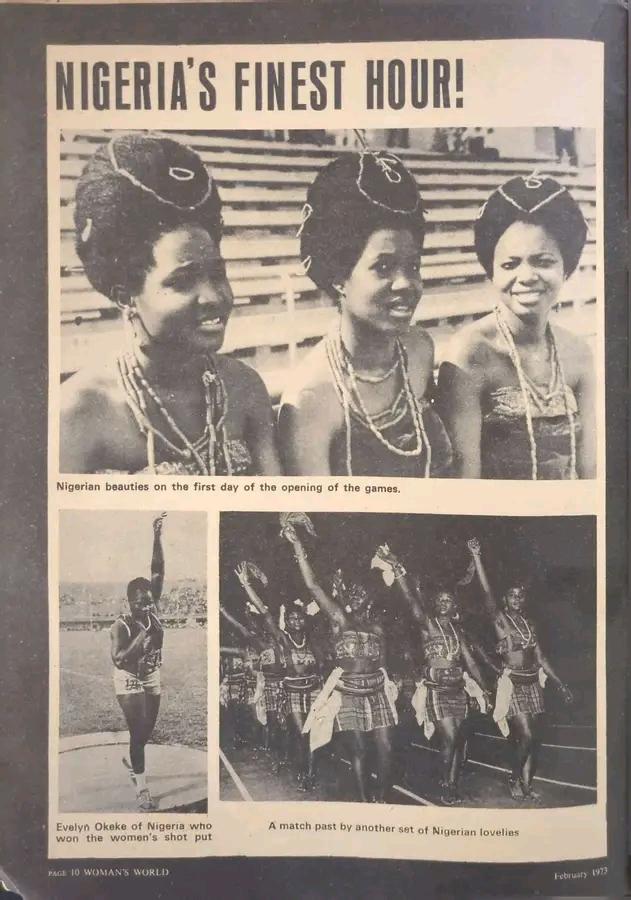
  • Nigerian beauties at the 1973 All-Africa Games hosted in Lagos.

    Woman’s World/Archivi

    Ethnic African Stories
    Nigerian beauties at the 1973 All-Africa Games hosted in Lagos. ➡️Woman’s World/Archivi ℹ️ Ethnic African Stories
    love
    1
    · 0 Commenti ·0 condivisioni ·2K Views
  • On Thursday morning, the Lagos State Domestic and Sexual Violence Agency announced that it had referred a case involving popular Nigerian singer Simisola, known as Simi, to the Lagos State Commissioner of Police and a special task force for preliminary investigation.

    The agency’s Executive Secretary, Titilola Vivour-Adeniyi, shared this during an interview with Channels TV. She explained that the decision followed concerns raised over tweets Simi posted between 2012 and 2014.

    Over the past week, the singer has been under heavy criticism on social media. The controversy began after she joined ongoing conversations about sexual assault in Nigeria. Soon after, some social media users dug up her old tweets and questioned them.

    As the discussion grew, Simi responded by saying her past posts were taken out of context. According to her, people misquoted and misunderstood what she meant at the time.

    Now, with the matter officially referred to the police for investigation, many are waiting to see how the situation will unfold.
    On Thursday morning, the Lagos State Domestic and Sexual Violence Agency announced that it had referred a case involving popular Nigerian singer Simisola, known as Simi, to the Lagos State Commissioner of Police and a special task force for preliminary investigation. The agency’s Executive Secretary, Titilola Vivour-Adeniyi, shared this during an interview with Channels TV. She explained that the decision followed concerns raised over tweets Simi posted between 2012 and 2014. Over the past week, the singer has been under heavy criticism on social media. The controversy began after she joined ongoing conversations about sexual assault in Nigeria. Soon after, some social media users dug up her old tweets and questioned them. As the discussion grew, Simi responded by saying her past posts were taken out of context. According to her, people misquoted and misunderstood what she meant at the time. Now, with the matter officially referred to the police for investigation, many are waiting to see how the situation will unfold.
    love
    1
    · 0 Commenti ·0 condivisioni ·3K Views
  • Lagos is African best city to visit yes or no ?
    Lagos is African best city to visit yes or no ?
    love
    1
    · 1 Commenti ·0 condivisioni ·663 Views
  • Lagos has come a long way—especially when you look back at the colonial era. Its location along the Lagos Lagoon made it a strategic choice for the colonial administration, turning the city into a major center of British rule and commerce at the time.

    These photographs, sourced from the Time Magazine archives, offer a rare glimpse into Lagos in the 1800s. They capture a city under colonial control, when Europeans dominated political power and urban planning shaped daily life.

    What stands out in these images is the sense of order—well-laid streets, structured neighborhoods, and a city that reflected the priorities of its rulers. Lagos was already evolving into an organized urban space, long before the fast-paced megacity we know today.

    The old days carry their own charm and lessons.

    Images sourced from TIME Magazine Archives and the British National Archives. Used for historical and educational purposes.
    Lagos has come a long way—especially when you look back at the colonial era. Its location along the Lagos Lagoon made it a strategic choice for the colonial administration, turning the city into a major center of British rule and commerce at the time. These photographs, sourced from the Time Magazine archives, offer a rare glimpse into Lagos in the 1800s. They capture a city under colonial control, when Europeans dominated political power and urban planning shaped daily life. What stands out in these images is the sense of order—well-laid streets, structured neighborhoods, and a city that reflected the priorities of its rulers. Lagos was already evolving into an organized urban space, long before the fast-paced megacity we know today. The old days carry their own charm and lessons. Images sourced from TIME Magazine Archives and the British National Archives. Used for historical and educational purposes.
    love
    1
    · 1 Commenti ·0 condivisioni ·2K Views
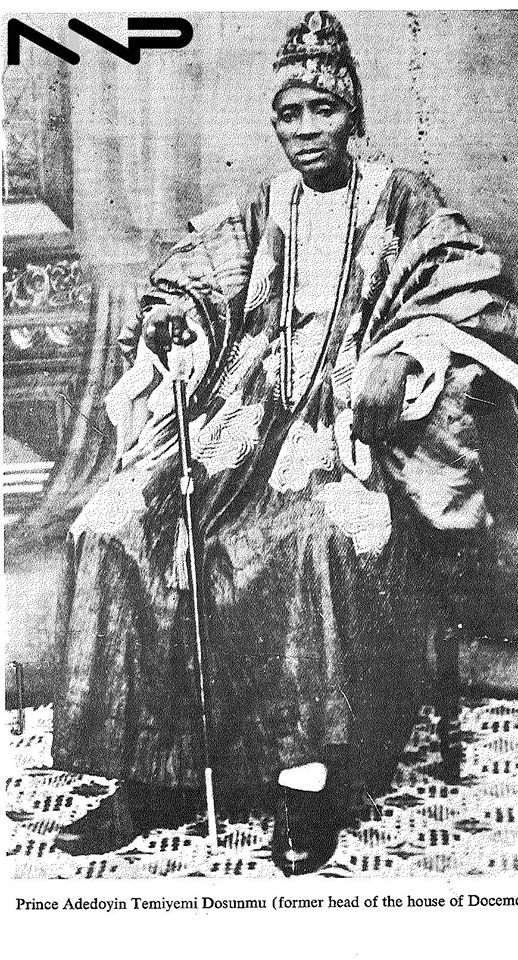
  • Prince Adedoyin Temiyemi Dosunmnu (?- 1949).

    He temporarily occupied Iga Idunganran (Oba of Lagos' palace) between the death of Oba Falolu Dosunmu in September 1949 and the installation of Oba Adeniji Adele II on October 1, 1949.
    Prince Adedoyin Temiyemi Dosunmnu (?- 1949). He temporarily occupied Iga Idunganran (Oba of Lagos' palace) between the death of Oba Falolu Dosunmu in September 1949 and the installation of Oba Adeniji Adele II on October 1, 1949.
    like
    1
    · 0 Commenti ·0 condivisioni ·1K Views
  • Oba of lagos ,1853 to 1885
    Oba of lagos ,1853 to 1885
    love
    1
    · 0 Commenti ·0 condivisioni ·235 Views
  • BREAKING NEWS: The Lagos State Internal Revenue Service (LIRS) has extended the deadline for filing employers’ annual tax returns by one week — moving it from February 1 to February 7, 2026. The extension is meant to give businesses additional time to prepare and submit accurate filings ahead of the 2027 tax year compliance cycle. Employers are reminded that electronic submission via the LIRS eTax platform remains the approved method, following the complete phase-out of manual filings. 

    #LIRS #TaxDeadline #Lagos #Nigeria #BusinessNews
    BREAKING NEWS: The Lagos State Internal Revenue Service (LIRS) has extended the deadline for filing employers’ annual tax returns by one week — moving it from February 1 to February 7, 2026. The extension is meant to give businesses additional time to prepare and submit accurate filings ahead of the 2027 tax year compliance cycle. Employers are reminded that electronic submission via the LIRS eTax platform remains the approved method, following the complete phase-out of manual filings.  #LIRS #TaxDeadline #Lagos #Nigeria #BusinessNews
    like
    love
    2
    · 0 Commenti ·0 condivisioni ·3K Views
  • Story of the Ikeja Bomb Blast — January 27, 2002

    On a day like this, 27 January 2002, a devastating explosion rocked the Ikeja Military Cantonment in Lagos, changing Nigeria forever.

    What started as a fire outbreak inside the military armory triggered a series of massive explosions, throwing the city into chaos and fear. Many residents thought Nigeria was under attack or that a coup was underway.

    The blast was heard and felt up to 30 miles away. Tremors collapsed homes and shattered windows as far as 10 miles from the epicenter.

    According to the Red Cross, at least 1,000 bodies were recovered, while many others were reported missing and never found.
    Over 5,000 people were injured, and more than 12,000 residents were left homeless, with entire neighborhoods destroyed.

    In panic, about 20,000 people fled Lagos on the night of the explosion. Survivors gradually returned over the following week to scenes of loss and devastation.

    Military reports later stated that the disaster was caused by a bomb that detonated inside the armory, setting off other stored explosives.

    In a moment that remains unforgettable, President Olusegun Obasanjo visited the Ikeja Cantonment barefoot, addressing victims and assessing the damage firsthand.

    The Ikeja Bomb Blast remains one of the deadliest peacetime disasters in Nigerian history.

    Read. Remember. Retweet to educate someone.

    #IkejaBombBlast
    #January27
    #NeverForget
    #NigerianHistory
    #Lagos
    #NigeriaStories

    If you want, I can also make it short
    Story of the Ikeja Bomb Blast — January 27, 2002 On a day like this, 27 January 2002, a devastating explosion rocked the Ikeja Military Cantonment in Lagos, changing Nigeria forever. What started as a fire outbreak inside the military armory triggered a series of massive explosions, throwing the city into chaos and fear. Many residents thought Nigeria was under attack or that a coup was underway. The blast was heard and felt up to 30 miles away. Tremors collapsed homes and shattered windows as far as 10 miles from the epicenter. According to the Red Cross, at least 1,000 bodies were recovered, while many others were reported missing and never found. Over 5,000 people were injured, and more than 12,000 residents were left homeless, with entire neighborhoods destroyed. In panic, about 20,000 people fled Lagos on the night of the explosion. Survivors gradually returned over the following week to scenes of loss and devastation. Military reports later stated that the disaster was caused by a bomb that detonated inside the armory, setting off other stored explosives. In a moment that remains unforgettable, President Olusegun Obasanjo visited the Ikeja Cantonment barefoot, addressing victims and assessing the damage firsthand. The Ikeja Bomb Blast remains one of the deadliest peacetime disasters in Nigerian history. Read. Remember. Retweet to educate someone. #IkejaBombBlast #January27 #NeverForget #NigerianHistory #Lagos #NigeriaStories If you want, I can also make it short
    love
    1
    · 0 Commenti ·0 condivisioni ·4K Views ·3 Plays
  • Story of the Ikeja Bomb Blast — January 27, 2002

    On a day like this, 27 January 2002, a devastating explosion rocked the Ikeja Military Cantonment in Lagos, changing Nigeria forever.

    What started as a fire outbreak inside the military armory triggered a series of massive explosions, throwing the city into chaos and fear. Many residents thought Nigeria was under attack or that a coup was underway.

    The blast was heard and felt up to 30 miles away. Tremors collapsed homes and shattered windows as far as 10 miles from the epicenter.

    According to the Red Cross, at least 1,000 bodies were recovered, while many others were reported missing and never found.
    Over 5,000 people were injured, and more than 12,000 residents were left homeless, with entire neighborhoods destroyed.

    In panic, about 20,000 people fled Lagos on the night of the explosion. Survivors gradually returned over the following week to scenes of loss and devastation.

    Military reports later stated that the disaster was caused by a bomb that detonated inside the armory, setting off other stored explosives.

    In a moment that remains unforgettable, President Olusegun Obasanjo visited the Ikeja Cantonment barefoot, addressing victims and assessing the damage firsthand.

    The Ikeja Bomb Blast remains one of the deadliest peacetime disasters in Nigerian history. #IkejaBombBlast #January27 #NigerianHistory #NigeriaStories
    Story of the Ikeja Bomb Blast — January 27, 2002 On a day like this, 27 January 2002, a devastating explosion rocked the Ikeja Military Cantonment in Lagos, changing Nigeria forever. What started as a fire outbreak inside the military armory triggered a series of massive explosions, throwing the city into chaos and fear. Many residents thought Nigeria was under attack or that a coup was underway. The blast was heard and felt up to 30 miles away. Tremors collapsed homes and shattered windows as far as 10 miles from the epicenter. According to the Red Cross, at least 1,000 bodies were recovered, while many others were reported missing and never found. Over 5,000 people were injured, and more than 12,000 residents were left homeless, with entire neighborhoods destroyed. In panic, about 20,000 people fled Lagos on the night of the explosion. Survivors gradually returned over the following week to scenes of loss and devastation. Military reports later stated that the disaster was caused by a bomb that detonated inside the armory, setting off other stored explosives. In a moment that remains unforgettable, President Olusegun Obasanjo visited the Ikeja Cantonment barefoot, addressing victims and assessing the damage firsthand. The Ikeja Bomb Blast remains one of the deadliest peacetime disasters in Nigerian history. #IkejaBombBlast #January27 #NigerianHistory #NigeriaStories
    love
    1
    · 0 Commenti ·0 condivisioni ·4K Views
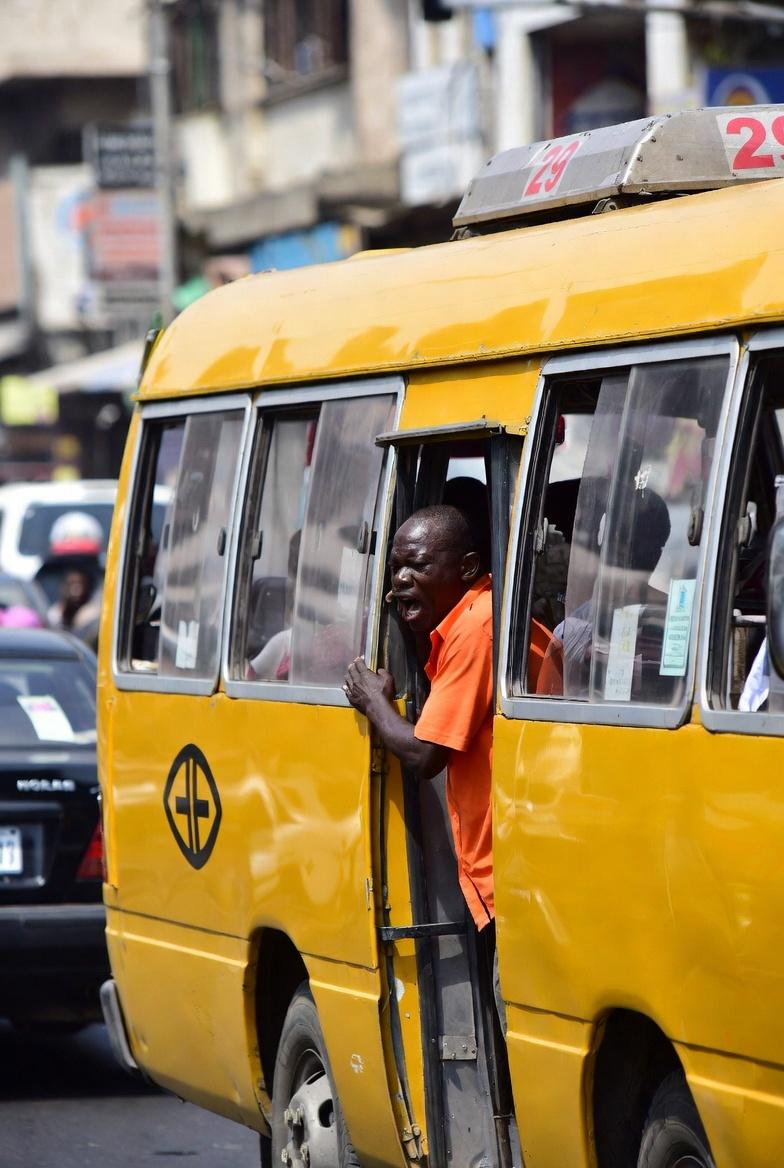
  • Lady Cries Out Over Lagos Transport Woes After 4am Queue With No Bus…..

    A working-class lady has taken to social media to lament the daily hardship faced by Lagos commuters after arriving at a bus stop by 4am, only to meet a long queue and no buses available. She said waking early to avoid traffic no longer helps, as commuters still wait endlessly. The lady questioned why workers must leave home before dawn and urged the government to deploy more buses to ease commuters’ suffering.
    Lady Cries Out Over Lagos Transport Woes After 4am Queue With No Bus….. A working-class lady has taken to social media to lament the daily hardship faced by Lagos commuters after arriving at a bus stop by 4am, only to meet a long queue and no buses available. She said waking early to avoid traffic no longer helps, as commuters still wait endlessly. The lady questioned why workers must leave home before dawn and urged the government to deploy more buses to ease commuters’ suffering.
    love
    1
    · 0 Commenti ·0 condivisioni ·1K Views ·2 Plays
  • About two weeks after I arrived in Lagos, I was still looking for a job. Everything felt new and strange—so different from my hometown. People moved fast, streets looked unfamiliar, and I didn’t know anyone. I was jobless, tired, and weak from not working, but I refused to give up.

    I called one of my in-laws, Hassan, and we decided to check a construction site for work. We searched and searched, but nothing worked out.

    On our way back, we passed another site and saw some older men sitting on wooden timbers, using blades to cut their hands and applying some kind of traditional medicine. They waved at us to come closer.

    I told Hassan, “Don’t go near them. We have no business there.”

    But I, feeling bold, stepped forward on my own. I didn’t look back.

    Suddenly, a huge stick hit my shoulder. My heart sank—I was terrified. I dropped to my knees and pleaded,
    “Please… I was just scared of what you were doing. That’s why I didn’t join!”

    After that, they finally let me go.

    Even today, I cannot forget that moment—the fear, the pain, and the relief all mixed together. It was my first real lesson in how unpredictable life in Lagos can be. #LagosLife #CityStories #SurvivalInLagos #JobHustle #NewCityAdventures #FearAndRelief #LifeLessons
    About two weeks after I arrived in Lagos, I was still looking for a job. Everything felt new and strange—so different from my hometown. People moved fast, streets looked unfamiliar, and I didn’t know anyone. I was jobless, tired, and weak from not working, but I refused to give up. I called one of my in-laws, Hassan, and we decided to check a construction site for work. We searched and searched, but nothing worked out. On our way back, we passed another site and saw some older men sitting on wooden timbers, using blades to cut their hands and applying some kind of traditional medicine. They waved at us to come closer. I told Hassan, “Don’t go near them. We have no business there.” But I, feeling bold, stepped forward on my own. I didn’t look back. Suddenly, a huge stick hit my shoulder. My heart sank—I was terrified. I dropped to my knees and pleaded, “Please… I was just scared of what you were doing. That’s why I didn’t join!” After that, they finally let me go. Even today, I cannot forget that moment—the fear, the pain, and the relief all mixed together. It was my first real lesson in how unpredictable life in Lagos can be. #LagosLife #CityStories #SurvivalInLagos #JobHustle #NewCityAdventures #FearAndRelief #LifeLessons
    love
    1
    · 1 Commenti ·0 condivisioni ·4K Views
  • When I first came from Kogi to Lagos, my uncle told me,
    “Once you reach Ojota, just look for a bus going to Ikorodu Garage.”

    Simple, right?
    I thought so too.

    I got to Ojota and started listening carefully to the bus conductors.
    One was shouting “Berger! Berger!”
    Another was yelling “Ketu! Mile 12!”

    But the one I was waiting for Ikorodu Garage, never came.

    Instead, all I kept hearing was one strange shout:
    “Agric kóódù! Agric kóódù!”

    I stood there for almost 40 minutes, confused and frustrated, scanning faces and listening harder.
    “No,” I kept telling myself, “this one is not Ikorodu Garage.”

    Finally, I walked up to one man and asked,
    “Abeg sir, where is bus for Ikorodu Garage?”

    The man looked at me, smiled, and said,
    “You hear ‘Agric kóódù’? That one na your bus.”

    That was the day I learned my first real Lagos lesson:
    In Lagos, don’t expect your destination to sound like it does in your address book.
    Here, pronunciation has its own rules—and if you don’t ask questions, you’ll wait forever.

    And just like that, I entered my Lagos life.
    When I first came from Kogi to Lagos, my uncle told me, “Once you reach Ojota, just look for a bus going to Ikorodu Garage.” Simple, right? I thought so too. I got to Ojota and started listening carefully to the bus conductors. One was shouting “Berger! Berger!” Another was yelling “Ketu! Mile 12!” But the one I was waiting for Ikorodu Garage, never came. Instead, all I kept hearing was one strange shout: “Agric kóódù! Agric kóódù!” I stood there for almost 40 minutes, confused and frustrated, scanning faces and listening harder. “No,” I kept telling myself, “this one is not Ikorodu Garage.” Finally, I walked up to one man and asked, “Abeg sir, where is bus for Ikorodu Garage?” The man looked at me, smiled, and said, “You hear ‘Agric kóódù’? That one na your bus.” That was the day I learned my first real Lagos lesson: In Lagos, don’t expect your destination to sound like it does in your address book. Here, pronunciation has its own rules—and if you don’t ask questions, you’ll wait forever. And just like that, I entered my Lagos life. 😄
    love
    1
    · 1 Commenti ·0 condivisioni ·2K Views
  • Peller Announces Admission Into Lagos Private University to Study Law

    Popular content creator Peller has announced that he has secured admission into a private university in Lagos to study Law.

    In a now-viral video, Peller expressed excitement over the development while subtly responding to critics who had previously mocked his educational background. He was seen walking into a building with a statue of justice positioned in front, declaring that his enrolment means he can no longer be dismissed or “messed with.”

    Although he confirmed the institution is a private university located in Lagos, Peller did not disclose the name of the school.

    #Peller #Education #LawDegree #NigerianCreatives
    Peller Announces Admission Into Lagos Private University to Study Law Popular content creator Peller has announced that he has secured admission into a private university in Lagos to study Law. In a now-viral video, Peller expressed excitement over the development while subtly responding to critics who had previously mocked his educational background. He was seen walking into a building with a statue of justice positioned in front, declaring that his enrolment means he can no longer be dismissed or “messed with.” Although he confirmed the institution is a private university located in Lagos, Peller did not disclose the name of the school. #Peller #Education #LawDegree #NigerianCreatives
    like
    love
    3
    · 0 Commenti ·0 condivisioni ·2K Views
  • TikToker Peller Gains University Admission in Lagos, Silences Critics

    Popular TikToker Peller has finally proved his critics wrong after securing admission into a university in Lagos. The social media personality shared the news online, sparking congratulatory messages from fans who praised his determination and achievement, describing it as a reminder that content creators can also pursue formal education.
    TikToker Peller Gains University Admission in Lagos, Silences Critics Popular TikToker Peller has finally proved his critics wrong after securing admission into a university in Lagos. The social media personality shared the news online, sparking congratulatory messages from fans who praised his determination and achievement, describing it as a reminder that content creators can also pursue formal education.
    love
    like
    Dislike
    4
    · 1 Commenti ·0 condivisioni ·2K Views ·2 Plays
  • BREAKING

    NAFDAC uncovers fake Goya oil factory and alcohol counterfeiting network in Lagos,
    warning Nigerians of severe public health dangers.
    BREAKING 🔥🔥🔥 NAFDAC uncovers fake Goya oil factory and alcohol counterfeiting network in Lagos, warning Nigerians of severe public health dangers.
    like
    love
    2
    · 0 Commenti ·0 condivisioni ·2K Views
  • We Clean Lagos, But They Treat Us Like Trash” — LAWMA Sweepers Lament

    Sweepers under the Lagos State Waste Management Authority (LAWMA) have cried out over alleged poor treatment and harsh working conditions. The workers said despite their critical role in keeping Lagos clean, they face irregular payments, lack of welfare support, and little respect. According to them, the situation has left many struggling to survive, even as they continue to work daily to maintain environmental hygiene across the state.
    We Clean Lagos, But They Treat Us Like Trash” — LAWMA Sweepers Lament Sweepers under the Lagos State Waste Management Authority (LAWMA) have cried out over alleged poor treatment and harsh working conditions. The workers said despite their critical role in keeping Lagos clean, they face irregular payments, lack of welfare support, and little respect. According to them, the situation has left many struggling to survive, even as they continue to work daily to maintain environmental hygiene across the state.
    love
    2
    · 0 Commenti ·0 condivisioni ·1K Views
Pagine in Evidenza
Fintter https://fintter.com