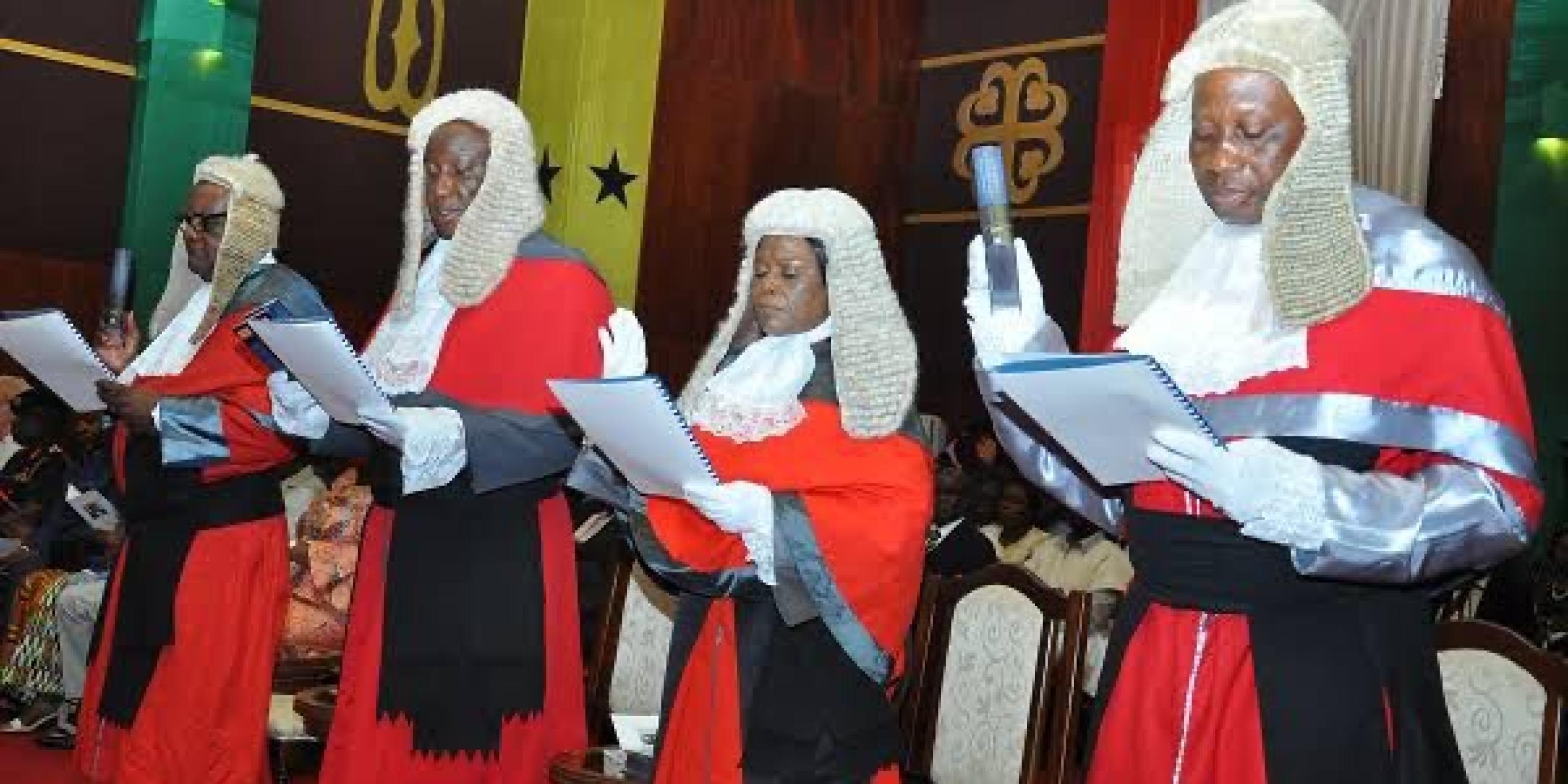
• Early independence moments in Africa were powerful scenes of joy and pride.

    In Ghana, crowds filled Accra as the Union Jack came down and the new Ghana flag went up in March 1957. ()
    In Nigeria, the same kind of historic midnight happened on October 1, 1960 in Lagos as the British flag was lowered and the green white green was raised. ()

    These flag raising moments were not just ceremonies. They were a message to the world: we are free.

    #Independence #Ghana1957 #Nigeria1960 #AfricanHistory
    Early independence moments in Africa were powerful scenes of joy and pride. In Ghana, crowds filled Accra as the Union Jack came down and the new Ghana flag went up in March 1957. () In Nigeria, the same kind of historic midnight happened on October 1, 1960 in Lagos as the British flag was lowered and the green white green was raised. () These flag raising moments were not just ceremonies. They were a message to the world: we are free. #Independence #Ghana1957 #Nigeria1960 #AfricanHistory
    like
    1
    · 0 Commenti ·0 condivisioni ·737 Views
  • EXCLUSIVE: IGP Egbetokun Defies Tinubu, Approves Police Escorts for INEC Officials Nationwide

    Inspector-General of Police, Usman Alkali Egbetokun, has reportedly approved police escorts for all INEC officials, including National Commissioners, Resident Electoral Commissioners (RECs), the Acting Director-General of the Electoral Institute, and other Directors of the Commission across the country.

    The approval comes despite a directive from President Bola Tinubu ordering the withdrawal of police security personnel from VIPs and government officials. The decision has raised questions about protocol, security, and the independence of law enforcement in electoral matters, especially as preparations for upcoming elections intensify.

    Documents obtained by SaharaReporters confirm that the continued deployment of police officers to INEC officials has been officially sanctioned by the IGP. No statement has yet been issued by the IGP’s office or the presidency regarding the matter.

    #IGPControversy #Tinubu #INECSecurity #NigeriaPolitics
    EXCLUSIVE: IGP Egbetokun Defies Tinubu, Approves Police Escorts for INEC Officials Nationwide Inspector-General of Police, Usman Alkali Egbetokun, has reportedly approved police escorts for all INEC officials, including National Commissioners, Resident Electoral Commissioners (RECs), the Acting Director-General of the Electoral Institute, and other Directors of the Commission across the country. The approval comes despite a directive from President Bola Tinubu ordering the withdrawal of police security personnel from VIPs and government officials. The decision has raised questions about protocol, security, and the independence of law enforcement in electoral matters, especially as preparations for upcoming elections intensify. Documents obtained by SaharaReporters confirm that the continued deployment of police officers to INEC officials has been officially sanctioned by the IGP. No statement has yet been issued by the IGP’s office or the presidency regarding the matter. #IGPControversy #Tinubu #INECSecurity #NigeriaPolitics
    0 Commenti ·0 condivisioni ·1K Views
  • Dangote Group to Expand Lekki Refinery to 1.4 Million Barrels Per Day…….


    In a major boost for Nigeria’s energy sector, Dangote Group has secured a multi-million-dollar contract to expand the capacity of the Dangote Refinery in Lekki to an impressive 1.4 million barrels per day. According to the refinery, the expansion will solidify its position as a “global heavyweight,” transforming the complex into a multi-train facility of unmatched scale. The move is seen as a giant leap toward national fuel independence, reduced imports and stronger economic growth. Stakeholders say the project could significantly lower fuel costs and strengthen Nigeria’s export potential.
    #fintternews
    Dangote Group to Expand Lekki Refinery to 1.4 Million Barrels Per Day……. In a major boost for Nigeria’s energy sector, Dangote Group has secured a multi-million-dollar contract to expand the capacity of the Dangote Refinery in Lekki to an impressive 1.4 million barrels per day. According to the refinery, the expansion will solidify its position as a “global heavyweight,” transforming the complex into a multi-train facility of unmatched scale. The move is seen as a giant leap toward national fuel independence, reduced imports and stronger economic growth. Stakeholders say the project could significantly lower fuel costs and strengthen Nigeria’s export potential. #fintternews
    love
    1
    · 0 Commenti ·0 condivisioni ·669 Views
  • Hope Uzodimma Sponsors Imo INEC Officials’ Jerusalem Pilgrimage, Sparks Controversy

    Imo State Governor Hope Uzodimma has sponsored the Resident Electoral Commissioner, seven INEC department heads, and 27 electoral officers on a pilgrimage to Jerusalem, scheduled to begin January 20, 2026. Sources confirmed the officials will be prayed for and formally sent off from the Government House Chapel before departing Owerri for Israel. The development has raised concerns over political patronage and the independence of electoral officials amid Nigeria’s fragile democracy.

    #BreakingNews #INEC #ImoPolitics #HopeUzodimma #ElectoralIntegrity #NigeriaPolitics
    Hope Uzodimma Sponsors Imo INEC Officials’ Jerusalem Pilgrimage, Sparks Controversy Imo State Governor Hope Uzodimma has sponsored the Resident Electoral Commissioner, seven INEC department heads, and 27 electoral officers on a pilgrimage to Jerusalem, scheduled to begin January 20, 2026. Sources confirmed the officials will be prayed for and formally sent off from the Government House Chapel before departing Owerri for Israel. The development has raised concerns over political patronage and the independence of electoral officials amid Nigeria’s fragile democracy. #BreakingNews #INEC #ImoPolitics #HopeUzodimma #ElectoralIntegrity #NigeriaPolitics
    love
    1
    · 0 Commenti ·0 condivisioni ·1K Views
  • Simon Ekpa Ousted: Hon. Ogechukwu Nkere Elected New Prime Minister of Biafra Government-in-Exile

    The Biafra Republic Government in Exile (BRGIE) has elected Honorable Ogechukwu Nkere as its new Prime Minister, succeeding Simon Ekpa Njoku, who was relieved of his duties. Nkere, who previously served as Acting Prime Minister since Ekpa’s detention in Finland in 2024, has long held key roles in the organisation, including Finance Minister and international representative in Washington, DC. Ekpa was convicted in Finland in 2025 for inciting terrorism and promoting Biafra’s independence through illegal means. Nkere’s formal election on January 14, 2026, signals a leadership shift and continuity in BRGIE’s operations abroad.
    Simon Ekpa Ousted: Hon. Ogechukwu Nkere Elected New Prime Minister of Biafra Government-in-Exile The Biafra Republic Government in Exile (BRGIE) has elected Honorable Ogechukwu Nkere as its new Prime Minister, succeeding Simon Ekpa Njoku, who was relieved of his duties. Nkere, who previously served as Acting Prime Minister since Ekpa’s detention in Finland in 2024, has long held key roles in the organisation, including Finance Minister and international representative in Washington, DC. Ekpa was convicted in Finland in 2025 for inciting terrorism and promoting Biafra’s independence through illegal means. Nkere’s formal election on January 14, 2026, signals a leadership shift and continuity in BRGIE’s operations abroad.
    0 Commenti ·0 condivisioni ·378 Views
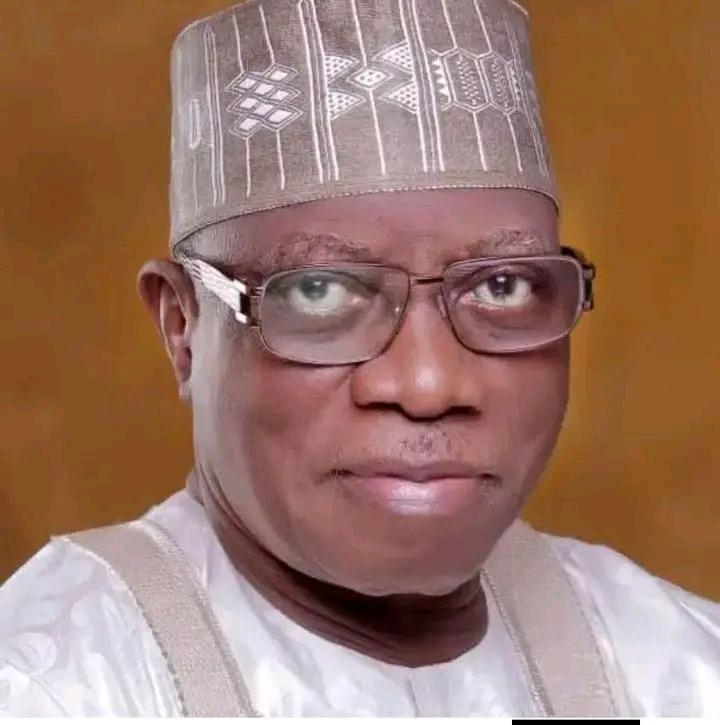
  • Retired Kogi Judges Cry Out Over Years of Neglect, Demand Immediate Payment of Outstanding Entitlements

    Retired judges of Kogi State have raised alarms over years of neglect, urging the government to immediately pay their unpaid pensions, gratuities, allowances, and vehicle allocations. Having served decades and retired between 2021 and 2023, the judges described the non-payment as unjust, humiliating, and a violation of constitutional provisions. They warned that continued inaction undermines judicial dignity and independence, urging Governor Ahmed Usman Ododo to intervene. Among the retirees are former Chief Judge John Bayo Olowosegun and ex-President of the Customary Court of Appeal, Yunusa Musa.

    Retired Kogi Judges Cry Out Over Years of Neglect, Demand Immediate Payment of Outstanding Entitlements Retired judges of Kogi State have raised alarms over years of neglect, urging the government to immediately pay their unpaid pensions, gratuities, allowances, and vehicle allocations. Having served decades and retired between 2021 and 2023, the judges described the non-payment as unjust, humiliating, and a violation of constitutional provisions. They warned that continued inaction undermines judicial dignity and independence, urging Governor Ahmed Usman Ododo to intervene. Among the retirees are former Chief Judge John Bayo Olowosegun and ex-President of the Customary Court of Appeal, Yunusa Musa.
    0 Commenti ·0 condivisioni ·496 Views
  • PRESS RELEASE

    Gov. Ododo Mourns Yakubu Mohammed, Co-Founder of Newswatch Magazine

    Kogi State, 14 January 2026 – Kogi State Governor Alhaji Ahmed Usman Ododo has expressed heartfelt condolences to the family of the late Alhaji Yakubu Mohammed, co-founder of Newswatch Magazine, and to the Nigerian Union of Journalists over the passing of the veteran journalist and elder statesman.

    In a statement issued by his Special Adviser on Media, Hon. Ismaila Isah, Governor Ododo described Mohammed as a pioneer of modern investigative journalism in Nigeria and a proud son of Dekina Local Government Area, whose contributions to nation-building went beyond the media space.

    “As a co-founder of the iconic Newswatch Magazine, Alhaji Yakubu Mohammed belonged to a rare generation of journalists who redefined courage, professionalism, and integrity in Nigerian journalism. He was a man whose influence shaped public discourse and strengthened accountability in our democracy,” the Governor said.

    Governor Ododo highlighted Mohammed’s instrumental role in establishing Newswatch in the mid-1980s alongside Dele Giwa, Ray Ekpu, and Dan Agbese, noting that the magazine marked a turning point in Nigerian media history by setting enduring standards for investigative reporting and editorial independence.

    The Governor also acknowledged Mohammed’s distinguished public service record, including his tenure as Pro-Chancellor and Chairman of the Governing Council of Ahmadu Bello University, Zaria, and his invaluable contributions to the development of Kogi State.

    “His love for Kogi State was evident in his commitment to its growth and his willingness to serve in different capacities. He was a bridge-builder, a mentor to many, and a voice of conscience in national affairs,” Governor Ododo added.

    He prayed that Almighty Allah grants the departed soul eternal rest and comforts his family and all who mourn his loss.

    PRESS RELEASE Gov. Ododo Mourns Yakubu Mohammed, Co-Founder of Newswatch Magazine Kogi State, 14 January 2026 – Kogi State Governor Alhaji Ahmed Usman Ododo has expressed heartfelt condolences to the family of the late Alhaji Yakubu Mohammed, co-founder of Newswatch Magazine, and to the Nigerian Union of Journalists over the passing of the veteran journalist and elder statesman. In a statement issued by his Special Adviser on Media, Hon. Ismaila Isah, Governor Ododo described Mohammed as a pioneer of modern investigative journalism in Nigeria and a proud son of Dekina Local Government Area, whose contributions to nation-building went beyond the media space. “As a co-founder of the iconic Newswatch Magazine, Alhaji Yakubu Mohammed belonged to a rare generation of journalists who redefined courage, professionalism, and integrity in Nigerian journalism. He was a man whose influence shaped public discourse and strengthened accountability in our democracy,” the Governor said. Governor Ododo highlighted Mohammed’s instrumental role in establishing Newswatch in the mid-1980s alongside Dele Giwa, Ray Ekpu, and Dan Agbese, noting that the magazine marked a turning point in Nigerian media history by setting enduring standards for investigative reporting and editorial independence. The Governor also acknowledged Mohammed’s distinguished public service record, including his tenure as Pro-Chancellor and Chairman of the Governing Council of Ahmadu Bello University, Zaria, and his invaluable contributions to the development of Kogi State. “His love for Kogi State was evident in his commitment to its growth and his willingness to serve in different capacities. He was a bridge-builder, a mentor to many, and a voice of conscience in national affairs,” Governor Ododo added. He prayed that Almighty Allah grants the departed soul eternal rest and comforts his family and all who mourn his loss.
    0 Commenti ·0 condivisioni ·866 Views
  • Ondo State Judiciary Paralyzed: Governor Aiyedatiwa Accused of Budget Cuts, Half-Autonomy, and Welfare Neglect Amid Ongoing Court Strike

    The Ondo State judiciary has come to a near-total halt as Governor Lucky Aiyedatiwa faces accusations of deliberately strangling the courts through severe budget cuts, partial financial autonomy, and neglect of judicial welfare. The state’s judiciary budget was slashed from ₦17 billion in 2025 to ₦9.5 billion in 2026, nearly a 45% reduction, prompting concerns over staff salaries, court operations, and infrastructure decay.

    Judicial workers allege that the governor granted only 80% autonomy limited to recurrent expenditure, leaving capital projects unfunded. Courtrooms reportedly leak during rainfall, forcing the suspension of hearings, while magistrates and officers rely on commercial motorcycles (okada) or shared rides with litigants due to lack of official vehicles.

    Despite repeated appeals, ₦400 million previously approved for judicial needs remains unpaid, worsening the crisis. The situation has triggered an indefinite strike by magistrates, legal officers, and members of the Judiciary Staff Union of Nigeria (JUSUN), physically locking judges out of court premises in Akure.

    Observers warn that the prolonged paralysis undermines judicial independence, public confidence in the justice system, and rule of law in Ondo State. Legal analysts describe the governor’s approach as a systematic humiliation and underfunding of the judiciary, drawing parallels with similar crises in other Nigerian states.

    With courts shut, staff unions united, and the public left without access to justice, pressure is mounting on Governor Aiyedatiwa to restore full financial autonomy, fund infrastructure projects, and address welfare challenges to prevent further erosion of democratic governance in the state.


    Ondo State Judiciary Paralyzed: Governor Aiyedatiwa Accused of Budget Cuts, Half-Autonomy, and Welfare Neglect Amid Ongoing Court Strike The Ondo State judiciary has come to a near-total halt as Governor Lucky Aiyedatiwa faces accusations of deliberately strangling the courts through severe budget cuts, partial financial autonomy, and neglect of judicial welfare. The state’s judiciary budget was slashed from ₦17 billion in 2025 to ₦9.5 billion in 2026, nearly a 45% reduction, prompting concerns over staff salaries, court operations, and infrastructure decay. Judicial workers allege that the governor granted only 80% autonomy limited to recurrent expenditure, leaving capital projects unfunded. Courtrooms reportedly leak during rainfall, forcing the suspension of hearings, while magistrates and officers rely on commercial motorcycles (okada) or shared rides with litigants due to lack of official vehicles. Despite repeated appeals, ₦400 million previously approved for judicial needs remains unpaid, worsening the crisis. The situation has triggered an indefinite strike by magistrates, legal officers, and members of the Judiciary Staff Union of Nigeria (JUSUN), physically locking judges out of court premises in Akure. Observers warn that the prolonged paralysis undermines judicial independence, public confidence in the justice system, and rule of law in Ondo State. Legal analysts describe the governor’s approach as a systematic humiliation and underfunding of the judiciary, drawing parallels with similar crises in other Nigerian states. With courts shut, staff unions united, and the public left without access to justice, pressure is mounting on Governor Aiyedatiwa to restore full financial autonomy, fund infrastructure projects, and address welfare challenges to prevent further erosion of democratic governance in the state.
    like
    1
    · 0 Commenti ·0 condivisioni ·817 Views
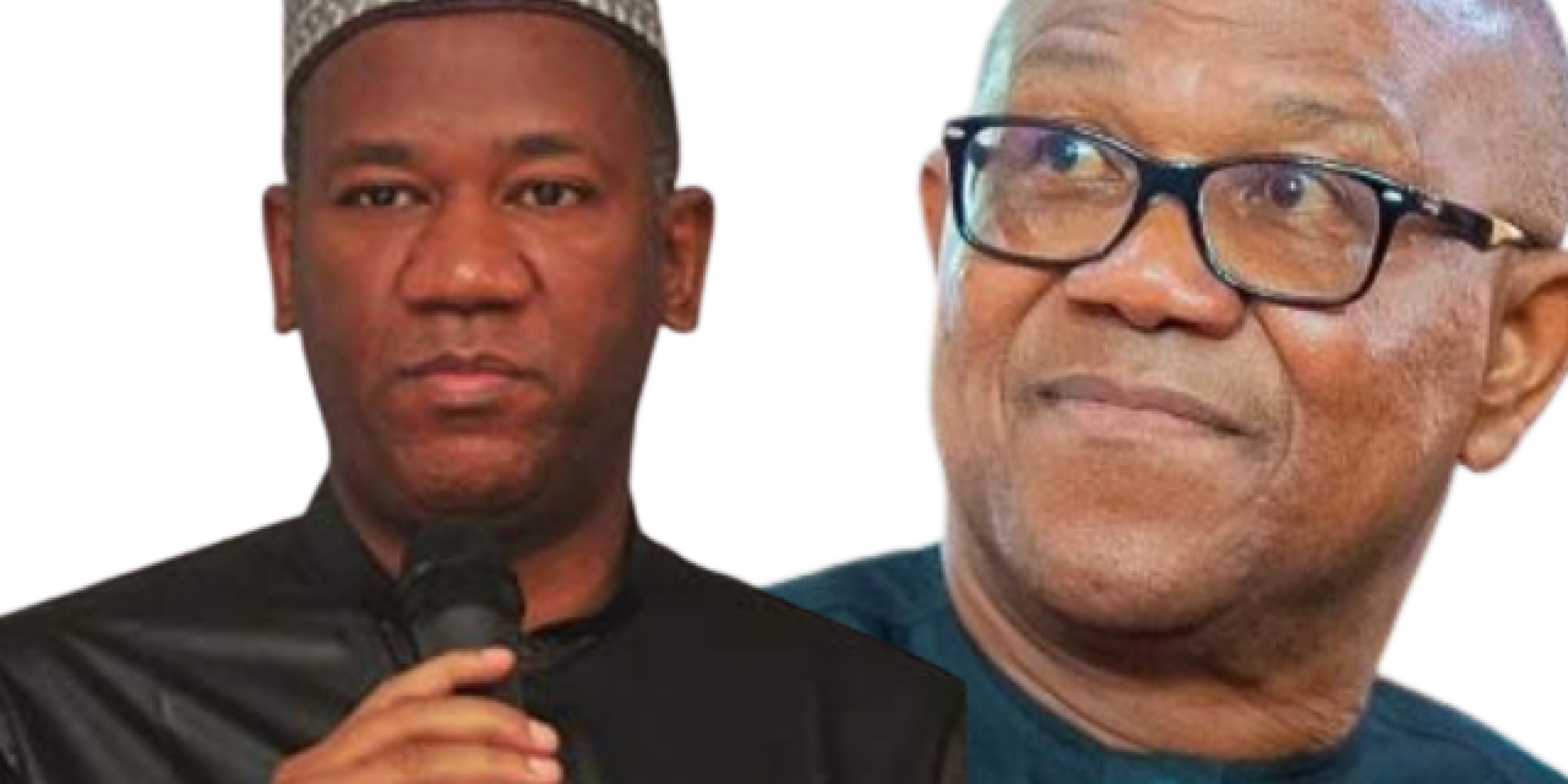
  • Is Peter Obi a ‘Political Traveller’ Gifted a Presidential Ticket? Why Labour Party VP Candidate Datti Baba-Ahmed Is Challenging Obi’s ADC Move and Declaring His Own 2027 Ambition

    Former Labour Party vice-presidential candidate Yusuf Datti Baba-Ahmed has launched a pointed political broadside that appears directed at his former principal, Peter Obi, following Obi’s decision to join the African Democratic Congress (ADC) coalition. Without naming him directly, Baba-Ahmed described Obi and other defecting politicians as “political travellers” who were “gifted a presidential ticket,” igniting fresh debate over loyalty, leadership, and the future of Nigeria’s opposition ahead of 2027.

    Speaking while declaring his intention to run for president, Baba-Ahmed insisted that he remains firmly within the Labour Party (LP), arguing that the party already “won a presidential election” and still represents a credible alternative to Nigeria’s dominant political blocs. He dismissed the ADC coalition as a gathering of “disgruntled politicians” who failed to properly challenge alleged constitutional breaches in the 2023 elections, questioning whether such alliances truly offer reform or merely recycle old power structures.

    At the heart of his message was a bold economic promise: Baba-Ahmed said that by June 2027, salaries of public servants—especially security personnel and teachers—would be quadrupled, insisting that “Nigeria can afford it.” He framed this pledge as a moral obligation to workers often overlooked despite their critical role in national stability and development.

    Positioning himself as a political outlier, Baba-Ahmed challenged rivals to produce “just one” major presidential aspirant who has never belonged to a ruling party. “I am that one,” he declared, stressing his independence and rejecting what he described as opportunistic movement between power centres. He added that he has no intention of joining any ruling party—except one he hopes to lead through the ballot.

    The former LP vice-presidential candidate also pushed back against claims that defections are weakening the Labour Party, saying neither he nor the party is responsible. According to him, individuals welcomed into LP in 2022 “with a presidential ticket” merely continued their political journey elsewhere. He urged supporters to “use the truth” amid what he called increasingly hostile online narratives.

    Recounting political history, Baba-Ahmed asserted that he aspired to the presidency before Peter Obi, citing events from 2018 when he contested in the PDP primaries and personally sought Obi’s support. While he spoke respectfully of Obi’s character, the implication was clear: leadership ambition, he argued, did not originate with his former running mate.

    Baba-Ahmed also highlighted Labour Party’s achievements despite financial constraints and what he termed “an era of perfected electoral fraud,” pointing to the party’s electoral gains—one state governor, eight senators, and around 40 House of Representatives members—as proof of its growing national footprint.

    The controversy now raises pressing political questions: Is Peter Obi abandoning the movement that propelled him in 2023? Does the ADC coalition represent a genuine opposition realignment or a gathering of familiar political actors? And can Datti Baba-Ahmed’s pledge of economic reform, party loyalty, and outsider status reshape Nigeria’s 2027 presidential race? As realignments continue, the Labour Party faces a defining moment over identity, leadership, and the path forward in Nigeria’s evolving political landscape.
    Is Peter Obi a ‘Political Traveller’ Gifted a Presidential Ticket? Why Labour Party VP Candidate Datti Baba-Ahmed Is Challenging Obi’s ADC Move and Declaring His Own 2027 Ambition Former Labour Party vice-presidential candidate Yusuf Datti Baba-Ahmed has launched a pointed political broadside that appears directed at his former principal, Peter Obi, following Obi’s decision to join the African Democratic Congress (ADC) coalition. Without naming him directly, Baba-Ahmed described Obi and other defecting politicians as “political travellers” who were “gifted a presidential ticket,” igniting fresh debate over loyalty, leadership, and the future of Nigeria’s opposition ahead of 2027. Speaking while declaring his intention to run for president, Baba-Ahmed insisted that he remains firmly within the Labour Party (LP), arguing that the party already “won a presidential election” and still represents a credible alternative to Nigeria’s dominant political blocs. He dismissed the ADC coalition as a gathering of “disgruntled politicians” who failed to properly challenge alleged constitutional breaches in the 2023 elections, questioning whether such alliances truly offer reform or merely recycle old power structures. At the heart of his message was a bold economic promise: Baba-Ahmed said that by June 2027, salaries of public servants—especially security personnel and teachers—would be quadrupled, insisting that “Nigeria can afford it.” He framed this pledge as a moral obligation to workers often overlooked despite their critical role in national stability and development. Positioning himself as a political outlier, Baba-Ahmed challenged rivals to produce “just one” major presidential aspirant who has never belonged to a ruling party. “I am that one,” he declared, stressing his independence and rejecting what he described as opportunistic movement between power centres. He added that he has no intention of joining any ruling party—except one he hopes to lead through the ballot. The former LP vice-presidential candidate also pushed back against claims that defections are weakening the Labour Party, saying neither he nor the party is responsible. According to him, individuals welcomed into LP in 2022 “with a presidential ticket” merely continued their political journey elsewhere. He urged supporters to “use the truth” amid what he called increasingly hostile online narratives. Recounting political history, Baba-Ahmed asserted that he aspired to the presidency before Peter Obi, citing events from 2018 when he contested in the PDP primaries and personally sought Obi’s support. While he spoke respectfully of Obi’s character, the implication was clear: leadership ambition, he argued, did not originate with his former running mate. Baba-Ahmed also highlighted Labour Party’s achievements despite financial constraints and what he termed “an era of perfected electoral fraud,” pointing to the party’s electoral gains—one state governor, eight senators, and around 40 House of Representatives members—as proof of its growing national footprint. The controversy now raises pressing political questions: Is Peter Obi abandoning the movement that propelled him in 2023? Does the ADC coalition represent a genuine opposition realignment or a gathering of familiar political actors? And can Datti Baba-Ahmed’s pledge of economic reform, party loyalty, and outsider status reshape Nigeria’s 2027 presidential race? As realignments continue, the Labour Party faces a defining moment over identity, leadership, and the path forward in Nigeria’s evolving political landscape.
    0 Commenti ·0 condivisioni ·1K Views
  • Is Ondo’s Governor Above the Law? Outrage as Commissioner Decorates Gov Aiyedatiwa at Public Event Despite Court Order for Her Arrest

    Is the rule of law being deliberately undermined in Ondo State, and why was a commissioner facing a court-ordered arrest allowed to appear publicly with the governor?

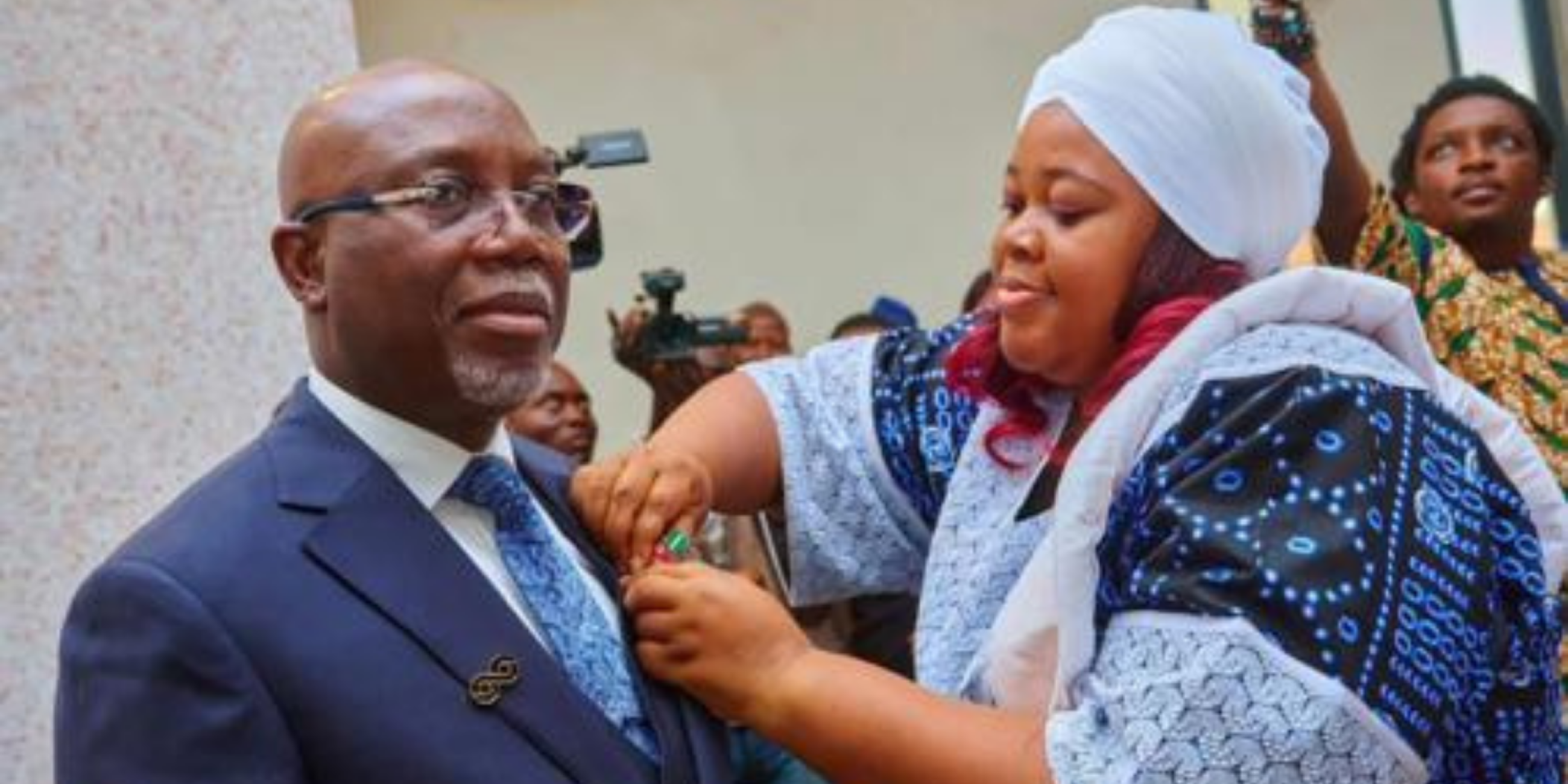
    Governor Lucky Aiyedatiwa has come under intense public criticism after his Commissioner for Women Affairs, Mrs Seun Osamaye, was seen participating in an official state event and decorating him with the 2026 National Armed Forces Remembrance Emblem, despite a subsisting court order directing her arrest and remand.

    The controversy stems from a ruling delivered on December 31, 2025, by a Magistrate Court in Ondo State, which ordered the arrest and imprisonment of Mrs Osamaye over allegations of assault, intimidation, and threats against a serving Chief Magistrate, Mrs Temitope Alphonso. According to court records, the commissioner was accused of verbally and physically confronting the magistrate during an official visit to the Ministry of Women Affairs following a judgment that was reportedly unfavourable to her.

    Public outrage erupted after photographs of the commissioner at Wednesday’s event circulated on social media. Legal commentators noted that no court order had vacated or overturned the ruling, and that the magistrates’ indefinite strike in Ondo State made it impossible for any judicial review to have lawfully taken place. “The order remains valid and enforceable,” one observer said, describing the public appearance as “a slap on the judiciary.”

    Critics questioned how a public official facing a lawful arrest order could be allowed to take part in a high-profile state function—especially one honouring the governor, who is constitutionally bound to uphold the law. “How can a governor permit an appointee who ought to be in custody to decorate him in public?” one source asked, calling the episode “a show of shame” and evidence of “disrespect and disregard for the rule of law.”

    Court documents allege that Mrs Osamaye verbally abused and threatened Magistrate Alphonso, reportedly telling her to “shut up,” referring to her as “a mere magistrate,” and boasting that even the Chief Judge of Ondo State could not challenge her authority. The affidavit further claims she issued threats suggesting the magistrate could be made to “go missing,” actions described as intimidation and abuse of political influence.

    Mrs Osamaye failed to appear in court on the hearing date. Her counsel submitted a medical report claiming she was receiving treatment, but the presiding magistrate, Mr Damilola Sekoni, rejected the document for lacking essential details. He subsequently ordered her arrest and remand, citing what he described as a clear disregard for the authority of the court, and adjourned the matter to January 12.

    The Nigerian Bar Association (NBA), Akure Branch, has since called on Governor Aiyedatiwa to suspend the commissioner to allow her face prosecution without interference. The NBA warned that the alleged conduct, if proven, constitutes a direct attack on judicial independence and a dangerous erosion of public confidence in the justice system.

    The episode has raised urgent questions:
    Did the Ondo State Government knowingly disregard a valid court order?
    What message does this send about accountability and equality before the law?
    And can public trust in the judiciary survive when court directives appear openly defied?

    As legal bodies demand action and citizens express outrage, the controversy has become a critical test of rule of law, separation of powers, and democratic accountability in Ondo State.


    Is Ondo’s Governor Above the Law? Outrage as Commissioner Decorates Gov Aiyedatiwa at Public Event Despite Court Order for Her Arrest Is the rule of law being deliberately undermined in Ondo State, and why was a commissioner facing a court-ordered arrest allowed to appear publicly with the governor? Governor Lucky Aiyedatiwa has come under intense public criticism after his Commissioner for Women Affairs, Mrs Seun Osamaye, was seen participating in an official state event and decorating him with the 2026 National Armed Forces Remembrance Emblem, despite a subsisting court order directing her arrest and remand. The controversy stems from a ruling delivered on December 31, 2025, by a Magistrate Court in Ondo State, which ordered the arrest and imprisonment of Mrs Osamaye over allegations of assault, intimidation, and threats against a serving Chief Magistrate, Mrs Temitope Alphonso. According to court records, the commissioner was accused of verbally and physically confronting the magistrate during an official visit to the Ministry of Women Affairs following a judgment that was reportedly unfavourable to her. Public outrage erupted after photographs of the commissioner at Wednesday’s event circulated on social media. Legal commentators noted that no court order had vacated or overturned the ruling, and that the magistrates’ indefinite strike in Ondo State made it impossible for any judicial review to have lawfully taken place. “The order remains valid and enforceable,” one observer said, describing the public appearance as “a slap on the judiciary.” Critics questioned how a public official facing a lawful arrest order could be allowed to take part in a high-profile state function—especially one honouring the governor, who is constitutionally bound to uphold the law. “How can a governor permit an appointee who ought to be in custody to decorate him in public?” one source asked, calling the episode “a show of shame” and evidence of “disrespect and disregard for the rule of law.” Court documents allege that Mrs Osamaye verbally abused and threatened Magistrate Alphonso, reportedly telling her to “shut up,” referring to her as “a mere magistrate,” and boasting that even the Chief Judge of Ondo State could not challenge her authority. The affidavit further claims she issued threats suggesting the magistrate could be made to “go missing,” actions described as intimidation and abuse of political influence. Mrs Osamaye failed to appear in court on the hearing date. Her counsel submitted a medical report claiming she was receiving treatment, but the presiding magistrate, Mr Damilola Sekoni, rejected the document for lacking essential details. He subsequently ordered her arrest and remand, citing what he described as a clear disregard for the authority of the court, and adjourned the matter to January 12. The Nigerian Bar Association (NBA), Akure Branch, has since called on Governor Aiyedatiwa to suspend the commissioner to allow her face prosecution without interference. The NBA warned that the alleged conduct, if proven, constitutes a direct attack on judicial independence and a dangerous erosion of public confidence in the justice system. The episode has raised urgent questions: Did the Ondo State Government knowingly disregard a valid court order? What message does this send about accountability and equality before the law? And can public trust in the judiciary survive when court directives appear openly defied? As legal bodies demand action and citizens express outrage, the controversy has become a critical test of rule of law, separation of powers, and democratic accountability in Ondo State.
    0 Commenti ·0 condivisioni ·733 Views
  • Rivers APC Rejects Impeachment of Governor Fubara Amid Political Crisis and PDP Pressure

    The All Progressives Congress (APC) in Rivers State has formally rejected ongoing impeachment moves against Governor Siminalayi Fubara and Deputy Governor Ngozi Oduh, warning that such action could destabilize the state and tarnish the party’s image. The impeachment effort, reportedly signed by 26 lawmakers, alleges gross misconduct by the state executive.

    In a statement, the Rivers APC acknowledged the legislature’s constitutional independence but stressed that it cannot support removing a governor elected on its platform. The party linked the impeachment threat to internal disputes within the Peoples Democratic Party (PDP) and cautioned against external pressures influencing APC lawmakers.

    The APC also addressed claims that the move was related to budgetary issues, highlighting that the ₦1.485 trillion budget for 2025–2026 had been approved and that the governor has constitutional leeway in its execution. The party urged lawmakers to discontinue the impeachment process to preserve governance, democracy, and political stability in Rivers State.

    The political tension follows a lingering rift between Governor Fubara and his predecessor, Nyesom Wike, which continues to polarize the state’s political landscape. APC officials have emphasized that leadership positions are tied to current officeholders, underscoring the party’s commitment to defending its elected executives and maintaining internal cohesion.

    This development adds to the ongoing narrative of political turbulence in Nigerian states, highlighting party loyalty, legislative tensions, and the complexities of state governance under partisan pressures.

    Rivers APC Rejects Impeachment of Governor Fubara Amid Political Crisis and PDP Pressure The All Progressives Congress (APC) in Rivers State has formally rejected ongoing impeachment moves against Governor Siminalayi Fubara and Deputy Governor Ngozi Oduh, warning that such action could destabilize the state and tarnish the party’s image. The impeachment effort, reportedly signed by 26 lawmakers, alleges gross misconduct by the state executive. In a statement, the Rivers APC acknowledged the legislature’s constitutional independence but stressed that it cannot support removing a governor elected on its platform. The party linked the impeachment threat to internal disputes within the Peoples Democratic Party (PDP) and cautioned against external pressures influencing APC lawmakers. The APC also addressed claims that the move was related to budgetary issues, highlighting that the ₦1.485 trillion budget for 2025–2026 had been approved and that the governor has constitutional leeway in its execution. The party urged lawmakers to discontinue the impeachment process to preserve governance, democracy, and political stability in Rivers State. The political tension follows a lingering rift between Governor Fubara and his predecessor, Nyesom Wike, which continues to polarize the state’s political landscape. APC officials have emphasized that leadership positions are tied to current officeholders, underscoring the party’s commitment to defending its elected executives and maintaining internal cohesion. This development adds to the ongoing narrative of political turbulence in Nigerian states, highlighting party loyalty, legislative tensions, and the complexities of state governance under partisan pressures.
    0 Commenti ·0 condivisioni ·952 Views
  • Why Is the ADC Inaugurating Zonal Congress Committees, Why Is It Rejecting Any Alliance With Atiku, Obi, Kwankwaso, and Jonathan, and What Does This Signal for Nigeria’s 2027 Politics?

    A faction of the African Democratic Congress (ADC) has moved to strengthen its internal structure by inaugurating Zonal Congress Committees across three geopolitical zones, while firmly rejecting widespread speculation that the party is aligning with major political figures such as Atiku Abubakar, Peter Obi, Rabiu Kwankwaso, and Goodluck Jonathan.

    In a communique signed by the party’s National Chairman, Hon. Nafiu Bala Gombe, the ADC said the exercise was part of efforts to entrench internal democracy, transparency, and strict adherence to the party’s constitution ahead of future elections.

    According to the statement, the South-West Zonal Congress Committee was inaugurated in Ekiti State on January 7, 2026, with Hon. Bala Sani named Chairman and Hon. Kyauta Yakubu heading the Appeal Committee. The ceremony was conducted by the National Chairman himself.

    In the South-East, a similar inauguration took place in Enugu State on the same date. Barrister Adamu Ado Dauda was appointed Chairman of the Congress Committee, while Mrs. Iyabo Salami Alibi was named head of the Appeal Committee. The event was presided over by the Secretary of the party’s Board of Trustees (BoT), Chief Rufus Ekenmi.

    Earlier, on January 5, 2026, the party inaugurated its North-Central Zonal Congress Committee, appointing Hon. Lolo Ehirudu as Chairman of the Congress Committee and Hon. Sa’ad Aboki as head of the Appeal Committee.

    Beyond organisational matters, the ADC used the occasion to directly address growing rumours of a possible political alliance with prominent national figures. The party categorically dismissed claims linking it to Atiku Abubakar, Labour Party’s 2023 presidential candidate Peter Obi, former Kano State Governor Rabiu Kwankwaso, and former President Goodluck Jonathan.

    “The National Leadership reiterates its unwavering commitment to the principles of internal democracy, transparency, and strict adherence to the party’s constitution,” the communique stated, urging members and the public to “disregard and ignore” all reports of external political alignments. The party stressed that its focus remains on building “a strong, independent, and ideologically driven platform.”

    The ADC also emphasised that only duly registered and financially up-to-date members would be eligible to vote or contest in its congresses and internal elections, reinforcing its claim of commitment to internal order and party discipline.

    By distancing itself from Nigeria’s most recognisable political heavyweights, the party appears determined to project itself as an independent alternative within the country’s democratic space—one that is not defined by elite coalitions or personality-driven politics.

    As speculation continues over emerging alliances ahead of future elections, observers are asking: Why is the ADC rejecting any association with established political figures? Is the party positioning itself as a third-force movement, or is this a strategic move to consolidate its base before engaging in broader negotiations? And could this internal reorganisation reshape opposition politics in Nigeria ahead of 2027?

    The ADC insists its direction is clear: no external alliances, strict internal democracy, and a people-centred political platform—a stance that may test both its independence and its appeal in Nigeria’s highly competitive political landscape.
    Why Is the ADC Inaugurating Zonal Congress Committees, Why Is It Rejecting Any Alliance With Atiku, Obi, Kwankwaso, and Jonathan, and What Does This Signal for Nigeria’s 2027 Politics? A faction of the African Democratic Congress (ADC) has moved to strengthen its internal structure by inaugurating Zonal Congress Committees across three geopolitical zones, while firmly rejecting widespread speculation that the party is aligning with major political figures such as Atiku Abubakar, Peter Obi, Rabiu Kwankwaso, and Goodluck Jonathan. In a communique signed by the party’s National Chairman, Hon. Nafiu Bala Gombe, the ADC said the exercise was part of efforts to entrench internal democracy, transparency, and strict adherence to the party’s constitution ahead of future elections. According to the statement, the South-West Zonal Congress Committee was inaugurated in Ekiti State on January 7, 2026, with Hon. Bala Sani named Chairman and Hon. Kyauta Yakubu heading the Appeal Committee. The ceremony was conducted by the National Chairman himself. In the South-East, a similar inauguration took place in Enugu State on the same date. Barrister Adamu Ado Dauda was appointed Chairman of the Congress Committee, while Mrs. Iyabo Salami Alibi was named head of the Appeal Committee. The event was presided over by the Secretary of the party’s Board of Trustees (BoT), Chief Rufus Ekenmi. Earlier, on January 5, 2026, the party inaugurated its North-Central Zonal Congress Committee, appointing Hon. Lolo Ehirudu as Chairman of the Congress Committee and Hon. Sa’ad Aboki as head of the Appeal Committee. Beyond organisational matters, the ADC used the occasion to directly address growing rumours of a possible political alliance with prominent national figures. The party categorically dismissed claims linking it to Atiku Abubakar, Labour Party’s 2023 presidential candidate Peter Obi, former Kano State Governor Rabiu Kwankwaso, and former President Goodluck Jonathan. “The National Leadership reiterates its unwavering commitment to the principles of internal democracy, transparency, and strict adherence to the party’s constitution,” the communique stated, urging members and the public to “disregard and ignore” all reports of external political alignments. The party stressed that its focus remains on building “a strong, independent, and ideologically driven platform.” The ADC also emphasised that only duly registered and financially up-to-date members would be eligible to vote or contest in its congresses and internal elections, reinforcing its claim of commitment to internal order and party discipline. By distancing itself from Nigeria’s most recognisable political heavyweights, the party appears determined to project itself as an independent alternative within the country’s democratic space—one that is not defined by elite coalitions or personality-driven politics. As speculation continues over emerging alliances ahead of future elections, observers are asking: Why is the ADC rejecting any association with established political figures? Is the party positioning itself as a third-force movement, or is this a strategic move to consolidate its base before engaging in broader negotiations? And could this internal reorganisation reshape opposition politics in Nigeria ahead of 2027? The ADC insists its direction is clear: no external alliances, strict internal democracy, and a people-centred political platform—a stance that may test both its independence and its appeal in Nigeria’s highly competitive political landscape.
    0 Commenti ·0 condivisioni ·1K Views
  • Did Wike Admit Using the Judiciary for APC’s Political Battles? Why the FCT Minister Says He Helped Kill Osun’s LG Funds Case—and What It Means for Democracy in Nigeria

    Nigeria’s political space was thrown into controversy after Minister of the Federal Capital Territory (FCT), Nyesom Wike, openly claimed that he helped influential figures within the ruling All Progressives Congress (APC) use the judiciary to frustrate the Osun State local government funds lawsuit. Speaking in a video circulating online, Wike boasted that the court actions that led to the withholding of Osun’s local government allocations were not accidental but carefully engineered by powerful political actors working behind the scenes.

    Addressing a crowd in Port Harcourt, the former Rivers State governor accused APC National Secretary, Senator Ajibola Basiru, of enjoying the political benefits of judicial decisions against the Osun State Government without acknowledging those who made them possible. According to Wike, the lawsuit—widely viewed as targeting Governor Ademola Adeleke’s administration—was part of a broader political strategy rather than a purely legal process.

    Wike warned APC leaders against what he described as ingratitude, insisting that their current advantage in Osun was the result of unseen political manoeuvres. “Today, you are enjoying in Osun. You don’t know those who did the work,” he said, cautioning party leaders not to “take our support for Mr President for granted.” His remarks appeared to be a direct response to Basiru’s criticism of his involvement in Rivers State politics.

    The political clash follows Basiru’s demand that Wike resign as FCT minister, arguing that he is not a member of the APC and therefore has no standing to interfere in the party’s internal affairs. Basiru maintained that his comments were aimed at defending party structure and respecting sitting governors, adding that Wike’s response was inappropriate for a member of the Federal Executive Council.

    The controversy also reopens debate surrounding the Supreme Court’s December 2025 ruling on the Osun local government funds dispute. While the Court faulted the Federal Government for withholding funds, it also ruled that the Osun Attorney General lacked the authority to sue on behalf of the local councils without proper authorisation. A minority judgment, however, criticised the Federal Government’s action as harmful to local governance.

    Wike’s admission has triggered intense reactions across political and civil society circles, raising troubling questions about judicial independence, political influence over court processes, and the weaponisation of legal institutions for partisan gain. If court outcomes can be “worked out” through political connections, critics ask, what does this mean for democracy, federalism, and the rule of law in Nigeria?

    As tensions escalate between Wike and APC leadership, the episode underscores a deeper struggle over power, loyalty, and accountability within Nigeria’s political system—one that could reshape party alliances, governance in Osun and Rivers States, and public trust in the judiciary.


    Did Wike Admit Using the Judiciary for APC’s Political Battles? Why the FCT Minister Says He Helped Kill Osun’s LG Funds Case—and What It Means for Democracy in Nigeria Nigeria’s political space was thrown into controversy after Minister of the Federal Capital Territory (FCT), Nyesom Wike, openly claimed that he helped influential figures within the ruling All Progressives Congress (APC) use the judiciary to frustrate the Osun State local government funds lawsuit. Speaking in a video circulating online, Wike boasted that the court actions that led to the withholding of Osun’s local government allocations were not accidental but carefully engineered by powerful political actors working behind the scenes. Addressing a crowd in Port Harcourt, the former Rivers State governor accused APC National Secretary, Senator Ajibola Basiru, of enjoying the political benefits of judicial decisions against the Osun State Government without acknowledging those who made them possible. According to Wike, the lawsuit—widely viewed as targeting Governor Ademola Adeleke’s administration—was part of a broader political strategy rather than a purely legal process. Wike warned APC leaders against what he described as ingratitude, insisting that their current advantage in Osun was the result of unseen political manoeuvres. “Today, you are enjoying in Osun. You don’t know those who did the work,” he said, cautioning party leaders not to “take our support for Mr President for granted.” His remarks appeared to be a direct response to Basiru’s criticism of his involvement in Rivers State politics. The political clash follows Basiru’s demand that Wike resign as FCT minister, arguing that he is not a member of the APC and therefore has no standing to interfere in the party’s internal affairs. Basiru maintained that his comments were aimed at defending party structure and respecting sitting governors, adding that Wike’s response was inappropriate for a member of the Federal Executive Council. The controversy also reopens debate surrounding the Supreme Court’s December 2025 ruling on the Osun local government funds dispute. While the Court faulted the Federal Government for withholding funds, it also ruled that the Osun Attorney General lacked the authority to sue on behalf of the local councils without proper authorisation. A minority judgment, however, criticised the Federal Government’s action as harmful to local governance. Wike’s admission has triggered intense reactions across political and civil society circles, raising troubling questions about judicial independence, political influence over court processes, and the weaponisation of legal institutions for partisan gain. If court outcomes can be “worked out” through political connections, critics ask, what does this mean for democracy, federalism, and the rule of law in Nigeria? As tensions escalate between Wike and APC leadership, the episode underscores a deeper struggle over power, loyalty, and accountability within Nigeria’s political system—one that could reshape party alliances, governance in Osun and Rivers States, and public trust in the judiciary.
    0 Commenti ·0 condivisioni ·1K Views
  • Don’t Approach Me To Bend The Law Judge Warns Lawyers In Ex-AGF Malami’s ₦8.7Billion Money Laundering Trial
    January 7, 2026 – Abuja

    Justice Emeka Nwite of the Federal High Court, Maitama, Abuja, issued a stern warning to lawyers and litigants involved in the high-profile trial of former Attorney General of the Federation (AGF) and Minister of Justice, Abubakar Malami, SAN, his wife Hajia Bashir Asabe, and their son, Abubakar Abdulaziz Malami. The case, instituted by the Economic and Financial Crimes Commission (EFCC), concerns alleged money laundering involving over ₦8.7 billion.

    Justice Nwite cautioned that any attempt to approach him for personal favours or undue influence would be resisted. “All judges are not the same. Irrespective of my familiarity with you, when I am dealing with any case, do not approach me. The law cannot be bent as far as this court is concerned,” he said, stressing that proper legal representation, not backdoor contacts, is the legitimate way for lawyers to serve clients. He further warned that attempts to compromise the court’s integrity or tarnish his name would be firmly dealt with, emphasizing, “I warned, I warned, and I warned!”

    The EFCC accused Malami, his wife, and son of conspiring to procure, disguise, conceal, and launder proceeds of unlawful activities, contrary to the Money Laundering (Prevention and Prohibition) Act, 2022. They face a 16-count charge involving conspiracy and multiple forms of money laundering.

    Among the allegations, the EFCC claimed that between July 2022 and June 2025, Malami and his son used Metropolitan Auto Tech Limited to conceal ₦1,014,848,500 lodged in a Sterling Bank account, funds allegedly known to be proceeds of unlawful activities. Another charge alleges that the trio conspired in September 2024 to disguise the origin of ₦1,049,173,926.13 paid through the Union Bank account of Meethaq Hotels Limited, Jabi. The agency also alleged that Malami and his son indirectly controlled ₦1,362,887,872.96 paid into the same company’s Union Bank savings account between November 2022 and October 2025.

    Earlier, Justice Nwite granted the defendants bail of ₦500 million each, with two sureties each. The sureties were required to submit affidavits of means.

    This trial has drawn attention not only because of the substantial sums involved but also due to Malami’s prominent former position as AGF and Minister of Justice, which amplified public scrutiny over corruption and the integrity of Nigeria’s judicial processes. Observers note the judge’s firm admonition reflects ongoing efforts to maintain judicial independence and prevent interference in politically sensitive cases.

    Malami’s legal team is expected to proceed with formal defense submissions while adhering strictly to court procedure. The EFCC, meanwhile, continues its investigation into the flow and management of the alleged laundered funds, signaling a prolonged and closely monitored trial. The outcome is likely to influence public discourse on accountability for top government officials, money laundering enforcement, and the integrity of Nigeria’s anti-graft agencies.
    Don’t Approach Me To Bend The Law Judge Warns Lawyers In Ex-AGF Malami’s ₦8.7Billion Money Laundering Trial January 7, 2026 – Abuja Justice Emeka Nwite of the Federal High Court, Maitama, Abuja, issued a stern warning to lawyers and litigants involved in the high-profile trial of former Attorney General of the Federation (AGF) and Minister of Justice, Abubakar Malami, SAN, his wife Hajia Bashir Asabe, and their son, Abubakar Abdulaziz Malami. The case, instituted by the Economic and Financial Crimes Commission (EFCC), concerns alleged money laundering involving over ₦8.7 billion. Justice Nwite cautioned that any attempt to approach him for personal favours or undue influence would be resisted. “All judges are not the same. Irrespective of my familiarity with you, when I am dealing with any case, do not approach me. The law cannot be bent as far as this court is concerned,” he said, stressing that proper legal representation, not backdoor contacts, is the legitimate way for lawyers to serve clients. He further warned that attempts to compromise the court’s integrity or tarnish his name would be firmly dealt with, emphasizing, “I warned, I warned, and I warned!” The EFCC accused Malami, his wife, and son of conspiring to procure, disguise, conceal, and launder proceeds of unlawful activities, contrary to the Money Laundering (Prevention and Prohibition) Act, 2022. They face a 16-count charge involving conspiracy and multiple forms of money laundering. Among the allegations, the EFCC claimed that between July 2022 and June 2025, Malami and his son used Metropolitan Auto Tech Limited to conceal ₦1,014,848,500 lodged in a Sterling Bank account, funds allegedly known to be proceeds of unlawful activities. Another charge alleges that the trio conspired in September 2024 to disguise the origin of ₦1,049,173,926.13 paid through the Union Bank account of Meethaq Hotels Limited, Jabi. The agency also alleged that Malami and his son indirectly controlled ₦1,362,887,872.96 paid into the same company’s Union Bank savings account between November 2022 and October 2025. Earlier, Justice Nwite granted the defendants bail of ₦500 million each, with two sureties each. The sureties were required to submit affidavits of means. This trial has drawn attention not only because of the substantial sums involved but also due to Malami’s prominent former position as AGF and Minister of Justice, which amplified public scrutiny over corruption and the integrity of Nigeria’s judicial processes. Observers note the judge’s firm admonition reflects ongoing efforts to maintain judicial independence and prevent interference in politically sensitive cases. Malami’s legal team is expected to proceed with formal defense submissions while adhering strictly to court procedure. The EFCC, meanwhile, continues its investigation into the flow and management of the alleged laundered funds, signaling a prolonged and closely monitored trial. The outcome is likely to influence public discourse on accountability for top government officials, money laundering enforcement, and the integrity of Nigeria’s anti-graft agencies.
    0 Commenti ·0 condivisioni ·552 Views
  • What Will Be the End of Nyesom Wike? Analysis of His Political Influence and Future Prospects”

    In this incisive opinion piece, Pelumi Olajengbesi, Esq., examines the political trajectory and future of Nyesom Wike, one of Nigeria’s most influential and polarizing politicians. Wike, formerly instrumental in shaping the emergence of President Tinubu, has long dominated Rivers State politics, pushing aside rivals and asserting a near-absolute influence over his political domain. His style, a combination of strategic brilliance, territorial control, and relentless confrontation, has both earned him admiration and created friction with allies and the opposition alike.
    Wike’s political approach has been defined by territorial command—he defines the political space, punishes disloyalty, and keeps opponents uncertain. This method proved highly effective when he fully controlled Rivers politics, yet the shifting political terrain has begun to challenge his authority. The analysis highlights that when his former protégé, Governor Fubara, aligned with the APC, Wike’s influence began to face constraints, illustrating that political power dependent on perception and intimidation can be fragile.
    Olajengbesi notes that Wike’s predicament is heightened by his dual position as both a useful ally and an outsider within the ruling party. While his support for Tinubu and his ability to destabilize opposition calculations have made him relevant at the federal level, his independence and confrontational style are increasingly perceived as a threat to party discipline and structure. As the ruling party prepares for the next political cycle, Wike’s influence risks erosion if it continues to undermine institutional hierarchy.
    The opinion piece predicts several possible outcomes for Wike: gradual isolation, where his access and influence diminish quietly; neutralisation, where he retains office but loses political leverage; or forced realignment, requiring him to fully submit to party structures, sacrificing the independence that has defined his political brand. However, Wike’s experience and strategic acumen suggest he may yet adapt, potentially transitioning from territorial dominance to coalition management, balancing influence with accommodation.
    Ultimately, Olajengbesi portrays Wike as a fascinating case study of power, strategy, and political survival, highlighting that his future depends not only on strength but on his capacity to navigate institutional politics without alienating the structures that sustain it. The piece underscores that in Nigerian politics, influence without institutional belonging is potent but precarious, and Wike’s next moves will determine whether his story ends in decline or reinvention.
    What Will Be the End of Nyesom Wike? Analysis of His Political Influence and Future Prospects” In this incisive opinion piece, Pelumi Olajengbesi, Esq., examines the political trajectory and future of Nyesom Wike, one of Nigeria’s most influential and polarizing politicians. Wike, formerly instrumental in shaping the emergence of President Tinubu, has long dominated Rivers State politics, pushing aside rivals and asserting a near-absolute influence over his political domain. His style, a combination of strategic brilliance, territorial control, and relentless confrontation, has both earned him admiration and created friction with allies and the opposition alike. Wike’s political approach has been defined by territorial command—he defines the political space, punishes disloyalty, and keeps opponents uncertain. This method proved highly effective when he fully controlled Rivers politics, yet the shifting political terrain has begun to challenge his authority. The analysis highlights that when his former protégé, Governor Fubara, aligned with the APC, Wike’s influence began to face constraints, illustrating that political power dependent on perception and intimidation can be fragile. Olajengbesi notes that Wike’s predicament is heightened by his dual position as both a useful ally and an outsider within the ruling party. While his support for Tinubu and his ability to destabilize opposition calculations have made him relevant at the federal level, his independence and confrontational style are increasingly perceived as a threat to party discipline and structure. As the ruling party prepares for the next political cycle, Wike’s influence risks erosion if it continues to undermine institutional hierarchy. The opinion piece predicts several possible outcomes for Wike: gradual isolation, where his access and influence diminish quietly; neutralisation, where he retains office but loses political leverage; or forced realignment, requiring him to fully submit to party structures, sacrificing the independence that has defined his political brand. However, Wike’s experience and strategic acumen suggest he may yet adapt, potentially transitioning from territorial dominance to coalition management, balancing influence with accommodation. Ultimately, Olajengbesi portrays Wike as a fascinating case study of power, strategy, and political survival, highlighting that his future depends not only on strength but on his capacity to navigate institutional politics without alienating the structures that sustain it. The piece underscores that in Nigerian politics, influence without institutional belonging is potent but precarious, and Wike’s next moves will determine whether his story ends in decline or reinvention.
    like
    1
    · 0 Commenti ·0 condivisioni ·783 Views
  • Ondo State Judiciary Paralyzed as Governor Aiyedatiwa Faces Criticism Over Poor Welfare, Financial Autonomy Issues; JUSUN Joins Strike Shutting Courts in Akure

    The Ondo State judiciary has been brought to a standstill following a strike by magistrates, presidents of Grade ‘A’ customary courts, and legal research officers, citing poor welfare conditions, unfulfilled promises, and the refusal of financial autonomy under Governor Lucky Aiyedatiwa.
    The strike escalated when judiciary workers locked judges out of court facilities in Akure, shutting down the Ondo State Judiciary Headquarters. The Judiciary Staff Union of Nigeria (JUSUN) subsequently joined the industrial action, further crippling court operations across the state.
    Sources revealed that many magistrates face severe hardships, including inadequate clothing, lack of official vehicles, and difficulty meeting basic daily needs. The strike highlights the pressing demand for improved welfare, autonomy, and government accountability to uphold the independence and dignity of Ondo State’s judiciary.
    Ondo State Judiciary Paralyzed as Governor Aiyedatiwa Faces Criticism Over Poor Welfare, Financial Autonomy Issues; JUSUN Joins Strike Shutting Courts in Akure The Ondo State judiciary has been brought to a standstill following a strike by magistrates, presidents of Grade ‘A’ customary courts, and legal research officers, citing poor welfare conditions, unfulfilled promises, and the refusal of financial autonomy under Governor Lucky Aiyedatiwa. The strike escalated when judiciary workers locked judges out of court facilities in Akure, shutting down the Ondo State Judiciary Headquarters. The Judiciary Staff Union of Nigeria (JUSUN) subsequently joined the industrial action, further crippling court operations across the state. Sources revealed that many magistrates face severe hardships, including inadequate clothing, lack of official vehicles, and difficulty meeting basic daily needs. The strike highlights the pressing demand for improved welfare, autonomy, and government accountability to uphold the independence and dignity of Ondo State’s judiciary.
    0 Commenti ·0 condivisioni ·348 Views
  • BBC Bars Journalists From Using ‘Kidnapped’ to Describe Nicolas Maduro’s Arrest by US Forces, Sparks Global Media Ethics Debate After Trump Backs Term

    A controversy has erupted over the BBC’s editorial guidelines following the arrest of Venezuelan President Nicolás Maduro by United States forces. According to socialist commentator Owen Jones, BBC journalists were instructed through an internal memo not to describe the incident as a “kidnapping,” despite that term being used by Venezuelan officials and even accepted by U.S. President Donald Trump.

    The memo, circulated by the BBC News Editor, advised reporters to use terms such as “captured”—attributed to the U.S. account of events—or “seized” in the corporation’s own reporting, while explicitly cautioning: “Avoid using ‘Kidnapped.’” Jones shared the directive publicly, triggering widespread debate about editorial independence, language framing, and media neutrality in covering sensitive international operations.

    The backlash intensified after President Trump, speaking aboard Air Force One, said he had no objection to describing Maduro’s detention as a kidnapping, responding: “It’s alright. It’s not a bad term.” Trump confirmed that Maduro had been taken into U.S. custody and transferred to New York, following what U.S. authorities called a surprise operation. Venezuela’s then–Vice President Delcy Rodríguez, who has since been sworn in as interim president, had earlier labeled the action a “kidnapping.”

    In court, Maduro and his wife Cilia Flores pleaded not guilty to multiple charges, including narco-terrorism conspiracy, cocaine trafficking, and weapons-related offences. Maduro told the court he was “kidnapped” and “captured” from his Caracas residence, declaring himself a “prisoner of war.” The developments have intensified scrutiny of both U.S. actions in Venezuela and the BBC’s editorial choices, with critics arguing the language ban reflects political sensitivity, while defenders say it ensures accuracy and consistency.

    The episode has reignited global debate over media ethics, word choice in conflict reporting, and the power of language in shaping public perception of international crises.
    BBC Bars Journalists From Using ‘Kidnapped’ to Describe Nicolas Maduro’s Arrest by US Forces, Sparks Global Media Ethics Debate After Trump Backs Term A controversy has erupted over the BBC’s editorial guidelines following the arrest of Venezuelan President Nicolás Maduro by United States forces. According to socialist commentator Owen Jones, BBC journalists were instructed through an internal memo not to describe the incident as a “kidnapping,” despite that term being used by Venezuelan officials and even accepted by U.S. President Donald Trump. The memo, circulated by the BBC News Editor, advised reporters to use terms such as “captured”—attributed to the U.S. account of events—or “seized” in the corporation’s own reporting, while explicitly cautioning: “Avoid using ‘Kidnapped.’” Jones shared the directive publicly, triggering widespread debate about editorial independence, language framing, and media neutrality in covering sensitive international operations. The backlash intensified after President Trump, speaking aboard Air Force One, said he had no objection to describing Maduro’s detention as a kidnapping, responding: “It’s alright. It’s not a bad term.” Trump confirmed that Maduro had been taken into U.S. custody and transferred to New York, following what U.S. authorities called a surprise operation. Venezuela’s then–Vice President Delcy Rodríguez, who has since been sworn in as interim president, had earlier labeled the action a “kidnapping.” In court, Maduro and his wife Cilia Flores pleaded not guilty to multiple charges, including narco-terrorism conspiracy, cocaine trafficking, and weapons-related offences. Maduro told the court he was “kidnapped” and “captured” from his Caracas residence, declaring himself a “prisoner of war.” The developments have intensified scrutiny of both U.S. actions in Venezuela and the BBC’s editorial choices, with critics arguing the language ban reflects political sensitivity, while defenders say it ensures accuracy and consistency. The episode has reignited global debate over media ethics, word choice in conflict reporting, and the power of language in shaping public perception of international crises.
    like
    1
    · 0 Commenti ·0 condivisioni ·511 Views
  • UN Chief António Guterres Warns Security Council of Escalating Venezuela Crisis After U.S. Military Operation, Cites Risks to Regional Stability and International Law

    United Nations Secretary-General António Guterres has warned the Security Council that recent U.S. military action in Venezuela could deepen instability, destabilise the wider region, and undermine the foundations of international law. Speaking through UN political affairs chief Rosemary DiCarlo at an emergency meeting, Guterres described the situation as “grave” following the 3 January U.S. operation that reportedly led to the capture and transfer of Venezuelan President Nicolás Maduro to the United States.

    According to the UN briefing, U.S. forces carried out operations across Caracas and several northern states, with the full extent of casualties still unclear. While U.S. President Donald Trump publicly acknowledged the strike, the Venezuelan government condemned the action as a violation of the UN Charter and a threat to international peace and security. At the time of the meeting, Maduro and his wife, Cilia Flores, were being held in New York to face serious criminal charges.

    Guterres stressed that the UN Charter prohibits the use of force against the territorial integrity or political independence of any state, warning that the precedent set by the operation could erode global norms. He also placed the crisis within Venezuela’s prolonged political, social, and economic turmoil, citing disputed elections, documented human rights violations, and the mass exodus of citizens. Urging restraint, dialogue, and diplomatic engagement, the UN chief called on all parties to respect sovereignty, human rights, and the rule of law, insisting that “the power of the law must prevail” as the international community seeks a peaceful path forward for Venezuela.
    UN Chief António Guterres Warns Security Council of Escalating Venezuela Crisis After U.S. Military Operation, Cites Risks to Regional Stability and International Law United Nations Secretary-General António Guterres has warned the Security Council that recent U.S. military action in Venezuela could deepen instability, destabilise the wider region, and undermine the foundations of international law. Speaking through UN political affairs chief Rosemary DiCarlo at an emergency meeting, Guterres described the situation as “grave” following the 3 January U.S. operation that reportedly led to the capture and transfer of Venezuelan President Nicolás Maduro to the United States. According to the UN briefing, U.S. forces carried out operations across Caracas and several northern states, with the full extent of casualties still unclear. While U.S. President Donald Trump publicly acknowledged the strike, the Venezuelan government condemned the action as a violation of the UN Charter and a threat to international peace and security. At the time of the meeting, Maduro and his wife, Cilia Flores, were being held in New York to face serious criminal charges. Guterres stressed that the UN Charter prohibits the use of force against the territorial integrity or political independence of any state, warning that the precedent set by the operation could erode global norms. He also placed the crisis within Venezuela’s prolonged political, social, and economic turmoil, citing disputed elections, documented human rights violations, and the mass exodus of citizens. Urging restraint, dialogue, and diplomatic engagement, the UN chief called on all parties to respect sovereignty, human rights, and the rule of law, insisting that “the power of the law must prevail” as the international community seeks a peaceful path forward for Venezuela.
    like
    1
    · 0 Commenti ·0 condivisioni ·416 Views
  • BREAKING: Judicial Activities Shut Down Across Ondo State As Magistrates, Customary Court Presidents, Legal Officers Begin Indefinite Strike Over Autonomy, Welfare

    Judicial activities across Ondo State have been completely paralysed following the commencement of an indefinite strike by magistrates, presidents of Grade ‘A’ customary courts, and legal research officers. The strike, which took effect on Monday, January 5, 2026, was declared by the Coalition of Magistrates, Presidents of Grade ‘A’ Customary Courts and Legal Research Officers in protest against unresolved issues bordering on judicial autonomy and poor welfare conditions.

    In a notice dated January 2, 2026, the coalition directed all its members to withdraw from official duties indefinitely, warning them against reporting to offices, sitting in court, or issuing, signing, or authorising any judicial orders or documents throughout the duration of the strike. The group insisted that the industrial action would not be suspended until its core demands are fully met, stressing that judicial independence and improved welfare are non-negotiable.

    Videos and photographs obtained on Monday showed court premises across the state locked and deserted, confirming a total shutdown of judicial operations. The strike follows long-standing complaints by judiciary workers over deteriorating court infrastructure, poor working conditions, and inadequate welfare, issues they say have worsened under the administration of Governor Lucky Aiyedatiwa. The action is jointly backed by key judicial associations in the state, signalling a united front that could further deepen the justice sector crisis if the dispute remains unresolved.
    BREAKING: Judicial Activities Shut Down Across Ondo State As Magistrates, Customary Court Presidents, Legal Officers Begin Indefinite Strike Over Autonomy, Welfare Judicial activities across Ondo State have been completely paralysed following the commencement of an indefinite strike by magistrates, presidents of Grade ‘A’ customary courts, and legal research officers. The strike, which took effect on Monday, January 5, 2026, was declared by the Coalition of Magistrates, Presidents of Grade ‘A’ Customary Courts and Legal Research Officers in protest against unresolved issues bordering on judicial autonomy and poor welfare conditions. In a notice dated January 2, 2026, the coalition directed all its members to withdraw from official duties indefinitely, warning them against reporting to offices, sitting in court, or issuing, signing, or authorising any judicial orders or documents throughout the duration of the strike. The group insisted that the industrial action would not be suspended until its core demands are fully met, stressing that judicial independence and improved welfare are non-negotiable. Videos and photographs obtained on Monday showed court premises across the state locked and deserted, confirming a total shutdown of judicial operations. The strike follows long-standing complaints by judiciary workers over deteriorating court infrastructure, poor working conditions, and inadequate welfare, issues they say have worsened under the administration of Governor Lucky Aiyedatiwa. The action is jointly backed by key judicial associations in the state, signalling a united front that could further deepen the justice sector crisis if the dispute remains unresolved.
    like
    1
    · 0 Commenti ·0 condivisioni ·396 Views
  • Museveni Says Even Uganda Can Harm U.S. in Ground War, Cites Venezuela Crisis to Renew Call for Pan-African Security and Military Unity

    Ugandan President Yoweri Museveni has stated that despite the United States’ overwhelming military dominance across sea, air, and space, it remains vulnerable in ground combat, arguing that even countries like Uganda could inflict damage in a close-range land confrontation. Museveni made the remarks while responding to questions on Pan-Africanism and lessons Africa can draw from Washington’s recent military intervention in Venezuela.

    According to Museveni, U.S. military power lies in its ability to operate simultaneously across four domains—sea, air, space, and land—giving it a decisive advantage over many adversaries long before direct engagement. However, he noted that once operations shift to land, that advantage diminishes, exposing even powerful forces to harm.

    He further explained that while the United States maintains surveillance and technological superiority even on land, weaker states remain strategically exposed across multiple fronts, highlighting a deep imbalance in global security. Museveni traced Africa’s vulnerability to the failure of post-independence leaders to pursue collective security and genuine Pan-African unity in the 1960s.

    Citing the Venezuela crisis as a warning, Museveni concluded that Africa must urgently revive Pan-African cooperation, particularly in defence and security, to avoid remaining fragmented and strategically disadvantaged in an increasingly militarised world.
    Museveni Says Even Uganda Can Harm U.S. in Ground War, Cites Venezuela Crisis to Renew Call for Pan-African Security and Military Unity Ugandan President Yoweri Museveni has stated that despite the United States’ overwhelming military dominance across sea, air, and space, it remains vulnerable in ground combat, arguing that even countries like Uganda could inflict damage in a close-range land confrontation. Museveni made the remarks while responding to questions on Pan-Africanism and lessons Africa can draw from Washington’s recent military intervention in Venezuela. According to Museveni, U.S. military power lies in its ability to operate simultaneously across four domains—sea, air, space, and land—giving it a decisive advantage over many adversaries long before direct engagement. However, he noted that once operations shift to land, that advantage diminishes, exposing even powerful forces to harm. He further explained that while the United States maintains surveillance and technological superiority even on land, weaker states remain strategically exposed across multiple fronts, highlighting a deep imbalance in global security. Museveni traced Africa’s vulnerability to the failure of post-independence leaders to pursue collective security and genuine Pan-African unity in the 1960s. Citing the Venezuela crisis as a warning, Museveni concluded that Africa must urgently revive Pan-African cooperation, particularly in defence and security, to avoid remaining fragmented and strategically disadvantaged in an increasingly militarised world.
    0 Commenti ·0 condivisioni ·597 Views
Pagine in Evidenza
Fintter https://fintter.com