About
About
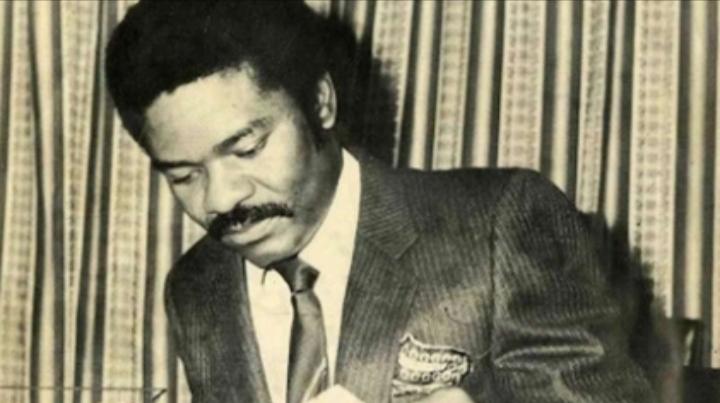
SANNI ABACHA: Nigerian Military officer, Politician and Head of state
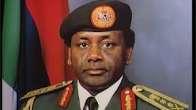
Sani Abacha
Sani Abacha was a Nigerian military officer who served as the Head of State of Nigeria from 1993 until his death in 1998. His rule is one of the most controversial periods in Nigeria’s political history because it combined strong military control with economic reforms and widespread criticism over human rights issues. Born on September 20, 1943, in Kano, Nigeria, Abacha rose through the ranks of the Nigerian military to become one of the most powerful leaders the country has ever had.
Early Life and Background
Sani Abacha was born into a Kanuri Muslim family in Kano State in northern Nigeria. He grew up in a traditional environment where discipline, religion, and respect for authority were highly valued.
From a young age, Abacha showed interest in military life and leadership.
Education and Military Training
Abacha attended the Nigerian Military Training College in Kaduna, which later became the Nigerian Defence Academy.
He also received further military training in the United Kingdom. His training prepared him for leadership positions within the Nigerian Army.
Rise in the Nigerian Army
Sani Abacha joined the Nigerian Army in the 1960s and quickly rose through the ranks.
He was involved in several key moments in Nigeria’s military history and played roles in various military coups that shaped the country’s political direction.
Over time, he became one of the most influential military officers in Nigeria.
Role in Military Governments
Abacha served in several military administrations including those led by:
Murtala Muhammed
Olusegun Obasanjo
Ibrahim Babangida
His long military career gave him significant influence within Nigeria’s armed forces.
Becoming Head of State
In 1993, Nigeria experienced a major political crisis following the annulment of the June 12 presidential election.
After the brief Interim National Government led by Ernest Shonekan, Abacha seized power in a military coup on November 17, 1993.
He became Nigeria’s Head of State and Commander in Chief of the Armed Forces.
Leadership and Policies
During his administration, Abacha centralized power and ruled by military decree. His government maintained tight control over political activities.
At the same time, Nigeria’s economy experienced some stability due to increased oil revenues and government spending on infrastructure.
However, his government faced strong criticism internationally for alleged human rights abuses and suppression of political opposition.
Controversies
Abacha’s government was widely criticized for imprisoning political opponents and limiting democratic freedoms.
One of the most controversial events during his rule was the execution of environmental activist Ken Saro-Wiwa in 1995, which led to international condemnation and sanctions against Nigeria.
Death
Sani Abacha died suddenly on June 8, 1998, in Abuja while serving as Nigeria’s Head of State.
His unexpected death brought an end to his military government and opened the way for Nigeria’s transition back to civilian rule.
Legacy
Sani Abacha remains one of the most debated figures in Nigerian history. Some people remember his administration for maintaining order and economic stability, while others criticize it for authoritarian rule and human rights violations.
His leadership remains a significant chapter in Nigeria’s political history and continues to influence discussions about governance, military rule, and democracy in the country.

Categorie
Leggi tutto
Gogo Dineo Ndlanzi Introduction In many parts of Africa, spirituality is not just a belief but a way of life. Among those who have embraced this path with courage and purpose is Gogo Dineo Ndlanzi. Her story is one of calling, struggle, acceptance, and transformation. She has become a known voice in traditional healing, helping many understand the world of ancestors and spiritual...
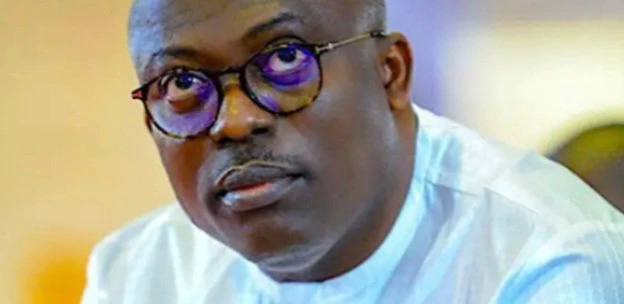
A major political development is underway in Rivers State, as suspended Governor Siminalayi Fubara is set to be reinstated after months of crisis and emergency rule. This follows his reported acceptance of four tough conditions brokered during a peace meeting convened by President Bola Ahmed Tinubu, aimed at resolving the prolonged standoff in the state. The meeting, held at the Presidential...
Alhaji Haruna Ishola Bello was one of the towering names in Yoruba music and a central architect of the sound the world now recognizes as apala. To many listeners he was more than an entertainer. He was a moving archive of Yoruba language, proverb, praise poetry, street philosophy, Islamic devotion, and the social life of the decades that shaped modern Nigeria. Even people who never met him...

Dele Giwa: There are journalists who report the news, and there are journalists who become the news. The life of Dele Giwa belongs to the second category. His story is not only about headlines and deadlines. It is about courage in a time of fear, about a man who believed that the truth must be told even when power trembles at its sound. His life burned bright and ended violently, but...
The Nigeria Police Force has recorded a string of major victories in its relentless fight against kidnapping and arms trafficking across the country. In a statement released on Friday, Force PRO ACP Muyiwa Adejobi announced that 11 kidnapped victims were rescued unharmed during a daring joint operation in Katsina State. The success came after a fierce gunfight between police-led security...