


 About
About
Dele Giwa: The Pen They Tried to Silence
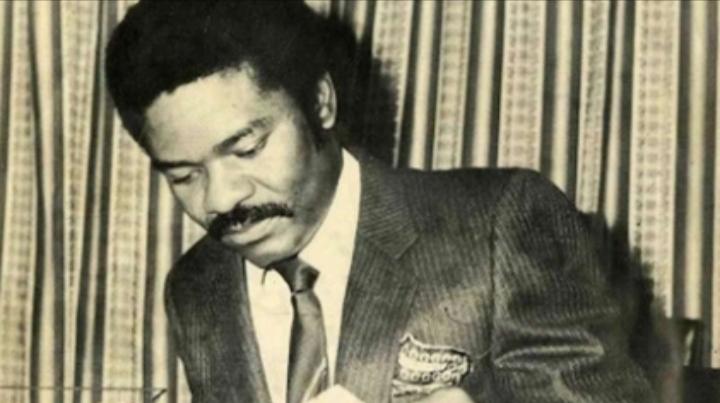
Dele Giwa:
There are journalists who report the news, and there are journalists who become the news. The life of Dele Giwa belongs to the second category. His story is not only about headlines and deadlines. It is about courage in a time of fear, about a man who believed that the truth must be told even when power trembles at its sound.
His life burned bright and ended violently, but his legacy still echoes in every newsroom in Nigeria.
A Boy from Ile Ife
Dele Giwa was born on March 16, 1947, in Ile Ife, in present day Osun State, Nigeria. He grew up in a modest Yoruba family where discipline and education were highly valued. His early life did not suggest that he would one day challenge the most powerful men in the country. But even as a child, there were signs.
He was curious. He asked questions that did not always have comfortable answers. He had a restless mind and an intense gaze. Those who knew him as a young boy described him as serious beyond his years, yet charismatic.
Nigeria gained independence in 1960 when Giwa was still a teenager. The country was filled with hope, but political instability soon followed. Military coups and civil war would shape the Nigeria of his youth.
He attended local schools in Ile Ife before moving on to study abroad. Education became his passport to a larger world.
America and the Making of a Journalist
In the late 1960s, Dele Giwa traveled to the United States for higher education. He studied at Brooklyn College in New York and later attended Fordham University. Living in America exposed him to a different media culture. Journalism there was bold, investigative, and confrontational.
He worked briefly with American media organizations and sharpened his skills. The U.S. civil rights movement, political activism, and a vibrant press environment influenced him deeply. He saw how journalists could hold leaders accountable.
When he returned to Nigeria in the early 1970s, he did not come back as the same young man who had left. He returned with ideas, ambition, and a belief that journalism could be a weapon for reform.
Climbing the Media Ladder
Back in Nigeria, Dele Giwa quickly established himself in the media industry. He worked with Daily Times and later became the Editor of Sunday Concord, a publication owned by business magnate Moshood Abiola.
His writing style was bold, sharp, and fearless. He did not hide behind vague language. He named names. He asked hard questions. Readers loved him for it.
Giwa understood that journalism was not just about reporting events. It was about interpreting them. He believed in investigative reporting at a time when many journalists practiced caution under military rule.
Nigeria in the 1980s was governed by soldiers, not civilians. Criticizing the government could be dangerous. But Giwa did not retreat.
The Birth of Newswatch
In 1984, Dele Giwa co founded Newswatch magazine alongside Ray Ekpu, Yakubu Mohammed, and Dan Agbese.
Newswatch was revolutionary.
It was Nigeria’s first weekly news magazine in the style of Time or Newsweek. It combined investigative depth with polished storytelling. It tackled corruption, governance, human rights abuses, and political intrigue.
Within months, Newswatch became widely respected. It attracted intellectual readers, professionals, and ordinary Nigerians hungry for credible information.
Giwa, as editor in chief, became the face of the magazine. His confidence was unmistakable. He believed that Nigeria deserved a free press.
But power does not always welcome scrutiny.
Nigeria Under Babangida
In 1985, General Ibrahim Babangida came to power after a military coup. His regime promised reform, but it was also known for secrecy and political maneuvering.
Newswatch began publishing investigative pieces that examined government actions. Some reports were uncomfortable for those in authority.
In October 1986, tensions escalated. Dele Giwa was invited for questioning by security officials over allegations that Newswatch had published a story linking government officials to arms trafficking. He was interrogated but released.
Friends and colleagues later recalled that he appeared concerned but not frightened. He believed he had done nothing wrong.
He returned home determined to continue his work.
The Morning of October 19, 1986
On Sunday, October 19, 1986, Dele Giwa was at his home in Ikeja, Lagos. It was a quiet morning. He was having breakfast with his friend and lawyer, Alex Ibru.
A package arrived, delivered by courier. It was addressed to him.
Giwa opened it.
What happened next shocked the nation.
The parcel contained a bomb.
The explosion tore through his body, shattering glass and silence. He was rushed to the hospital but died shortly after.
He was 39 years old.
Nigeria had never seen anything like it before. It was the first known case of a parcel bomb assassination in the country.
Shock, Fear, and Questions
The assassination sent shockwaves across Nigeria and beyond. Journalists were terrified. Citizens were outraged.
Who killed Dele Giwa?
Suspicion quickly turned toward elements within the security apparatus because of his recent interrogation. But no one was ever successfully prosecuted for his murder.
Investigations stalled. Court cases dragged on. The truth remained buried under layers of politics and silence.
For many Nigerians, the message was chilling. If a journalist as prominent as Dele Giwa could be killed in his own home, no one was safe.
Yet instead of silencing the press, his death strengthened it.
A Symbol of Press Freedom
Dele Giwa’s assassination transformed him from editor to symbol.
He became a martyr for press freedom in Nigeria. His colleagues at Newswatch continued publishing. Other journalists grew bolder. Civil society groups demanded accountability.
His name became shorthand for courage. Journalism schools referenced his work. Young reporters spoke of him with reverence.
He had believed that the pen could challenge the gun. In death, that belief gained even more power.
The Man Beyond the Headlines
Behind the public figure was a father and husband. Giwa was known for his charm, intelligence, and meticulous attention to detail. He dressed sharply and carried himself with confidence.
He loved conversation and debate. He had a quick smile but a sharper mind.
Those close to him remember his determination. He was not reckless, but he refused to be intimidated.
He once said that a journalist’s duty was to serve the public, not the government.
Unanswered Questions
Decades later, the mystery of Dele Giwa’s murder remains unresolved. Successive governments have not provided definitive answers.
For many Nigerians, this unresolved case symbolizes the broader struggle against impunity.
His death occurred during a time when military regimes wielded enormous power. Today, Nigeria is a democracy, but debates about press freedom and security continue.
Every October 19, tributes pour in. His memory is kept alive not just by anniversaries but by every investigative story published in defiance of fear.
Legacy That Refuses to Fade
Dele Giwa lived only 39 years, but his impact far exceeds his lifespan.
Newswatch went on to win awards and shape public discourse for years. Many journalists who worked with him became respected figures in Nigerian media.
His story is taught as both inspiration and warning. Inspiration because he stood firm for truth. Warning because truth telling can carry great cost.
In a nation where power often resists scrutiny, Dele Giwa’s life reminds journalists why their work matters.
The Fire He Left Behind
When the bomb exploded that morning, it was meant to silence a voice. Instead, it amplified it.
The fire that took his life ignited something deeper within Nigeria’s press community.
Today, investigative journalism in Nigeria stands on the shoulders of pioneers like Dele Giwa. His courage continues to challenge reporters to ask hard questions.
He did not carry a weapon. He carried a pen.
And sometimes, that is more powerful.
Dele Giwa’s story is not just about how he died. It is about how he lived. A boy from Ile Ife who crossed oceans, mastered his craft, and dared to confront power.
They tried to silence him with a bomb.
But his name still speaks.

Categories
Read More
The U.S. President Donald Trump’s recent warning to Iran has raised more questions than answers. While he insists the United States had “nothing to do” with Israel’s deadly strikes on Iranian nuclear and intelligence sites, his aggressive rhetoric tells a different story. By openly threatening Iran with “the full strength and might” of the U.S. military,...
EPISODE 3: TOO LATE TO CHOOSE Time is a silent judge. It never shouts, never argues yet it delivers judgment with painful accuracy. Years after Mrs Titi left Apapa with nothing but her pregnancy and tears, life had turned its wheel. Baba Samuel was no longer the strong bricklayer everyone admired. His back was bent. His hands shook. Jobs no longer came like before. The house that once felt...
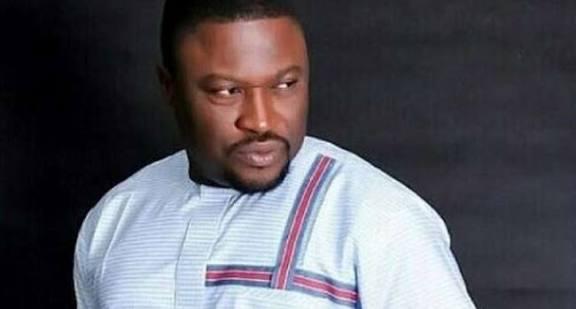
Femi Branch Femi Branch is a Nigerian actor, director, producer, and poet widely respected for his powerful screen presence and articulate delivery. Known for his deep voice and commanding roles, he has built a strong reputation in both stage and screen acting in Nollywood. Early Life and Background Femi Branch was born on May 14, 1970, in Sagamu, Ogun State, Nigeria. He hails from...
Aminat (POV) By my second year in college, I had perfected my disguise. The rich accent, the expensive laugh, the way I held my head all of it was a performance, a mask that felt better than my real skin. I stopped eating the food my mother sent; it smelled like home, and home smelled like weakness. I avoided phone calls, delayed messages, and invented emergencies to justify my...

Managing your inventory in Grow A Garden can often be as important as planting the right crops. With limited space and an ever-growing collection of tools, seeds, and special items, knowing how to handle your resources efficiently can make your farming journey smoother. Here are 14 tried-and-true tricks for better inventory management that every player should keep in mind. 1. Prioritize...

