About
About
Silent Faces of the Past The Ancient Nok Terracotta Figures and the Forgotten Civilization of Early Nigeria
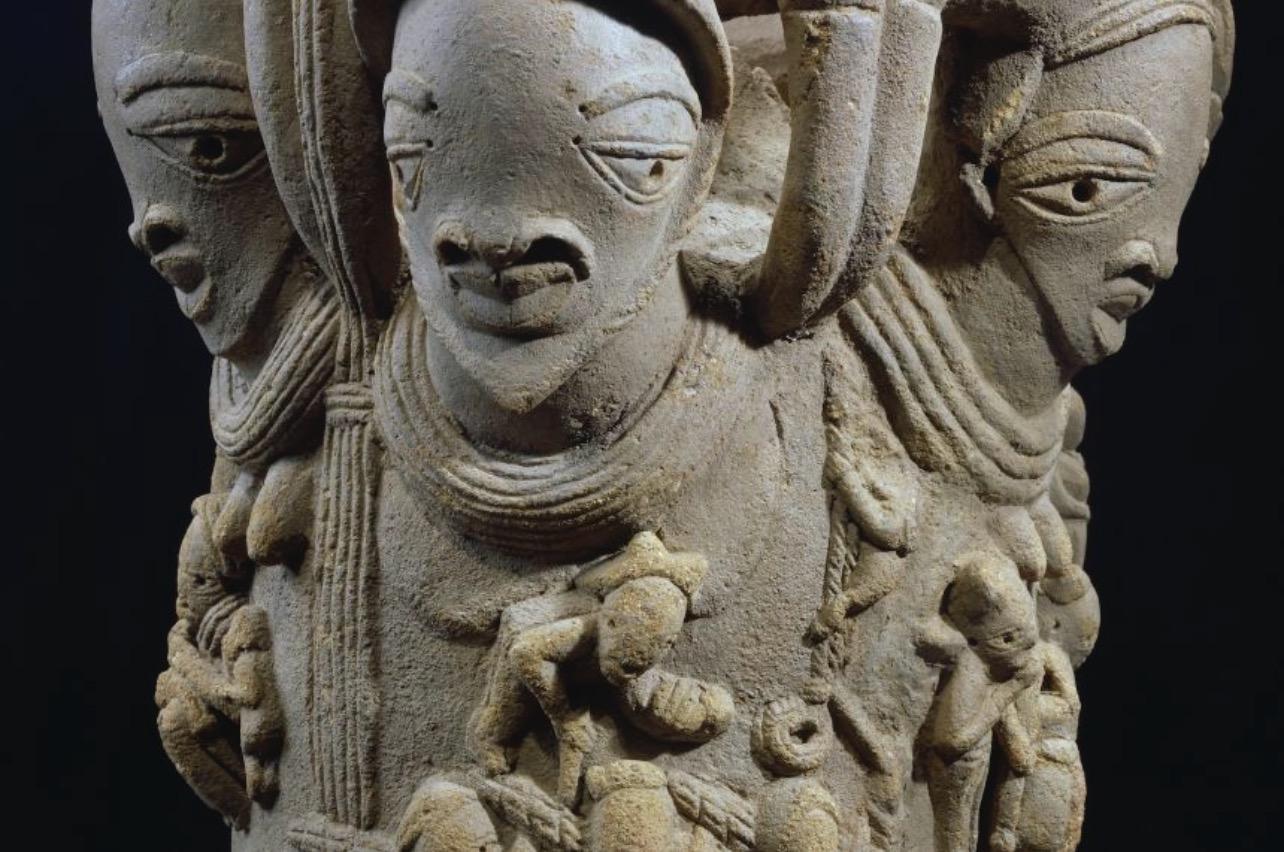
The Ancient Nok Terracotta Figures
Long before modern cities rose across Nigeria and long before the powerful kingdoms of Benin, Ife, and Oyo dominated West Africa, another civilization quietly flourished in the central region of what is now Nigeria. It was a civilization that left behind no written records, no palaces of stone, and no long chronicles of kings. Instead, it left something far more mysterious and powerful. It left faces.
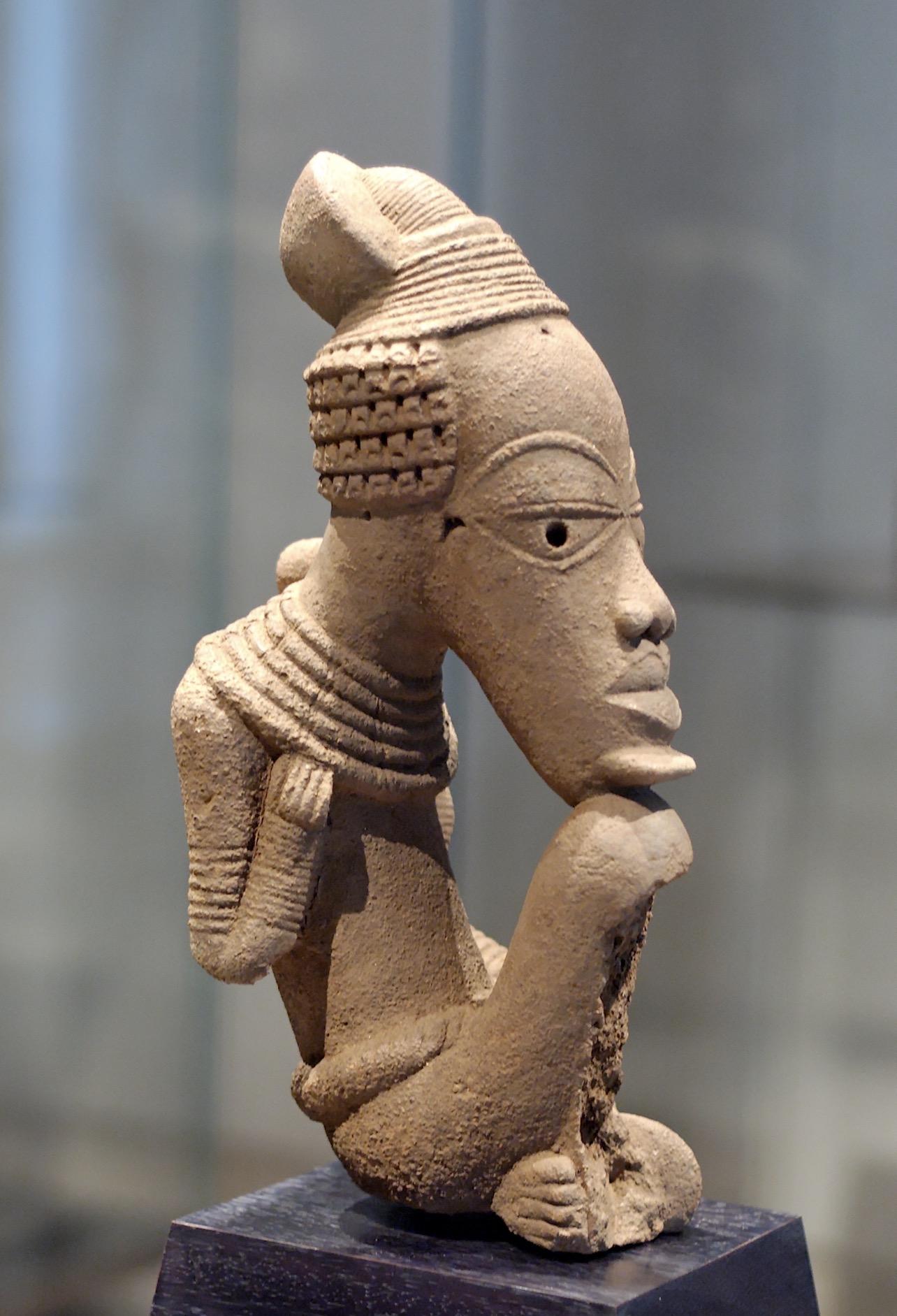
These faces were shaped from clay thousands of years ago by skilled hands. They stared into the future with calm expressions, elaborate hairstyles, and carefully carved eyes. Today these faces are known as the Nok terracotta figures, and they are among the oldest known sculptures in all of Sub Saharan Africa.
Their discovery shocked historians and archaeologists because they revealed a hidden chapter of African history that had remained buried in the soil for over two thousand years. The Nok civilization showed the world that complex art and advanced societies existed in West Africa long before many people imagined.
The story of the Nok terracotta figures is not just the story of ancient sculptures. It is the story of a forgotten people, a lost civilization, and one of the most important archaeological discoveries ever made in Nigeria.
The Accidental Discovery That Changed History
The story of the Nok civilization did not begin in a museum or a university. It began by accident in 1943.
During the colonial era in Nigeria, miners were digging for tin in a village called Nok located in present day Kaduna State. As they dug deep into the earth searching for valuable minerals, they began to uncover strange clay fragments.
At first the miners thought little of them. They were simply pieces of baked clay that seemed to have unusual shapes. Some looked like parts of human heads while others resembled pieces of statues.
Eventually some of these fragments caught the attention of a British archaeologist named Bernard Fagg.
Fagg realized that the objects were not ordinary clay pieces. They were parts of ancient sculptures that had been buried underground for centuries.
As he continued investigating the area, more terracotta sculptures were discovered. Some were complete heads while others were full figures.
The discovery stunned archaeologists.
Radiocarbon testing later revealed that the sculptures were incredibly old. Many of them were created between 500 BCE and 200 CE. This meant the Nok civilization existed more than two thousand years ago.
At that time very little was known about ancient civilizations in West Africa. Many historians had wrongly believed that complex artistic traditions appeared in the region much later.
The Nok terracotta figures changed that belief forever.
Who Were the Nok People
The people who created the terracotta sculptures are known today as the Nok people.
They lived in the central region of Nigeria mainly around present day Kaduna, Plateau, and Niger States.
Although many mysteries remain about their society, archaeological evidence has helped historians piece together parts of their story.
The Nok civilization is believed to have existed from around 1000 BCE to 300 CE. This means it lasted for over a thousand years.
The Nok people were farmers who grew crops such as millet and possibly other grains. They lived in organized communities and developed technologies that were quite advanced for their time.
One of the most remarkable achievements of the Nok civilization was their early use of iron.
Archaeological discoveries show that the Nok people were among the earliest iron smelters in Africa. Iron tools allowed them to farm more efficiently and build stronger weapons and equipment.
This technological advancement helped their society grow and become more organized.
But beyond farming and iron technology, the Nok people were also artists.
Their terracotta sculptures show extraordinary creativity and skill.
The Art of the Terracotta Figures
The Nok terracotta sculptures are among the most remarkable artworks ever produced in ancient Africa.
These sculptures were made from clay that was carefully shaped and then fired at high temperatures to harden it.
Many of the figures represent human heads with detailed facial features. Some show entire human bodies while others depict animals.
One of the most striking features of Nok sculptures is their unique style.
The figures often have triangular or oval shaped eyes with carefully carved pupils. Their noses are long and straight. Their lips are full and clearly defined.
Another distinctive feature is the elaborate hairstyles.
Some figures have intricate braided hair while others wear decorative headpieces or crowns. These hairstyles may have represented social status, cultural identity, or spiritual beliefs.
Many sculptures also include jewelry such as necklaces and bracelets.
The attention to detail shows that Nok artists were highly skilled and had a deep understanding of human form.
Some sculptures appear calm and peaceful while others have dramatic expressions.
These artistic details suggest that the sculptures may have held important cultural or spiritual meanings.
Why the Sculptures Were Created
One of the greatest mysteries of the Nok terracotta figures is their purpose.
Because the Nok civilization left no written records, historians must rely on archaeological clues to understand why the sculptures were created.
Some experts believe the figures may have been used in religious ceremonies.
They might have represented ancestors, spiritual leaders, or protective spirits.
Others believe the sculptures may have been placed in shrines or sacred areas.
Some figures were found buried in ways that suggest they may have been part of rituals or burial practices.
Another possibility is that the sculptures represented important members of the community such as chiefs or respected elders.
Whatever their exact purpose, it is clear that these sculptures held deep meaning for the Nok people.
They were not simple decorations. They were symbols of culture, belief, and identity.
The Lost Civilization
One of the most fascinating aspects of the Nok civilization is how mysterious it remains.
Despite the impressive sculptures and archaeological discoveries, very little is known about the daily life of the Nok people.
There are no written texts, no surviving buildings, and no clear records of their rulers.
Archaeologists have found pottery, iron tools, and terracotta fragments across a large region of central Nigeria.
These discoveries suggest that the Nok civilization covered a wide area and may have included many settlements.
At some point around 300 CE the Nok culture seems to have disappeared.
Historians are not completely sure why.
Some theories suggest that environmental changes may have affected farming and food supplies.
Others believe population movements or conflicts may have caused the society to break apart.
Whatever the reason, the Nok civilization slowly faded from history.
But their sculptures remained buried underground waiting to be discovered thousands of years later.
The Influence on Later Nigerian Art
Although the Nok civilization disappeared long ago, many historians believe its artistic traditions may have influenced later African cultures.
When the famous bronze and terracotta sculptures of the Ife civilization were discovered centuries later, scholars noticed some similarities in artistic style.
The detailed facial features and naturalistic forms found in Ife art reminded some experts of the earlier Nok sculptures.
This suggests that artistic traditions may have been passed down through generations even after the Nok civilization ended.
If this connection is true, it means the Nok people played an important role in shaping the artistic heritage of Nigeria.
Their influence may have extended far beyond their own time.
The Challenge of Preservation
After the discovery of Nok sculptures in the twentieth century, they quickly became highly valued by collectors and museums around the world.
Unfortunately this also led to widespread looting.
Many archaeological sites were illegally excavated by treasure hunters searching for valuable artifacts.
As a result, countless Nok sculptures were removed from their original locations and sold on the international art market.
This made it more difficult for archaeologists to study the artifacts and understand their historical context.
In recent years the Nigerian government and international organizations have worked to protect Nok heritage sites and recover stolen artifacts.
Museums and universities have also helped document the sculptures and preserve them for future generations.
Today Nok terracotta figures can be seen in museums in Nigeria and around the world.
They stand as powerful reminders of Nigeria’s ancient history.
Why the Nok Terracotta Figures Are Important to History
The Nok terracotta figures are historically important for many reasons.
First they represent one of the earliest known traditions of sculpture in Sub Saharan Africa.
Their age and artistic complexity prove that advanced artistic cultures existed in West Africa thousands of years ago.
Second they provide valuable evidence of early technological development including iron smelting.
The Nok civilization shows that African societies were developing complex technologies independently.
Third the sculptures reveal important aspects of ancient culture including fashion, identity, and spirituality.
The hairstyles, jewelry, and expressions captured in the sculptures offer glimpses into the lives of people who lived over two thousand years ago.
Finally the Nok figures help challenge outdated historical narratives that underestimated Africa’s ancient civilizations.
They remind the world that Africa has always been a place of creativity, innovation, and cultural richness.
The Silent Faces That Still Speak
Today the Nok terracotta figures continue to fascinate historians, archaeologists, and art lovers.
Their silent faces seem to carry the wisdom of a forgotten civilization.
Although we may never know every detail about the Nok people, their art continues to speak across the centuries.
Every carved eye and carefully shaped feature tells a story about a community that valued creativity and expression.
These sculptures remind us that history is not always written in books.
Sometimes history is hidden in the soil, waiting patiently to be rediscovered.
And when it is finally uncovered, it can change everything we thought we knew about the past.
The ancient Nok terracotta figures are more than archaeological artifacts.
They are voices from one of the earliest chapters of Nigerian history.
And through them the legacy of the Nok civilization continues to live on.

Categorías
Read More
In a major development that signals the end of an era in Nigeria’s corporate landscape, Aliko Dangote, Africa’s richest man and one of the continent’s most influential industrialists, has officially retired as Chairman of the Board of Dangote Sugar Refinery Plc. The announcement was made public today, marking the conclusion of a 20-year leadership journey that saw Dangote...

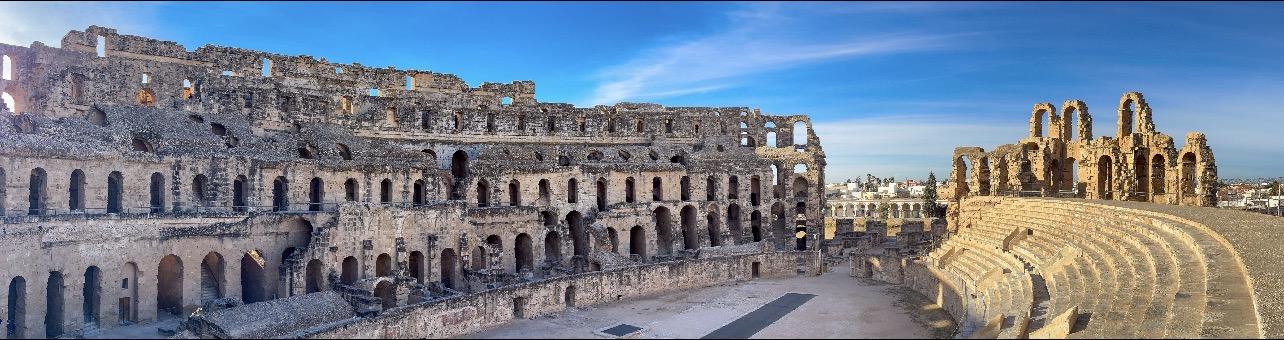
El Jem Amphitheatre In the heart of Tunisia, surrounded by olive groves and quiet desert winds, stands one of the most powerful reminders of ancient history in Africa. Massive stone walls rise toward the sky, arches stretch endlessly around a circular structure, and beneath the ground lie dark corridors that once held animals and gladiators waiting for battle. This is the El Jem Amphitheatre,...
Nons Miraj Nons Miraj, whose real name is Chinonso Ukah, is a Nigerian comedian, actress, and social media influencer popularly known for her humorous skits and online content. She rose to fame through her engaging videos and her bold, expressive personality, becoming one of the fast rising female comedians in Nigeria. Early Life and Background Chinonso Ukah was born on May 27, 1995,...

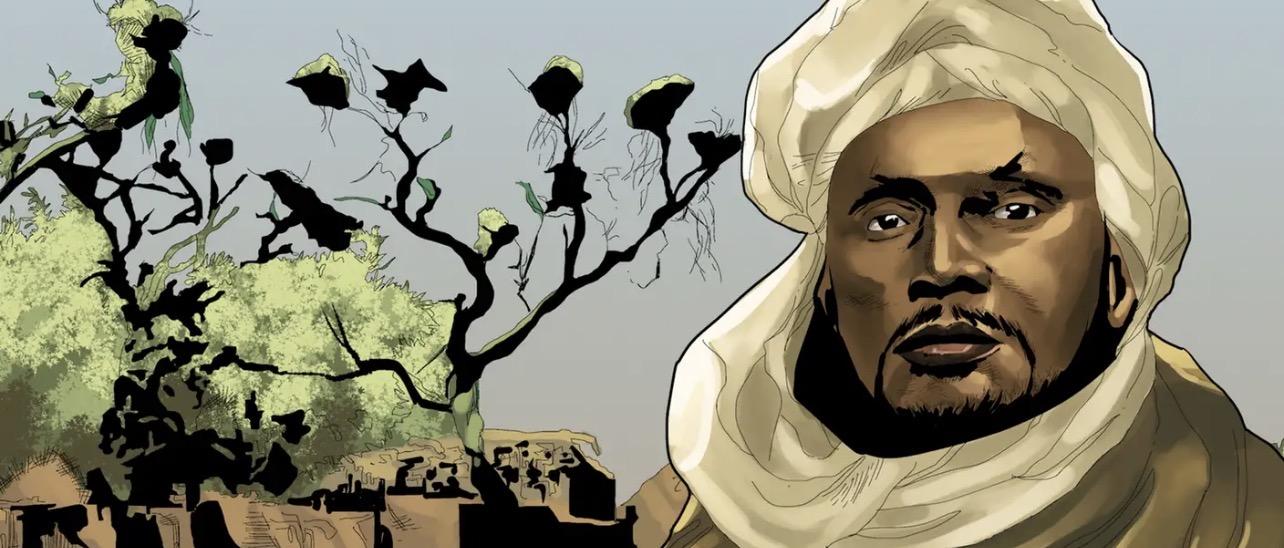
Shehu Usman dan Fodio In the heart of West Africa, long before the noise of modern cities and digital voices filled the air, there lived a man whose words were stronger than swords, whose vision reshaped nations, and whose legacy still echoes across generations. His name was Shehu Usman dan Fodio a scholar, a reformer, a teacher, and ultimately, a legend. Born in 1754 in the region of...
NokCivilization The Land Before the Fire Long before the rise of many kingdoms that would later define the history of West Africa, there existed a mysterious and remarkable civilization in what is today central Nigeria. This ancient society is known today as the Nok Civilization. It flourished roughly between 1000 BCE and 300 CE across parts of present day Kaduna, Plateau, and Niger...