О нас
О нас
Balarabe Musa The Fearless Governor Who Refused to Compromise
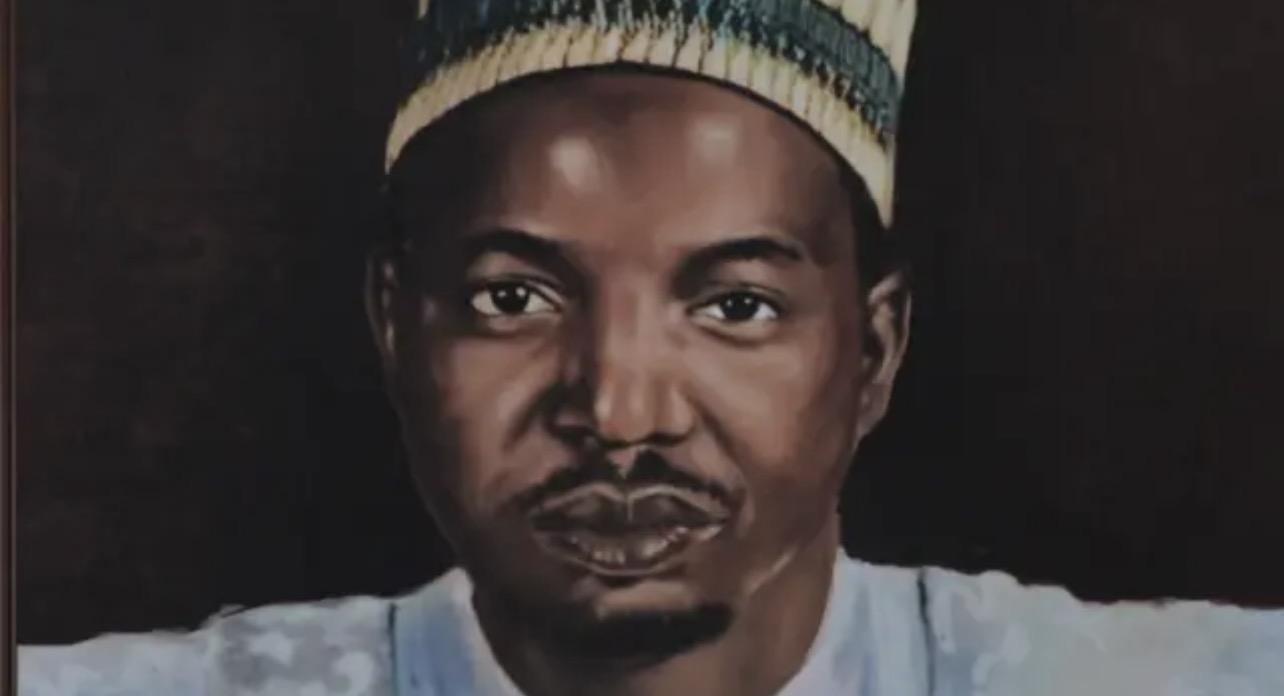
Balarabe Musa
In the long and complicated history of Nigerian politics, only a few individuals have stood out for their boldness, honesty, and unwavering commitment to their principles. Among those rare figures was Balarabe Musa, a man remembered not only as a politician but also as a symbol of courage in governance. His life was a story of resistance against corruption, dedication to the ordinary people, and an unyielding belief that politics should serve the masses rather than the powerful.
His name became permanently etched in Nigerian history when he became the first civilian governor in Nigeria to be impeached. Yet the circumstances surrounding that impeachment made him even more legendary. For many Nigerians, especially those who admired radical politics and social justice, Balarabe Musa was not a fallen governor but a hero who refused to bow to political pressure.
This is the story of a man who believed that leadership was a duty to the people and who paid a heavy price for standing firm.
Early Life and Background
Balarabe Musa was born on August 21, 1936, in Kaduna State, in Northern Nigeria. He was born into a modest Muslim family in the town of Zaria, an area known for its deep historical roots and strong cultural traditions.
Growing up in colonial Nigeria meant growing up in a society filled with inequalities and rigid class structures. The colonial administration had created systems that favored certain elites while the majority of ordinary people struggled with poverty and limited opportunities.
From a young age, Musa showed signs of being different. He was curious, outspoken, and deeply aware of social injustice around him. While other children were content with the realities of their environment, Musa constantly asked questions about why society was structured the way it was.
His parents valued education and encouraged him to pursue learning. He attended local schools in Zaria where he proved to be intelligent and disciplined.
Education opened his mind to new ideas, especially political ideologies about equality, fairness, and governance. These ideas would later shape his worldview and guide his political career.
Even during his early years, Musa was deeply influenced by discussions about independence and the future of Nigeria. The winds of political change were sweeping across Africa in the 1950s and 1960s, and young Musa absorbed the revolutionary spirit of that era.
Education and Early Career
Balarabe Musa pursued further education in administration and governance. He studied local government administration and developed strong interests in public service.
His early career began in the civil service where he worked in local government administration. This experience gave him firsthand exposure to how government institutions functioned.
Working within the system also revealed to him the deep flaws and inefficiencies of governance in Nigeria.
He saw corruption.
He saw favoritism.
He saw policies that benefited the powerful rather than the poor.
These experiences strengthened his belief that Nigeria needed a different kind of leadership.
Instead of accepting the system as it was, Musa began to develop ideas about how governance could be transformed to serve the people.
His views were influenced by socialist ideals that emphasized equality, workers rights, and public welfare.
At a time when many politicians focused on personal gain, Musa believed that government should prioritize education, healthcare, housing, and employment for the masses.
Entry Into Politics
The political awakening of Balarabe Musa began during the years following Nigeria’s independence in 1960.
Nigeria was experimenting with democratic governance, but political tensions and military coups disrupted the country’s progress.
Despite the instability, Musa remained committed to political engagement.
He became active in progressive political circles that advocated for social justice and economic reforms.
Eventually he joined the People’s Redemption Party, a political movement inspired by the ideas of the famous northern politician Aminu Kano.
Aminu Kano was known for championing the rights of the poor and criticizing the traditional ruling elites. His ideology deeply influenced Musa.
The People’s Redemption Party attracted individuals who believed that politics should empower the common people rather than serve wealthy elites.
For Musa, joining this movement felt natural because it aligned perfectly with his beliefs.
Rise to Political Prominence
Balarabe Musa’s political rise reached a historic milestone during Nigeria’s Second Republic, which began in 1979 after years of military rule.
In the 1979 elections, Musa contested for the position of governor of Kaduna State under the People’s Redemption Party.
Against powerful political forces and established elites, Musa ran a campaign focused on the welfare of ordinary citizens.
He promised reforms that would improve education, provide better healthcare, and create economic opportunities for the poor.
His message resonated strongly with the masses.
Many people saw him as a genuine leader who understood their struggles.
In a remarkable political upset, Musa won the election and became the Governor of Kaduna State in 1979.
His victory was a major moment in Nigerian politics.
For the first time, a radical socialist minded politician had become governor in one of the most politically significant states in Northern Nigeria.
However, his victory also created powerful enemies.
Conflict With the Kaduna State Assembly
From the very beginning of his administration, Musa faced intense opposition.
Although he was governor, the Kaduna State House of Assembly was dominated by members of a rival political party.
This meant that Musa had very little political support within the legislative branch of the state government.
The conflict began almost immediately.
The assembly repeatedly blocked Musa’s policy proposals.
They rejected many of his appointments.
They resisted his reform plans.
Musa believed his opponents were trying to sabotage his government because they disagreed with his radical policies and his refusal to engage in political patronage.
The tension between the governor and the legislature became one of the most dramatic political confrontations in Nigerian history.
For months the state government was paralyzed by political battles.
Yet Musa refused to compromise his principles.
He believed that yielding to corrupt demands would betray the people who had elected him.
The Historic Impeachment
Eventually the conflict reached a breaking point.
In 1981 the Kaduna State House of Assembly initiated impeachment proceedings against Balarabe Musa.
The charges included allegations of misconduct and administrative failures.
However many observers believed the impeachment was politically motivated.
The assembly accused Musa of failing to form a functional cabinet because many of his commissioner nominees had been rejected.
Musa argued that the assembly was deliberately blocking his nominees in order to cripple his administration.
Despite the controversy, the impeachment process moved forward.
In June 1981 Balarabe Musa was officially removed from office.
This made him the first elected governor in Nigeria to be impeached.
For many politicians such an event would have marked the end of their career.
But for Musa, it became the beginning of a new chapter.
Public Reaction and Legacy of the Impeachment
The impeachment shocked many Nigerians.
Supporters of Musa viewed the event as an injustice and a demonstration of how entrenched political interests could undermine reform.
For them Musa had been punished not for wrongdoing but for refusing to compromise.
Across Northern Nigeria, especially among followers of Aminu Kano’s political ideology, Musa became a symbol of resistance.
Even though he had lost his office, he had gained something perhaps more powerful.
Respect.
His reputation as an incorruptible leader continued to grow.
Many young activists began to see him as a mentor and inspiration.
Life After Governorship
After his impeachment, Balarabe Musa remained deeply involved in Nigerian politics.
He continued advocating for progressive reforms and democratic governance.
Over the years he became a respected elder statesman within Nigeria’s political landscape.
He served as the National Chairman of the Conference of Nigerian Political Parties, an organization that brought together opposition political groups.
In this role he continued criticizing corruption and advocating electoral reforms.
He often spoke out against bad governance regardless of which political party was in power.
Unlike many politicians who faded away after leaving office, Musa remained active and outspoken for decades.
His interviews and public statements often emphasized the need for Nigeria to prioritize the welfare of its citizens.
He believed the country had enormous potential but needed leaders who were willing to serve the people honestly.
Personal Character and Philosophy
Those who knew Balarabe Musa often described him as humble, disciplined, and deeply principled.
He lived a relatively modest life compared to many Nigerian politicians.
His philosophy was rooted in social justice and equality.
He believed that government should provide basic services like education, healthcare, housing, and employment opportunities.
He also believed strongly in accountability.
For Musa, leadership was not about wealth or power but about responsibility.
This belief guided his actions even when it cost him politically.
Many people admired his courage to stand alone when necessary.
Death and National Reflection
Balarabe Musa passed away on November 11, 2020, at the age of 84.
His death marked the end of an era in Nigerian politics.
Tributes poured in from across the country.
Politicians, activists, scholars, and ordinary citizens remembered him as a rare example of integrity in public service.
Even those who disagreed with his political ideology acknowledged his honesty and commitment to his beliefs.
His story remains one of the most remarkable chapters in Nigeria’s democratic history.
Legacy
Today Balarabe Musa is remembered as more than just a former governor.
He is remembered as a man who refused to compromise his principles.
His political journey demonstrated the challenges faced by leaders who attempt to challenge entrenched systems of power.
Although his time in office was short, the impact of his courage continues to inspire political thinkers, activists, and reformers.
In a country where many politicians are accused of corruption, Musa’s name still stands out as a reminder that integrity in leadership is possible.
His life tells an important lesson.
Sometimes the true measure of a leader is not how long they hold power but how firmly they stand by their convictions.
And in that regard, Balarabe Musa remains one of Nigeria’s most unforgettable political figures.


Категории
Больше
Adamawa State Governor, Ahmadu Umaru Fintiri, has officially revoked the revered title of Waziri Adamawa from former Vice President Atiku Abubakar, a move many are interpreting as a politically motivated strike cloaked in administrative reforms. Though the directive—announced via a June 20, 2025 circular by Mrs. Adama Felicity Mamman, Permanent Secretary of the Department of Chieftaincy...
He Drove Me as a Taxi Driver And Heard the Truth I Hid for 10 Years Adam thought he was about to catch his wife cheating. What he discovered instead broke him in a way betrayal never could. It started with a card. A plain, crumpled card slipped out of Mary’s wardrobe while Adam searched for his cufflinks. No logo. No company name. Just a handwritten name and a phone number: Anthony...

Beyoncé Beyoncé is an American singer, songwriter, actress, producer, and businesswoman. She is widely regarded as one of the greatest and most influential performers in modern music. Early Life and Background Beyoncé whose full name is Beyoncé Giselle Knowles Carter was born on September 4, 1981, in Houston, Texas, United States. From a very young age,...

Osun State Governor, Senator Ademola Adeleke, has dismissed rumours of his defection from the Peoples Democratic Party (PDP), amid rising political momentum around the newly adopted opposition platform, the African Democratic Congress (ADC). In a statement released on Saturday by his spokesperson, Olawale Rasheed, Governor Adeleke described the reports of his purported defection as false and...

Sean “Diddy” Combs has issued a cease-and-desist letter to Netflix, demanding the streaming platform halt the release of Sean Combs: The Reckoning, a new docuseries produced by longtime rival Curtis “50 Cent” Jackson. Combs’ legal team claims Netflix used “stolen footage,” including material filmed just days before his 2024 arrest—footage they...