


 About
About
Igwe Nnaemeka Alfred Achebe The Corporate Executive Who Became the Obi of Onitsha
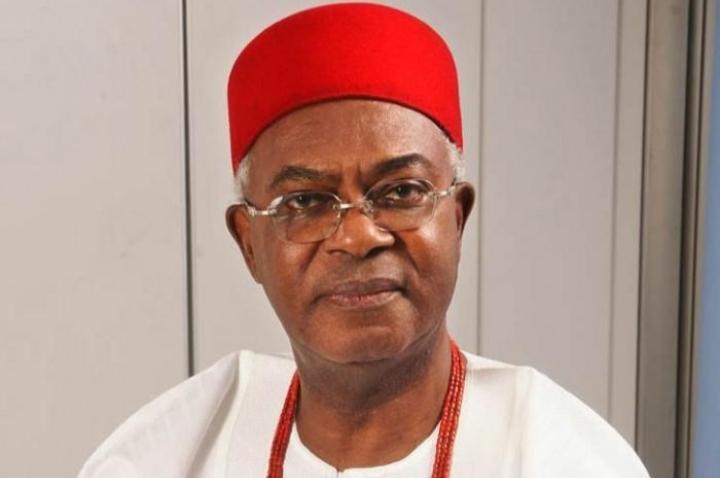
Igwe Nnaemeka Alfred Achebe
In the bustling commercial city of Onitsha, where markets hum with relentless trade and the River Niger flows with quiet authority, there stands a throne older than colonial maps. It is the throne of the Obi of Onitsha, one of the most respected traditional institutions in Igboland.
Upon that throne sits Nnaemeka Alfred Achebe, a monarch whose life journey traveled through global boardrooms before returning to ancestral authority.
His story is one of scholarship, corporate excellence, cultural responsibility, and modern kingship.
A Royal Birth in a Changing Nigeria
Igwe Nnaemeka Alfred Ugochukwu Achebe was born on May 14, 1941, into the royal Achebe family of Onitsha. His father was Obi Ofala Okagbue, the 18th Obi of Onitsha, who reigned from 1944 to 1970.
Growing up within the palace walls, young Nnaemeka understood from early childhood that kingship was not mere privilege. It was service, sacrifice, and spiritual accountability.
Onitsha itself holds a special place in Igbo history. It was a powerful trading city even before colonial contact, strategically positioned along the Niger River. The Obi of Onitsha historically commanded both political and economic influence.
Yet destiny did not rush Nnaemeka toward the throne.
Education and Global Exposure
He attended Christ the King College in Onitsha, one of the most prestigious schools in Eastern Nigeria. Academic excellence defined his early years.
He later traveled to the United States, where he studied chemistry at Stanford University. He also obtained a master’s degree in business administration from Columbia University.
This educational path prepared him not for immediate kingship, but for the corporate world.
Corporate Leadership and Boardroom Success
Before becoming Obi, Nnaemeka Achebe built an impressive career in multinational corporations.
He worked with Shell Petroleum Development Company of Nigeria, one of the largest oil companies operating in the country. Rising through the ranks, he became one of the most respected Nigerian executives within the company.
His corporate career spanned decades, during which he held senior management roles and navigated complex negotiations in Nigeria’s oil sector.
He gained international business exposure, strategic management experience, and leadership maturity.
Few traditional rulers in Nigeria have entered the throne room with such extensive corporate background.
The Call of Ancestral Duty
In 2001, after the passing of his predecessor, the throne of Onitsha became vacant.
The selection process for an Obi follows strict traditional guidelines within the royal family. Nnaemeka Achebe, as a direct descendant in the royal lineage, was chosen.
On May 14, 2002, he was officially crowned as the 21st Obi of Onitsha.
The corporate executive returned home as king.
It was a moment of profound transition. He exchanged business suits for royal regalia. Boardroom strategy became palace deliberation.
Modernizing Traditional Authority
Igwe Achebe’s reign reflects a unique fusion of tradition and modern governance principles.
He brought corporate discipline into palace administration. He strengthened institutional structures within the traditional council and emphasized transparency in community affairs.
His leadership style is measured, analytical, and consultative.
Unlike flamboyant monarchs, Igwe Achebe projects calm intellectual authority.
Guardian of Onitsha Heritage
Onitsha’s Ofala Festival remains one of the most vibrant cultural events in southeastern Nigeria. The Ofala marks the annual emergence of the Obi to bless the people after a period of seclusion.
Under Igwe Achebe’s reign, the Ofala Festival has grown into a global cultural celebration, attracting visitors from across Nigeria and the diaspora.
Dressed in elaborate red regalia and coral beads, the Obi appears before his people in majestic dignity. The ceremony blends spirituality, history, and communal pride.
Through Ofala, Igwe Achebe has strengthened Onitsha’s cultural visibility.
Voice of Moral Authority
Nigeria’s political landscape has often been turbulent. Igwe Achebe has positioned himself as a voice of reason and stability.
He has spoken about good governance, accountability, and the need for responsible leadership.
As Chairman of the Anambra State Traditional Rulers Council for several years, he played a central role in coordinating traditional institutions within the state.
His voice carries weight because of his intellectual credibility and royal authority.
Navigating the Biafra Legacy
As an Igbo monarch born before the Nigerian Civil War, Igwe Achebe witnessed the traumatic years of conflict between 1967 and 1970.
Onitsha was a major battleground during the war. The scars of that era remain in collective memory.
Throughout his reign, Igwe Achebe has encouraged reconciliation and unity, while acknowledging historical pain.
He advocates peaceful dialogue and national cohesion rather than division.
Relationship with Political Leaders
Igwe Achebe has maintained constructive relationships with successive governors of Anambra State and federal authorities.
Yet he remains careful not to entangle the throne excessively in partisan politics.
His approach balances collaboration with independence.
The palace of the Obi remains a respected institution separate from electoral cycles.
Personal Life and Intellectual Depth
Igwe Nnaemeka Alfred Achebe is married and blessed with children. His queen, Obi Martha Achebe, is a respected partner in community development initiatives.
Beyond ceremonial duties, Igwe Achebe remains intellectually active. He reads widely, engages in scholarly discussions, and participates in academic forums on African leadership and governance.
His speeches often reflect philosophical depth, drawing from both Igbo tradition and global experience.
A King in a Commercial Capital
Onitsha is not only a traditional city but also one of West Africa’s busiest commercial centers.
Markets such as Onitsha Main Market represent economic vibrancy and entrepreneurial spirit.
As Obi, Igwe Achebe oversees a community deeply involved in trade and business.
His corporate background aligns naturally with the commercial energy of Onitsha.
Longevity and Stability
Since ascending the throne in 2002, Igwe Achebe has presided over two decades of relative stability within Onitsha’s traditional structure.
He has maintained internal cohesion among chiefs and community leaders.
His reign reflects steady stewardship rather than dramatic confrontation.
Bridging Two Worlds
Igwe Nnaemeka Alfred Achebe stands at the intersection of two powerful identities.
He is a global corporate executive shaped by international education.
He is an ancestral monarch rooted in Igbo spirituality.
Few individuals embody both worlds so seamlessly.
In the palace courtyard of Onitsha, where drums beat during Ofala and chiefs bow in reverence, Igwe Achebe sits not merely as a symbolic ruler.
He sits as a thoughtful guardian of heritage in an era of globalization.
The River and the Throne
The River Niger flows beside Onitsha as it has for centuries, carrying stories of trade, war, migration, and renewal.
Like the river, Igwe Achebe’s life has flowed through multiple phases.
Student
Executive
Chairman
King
His story reminds Nigeria that traditional leadership can evolve without losing its sacred core.
In the grand halls of the Onitsha palace, beneath carved symbols of ancestry, Igwe Nnaemeka Alfred Achebe continues to reign.
Calm. Measured. Intellectual.
A king shaped by the modern world, yet deeply anchored in the wisdom of his ancestors.

Categories
Read More
Taylor Swift Taylor Swift is an American singer, songwriter, and global music icon known for her storytelling lyrics, genre versatility, and massive influence in the music industry. She has become one of the best selling artists of all time. Taylor Alison Swift was born on December 13, 1989, in Reading, Pennsylvania, United States. Early Life and Background Taylor Swift grew up in...

Bishop Oyedepo is currently facing public scrutiny following allegations from a former security guard, Greatness, who claimed: Surveillance cameras were installed in the kitchen and garden to prevent staff from consuming any food, including leftovers. Employees were paid as little as ₦500 per day and were responsible for their own meals, despite working long hours. Fresh food was...

Nwankwo Kanu In the quiet streets of Owerri, Imo State, a tall and lanky boy once chased a football barefoot, unaware that stadiums across Europe would one day roar his name. That boy would grow into one of Africa’s greatest footballers, a symbol of resilience, talent, and triumph over adversity. His name is Nwankwo Kanu. His story is not just about goals and...

Former President Donald Trump says he has spoken with the families of two West Virginia National Guard members who were shot in Washington, D.C., last week—20-year-old Specialist Sarah Beckstrom, who died from her injuries, and Staff Sergeant Andrew Wolfe, who remains in critical condition. Speaking aboard Air Force One, Trump said both families were devastated and that he invited them to...

The Independent National Electoral Commission (INEC) has rejected the Peoples Democratic Party’s (PDP) notice for its planned National Executive Committee (NEC) meeting, citing non-compliance with electoral guidelines—particularly the absence of a required co-signature by the party’s National Secretary. In a letter dated June 13, 2025, and addressed to PDP Acting National...

