О нас
О нас
Sani Abacha: The Story of Nigeria’s Most Controversial Military Leader

Born on September 20, 1943, in Kano, northern Nigeria, Sani Abacha grew up far from the corridors of power he would one day dominate. Quiet, disciplined, and ambitious, he chose a life in the military at a young age, enrolling at the Nigerian Military Training College in Kaduna before completing further officer training in the United Kingdom.
From the very beginning, Abacha’s career followed a steady and calculated path. Unlike many officers who rose through shortcuts or political favors, he climbed every rank step by step — from Second Lieutenant to full General. This rare achievement earned him respect within the armed forces and built the foundation for the authority he would later wield.
His first major test came during the Nigerian Civil War (1967–1970), where he served as a field commander. The war hardened him and deepened his influence within the military establishment. But it was Nigeria’s frequent coups that truly shaped his destiny. Abacha quietly positioned himself at the center of power struggles, playing roles in key takeovers that brought leaders like Muhammadu Buhari and Ibrahim Babangida to power. Each shift moved him closer to the top.
By the early 1990s, Abacha was no longer just a soldier — he was one of the most powerful men in Nigeria’s government. Serving as Chief of Army Staff, then Chief of Defence Staff and Minister of Defence, he controlled both strategy and force. When political uncertainty gripped the country in 1993, he made his decisive move. The interim government led by Ernest Shonekan was short-lived. On November 17, Abacha stepped in, removed Shonekan, and declared himself Head of State.
What followed was one of the most feared eras in Nigerian history.
Under Abacha’s rule, power became absolute. Political opponents were jailed, journalists silenced, and critics forced into exile. Decrees placed his government above the courts, allowing arrests without trial. Fear spread across the nation as dissent became dangerous. At the same time, accusations of massive corruption grew louder. Billions of dollars were allegedly diverted from the treasury through networks of associates, including businessman Gilbert Chagoury. Years later, much of this money would be traced to hidden foreign accounts.
Yet Abacha remained firmly in control. For five years, he ruled with an iron hand, rarely appearing vulnerable and keeping even close allies guessing about his next move.
Then, suddenly, everything changed.
On June 8, 1998, inside the Aso Rock Presidential Villa in Abuja, Abacha died unexpectedly. The official cause was a heart attack, but the speed of his burial and the absence of an autopsy sparked endless rumors — poisoning, conspiracy, and secret plots. Stories circulated that he had met security personnel linked to Yasser Arafat just a day earlier. None were confirmed, and the mystery remains unsolved.
With his death, power passed to General Abdulsalami Abubakar, who quickly began restoring civilian rule, steering Nigeria back toward democracy.
Today, Sani Abacha’s name still provokes strong emotions. To some, he was a disciplined soldier who imposed order during chaos. To many others, he symbolizes repression, corruption, and fear. His life reads like a political thriller — a man who rose quietly through the ranks, seized absolute power, ruled with force, and left the stage in sudden mystery.


Категории
Больше
Chief Zebrudaya Okoroigwe Nwogbo In the golden age of Nigerian television, when families gathered around black and white screens and laughter echoed through living rooms, one character stood taller than the rest. He spoke in exaggerated grammar, dressed like a wealthy village chief, and carried himself with theatrical pride. He was loud, dramatic, unforgettable. His name was Chief...
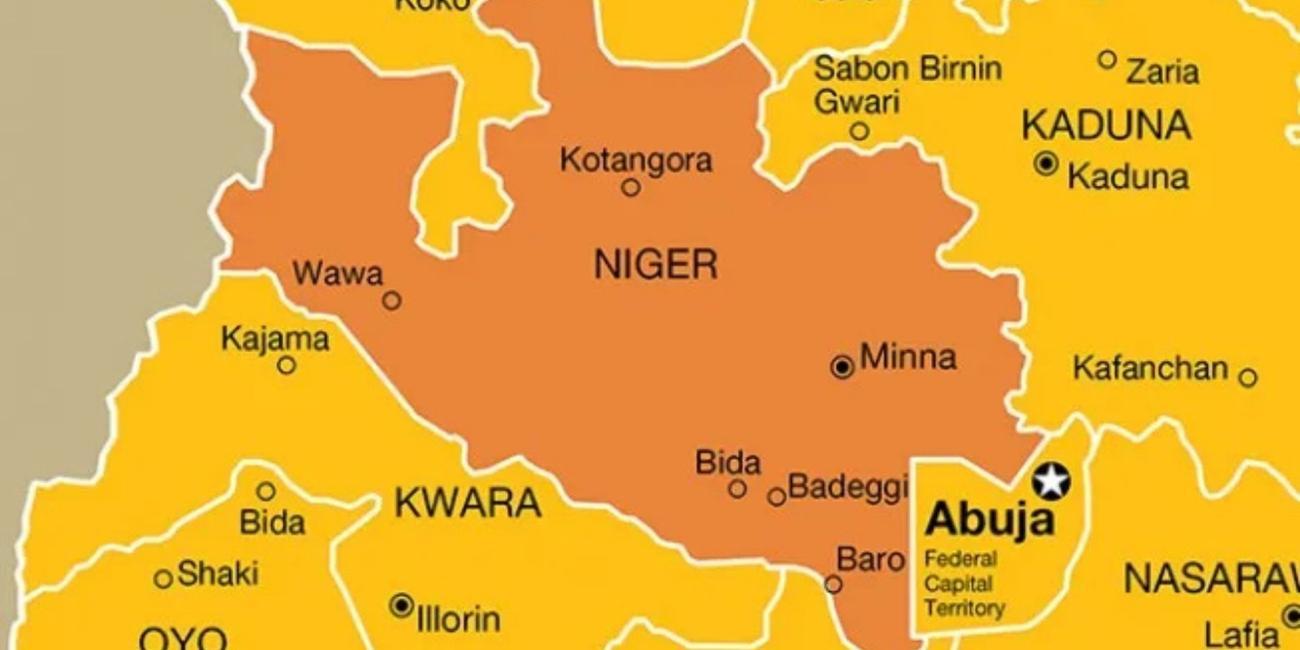
The father of three pupils abducted in Niger State has tragically passed away after suffering a heart attack. The development was confirmed by Rev. John Hayab, Chairman of the Christian Association of Nigeria (CAN) for the Northern Region and the Federal Capital Territory. Rev. Hayab explained that the man’s death was linked to the emotional trauma and distress he endured following the...
An 18-year-old girl was accused of sleeping around with men and contracting HIV in the process. Her family, the community, and everyone around her disowned her. In addition to her illness, she was forced to grapple with the stigmatization. When she presented to a PHC on account of her worsening symptoms—progressive weight loss, lack of appetite, and stomach...

Kola Oyewo Kola Oyewo is a distinguished Nigerian actor, academic, and theatre practitioner widely respected for his immense contribution to stage drama and Yoruba-language films. With a career spanning several decades, he is regarded as one of the pioneers who helped shape modern Nigerian theatre and indigenous cinema. His commanding presence, deep voice, and mastery of traditional...
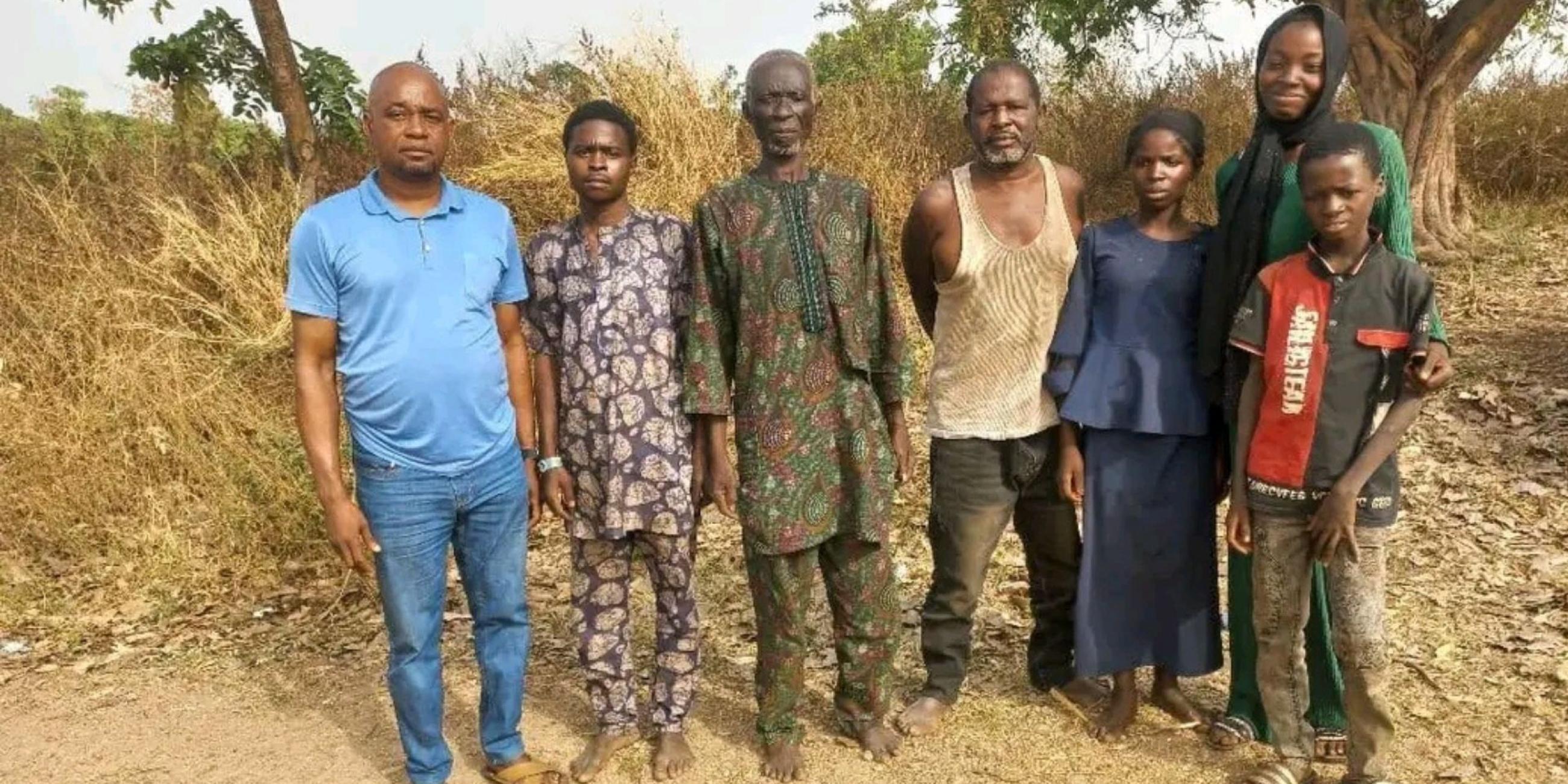
Relief swept through Aiyetoro Kiri community in Bunu land, Kogi State, as six remaining ECWA worshippers abducted by terrorists were finally released after weeks of negotiations and ransom payments. The Aiyetoro Kiri Bunu Development Association (AKBDA) confirmed the development on Wednesday, describing it as the end of a painful and traumatic chapter for the victims, their families, and the...