


 About
About
Chief Zebrudaya Okoroigwe Nwogbo: The Comic Patriarch Who Taught Nigeria to Laugh
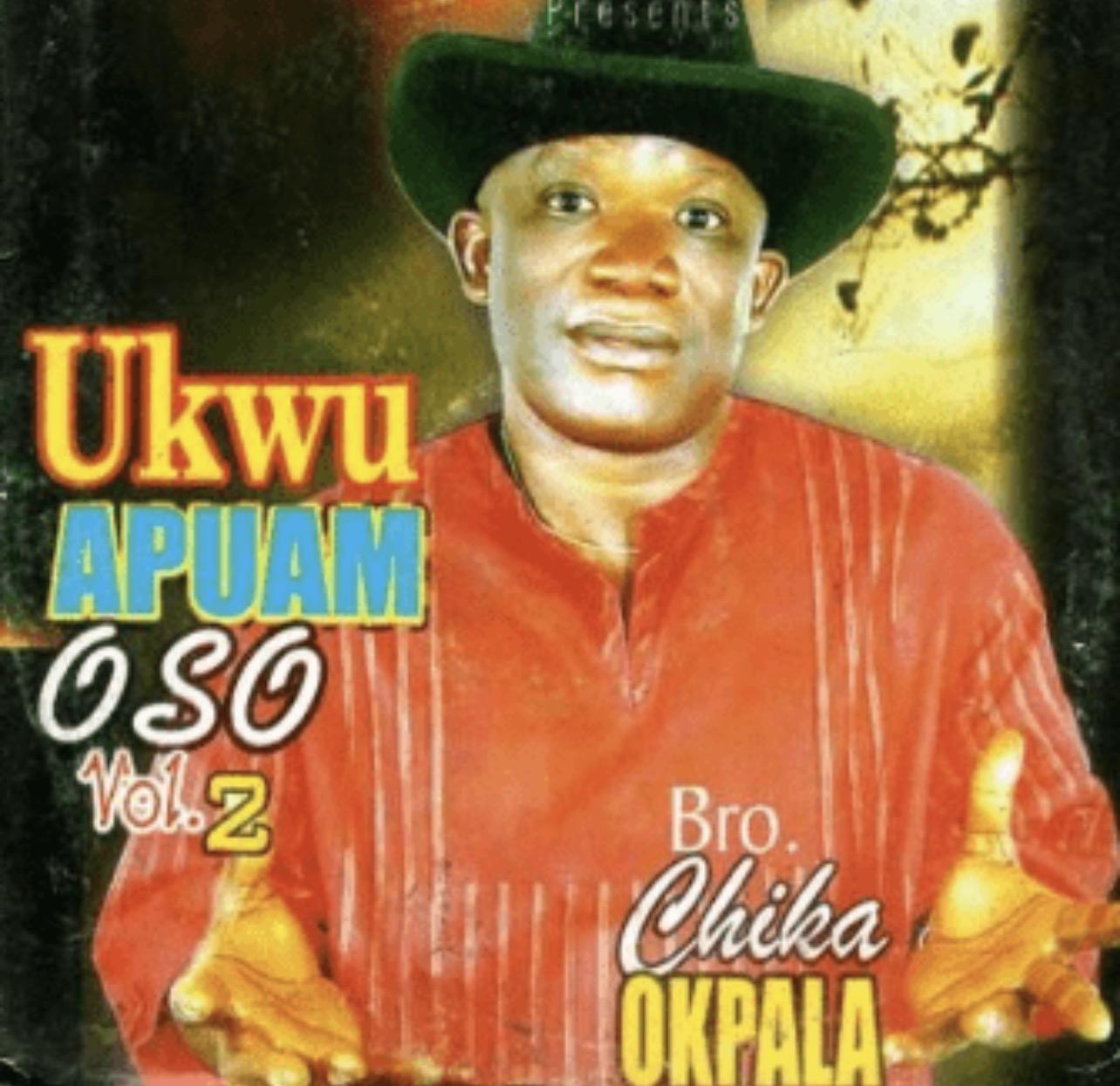
Chief Zebrudaya Okoroigwe Nwogbo
In the golden age of Nigerian television, when families gathered around black and white screens and laughter echoed through living rooms, one character stood taller than the rest. He spoke in exaggerated grammar, dressed like a wealthy village chief, and carried himself with theatrical pride. He was loud, dramatic, unforgettable. His name was Chief Zebrudaya Okoroigwe Nwogbo.
But behind that legendary character stood a man of immense talent and discipline: Chika Okpala.
His story is not just about comedy. It is about theatre, resilience, cultural storytelling, and creating one of the most iconic characters in African television history.
The Man Behind the Legend
Chika Okpala was born in 1950 in Imo State, Nigeria. Growing up in Eastern Nigeria during a period of political tension and later civil war, he witnessed hardship, resilience, and the importance of community.
From a young age, he displayed a flair for drama. He loved storytelling, mimicry, and entertaining people around him. What began as playful imitation would later evolve into professional theatre.
He studied at the University of Lagos, where he became deeply involved in drama and performance arts. The stage became his laboratory. It was where he experimented with voice, posture, satire, and character exaggeration.
Little did he know that one of his creations would soon dominate Nigerian television.
Birth of Chief Zebrudaya
In the 1970s, Nigerian television began to flourish. One of the most popular programs of that era was the sitcom The Village Headmaster. The show depicted life in a fictional Nigerian village, blending humor with social commentary.
It was on that stage that Chika Okpala introduced Chief Zebrudaya Okoroigwe Nwogbo, also known as 4 30.
Chief Zebrudaya was everything at once. He was boastful yet lovable. He misused English grammar confidently, often combining complex vocabulary with incorrect structure. He carried himself as a wealthy, influential chief, even when circumstances suggested otherwise.
His speech patterns became legendary. He would say phrases that sounded grand and intellectual but were hilariously twisted. Nigerians began repeating his lines in daily conversation.
What made the character powerful was not just humor. It was satire. Through Zebrudaya, Okpala subtly mocked pretension, class arrogance, and colonial hangovers in language use.
The Cultural Impact
During the height of The Village Headmaster, Chief Zebrudaya became a household name. Streets would empty when the show aired. Families adjusted their schedules to watch.
In an era before social media, memes, or streaming, Zebrudaya’s expressions traveled by word of mouth. Schoolchildren mimicked his tone. Market women repeated his exaggerated grammar. Office workers referenced his witty remarks.
He represented a uniquely Nigerian form of comedy. He blended Igbo cultural identity with national appeal. He made Nigerians laugh at themselves without malice.
Comedy became a tool for unity in a diverse nation.
Beyond The Village Headmaster
Although Chief Zebrudaya remains his most famous role, Chika Okpala’s career extended beyond one character.
He appeared in films and stage productions. As Nollywood began to rise in the 1990s and early 2000s, he adapted to the new era of filmmaking. He featured in movies that continued to reflect his comedic strength.
Yet, no matter the role, audiences often saw Zebrudaya. The character was so powerful that it sometimes overshadowed the man.
But Okpala embraced it. He understood that some actors spend entire careers searching for one defining role. He had created a timeless one.
The Language of Laughter
One of the most remarkable aspects of Chief Zebrudaya was language manipulation. His dialogue played with English in a way that felt both intelligent and absurd.
He would construct sentences filled with large words, but the grammar would spiral into comedy. It was satire disguised as confusion.
This style resonated deeply in post colonial Nigeria, where English remained the official language but local dialects shaped everyday speech.
Through Zebrudaya, Okpala reminded Nigerians that language can be both a tool of expression and a source of humor.
Personal Discipline and Craft
Behind the flamboyant chief costume was a disciplined actor. Comedy requires timing, control, and understanding of audience psychology.
Chika Okpala was known among colleagues for professionalism and preparation. He studied scripts carefully. He understood pacing. He knew when to exaggerate and when to restrain.
Unlike spontaneous stand up comedians, his craft relied on character immersion.
Recognition and Respect
Over the decades, Chika Okpala has received awards and recognition for his contribution to Nigerian entertainment. He is often described as one of the pioneers of Nigerian television comedy.
Many contemporary comedians and actors acknowledge his influence. Before the explosion of stand up comedy in Nigeria, Zebrudaya had already proven that local humor could dominate national screens.
He paved the way for future generations.
Enduring Relevance
Even decades after The Village Headmaster first aired, Chief Zebrudaya remains culturally relevant. Clips circulate online. Younger audiences discover him through archived episodes.
In a rapidly changing media landscape, few characters survive generational shifts. Zebrudaya has.
He reminds Nigerians of a simpler television era when storytelling was communal and laughter was shared physically, not through smartphones.
The Legacy
Chief Zebrudaya Okoroigwe Nwogbo is more than a fictional village chief. He is a symbol of Nigeria’s golden era of television.
Through him, Chika Okpala achieved something rare. He created a character that transcended time.
He made Nigerians laugh during economic hardship. He offered relief during political uncertainty. He turned exaggerated grammar into cultural poetry.
From Imo State to national television screens, his journey reflects creativity rooted in culture.
While many actors chase fame, Chika Okpala built legacy. And that legacy wears a red cap, speaks in flamboyant English, and answers to the unforgettable name Chief Zebrudaya Okoroigwe Nwogbo.


Categorii
Citeste mai mult
In the dusty streets of Greenville, South Carolina, a young boy grew up watching a divided America. He saw two worlds. One white. One Black. One privileged. One struggling. And even as a child, Jesse Louis Jackson felt something burning inside him — a refusal to accept that this was the way life had to be. Born in 1941 to a teenage mother, his start in life was far from easy. Poverty...

I was not born into comfort. I was born into lessons. From a young age, life taught me responsibility faster than it taught me joy. I watched my parents struggle, watched dreams bend under the weight of survival, and learned early that nothing would be handed to me freely. While other boys played without worry, my mind was already counting tomorrow’s problems. I grew up with ambition in...
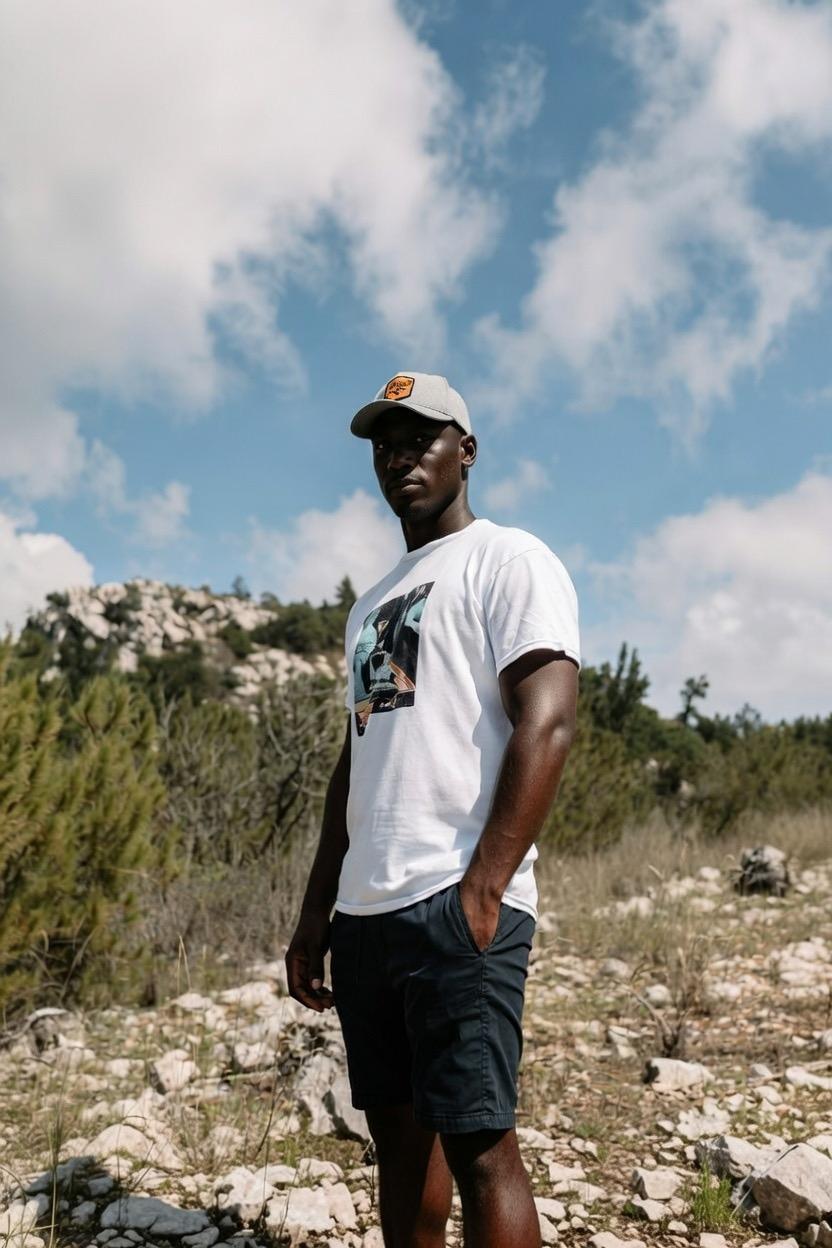
Freddie Mercury Freddie Mercury was a legendary British singer, songwriter, and performer best known as the lead vocalist of the rock band Queen. He is widely regarded as one of the greatest vocalists and frontmen in the history of music. His real name was Farrokh Bulsara, and he was born on September 5, 1946, in Zanzibar (now part of Tanzania). Early Life and Background Freddie...
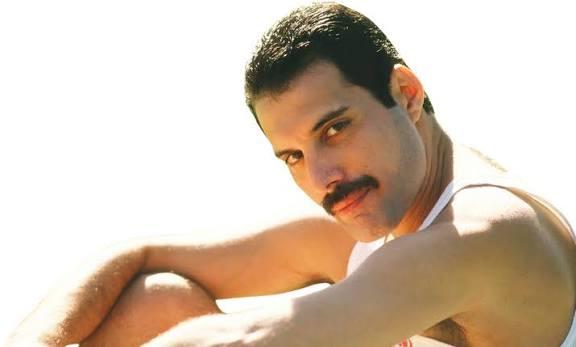
Oba Aladetoyinbo Ogunlade Aladelusi In the ancient town of Akure, where rolling hills meet deep Yoruba heritage and palace drums still echo through time, the throne of the Deji stands as a symbol of identity and continuity. Upon that throne sits Aladetoyinbo Ogunlade Aladelusi, a monarch whose journey began not in palace corridors, but in the structured world of banking and finance....
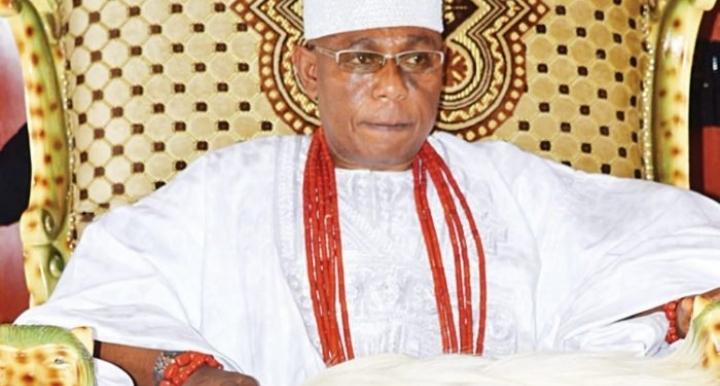
Nathaniel Bassey Nathaniel Bassey is a Nigerian gospel singer, trumpeter, songwriter, and pastor widely known for his powerful worship songs and the global online prayer movement called the Hallelujah Challenge. Over the years, he has become one of the most influential voices in African gospel music Early Life and Background Nathaniel Bassey was born on August 27, 1981, in...

