


 Σχετικά
Family Disowns Daughter Over False HIV Rumours, Later Learns She Is Negative - Health
An 18-year-old girl was accused of sleeping around with men and contracting HIV in the process. Her family, the community, and everyone around her disowned her.
In addition to her illness, she was forced to grapple with the stigmatization.
When she presented to a PHC on account of her worsening symptoms—progressive weight loss, lack of appetite, and stomach swelling—routine investigations were conducted.
The preliminary investigations revealed shocking findings:
1. Retroviral screening came out non-reactive, meaning she does not have HIV.
2. Serum Pregnancy Test came out negative, meaning she is not pregnant.
3. Random Blood Sugar came out high, meaning she is likely to have diabetes.
Follow-up Fasting Blood Tests (FBS) showed her sugar level to be 30 mmol.
From the clinical findings and the results of available investigations, the girl is most likely suffering from Type 1 Diabetes—a type of diabetes that primarily affects adolescents and young children.
When the parents were invited to come to the PHC facility to be informed about the condition of their daughter, the father sent someone else. He said he was done with her since she had brought shame and disgrace to his family. The mother was said to have been crying ever since the father sent the girl away.
We eventually found a way to reach the father and explain everything to him. We showed him all the evidence that his daughter was not the wayward child he had been made to believe. Lo and behold, the person who started the rumor of the girl sleeping with men and getting pregnant as a result was a close family member.
They believed what the person said simply because they saw her stomach getting swollen, her weight decreasing, and episodes of vomiting here and there. No one thought of taking her to a health facility for a checkup. They gave her a diagnosis and judged her harshly.
Now, the girl needs a specialist review. She will benefit from insulin, which is an expensive medication. The family cannot afford it.
We reached out to some local NGOs, but they only deal with young children—she did not meet their criteria. We reached out to the councilor of the ward she hails from; he promised to escalate her predicament to the right channels. But she does not have the luxury of time.
The girl needs help—a lot of it. She also needs support. Though the family has now embraced her once again, she will live with the unfortunate pain of that accusation, in addition to battling her physical health.
Once again, I am reminded that it is not healthcare when the people are so poor they cannot afford it.
Thank you.
Κατηγορίες
Διαβάζω περισσότερα
Liz Anjorin Liz Anjorin is a Nigerian actress, producer, and entrepreneur best known for her roles in Yoruba-language films. Over the years, she has built a strong reputation in Nollywood for portraying bold and emotional characters, while also gaining public attention for her outspoken personality and controversies. Early Life and Background Liz Anjorin was born on April 4,...

Oyo State Governor Seyi Makinde has criticised Minister of Works David Umahi for refusing to provide a clear breakdown of the cost of the Lagos-Calabar Coastal Highway, questioning the transparency of the multibillion-naira project. Makinde, an electrical engineer, made the comments in a viral video from an event on Friday, saying there was no justification for Umahi to be “dancing...

A recent high-risk counter-terror operation has ended in tragedy, as 13 operatives were confirmed dead, contrary to earlier inflated reports. According to insights gathered by Zagazola Makama, security experts are raising red flags over the lack of real-time intelligence sharing, poor inter-agency collaboration, and absence of critical air support. The operation, spearheaded by the Department...
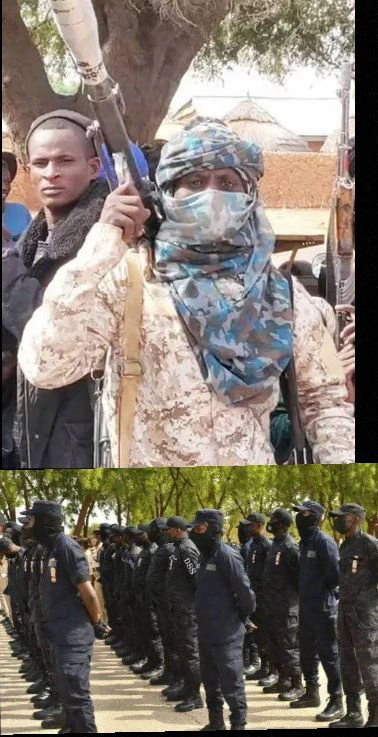
The atmosphere within Nigeria’s student political scene has grown increasingly tense following the continued detention of Atiku Isah, a factional president of the National Association of Nigerian Students (NANS). Isah was reportedly arrested by operatives of the Department of State Services (DSS) and, as of now, remains in custody with no confirmed date for his release. The case, first...

Orlando Owoh Orlando Owoh, born Stephen Oladipupo Olaore Owomoyela, was a legendary Nigerian highlife musician and band leader known for blending traditional Yoruba rhythms with highlife music. He remains one of the pioneers who shaped indigenous Nigerian music in the 1960s and 1970s. Early Life and Background Orlando Owoh was born on February 14, 1932, in Owo, Ondo...

