About
About
How the Benin Empire Becwame a Global Bronze Power
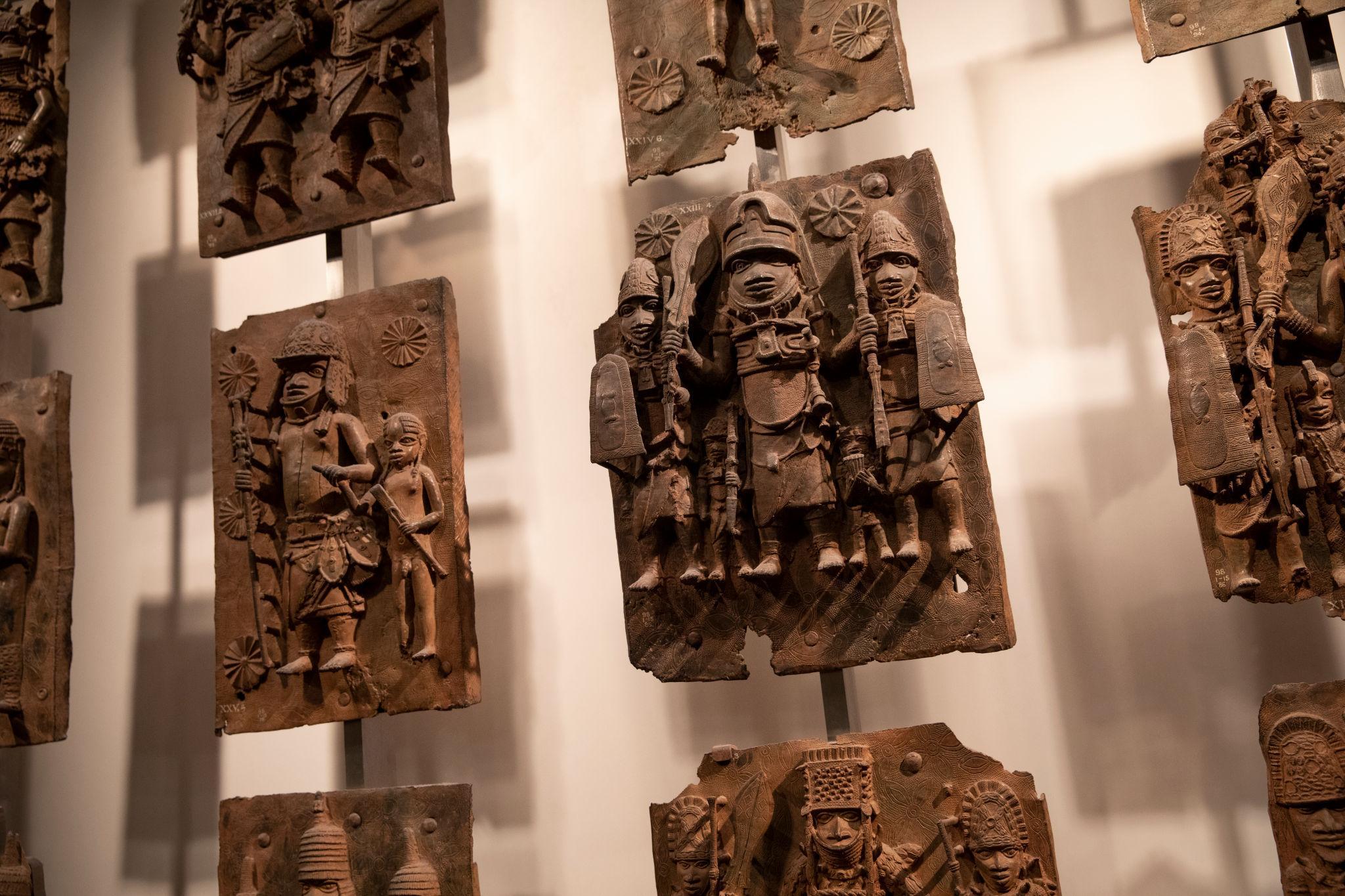
The rise of the Benin Empire as one of the world’s greatest bronze-producing civilizations was not accidental. It was the result of strong leadership, disciplined institutions, spiritual belief, and centuries of technical mastery. Long before modern Europe perfected large-scale metal art, Benin had already established a bronze tradition that would later astonish the world.
Foundations of a Powerful Kingdom
Located in present-day Edo State in southern Nigeria, the Benin Empire developed into a highly centralized state by the 13th century. Power was concentrated in the hands of the Oba, the sacred king who ruled not only as a political leader but also as a spiritual authority.
In Benin, art was inseparable from governance. Bronze objects were created to preserve history, honor ancestors, and reinforce royal authority. Art was not made for sale or decoration; it was made for the state.
The Turning Point: Royal Reform and Organization
The bronze tradition expanded significantly during the reign of Oba Ewuare in the 15th century. Under his leadership, Benin underwent major political and cultural reforms. The kingdom expanded its territory, strengthened its institutions, and formally organized artisan guilds under royal control.
Bronze casting became a sacred and exclusive profession reserved for specialists who worked only for the Oba. From this point onward, bronze art became a permanent feature of Benin’s political system.
Mastery of the Lost-Wax Technique
Benin bronze casters perfected the lost-wax casting method, a complex process that allowed for extraordinary detail. Each sculpture was made from a single mold, meaning no two pieces could ever be identical.
This technique enabled artists to produce lifelike human heads, detailed court scenes, ceremonial objects, and symbolic animal figures. The level of realism and technical precision achieved by Benin artists rivaled—and in some cases surpassed—metalwork produced elsewhere in the world at the time.
Bronze as History and Authority
Bronzes in Benin served clear and powerful purposes. Bronze heads were placed on royal ancestral altars to honor past kings. Plaques recorded court rituals, military victories, diplomatic meetings, and social hierarchy. Animals such as leopards symbolized royal strength and spiritual protection.
Every object reinforced the authority of the Oba and preserved Benin’s historical memory. There was no separation between art, religion, and politics.
The Guild System and Artistic Continuity
Bronze casting was controlled by a hereditary guild known as the Igun-Eronmwon. Membership passed from father to son, ensuring continuity of skill and tradition over hundreds of years. The guild operated under strict rules and secrecy, which protected the quality and integrity of the craft.
Because of this system, Benin’s bronze style remained remarkably consistent across centuries, making it one of the longest uninterrupted artistic traditions in Africa.
Global Contact Without Loss of Control
From the late 15th century, Benin established trade relations with European merchants, especially the Portuguese. Imported brass objects were melted down and reused for casting. European figures even appeared on some bronze plaques, documenting Benin’s engagement with the wider world.
Importantly, Benin controlled these interactions. Foreign contact was recorded through Benin’s own artistic and historical lens, not imposed from outside.
Global Recognition Through Tragedy
In 1897, British forces invaded Benin City, exiled the Oba, and looted thousands of bronze artworks. These pieces were taken to museums and private collections across Europe and North America.
Although the looting was a violent injustice, it revealed Benin’s artistic achievement to the world. Scholars were stunned by the sophistication of the bronzes, forcing a reassessment of African history and technology.
Enduring Legacy
Today, the Benin bronzes are recognized as masterpieces of world art. Efforts are underway to return looted works to Nigeria, and bronze casting continues in Benin City using traditional methods passed down through generations.
The Benin Empire’s bronze tradition did not disappear—it survived, adapted, and endured.
Why This History Matters
The story of Benin proves that advanced technology, institutional organization, and artistic excellence flourished in Africa long before colonial contact. Benin bronzes stand as permanent evidence of African innovation, historical consciousness, and cultural power.
They are not relics of a forgotten past. They are records of a civilization that knew its worth—and preserved it in bronze.
Categorii
Citeste mai mult
Introduction The history of Ethiopia is one of the oldest and most remarkable in the world. Often referred to as the cradle of humanity, Ethiopia holds a unique place not only in African history but in global civilization. Unlike most African nations, Ethiopia was never permanently colonized, and it developed a rich cultural, religious, and political tradition that stretches back thousands of...
A civil society group, Springs Aid Foundation, has petitioned the FCT Police Commissioner over alleged abuse of office and extortion by Bwari Divisional Police Officer, CSP Babayola Muhammad Musa. The petition claims the officer led violent raids, indiscriminately fired live ammunition, and deployed tear gas during New Year’s celebrations in Bwari. According to the group, over 90...
In a monumental move for African music, Sony Music Publishing has signed an exclusive partnership with Nigerian highlife pioneer Bright Chimezie, marking a new chapter for his iconic Zigima Sound on the world stage. Bright Chimezie, a cultural icon known for blending traditional Igbo rhythms with social commentary and infectious energy, has carved his place in history as one of the originators...
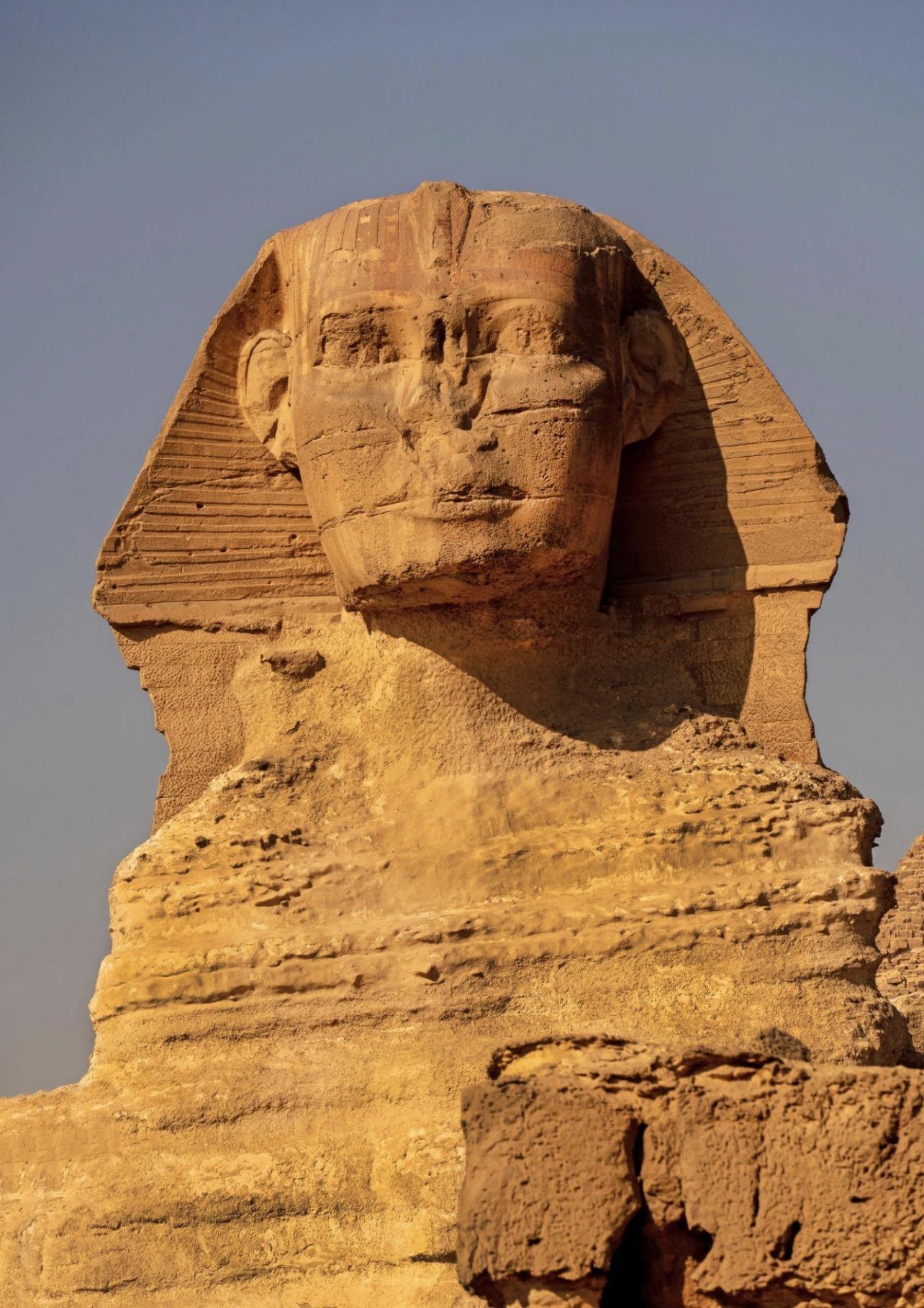
The Eternal Guardian of the Desert For thousands of years, long before modern cities, airplanes, or smartphones existed, there was already a mysterious stone guardian watching over the sands of Egypt. This guardian is known today as the Great Sphinx of Giza, one of the most famous monuments in human history. Standing silently on the Giza Plateau near the famous pyramids,...
Ireti Osayemi Ireti Osayemi is a Nigerian actress known for her bold roles in Yoruba-language films and Nollywood productions. With her strong screen presence and emotional depth, she has remained a consistent face in the Yoruba movie industry. Early Life and Background Ireti Osayemi was born on January 14, 1982, in Lagos State, Nigeria. Although born and raised in Lagos,...