


 Über
Über
Effects of Taxation on Poor Countries
Negative Effects of Tax on a Poor Country
1. Increased Poverty & Cost of Living
When governments raise taxes on basic goods (like food, fuel, transport), prices go up. Poor households feel it the most because they spend most of their income on daily needs.
2. Reduced Small Business Growth
High taxes discourage small and informal businesses. Many people avoid registration, leading to a larger informal economy and fewer stable jobs.
3. Lower Disposable Income
Income and consumption taxes reduce what people take home, making it harder to afford healthcare, education, and housing.
4. Tax Evasion & Corruption
Complex or unfair tax systems push people to evade taxes. This can encourage bribery and weaken trust in government institutions.
5. Slower Economic Growth
Excessive or poorly structured taxes can reduce investment, discourage entrepreneurship, and slow down development.
Positive Effects of Tax on a Poor Country
1. Revenue for Public Services
Taxes fund schools, hospitals, roads, security, and social programs that directly benefit citizens especially the poor—if well managed.
2. Reduced Dependence on Foreign Aid
A strong tax system helps countries rely less on loans and aid, increasing national independence.
3. Wealth Redistribution
Progressive taxes (higher tax on the rich) can reduce inequality when used to support welfare programs.
4. Stronger Governance
Tax-paying citizens often demand accountability, transparency, and better leadership.

Kategorien
Mehr lesen
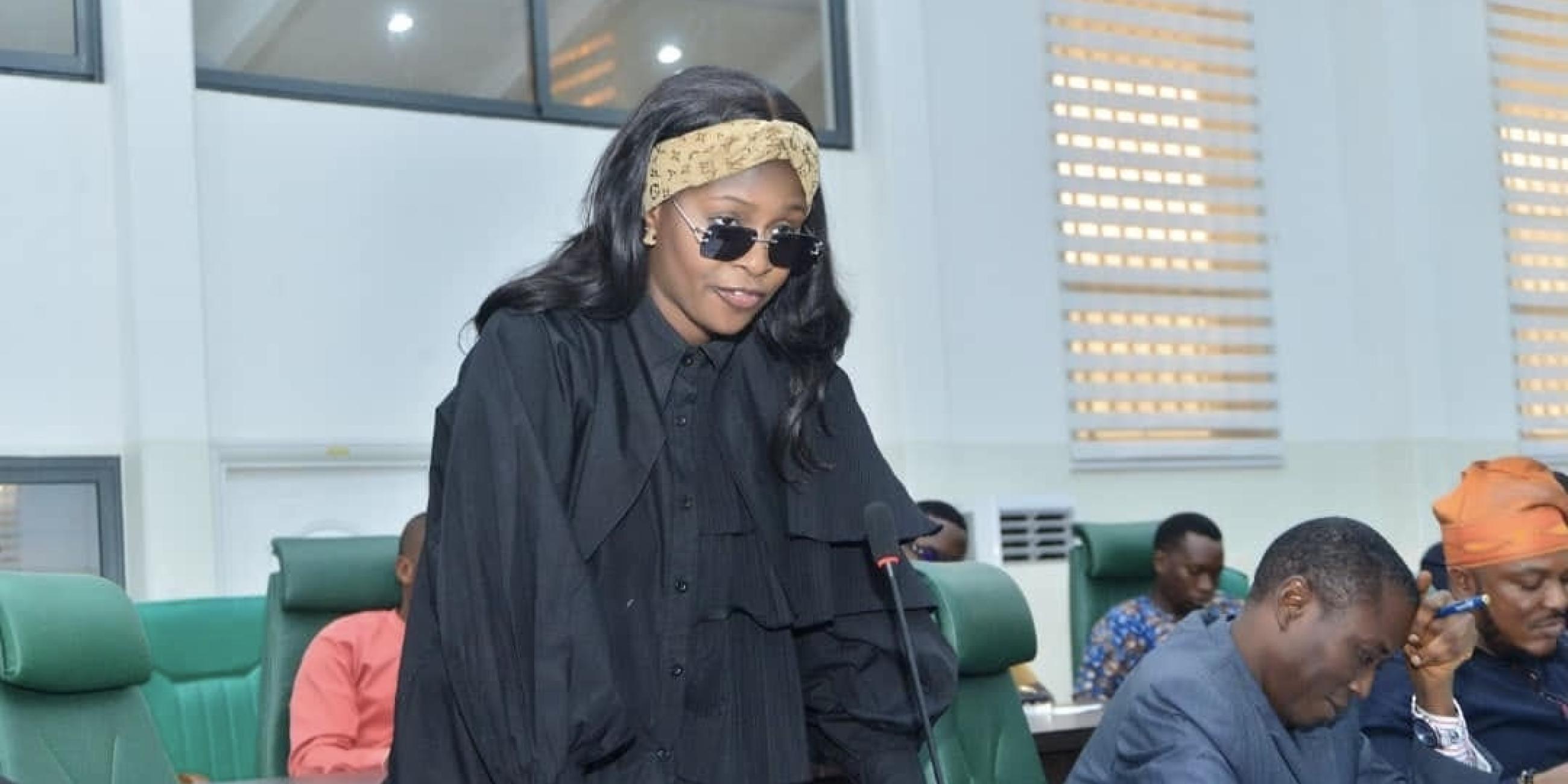
The Edo State House of Assembly has summoned Egor Constituency lawmaker, Natasha Irobosa, to appear before its Standing Committee on Ethics and Privileges following viral videos involving her and her husband, Nigerian music star Innocent “2Baba” Idibia. The summons aims to allow Irobosa defend herself against allegations of misconduct after videos showed an altercation between the...
Just In: Gospel singer sentenced to death for killing girlfriend Salome Adaidu. The High Court in Lafia, Nasarawa State, has sentenced gospel musician Oluwatimileyin Ajayi to death by hanging for the murder of his girlfriend, Salome Adaidu. Justice Simon Aboki on Thursday found Ajayi guilty of culpable homicide after months of trial. Ajayi was convicted under Section 221 of the Penal...

Tiwa Savage Biography Full Name:Tiwatope Omolara SavageBorn: February 5, 1980Birthplace:Isale Eko, LagosNationality:NigerianProfession:Singer, songwriter, actress Early Life and Education Tiwa Savage was born in Lagos, Nigeria, and later moved to London, United Kingdom,at the age of 11 for her secondary education. While in the UK, she developed a strong passion for music and joined her...

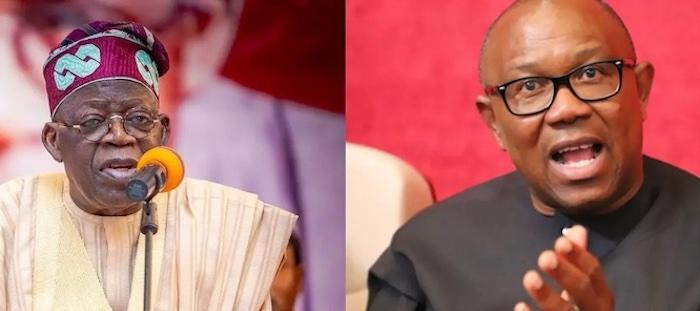
On Democracy Day, former Labour Party presidential candidate Peter Obi delivered a scathing critique of President Bola Tinubu’s administration, accusing it of hypocrisy, failed leadership, and playing politics while Nigerians suffer. Speaking at a press conference in Abuja on June 12, Obi honored MKO Abiola and other democracy heroes, but lamented that today’s Nigeria is far from...
Lil Uzi Vert Lil Uzi Vert is one of the most unconventional and influential figures in modern hip hop. Known for a high pitched melodic delivery, eccentric fashion, emotional vulnerability, and genre bending creativity, he emerged from Philadelphia’s underground scene to become a chart dominating star whose music defined a generation of internet driven rap culture. His life story...

