• Is Superstition Holding Nigerian Communities Hostage? How Fear of ‘Poison,’ Rituals, and Dog Poop Is Fueling Paranoia, Poverty, and Exploitation – By Leo Igwe

    Is superstition silently destroying communities in Nigeria—and why are fear, paranoia, and ritual beliefs still shaping how people interpret illness, death, and misfortune?

    In this powerful and unsettling account, Leo Igwe recounts his return to his hometown in southeastern Nigeria after decades away, where he encountered what he describes as the toxic grip of superstition and irrational fear on everyday life. From the moment he arrived, Igwe says he witnessed how ordinary health issues were being interpreted as the work of unseen enemies using “poison,” spiritual attacks, or occult forces.

    A family housekeeper with a swollen hand claimed he had “picked up poison” while farming—an explanation widely accepted by community members, despite no one being able to describe what the poison was, how it worked, or where it came from. Rather than seeking medical help, the man was subjected to prayers, spiritual pressing, and ritual interventions, which only worsened the condition. For Igwe, this was a troubling reminder of how medical problems are often rebranded as spiritual attacks, delaying proper treatment and deepening fear.

    But why does this mindset persist? Igwe explains that in his community, no one is believed to die naturally. Death, illness, stroke, or paralysis are frequently attributed to enemies—often relatives or neighbors—who are accused of using occult means. Phrases like “they have killed him” or “they have finally gotten him” dominate conversations, reinforcing suspicion and tearing families apart. People live in constant fear that someone has planted spiritual “poisons” that they might step on or touch.

    Despite identifying as Christians, many residents, Igwe notes, move between churches, prophets, pastors, traditional priests, and ritual specialists. They pray to Jesus, invoke ancestors, hire “prayer warriors,” and perform sacrifices in an endless cycle of spiritual protection. But does this offer safety—or does it deepen exploitation? Igwe argues that this climate has created fertile ground for con artists, fake prophets, and self-styled spiritual practitioners who extract money in exchange for deliverance, exorcism, and supposed protection.

    One striking episode involved a roaming prayer man who went from house to house, collecting food or money after loud, theatrical prayers. In another home, Igwe witnessed a dramatic ritual in which sand was placed in people’s hands while God was commanded to “open doors,” even instructing someone to physically open the living room door to symbolize prosperity. To Igwe, this performance illustrated how faith is manipulated into spectacle while poverty remains unchanged.

    Perhaps the most disturbing moment came when a neighbor reported that dog feces found in their compound was not ordinary waste but a weapon of spiritual harm. The family believed it had been ritually placed to bring sickness or death—just as, they claimed, their parents had previously been killed. The response? Olive oil poured on it, urine used as a neutralizer, and the case escalated to village authorities. To Igwe, this episode captured how fear transforms harmless events into imagined threats, driving communities deeper into paranoia.

    Addressing a village meeting, Igwe warned of the dangerous consequences of baseless accusations, superstition, and occult blame, citing how such beliefs have destroyed families and communities across the region. He urged residents to free themselves from irrational fear and confront the social damage caused by suspicion, exploitation, and magical thinking.

    So what is the real cost of these beliefs? According to Igwe, communities trapped in superstition remain locked in poverty, fear, and manipulation, unable to address real health, economic, and social challenges. The essay ultimately asks a haunting question: Can communities break free from the cycle of fear before superstition consumes trust, development, and human dignity?

    Is Superstition Holding Nigerian Communities Hostage? How Fear of ‘Poison,’ Rituals, and Dog Poop Is Fueling Paranoia, Poverty, and Exploitation – By Leo Igwe Is superstition silently destroying communities in Nigeria—and why are fear, paranoia, and ritual beliefs still shaping how people interpret illness, death, and misfortune? In this powerful and unsettling account, Leo Igwe recounts his return to his hometown in southeastern Nigeria after decades away, where he encountered what he describes as the toxic grip of superstition and irrational fear on everyday life. From the moment he arrived, Igwe says he witnessed how ordinary health issues were being interpreted as the work of unseen enemies using “poison,” spiritual attacks, or occult forces. A family housekeeper with a swollen hand claimed he had “picked up poison” while farming—an explanation widely accepted by community members, despite no one being able to describe what the poison was, how it worked, or where it came from. Rather than seeking medical help, the man was subjected to prayers, spiritual pressing, and ritual interventions, which only worsened the condition. For Igwe, this was a troubling reminder of how medical problems are often rebranded as spiritual attacks, delaying proper treatment and deepening fear. But why does this mindset persist? Igwe explains that in his community, no one is believed to die naturally. Death, illness, stroke, or paralysis are frequently attributed to enemies—often relatives or neighbors—who are accused of using occult means. Phrases like “they have killed him” or “they have finally gotten him” dominate conversations, reinforcing suspicion and tearing families apart. People live in constant fear that someone has planted spiritual “poisons” that they might step on or touch. Despite identifying as Christians, many residents, Igwe notes, move between churches, prophets, pastors, traditional priests, and ritual specialists. They pray to Jesus, invoke ancestors, hire “prayer warriors,” and perform sacrifices in an endless cycle of spiritual protection. But does this offer safety—or does it deepen exploitation? Igwe argues that this climate has created fertile ground for con artists, fake prophets, and self-styled spiritual practitioners who extract money in exchange for deliverance, exorcism, and supposed protection. One striking episode involved a roaming prayer man who went from house to house, collecting food or money after loud, theatrical prayers. In another home, Igwe witnessed a dramatic ritual in which sand was placed in people’s hands while God was commanded to “open doors,” even instructing someone to physically open the living room door to symbolize prosperity. To Igwe, this performance illustrated how faith is manipulated into spectacle while poverty remains unchanged. Perhaps the most disturbing moment came when a neighbor reported that dog feces found in their compound was not ordinary waste but a weapon of spiritual harm. The family believed it had been ritually placed to bring sickness or death—just as, they claimed, their parents had previously been killed. The response? Olive oil poured on it, urine used as a neutralizer, and the case escalated to village authorities. To Igwe, this episode captured how fear transforms harmless events into imagined threats, driving communities deeper into paranoia. Addressing a village meeting, Igwe warned of the dangerous consequences of baseless accusations, superstition, and occult blame, citing how such beliefs have destroyed families and communities across the region. He urged residents to free themselves from irrational fear and confront the social damage caused by suspicion, exploitation, and magical thinking. So what is the real cost of these beliefs? According to Igwe, communities trapped in superstition remain locked in poverty, fear, and manipulation, unable to address real health, economic, and social challenges. The essay ultimately asks a haunting question: Can communities break free from the cycle of fear before superstition consumes trust, development, and human dignity?
    0 Comments ·0 Shares ·227 Views
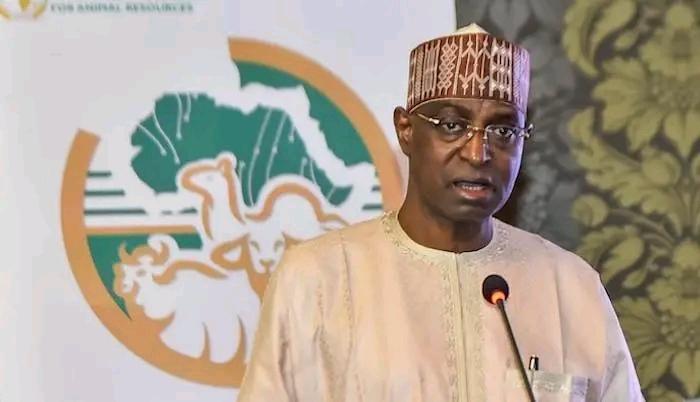
  • MINISTER OF LIVESTOCK DEVELOPMENT LAYS FOUNDATION FOR ESTABLISHMENT OF SERVICE CENTRE IN SOKOTO STATE

    The new Livestock Service Centre is a key intervention under the World Bank-assisted Livestock Productivity and Resilience Support (L-PRES) Project.

    Performing the foundation stone laying, the Minister of Livestock Development, Dr. Idi Mukhtar Maiha, reaffirms the Federal Government’s commitment to unlocking Nigeria’s livestock potential for sustainable peace and development.

    Governor Ahmed Aliyu stated that the Centre is designed to address livestock losses, rural poverty and insecurity linked to unregulated livestock practices.

    The Governor noted that the Facility will introduce modern feedlots, support pasture development and ease the pressures of open grazing on Farmlands.

    National Coordinator, L-PRES, Dr. Sanusi Abubakar, assured full support from the National Coordination Office to guarantee the project’s successful implementation.

    The Commissioner for Livestock Development, Bello Muhammad Wamakko, highlighted Sokoto State Government’s investment in routine vaccination programmes and other measures to reduce Farmer–herder conflicts.

    Similar projects are being executed in 20 participating States nationwide, expected to enhance food security, improve animal health and strengthen the Nation’s economy.
    MINISTER OF LIVESTOCK DEVELOPMENT LAYS FOUNDATION FOR ESTABLISHMENT OF SERVICE CENTRE IN SOKOTO STATE The new Livestock Service Centre is a key intervention under the World Bank-assisted Livestock Productivity and Resilience Support (L-PRES) Project. Performing the foundation stone laying, the Minister of Livestock Development, Dr. Idi Mukhtar Maiha, reaffirms the Federal Government’s commitment to unlocking Nigeria’s livestock potential for sustainable peace and development. Governor Ahmed Aliyu stated that the Centre is designed to address livestock losses, rural poverty and insecurity linked to unregulated livestock practices. The Governor noted that the Facility will introduce modern feedlots, support pasture development and ease the pressures of open grazing on Farmlands. National Coordinator, L-PRES, Dr. Sanusi Abubakar, assured full support from the National Coordination Office to guarantee the project’s successful implementation. The Commissioner for Livestock Development, Bello Muhammad Wamakko, highlighted Sokoto State Government’s investment in routine vaccination programmes and other measures to reduce Farmer–herder conflicts. Similar projects are being executed in 20 participating States nationwide, expected to enhance food security, improve animal health and strengthen the Nation’s economy.
    0 Comments ·0 Shares ·129 Views
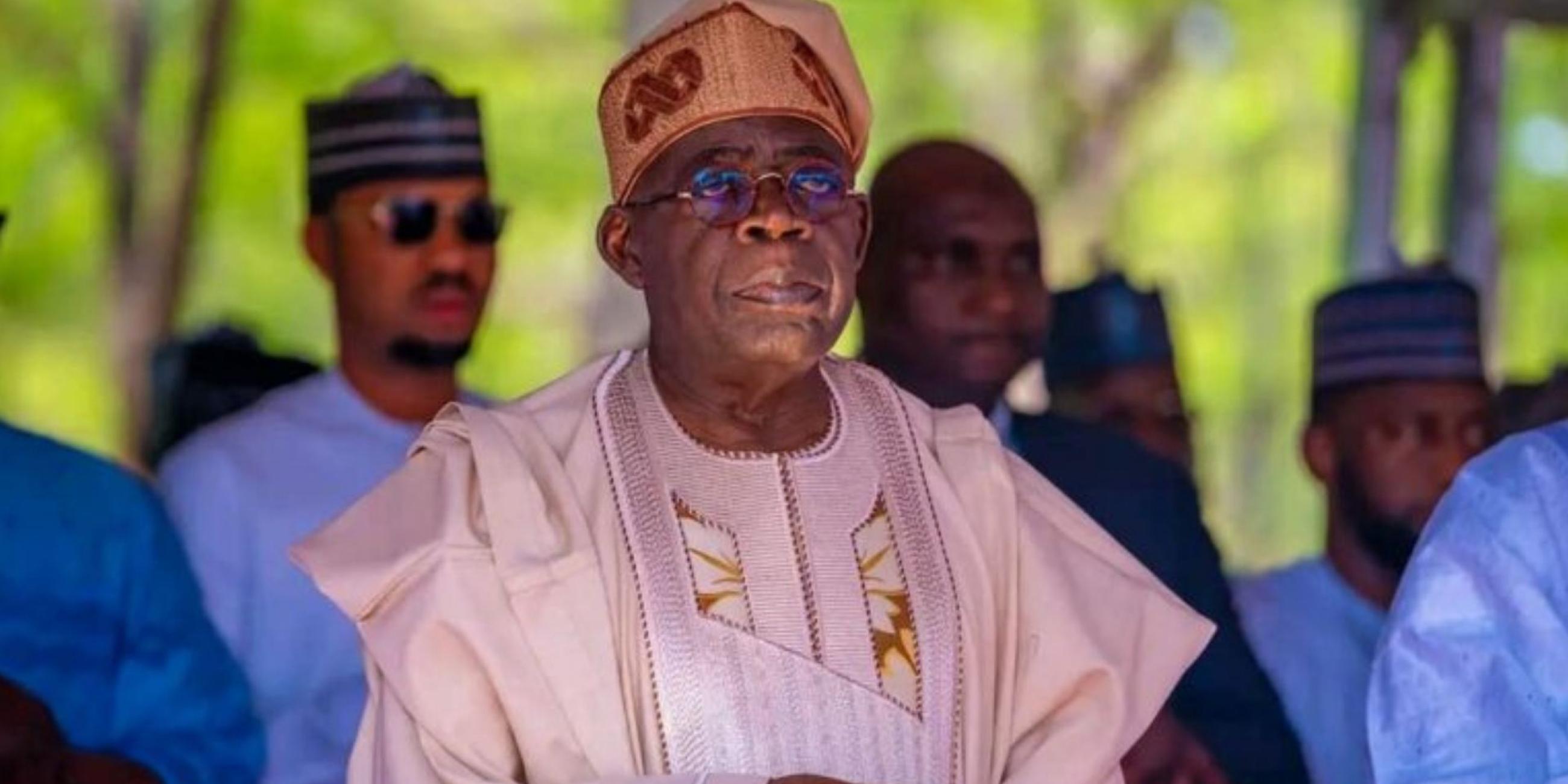
  • Is Tinubu Failing Yoruba Land? Pan-Yoruba Group Slams President Over Insecurity, Kidnapped Monarchs and ‘Silence From Power

    Is Nigeria’s security crisis finally reaching a breaking point in Yoruba land—and is President Bola Ahmed Tinubu truly doing enough to stop it? These are the urgent questions being raised after a Pan-Yoruba socio-political group, Ìgbìnmó Májékóbájé Ilé-Yorùbá, publicly condemned the President over what it described as his “deafening silence” in the face of worsening insecurity across the South-West.

    The group’s outcry followed the shocking abduction of a Kwara State monarch, Oba S. Y. Olaonipekun, and his son, Olaolu, who were reportedly kidnapped by suspected terrorists in the Ile-Ire district. For many observers, the incident marks a dangerous escalation in Nigeria’s security crisis: when even traditional rulers—symbols of authority, culture, and community stability—are no longer safe, what hope remains for ordinary citizens?

    In a strongly worded statement signed by its Convener, Olusola Badero, and released through Home Director Princess Balogun, the group accused President Tinubu of abandoning his constitutional duty as the nation’s chief security officer. According to the group, violent attacks, kidnappings, and killings have spread across Yoruba communities with little visible federal response. They argued that while statements are often issued, concrete action has been painfully absent.

    The union alleged that forests and rural communities in parts of Kwara and the wider South-West have become safe havens for armed groups posing as herdsmen, whom they directly described as terrorists. It lamented what it called the humiliation of Yoruba traditional institutions, stressing that the kidnapping of monarchs was once unimaginable in the region’s history. Quoting a Yoruba proverb—“Oríadé kì í sùn tán” (Royalty does not sleep outside)—the group said the abduction of kings represents not only a security failure but also a deep cultural wound.

    Beyond insecurity, the group launched a broader political critique of President Tinubu’s leadership. They accused him of prioritising personal interests, political allies, and future elections over the immediate safety and welfare of citizens. They further criticised what they described as his frequent foreign trips, alleging that he enjoys public funds abroad while Nigerians face poverty, fear, collapsing healthcare, and deteriorating schools at home. For the group, this contrast symbolises a widening gap between those in power and the people they govern.

    The statement also targeted Kwara State Governor AbdulRahman AbdulRazaq, accusing the state government of failing to protect residents. The group demanded the immediate release of the abducted monarch and his son, as well as other kidnapped citizens, including workers from the Kwara State Ministry of Works.

    To underline what it sees as a pattern of lawlessness, the union recalled earlier incidents, including the killing of Segun Aremu, a retired army general and monarch (the Olúkòrò of Koro), and the abduction of Kamilu Salami, the Oníbàrà of Bayagan Ile, who reportedly spent weeks in captivity before regaining freedom. These cases, the group argued, show that the crisis is not isolated but systemic.

    Perhaps most striking is the group’s warning that continued political inaction could lead to long-term devastation: deserted villages, abandoned farmlands, and forests fully occupied by armed groups. They questioned how elections can even matter if citizens are no longer safe enough to live in their communities. “Who will be alive to vote,” they asked, “if our villages are deserted and our forests controlled by terrorists?”

    The union went further, calling on Yoruba people at home and in the diaspora to take collective responsibility for protecting their region, suggesting that reliance on political leaders who have “clearly failed” could invite even greater catastrophe.

    As this controversy unfolds, Nigerians are left with uncomfortable but necessary questions: Has the federal government lost control of internal security? Is President Tinubu doing enough to protect his own region? And what happens when traditional institutions—once seen as untouchable—become targets of violence?

    On Fintter, this story is more than breaking news; it is a national conversation about leadership, accountability, and survival. Are these criticisms justified, or are they politically motivated? Can Nigeria still reverse its security decline, or has the crisis reached a point of no return? The answers may shape not just the future of Yoruba land, but the fate of the entire nation.

    What do you think? Is Tinubu truly failing on security—or is the crisis beyond any single leader? Share your thoughts and join the debate on Fintter.

    Is Tinubu Failing Yoruba Land? Pan-Yoruba Group Slams President Over Insecurity, Kidnapped Monarchs and ‘Silence From Power Is Nigeria’s security crisis finally reaching a breaking point in Yoruba land—and is President Bola Ahmed Tinubu truly doing enough to stop it? These are the urgent questions being raised after a Pan-Yoruba socio-political group, Ìgbìnmó Májékóbájé Ilé-Yorùbá, publicly condemned the President over what it described as his “deafening silence” in the face of worsening insecurity across the South-West. The group’s outcry followed the shocking abduction of a Kwara State monarch, Oba S. Y. Olaonipekun, and his son, Olaolu, who were reportedly kidnapped by suspected terrorists in the Ile-Ire district. For many observers, the incident marks a dangerous escalation in Nigeria’s security crisis: when even traditional rulers—symbols of authority, culture, and community stability—are no longer safe, what hope remains for ordinary citizens? In a strongly worded statement signed by its Convener, Olusola Badero, and released through Home Director Princess Balogun, the group accused President Tinubu of abandoning his constitutional duty as the nation’s chief security officer. According to the group, violent attacks, kidnappings, and killings have spread across Yoruba communities with little visible federal response. They argued that while statements are often issued, concrete action has been painfully absent. The union alleged that forests and rural communities in parts of Kwara and the wider South-West have become safe havens for armed groups posing as herdsmen, whom they directly described as terrorists. It lamented what it called the humiliation of Yoruba traditional institutions, stressing that the kidnapping of monarchs was once unimaginable in the region’s history. Quoting a Yoruba proverb—“Oríadé kì í sùn tán” (Royalty does not sleep outside)—the group said the abduction of kings represents not only a security failure but also a deep cultural wound. Beyond insecurity, the group launched a broader political critique of President Tinubu’s leadership. They accused him of prioritising personal interests, political allies, and future elections over the immediate safety and welfare of citizens. They further criticised what they described as his frequent foreign trips, alleging that he enjoys public funds abroad while Nigerians face poverty, fear, collapsing healthcare, and deteriorating schools at home. For the group, this contrast symbolises a widening gap between those in power and the people they govern. The statement also targeted Kwara State Governor AbdulRahman AbdulRazaq, accusing the state government of failing to protect residents. The group demanded the immediate release of the abducted monarch and his son, as well as other kidnapped citizens, including workers from the Kwara State Ministry of Works. To underline what it sees as a pattern of lawlessness, the union recalled earlier incidents, including the killing of Segun Aremu, a retired army general and monarch (the Olúkòrò of Koro), and the abduction of Kamilu Salami, the Oníbàrà of Bayagan Ile, who reportedly spent weeks in captivity before regaining freedom. These cases, the group argued, show that the crisis is not isolated but systemic. Perhaps most striking is the group’s warning that continued political inaction could lead to long-term devastation: deserted villages, abandoned farmlands, and forests fully occupied by armed groups. They questioned how elections can even matter if citizens are no longer safe enough to live in their communities. “Who will be alive to vote,” they asked, “if our villages are deserted and our forests controlled by terrorists?” The union went further, calling on Yoruba people at home and in the diaspora to take collective responsibility for protecting their region, suggesting that reliance on political leaders who have “clearly failed” could invite even greater catastrophe. As this controversy unfolds, Nigerians are left with uncomfortable but necessary questions: Has the federal government lost control of internal security? Is President Tinubu doing enough to protect his own region? And what happens when traditional institutions—once seen as untouchable—become targets of violence? On Fintter, this story is more than breaking news; it is a national conversation about leadership, accountability, and survival. Are these criticisms justified, or are they politically motivated? Can Nigeria still reverse its security decline, or has the crisis reached a point of no return? The answers may shape not just the future of Yoruba land, but the fate of the entire nation. 💬 What do you think? Is Tinubu truly failing on security—or is the crisis beyond any single leader? Share your thoughts and join the debate on Fintter.
    0 Comments ·0 Shares ·214 Views
  • Gani Fawehinmi Memorial Group Rejects Tinubu’s Tax Reform, Describes It as IMF–World Bank Agenda to Deepen Poverty in Nigeria

    The Gani Fawehinmi Memorial Organization (GAFAMORG) has strongly rejected the proposed tax reform law being advanced by President Bola Ahmed Tinubu’s administration, describing it as an International Monetary Fund (IMF) and World Bank–inspired agenda aimed at deepening poverty and further exploiting Nigerians. The group warned that the country’s worsening economic crisis is the result of deliberate policy choices by a corrupt ruling elite aligned with failed foreign economic orthodoxies.

    In a statement signed by its Chairman, Babatunde Agunbiade, and Public Relations Officer, Adeoye Ade-Adewumi, GAFAMORG argued that Nigeria’s challenges are not caused by insufficient taxation but by criminal mismanagement, massive corruption, nepotism, and elite capture of state resources. The organisation said the proposed tax law would impose additional burdens on already over-taxed workers, small traders, and struggling households, while leaving the wealthy and powerful untouched.

    The group accused the Tinubu administration of ignoring large-scale tax evasion by elites, excessive tax waivers for multinational corporations, and widespread looting through inflated contracts and opaque concessions. It also criticised the operation of Free Trade Zones, describing them as tax havens for the rich where corporations enjoy sweeping exemptions and weak oversight, while ordinary Nigerians face aggressive and sometimes extortionate tax enforcement.

    GAFAMORG further described Nigeria’s tax administration system as broken, citing overlapping taxes, harassment by revenue agents, lack of transparency, and weak accountability. It warned that introducing new taxes without fixing these structural problems amounts to “economic violence against the poor.”

    Reflecting on Nigeria’s past experiences with IMF- and World Bank-backed reforms such as Structural Adjustment, privatisation, and subsidy removal, the organisation said these policies have consistently shrunk the middle class, expanded poverty, enriched a tiny elite, and weakened the country’s productive capacity.

    Invoking the legacy of late human rights lawyer Chief Gani Fawehinmi, GAFAMORG called on Nigerians to completely reject the proposed tax law, mobilise civic, legal, media, and popular resistance, and demand its immediate withdrawal. The group insisted that Nigeria does not need IMF-approved hardship but justice, accountability, equity, and people-centred governance.
    Gani Fawehinmi Memorial Group Rejects Tinubu’s Tax Reform, Describes It as IMF–World Bank Agenda to Deepen Poverty in Nigeria The Gani Fawehinmi Memorial Organization (GAFAMORG) has strongly rejected the proposed tax reform law being advanced by President Bola Ahmed Tinubu’s administration, describing it as an International Monetary Fund (IMF) and World Bank–inspired agenda aimed at deepening poverty and further exploiting Nigerians. The group warned that the country’s worsening economic crisis is the result of deliberate policy choices by a corrupt ruling elite aligned with failed foreign economic orthodoxies. In a statement signed by its Chairman, Babatunde Agunbiade, and Public Relations Officer, Adeoye Ade-Adewumi, GAFAMORG argued that Nigeria’s challenges are not caused by insufficient taxation but by criminal mismanagement, massive corruption, nepotism, and elite capture of state resources. The organisation said the proposed tax law would impose additional burdens on already over-taxed workers, small traders, and struggling households, while leaving the wealthy and powerful untouched. The group accused the Tinubu administration of ignoring large-scale tax evasion by elites, excessive tax waivers for multinational corporations, and widespread looting through inflated contracts and opaque concessions. It also criticised the operation of Free Trade Zones, describing them as tax havens for the rich where corporations enjoy sweeping exemptions and weak oversight, while ordinary Nigerians face aggressive and sometimes extortionate tax enforcement. GAFAMORG further described Nigeria’s tax administration system as broken, citing overlapping taxes, harassment by revenue agents, lack of transparency, and weak accountability. It warned that introducing new taxes without fixing these structural problems amounts to “economic violence against the poor.” Reflecting on Nigeria’s past experiences with IMF- and World Bank-backed reforms such as Structural Adjustment, privatisation, and subsidy removal, the organisation said these policies have consistently shrunk the middle class, expanded poverty, enriched a tiny elite, and weakened the country’s productive capacity. Invoking the legacy of late human rights lawyer Chief Gani Fawehinmi, GAFAMORG called on Nigerians to completely reject the proposed tax law, mobilise civic, legal, media, and popular resistance, and demand its immediate withdrawal. The group insisted that Nigeria does not need IMF-approved hardship but justice, accountability, equity, and people-centred governance.
    0 Comments ·0 Shares ·187 Views
  • Edo Governor Okpebholo’s Alleged Loyalist Who Brutalised Female Worker Over ₦40,000 Salary Petitions Police to Arrest Victim as Officers Allegedly Shield Him

    A political enforcer allegedly loyal to Edo State Governor, Monday Okpebholo, identified as Adam Ehigiamusoe, popularly known as Shaba, has sparked outrage after petitioning the Nigeria Police to arrest a female employee he is accused of brutally assaulting over an unpaid ₦40,000 salary. The incident reportedly occurred on December 23, 2025, at Destiny O Hotel Suites in Benin City, which Shaba owns.

    According to sources, the victim, Love Nehizena, also known as Bella, was beaten severely after demanding payment of her outstanding salary. Videos obtained by SaharaReporters showed her covered in blood with visible injuries, suggesting an assault described by witnesses as near-fatal. Despite the severity of the attack, Shaba was allegedly never arrested, reportedly boasting that his political connections made him untouchable.

    Sources disclosed that the Edo State Commissioner of Police had earlier directed Shaba to report himself, but he allegedly ignored the order and instead, through his lawyer, submitted a petition to the Zone 5 Police Headquarters in Benin, accusing the victim. Shockingly, police action reportedly followed against Bella rather than the alleged attacker, with a senior officer, CSP Christopher Ereshe, inviting her for questioning, raising concerns of intimidation and victim persecution.

    Witnesses expressed alarm that Shaba, whom police claimed they could not locate, was publicly seen days later distributing bags of rice in Benin City and freely engaging law enforcement. Bella, a single mother, narrated how she was beaten with wires, planks, and wooden objects, spat on, insulted for her poor background, and threatened with death if she reported the incident. Her phone was also destroyed during the assault.

    Human rights advocates and residents have condemned the episode as a gross abuse of power, politicisation of policing, and a dangerous example of how poverty and political influence are weaponised to silence vulnerable citizens. The case has intensified public calls for accountability and justice amid fears that political protection may obstruct due process.
    Edo Governor Okpebholo’s Alleged Loyalist Who Brutalised Female Worker Over ₦40,000 Salary Petitions Police to Arrest Victim as Officers Allegedly Shield Him A political enforcer allegedly loyal to Edo State Governor, Monday Okpebholo, identified as Adam Ehigiamusoe, popularly known as Shaba, has sparked outrage after petitioning the Nigeria Police to arrest a female employee he is accused of brutally assaulting over an unpaid ₦40,000 salary. The incident reportedly occurred on December 23, 2025, at Destiny O Hotel Suites in Benin City, which Shaba owns. According to sources, the victim, Love Nehizena, also known as Bella, was beaten severely after demanding payment of her outstanding salary. Videos obtained by SaharaReporters showed her covered in blood with visible injuries, suggesting an assault described by witnesses as near-fatal. Despite the severity of the attack, Shaba was allegedly never arrested, reportedly boasting that his political connections made him untouchable. Sources disclosed that the Edo State Commissioner of Police had earlier directed Shaba to report himself, but he allegedly ignored the order and instead, through his lawyer, submitted a petition to the Zone 5 Police Headquarters in Benin, accusing the victim. Shockingly, police action reportedly followed against Bella rather than the alleged attacker, with a senior officer, CSP Christopher Ereshe, inviting her for questioning, raising concerns of intimidation and victim persecution. Witnesses expressed alarm that Shaba, whom police claimed they could not locate, was publicly seen days later distributing bags of rice in Benin City and freely engaging law enforcement. Bella, a single mother, narrated how she was beaten with wires, planks, and wooden objects, spat on, insulted for her poor background, and threatened with death if she reported the incident. Her phone was also destroyed during the assault. Human rights advocates and residents have condemned the episode as a gross abuse of power, politicisation of policing, and a dangerous example of how poverty and political influence are weaponised to silence vulnerable citizens. The case has intensified public calls for accountability and justice amid fears that political protection may obstruct due process.
    0 Comments ·0 Shares ·181 Views
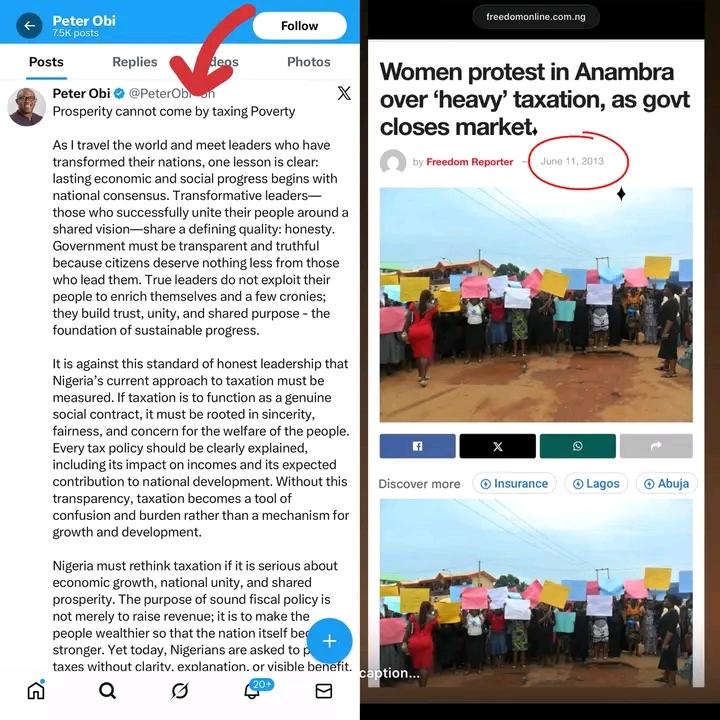
  • Peter Obi: The Man Who Taxed Poverty in Anambra

    Dear Peter Obi,

    Thank you for your thoughts on the Tax Reform Act, which came into force yesterday, which was New Year's Day. However, it seems you have forgotten the following historical facts.

    While you were the Governor of Anambra, poverty increased in the state, yet you imposed new and heavy taxes on the people of Anambra.

    Please fact-check me: The poverty rate in Anambra was 41.4% in 2003, before you, Obi took office, and rose to 53.7% by 2009, during your governorship, a 29.7% increase.

    Yet, despite the rise in poverty under your watch as Governor, on Tuesday, June 11, 2013, you imposed new and heavy taxes on Anambra markets, prompting traders in the state to protest.

    And again, please fact-check me.

    When 600 traders from Eke Awka Market protested and filed an appeal against you, you insisted that they must pay your new, heavy taxes.

    At that, they led another protest to the Anambra State House of Assembly, barricaded it, and prevented legislative business from proceeding.

    And all this was happening while you, Peter, dishonestly hid your own money in tax havens, as shown in the Pandora Papers of the International Consortium of Investigative Journalists.

    Therefore, I find it strange that you, who increased poverty in Anambra and also simultaneously increased taxes, are now accusing the Tinubu administration, which has added $57 billion to our economy, of taxing the poor.

    And just so you know, your allegations show that you haven't read the new tax laws, because in those legislations, Nigerians earning less than ₦800,000 will not be taxed.

    Meaning that under President Tinubu, those petty traders in Anambra that you taxed to near death would have a tax holiday.

    So, please, Peter, reread your post, and direct it at yourself, because it is all about you, the man who taxed poverty in Anambra!

    You were taxing poverty as Anambra Governor, but President Tinubu is tackling poverty as Nigeria's President.

    ~ Reno Omokri

    Gospeller. Deep Thinker. #TableShaker. #1Bestselling author of Facts Versus Fiction: The True Story of the Jonathan Years. Hodophile. Hollywood Magazine Humanitarian of the Year, 2019. Business Insider Influencer of the Year 2022. 21st Most Talked About Person in Africa, 2024.
    Peter Obi: The Man Who Taxed Poverty in Anambra Dear Peter Obi, Thank you for your thoughts on the Tax Reform Act, which came into force yesterday, which was New Year's Day. However, it seems you have forgotten the following historical facts. While you were the Governor of Anambra, poverty increased in the state, yet you imposed new and heavy taxes on the people of Anambra. Please fact-check me: The poverty rate in Anambra was 41.4% in 2003, before you, Obi took office, and rose to 53.7% by 2009, during your governorship, a 29.7% increase. Yet, despite the rise in poverty under your watch as Governor, on Tuesday, June 11, 2013, you imposed new and heavy taxes on Anambra markets, prompting traders in the state to protest. And again, please fact-check me. When 600 traders from Eke Awka Market protested and filed an appeal against you, you insisted that they must pay your new, heavy taxes. At that, they led another protest to the Anambra State House of Assembly, barricaded it, and prevented legislative business from proceeding. And all this was happening while you, Peter, dishonestly hid your own money in tax havens, as shown in the Pandora Papers of the International Consortium of Investigative Journalists. Therefore, I find it strange that you, who increased poverty in Anambra and also simultaneously increased taxes, are now accusing the Tinubu administration, which has added $57 billion to our economy, of taxing the poor. And just so you know, your allegations show that you haven't read the new tax laws, because in those legislations, Nigerians earning less than ₦800,000 will not be taxed. Meaning that under President Tinubu, those petty traders in Anambra that you taxed to near death would have a tax holiday. So, please, Peter, reread your post, and direct it at yourself, because it is all about you, the man who taxed poverty in Anambra! You were taxing poverty as Anambra Governor, but President Tinubu is tackling poverty as Nigeria's President. ~ Reno Omokri Gospeller. Deep Thinker. #TableShaker. #1Bestselling author of Facts Versus Fiction: The True Story of the Jonathan Years. Hodophile. Hollywood Magazine Humanitarian of the Year, 2019. Business Insider Influencer of the Year 2022. 21st Most Talked About Person in Africa, 2024.
    0 Comments ·0 Shares ·280 Views
  • Peter Obi Criticises Tinubu’s Tax Policy, Warns Nigeria Cannot Prosper by “Taxing Poverty”

    Former Labour Party presidential candidate Peter Obi has condemned Nigeria’s current tax system, arguing that prosperity cannot be achieved by imposing heavier taxes on an already impoverished population. In a statement titled “Prosperity cannot come by taxing Poverty”, Obi stressed that honest leadership, transparency, and fairness are central to sustainable economic growth. He criticised a revenue-driven approach that prioritises government income over citizens’ welfare and highlighted a tax fraud controversy, claiming that the law being enforced differs from what was passed by the National Assembly. Obi called for a people-centered tax system that supports enterprise, protects the vulnerable, and restores public trust, insisting that wealth creation depends on production, not excessive taxation.
    Peter Obi Criticises Tinubu’s Tax Policy, Warns Nigeria Cannot Prosper by “Taxing Poverty” Former Labour Party presidential candidate Peter Obi has condemned Nigeria’s current tax system, arguing that prosperity cannot be achieved by imposing heavier taxes on an already impoverished population. In a statement titled “Prosperity cannot come by taxing Poverty”, Obi stressed that honest leadership, transparency, and fairness are central to sustainable economic growth. He criticised a revenue-driven approach that prioritises government income over citizens’ welfare and highlighted a tax fraud controversy, claiming that the law being enforced differs from what was passed by the National Assembly. Obi called for a people-centered tax system that supports enterprise, protects the vulnerable, and restores public trust, insisting that wealth creation depends on production, not excessive taxation.
    0 Comments ·0 Shares ·210 Views
  • PRP Urges Nationwide Protests as Party Calls on Nigerians to Resist Tinubu’s New Tax Policies, Fuel Subsidy Removal, and Economic Hardship

    The Peoples Redemption Party (PRP) has called on Nigerians to embark on nationwide, lawful, and peaceful protests against what it described as oppressive tax policies and economic decisions of President Bola Ahmed Tinubu’s administration. In a New Year statement signed by its National Chairman, Falalu Bello, the party said Nigerians are already grappling with severe hardship caused by insecurity, hunger, poverty, and poor governance under the APC-led government.

    The PRP strongly criticised the introduction and enforcement of new tax laws, accusing the government of ignoring public opposition and pushing policies that allegedly lack transparency and were altered at the point of gazetting. According to the party, the taxes are designed to benefit a few while further impoverishing ordinary Nigerians who are struggling to survive.

    The opposition party also condemned the removal of fuel subsidy on Tinubu’s first day in office, noting that promised investments in social services have failed to materialise. Instead, it alleged that increased borrowing without visible improvements in social infrastructure has worsened the economic situation across the country.

    Calling for collective action, the PRP urged Nigerians to organise protests and strike actions to resist unjust taxation and governance failures, stressing that mass unity remains the strongest tool against oppression. The party warned citizens not to be discouraged by political defections, describing such moves as self-serving and insignificant compared to the power of the people.

    Looking ahead to the 2027 general elections, the PRP said sustained resistance should translate into political change, urging Nigerians to remain steadfast in their quest to end what it termed an incompetent and non-transparent administration. The statement concluded with a call for peaceful but determined resistance to reclaim Nigeria and build a system rooted in accountability, transparency, and citizen-focused governance.
    PRP Urges Nationwide Protests as Party Calls on Nigerians to Resist Tinubu’s New Tax Policies, Fuel Subsidy Removal, and Economic Hardship The Peoples Redemption Party (PRP) has called on Nigerians to embark on nationwide, lawful, and peaceful protests against what it described as oppressive tax policies and economic decisions of President Bola Ahmed Tinubu’s administration. In a New Year statement signed by its National Chairman, Falalu Bello, the party said Nigerians are already grappling with severe hardship caused by insecurity, hunger, poverty, and poor governance under the APC-led government. The PRP strongly criticised the introduction and enforcement of new tax laws, accusing the government of ignoring public opposition and pushing policies that allegedly lack transparency and were altered at the point of gazetting. According to the party, the taxes are designed to benefit a few while further impoverishing ordinary Nigerians who are struggling to survive. The opposition party also condemned the removal of fuel subsidy on Tinubu’s first day in office, noting that promised investments in social services have failed to materialise. Instead, it alleged that increased borrowing without visible improvements in social infrastructure has worsened the economic situation across the country. Calling for collective action, the PRP urged Nigerians to organise protests and strike actions to resist unjust taxation and governance failures, stressing that mass unity remains the strongest tool against oppression. The party warned citizens not to be discouraged by political defections, describing such moves as self-serving and insignificant compared to the power of the people. Looking ahead to the 2027 general elections, the PRP said sustained resistance should translate into political change, urging Nigerians to remain steadfast in their quest to end what it termed an incompetent and non-transparent administration. The statement concluded with a call for peaceful but determined resistance to reclaim Nigeria and build a system rooted in accountability, transparency, and citizen-focused governance.
    0 Comments ·0 Shares ·322 Views
  • Stop Treating Nigerians Like ATMs” — AAC FCT Chairman Warns of Mass Hardship, Slams Tinubu’s Tax Policies as ‘Declaration of War’ on the Poor in 2026

    The Chairman of the African Action Congress (AAC) in the Federal Capital Territory, Agena Robert Ande, has issued a strong warning that Nigeria is heading into a “year of reckoning” in 2026, accusing President Bola Tinubu’s administration of imposing a harsh and suffocating tax regime that disproportionately affects poor and vulnerable citizens. In a New Year statement, Ande described the government’s tax policies as exploitative, insisting that nearly everything Nigerians rely on for survival is now taxed.

    He rejected official claims that recent tax reforms are designed to target the wealthy, arguing instead that the rich evade taxes through offshore arrangements while ordinary Nigerians pay through Value Added Tax on food, fuel, data, transport and other essentials. According to the AAC chairman, subsidy removal has worsened living conditions nationwide, with transport costs soaring and food prices tripling, further pushing citizens into poverty.

    Ande also criticized the student loan scheme, saying it traps young graduates in debt due to high interest rates and bureaucratic barriers that exclude the most marginalized. He accused the political elite of manipulating public sentiment by weaponising poverty to silence criticism, warning that desperation created by poverty fuels gullibility and social instability.

    Questioning accountability, the AAC leader demanded transparency in the use of tax revenues, pointing to poor infrastructure, failing healthcare systems and dilapidated schools as evidence that increased taxation has not translated into development. He called for the removal of VAT on essential goods and services, insisting that luxury items—not basic livelihoods—should be taxed.

    Describing the tax policies as a “declaration of war against ordinary Nigerians,” Ande urged citizens to resist deception, organize politically and hold leaders accountable through civic engagement and the ballot. He concluded by warning that silence equals complicity, stressing that 2026 presents Nigerians with a choice to reject policies that deepen hardship and inequality.
    Stop Treating Nigerians Like ATMs” — AAC FCT Chairman Warns of Mass Hardship, Slams Tinubu’s Tax Policies as ‘Declaration of War’ on the Poor in 2026 The Chairman of the African Action Congress (AAC) in the Federal Capital Territory, Agena Robert Ande, has issued a strong warning that Nigeria is heading into a “year of reckoning” in 2026, accusing President Bola Tinubu’s administration of imposing a harsh and suffocating tax regime that disproportionately affects poor and vulnerable citizens. In a New Year statement, Ande described the government’s tax policies as exploitative, insisting that nearly everything Nigerians rely on for survival is now taxed. He rejected official claims that recent tax reforms are designed to target the wealthy, arguing instead that the rich evade taxes through offshore arrangements while ordinary Nigerians pay through Value Added Tax on food, fuel, data, transport and other essentials. According to the AAC chairman, subsidy removal has worsened living conditions nationwide, with transport costs soaring and food prices tripling, further pushing citizens into poverty. Ande also criticized the student loan scheme, saying it traps young graduates in debt due to high interest rates and bureaucratic barriers that exclude the most marginalized. He accused the political elite of manipulating public sentiment by weaponising poverty to silence criticism, warning that desperation created by poverty fuels gullibility and social instability. Questioning accountability, the AAC leader demanded transparency in the use of tax revenues, pointing to poor infrastructure, failing healthcare systems and dilapidated schools as evidence that increased taxation has not translated into development. He called for the removal of VAT on essential goods and services, insisting that luxury items—not basic livelihoods—should be taxed. Describing the tax policies as a “declaration of war against ordinary Nigerians,” Ande urged citizens to resist deception, organize politically and hold leaders accountable through civic engagement and the ballot. He concluded by warning that silence equals complicity, stressing that 2026 presents Nigerians with a choice to reject policies that deepen hardship and inequality.
    0 Comments ·0 Shares ·235 Views
  • Africa’s Weakest Currencies in 2025: Why South Sudan and Ethiopia Crashed, Investor Fears Grew, and the Naira Escaped Africa’s Bottom 10

    In 2025, currency weakness across Africa deepened economic hardship for millions, as sharp devaluations translated into soaring inflation, higher living costs, and reduced investor confidence. An end-of-year assessment shows that the South Sudanese pound and the Ethiopian birr emerged as Africa’s weakest currencies, each losing more than 10% of their value against the US dollar, underscoring persistent structural and macroeconomic vulnerabilities across the continent.

    South Sudan’s currency collapse was largely driven by its heavy dependence on crude oil, which accounts for over 90% of foreign exchange earnings. Disruptions to oil exports following conflict in neighbouring Sudan severely reduced dollar inflows, triggering a steep depreciation of the pound. The fallout was devastating, with inflation surging to nearly 108% by September 2025, eroding purchasing power and worsening poverty.

    Ethiopia’s birr also suffered a brutal year, ranking among the world’s weakest currencies alongside the Argentine peso and Turkish lira. Dollar shortages, high inflation, mounting debt pressures, and investor anxiety combined to push the birr down by over 15%, complicating economic stabilisation efforts and debt restructuring plans.

    Across Africa, weak and volatile currencies continue to deter both foreign and local investment, as exchange-rate instability makes long-term business planning nearly impossible. Economies with limited export diversification, persistent inflation, and political or fiscal instability remain the most exposed to global shocks.

    Notably, Nigeria’s naira was absent from Africa’s bottom 10 weakest currencies in 2025, despite its own struggles and ending the year around ₦1,445 to the dollar. Analysts say this highlights that currency strength is not determined by central bank policy alone but reflects deeper economic resilience, diversification, and stability. As Africa moves into 2026, the performance of its currencies remains a key signal of broader economic health across the continent.
    Africa’s Weakest Currencies in 2025: Why South Sudan and Ethiopia Crashed, Investor Fears Grew, and the Naira Escaped Africa’s Bottom 10 In 2025, currency weakness across Africa deepened economic hardship for millions, as sharp devaluations translated into soaring inflation, higher living costs, and reduced investor confidence. An end-of-year assessment shows that the South Sudanese pound and the Ethiopian birr emerged as Africa’s weakest currencies, each losing more than 10% of their value against the US dollar, underscoring persistent structural and macroeconomic vulnerabilities across the continent. South Sudan’s currency collapse was largely driven by its heavy dependence on crude oil, which accounts for over 90% of foreign exchange earnings. Disruptions to oil exports following conflict in neighbouring Sudan severely reduced dollar inflows, triggering a steep depreciation of the pound. The fallout was devastating, with inflation surging to nearly 108% by September 2025, eroding purchasing power and worsening poverty. Ethiopia’s birr also suffered a brutal year, ranking among the world’s weakest currencies alongside the Argentine peso and Turkish lira. Dollar shortages, high inflation, mounting debt pressures, and investor anxiety combined to push the birr down by over 15%, complicating economic stabilisation efforts and debt restructuring plans. Across Africa, weak and volatile currencies continue to deter both foreign and local investment, as exchange-rate instability makes long-term business planning nearly impossible. Economies with limited export diversification, persistent inflation, and political or fiscal instability remain the most exposed to global shocks. Notably, Nigeria’s naira was absent from Africa’s bottom 10 weakest currencies in 2025, despite its own struggles and ending the year around ₦1,445 to the dollar. Analysts say this highlights that currency strength is not determined by central bank policy alone but reflects deeper economic resilience, diversification, and stability. As Africa moves into 2026, the performance of its currencies remains a key signal of broader economic health across the continent.
    0 Comments ·0 Shares ·153 Views
  • Senator Eyinnaya Abaribe Defects from APGA to ADC Ahead of 2027 Elections

    Senator Eyinnaya Abaribe has officially resigned from the All Progressives Grand Alliance (APGA) and joined the African Democratic Congress (ADC), aligning with former Labour Party presidential candidate Peter Obi. The defection, announced in Enugu, is part of a broader strategy by opposition leaders to present a united front against the ruling APC ahead of the 2027 general elections. Abaribe and fellow defectors cited Nigeria’s worsening poverty, unemployment, insecurity, and institutional decay under the current government as key reasons for their move, emphasizing the need for principled leadership and socio-economic transformation.

    #EyinnayaAbaribe #ADC #APGA #PeterObi #NigeriaPolitics #2027Elections #OppositionUnity #GoodGovernance
    Senator Eyinnaya Abaribe Defects from APGA to ADC Ahead of 2027 Elections Senator Eyinnaya Abaribe has officially resigned from the All Progressives Grand Alliance (APGA) and joined the African Democratic Congress (ADC), aligning with former Labour Party presidential candidate Peter Obi. The defection, announced in Enugu, is part of a broader strategy by opposition leaders to present a united front against the ruling APC ahead of the 2027 general elections. Abaribe and fellow defectors cited Nigeria’s worsening poverty, unemployment, insecurity, and institutional decay under the current government as key reasons for their move, emphasizing the need for principled leadership and socio-economic transformation. #EyinnayaAbaribe #ADC #APGA #PeterObi #NigeriaPolitics #2027Elections #OppositionUnity #GoodGovernance
    0 Comments ·0 Shares ·338 Views
  • Peter Obi Accuses Tinubu Administration of Looting Nigeria, Blames Government for Rising Poverty and Misrule

    Former Anambra State Governor and 2023 Labour Party presidential candidate, Peter Obi, has strongly criticized President Bola Tinubu’s administration, accusing it of worsening poverty, insecurity, and unemployment in Nigeria. Speaking during his defection to ADC, Obi claimed the government has failed in governance, weakened democratic institutions, and imposed exploitative fiscal policies, including controversial tax reforms. He emphasized that Nigeria is “looted into poverty” due to poor leadership and called for honest, transparent, and unifying governance to reverse the country’s decline.

    #PeterObi #TinubuAdministration #NigeriaPolitics #PovertyCrisis #GoodGovernance #NationalUnity
    Peter Obi Accuses Tinubu Administration of Looting Nigeria, Blames Government for Rising Poverty and Misrule Former Anambra State Governor and 2023 Labour Party presidential candidate, Peter Obi, has strongly criticized President Bola Tinubu’s administration, accusing it of worsening poverty, insecurity, and unemployment in Nigeria. Speaking during his defection to ADC, Obi claimed the government has failed in governance, weakened democratic institutions, and imposed exploitative fiscal policies, including controversial tax reforms. He emphasized that Nigeria is “looted into poverty” due to poor leadership and called for honest, transparent, and unifying governance to reverse the country’s decline. #PeterObi #TinubuAdministration #NigeriaPolitics #PovertyCrisis #GoodGovernance #NationalUnity
    0 Comments ·0 Shares ·314 Views
  • BREAKING: Peter Obi, South-East Political Leaders Dump Labour Party, Officially Join ADC in Enugu to Unseat APC Ahead of 2027 Elections

    Former Labour Party presidential candidate in the 2023 election, Peter Obi, alongside prominent political leaders from Nigeria’s South-East, has officially declared allegiance to the African Democratic Congress (ADC) in a major political realignment ahead of the 2027 general elections. The announcement was made during a high-level meeting in Enugu after months of consultations, with the leaders accusing the ruling All Progressives Congress (APC) of poor governance, corruption and economic mismanagement. Obi described Nigeria as a nation “looted into poverty,” citing widespread insecurity, youth unemployment and institutional decay, while calling for urgent electoral reforms and warning against rigging in 2027. He criticised current fiscal and tax policies, argued that Nigeria’s problems stem from leadership failure rather than lack of resources, and formally urged the Obidient Movement and opposition parties nationwide to rally behind a broad opposition coalition under the ADC, led by former Senate President David Mark. The move is expected to significantly reshape opposition politics as preparations intensify for the next general elections.
    BREAKING: Peter Obi, South-East Political Leaders Dump Labour Party, Officially Join ADC in Enugu to Unseat APC Ahead of 2027 Elections Former Labour Party presidential candidate in the 2023 election, Peter Obi, alongside prominent political leaders from Nigeria’s South-East, has officially declared allegiance to the African Democratic Congress (ADC) in a major political realignment ahead of the 2027 general elections. The announcement was made during a high-level meeting in Enugu after months of consultations, with the leaders accusing the ruling All Progressives Congress (APC) of poor governance, corruption and economic mismanagement. Obi described Nigeria as a nation “looted into poverty,” citing widespread insecurity, youth unemployment and institutional decay, while calling for urgent electoral reforms and warning against rigging in 2027. He criticised current fiscal and tax policies, argued that Nigeria’s problems stem from leadership failure rather than lack of resources, and formally urged the Obidient Movement and opposition parties nationwide to rally behind a broad opposition coalition under the ADC, led by former Senate President David Mark. The move is expected to significantly reshape opposition politics as preparations intensify for the next general elections.
    0 Comments ·0 Shares ·230 Views
  • Human Rights Lawyer Ejiofor Criticizes Tinubu Govt Over Widespread Hunger, Poverty, and Security Failures in 2025

    Human rights lawyer Barrister Ifeanyi Ejiofor has condemned Nigeria’s socio-economic and security situation under President Bola Tinubu in 2025, citing insecurity, economic hardship, and legislative failure as defining issues. He described hunger and poverty as “democratised” and no longer selective, attributing worsening conditions to inflation, stagnant wages, and poorly conceived policies.

    Ejiofor criticized the National Assembly for rubber-stamping bills like the Tax Reform Act without proper oversight and accused the government of selective responses to violent attacks, worsening inequality and shrinking the middle class. Despite the grim assessment, he expressed gratitude for survival and urged the emergence of compassionate leadership, people-centered policies, and a security architecture rooted in justice as Nigeria enters 2026.
    Human Rights Lawyer Ejiofor Criticizes Tinubu Govt Over Widespread Hunger, Poverty, and Security Failures in 2025 Human rights lawyer Barrister Ifeanyi Ejiofor has condemned Nigeria’s socio-economic and security situation under President Bola Tinubu in 2025, citing insecurity, economic hardship, and legislative failure as defining issues. He described hunger and poverty as “democratised” and no longer selective, attributing worsening conditions to inflation, stagnant wages, and poorly conceived policies. Ejiofor criticized the National Assembly for rubber-stamping bills like the Tax Reform Act without proper oversight and accused the government of selective responses to violent attacks, worsening inequality and shrinking the middle class. Despite the grim assessment, he expressed gratitude for survival and urged the emergence of compassionate leadership, people-centered policies, and a security architecture rooted in justice as Nigeria enters 2026.
    0 Comments ·0 Shares ·202 Views
  • Forged Tax Laws: Yoruba Union Accuses Tinubu Government of Plot to Seize Nigerians’ Properties, Warns of Hardship From 2026

    A Yoruba socio-cultural group, Ìgbìnmó Májékóbájé Ilé-Yorùbá, has accused the Bola Tinubu administration of allegedly altering a tax reform law passed by the National Assembly to enable property seizures without court orders. The group claims the gazetted version removes judicial oversight and empowers tax authorities to confiscate and sell assets within 14 days of alleged tax default. Warning of increased poverty, insecurity, and business collapse from 2026, the union described the move as unconstitutional, anti-people, and authoritarian, calling for a full investigation and prosecution of those responsible.
    Forged Tax Laws: Yoruba Union Accuses Tinubu Government of Plot to Seize Nigerians’ Properties, Warns of Hardship From 2026 A Yoruba socio-cultural group, Ìgbìnmó Májékóbájé Ilé-Yorùbá, has accused the Bola Tinubu administration of allegedly altering a tax reform law passed by the National Assembly to enable property seizures without court orders. The group claims the gazetted version removes judicial oversight and empowers tax authorities to confiscate and sell assets within 14 days of alleged tax default. Warning of increased poverty, insecurity, and business collapse from 2026, the union described the move as unconstitutional, anti-people, and authoritarian, calling for a full investigation and prosecution of those responsible.
    0 Comments ·0 Shares ·239 Views
  • Alleged Forgery Of Tinubu’s Tax Reform Law Is Treason, Assault On Democracy — Atiku Alleges

    Former Vice President Atiku Abubakar has accused the Bola Tinubu administration of committing a “brazen act of treason” through alleged unauthorised alterations to the recently passed Tax Reform Law. In a statement issued by his media aide, Paul Ibe, Atiku claimed that key provisions were illegally inserted after the National Assembly had passed the bill, in violation of Sections 4 and 58 of the 1999 Constitution. He alleged that the changes granted excessive powers to tax authorities, imposed harsher financial burdens on citizens and businesses, and removed critical legislative oversight mechanisms. Atiku warned that the alleged forgery undermines constitutional democracy, due process and legislative supremacy, while worsening hardship for Nigerians already facing poverty and inflation. He called for the immediate suspension of the law’s implementation, legislative correction of the alleged alterations, judicial intervention to strike down unconstitutional provisions, and public resistance to what he described as an erosion of democratic governance.
    Alleged Forgery Of Tinubu’s Tax Reform Law Is Treason, Assault On Democracy — Atiku Alleges Former Vice President Atiku Abubakar has accused the Bola Tinubu administration of committing a “brazen act of treason” through alleged unauthorised alterations to the recently passed Tax Reform Law. In a statement issued by his media aide, Paul Ibe, Atiku claimed that key provisions were illegally inserted after the National Assembly had passed the bill, in violation of Sections 4 and 58 of the 1999 Constitution. He alleged that the changes granted excessive powers to tax authorities, imposed harsher financial burdens on citizens and businesses, and removed critical legislative oversight mechanisms. Atiku warned that the alleged forgery undermines constitutional democracy, due process and legislative supremacy, while worsening hardship for Nigerians already facing poverty and inflation. He called for the immediate suspension of the law’s implementation, legislative correction of the alleged alterations, judicial intervention to strike down unconstitutional provisions, and public resistance to what he described as an erosion of democratic governance.
    0 Comments ·0 Shares ·313 Views
  • South Africa’s EFF Condemns US Christmas Day Airstrikes In Nigeria, Warns Of Growing American Militarism And Threat To African Sovereignty

    South Africa’s Economic Freedom Fighters (EFF) has strongly criticised the United States over Christmas Day airstrikes carried out in northwest Nigeria, reportedly in Sokoto State, describing the action as military imperialism and a grave violation of African sovereignty. In a statement, the EFF accused US President Donald Trump of using inflammatory religious rhetoric to justify the strikes and of oversimplifying Nigeria’s complex security crisis into a religious conflict. The party argued that violence in northern Nigeria is driven by poverty, banditry, insurgency, and governance failures affecting all communities, not just Christians. It also faulted the Nigerian government’s response, describing its praise of US–Nigeria security cooperation as capitulation to foreign military pressure. Warning that American interventions are driven by selfish economic interests such as oil, the EFF urged African governments and institutions to resist what it called expanding US militarism on the continent.
    South Africa’s EFF Condemns US Christmas Day Airstrikes In Nigeria, Warns Of Growing American Militarism And Threat To African Sovereignty South Africa’s Economic Freedom Fighters (EFF) has strongly criticised the United States over Christmas Day airstrikes carried out in northwest Nigeria, reportedly in Sokoto State, describing the action as military imperialism and a grave violation of African sovereignty. In a statement, the EFF accused US President Donald Trump of using inflammatory religious rhetoric to justify the strikes and of oversimplifying Nigeria’s complex security crisis into a religious conflict. The party argued that violence in northern Nigeria is driven by poverty, banditry, insurgency, and governance failures affecting all communities, not just Christians. It also faulted the Nigerian government’s response, describing its praise of US–Nigeria security cooperation as capitulation to foreign military pressure. Warning that American interventions are driven by selfish economic interests such as oil, the EFF urged African governments and institutions to resist what it called expanding US militarism on the continent.
    0 Comments ·0 Shares ·390 Views
  • AAC Chairman Warns Against US Airstrikes in Sokoto, Cautions Nigeria on Sovereignty and Long-Term Instability

    The African Action Congress (AAC) Chairman for the FCT, Agena A. Robert, has warned Nigerians against celebrating recent U.S. airstrikes on alleged terrorist targets in Sokoto State. He cautioned that foreign military intervention risks undermining Nigeria’s sovereignty and could lead to long-term instability. In a statement titled “A Wake-Up Call for Nigerians: Don’t Trade Sovereignty for Short-Term Gains,” Robert argued that such strikes make Nigeria a potential battleground for global power interests and criticized the government for appearing merely “notified, not consulted.” He emphasized that foreign powers exploit conflicts rather than solve them, urging Nigerians to seek local solutions, strengthen regional cooperation via ECOWAS and Lake Chad Basin partners, and hold the Presidency accountable for approving foreign military operations. Robert stressed that addressing terrorism requires tackling root causes like poverty, corruption, and governance failures, rather than relying solely on airstrikes.
    AAC Chairman Warns Against US Airstrikes in Sokoto, Cautions Nigeria on Sovereignty and Long-Term Instability The African Action Congress (AAC) Chairman for the FCT, Agena A. Robert, has warned Nigerians against celebrating recent U.S. airstrikes on alleged terrorist targets in Sokoto State. He cautioned that foreign military intervention risks undermining Nigeria’s sovereignty and could lead to long-term instability. In a statement titled “A Wake-Up Call for Nigerians: Don’t Trade Sovereignty for Short-Term Gains,” Robert argued that such strikes make Nigeria a potential battleground for global power interests and criticized the government for appearing merely “notified, not consulted.” He emphasized that foreign powers exploit conflicts rather than solve them, urging Nigerians to seek local solutions, strengthen regional cooperation via ECOWAS and Lake Chad Basin partners, and hold the Presidency accountable for approving foreign military operations. Robert stressed that addressing terrorism requires tackling root causes like poverty, corruption, and governance failures, rather than relying solely on airstrikes.
    0 Comments ·0 Shares ·264 Views
  • Christmas Reflections: Northern Nigeria’s Journey from Unity to Division

    On Christmas Day, Samuel Aruwan reflects on Northern Nigeria’s historical trajectory, highlighting the contrast between its once-promising unity and its current state of division. He recalls Sir Ahmadu Bello’s 1959 Christmas message, which emphasized religious tolerance, shared citizenship, and mutual respect as foundational principles for the region. This vision of “Work and Worship” promoted coexistence and a common purpose despite ethnic and religious diversity.
    Aruwan traces the erosion of this unity to the late 1970s, when political maneuvering, economic frustrations, and sectarian ideologies began to weaken communal bonds. Ethno-religious conflicts of the 1980s and 1990s, followed by terrorism and widespread banditry in the 21st century, further fragmented society. Incidents such as the Kaduna clashes (2000), Jos violence (2001), terror in Maiduguri (2009), and the spread of banditry from Zamfara (2011 onward) illustrate the human and social costs, including mass displacement, poverty, and insecurity.
    Aruwan emphasizes that restoring Northern Nigeria’s cohesion requires deliberate, courageous leadership at all levels—community, religious, and political. He calls for a return to religious tolerance, impartial law enforcement, and rebuilding of trust as essential steps toward reconciliation. The article concludes that Northern Nigeria’s redemption depends on acknowledging past failures and actively reconstructing a society rooted in mutual respect, security, and opportunity for all.
    Christmas Reflections: Northern Nigeria’s Journey from Unity to Division On Christmas Day, Samuel Aruwan reflects on Northern Nigeria’s historical trajectory, highlighting the contrast between its once-promising unity and its current state of division. He recalls Sir Ahmadu Bello’s 1959 Christmas message, which emphasized religious tolerance, shared citizenship, and mutual respect as foundational principles for the region. This vision of “Work and Worship” promoted coexistence and a common purpose despite ethnic and religious diversity. Aruwan traces the erosion of this unity to the late 1970s, when political maneuvering, economic frustrations, and sectarian ideologies began to weaken communal bonds. Ethno-religious conflicts of the 1980s and 1990s, followed by terrorism and widespread banditry in the 21st century, further fragmented society. Incidents such as the Kaduna clashes (2000), Jos violence (2001), terror in Maiduguri (2009), and the spread of banditry from Zamfara (2011 onward) illustrate the human and social costs, including mass displacement, poverty, and insecurity. Aruwan emphasizes that restoring Northern Nigeria’s cohesion requires deliberate, courageous leadership at all levels—community, religious, and political. He calls for a return to religious tolerance, impartial law enforcement, and rebuilding of trust as essential steps toward reconciliation. The article concludes that Northern Nigeria’s redemption depends on acknowledging past failures and actively reconstructing a society rooted in mutual respect, security, and opportunity for all.
    0 Comments ·0 Shares ·325 Views
  • Atiku Abubakar Slams Tinubu Government for Allegedly Ignoring Supreme Court Ruling on Local Government Autonomy, Calls It Constitutional Breach

    Former Vice President Atiku Abubakar has strongly criticised President Bola Tinubu’s administration for failing to implement a binding Supreme Court judgment mandating direct FAAC allocations to local governments. In a statement issued on December 24, 2025, Atiku described the prolonged non-implementation as deliberate defiance of the Constitution rather than administrative delay, accusing the federal government of using compliance as a political tool to control governors. He warned that continued denial of local government financial autonomy is crippling grassroots development, worsening poverty, and undermining democratic governance, while urging the president to immediately direct the Attorney-General to enforce the court’s ruling.

    #AtikuAbubakar
    #LocalGovernmentAutonomy
    #SupremeCourtRuling
    Atiku Abubakar Slams Tinubu Government for Allegedly Ignoring Supreme Court Ruling on Local Government Autonomy, Calls It Constitutional Breach Former Vice President Atiku Abubakar has strongly criticised President Bola Tinubu’s administration for failing to implement a binding Supreme Court judgment mandating direct FAAC allocations to local governments. In a statement issued on December 24, 2025, Atiku described the prolonged non-implementation as deliberate defiance of the Constitution rather than administrative delay, accusing the federal government of using compliance as a political tool to control governors. He warned that continued denial of local government financial autonomy is crippling grassroots development, worsening poverty, and undermining democratic governance, while urging the president to immediately direct the Attorney-General to enforce the court’s ruling. #AtikuAbubakar #LocalGovernmentAutonomy #SupremeCourtRuling
    0 Comments ·0 Shares ·323 Views
More Results
Fintter https://fintter.com