• Gani Fawehinmi Memorial Group Rejects Tinubu’s Tax Reform, Describes It as IMF–World Bank Agenda to Deepen Poverty in Nigeria

    The Gani Fawehinmi Memorial Organization (GAFAMORG) has strongly rejected the proposed tax reform law being advanced by President Bola Ahmed Tinubu’s administration, describing it as an International Monetary Fund (IMF) and World Bank–inspired agenda aimed at deepening poverty and further exploiting Nigerians. The group warned that the country’s worsening economic crisis is the result of deliberate policy choices by a corrupt ruling elite aligned with failed foreign economic orthodoxies.

    In a statement signed by its Chairman, Babatunde Agunbiade, and Public Relations Officer, Adeoye Ade-Adewumi, GAFAMORG argued that Nigeria’s challenges are not caused by insufficient taxation but by criminal mismanagement, massive corruption, nepotism, and elite capture of state resources. The organisation said the proposed tax law would impose additional burdens on already over-taxed workers, small traders, and struggling households, while leaving the wealthy and powerful untouched.

    The group accused the Tinubu administration of ignoring large-scale tax evasion by elites, excessive tax waivers for multinational corporations, and widespread looting through inflated contracts and opaque concessions. It also criticised the operation of Free Trade Zones, describing them as tax havens for the rich where corporations enjoy sweeping exemptions and weak oversight, while ordinary Nigerians face aggressive and sometimes extortionate tax enforcement.

    GAFAMORG further described Nigeria’s tax administration system as broken, citing overlapping taxes, harassment by revenue agents, lack of transparency, and weak accountability. It warned that introducing new taxes without fixing these structural problems amounts to “economic violence against the poor.”

    Reflecting on Nigeria’s past experiences with IMF- and World Bank-backed reforms such as Structural Adjustment, privatisation, and subsidy removal, the organisation said these policies have consistently shrunk the middle class, expanded poverty, enriched a tiny elite, and weakened the country’s productive capacity.

    Invoking the legacy of late human rights lawyer Chief Gani Fawehinmi, GAFAMORG called on Nigerians to completely reject the proposed tax law, mobilise civic, legal, media, and popular resistance, and demand its immediate withdrawal. The group insisted that Nigeria does not need IMF-approved hardship but justice, accountability, equity, and people-centred governance.
    Gani Fawehinmi Memorial Group Rejects Tinubu’s Tax Reform, Describes It as IMF–World Bank Agenda to Deepen Poverty in Nigeria The Gani Fawehinmi Memorial Organization (GAFAMORG) has strongly rejected the proposed tax reform law being advanced by President Bola Ahmed Tinubu’s administration, describing it as an International Monetary Fund (IMF) and World Bank–inspired agenda aimed at deepening poverty and further exploiting Nigerians. The group warned that the country’s worsening economic crisis is the result of deliberate policy choices by a corrupt ruling elite aligned with failed foreign economic orthodoxies. In a statement signed by its Chairman, Babatunde Agunbiade, and Public Relations Officer, Adeoye Ade-Adewumi, GAFAMORG argued that Nigeria’s challenges are not caused by insufficient taxation but by criminal mismanagement, massive corruption, nepotism, and elite capture of state resources. The organisation said the proposed tax law would impose additional burdens on already over-taxed workers, small traders, and struggling households, while leaving the wealthy and powerful untouched. The group accused the Tinubu administration of ignoring large-scale tax evasion by elites, excessive tax waivers for multinational corporations, and widespread looting through inflated contracts and opaque concessions. It also criticised the operation of Free Trade Zones, describing them as tax havens for the rich where corporations enjoy sweeping exemptions and weak oversight, while ordinary Nigerians face aggressive and sometimes extortionate tax enforcement. GAFAMORG further described Nigeria’s tax administration system as broken, citing overlapping taxes, harassment by revenue agents, lack of transparency, and weak accountability. It warned that introducing new taxes without fixing these structural problems amounts to “economic violence against the poor.” Reflecting on Nigeria’s past experiences with IMF- and World Bank-backed reforms such as Structural Adjustment, privatisation, and subsidy removal, the organisation said these policies have consistently shrunk the middle class, expanded poverty, enriched a tiny elite, and weakened the country’s productive capacity. Invoking the legacy of late human rights lawyer Chief Gani Fawehinmi, GAFAMORG called on Nigerians to completely reject the proposed tax law, mobilise civic, legal, media, and popular resistance, and demand its immediate withdrawal. The group insisted that Nigeria does not need IMF-approved hardship but justice, accountability, equity, and people-centred governance.

    0 Comments ·0 Shares ·187 Views
  • Emir Muhammadu Sanusi II speaks on Taxation...

    “President Bola Ahmed is doing the right thing the past government refused to do”
    Emir Muhammadu Sanusi II speaks on Taxation... “President Bola Ahmed is doing the right thing the past government refused to do”
    0 Comments ·0 Shares ·120 Views ·15 Plays
  • Peter Obi Criticises Tinubu’s Tax Policy, Warns Nigeria Cannot Prosper by “Taxing Poverty”

    Former Labour Party presidential candidate Peter Obi has condemned Nigeria’s current tax system, arguing that prosperity cannot be achieved by imposing heavier taxes on an already impoverished population. In a statement titled “Prosperity cannot come by taxing Poverty”, Obi stressed that honest leadership, transparency, and fairness are central to sustainable economic growth. He criticised a revenue-driven approach that prioritises government income over citizens’ welfare and highlighted a tax fraud controversy, claiming that the law being enforced differs from what was passed by the National Assembly. Obi called for a people-centered tax system that supports enterprise, protects the vulnerable, and restores public trust, insisting that wealth creation depends on production, not excessive taxation.
    Peter Obi Criticises Tinubu’s Tax Policy, Warns Nigeria Cannot Prosper by “Taxing Poverty” Former Labour Party presidential candidate Peter Obi has condemned Nigeria’s current tax system, arguing that prosperity cannot be achieved by imposing heavier taxes on an already impoverished population. In a statement titled “Prosperity cannot come by taxing Poverty”, Obi stressed that honest leadership, transparency, and fairness are central to sustainable economic growth. He criticised a revenue-driven approach that prioritises government income over citizens’ welfare and highlighted a tax fraud controversy, claiming that the law being enforced differs from what was passed by the National Assembly. Obi called for a people-centered tax system that supports enterprise, protects the vulnerable, and restores public trust, insisting that wealth creation depends on production, not excessive taxation.
    0 Comments ·0 Shares ·209 Views
  • PRP Urges Nationwide Protests as Party Calls on Nigerians to Resist Tinubu’s New Tax Policies, Fuel Subsidy Removal, and Economic Hardship

    The Peoples Redemption Party (PRP) has called on Nigerians to embark on nationwide, lawful, and peaceful protests against what it described as oppressive tax policies and economic decisions of President Bola Ahmed Tinubu’s administration. In a New Year statement signed by its National Chairman, Falalu Bello, the party said Nigerians are already grappling with severe hardship caused by insecurity, hunger, poverty, and poor governance under the APC-led government.

    The PRP strongly criticised the introduction and enforcement of new tax laws, accusing the government of ignoring public opposition and pushing policies that allegedly lack transparency and were altered at the point of gazetting. According to the party, the taxes are designed to benefit a few while further impoverishing ordinary Nigerians who are struggling to survive.

    The opposition party also condemned the removal of fuel subsidy on Tinubu’s first day in office, noting that promised investments in social services have failed to materialise. Instead, it alleged that increased borrowing without visible improvements in social infrastructure has worsened the economic situation across the country.

    Calling for collective action, the PRP urged Nigerians to organise protests and strike actions to resist unjust taxation and governance failures, stressing that mass unity remains the strongest tool against oppression. The party warned citizens not to be discouraged by political defections, describing such moves as self-serving and insignificant compared to the power of the people.

    Looking ahead to the 2027 general elections, the PRP said sustained resistance should translate into political change, urging Nigerians to remain steadfast in their quest to end what it termed an incompetent and non-transparent administration. The statement concluded with a call for peaceful but determined resistance to reclaim Nigeria and build a system rooted in accountability, transparency, and citizen-focused governance.
    PRP Urges Nationwide Protests as Party Calls on Nigerians to Resist Tinubu’s New Tax Policies, Fuel Subsidy Removal, and Economic Hardship The Peoples Redemption Party (PRP) has called on Nigerians to embark on nationwide, lawful, and peaceful protests against what it described as oppressive tax policies and economic decisions of President Bola Ahmed Tinubu’s administration. In a New Year statement signed by its National Chairman, Falalu Bello, the party said Nigerians are already grappling with severe hardship caused by insecurity, hunger, poverty, and poor governance under the APC-led government. The PRP strongly criticised the introduction and enforcement of new tax laws, accusing the government of ignoring public opposition and pushing policies that allegedly lack transparency and were altered at the point of gazetting. According to the party, the taxes are designed to benefit a few while further impoverishing ordinary Nigerians who are struggling to survive. The opposition party also condemned the removal of fuel subsidy on Tinubu’s first day in office, noting that promised investments in social services have failed to materialise. Instead, it alleged that increased borrowing without visible improvements in social infrastructure has worsened the economic situation across the country. Calling for collective action, the PRP urged Nigerians to organise protests and strike actions to resist unjust taxation and governance failures, stressing that mass unity remains the strongest tool against oppression. The party warned citizens not to be discouraged by political defections, describing such moves as self-serving and insignificant compared to the power of the people. Looking ahead to the 2027 general elections, the PRP said sustained resistance should translate into political change, urging Nigerians to remain steadfast in their quest to end what it termed an incompetent and non-transparent administration. The statement concluded with a call for peaceful but determined resistance to reclaim Nigeria and build a system rooted in accountability, transparency, and citizen-focused governance.
    0 Comments ·0 Shares ·321 Views
  • Adeyanju Slams Tinubu Over Implementation of Controversial Tax Reform Act, Calls It an Insult to Nigerians and Violation of Rule of Law

    Human rights activist and lawyer, Deji Adeyanju, has strongly criticised President Bola Ahmed Tinubu for proceeding with the implementation of the controversial Tax Reform Act from January 1, 2026, describing the move as an insult to Nigerians and a serious breach of democratic principles. Adeyanju said the President’s decision to enforce the law despite unresolved controversies, including allegations of forgery and violations of constitutional procedures, demonstrates a blatant disregard for due process and the rule of law.

    According to Adeyanju, the unresolved legal and procedural questions surrounding the Act render its enforcement illegitimate and potentially dangerous, warning that it could further erode public trust in government institutions. He argued that no law burdened with such serious allegations should be implemented without transparent investigations and constitutional clarification.

    The activist also raised concerns over reports that President Tinubu may have unilaterally written off debts owed by the Nigerian National Petroleum Company Limited (NNPCL), questioning the constitutional authority for such a decision. He stressed that matters involving taxation and public finance must follow due process and receive proper legislative approval.

    Adeyanju warned that bypassing constitutional safeguards could set a dangerous precedent for governance in Nigeria and called on the National Assembly and the judiciary to intervene to protect democracy. He urged the Federal Government to suspend the implementation of the Tax Reform Act until all allegations surrounding its passage are thoroughly investigated and resolved in line with constitutional provisions.
    Adeyanju Slams Tinubu Over Implementation of Controversial Tax Reform Act, Calls It an Insult to Nigerians and Violation of Rule of Law Human rights activist and lawyer, Deji Adeyanju, has strongly criticised President Bola Ahmed Tinubu for proceeding with the implementation of the controversial Tax Reform Act from January 1, 2026, describing the move as an insult to Nigerians and a serious breach of democratic principles. Adeyanju said the President’s decision to enforce the law despite unresolved controversies, including allegations of forgery and violations of constitutional procedures, demonstrates a blatant disregard for due process and the rule of law. According to Adeyanju, the unresolved legal and procedural questions surrounding the Act render its enforcement illegitimate and potentially dangerous, warning that it could further erode public trust in government institutions. He argued that no law burdened with such serious allegations should be implemented without transparent investigations and constitutional clarification. The activist also raised concerns over reports that President Tinubu may have unilaterally written off debts owed by the Nigerian National Petroleum Company Limited (NNPCL), questioning the constitutional authority for such a decision. He stressed that matters involving taxation and public finance must follow due process and receive proper legislative approval. Adeyanju warned that bypassing constitutional safeguards could set a dangerous precedent for governance in Nigeria and called on the National Assembly and the judiciary to intervene to protect democracy. He urged the Federal Government to suspend the implementation of the Tax Reform Act until all allegations surrounding its passage are thoroughly investigated and resolved in line with constitutional provisions.
    0 Comments ·0 Shares ·248 Views
  • Stop Treating Nigerians Like ATMs” — AAC FCT Chairman Warns of Mass Hardship, Slams Tinubu’s Tax Policies as ‘Declaration of War’ on the Poor in 2026

    The Chairman of the African Action Congress (AAC) in the Federal Capital Territory, Agena Robert Ande, has issued a strong warning that Nigeria is heading into a “year of reckoning” in 2026, accusing President Bola Tinubu’s administration of imposing a harsh and suffocating tax regime that disproportionately affects poor and vulnerable citizens. In a New Year statement, Ande described the government’s tax policies as exploitative, insisting that nearly everything Nigerians rely on for survival is now taxed.

    He rejected official claims that recent tax reforms are designed to target the wealthy, arguing instead that the rich evade taxes through offshore arrangements while ordinary Nigerians pay through Value Added Tax on food, fuel, data, transport and other essentials. According to the AAC chairman, subsidy removal has worsened living conditions nationwide, with transport costs soaring and food prices tripling, further pushing citizens into poverty.

    Ande also criticized the student loan scheme, saying it traps young graduates in debt due to high interest rates and bureaucratic barriers that exclude the most marginalized. He accused the political elite of manipulating public sentiment by weaponising poverty to silence criticism, warning that desperation created by poverty fuels gullibility and social instability.

    Questioning accountability, the AAC leader demanded transparency in the use of tax revenues, pointing to poor infrastructure, failing healthcare systems and dilapidated schools as evidence that increased taxation has not translated into development. He called for the removal of VAT on essential goods and services, insisting that luxury items—not basic livelihoods—should be taxed.

    Describing the tax policies as a “declaration of war against ordinary Nigerians,” Ande urged citizens to resist deception, organize politically and hold leaders accountable through civic engagement and the ballot. He concluded by warning that silence equals complicity, stressing that 2026 presents Nigerians with a choice to reject policies that deepen hardship and inequality.
    Stop Treating Nigerians Like ATMs” — AAC FCT Chairman Warns of Mass Hardship, Slams Tinubu’s Tax Policies as ‘Declaration of War’ on the Poor in 2026 The Chairman of the African Action Congress (AAC) in the Federal Capital Territory, Agena Robert Ande, has issued a strong warning that Nigeria is heading into a “year of reckoning” in 2026, accusing President Bola Tinubu’s administration of imposing a harsh and suffocating tax regime that disproportionately affects poor and vulnerable citizens. In a New Year statement, Ande described the government’s tax policies as exploitative, insisting that nearly everything Nigerians rely on for survival is now taxed. He rejected official claims that recent tax reforms are designed to target the wealthy, arguing instead that the rich evade taxes through offshore arrangements while ordinary Nigerians pay through Value Added Tax on food, fuel, data, transport and other essentials. According to the AAC chairman, subsidy removal has worsened living conditions nationwide, with transport costs soaring and food prices tripling, further pushing citizens into poverty. Ande also criticized the student loan scheme, saying it traps young graduates in debt due to high interest rates and bureaucratic barriers that exclude the most marginalized. He accused the political elite of manipulating public sentiment by weaponising poverty to silence criticism, warning that desperation created by poverty fuels gullibility and social instability. Questioning accountability, the AAC leader demanded transparency in the use of tax revenues, pointing to poor infrastructure, failing healthcare systems and dilapidated schools as evidence that increased taxation has not translated into development. He called for the removal of VAT on essential goods and services, insisting that luxury items—not basic livelihoods—should be taxed. Describing the tax policies as a “declaration of war against ordinary Nigerians,” Ande urged citizens to resist deception, organize politically and hold leaders accountable through civic engagement and the ballot. He concluded by warning that silence equals complicity, stressing that 2026 presents Nigerians with a choice to reject policies that deepen hardship and inequality.
    0 Comments ·0 Shares ·234 Views
  • Abuja Left Groups Reject New 2026 Tax Laws, Call for Nationwide Strike Against Tinubu Administration’s “Cruel” Policy

    A coalition of left-leaning organisations under the Network of Abuja Left Groups has condemned Nigeria’s new tax laws set to take effect on January 1, 2026, calling them a “cruel attack” on working citizens. The coalition accused the Tinubu administration of using taxation to impoverish Nigerians amid rising inflation and subsidy removals, and alleged that lawmakers altered the laws after passage, showing “criminal intent.” Urging the Nigeria Labour Congress (NLC) and Trade Union Congress (TUC) to resist the policy, the groups demanded the immediate suspension and repeal of the laws, citing historical resistance to unjust taxation as precedent.
    Abuja Left Groups Reject New 2026 Tax Laws, Call for Nationwide Strike Against Tinubu Administration’s “Cruel” Policy A coalition of left-leaning organisations under the Network of Abuja Left Groups has condemned Nigeria’s new tax laws set to take effect on January 1, 2026, calling them a “cruel attack” on working citizens. The coalition accused the Tinubu administration of using taxation to impoverish Nigerians amid rising inflation and subsidy removals, and alleged that lawmakers altered the laws after passage, showing “criminal intent.” Urging the Nigeria Labour Congress (NLC) and Trade Union Congress (TUC) to resist the policy, the groups demanded the immediate suspension and repeal of the laws, citing historical resistance to unjust taxation as precedent.
    0 Comments ·0 Shares ·298 Views
  • Tinubu Presidential Tax Committee Denies Circulating Document Claiming Alterations to Nigeria’s Gazetted Tax Laws

    The Chairman of Nigeria’s Presidential Tax Committee, Taiwo Oyedele, has dismissed circulating reports claiming amendments to newly gazetted tax laws, stating that the alleged committee behind the changes has not met. Oyedele warned that misinformation risks undermining public trust in taxation and urged stakeholders to focus on process improvements. Meanwhile, SERAP has called for an independent panel to investigate alleged discrepancies between the National Assembly-approved bills and the gazetted laws, urging transparency and accountability.
    Tinubu Presidential Tax Committee Denies Circulating Document Claiming Alterations to Nigeria’s Gazetted Tax Laws The Chairman of Nigeria’s Presidential Tax Committee, Taiwo Oyedele, has dismissed circulating reports claiming amendments to newly gazetted tax laws, stating that the alleged committee behind the changes has not met. Oyedele warned that misinformation risks undermining public trust in taxation and urged stakeholders to focus on process improvements. Meanwhile, SERAP has called for an independent panel to investigate alleged discrepancies between the National Assembly-approved bills and the gazetted laws, urging transparency and accountability.
    0 Comments ·0 Shares ·218 Views

  • Nigerians, Bola Ahmed Tinubu is about to hand our taxes and economic data to France.

    Yesterday, December 10, the FIRS signed a Memorandum of Understanding with France’s tax authority at the French Embassy in Abuja.

    France will provide AI audits, automated compliance, real-time analytics, and cybersecurity tools. In return, Nigeria will share insights from our digital economy and tax system, including international taxation issues like transfer pricing, profit shifting, and multinational compliance.

    The government claims no raw taxpayer files will leave the country, but sensitive aggregated data will.

    The truth is, this data can reveal key financial patterns and give France visibility into our economy. Once it leaves, we can’t get it back, putting our national economic sovereignty at risk.

    France has been losing influence across West Africa, with Mali, Burkina Faso, and Niger pushing back. Now, while those doors close, Nigeria appears ready to open a new one, putting our fiscal independence at risk.

    This MoU could compromise our control over our revenue system, expose sensitive economic data, and weaken Nigeria’s fiscal independence. We are big enough to manage our own tax system and employ our own experts.

    This deal should be paused or renegotiated to protect Nigerian taxpayers and safeguard the sovereignty of our economy.
    🇳🇬 Nigerians, Bola Ahmed Tinubu is about to hand our taxes and economic data to France. Yesterday, December 10, the FIRS signed a Memorandum of Understanding with France’s tax authority at the French Embassy in Abuja. France will provide AI audits, automated compliance, real-time analytics, and cybersecurity tools. In return, Nigeria will share insights from our digital economy and tax system, including international taxation issues like transfer pricing, profit shifting, and multinational compliance. The government claims no raw taxpayer files will leave the country, but sensitive aggregated data will. The truth is, this data can reveal key financial patterns and give France visibility into our economy. Once it leaves, we can’t get it back, putting our national economic sovereignty at risk. France has been losing influence across West Africa, with Mali, Burkina Faso, and Niger pushing back. Now, while those doors close, Nigeria appears ready to open a new one, putting our fiscal independence at risk. This MoU could compromise our control over our revenue system, expose sensitive economic data, and weaken Nigeria’s fiscal independence. We are big enough to manage our own tax system and employ our own experts. This deal should be paused or renegotiated to protect Nigerian taxpayers and safeguard the sovereignty of our economy.
    1 Comments ·0 Shares ·292 Views
  • New Nigeria Tax Law 2026: What Every Salary Earner Must Know Before January

    Nigeria’s new Tax Act 2025 will take effect on January 1, 2026, introducing major changes for salary earners, freelancers, and mixed-income workers. The reform expands the tax base, clarifies taxable income, and sets new rules for deductions. Workers earning the national minimum wage (₦800,000 yearly or less) and military personnel are exempt. Taxable income now includes salaries, bonuses, allowances, and certain benefits-in-kind such as housing and cars.
    The Act provides clearer deductions for both employees and freelancers, including pension, NHF, insurance, and business expenses for self-employed individuals. Taxes will be applied progressively across income bands, and individuals with both salary and business income must consolidate all earnings before taxation. Experts say the reform aims to simplify compliance, encourage proper record-keeping, and ensure fairness across income levels.
    With the new rules, salary earners must verify payroll deductions, while freelancers should maintain proper financial records to avoid penalties. The government has also provided digital platforms to make tax payment easier nationwide.
    New Nigeria Tax Law 2026: What Every Salary Earner Must Know Before January Nigeria’s new Tax Act 2025 will take effect on January 1, 2026, introducing major changes for salary earners, freelancers, and mixed-income workers. The reform expands the tax base, clarifies taxable income, and sets new rules for deductions. Workers earning the national minimum wage (₦800,000 yearly or less) and military personnel are exempt. Taxable income now includes salaries, bonuses, allowances, and certain benefits-in-kind such as housing and cars. The Act provides clearer deductions for both employees and freelancers, including pension, NHF, insurance, and business expenses for self-employed individuals. Taxes will be applied progressively across income bands, and individuals with both salary and business income must consolidate all earnings before taxation. Experts say the reform aims to simplify compliance, encourage proper record-keeping, and ensure fairness across income levels. With the new rules, salary earners must verify payroll deductions, while freelancers should maintain proper financial records to avoid penalties. The government has also provided digital platforms to make tax payment easier nationwide.
    0 Comments ·0 Shares ·286 Views

  • President Bola Ahmed Tinubu has approved the establishment of the National Tax Policy Implementation Committee (NTPIC).

    The committee, which Mr Joseph Tegbe chairs, will ensure the implementation of the administration's landmark tax reforms in line with the economic aspirations of the government and the people of Nigeria.

    Minister of Finance and Coordinating Minister of the Economy, Mr Wale Edun, will oversee the committee's work.

    The Committee will undertake extensive consultations across the public and private sectors to ensure broad-based input into the implementation process.

    Its chairman, Tegbe, is a Fellow of both the Institute of Chartered Accountants of Nigeria (FCA) and the Chartered Institute of Taxation of Nigeria (FCIT).

    He has over 35 years of professional experience across the public and private sectors, having previously served as a Senior Partner and Head of Advisory Services at KPMG Africa.

    Mrs Sanyade Okoli, Special Adviser to the President on Finance and Economy, will serve as the Committee's Secretary. Members also include Ismaeel Ahmed, Rukaiya El Rufai, and others.

    In establishing the Committee, President Tinubu emphasised that effective implementation of the Tax Acts is central to the nation's economic transformation agenda and critical to strengthening public finance management while safeguarding the legitimate expectations of investors and the productive sectors.

    "These new Tax Acts reflect our administration's commitment to building a fair, transparent, and technology-driven tax system that supports economic growth while protecting the interests of citizens and businesses.

    "The National Tax Policy Implementation Committee will ensure coherent, effective, and well-aligned implementation across all levels of government," the President stated.

    The NTPIC's mandate emphasises broad stakeholder consultation through nationwide engagements with the private sector, professional bodies, and subnational governments, alongside public awareness campaigns to support effective implementation of the new tax laws.

    It also prioritises strong inter-agency coordination by aligning the work of key revenue and regulatory institutions, harmonising existing frameworks with new statutes, and ensuring unified oversight and reporting throughout the transition process.

    The Committee comprises experts drawn from tax administration, finance, law, the private sector, and civil society, ensuring a balanced and inclusive approach to policy execution.

    The chairman expressed the team's readiness to work diligently in support of national development.

    "We understand the strategic importance of these Tax Acts. Our committee will work closely with all stakeholders to support the Minister of Finance and Coordinating Minister of the Economy in ensuring seamless implementation and building public trust in the tax system," he said.

    The Minister of Finance and Coordinating Minister of the Economy, Mr Wale Edun, added:
    "With the establishment of this Committee, Mr President has not only set the direction but also provided the authority and support required to reset not just the tax system but the entire fiscal policy framework of Government, to deliver significant economic growth for the benefit of all Nigerians."

    The NTPIC is expected to enhance revenue mobilisation, minimise leakages, and reinforce accountability, thereby strengthening the government's fiscal sustainability and national development objectives.

    Bayo Onanuga
    Special Adviser to the President
    (Information & Strategy)
    November 28, 2025
    President Bola Ahmed Tinubu has approved the establishment of the National Tax Policy Implementation Committee (NTPIC). The committee, which Mr Joseph Tegbe chairs, will ensure the implementation of the administration's landmark tax reforms in line with the economic aspirations of the government and the people of Nigeria. Minister of Finance and Coordinating Minister of the Economy, Mr Wale Edun, will oversee the committee's work. The Committee will undertake extensive consultations across the public and private sectors to ensure broad-based input into the implementation process. Its chairman, Tegbe, is a Fellow of both the Institute of Chartered Accountants of Nigeria (FCA) and the Chartered Institute of Taxation of Nigeria (FCIT). He has over 35 years of professional experience across the public and private sectors, having previously served as a Senior Partner and Head of Advisory Services at KPMG Africa. Mrs Sanyade Okoli, Special Adviser to the President on Finance and Economy, will serve as the Committee's Secretary. Members also include Ismaeel Ahmed, Rukaiya El Rufai, and others. In establishing the Committee, President Tinubu emphasised that effective implementation of the Tax Acts is central to the nation's economic transformation agenda and critical to strengthening public finance management while safeguarding the legitimate expectations of investors and the productive sectors. "These new Tax Acts reflect our administration's commitment to building a fair, transparent, and technology-driven tax system that supports economic growth while protecting the interests of citizens and businesses. "The National Tax Policy Implementation Committee will ensure coherent, effective, and well-aligned implementation across all levels of government," the President stated. The NTPIC's mandate emphasises broad stakeholder consultation through nationwide engagements with the private sector, professional bodies, and subnational governments, alongside public awareness campaigns to support effective implementation of the new tax laws. It also prioritises strong inter-agency coordination by aligning the work of key revenue and regulatory institutions, harmonising existing frameworks with new statutes, and ensuring unified oversight and reporting throughout the transition process. The Committee comprises experts drawn from tax administration, finance, law, the private sector, and civil society, ensuring a balanced and inclusive approach to policy execution. The chairman expressed the team's readiness to work diligently in support of national development. "We understand the strategic importance of these Tax Acts. Our committee will work closely with all stakeholders to support the Minister of Finance and Coordinating Minister of the Economy in ensuring seamless implementation and building public trust in the tax system," he said. The Minister of Finance and Coordinating Minister of the Economy, Mr Wale Edun, added: "With the establishment of this Committee, Mr President has not only set the direction but also provided the authority and support required to reset not just the tax system but the entire fiscal policy framework of Government, to deliver significant economic growth for the benefit of all Nigerians." The NTPIC is expected to enhance revenue mobilisation, minimise leakages, and reinforce accountability, thereby strengthening the government's fiscal sustainability and national development objectives. Bayo Onanuga Special Adviser to the President (Information & Strategy) November 28, 2025
    0 Comments ·0 Shares ·264 Views
  • "Give President Tinubu Time, He Will Tax the Air We Breathe" —SDP’s Adewole Adebayo.

    The 2023 presidential candidate of the Social Democratic Party (SDP), Adewole Adebayo, has condemned the federal government’s decision to impose a 15 per cent import duty on refined petroleum products. 

    Adebayo described the move as “an anti-people decision” and accused President Bola Tinubu of pushing excessive taxation policies.

    Speaking during an interview on Channels Television’s Politics Today on Thursday, Adebayo argued that the administration is prioritising revenue collection over citizens’ welfare.

    According to him, “President Tinubu is a clever tax collector. He wants to collect taxes from you for everything, including the oxygen tax, very soon.
    If you’re not careful, yes, the air we breathe. Just give him time; he’s going to get there,” he said.

    Adebayo contended that the new import duty contradicts the principles Tinubu once promoted.

    “It is an anti-people decision and a trend in the new Tinubu. Tinubu that used to be in SDP, following Abiola everywhere doing Hope 93, has practically changed to the side of the money people.

    They see you as a customer, not a citizen. If you have twins and triplets in your house, Tinubu is going to think of twins tax or ‘multiple childbirth tax.’ He’s just thinking of how to collect more money. It’s wrong,” he said.

    He warned that the tariff will ultimately fall on ordinary Nigerians, especially given current economic hardships.

    “If you put 15 per cent tariffs on imported petrol, who is going to pay for it? It’s going to be paid by the person who buys the petrol at the filling station,” Adebayo added.
    "Give President Tinubu Time, He Will Tax the Air We Breathe" —SDP’s Adewole Adebayo. The 2023 presidential candidate of the Social Democratic Party (SDP), Adewole Adebayo, has condemned the federal government’s decision to impose a 15 per cent import duty on refined petroleum products.  Adebayo described the move as “an anti-people decision” and accused President Bola Tinubu of pushing excessive taxation policies. Speaking during an interview on Channels Television’s Politics Today on Thursday, Adebayo argued that the administration is prioritising revenue collection over citizens’ welfare. According to him, “President Tinubu is a clever tax collector. He wants to collect taxes from you for everything, including the oxygen tax, very soon. If you’re not careful, yes, the air we breathe. Just give him time; he’s going to get there,” he said. Adebayo contended that the new import duty contradicts the principles Tinubu once promoted. “It is an anti-people decision and a trend in the new Tinubu. Tinubu that used to be in SDP, following Abiola everywhere doing Hope 93, has practically changed to the side of the money people. They see you as a customer, not a citizen. If you have twins and triplets in your house, Tinubu is going to think of twins tax or ‘multiple childbirth tax.’ He’s just thinking of how to collect more money. It’s wrong,” he said. He warned that the tariff will ultimately fall on ordinary Nigerians, especially given current economic hardships. “If you put 15 per cent tariffs on imported petrol, who is going to pay for it? It’s going to be paid by the person who buys the petrol at the filling station,” Adebayo added.
    0 Comments ·0 Shares ·729 Views
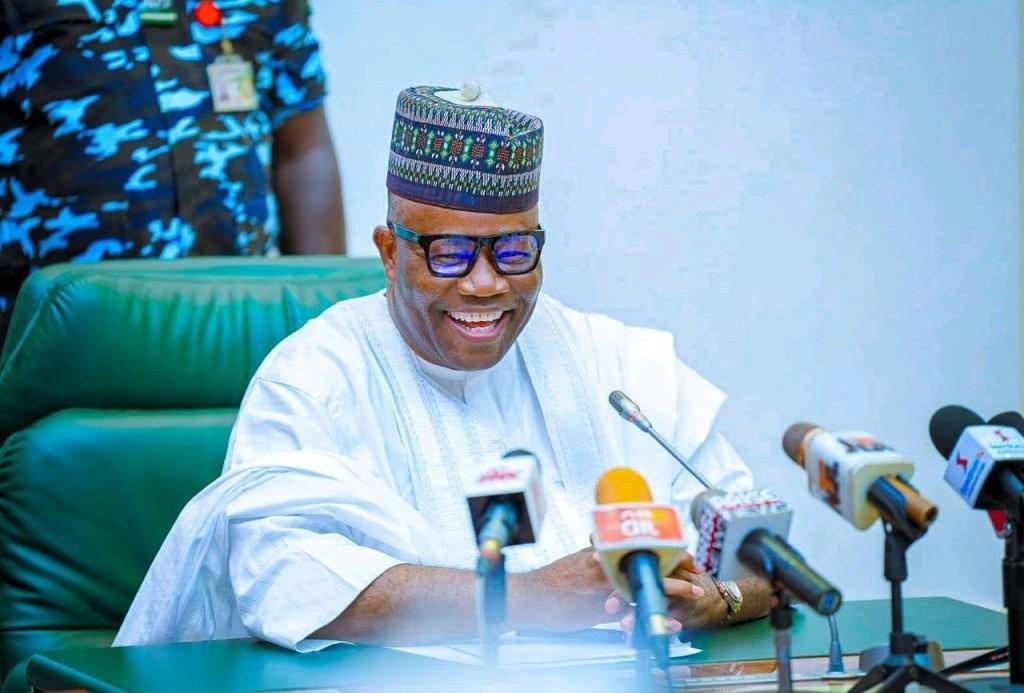
  • The Minimum Wage Has Been Increased" - Akpabio Reveals What They're Planning For Civil Servants.

    Senate President Godswill Akpabio has assured Nigerians, particularly civil servants, that the federal government is committed to improving welfare and creating a more supportive environment for workers across the country.

    In an interview on Viable TV, Akpabio highlighted the resilience of Nigeria over the past 65 years, noting that the nation has endured a civil war, insecurity, and economic challenges yet continues to move forward. He said Nigeria’s survival was not by human effort alone but by the grace of God, stressing that the country’s progress is worth celebrating.

    The Senate President outlined some of the reforms initiated by the administration, which he believes are directly impacting the lives of ordinary Nigerians. According to him, “The minimum wage has been increased.” He explained that the government is not only focused on raising wages but also improving the working environment for public workers, ensuring they remain motivated and productive.

    He also spoke about tax reforms, pointing out that those earning less than one million naira annually are now exempt from taxation. This, he said, has provided relief for market women, artisans, and low-income workers. In addition, Akpabio praised advancements in education funding, healthcare accessibility, and infrastructure development, describing them as signs that the country is gradually transforming.

    On the issue of security, Akpabio lauded the sacrifices of men and women in uniform, noting that despite global terrorism trends, Nigeria has remained united. He also emphasized that investments in road projects, telecommunications, and agriculture would further strengthen the economy and provide more opportunities for Nigerians.

    Concluding, Akpabio urged citizens to be patient with ongoing reforms, assuring them that the administration’s policies are laying the groundwork for a more prosperous and stable nation.
    The Minimum Wage Has Been Increased" - Akpabio Reveals What They're Planning For Civil Servants. Senate President Godswill Akpabio has assured Nigerians, particularly civil servants, that the federal government is committed to improving welfare and creating a more supportive environment for workers across the country. In an interview on Viable TV, Akpabio highlighted the resilience of Nigeria over the past 65 years, noting that the nation has endured a civil war, insecurity, and economic challenges yet continues to move forward. He said Nigeria’s survival was not by human effort alone but by the grace of God, stressing that the country’s progress is worth celebrating. The Senate President outlined some of the reforms initiated by the administration, which he believes are directly impacting the lives of ordinary Nigerians. According to him, “The minimum wage has been increased.” He explained that the government is not only focused on raising wages but also improving the working environment for public workers, ensuring they remain motivated and productive. He also spoke about tax reforms, pointing out that those earning less than one million naira annually are now exempt from taxation. This, he said, has provided relief for market women, artisans, and low-income workers. In addition, Akpabio praised advancements in education funding, healthcare accessibility, and infrastructure development, describing them as signs that the country is gradually transforming. On the issue of security, Akpabio lauded the sacrifices of men and women in uniform, noting that despite global terrorism trends, Nigeria has remained united. He also emphasized that investments in road projects, telecommunications, and agriculture would further strengthen the economy and provide more opportunities for Nigerians. Concluding, Akpabio urged citizens to be patient with ongoing reforms, assuring them that the administration’s policies are laying the groundwork for a more prosperous and stable nation.
    0 Comments ·0 Shares ·512 Views
  • NBA Offers Free Legal Aid to Nigerians harassed by Police officers Over Tinted Glass Permits.

    The Nigerian Bar Association (NBA) has pledged free legal support to Nigerians hara§§ed by the police over the controversial tinted glass permit, describing the policy as “illegal” and revenue-driven.

    In a statement, Olukunle Edun (SAN), Chairman of the NBA’s Public Interest Litigation Committee, said, “We shall invoke the powers of the court to ensure that the Nigeria Police Force does not trample on the rights of Nigerians. Any citizen hara§§ed in the purported enforcement of the illegal tinted glass permit should contact any NBA branch.”

    He added that the Human Rights Committees of the association’s 130 branches are ready to provide pro bono services, warning that the police could extort up to N3bn monthly under the scheme.

    The NBA reminded the Inspector General of Police in a letter dated October 2, 2025, that the matter is already before the Federal High Court in Abuja (Suit No. FHC/ABJ/CS/1821/2025). The case challenges the legality of the Motor Vehicles (Prohibition of Tinted Glass) Decree 1991 and seeks to restrain the police from arrests, harassment, or extortion.

    NBA lawyer Godspower Eroga alleged that the police planned to divert proceeds into a private account instead of the Treasury Single Account, arguing the cited law sets no measurable standards for tinting and is incompatible with factory-fitted windows. He also noted that senior officers freely drive SUVs with dark tints.

    The NBA insisted the policy amounts to “taxation without legislation,” stressing that the police are not a revenue agency. It condemned the impoundment of Justice O. A. Ogunbowale’s vehicle in Asaba on the first day of enforcement, calling it “an embarrassing and avoidable situation.”

    The body lamented that its urgent application for an injunction was not heard due to court vacation, urging judges to act in public interest, “The judiciary’s authority and integrity are best protected when it prevents chaos, even if it means bending a procedural rule.”
    NBA Offers Free Legal Aid to Nigerians harassed by Police officers Over Tinted Glass Permits. The Nigerian Bar Association (NBA) has pledged free legal support to Nigerians hara§§ed by the police over the controversial tinted glass permit, describing the policy as “illegal” and revenue-driven. In a statement, Olukunle Edun (SAN), Chairman of the NBA’s Public Interest Litigation Committee, said, “We shall invoke the powers of the court to ensure that the Nigeria Police Force does not trample on the rights of Nigerians. Any citizen hara§§ed in the purported enforcement of the illegal tinted glass permit should contact any NBA branch.” He added that the Human Rights Committees of the association’s 130 branches are ready to provide pro bono services, warning that the police could extort up to N3bn monthly under the scheme. The NBA reminded the Inspector General of Police in a letter dated October 2, 2025, that the matter is already before the Federal High Court in Abuja (Suit No. FHC/ABJ/CS/1821/2025). The case challenges the legality of the Motor Vehicles (Prohibition of Tinted Glass) Decree 1991 and seeks to restrain the police from arrests, harassment, or extortion. NBA lawyer Godspower Eroga alleged that the police planned to divert proceeds into a private account instead of the Treasury Single Account, arguing the cited law sets no measurable standards for tinting and is incompatible with factory-fitted windows. He also noted that senior officers freely drive SUVs with dark tints. The NBA insisted the policy amounts to “taxation without legislation,” stressing that the police are not a revenue agency. It condemned the impoundment of Justice O. A. Ogunbowale’s vehicle in Asaba on the first day of enforcement, calling it “an embarrassing and avoidable situation.” The body lamented that its urgent application for an injunction was not heard due to court vacation, urging judges to act in public interest, “The judiciary’s authority and integrity are best protected when it prevents chaos, even if it means bending a procedural rule.”
    0 Comments ·0 Shares ·508 Views
  • FIRS Urges Nigerians to See Taxes as Nation-Building, Not Punishment.

    The Federal Inland Revenue Service (FIRS) has appealed to Nigerians to view taxation as a tool for sustainable development rather than a burden.

    Speaking in Kaduna at a sensitization programme on The Role of Media in Voluntary Tax Compliance, FIRS Chairman Zacch Adedeji, represented by Arabinrin Aderonke Atoyebi, said taxes fund essential services such as hospitals, schools, and roads. “Taxes are not just government revenue; they are the foundation of growth in our nation,” he noted, calling for a culture of voluntary compliance built on trust.

    He stressed that many Nigerians still see taxes as punishment, hence the need for enlightenment and accountability. “When the media educates, investigates, and holds leaders accountable, it builds trust. A citizen who believes in the fairness and transparency of the system is more likely to comply,” he added.

    Atoyebi urged journalists to act as educators and watchdogs, while tax expert Dr. Mohammed Adamu described voluntary compliance as key to steady revenue and patriotism. “Tax revenues fund our roads, schools, hospitals, and security. A compliant taxpayer is a stakeholder in national progress,” Adamu said.

    He praised reforms like the FIRS TaxPro Max platform and taxpayer service units but insisted fairness, transparency, and education remain central to compliance.

    Similarly, Ishaku Ankuma of the Kaduna Government Business Office warned of penalties for evasion, stressing that tax compliance certificates are now crucial for financial dealings. “Voluntary tax compliance is not just a legal requirement but a civic responsibility and patriotic act,” he said.

    The event ended with a call on the media to simplify tax issues, expose evasion, and encourage public confidence in Nigeria’s tax system.
    FIRS Urges Nigerians to See Taxes as Nation-Building, Not Punishment. The Federal Inland Revenue Service (FIRS) has appealed to Nigerians to view taxation as a tool for sustainable development rather than a burden. Speaking in Kaduna at a sensitization programme on The Role of Media in Voluntary Tax Compliance, FIRS Chairman Zacch Adedeji, represented by Arabinrin Aderonke Atoyebi, said taxes fund essential services such as hospitals, schools, and roads. “Taxes are not just government revenue; they are the foundation of growth in our nation,” he noted, calling for a culture of voluntary compliance built on trust. He stressed that many Nigerians still see taxes as punishment, hence the need for enlightenment and accountability. “When the media educates, investigates, and holds leaders accountable, it builds trust. A citizen who believes in the fairness and transparency of the system is more likely to comply,” he added. Atoyebi urged journalists to act as educators and watchdogs, while tax expert Dr. Mohammed Adamu described voluntary compliance as key to steady revenue and patriotism. “Tax revenues fund our roads, schools, hospitals, and security. A compliant taxpayer is a stakeholder in national progress,” Adamu said. He praised reforms like the FIRS TaxPro Max platform and taxpayer service units but insisted fairness, transparency, and education remain central to compliance. Similarly, Ishaku Ankuma of the Kaduna Government Business Office warned of penalties for evasion, stressing that tax compliance certificates are now crucial for financial dealings. “Voluntary tax compliance is not just a legal requirement but a civic responsibility and patriotic act,” he said. The event ended with a call on the media to simplify tax issues, expose evasion, and encourage public confidence in Nigeria’s tax system.
    0 Comments ·0 Shares ·395 Views
  • Tax ID Not Compulsory For Bank Accounts Yet JTB Clears Nigerians.

    The Joint Tax Board (JTB) has assured Nigerians that they will not be denied access to their bank accounts or financial services from January 1, 2026, for lack of a Tax Identification Number (Tax ID).

    Tax ID Not Compulsory For Bank Accounts Yet - JTB Clears clarification comes amid concerns following the signing of four new Tax Acts by President Bola Ahmed Tinubu, which take effect from January 1, 2026.

    Reports had suggested that Section 8(2) of the new Tax Administration Act makes Tax ID mandatory for operating bank accounts or engaging in insurance, stocks, and other financial services once the law is implemented.

    But in a statement issued in Abuja on Monday by its Head of Corporate Communications, Akpe Adoh, the JTB said such interpretations were misleading.

    “Nigerians are hereby assured that they will continue to have access to their bank account and also continue to carry out financial transactions even beyond January 1, 2026,” the board stated.

    According to the JTB, the new tax reforms are designed to simplify compliance, reduce multiple taxation, and exempt vulnerable individuals and small businesses from certain tax obligations.

    “These reforms include eliminating multiple taxation, granting tax exemptions to vulnerable individuals and small businesses, and ensuring that the majority of Nigerians will pay lower taxes under the new tax regime,” the statement read.

    The JTB disclosed that it is working with the Federal Inland Revenue Service (FIRS) and state revenue agencies to create a harmonised national tax identification system.

    The new system, it said, would automatically generate Tax IDs for individuals using their National Identification Number (NIN) and for businesses using their Corporate Affairs Commission (CAC) registration numbers.
    Tax ID Not Compulsory For Bank Accounts Yet JTB Clears Nigerians. The Joint Tax Board (JTB) has assured Nigerians that they will not be denied access to their bank accounts or financial services from January 1, 2026, for lack of a Tax Identification Number (Tax ID). Tax ID Not Compulsory For Bank Accounts Yet - JTB Clears clarification comes amid concerns following the signing of four new Tax Acts by President Bola Ahmed Tinubu, which take effect from January 1, 2026. Reports had suggested that Section 8(2) of the new Tax Administration Act makes Tax ID mandatory for operating bank accounts or engaging in insurance, stocks, and other financial services once the law is implemented. But in a statement issued in Abuja on Monday by its Head of Corporate Communications, Akpe Adoh, the JTB said such interpretations were misleading. “Nigerians are hereby assured that they will continue to have access to their bank account and also continue to carry out financial transactions even beyond January 1, 2026,” the board stated. According to the JTB, the new tax reforms are designed to simplify compliance, reduce multiple taxation, and exempt vulnerable individuals and small businesses from certain tax obligations. “These reforms include eliminating multiple taxation, granting tax exemptions to vulnerable individuals and small businesses, and ensuring that the majority of Nigerians will pay lower taxes under the new tax regime,” the statement read. The JTB disclosed that it is working with the Federal Inland Revenue Service (FIRS) and state revenue agencies to create a harmonised national tax identification system. The new system, it said, would automatically generate Tax IDs for individuals using their National Identification Number (NIN) and for businesses using their Corporate Affairs Commission (CAC) registration numbers.
    0 Comments ·0 Shares ·825 Views
  • India Bans Online Gambling, Violators Face Up to 5 Years Imprisonment.

    India’s parliament has approved a landmark law banning online gambling, following revelations that around 450 million citizens collectively lose $2.3 billion every year on betting apps.

    The ban targets card games, poker, and fantasy sports platforms, including the country’s hugely popular fantasy cricket apps. Government officials estimate that nearly one-third of India’s population has lost money through online gambling.

    The Promotion and Regulation of Online Gaming Bill, passed late Thursday in both houses, criminalises the offering, promotion, or financing of money-based games. Violators now face up to five years in prison.

    According to a government statement, the legislation aims to combat addiction, financial hardship, and social distress fueled by predatory platforms “built on false promises of easy wealth.”

    While India remains one of the world’s biggest gaming markets, the new law makes exceptions for e-sports and educational games, which authorities say will be promoted to boost the digital economy.

    Prime Minister Narendra Modi stressed that the law will both encourage “healthy e-sports and social gaming” and shield society from the “damaging impact of money-driven online games.”

    Industry groups had lobbied for regulation and taxation rather than a blanket prohibition, warning the ban could push players toward unregulated offshore sites. But lawmakers in support of the bill argued the social costs were too severe to ignore, citing rising cases of debt, addiction, fraud, and even suicide linked to gambling apps.

    The government also flagged links between online betting platforms and fraud, money laundering, and terror financing. Technology Minister Ashwini Vaishnaw clarified that the law draws a clear line between games played for money and those designed for competition or learning. A government briefing noted that the policy will promote e-sports and safe online social games while outlawing gambling-based platforms.
    India Bans Online Gambling, Violators Face Up to 5 Years Imprisonment. India’s parliament has approved a landmark law banning online gambling, following revelations that around 450 million citizens collectively lose $2.3 billion every year on betting apps. The ban targets card games, poker, and fantasy sports platforms, including the country’s hugely popular fantasy cricket apps. Government officials estimate that nearly one-third of India’s population has lost money through online gambling. The Promotion and Regulation of Online Gaming Bill, passed late Thursday in both houses, criminalises the offering, promotion, or financing of money-based games. Violators now face up to five years in prison. According to a government statement, the legislation aims to combat addiction, financial hardship, and social distress fueled by predatory platforms “built on false promises of easy wealth.” While India remains one of the world’s biggest gaming markets, the new law makes exceptions for e-sports and educational games, which authorities say will be promoted to boost the digital economy. Prime Minister Narendra Modi stressed that the law will both encourage “healthy e-sports and social gaming” and shield society from the “damaging impact of money-driven online games.” Industry groups had lobbied for regulation and taxation rather than a blanket prohibition, warning the ban could push players toward unregulated offshore sites. But lawmakers in support of the bill argued the social costs were too severe to ignore, citing rising cases of debt, addiction, fraud, and even suicide linked to gambling apps. The government also flagged links between online betting platforms and fraud, money laundering, and terror financing. Technology Minister Ashwini Vaishnaw clarified that the law draws a clear line between games played for money and those designed for competition or learning. A government briefing noted that the policy will promote e-sports and safe online social games while outlawing gambling-based platforms.
    0 Comments ·0 Shares ·1K Views
  • VIDEO: Nigeria’s Security Problem Can Be Solved In Six Months — Gen. Williams

    Retired General Ishola Williams, former Chief of Defence Training and Planning, says Nigeria’s insecurity crisis can be resolved within six months if the right strategies are applied.

    Speaking on Sunrise Daily, Williams expressed optimism despite recent attacks, including the Katsina mosque massacre, where over 30 worshippers were killed by bandits.

    He noted that banditry is fueled by conflicts over land, cattle rustling, kidnapping, and illegal taxation in rural areas, urging stronger government presence and coordinated action.

    #NigeriaSecurity #Banditry #KatsinaAttack
    VIDEO: Nigeria’s Security Problem Can Be Solved In Six Months — Gen. Williams Retired General Ishola Williams, former Chief of Defence Training and Planning, says Nigeria’s insecurity crisis can be resolved within six months if the right strategies are applied. Speaking on Sunrise Daily, Williams expressed optimism despite recent attacks, including the Katsina mosque massacre, where over 30 worshippers were killed by bandits. He noted that banditry is fueled by conflicts over land, cattle rustling, kidnapping, and illegal taxation in rural areas, urging stronger government presence and coordinated action. #NigeriaSecurity #Banditry #KatsinaAttack
    like
    1
    · 0 Comments ·0 Shares ·2K Views
  • Nigerians Applaud as Pres Tinubu Scraps 5% Telecom Excise Duty in New Tax Law.

    President Bola Tinubu has permanently removed the 5 per cent excise duty on telecommunications services, a move expected to reduce cost burdens on subscribers.

    The Executive Vice-Chairman of the Nigerian Communications Commission (NCC), Dr. Aminu Maida, confirmed the development during an interactive session with journalists in Abuja on Tuesday. “The excise duty… is no longer there,” Maida said.

    “Before it was suspended, but now the president has removed it entirely. I was in the room when it came up, and he said, ‘No, we cannot put this on Nigerians.’ I was very pleased when the bills came out and his words were followed through.” The scrapped levy was part of a broader tax reform initiative under the proposed Nigeria Tax Act, aimed at consolidating and repealing existing taxation laws.

    Introduced in 2022 under former President Muhammadu Buhari, the duty faced heavy criticism from industry players and consumers alike.

    President Tinubu suspended the policy in July 2023, citing its negative impact on Nigerians and the economy. Its full removal, Maida noted, would now ease pressure on subscribers and encourage growth in the telecom sector, which is central to Nigeria’s digital economy.

    He added that the NCC is pursuing broader reforms focused on transparency, accountability, and consumer protection. One of the initiatives, a public map of network performance showing independent data on download speeds, latency, and service quality, is expected to be released in September.
    Nigerians Applaud as Pres Tinubu Scraps 5% Telecom Excise Duty in New Tax Law. President Bola Tinubu has permanently removed the 5 per cent excise duty on telecommunications services, a move expected to reduce cost burdens on subscribers. The Executive Vice-Chairman of the Nigerian Communications Commission (NCC), Dr. Aminu Maida, confirmed the development during an interactive session with journalists in Abuja on Tuesday. “The excise duty… is no longer there,” Maida said. “Before it was suspended, but now the president has removed it entirely. I was in the room when it came up, and he said, ‘No, we cannot put this on Nigerians.’ I was very pleased when the bills came out and his words were followed through.” The scrapped levy was part of a broader tax reform initiative under the proposed Nigeria Tax Act, aimed at consolidating and repealing existing taxation laws. Introduced in 2022 under former President Muhammadu Buhari, the duty faced heavy criticism from industry players and consumers alike. President Tinubu suspended the policy in July 2023, citing its negative impact on Nigerians and the economy. Its full removal, Maida noted, would now ease pressure on subscribers and encourage growth in the telecom sector, which is central to Nigeria’s digital economy. He added that the NCC is pursuing broader reforms focused on transparency, accountability, and consumer protection. One of the initiatives, a public map of network performance showing independent data on download speeds, latency, and service quality, is expected to be released in September.
    0 Comments ·0 Shares ·916 Views
  • News Brief: Bandits Abduct 20 Women in Fresh Zamfara Attack

    At least 20 women and girls were abducted by bandits in Moriki town, Zurmi Local Government Area of Zamfara State on Saturday. The victims were reportedly taken while fetching firewood on the outskirts of the town.

    A local resident, Sufyanu Moriki, confirmed the incident, stating that the attackers have not yet made any ransom demands. The Zamfara State Police Command is yet to officially confirm the abduction, as the Command's spokesperson Yazid Abubakar said he had not been briefed.

    This latest attack adds to the escalating crisis of banditry in Northwest Nigeria, where violence has displaced thousands and worsened an already dire humanitarian and food insecurity situation. Banditry in the region has evolved from herder-farmer conflicts into well-organized criminal enterprises involving kidnapping, extortion, and illegal taxation of farmers and miners.

    Just last month, 33 abductees were killed by bandits in Zamfara despite the payment of a $33,700 ransom. The increasing cooperation between bandit groups and jihadist insurgents, including the newly emerged Lakurawa faction, has further destabilized the region.

    While the Nigerian military continues its operations, including recent airstrikes that reportedly killed 95 armed men in Niger State, limited troop numbers, civilian casualties, and a lack of consistent government presence remain major obstacles.
    Source: Channels Television

    #ZamfaraAbduction #BanditryCrisis #NigeriaSecurity #WomenAbducted #NorthwestNigeria
    News Brief: Bandits Abduct 20 Women in Fresh Zamfara Attack At least 20 women and girls were abducted by bandits in Moriki town, Zurmi Local Government Area of Zamfara State on Saturday. The victims were reportedly taken while fetching firewood on the outskirts of the town. A local resident, Sufyanu Moriki, confirmed the incident, stating that the attackers have not yet made any ransom demands. The Zamfara State Police Command is yet to officially confirm the abduction, as the Command's spokesperson Yazid Abubakar said he had not been briefed. This latest attack adds to the escalating crisis of banditry in Northwest Nigeria, where violence has displaced thousands and worsened an already dire humanitarian and food insecurity situation. Banditry in the region has evolved from herder-farmer conflicts into well-organized criminal enterprises involving kidnapping, extortion, and illegal taxation of farmers and miners. Just last month, 33 abductees were killed by bandits in Zamfara despite the payment of a $33,700 ransom. The increasing cooperation between bandit groups and jihadist insurgents, including the newly emerged Lakurawa faction, has further destabilized the region. While the Nigerian military continues its operations, including recent airstrikes that reportedly killed 95 armed men in Niger State, limited troop numbers, civilian casualties, and a lack of consistent government presence remain major obstacles. Source: Channels Television #ZamfaraAbduction #BanditryCrisis #NigeriaSecurity #WomenAbducted #NorthwestNigeria
    0 Comments ·0 Shares ·2K Views
More Results
Fintter https://fintter.com