• Industrial facilities often require dependable motor control equipment to maintain productivity. A Bypass Soft Starter provides both startup protection and operational efficiency by combining soft start technology with automatic bypass switching.

    This design ensures stable motor operation while minimizing thermal stress on the starter components during long-term operation.

    #BypassSoftStarter #IndustrialControl #MotorTechnology #AutomationEquipment #ElectricalEngineering
    Industrial facilities often require dependable motor control equipment to maintain productivity. A Bypass Soft Starter provides both startup protection and operational efficiency by combining soft start technology with automatic bypass switching. This design ensures stable motor operation while minimizing thermal stress on the starter components during long-term operation. #BypassSoftStarter #IndustrialControl #MotorTechnology #AutomationEquipment #ElectricalEngineering
    www.xnhang.com
    Affordable external bypass soft starters designed for smooth and efficient motor starting. Ideal for three-phase motors in pumps, compressors, fans, and other industrial equipment.
    like
    1
    · 0 Commentarios ·0 Acciones ·5K Views
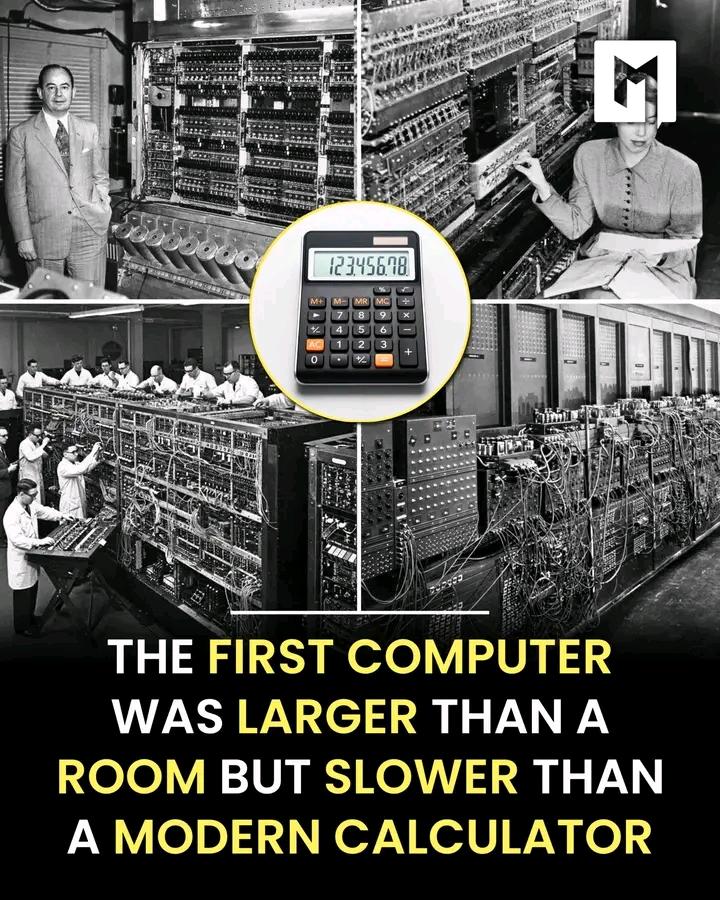
  • The first computers were massive machines that could fill an entire room.

    Devices like the ENIAC weighed more than 25 tons, relied on thousands of glass vacuum tubes, and used a huge amount of electricity.

    Despite their size, they could only handle basic math that a simple modern calculator or a smartphone can now finish in a fraction of a second.

    Today, the power that once required a whole warehouse and a large team of workers has been shrunk down to fit on a tiny silicon chip.

    In less than 100 years, technology has moved from giant, heavy hardware to nearly invisible parts. Looking ahead 50 years, experts predict that computers may disappear into the world around us.

    We might use "biological" computers made of living cells, quantum machines that solve impossible problems instantly, or even brain-linked devices that allow us to control technology with just our thoughts.
    The first computers were massive machines that could fill an entire room. Devices like the ENIAC weighed more than 25 tons, relied on thousands of glass vacuum tubes, and used a huge amount of electricity. Despite their size, they could only handle basic math that a simple modern calculator or a smartphone can now finish in a fraction of a second. Today, the power that once required a whole warehouse and a large team of workers has been shrunk down to fit on a tiny silicon chip. In less than 100 years, technology has moved from giant, heavy hardware to nearly invisible parts. Looking ahead 50 years, experts predict that computers may disappear into the world around us. We might use "biological" computers made of living cells, quantum machines that solve impossible problems instantly, or even brain-linked devices that allow us to control technology with just our thoughts.
    like
    1
    · 0 Commentarios ·0 Acciones ·5K Views
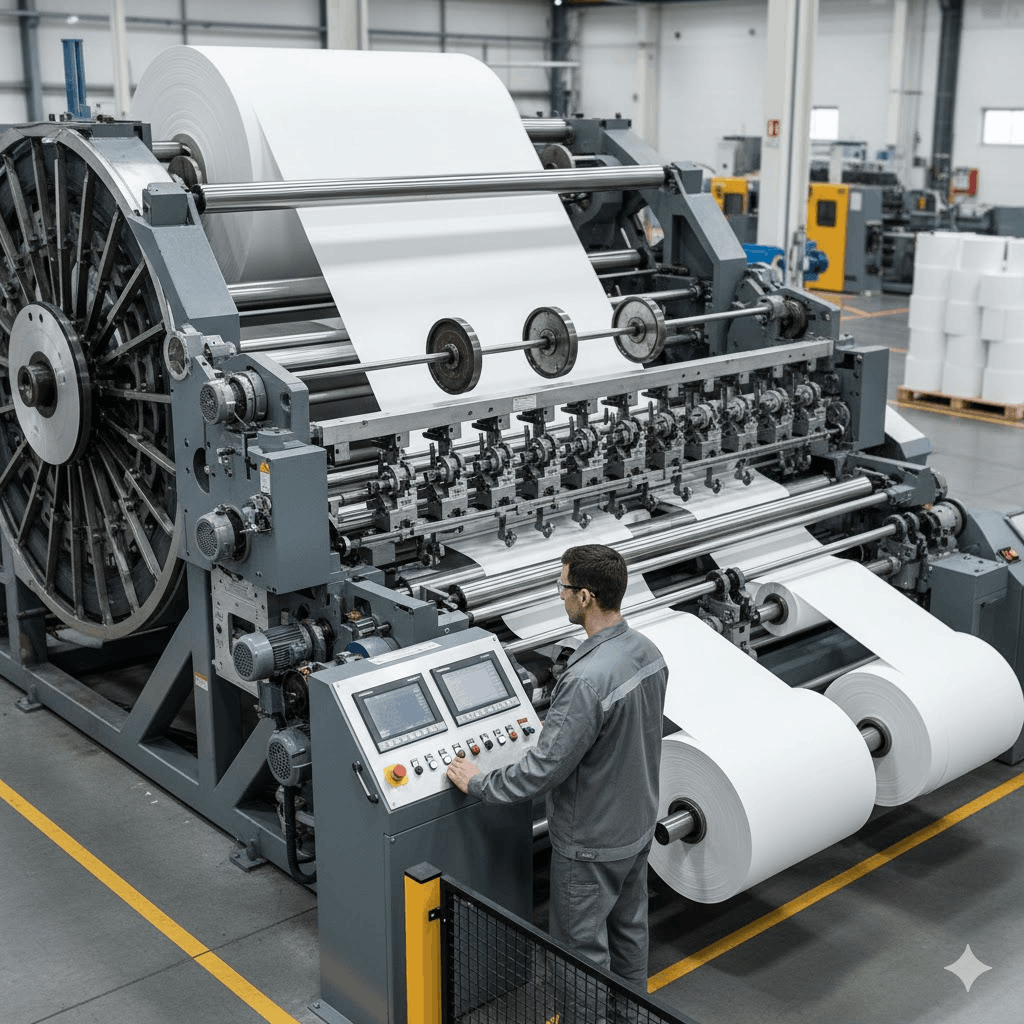
  • Rising demand for efficient paper processing in packaging, printing, and labeling industries, along with increasing automation and precision-cutting technologies, is driving the adoption of advanced slitting machines worldwide.

    https://www.theinsightpartners.com/reports/paper-slitting-machine-market

    #paperslittingmachinemarket #packagingindustry #manufacturingtechnology #marketresearch #industrialautomation
    Rising demand for efficient paper processing in packaging, printing, and labeling industries, along with increasing automation and precision-cutting technologies, is driving the adoption of advanced slitting machines worldwide. https://www.theinsightpartners.com/reports/paper-slitting-machine-market #paperslittingmachinemarket #packagingindustry #manufacturingtechnology #marketresearch #industrialautomation
    like
    1
    · 0 Commentarios ·0 Acciones ·3K Views
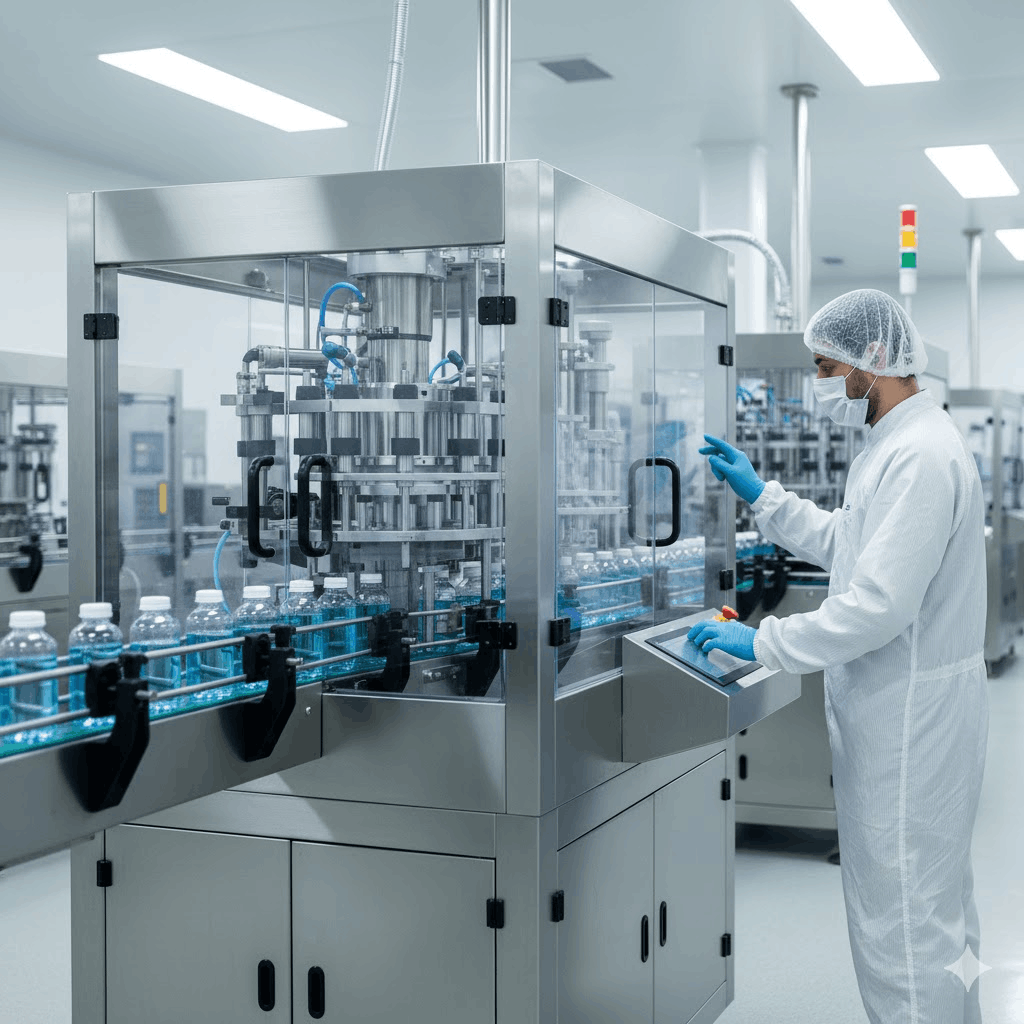
  • Increasing demand for efficient packaging solutions in food & beverage, pharmaceutical, and cosmetics industries is accelerating the adoption of automated filling systems that integrate rinsing, filling, and capping in a single unit to enhance production efficiency.

    https://www.theinsightpartners.com/reports/monoblock-filling-machine-market

    #monoblockfillingmachinemarket #packagingmachinery #industrialautomation #marketresearch #manufacturingtechnology
    Increasing demand for efficient packaging solutions in food & beverage, pharmaceutical, and cosmetics industries is accelerating the adoption of automated filling systems that integrate rinsing, filling, and capping in a single unit to enhance production efficiency. https://www.theinsightpartners.com/reports/monoblock-filling-machine-market #monoblockfillingmachinemarket #packagingmachinery #industrialautomation #marketresearch #manufacturingtechnology
    0 Commentarios ·0 Acciones ·3K Views
  • The World’s First Telephone (1876)

    The oldest real telephone is the device invented by Alexander Graham Bell in 1876, widely recognized as the first practical telephone capable of transmitting clear human speech over electrical wires. This groundbreaking invention marked the beginning of modern voice communication and laid the foundation for the global telecommunications industry we rely on today.
    #TelephoneHistory, #AlexanderGrahamBell, #VintageTechnology, #HistoryOfCommunication
    The World’s First Telephone (1876) The oldest real telephone is the device invented by Alexander Graham Bell in 1876, widely recognized as the first practical telephone capable of transmitting clear human speech over electrical wires. This groundbreaking invention marked the beginning of modern voice communication and laid the foundation for the global telecommunications industry we rely on today. #TelephoneHistory, #AlexanderGrahamBell, #VintageTechnology, #HistoryOfCommunication
    love
    1
    · 0 Commentarios ·0 Acciones ·4K Views
  • Young Nigerians Launch Bango, Africa’s First Tech-Driven Price Intelligence Platform…….


    Two young Nigerian innovators, Ademuyiwa Adebola and Caleb Adenegan, have founded Bango Nigeria, Africa’s first technology-powered price intelligence platform aimed at tackling arbitrary pricing. The platform is designed to provide transparent, real-time pricing information across markets, helping consumers and businesses make informed decisions. By promoting fairness and accountability, the founders say Bango will address price manipulation, boost consumer confidence, and support a more stable and competitive Nigerian economy.
    Young Nigerians Launch Bango, Africa’s First Tech-Driven Price Intelligence Platform……. Two young Nigerian innovators, Ademuyiwa Adebola and Caleb Adenegan, have founded Bango Nigeria, Africa’s first technology-powered price intelligence platform aimed at tackling arbitrary pricing. The platform is designed to provide transparent, real-time pricing information across markets, helping consumers and businesses make informed decisions. By promoting fairness and accountability, the founders say Bango will address price manipulation, boost consumer confidence, and support a more stable and competitive Nigerian economy.
    love
    2
    · 0 Commentarios ·0 Acciones ·5K Views
  • Glow Skin & Dental Clinic is regarded as the Best Dental Clinic in Kathmandu, offering complete oral care with advanced treatments and personalized attention. We provide services such as dental check-ups, cosmetic dentistry, and restorative procedures using modern technology. With experienced dentists, hygienic practices, and a patient-friendly environment, we ensure comfortable treatment and long-lasting dental health for individuals and families.
    Visit Us:- https://glowskindentalclinic.com.np/dental-clinic-in-kathmandu-nepal.php
    Glow Skin & Dental Clinic is regarded as the Best Dental Clinic in Kathmandu, offering complete oral care with advanced treatments and personalized attention. We provide services such as dental check-ups, cosmetic dentistry, and restorative procedures using modern technology. With experienced dentists, hygienic practices, and a patient-friendly environment, we ensure comfortable treatment and long-lasting dental health for individuals and families. Visit Us:- https://glowskindentalclinic.com.np/dental-clinic-in-kathmandu-nepal.php
    0 Commentarios ·0 Acciones ·3K Views
  • Tinubu Returns to Abuja After Weeks Away, Seals Major Nigeria–UAE Trade Deal in Abu Dhabi

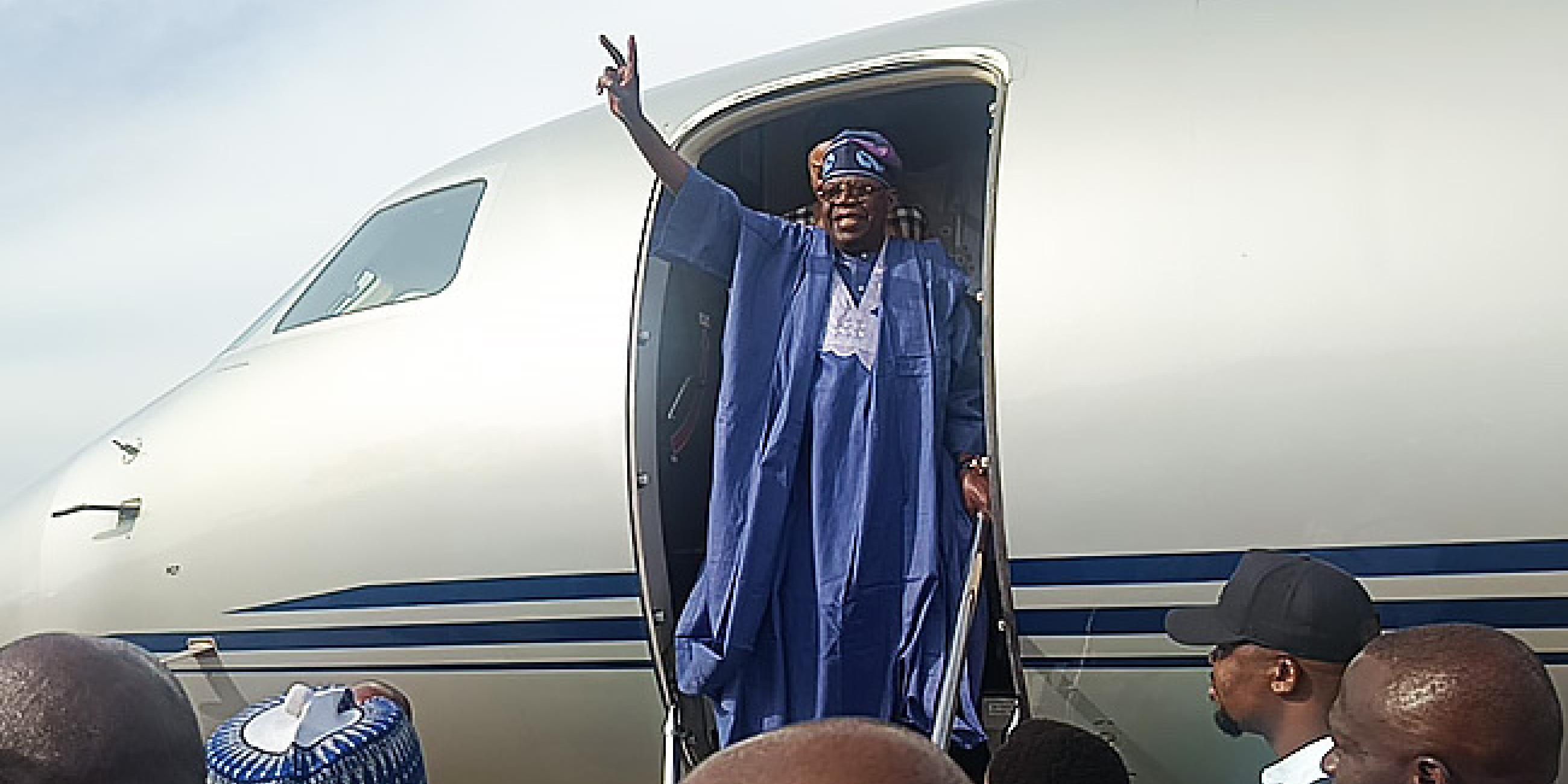
    President Bola Tinubu has returned to Abuja after weeks abroad, following his participation in the 2026 Abu Dhabi Sustainability Week. During the summit, Nigeria and the United Arab Emirates signed a landmark Economic Partnership Agreement aimed at boosting trade, investment, and technology transfer. The deal grants duty-free access for thousands of Nigerian products into the UAE market and covers key sectors such as energy, agriculture, infrastructure, mining, and renewables. Tinubu’s trip, which began with a stay in Paris, underscores his administration’s push to attract foreign investment, expand non-oil exports, and reposition Nigeria in the global economy.


    #TinubuReturns #NigeriaUAEDeal #NaijaEconomy
    Tinubu Returns to Abuja After Weeks Away, Seals Major Nigeria–UAE Trade Deal in Abu Dhabi President Bola Tinubu has returned to Abuja after weeks abroad, following his participation in the 2026 Abu Dhabi Sustainability Week. During the summit, Nigeria and the United Arab Emirates signed a landmark Economic Partnership Agreement aimed at boosting trade, investment, and technology transfer. The deal grants duty-free access for thousands of Nigerian products into the UAE market and covers key sectors such as energy, agriculture, infrastructure, mining, and renewables. Tinubu’s trip, which began with a stay in Paris, underscores his administration’s push to attract foreign investment, expand non-oil exports, and reposition Nigeria in the global economy. #TinubuReturns #NigeriaUAEDeal #NaijaEconomy
    love
    2
    · 0 Commentarios ·0 Acciones ·5K Views
  • PRESIDENT TINUBU RETURNS TO NIGERIA AFTER ABU DHABI TRIP……

    President Bola Ahmed Tinubu has returned to Nigeria after participating in the 2026 Abu Dhabi Sustainability Week (ADSW2026) alongside key ministers. According to a statement by his Special Adviser, Bayo Onanuga, Nigeria signed a Comprehensive Economic Partnership Agreement (CEPA) with the United Arab Emirates to deepen economic cooperation. The deal targets increased trade, investment, technology transfer, and collaboration in energy, infrastructure, agriculture, mining, and renewables. Tinubu also announced a Nigeria–UAE INVESTOPIA in Lagos this February and said Nigeria plans to mobilise up to $30bn yearly for climate and green industrial finance.
    #fintternews
    PRESIDENT TINUBU RETURNS TO NIGERIA AFTER ABU DHABI TRIP…… President Bola Ahmed Tinubu has returned to Nigeria after participating in the 2026 Abu Dhabi Sustainability Week (ADSW2026) alongside key ministers. According to a statement by his Special Adviser, Bayo Onanuga, Nigeria signed a Comprehensive Economic Partnership Agreement (CEPA) with the United Arab Emirates to deepen economic cooperation. The deal targets increased trade, investment, technology transfer, and collaboration in energy, infrastructure, agriculture, mining, and renewables. Tinubu also announced a Nigeria–UAE INVESTOPIA in Lagos this February and said Nigeria plans to mobilise up to $30bn yearly for climate and green industrial finance. #fintternews
    love
    2
    · 0 Commentarios ·0 Acciones ·4K Views
  • Nigeria Must Build Border Wall, Deploy Tech to Stop Terrorists – Defence Minister

    Nigeria’s Defence Minister, Christopher Musa, has reiterated his call for a border wall and modern surveillance technology to curb the influx of terrorists, bandits, and transnational criminals. Speaking to BBC Hausa, Musa highlighted the country’s porous borders as a major factor enabling attacks and escapes. He stressed that infrastructure alone isn’t enough—citizen vigilance, regional cooperation, and advanced tech are crucial. The minister warned against aiding criminals, describing profits from them as “blood money,” and assured Nigerians of increased government and presidential support for security operations.
    Nigeria Must Build Border Wall, Deploy Tech to Stop Terrorists – Defence Minister Nigeria’s Defence Minister, Christopher Musa, has reiterated his call for a border wall and modern surveillance technology to curb the influx of terrorists, bandits, and transnational criminals. Speaking to BBC Hausa, Musa highlighted the country’s porous borders as a major factor enabling attacks and escapes. He stressed that infrastructure alone isn’t enough—citizen vigilance, regional cooperation, and advanced tech are crucial. The minister warned against aiding criminals, describing profits from them as “blood money,” and assured Nigerians of increased government and presidential support for security operations.
    0 Commentarios ·0 Acciones ·3K Views
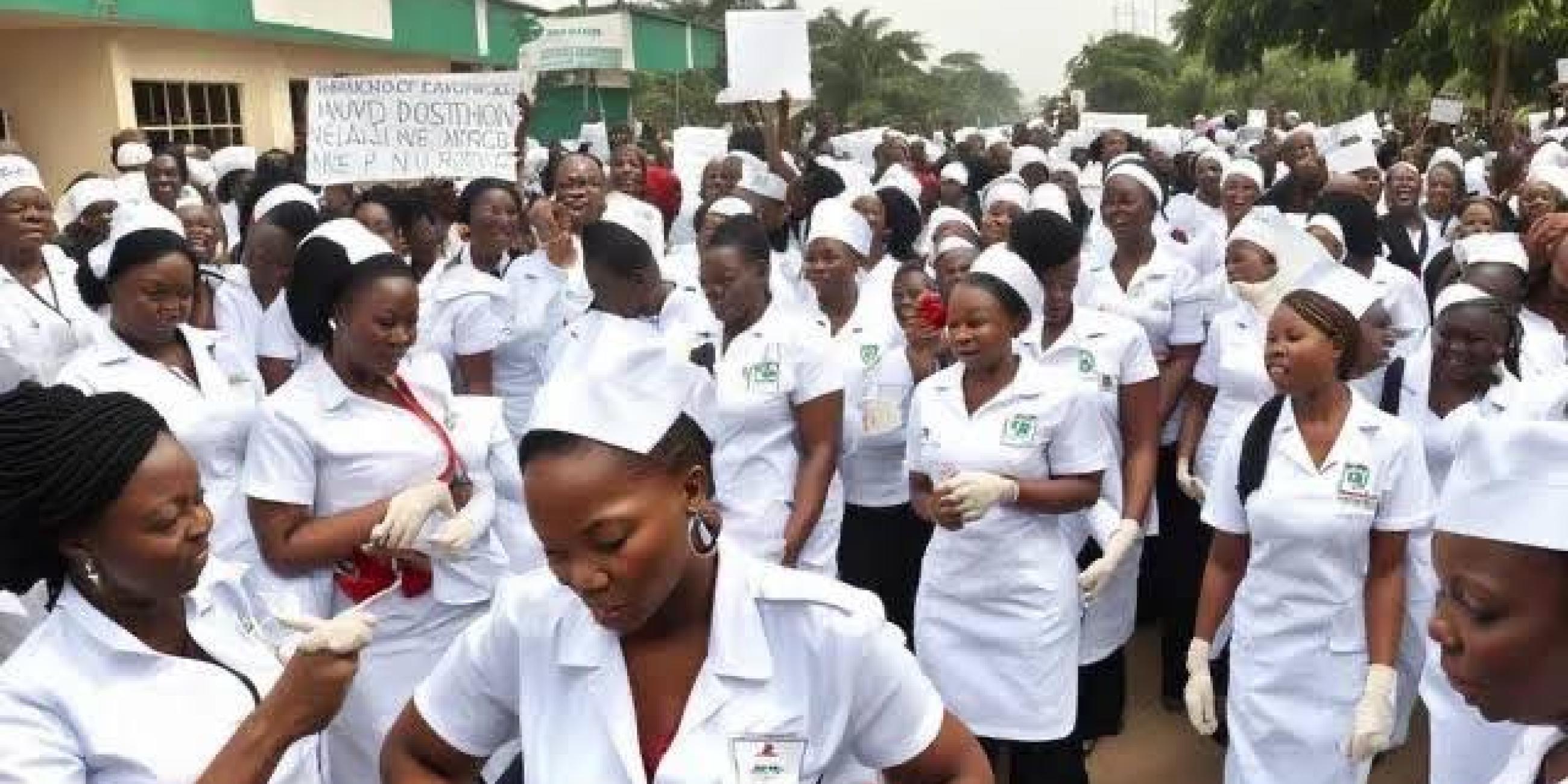
  • Kwara Nurses Forum Sounds Alarm Over Illegal Nursing Schools, Warns of Danger to Lives

    The Elegant Nurses Forum has raised alarm over illegal and unapproved nursing programmes in Kwara State, warning that lives are at risk. Some Colleges of Health Technology are allegedly running Community Health and Public Health Nursing courses without accreditation from the Nursing and Midwifery Council of Nigeria (NMCN). The forum condemned the deception of students and parents, calling it “quackery in full view.” It demanded immediate closure of these schools, enforcement of NMCN guidelines, refunds for affected students, and sanctions for officials who approved the illegal programmes, urging the state government to protect citizens.
    Kwara Nurses Forum Sounds Alarm Over Illegal Nursing Schools, Warns of Danger to Lives The Elegant Nurses Forum has raised alarm over illegal and unapproved nursing programmes in Kwara State, warning that lives are at risk. Some Colleges of Health Technology are allegedly running Community Health and Public Health Nursing courses without accreditation from the Nursing and Midwifery Council of Nigeria (NMCN). The forum condemned the deception of students and parents, calling it “quackery in full view.” It demanded immediate closure of these schools, enforcement of NMCN guidelines, refunds for affected students, and sanctions for officials who approved the illegal programmes, urging the state government to protect citizens.
    0 Commentarios ·0 Acciones ·3K Views
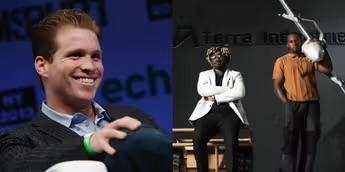
  • BREAKING NEWS: US Tech Billionaire Joe Lonsdale Invests $11.8m In Nigerian Drone Firm To Tackle Africa’s Insecurity

    US tech billionaire and Palantir co-founder Joe Lonsdale has led an $11.8 million investment round in Nigerian drone manufacturer Terra Industries, signalling growing international confidence and interest in Africa’s defence and security technology sector. The investment is expected to boost local drone production and strengthen efforts to address insecurity across Nigeria and the wider African region.

    #JoeLonsdale #NigeriaTech #DroneTechnology #AfricaSecurity
    BREAKING NEWS: US Tech Billionaire Joe Lonsdale Invests $11.8m In Nigerian Drone Firm To Tackle Africa’s Insecurity US tech billionaire and Palantir co-founder Joe Lonsdale has led an $11.8 million investment round in Nigerian drone manufacturer Terra Industries, signalling growing international confidence and interest in Africa’s defence and security technology sector. The investment is expected to boost local drone production and strengthen efforts to address insecurity across Nigeria and the wider African region. #JoeLonsdale #NigeriaTech #DroneTechnology #AfricaSecurity
    0 Commentarios ·0 Acciones ·2K Views
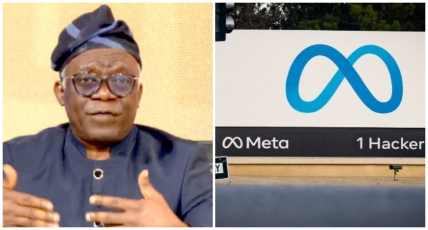
  • BREAKING NEWS: Alleged Privacy Invasion: Lagos Court Rules In Falana’s Favour, Awards $25,000 Damages Against Meta

    A Lagos State High Court sitting at Tafawa Balewa Square has awarded $25,000 in damages in favour of renowned human rights lawyer Femi Falana (SAN) against Meta Platforms Inc., the U.S.-based tech giant owned by Mark Zuckerberg, over alleged invasion of privacy.

    In a judgment delivered on Tuesday, Justice Olalekan Oresanya held that Meta, as a global technology company that hosts and monetises content, owes a duty of care to individuals affected by materials published on its platform.

    Falana, through his lawyer Olumide Babalola, accused Meta of publishing motion images and a voice caption titled “AfriCare Health Centre” on Facebook, falsely suggesting that he was suffering from prostatitis. He argued that the publication violated his constitutional right to privacy under Section 37 of the 1999 Constitution, as well as provisions of the Nigeria Data Protection Act 2023.

    The court agreed that the publication amounted to an unlawful intrusion into Falana’s private life, despite his status as a public figure, and ruled in his favour in the $5 million suit.
    BREAKING NEWS: Alleged Privacy Invasion: Lagos Court Rules In Falana’s Favour, Awards $25,000 Damages Against Meta A Lagos State High Court sitting at Tafawa Balewa Square has awarded $25,000 in damages in favour of renowned human rights lawyer Femi Falana (SAN) against Meta Platforms Inc., the U.S.-based tech giant owned by Mark Zuckerberg, over alleged invasion of privacy. In a judgment delivered on Tuesday, Justice Olalekan Oresanya held that Meta, as a global technology company that hosts and monetises content, owes a duty of care to individuals affected by materials published on its platform. Falana, through his lawyer Olumide Babalola, accused Meta of publishing motion images and a voice caption titled “AfriCare Health Centre” on Facebook, falsely suggesting that he was suffering from prostatitis. He argued that the publication violated his constitutional right to privacy under Section 37 of the 1999 Constitution, as well as provisions of the Nigeria Data Protection Act 2023. The court agreed that the publication amounted to an unlawful intrusion into Falana’s private life, despite his status as a public figure, and ruled in his favour in the $5 million suit.
    0 Commentarios ·0 Acciones ·5K Views
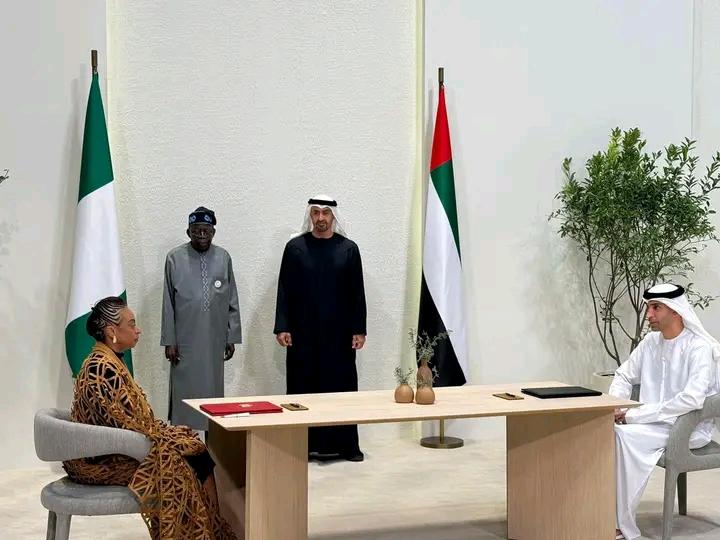
  • Nigeria and UAE Sign CEPA to Boost Bilateral Trade

    Nigeria and the United Arab Emirates (UAE) have signed a Comprehensive Economic Partnership Agreement (CEPA) aimed at strengthening trade, investment, and economic cooperation between the two countries.

    The agreement is expected to increase market access, facilitate investment flows, and enhance economic collaboration, particularly in sectors such as energy, agriculture, technology, and infrastructure.

    Officials from both nations hailed the pact as a milestone in bilateral relations, positioning Nigeria and the UAE for deeper economic integration and sustainable growth.

    Nigeria and UAE Sign CEPA to Boost Bilateral Trade Nigeria and the United Arab Emirates (UAE) have signed a Comprehensive Economic Partnership Agreement (CEPA) aimed at strengthening trade, investment, and economic cooperation between the two countries. The agreement is expected to increase market access, facilitate investment flows, and enhance economic collaboration, particularly in sectors such as energy, agriculture, technology, and infrastructure. Officials from both nations hailed the pact as a milestone in bilateral relations, positioning Nigeria and the UAE for deeper economic integration and sustainable growth.
    0 Commentarios ·0 Acciones ·2K Views
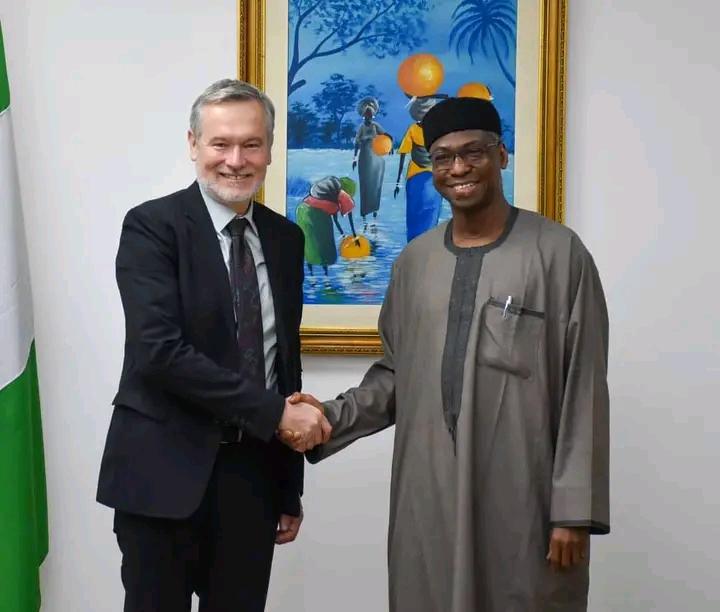
  • Another Tori oo! Nigeria, EU Ready to Tighten Relationship, Set Big 2026 Abuja Summit

    Nigeria and the European Union don agree to strengthen their strategic partnership, with a major ministerial summit scheduled for Abuja in March 2026. According to a statement by the Ministry of Foreign Affairs spokesperson, Kimibie Ebienfa, the decision follow high-level talks between Nigeria’s Permanent Secretary of Foreign Affairs, Ambassador Dunoma Umar Ahmed, and EU Ambassador, Gautier Mignot. Both sides agree say future cooperation go focus more on non-oil sectors like agriculture, digital economy and green innovation, as Nigeria dey look for ways to reduce dependence on crude oil. The EU also pledge continued support for counter-terrorism, Gulf of Guinea maritime security and tackling root causes of instability such as youth unemployment. Nigeria, on her part, call for stronger EU backing on climate adaptation and green technology. Dem also agree on balanced migration approach through skills partnerships under the EU “Global Gateway” initiative, aimed at boosting infrastructure, clean energy and youth development. Both parties express confidence say 2026 go be turning point for deeper cooperation. Wahala oo, Nigeria foreign partnership don enter new level.

    Another Tori oo! Nigeria, EU Ready to Tighten Relationship, Set Big 2026 Abuja Summit Nigeria and the European Union don agree to strengthen their strategic partnership, with a major ministerial summit scheduled for Abuja in March 2026. According to a statement by the Ministry of Foreign Affairs spokesperson, Kimibie Ebienfa, the decision follow high-level talks between Nigeria’s Permanent Secretary of Foreign Affairs, Ambassador Dunoma Umar Ahmed, and EU Ambassador, Gautier Mignot. Both sides agree say future cooperation go focus more on non-oil sectors like agriculture, digital economy and green innovation, as Nigeria dey look for ways to reduce dependence on crude oil. The EU also pledge continued support for counter-terrorism, Gulf of Guinea maritime security and tackling root causes of instability such as youth unemployment. Nigeria, on her part, call for stronger EU backing on climate adaptation and green technology. Dem also agree on balanced migration approach through skills partnerships under the EU “Global Gateway” initiative, aimed at boosting infrastructure, clean energy and youth development. Both parties express confidence say 2026 go be turning point for deeper cooperation. Wahala oo, Nigeria foreign partnership don enter new level.
    love
    1
    · 0 Commentarios ·0 Acciones ·4K Views
  • Nigerian SGF George Akume Plans to Spend N496 Million on Photocopiers and Office Furniture in 2026

    The Office of the Secretary to the Government of the Federation (OSGF), headed by George Akume, has earmarked ₦496 million in the 2026 budget for the purchase and installation of three heavy-duty photocopy machines and office furniture for the Cabinet Affairs Office.

    In context, Akume’s office has previously allocated substantial funds for empowerment initiatives:

    ₦100 million for grinding machines in Ifako-Ijaiye, Lagos State, and another ₦100 million for Bonny/Degema, Rivers State, in 2025.

    ₦200 million for grinding machines in Kaduna South Federal Constituency.

    Totaling ₦400 million for empowerment via grinding machines in 2025.


    Additionally, the Nigerian Institute of Transport Technology budgeted ₦195 million for grinding machines in Kebbi, Aliero, and Maiyama.

    The SGF’s office also drew attention in 2023 for spending ₦9.6 million on branded towels for Akume’s 70th birthday celebration, raising concerns over budget priorities and public fund usage.

    Meanwhile, civil society groups like Voice of the Voiceless Nigerian have called for Akume’s suspension, citing allegations of involvement in an N80 billion fraud, highlighting growing scrutiny of government spending practices.

    Nigerian SGF George Akume Plans to Spend N496 Million on Photocopiers and Office Furniture in 2026 The Office of the Secretary to the Government of the Federation (OSGF), headed by George Akume, has earmarked ₦496 million in the 2026 budget for the purchase and installation of three heavy-duty photocopy machines and office furniture for the Cabinet Affairs Office. In context, Akume’s office has previously allocated substantial funds for empowerment initiatives: ₦100 million for grinding machines in Ifako-Ijaiye, Lagos State, and another ₦100 million for Bonny/Degema, Rivers State, in 2025. ₦200 million for grinding machines in Kaduna South Federal Constituency. Totaling ₦400 million for empowerment via grinding machines in 2025. Additionally, the Nigerian Institute of Transport Technology budgeted ₦195 million for grinding machines in Kebbi, Aliero, and Maiyama. The SGF’s office also drew attention in 2023 for spending ₦9.6 million on branded towels for Akume’s 70th birthday celebration, raising concerns over budget priorities and public fund usage. Meanwhile, civil society groups like Voice of the Voiceless Nigerian have called for Akume’s suspension, citing allegations of involvement in an N80 billion fraud, highlighting growing scrutiny of government spending practices.
    like
    1
    · 0 Commentarios ·0 Acciones ·3K Views
  • Nigerian Research Institute to Spend N1.1B on Grinding & Welding Equipment to Empower Youths and Women in 2026

    The National Cereals Research Institute has revealed plans to spend ₦1.1 billion on grinding machines, welding equipment, mobile carts, and vulcanising machines in 2026. The initiative aims to empower youths and women in the Niger Delta States to start small businesses.

    In addition, the institute allocated ₦4.1 billion to supply grains to rural farmers in selected South-South communities, and another ₦4.9 billion to purchase grains for farmers nationwide. A further ₦350 million is earmarked for capacity building for grain producers in South-West Nigeria.

    The announcement comes amid concerns raised by civic watchdog MonITng, which previously criticized empowerment projects in Aguata Federal Constituency, Anambra State, as mismanaged and outdated, arguing that providing wheelbarrows, hoes, and cutlasses does not adequately equip youths for today’s economy.

    MonITng stressed that true empowerment should combine skills training (like welding, ICT, tailoring, or agro-processing) with meaningful tools, rather than handing out obsolete implements.

    At a time when nations invest in technology-driven agriculture and digital empowerment, spending millions on cutlasses and wheelbarrows is a waste of public funds,” the group said.


    The 2026 plan by the Cereals Research Institute reflects a shift towards more practical and business-oriented empowerment programs, aimed at giving Nigerians the tools to create sustainable livelihoods.


    Nigerian Research Institute to Spend N1.1B on Grinding & Welding Equipment to Empower Youths and Women in 2026 The National Cereals Research Institute has revealed plans to spend ₦1.1 billion on grinding machines, welding equipment, mobile carts, and vulcanising machines in 2026. The initiative aims to empower youths and women in the Niger Delta States to start small businesses. In addition, the institute allocated ₦4.1 billion to supply grains to rural farmers in selected South-South communities, and another ₦4.9 billion to purchase grains for farmers nationwide. A further ₦350 million is earmarked for capacity building for grain producers in South-West Nigeria. The announcement comes amid concerns raised by civic watchdog MonITng, which previously criticized empowerment projects in Aguata Federal Constituency, Anambra State, as mismanaged and outdated, arguing that providing wheelbarrows, hoes, and cutlasses does not adequately equip youths for today’s economy. MonITng stressed that true empowerment should combine skills training (like welding, ICT, tailoring, or agro-processing) with meaningful tools, rather than handing out obsolete implements. At a time when nations invest in technology-driven agriculture and digital empowerment, spending millions on cutlasses and wheelbarrows is a waste of public funds,” the group said. The 2026 plan by the Cereals Research Institute reflects a shift towards more practical and business-oriented empowerment programs, aimed at giving Nigerians the tools to create sustainable livelihoods.
    like
    1
    · 0 Commentarios ·0 Acciones ·4K Views
  • Is South Africa Blocking Starlink Over Race? Elon Musk Says Ownership Laws Are Stopping His Internet Company From Getting a Licence

    Elon Musk has reignited debate over South Africa’s post-apartheid economic policies after claiming that his satellite internet company, Starlink, is unable to operate in the country because he is not Black. Speaking at the Qatar Economic Forum during a session titled “In Conversation With Elon Musk,” the billionaire entrepreneur said regulatory requirements tied to South Africa’s Black Economic Empowerment (BEE) framework have prevented Starlink from obtaining an operating licence.

    According to Musk, South Africa has “about 140 laws” that give preference to Black South Africans in ownership and business participation, and he argued that these rules have effectively barred Starlink from entering the market. “Starlink is not allowed to operate in South Africa, because I’m not Black,” he said, framing the situation as an example of racial discrimination embedded in law. His comments quickly spread on social media, triggering intense debate both inside and outside the country.

    South Africa’s Broad-Based Black Economic Empowerment (B-BBEE) policy was introduced after the end of apartheid to correct deep economic inequalities by increasing Black participation in ownership, management, and control of businesses. In regulated sectors such as telecommunications, licence applicants are generally expected to meet minimum thresholds of local and historically disadvantaged ownership. The Independent Communications Authority of South Africa (ICASA), which oversees telecommunications licensing, has consistently maintained that all operators—local or foreign—must comply with national laws. While partnerships, exemptions, or alternative structures are sometimes possible, transformation requirements remain central to government policy.

    Starlink, a subsidiary of SpaceX, already operates in more than 70 countries, delivering internet access through low-Earth orbit satellites, particularly in remote and underserved regions. Despite strong demand from South African consumers and businesses, the company currently lacks approval to offer services commercially in the country. Musk’s remarks have therefore raised fresh questions about whether South Africa’s regulatory framework is limiting competition and access to high-speed connectivity, especially in rural areas.

    The reaction to Musk’s comments has been sharply divided. Supporters argue that blocking Starlink deprives citizens of affordable, reliable internet and discourages foreign investment. Critics counter that Musk’s portrayal oversimplifies the law and ignores the historical context that gave rise to empowerment policies designed to redress decades of racial exclusion. They maintain that B-BBEE is a remedial framework rather than a tool for discrimination.

    South African authorities have not directly responded to Musk’s latest statements, but government officials have previously rejected claims that empowerment laws are exclusionary, insisting they are necessary to correct structural inequality and ensure broader participation in the economy. As the debate continues, Musk’s comments have once again placed South Africa’s transformation policies under global scrutiny—raising a central question: are empowerment laws protecting economic justice, or are they unintentionally shutting out innovation and competition in critical sectors like technology and telecommunications?


    Is South Africa Blocking Starlink Over Race? Elon Musk Says Ownership Laws Are Stopping His Internet Company From Getting a Licence Elon Musk has reignited debate over South Africa’s post-apartheid economic policies after claiming that his satellite internet company, Starlink, is unable to operate in the country because he is not Black. Speaking at the Qatar Economic Forum during a session titled “In Conversation With Elon Musk,” the billionaire entrepreneur said regulatory requirements tied to South Africa’s Black Economic Empowerment (BEE) framework have prevented Starlink from obtaining an operating licence. According to Musk, South Africa has “about 140 laws” that give preference to Black South Africans in ownership and business participation, and he argued that these rules have effectively barred Starlink from entering the market. “Starlink is not allowed to operate in South Africa, because I’m not Black,” he said, framing the situation as an example of racial discrimination embedded in law. His comments quickly spread on social media, triggering intense debate both inside and outside the country. South Africa’s Broad-Based Black Economic Empowerment (B-BBEE) policy was introduced after the end of apartheid to correct deep economic inequalities by increasing Black participation in ownership, management, and control of businesses. In regulated sectors such as telecommunications, licence applicants are generally expected to meet minimum thresholds of local and historically disadvantaged ownership. The Independent Communications Authority of South Africa (ICASA), which oversees telecommunications licensing, has consistently maintained that all operators—local or foreign—must comply with national laws. While partnerships, exemptions, or alternative structures are sometimes possible, transformation requirements remain central to government policy. Starlink, a subsidiary of SpaceX, already operates in more than 70 countries, delivering internet access through low-Earth orbit satellites, particularly in remote and underserved regions. Despite strong demand from South African consumers and businesses, the company currently lacks approval to offer services commercially in the country. Musk’s remarks have therefore raised fresh questions about whether South Africa’s regulatory framework is limiting competition and access to high-speed connectivity, especially in rural areas. The reaction to Musk’s comments has been sharply divided. Supporters argue that blocking Starlink deprives citizens of affordable, reliable internet and discourages foreign investment. Critics counter that Musk’s portrayal oversimplifies the law and ignores the historical context that gave rise to empowerment policies designed to redress decades of racial exclusion. They maintain that B-BBEE is a remedial framework rather than a tool for discrimination. South African authorities have not directly responded to Musk’s latest statements, but government officials have previously rejected claims that empowerment laws are exclusionary, insisting they are necessary to correct structural inequality and ensure broader participation in the economy. As the debate continues, Musk’s comments have once again placed South Africa’s transformation policies under global scrutiny—raising a central question: are empowerment laws protecting economic justice, or are they unintentionally shutting out innovation and competition in critical sectors like technology and telecommunications?
    0 Commentarios ·0 Acciones ·3K Views
  • What Will 2026 Really Bring for Nigeria and the World? Azu Ishiekwene Predicts Power Shifts, Economic Strain, AI Disruption, 2027 Politics and Who Wins the World Cup

    Is 2026 a year of quiet recovery—or the beginning of deeper political, economic and global turbulence? And is Nigeria already slipping into the politics of 2027?

    In what he describes as possibly his final annual forecast, journalist and columnist Azu Ishiekwene delivers a sweeping, high-stakes outlook on Nigeria and the world, blending political prediction, economic analysis, technology trends and global power shifts. Known for earlier forecasts that accurately anticipated election outcomes and cabinet shake-ups, Ishiekwene argues that 2026 will be a year where politics collides head-on with harsh economic realities, leaving citizens caught between daily hardship and recycled political promises.

    He warns that Nigeria’s economy will remain under pressure, with tensions growing between tight monetary policy and rising demands for fiscal expansion in a pre-election year. Could divisions inside the Ministry of Finance undermine investor confidence? And will petrol prices remain stable around ₦850 per litre, as he suggests, only if oil output rises and NNPC escapes its heavy crude obligations?

    While cheaper fuel from the Dangote Refinery may offer temporary consumer relief, Ishiekwene predicts continued instability in electricity supply, pointing to a fragile transmission system that still requires massive investment. He also foresees President Bola Tinubu possibly unveiling private-sector-led reforms in power transmission involving major business players.

    But is Nigeria already entering the politics of 2027 in 2026?

    Ishiekwene argues that although early elections are unlikely, political realignments are accelerating. With multiple opposition governors defecting to the ruling APC, claims of a creeping one-party state are growing. Yet, he suggests the reality is more complex: a weakened opposition plagued by internal fractures, financial constraints and a lack of coherent alternatives.

    Turning to the emerging African Democratic Congress (ADC) coalition—uniting figures such as Atiku Abubakar, Peter Obi, Nasir El-Rufai, Rotimi Amaechi and Rabiu Kwankwaso—he raises a critical question: is ADC truly built to win in 2027, or merely to survive until 2031? He predicts Atiku will clinch the party’s ticket over Obi, with Obi likely offered the vice-presidential slot—potentially triggering backlash among “Obidients.” With limited grassroots reach and the enormous financial demands of a presidential campaign, Ishiekwene concludes that ADC may struggle to pose a serious challenge to the ruling party in the next election cycle.

    Beyond Nigeria, he paints 2026 as a year shaped by geopolitical rivalry, especially between Donald Trump’s America and Xi Jinping’s China, and by growing global unease over U.S. trade policies, immigration enforcement and economic nationalism. Could gold and non-dollar assets accelerate as the world quietly prepares for a less dollar-centric future?

    He also highlights the rapid evolution of artificial intelligence, warning that 2026 will mark a shift from basic generative AI to agentic, autonomous systems capable of independent action. As AI blurs the line between reality and fabrication, he predicts rising confusion, misinformation, and ethical challenges—ushering in what he calls the “Year of the Humanoid.”

    Even football is not spared his forecasting. With the 2026 FIFA World Cup approaching, Ishiekwene tips Spain to win, citing tactical depth and cohesion, while acknowledging Morocco as Africa’s strongest hope.

    Ultimately, the essay asks uncomfortable but urgent questions:
    Is Nigeria drifting toward political dominance by one party?
    Will economic reforms truly ease citizens’ burdens—or merely reshuffle the pressure?
    Can a fractured opposition reorganise in time?
    And in a world increasingly shaped by AI and geopolitical rivalry, where does Nigeria truly stand?

    For Ishiekwene, 2026 is not just another year—it is a crossroads where technology, politics, power and survival intersect, setting the tone for Nigeria’s future well beyond the next election.


    What Will 2026 Really Bring for Nigeria and the World? Azu Ishiekwene Predicts Power Shifts, Economic Strain, AI Disruption, 2027 Politics and Who Wins the World Cup Is 2026 a year of quiet recovery—or the beginning of deeper political, economic and global turbulence? And is Nigeria already slipping into the politics of 2027? In what he describes as possibly his final annual forecast, journalist and columnist Azu Ishiekwene delivers a sweeping, high-stakes outlook on Nigeria and the world, blending political prediction, economic analysis, technology trends and global power shifts. Known for earlier forecasts that accurately anticipated election outcomes and cabinet shake-ups, Ishiekwene argues that 2026 will be a year where politics collides head-on with harsh economic realities, leaving citizens caught between daily hardship and recycled political promises. He warns that Nigeria’s economy will remain under pressure, with tensions growing between tight monetary policy and rising demands for fiscal expansion in a pre-election year. Could divisions inside the Ministry of Finance undermine investor confidence? And will petrol prices remain stable around ₦850 per litre, as he suggests, only if oil output rises and NNPC escapes its heavy crude obligations? While cheaper fuel from the Dangote Refinery may offer temporary consumer relief, Ishiekwene predicts continued instability in electricity supply, pointing to a fragile transmission system that still requires massive investment. He also foresees President Bola Tinubu possibly unveiling private-sector-led reforms in power transmission involving major business players. But is Nigeria already entering the politics of 2027 in 2026? Ishiekwene argues that although early elections are unlikely, political realignments are accelerating. With multiple opposition governors defecting to the ruling APC, claims of a creeping one-party state are growing. Yet, he suggests the reality is more complex: a weakened opposition plagued by internal fractures, financial constraints and a lack of coherent alternatives. Turning to the emerging African Democratic Congress (ADC) coalition—uniting figures such as Atiku Abubakar, Peter Obi, Nasir El-Rufai, Rotimi Amaechi and Rabiu Kwankwaso—he raises a critical question: is ADC truly built to win in 2027, or merely to survive until 2031? He predicts Atiku will clinch the party’s ticket over Obi, with Obi likely offered the vice-presidential slot—potentially triggering backlash among “Obidients.” With limited grassroots reach and the enormous financial demands of a presidential campaign, Ishiekwene concludes that ADC may struggle to pose a serious challenge to the ruling party in the next election cycle. Beyond Nigeria, he paints 2026 as a year shaped by geopolitical rivalry, especially between Donald Trump’s America and Xi Jinping’s China, and by growing global unease over U.S. trade policies, immigration enforcement and economic nationalism. Could gold and non-dollar assets accelerate as the world quietly prepares for a less dollar-centric future? He also highlights the rapid evolution of artificial intelligence, warning that 2026 will mark a shift from basic generative AI to agentic, autonomous systems capable of independent action. As AI blurs the line between reality and fabrication, he predicts rising confusion, misinformation, and ethical challenges—ushering in what he calls the “Year of the Humanoid.” Even football is not spared his forecasting. With the 2026 FIFA World Cup approaching, Ishiekwene tips Spain to win, citing tactical depth and cohesion, while acknowledging Morocco as Africa’s strongest hope. Ultimately, the essay asks uncomfortable but urgent questions: Is Nigeria drifting toward political dominance by one party? Will economic reforms truly ease citizens’ burdens—or merely reshuffle the pressure? Can a fractured opposition reorganise in time? And in a world increasingly shaped by AI and geopolitical rivalry, where does Nigeria truly stand? For Ishiekwene, 2026 is not just another year—it is a crossroads where technology, politics, power and survival intersect, setting the tone for Nigeria’s future well beyond the next election.
    love
    1
    · 0 Commentarios ·0 Acciones ·9K Views
Fintter https://fintter.com